






















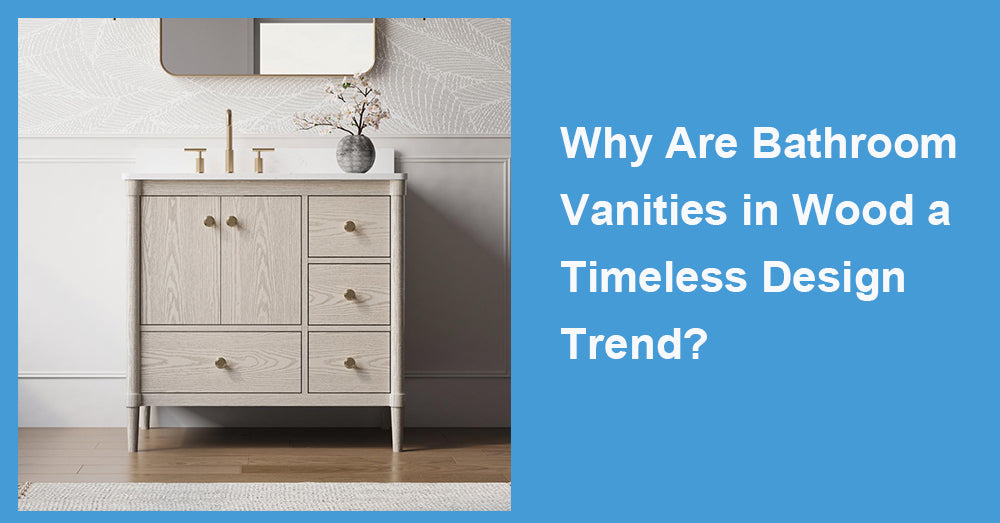
Bathroom vanities in wood have remained relevant through decades of changing bathroom styles because natural material rarely depends on one specific trend. After more than 20 years of working with bathroom cabinetry, I have seen wood vanities move comfortably from traditional homes into modern, Scandinavian, transitional, and spa-inspired interiors. Their appeal comes from warmth, visible grain, and the ability to age with the room. Still, a successful wood vanity depends on construction quality, moisture protection, proportion, and thoughtful material pairing.
1. Bathroom Vanities in Wood Bring Warmth to Hard Surfaces
Bathrooms rely heavily on tile, stone, glass, mirrors, and metal. These materials are durable and practical, but when used without contrast, they can make the room feel cold.
Wood changes that balance.
A light oak vanity can soften white tile without darkening the room. Medium walnut adds depth beside warm stone, while deeper woods can anchor a spacious primary bathroom.
Natural grain also gives the eye something less uniform to look at. Unlike a perfectly smooth painted cabinet, wood has subtle variations that make the vanity feel more like furniture and less like a built-in utility piece.
2. Wood Adapts to More Styles Than Many Homeowners Expect
One persistent misconception is that wood cabinetry automatically creates a rustic bathroom.
It does not.
Flat-front drawers, concealed pulls, and a floating installation can make oak look distinctly modern. Shaker doors work naturally in transitional homes. Framed panels and richer stains can support a traditional interior.
The cabinet profile matters as much as the wood
The same wood tone can produce very different results depending on the door style, hardware, and countertop.
Light oak with matte black pulls feels crisp and contemporary. Pair the same material with brushed brass and warm stone, and the result becomes softer and more organic.
This adaptability is one reason wood survives changing design cycles so well.
3. Natural Grain Creates Long-Term Visual Interest
Painted cabinet colors often rise and fall in popularity. Natural wood behaves differently because its appeal comes from material rather than novelty.
Grain variation, knots, and subtle changes in tone give the surface depth. Small signs of age may also feel less disruptive on wood than on a perfectly uniform painted finish.
That said, stronger grain is not always better.
If the countertop has dramatic veining or the shower wall uses patterned tile, a heavily figured wood can make the room visually busy. In those cases, I prefer a quieter grain pattern.
A timeless room usually has one or two strong materials, not five competing for attention.
4. Wood Can Offer Practical Long-Term Value
A well-built vanity can provide more than visual warmth.
Solid wood frames and drawer fronts can offer strength and good hardware support. Quality plywood is also useful for cabinet boxes because it remains relatively stable as humidity changes.
Wood has another practical advantage: repair potential.
Minor scratches can sometimes be touched up. Hinges can be adjusted. Certain finishes may be renewed rather than requiring complete replacement.
“Solid wood” is not the only sign of quality
Buyers often assume an all-solid-wood cabinet is automatically superior.
Construction quality matters more than the label. A carefully made vanity using solid wood doors with a strong plywood box may perform better than a poorly assembled cabinet made entirely from solid boards.
Inspect edge sealing, drawer bottoms, hardware, and plumbing cutouts before focusing on species alone.
5. Storage Design Should Match the Bathroom Routine
A timeless vanity still needs to work every morning.
Deep drawers are useful for skincare, cosmetics, brushes, and grooming tools because small items remain visible. Cabinet space beneath the sink works better for cleaning products, tall bottles, and spare paper goods.
Do not count drawer fronts without checking the interior. Some upper fronts are decorative because the basin occupies the space behind them. Plumbing cutouts can also reduce capacity.
In a family bathroom, full-extension drawers may matter more than decorative detailing. A lightly used guest bath can manage with simpler storage.
6. Wood Has Real Limitations in a Bathroom
Wood is durable when properly finished, but it is not waterproof.
Standing water, poor ventilation, and slow plumbing leaks can damage even expensive cabinetry. Natural wood may also expand and contract slightly as humidity changes, which can cause doors or drawers to need occasional adjustment.
Wood is best suited to ventilated primary bathrooms, guest baths, and family spaces where ordinary splashes are wiped promptly.
It is less suitable for open wet rooms, bathrooms with recurring floor water, or rentals where maintenance is inconsistent.
If the room has a moisture problem, fix that before installing new cabinetry.
7. Floating and Freestanding Wood Vanities Serve Different Spaces
Floating vanities expose more flooring and create a lighter visual effect. They work especially well in modern and compact bathrooms.
The tradeoff is reduced storage height and more demanding installation. The wall must safely support the cabinet, countertop, sink, and stored items.
Freestanding vanities usually offer more storage and are easier to retrofit around existing plumbing. Their fuller base can feel heavy in narrow rooms.
Choose the mounting style based on the floor plan and storage needs rather than the design photograph alone.

8. Installation Quality Protects the Material
Measure wall width, cabinet depth, countertop overhang, doorway clearance, and the distance to nearby fixtures before ordering.
Compare the drain and supply-line positions with the interior layout. Pipes that conflict with drawers may require relocation or reduce usable storage.
Install the cabinet level so doors and drawers stay aligned. Seal the sink, faucet openings, countertop, and backsplash carefully. Test every plumbing connection before filling the cabinet.
For routine maintenance, use a soft cloth and mild, non-abrasive cleaner. Wipe standing water promptly, run the exhaust fan after showers, and inspect beneath the sink several times a year.
When comparing Wellfor options, look first at construction, storage, finish quality, moisture protection, and room proportions. Then choose a wood tone and grain that complement the countertop and lighting. Well-selected bathroom vanities in wood remain timeless because they combine natural character with practical function, giving the room a material foundation that can adapt as other design choices change around it.











































Leave a comment
This site is protected by hCaptcha and the hCaptcha Privacy Policy and Terms of Service apply.