














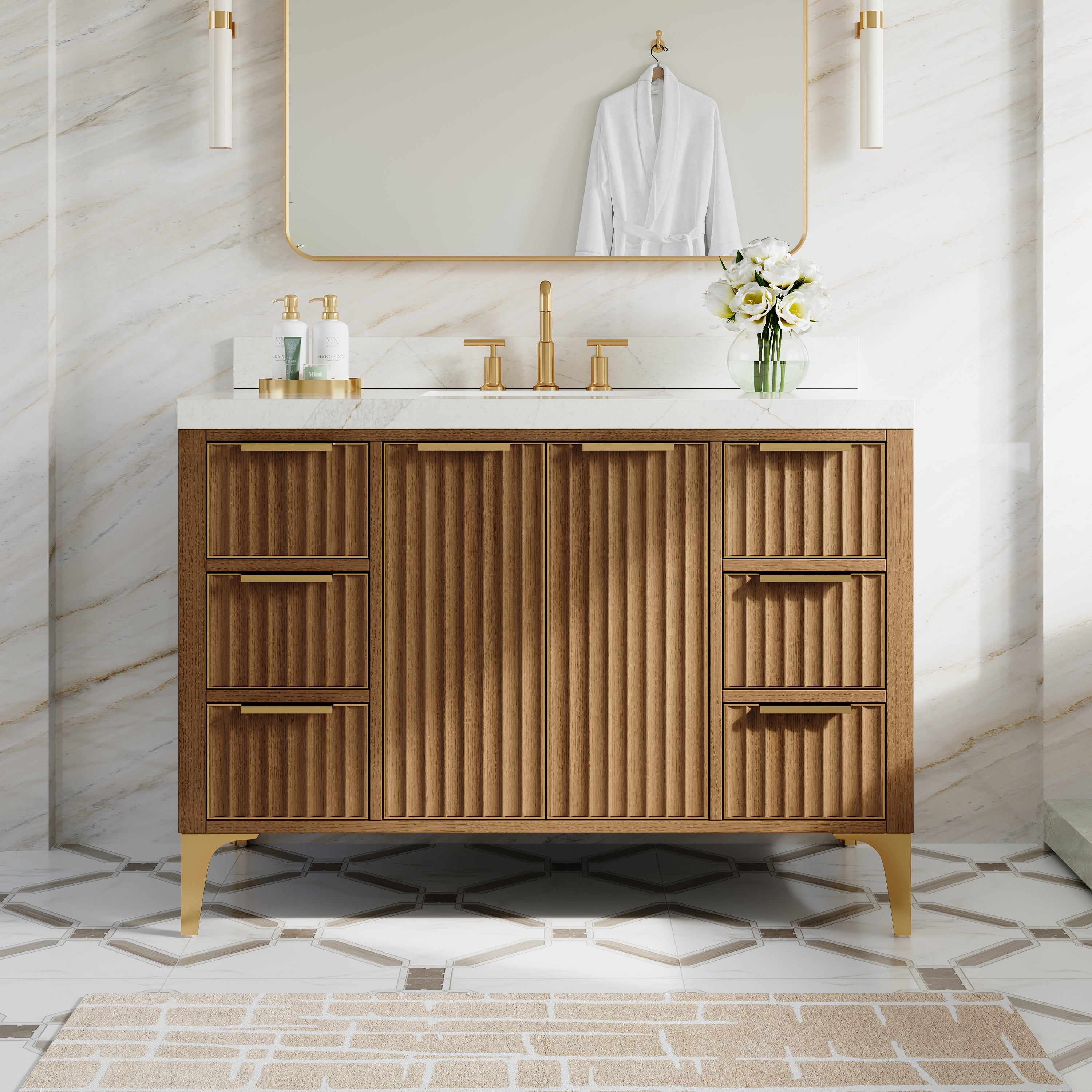
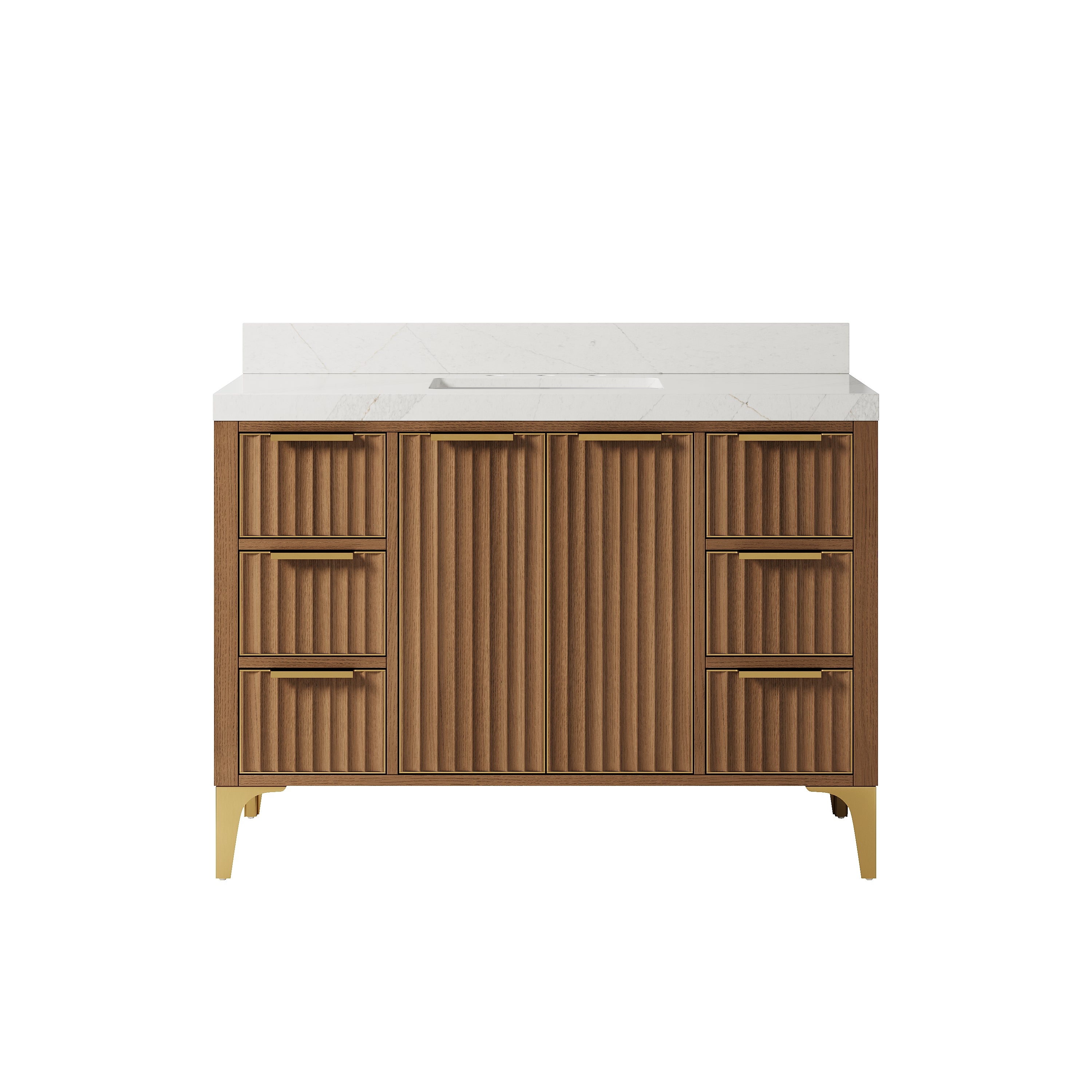


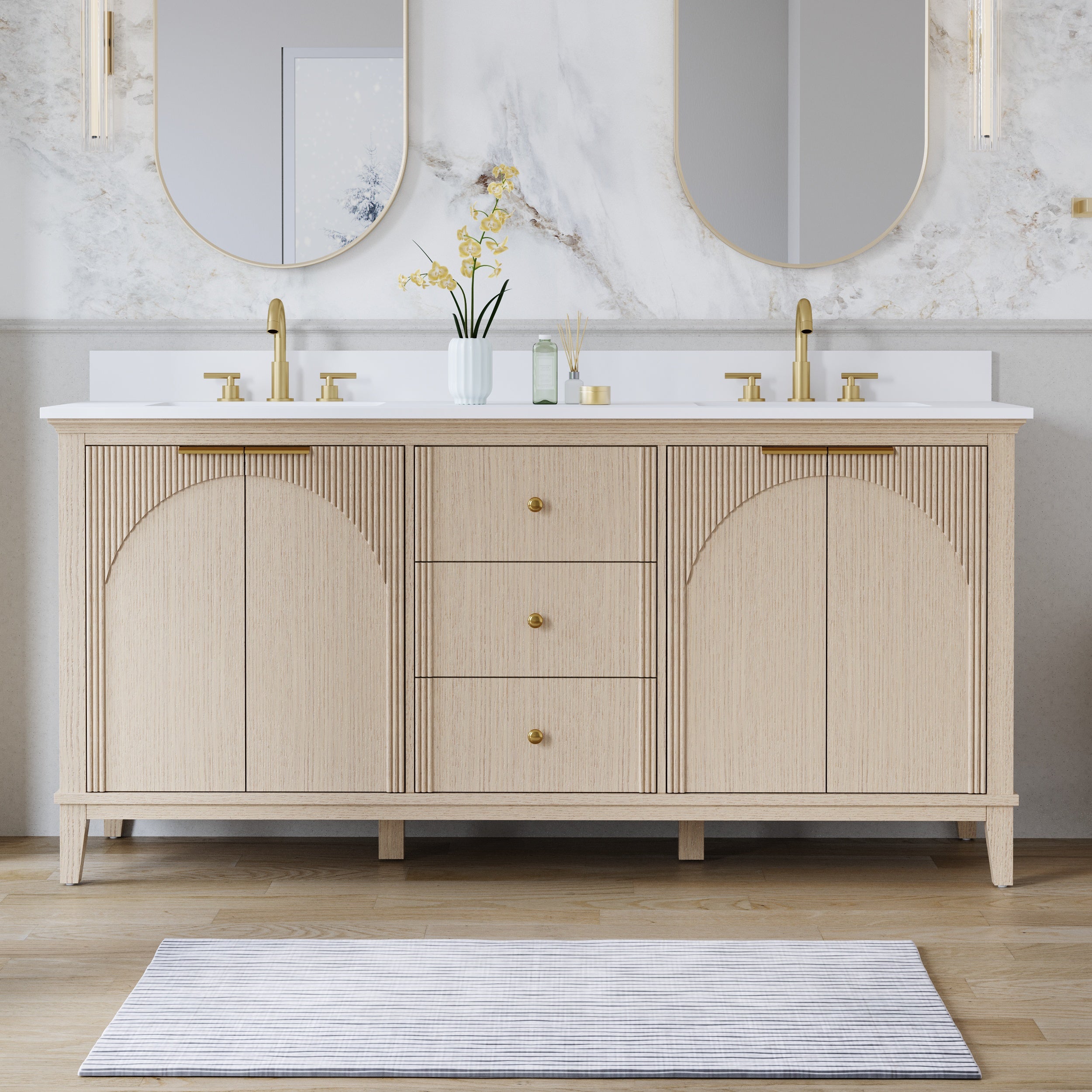
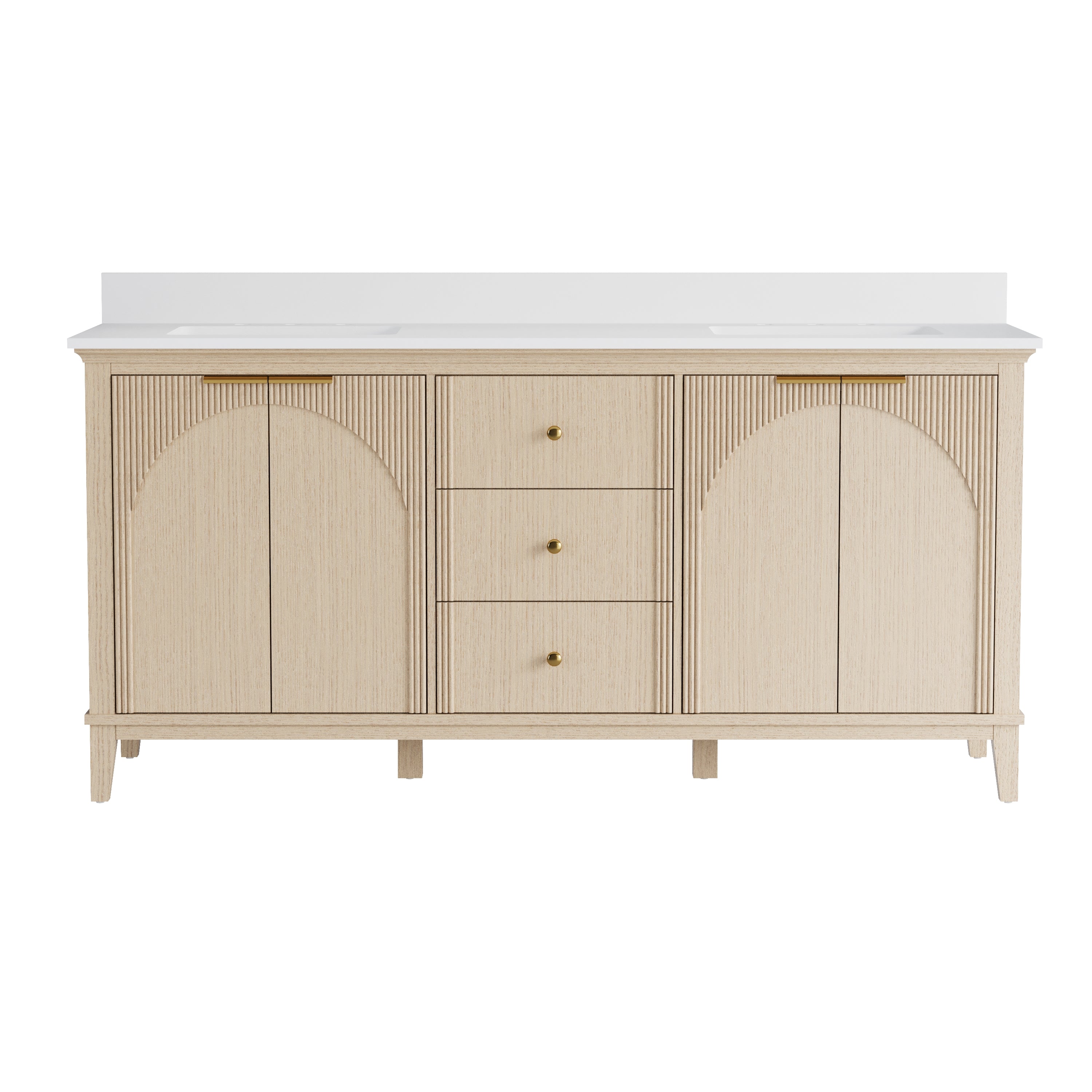
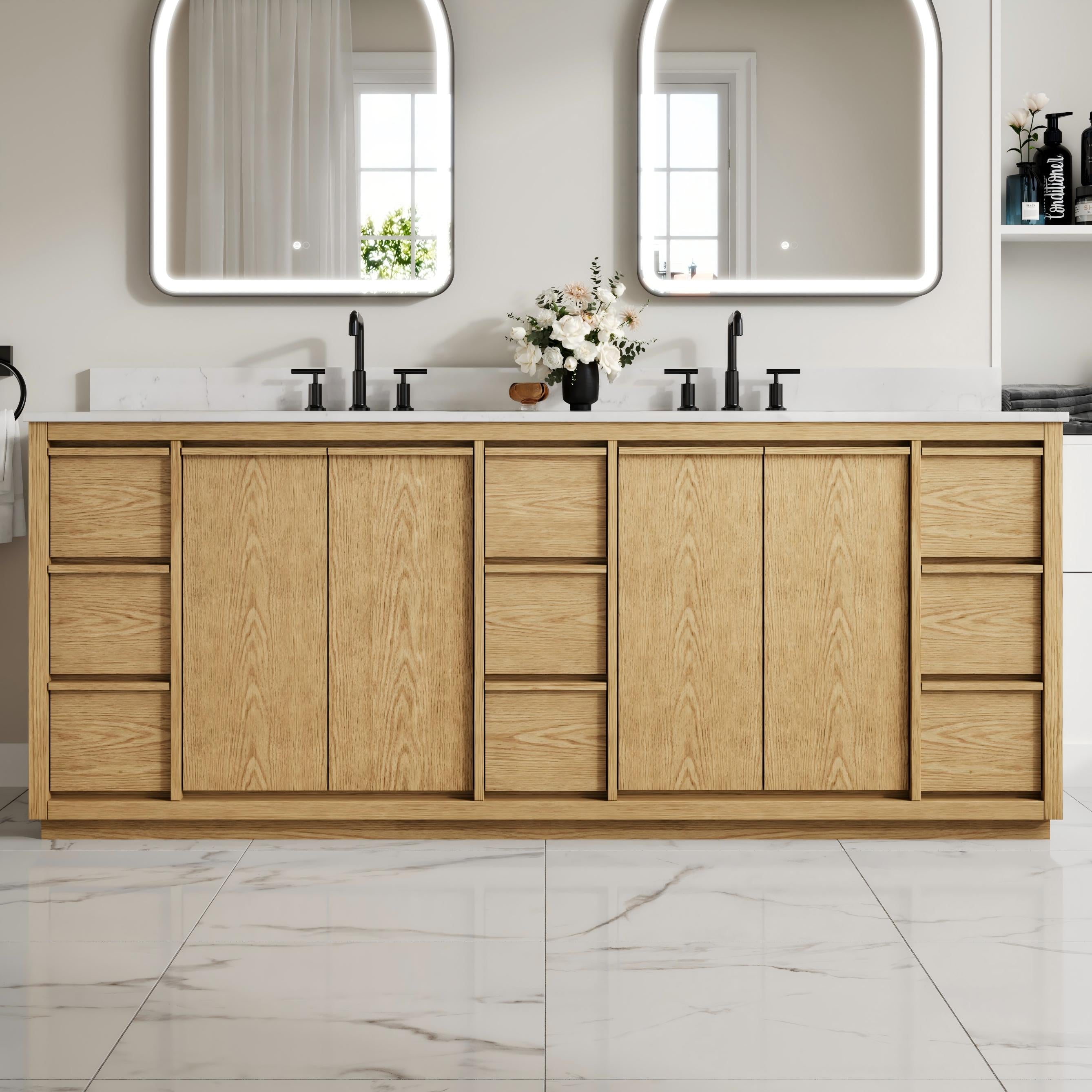
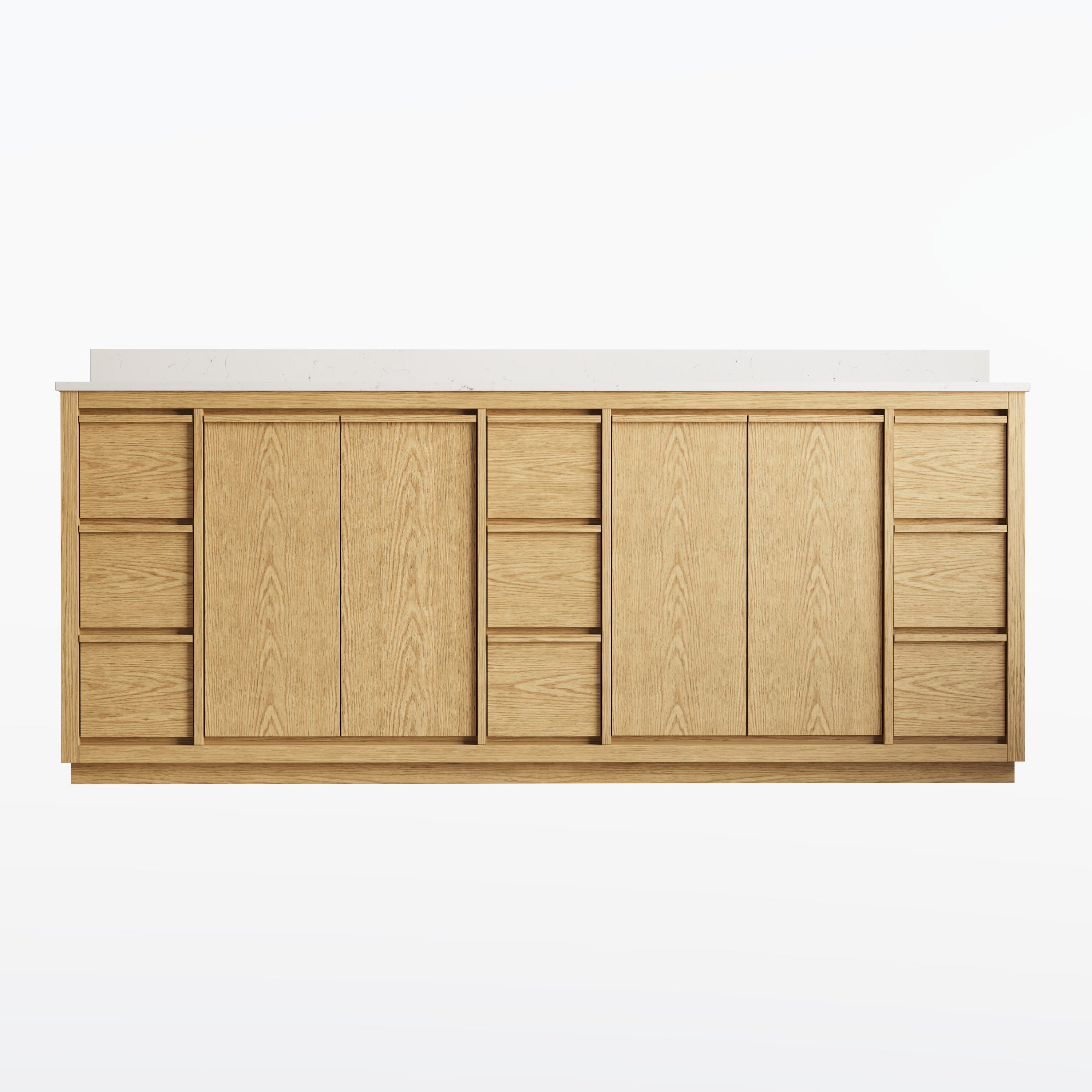

A 36 inch vanity is often a very practical choice for a guest bathroom because it provides enough storage and counter space without taking over the room. After more than 20 years of working with bathroom cabinetry, I have found this size especially useful in secondary baths, hallway bathrooms, and compact suites where one person typically uses the sink at a time. It offers more function than a smaller cabinet, yet still leaves room for comfortable movement when the layout is planned correctly.
1. Why a 36 Inch Vanity Works Well in Guest Bathrooms
Guest baths usually need to serve several purposes. They should look welcoming, provide enough space for visitors' toiletries, and still store household essentials such as towels, cleaning supplies, and extra paper goods.
A 36-inch cabinet generally handles these needs well. Compared with a 24- or 30-inch vanity, it offers more counter space around the sink and allows for a better drawer or cabinet layout.
At the same time, it does not have the visual weight of a 48-inch vanity, which may feel oversized in a modest room.
That middle-ground quality is what makes the size so useful.
2. Check the Room Before Assuming 36 Inches Will Fit
The width alone does not determine whether a vanity works comfortably.
A common mistake is measuring the wall and ignoring the depth. A standard vanity may project around 21 to 22 inches into the room, and the countertop can extend slightly farther.
In a narrow guest bath, that depth may interfere with the toilet, shower door, or main walking path.
Test the Full Footprint
Use painter's tape to mark the width and depth of the proposed vanity on the floor.
Open the bathroom door and shower enclosure. Stand at the sink position. If you feel squeezed between fixtures, consider a shallower 36-inch model or step down to a smaller cabinet.
A vanity that fits the wall is not necessarily a vanity that fits the room.
3. Counter Space Is One of the Main Advantages
Guest bathrooms benefit from having a little extra surface area.
Visitors may need a place for a toiletry bag, toothbrush, skincare products, or phone. A smaller vanity can leave almost no usable surface once the sink is installed.
A 36-inch top usually provides enough space for daily items without encouraging clutter.
Sink Size Makes a Big Difference
An oversized sink can consume much of that advantage.
For most guest baths, I prefer a moderately sized undermount or integrated basin. It provides comfortable washing space while preserving room on either side.
Vessel sinks can create a strong visual statement, but they add height and may reduce useful countertop area. They also require careful faucet placement.
4. Storage Should Be Practical, Not Just Attractive
A guest bath does not need the storage capacity of a large primary suite, but it still benefits from good organization.
Deep drawers can hold spare toiletries, hand towels, and grooming supplies. Cabinet space beneath the sink works well for cleaning products, extra toilet paper, and taller bottles.
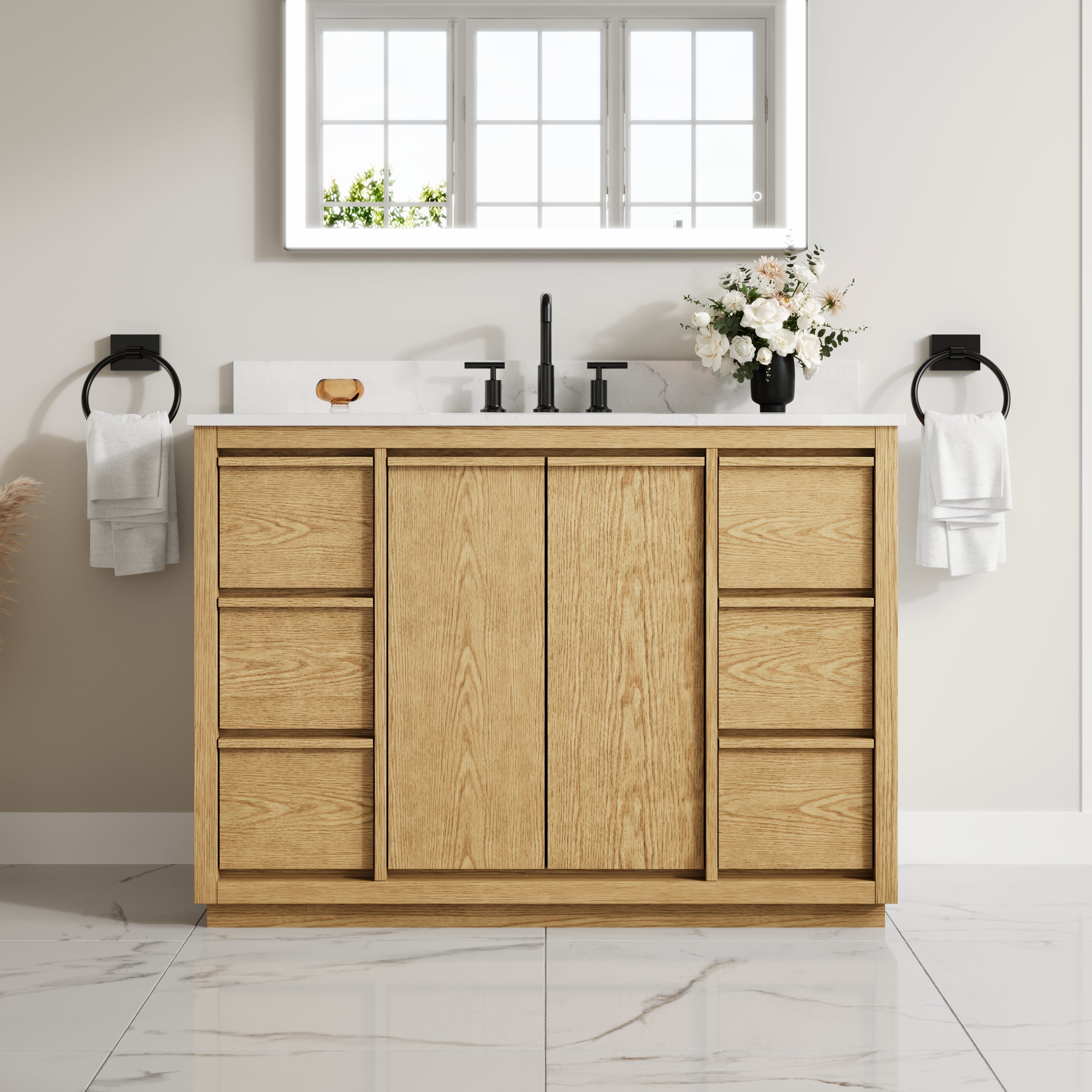
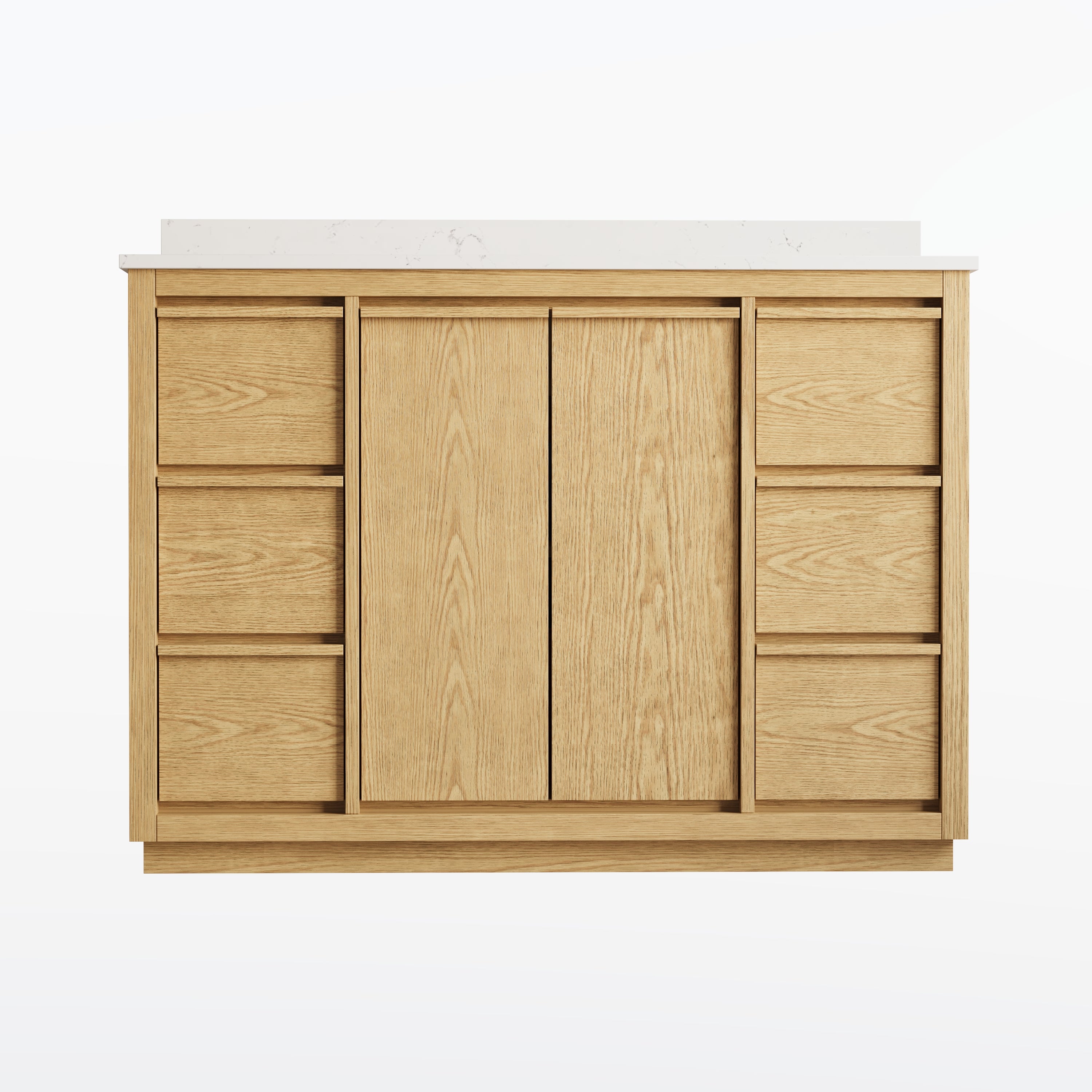
Do not judge storage by the number of drawer fronts. Some upper drawers may be fixed because the basin occupies the space behind them.
Plumbing cutouts can also reduce capacity. Interior photographs and dimensional diagrams tell you more than the front view.
5. A 36-Inch Size Gives You More Design Flexibility
One reason this size works well is that it can support several styles without looking out of scale.
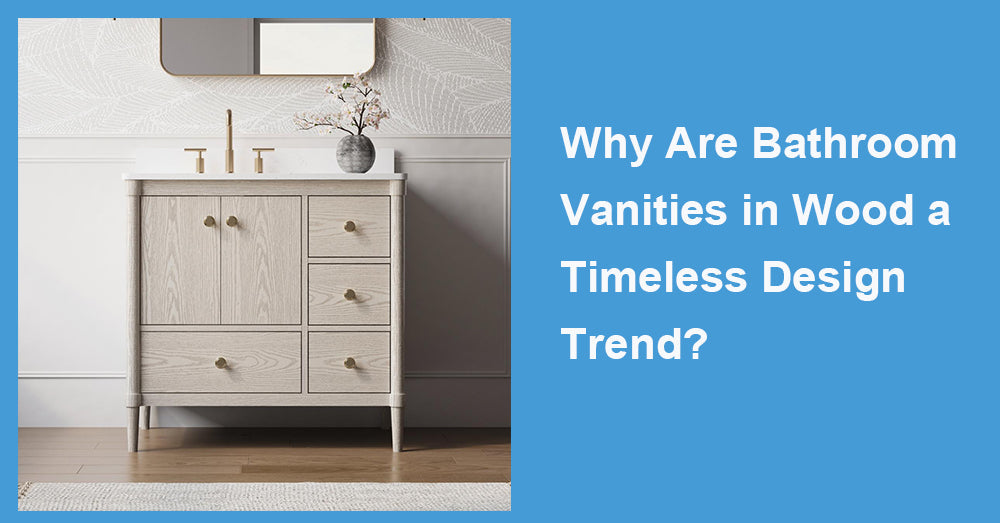
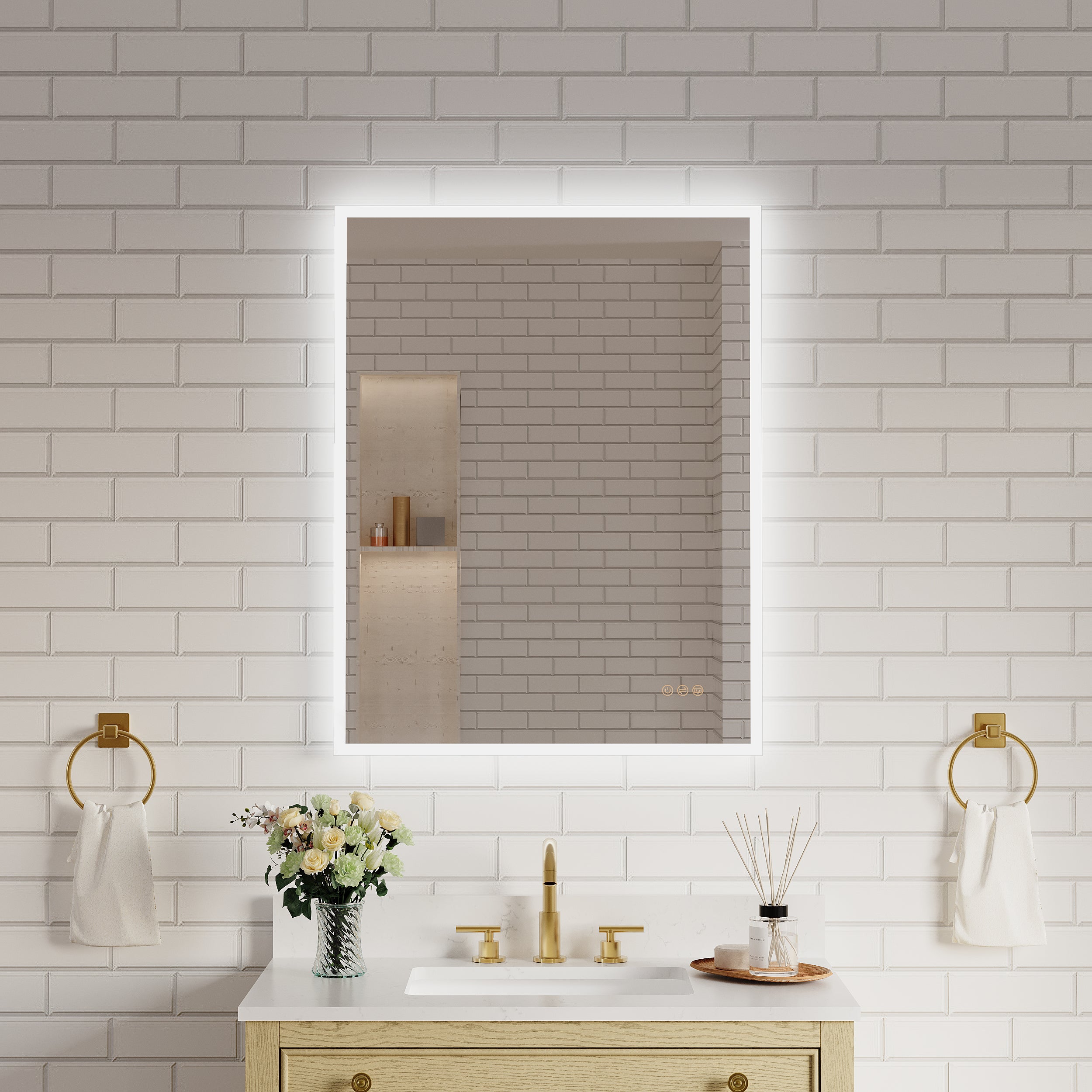
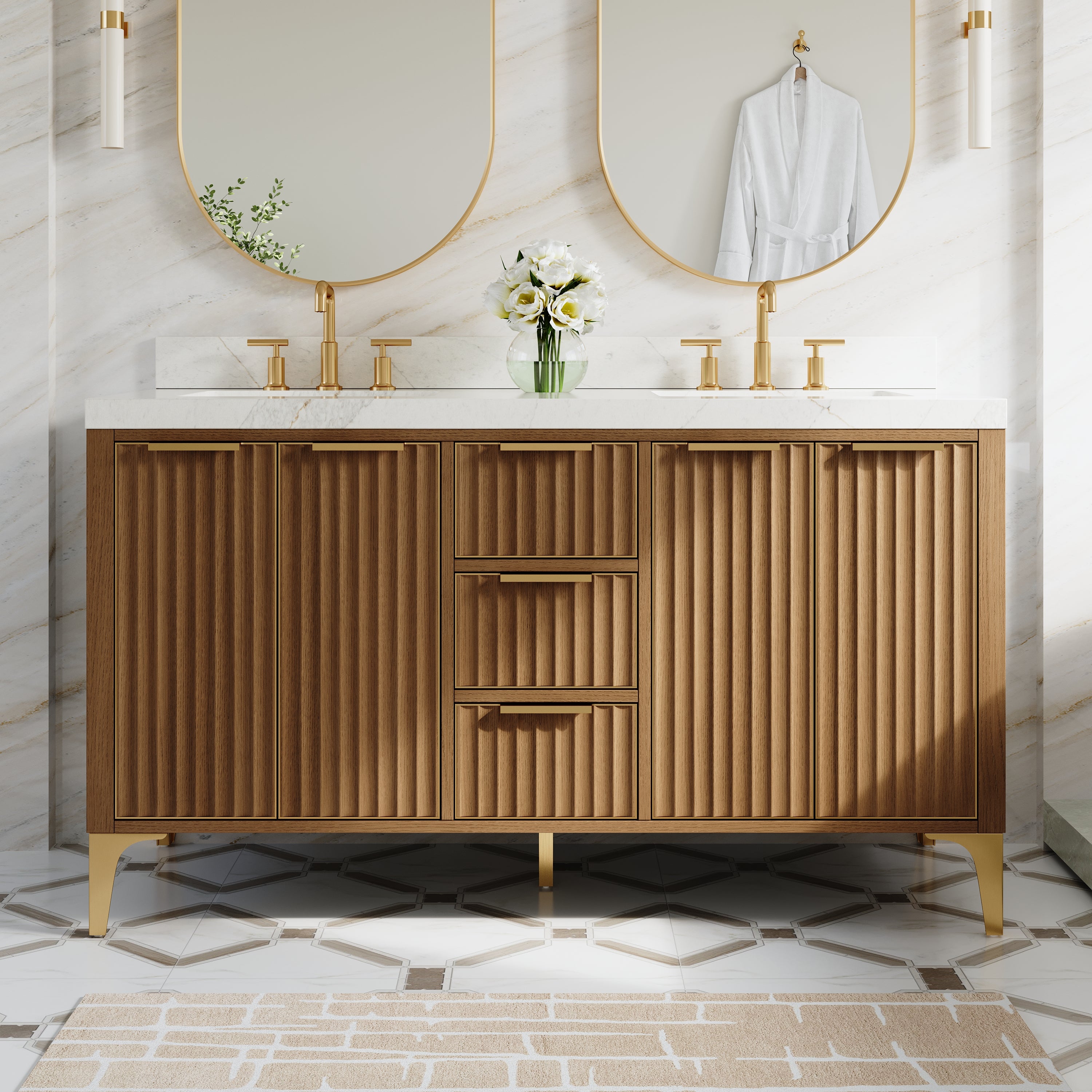
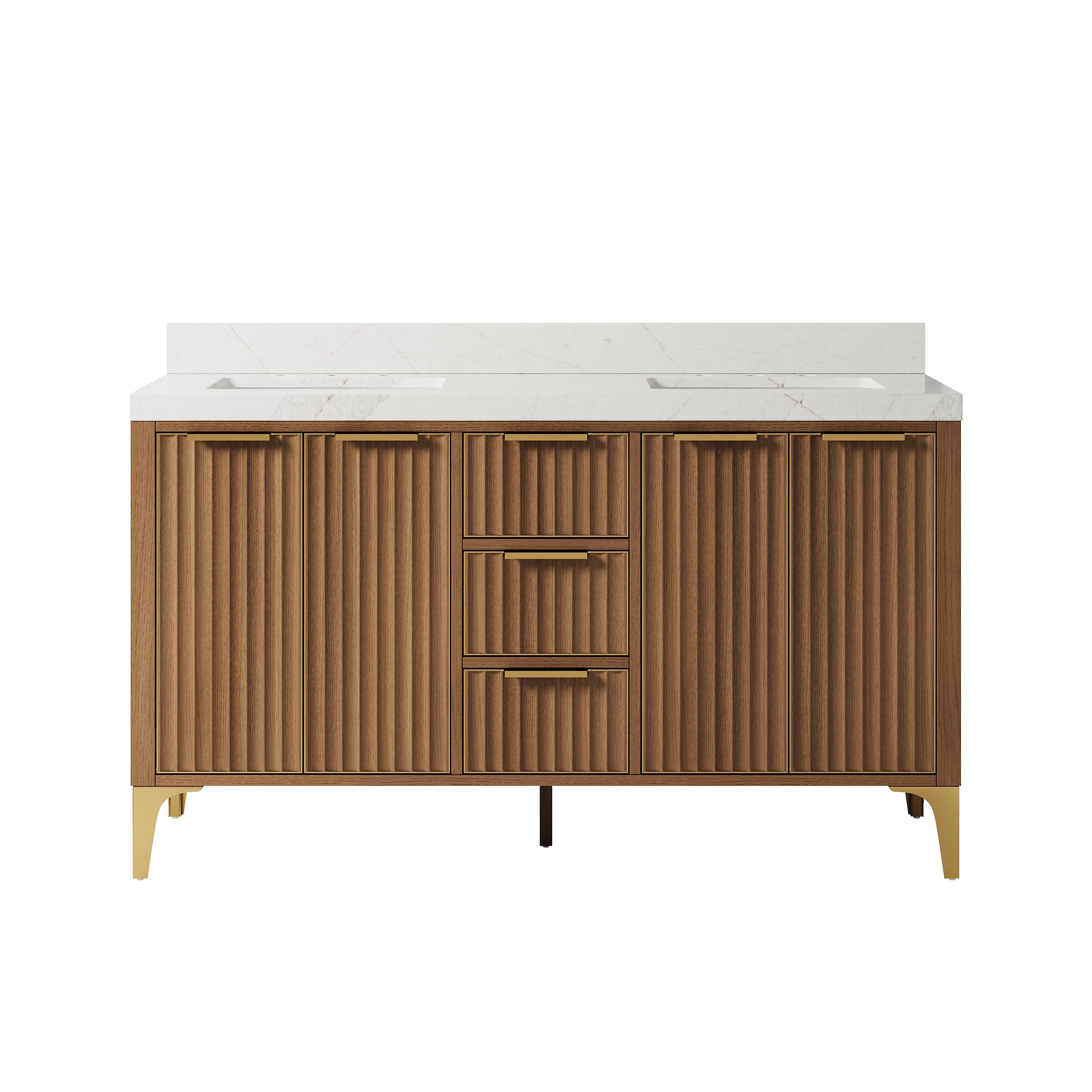
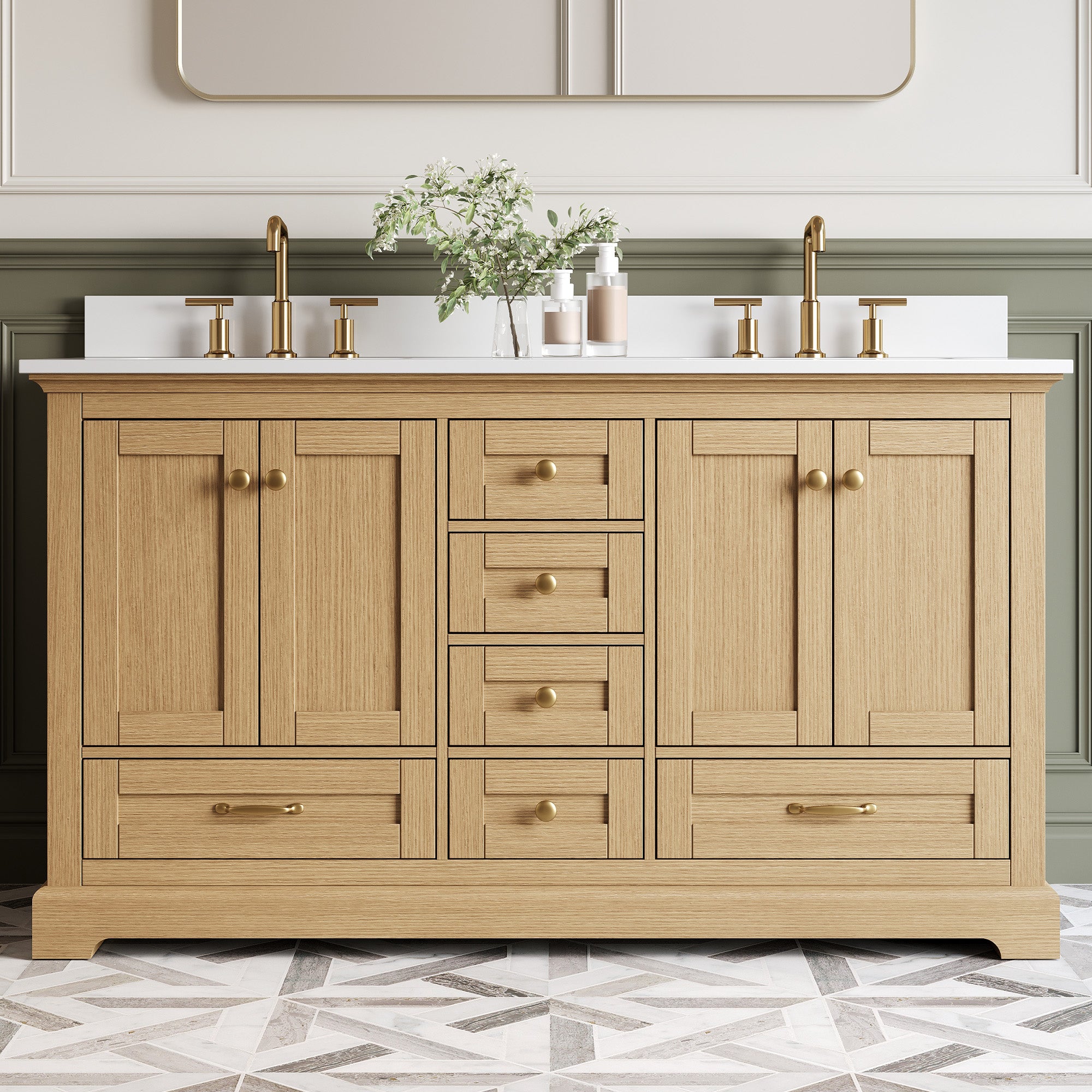
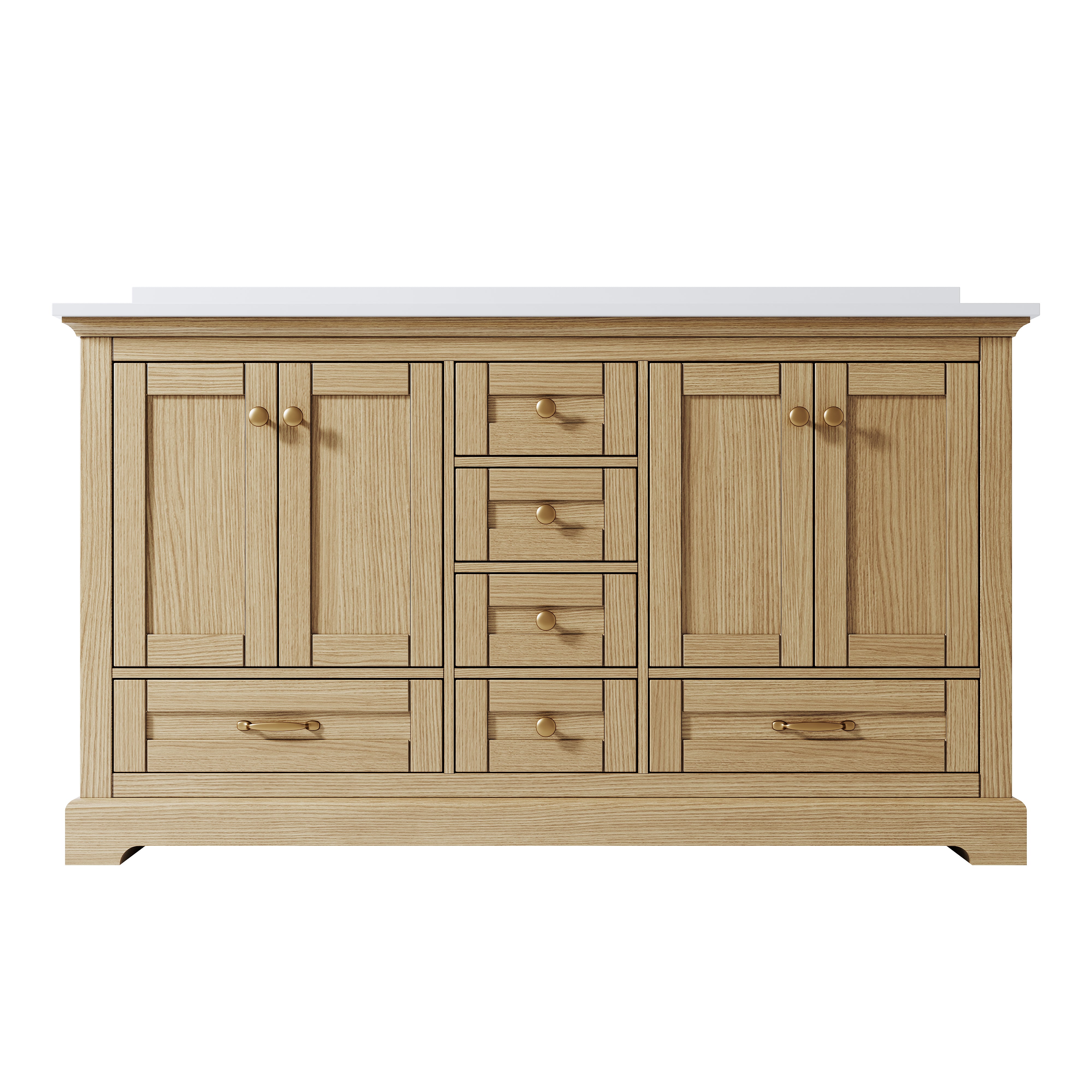
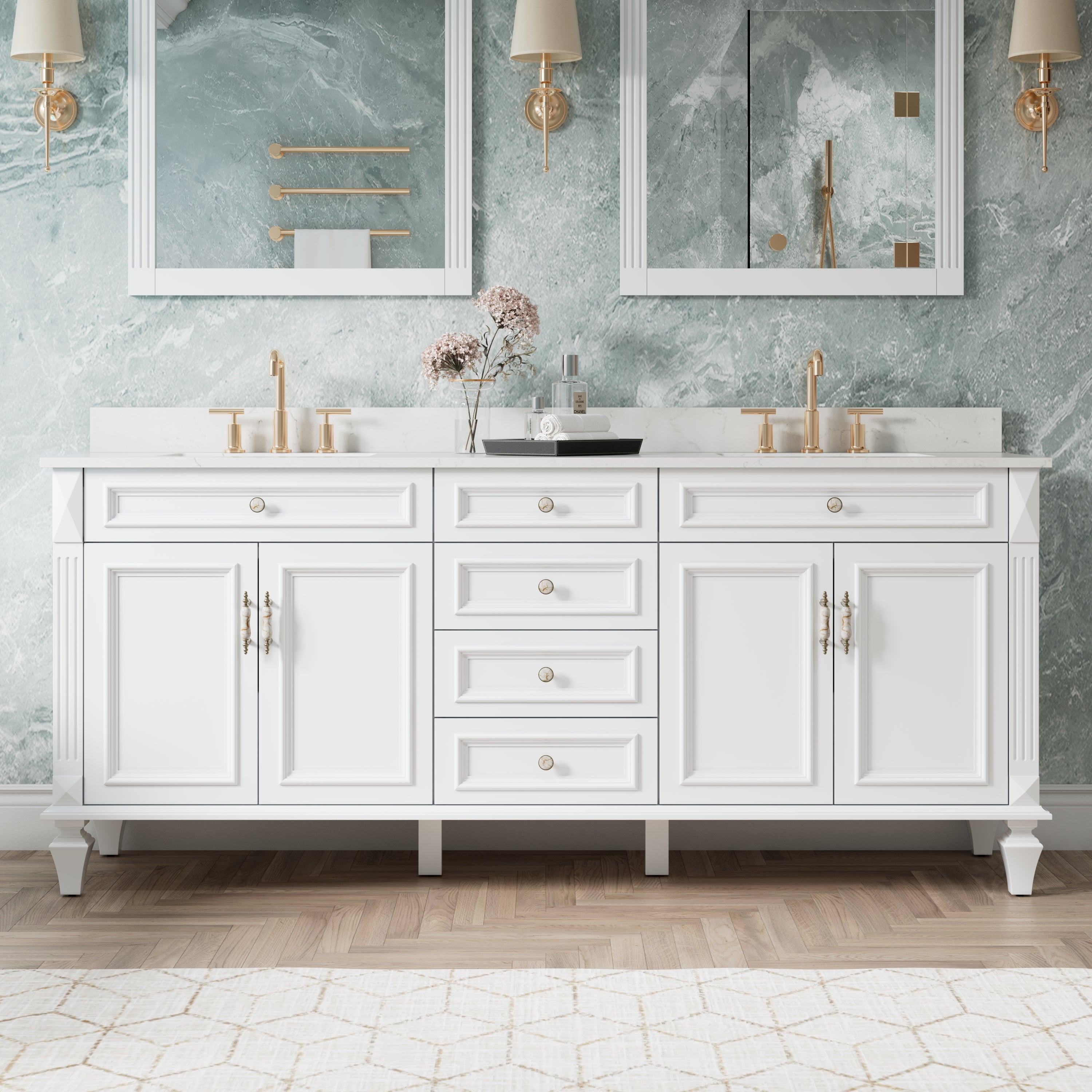
A light wood vanity creates warmth in a modern or transitional bathroom. White cabinetry makes a small guest bath feel brighter. Darker finishes can look sophisticated when the room has enough light.
Floating models create a lighter appearance by exposing more flooring. Freestanding vanities usually provide more enclosed storage and are easier to install around existing plumbing.
Neither approach is automatically better.
For a guest bath with limited floor area, I often favor a floating or visually simple design. For a room where storage matters more, a freestanding cabinet may be the smarter choice.
6. Know When 36 Inches Is Too Large—or Too Small
A 36-inch vanity is not ideal for every guest bath.
In a very narrow powder room, a 24- or 30-inch shallow vanity may preserve circulation more effectively. If the toilet sits directly beside the cabinet, those extra inches can make the room feel cramped.
At the other end, a large guest suite with a wide wall may make a 36-inch cabinet look undersized. A 42- or 48-inch vanity could provide better proportion and more storage.
Do not choose based on a standard size alone. The room's scale should guide the decision.
7. Plumbing Can Affect the Installation
Before ordering, record the drain and supply-line positions.
Compare those measurements with the cabinet's internal layout. If a drainpipe sits behind a drawer box, installation may require plumbing changes or modifications to the cabinet.
That can increase labor costs and reduce usable storage.
Freestanding models are generally more forgiving when replacing an older vanity. Floating vanities require more precise plumbing placement and secure wall support.
8. Installation Quality Matters in a Guest Bath
Guest bathrooms may not be used every day, but they are often judged quickly. Crooked hardware, uneven drawer gaps, and messy caulk lines are easy to notice in a small space.
Install the cabinet level. Check that doors and drawers open smoothly. Seal the sink, faucet openings, countertop, and backsplash carefully.
Test the plumbing before filling the cabinet.
If the vanity includes a countertop, confirm the overhang before installation. The top may be slightly wider than the cabinet box.

9. Keep Maintenance Simple
Guest baths should be easy to maintain between visits.
Use a mild, non-abrasive cleaner and a soft cloth. Wipe standing water around the sink and faucet instead of letting it dry repeatedly on the surface.
Run the exhaust fan after showers, especially if guests use the room for several days in a row. Check beneath the sink periodically for slow leaks.
Avoid overdecorating the countertop. A soap dispenser, hand towel, and small tray are usually enough.
When comparing Wellfor options, focus on full dimensions, storage layout, sink size, finish quality, and plumbing compatibility before choosing a style. A 36 inch vanity is often an ideal guest-bath size because it provides enough room for visitors and household storage without overwhelming a medium or compact space. Choose it when the room allows comfortable clearance, and let function—not just the available wall width—make the final decision.


















Leave a comment
This site is protected by hCaptcha and the hCaptcha Privacy Policy and Terms of Service apply.