






















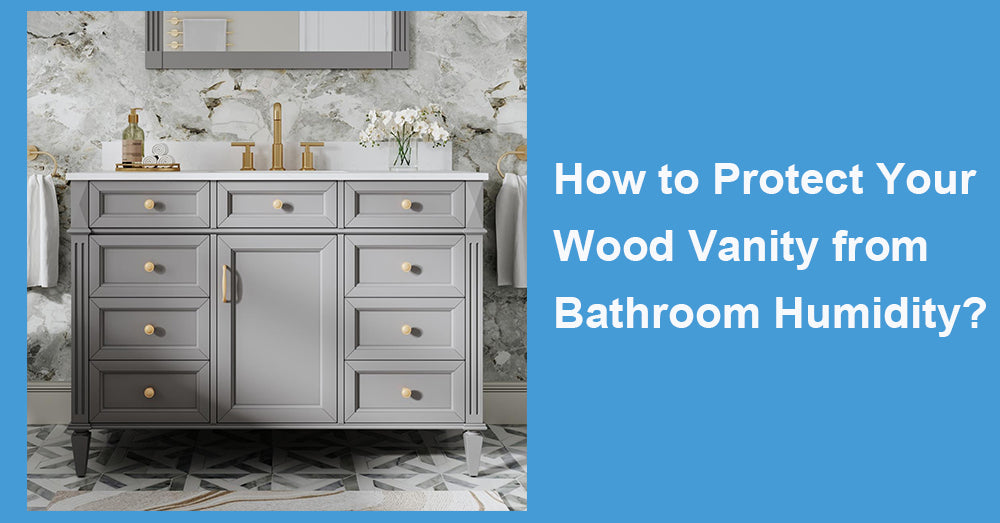
A wood vanity can perform very well in a bathroom, but humidity has to be managed rather than ignored. After more than 20 years of working with bathroom cabinetry, I have seen wood cabinets last beautifully in frequently used primary baths, and I have also seen expensive units develop swollen edges or sticking drawers because moisture was allowed to linger. The difference usually comes down to ventilation, surface protection, plumbing maintenance, and a few simple daily habits.
1. Understand What Humidity Actually Does to a Wood Vanity
Wood naturally reacts to changes in moisture. When bathroom humidity rises, wood components can absorb a small amount of moisture and expand. As the room dries, they contract again.
Normal movement is not usually a problem in a well-built vanity. Trouble starts when the cabinet remains damp for long periods or water reaches unfinished edges and joints.
Doors may begin to rub. Drawer gaps can change. Veneer may lift if moisture reaches the core underneath.
Solid Wood Is Not Immune to Moisture
One common misconception is that solid wood is automatically safe in humid bathrooms.
It is durable and repairable, but it is not waterproof. Quality plywood and well-sealed engineered materials can also perform very well when properly protected.
Construction and finishing matter as much as the material name.
2. Improve Ventilation Before Blaming the Cabinet
The exhaust fan is one of the most important pieces of protection for bathroom cabinetry.
Run it during showers and leave it operating until the room begins to dry. In a primary bath where several people shower one after another, ventilation becomes even more important because humidity can remain elevated for a long time.
If mirrors stay heavily fogged and walls feel damp well after showering, the room may not be exhausting moisture effectively.
Opening the bathroom door after use can help air circulate when appropriate.
I would address poor ventilation before investing in a premium wood cabinet. No finish can compensate indefinitely for a room that stays wet.
3. Keep Standing Water Away From Cabinet Surfaces
Humidity gets much of the attention, but direct water is usually more damaging.
Water collects around faucets, sink edges, and countertop seams. If it repeatedly runs down the cabinet face or sits along an exposed edge, moisture can eventually work through the protective finish.
Wipe splashes when you notice them.
Pay Attention to Children’s and Family Bathrooms
Busy family bathrooms put cabinets under greater stress. Wet hands, overflowing soap, damp towels, and rushed morning routines create repeated exposure.
This does not mean wood is unsuitable. It simply means a durable finish and sensible maintenance matter more.
Avoid placing wet towels directly over cabinet doors. Use hooks or towel bars so fabric can dry without holding moisture against the wood.
4. Check the Finish and Sealed Edges
A good protective coating creates the first barrier between bathroom moisture and the wood underneath.
Inspect the cabinet edges, lower corners, door profiles, and areas around plumbing cutouts. These are common places for moisture to enter.
If a small chip develops in the finish, repair it before it grows. Exposed wood or composite core absorbs moisture much faster than a properly sealed surface.
When purchasing a new vanity, do not judge quality from the front alone. Look beneath the cabinet and inside the sink area as well.
5. Watch for Plumbing Leaks
In my experience, slow plumbing leaks cause more serious vanity damage than ordinary shower humidity.
A loose supply fitting or drain connection may drip for weeks before anyone notices. By then, the cabinet floor may already be stained or swollen.
Every few months, remove stored items from beneath the sink and inspect the plumbing. Feel around supply connections and look for discoloration, dampness, or a musty smell.
Keep enough open space around the plumbing so leaks remain visible.
A cabinet packed tightly with cleaning supplies can hide a problem until the damage becomes expensive.
6. Use the Right Cleaning Products
Wood finishes do not benefit from aggressive cleaning.
For normal toothpaste, dust, fingerprints, and product residue, use a soft cloth and a mild, non-abrasive cleaner suitable for the finish.
Avoid soaking the surface. Apply cleaner to the cloth rather than spraying heavily onto doors and drawers, where liquid can run into joints.
Harsh chemicals, abrasive pads, and strong solvents may weaken the protective coating.
Once the finish is damaged, humidity has a much easier path into the material beneath.
7. Know Which Bathrooms Are Hardest on Wood
A wood vanity is well suited to ventilated guest baths, family bathrooms, and primary suites where normal splashes are managed.
It is less suited to bathrooms where shower spray regularly reaches the cabinet, water pools on the floor, or humidity remains trapped for hours.
Open wet rooms require particular care. If the vanity sits close to an uncontained shower, consider a different location or a more moisture-tolerant cabinet material.
Sometimes the right decision is not better maintenance. It is recognizing that the room itself is too wet for the product.
8. Install the Vanity to Prevent Moisture Problems
Installation has a direct effect on durability.
The vanity should sit level so water does not repeatedly collect along one side of the countertop. Sink edges, faucet openings, backsplash joints, and countertop seams need proper sealing.
Freestanding cabinets should not sit where floor water regularly collects. Floating vanities have an advantage here because the cabinet base is lifted away from the floor, though they require strong wall support.
Make sure plumbing cutouts are neat and do not leave large areas of raw material exposed.
Test all drain and supply connections before filling the cabinet.
9. Allow the Cabinet to Dry Naturally
Avoid trapping moisture inside enclosed storage.
Wet washcloths, damp cleaning sponges, and leaking bottles should not be stored against unfinished interior surfaces. Let damp items dry before putting them away.
If you notice a drawer or cabinet interior becoming damp, remove the contents and allow air to circulate rather than simply closing the door.
Small habits like this reduce long-term moisture exposure considerably.

10. Inspect the Cabinet Before Damage Becomes Serious
Look at the vanity periodically instead of waiting for obvious failure.
Check lower edges, corners, hinges, drawer alignment, and the cabinet floor beneath the sink. Early warning signs include bubbling finish, discoloration, swollen edges, persistent odor, or doors that suddenly stop aligning correctly.
When comparing Wellfor options, prioritize sealed construction, durable surfaces, sensible storage, and a design suited to the humidity level in your bathroom. After installation, keep ventilation working, repair plumbing leaks quickly, and wipe direct water before it sits. A well-protected wood vanity does not require excessive maintenance, but it does benefit from consistent moisture control and attention to the few areas where water tends to cause problems first.











































Leave a comment
This site is protected by hCaptcha and the hCaptcha Privacy Policy and Terms of Service apply.