
















Introduction
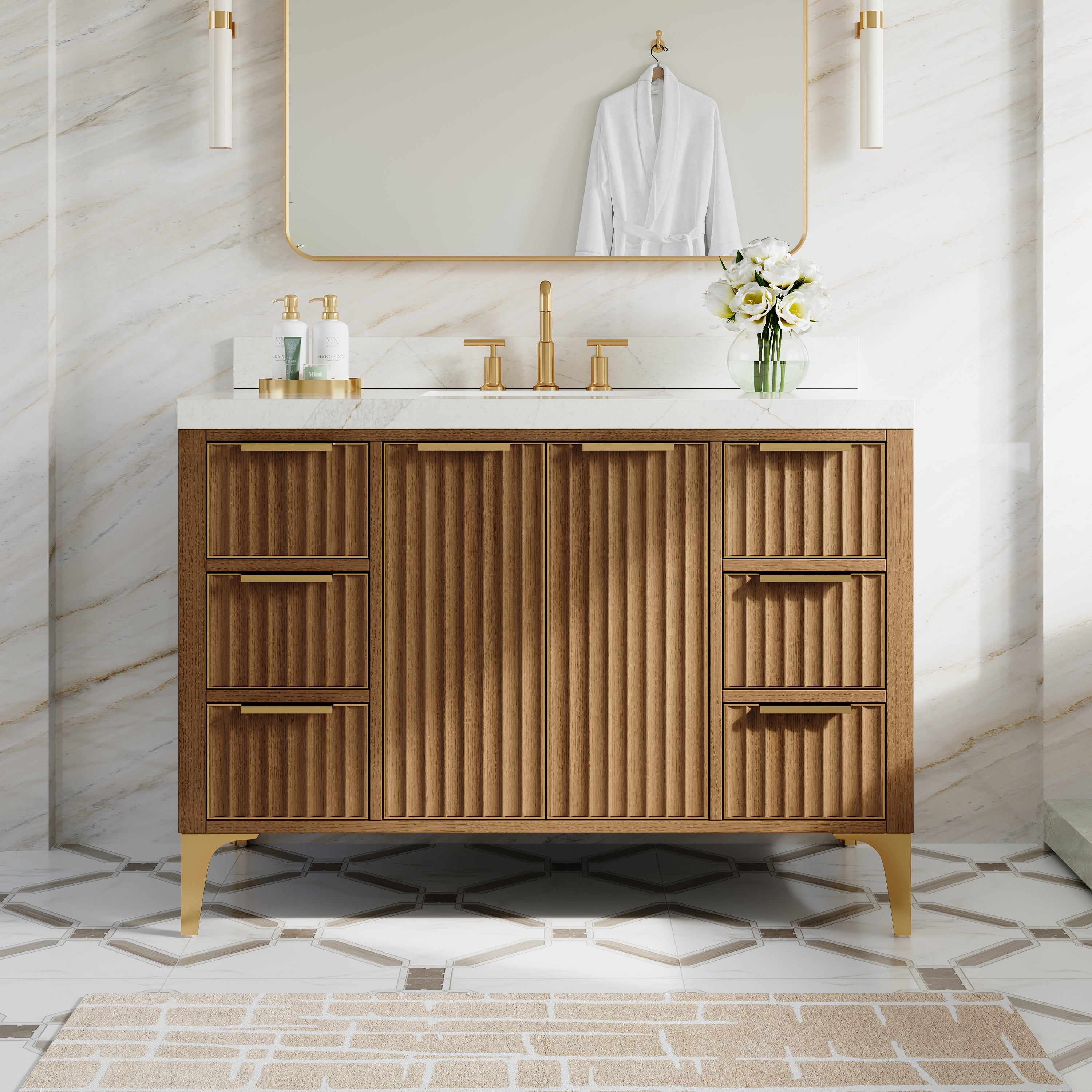
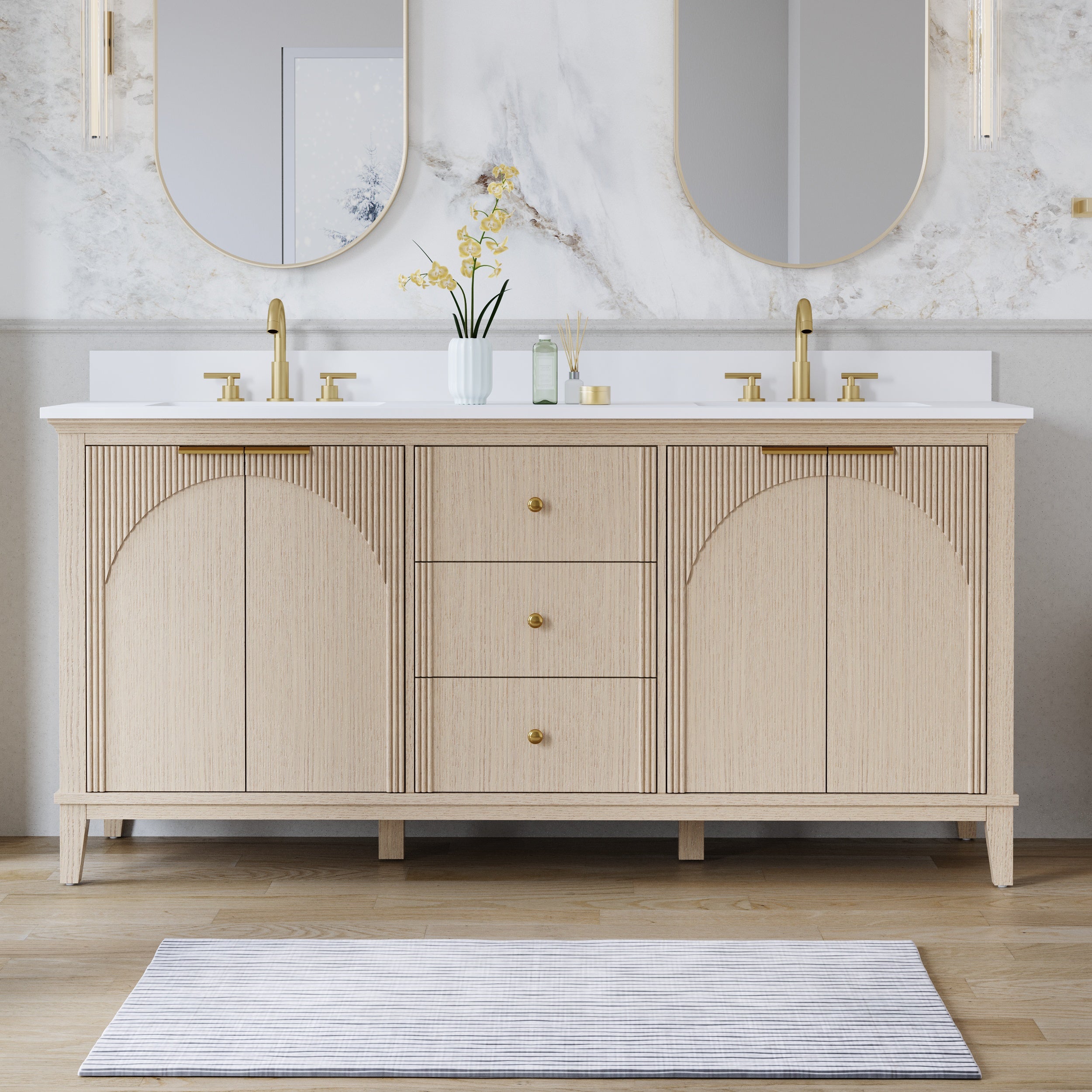
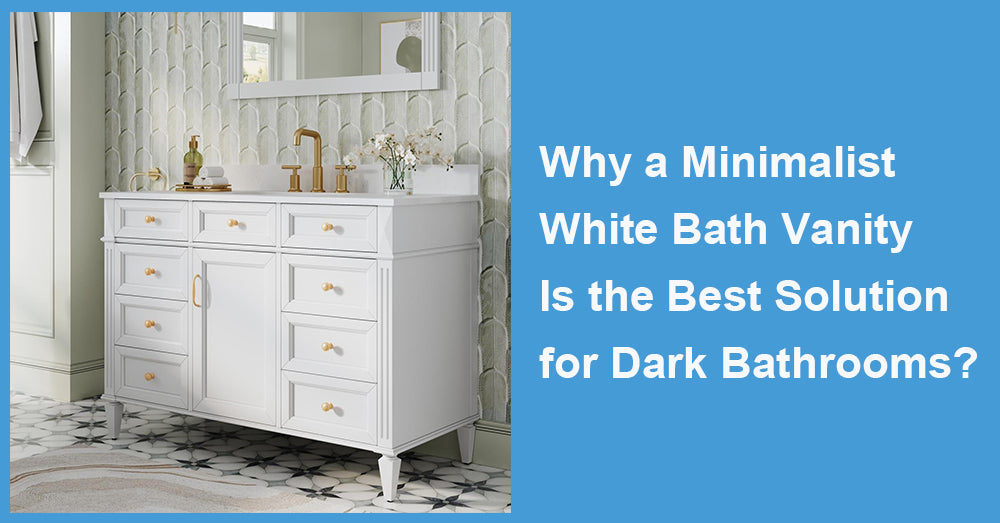
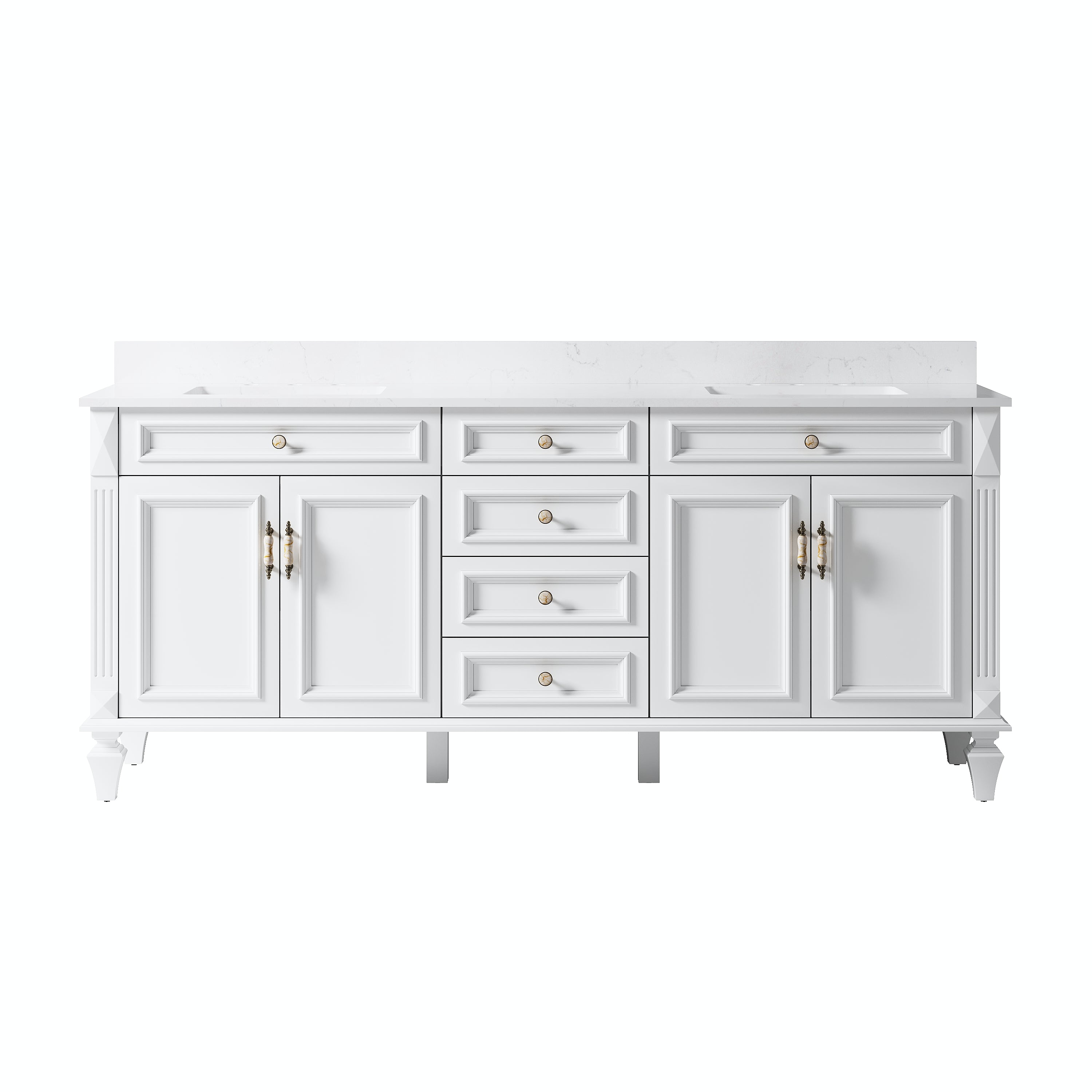
A white bath vanity is often the fastest way to make a dark bathroom feel cleaner, brighter, and more open without tearing the whole room apart. I have seen homeowners replace tile, add lighting, and repaint walls, then realize the vanity was still dragging the room down because it looked heavy, bulky, or visually dull. In bathrooms with weak natural light, small windows, or no window at all, a minimalist white vanity usually does more than improve storage. It changes how the entire room reads.
That does not mean it is the right answer in every case. A cheap white vanity can look flat. An oversized one can still feel heavy. The reason this choice works so well in dark bathrooms is not just color. It is the combination of light reflection, cleaner lines, and reduced visual clutter.
1. Why Dark Bathrooms Need Less Visual Weight, Not More
A dark bathroom already starts at a disadvantage. It may sit in the middle of the home, rely entirely on artificial light, or have finishes that absorb more brightness than they return. In that setting, every large surface matters. The vanity matters a lot.
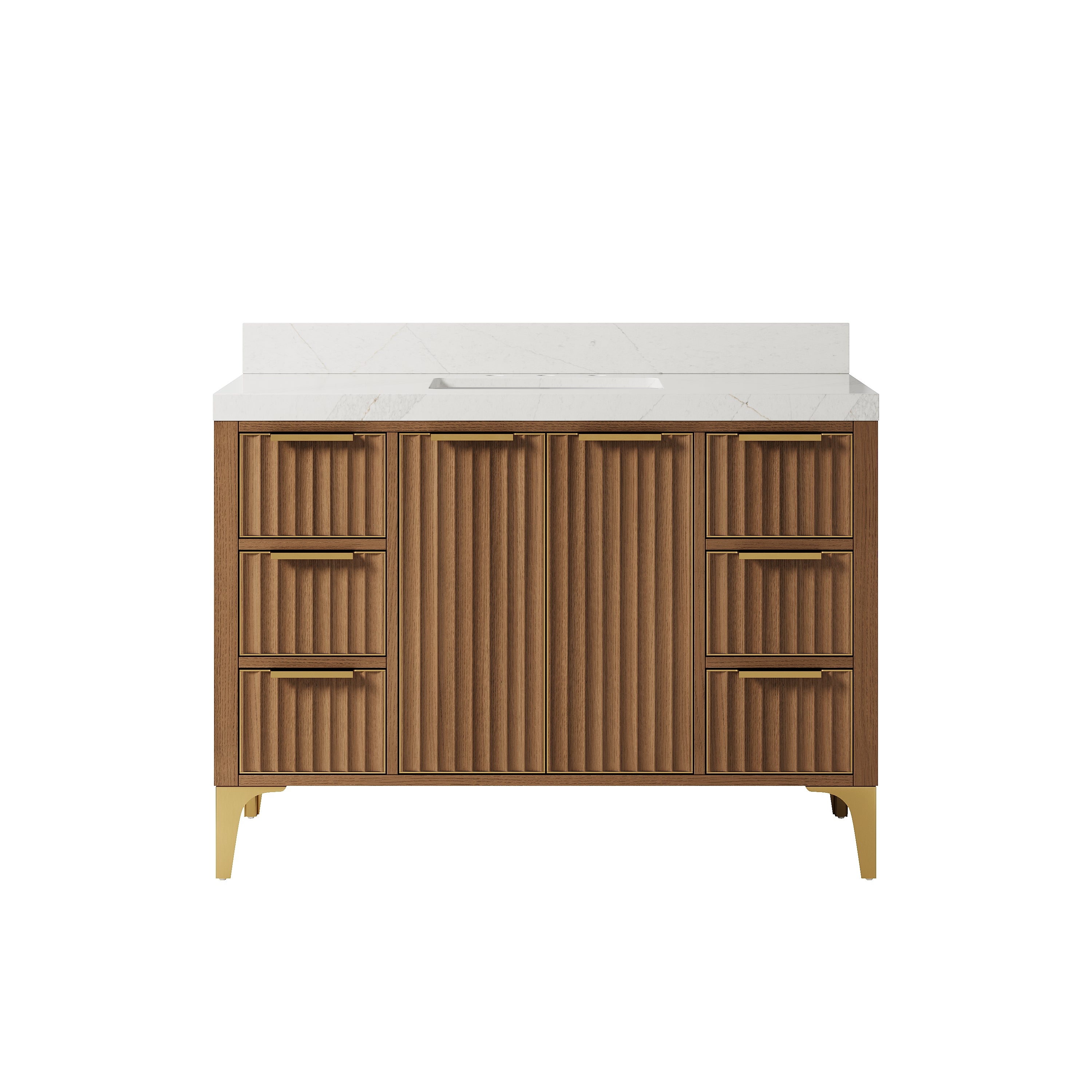
A traditional vanity with a darker finish, thick trim, ornate doors, or bulky legs can make the room feel denser than it really is. Even if the footprint is not huge, the eye reads it as heavy. A minimalist white vanity does the opposite. It reflects light more effectively, softens the lower half of the room, and allows the floor, wall, and mirror area to feel less compressed.
This is especially noticeable in guest bathrooms, condo bathrooms, powder rooms, and older homes where the original bathroom layout was never generous to begin with. A minimalist design helps because it removes visual interruptions. Fewer grooves, cleaner drawer fronts, and a lighter finish all work together to create breathing room.
That is a design advantage many homeowners underestimate.
2. Why a White Bath Vanity Works Better Than Other “Brightening” Fixes
People often try to solve a dark bathroom with paint first. That can help. Better lighting helps too. But if the vanity remains dark, bulky, or overly decorative, the room still feels weighed down.
A white bath vanity has a stronger impact because it usually sits directly below the mirror, where the eye naturally goes. It becomes part of the room’s main focal line. If that focal point feels bright and simple, the whole bathroom feels more intentional. If it feels heavy, the rest of the improvements have to work harder.
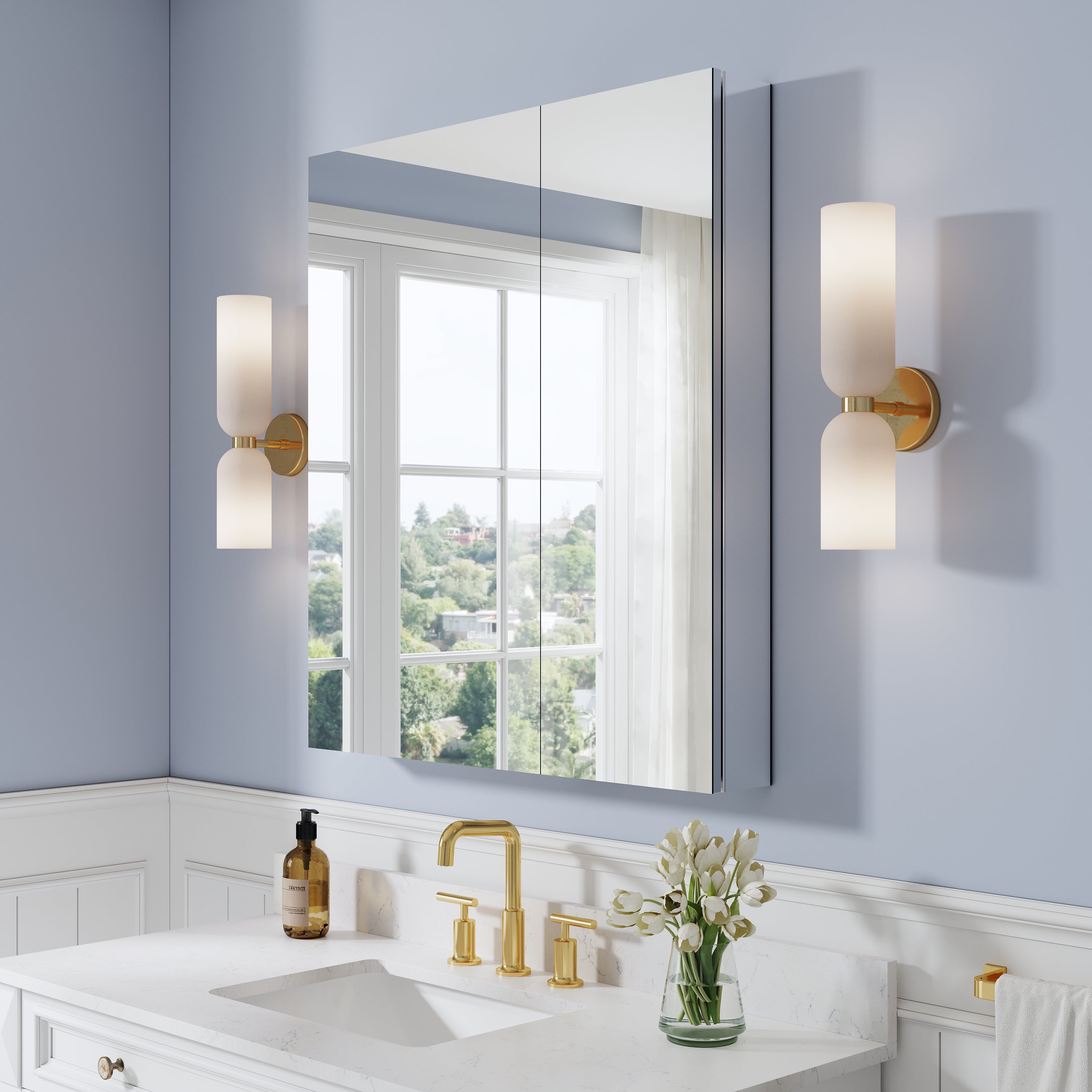
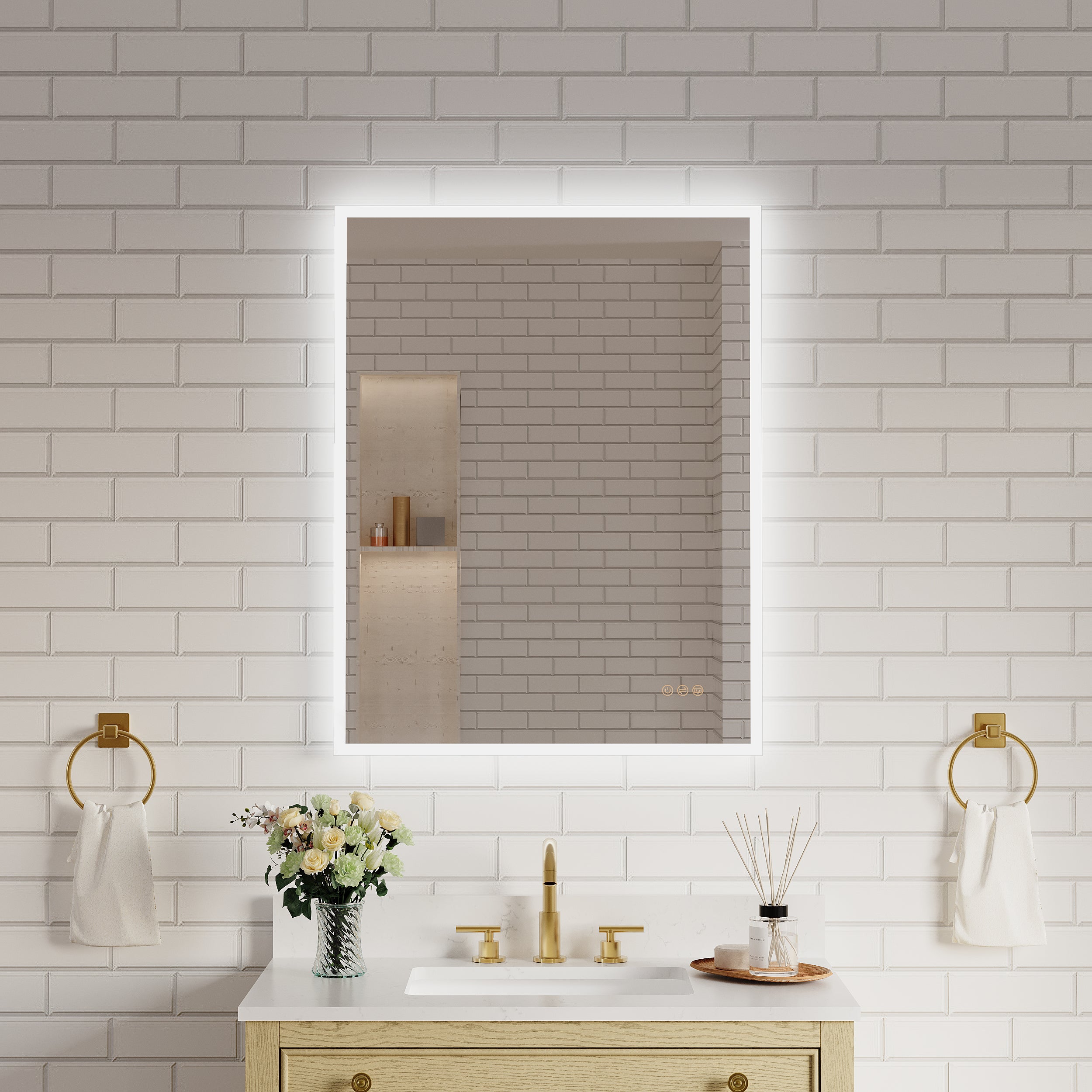
White also gives you more flexibility with the other materials in the room. It pairs easily with chrome, brushed nickel, matte black, or softer brass. It works with marble-look tops, quartz, and stone-style surfaces. That flexibility matters in darker bathrooms because you often need a few supporting elements to lift the space, and white does not fight them.
A common mistake buyers make
Many people assume any white vanity will brighten a dark bathroom. That is not quite true.
If the vanity is too ornate, too deep, or too glossy in a cheap-looking way, it can still feel wrong. The best results usually come from a white vanity with simple lines, modest hardware, and proportions that fit the room. Minimalism is doing part of the work here. It is not just the color making the space feel lighter. It is the absence of unnecessary visual noise.
Why minimalism matters as much as color
A dark bathroom needs calm. If the vanity has raised panels, thick crown-like trim, decorative legs, and too many line breaks, the eye stops repeatedly instead of moving cleanly through the room. A minimalist vanity keeps those interruptions to a minimum. The room feels larger, even when the actual dimensions have not changed.
3. Where This Choice Works Best, and Where It Can Fall Short
A minimalist white bath vanity is a strong fit for dark primary bathrooms, hall baths, compact guest bathrooms, and powder rooms with limited light. It is especially effective in homes where the bathroom needs to feel cleaner and more open without a full structural remodel.
It also works well when the room already has darker flooring or slightly moodier wall tones. The white vanity can act as the counterbalance. In some cases, that contrast gives the bathroom more depth than an all-white room would.
Still, there are drawbacks. A white finish can show makeup marks, tinted soap drips, and everyday residue faster than mid-tone wood or softer painted colors. In a household where maintenance is inconsistent, that can become annoying. Poor-quality finishes may chip around drawer edges or handles. And if the entire bathroom is already stark white from wall to floor to countertop, the room can feel cold instead of bright unless you add texture or warmth somewhere else.
When it may not be the best solution
I would be cautious with a minimalist white vanity in a bathroom where the design goal is deeply traditional, rustic, or heavily layered with antique character. In those rooms, the vanity may feel too crisp. I would also hesitate if the bathroom has very warm beige finishes that clash with a cooler white. Undertones matter more than people think.
A dark bathroom can be lifted beautifully, though the white needs to belong in the room, not just stand out from it.

4. How to Choose the Right One for Real-Life Use
Start with scale. A vanity that is too large will still make the room feel crowded even if it is bright white. In darker bathrooms, proper depth is just as important as width. A shallower profile can sometimes improve the room more than a wider one.
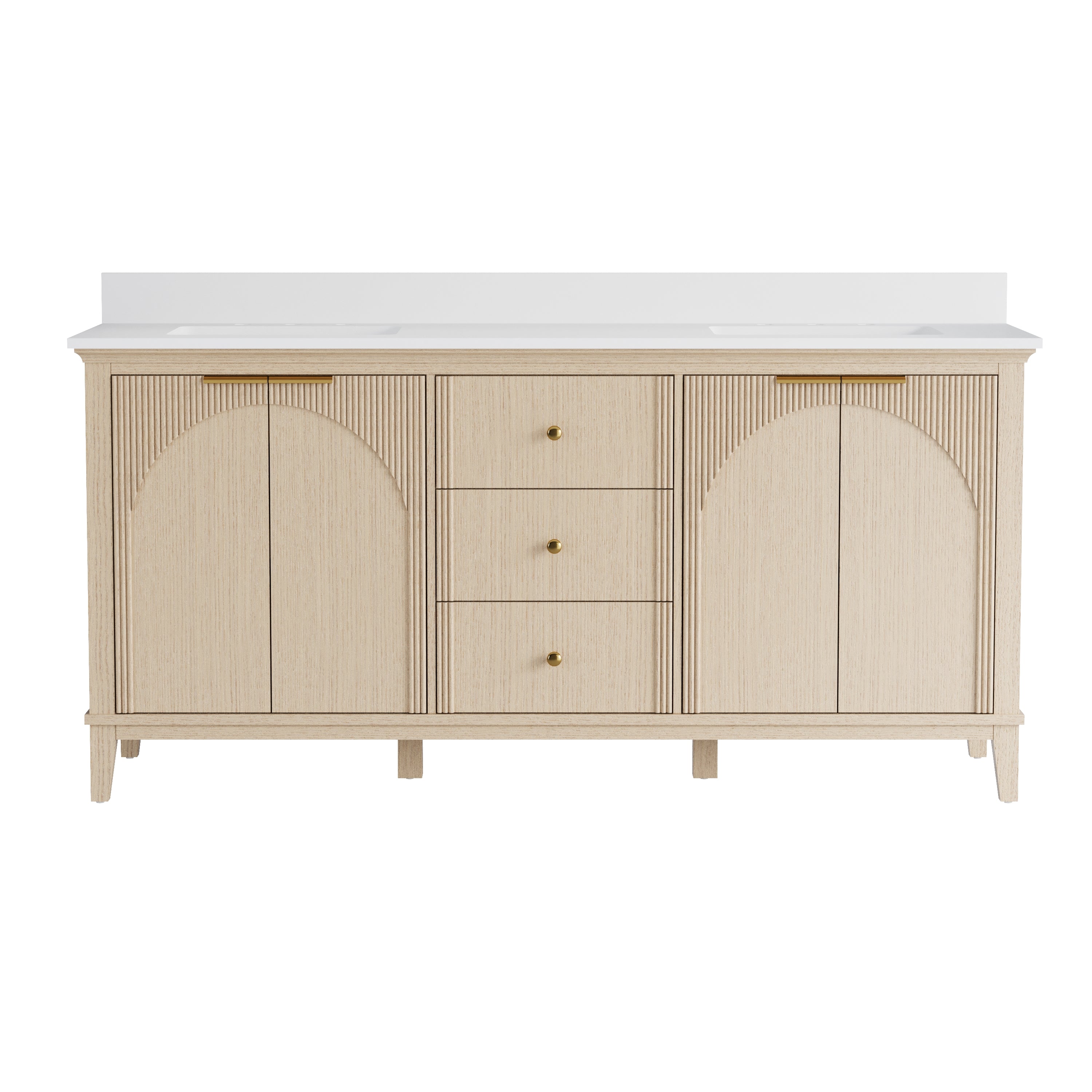
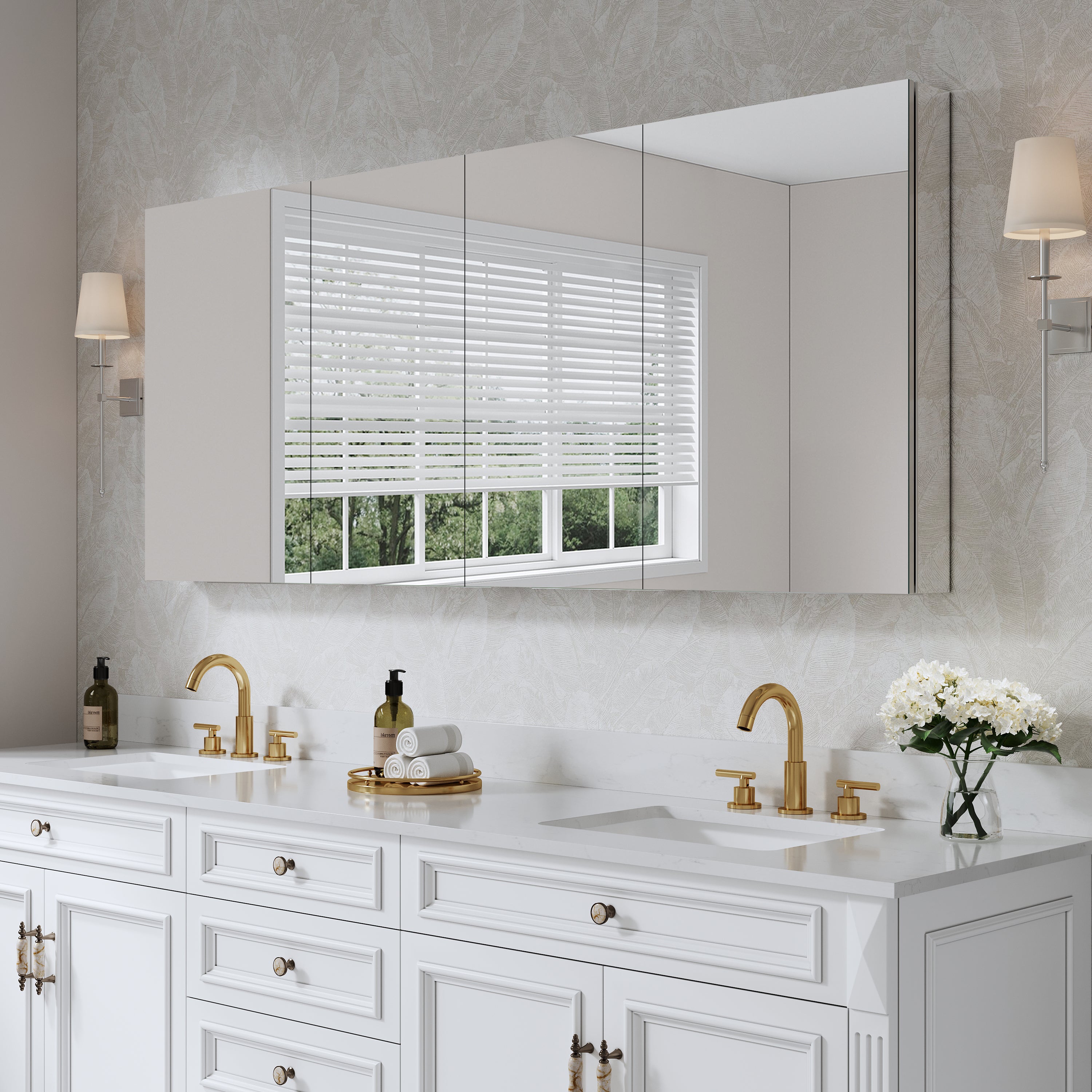
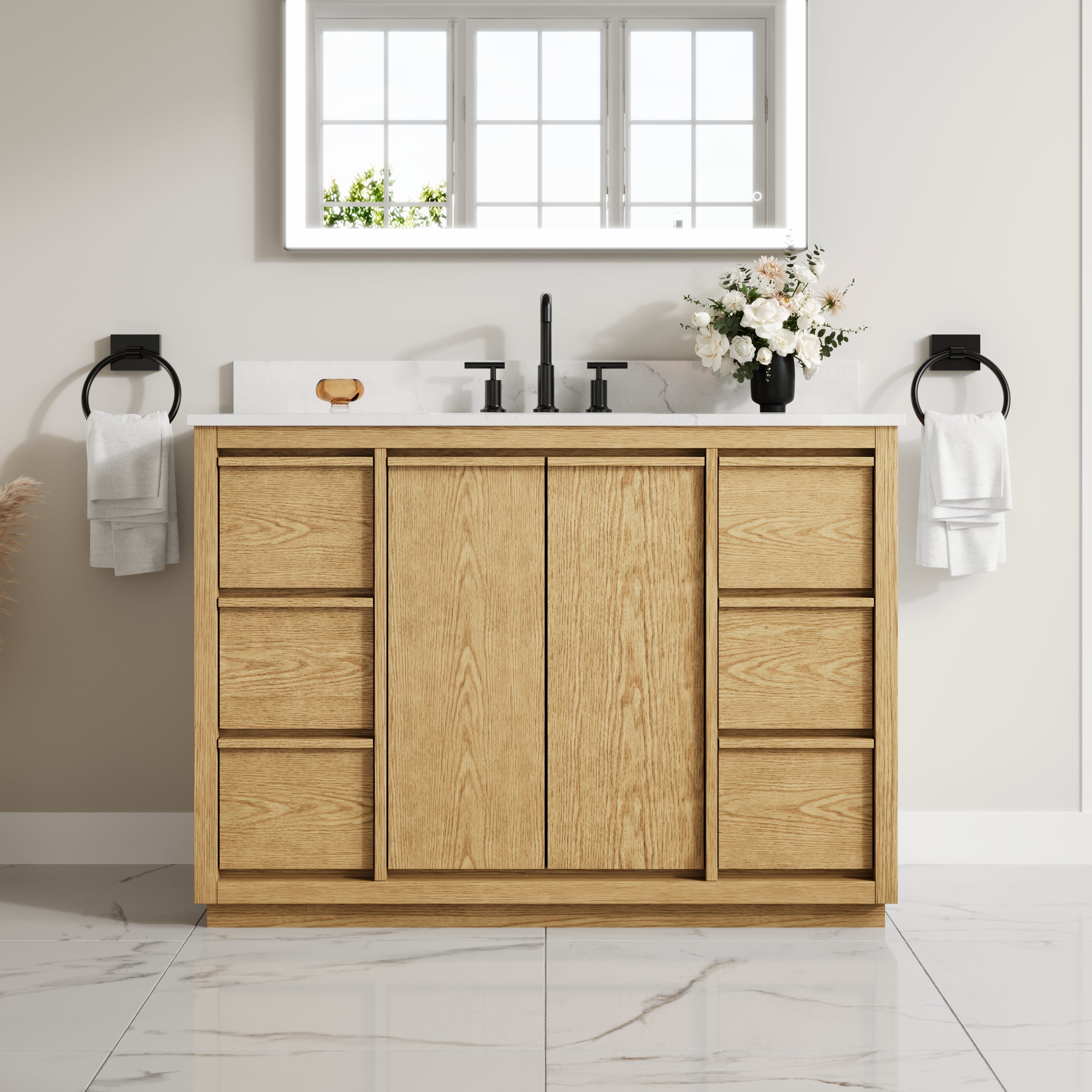
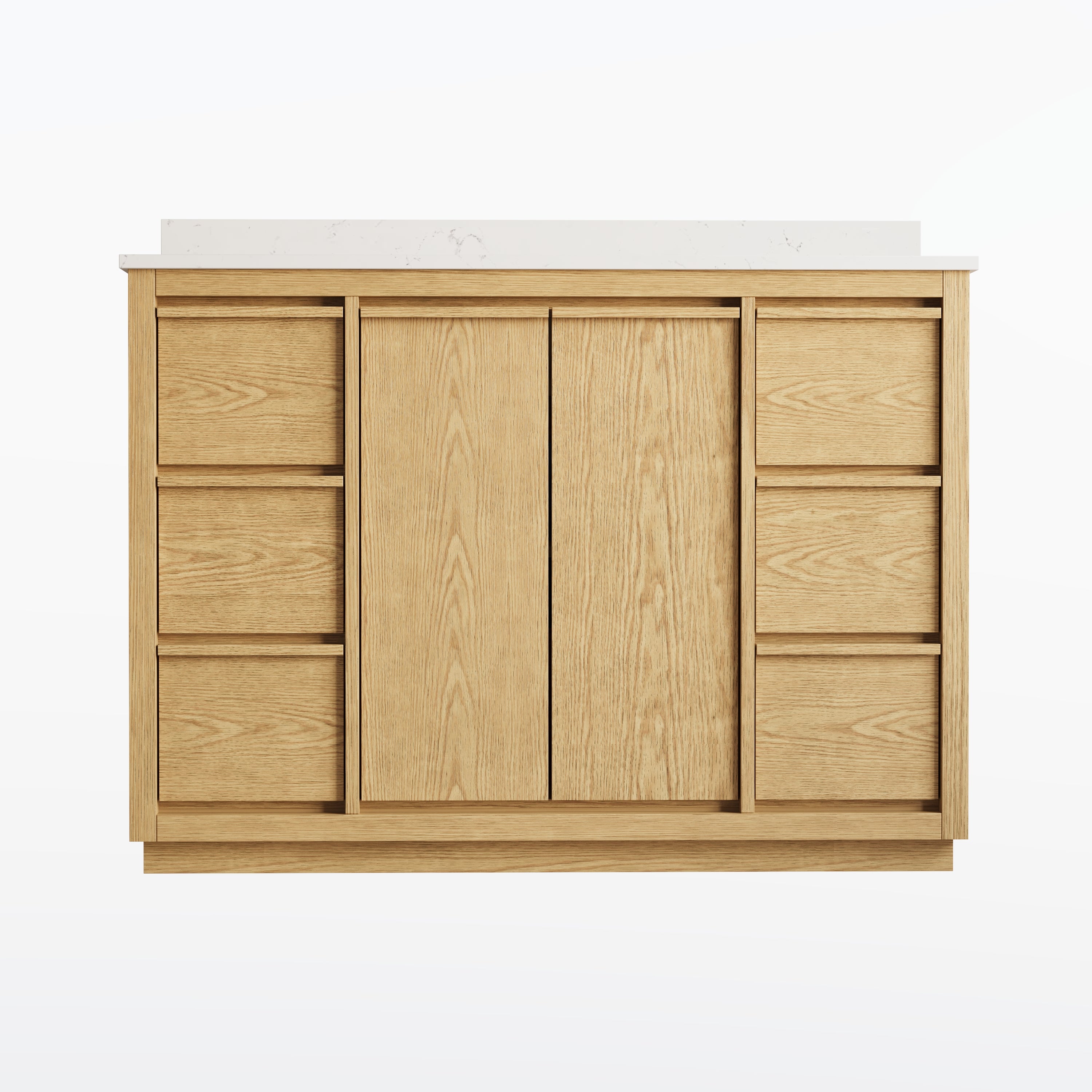
Then look at the finish and the front design. Cleaner slab fronts, simple shaker lines, or flat drawers usually work best. Pair them with a mirror that feels slightly larger rather than smaller, and use lighting that flatters the vanity instead of leaving it in shadow.
Storage matters too. A beautiful vanity will not help much if the countertop fills up with clutter because the drawers are too shallow or the cabinet space is awkward. This is one reason I often recommend looking closely at interior layout when comparing options from brands like Wellfor. A dark bathroom feels brighter when the vanity is doing its job inside as well as outside.
Installation and maintenance deserve some honesty too. A white vanity shows alignment problems quickly. If it is installed crooked, if the backsplash line is messy, or if the mirror above is off-center, the eye catches it fast. Maintenance is simple but should be consistent: wipe standing water, clean spills early, and use non-abrasive products so the finish stays crisp.
A white bath vanity becomes the best solution for a dark bathroom when it is minimal, well-proportioned, and chosen with the rest of the room in mind. That combination gives you brightness without clutter, contrast without heaviness, and a bathroom that feels easier to live with every single day.




















Leave a comment
This site is protected by hCaptcha and the hCaptcha Privacy Policy and Terms of Service apply.