
















Introduction
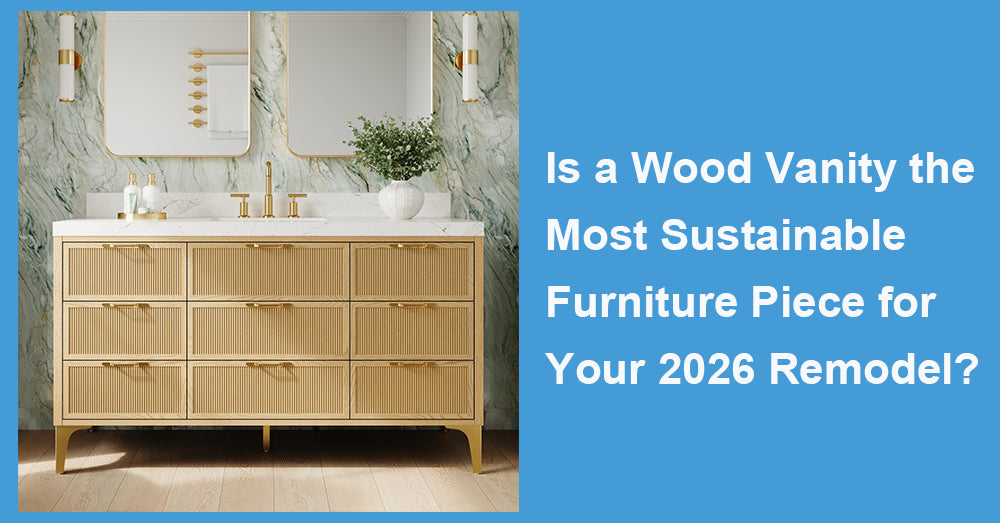
A wood vanity can be one of the smartest sustainability choices in a 2026 bathroom remodel, but only if you look past the finish photo and ask better questions. I have seen homeowners assume wood automatically means eco-friendly, then end up with a cabinet made from weak materials, heavy coatings, and poor construction. I have also seen the opposite: a well-built wood vanity that lasts for years, ages gracefully, and avoids the throwaway cycle that makes so many bathroom upgrades less sustainable than they appear.
That is really the heart of the question. Sustainability is not just about what the piece is made from. It is about sourcing, durability, indoor air quality, repair potential, and whether the vanity still feels worth keeping five or ten years from now.
1. Why a Wood Vanity Starts With a Better Sustainability Story
Wood has an advantage that many bathroom materials do not: when sourced responsibly, it is renewable, durable, and easier to justify over the long term than highly processed alternatives. According to the Forest Stewardship Council, wood is durable, recyclable, and generally has a lower carbon footprint than other building materials, while FSC certification is designed to help protect resilient forests and responsible supply chains.
(Source: FSC)
That does not mean every wood vanity is sustainable by default. It means wood gives you a better starting point.
In real remodels, that matters because bathrooms are tough environments. Steam, splashing water, humidity, and constant use will expose weak products quickly. A vanity that fails in three years is not sustainable, no matter how good the marketing sounded. A wood vanity that is properly built and worth maintaining usually makes more environmental sense than a cheaper cabinet destined for early replacement.
I see this most clearly in primary bathrooms and family bathrooms. These are spaces where daily wear is real, and longevity matters more than trend appeal.
2. Why 2026 Sustainability Is About Longevity, Not Just Labels
A lot of 2026 bathroom conversations revolve around wellness, cleaner living, and more intentional material choices. That shift is real. According to Houzz, 83% of homeowners renovating bathrooms include eco-friendly features, and long-term cost savings remains one of the leading reasons.
(Source: Houzz)
According to NKBA, sustainability continues to shape bath design alongside wellness and technology, with environmentally responsible materials, water-efficient fixtures, and energy-saving strategies becoming central to how bathrooms are planned.
(Source: NKBA)
From my perspective, this is where a wood vanity often wins. A good one does not need to be flashy. It just needs to keep performing. If it still looks right after the wall color changes, if the drawer boxes still work smoothly, if the finish still feels honest instead of tired, that is sustainability in a form homeowners actually experience.
A common mistake buyers make
Many people confuse “natural look” with “responsibly made.” Those are not the same thing.
A vanity may look like solid wood and still rely on poor substrates, weak veneers, or heavy chemical finishes. Some homeowners also buy the cheapest wood-look option thinking they are making a practical choice, only to replace it much sooner. That is not value. It is delayed waste.
What makes wood less sustainable than it sounds
Poor sourcing is the obvious issue. So is poor construction.
A badly sealed wood vanity in a damp bathroom can swell, split, or discolor. If it cannot be repaired, refinished, or even trusted to last, the material advantage fades quickly. Dark stains and heavy coatings can also hide what the cabinet is really made from, which is why I always tell buyers to ask about the cabinet box, not just the drawer front.
3. What You Should Check Before Calling It a Sustainable Choice
The first thing I would check is sourcing. FSC-certified wood or responsibly documented wood products deserve more trust than vague claims about being “eco” or “green.” The second thing is construction. In bathrooms, high-quality plywood in the right places can be a smarter long-term choice than the wrong solid wood used carelessly.
Then there is indoor air quality. This gets overlooked far too often. According to the U.S. Environmental Protection Agency, formaldehyde emission standards for composite wood products were established to reduce harmful exposure from materials used in items such as cabinets and furniture.
(Source: EPA)
That does not mean you must avoid every engineered wood product. It means you should pay attention to what adhesives, substrates, and finishes are involved. In a bathroom, especially one with limited ventilation, that question matters.
The finish itself matters too. A low-VOC or more responsibly applied finish can support the sustainability story. So can a design that allows hardware replacement, drawer repair, or refinishing later.
When a wood vanity is not the most sustainable answer
If the bathroom has chronic moisture problems, poor ventilation, or a household that will not maintain the cabinet properly, wood may not be the best sustainability choice. A vanity that is constantly wet and slowly deteriorating is not a responsible purchase just because it started with wood grain.
I would also be cautious with highly trendy wood tones that may feel dated very quickly. Sustainability has a style component, whether people like that idea or not. If the vanity looks obsolete in two years and gets replaced early, the environmental story weakens.

4. How to Buy a Wood Vanity That Actually Deserves to Stay
The most sustainable vanity is usually the one you do not need to replace soon. That sounds simple, but it changes the buying process.
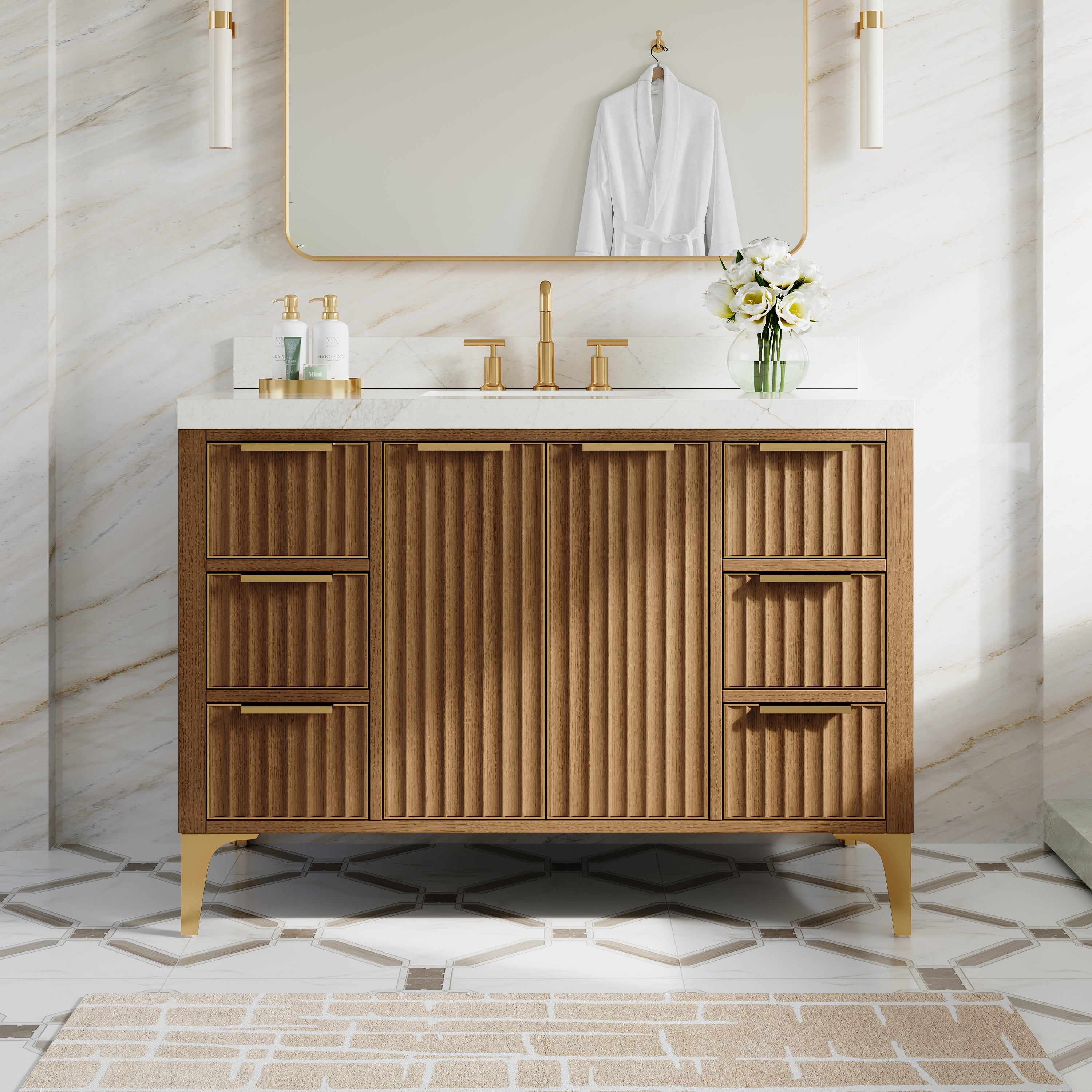
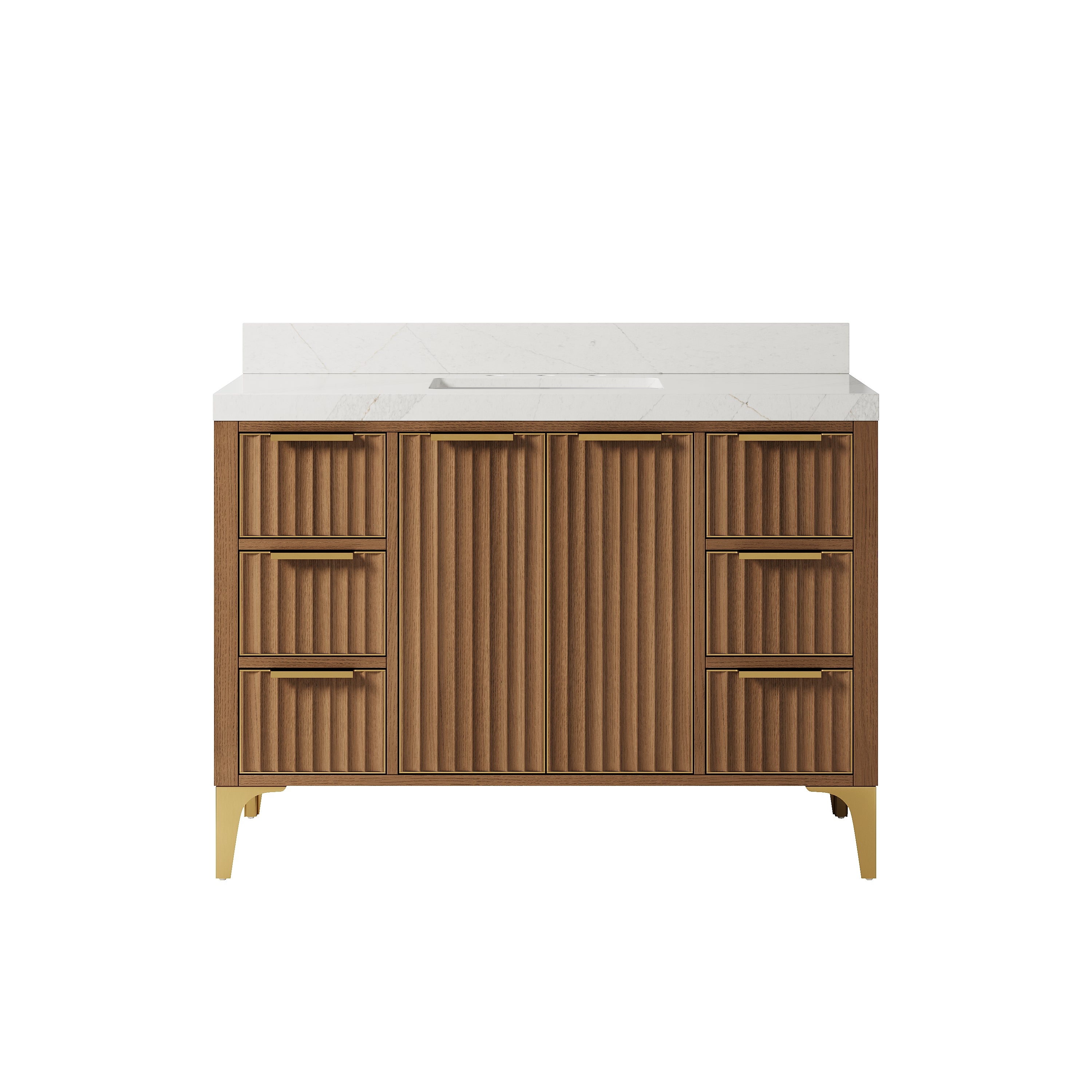
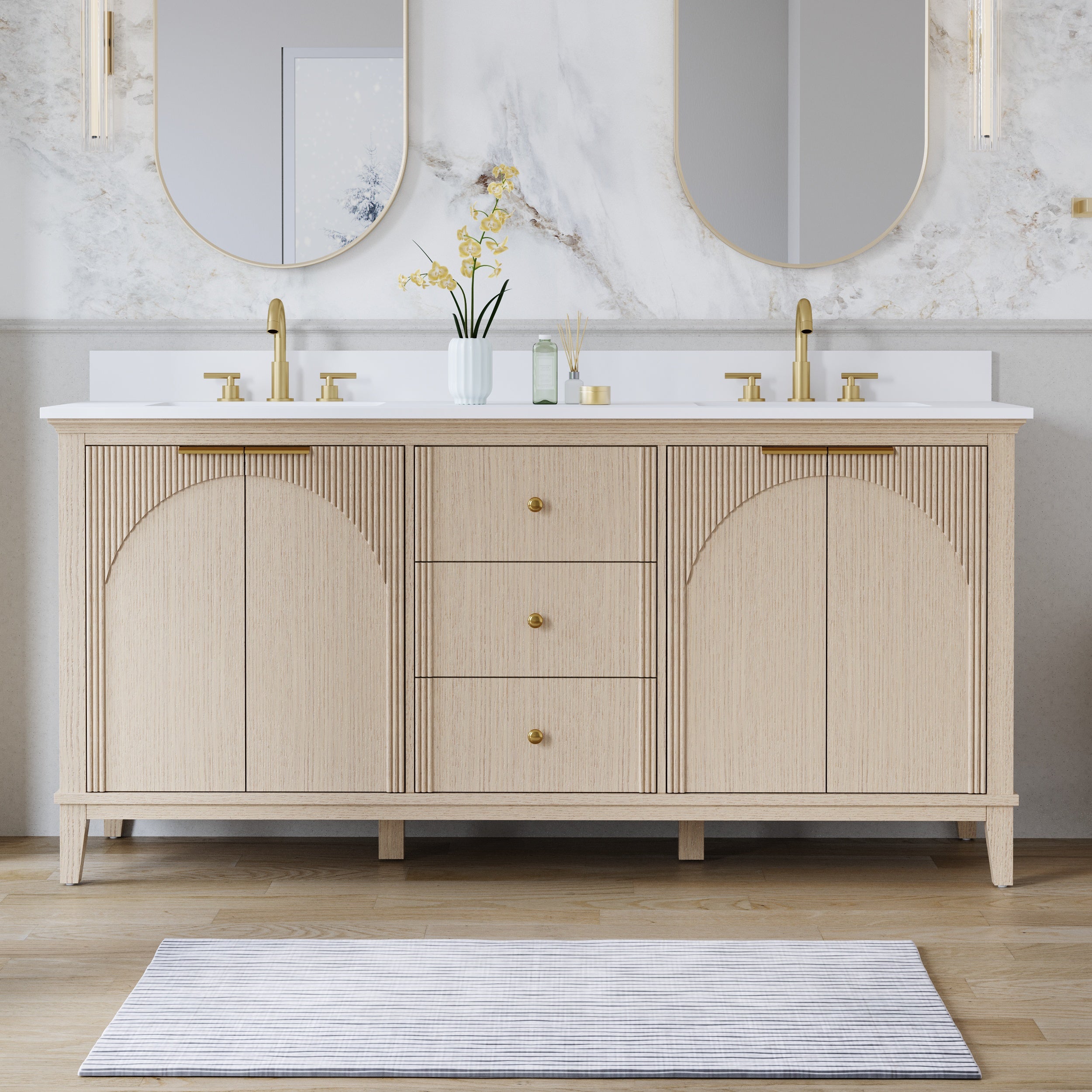
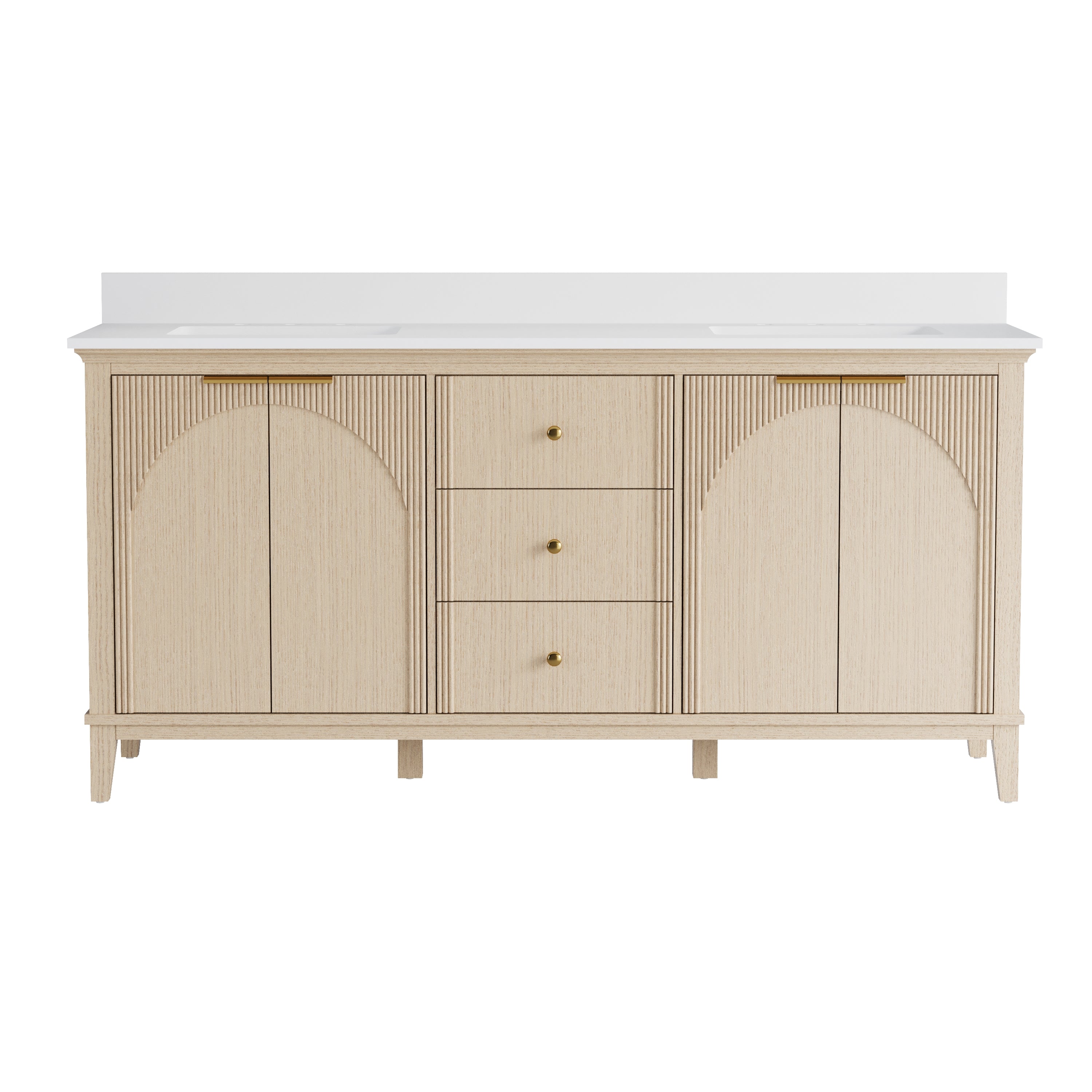
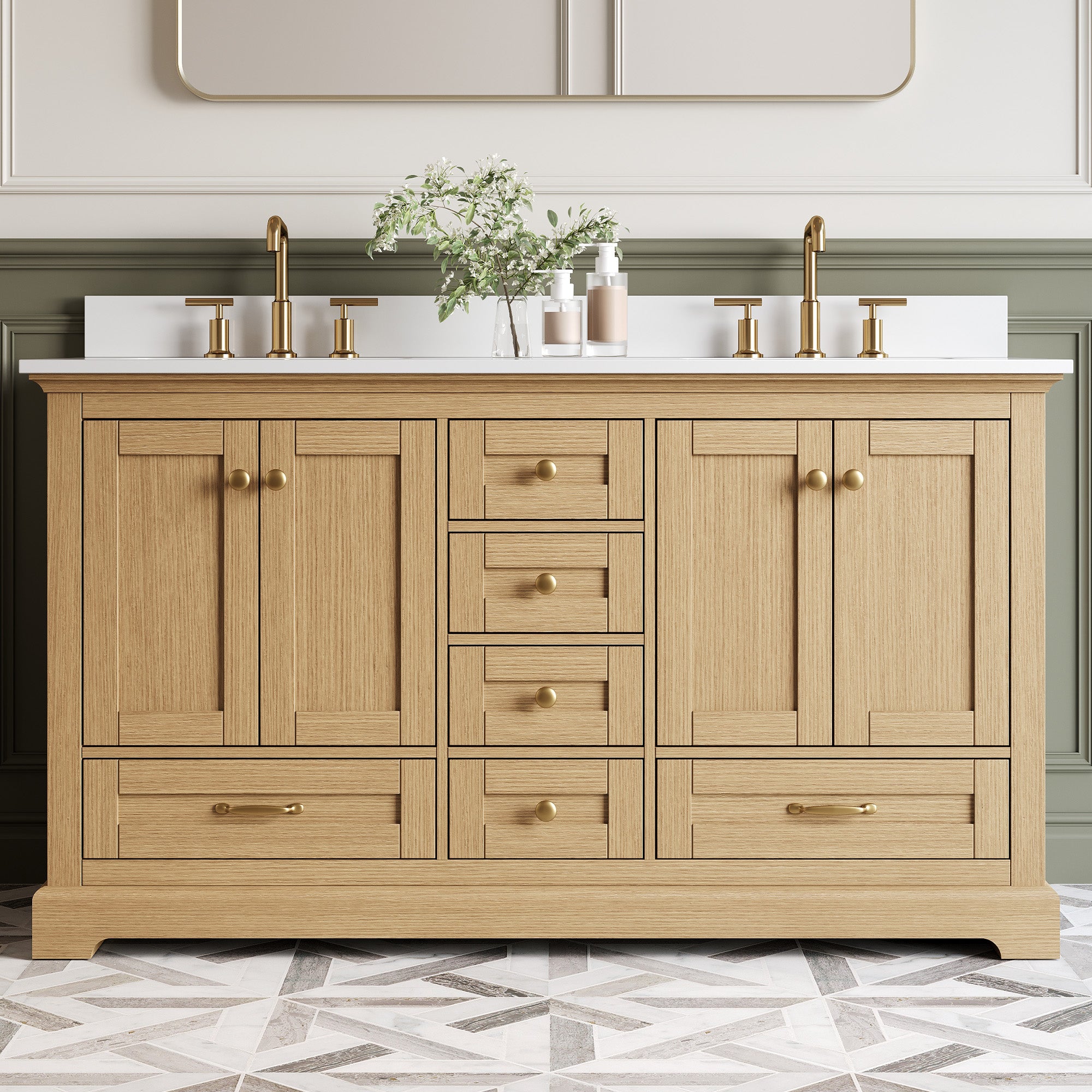
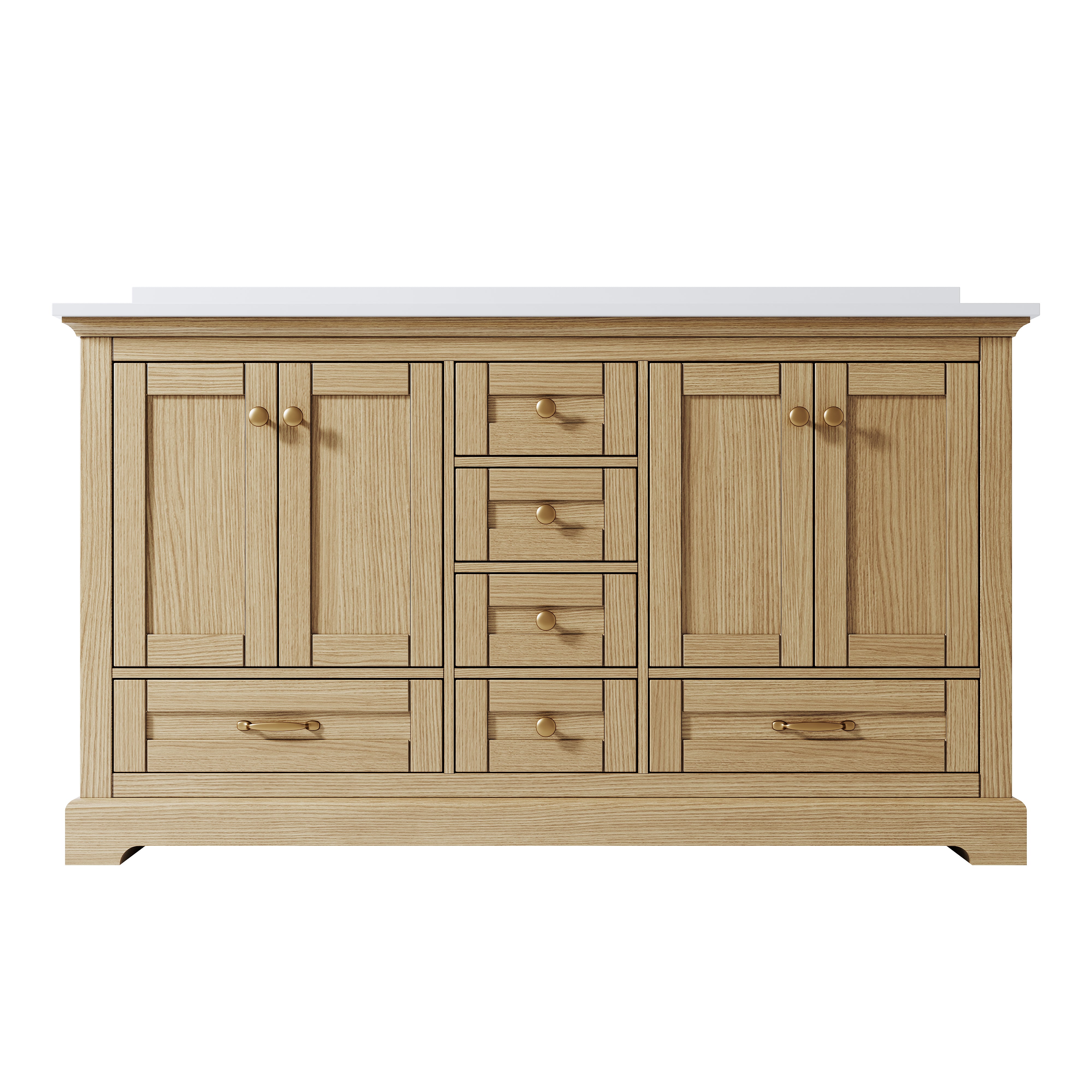
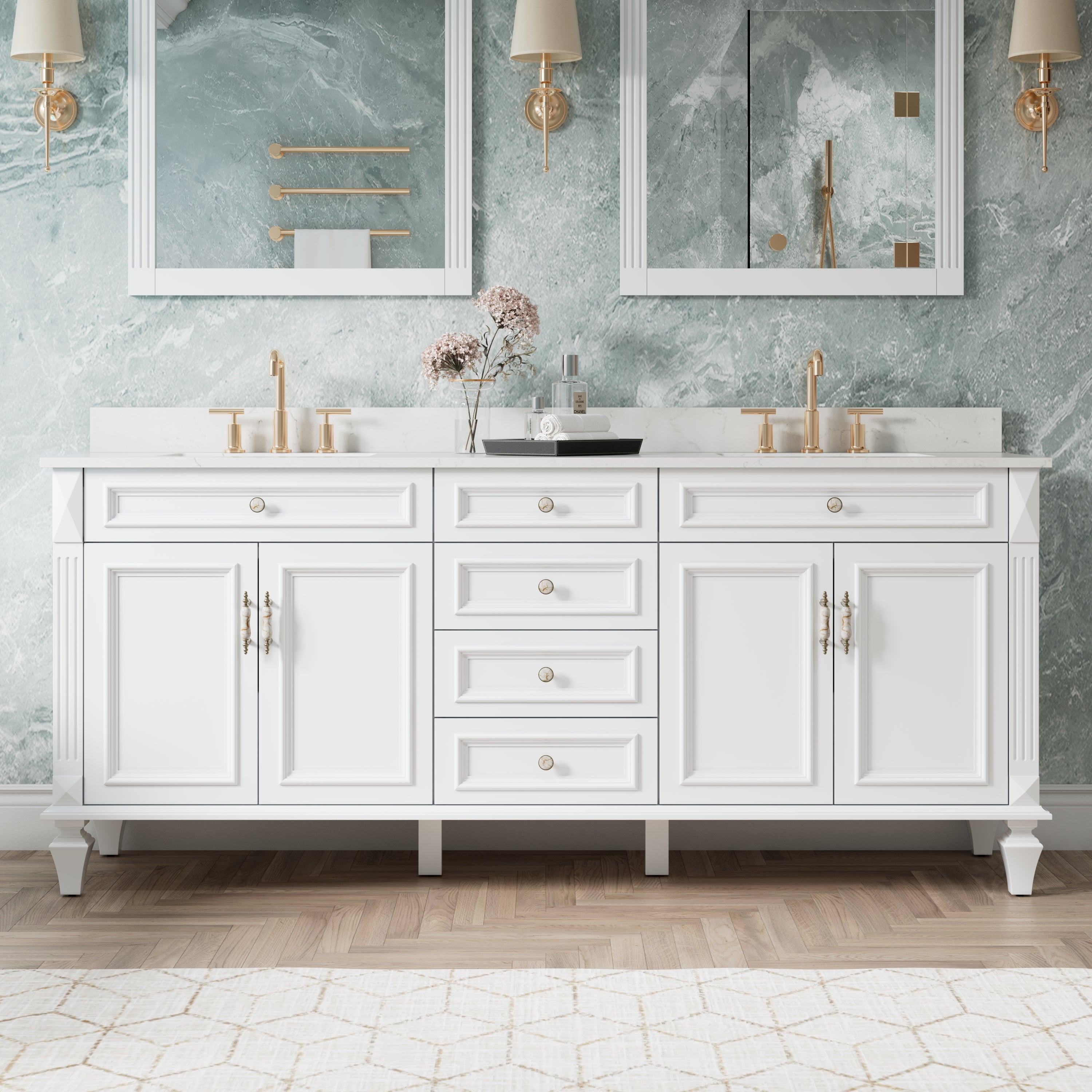
Look for a wood vanity with a stable cabinet structure, solid joinery, moisture-resistant detailing, and a finish you can live with long term. Think about whether it suits the room beyond 2026. Mid-tone woods, light natural woods, and restrained profiles usually age better than louder stain trends or overly ornate shapes.
Installation also matters more than people expect. A poorly leveled vanity, sloppy caulking, or a small plumbing leak inside the cabinet can shorten its life dramatically. Maintenance is part of sustainability too. Wipe standing water. Keep the room ventilated. Do not let damp towels sit against cabinet faces day after day.
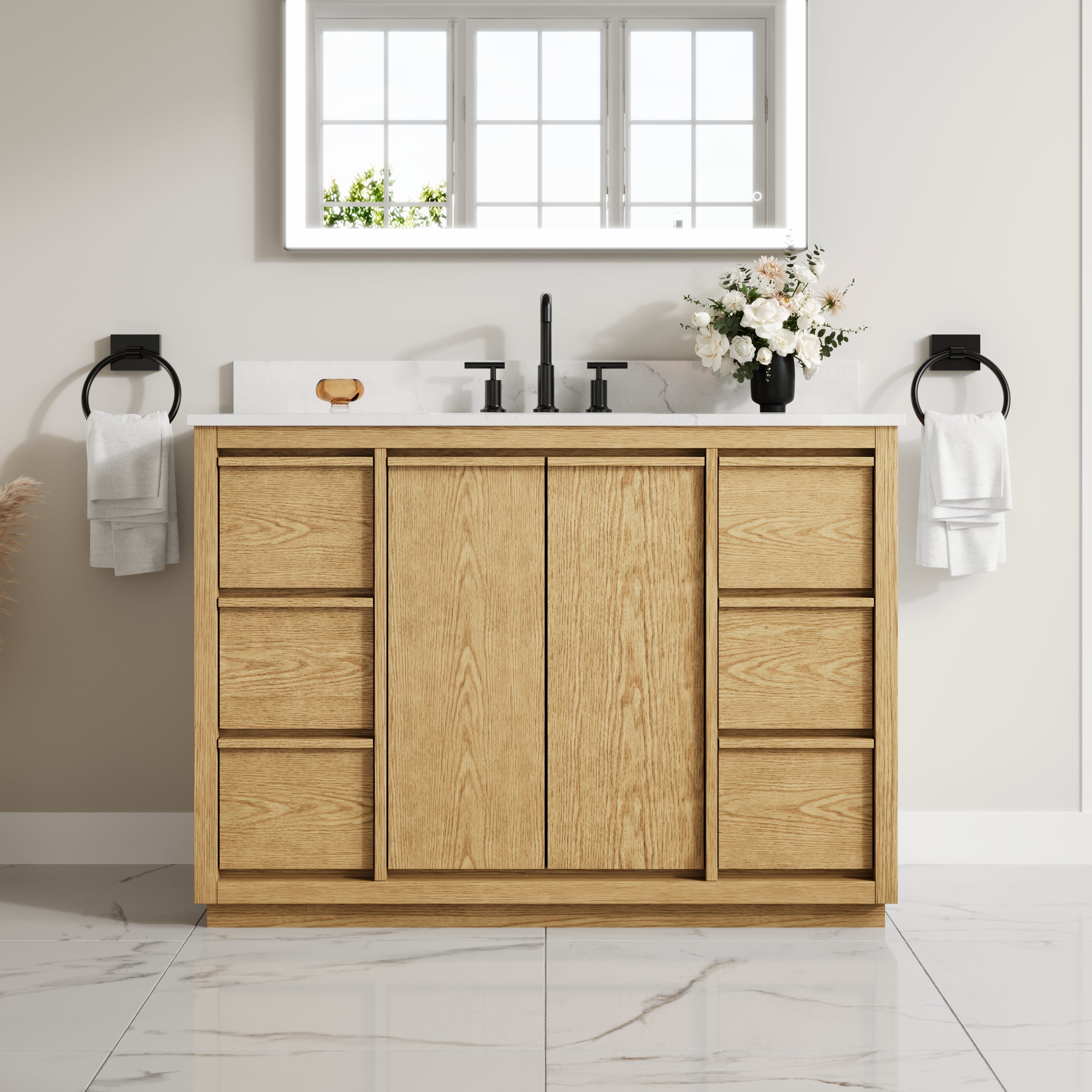
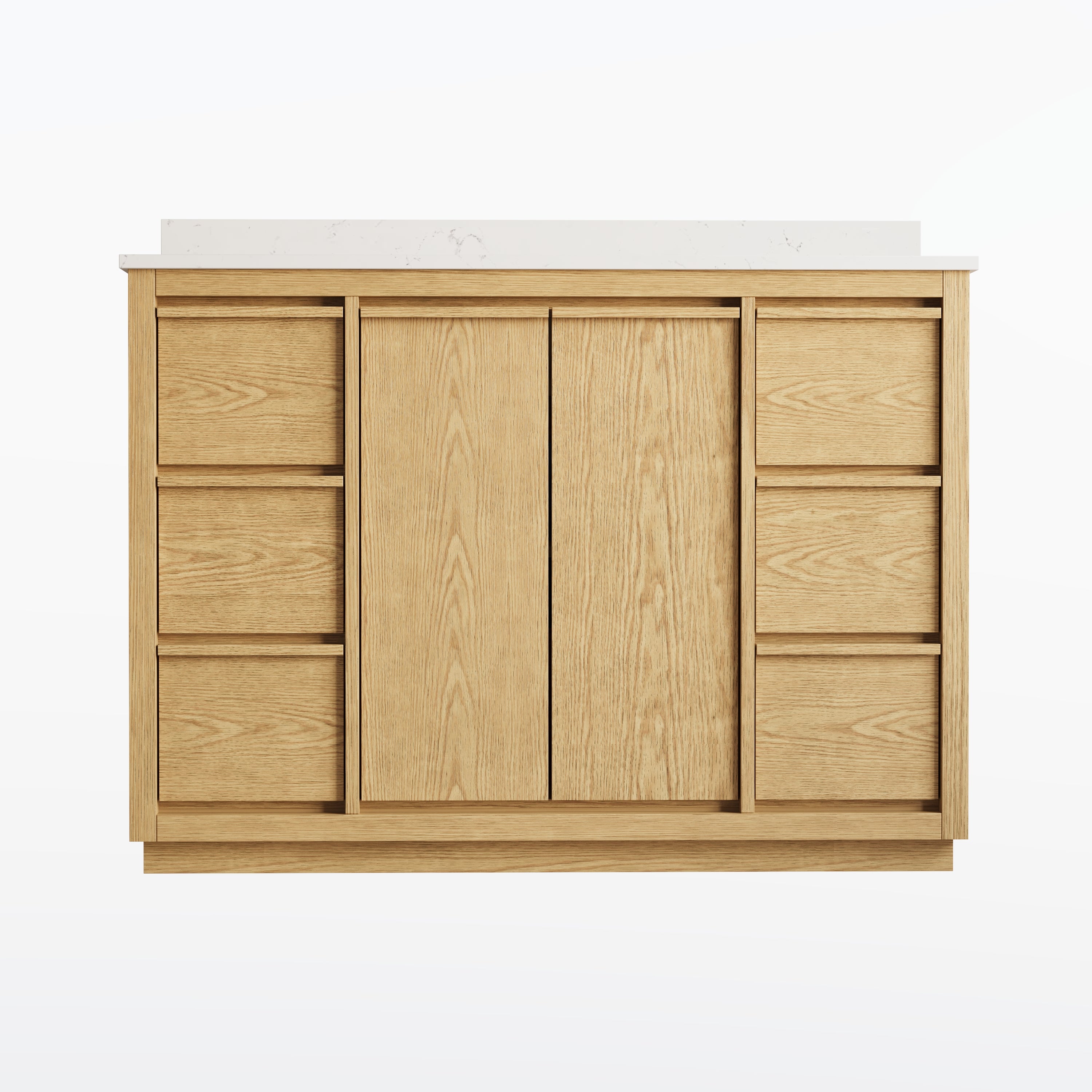
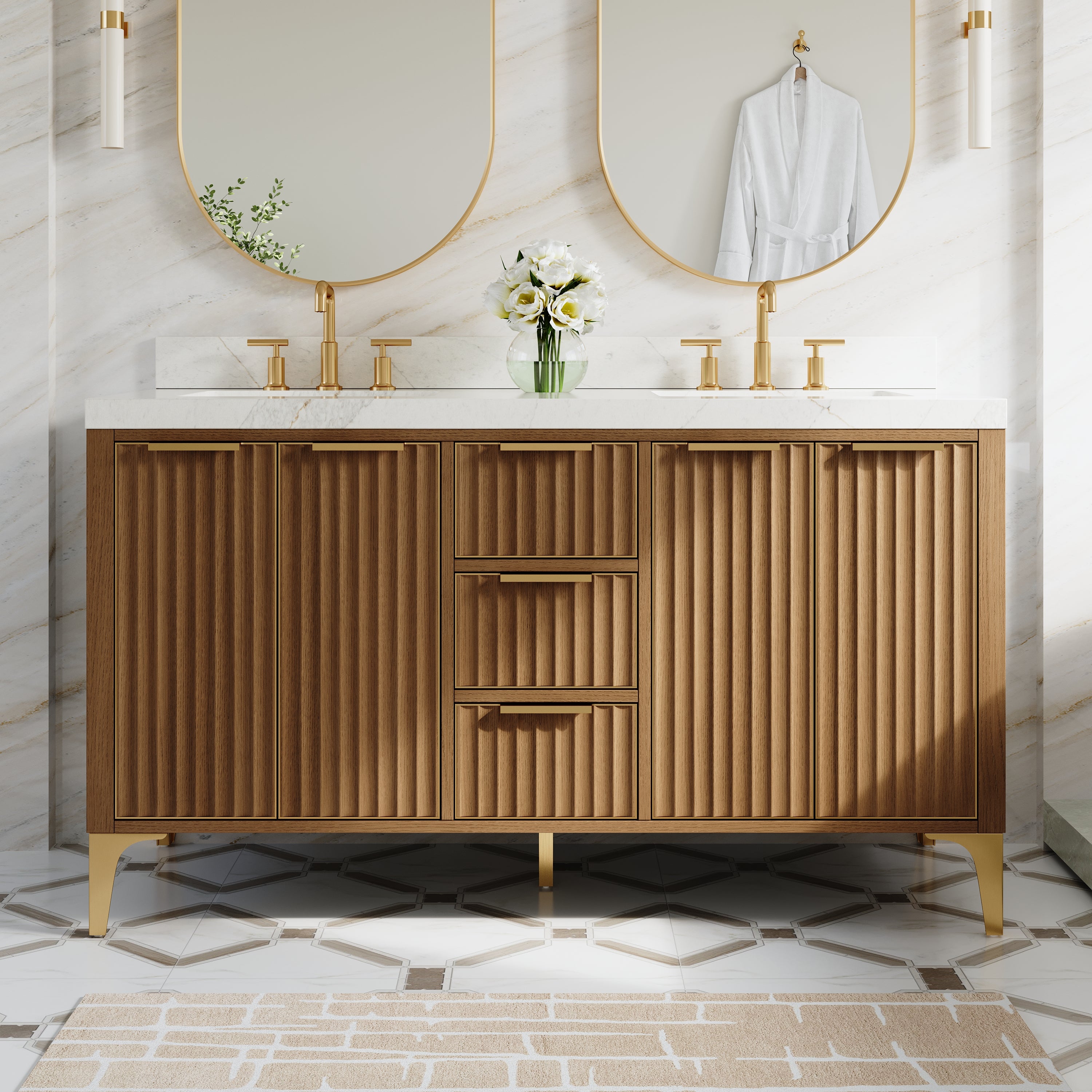
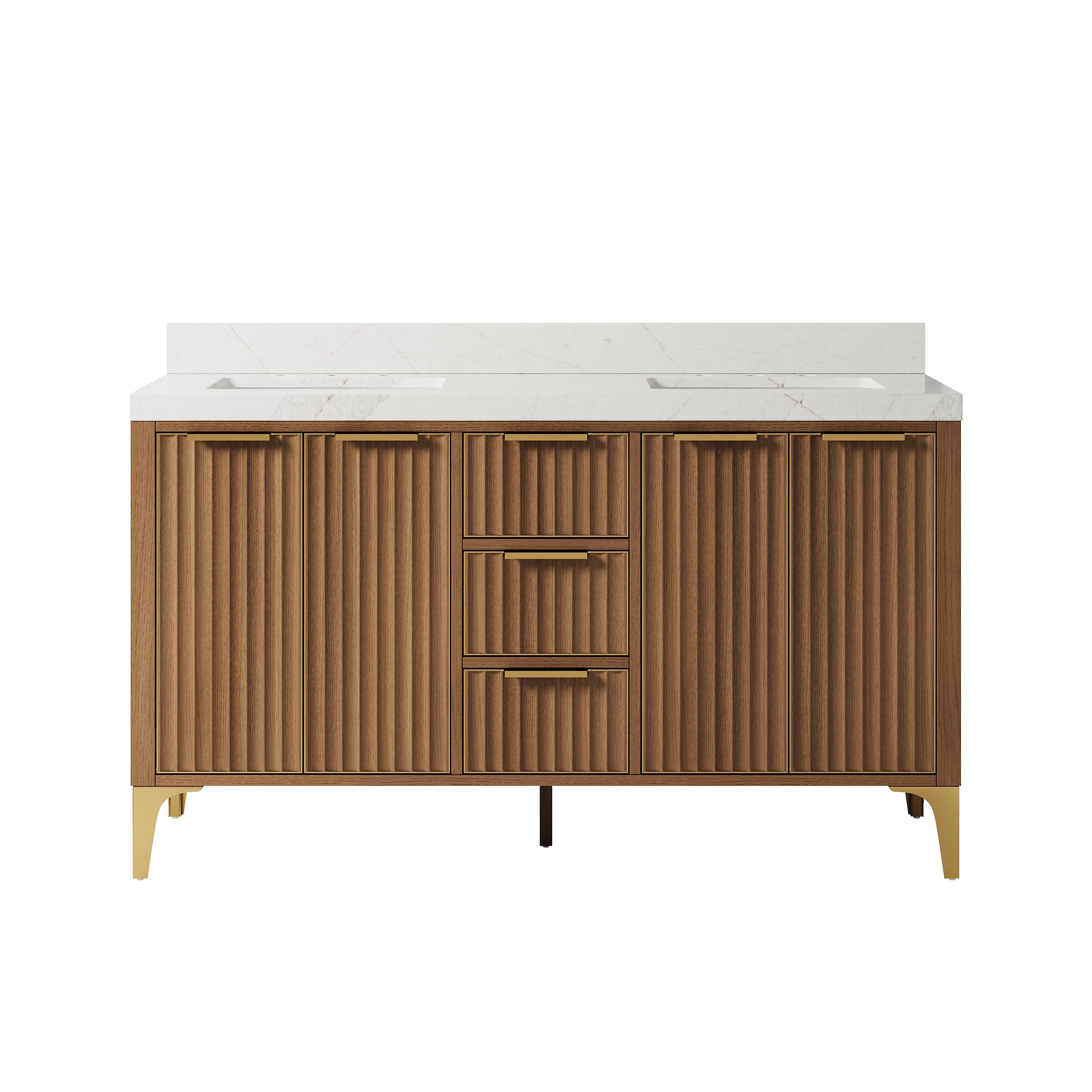
For homeowners looking at brands like Wellfor, my advice is simple: judge a wood vanity like a long-term fixture, not a decorative accent. Ask where the wood comes from. Ask what is inside the cabinet. Ask what protects the finish. Choose a profile you will still want in years, not months. When a wood vanity is responsibly sourced, properly installed, and built to last, it often becomes one of the most sustainable furniture pieces in the entire remodel.

















Leave a comment
This site is protected by hCaptcha and the hCaptcha Privacy Policy and Terms of Service apply.