






















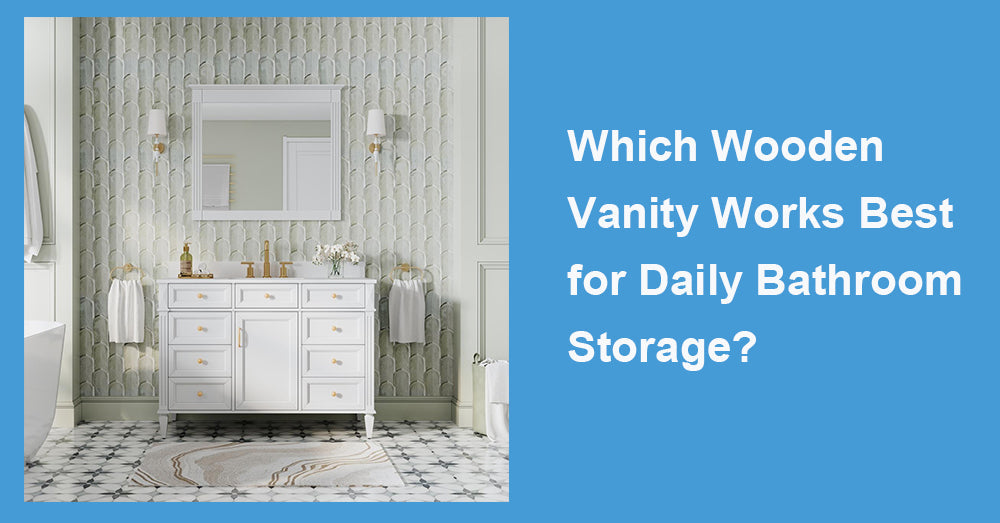
A wooden vanity can be an excellent choice for daily bathroom storage when the cabinet is designed around real routines rather than appearance alone. After more than 20 years of working with bathroom cabinetry, I have found that the most useful vanities are rarely the ones with the greatest number of doors or drawer fronts. What matters is usable interior space, plumbing clearance, drawer depth, cabinet construction, and how easily everyday products can be reached. Wood adds warmth and long-term character, but the storage layout still needs to do the hard work.
1. Start With How the Wooden Vanity Will Be Used
Before comparing cabinet styles, think about what needs to be stored.
A guest bathroom may only need hand towels, toilet paper, cleaning supplies, and a few spare toiletries. A family bathroom may need skincare, cosmetics, hair tools, grooming products, children's items, and backup supplies.
That difference should influence the cabinet layout.
For daily use, I usually favor a combination of drawers and enclosed storage rather than one large open compartment. It keeps small products organized while still leaving room for taller items.
2. Deep Drawers Are Usually the Most Practical
Drawers make smaller bathroom products easier to see and reach.
Instead of kneeling down and moving bottles around inside a deep cabinet, you can pull the entire storage area toward you. That is especially useful for brushes, razors, skincare, cosmetics, and grooming tools.
Full-Extension Slides Make a Real Difference
A drawer that opens only partway wastes space at the back.
Full-extension hardware gives better access and makes cleaning the drawer easier. Soft-close slides are also pleasant in a frequently used bathroom, although build quality matters more than the feature itself.
I would rather have three well-built, deep drawers than six shallow compartments that look impressive from the outside.
3. Under-Sink Cabinets Still Have an Important Role
Drawers are not ideal for everything.
Tall bottles, cleaning sprays, spare toilet paper, and larger containers fit more naturally inside an under-sink cabinet.
The problem is plumbing.
Drain pipes and supply lines can consume a surprising amount of interior space. Some vanities use removable shelves or shaped drawers to work around them.
Check interior photographs before buying. A cabinet may look generous from the front while offering much less usable storage once the sink and plumbing are installed.
4. Choose the Right Size for the Bathroom
Storage capacity increases with vanity width, but bigger is not always better.
A 36-inch wooden vanity often works well in guest baths and medium-sized bathrooms. A 48-inch cabinet provides more drawer space for one user, while 60- or 72-inch models suit larger shared bathrooms.
Depth Matters as Much as Width
A deep vanity can narrow the walkway even when the wall is wide enough.
Measure the distance to the toilet, shower door, and opposite wall. Use painter's tape to mark the full footprint on the floor.
If the cabinet makes daily movement awkward, the extra storage is not worth it.
A slightly smaller vanity with better drawers often performs better than an oversized cabinet squeezed into the room.
5. Freestanding Vanities Usually Maximize Storage
For pure storage capacity, freestanding models often have an advantage.
Because the cabinet extends closer to the floor, there is more vertical space available for drawers, shelves, and under-sink compartments.
Floating vanities sacrifice some of that volume to create open floor space.
The tradeoff may still be worthwhile.
A floating wood vanity can make a compact bathroom feel lighter and simplify floor cleaning. If your storage needs are moderate, two deep drawers may be enough.
Choose based on what you actually store, not simply on which style looks more modern.
6. Construction Quality Matters in Daily Use
A bathroom vanity is opened, closed, wiped, and exposed to humidity every day.
Solid wood doors or frames can provide strength, while quality plywood is often an excellent material for cabinet boxes because it remains comparatively stable as moisture levels change.
Well-sealed engineered materials can also perform successfully.
Look closely at drawer bottoms, joints, edges, hinges, and slides.
A common mistake is focusing entirely on the wood species while ignoring how the cabinet is assembled. Construction quality will usually determine how the vanity feels after years of use.
7. Moisture Protection Should Influence the Purchase
Wood is durable, but it is not waterproof.
Standing water, poor ventilation, and slow plumbing leaks can damage even a high-quality cabinet.
Inspect the finish around lower edges, plumbing openings, and sink areas. These are common entry points for moisture.
Run the exhaust fan during and after showers. Wipe water around the sink promptly, and avoid hanging wet towels over cabinet doors.
If the bathroom regularly stays damp for hours, improve ventilation before investing in premium wood cabinetry.
8. A Good Sink Layout Preserves Storage
Sink size directly affects cabinet capacity.
An oversized basin can consume the upper portion of a vanity and force drawers to become shallow or decorative.
For medium-sized vanities, I usually prefer a moderately sized undermount or integrated sink.
It provides comfortable washing space while allowing more useful storage underneath.
Vessel sinks can preserve some cabinet interior space, but they add countertop height and require careful faucet planning.
Always evaluate the sink and cabinet together.
9. Keep Plumbing Accessible
One mistake I see in heavily organized bathrooms is overfilling the area beneath the sink.
Storage bins and cleaning products can completely hide supply lines and drain connections.
That makes slow leaks harder to spot.
Leave enough open space to inspect plumbing periodically. Shutoff valves should remain easy to reach.
During installation, keep cabinet cutouts as neat as possible. Excessive cutting can weaken panels and reduce storage unnecessarily.

10. Maintenance Should Be Easy to Keep Up With
Use a soft cloth and mild, non-abrasive cleaner on wood finishes. Avoid soaking cabinet surfaces or spraying excessive cleaner into joints.
Check drawer alignment and hardware periodically. Small adjustments are easier than allowing repeated rubbing to damage an edge.
Inspect beneath the sink several times a year for moisture, discoloration, or swelling.
When comparing Wellfor options, prioritize usable drawers, under-sink clearance, cabinet depth, construction quality, and plumbing compatibility before deciding on wood tone. The best wooden vanity for daily storage is not necessarily the largest one. It is the cabinet that keeps frequently used items easy to reach, leaves bulky products a sensible place to go, and fits the bathroom without making everyday movement or maintenance more difficult.
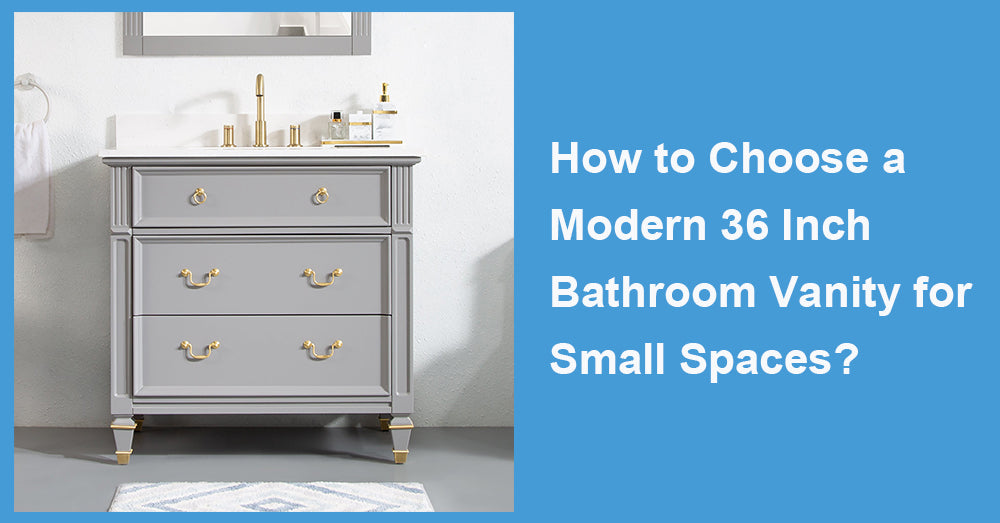
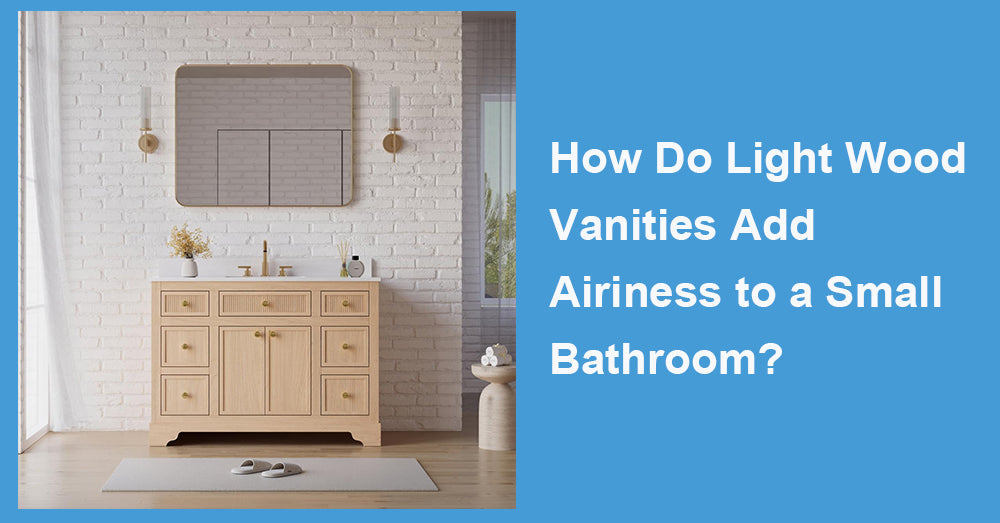







































Leave a comment
This site is protected by hCaptcha and the hCaptcha Privacy Policy and Terms of Service apply.