


















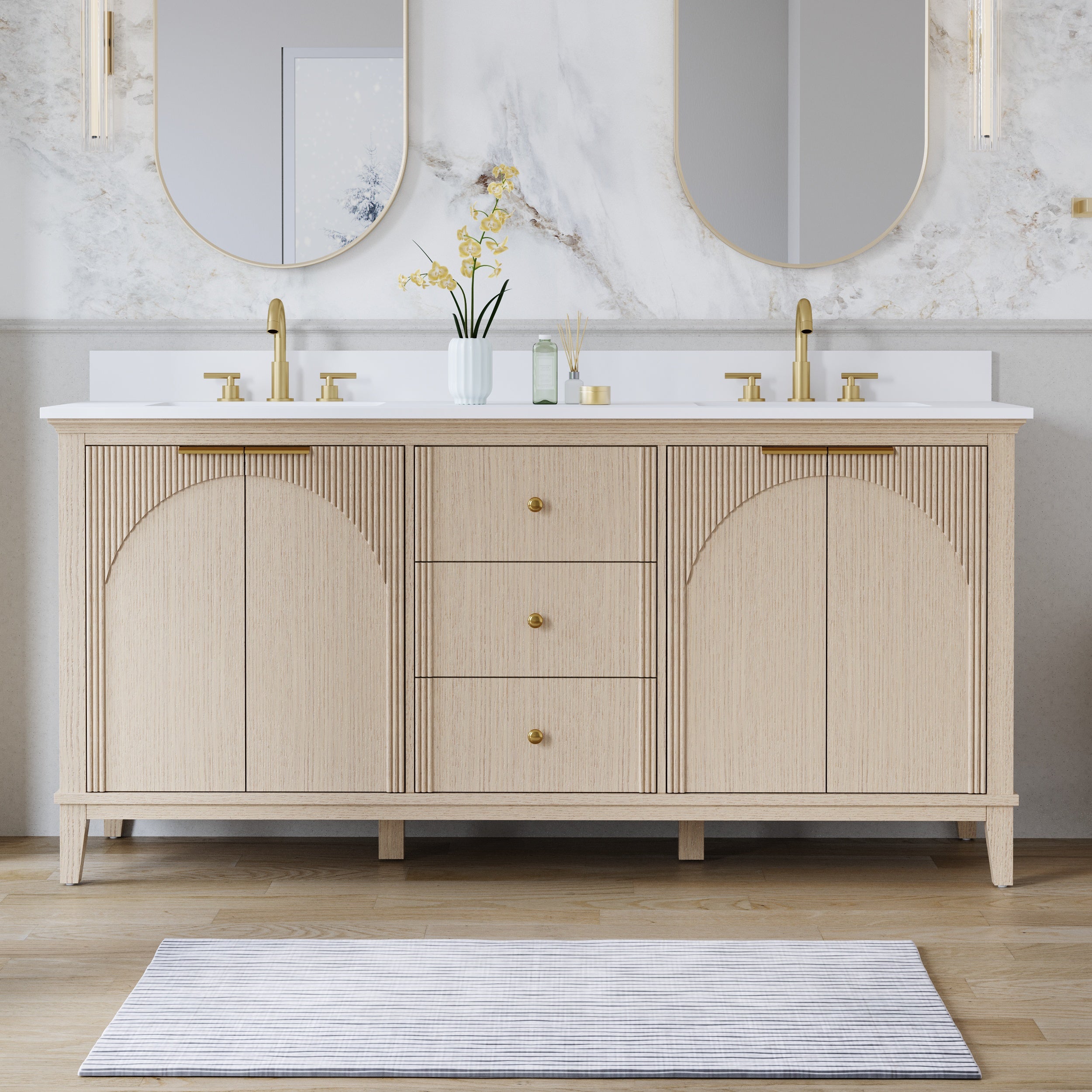
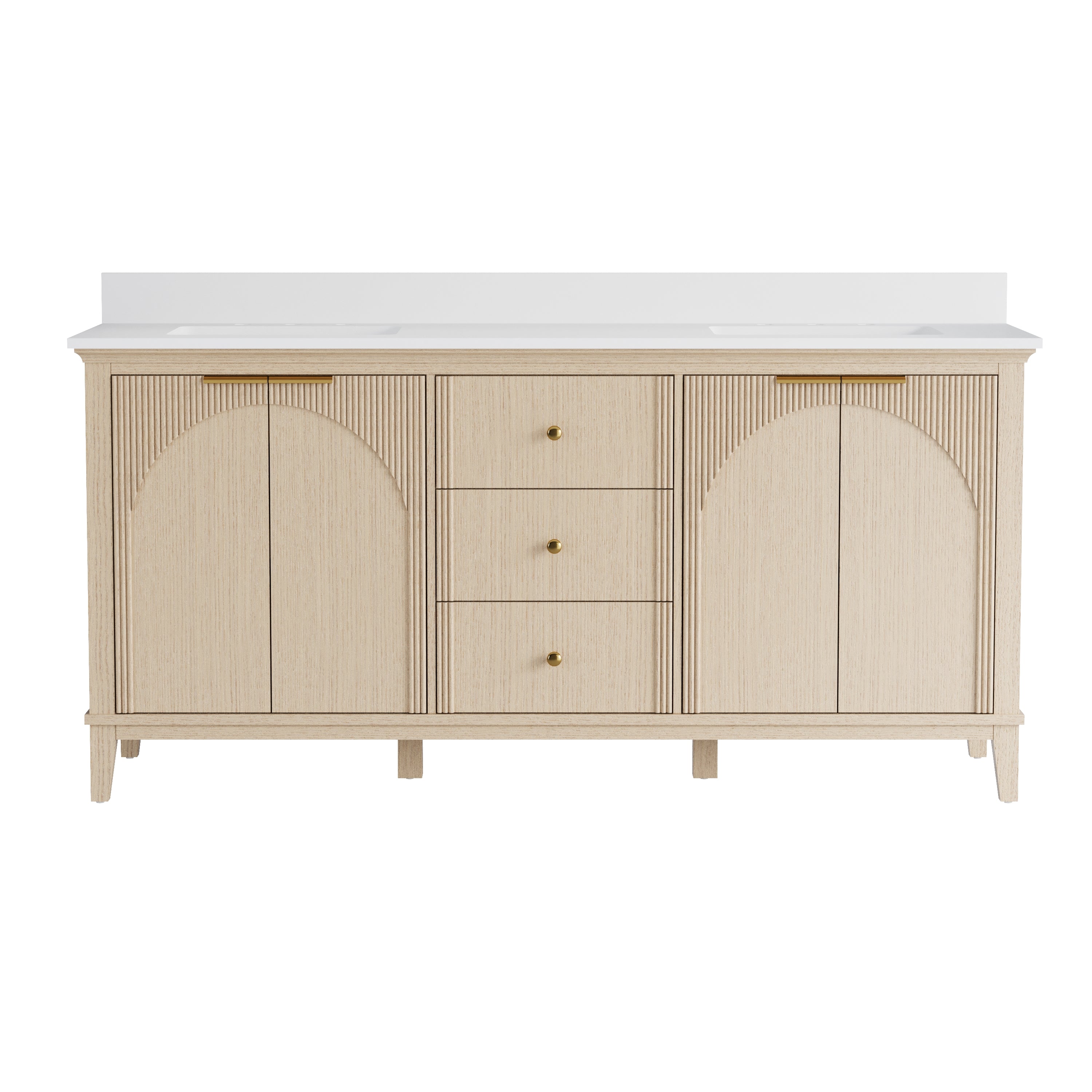



Light wood vanities have become an increasingly useful design tool in smaller bathrooms because they bring warmth without introducing the visual heaviness associated with darker cabinetry. The shift is visible in current renovation data. Houzz's 2025 Bathroom Trends Study, based on 1,737 recent or planned renovation projects, found that wood tones were the leading vanity color category at 28%, with light wood accounting for 11%. Solid wood was used in 74% of upgraded vanities, and white oak represented 23% of solid-wood selections. These numbers suggest that pale wood is no longer limited to Scandinavian-inspired interiors. It is becoming part of a broader move toward bathrooms that feel lighter, warmer, and less visually crowded.
1. Light Wood Softens the Visual Weight of Cabinetry
A vanity occupies a surprisingly large portion of the lower half of a bathroom. In a narrow room, a dark 36-inch cabinet can read almost like a solid block, particularly when it sits against light flooring or white walls.
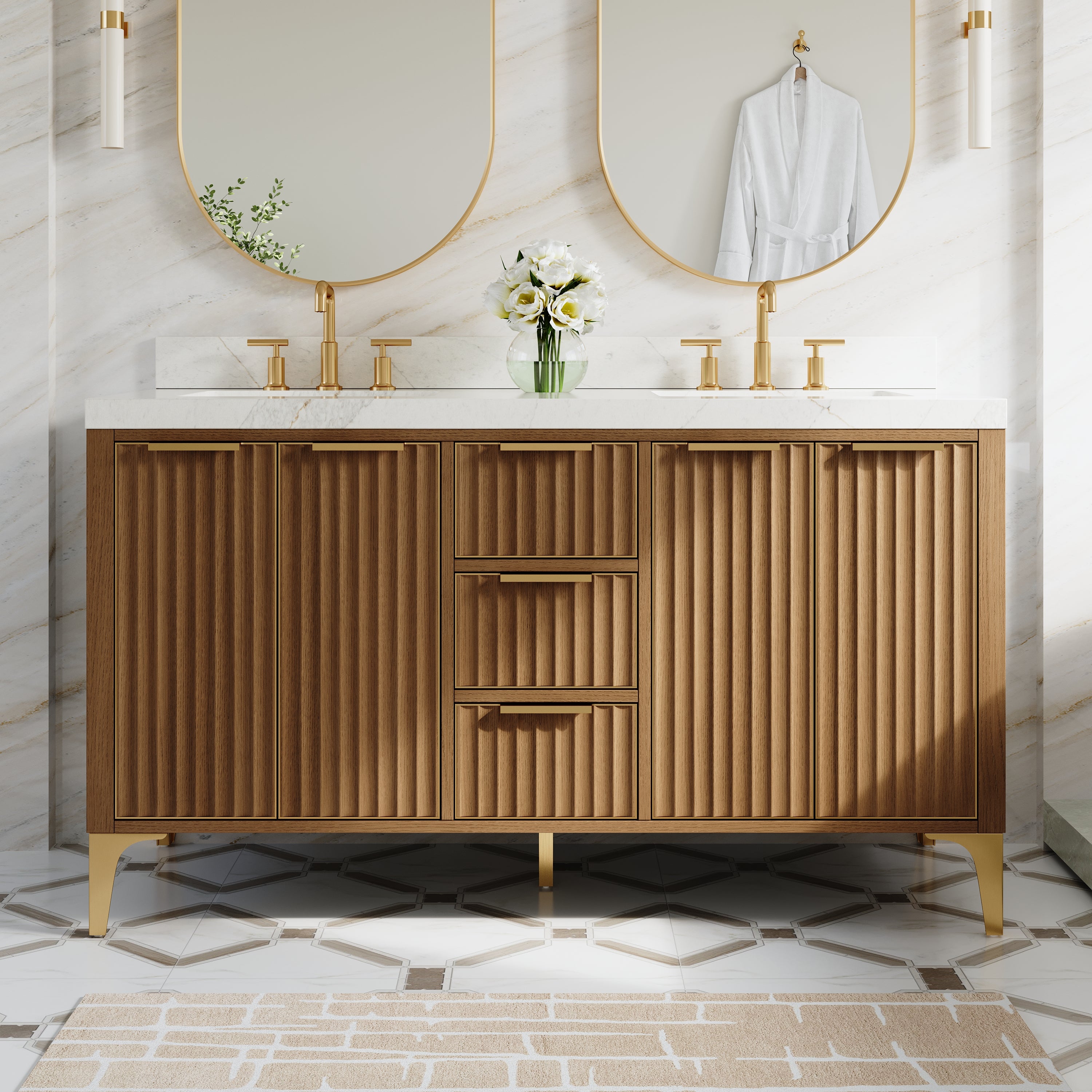
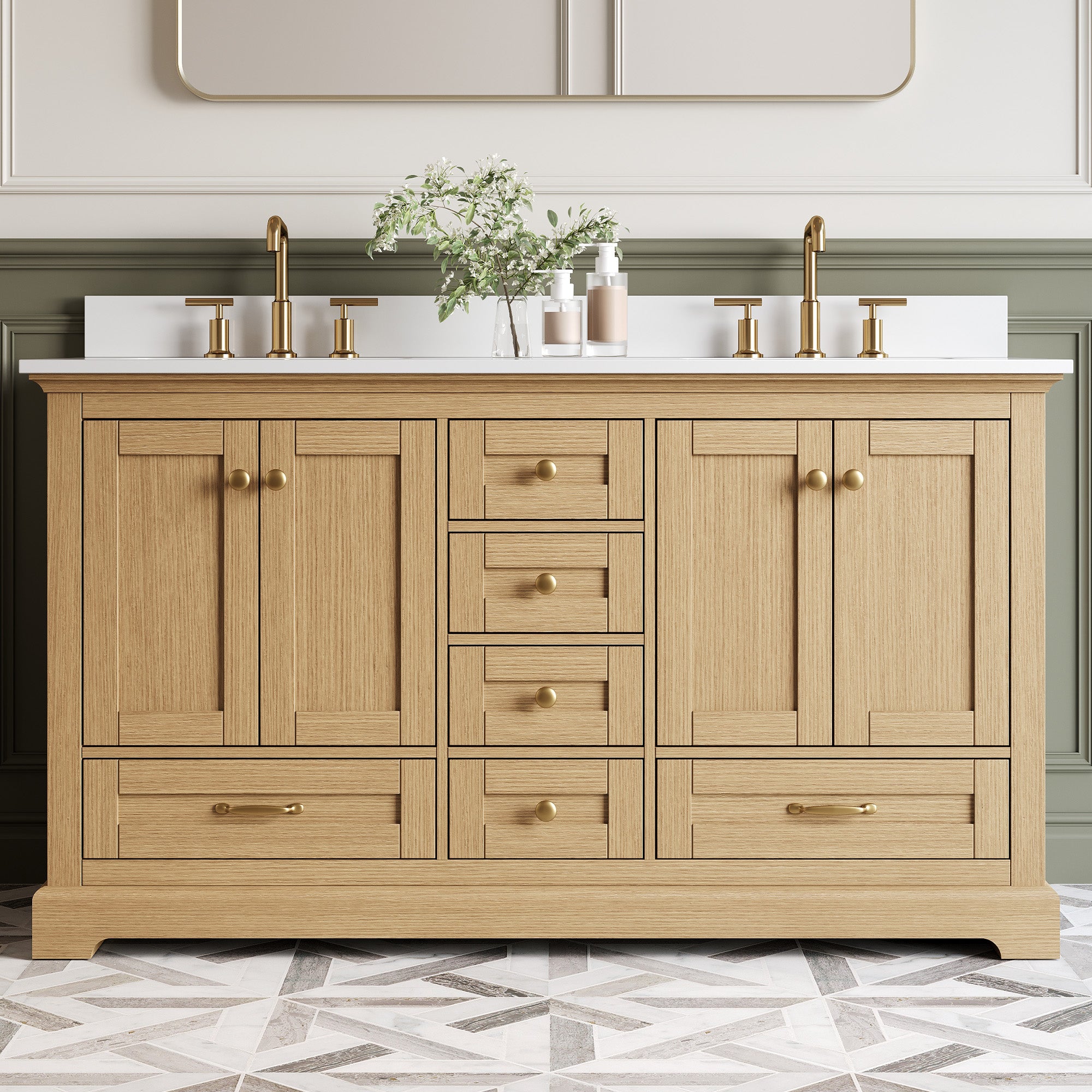
Pale oak, maple, or similarly light finishes create a softer transition between the vanity and the surrounding surfaces. The cabinet is still clearly visible, but its edges do not dominate the room as strongly.
This is useful for common compact vanity sizes such as 24, 30, 36, and 48 inches.
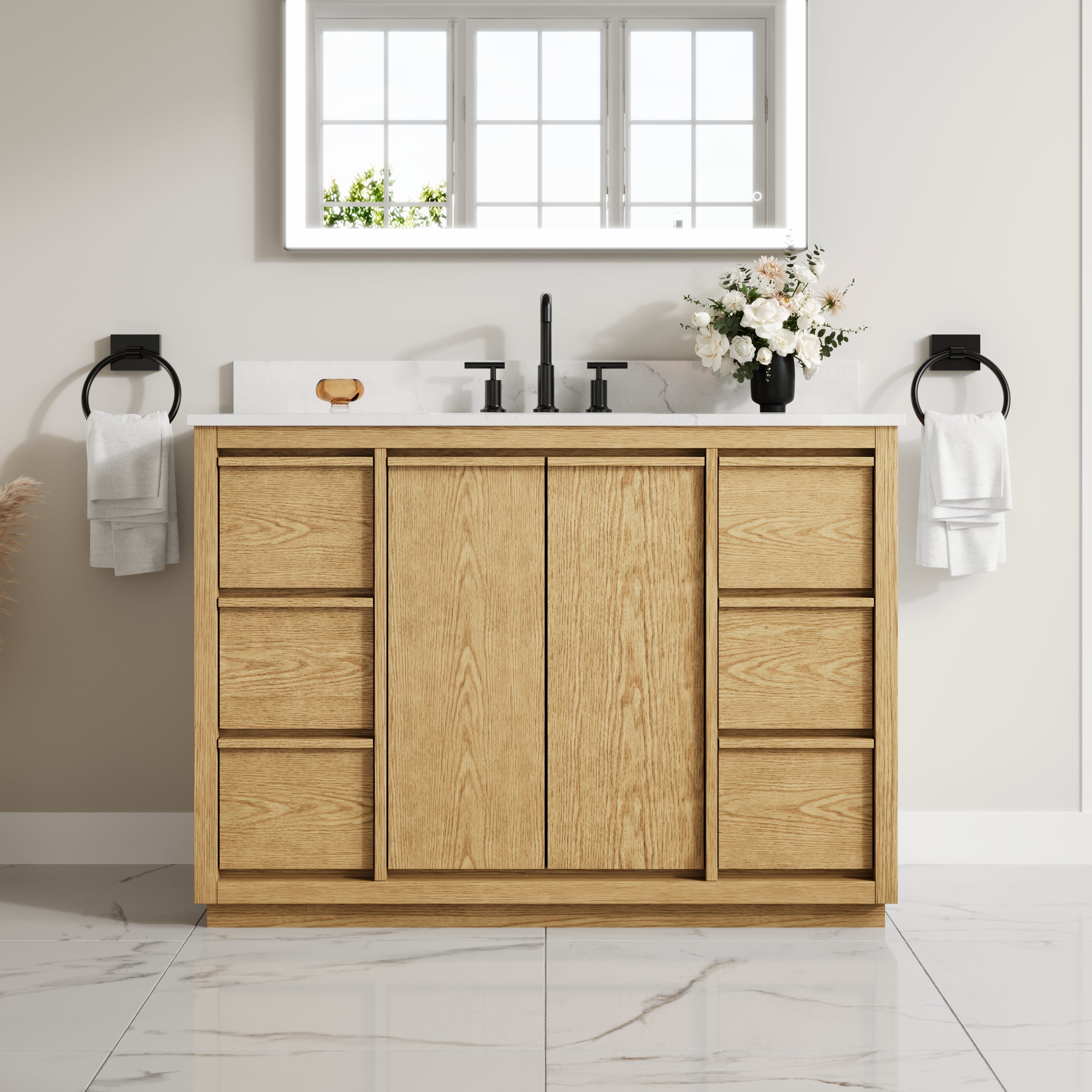
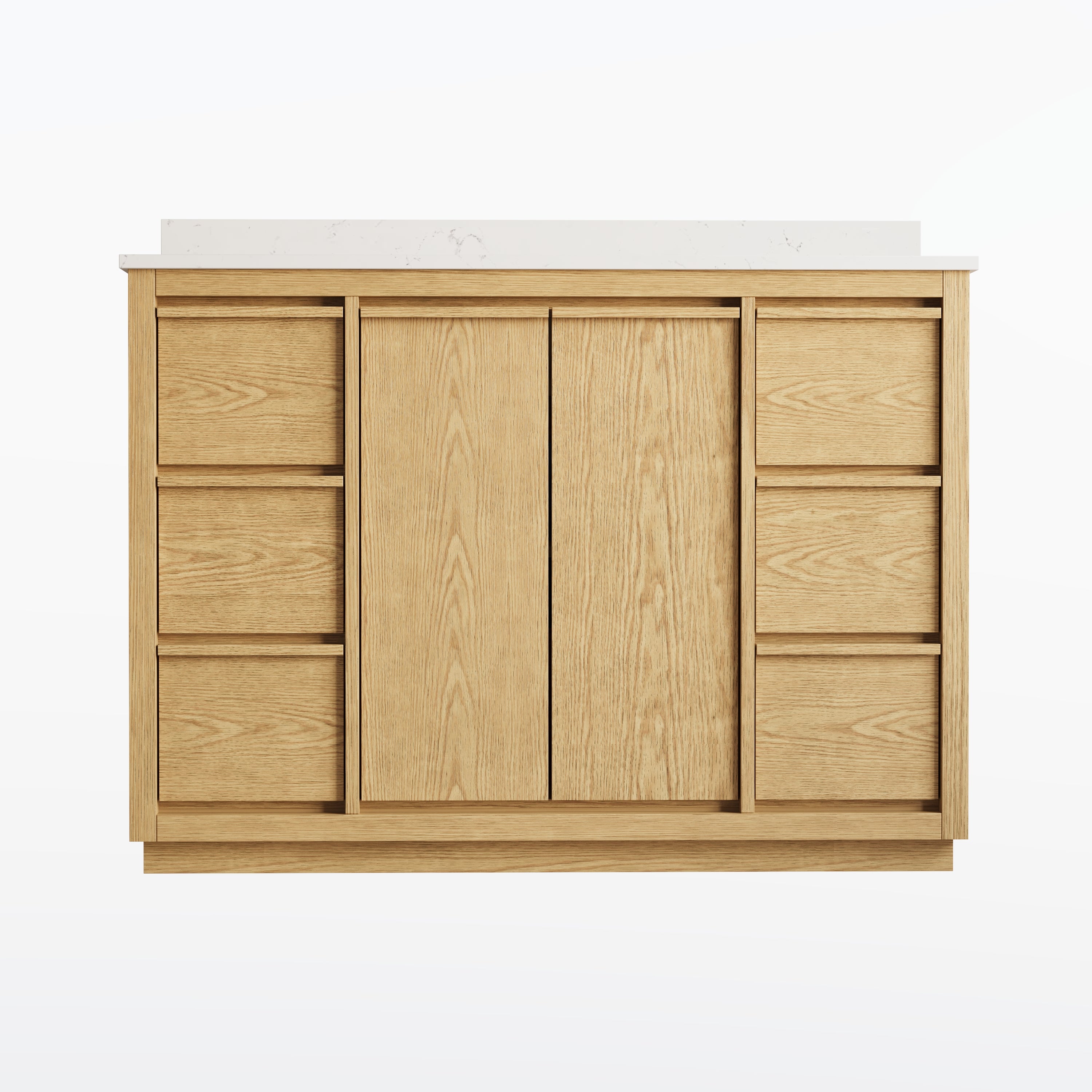
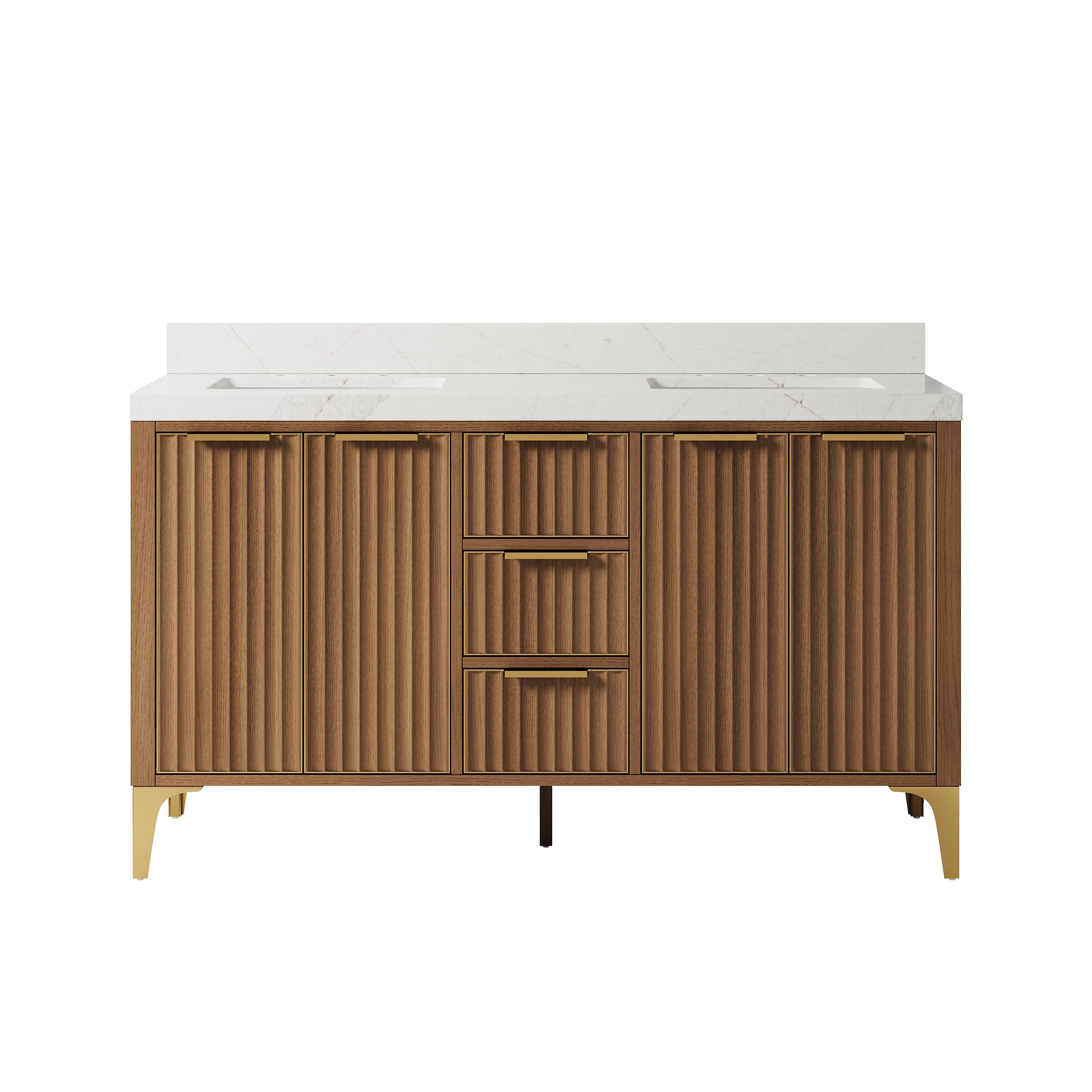
A 36-inch light oak vanity, for example, can provide meaningful drawer storage and countertop space without visually closing off the wall. That balance is especially valuable because Houzz found that 47% of upgraded vanities measure 48 inches or less.
2. Natural Grain Adds Interest Without Adding Clutter
Small bathrooms usually benefit from fewer decorative elements, but completely plain surfaces can make the room feel sterile.
Light wood solves that problem in a subtle way. Its grain introduces texture without needing bold tile, elaborate cabinet molding, or multiple accent colors.
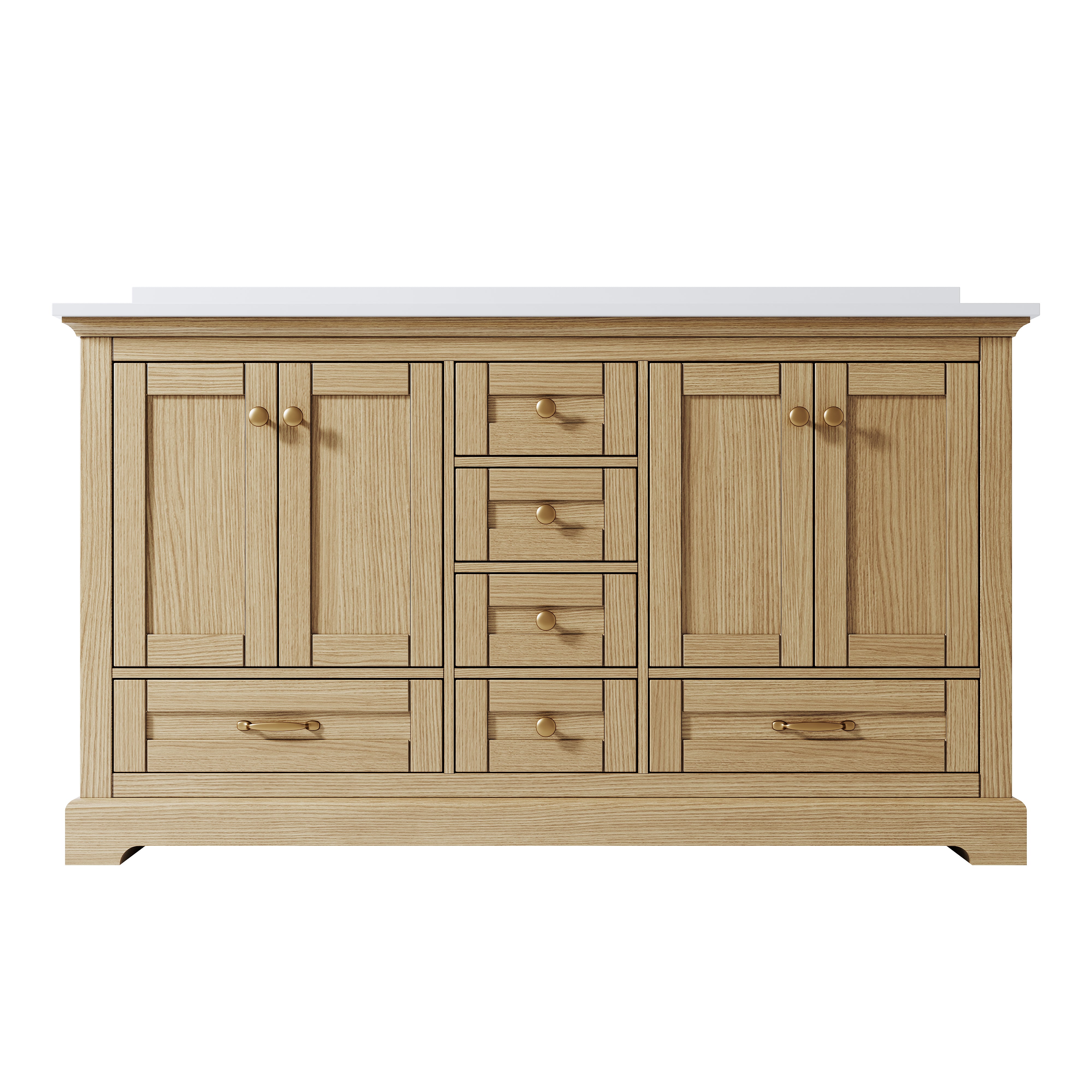
White oak is particularly well suited to this approach because its grain can be visible without becoming overly busy. Maple provides an even quieter alternative.
This helps explain why natural materials are gaining attention. NKBA's 2026 Bath Trends Report found that wood-faced vanities reached 62% in popularity, ahead of painted cabinetry at 53%. Organic and natural design was also identified as a leading direction by 65% of nearly 700 industry professionals surveyed.
The cabinet itself becomes part of the decoration, so the rest of the room can stay restrained.
3. A Floating Light Wood Vanity Can Open the Floor
The mounting style can strengthen the effect.
A floating vanity leaves a visible strip of flooring beneath the cabinet. In a small bathroom, that uninterrupted floor plane can make the room feel less boxed in.
Houzz found that floating vanities represented 11% of upgraded installations, compared with 30% for freestanding models and 58% for built-ins. Although wall-mounted cabinetry remains a smaller segment, designers often use it strategically where openness matters.
A 30-inch or 36-inch floating oak vanity can be especially effective when the same floor tile runs beneath the cabinet and continues toward the shower.
Houzz's roundup of popular 2025 bathrooms included a compact project in which a wall-mounted white oak vanity added storage and warmth without crowding the room, illustrating how the idea is being used in real design projects rather than only in product photography.
4. Warm Neutrals Make Pale Wood Feel Even Lighter
Light wood works best when it is allowed to sit inside a relatively quiet palette.
NKBA found that 96% of respondents identified neutrals as the dominant bathroom color direction. Off-white reached 58%, light brown and tan 54%, and white 40%. Sage green also scored strongly at 64%.
Those colors are naturally compatible with pale wood.
A small bathroom might combine a light oak vanity with warm white walls and beige porcelain flooring. Another could use pale wood cabinetry with sage tile and a white quartz top.
The goal is not to make every surface the same color. A modest amount of contrast prevents the room from feeling washed out while still keeping the overall composition calm.
5. White Countertops Keep the Upper Surface Visually Clean
The countertop can either reinforce or cancel the airiness created by the cabinet.
Houzz reports that white is the leading bathroom countertop color at 48%, followed by off-white at 20%. Engineered quartz leads countertop materials at 45%.
For a small vanity, that combination is useful.
A white or lightly veined quartz top reflects more available light and creates a clean horizontal line above the wood grain. Beige or warm gray veining can connect the countertop with the undertones in oak without making the surface look too busy.
On a 30-inch or 36-inch vanity, restrained veining usually works better than an oversized dramatic pattern that competes with the limited wall area.
6. Large-Format Flooring Helps the Room Read as One Space
The floor surrounding the vanity matters almost as much as the cabinet itself.
NKBA reports that 89% of surveyed professionals expect smaller or nearly invisible grout lines to remain desirable, while 80% believe large-format flooring will be popular over the next three years.
Fewer grout lines make a compact floor appear less fragmented.
This works particularly well with a floating light wood vanity because the flooring remains visible beneath it. Instead of seeing a cabinet, a toe kick, several grout lines, and another material transition, the eye sees one larger continuous surface.
Stone-look porcelain in warm white, cream, beige, or soft gray is especially easy to coordinate with pale oak.
7. Good Storage Is What Keeps the Airy Look Intact
A light wood vanity can look elegant when empty and immediately feel cramped once the countertop fills with bottles, cosmetics, hair tools, and chargers.
Storage design therefore matters more than decoration.
Useful features include deep drawers, full-extension slides, U-shaped drawers around the drain, adjustable organizers, and interior electrical outlets.
NKBA's latest research notes growing interest in configurable vanity storage, including compartments for hair tools, makeup, medication, charging devices, and custom dividers.
For a 36-inch vanity, a strong drawer layout may be more useful than adding another open shelf or decorative basket.
The cleaner the countertop stays, the more visible the light wood and pale top remain.

8. Mirrors and Natural Light Multiply the Effect
Light-colored cabinetry can support brightness, but lighting still does most of the actual work.
NKBA found that 91% of respondents consider lighting quality a top bath-design consideration. Natural light was identified as a priority by 88%, while 92% supported task lighting in the primary bathroom.
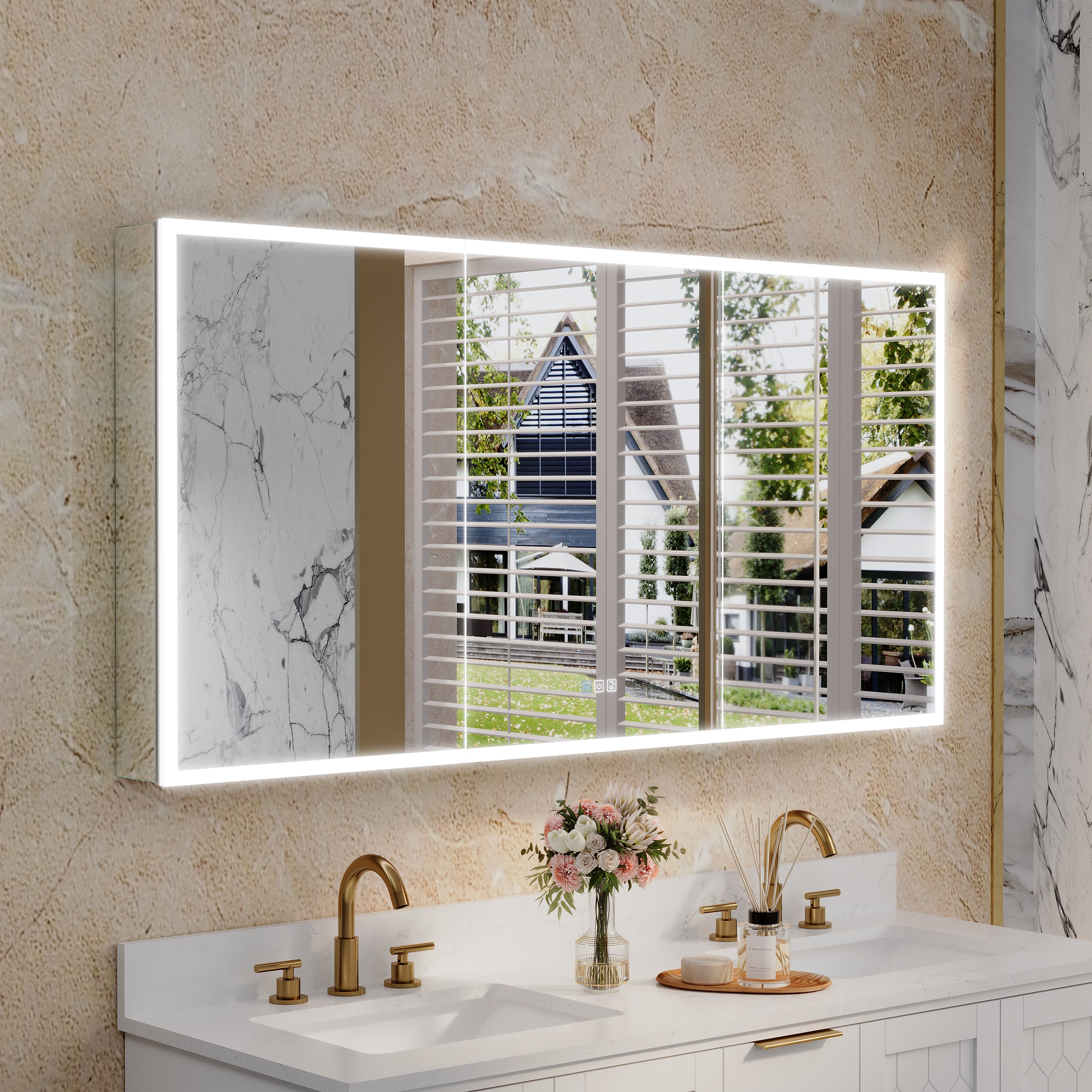
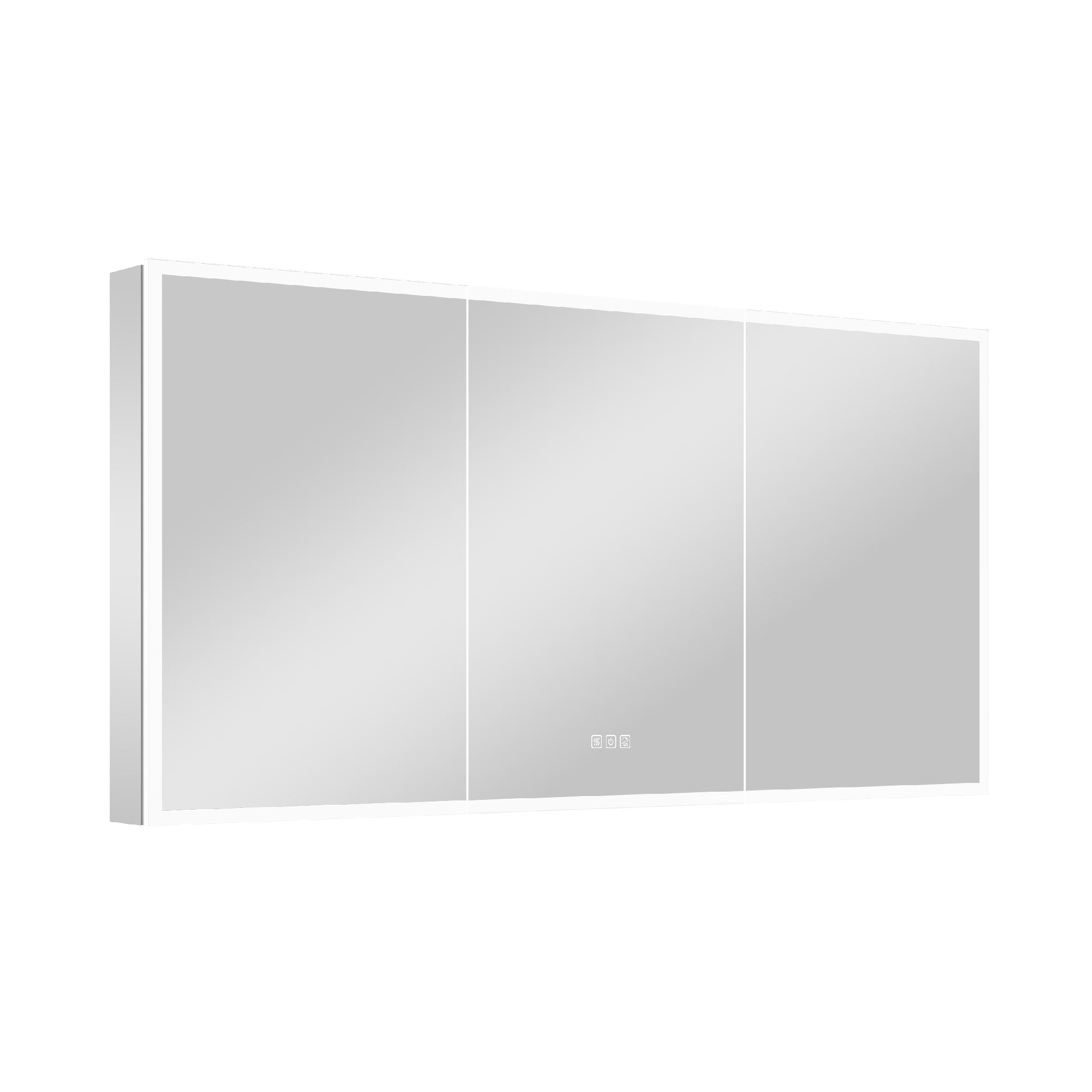
A generously sized mirror above a light wood vanity can reflect both natural and artificial light across the room.
For a 36-inch vanity, a mirror around 30 to 36 inches wide often feels proportionate, although the wall layout and fixture placement should determine the final size.
Integrated mirror lighting can also be useful where there is not enough wall width for sconces.
9. Airiness Comes From More Than Just a Pale Finish
Light wood vanities do not physically enlarge a small bathroom. Their advantage is more subtle: they introduce furniture and storage without creating the same visual barrier as many darker cabinets.
The effect becomes strongest when several design decisions work together. Pale wood softens the cabinetry, a white or off-white top keeps the vanity surface bright, large-format flooring reduces visual breaks, a mirror expands reflected space, and practical drawers keep everyday clutter out of sight.
Current data supports the broader direction. Wood tones now lead vanity colors at 28%, wood-faced cabinetry has reached 62% in NKBA's trend research, and 96% of professionals expect neutral palettes to remain important.
For a compact bathroom, that makes light wood more than a fashionable finish. A well-proportioned 30-inch, 36-inch, or 48-inch vanity can bring enough natural texture to make the room feel welcoming while still preserving the openness that smaller spaces need.





























Leave a comment
This site is protected by hCaptcha and the hCaptcha Privacy Policy and Terms of Service apply.