














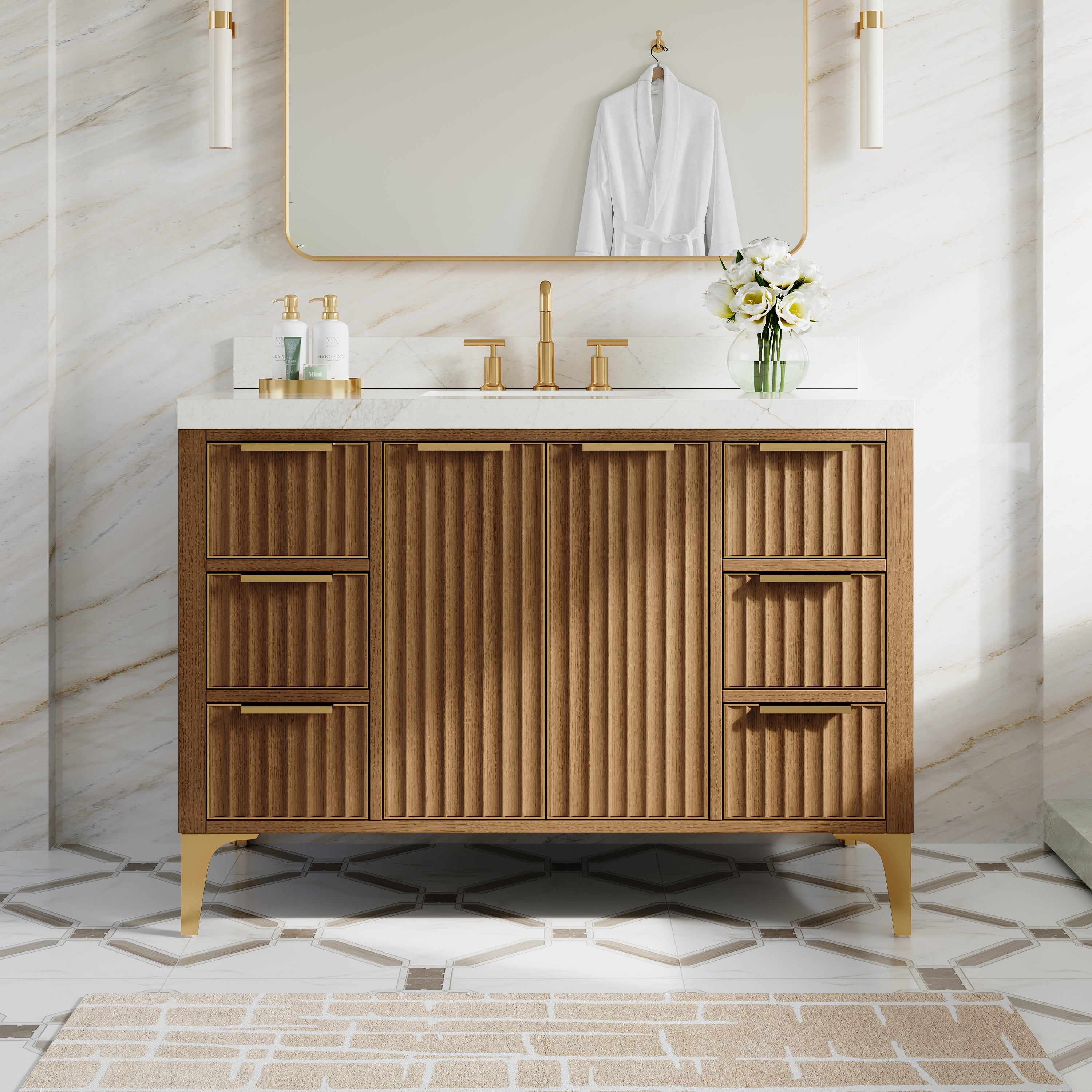
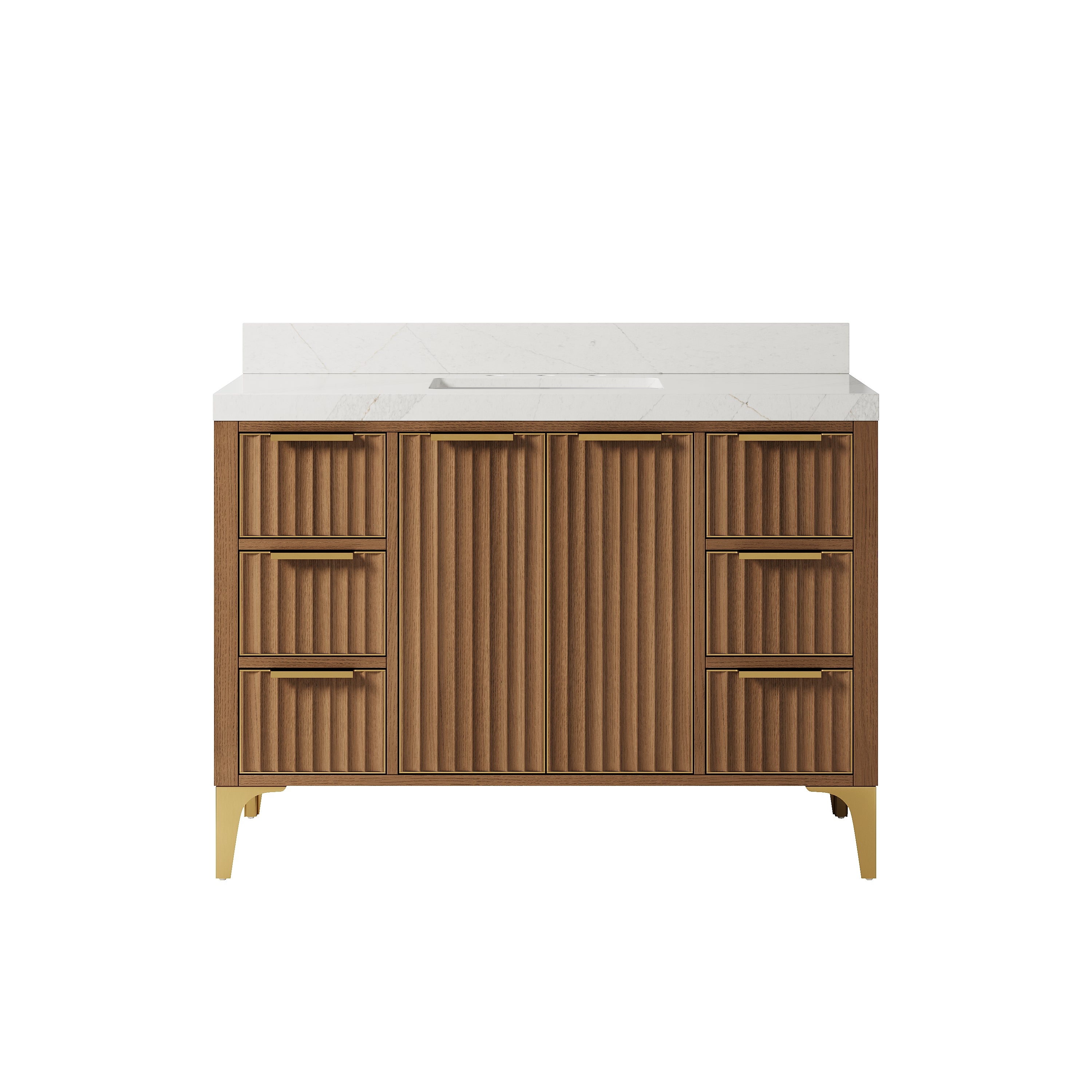


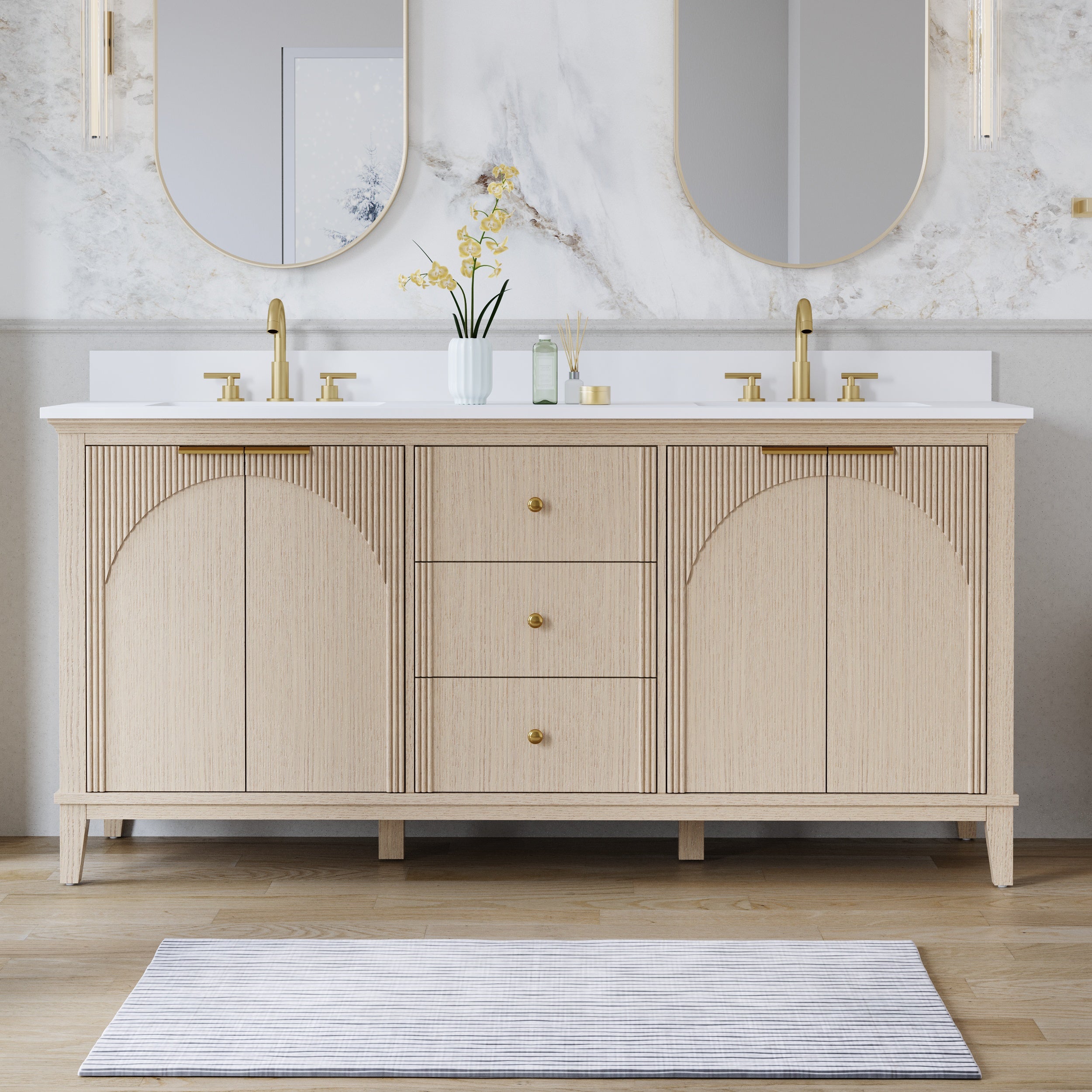
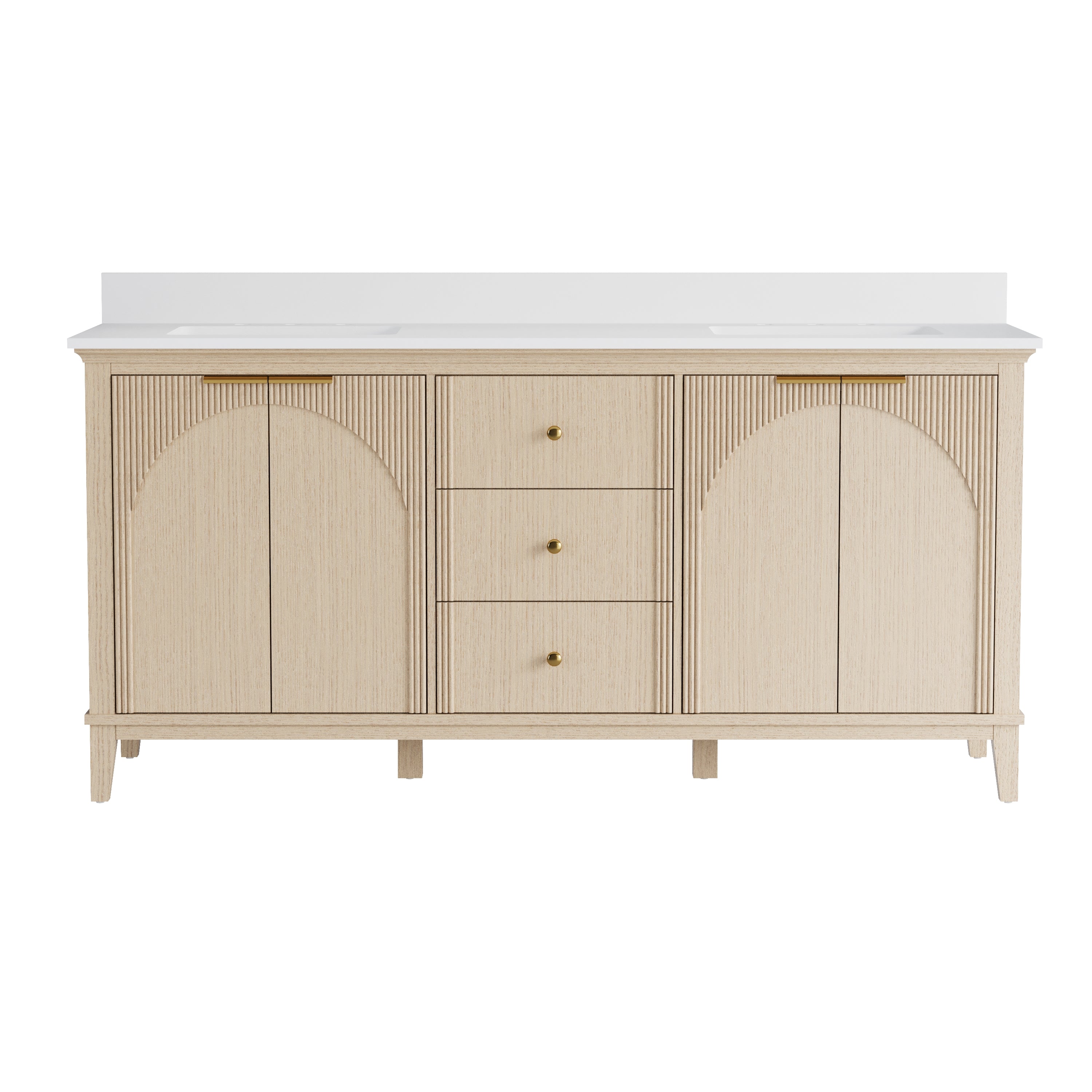
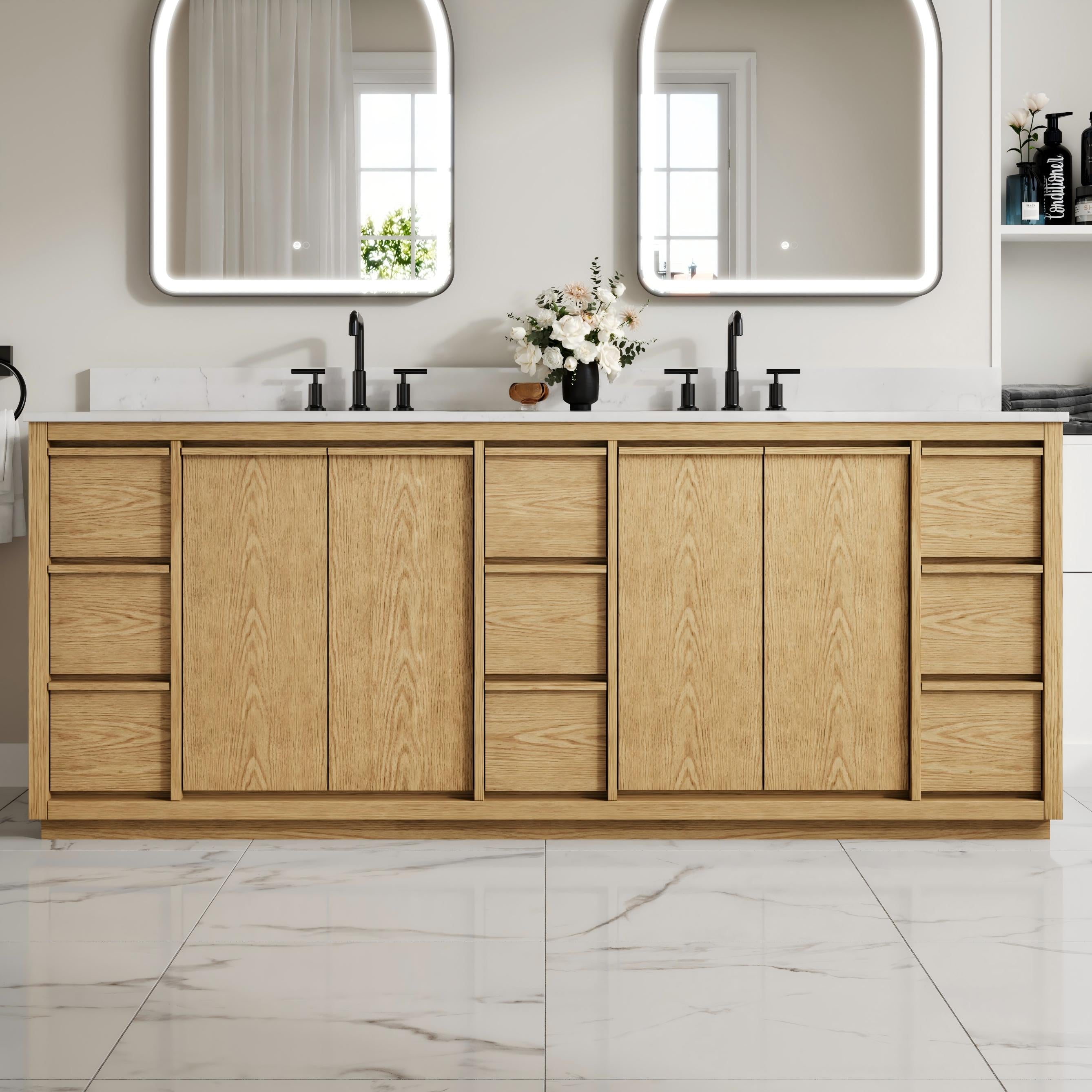
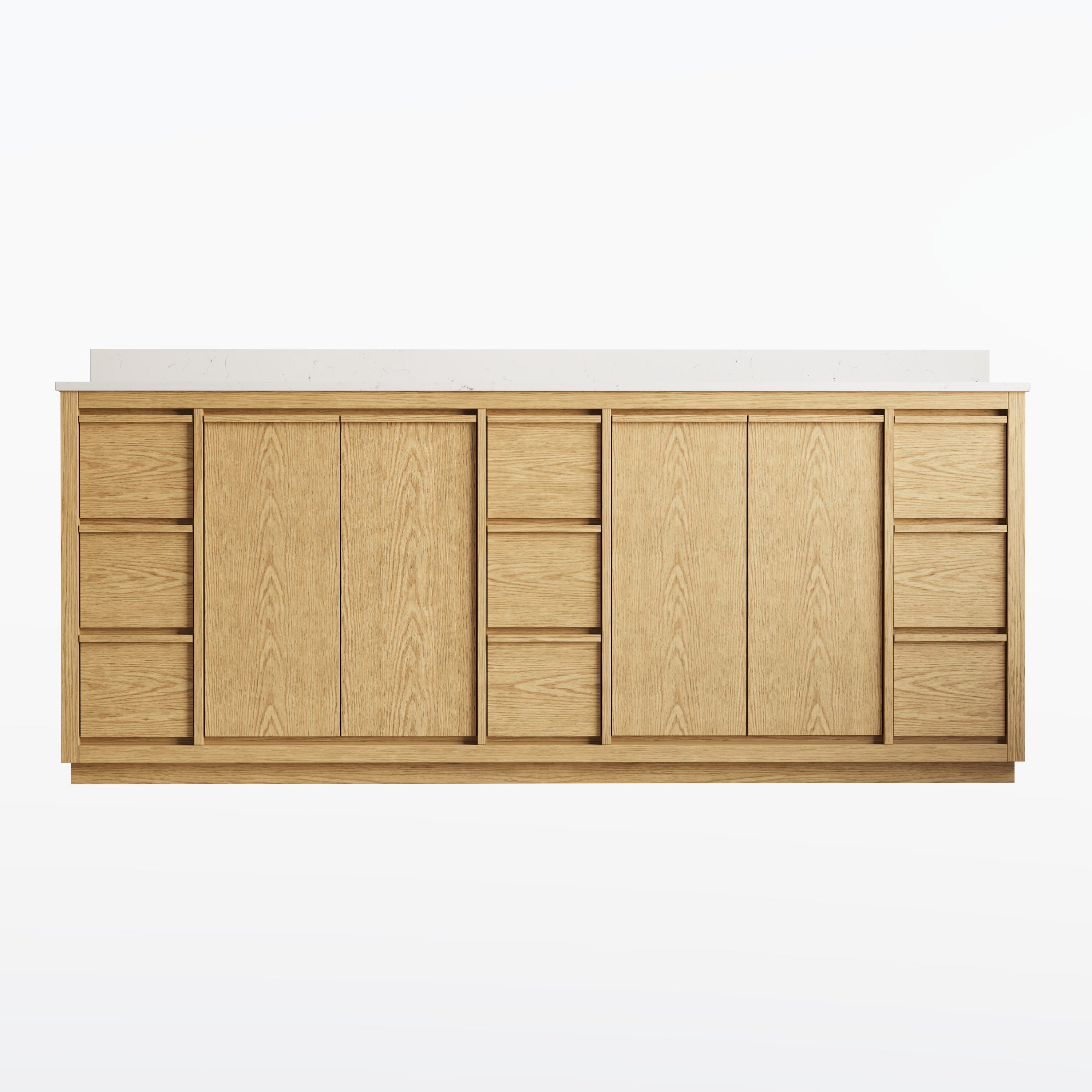
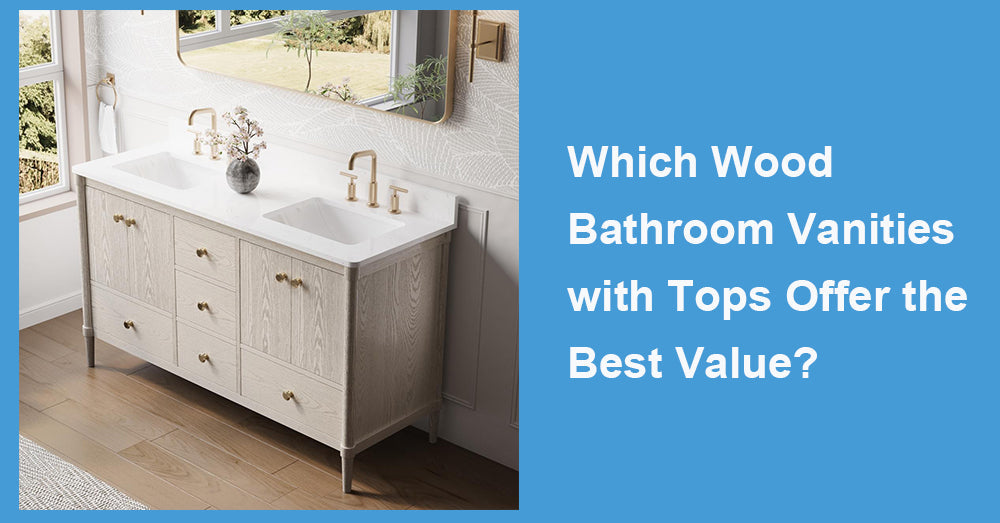
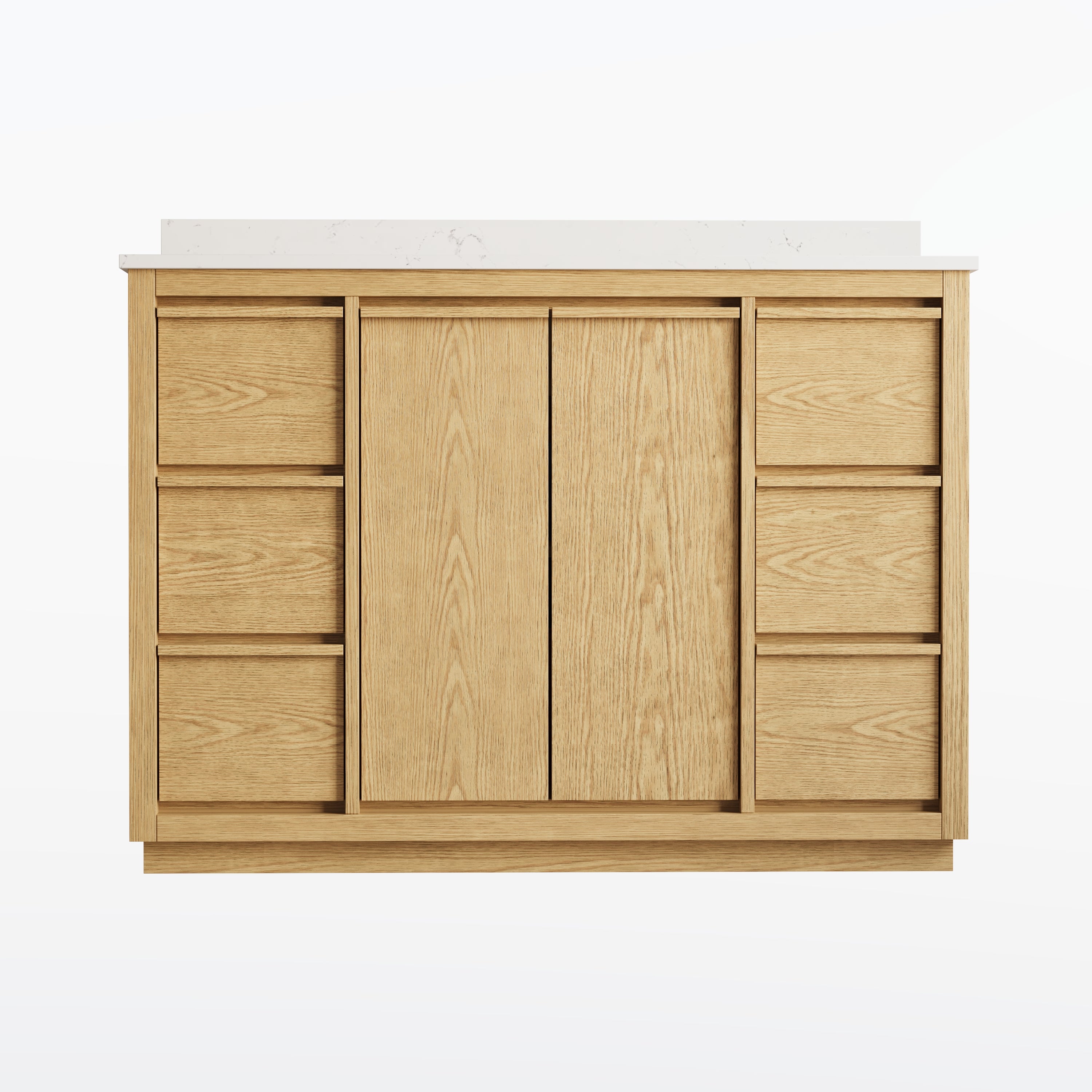
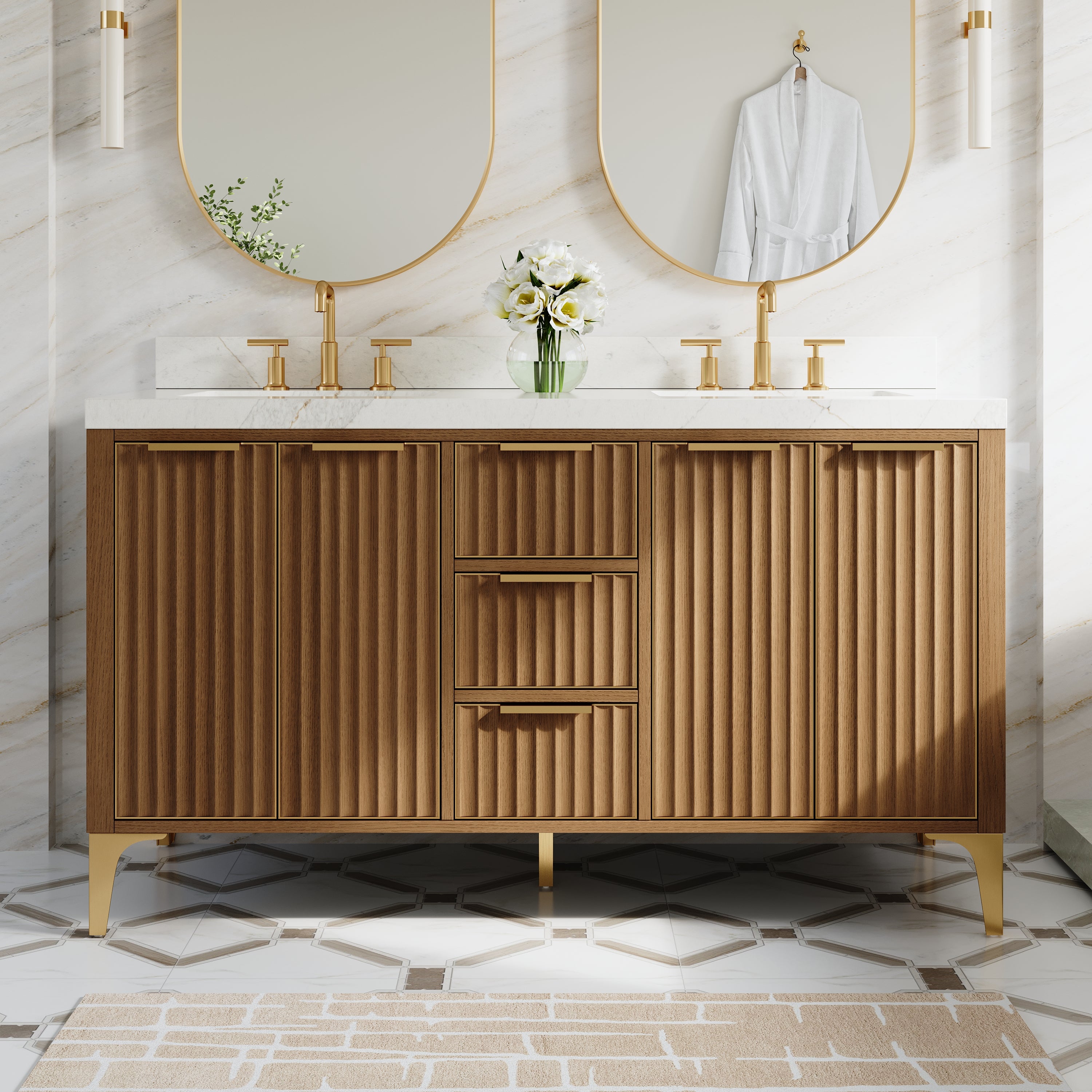
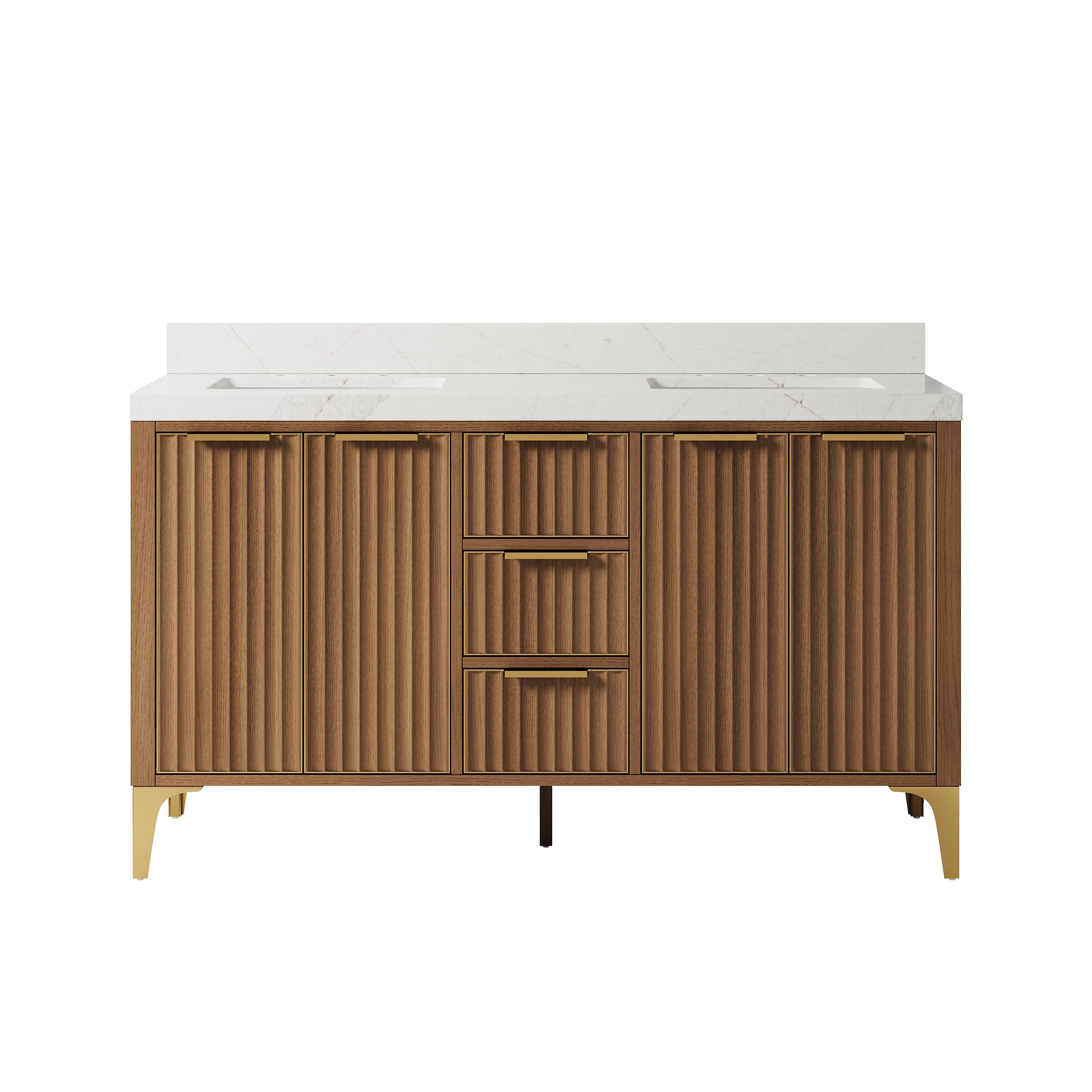
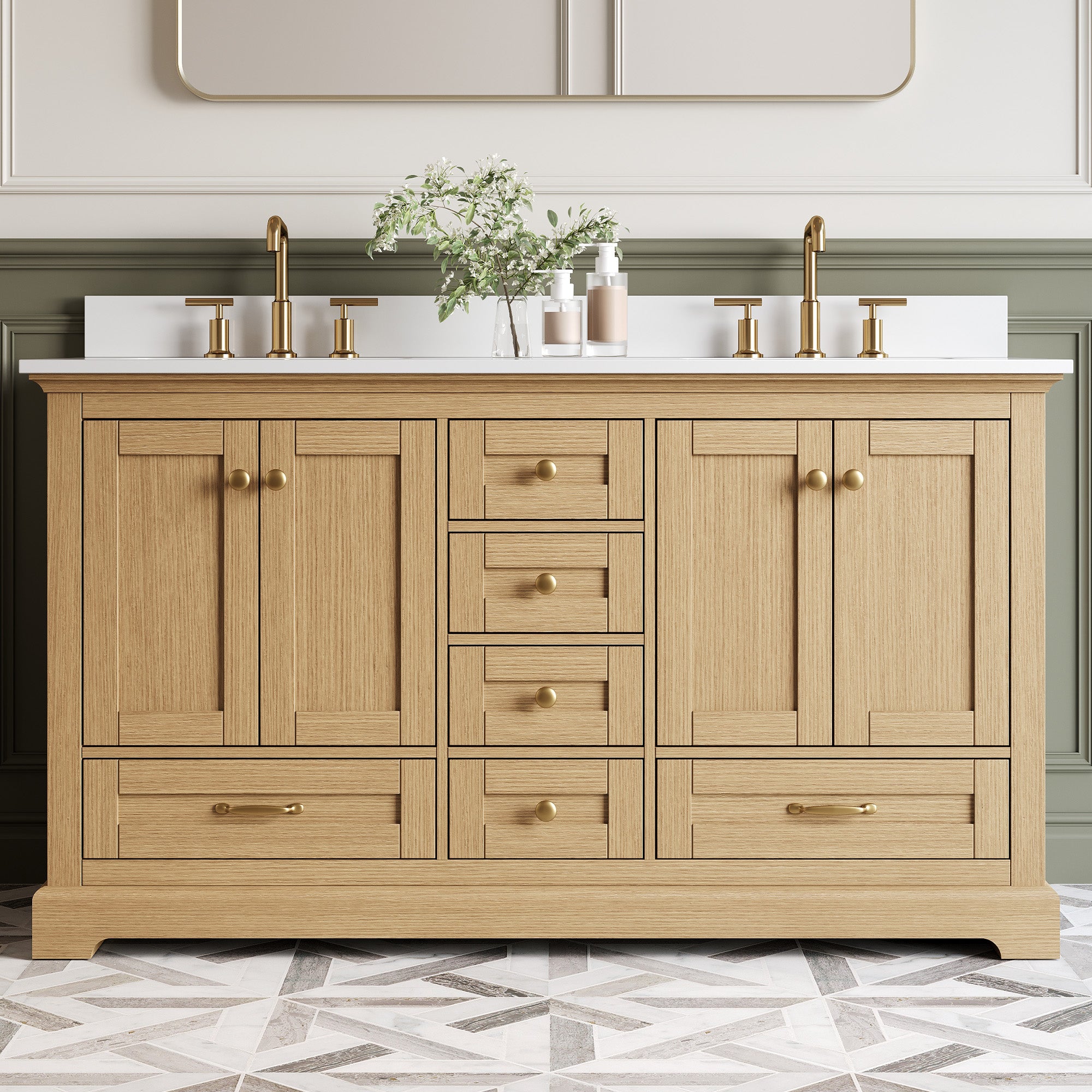
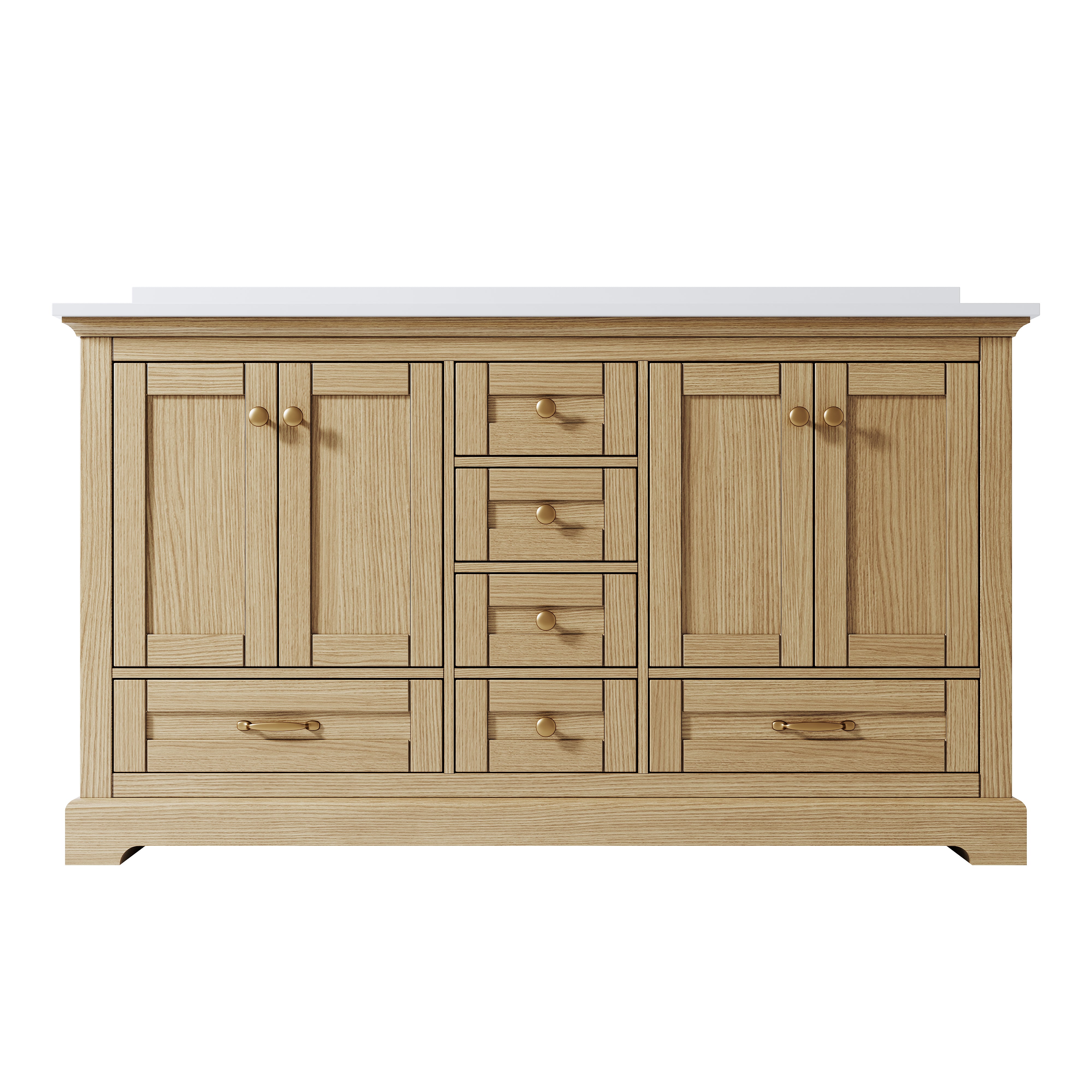
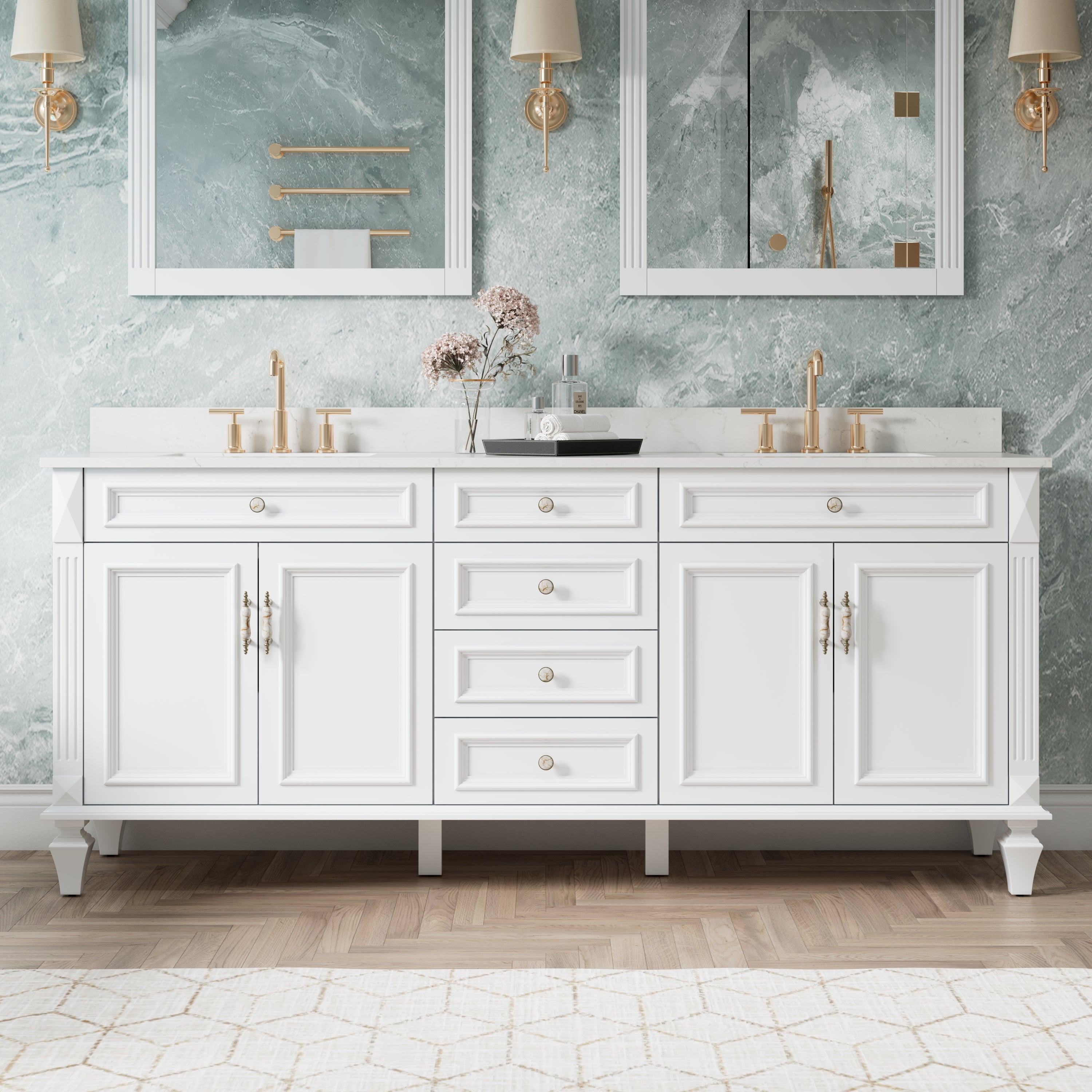
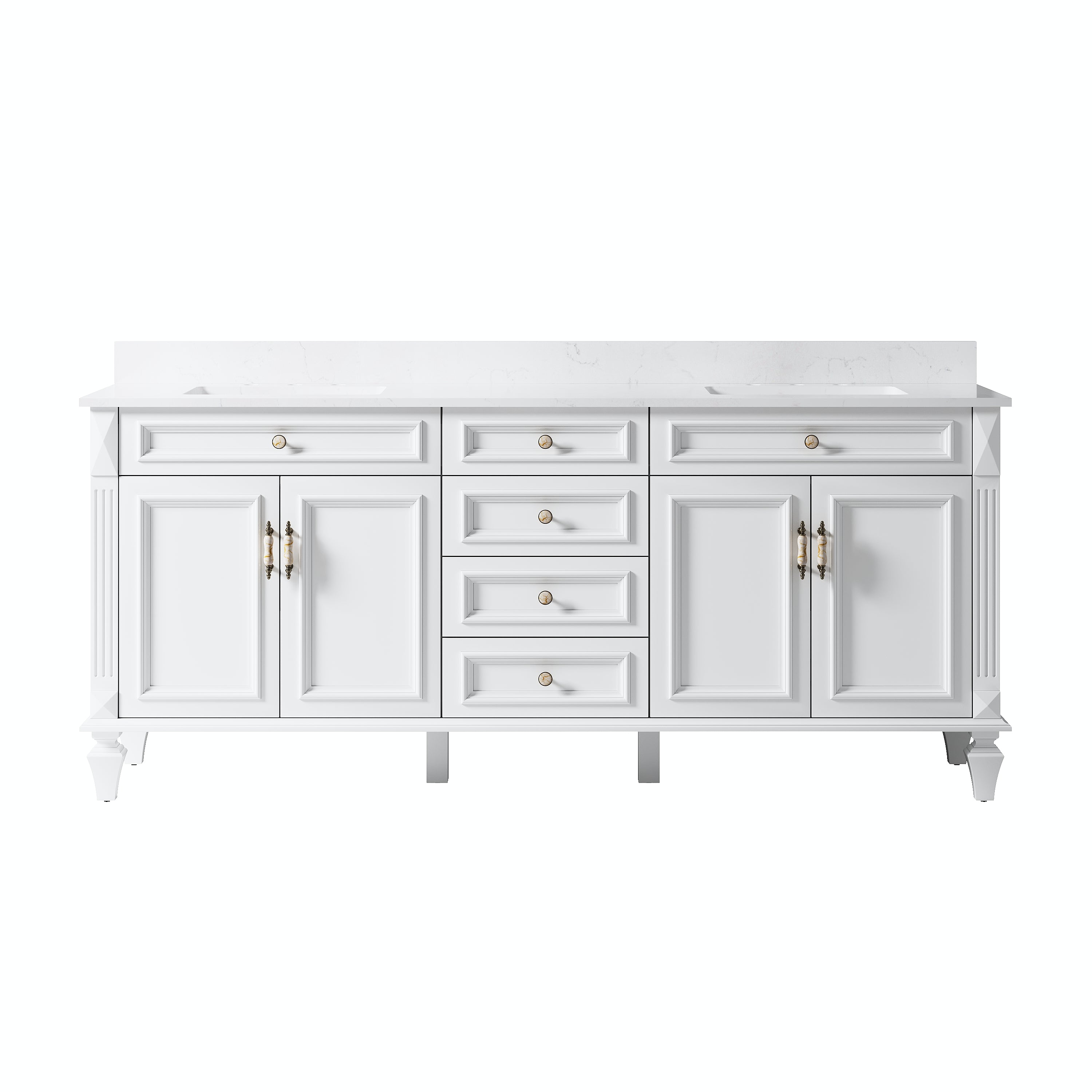
Wood bathroom vanities with tops can offer excellent value when the cabinet, countertop, sink, and storage layout are all suited to the bathroom’s daily workload. After more than 20 years of evaluating bathroom cabinetry, I have found that the best package is rarely the cheapest or the most decorative. Real value comes from durable construction, useful drawers, a practical sink size, and a top that can handle water, cosmetics, and regular cleaning without demanding constant attention.
A coordinated vanity set can simplify a remodel considerably. It can also create expensive problems when buyers focus on the finish and ignore what is included beneath and above it.
1. Why Wood Bathroom Vanities with Tops Can Save Time and Money
Buying the vanity and top as one package removes several decisions from the remodeling process. The countertop is already sized for the cabinet, the sink opening is prepared, and the materials are designed to work together.
This can reduce fabrication costs and shorten installation time. It is particularly useful in guest bathrooms, hallway baths, rental renovations, and smaller primary suites where a custom countertop would add expense without improving daily function.
A complete package also helps avoid measurement errors. Ordering a cabinet from one supplier and a top from another can lead to problems with overhang, sink placement, backsplash size, or faucet-hole spacing.
The limitation is flexibility. You may need to accept the manufacturer’s chosen sink position, edge profile, and countertop pattern. For an unusual wall opening or a highly customized renovation, separate components may still be the better investment.
2. Start With Cabinet Construction, Not the Countertop Pattern
The top attracts attention first, but the cabinet determines whether the vanity lasts.
Solid wood framing can provide strength and hold hardware securely. Quality plywood is often a practical material for the cabinet box because it tends to remain stable as bathroom humidity changes. Properly sealed engineered wood may also perform well, particularly in lightly used bathrooms.
I become cautious when a product description relies on vague phrases such as “premium wood” without identifying the materials. Thin particleboard, exposed edges, and weak drawer bottoms can turn an affordable package into a short-term purchase.
Do not assume every component is solid wood
Many well-built wood vanities combine materials. The frame or drawer fronts may be solid wood, while the cabinet box uses plywood. That is not automatically a compromise.
What matters is where each material is used and how it is protected. Ask about the cabinet sides, back panel, drawer boxes, shelves, and finish coverage. Clear construction details are a stronger sign of value than a broad material label.
3. Choose a Top That Matches the Bathroom’s Workload
The best countertop depends on who uses the bathroom and how much maintenance they are willing to perform.
Quartz is one of the strongest choices for a busy family bathroom. It resists most stains, requires little routine care, and works with many wood finishes. Cultured marble often provides good value and may include an integrated sink, reducing seams and simplifying cleaning.
Ceramic tops suit guest baths and compact vanities. They are easy to wipe, though they may provide less usable counter space. Natural marble and other stones offer visual depth, but some require sealing and can be marked by cosmetics, acidic products, or harsh cleaners.
A beautiful top is not good value if the owner is unwilling to care for it properly.
Sink size affects the value of the entire package
An oversized basin may look luxurious in a product image but leave very little counter space. This is especially noticeable on 30- or 36-inch vanities.
A moderately sized undermount sink usually provides the best balance. It leaves room for soap, toothbrushes, and a guest’s toiletry bag while keeping the surface easy to clean.
Check whether the backsplash, sink, drain, faucet, and mounting hardware are included. “With top” does not always mean the package contains everything shown in the photograph.
4. Storage Determines How Valuable the Vanity Feels
A vanity can be well built and still feel disappointing if the interior does not support daily routines.
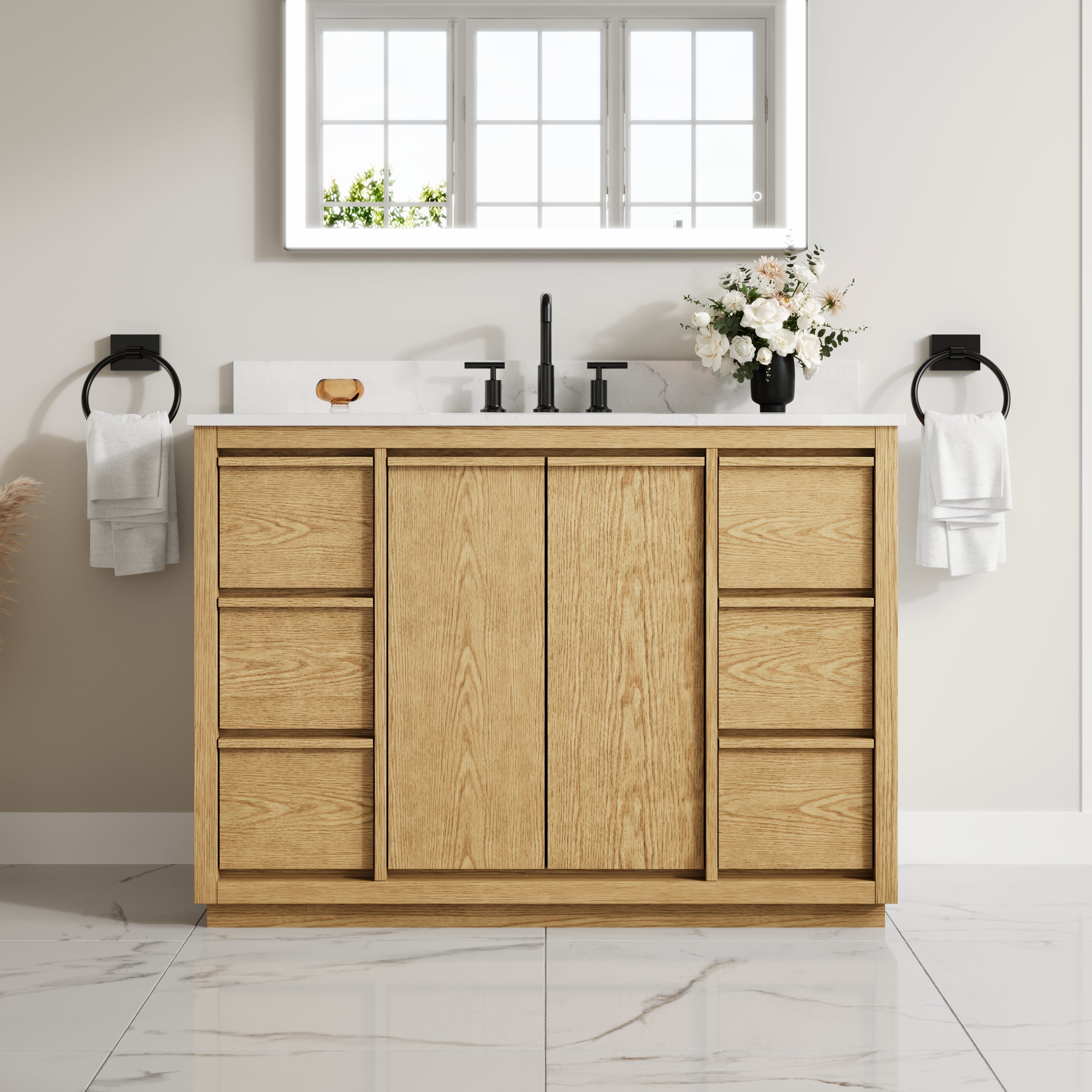
Deep drawers are useful for skincare, cosmetics, hair tools, and grooming products. Full-extension slides make items at the back easier to reach. Cabinet space beneath the sink works better for tall bottles, extra paper goods, and cleaning supplies.
Do not count drawer fronts without checking whether they open. Some are decorative because the sink occupies the space behind them. Others use large plumbing cutouts that reduce capacity.
For a guest bath, one cabinet and a few drawers may be enough. A family bathroom needs more precise organization. In that setting, practical storage should take priority over decorative legs or elaborate exterior details.
5. Know Which Vanity Style Offers the Best Value
Freestanding wood vanities usually offer the most storage for the price. They are also easier to install over existing plumbing, which can reduce labor costs. This makes them a sensible choice for family baths and straightforward remodels.
Floating models create a lighter appearance, make the floor easier to clean, and work well in modern or spa-inspired bathrooms. Their installation is more demanding, and they often provide less storage height.
A floating vanity can still be excellent value when visual openness matters more than maximum capacity. It is less convincing when the household needs to store towels, bulk toiletries, and cleaning products in the same cabinet.
6. Installation and Delivery Costs Belong in the Value Equation
Heavy vanities and stone tops can be difficult to move. Before ordering, measure doorways, hallways, staircases, and the bathroom entrance. Check whether the unit arrives assembled and whether the top is attached.
Inspect the shipment before installation. Look at countertop corners, sink edges, cabinet joints, drawer alignment, and finish consistency. Photograph damage immediately.
The vanity must be installed level. Sink, countertop, and backsplash joints need proper sealing, and plumbing connections should be tested before storage areas are filled.
A low purchase price loses its appeal quickly when delivery damage, plumbing changes, or cabinet modifications add unexpected costs.

7. Maintenance Should Be Simple and Realistic
The best-value vanity is one the household can maintain without special effort. Wipe standing water around the sink, use mild non-abrasive cleaners, and run the exhaust fan after showers.
Check the plumbing several times a year. Slow leaks beneath the sink can damage both the cabinet and stored items. Avoid leaving wet towels against wood surfaces, and use removable trays beneath cleaning products.
When comparing Wellfor options, look for strong cabinet construction, a durable top, functional drawers, appropriate sink size, and clear information about included components. The best wood bathroom vanities with tops are not simply the lowest-priced packages. They are the ones that fit the room accurately, withstand its moisture level, and provide storage and surfaces that remain practical long after the renovation is complete.














Leave a comment
This site is protected by hCaptcha and the hCaptcha Privacy Policy and Terms of Service apply.