


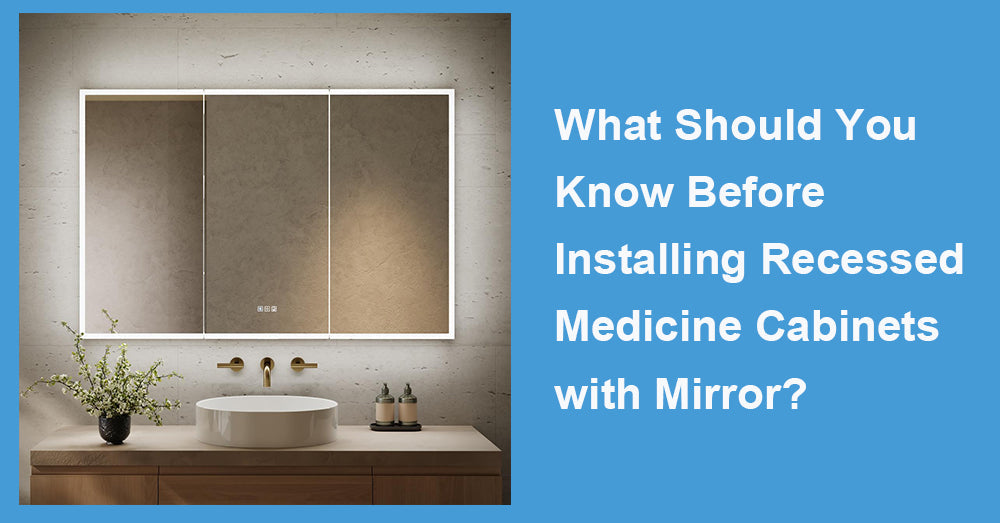
Renovating a bathroom often reveals a simple problem: there is nowhere sensible to keep the things used at the sink. Recessed medicine cabinets with mirrors solve two needs in one location, hiding toiletries while keeping a reflective surface above the vanity. Because most of the cabinet fits within the wall, the result looks less bulky than a surface-mounted unit. But the best model is not necessarily the most expensive or feature-rich. Wall construction, shelf layout, door movement, and lighting all determine whether the cabinet earns its place.
1. Best for Small Bathrooms: Slim, Frameless Cabinets
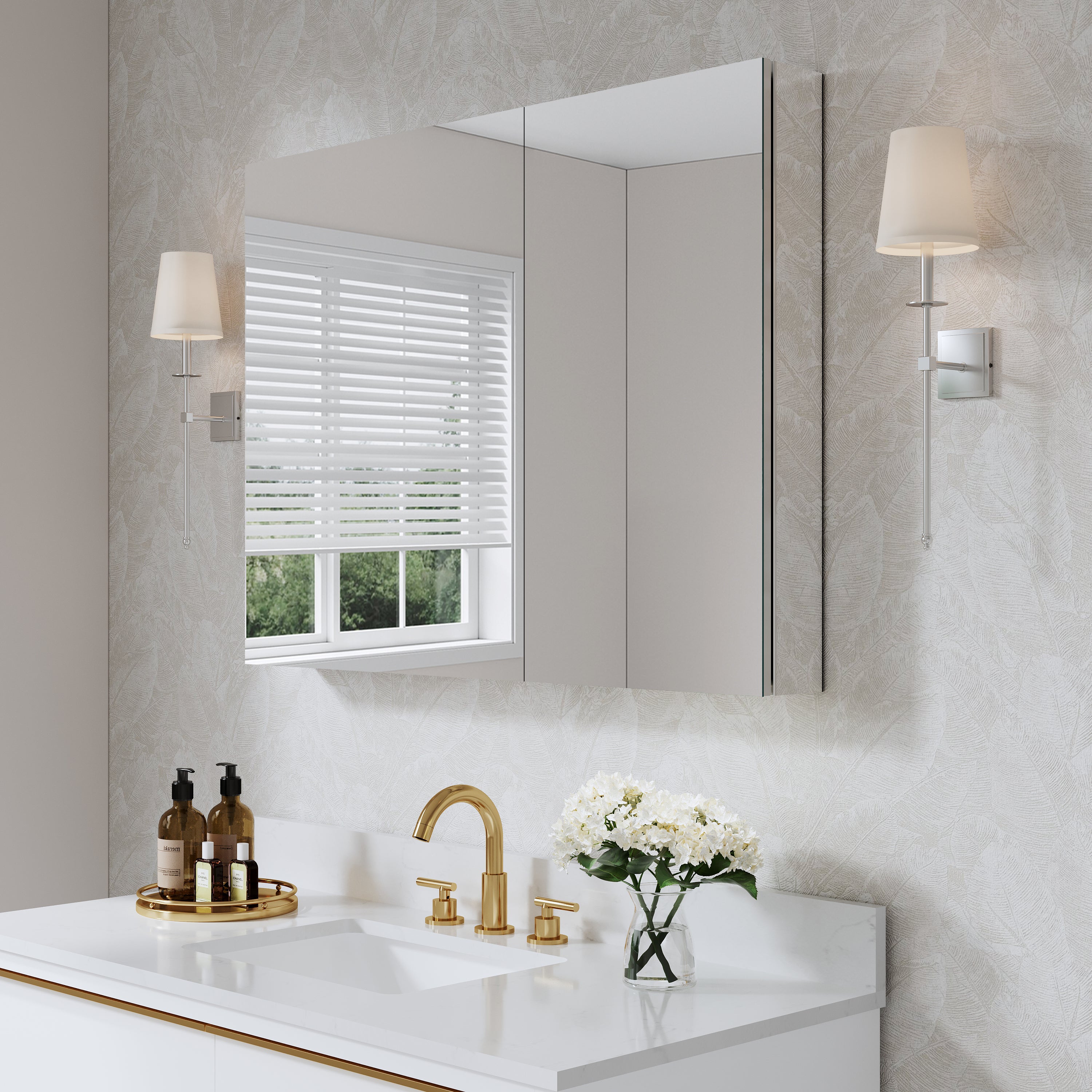
In a narrow bathroom, a clean mirror face can do more for the room than decorative hardware. A slim, frameless recessed cabinet preserves space around the sink and lets tile or wall color remain visible.
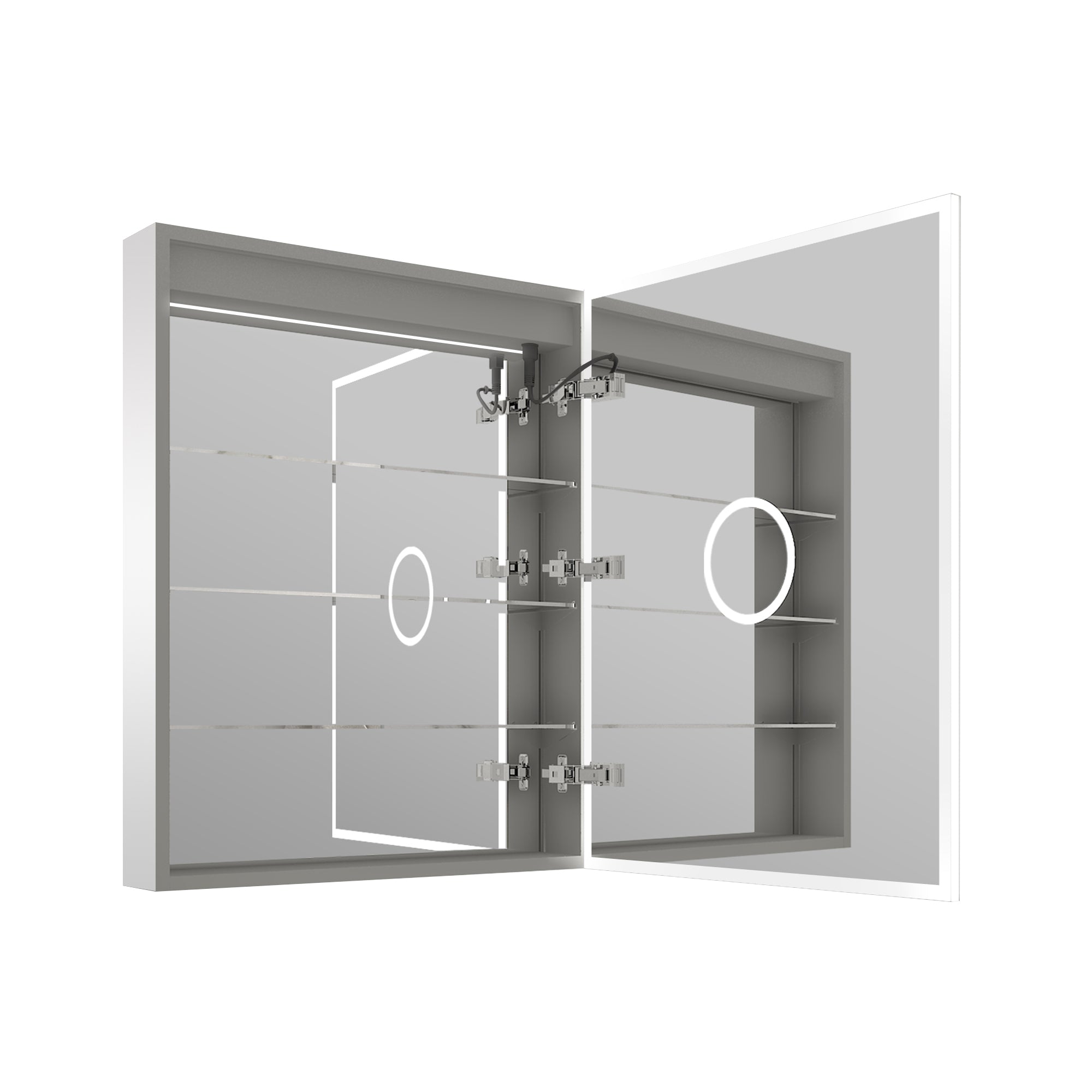
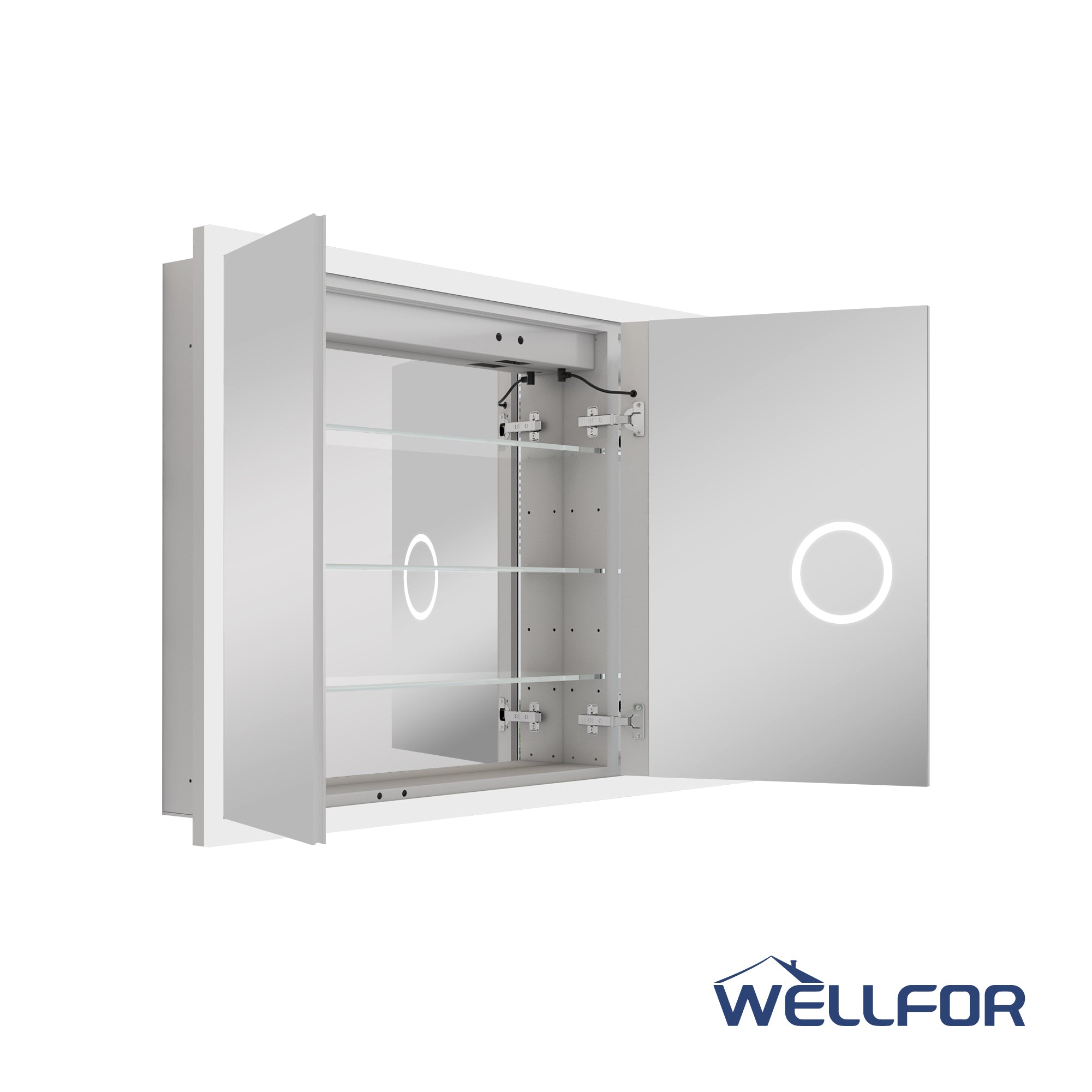
Choose a model with adjustable shelves rather than judging storage by exterior width. A compact cabinet that accommodates toothbrush supplies, daily skincare, and small grooming tools is more useful than a larger one filled with awkward compartments.
There is a trade-off. Wall cavities limit how deep a recessed cabinet can be. If you regularly store large bottles or hair appliances, plan complementary storage in the vanity instead of forcing everything behind the mirror.
2. Best for Shared Bathrooms: Wide, Multi-Door Designs
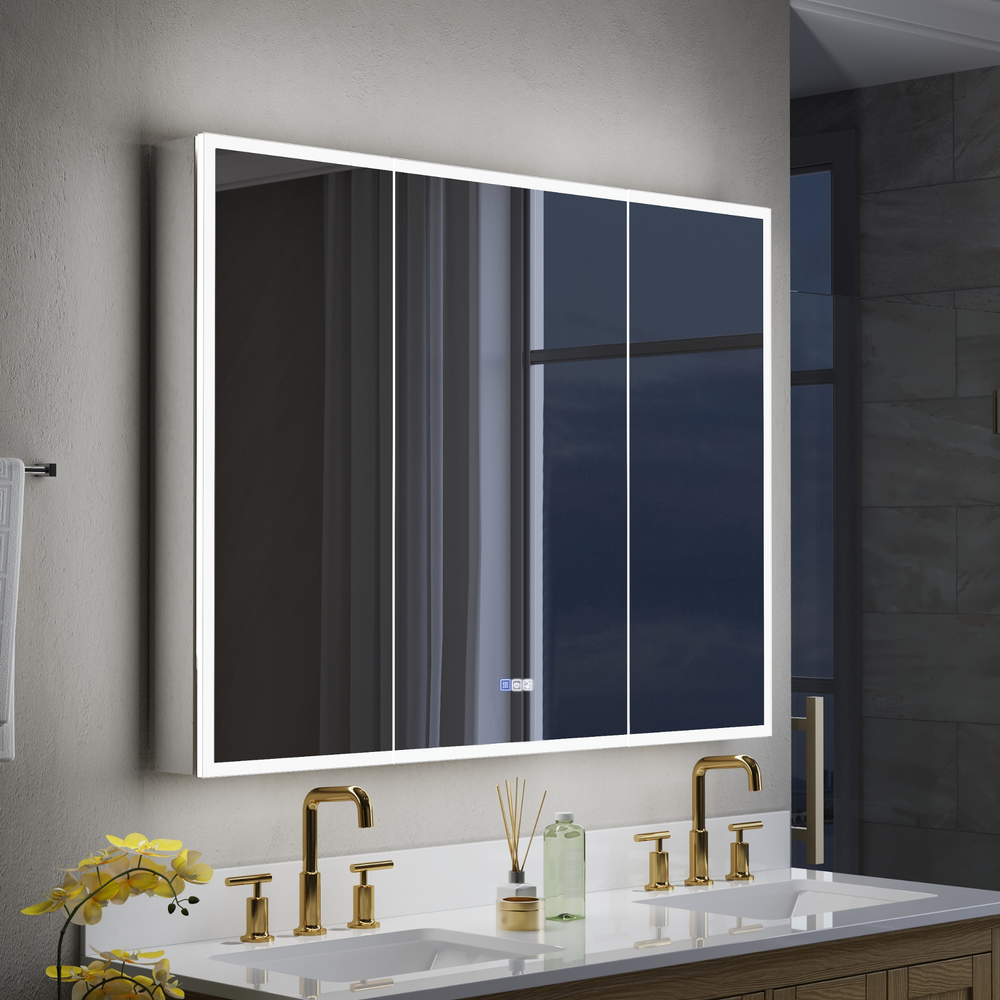
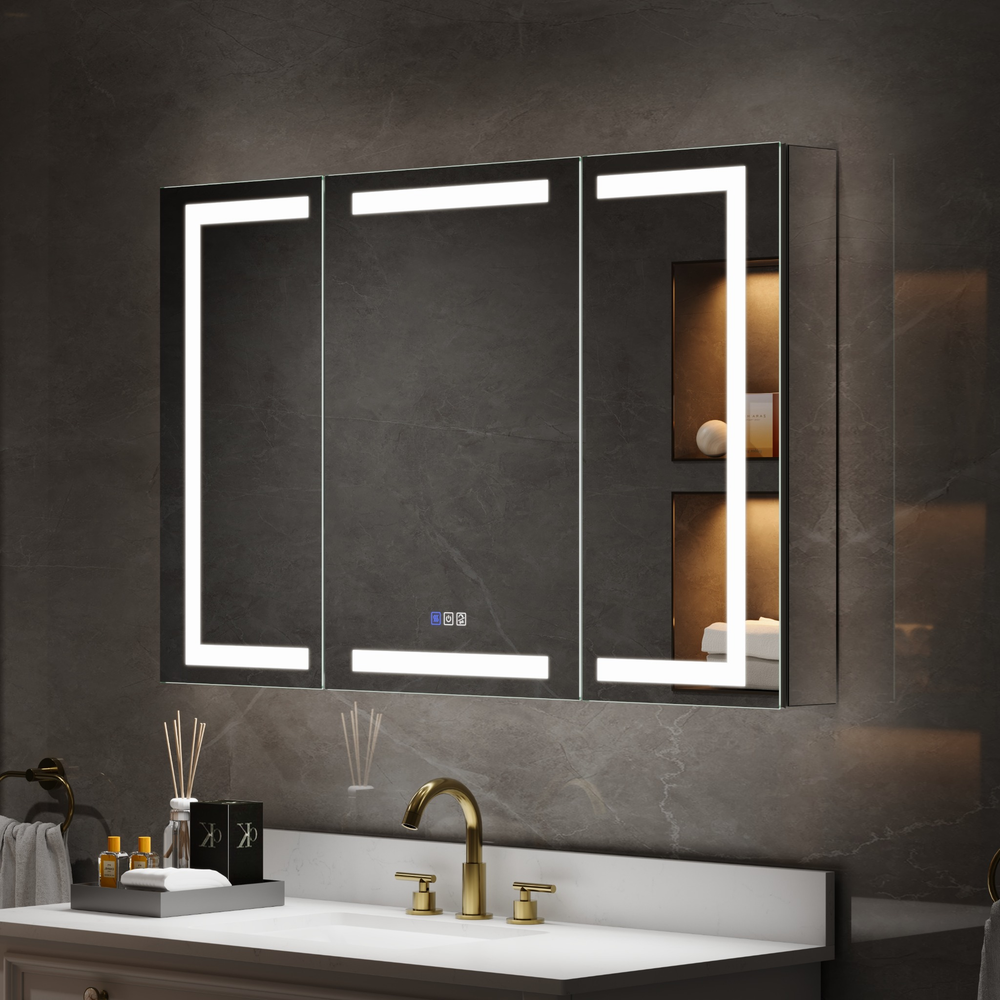
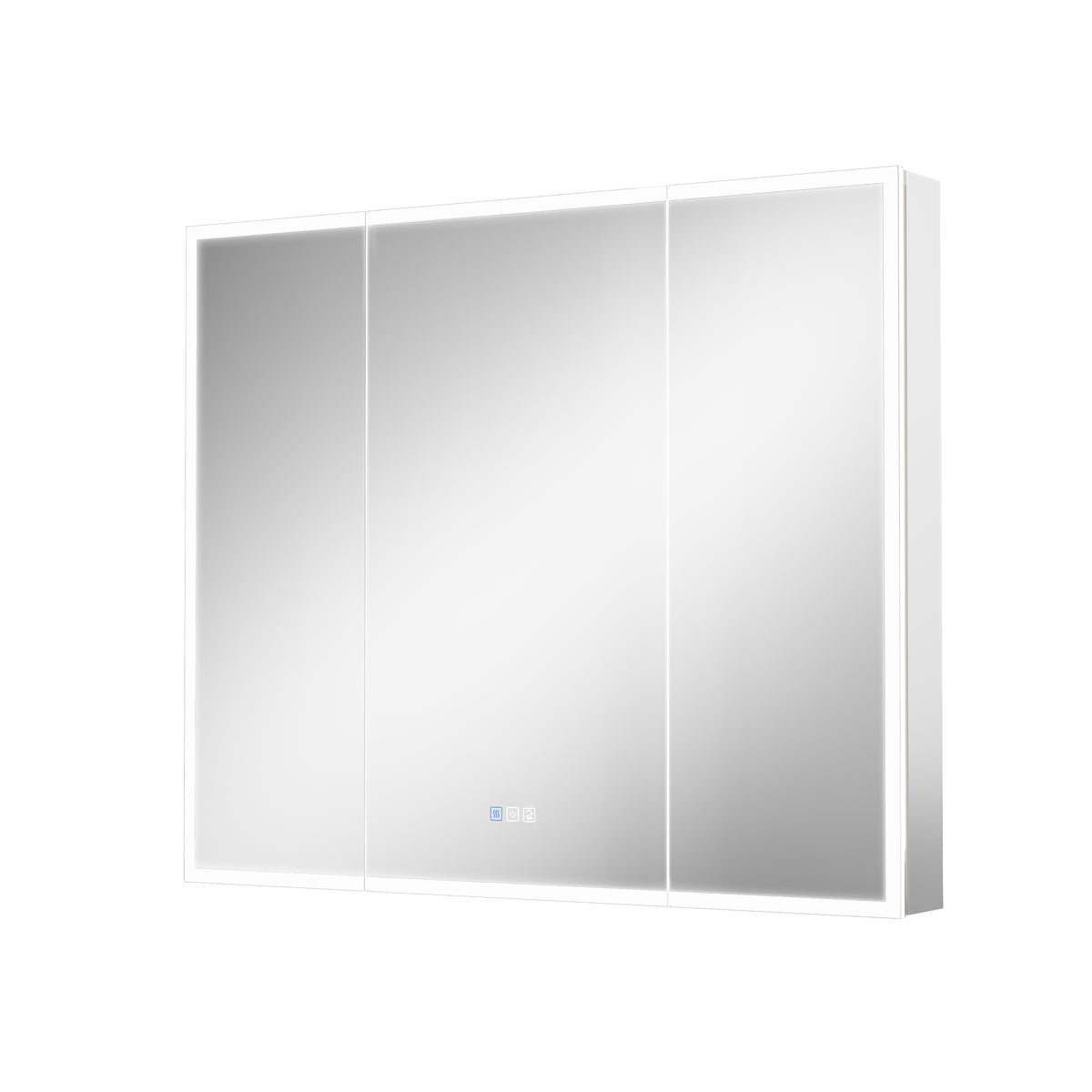
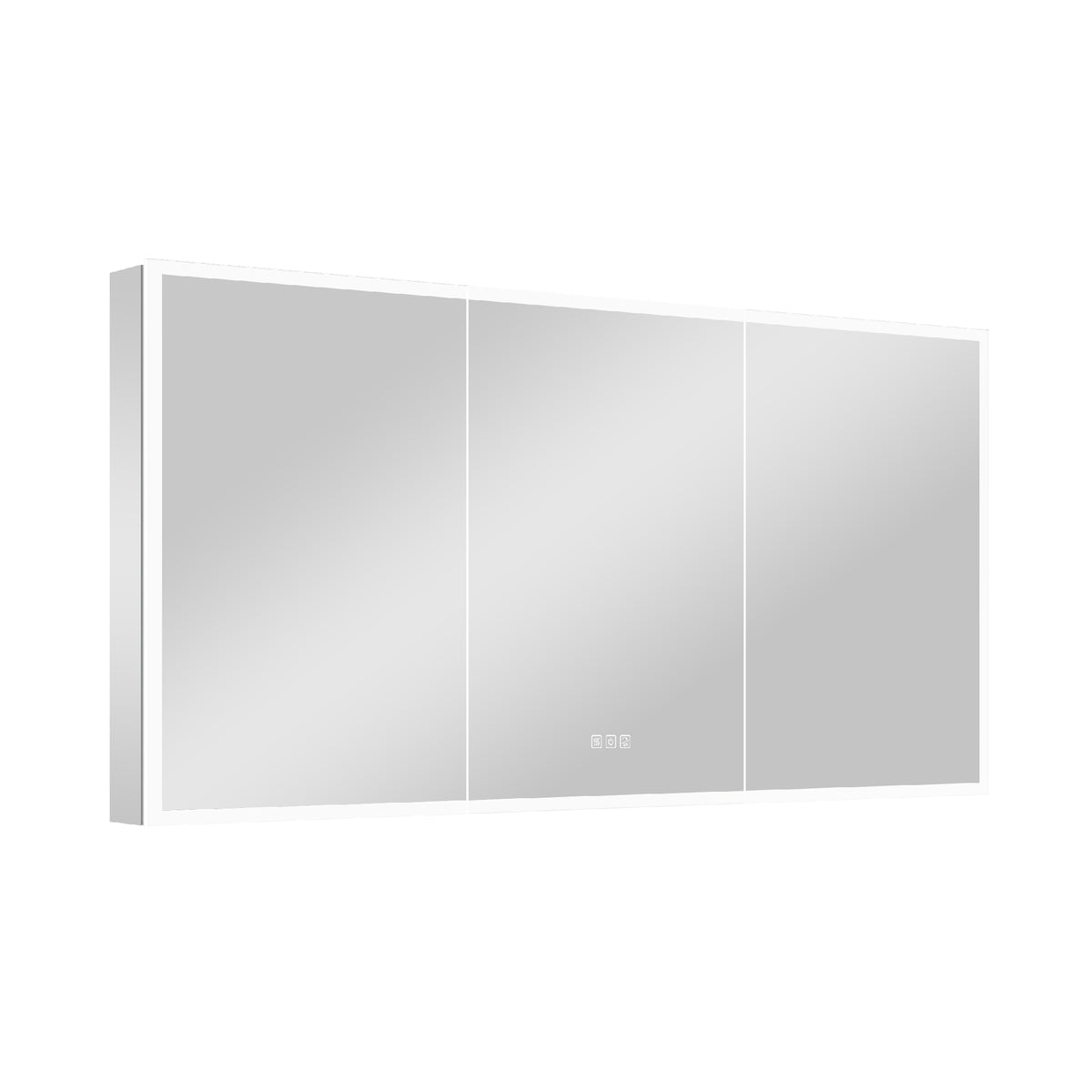
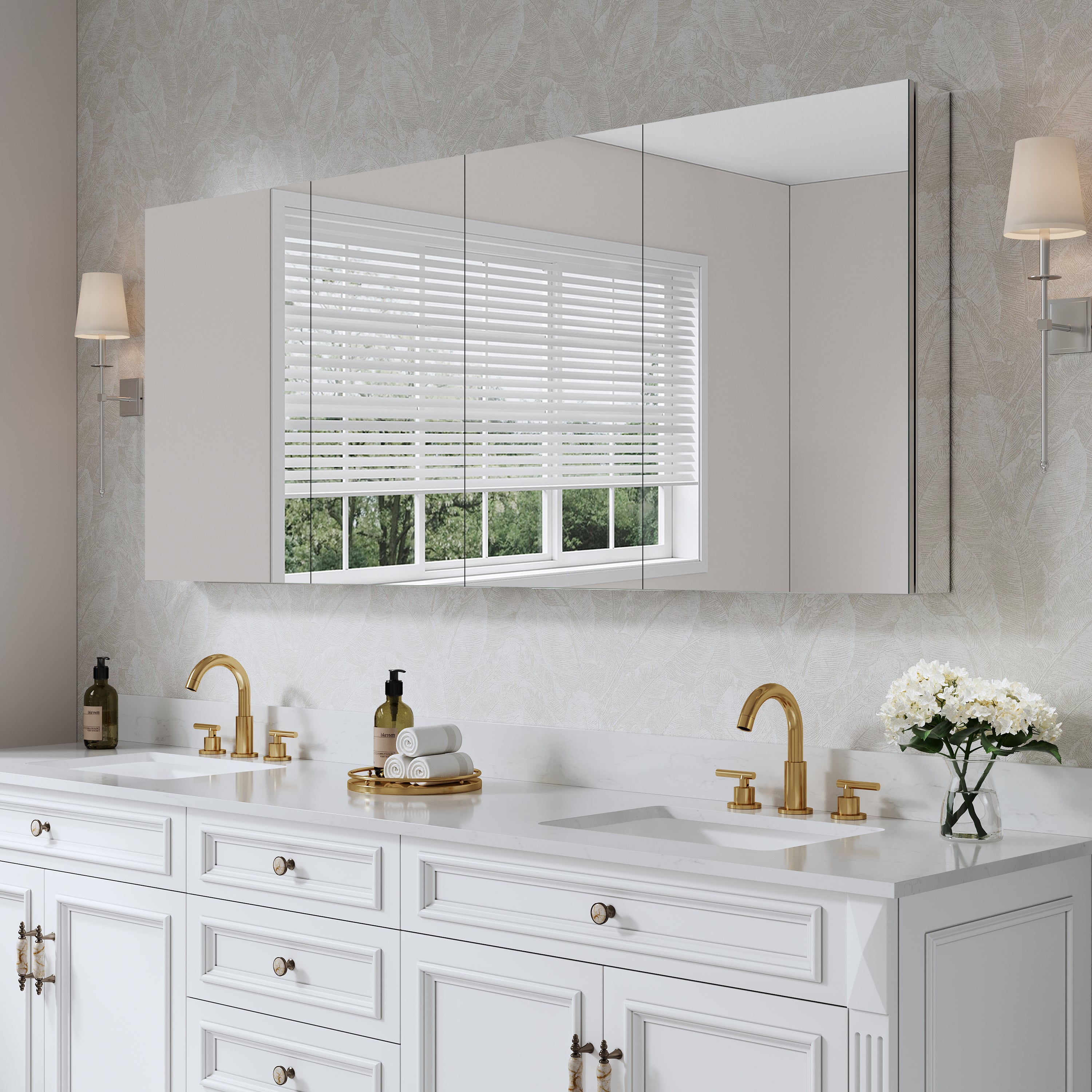
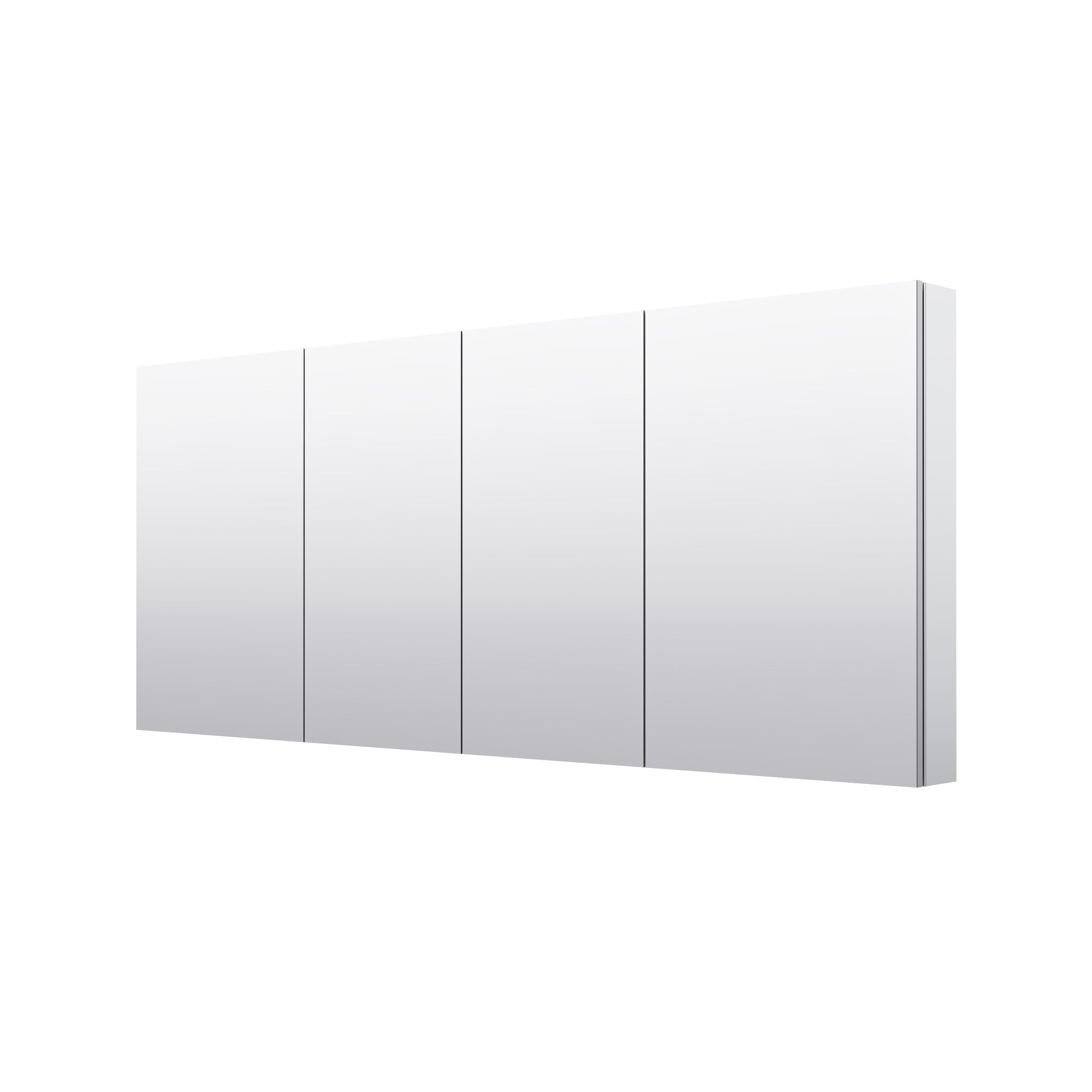
A shared bathroom benefits from a cabinet that lets two people find their things without rearranging everyone else's products. Wider two- or three-door designs can create separate zones for skincare, dental supplies, and backup toiletries.
Check How the Doors Actually Open
Multiple doors are not always more convenient. A door near a side wall may hit a sconce, while a center door can interfere with someone standing at the neighboring sink. Check hinge direction and opening clearance before ordering.
Interior dividers matter, too. Some wide cabinets have narrow compartments that won't accommodate tall mouthwash bottles. Measure what you intend to store and compare those dimensions against the manufacturer's usable shelf space.
3. Best for Grooming: Front-Lit Mirrored Cabinets
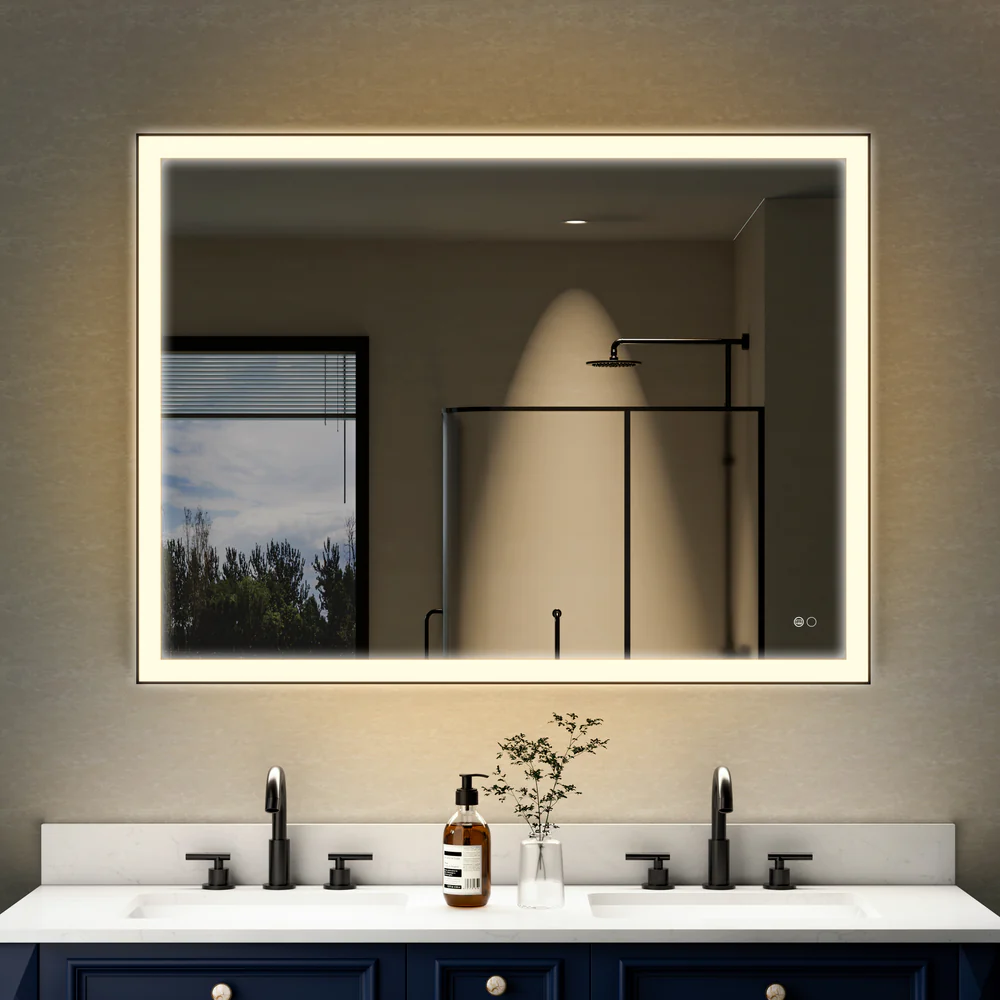
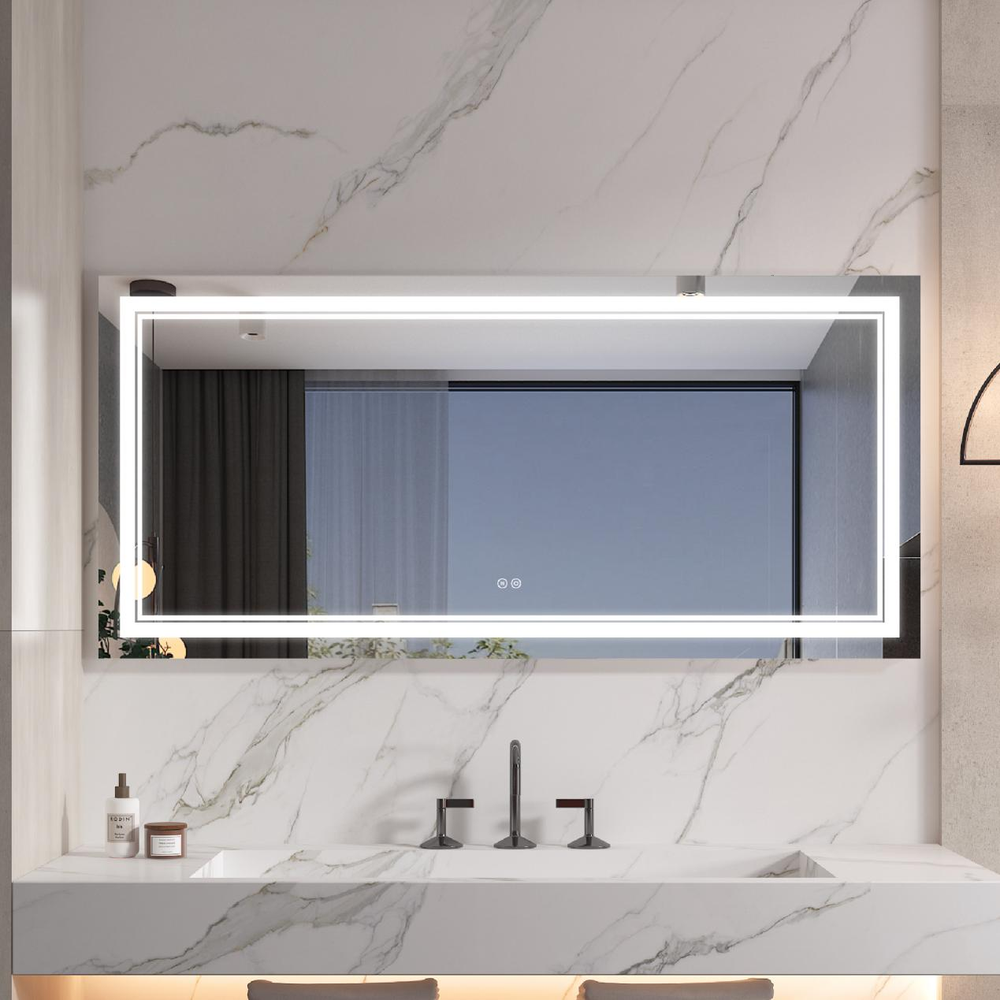
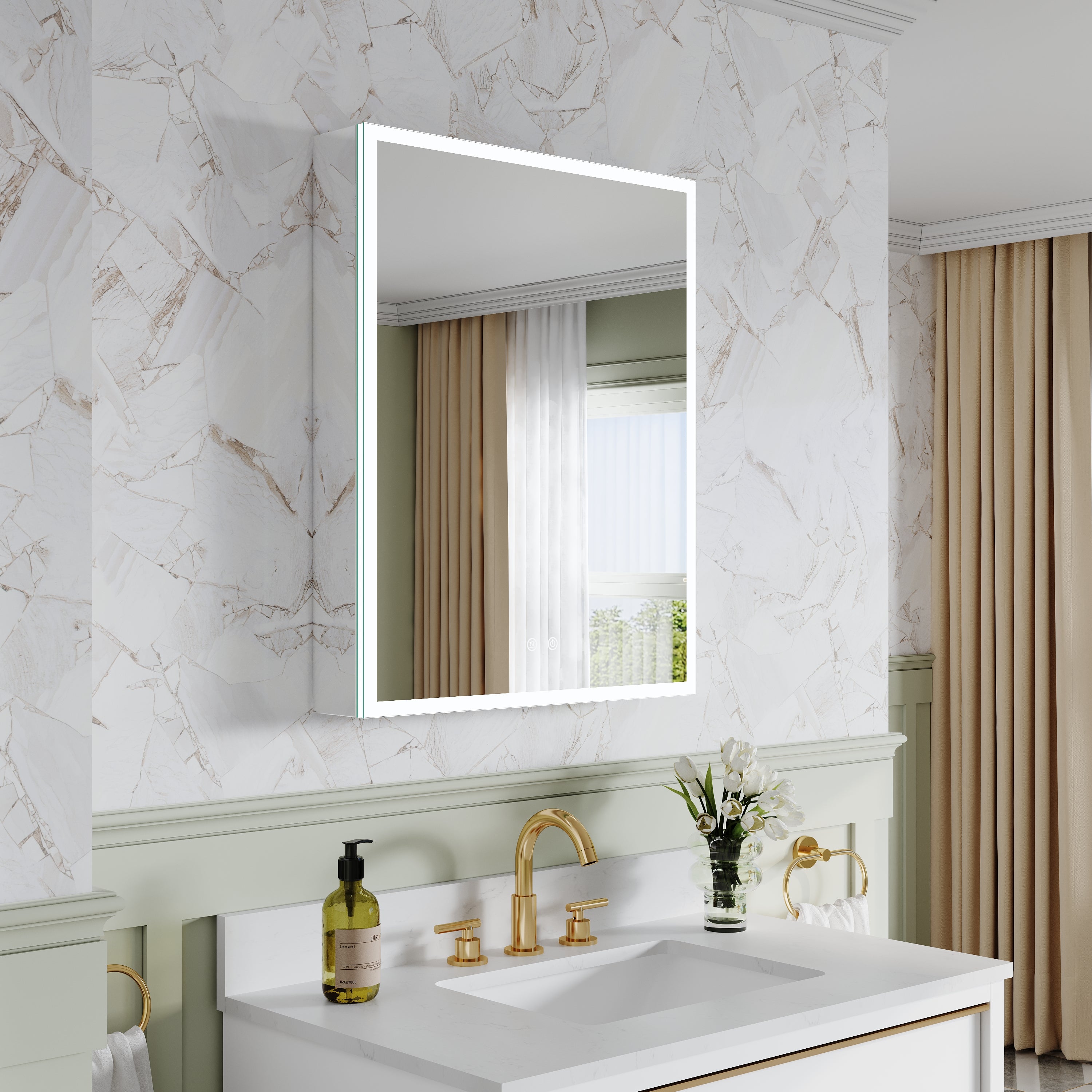
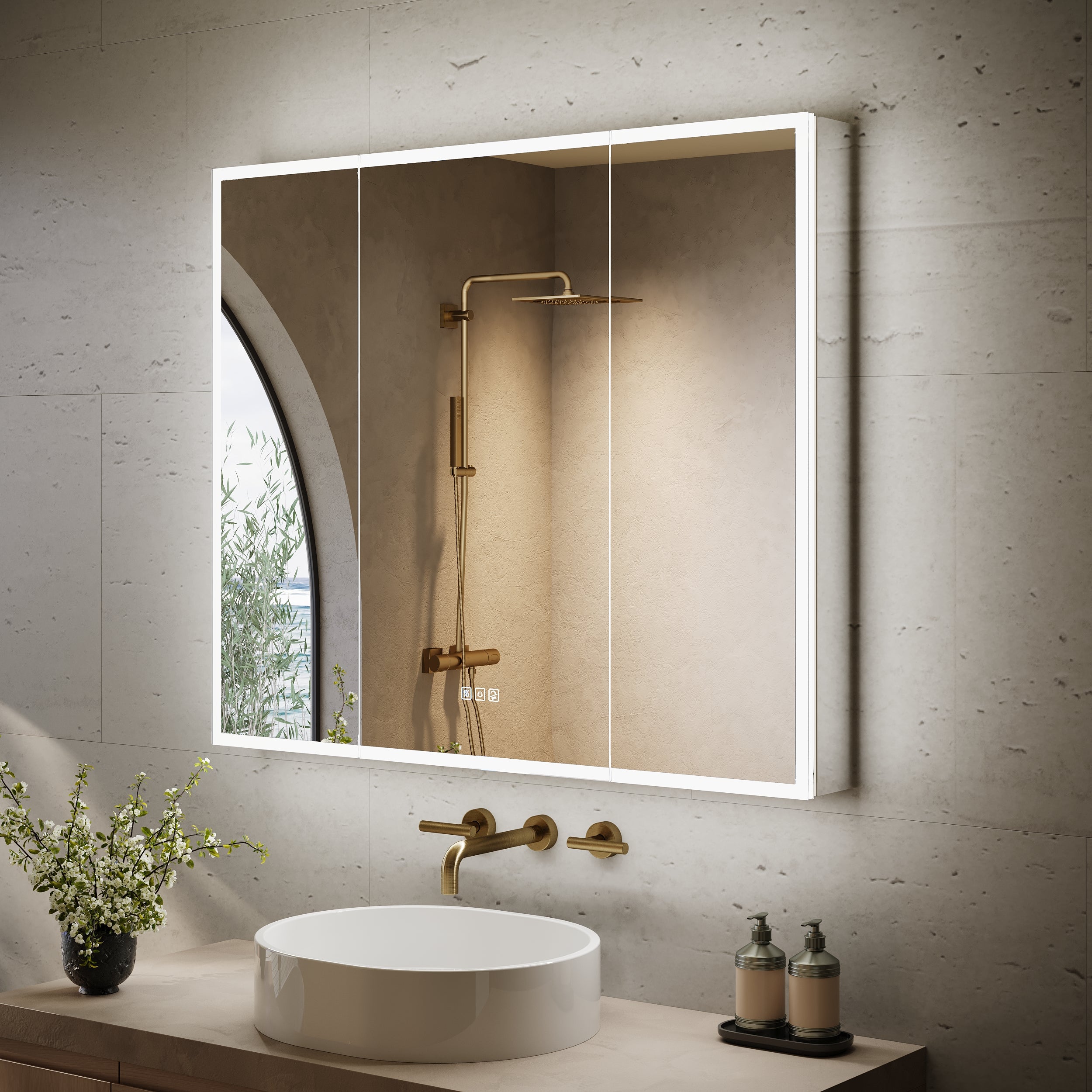
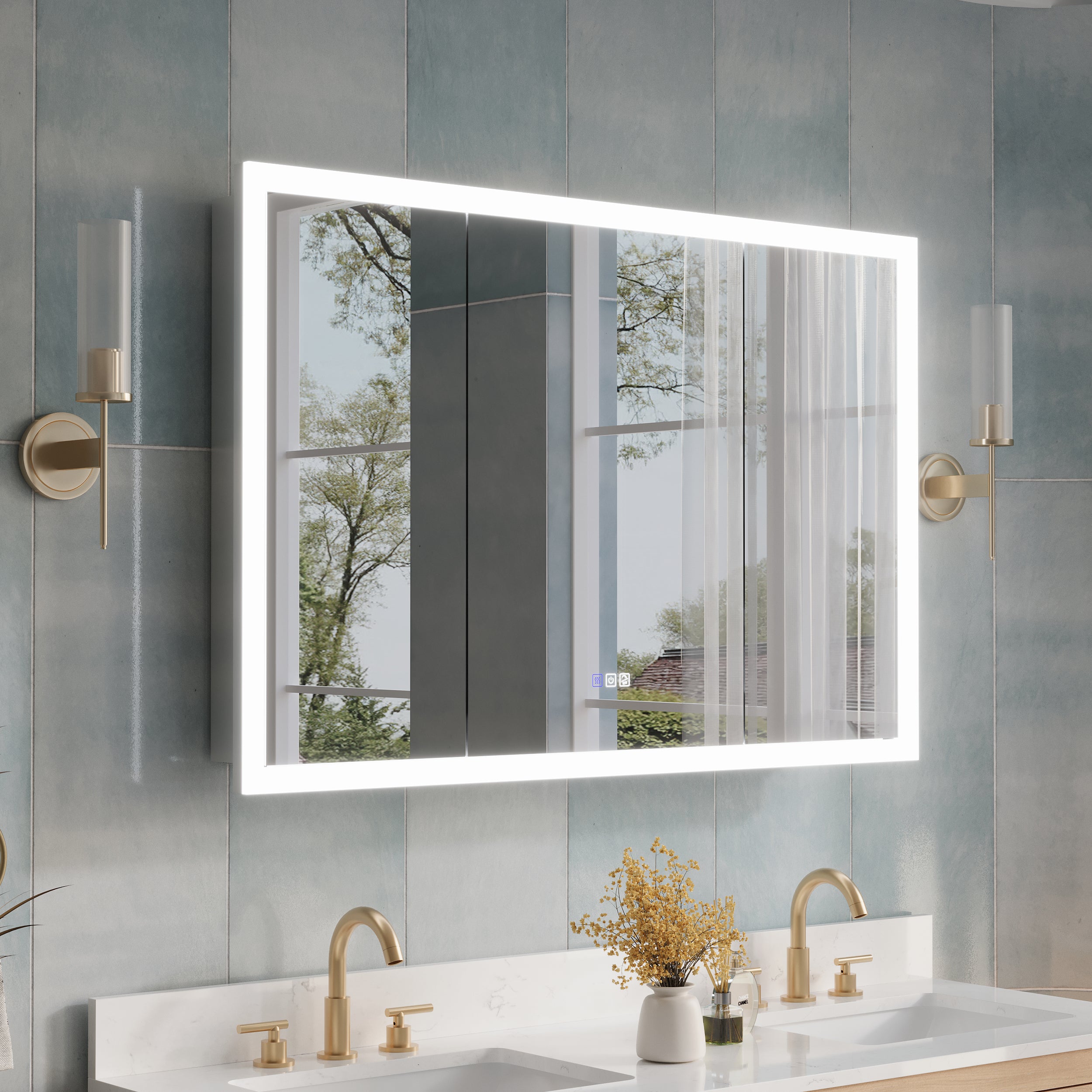
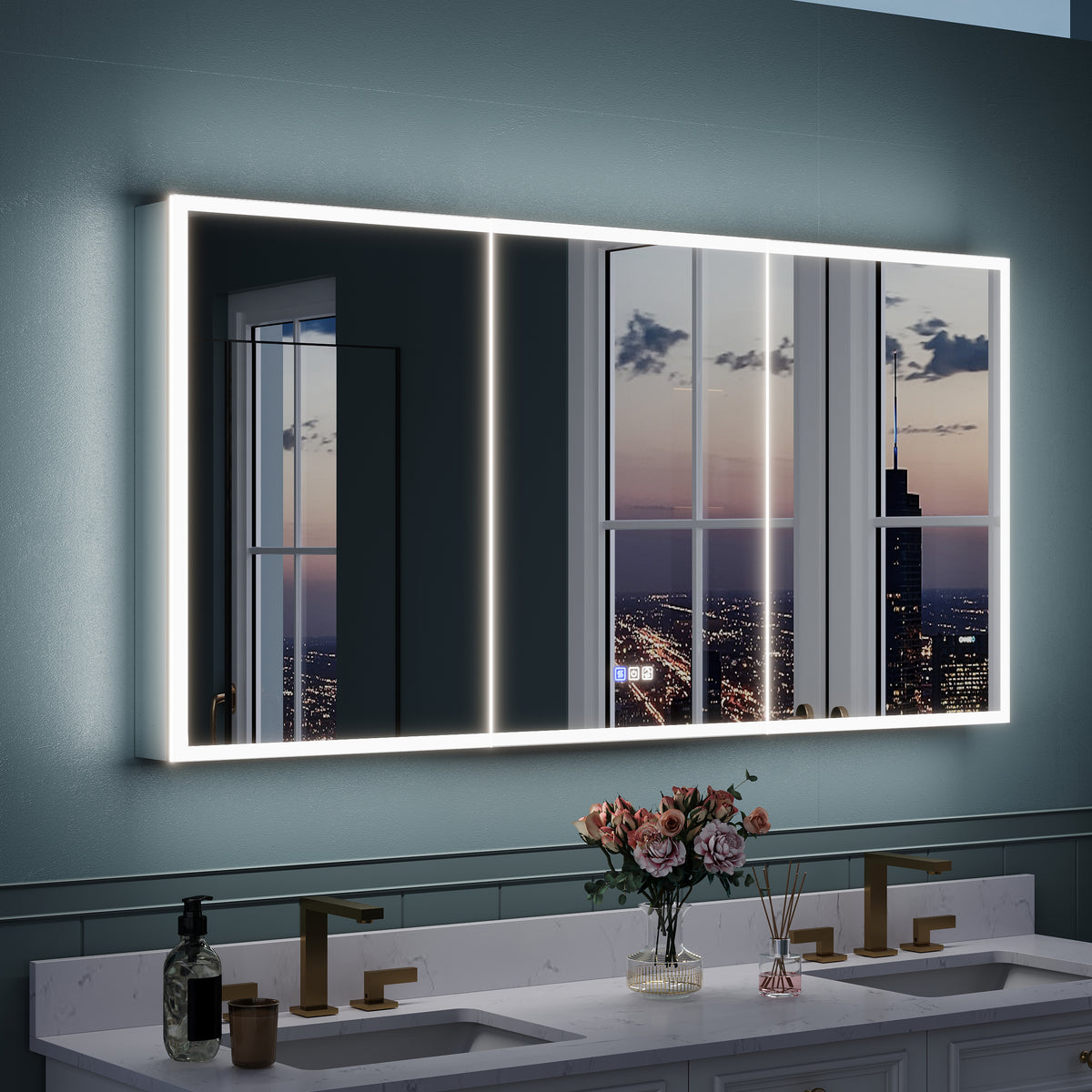
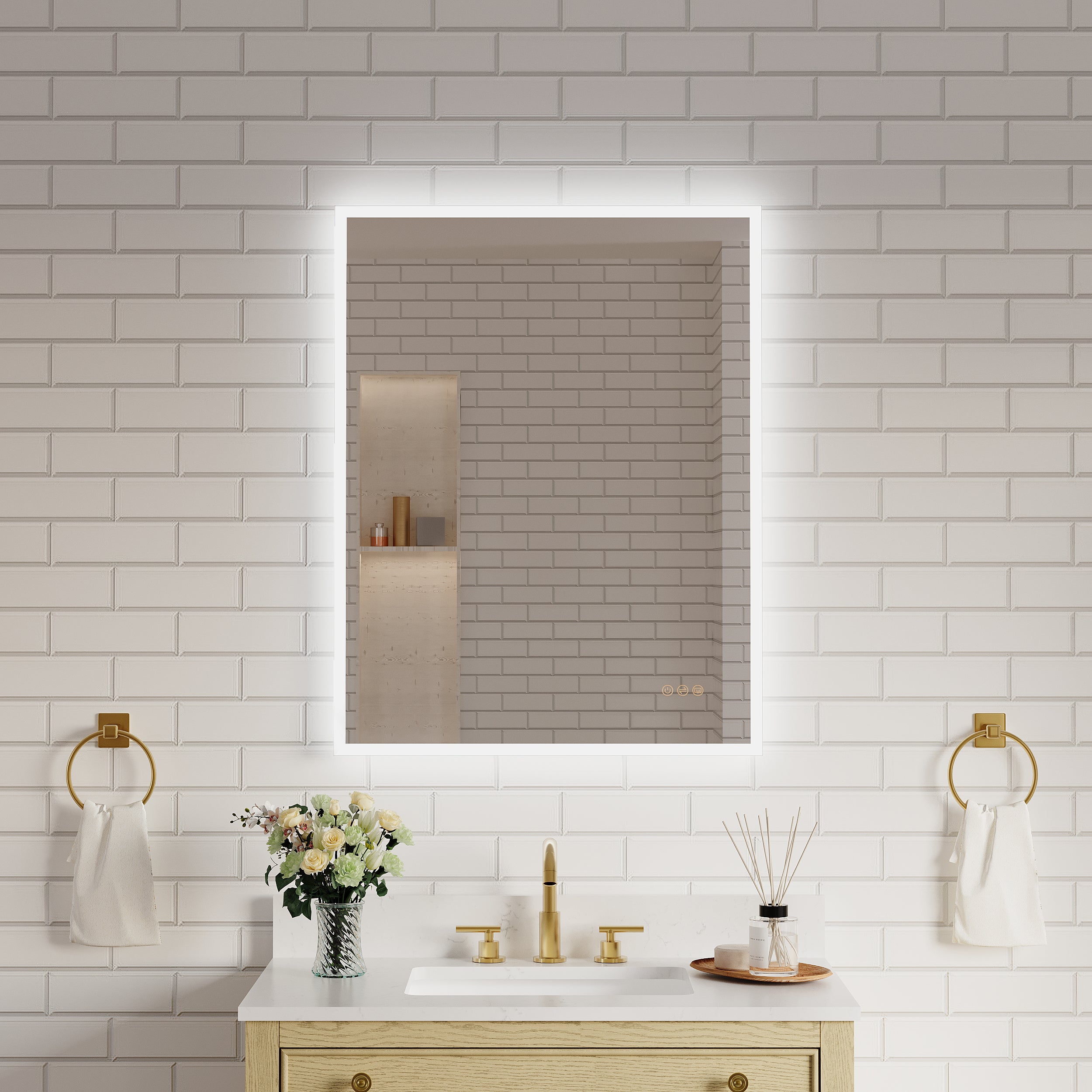
Integrated lighting can make an illuminated medicine cabinet appealing when the vanity wall has little space for sconces. For shaving and makeup, prioritize front-facing LEDs that direct light toward the face. A backlit halo adds atmosphere but generally does less to reduce shadows.
Look for comfortable diffusion, adjustable brightness, and clear information about color temperature. A neutral setting often works well for grooming; warmer light may be more pleasant in the evening.
Don't pay for every electronic feature by default. Anti-fog heating is helpful in a heavily used bathroom, but it may clear only part of the mirror. Drivers and sensors introduce components that might eventually need repair. Ask about serviceability and warranty coverage.
4. Best for Long-Term Value: Durable, Simple Construction
A recessed cabinet lives in a demanding environment. Repeated steam, splashes, and frequent door movement can expose weaknesses in finishes and hardware.
Aluminum bodies are appealing for their corrosion resistance. Appropriately protected steel and well-sealed wood-based constructions can also work, depending on the bathroom's ventilation and exposure. Pay close attention to hinges, shelf supports, and protected mirror edges.
At Wellfor, comparing construction details alongside the mirror's appearance is a practical way to narrow a renovation shortlist. A dependable cabinet with accessible replacement hardware may deliver more value than an elaborate model with poorly documented electrical components.
5. The Installation Test Every Buyer Should Make
The biggest mistake is selecting a cabinet before confirming that the wall can accept it. Studs, plumbing, electrical wiring, vents, and insulation can occupy the proposed recess. Exterior walls may pose additional insulation and moisture-control concerns.
Rough Opening Versus Finished Size
Manufacturers commonly list both overall dimensions and rough-opening requirements. They are not interchangeable. Check wall depth, framing conditions, mounting instructions, and whether the cabinet can be partially recessed.
A contractor should assess any framing modifications before cutting. Illuminated models may also need a qualified electrician to make code-compliant connections. If relocating plumbing or changing structural framing is required, the installation can cost substantially more than expected.
For masonry walls, rental properties, or bathrooms that are not being opened up for renovation, a surface-mounted cabinet may be the more sensible choice.
6. Make the Cabinet Work With the Vanity
Good proportions are not purely decorative. A cabinet hung too high is inconvenient for shorter users; one set too low can conflict with a tall faucet. Before ordering, mark the intended outline on the wall with painter's tape and stand at the sink.
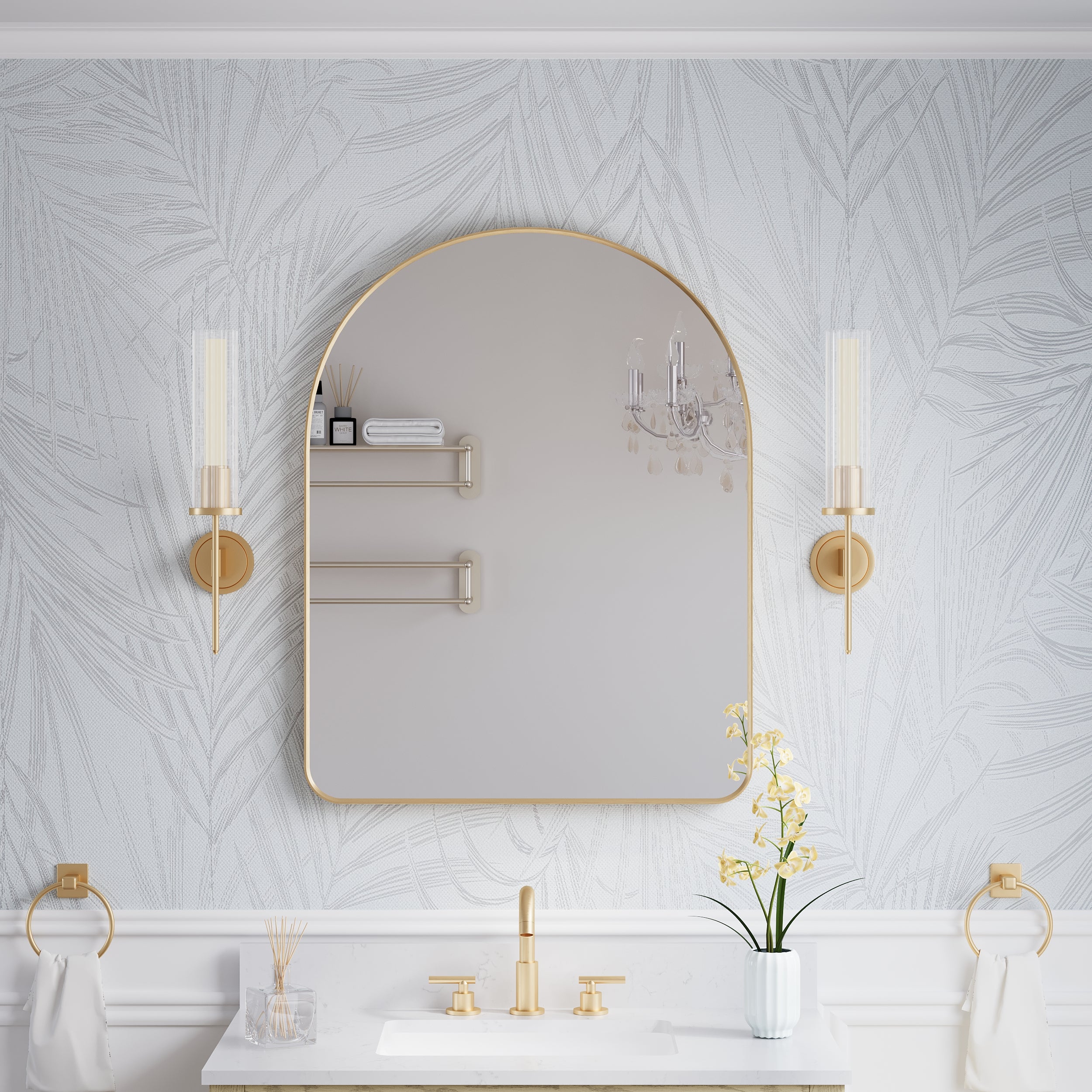
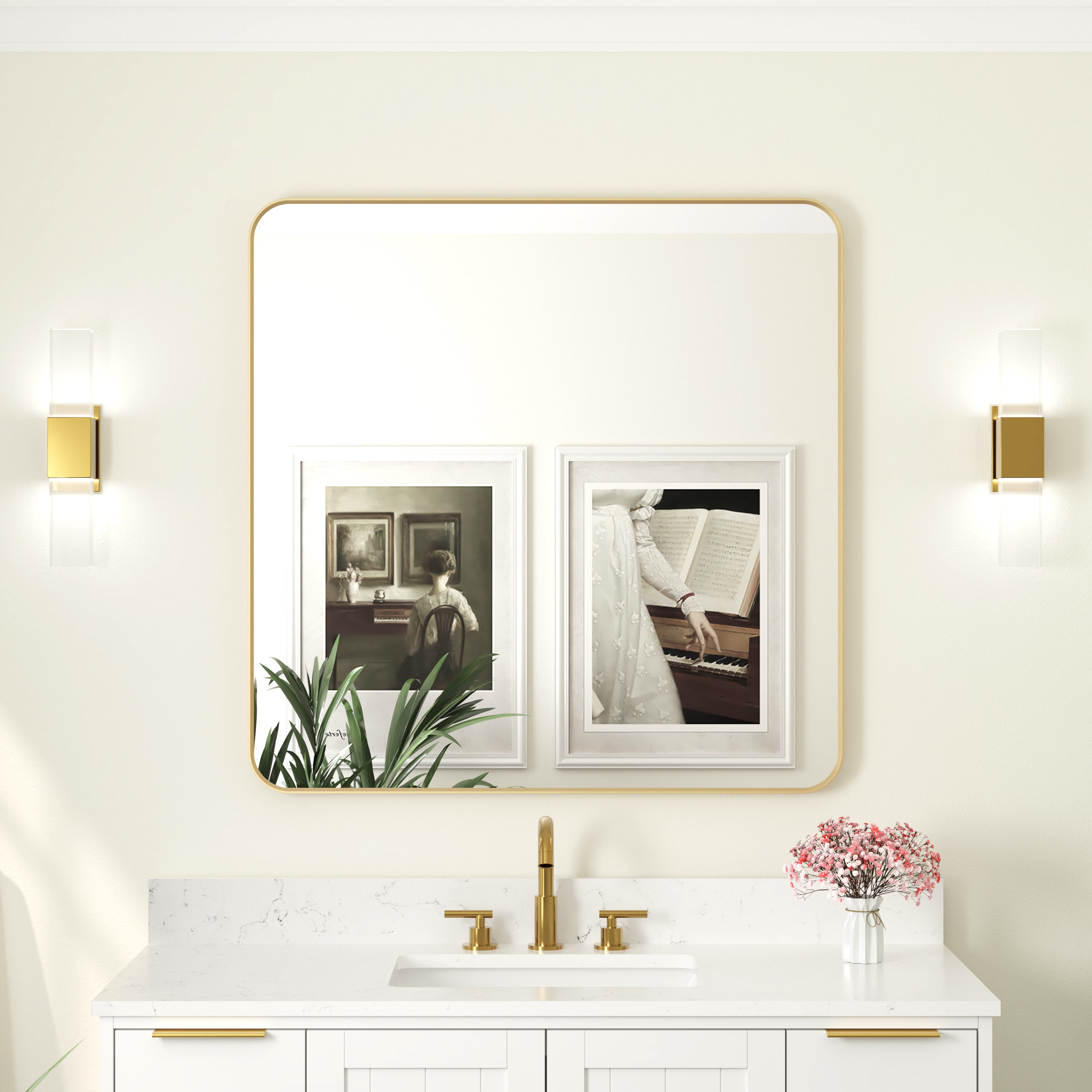
Think about the surrounding finishes. A frameless mirror suits a restrained contemporary bathroom, while a slim metal border can pick up the finish of the taps or drawer pulls. Match the cabinet width to the vanity and the room, not simply the largest model available.
Keep storage safety in mind. Standard mirrored cabinets aren't child-resistant, and medications may need a more secure location away from bathroom humidity. Follow storage instructions for any medicine.

7. Maintain the Cabinet You Install
After installation, operate each door several times and check that hinges remain aligned. Run the exhaust fan during showers and afterward as recommended, especially if condensation lingers.
Use a microfiber cloth with a manufacturer-approved cleaner. Apply liquid to the cloth rather than spraying it into mirror edges, hinges, or electronic controls. Inspect seals and mounting hardware periodically, and deal with drips under the sink before moisture affects nearby cabinetry.
When choosing recessed medicine cabinets with mirrors, start with your wall's actual dimensions and the items you reach for every morning. Choose adjustable shelving for compact spaces, separate compartments for shared bathrooms, and front lighting when grooming is a priority. Then spend on secure installation and reliable construction. Those decisions will still matter years after the renovation photographs are taken.














Leave a comment
This site is protected by hCaptcha and the hCaptcha Privacy Policy and Terms of Service apply.