



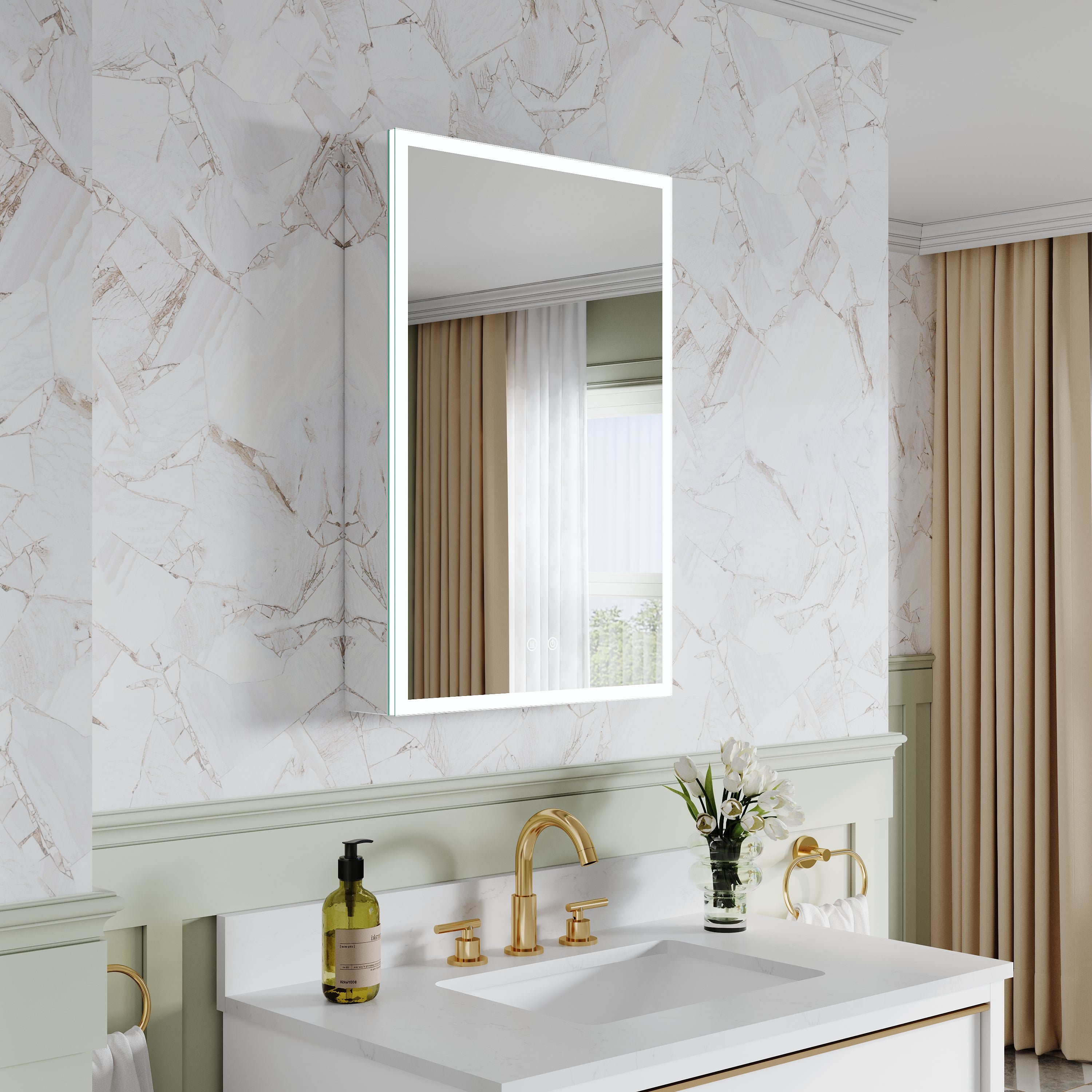
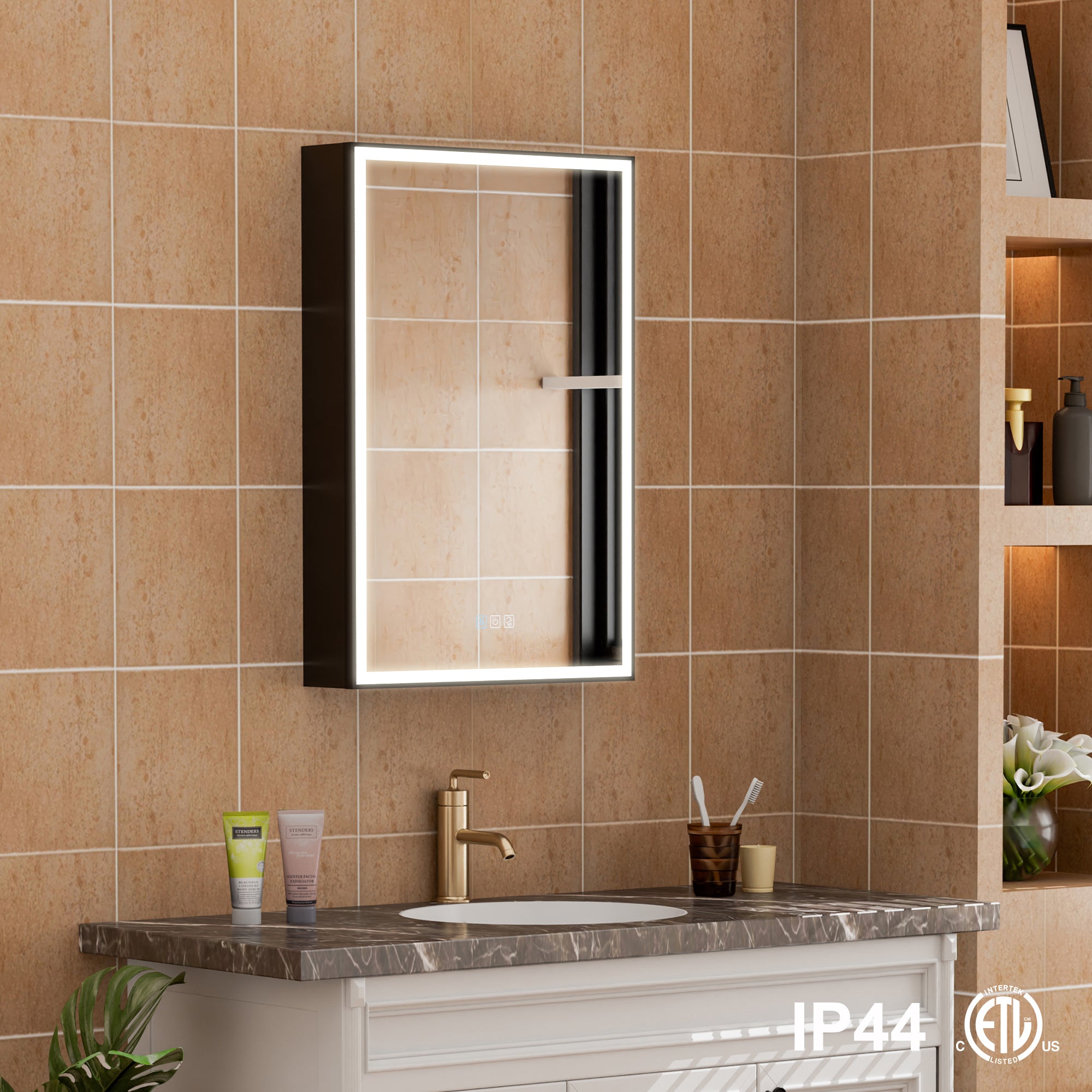



A mirror with light changes the way a bathroom works long before it changes the way the room looks. At a sink, ordinary ceiling lighting often leaves shadows across the face, even when the room seems bright enough. An illuminated mirror brings light closer to the task, making shaving, skincare, and makeup easier to manage. Many models use efficient LEDs, but lower electricity use is not automatic. The benefit depends on how the mirror is designed, installed, and used.
1. Why Light Placement Matters More Than Brightness
Stand beneath a ceiling fixture and look closely at your reflection. The brow, nose, and chin interrupt light from above, creating shadows exactly where close-up grooming demands detail.
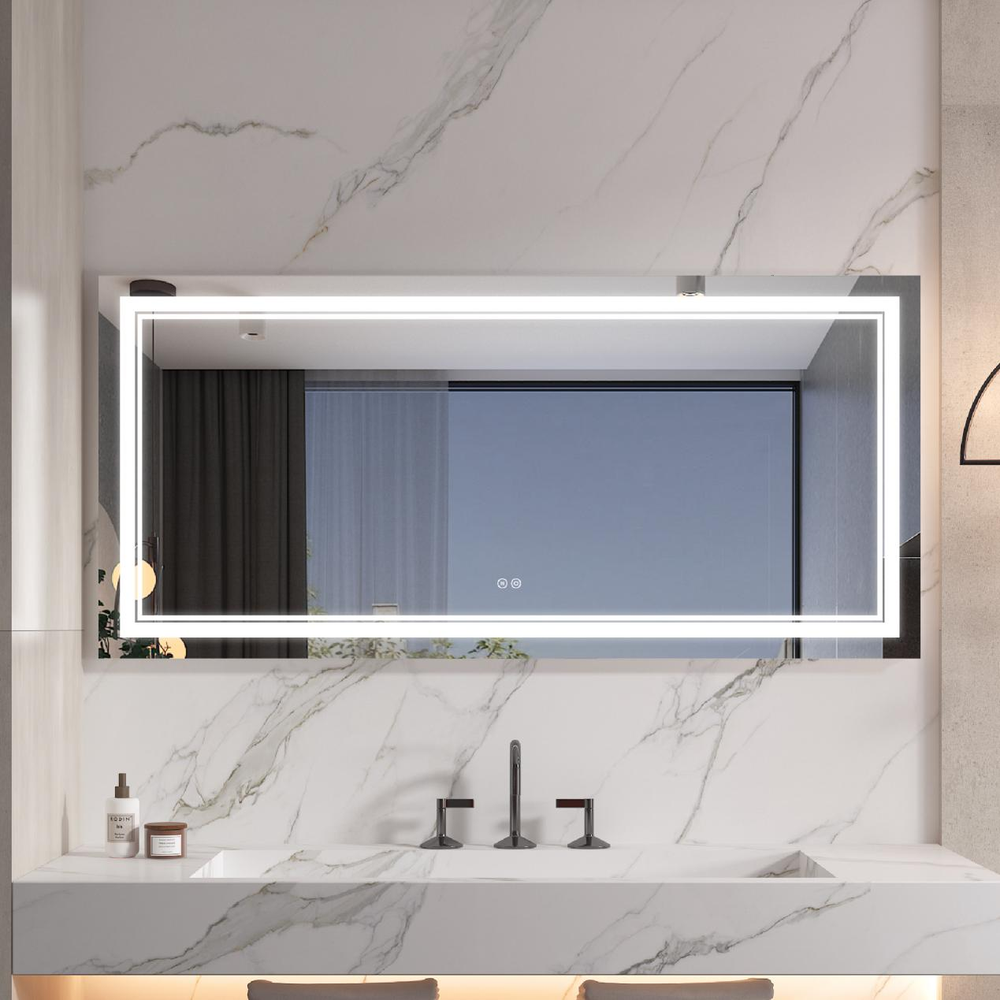
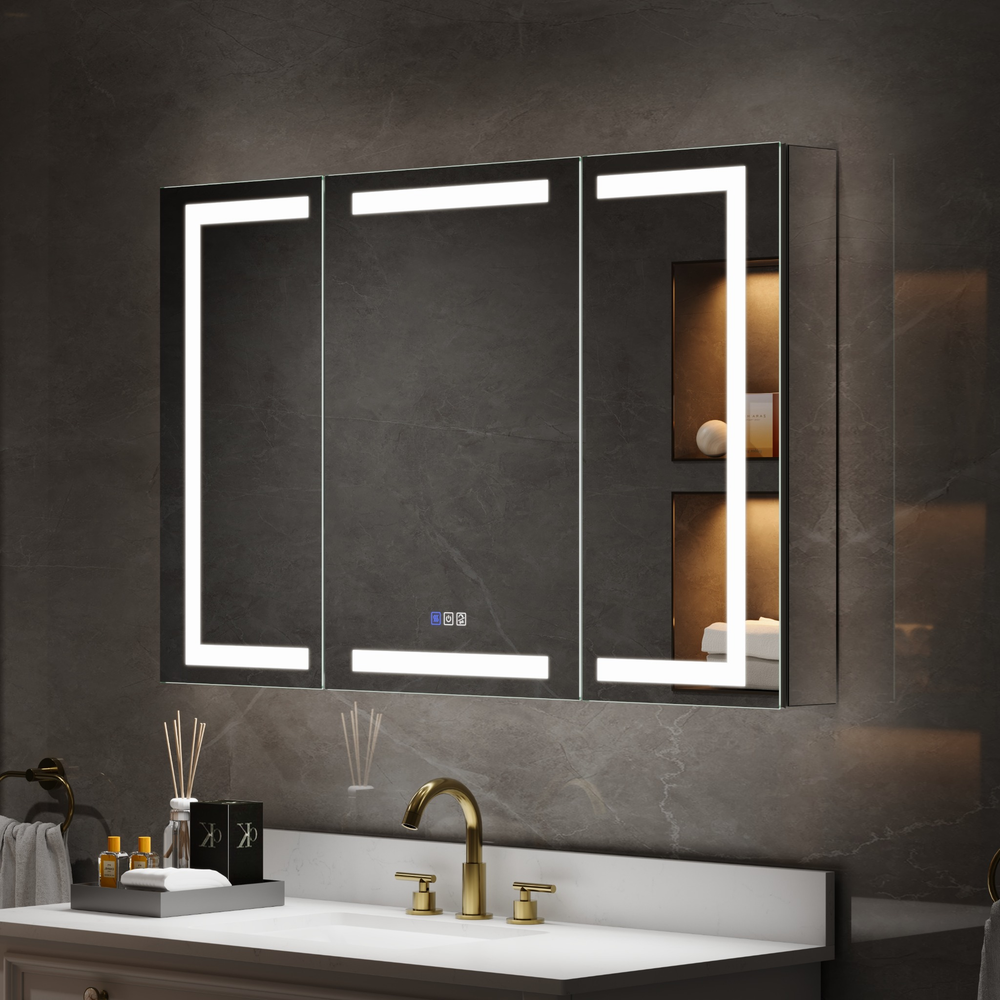
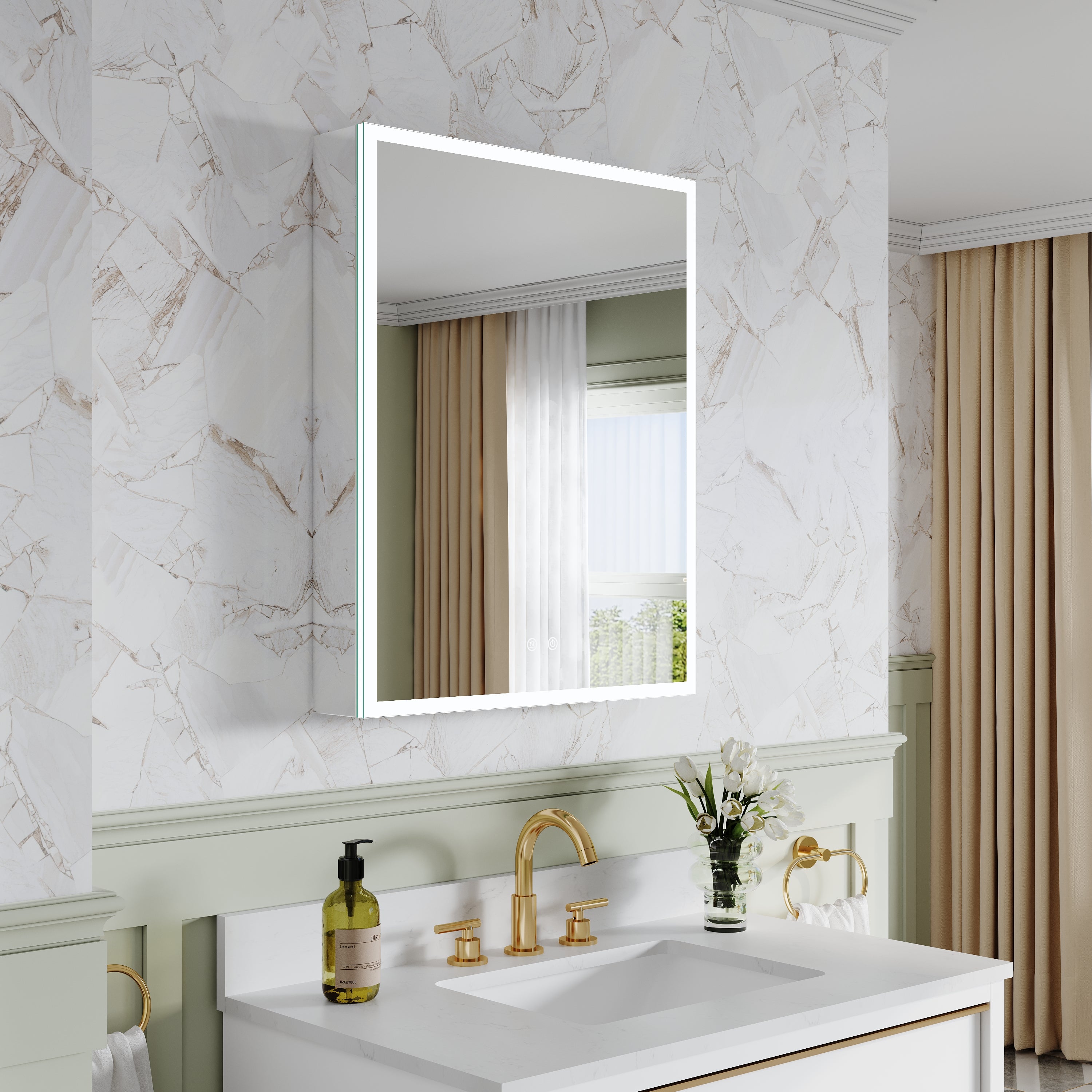
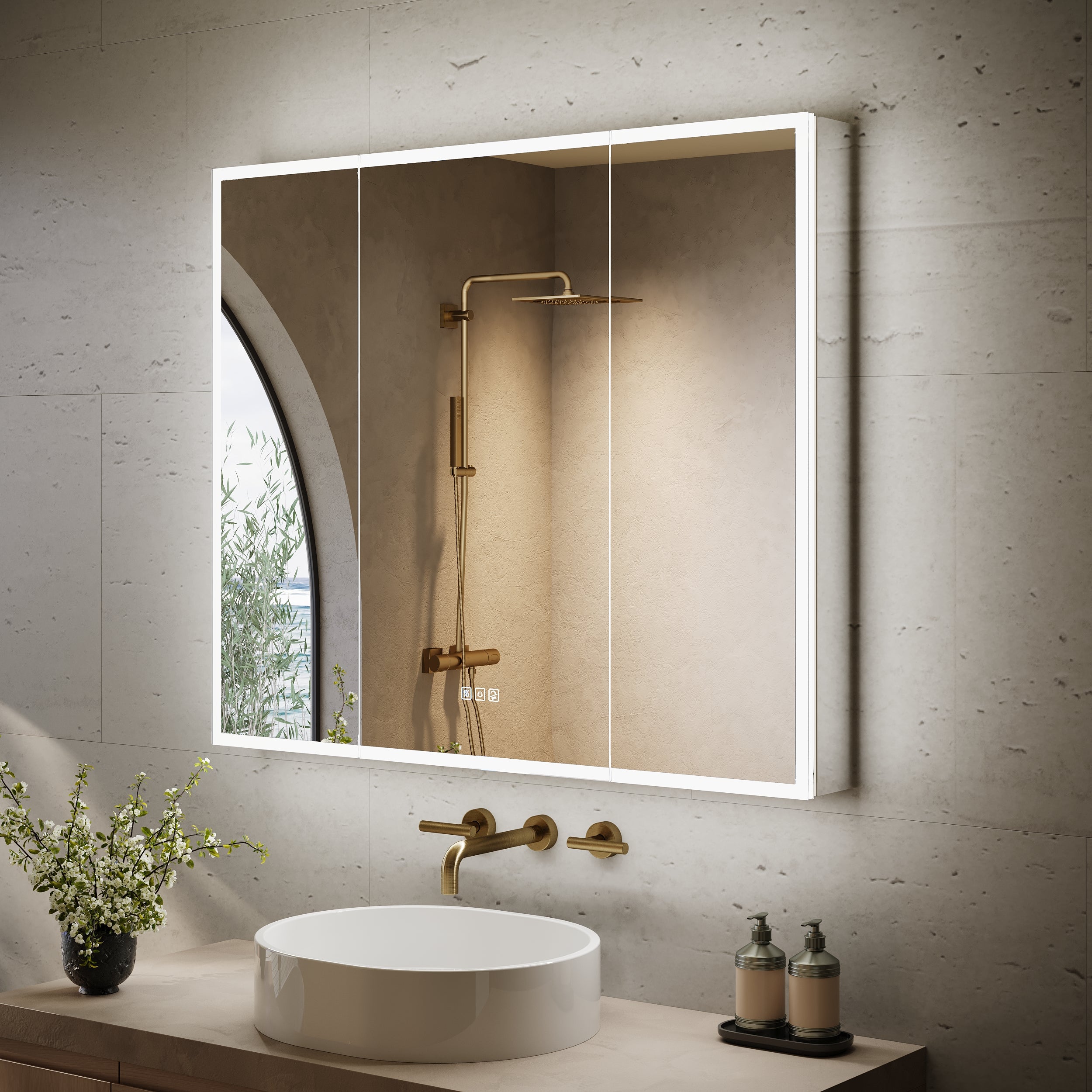
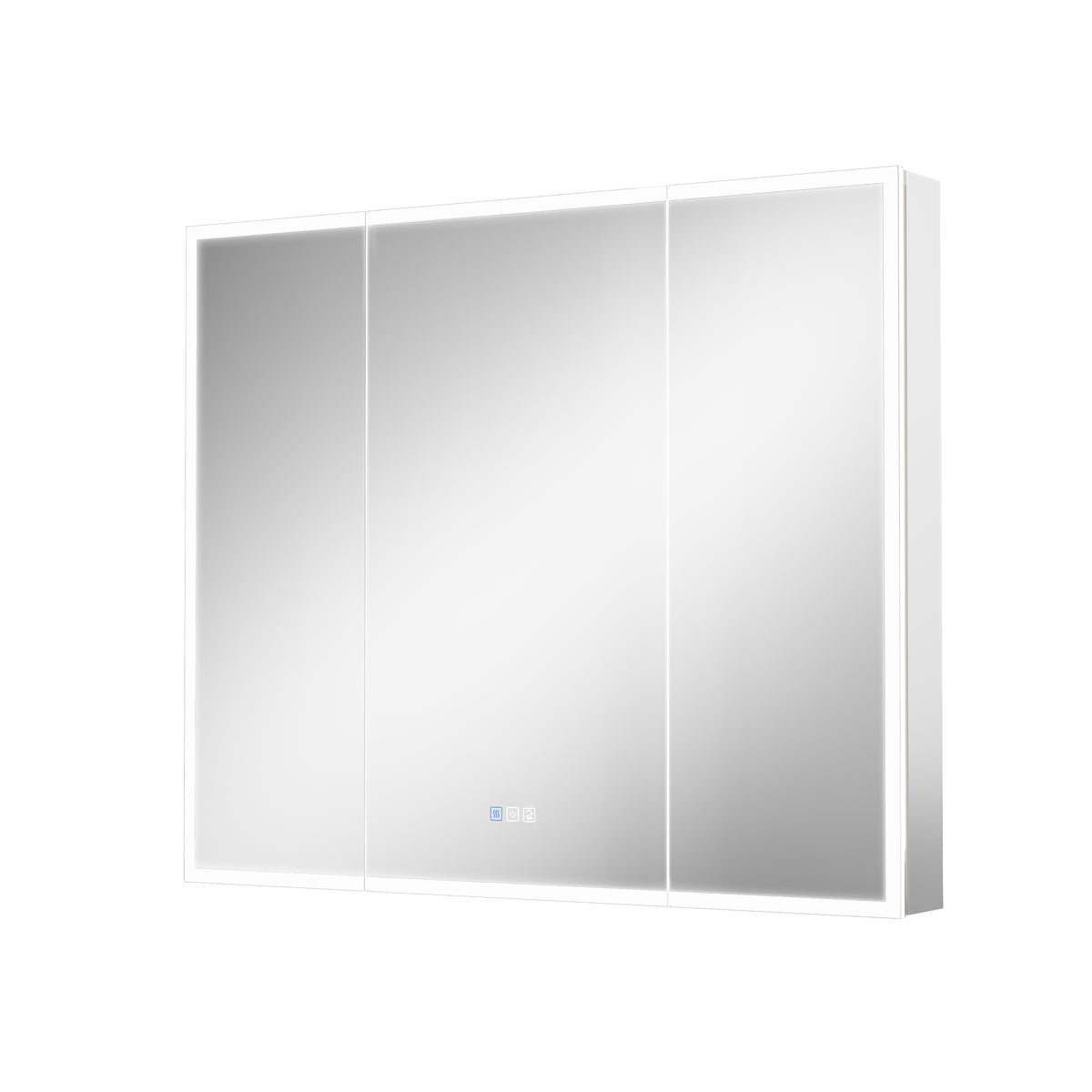
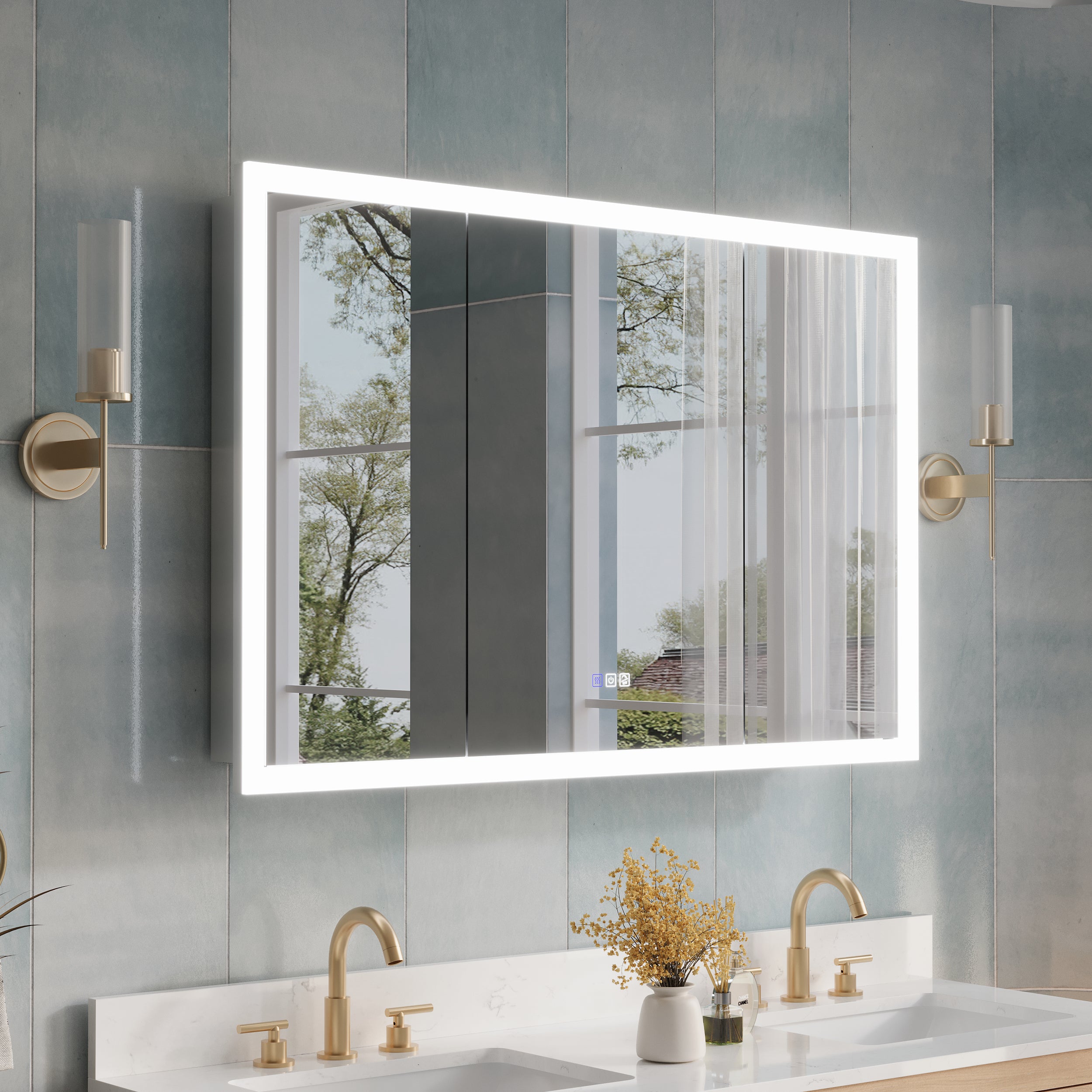
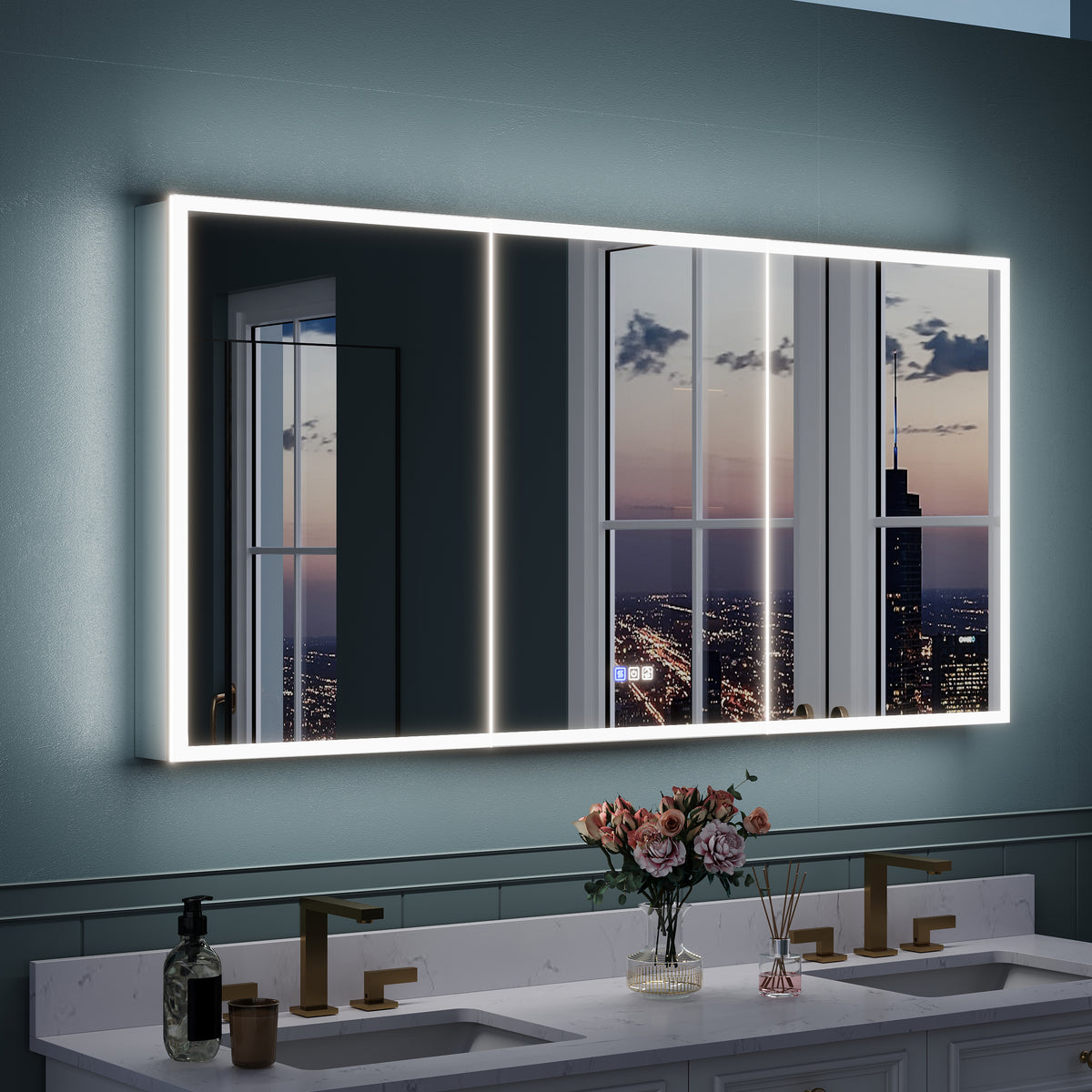
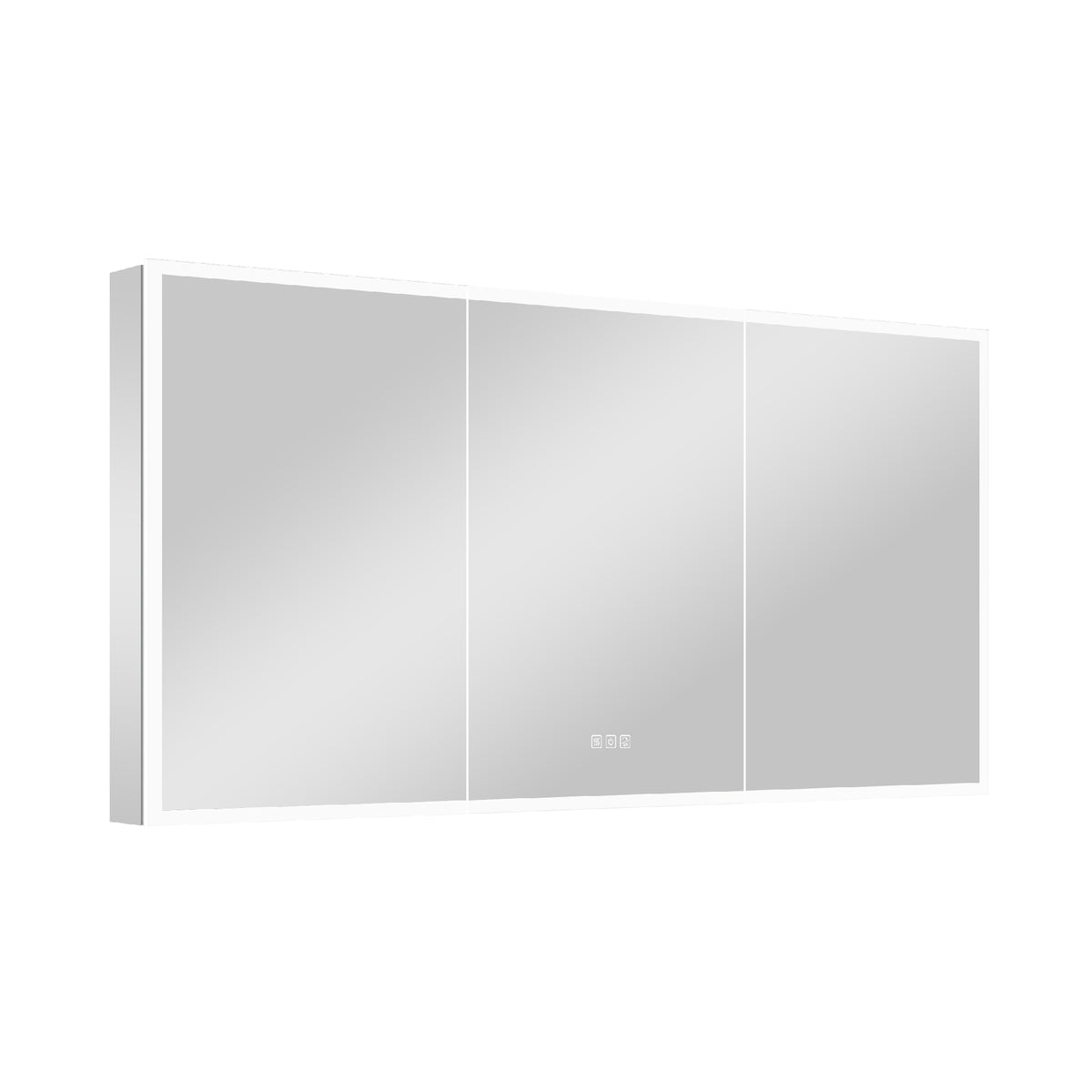
A front-lit mirror directs illumination toward the face rather than relying entirely on reflected light from the room. Models with diffused lighting along both vertical sides can be particularly effective because they soften harsh contrasts. A strip across the top may still leave shadows under the eyes.
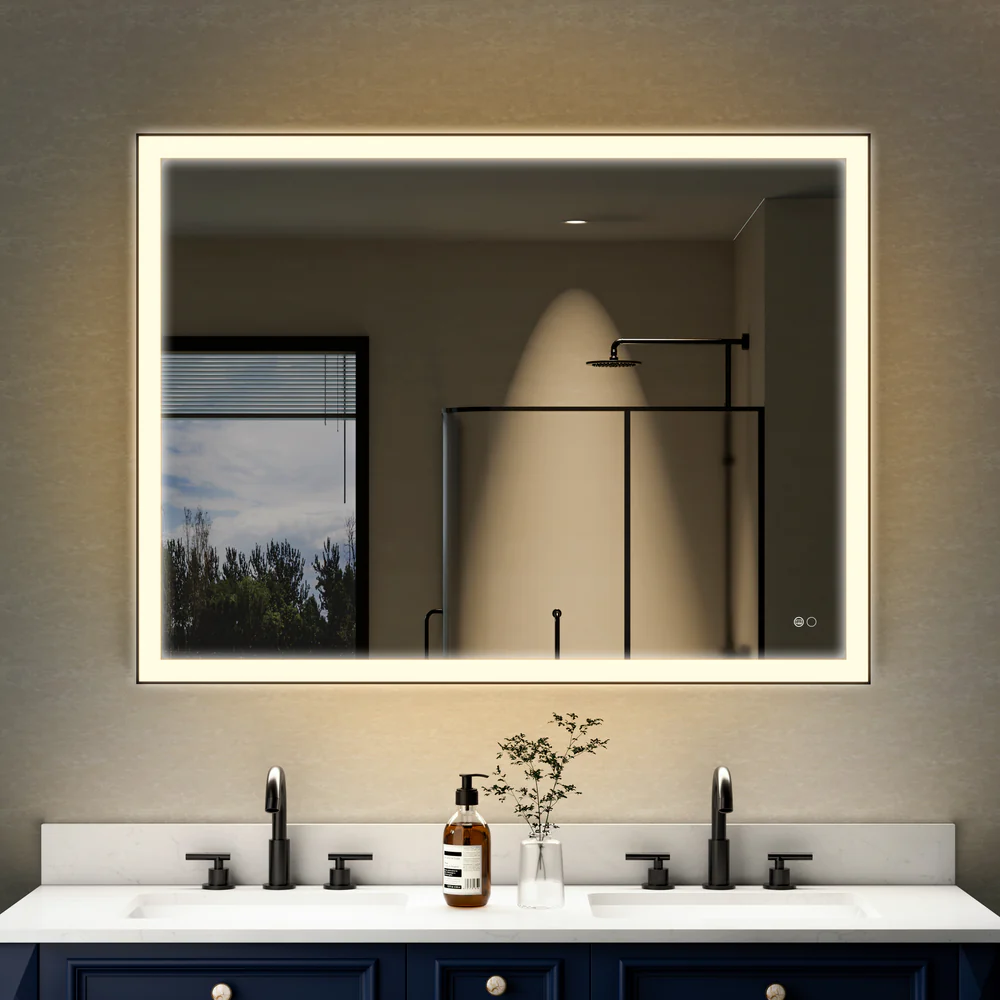
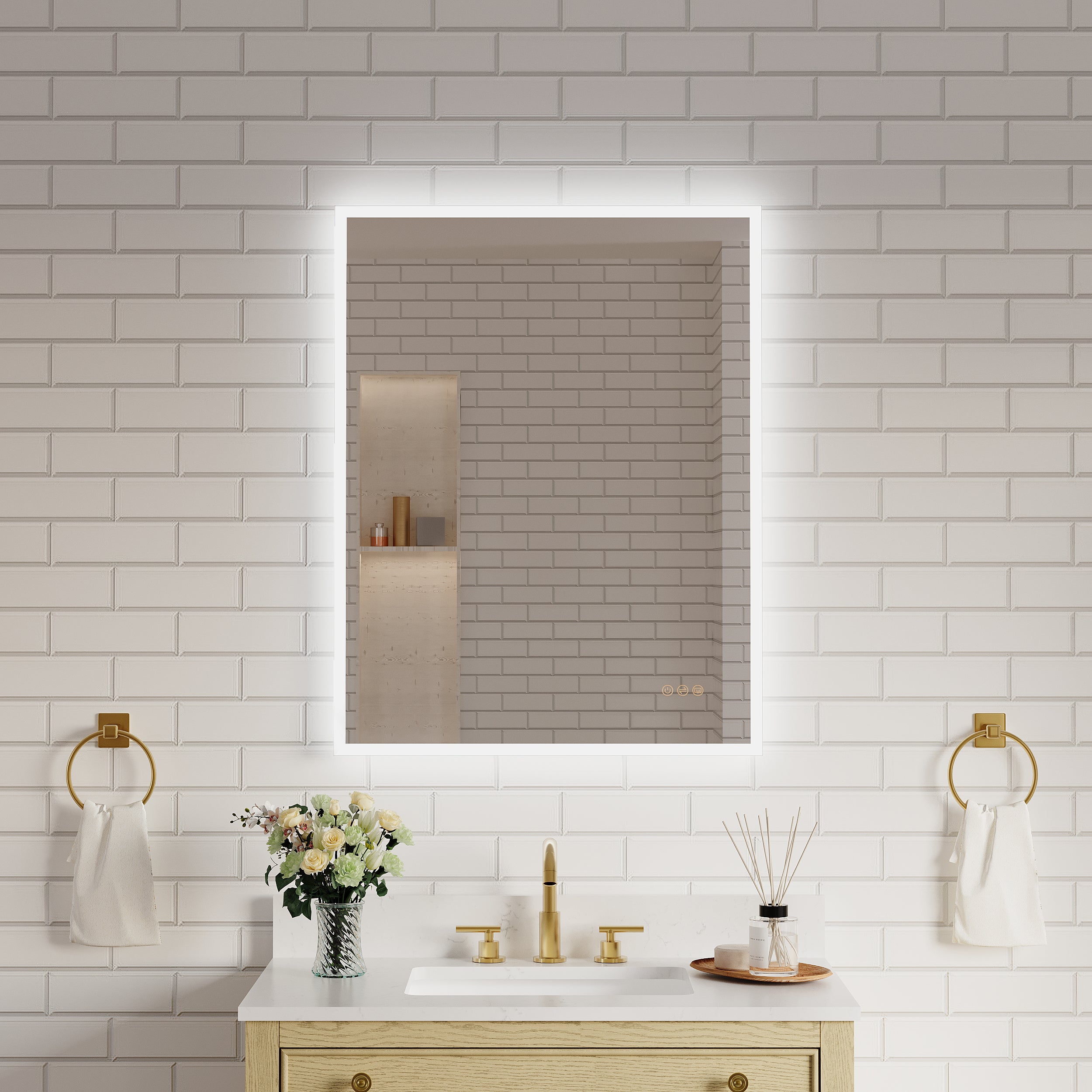
Backlit designs serve a different purpose. Their glow washes the wall behind the mirror and can make tile or textured finishes look beautiful. Yet that glow may do little for applying eyeliner or checking a shave. Before buying, check which direction the LEDs actually face.
2. Choosing Light Quality for Accurate Grooming
Color temperature changes what you see. Warm light around 2700–3000K feels comfortable at night, while neutral white around 3500–4000K is often useful for morning grooming. Very cool settings can appear crisp but may exaggerate the clinical feel of a white bathroom.
Color Rendering Is Easy to Overlook
Color rendering describes how faithfully a light source reveals colors. If matching foundation or checking skin tone is part of your routine, look for a color rendering index (CRI) of 90 or higher when the manufacturer provides one. A bright mirror with poor color rendering can be less helpful than a moderately bright one with accurate light.
Diffusers deserve attention too. Visible points of glare reflected into your eyes make long grooming sessions uncomfortable. Adjustable brightness is usually a more useful feature than an extreme maximum setting.
3. How a Mirror with Light Can Reduce Electricity Use
LEDs generally use less electricity than traditional incandescent lighting for a comparable amount of useful light. Integrated mirror lighting can also let you illuminate the sink without switching on every overhead fixture during a quick morning routine.
But compare complete setups, not marketing claims. If your bathroom already has efficient LED sconces, replacing them with an illuminated mirror may offer little energy savings. Running both at once could increase consumption.
The arithmetic is straightforward: electricity use depends on power and time. Check the product's rated wattage against your typical daily usage rather than assuming all LED mirrors consume the same amount.
Dimming Helps When You Use It
A dimmer can reduce power consumption on many LED systems, though savings vary with the driver and control design. It also makes the light more comfortable for late-night handwashing. Select controls that make changing brightness effortless; an awkward touch sequence is a feature people stop using.
4. Understand the Energy Costs of Extra Features
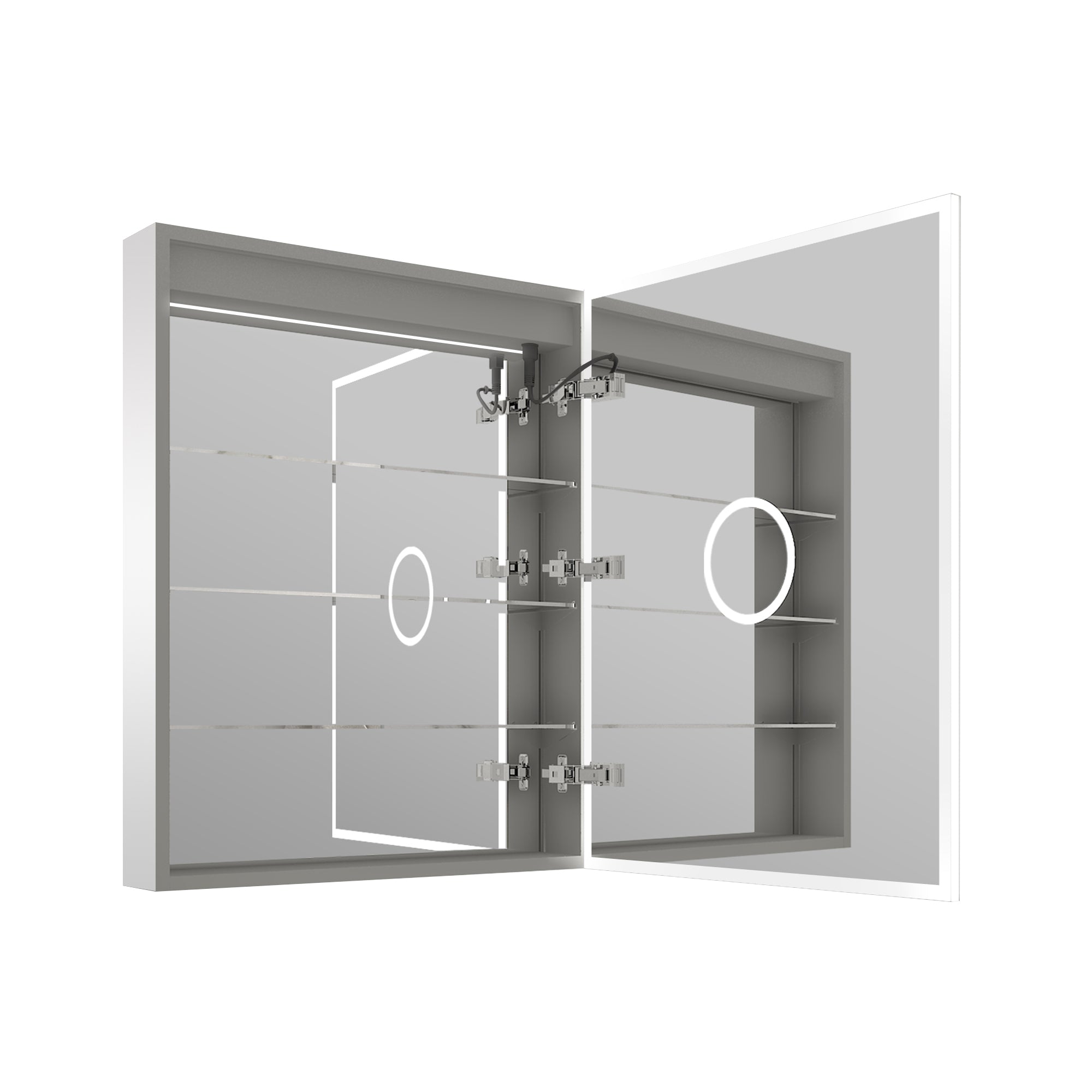
Anti-fog heating is convenient after a hot shower, especially in a bathroom with limited ventilation. It also draws electricity, sometimes separately from the LEDs. Check whether the heating pad can be switched off independently and whether it shuts down automatically.
Motion sensors and memory settings can be useful, but standby power, driver efficiency, and replacement options deserve consideration. A product promising unusually long LED life is only as practical as its electronics and available service support.
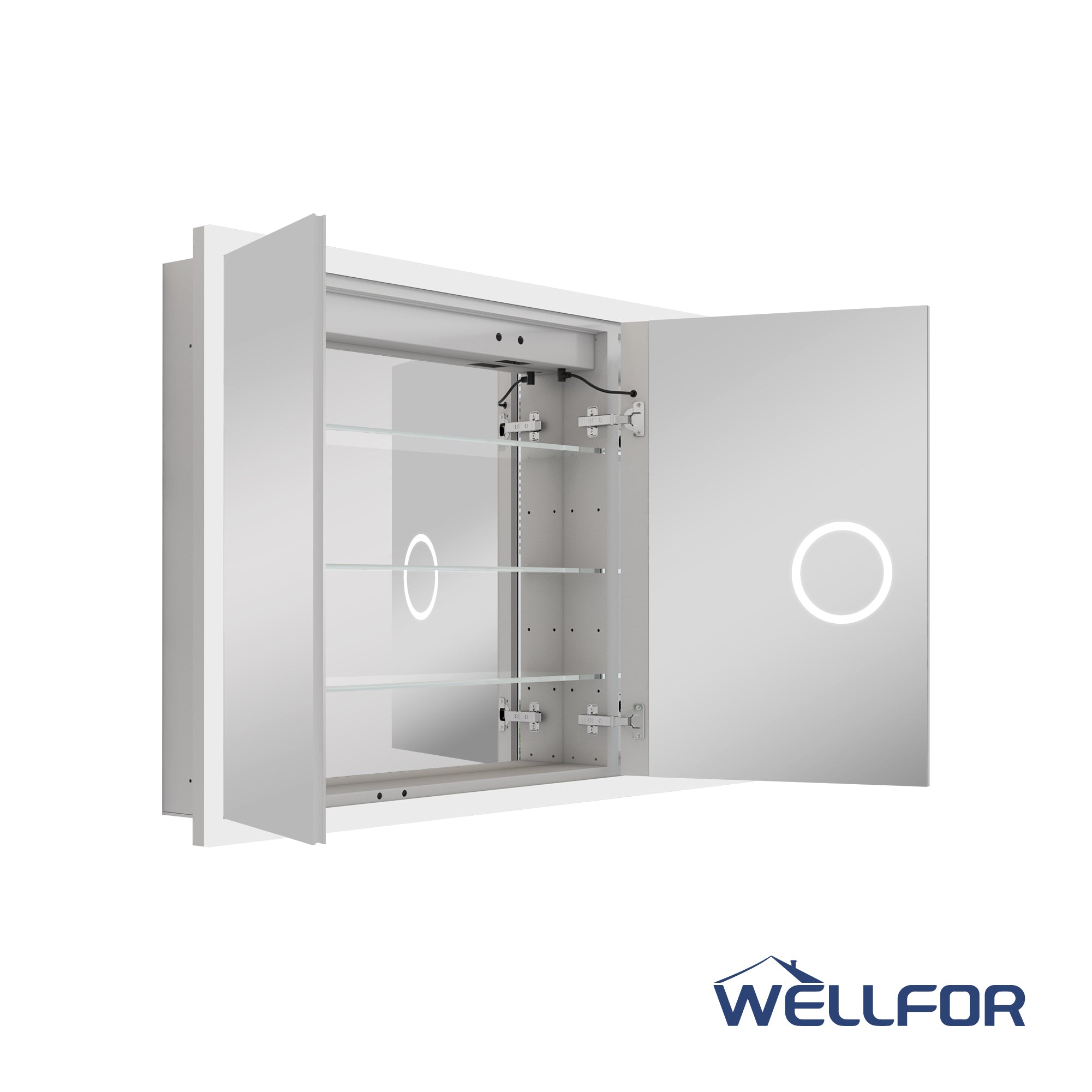
At Wellfor, a sensible way to compare illuminated bathroom mirrors is to examine their lighting performance, electrical specifications, and installation requirements together. A simple, serviceable model can be a stronger long-term purchase than one packed with features you rarely need.
5. Match the Mirror to the Bathroom's Layout
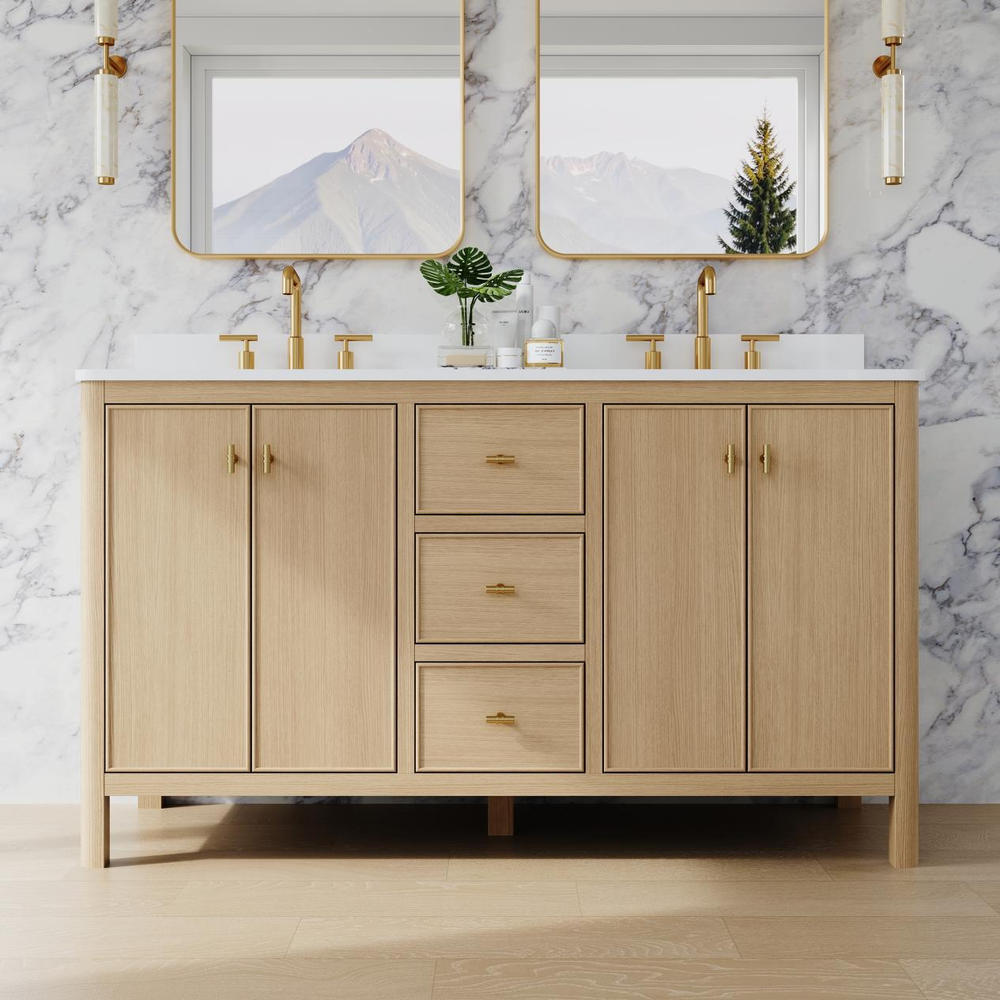
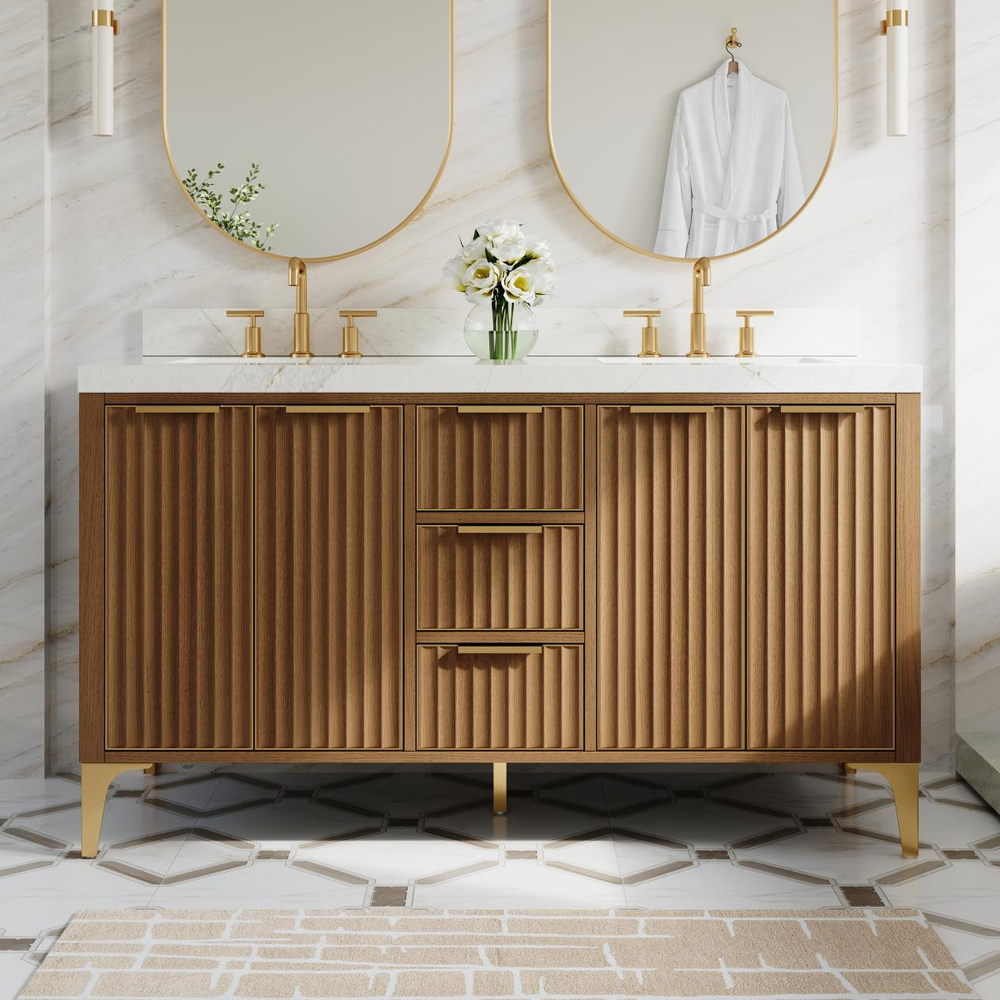
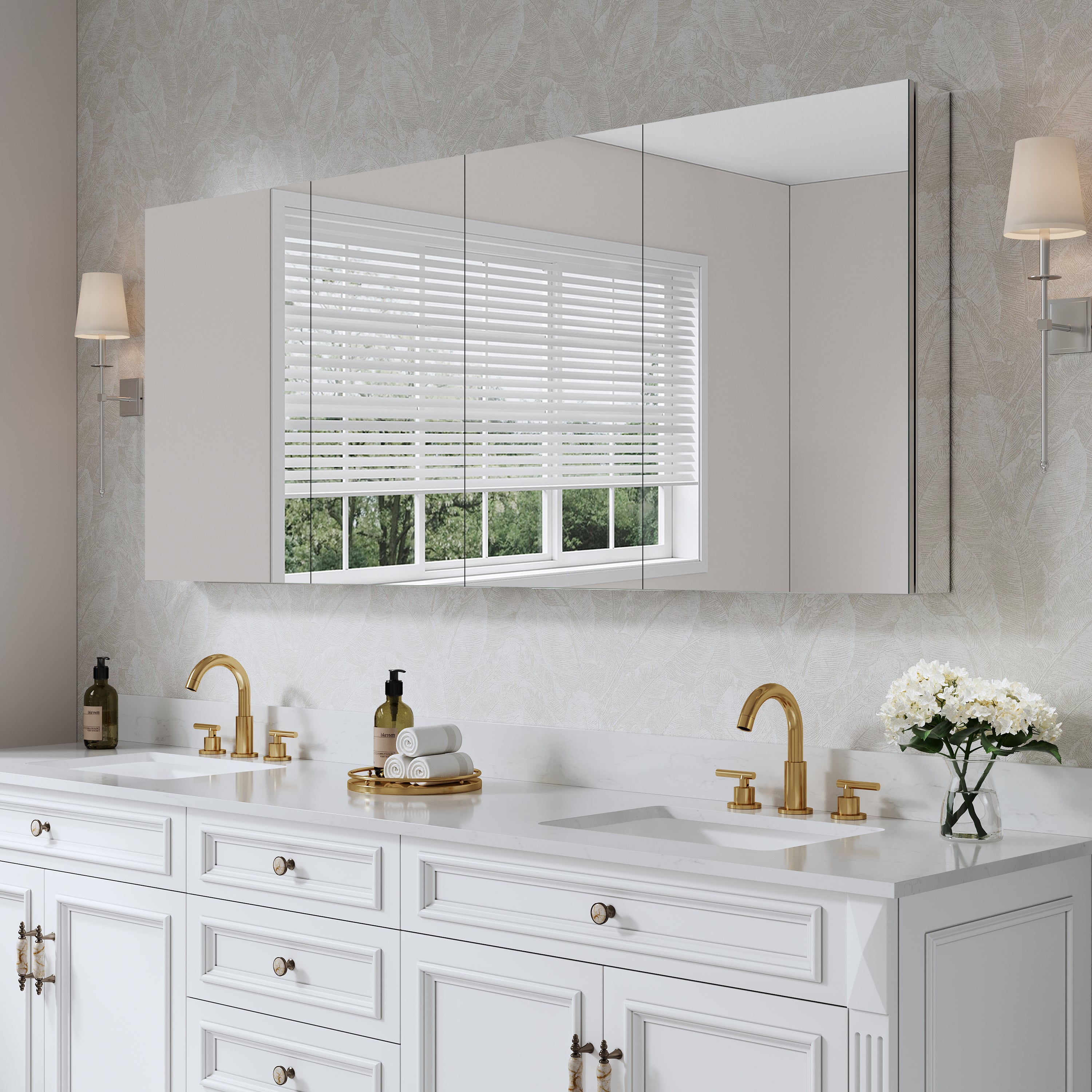
A small powder room may benefit from a single front-lit mirror above the basin. In a larger primary bathroom, two mirrors can give each user an independent grooming zone, while separate ceiling lighting still serves the shower and walking areas.
Size changes how the light feels. If LEDs sit too far apart on an oversized mirror, they may not illuminate a single user's face as effectively as expected. Mounting height matters as well, particularly in households with different-height users.
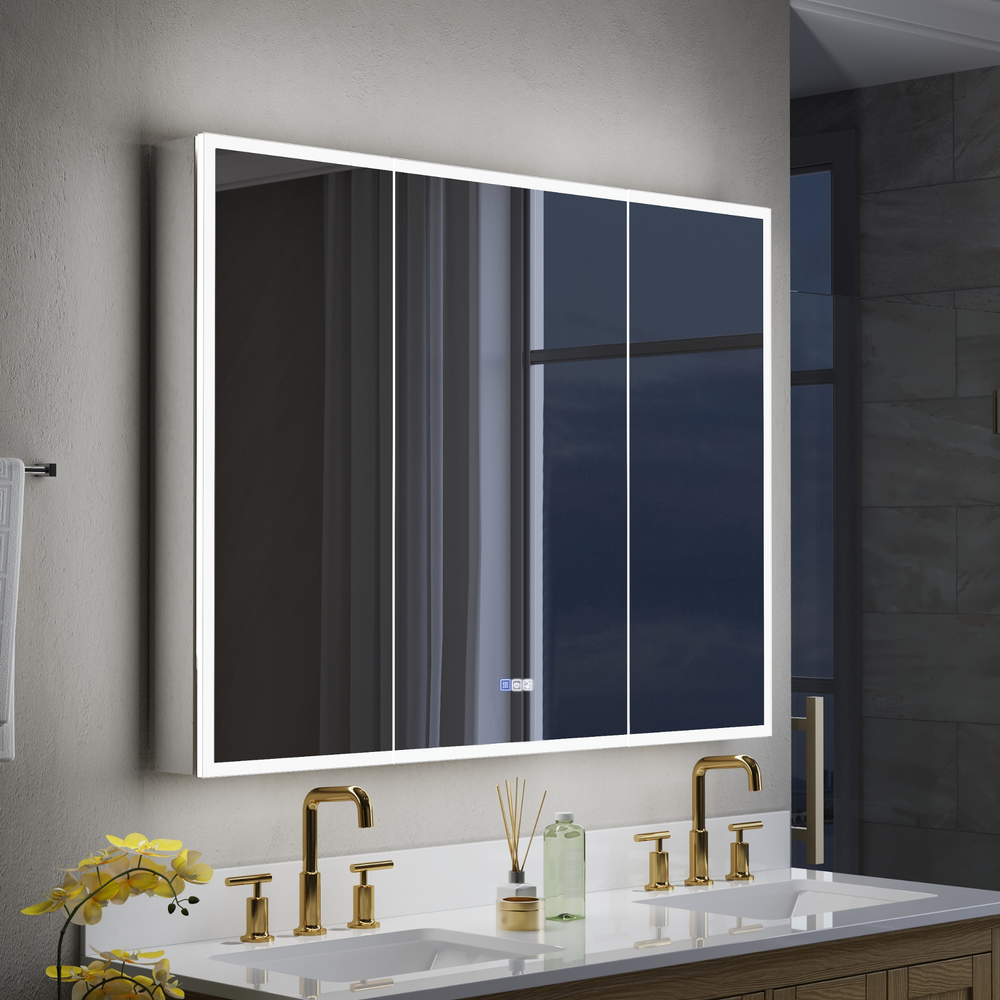
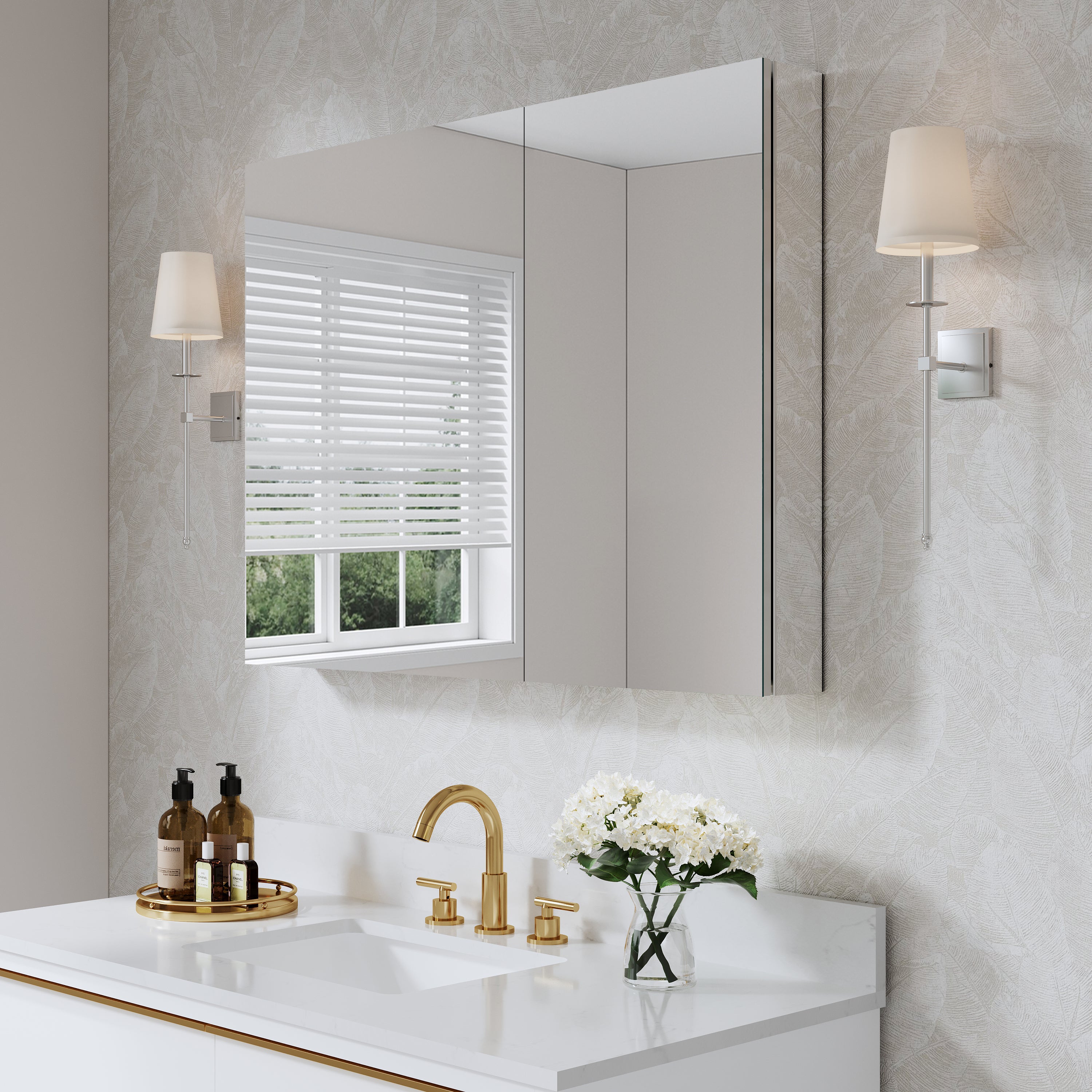
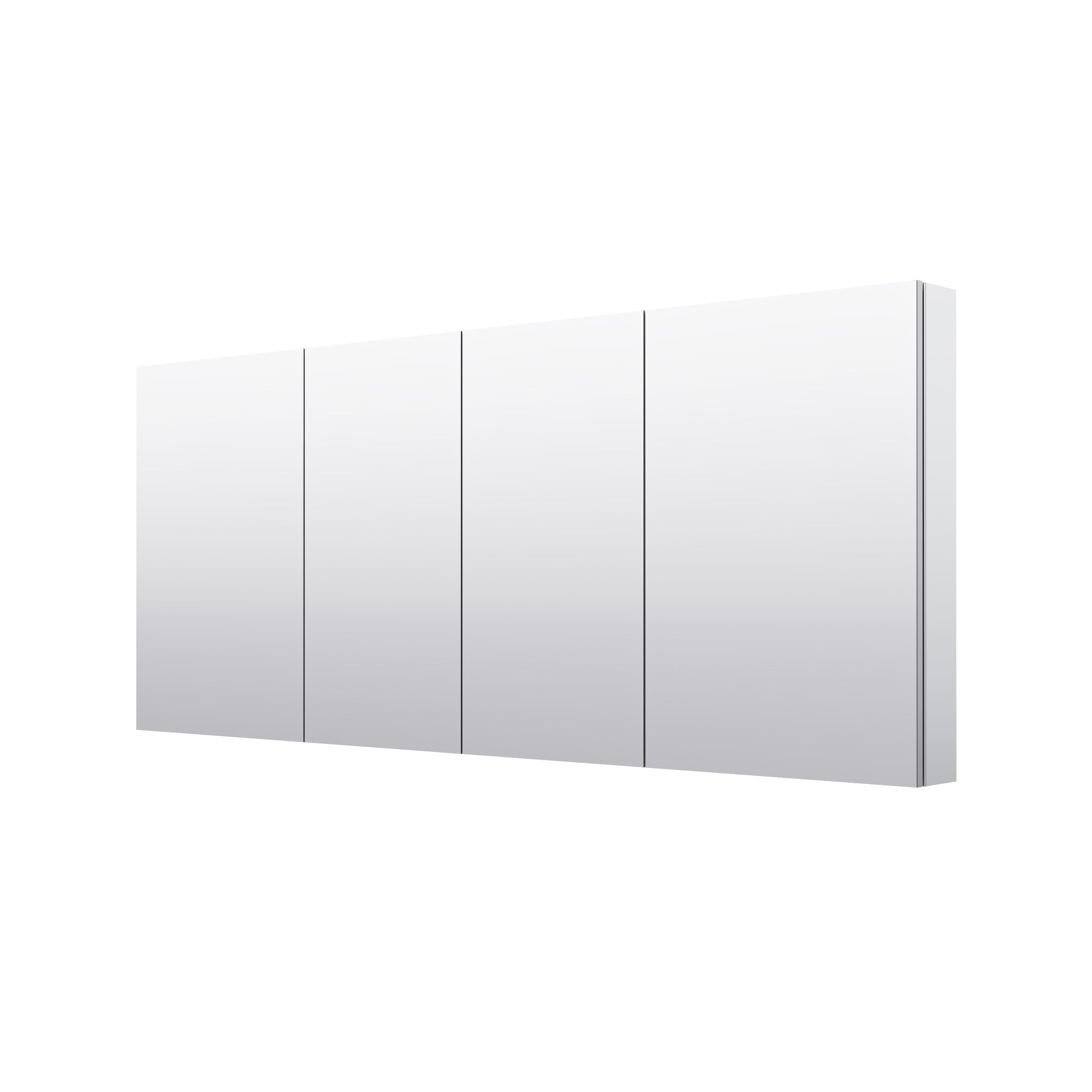
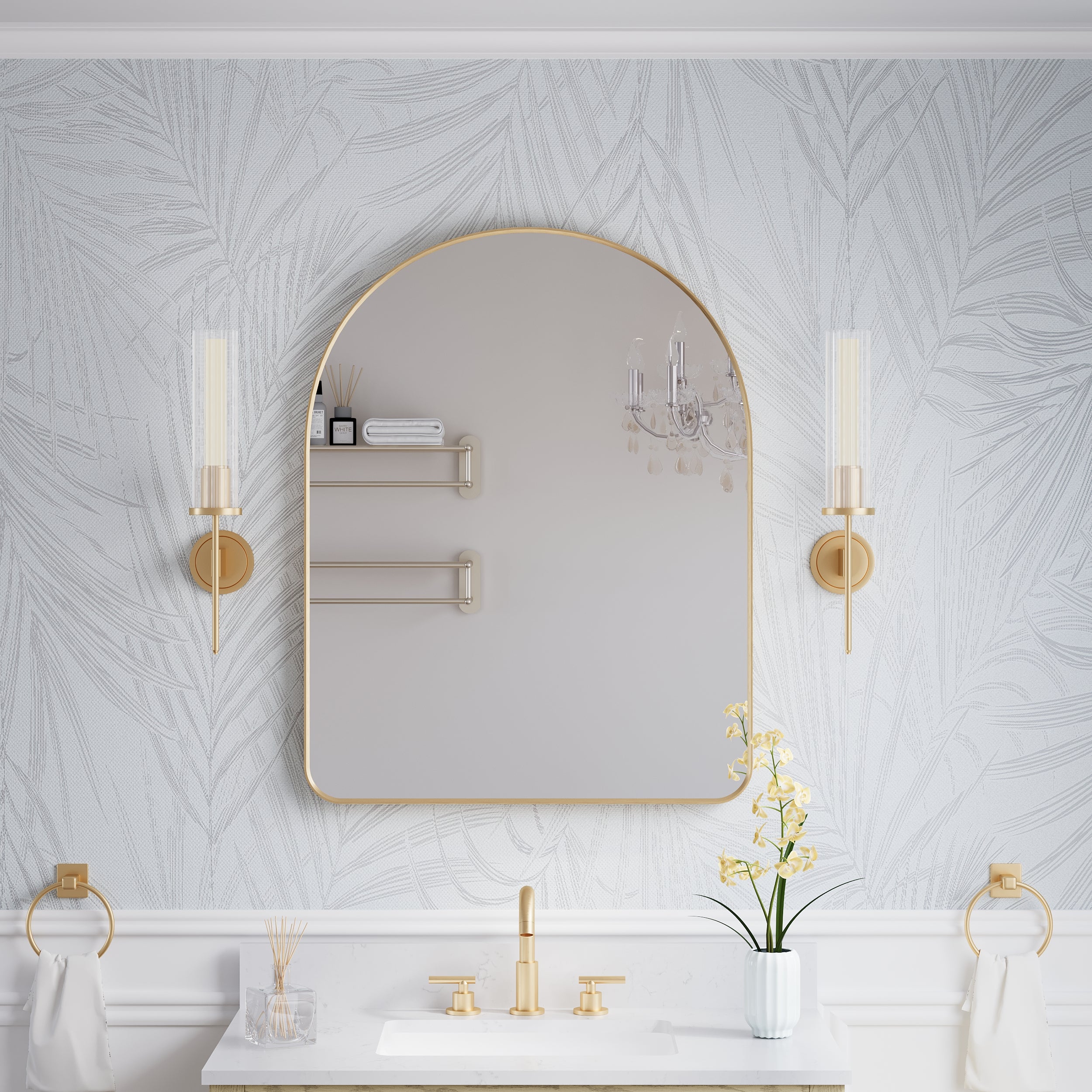
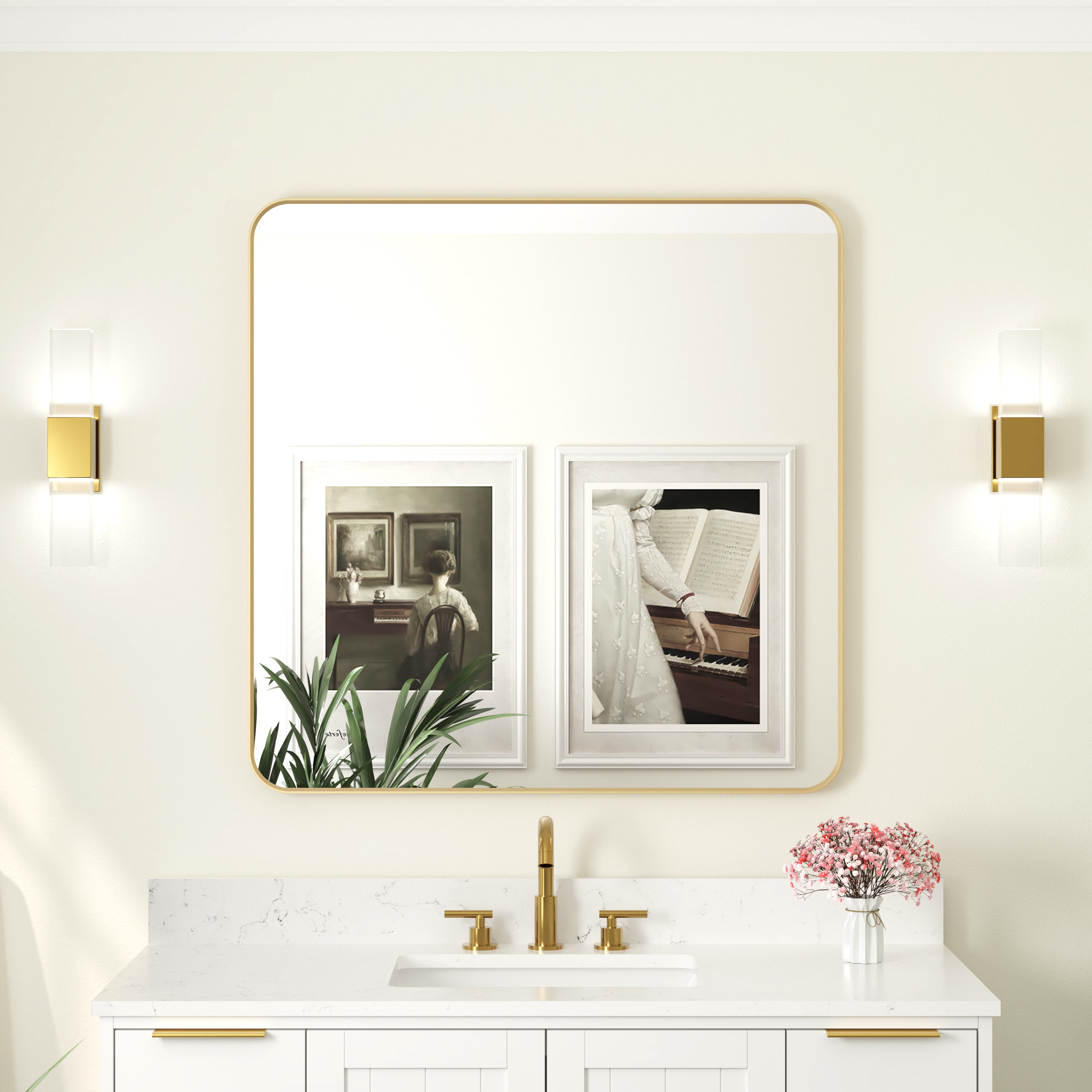
Frameless models suit restrained modern interiors; a slim frame can tie the mirror to faucets and cabinet pulls. Neither automatically provides better light. Look at the position and diffusion of the LEDs instead.
6. Installation and Maintenance Protect Performance
Before ordering, measure the vanity and verify the mirror's clearance around faucets, doors, and nearby walls. Find out whether it requires a plug-in outlet or hardwiring. Have a qualified electrician handle hardwired installation according to applicable bathroom electrical codes and the manufacturer's instructions.
Use a bathroom-appropriate product for its intended location. Moisture resistance does not mean every mirror is safe in direct shower spray. Good ventilation still matters, even with an anti-fog function.
For cleaning, put a manufacturer-approved glass cleaner on a microfiber cloth rather than spraying liquid into lit edges or controls. Check seals and mounting hardware periodically. If the LEDs fail, consult the warranty before attempting repairs to a sealed electrical assembly.

7. Make the Purchase About the Tasks You Actually Do
If you struggle with shaving shadows, choose a front-lit design with light on both sides. For makeup, prioritize accurate color rendering, diffusion, and easy dimming. If you mostly want a soft evening atmosphere, backlighting may be enough.
Compare measured wattage with the lights you already use, not just the word "energy-saving" on the box. Test brightness if possible, and ask about replacement drivers and warranty coverage. A well-chosen mirror with light should make your reflection clearer while using only the illumination your routine calls for.















Leave a comment
This site is protected by hCaptcha and the hCaptcha Privacy Policy and Terms of Service apply.