
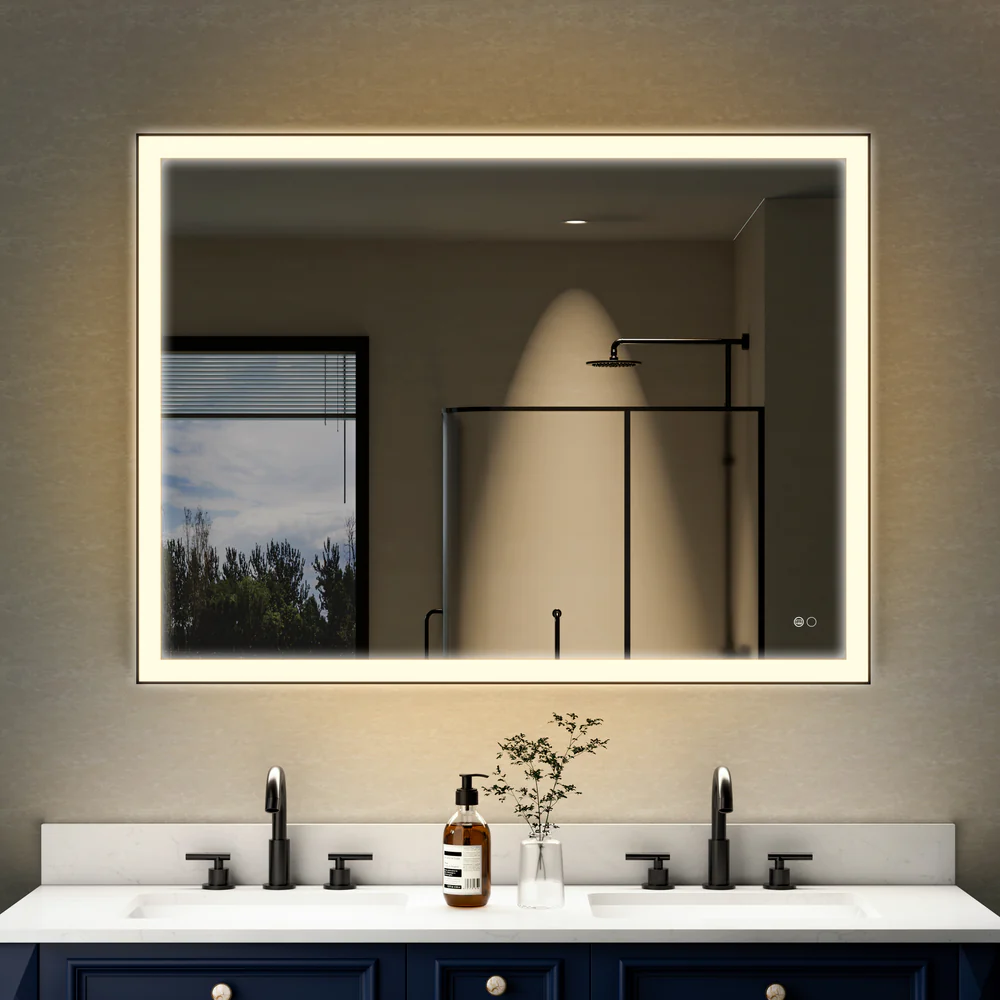
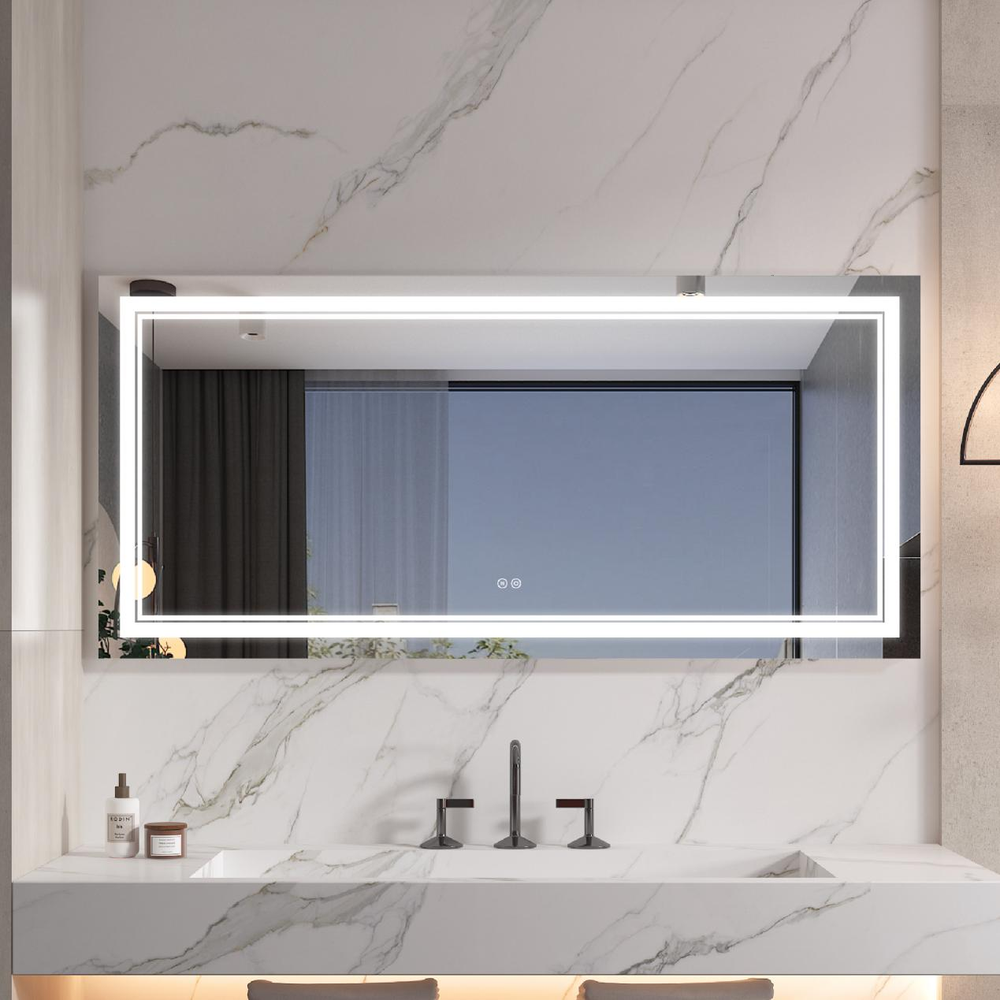
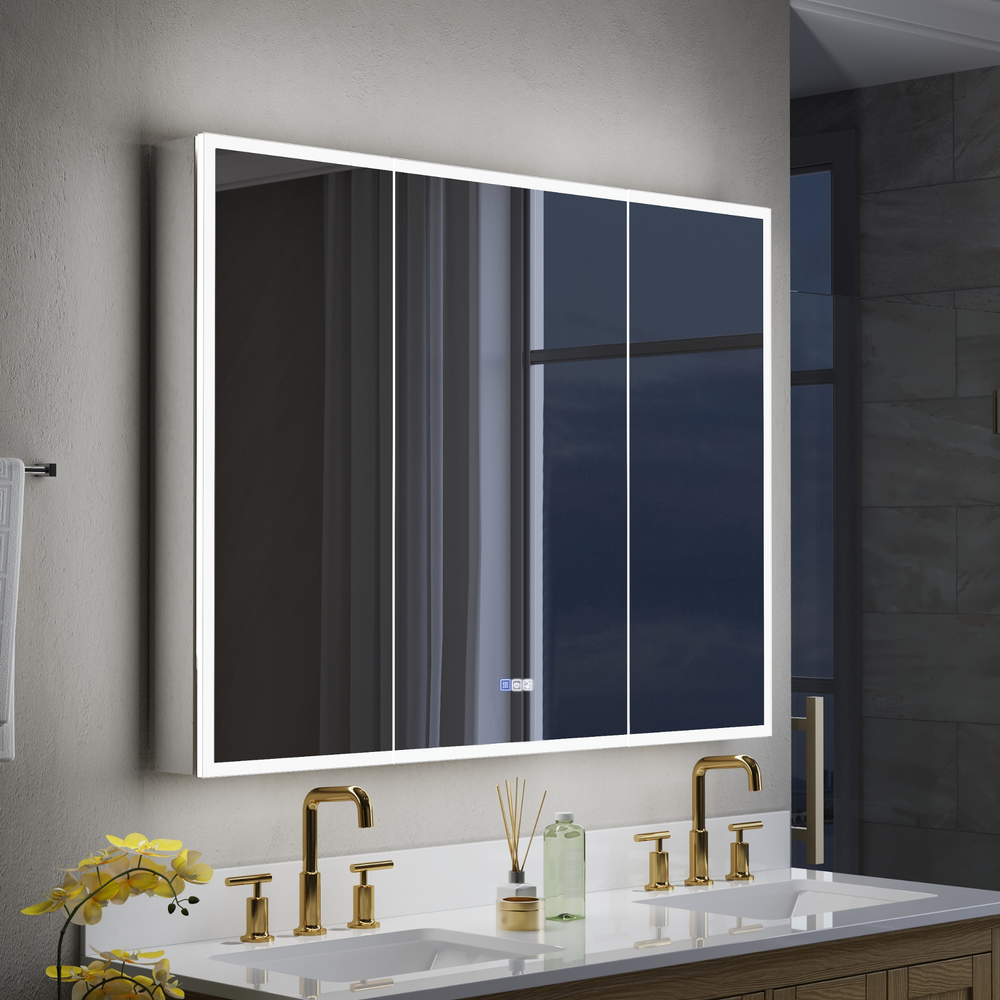
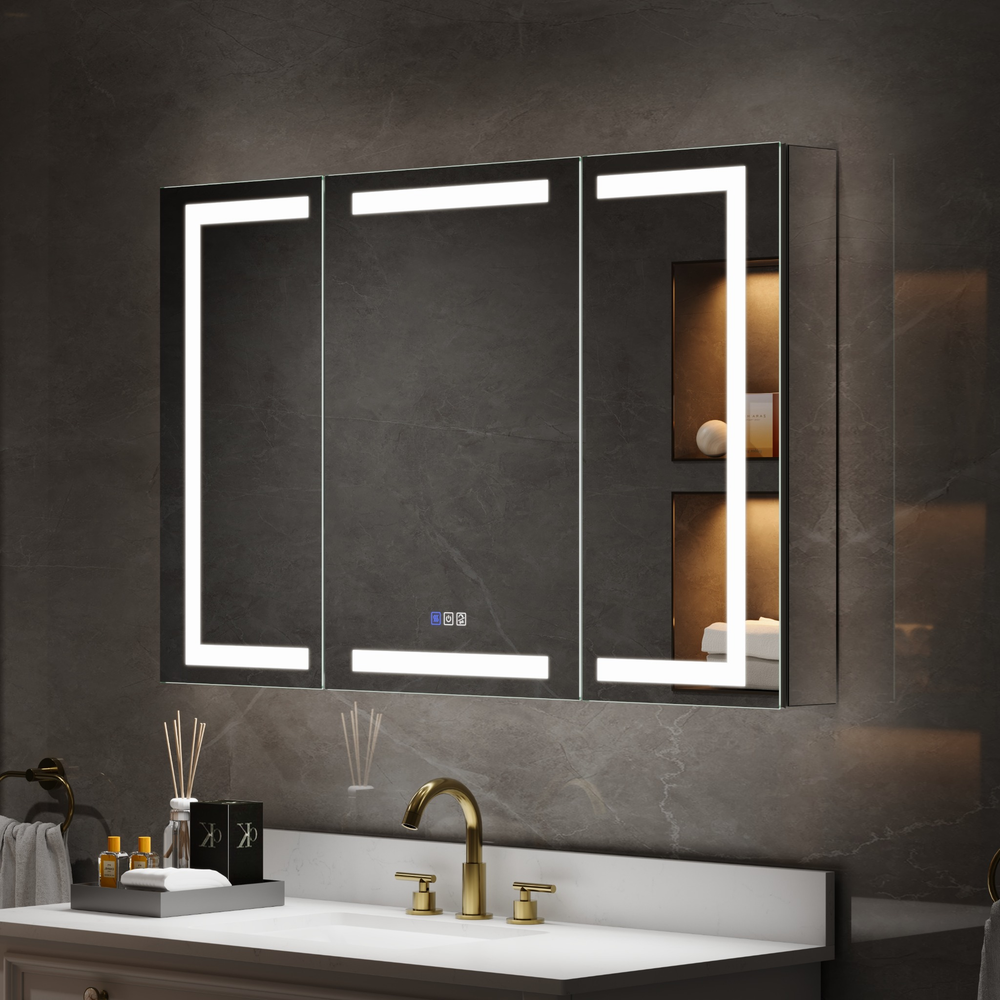





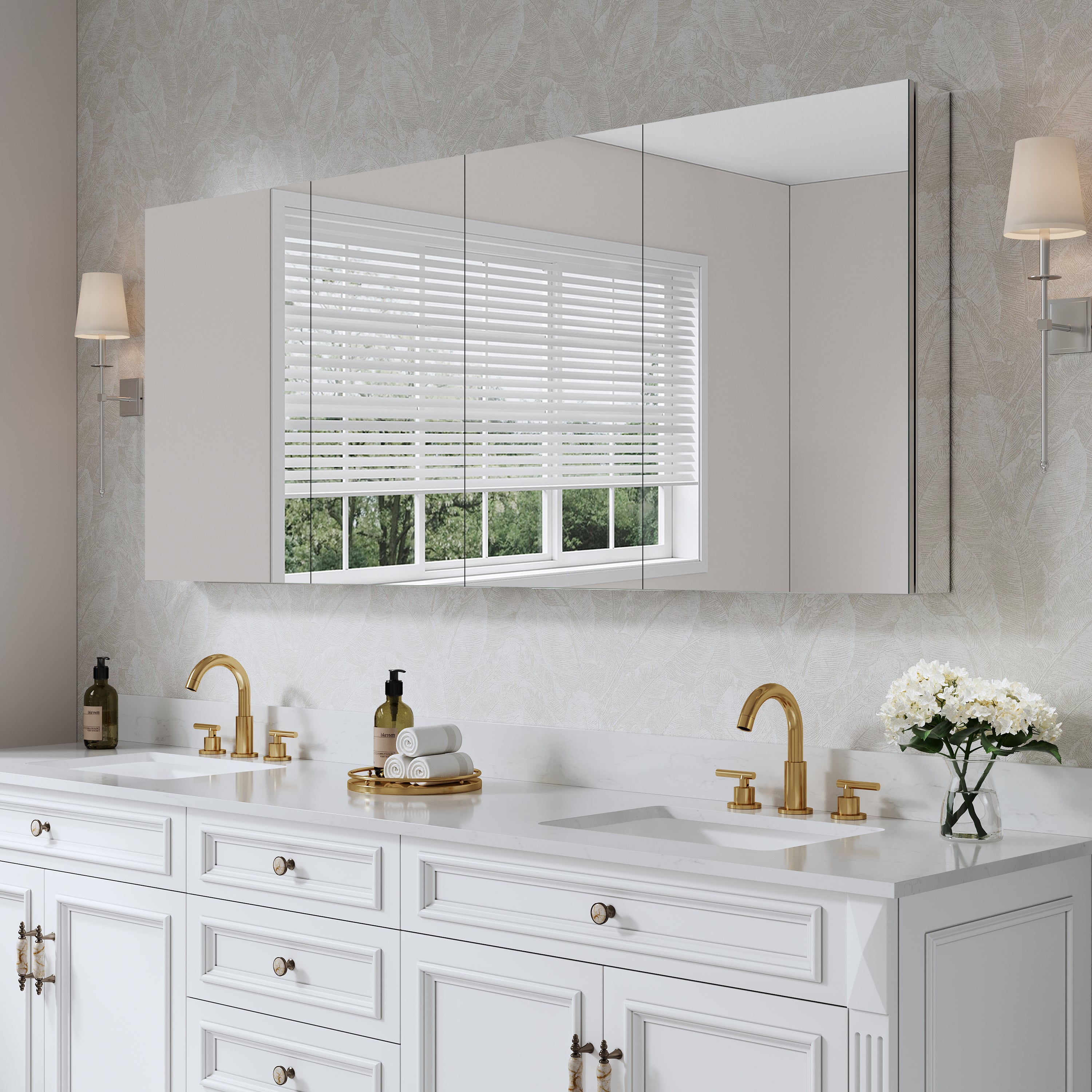
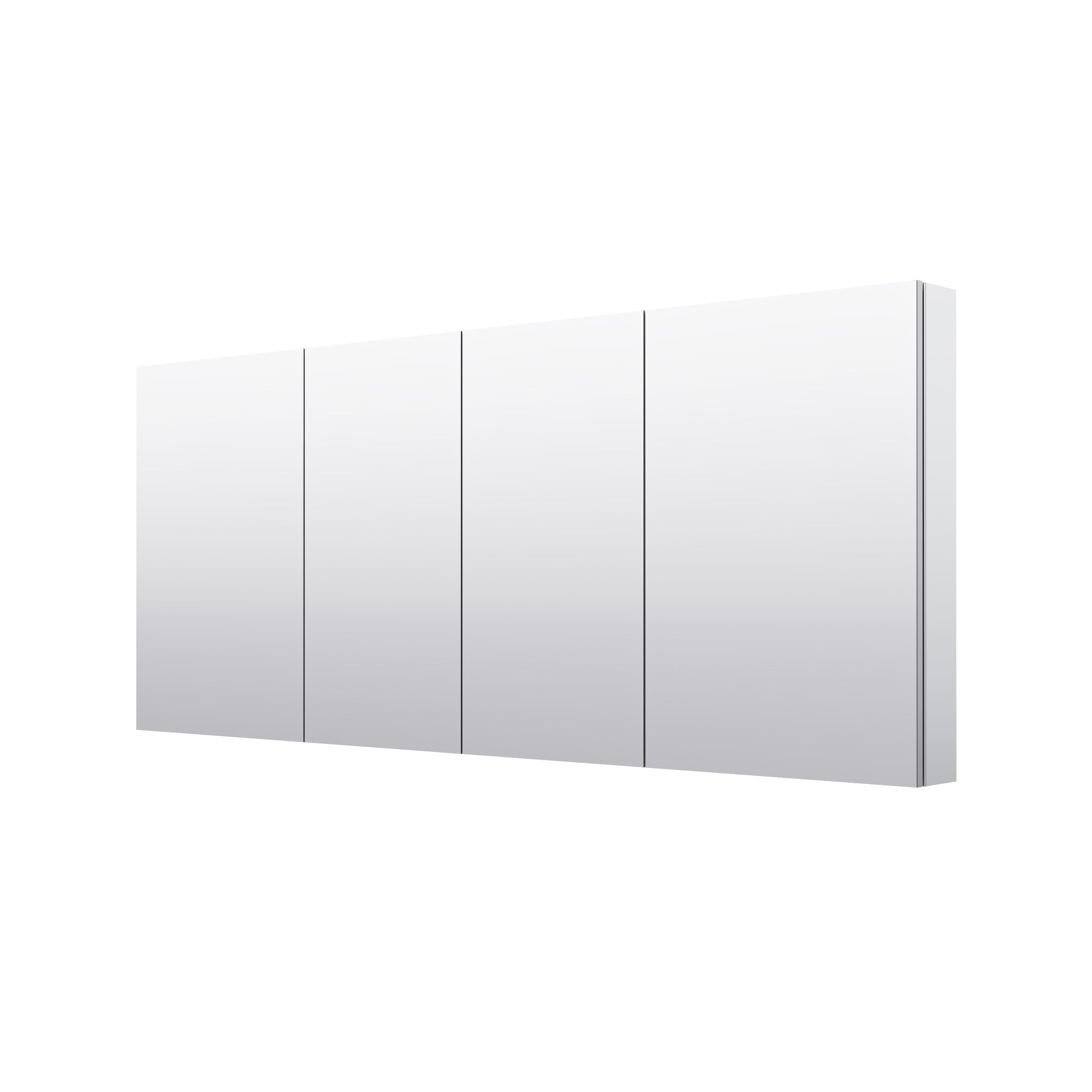
Installing recessed medicine cabinets with mirror can solve two familiar bathroom problems: limited storage and a crowded wall above the sink. By fitting most of the cabinet inside the wall, you gain shelves for everyday necessities without the bulk of a surface-mounted unit. The finished result can look beautifully understated. Getting there, however, requires more planning than hanging a conventional mirror. Wall construction, door clearance, lighting, and even the height of your toothbrush all deserve attention before you order.
1. Check Whether Your Wall Can Accommodate Recessed Medicine Cabinets with Mirror
Start with the wall, not the catalog. A recessed cabinet needs a suitable cavity, and that space may already contain studs, pipes, electrical cables, or ventilation ducts. An exterior wall can present additional challenges because cutting into it may interfere with insulation or moisture protection.
Don't assume that a standard stud wall provides enough usable depth. Compare the manufacturer's required rough opening with the actual wall construction, including finished tile or drywall. Some cabinets are designed for partial recessing; others require nearly the entire body to sit within the wall.
If structural framing needs modification, have a qualified contractor assess it. Cutting a stud simply to make the cabinet fit can create a much larger problem than an inconvenient countertop.
2. Measure the Space You Use, Not Just the Opening
A cabinet can fit neatly between studs and still feel awkward in daily use. Before selecting its width, look at the vanity, faucet, nearby sconces, and the reach of anyone who uses the sink.
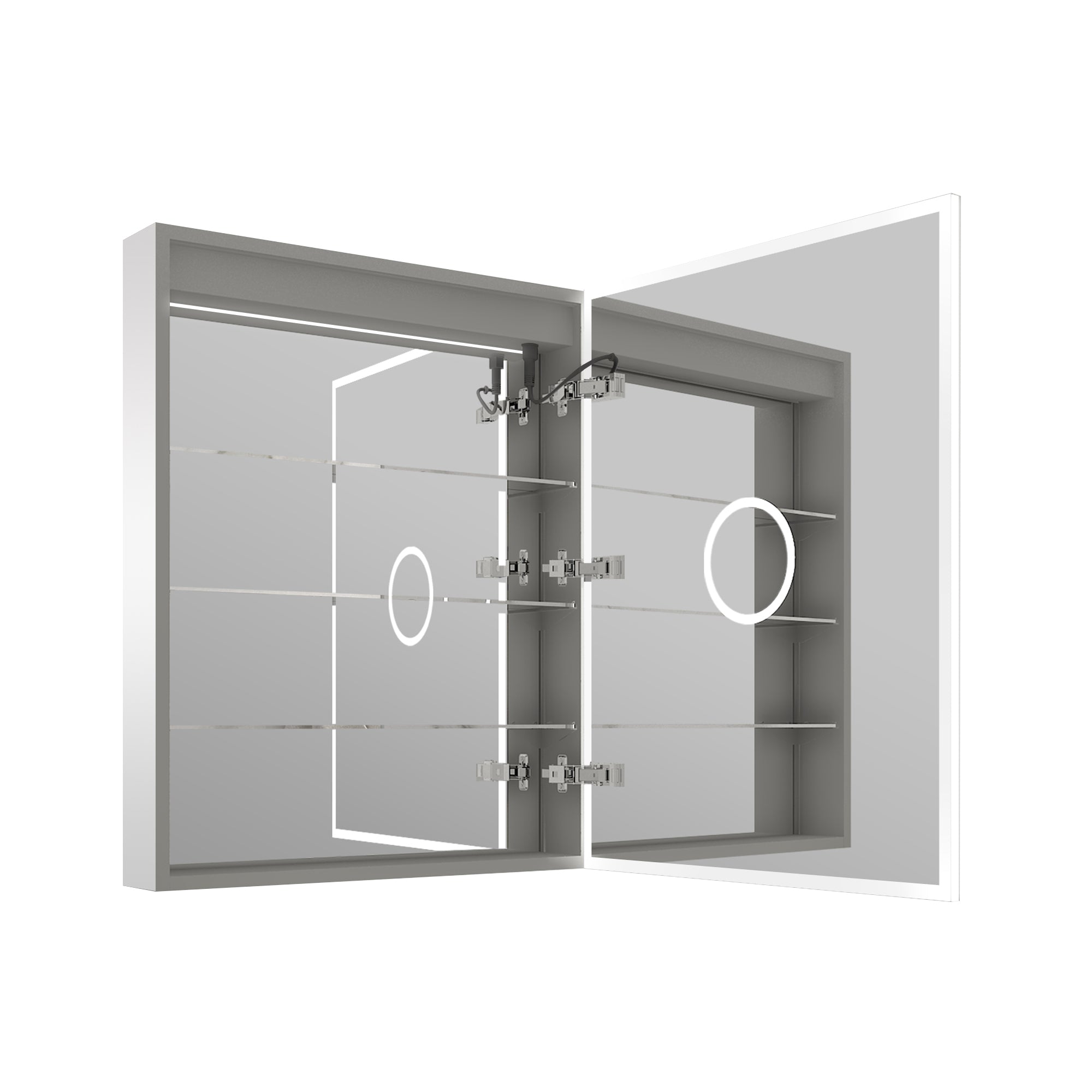
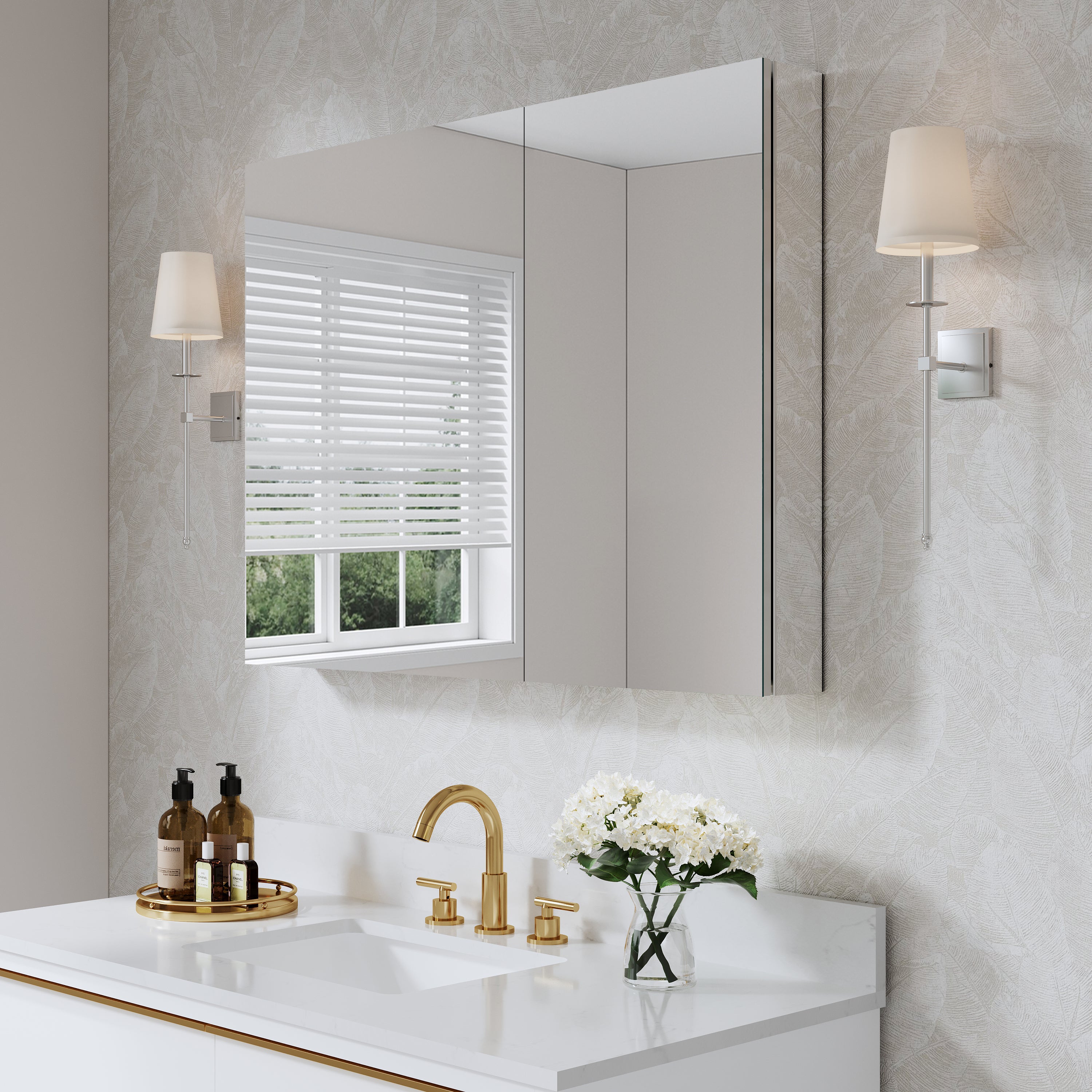
Door swing is the detail buyers miss most often. A mirrored door might strike a side wall, light fixture, or tall faucet before opening fully. Check whether the hinge can be reversed, particularly if the cabinet sits near a corner.
Don't Forget the Interior Dimensions
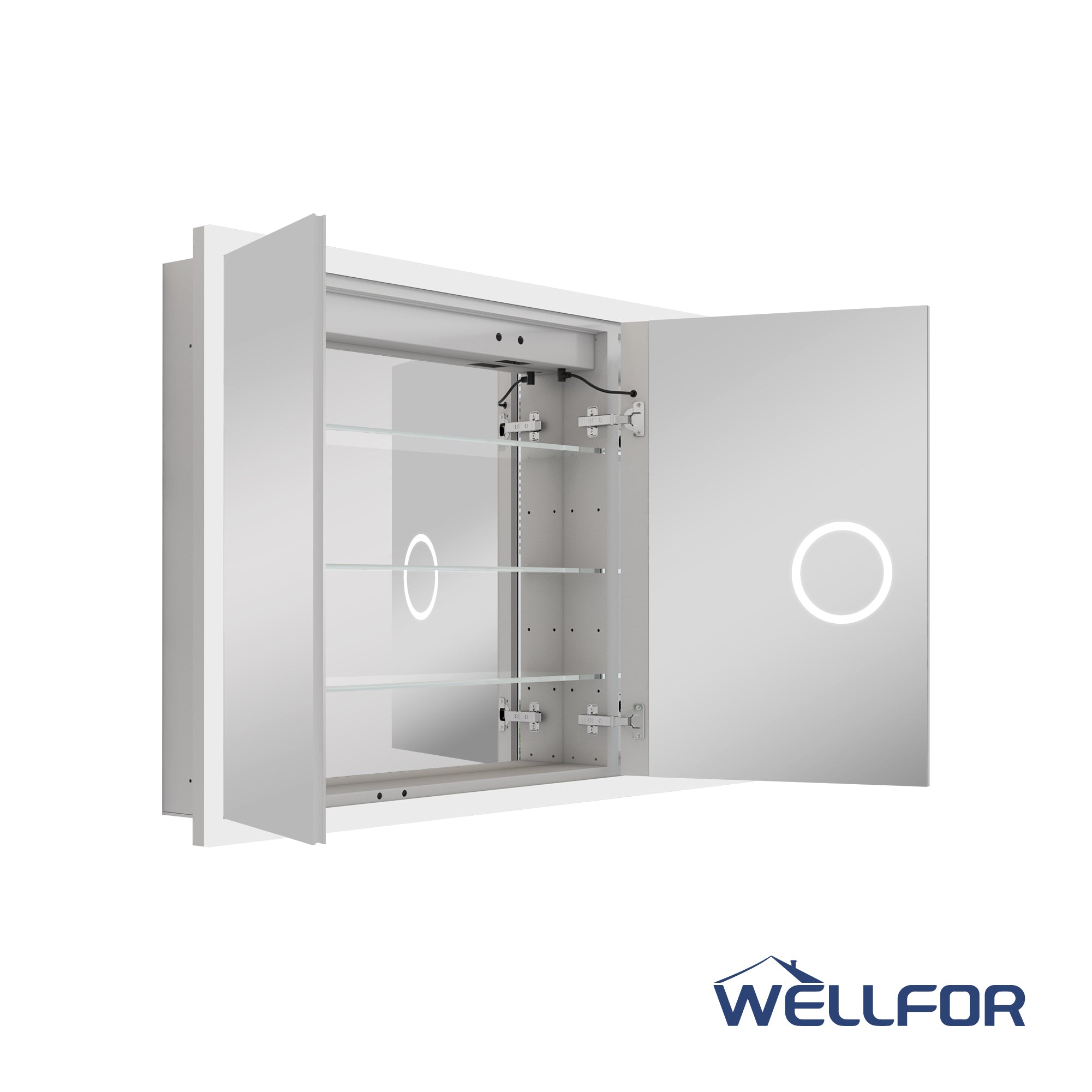
External measurements tell only part of the story. Shelf brackets, door mechanisms, and the cabinet frame all reduce usable space.
Gather your usual bottles and grooming supplies. Measure the tallest item, then look for adjustable shelving that allows it to stand upright. A shallow cabinet that holds everything you use is more valuable than a wider one with poorly arranged compartments.
3. Understand What Recessed Installation Does—and Doesn't—Improve
The main advantage is visual and physical clearance. With less cabinet projecting over a narrow basin, the bathroom feels less crowded, and users have more room to lean toward the mirror.
Recessed cabinets also keep toothbrushes, skincare products, and shaving supplies off the countertop. For a shared bathroom, assigning each person a shelf makes mornings less chaotic.
There are limitations. The wall cavity restricts storage depth, and recessed installation typically costs more than attaching a cabinet to the finished wall. In apartments, concrete walls, or bathrooms crowded with plumbing, a surface-mounted model may be a better purchase.
4. Choose Materials and Mirror Features for a Humid Room
Bathroom cabinets face regular condensation, particularly in households where several people shower each morning. Look for corrosion-resistant hardware, securely supported shelves, and protected edges around the mirror. Aluminum bodies can be practical; well-finished wood-based cabinets can work too, provided moisture does not sit on exposed joints.
Are Integrated LEDs and Anti-Fog Features Worth It?
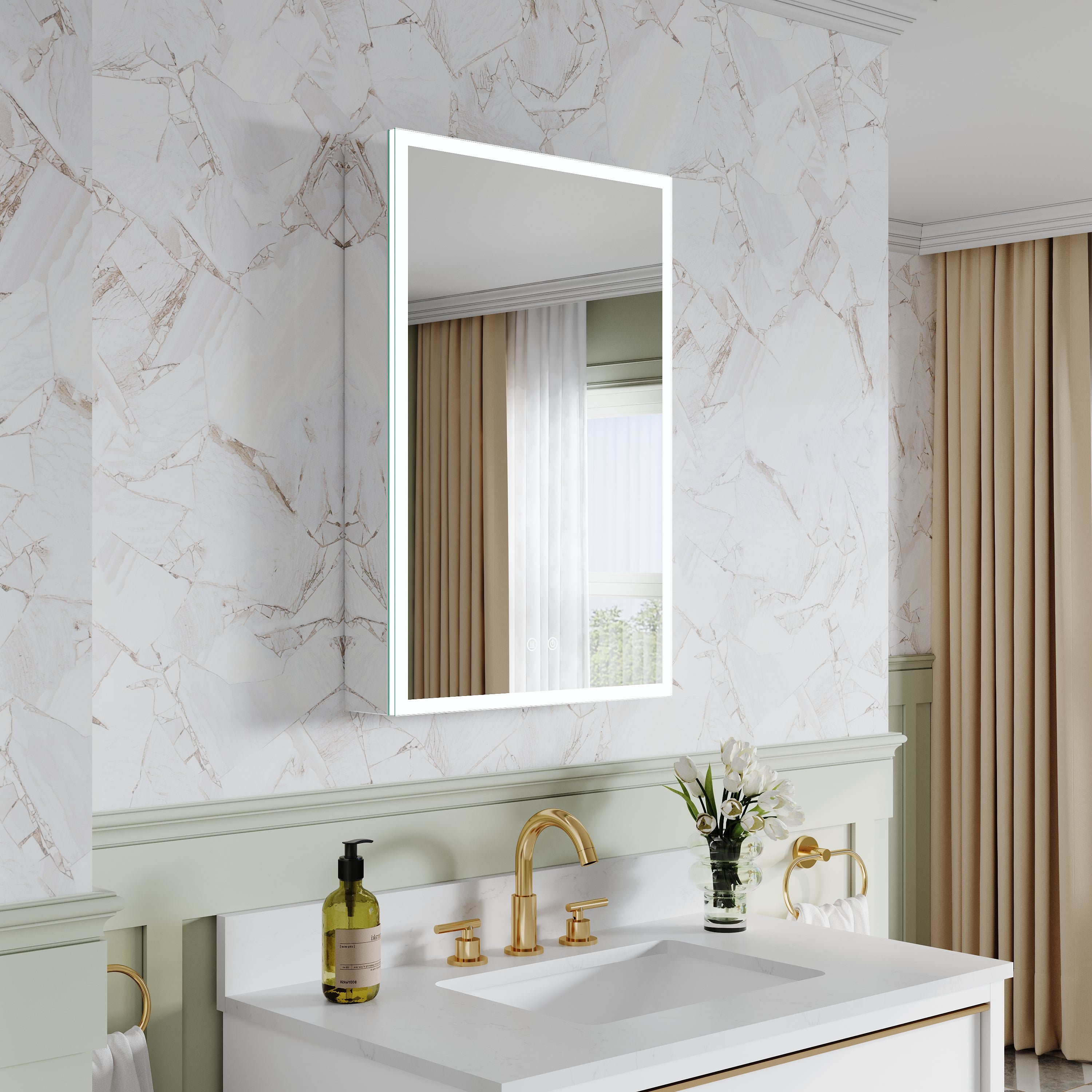
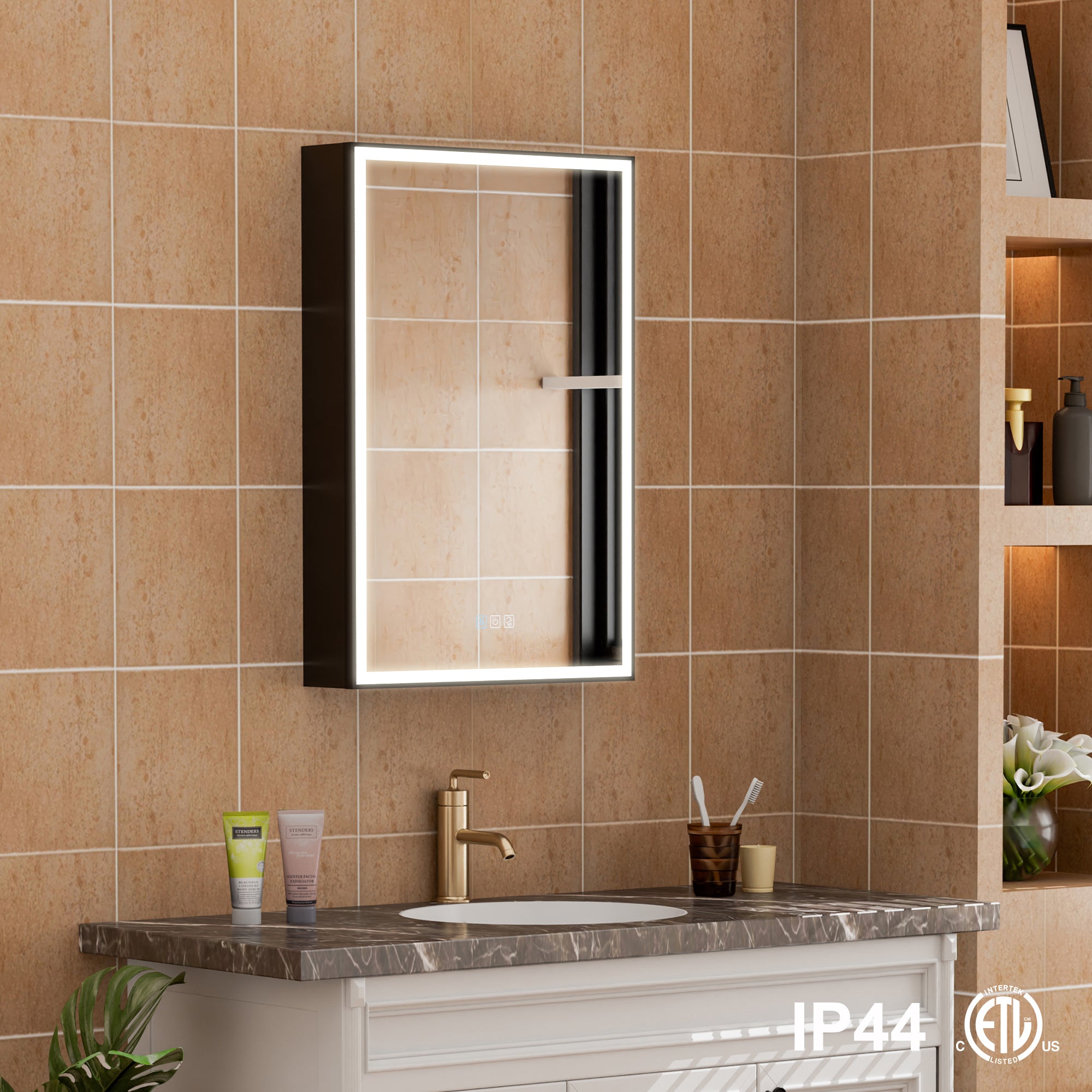
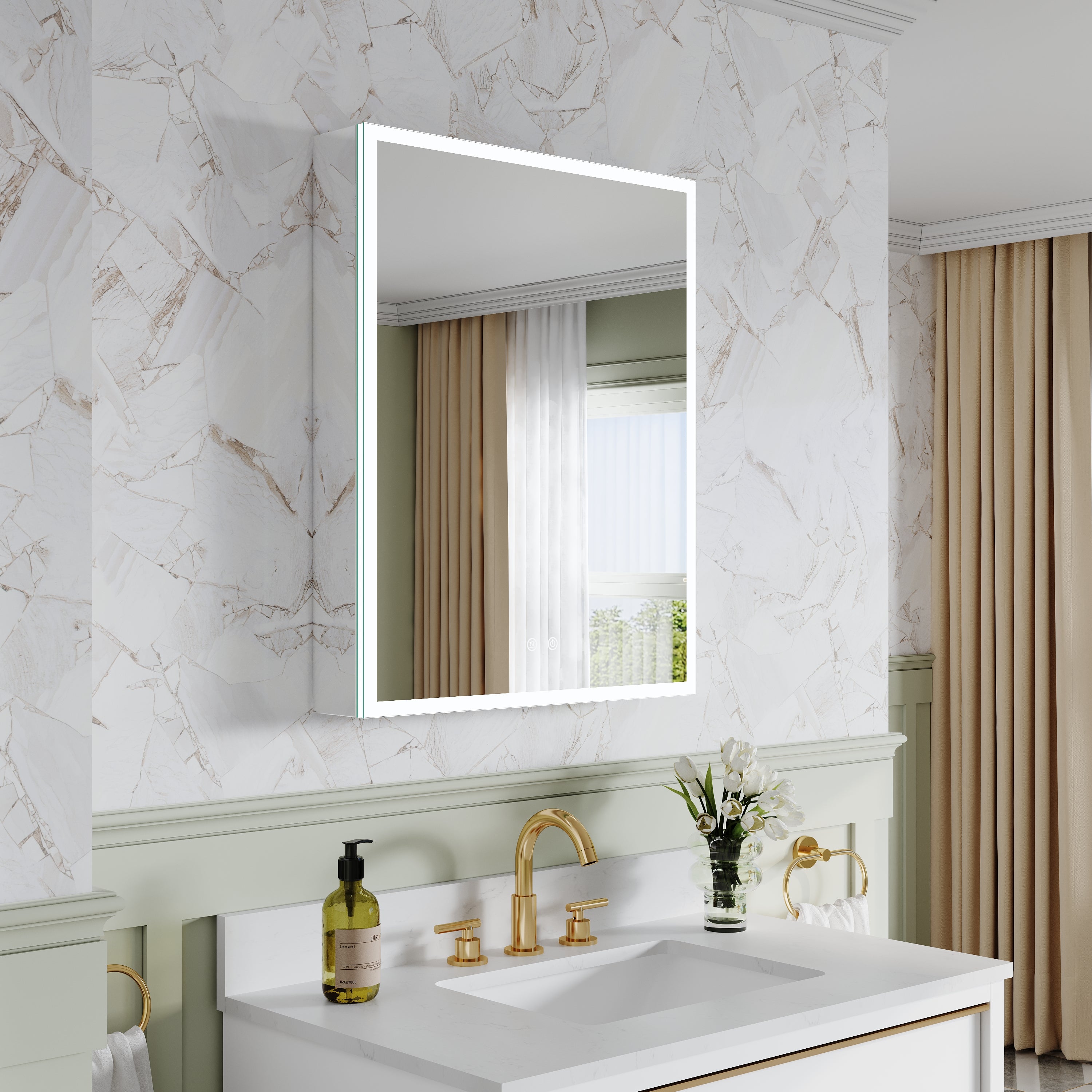
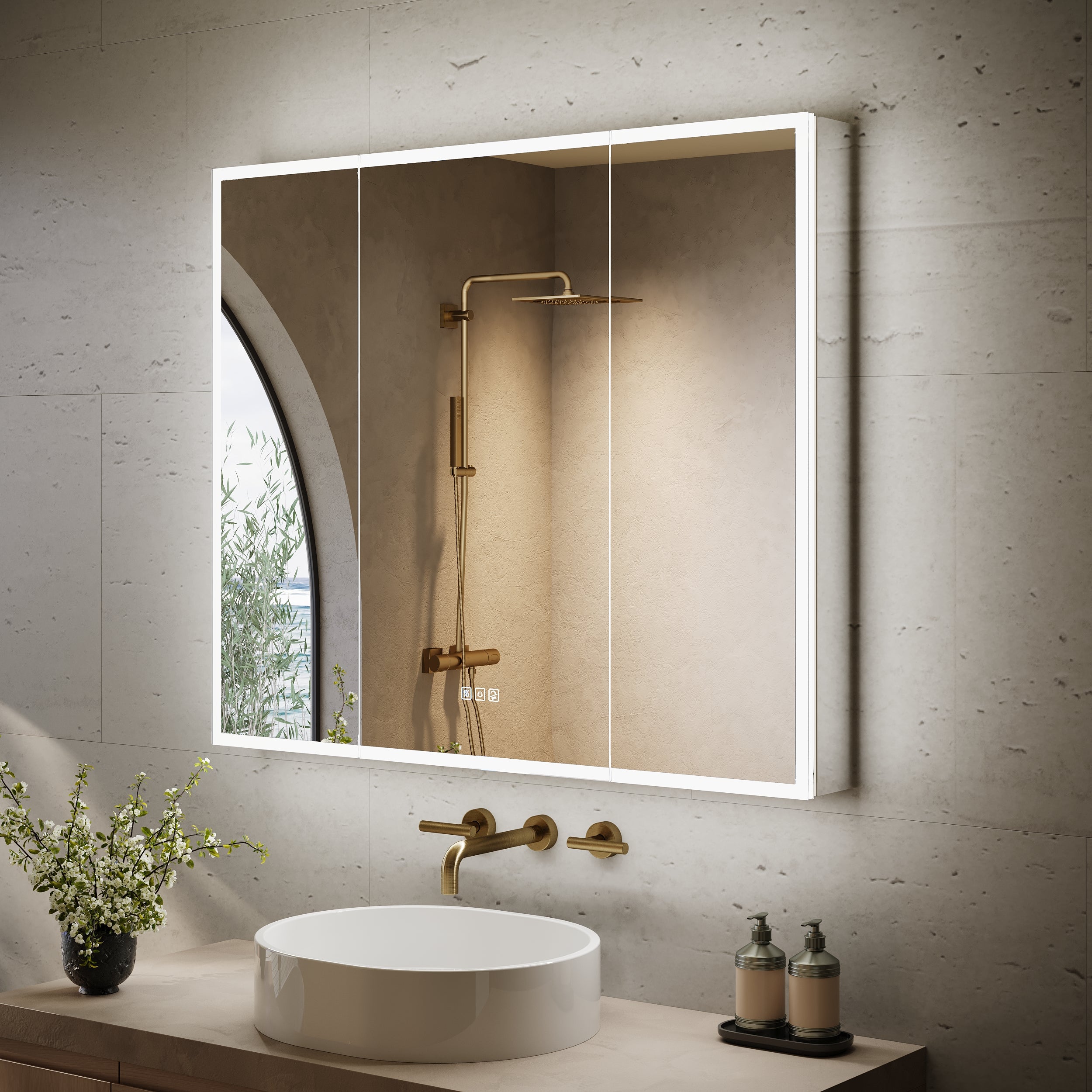
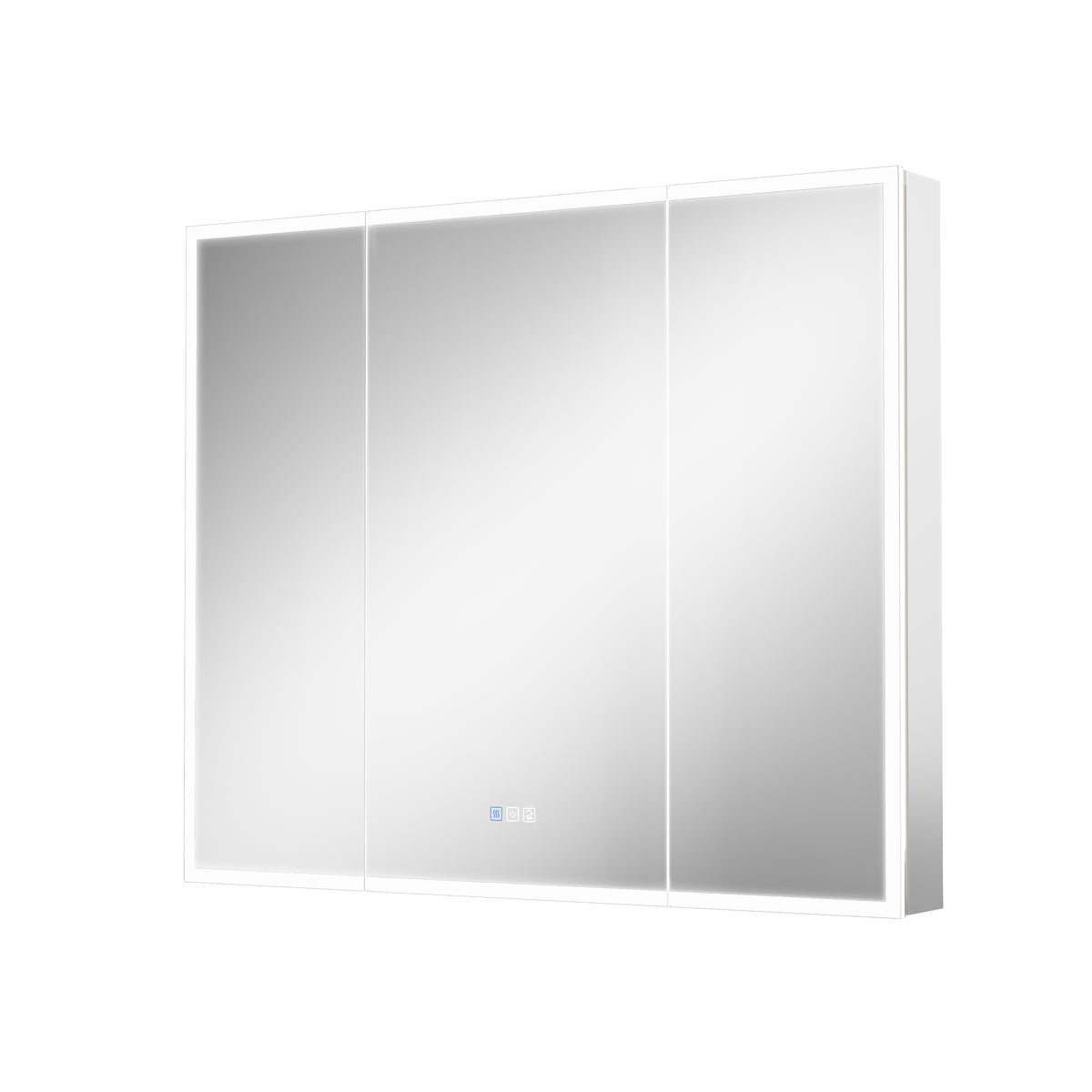
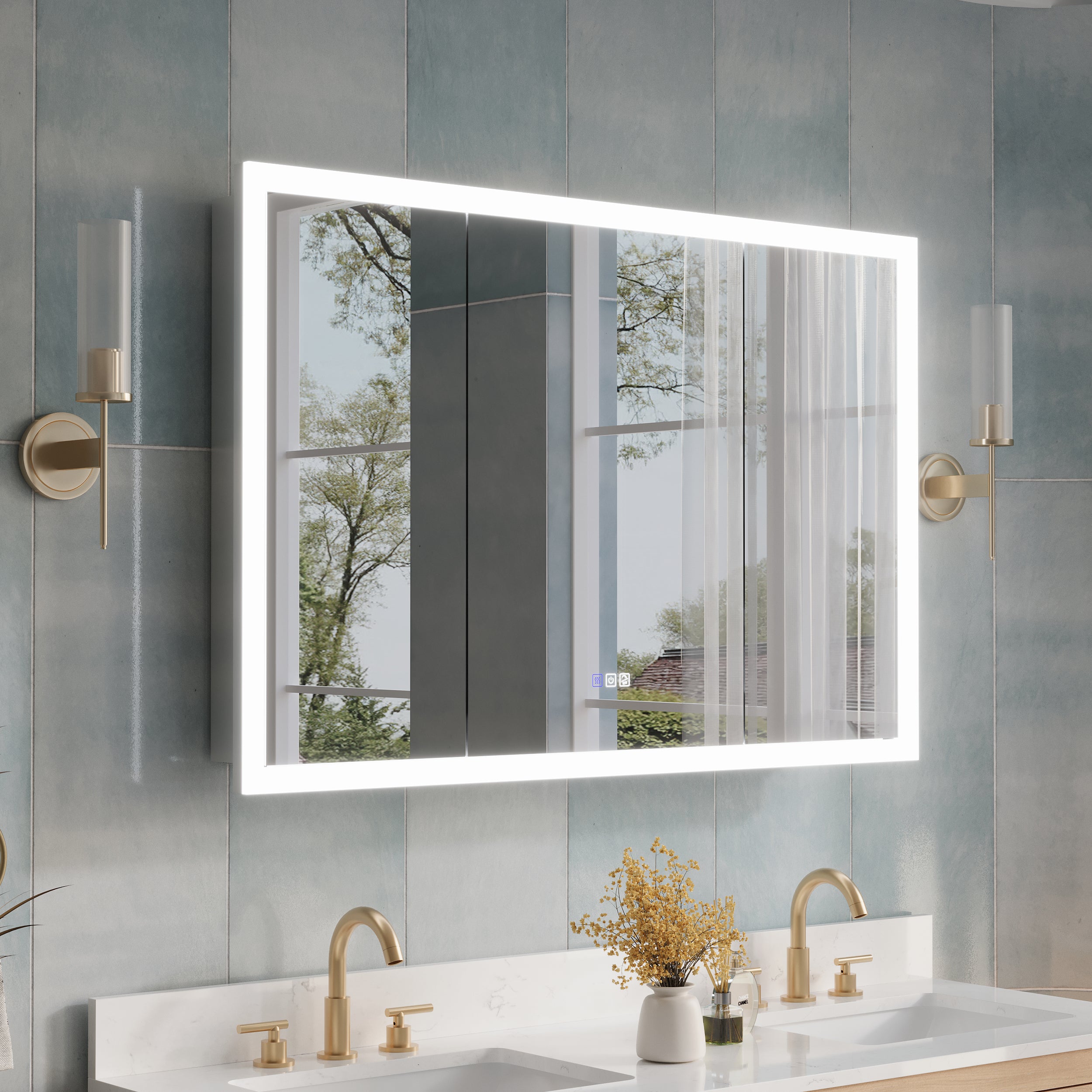
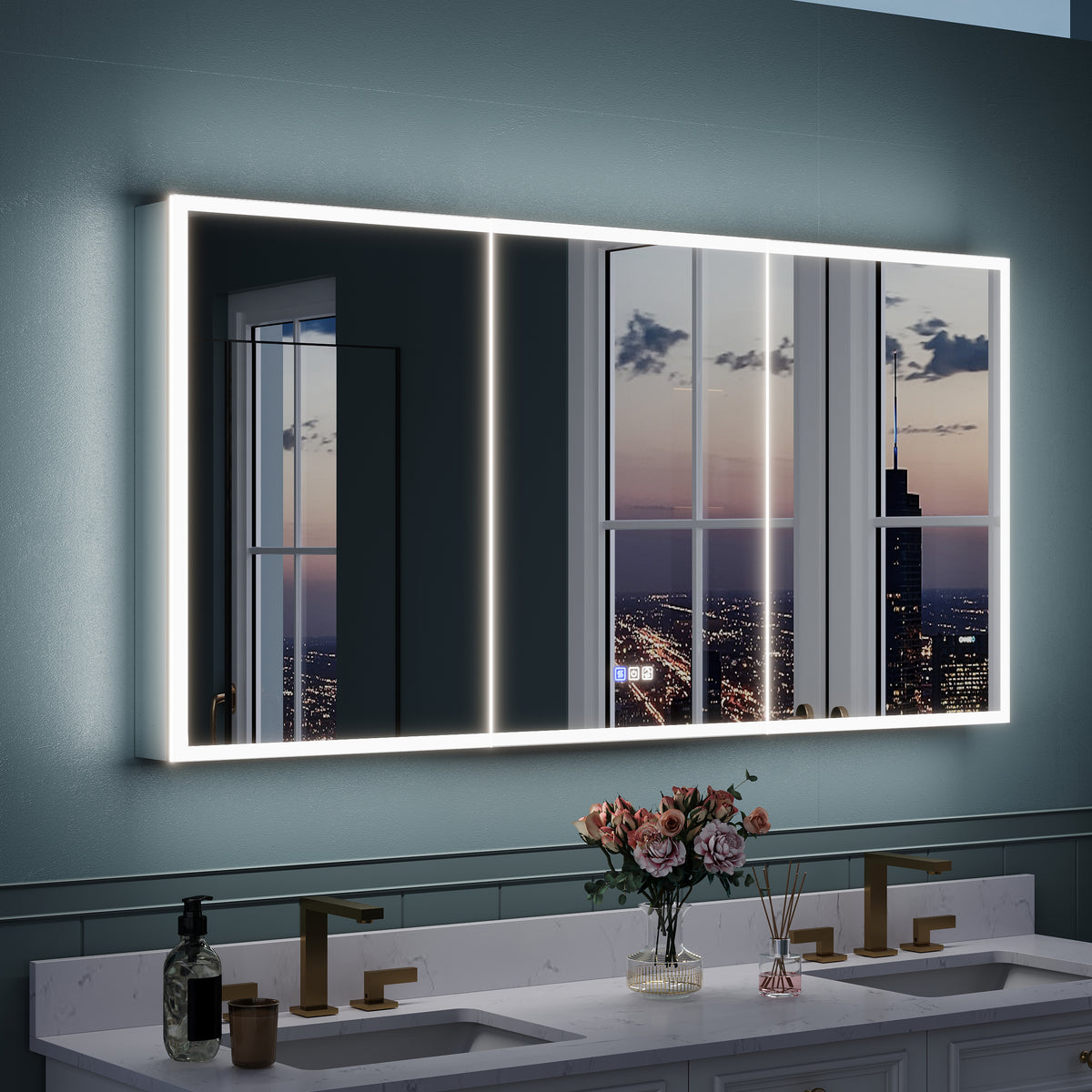
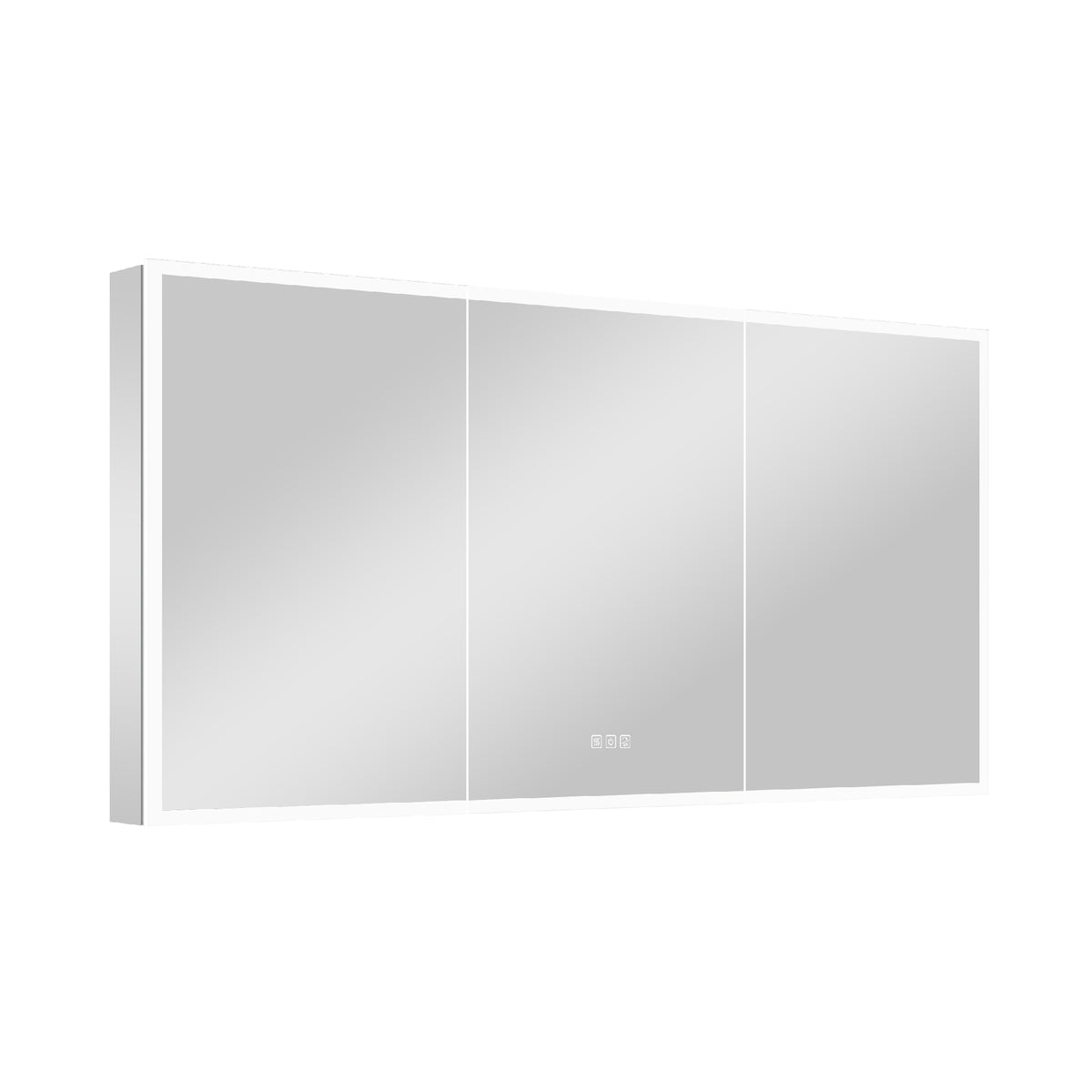
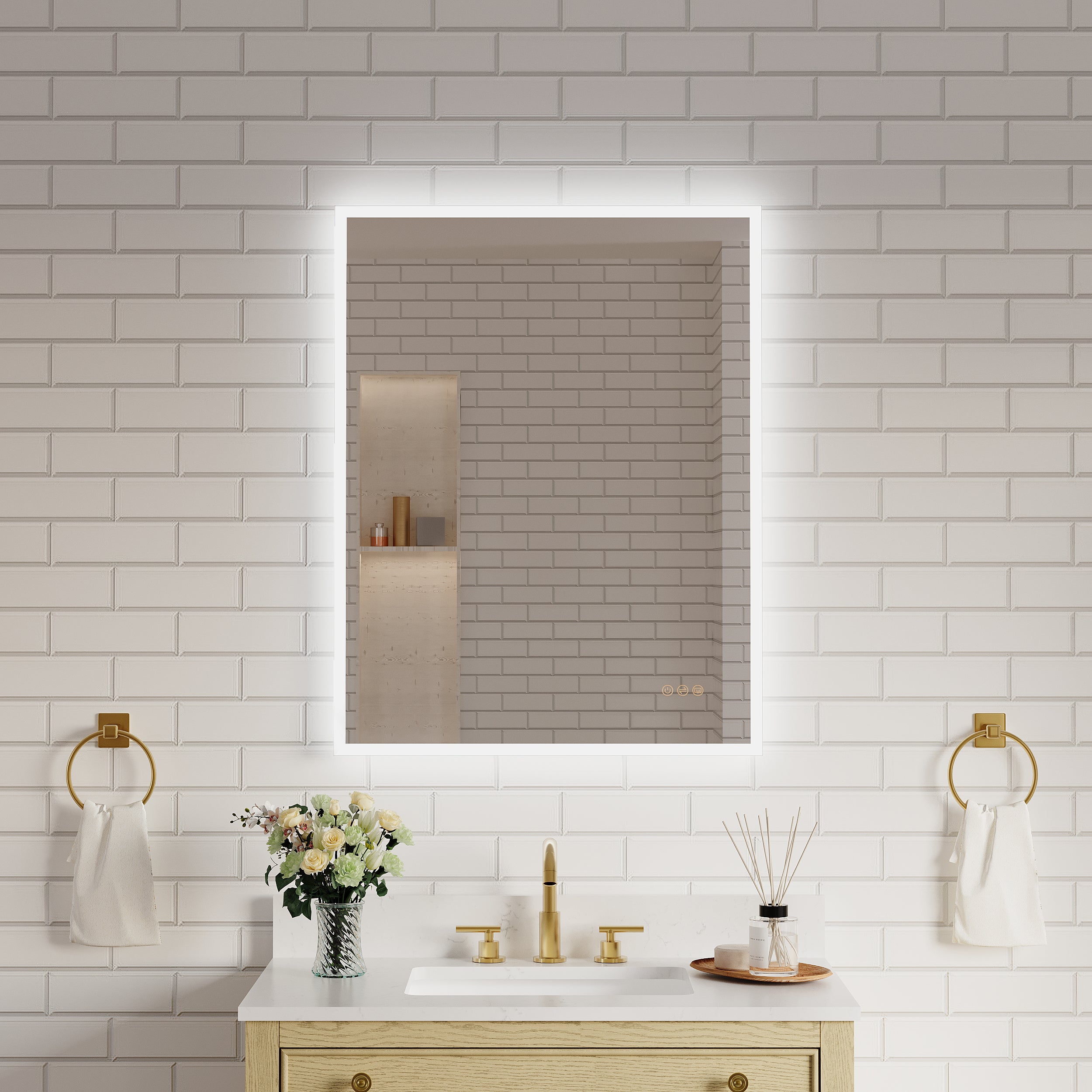
Front-facing LEDs can help with shaving or makeup by reducing facial shadows. Backlighting is largely decorative, so it should not be confused with effective task illumination. If your existing sconces already light the face evenly, an unlit model may make more sense.
Anti-fog heating is convenient after a hot shower, but it may clear only part of the glass. Illuminated cabinets also contain electrical components that can require servicing. Check warranty coverage and replacement-part availability before paying for extra features.
5. Plan the Installation Before Removing the Old Mirror
Mark the proposed cabinet position with painter's tape. Stand at the sink and check whether the reflection suits both taller and shorter users. Confirm that doors open freely and that shelving remains comfortably reachable.
For a tiled wall, cutting the opening can be particularly involved. A contractor may need to assess framing, waterproofing, and the potential for damaged tiles. Follow the cabinet's specified fastening and support requirements rather than relying on drywall alone.
Hardwired LED models need a safe electrical connection installed according to local codes. Use a qualified electrician, and verify applicable bathroom electrical protection requirements. Never improvise around concealed wiring.
At Wellfor, shoppers comparing designs should review the installation drawing alongside product photographs. The rough-opening dimensions, mounting method, and door configuration are often more revealing than the exterior finish.
6. Keep the Cabinet Working After Installation
Good ventilation protects mirrors and cabinet hardware. Run the exhaust fan during showers and afterward as recommended, and wipe persistent moisture from exposed edges.
For cleaning, spray a manufacturer-approved glass cleaner onto a microfiber cloth rather than directly onto the mirror. Liquid collecting around edges or electrical controls can damage finishes and components. Avoid abrasive pads, and check hinges and shelf supports periodically.
If a door begins to sag, adjust it before it scrapes the frame. Small maintenance tasks prevent unnecessary wear, especially in a busy family bathroom.

7. Make the Purchase Decision Around Your Bathroom
Before ordering, confirm the wall cavity, record the actual interior shelf dimensions, and allow for the full door swing. Ask about replacement hardware and whether the cabinet is approved for your intended location.
For a narrow bathroom undergoing renovation, recessed medicine cabinets with mirror can provide a clean, practical solution. If cutting the wall would mean moving plumbing or sacrificing insulation, choose a surface-mounted option instead. Spend the budget on secure installation, dependable hinges, and shelves that fit what you reach for every morning.













Leave a comment
This site is protected by hCaptcha and the hCaptcha Privacy Policy and Terms of Service apply.