






I can’t tell you how many mornings I’ve stood in front of a foggy bathroom vanity, squinting and leaning in just to put on mascara, only to realize the overhead light is casting a terrible shadow right across my face. That’s exactly why a mirror with light is an absolute game-changer. But here’s the catch: just because a mirror glows doesn’t mean it actually gives you good visibility. I’ve spent the last few weeks testing a wide range of illuminated mirrors—from high-end hardwired designer models to budget-friendly rechargeable ones—to figure out what actually works in a real, steamy bathroom. The truth is, the best visibility doesn't come from the brand name or the sleekest frame on Instagram. It comes down to a few hard specs that most everyday shoppers completely ignore.
Look Beyond the Glow: The CRI Metric
If you only check one number before buying, make it the Color Rendering Index (CRI). You can think of this as a "truth score" for lighting. It grades how faithfully a light lets you see the actual colors of your skin, clothes, and makeup. The scale tops out at 100, which represents perfect, natural daylight.
Why does this matter so much in your daily routine? Imagine blending your foundation perfectly in the bathroom, only to step outside into the sun and realize it’s completely the wrong shade or too orange. That’s what happens when you use lights with a low CRI—they lie to your eyes. For any serious grooming, you need a CRI of 90 or above. (Source: Illuminating Engineering Society). A mirror rated at CRI 90+ will show your skin tones accurately, whereas cheap models hovering around CRI 80 will make you look washed out or overly yellow. If a product page doesn't even list the CRI, do yourself a favor and skip it—they likely didn't prioritize color accuracy at all.
Finding the Right Brightness and Color Temperature
Brightness is measured in lumens, not watts. For a bathroom mirror, the general rule of thumb is to look for something between 1,000 and 2,500 lumens. Anything less than 500 lumens is basically useless for detailed tasks like tweezing, shaving, or applying precise eyeliner. (Source: U.S. Department of Energy).
Then there’s color temperature, measured in Kelvins (K). This is where a lot of people get frustrated with their purchases. If the light is too warm (around 2700K), it feels cozy but makes it incredibly hard to see fine details. If it’s too cool (5000K or higher), it feels like a hospital operating room and completely washes out your complexion.
The sweet spot for visibility is right in the middle: 3000K to 4000K. This range provides neutral, crisp illumination. My personal favorite feature in modern mirrors is adjustable color temperature. Being able to tap a sensor to switch from a warm evening glow to a cool, crisp daylight mode is a massive plus for daily visibility.
Light Placement: Why Front-Lit Wins
Even a mirror with perfect CRI and lumens will fail if the light is in the wrong place. Standard ceiling lights cast downward shadows under your eyes and nose, creating dark circles where there are actually none. That’s exactly why dermatologists and professional makeup artists have long warned against relying solely on overhead lights. (Source: American Academy of Dermatology).
To fix this, you want a mirror that puts the light directly on your face.
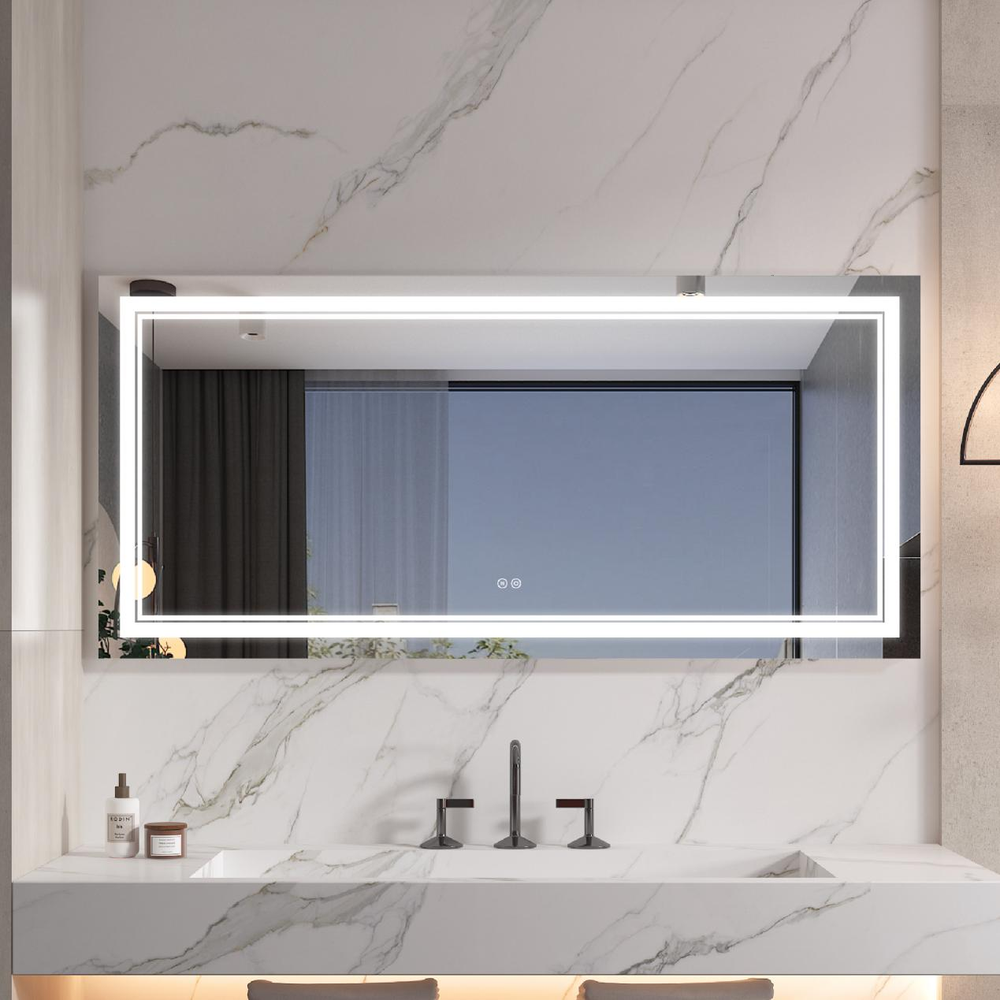
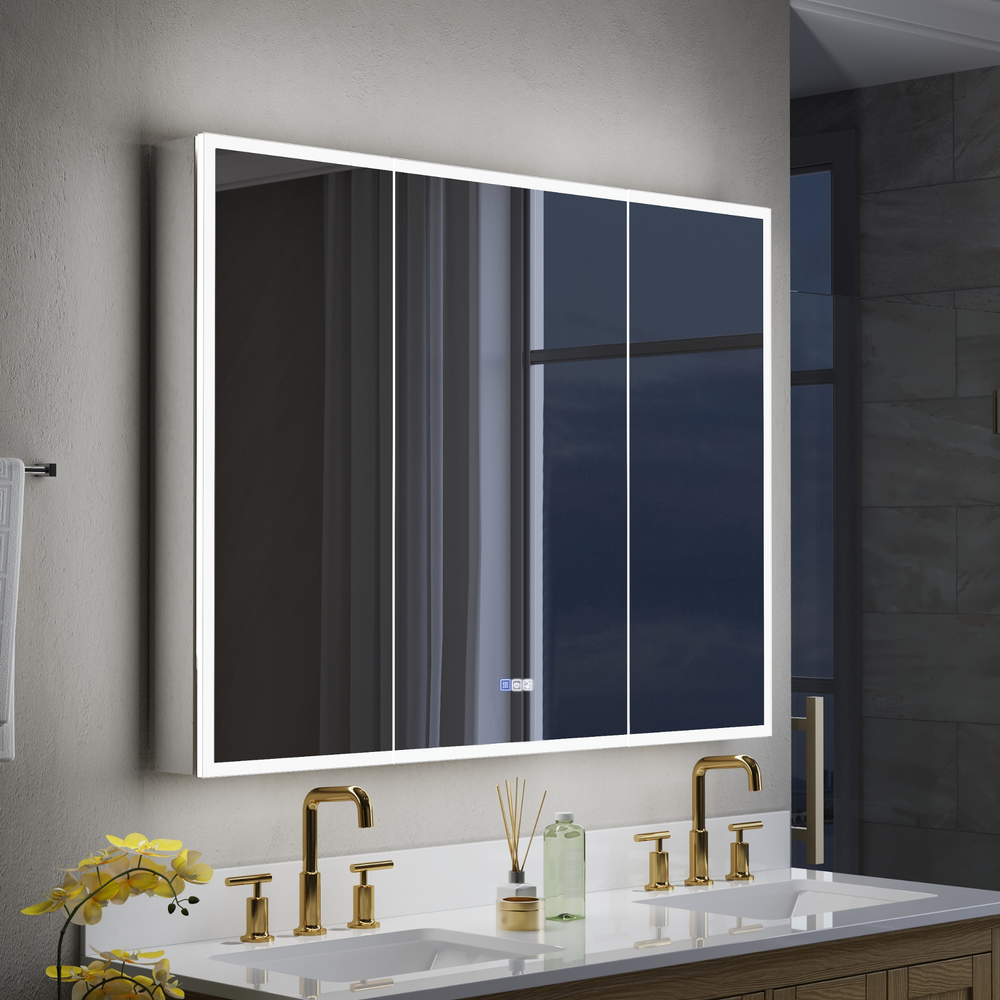
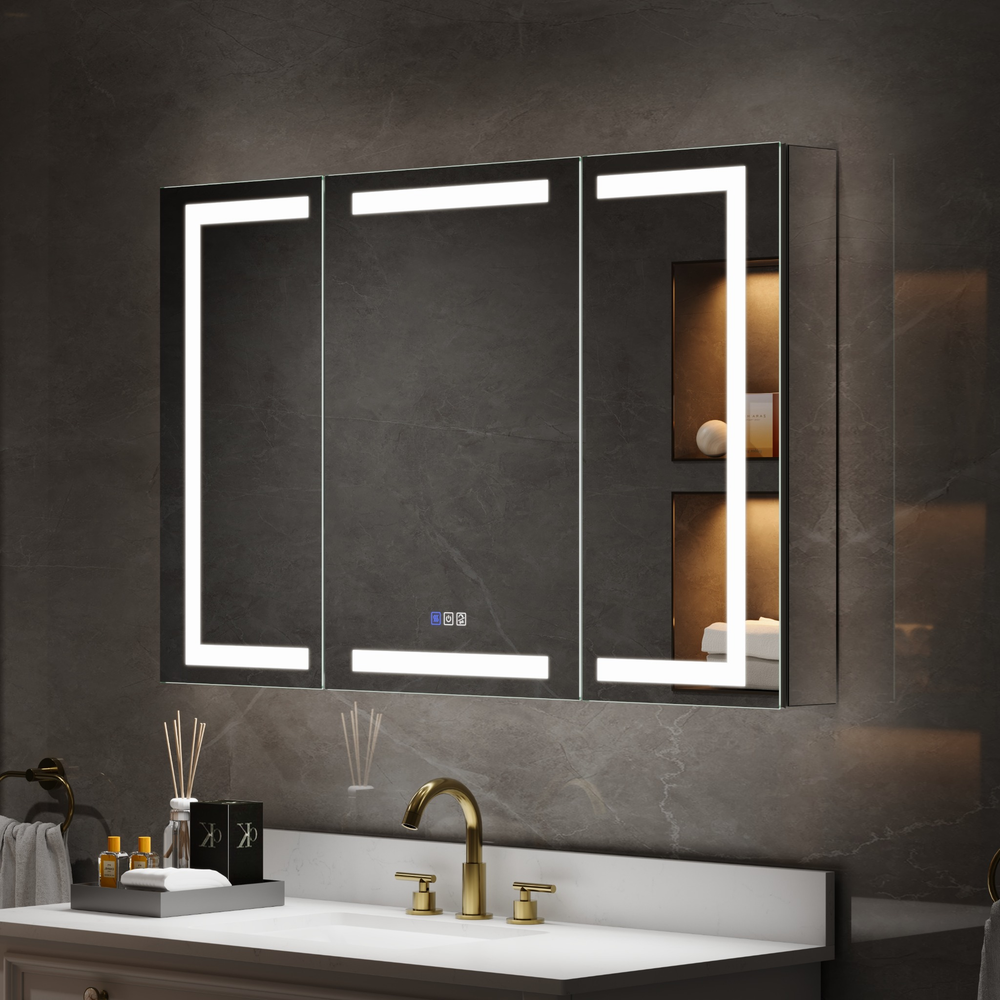
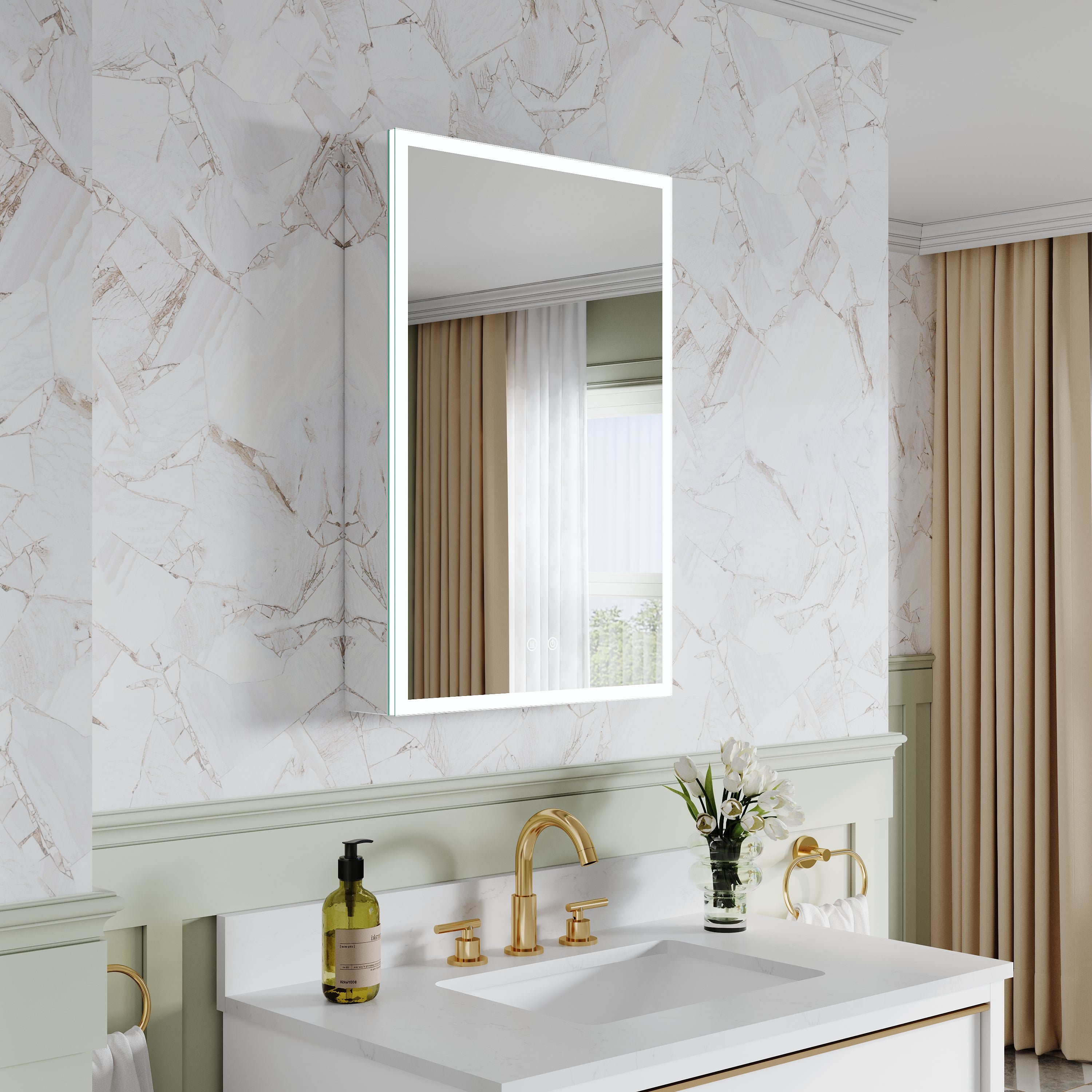
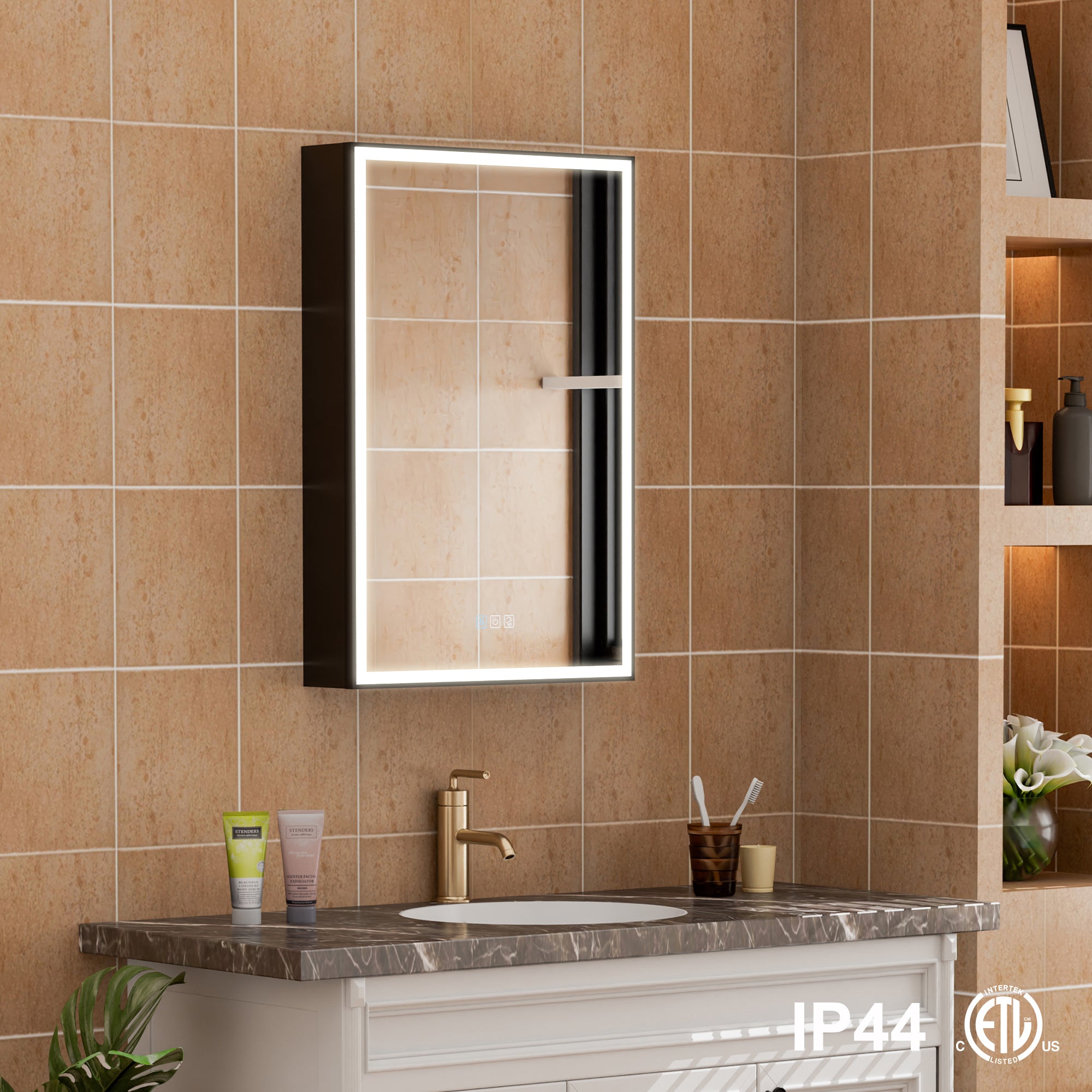
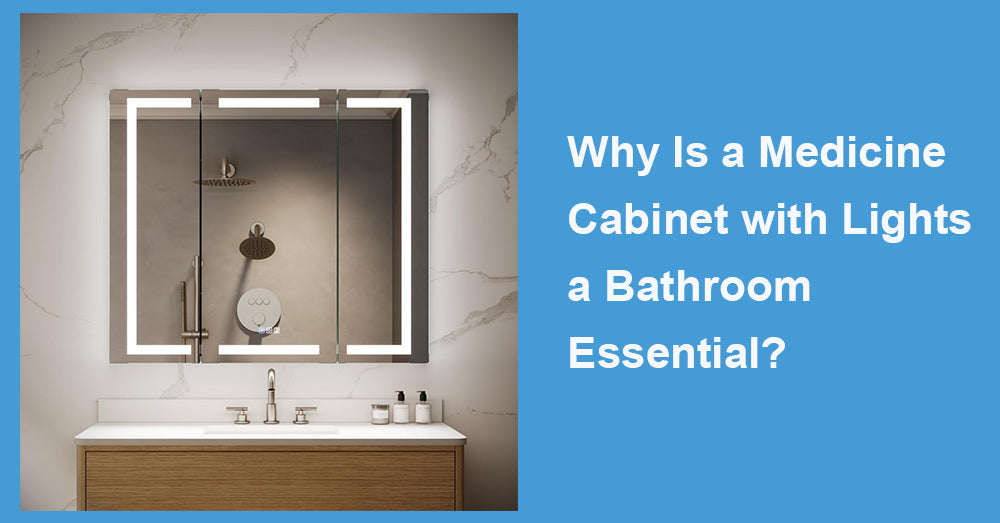
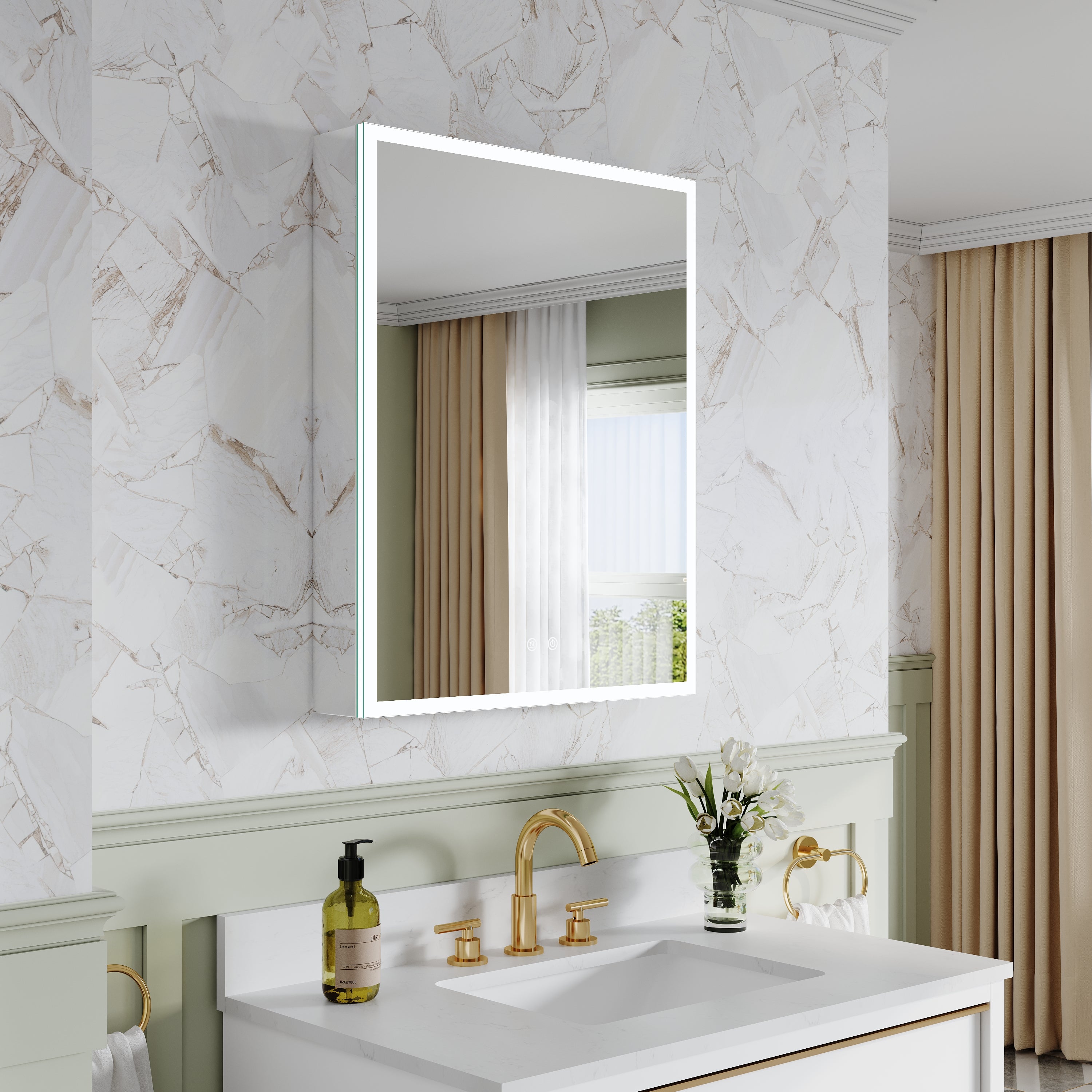
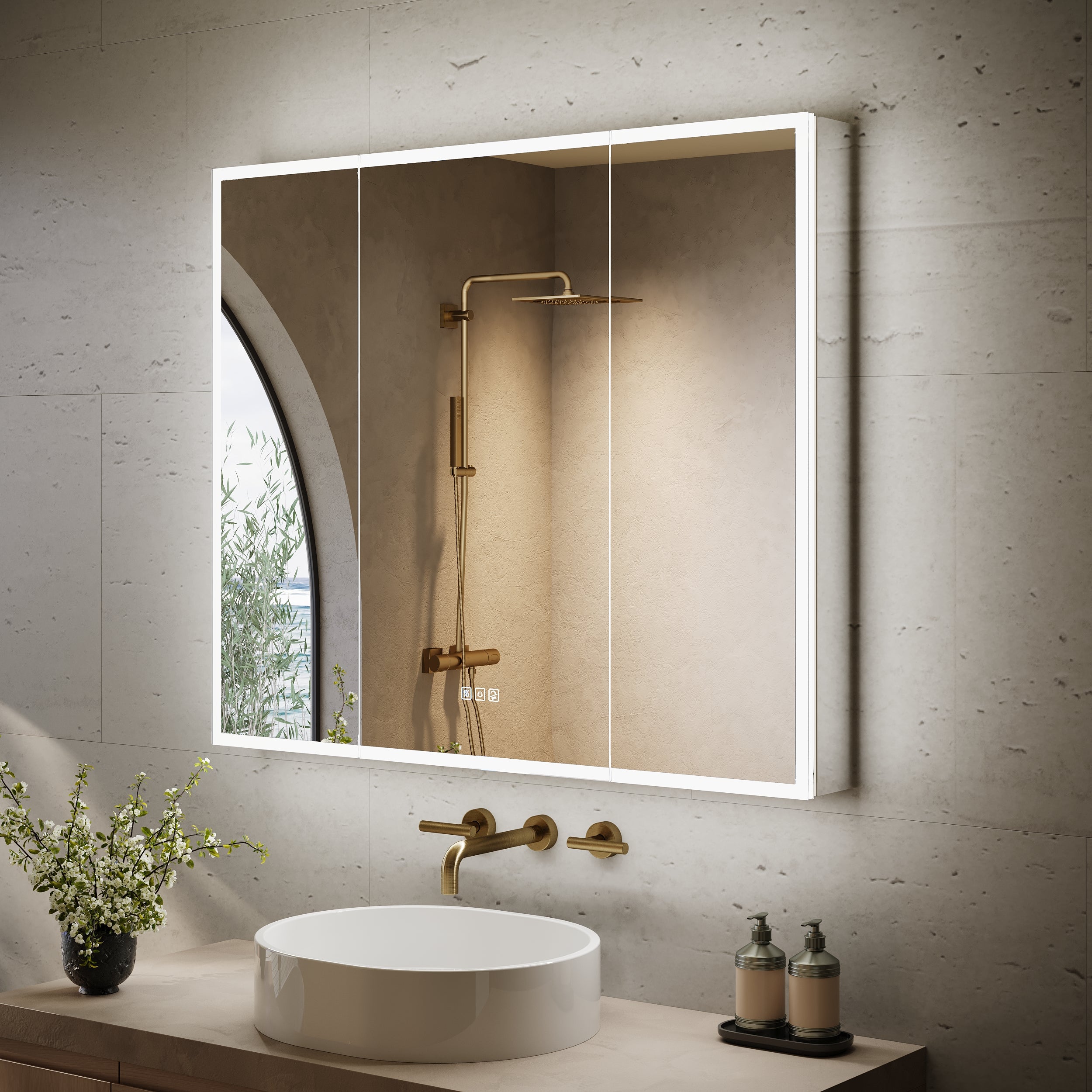
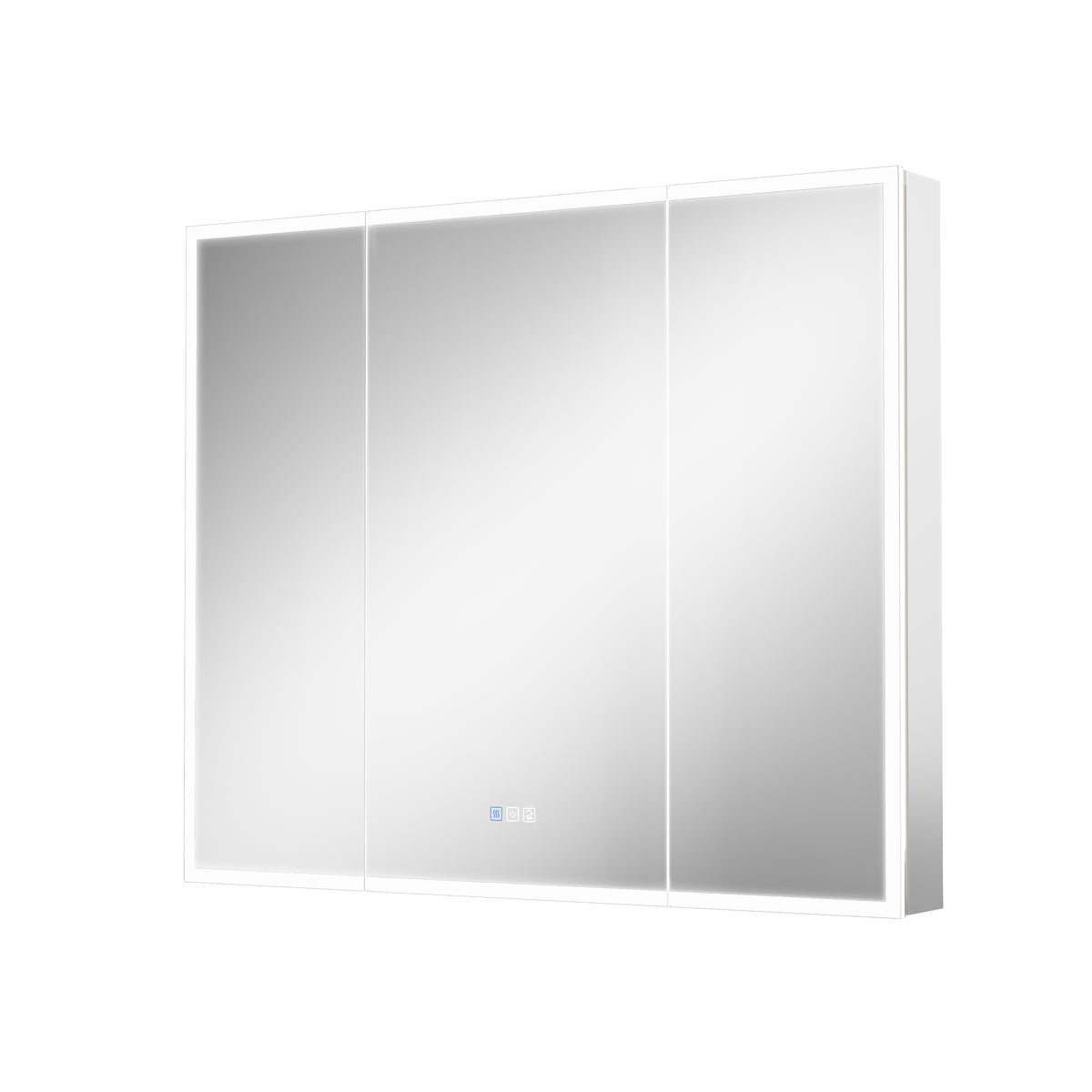
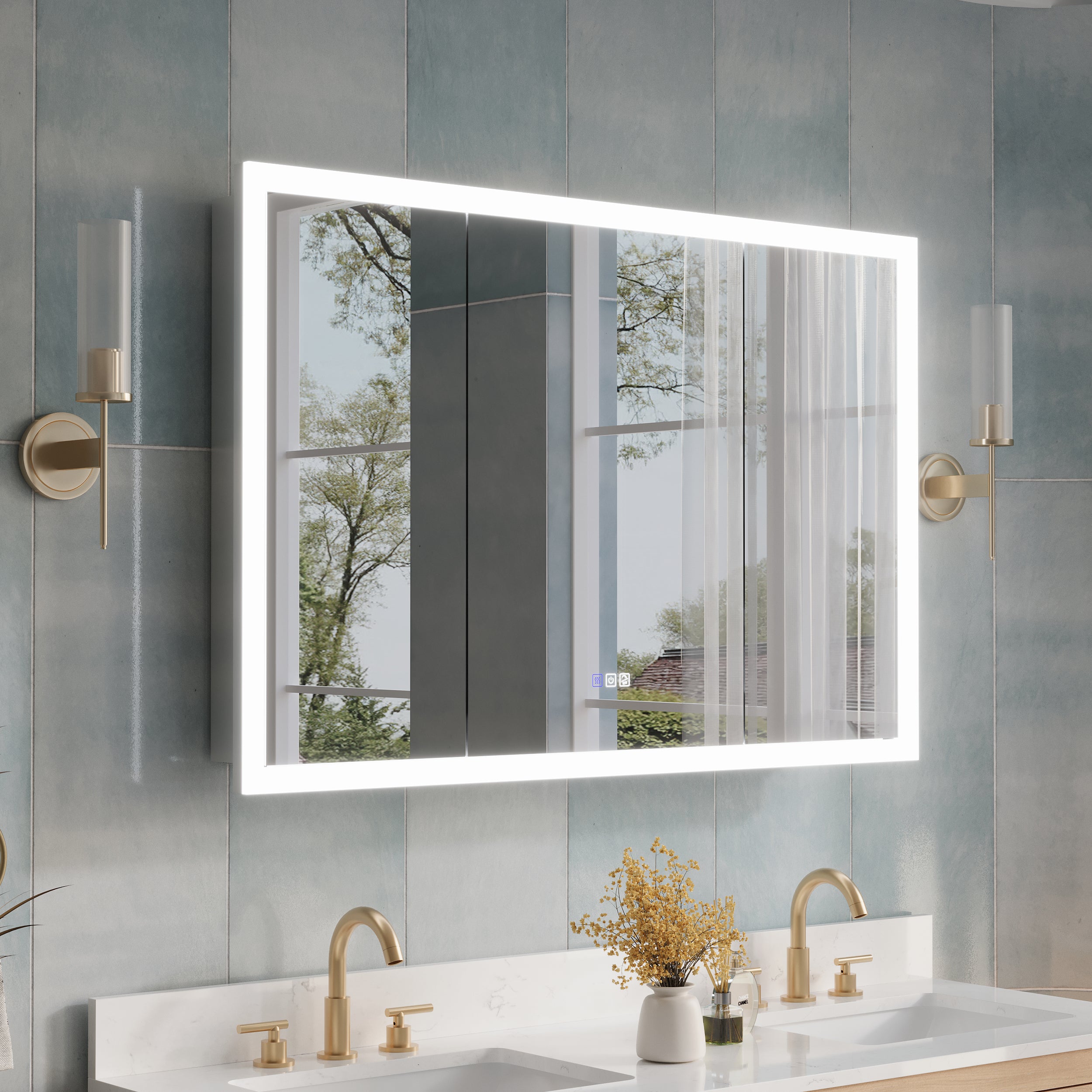
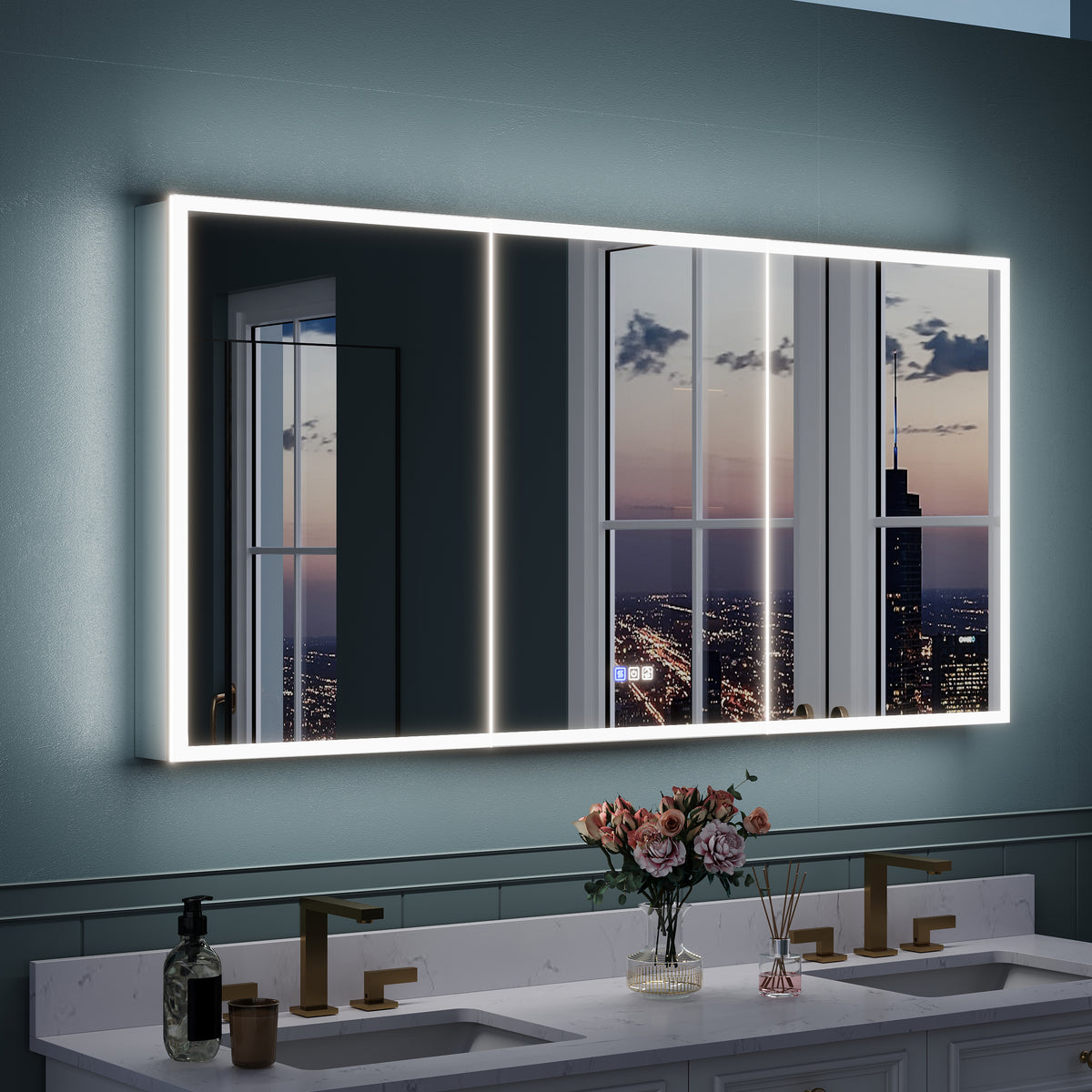
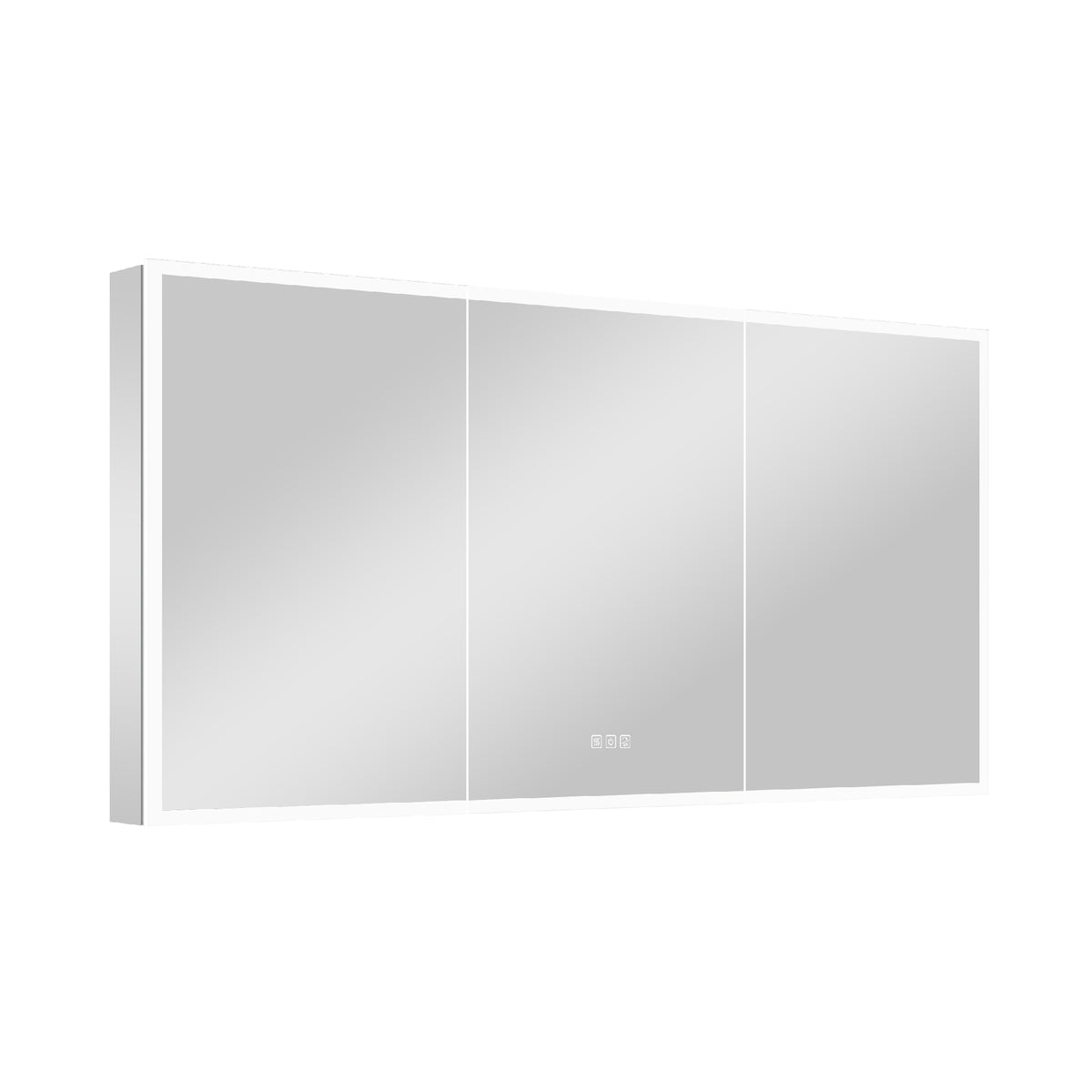
· Front-Lit Mirrors: These have an LED strip built right into the perimeter or a frosted diffuser on the front of the glass. This is the absolute best for visibility because it eliminates shadows entirely.
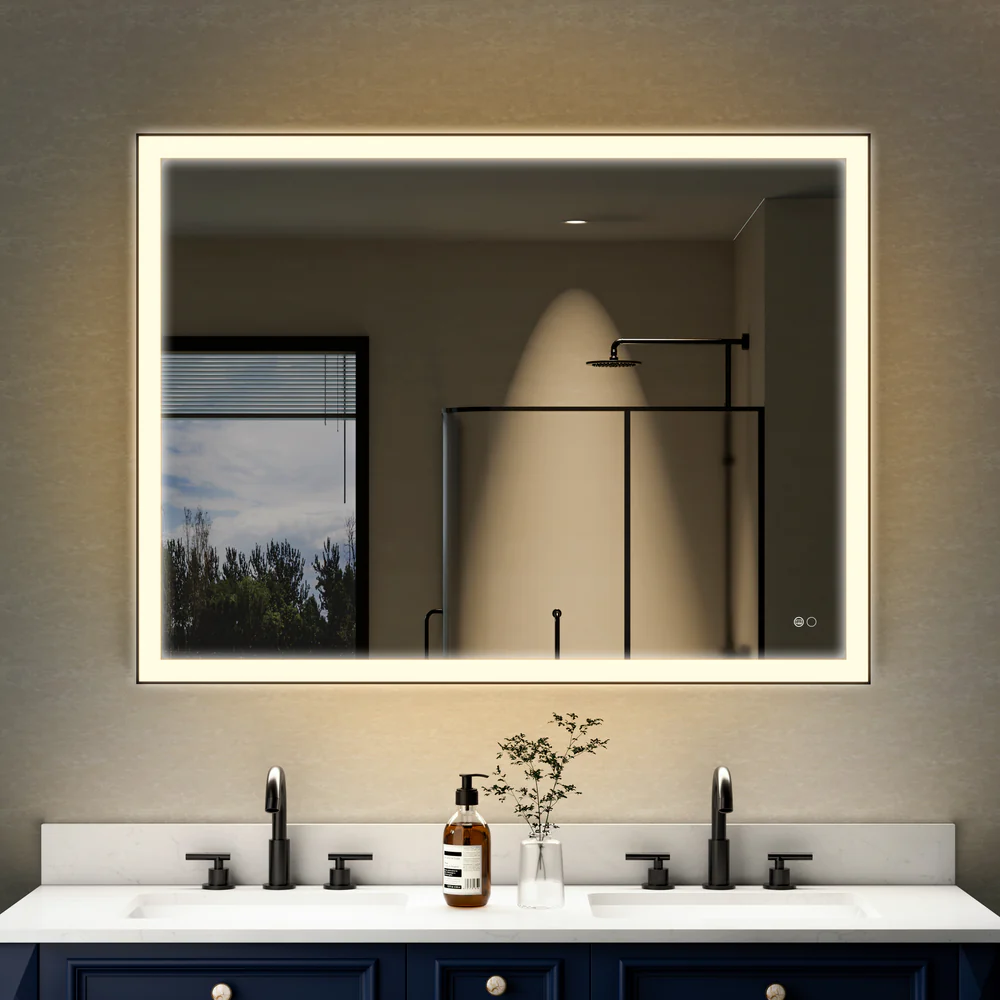
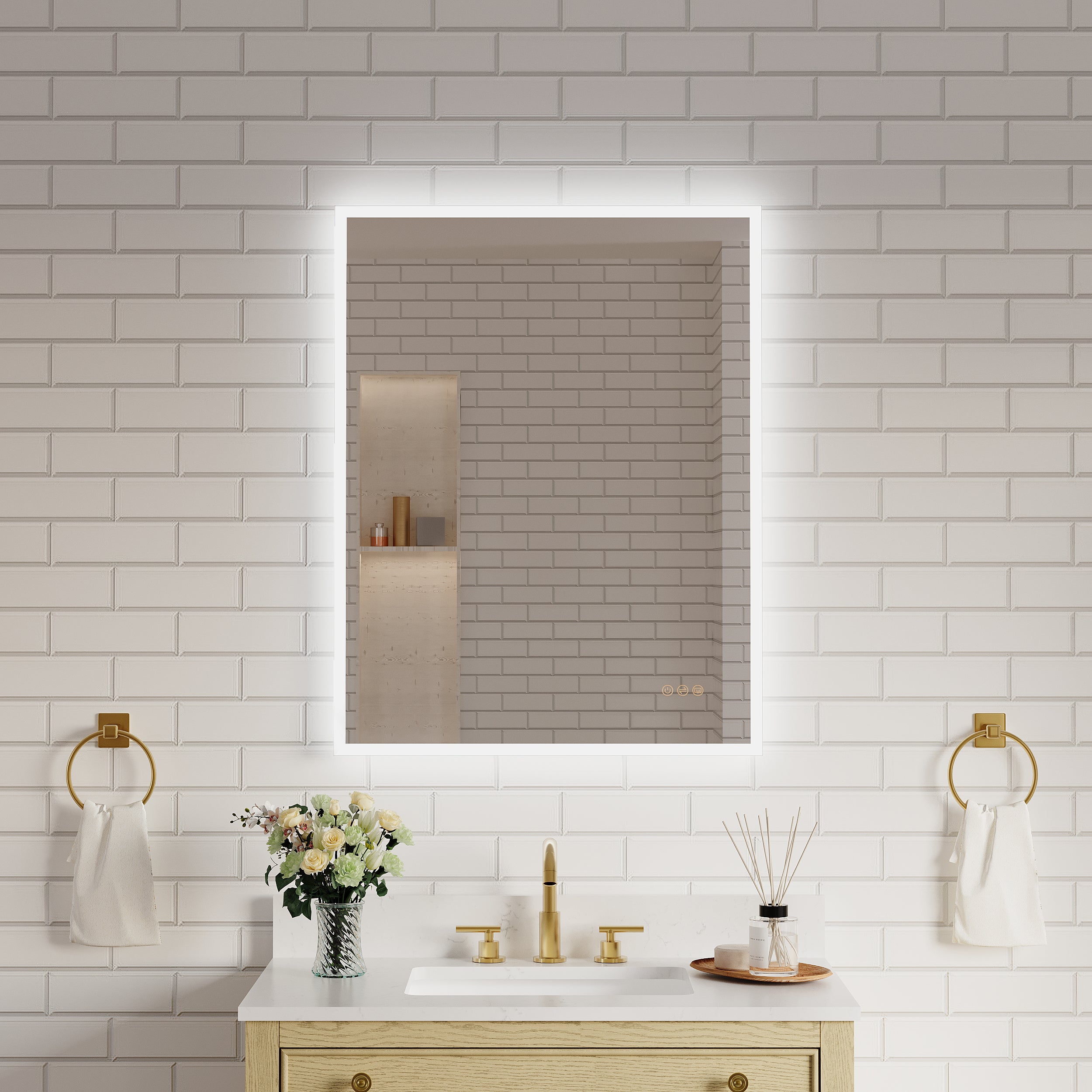
· Back-Lit Mirrors: These cast a beautiful halo glow on the wall behind the mirror. While it looks incredibly luxurious in a modern bathroom, it doesn't illuminate your face as effectively.
If you want the best of both worlds, look for a "double-lit" model where you can control the front task lighting and the back ambient lighting separately. During my testing, I found that a bright front light combined with a subtle backlight made the mirror feel incredibly premium while still offering flawless task lighting.

Don't Forget: Fog and Magnification
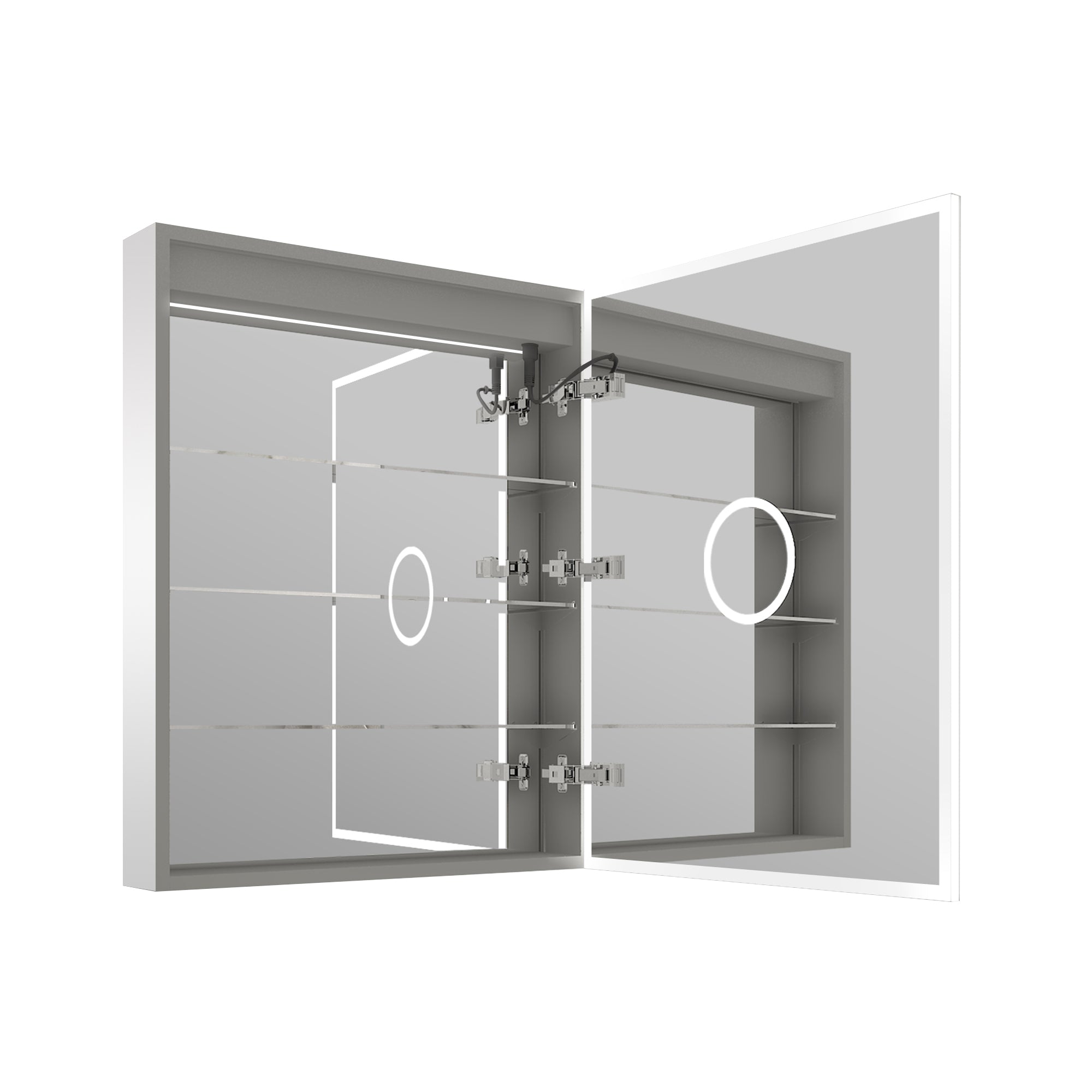
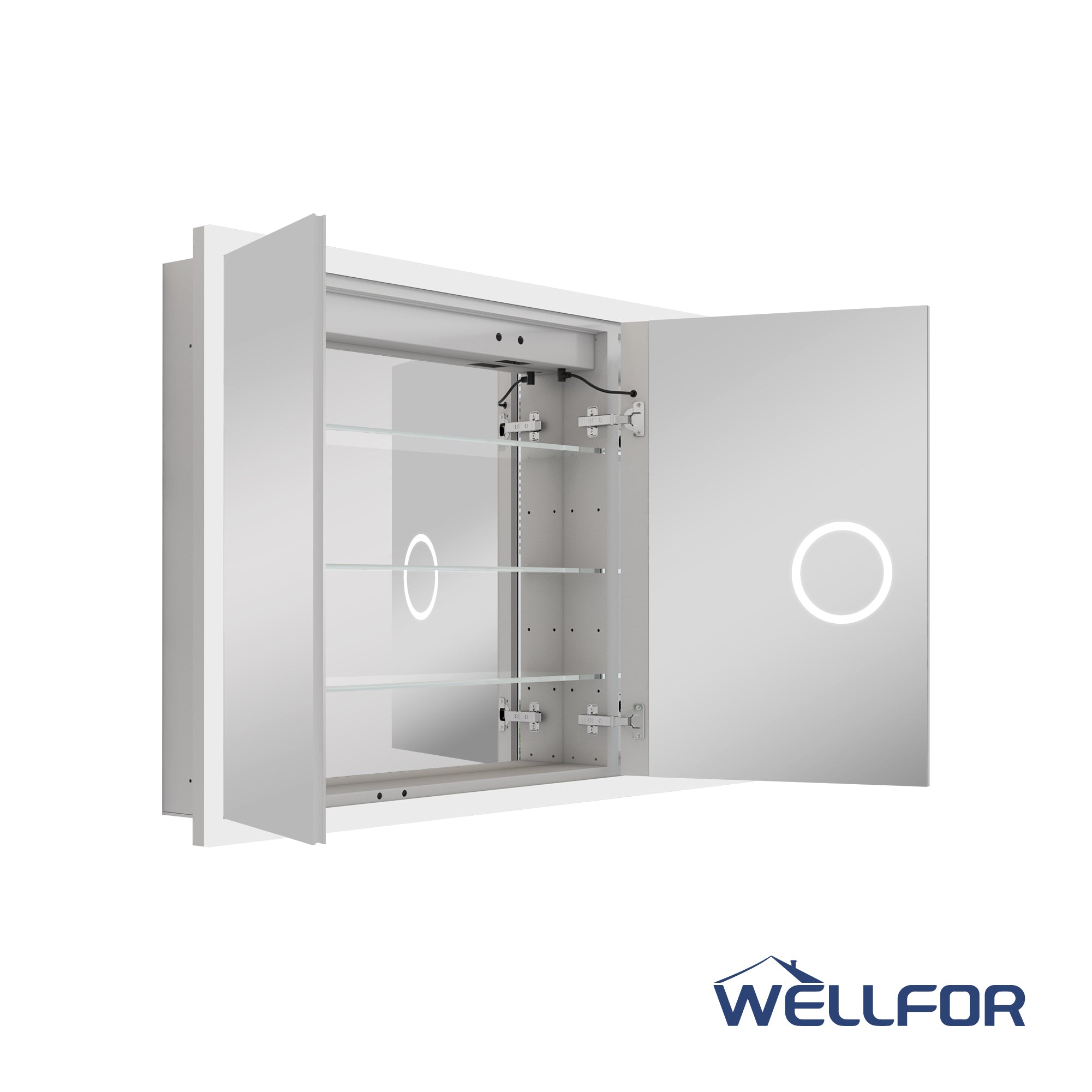
If you’re putting this in a bathroom, visibility will be completely ruined by steam if you don't have an anti-fog feature. Look for an integrated defogger, which is usually a heated pad behind the glass. Also, make sure the mirror has an IP44 rating or higher to protect the internal electronics from moisture. (Source: International Electrotechnical Commission). Without this, your mirror's lifespan will be cut short, and visibility will constantly be lost to condensation.
For detailed makeup or brow work, magnification matters. I find that 5x to 7x is the perfect range for most grooming tasks. A 10x magnification is often too intense and can actually be disorienting for a full-face view. A double-sided pivot mirror (one side standard, one side magnified) is usually the most practical choice for a vanity setup.
The Bottom Line
After testing all these features out, the clear winner for visibility is a front-lit LED mirror with a CRI of 90+, an adjustable color temperature (3000K–4000K), and a built-in anti-fog pad. Don't just buy a mirror because it looks sleek on Pinterest. Check the spec sheet, verify the CRI, and make sure the light hits your face, not just the wall behind you. When you get these specs right, your morning routine gets remarkably easier, and you can step out the door knowing your makeup looks flawless in any lighting.













Leave a comment
This site is protected by hCaptcha and the hCaptcha Privacy Policy and Terms of Service apply.