





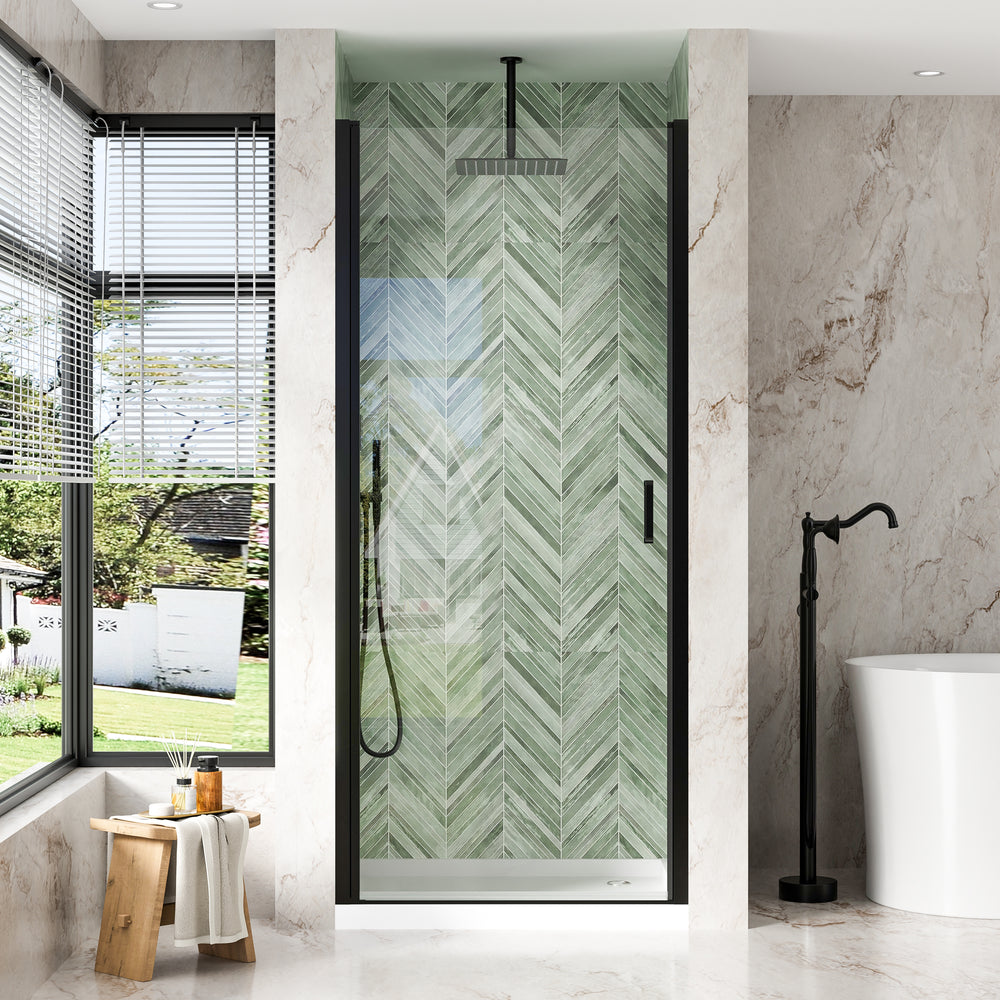

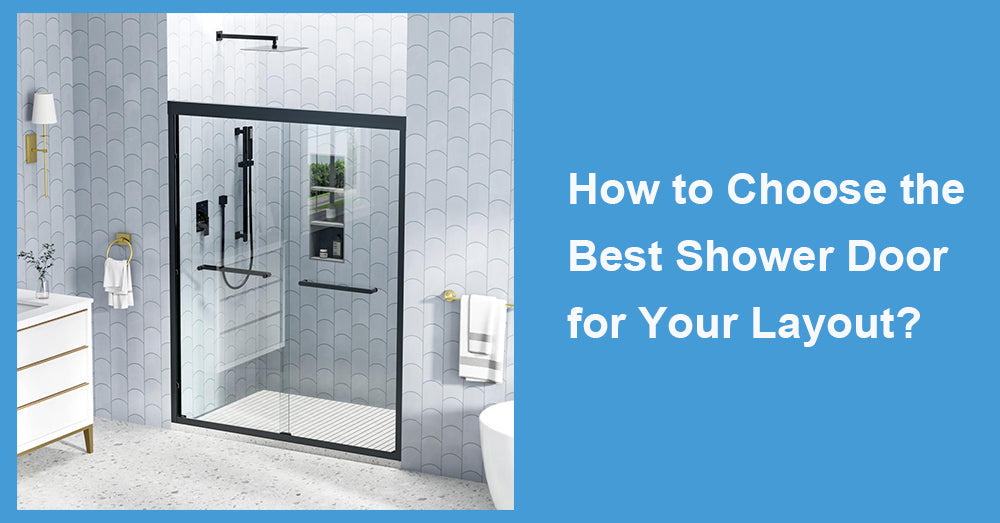
Designing a functional and aesthetically pleasing bathroom requires careful consideration of every element, but none is quite as critical as the shower door. This single fixture dictates the flow of your daily routine, impacts the visual spaciousness of the room, and serves as the primary barrier against water damage. Selecting the right enclosure is not merely about picking a style you like; it is a practical decision rooted in spatial planning and safety. Whether you are renovating a compact powder room or upgrading a spacious master bath, understanding how to match the door to your specific layout will save you from costly mistakes and ensure long-term satisfaction.
Assessing Your Spatial Constraints
The physical dimensions of your bathroom are the ultimate deciding factor. In smaller bathrooms, typically those under 40 square feet, space is at a premium. According to industry experts, sliding or bypass doors are highly recommended for these environments because they glide along a track and do not require any exterior clearance to open (Source: Lowe’s Home Improvement). Alternatively, bi-fold doors can compress neatly to the side, making them a budget-friendly option when a pocket door is not feasible but floor space is still limited (Source: Coohom).
Conversely, if you have a larger bathroom, you have the luxury of choosing hinged or pivot doors. These operate like traditional room doors, swinging outward to provide a wide, unobstructed entry. However, this elegance comes with a spatial requirement: you must ensure there is adequate clearance so the door does not collide with a toilet, vanity, or towel rack. A general rule of thumb is to allow at least 21 inches of clear space in front of fixtures to prevent such clashes (Source: Coohom). For awkward corner layouts, neo-angle or curved enclosures are specifically designed to maximize floor space while providing a custom, high-end look (Source: Lowe’s Home Improvement).
The Importance of Precise Measurement
Even the most beautiful door will fail if it does not fit. Measuring for a shower door requires precision, as most bathroom walls are not perfectly plumb. Professionals advise measuring the horizontal width at three distinct points: the top, middle, and bottom of the opening. You must always use the shortest measurement among these three points to ensure the unit installs without unsightly gaps (Source: Lowe’s Home Improvement).
Height is equally critical. Measure from the top of the shower base or tub rim to the upper edge of the entrance at multiple points. Standard shower door heights typically range from 72 to 78 inches, while bathtub doors are shorter, usually between 57 and 62 inches (Source: Lowe’s Home Improvement). It is also vital to account for tile thickness. If you have recently re-tiled, confirm the finished dimensions, as this small detail can alter the fit enough to cause installation failures (Source: ANZZI). Remember the golden rule of renovation: measure twice, order once.
Safety, Materials, and Hardware
Beyond layout and size, the material composition of the door ensures safety and longevity. Bathrooms are high-humidity environments, so moisture resistance is paramount. When selecting glass, always verify that it is tempered and bears a 3C certification or equivalent safety standard, which is the absolute baseline for preventing injury in case of breakage. For frameless designs, which offer a sleek, modern aesthetic, thicker glass such as 3/8 inch is standard, but it requires sturdy wall studs to support the weight (Source: Basco Shower Doors).
Framed doors are often more affordable and can support thinner glass, but they come with a maintenance trade-off. The metal frames and rubber seals can become breeding grounds for mold and mildew if not cleaned regularly (Source: Lowe’s Home Improvement). Frameless doors eliminate these crevices, making them significantly easier to clean and maintain. If privacy is a concern in a shared bathroom, frosted or textured glass allows light to filter through while obscuring visibility. A pro-tip for textured glass is to specify the texture on the outside and a smooth surface on the inside; this makes daily squeegeeing much more effective and prevents soap scum buildup in the grooves (Source: ANZZI).
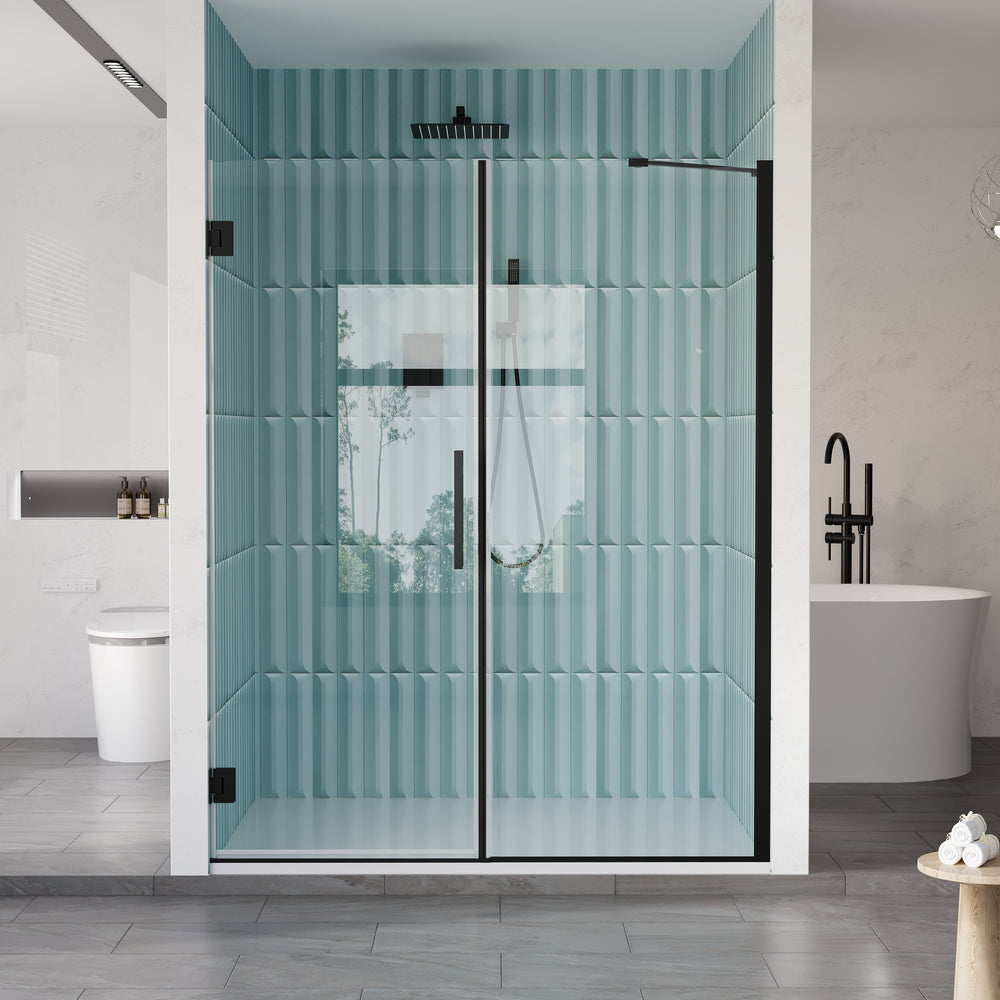
Additionally, the hardware finish should complement your existing bathroom fixtures. Popular choices in the US market include brushed nickel, matte black, and oil-rubbed bronze. Ensure the hardware is coated with a corrosion-resistant finish to withstand daily exposure to moisture and cleaning chemicals.
Door Swing Direction and Accessibility
When opting for a hinged door, the swing direction is a crucial layout consideration. Building codes and safety guidelines universally recommend that shower doors swing outward. This ensures that if someone slips and falls inside the shower, the door is not blocked by their body, allowing for emergency access (Source: Basco Shower Doors). Furthermore, consider the location of your showerhead. The door should swing away from the showerhead to prevent water from pouring directly onto the bathroom floor when opened. If your shower is designed to be universally accessible or aging-in-place friendly, ensure the door opening provides a minimum clear width of 32 inches to accommodate mobility aids (Source: Coohom).

Finalizing Your Selection
Choosing the best shower door is a balance of form, function, and safety. Start by honestly assessing your spatial constraints to determine whether a sliding, hinged, or folding mechanism is required. Follow this with rigorous, multi-point measurements to guarantee a flawless fit. Prioritize safety certifications, consider the long-term maintenance implications of framed versus frameless designs, and ensure the door swings outward for maximum safety. By approaching your selection with a layout-first mindset, you ensure that your new shower door enhances both the beauty and utility of your bathroom for years to come.

















Leave a comment
This site is protected by hCaptcha and the hCaptcha Privacy Policy and Terms of Service apply.