














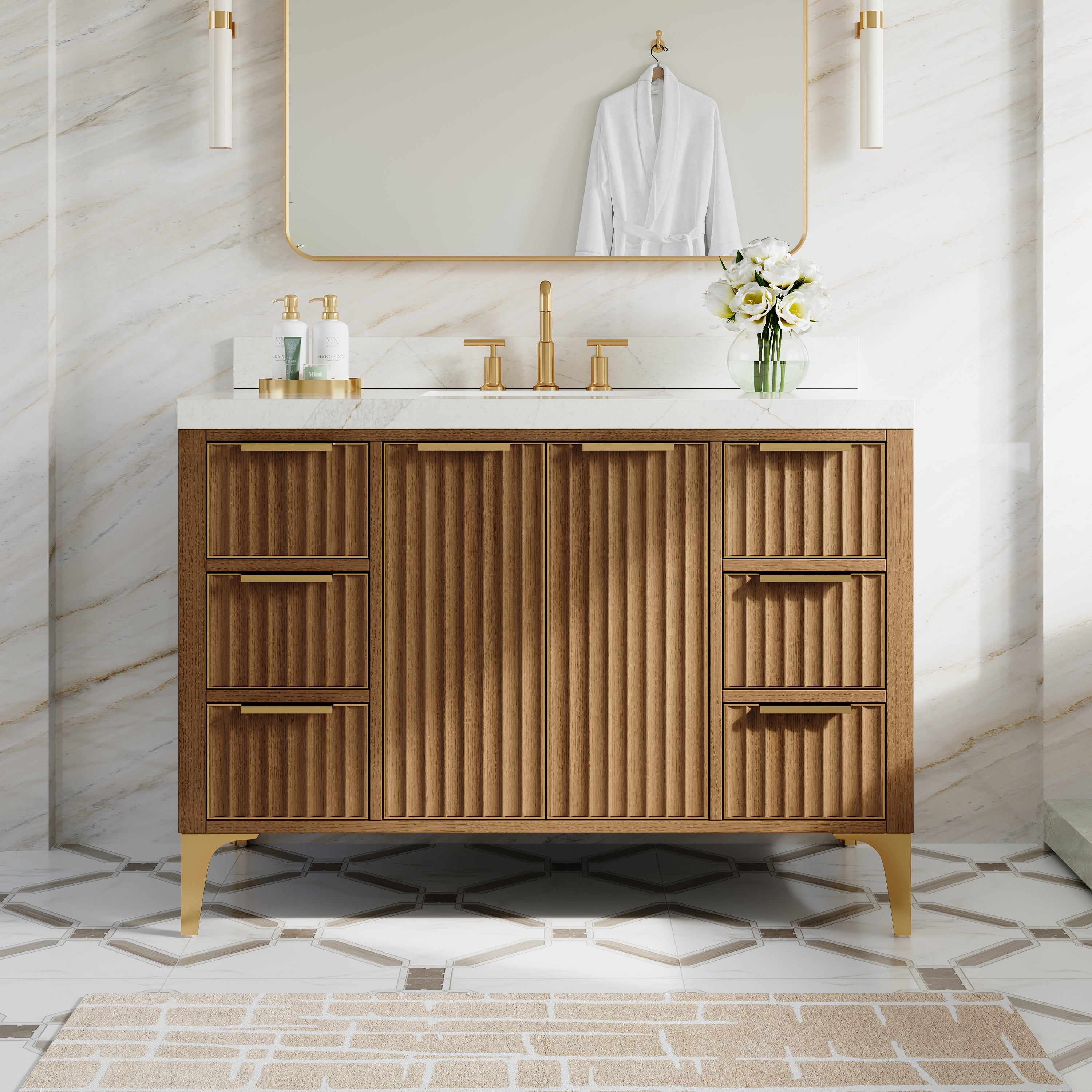
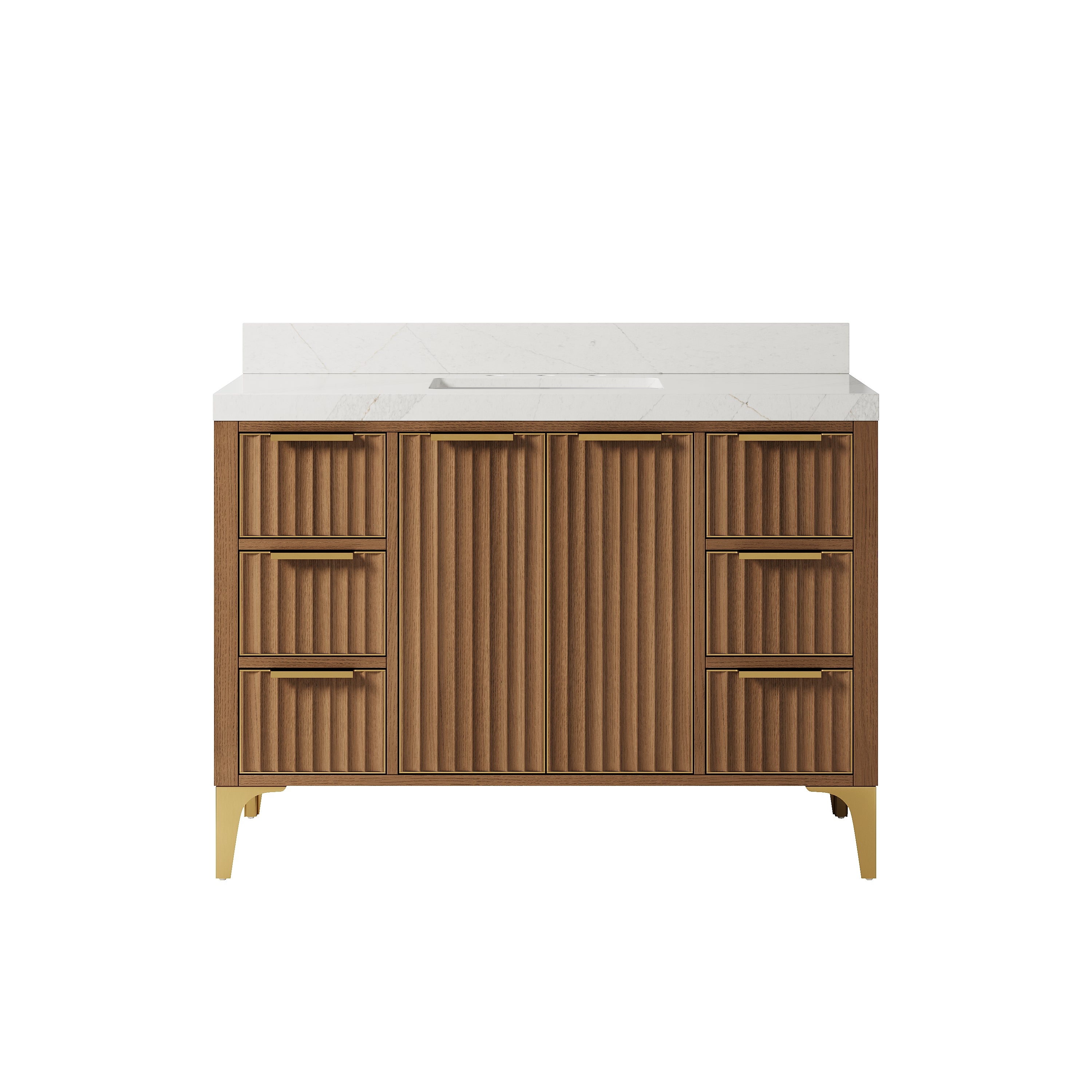


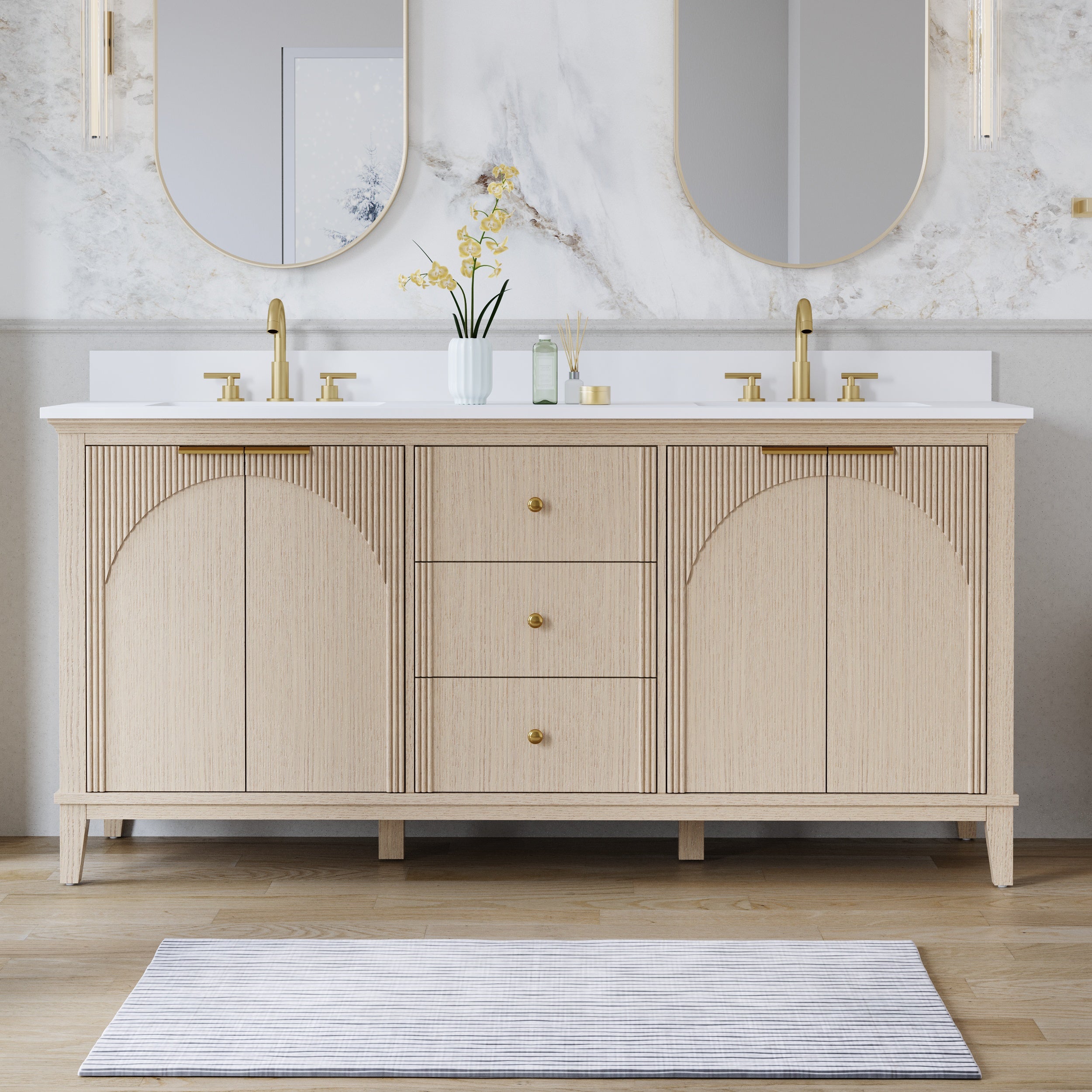
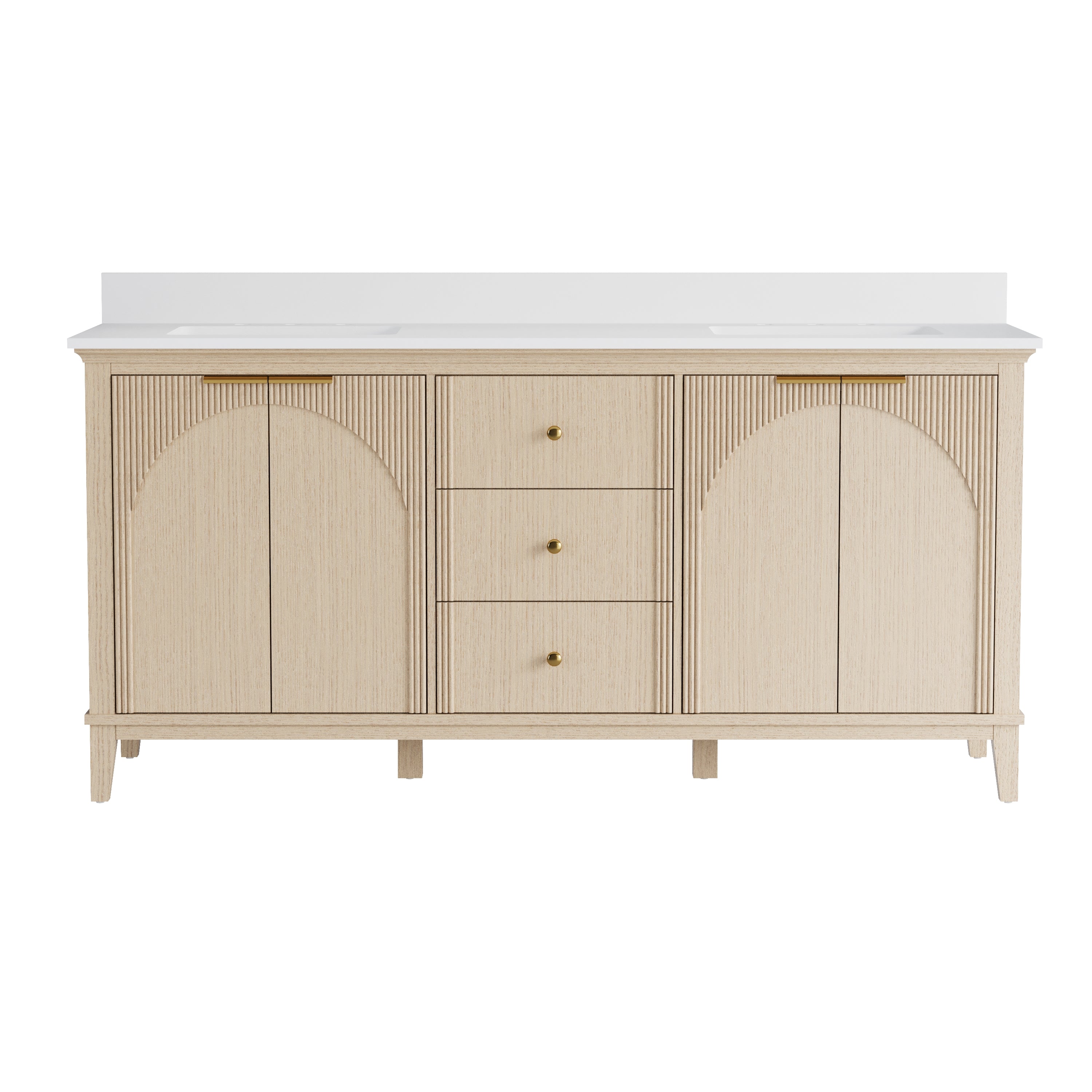
A light wood vanity can change how a dark bathroom feels before any walls are moved or windows are added. Pale wood reflects more available light than deep walnut or espresso finishes, while its natural grain adds warmth that a plain white cabinet may lack. For most low-light bathrooms, a matte white oak vanity with a simple flat-panel front is the strongest overall choice. Natural maple is a close alternative when the room needs an even cleaner, brighter appearance.
Recent renovation data confirms that wood is no longer a niche vanity finish. Wood tones account for 28% of upgraded vanity colors, and light wood represents 11% of all selections. Solid wood is chosen for 74% of upgraded vanities, with maple leading at 29% and white oak following at 23%. These figures show that pale wood cabinetry has moved from a trend-led option to a dependable bathroom specification.
1. Choose White Oak for the Best Overall Balance
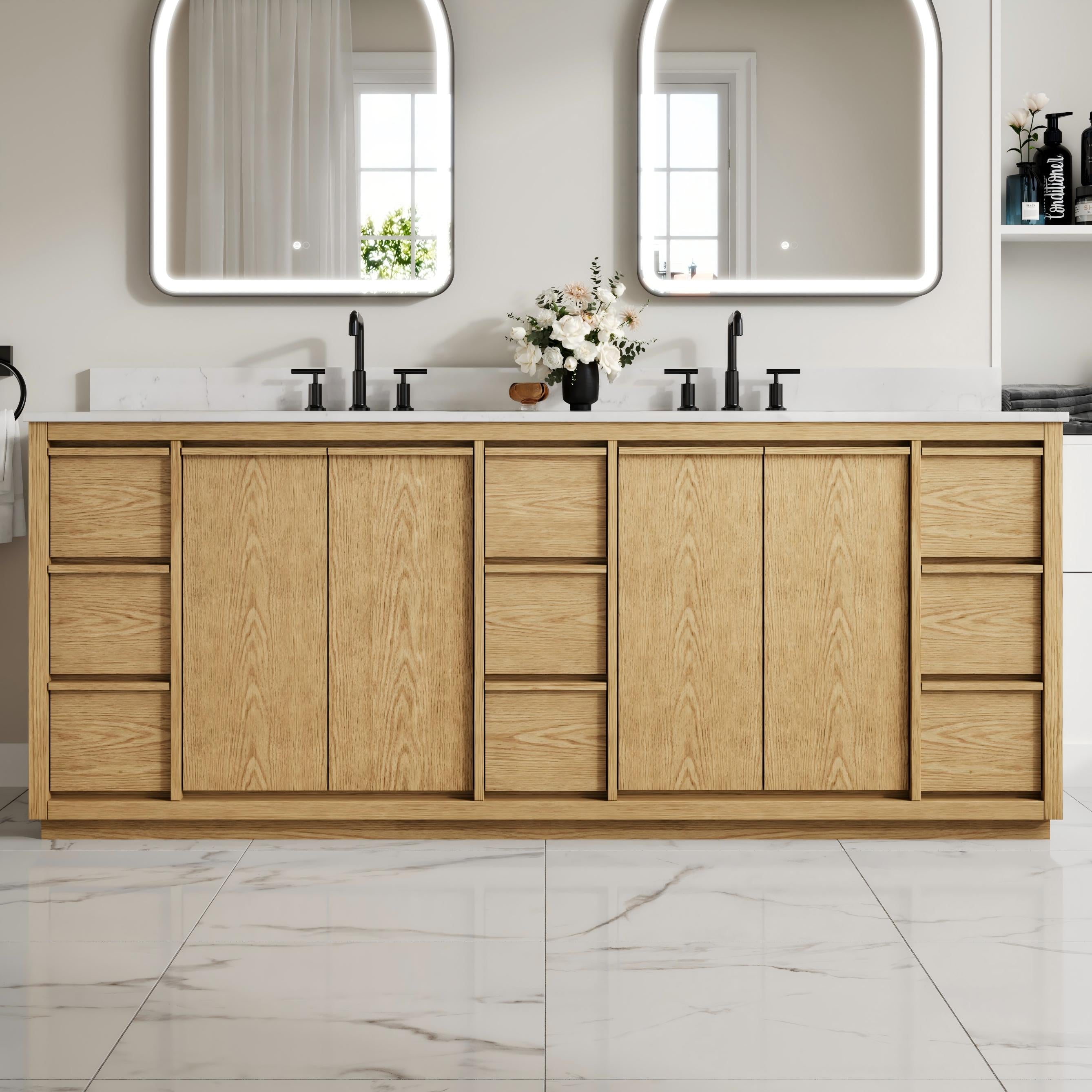
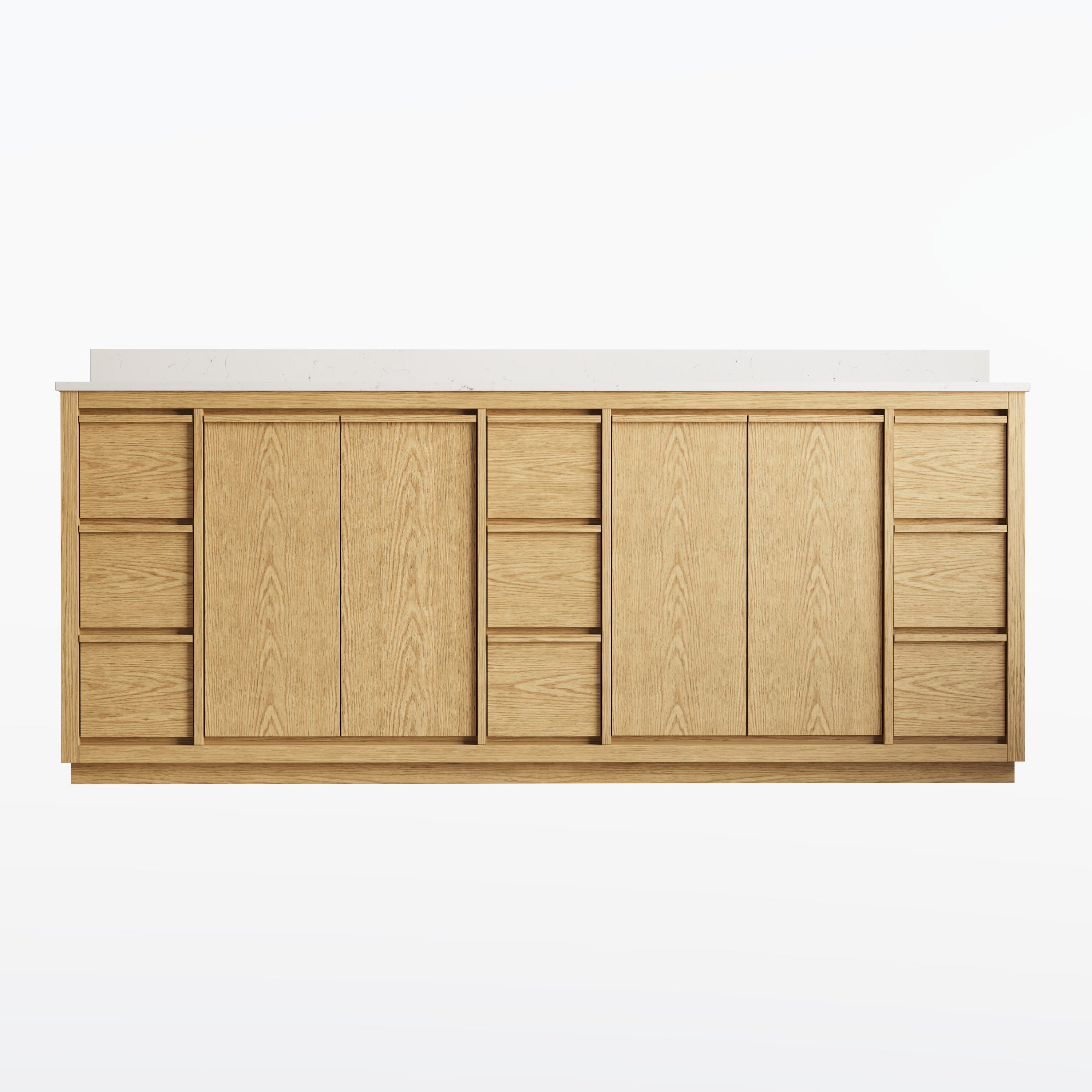
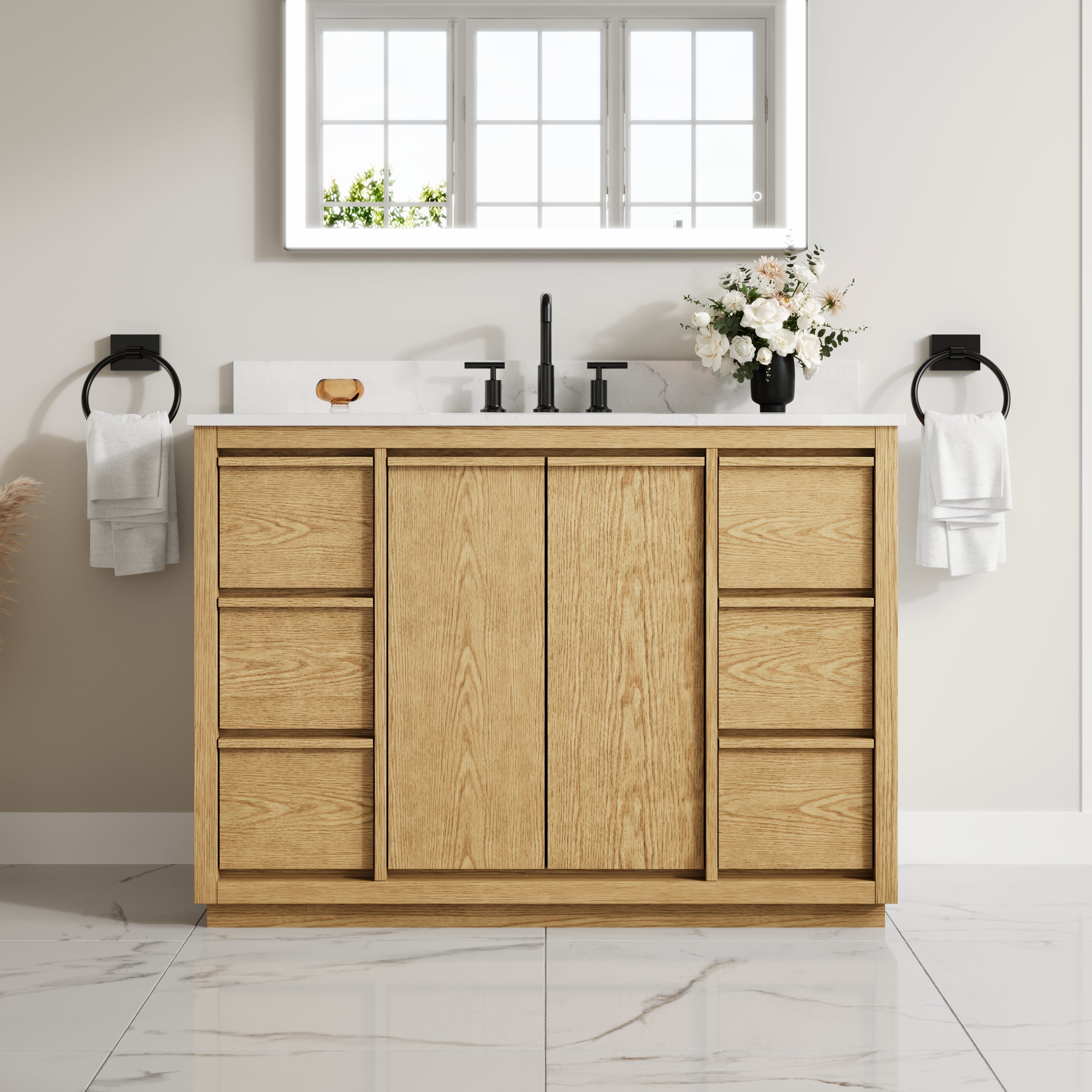
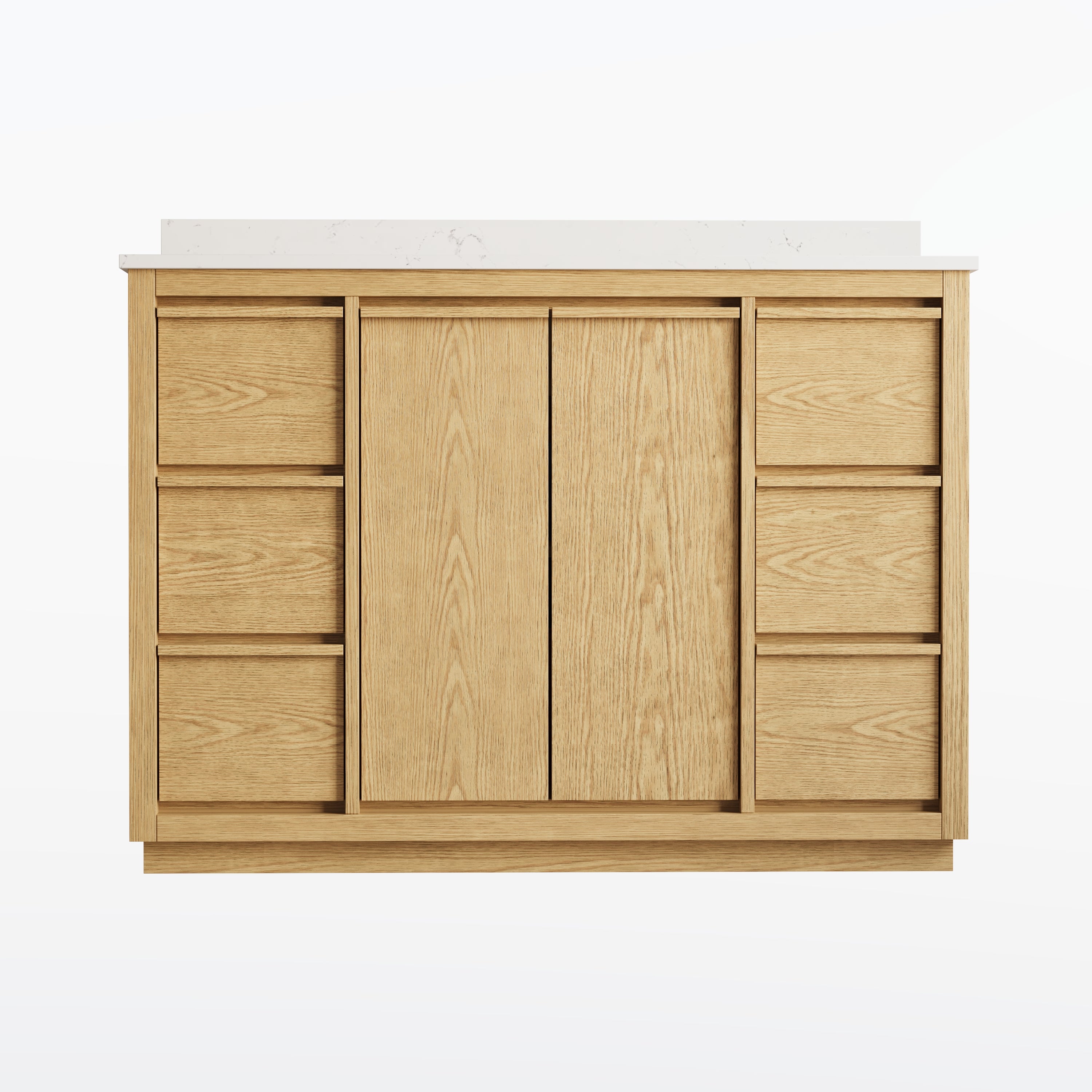
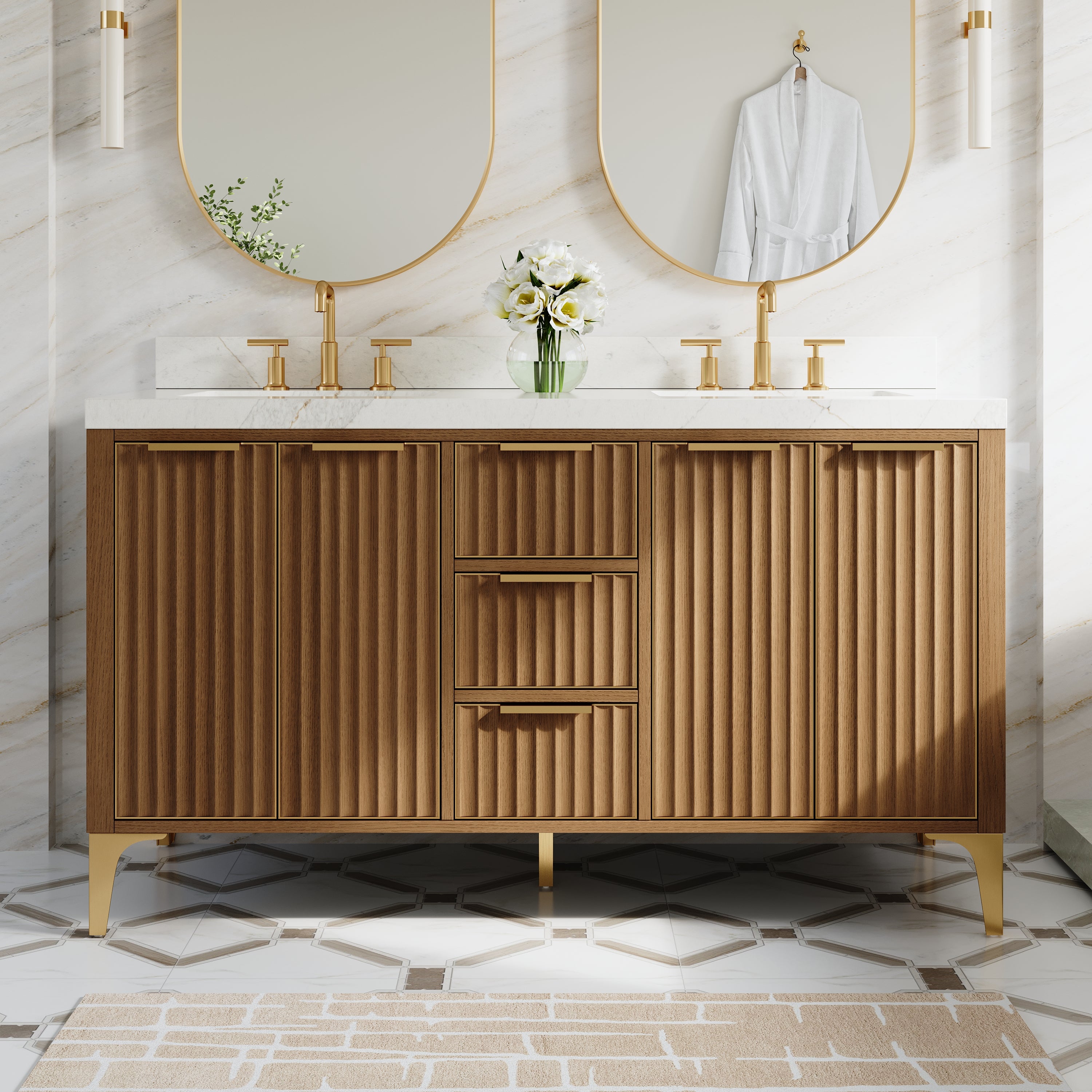
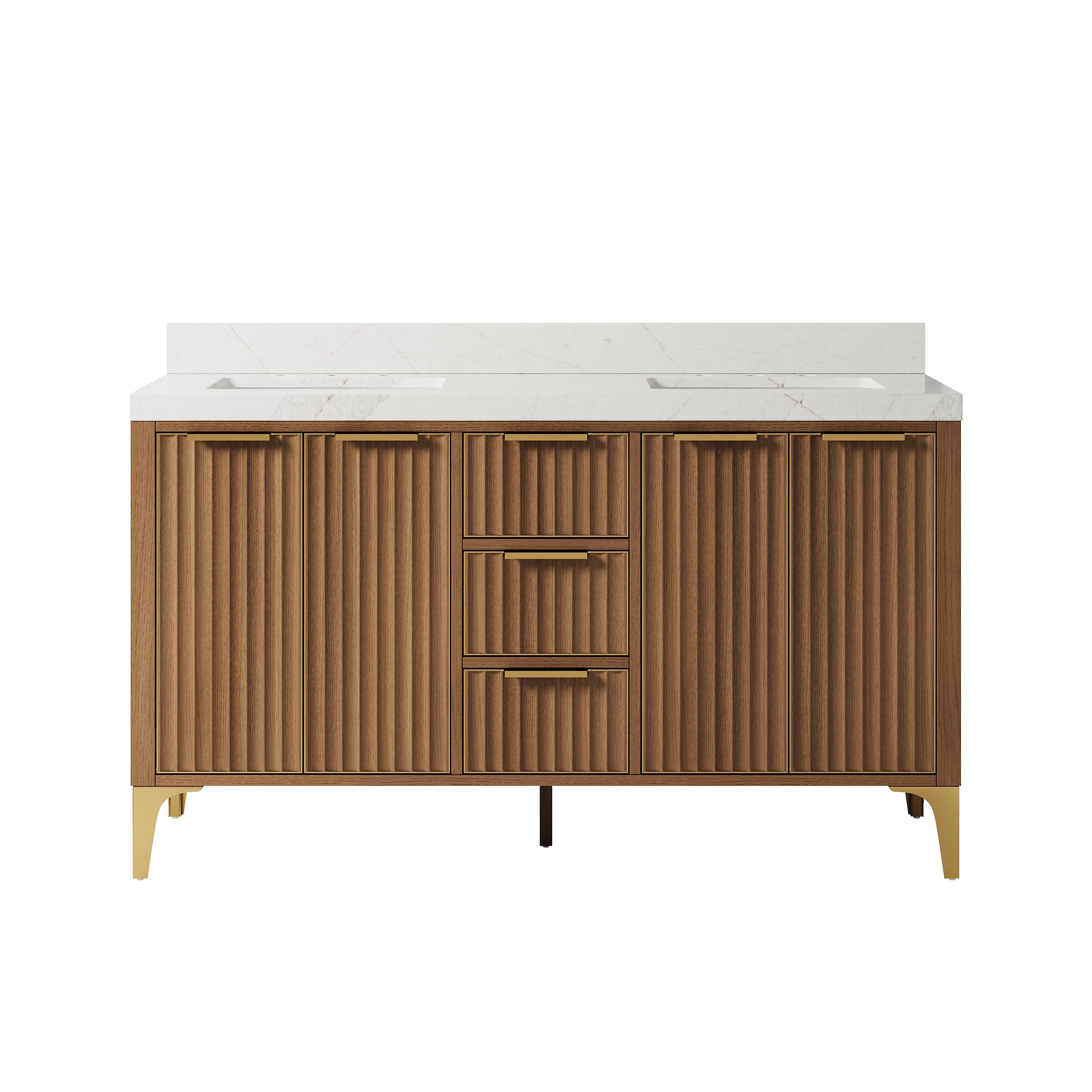
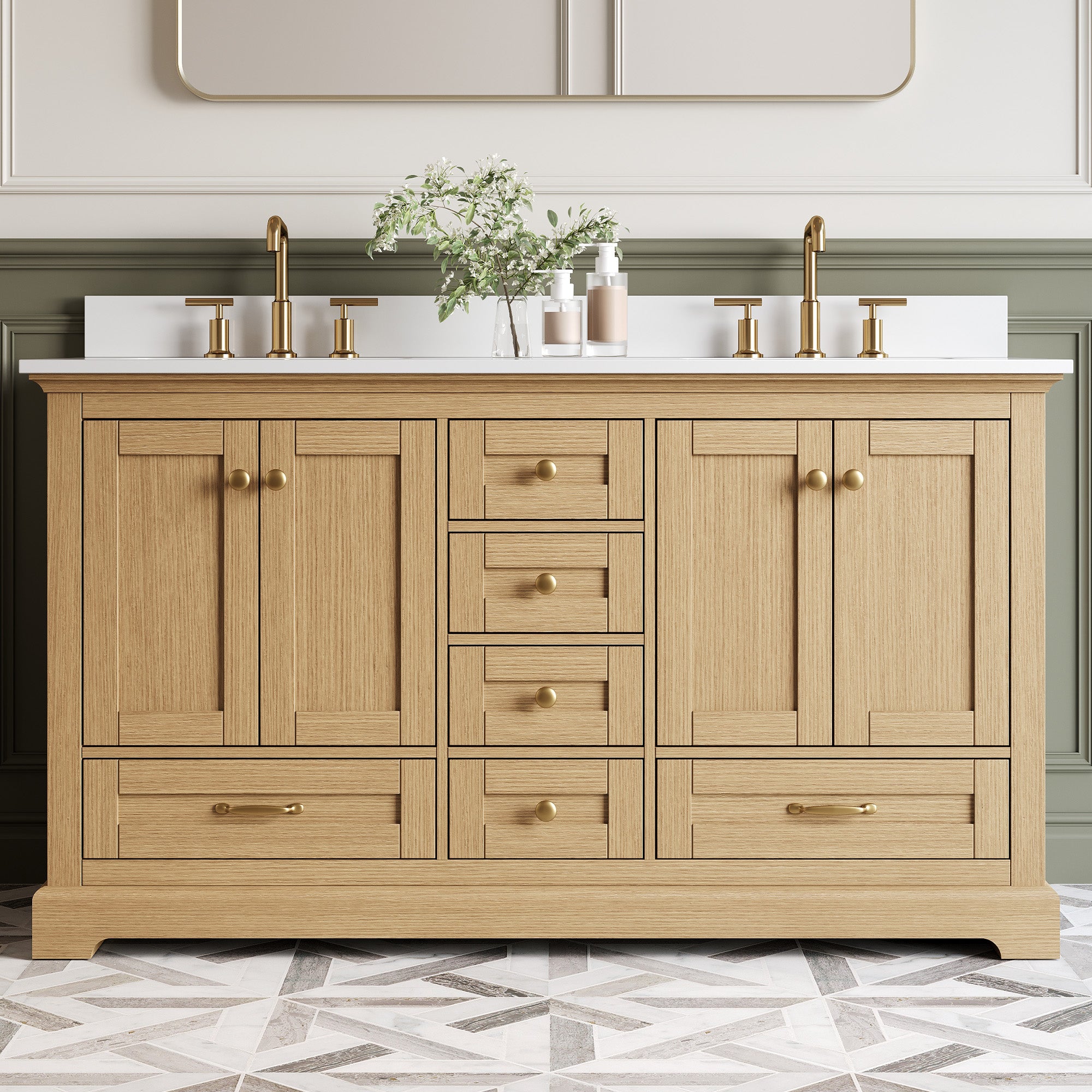
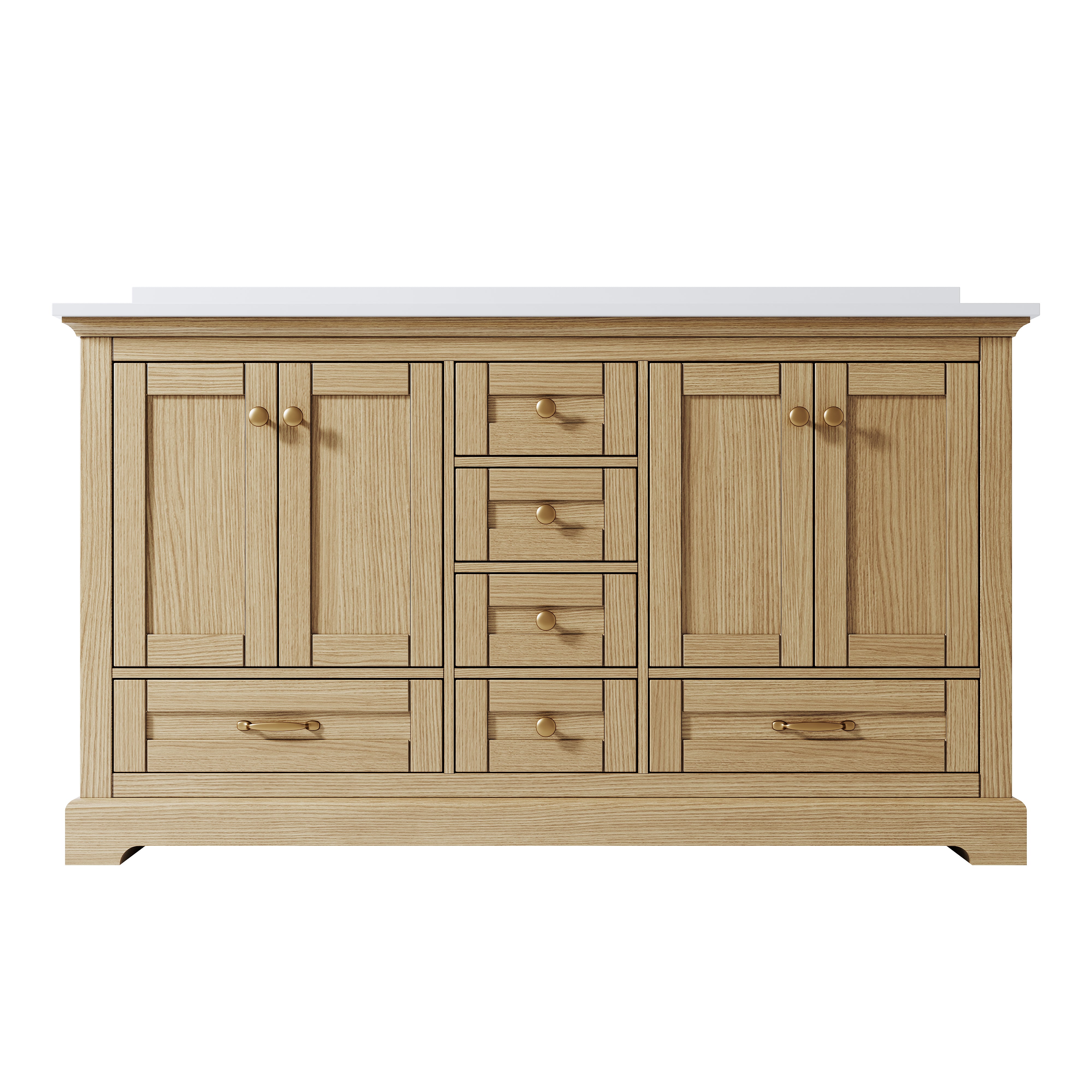
Natural white oak is usually the best light wood vanity for a dark bathroom because it balances brightness, visible texture, and design flexibility. Its pale beige-to-tan coloring feels lighter than walnut but warmer than painted white cabinetry. The grain is noticeable without becoming visually heavy.
A rift-cut or straight-grain white oak finish is particularly effective in compact bathrooms. The more consistent grain direction creates a cleaner cabinet face, helping the room feel wider and less cluttered. A matte clear coat is preferable to an amber stain, which can make the wood appear darker and more yellow under artificial lighting.
White oak also pairs easily with warm white walls, ivory quartz, limestone-look porcelain, brushed nickel, soft brass, and matte black hardware. This flexibility reduces the risk of needing to replace surrounding finishes during a future update.
Industry judgment: white oak offers the best combination of brightness and long-term design value, especially when the bathroom must feel natural rather than completely white.
2. Consider Natural Maple for Maximum Brightness
Natural maple has a smoother, quieter appearance than white oak. Its pale cream coloring can make a windowless powder room or narrow guest bathroom feel noticeably cleaner. Because the grain pattern is usually subtle, maple reflects as a more continuous surface instead of breaking the cabinet front into multiple visual lines.
Maple works particularly well in contemporary, Scandinavian-inspired, and minimalist bathrooms. Pair it with a white countertop and low-contrast wall tile to create a brighter envelope around the vanity.
The drawback is that maple can feel plain if every surrounding surface is equally smooth. A fluted mirror frame, textured wall tile, woven basket, or brushed faucet can introduce enough contrast without darkening the room.
Industry judgment: choose maple when brightness is the main goal, but choose white oak when the bathroom also needs character.
3. Select a Floating Vanity When Floor Area Is Limited
A wall-mounted light wood vanity exposes more flooring, making the room appear larger and less enclosed. The open area beneath the cabinet also allows light to travel farther across the floor.
Floating vanities account for 11% of upgraded installations, while freestanding models represent 30% and built-in designs remain the leading choice at 58%. Although wall-mounted models are not the majority, they have a clear visual advantage in dark or compact rooms.
A 24- or 30-inch floating vanity works well in many powder rooms. A 36- or 48-inch model provides more useful storage for a shared or full bathroom. Larger rooms can accommodate 60- or 72-inch double vanities, but additional width will not automatically make a dark room brighter.
Standard vanity depth is generally about 21 to 22 inches. Maintaining this familiar depth supports comfortable sink use while avoiding unnecessary projection into the walkway.
Industry judgment: in a small dark bathroom, visible floor space often contributes more to perceived brightness than simply choosing the palest cabinet finish.
4. Pair the Vanity With a White or Off-White Countertop
Countertop contrast strongly influences how bright a vanity looks. White is selected for 48% of upgraded bathroom countertops, while off-white accounts for another 20%. Engineered quartz leads countertop materials at 45%.
A white quartz top reflects overhead and mirror lighting while clearly separating the sink zone from the wood cabinet. Warm white is often more flattering beside oak, while crisp white suits pale maple and cooler wall colors.
Avoid countertops with heavy black veining in very small bathrooms. Dramatic patterns can interrupt the reflective surface and compete with the natural wood grain. Subtle movement, fine veining, or a nearly solid finish will generally make the vanity area feel calmer and brighter.
A backsplash around 4 inches high provides practical wall protection without visually dividing the room. Extending a pale slab or tile from the countertop to the mirror can amplify reflected light and create a more custom appearance.
5. Match the Mirror to the Vanity Width
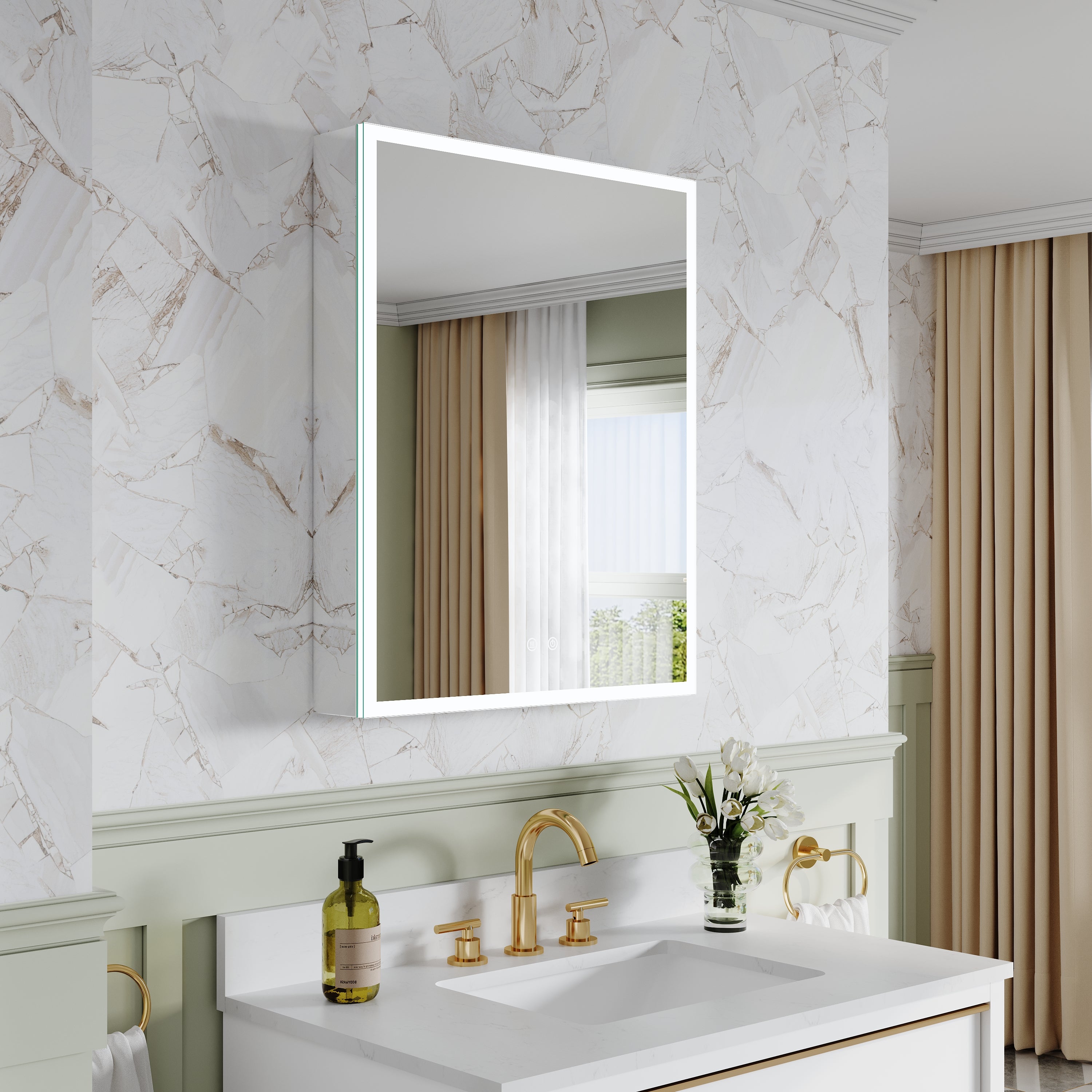
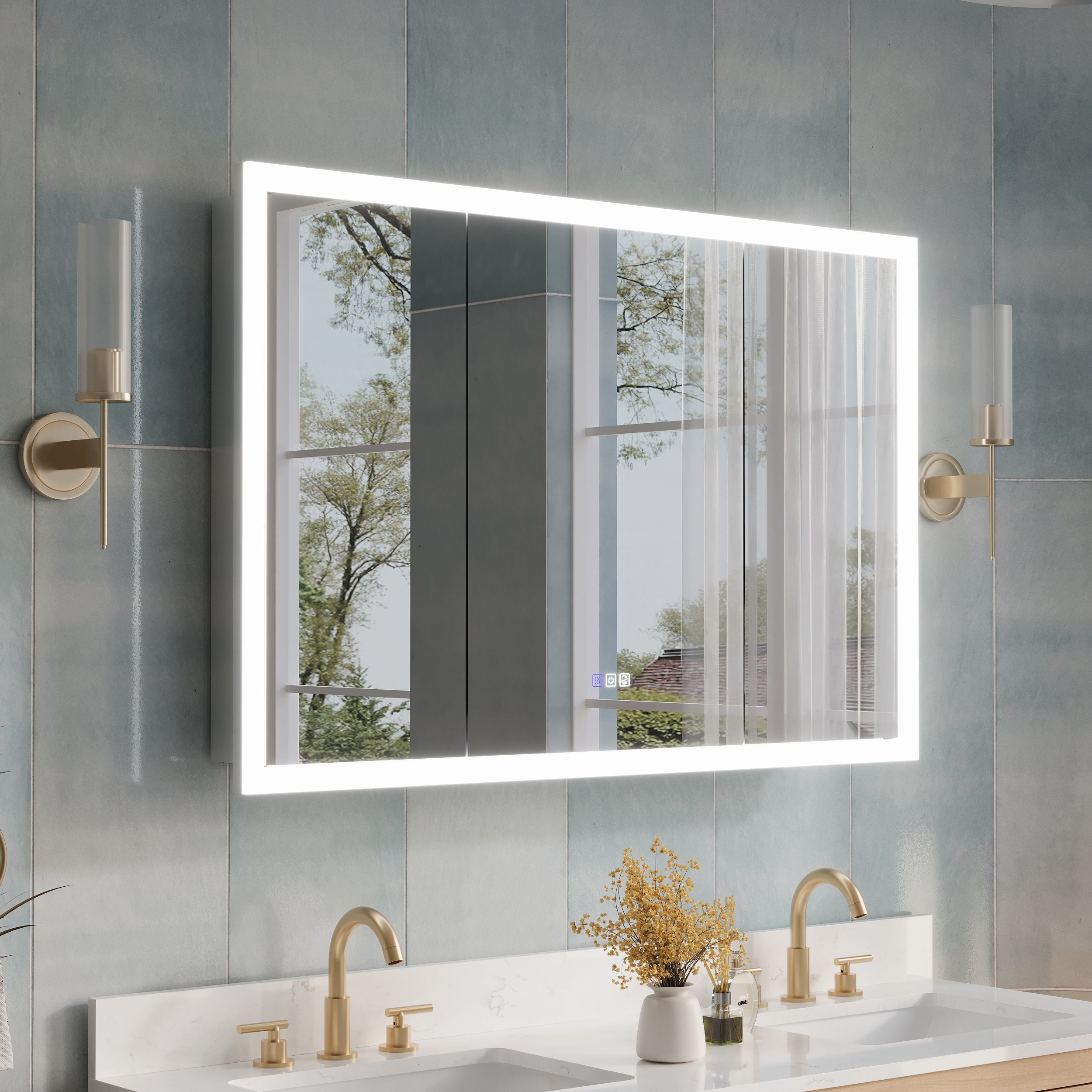
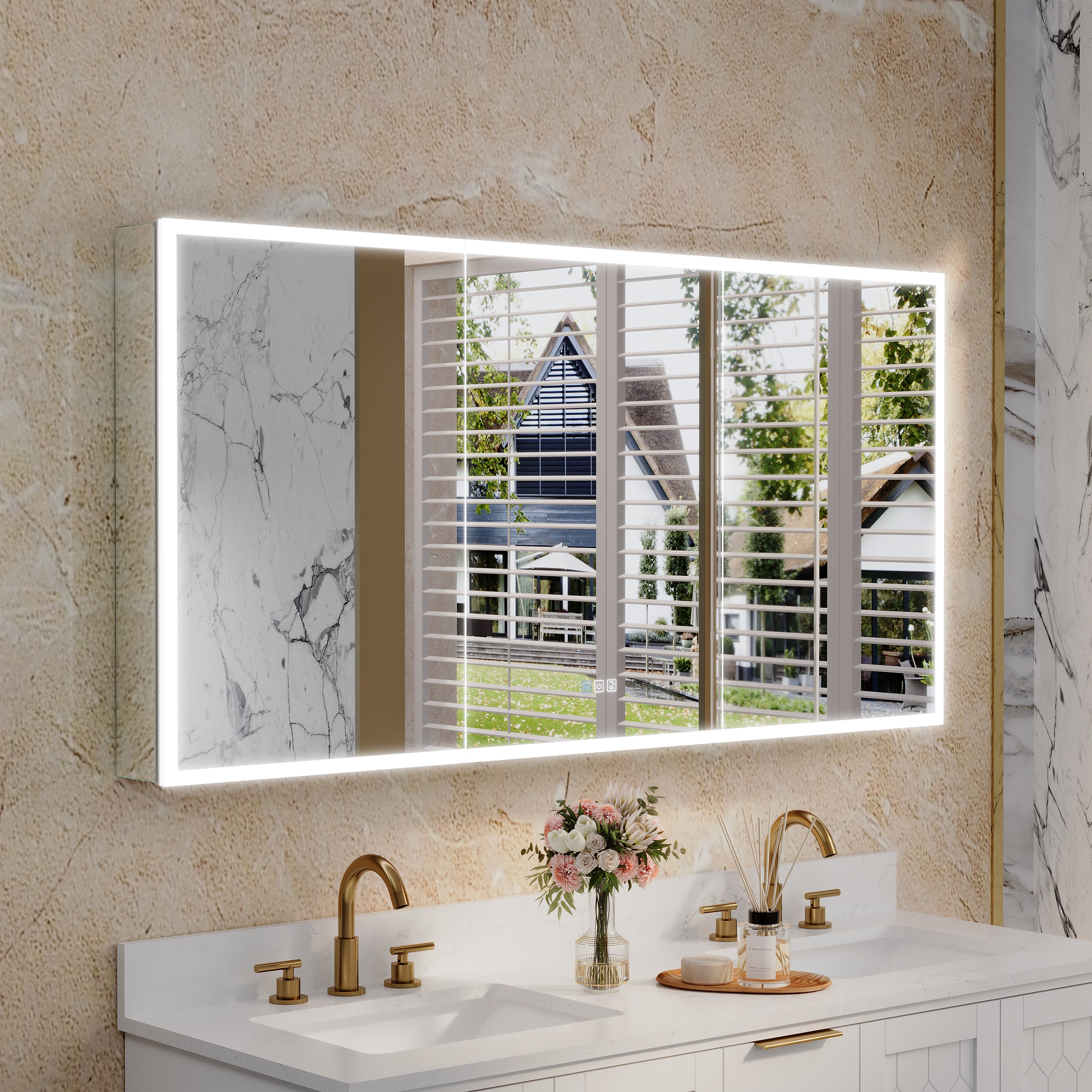
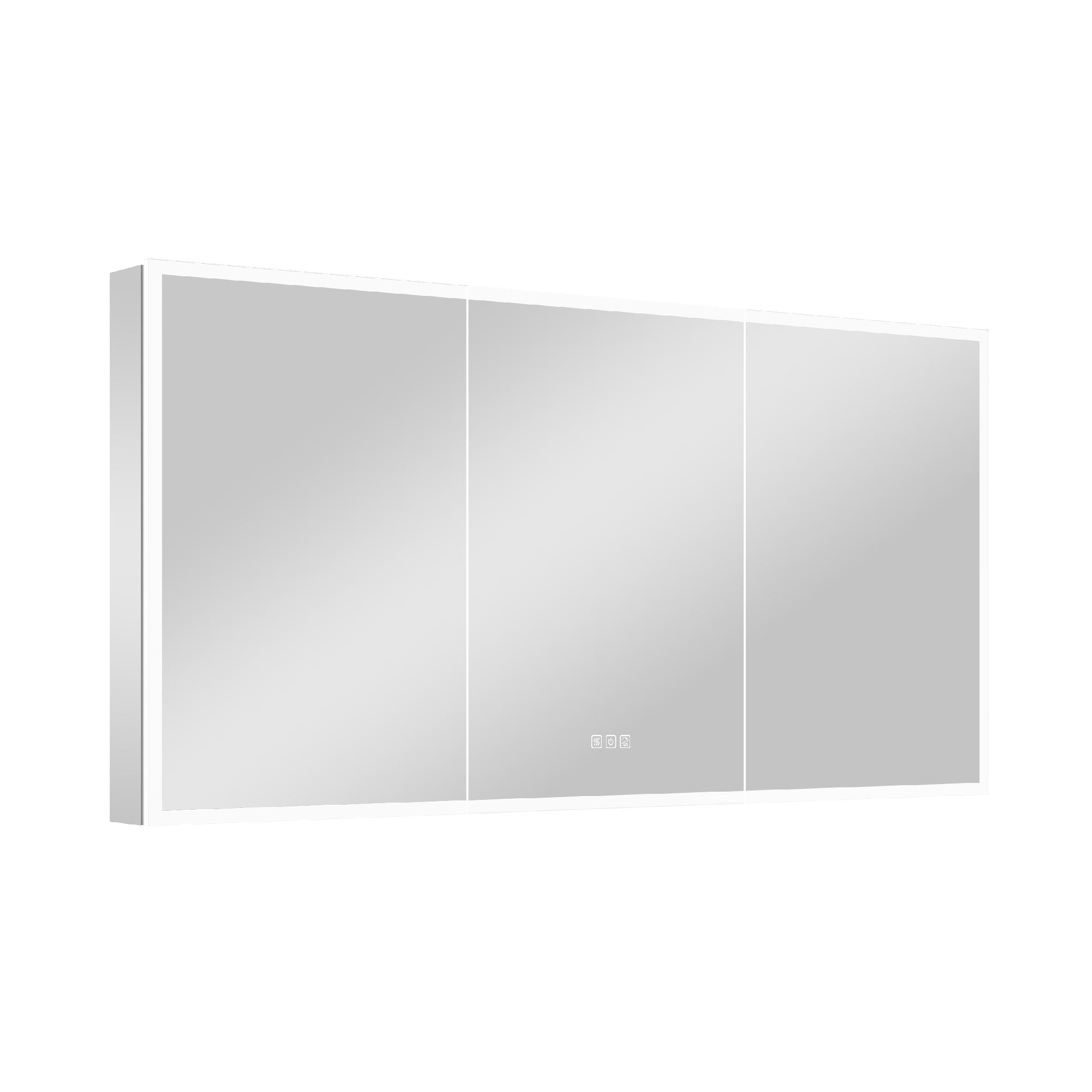
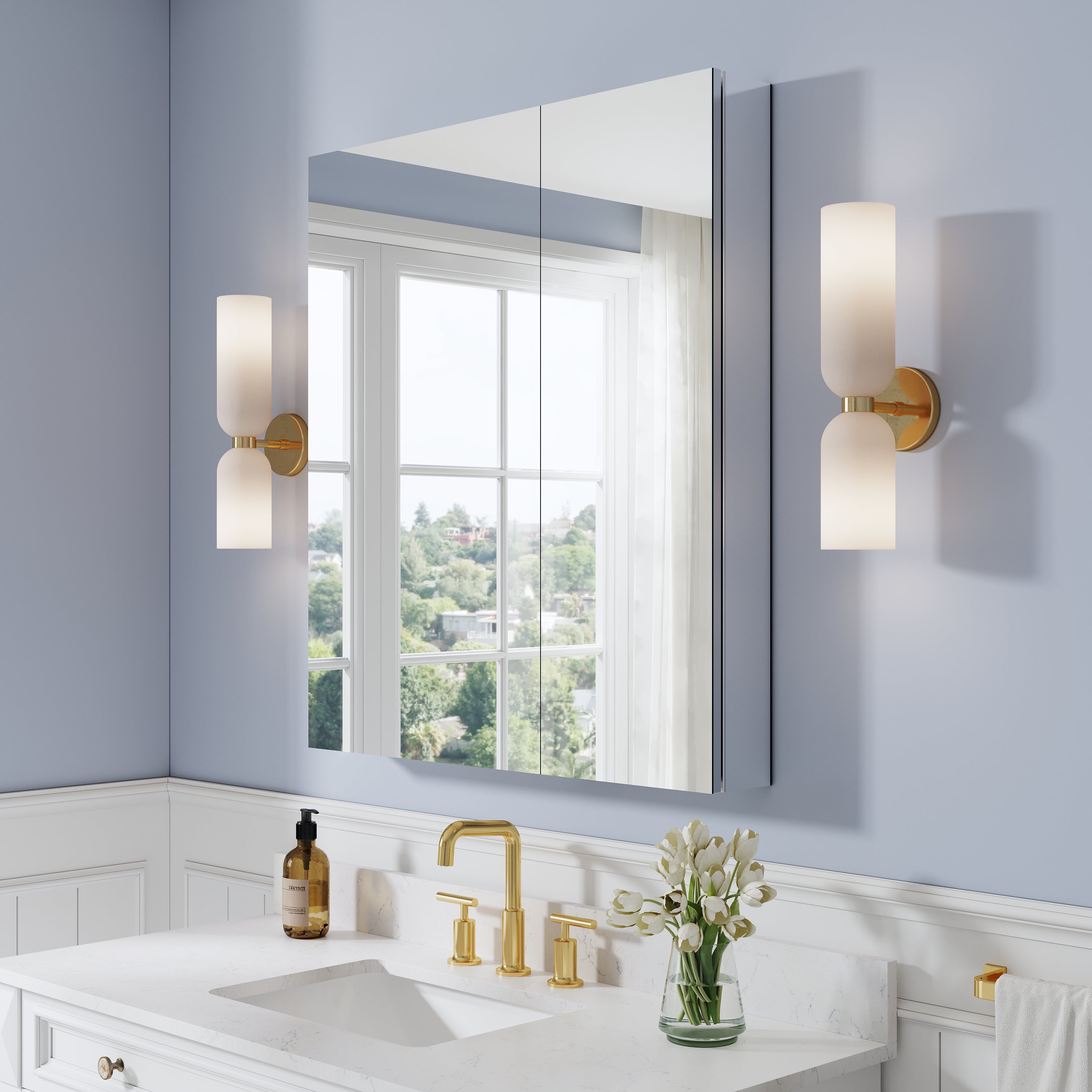
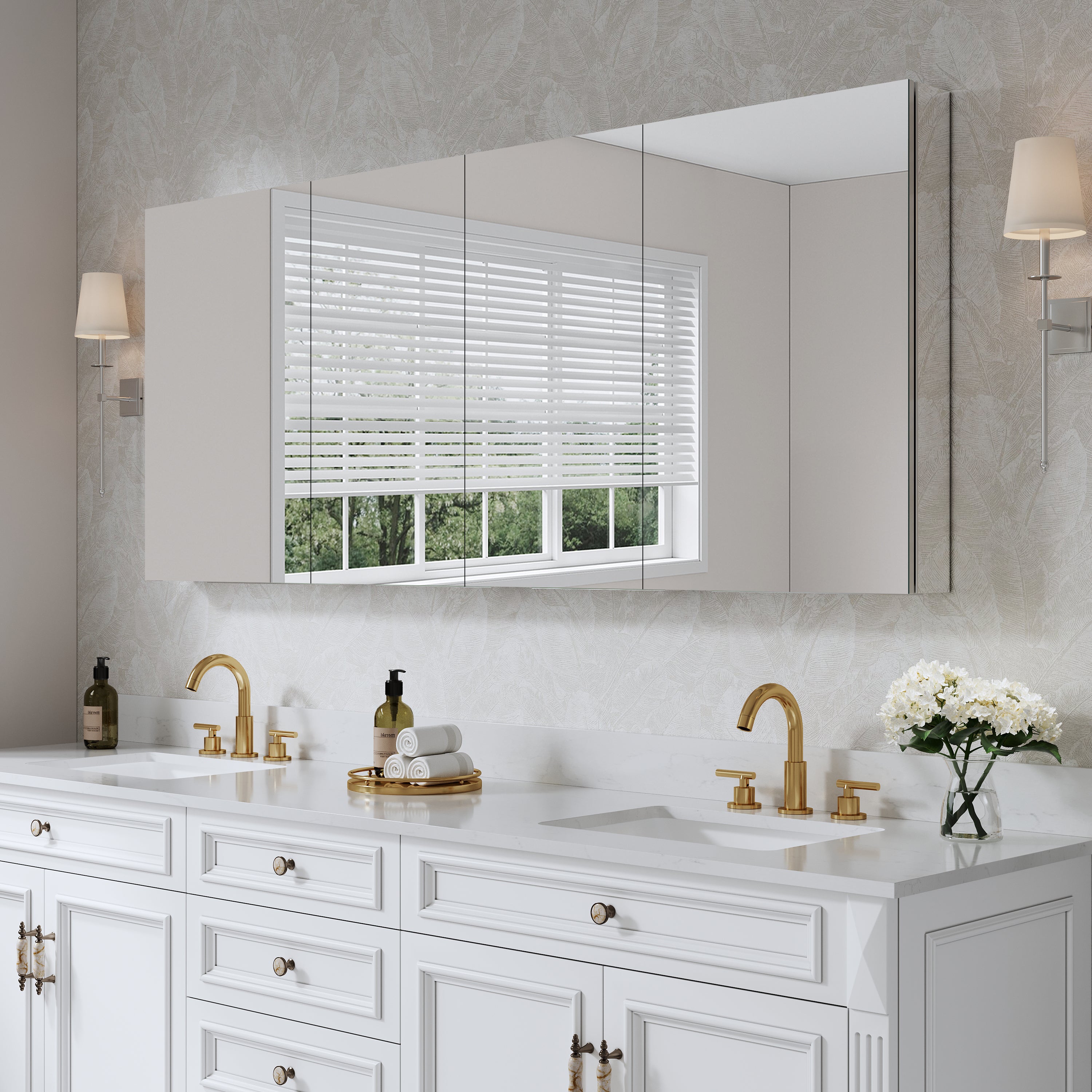
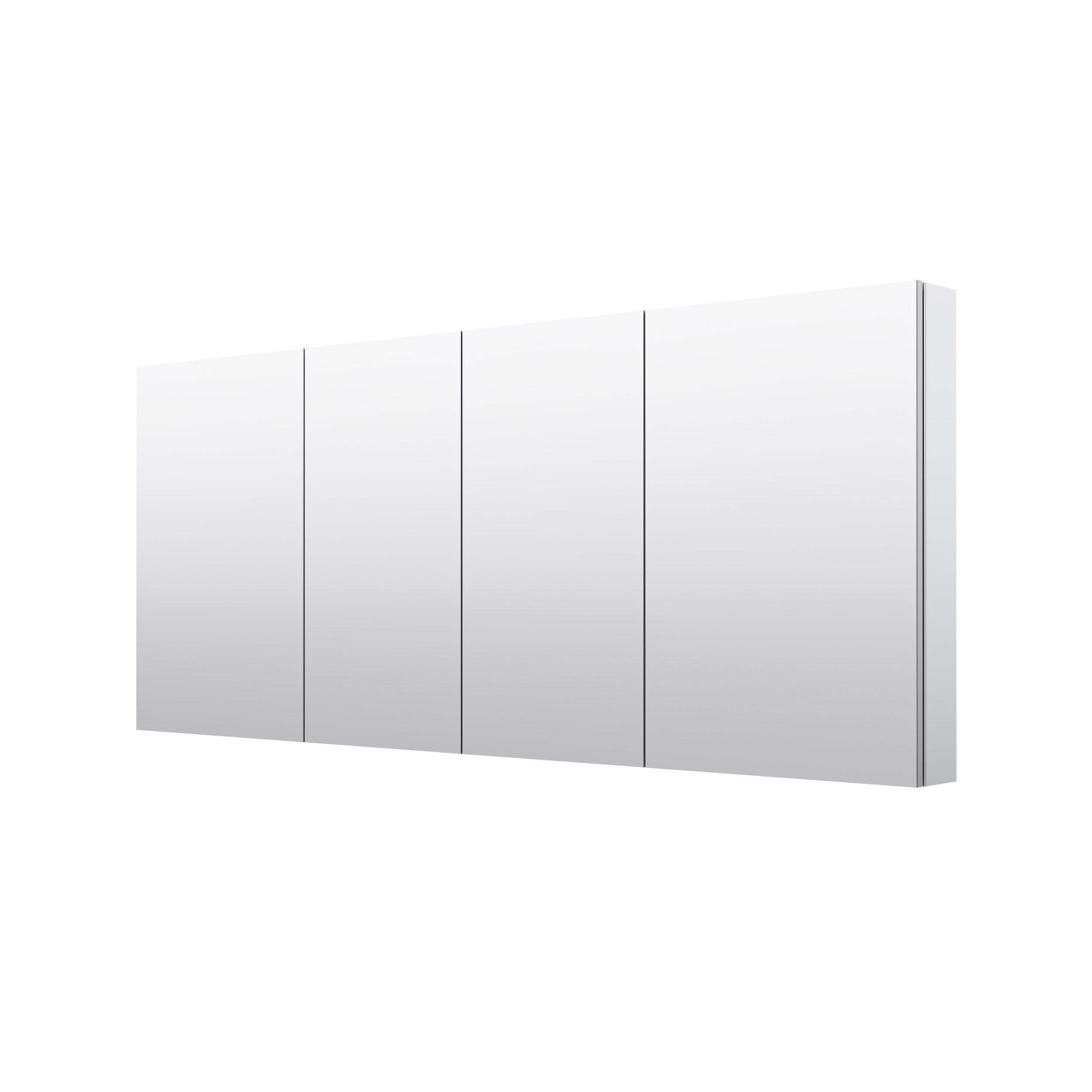
A large mirror can multiply available light, but its proportions should remain connected to the vanity. Kohler recommends selecting a mirror or medicine cabinet that is the same width as the vanity or slightly narrower.
For a 30-inch vanity, consider a mirror approximately 24 to 28 inches wide. A 36-inch vanity often works with a 28- to 34-inch mirror, while a 48-inch vanity can support a mirror around 38 to 44 inches wide.
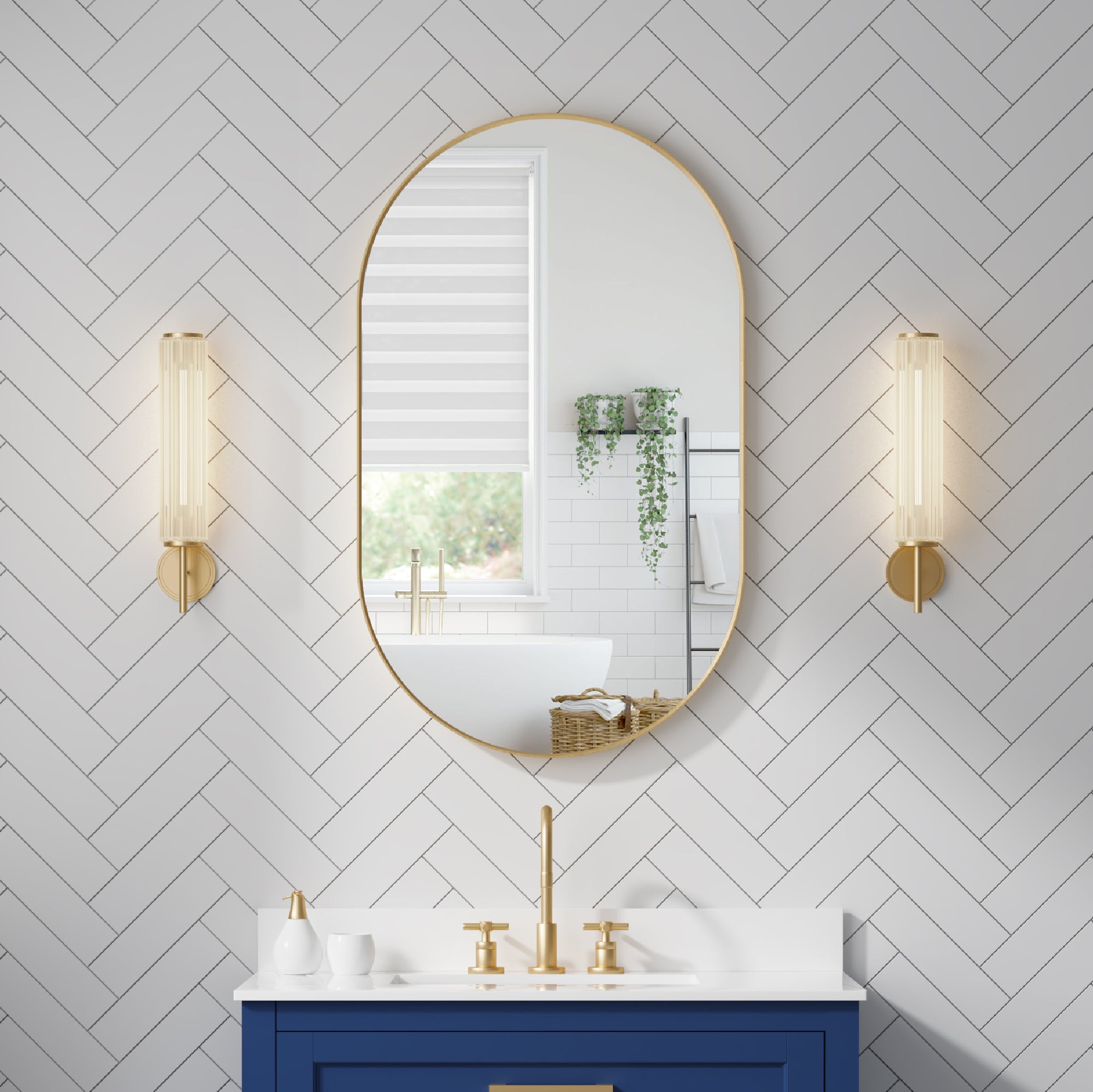
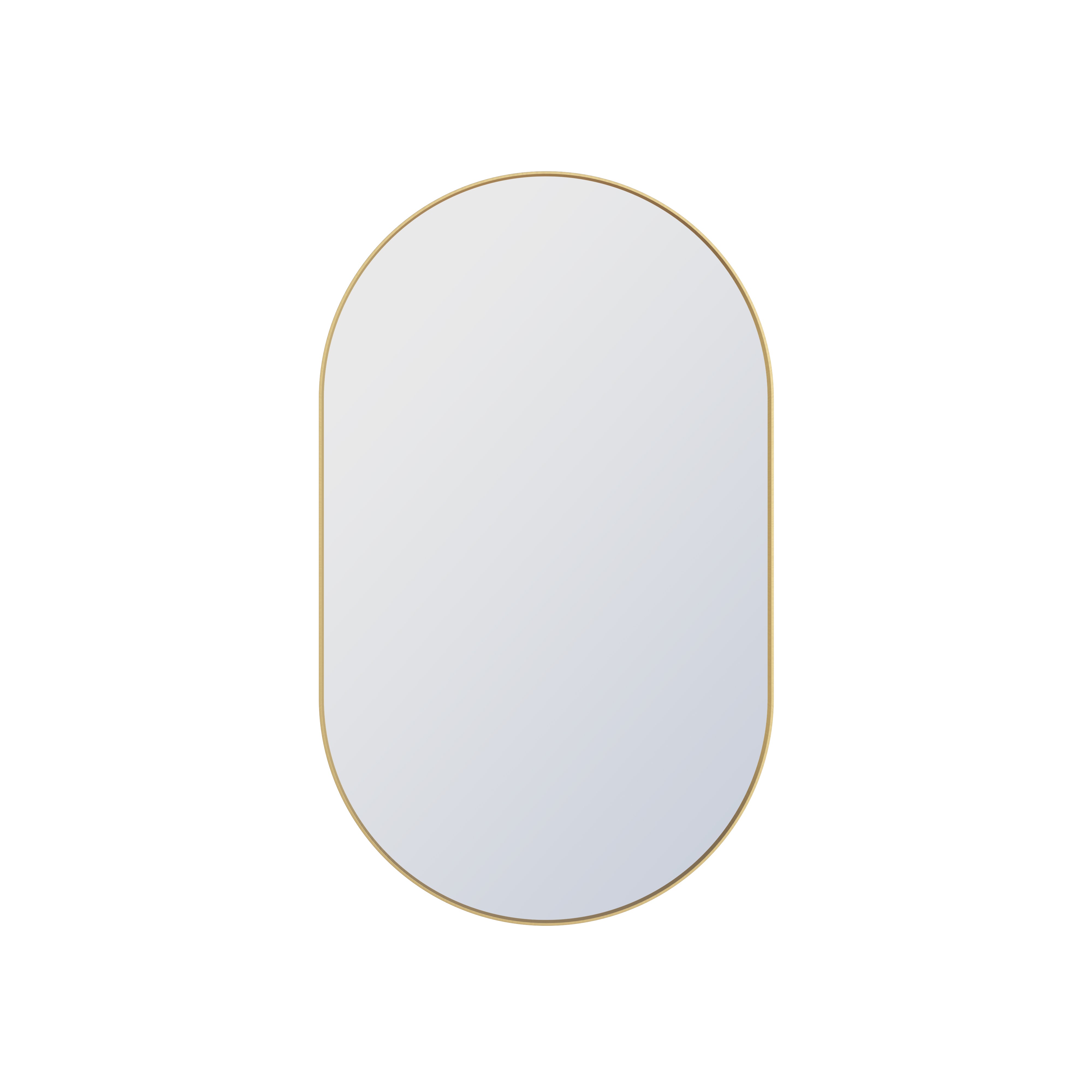
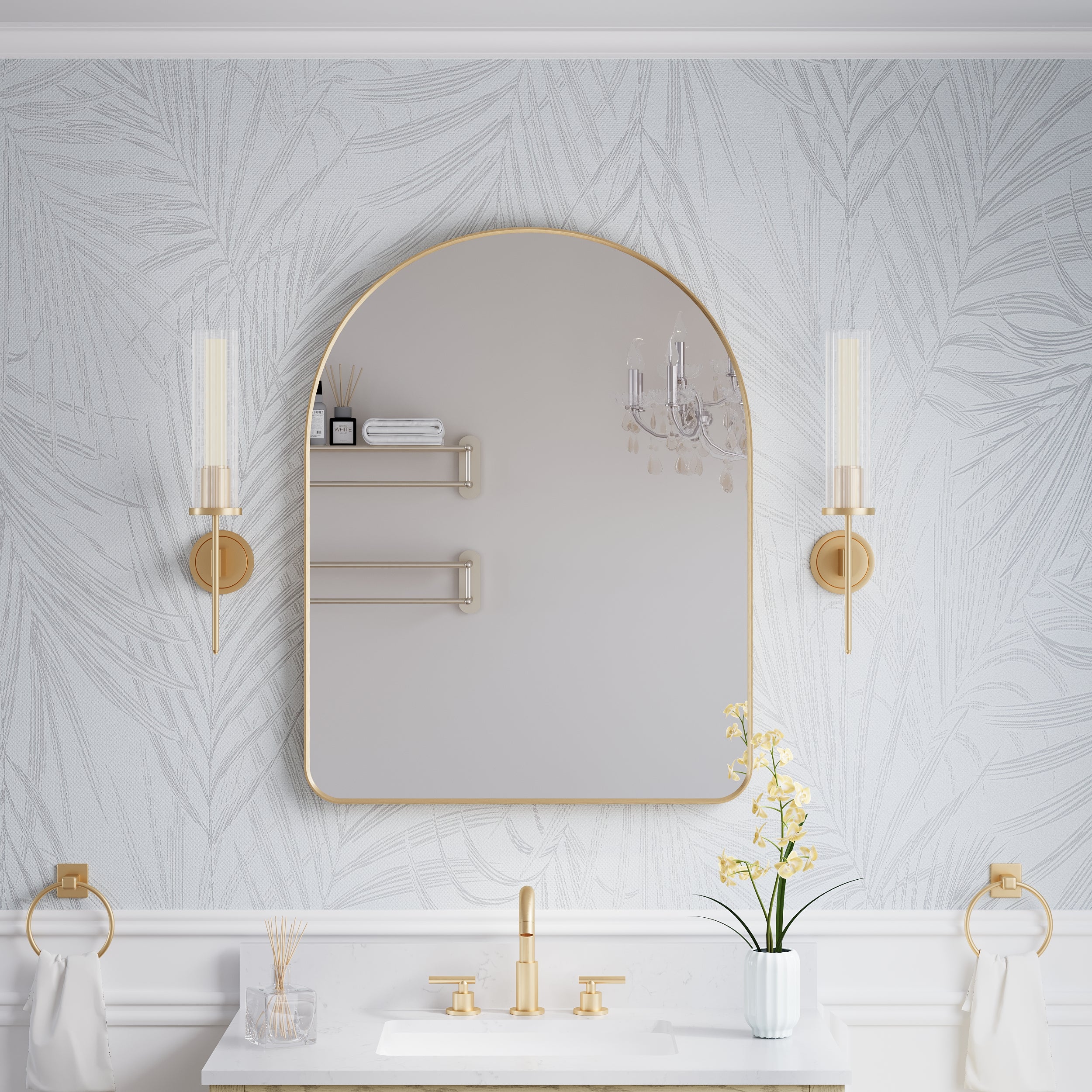
A thin metal frame, frameless edge, or light wood frame keeps the upper wall visually open. Thick black frames provide contrast, but they may feel heavy when the bathroom already has limited light.
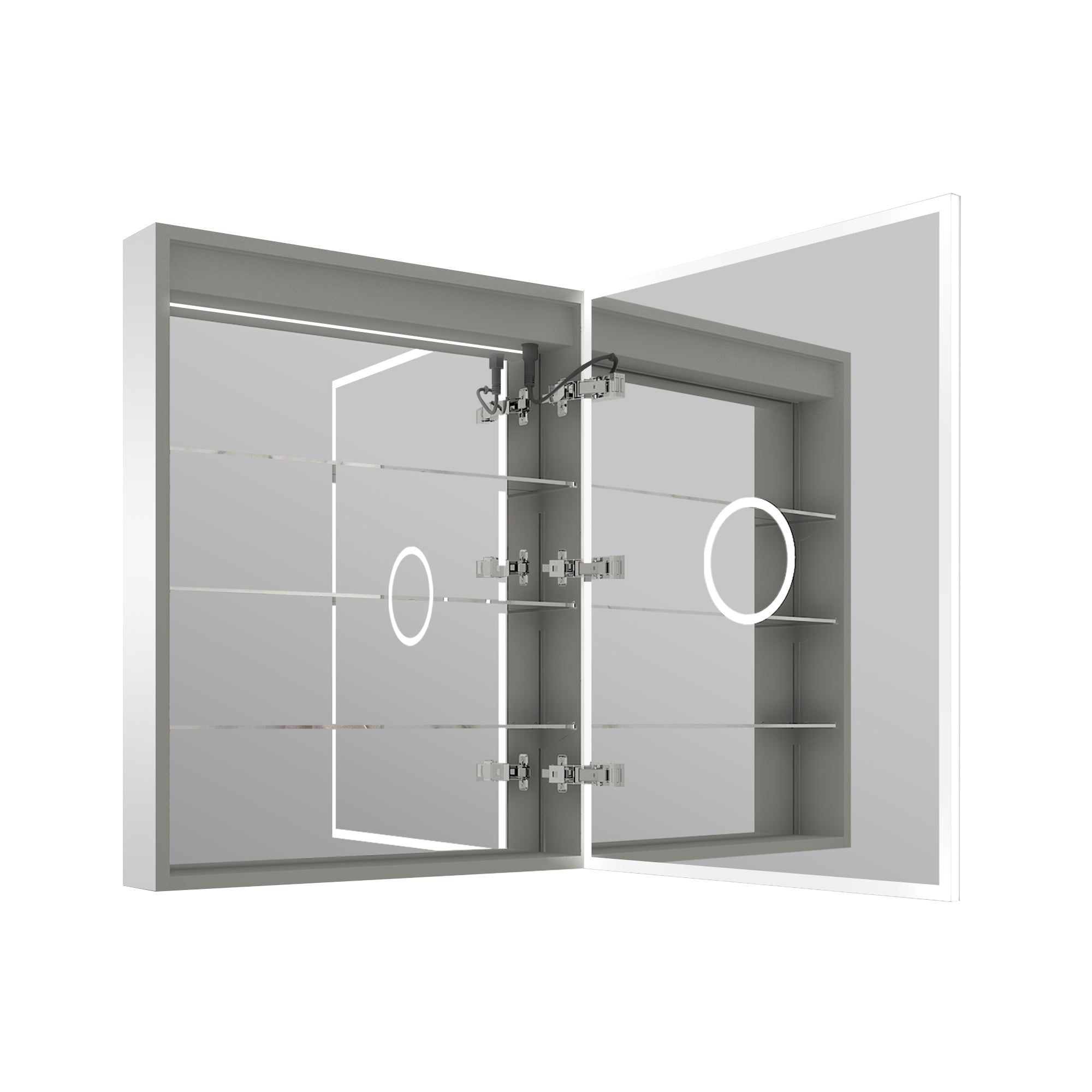
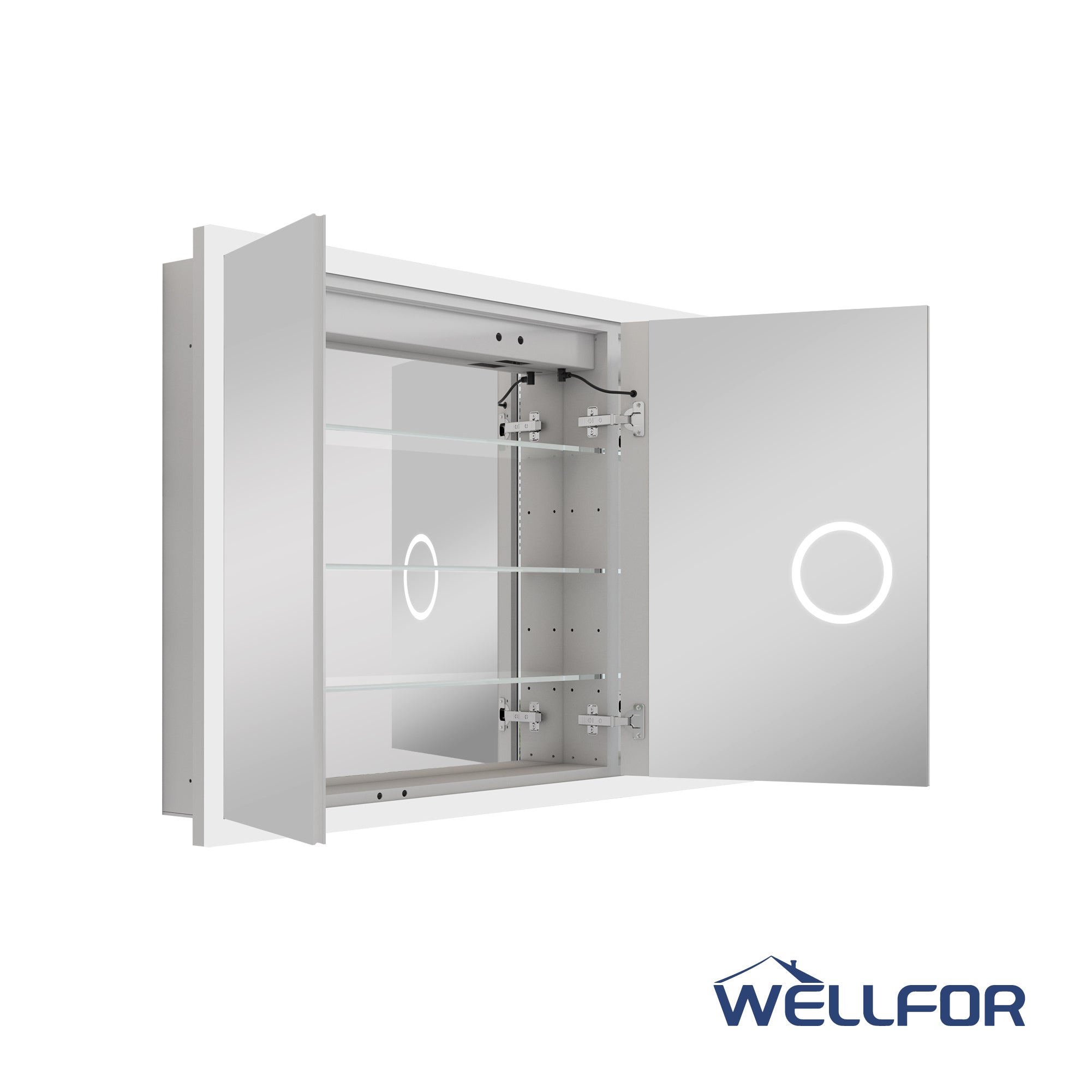
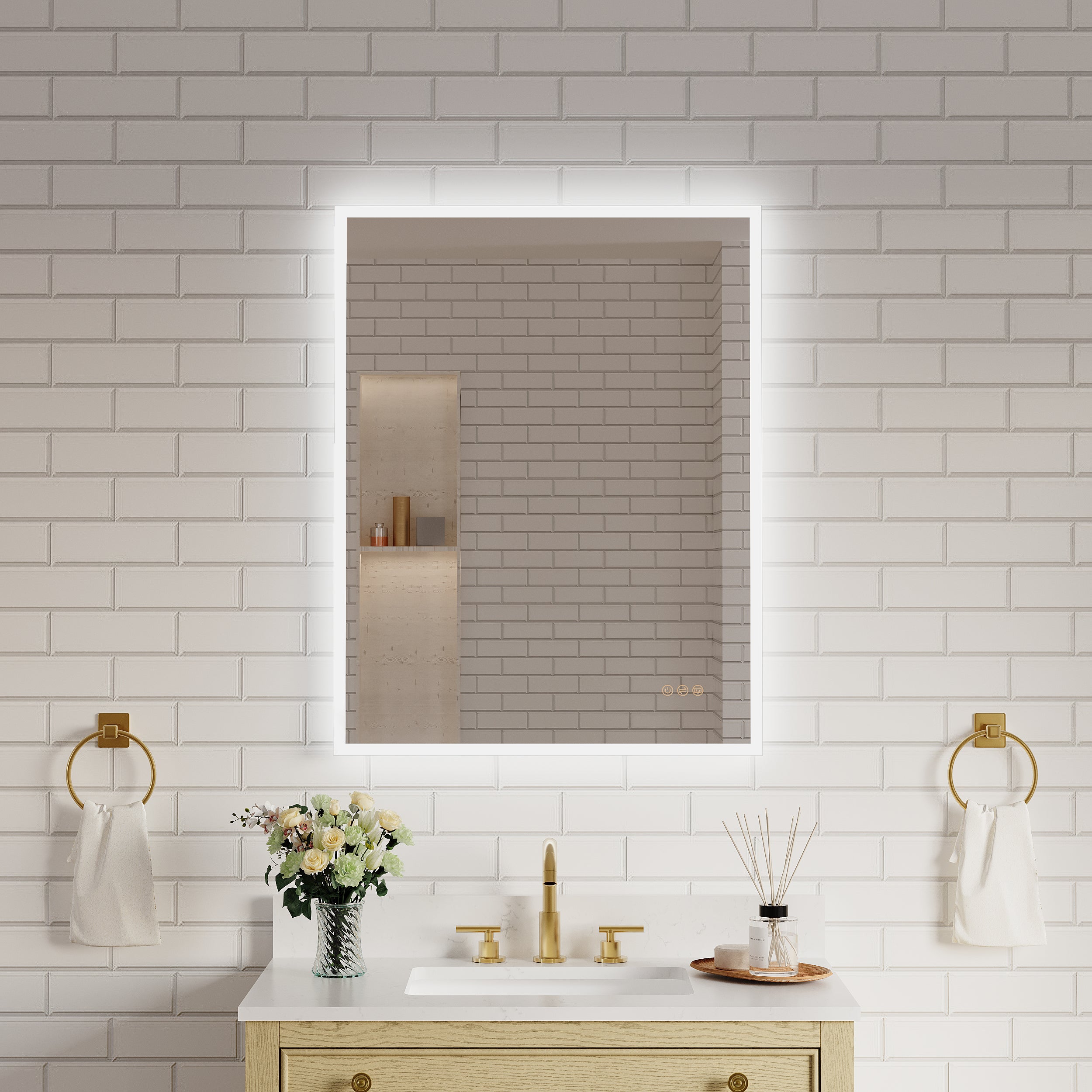
An integrated LED mirror is especially useful when wall space cannot accommodate two sconces. It brings light closer to the face and reduces shadows created by a single ceiling fixture.

6. Use High-Quality Lighting to Preserve the Wood Color
Poor lighting can make pale oak look gray, muddy, or orange. Brightness should be compared in lumens rather than watts, according to ENERGY STAR guidance.
For an accurate wood tone and flattering reflection, look for lighting with a color rendering index of at least 90. The Department of Energy notes that a CRI of 90 or higher indicates excellent color fidelity.
A color temperature around 2700K to 3000K creates a warm residential atmosphere. In a room with no natural light, 3000K often provides the best balance because it feels clear without turning the vanity cold or blue.
Use more than one light source whenever possible. Combine ceiling lighting with mirror lighting, side sconces, or under-vanity illumination. NKBA research based on feedback from 500 industry professionals identifies varied lighting, warm natural design, and accessible storage as important directions in bathroom planning.
Industry judgment: selecting the correct light source is as important as selecting the wood species. Even premium white oak can disappoint under weak or low-quality lighting.
7. Keep Surrounding Colors Light but Not Flat
A dark bathroom does not need every surface to be pure white. Warm white, pale greige, soft sand, muted sage, and light taupe can support a bright appearance while adding depth.
Use larger pale tiles when possible. Fewer grout lines create a quieter visual field and allow the vanity grain to remain the main texture. Satin or eggshell wall finishes can reflect more light than very flat paint while remaining suitable for a bathroom environment.
Limit dark accents to smaller elements, such as cabinet pulls, a faucet, towel hooks, or one narrow mirror frame. Repeating black across the floor, walls, countertop, lighting, and hardware may cancel out the advantage of a light vanity.
The strongest palettes usually include one pale wood, one light stone color, one wall color, and one controlled metal finish.
8. Look Beyond Color When Comparing Vanities
Brightness attracts attention, but construction quality determines whether a vanity remains attractive. Check for sealed surfaces, moisture-resistant interior panels, soft-close hardware, adjustable drawers, and accessible plumbing space.
Pairing the cabinet with an efficient faucet can also strengthen the overall product package. WaterSense-labeled bathroom faucets use no more than 1.5 gallons per minute and can reduce water flow by at least 30% compared with the standard 2.2-gallon-per-minute rate without sacrificing performance.
A pale finish should also be viewed in the actual bathroom lighting before purchase. Product photography can make wood appear lighter, smoother, or less yellow than it will look after installation. Requesting a finish sample is particularly valuable when coordinating the vanity with existing flooring.
Industry judgment: a light finish may generate the first click, but practical storage, durable construction, and an easy-to-coordinate countertop are more likely to secure the final purchase.
9. Conclusion
The best light wood vanity for brightening a dark bathroom is generally a matte white oak model with a simple cabinet front and a white or warm-white countertop. It reflects available light, introduces natural warmth, and works with a broad range of bathroom styles. Natural maple is the better choice when maximum visual brightness and minimal grain are the priorities.
For smaller rooms, choose a 24- to 36-inch floating vanity. For a full bathroom, a 36- or 48-inch vanity usually provides a strong balance of storage and open space. Complete the design with a properly sized mirror, layered 3000K lighting, high color accuracy, pale surrounding finishes, and restrained dark accents.
A light wood vanity cannot replace a window, but the right wood tone, mounting style, countertop, mirror, and lighting plan can make a dark bathroom feel significantly more open. That coordinated approach creates a room that looks brighter in photographs, performs better in daily use, and remains easier to update over time.













Leave a comment
This site is protected by hCaptcha and the hCaptcha Privacy Policy and Terms of Service apply.