














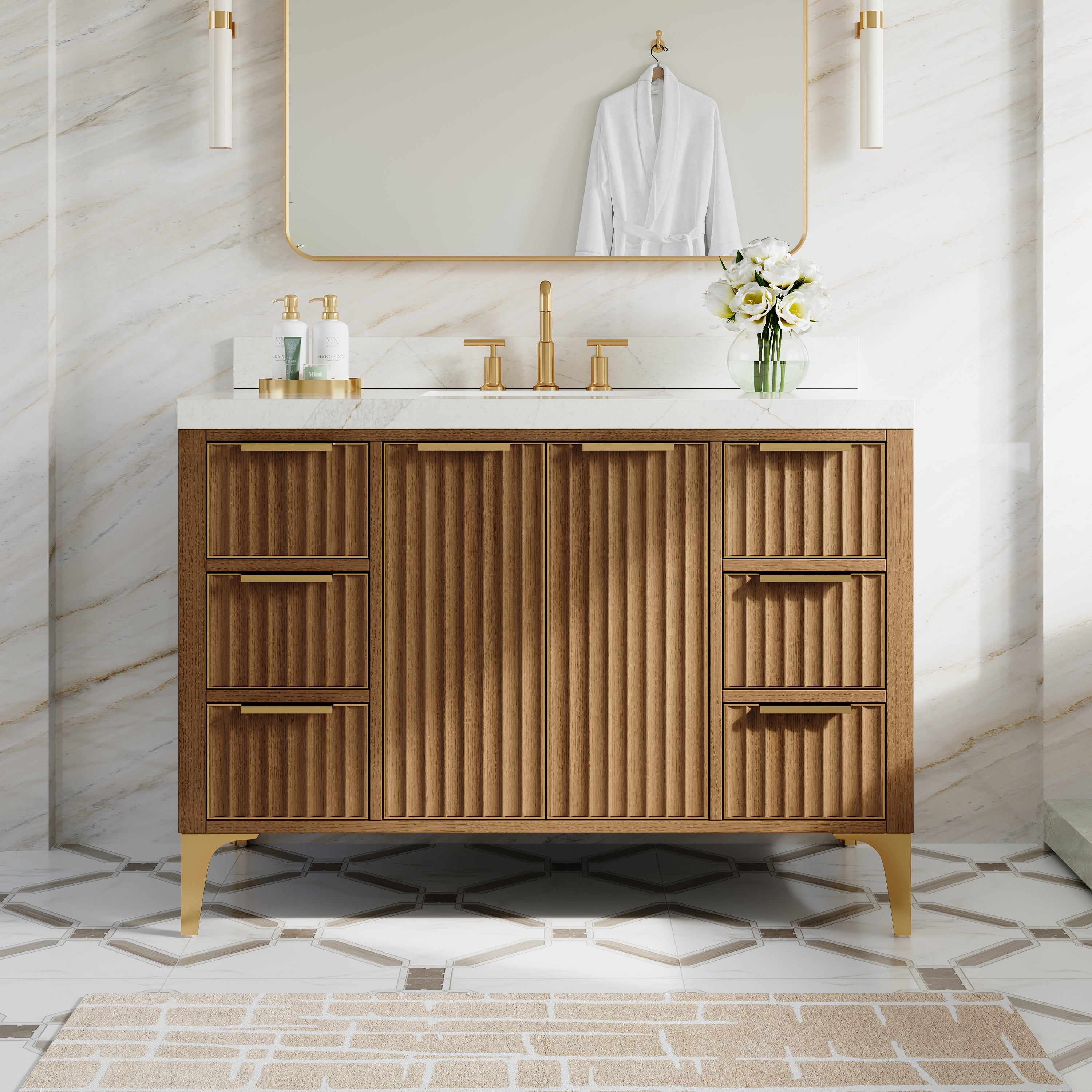
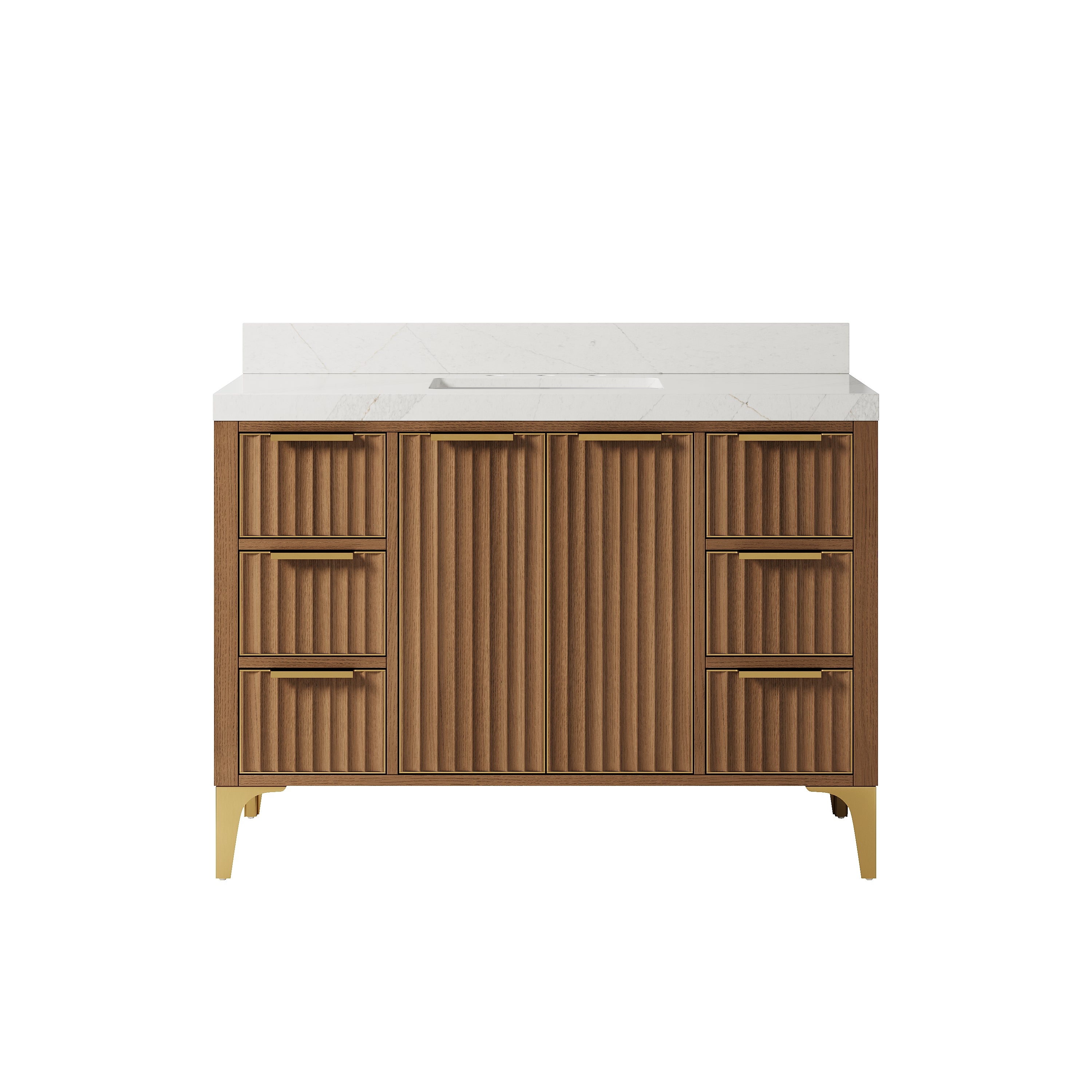


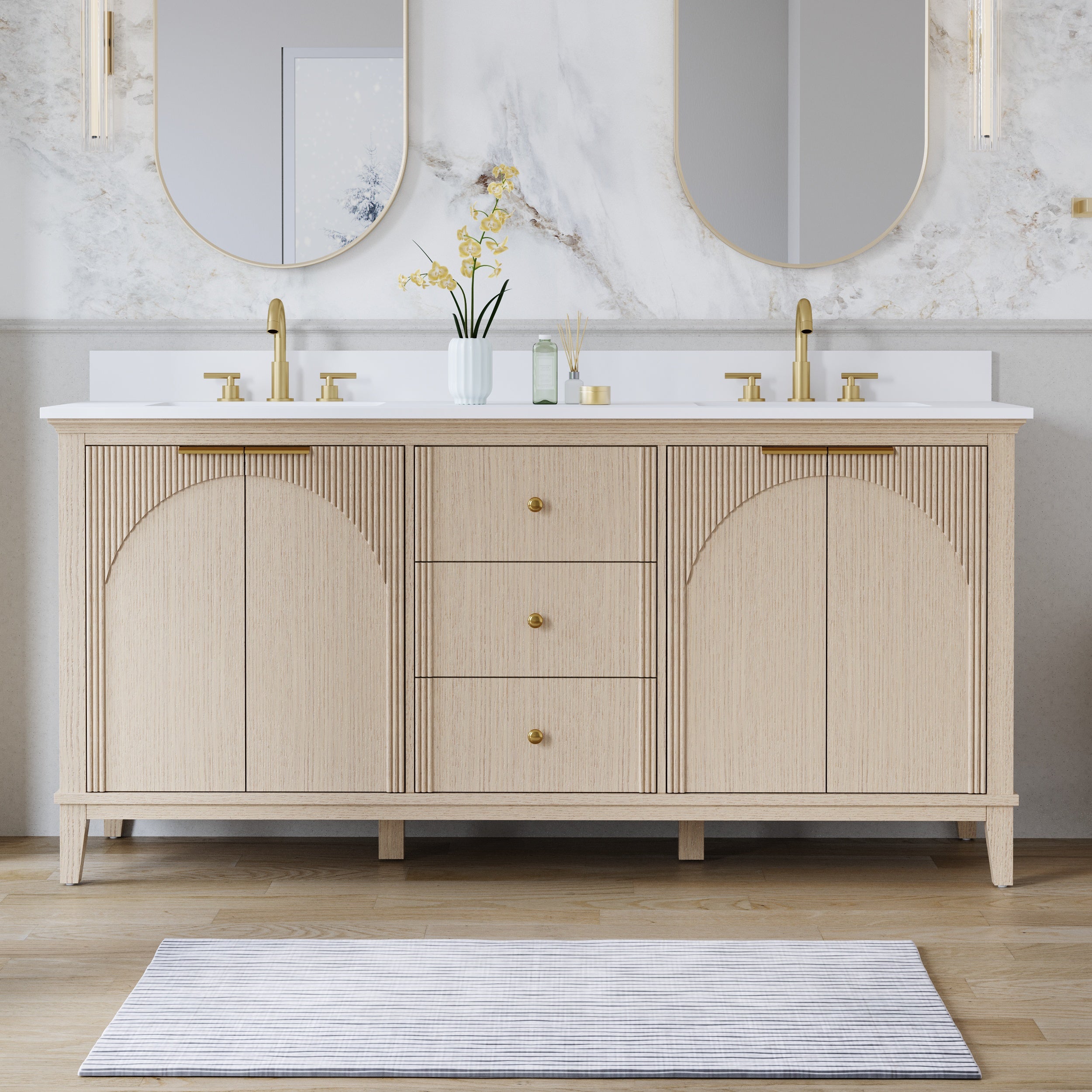
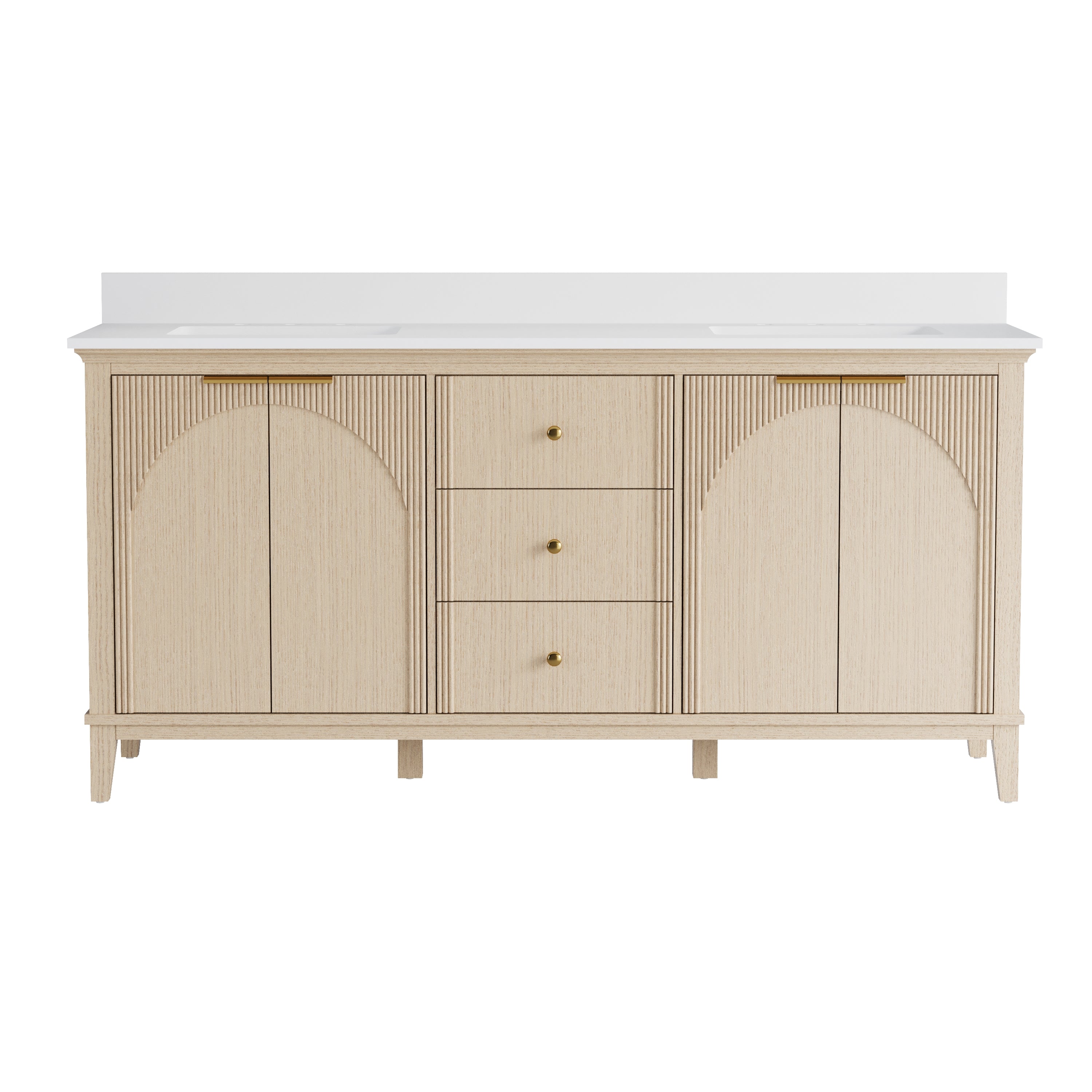
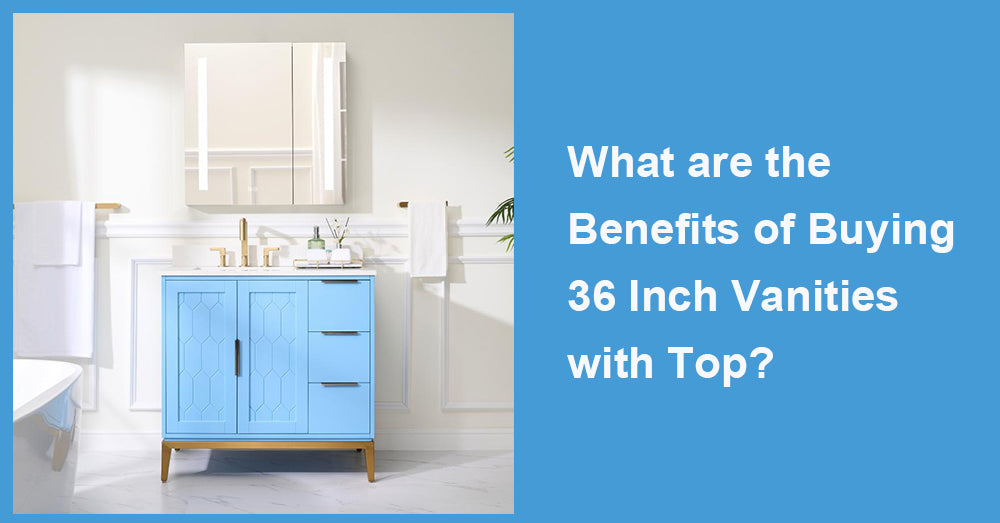
For homeowners planning a compact bathroom upgrade, 36-inch vanities with top offer a practical balance of countertop space, storage, and installation convenience. The size is generous enough for a comfortable sink area but restrained enough for many guest bathrooms, hall bathrooms, and smaller primary suites. When the countertop and sink are included, buyers also avoid several compatibility decisions that can delay a remodeling project. The result is a coordinated vanity package that is easier to compare, order, and install.
Bathroom renovation data supports the demand for moderately sized fixtures. Nearly half of upgraded vanities, 47%, are 48 inches wide or smaller. This suggests that compact and midsize vanities are not simply compromises for tiny rooms. They are now a central part of practical bathroom planning.
1. A 36-Inch Vanity Fits Many Bathroom Layouts
A 36-inch bathroom vanity occupies the useful middle ground between a narrow powder-room cabinet and a large double-sink model. A 24-inch vanity may feel restrictive when toiletries, hand towels, and grooming products must share the counter. A 48-inch model offers more storage, but it may reduce the walkway or crowd nearby fixtures.
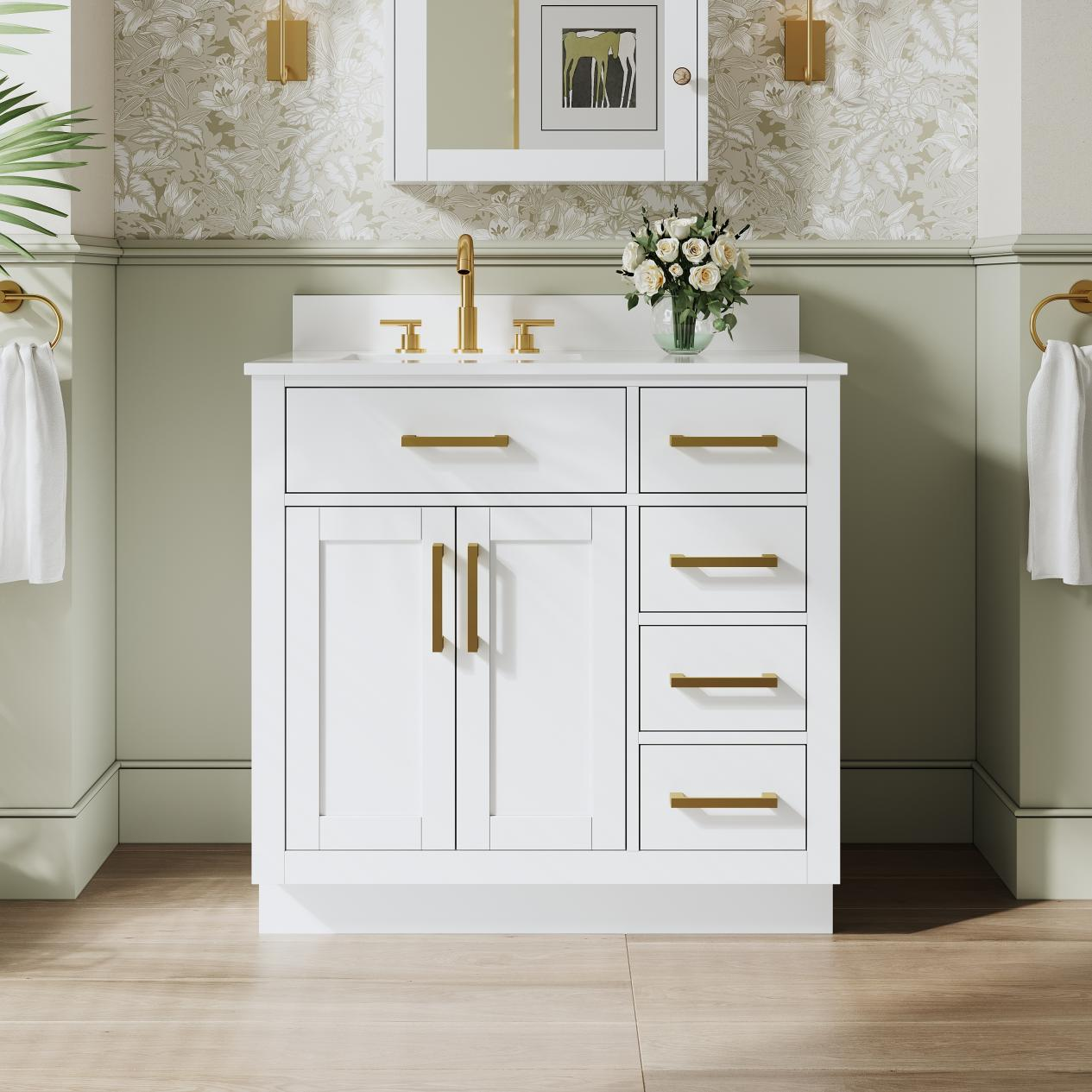
At 36 inches wide, the vanity usually provides enough room for a standard single sink, usable counter space on both sides, and enclosed storage below. Most complete units are approximately 21 to 22 inches deep, although buyers should confirm the exact cabinet and countertop dimensions before ordering.
This width can work especially well in bathrooms where the vanity shares a wall with a toilet, shower entrance, linen cabinet, or swinging door. It also gives designers more freedom to use a larger mirror or side lighting without making the entire vanity zone feel oversized.
Industry judgment: a 36-inch vanity is often the safest specification when the room needs better function but cannot comfortably support a 48-inch cabinet.
2. An Included Top Simplifies Product Selection
Buying the cabinet, countertop, and sink separately creates several technical decisions. The countertop must match the vanity width and depth, the sink cutout must suit the selected basin, and the faucet holes must support the intended fixture.
A vanity with top reduces those coordination risks. The manufacturer has already matched the countertop to the cabinet and prepared the sink opening. Many packages also include an attached or integrated basin, which removes another purchasing step.
This matters because faucets, countertops, and sinks are among the most frequently upgraded bathroom features. Recent renovation findings show that 87% of projects replace faucets, 76% update countertops, and 73% upgrade sinks. Choosing these elements as a coordinated package can streamline one of the most decision-heavy areas of a bathroom project.
Industry judgment: the strongest value of a vanity set is not merely a lower product count. It is the reduction of compatibility mistakes.
3. The Complete Package Can Control Project Costs
A vanity cabinet may appear affordable until the cost of a separate countertop, sink, fabrication, delivery, and installation is added. Buying a complete 36-inch bathroom vanity with top makes the total material cost easier to understand before work begins.
Predrilled faucet holes and a factory-cut sink opening may also reduce fabrication requirements. Depending on the model, the installer may only need to position the vanity, connect the plumbing, secure the top, and seal the necessary edges.
The savings should not be measured only by the initial price. Incorrect countertop measurements, mismatched sink cutouts, and delayed components can create additional labor and rescheduling costs.
Bathroom remodeling remains a meaningful investment. The median spend for major remodels of primary bathrooms smaller than 100 square feet reached $17,000, a 13% increase from the previous year. In that context, selecting coordinated products can help protect the budget from avoidable changes.
Industry judgment: complete vanity packages are most valuable when they improve cost predictability, not simply when they carry the lowest price.
4. Thirty-Six Inches Provides More Useful Storage
A well-designed 36-inch vanity can hold daily bathroom essentials without dominating the room. Compared with narrower cabinets, it has more flexibility for drawers, doors, adjustable shelves, and plumbing clearance.
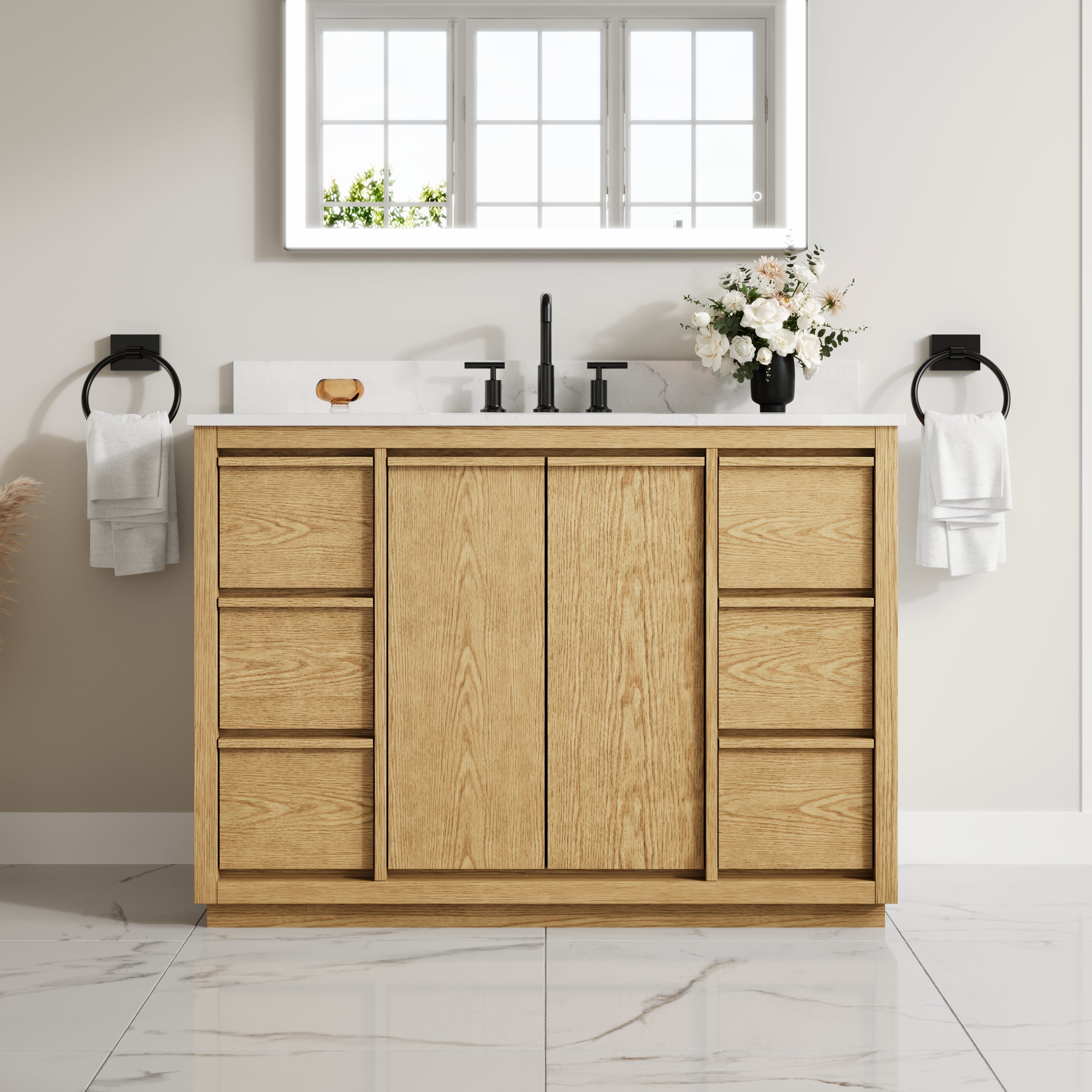
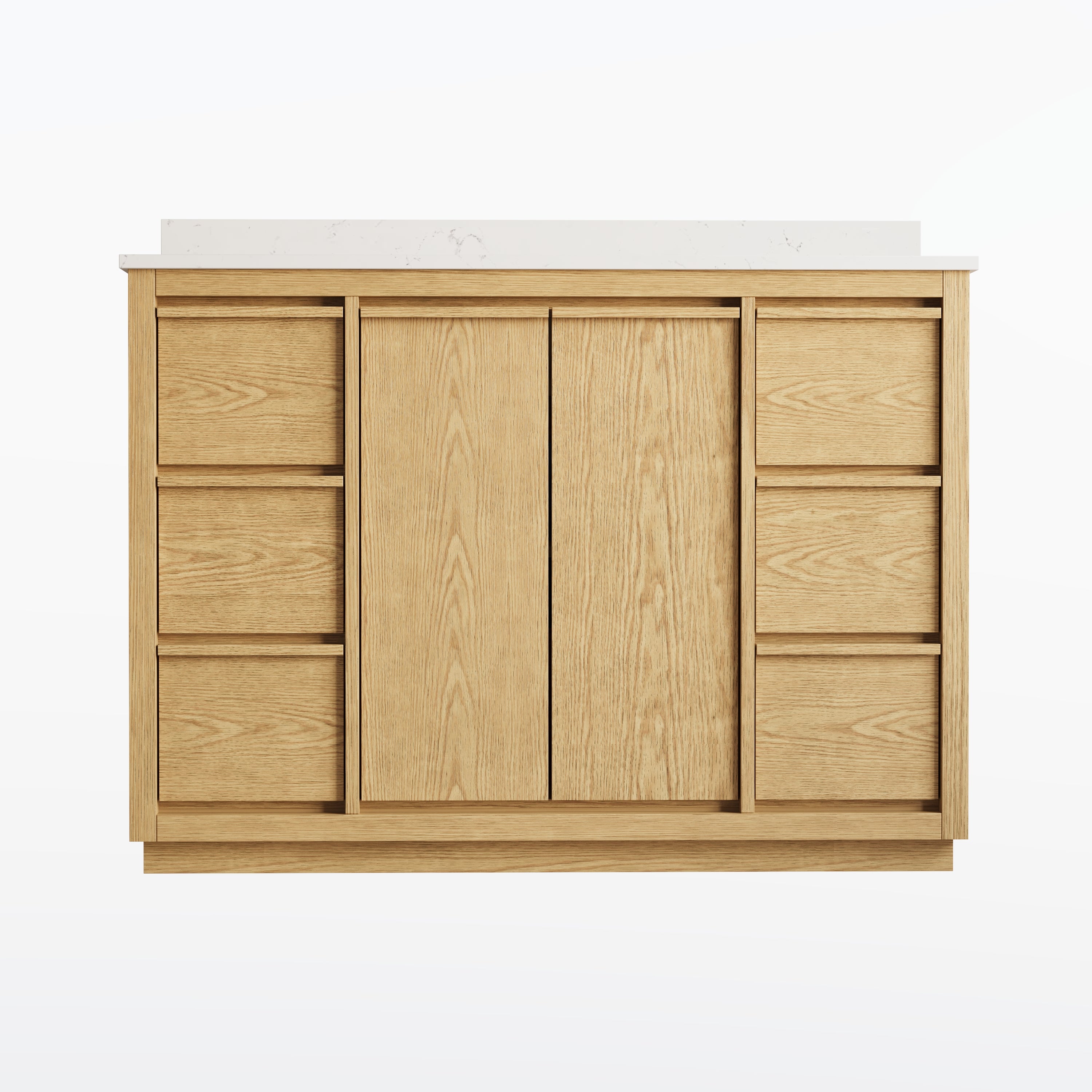
Drawers are particularly useful for cosmetics, grooming tools, and smaller toiletries that disappear inside deep cabinets. Door storage can accommodate taller bottles, cleaning supplies, or extra tissue. Some designs combine a central sink cabinet with side drawers, while others use wide drawers shaped around the plumbing.
The industry is placing greater emphasis on storage quality. NKBA research based on feedback from 500 design and remodeling professionals identifies ample, elegant storage within easy reach as a key direction in bathroom planning.
Soft-close construction can add further value. Earlier Houzz findings showed that soft-close drawers and doors were selected in 78% and 75% of upgraded vanities, respectively.
Industry judgment: storage configuration matters more than the number of doors. Buyers should study drawer depth and plumbing placement before comparing decorative details.

5. A Coordinated Top Creates a More Finished Look
A factory-matched top gives the vanity a cleaner, more intentional appearance. Countertop overhangs, sink placement, and cabinet proportions have already been considered as one design.
White and off-white tops remain especially versatile because they coordinate with natural wood, blue, green, black, gray, and painted white cabinets. White is used for 48% of upgraded vanity countertops, while off-white accounts for another 20%. Engineered quartz leads countertop materials at 45%.
For a 36-inch cabinet, restrained veining often looks more proportionate than a dramatic large-scale pattern. A highly active surface can overwhelm the limited countertop area, particularly when paired with patterned flooring or wall tile.
An undermount or integrated sink can further simplify the appearance and make the surface easier to wipe down. Vessel sinks create a stronger visual statement, but they reduce open counter space and require careful faucet-height planning.
Industry judgment: on a midsize vanity, visual consistency usually creates more perceived value than excessive decorative detail.
6. The Size Supports Flexible Mirror and Lighting Choices
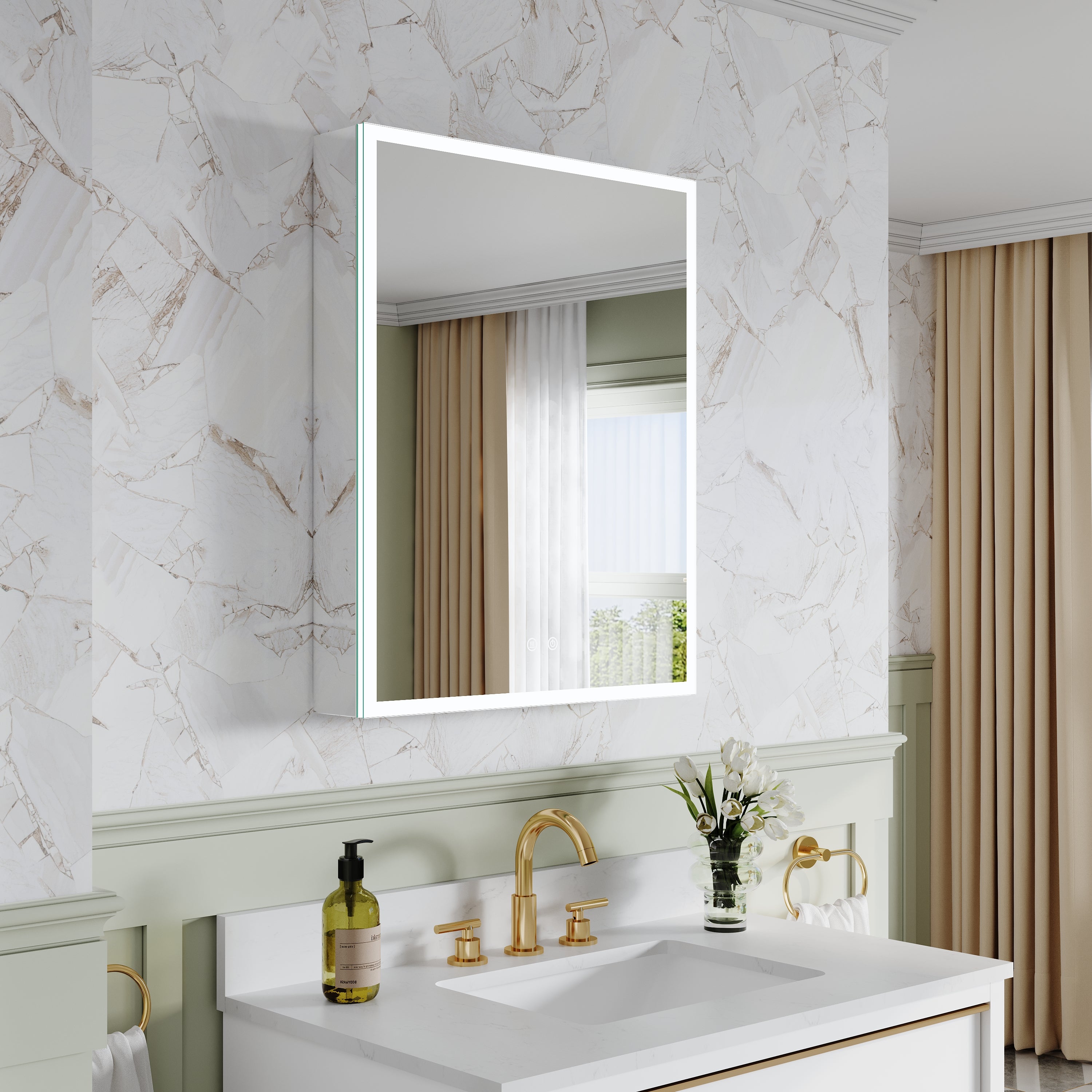
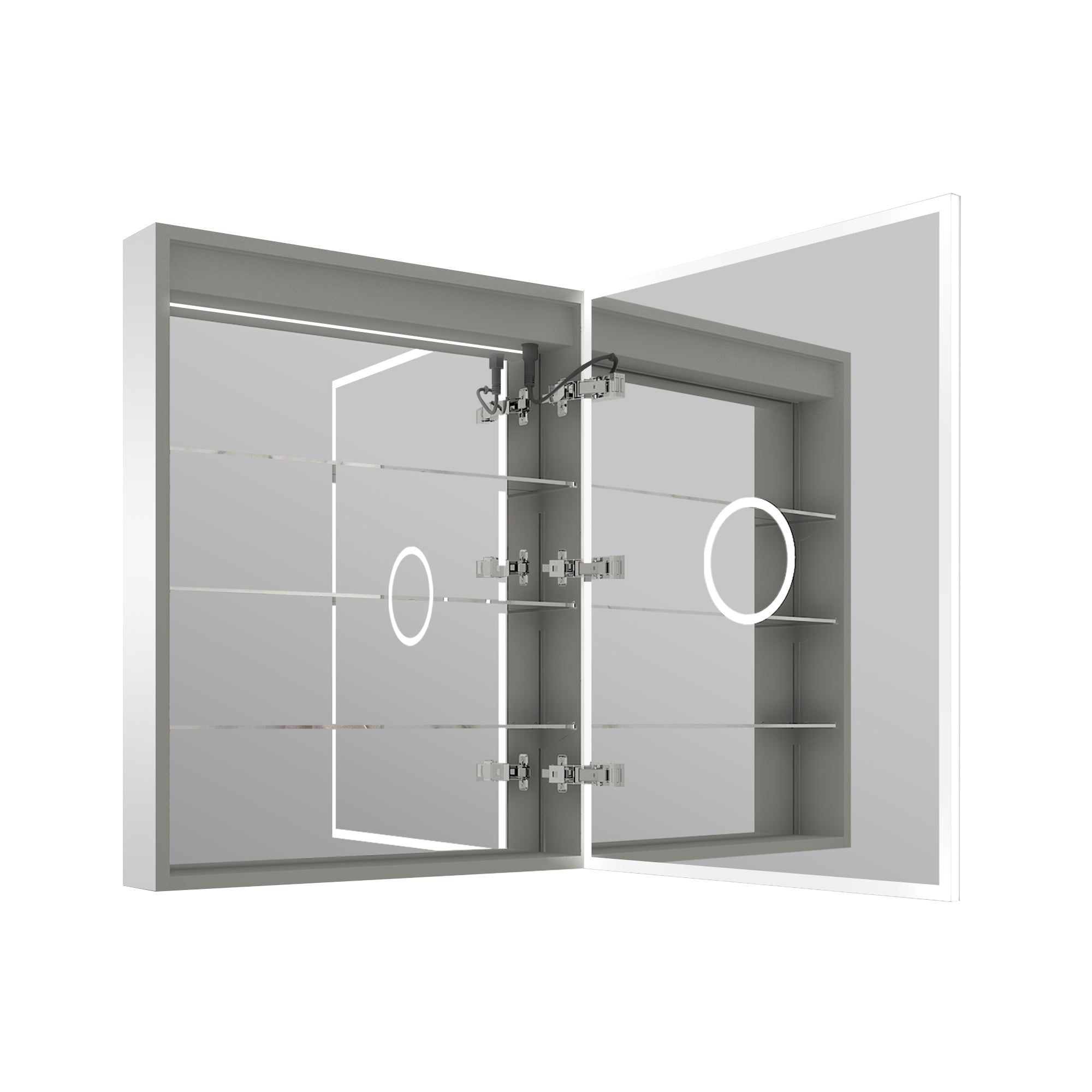
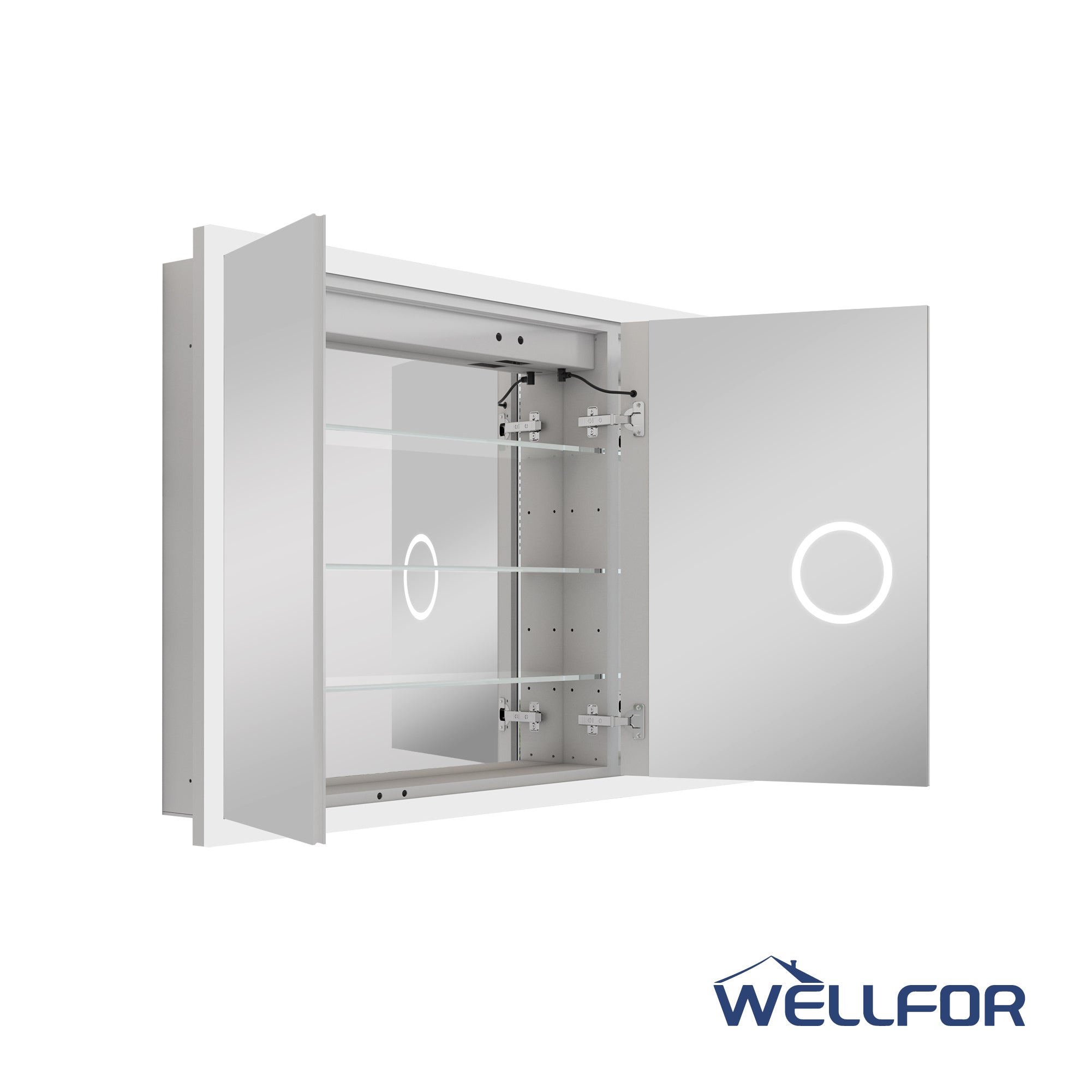
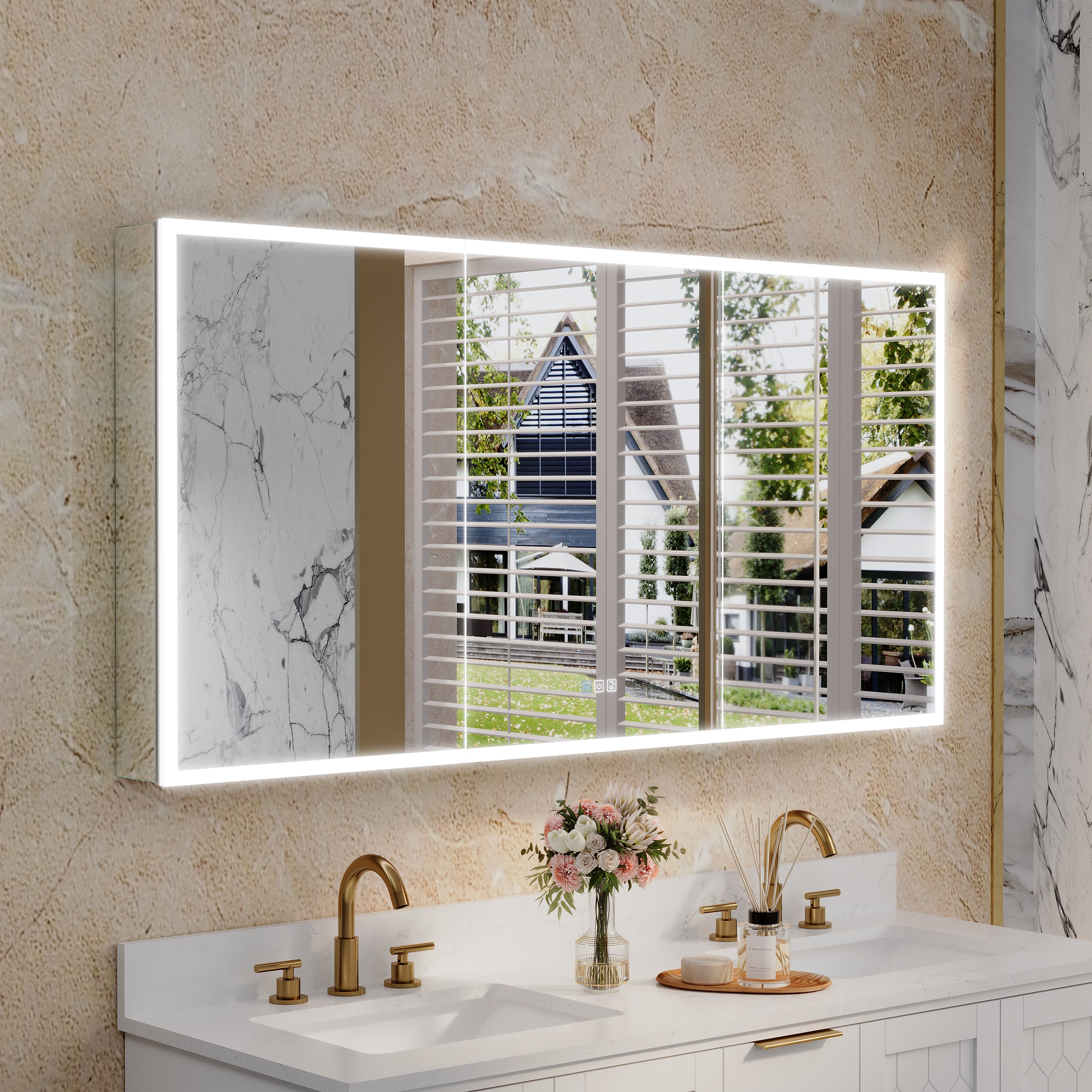
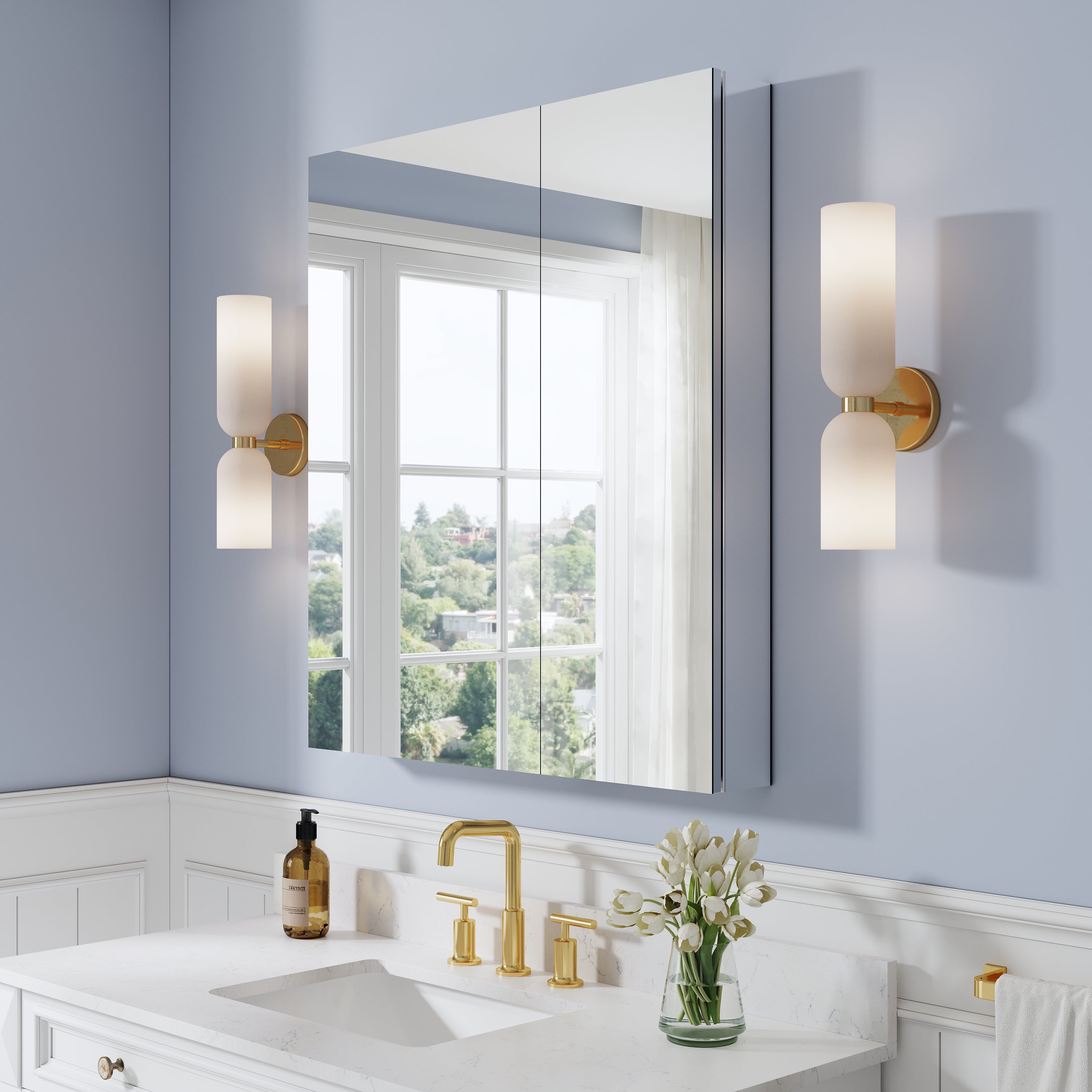
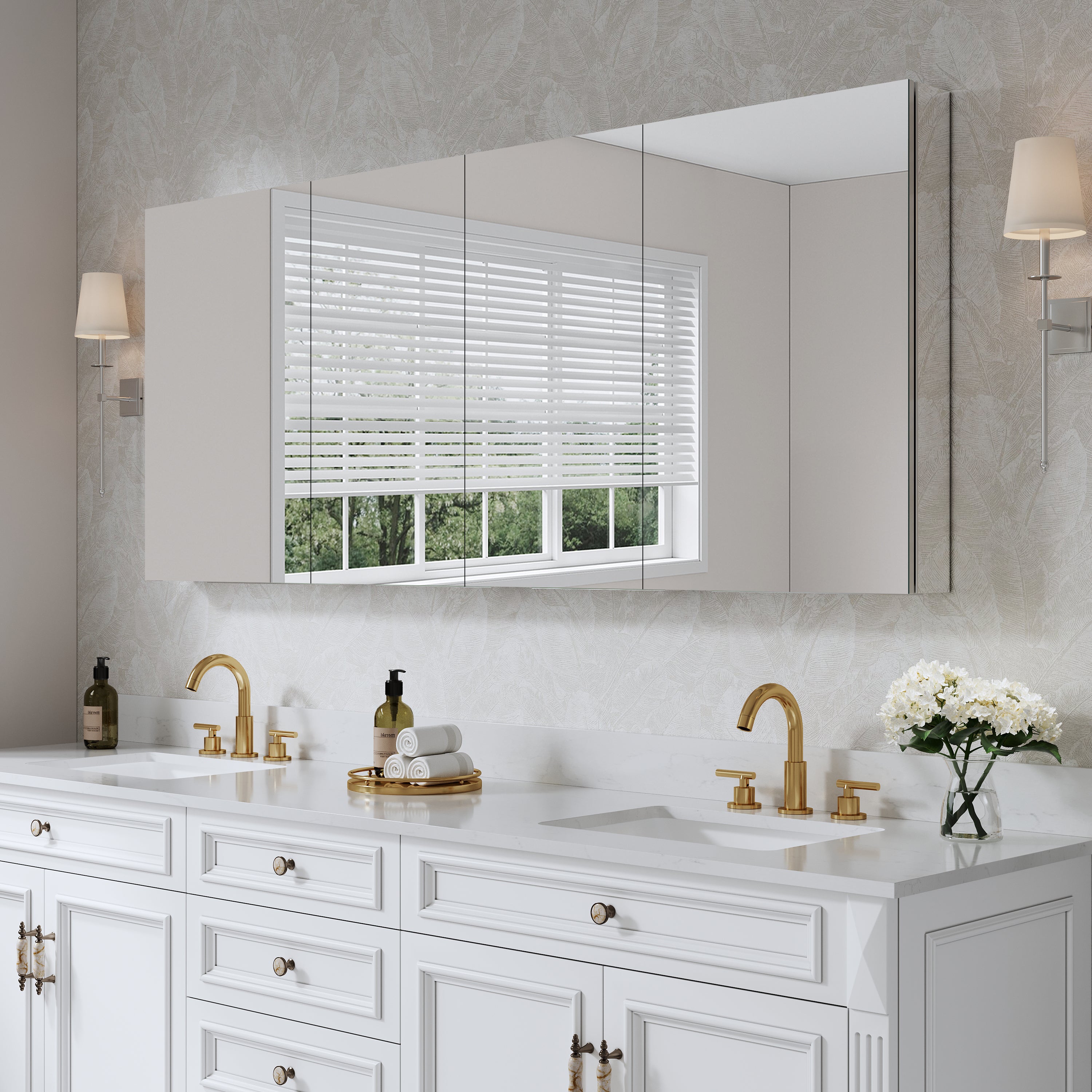
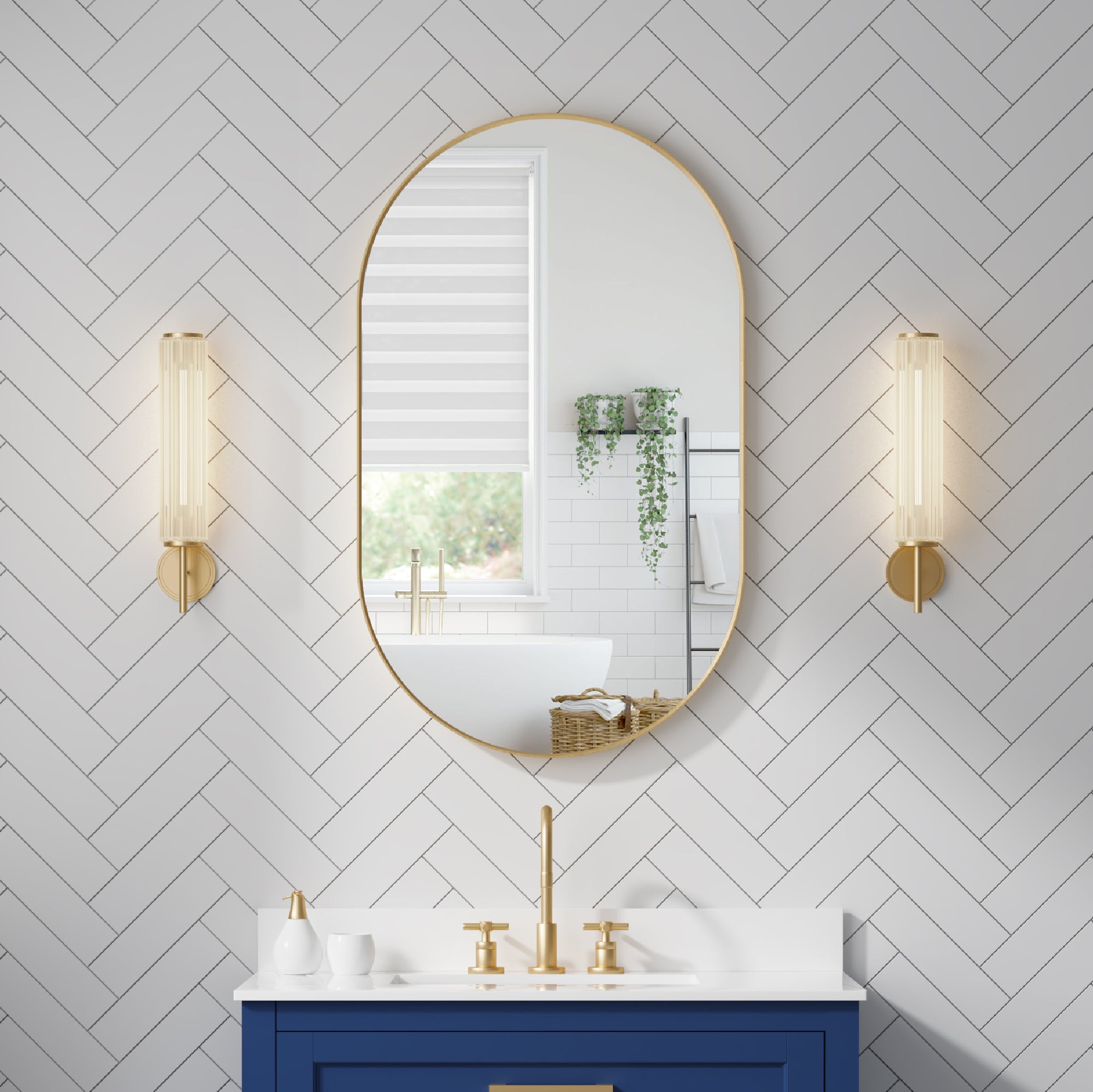
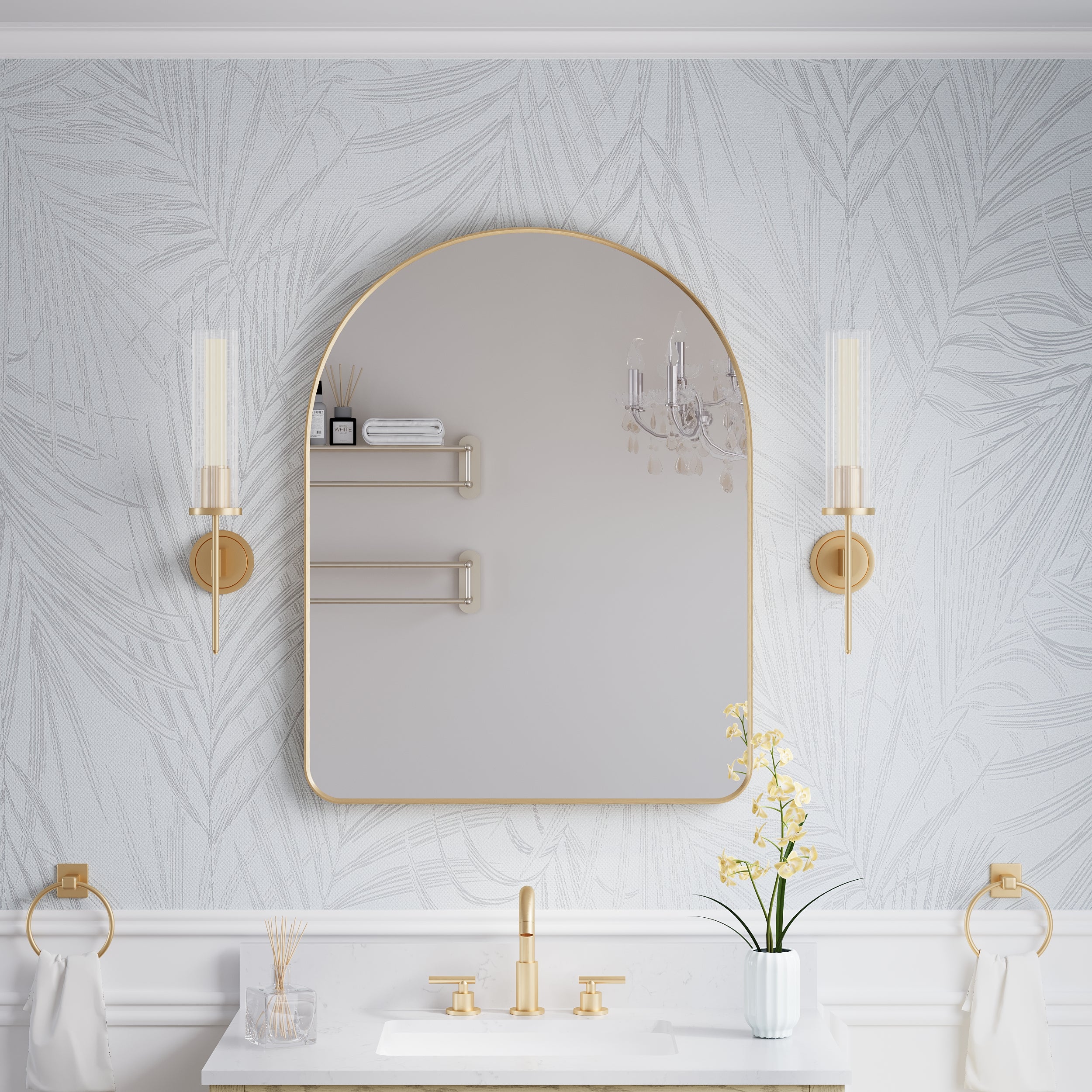
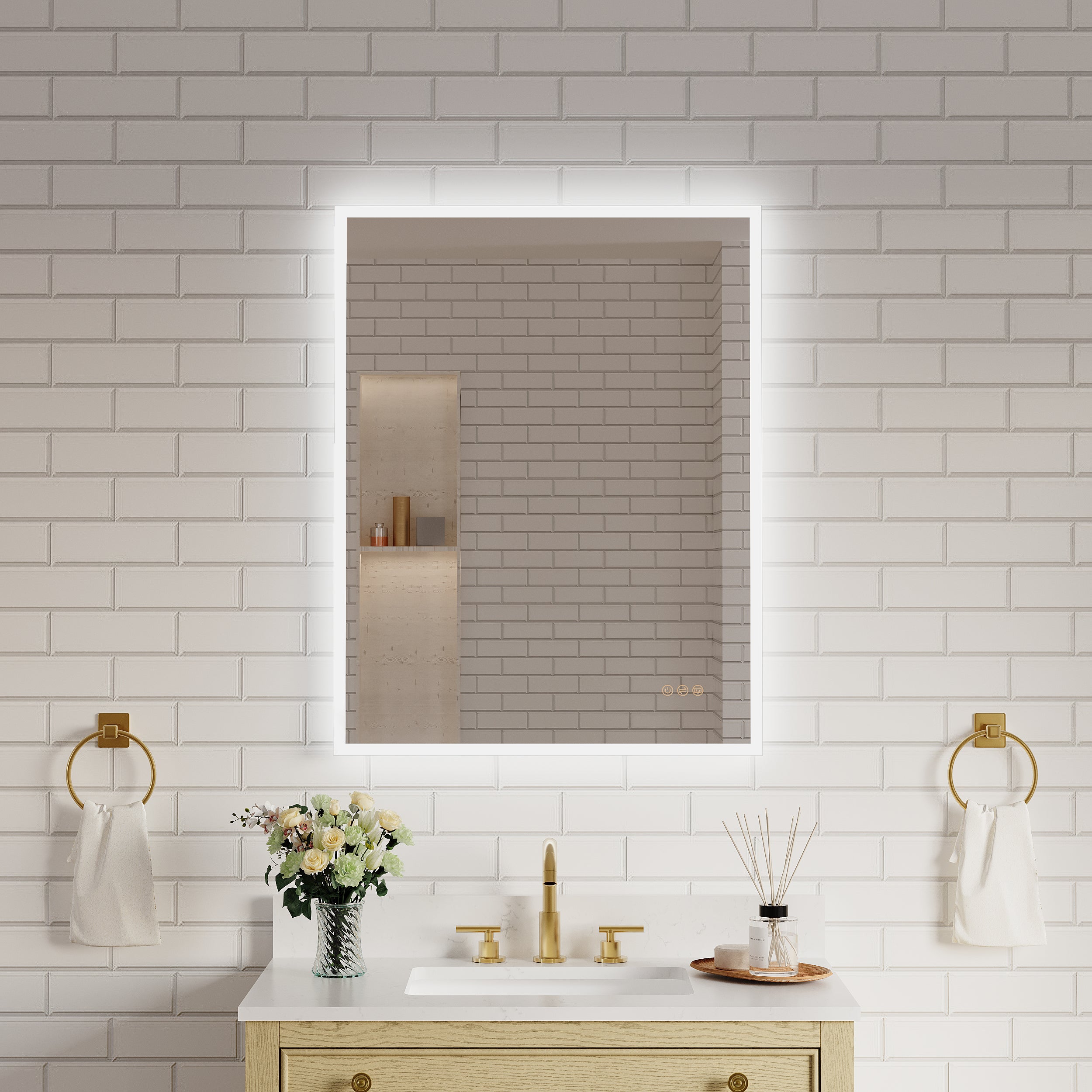
A 36-inch vanity works with several mirror arrangements. A mirror around 28 to 34 inches wide can leave a narrow visual border on each side, helping the wall feel balanced. A 36-inch-wide mirror creates a more continuous vanity zone, while a medicine cabinet can add storage without increasing the cabinet footprint.
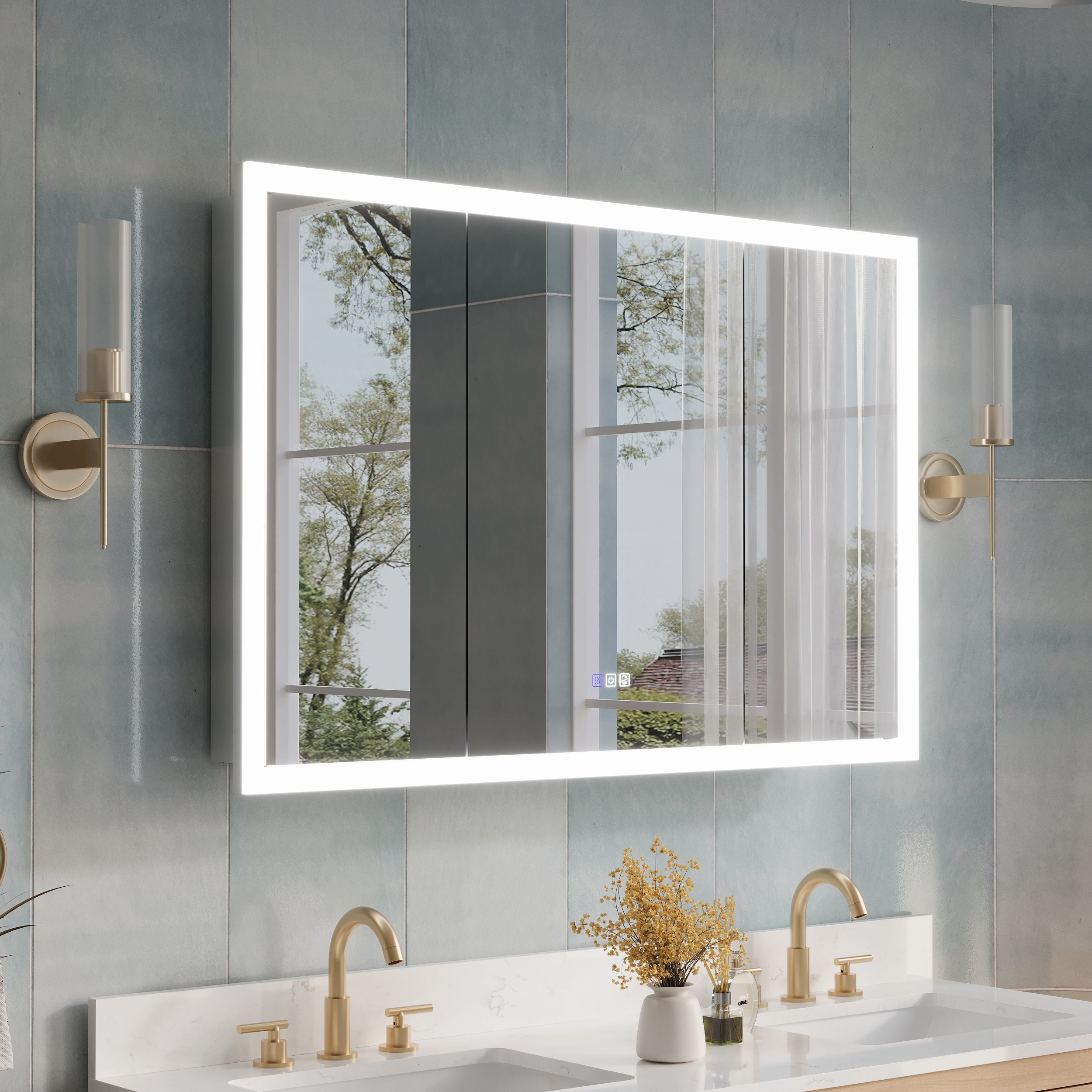
The width may also leave enough wall space for slim sconces, depending on the bathroom layout. Side lighting can reduce facial shadows, while a lighted mirror offers a practical alternative when the wall is too narrow for separate fixtures.
Lighting deserves attention because 82% of renovating homeowners upgrade bathroom lighting. In addition, NKBA research highlights varied lighting designed for different needs as an important direction in bathroom design.
Industry judgment: a 36-inch vanity is wide enough to create a defined focal area but compact enough to preserve flexibility around the mirror.
7. Complete Vanities Make Style Coordination Easier
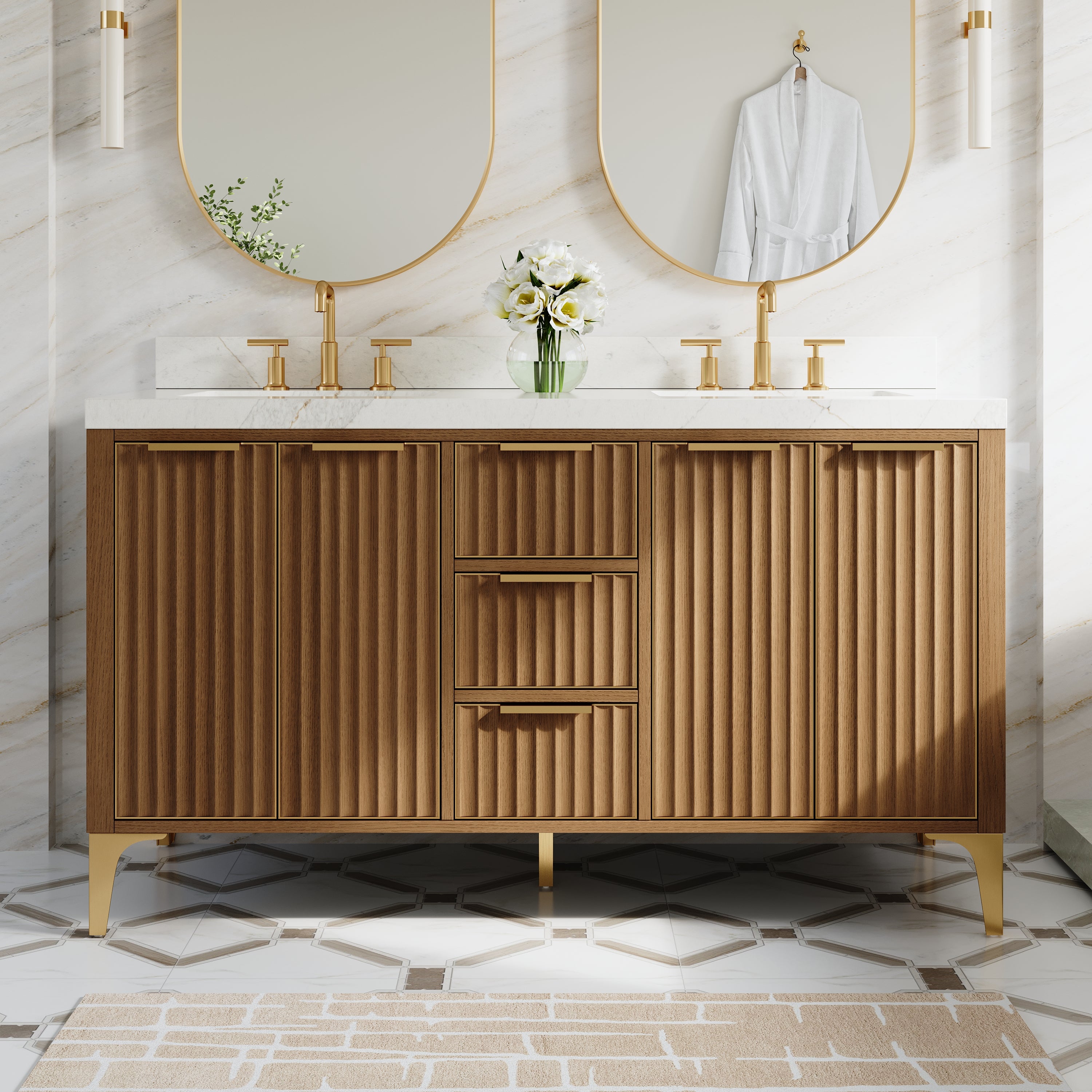
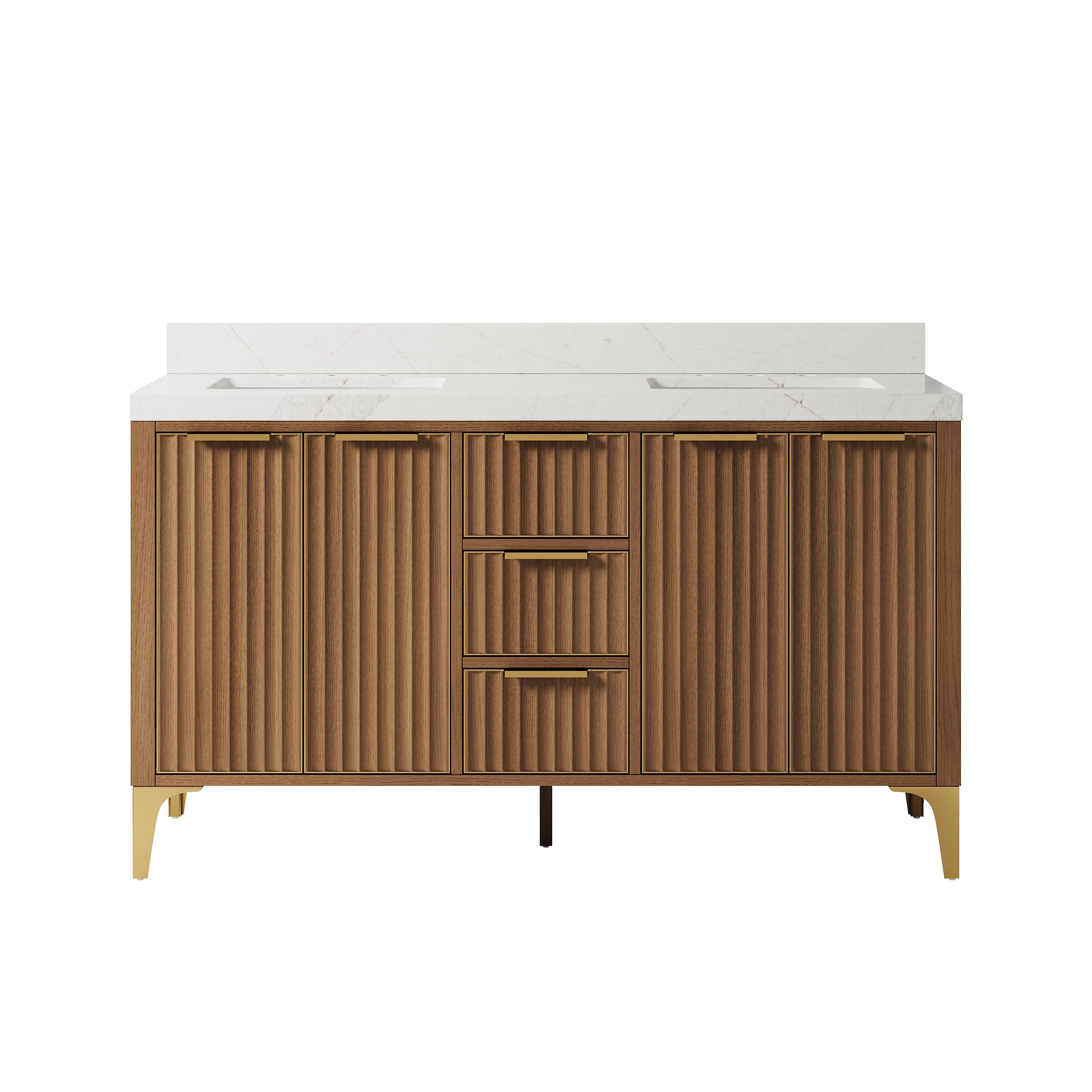
Vanity packages are available in modern, transitional, traditional, farmhouse, and organic-inspired designs. Buyers can compare the cabinet color, countertop, sink shape, and hardware as a complete composition rather than imagining how separate parts might look together.
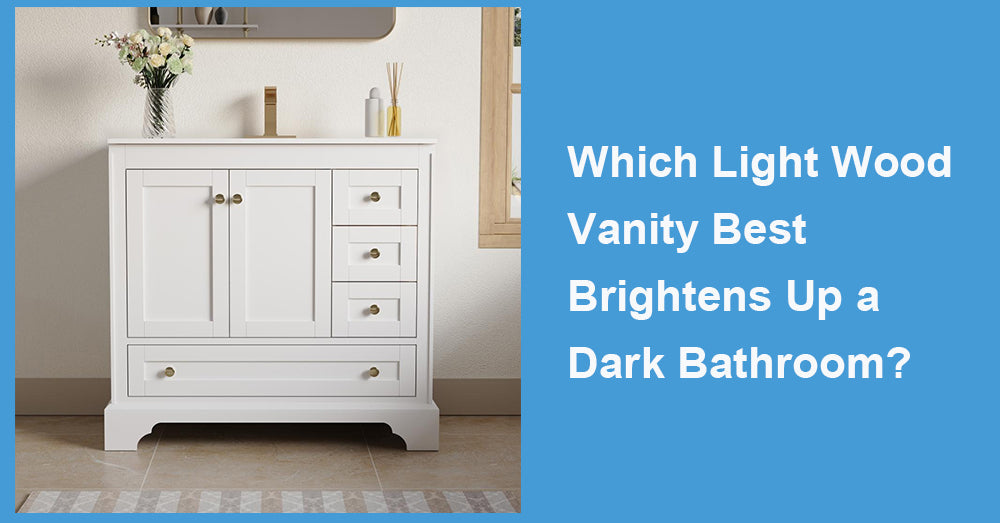
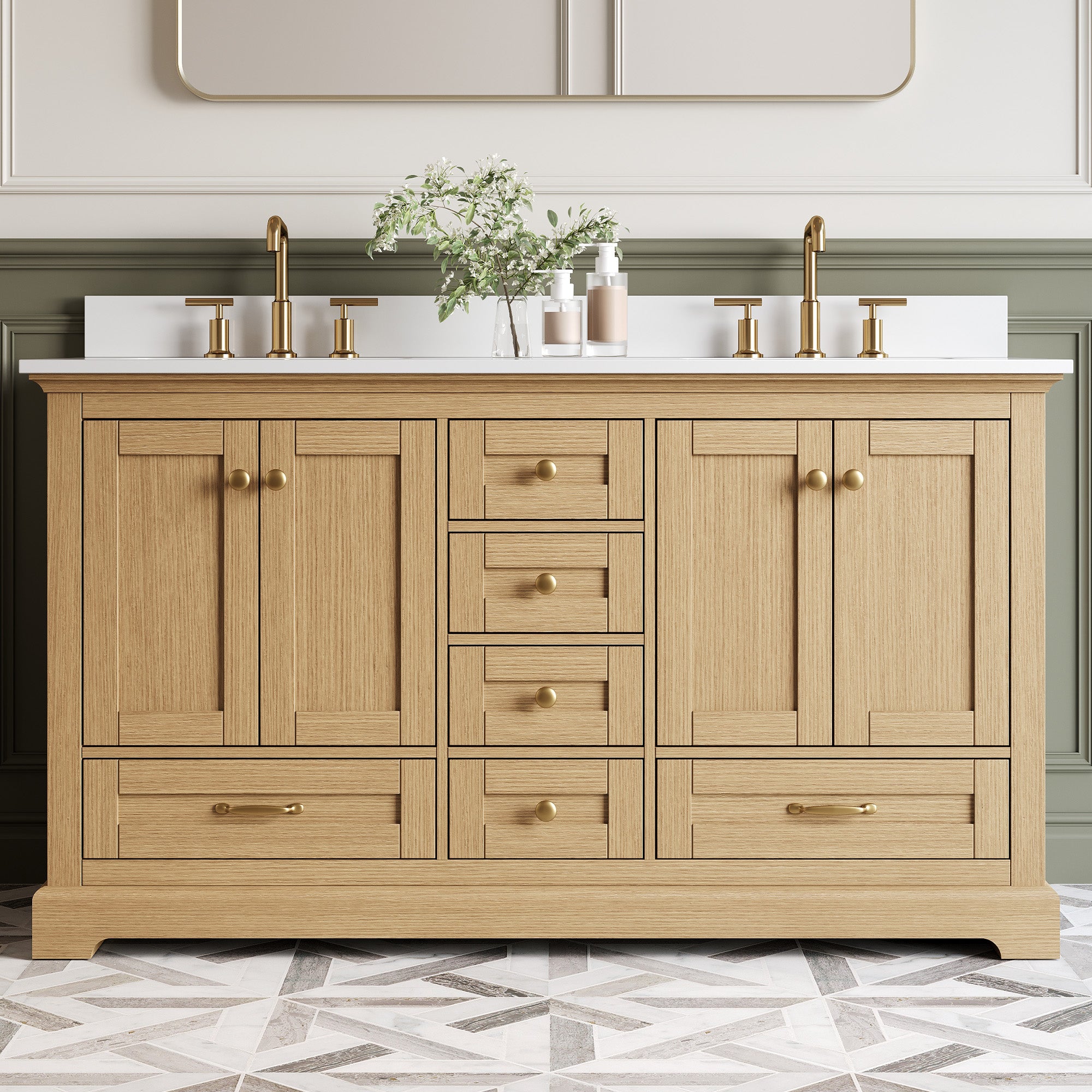
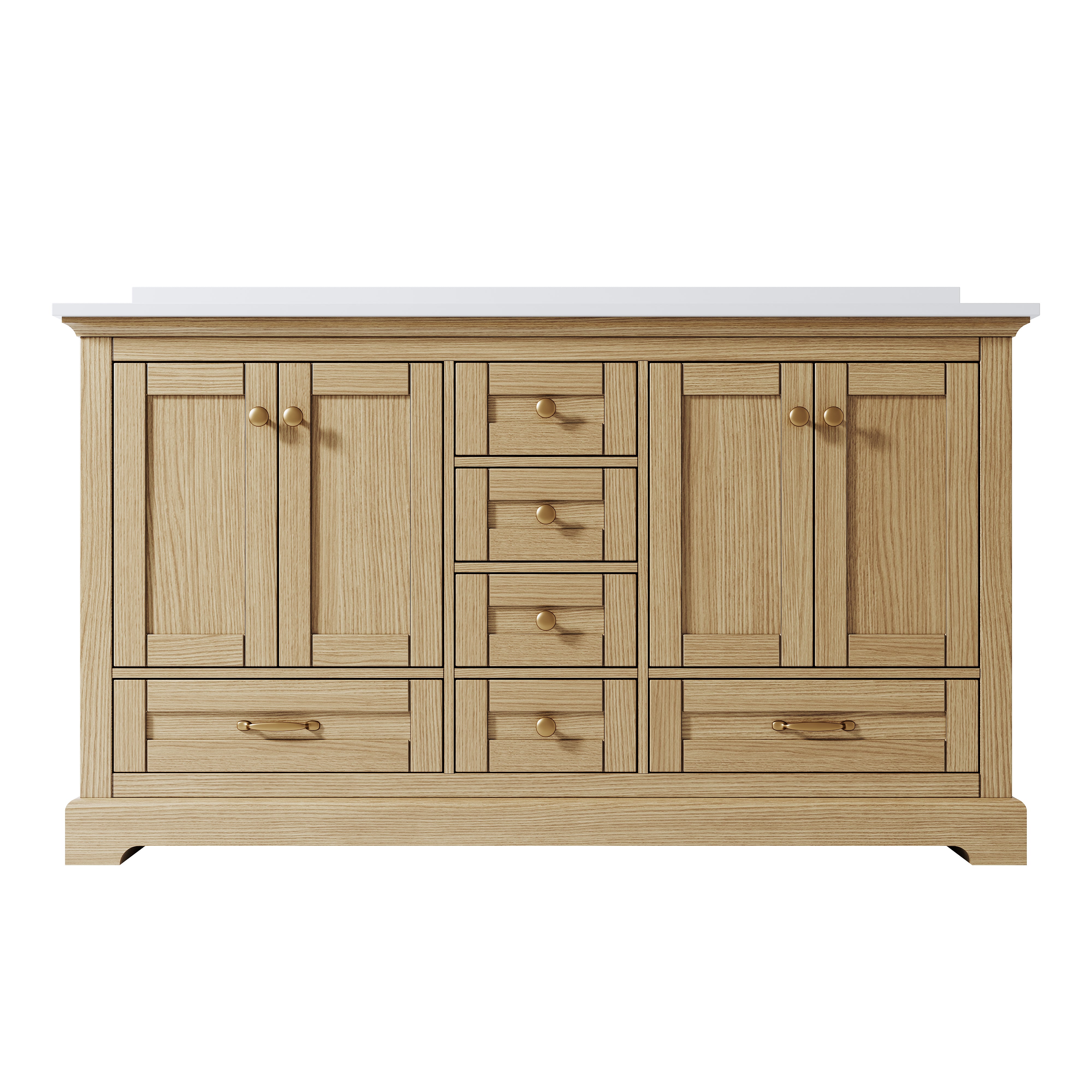
Natural wood and painted finishes can both work at this size. Light oak makes a compact bathroom feel warm and open. Navy or green adds character without covering an entire wall. White remains adaptable, while black creates a stronger focal point when the room has sufficient light.
For long-term flexibility, simple Shaker or flat-panel doors are often easier to coordinate with future mirror, faucet, and lighting changes. Current renovation data shows Shaker fronts leading at 49%, followed by flat-panel designs at 26%.
Industry judgment: the best-selling 36-inch vanities will increasingly combine recognizable cabinet styling with countertops that are neutral enough for broad project use.
8. Buyers Can Add Water-Efficient Fixtures
Many vanity tops are predrilled for a single-hole, 4-inch centerset, or 8-inch widespread faucet. Confirming the drilling pattern before purchase allows buyers to choose a compatible fixture immediately.
A WaterSense-labeled bathroom faucet can improve the efficiency of the finished vanity. These faucets use no more than 1.5 gallons per minute and can reduce flow by at least 30% compared with the standard rate of 2.2 gallons per minute without sacrificing performance.
The faucet finish can then be repeated on cabinet hardware, lighting, towel accessories, or shower trim. This small amount of repetition helps an affordable vanity package feel more fully designed.
Industry judgment: efficiency features are most persuasive when they are paired with clear performance benefits and simple installation compatibility.
9. What Should Buyers Check Before Ordering?
A complete package reduces decisions, but it does not eliminate the need for accurate planning. Confirm the full countertop width, cabinet depth, assembled height, plumbing location, sink dimensions, and faucet-hole configuration.
Measure baseboards and door trim as well as the open wall. A product described as 36 inches may have a countertop that extends slightly beyond the cabinet. Check whether the backsplash is included and whether side splashes are available when the vanity sits against a corner.
Buyers should also review whether the top arrives attached. An attached top may speed installation, while a separately packed top can make the vanity easier to carry through narrow doorways or upstairs.
Inspect the storage layout in relation to existing drain and supply lines. A drawer-heavy design may require plumbing adjustments, while an open-door cabinet may provide more installation flexibility.
10. Conclusion
The main benefits of buying 36-inch vanities with a top are efficient sizing, coordinated design, easier budgeting, reduced compatibility risk, and useful storage. The width works well in many full bathrooms without demanding the wall space of a larger vanity, while the included countertop and sink simplify one of the most complicated parts of product selection.
The best choice will combine a durable cabinet, practical drawer placement, a low-maintenance countertop, compatible faucet drilling, and clearly documented dimensions. Buyers should measure the room carefully and compare the complete specifications rather than relying only on the advertised width.
For brands and retailers, the 36-inch category offers strong conversion potential because it addresses both space limitations and the demand for a more complete remodeling solution. A thoughtfully packaged vanity does more than fill an empty wall. It helps customers move from product research to installation with fewer uncertainties.













Leave a comment
This site is protected by hCaptcha and the hCaptcha Privacy Policy and Terms of Service apply.