
















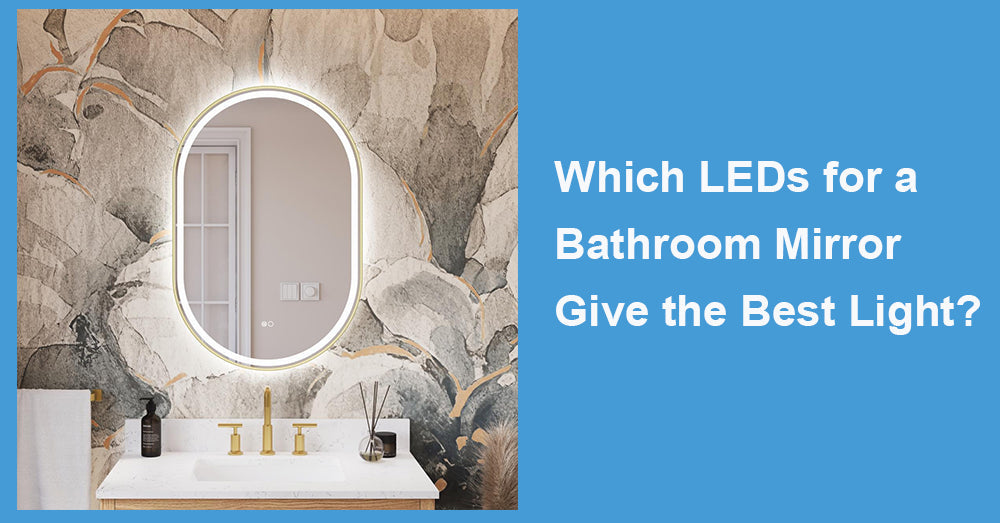
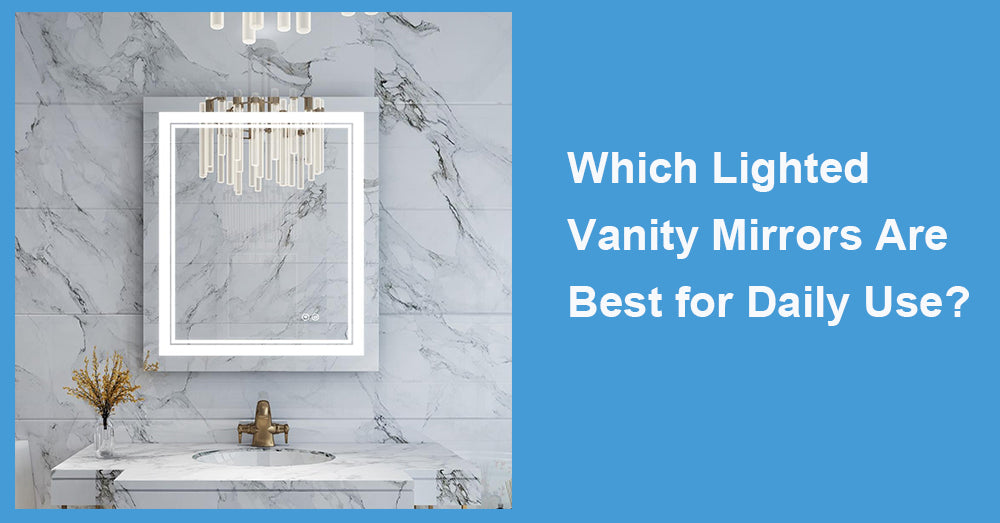
In modern bathroom lighting systems, leds for mirror has evolved from a simple auxiliary light source to a core configuration that affects daily experience and spatial quality. With the popularization of integrated mirror lights and intelligent lighting technology, mirror lighting is no longer just about being "bright enough". Still, it is directly related to color accuracy, light uniformity, visual comfort, and long-term energy consumption performance. From an industry perspective, choosing the appropriate LED type and parameters often determines the actual value of use more than the mirror's appearance.
1. Starting from the lighting task: the real demand for mirror lighting
The bathroom mirror's front lighting primarily supports three high-precision tasks: makeup, shaving, and skin care.
Unlike ambient lighting, the core goal of mirror front light is not to enhance overall brightness, but to eliminate facial shadows and restore actual skin color.
Industry research shows that in the facial operation area, the ideal illumination range is concentrated between 500 and 800 lux. When the illuminance is below 400 lux, detail recognition significantly decreases; when it exceeds 900 lux, glare and reflection interference are more likely to occur.
Therefore, LEDs used for mirrors not only need to be "bright enough" but also require stable, uniform, and controllable output.
2. Color temperature selection: Neutral white as the core range for daily use
In mirror lighting systems, color temperature is one of the most critical parameters that affect visual perception and skin tone judgment.
The mainstream application range is concentrated between 3000K and 6000K, among which:
3000K-3500K is relatively warm, more suitable for nighttime relaxation and ambient lighting
4000K-4500K close to natural sunlight, more suitable for daily makeup and shaving
5000K-6000K tends to be cold, emphasizing details but easily magnifying skin blemishes
Industry data shows that in high-frequency bathroom projects, more than 60% of mirror lighting ultimately remains stable in the 4000K-4500K range. This interval achieves a good balance between skin tone restoration, comfort, and clarity.
Therefore, the best solution is often not to fix the color temperature, but to support an adjustable range of 3000K-6000K and allow users to remember standard settings.
3. Color rendering index: determines whether it looks like real skin color or not
Compared to brightness, the color rendering index (CRI) is the primary indicator of the quality of mirror lights.
When the CRI is below 80, the skin tone tends to be grayish or yellowish, and the error in determining the makeup color number is significantly amplified.
Industry standards suggest that the CRI of mirror lighting should be at least 90, and high-end mirror cabinet systems may even raise it to 95 or higher.
Research has shown that increasing the CRI from 80 to over 90 improves facial color recognition accuracy by about 25%, particularly for makeup and fine care.
Therefore, when choosing LED types, priority should be given to "high color rendering LED chips" rather than simply pursuing lumen values.
4. Light distribution method: Front fill light is more critical than backlight
The installation position of the mirror LED directly determines the quality of light efficiency. The current mainstream structure includes three types:
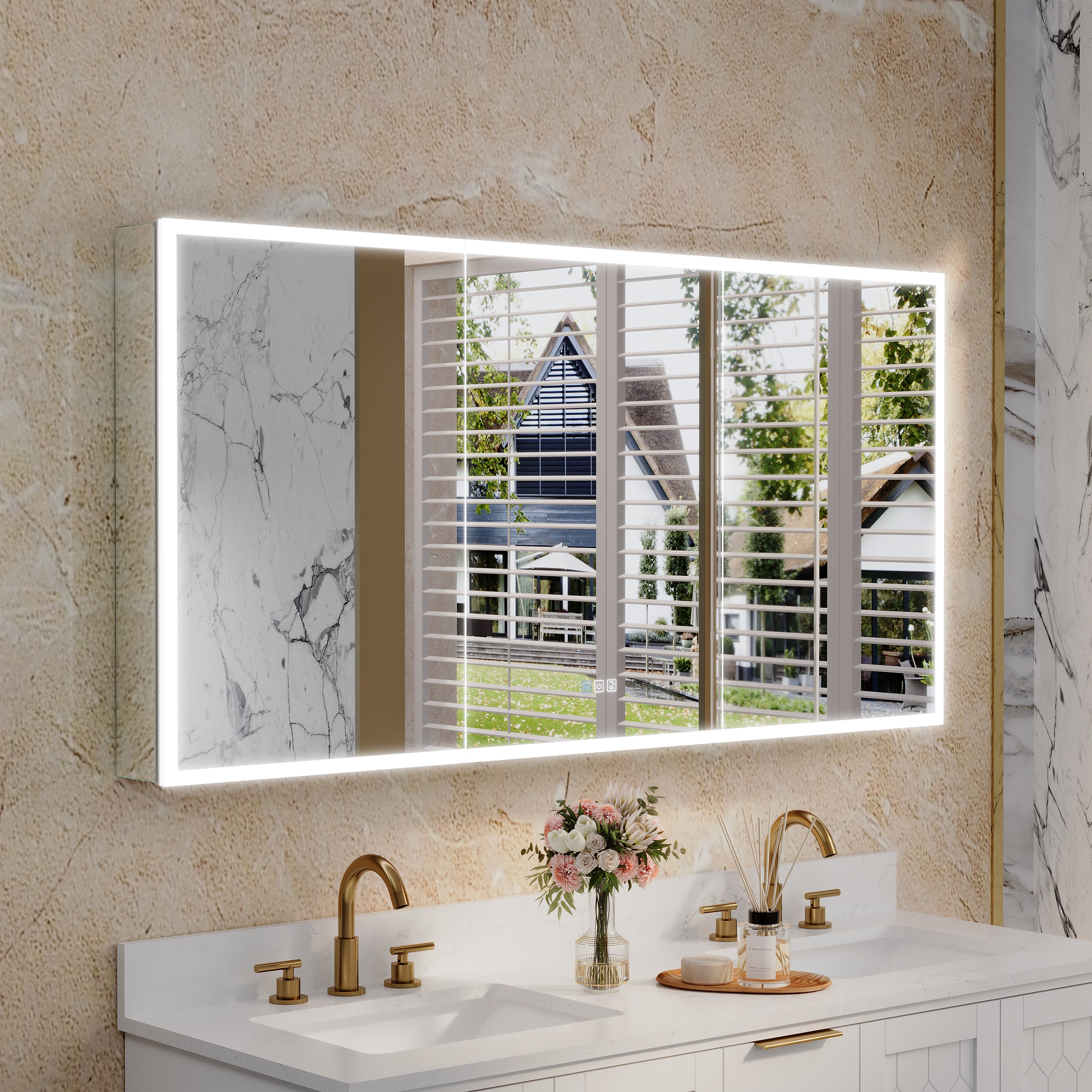
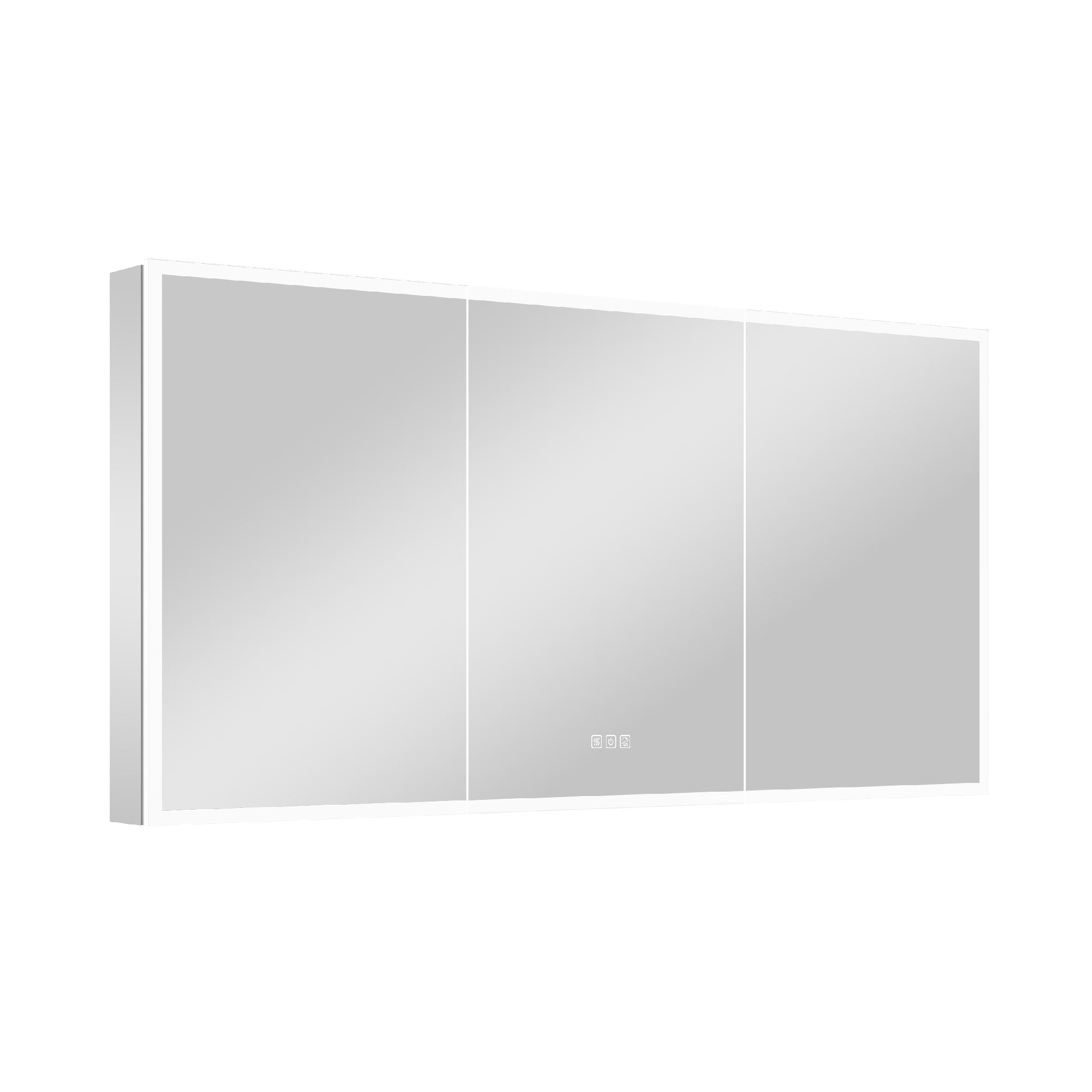
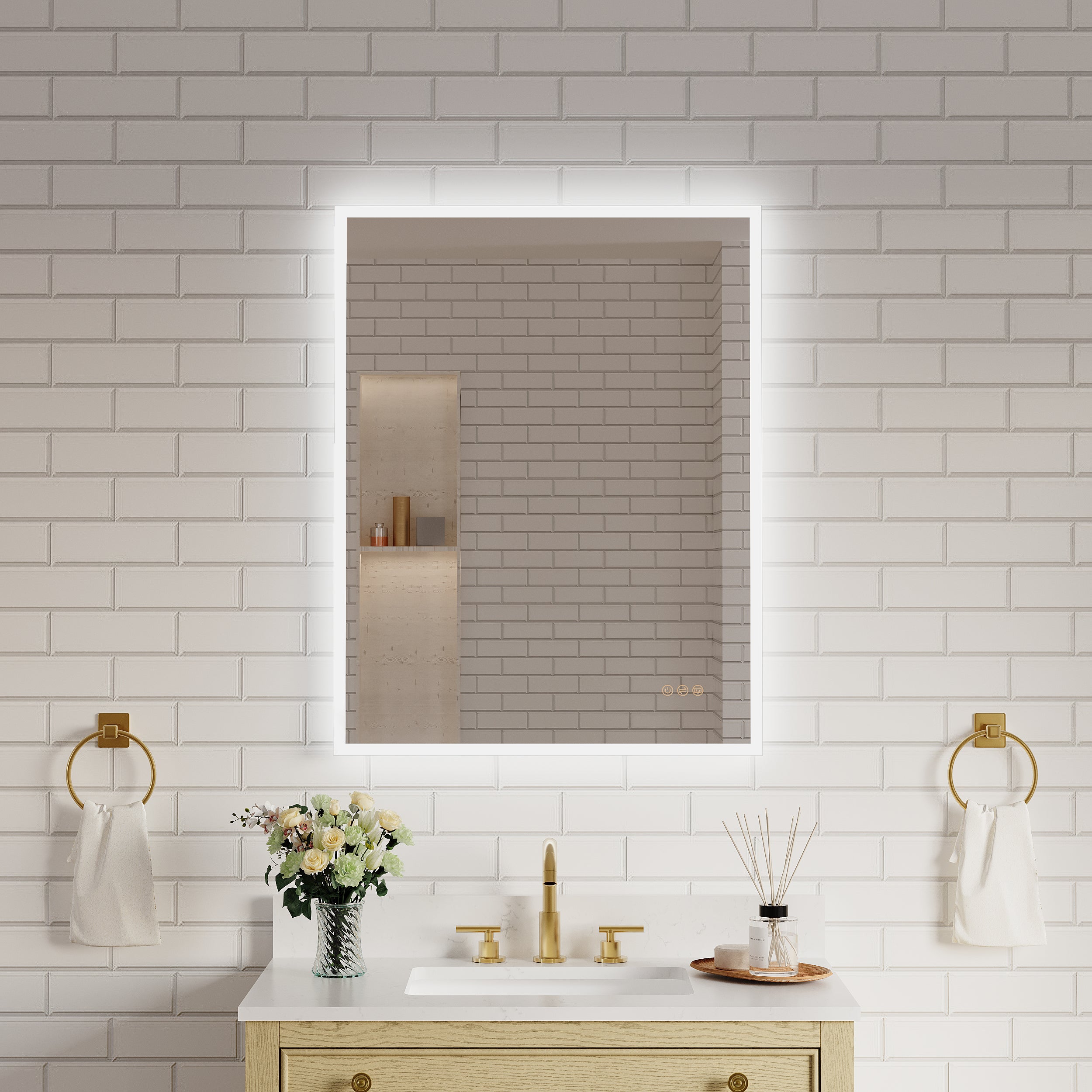
Backlit type: Light reflects from behind the mirror towards the wall, creating an intense atmosphere, but limited facial fill light
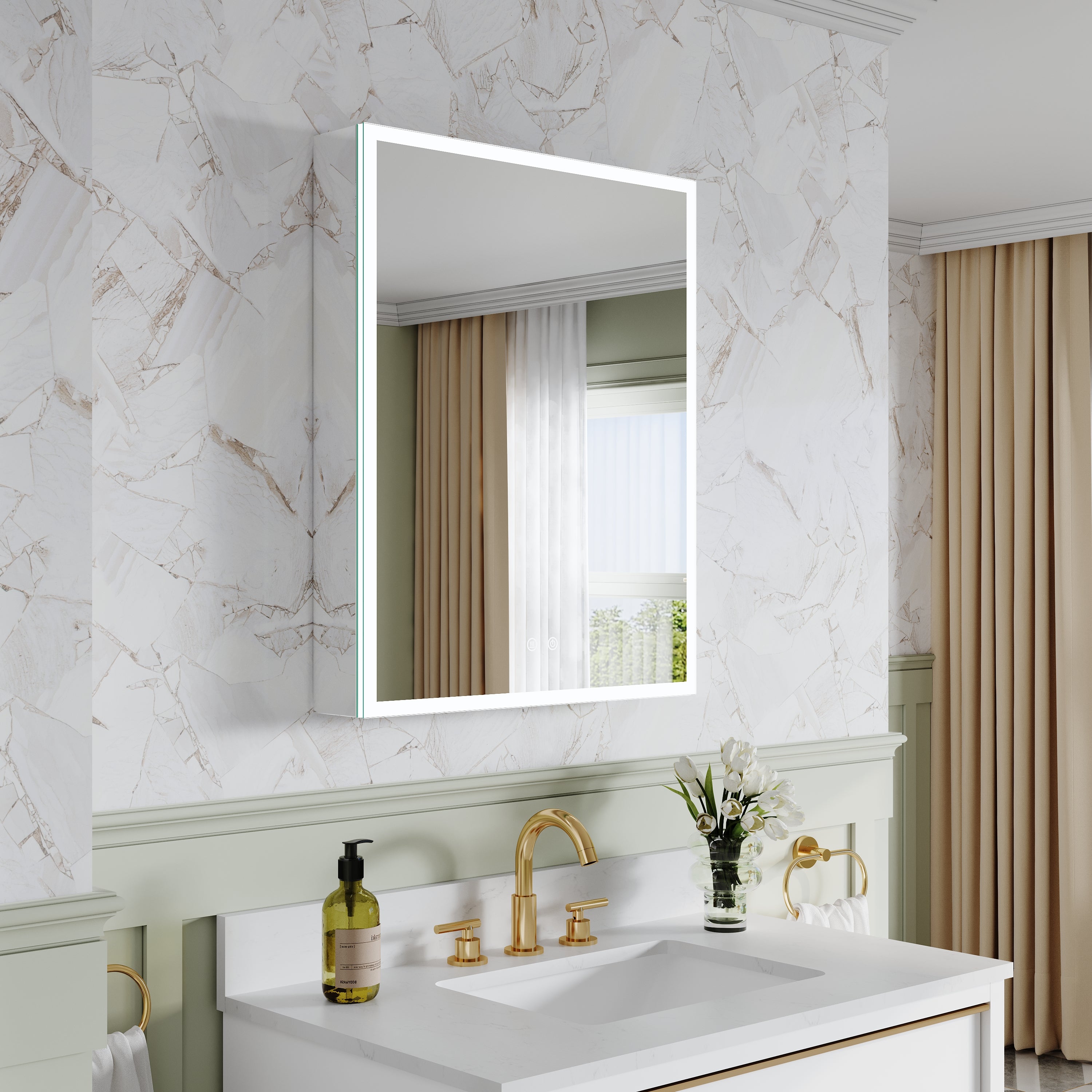
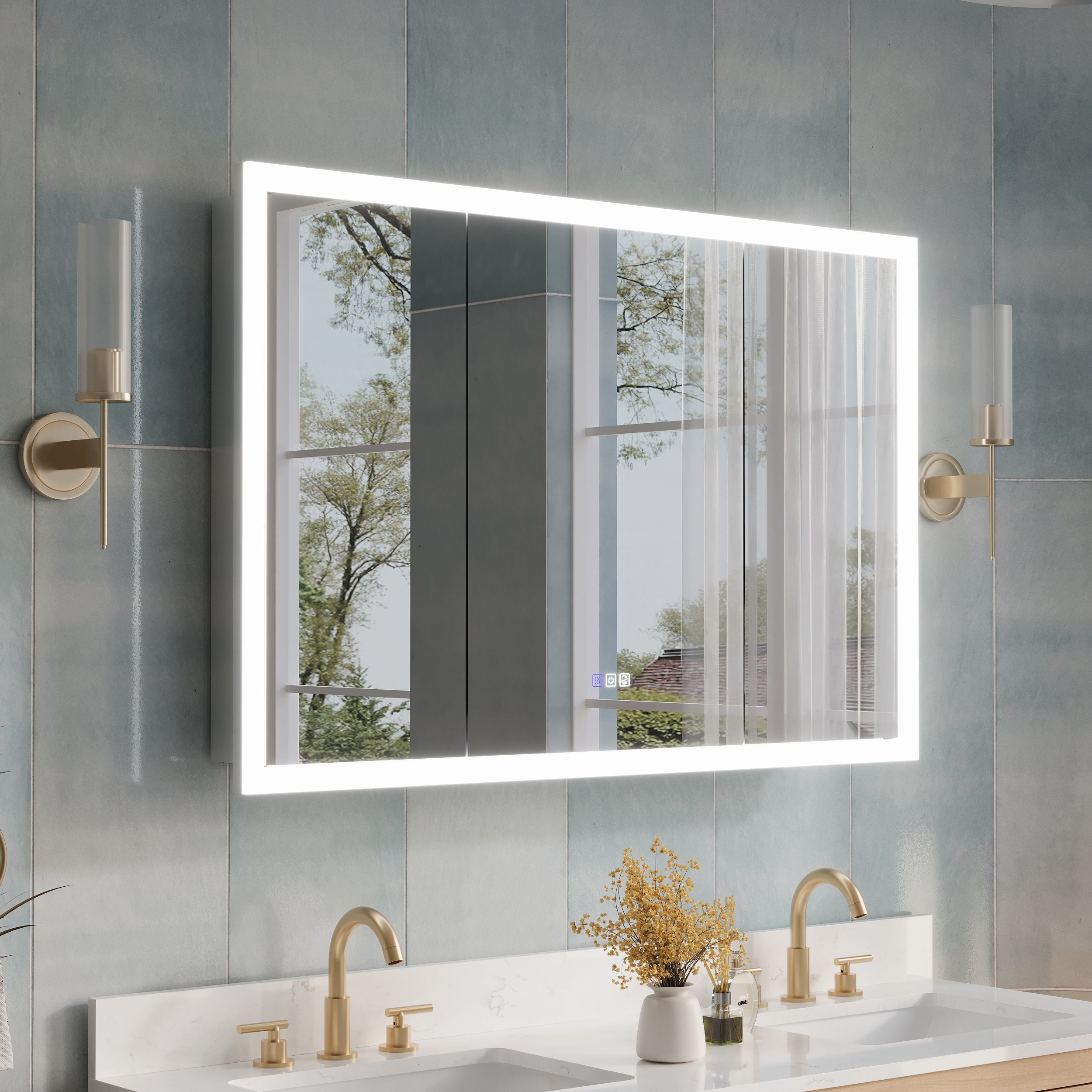
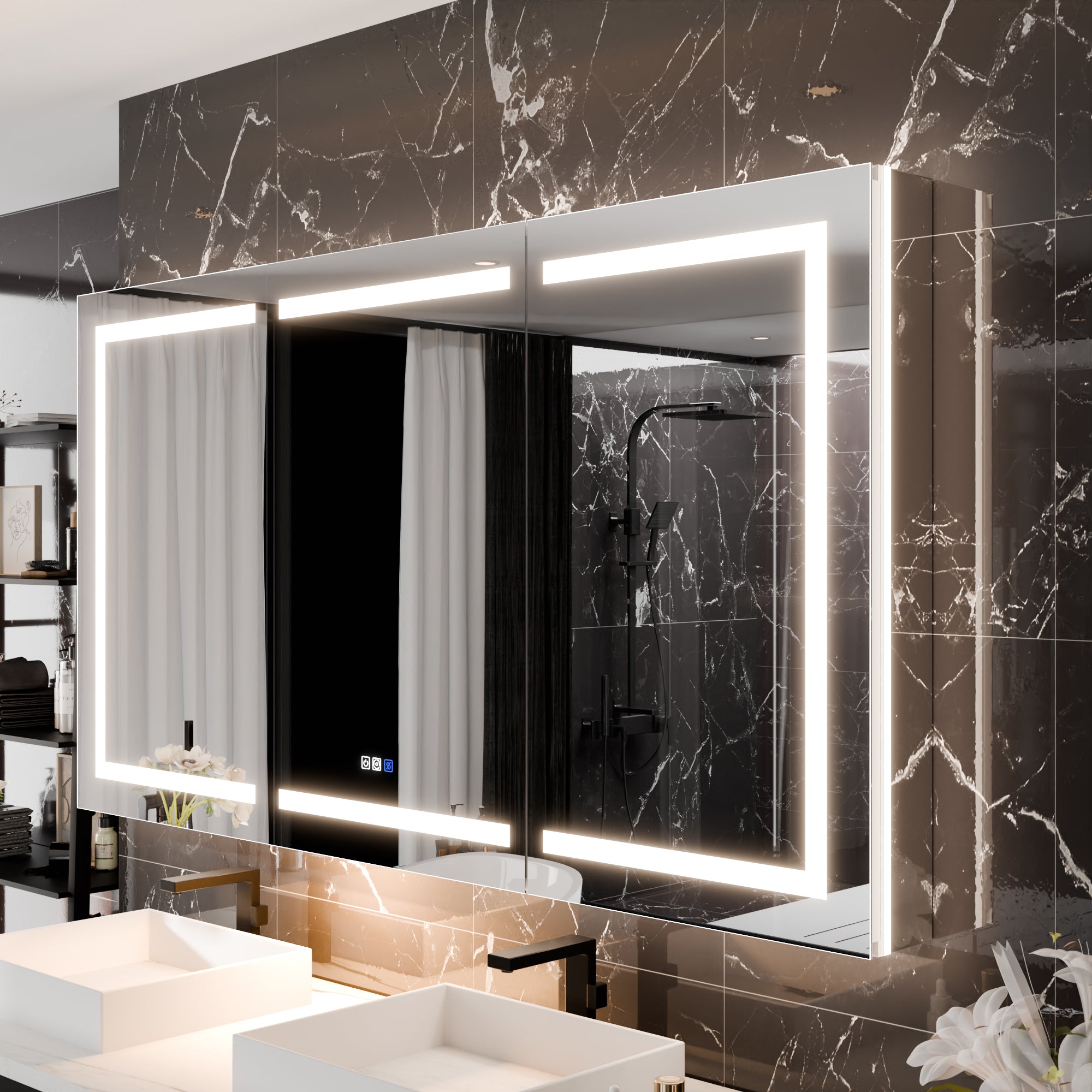
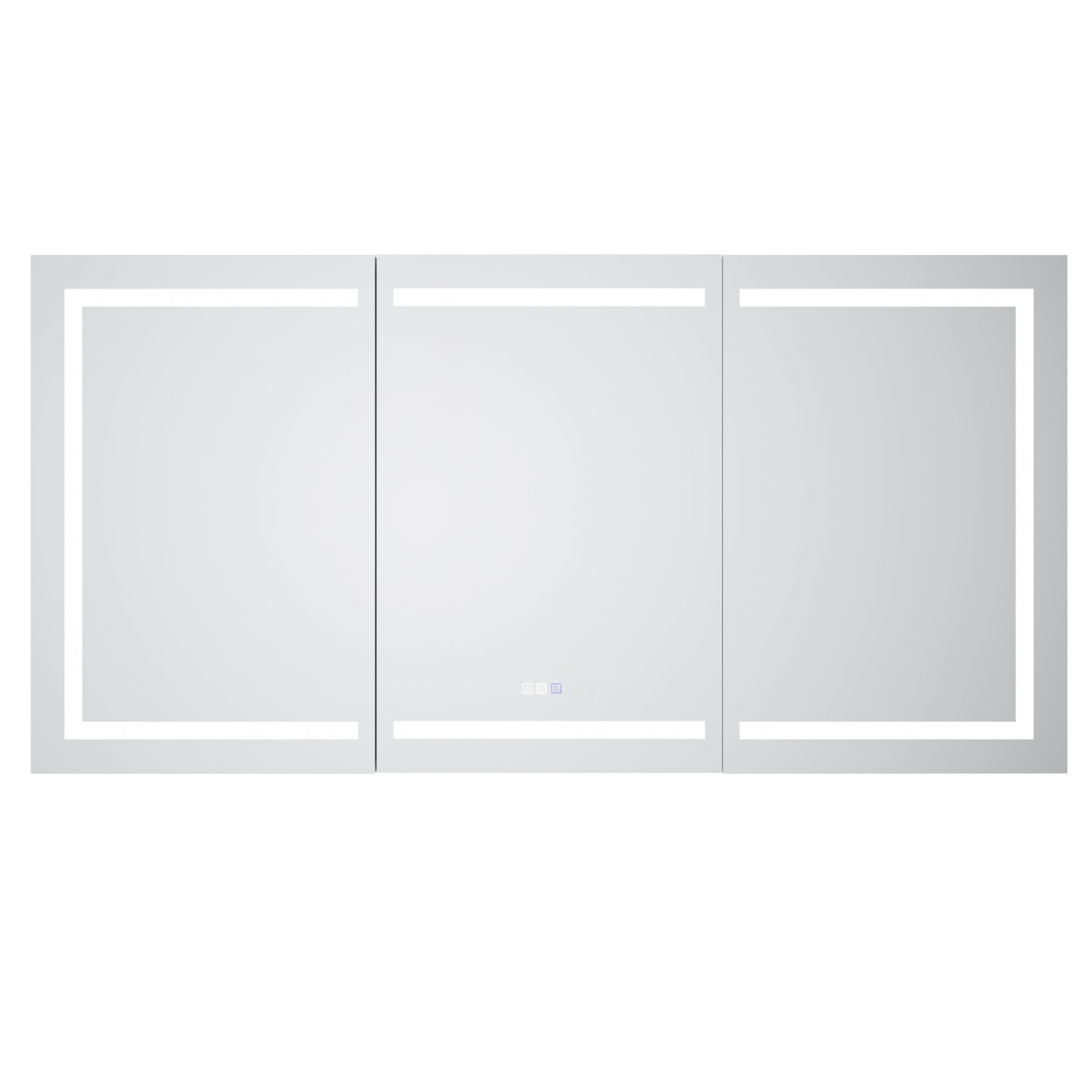
Front-lit ring: Light is projected directly onto the face, achieving the highest illumination accuracy
Side lit: simulates makeup lighting with strong shadow control
Industry evaluations show that under the same brightness conditions, the front surround type and side fill light type are significantly better than pure backlight structures in suppressing facial shadows.
In the 48-60 inch wide mirror configuration, using a symmetrical fill light structure can reduce facial shadow areas by approximately 30%-40%.
Therefore, the best solution for daily high-frequency use is usually a combination of a front-leading light and a backlight.
5. Power and luminous flux: brighter is not necessarily better
Mirror LED power is usually in the range of 10-40W, depending on the mirror size and the length of the light strip.
In common 36 x 30 inch mirror sizes, a total luminous flux concentration of 1200-2000 lumens is ideal.
When the size is expanded to 48 x 36 inches, the reasonable range rises to 1800-3000 lumens.
Industry data shows that when the brightness of the mirror illumination exceeds 3000 lumens, the glare complaint rate significantly increases, while the actual operational accuracy does not further improve.
This means that the best solution is not "high-power LED", but "multi-point low-power uniform light distribution".
6. Drive and flicker control: affecting long-term visual fatigue
High-quality mirror LED systems are typically equipped with constant-current drive and flicker-free control.
When driving quality is insufficient, even if it is difficult to detect with the naked eye, it may lead to long-term visual fatigue and discomfort.
Industry testing shows that in systems with a flicker index below 5%, the eye fatigue score after 30 minutes for continuous use is significantly lower than that in ordinary driving systems.
Therefore, when choosing LED solutions, priority should be given to:
constant current drive
low-frequency flicker or no flicker authentication
stable output voltage
7. Life and decay curve: Long-term stability is more important than initial brightness
The nominal lifespan of a mirror LED is usually 30000 to 50000 hours.
But more importantly, the ability to control light decay.
Industry data shows that in high-quality LED systems, brightness retention can reach over 85% after 3 years for continuous use; in low-quality systems, it can drop below 70% during the same period.
This directly affects the mirror's actual lighting effect over the years of use.
Therefore, prioritizing LED modules with clear light decay curves and stable packaging processes is an essential guarantee for long-term use.
8. Intelligent control and daily convenience
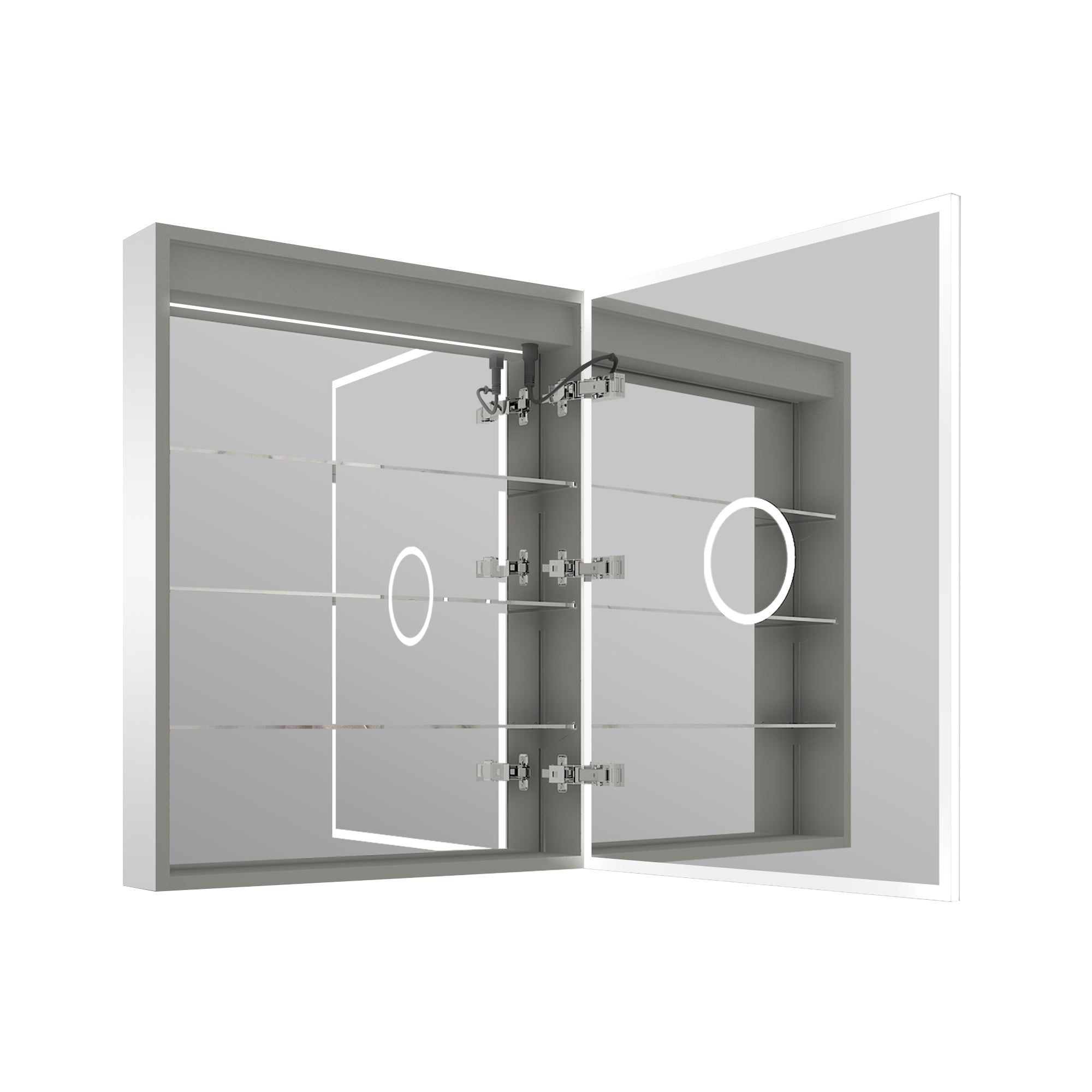
Modern mirror LED systems generally integrate the following functions:
brightness stepless dimming (10%-100%)
continuous color temperature switching (3000K-6000K)
memory function
automatic light-off delay
Industry surveys show that in systems that support memory functions, users' average daily adjustment frequency has decreased by about 40% and user satisfaction has increased significantly.
For high-frequency morning and evening use cases, such detailed designs often have greater practical value than simple parameters.

9. Conclusion: The best mirror LED is not a victory of a single parameter
From illuminance range, color temperature control, color rendering index, lighting structure, driving stability, to lifespan decay, the advantages and disadvantages of mirror LED lighting stem from a complete system design rather than a single chip or power indicator.
In a high-frequency lighting scenario that is used multiple times a day and has been in service for many years, what LEDs for mirror truly determines is not just whether it lights up or not, but also:
Whether it can be seen clearly, accurately, used for a long time, and is comfortable to use.
Choosing the appropriate LED solution is laying the foundation for daily experiences in the next decade.














Leave a comment
This site is protected by hCaptcha and the hCaptcha Privacy Policy and Terms of Service apply.