
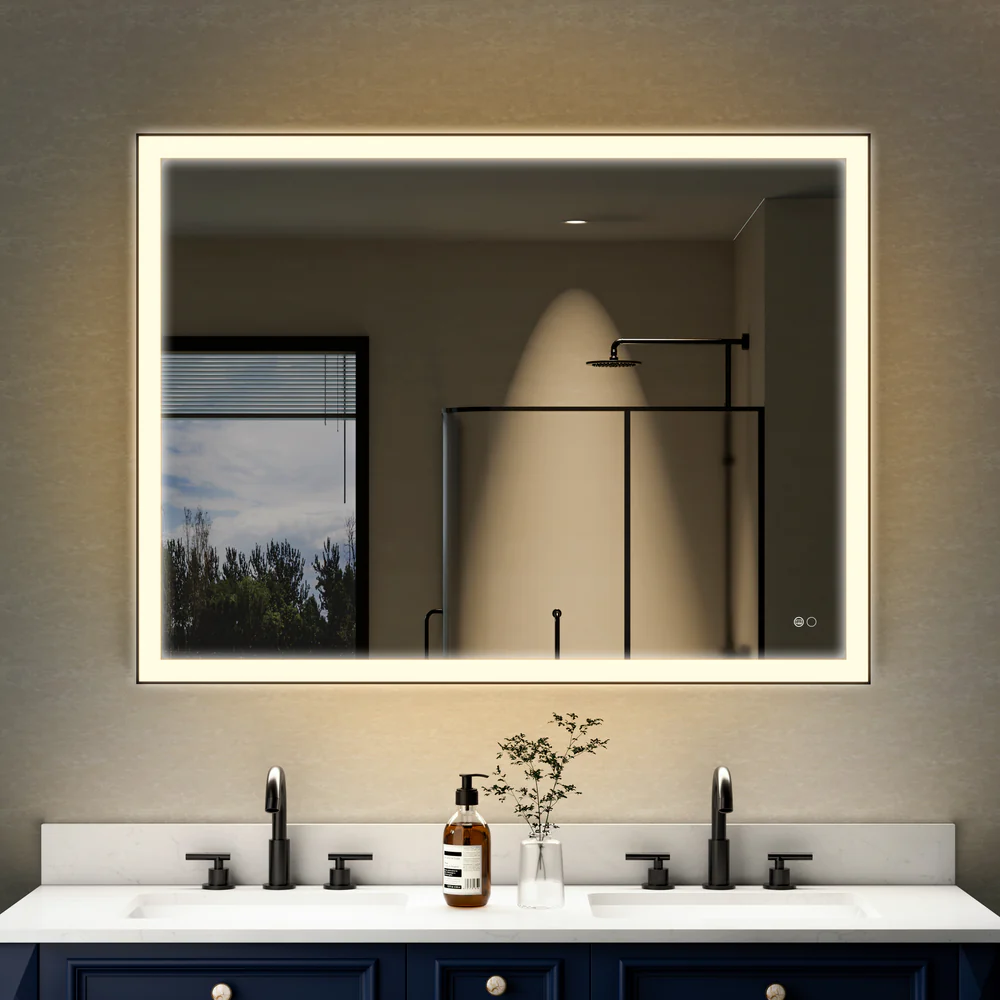
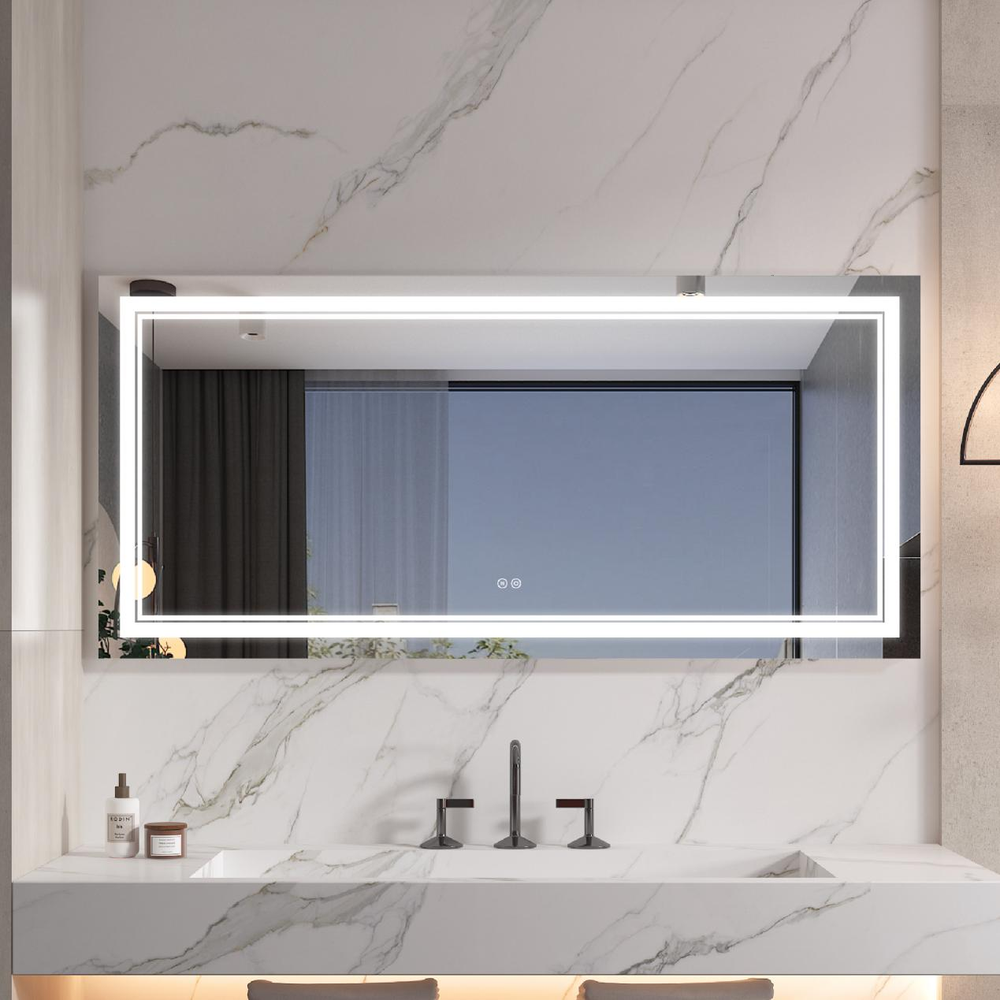
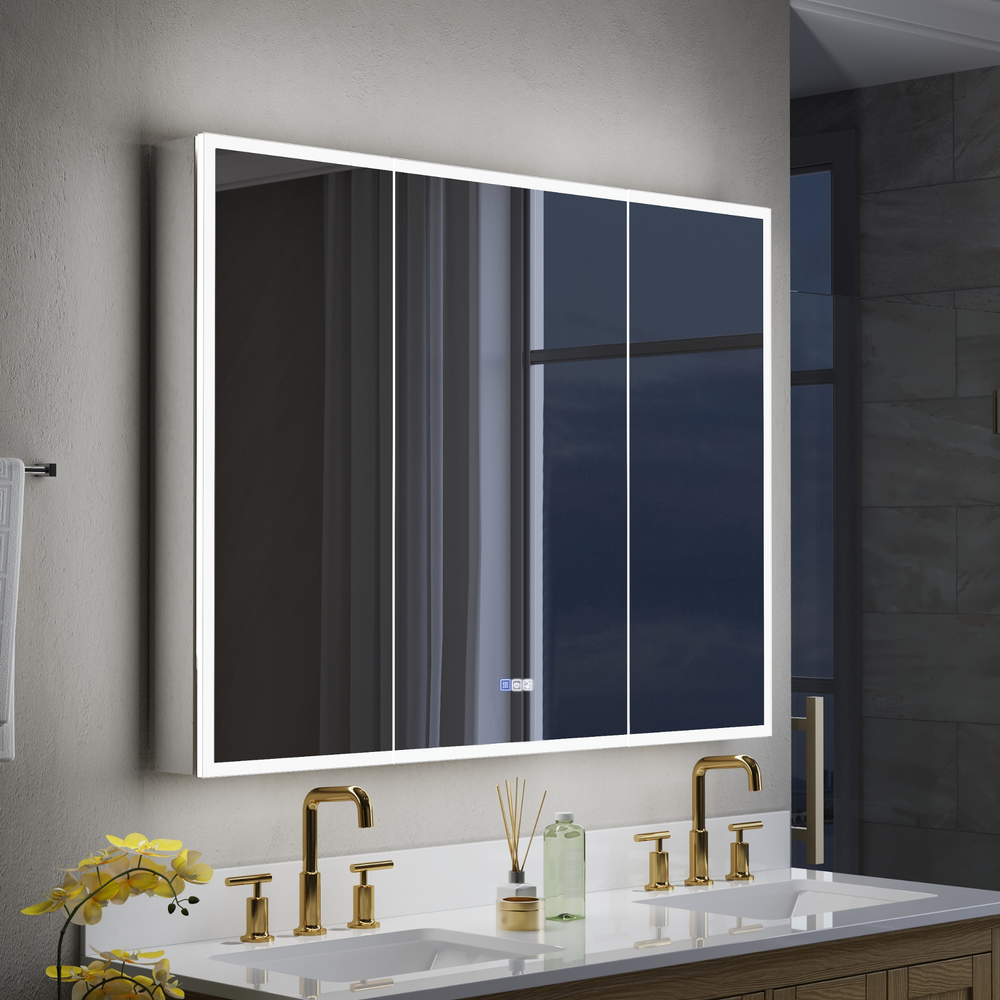
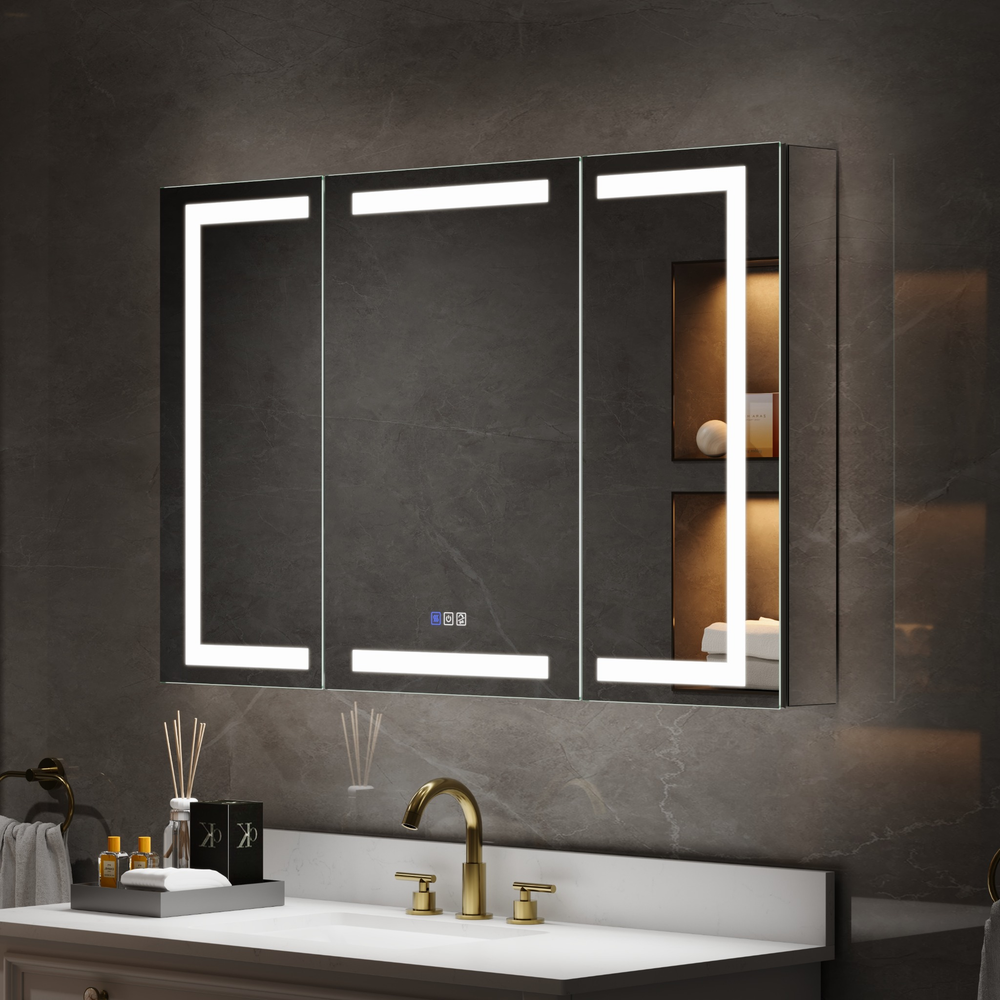
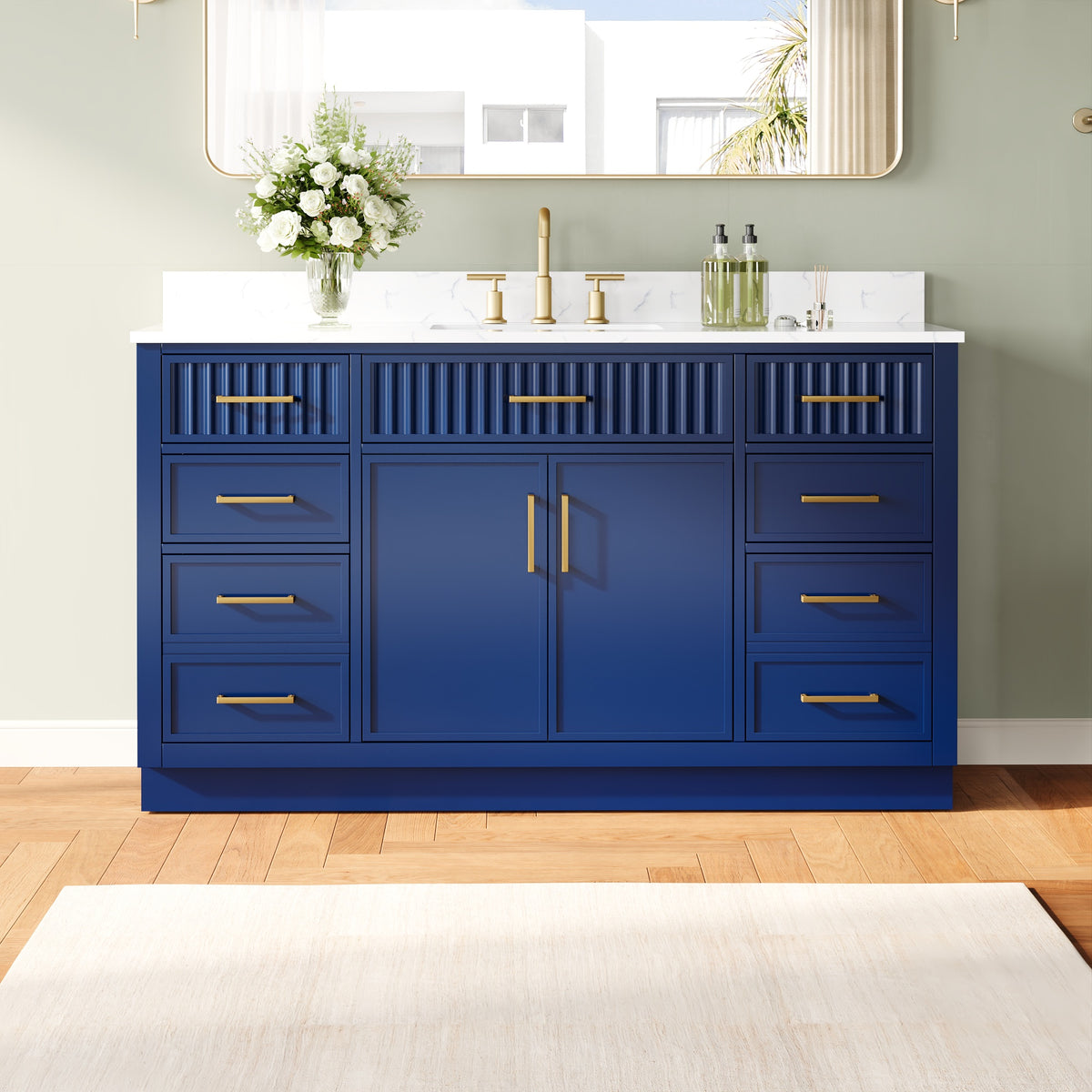
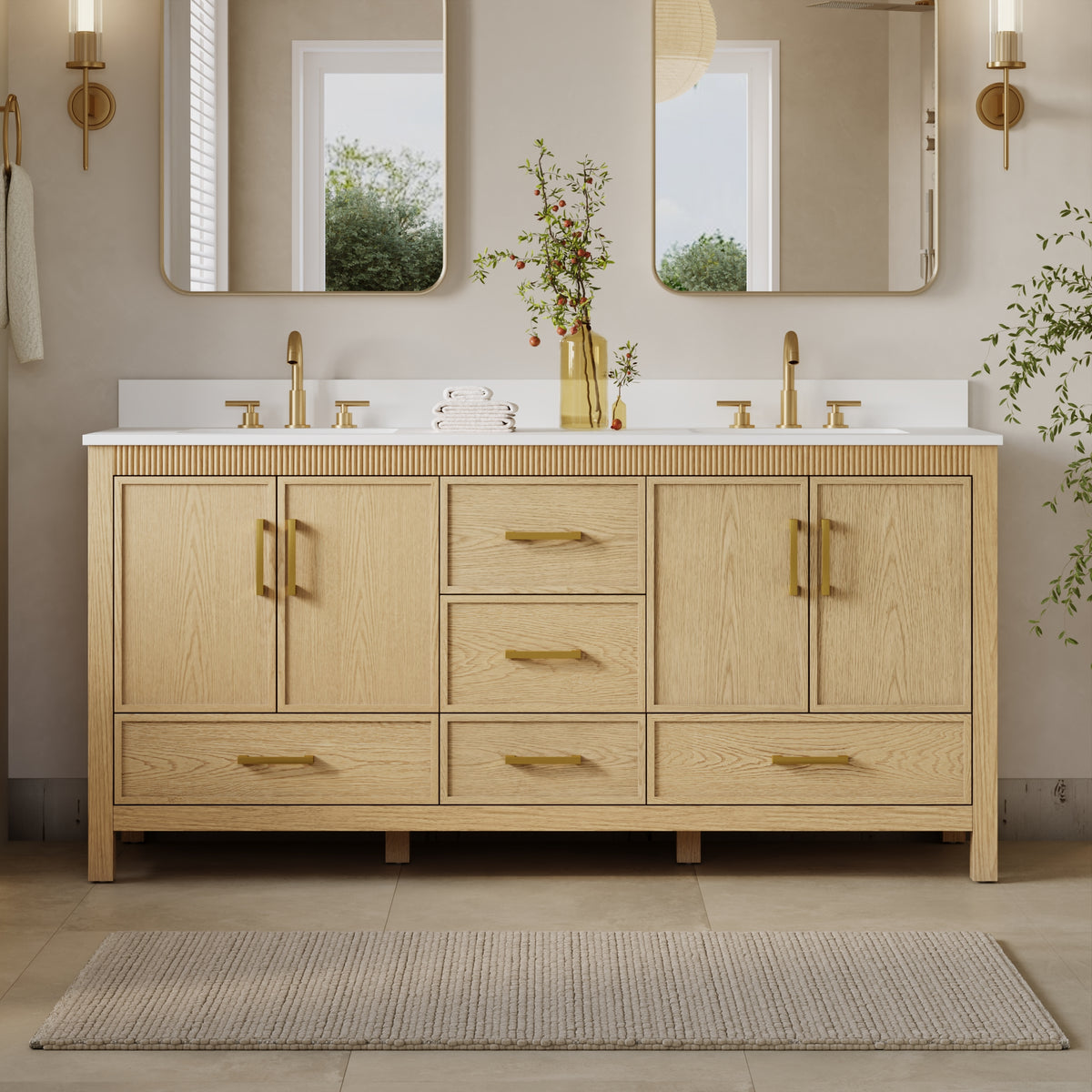

A crowded vanity can make even a beautifully renovated bathroom feel unfinished. The right bathroom medicine cabinets solve that problem without demanding additional floor space, keeping everyday essentials close while leaving the countertop clear. In 2026, options range from recessed and surface-mounted models to illuminated designs with thoughtful internal storage. The best choice, however, rarely comes down to the longest feature list. It depends on what you store, who uses the bathroom, and what the wall can accommodate.
1. Which Bathroom Medicine Cabinets Make the Most of Limited Space?
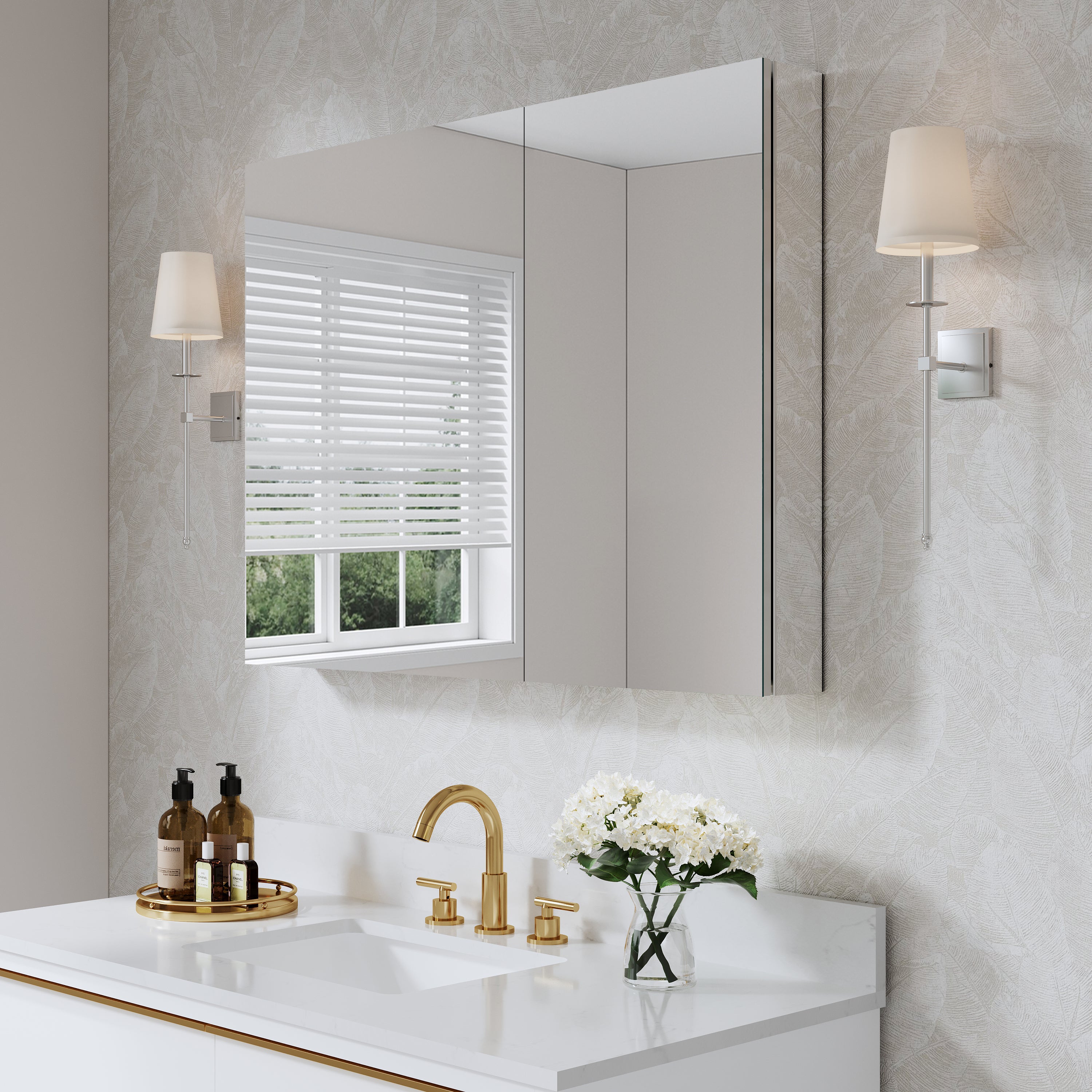
For compact bathrooms, recessed medicine cabinets are often the most practical choice. Installed partly or fully within the wall cavity, they provide concealed shelving without projecting far above the sink. Their streamlined appearance works well with contemporary vanities.
But recessed installation is not possible everywhere. Plumbing, electrical cables, studs, or masonry may occupy the space behind the mirror. Moving those services can turn a modest upgrade into an expensive renovation.
Surface-mounted cabinets offer a simpler alternative. They attach directly to the wall and generally provide more usable depth, making them useful for homeowners who want to avoid opening a wall. Their main disadvantage is visual bulk, especially above a shallow sink.
2. Adjustable Shelves Beat Oversized Cabinets
One lesson from bathroom planning is that more cabinet volume does not automatically mean better organization. A deep cabinet filled with fixed shelves can waste space around tall bottles and leave small items hidden at the back.
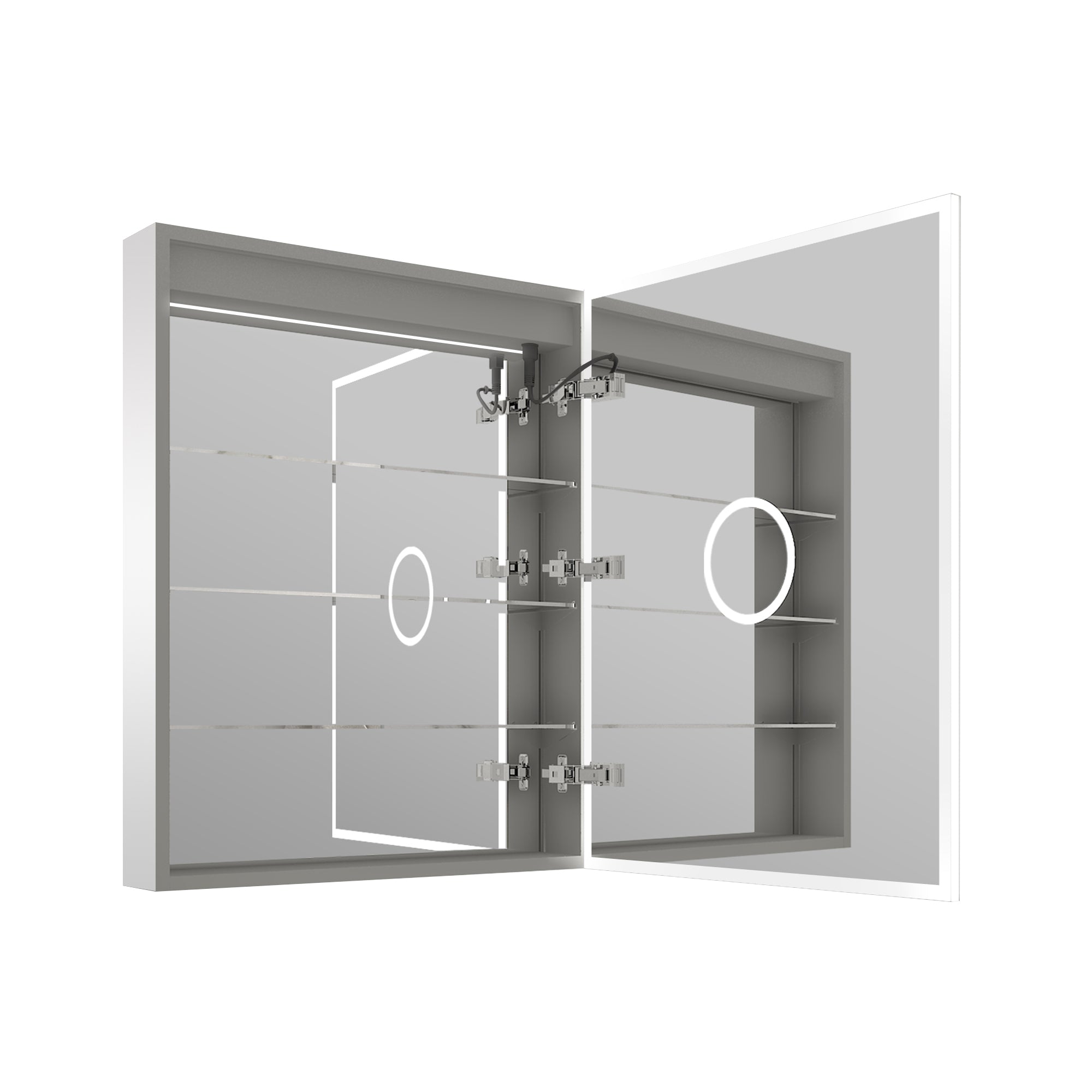
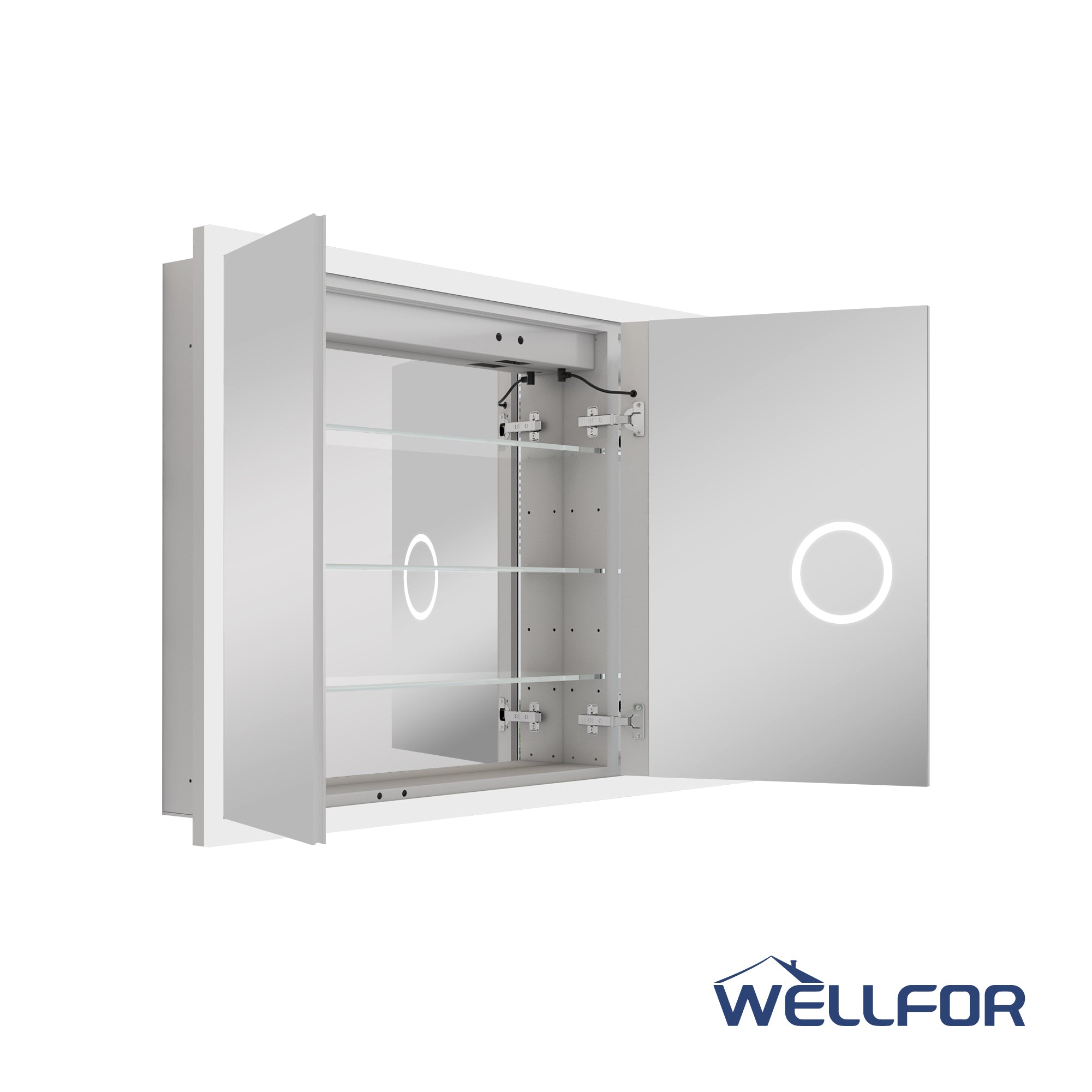
Adjustable shelves offer greater flexibility. You can create taller compartments for mouthwash, electric toothbrush accessories, and skincare bottles, then reserve narrow shelves for smaller products.
A Better Layout for Shared Bathrooms
In a family bathroom, give each person a designated shelf or section. Keep frequently used items at comfortable eye level, with occasional-use supplies higher up. Small trays prevent lip balm, floss, and nail clippers from disappearing behind larger containers.
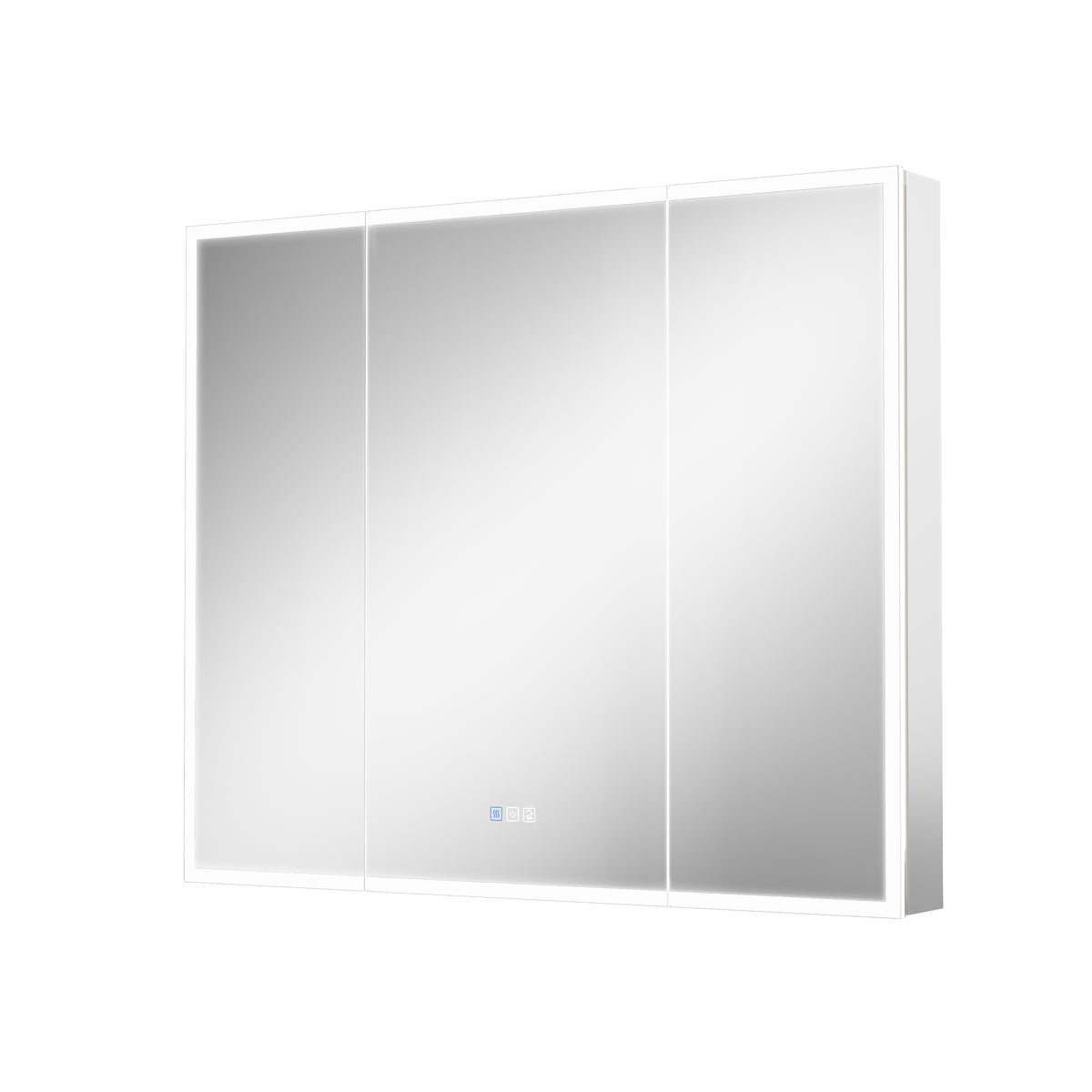
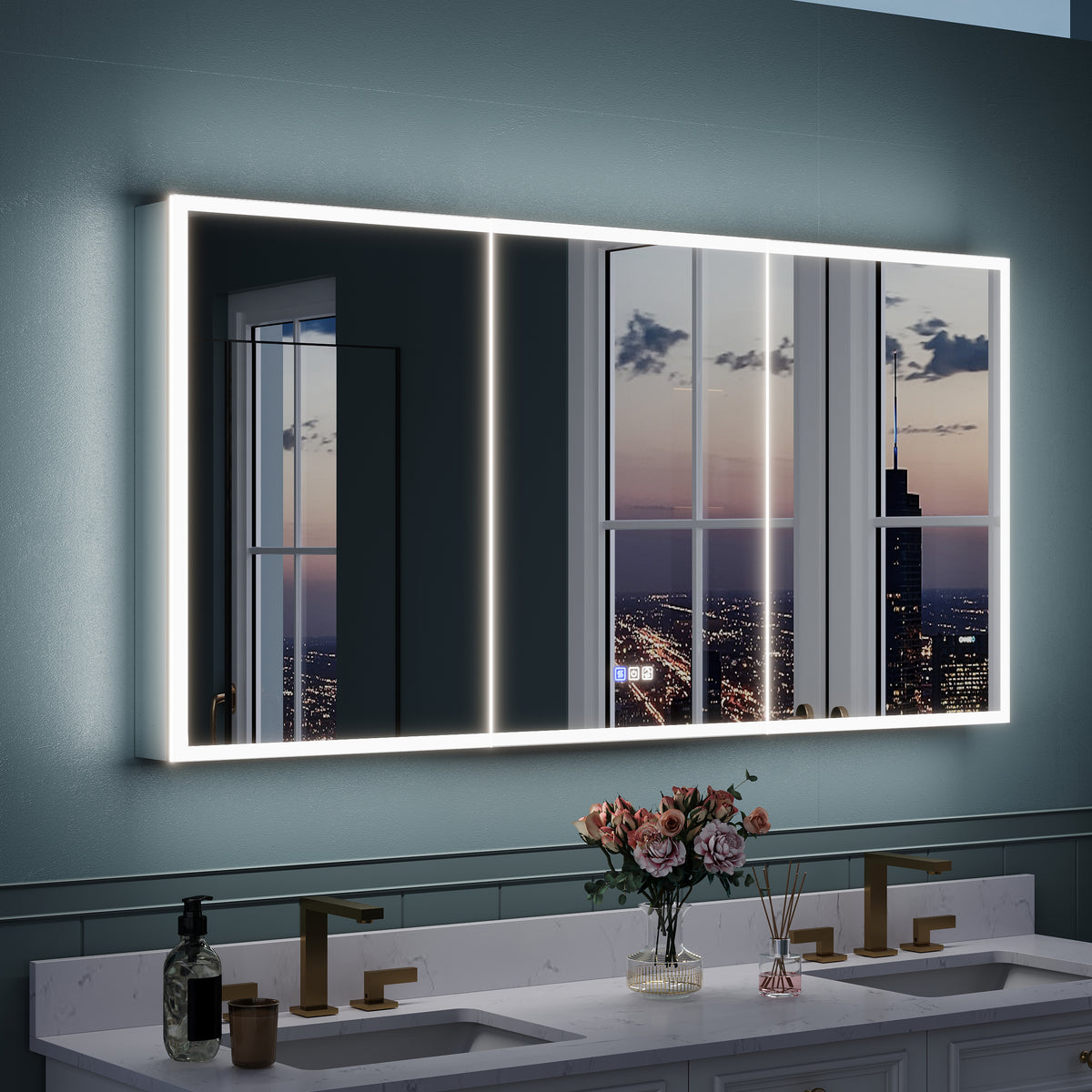
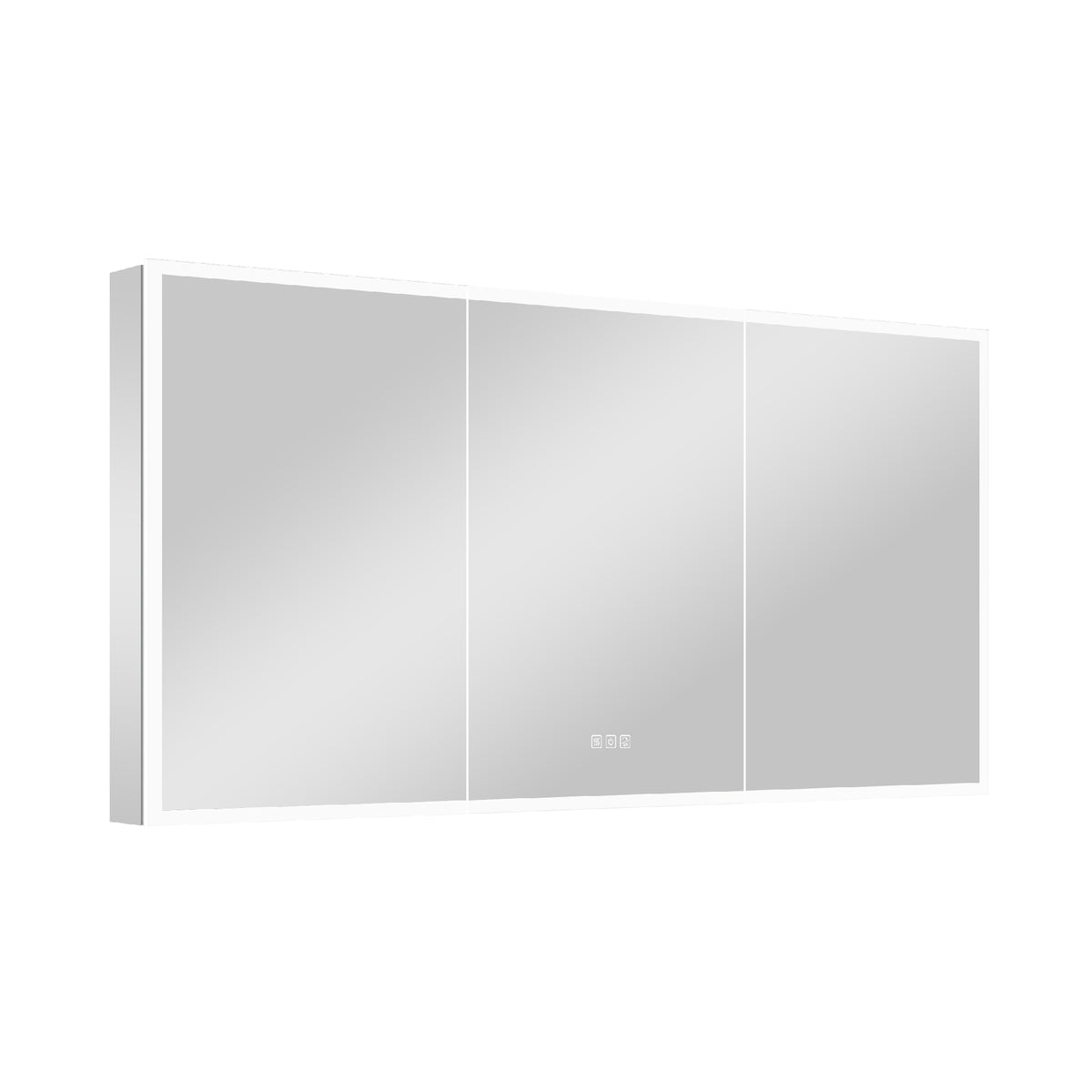
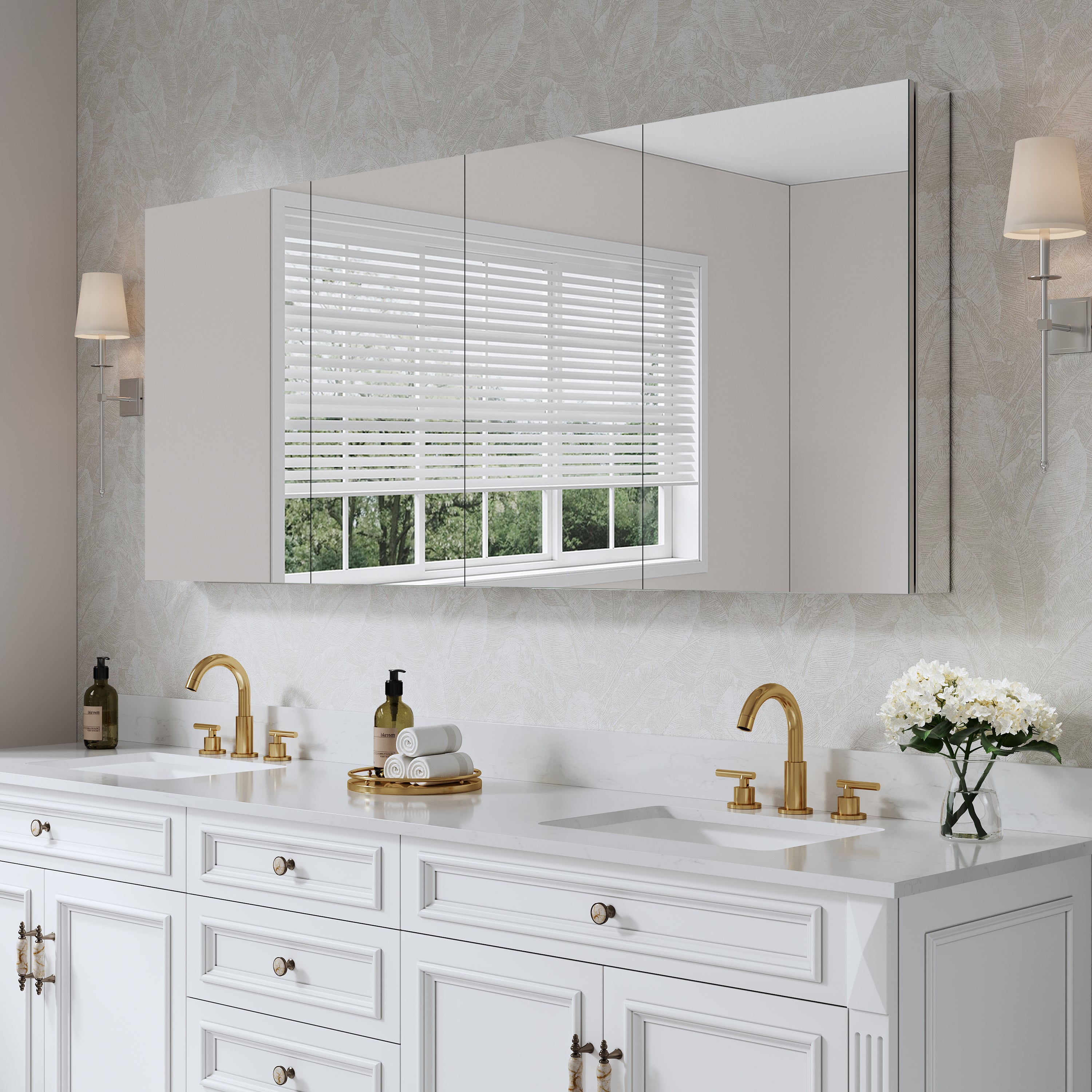
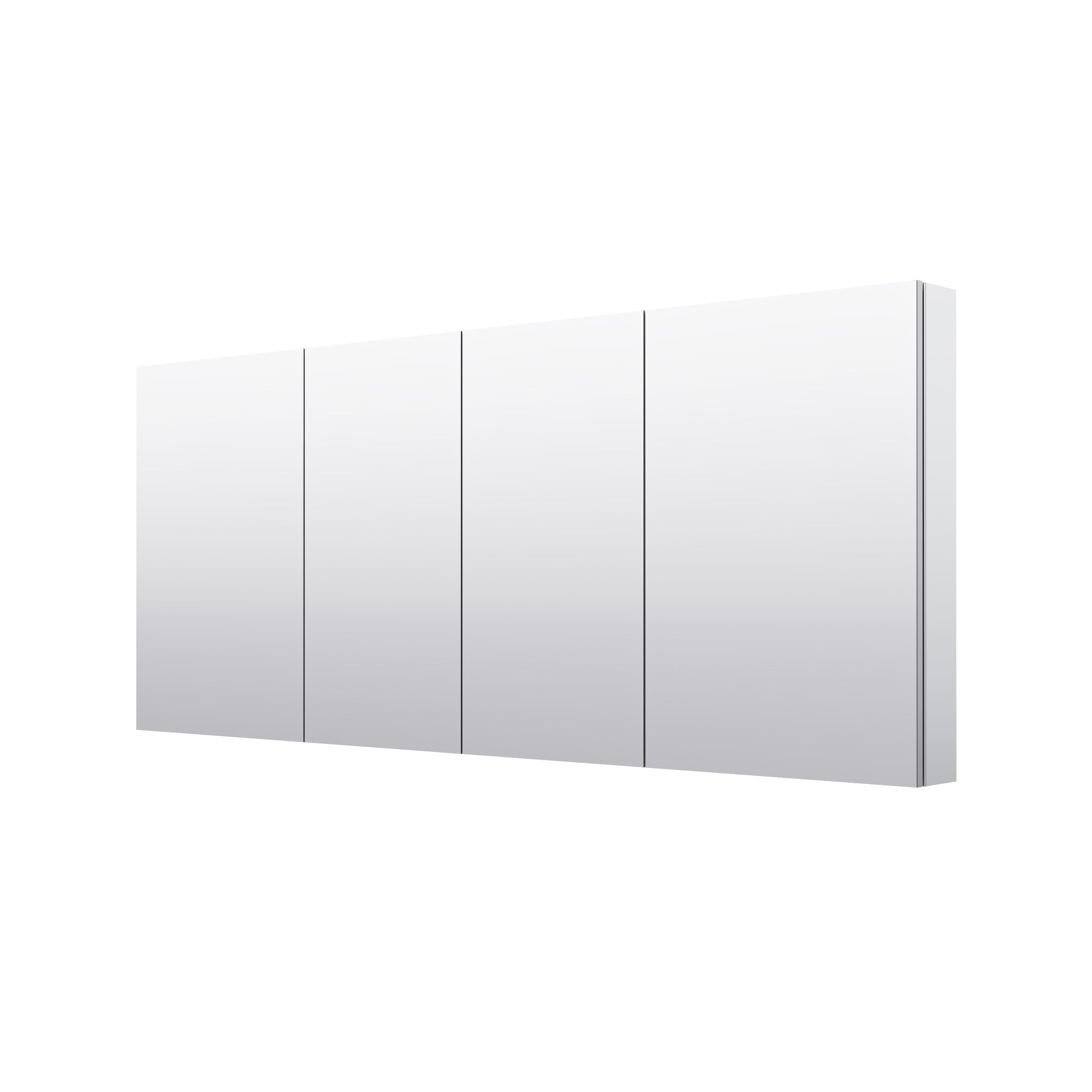
A two-door or three-door cabinet may suit a wide double vanity, but check the internal dividers. Some broad cabinets contain narrow compartments that cannot accommodate oversized bottles.
3. When Are LED Medicine Cabinets Worth the Cost?
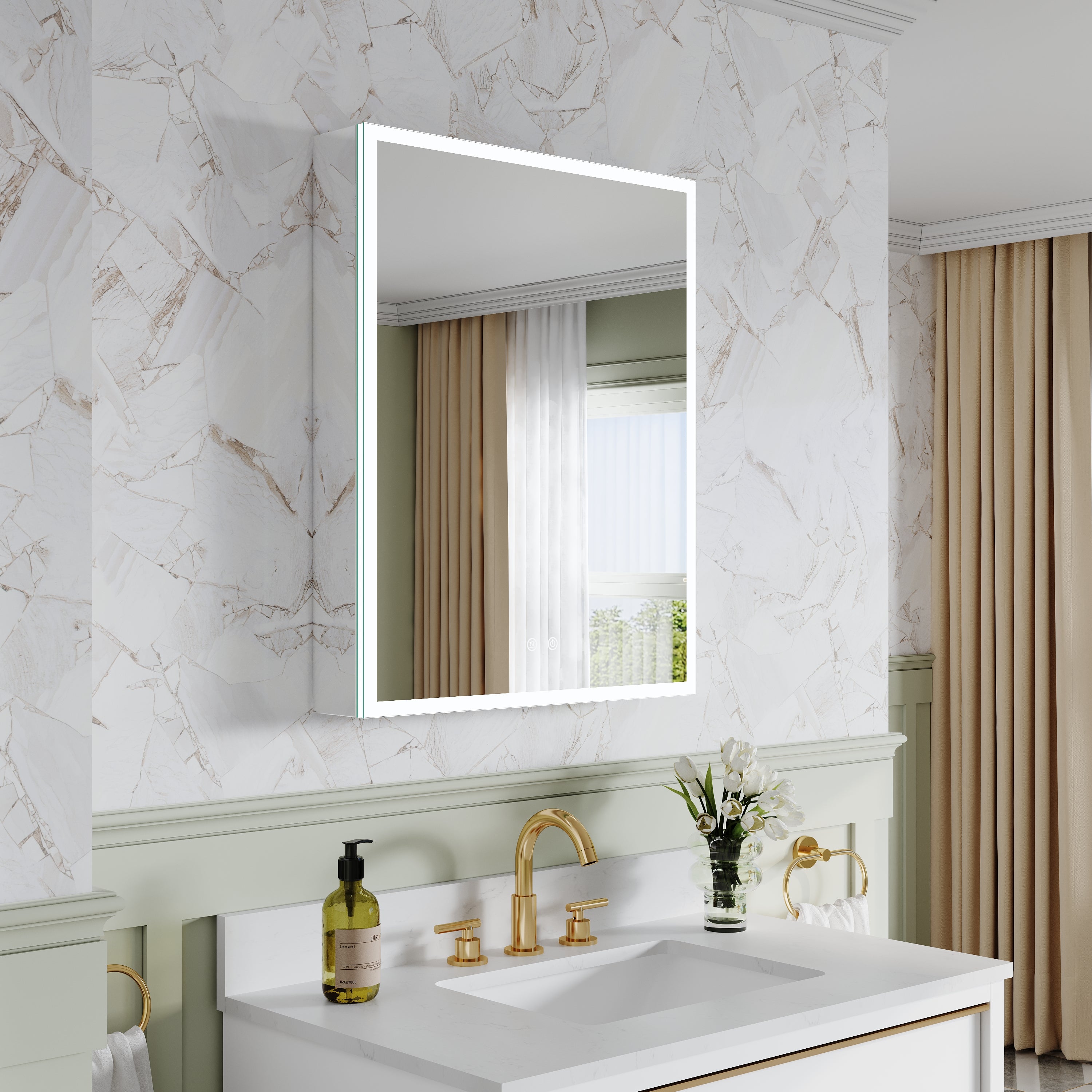
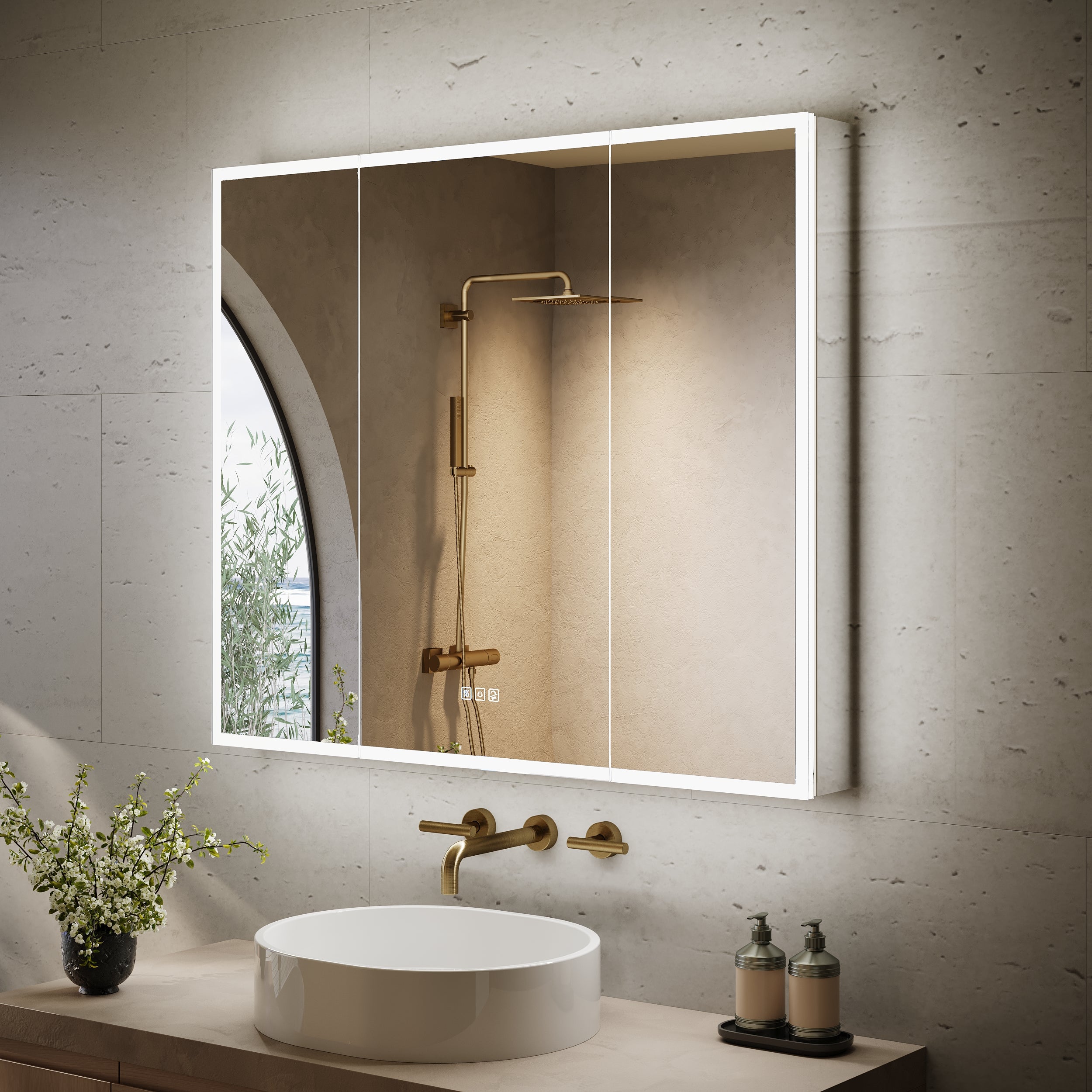
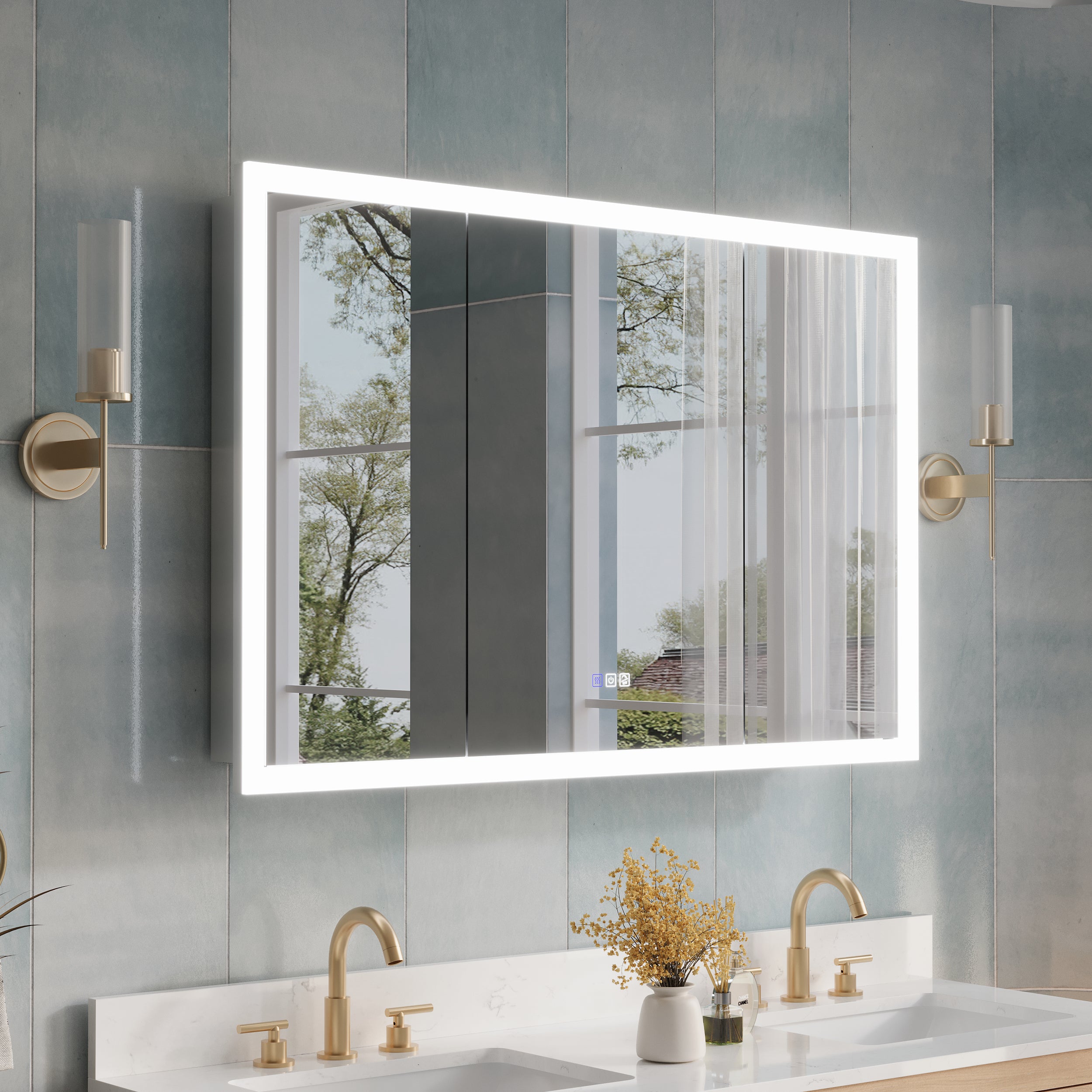
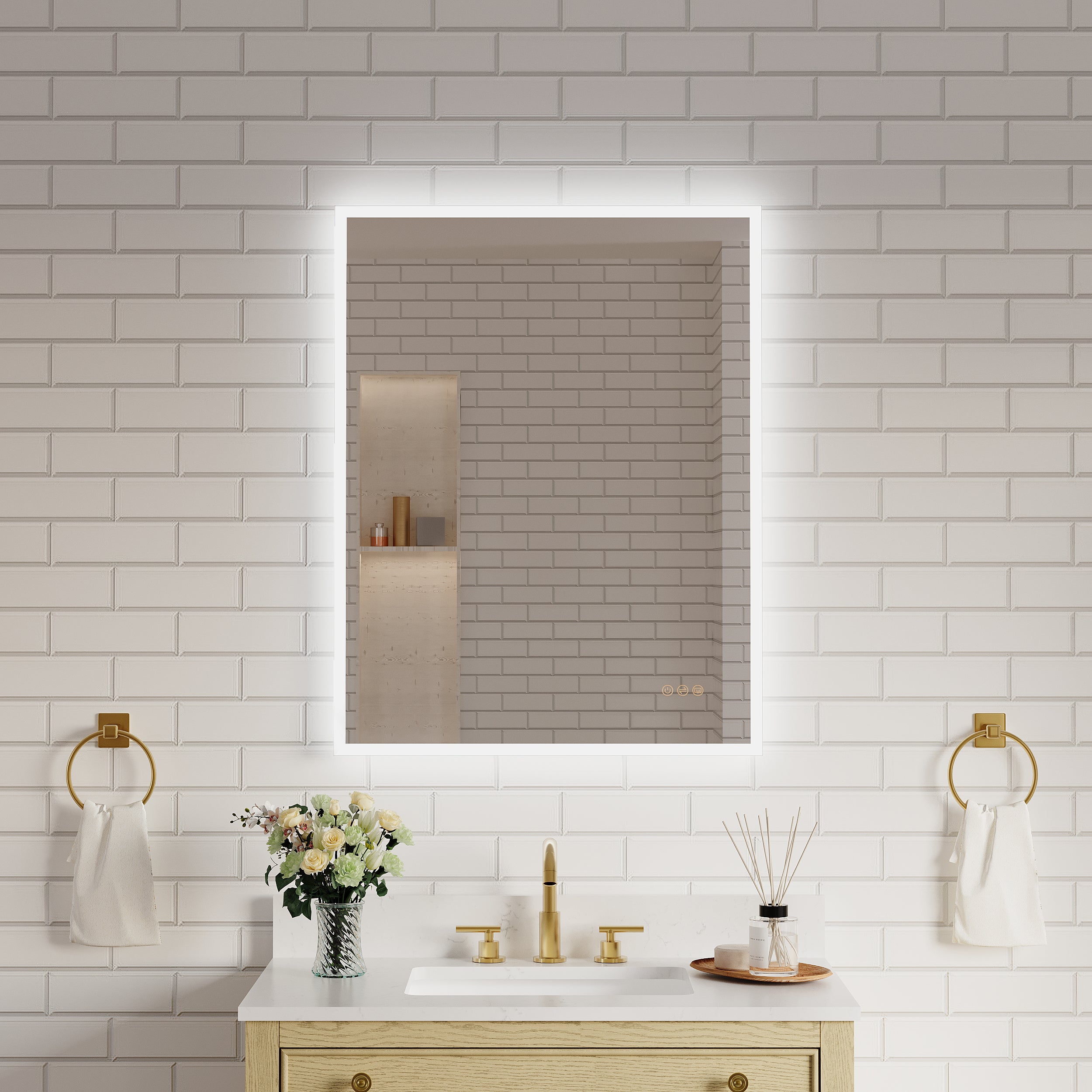
Lighted medicine cabinets are appealing because they combine a mirror, storage, and task lighting into one fixture. In bathrooms with limited wall space, that arrangement can reduce the need for separate accessories.
The distinction between front lighting and backlighting matters. Front-facing LEDs can help illuminate the face for shaving or makeup; a backlit halo primarily adds atmosphere. Neither should automatically replace general bathroom lighting.
Look for accessible controls, sensible dimming, and color temperatures suited to your routine. A neutral light may be useful in the morning, while a warmer setting is gentler at night.
The trade-off is complexity. LED drivers, touch controls, and demisters can fail before the cabinet itself wears out. Before paying extra, check warranty coverage and whether replacement components are available.
4. Materials and Hardware Matter More Than Decorative Features
Bathroom humidity challenges cabinet finishes, hinges, and shelf supports. Aluminum bodies resist rust and can suit humid environments, while quality stainless-steel components are another good option. Painted wood-based cabinets can work well too, provided their edges are protected and ventilation is adequate.
Pay close attention to door operation. Hinges should feel stable, close smoothly, and allow the mirror to clear nearby light fixtures or side walls. Soft-close hardware is pleasant but should not distract from poor door alignment or flimsy construction.
What About Mirror Quality?
A clear, distortion-free reflection matters more than elaborate trim. Check whether mirrored edges are properly protected against moisture, and ask how the manufacturer recommends cleaning them.
Interior mirrored surfaces can be useful when grooming with the door open, although fingerprints become more noticeable. Some buyers prefer plain internal panels for easier upkeep.
5. Match the Cabinet to the People Using It
A primary bathroom used by two adults may benefit from a wider cabinet with separate storage zones. In a small guest bath, a single-door model can hold toiletries and personal care essentials without dominating the wall.
Households with children have another consideration: medicine should be secured, not merely tucked behind a mirror. Standard medicine cabinets are not necessarily child-resistant, even when mounted high. Some medications also require storage away from bathroom heat and humidity, so follow their labeling rather than assuming the bathroom is the right location.
At Wellfor, a useful starting point when comparing bathroom storage is to measure your tallest daily-use product and think about how often you reach for it. That practical exercise usually reveals more than a styled product photograph.
6. Installation and Maintenance: Details That Prevent Regret
Measure the vanity width, faucet height, ceiling clearance, and available wall space before ordering. Open-door clearance is easy to overlook: a beautifully centered cabinet becomes frustrating if its door strikes a side wall.
For recessed installations, have the wall checked before cutting. For surface-mounted models, use the specified fasteners and secure the fixture to suitable structural support. Heavy mirrored doors demand reliable mounting, not guesswork. Hardwired lighting should be connected by a qualified electrician in accordance with applicable codes.
Keep the bathroom ventilated, wipe persistent condensation from cabinet edges, and clean mirror surfaces with a soft cloth. Apply cleaner to the cloth rather than spraying it into hinges or electrical controls. Periodically check mounting hardware and shelf supports for looseness.

7. Choose Storage You Will Actually Use
Before purchasing, make a quick inventory of the products that currently crowd the sink. Compare their heights with the cabinet's internal dimensions, then decide whether adjustable shelving, multiple doors, or integrated lighting would genuinely improve your routine.
For a narrow bathroom, a recessed model may deliver the cleanest result. For easier installation and generous shelf depth, a surface-mounted option often makes better sense. The bathroom medicine cabinets worth buying in 2026 are the ones that fit your wall, keep daily essentials accessible, and remain straightforward to maintain long after the renovation photographs are taken.











Leave a comment
This site is protected by hCaptcha and the hCaptcha Privacy Policy and Terms of Service apply.