
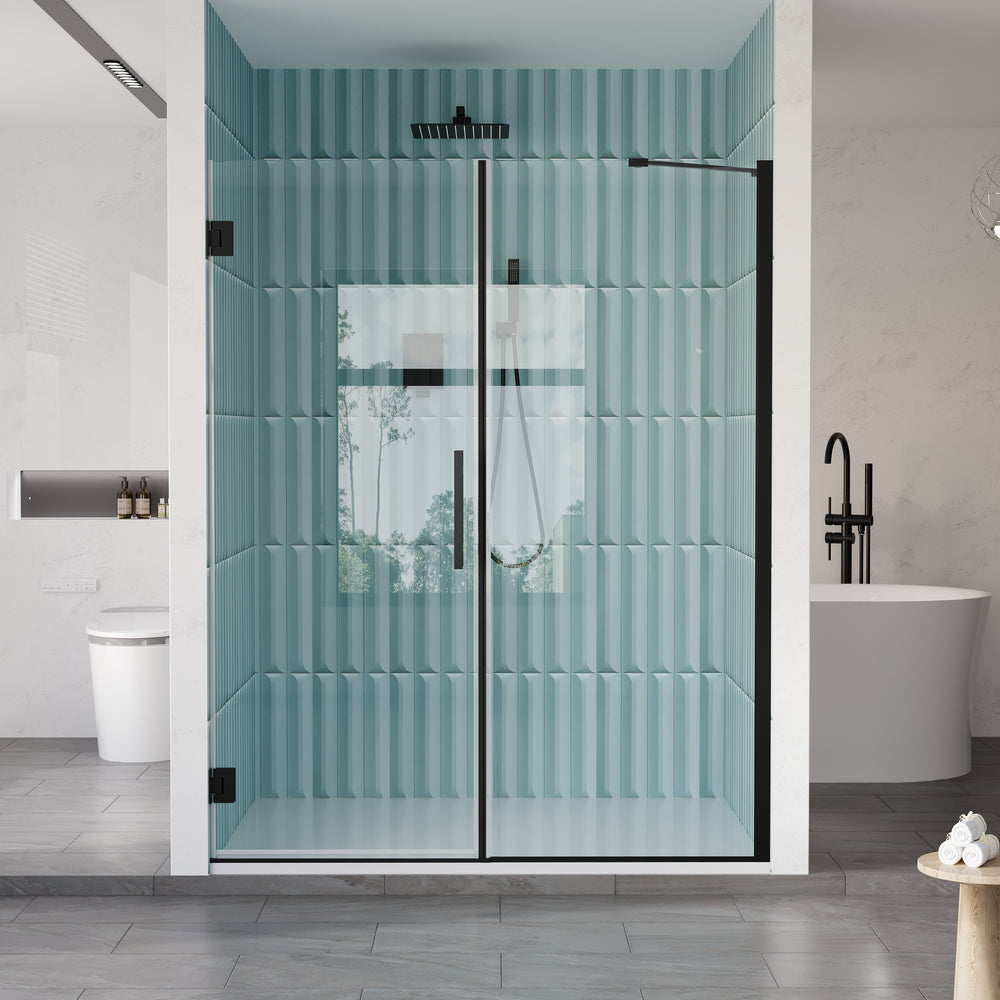
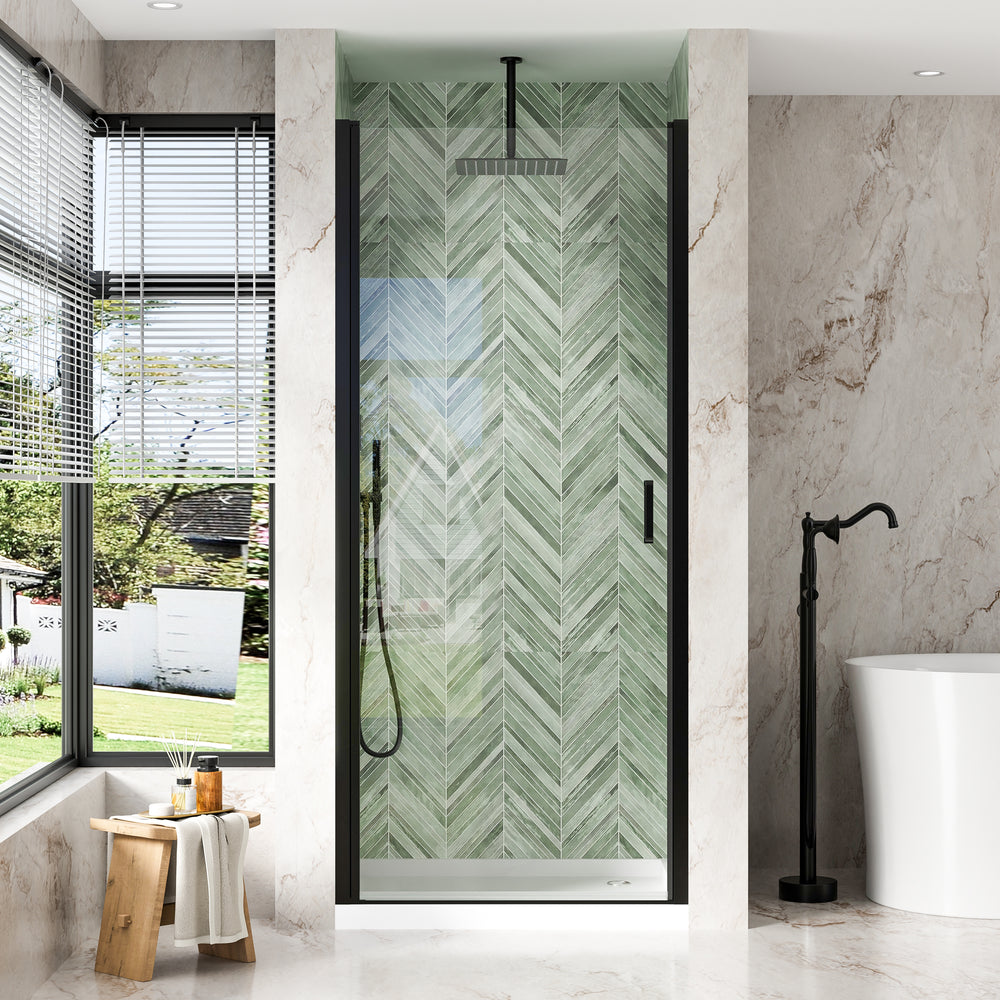

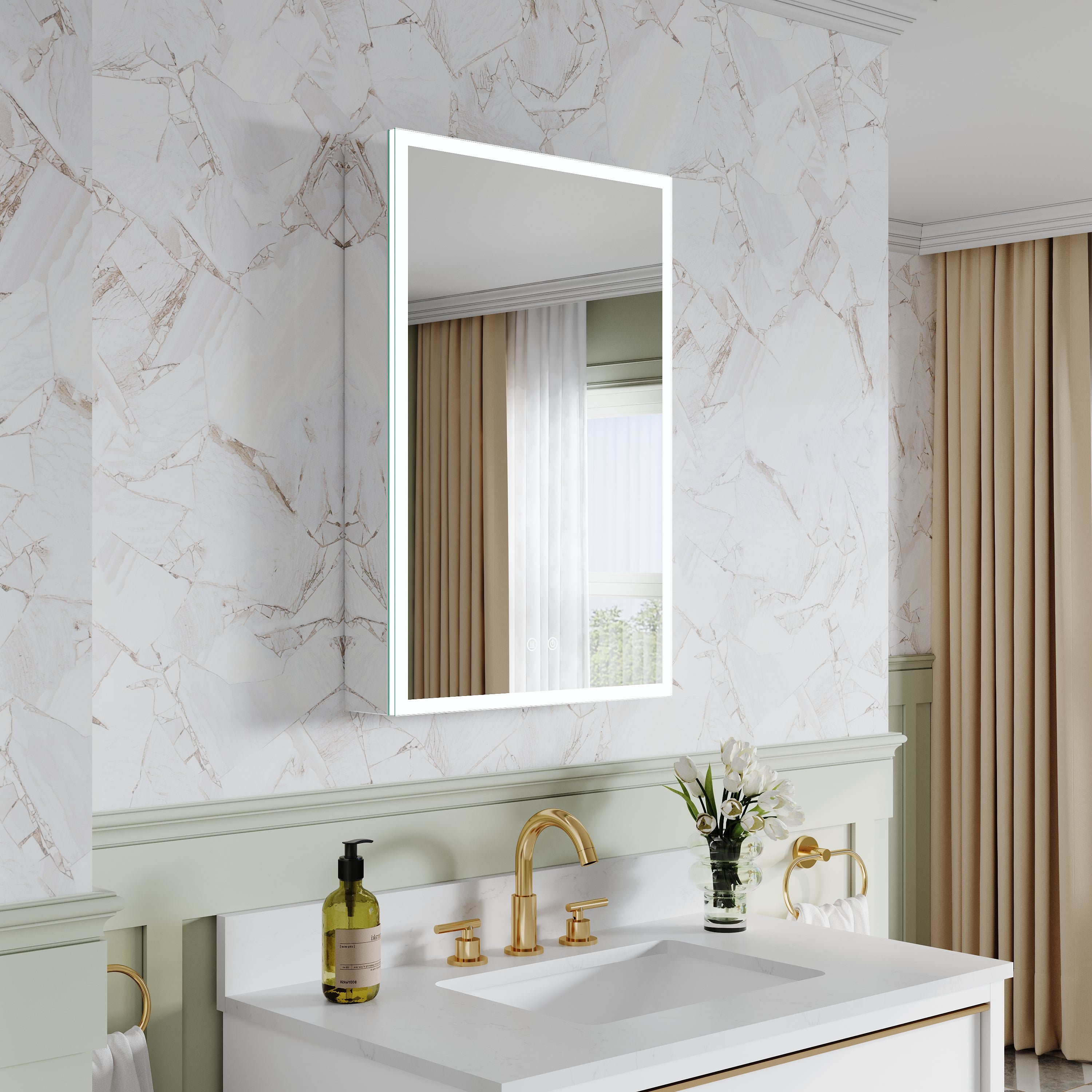
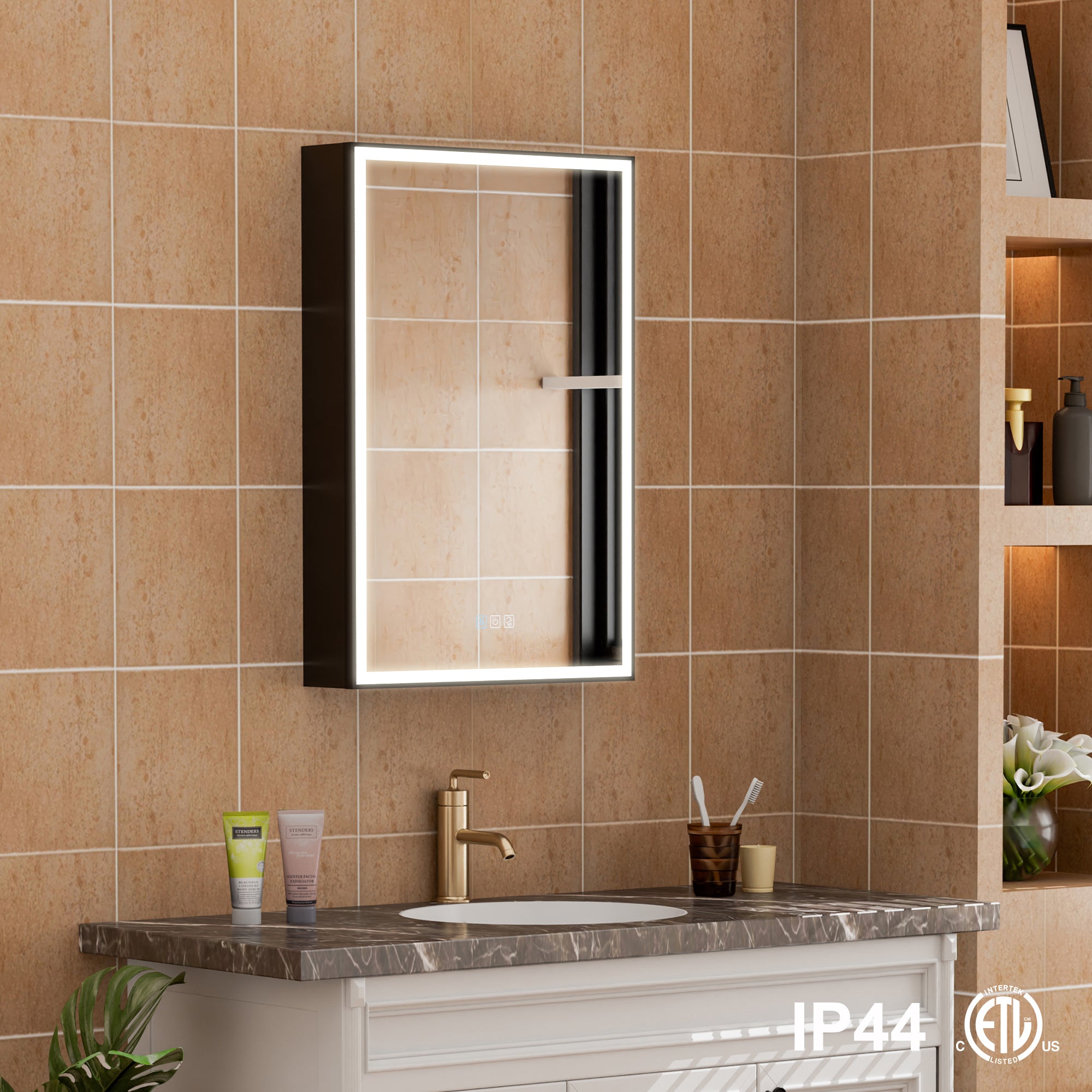


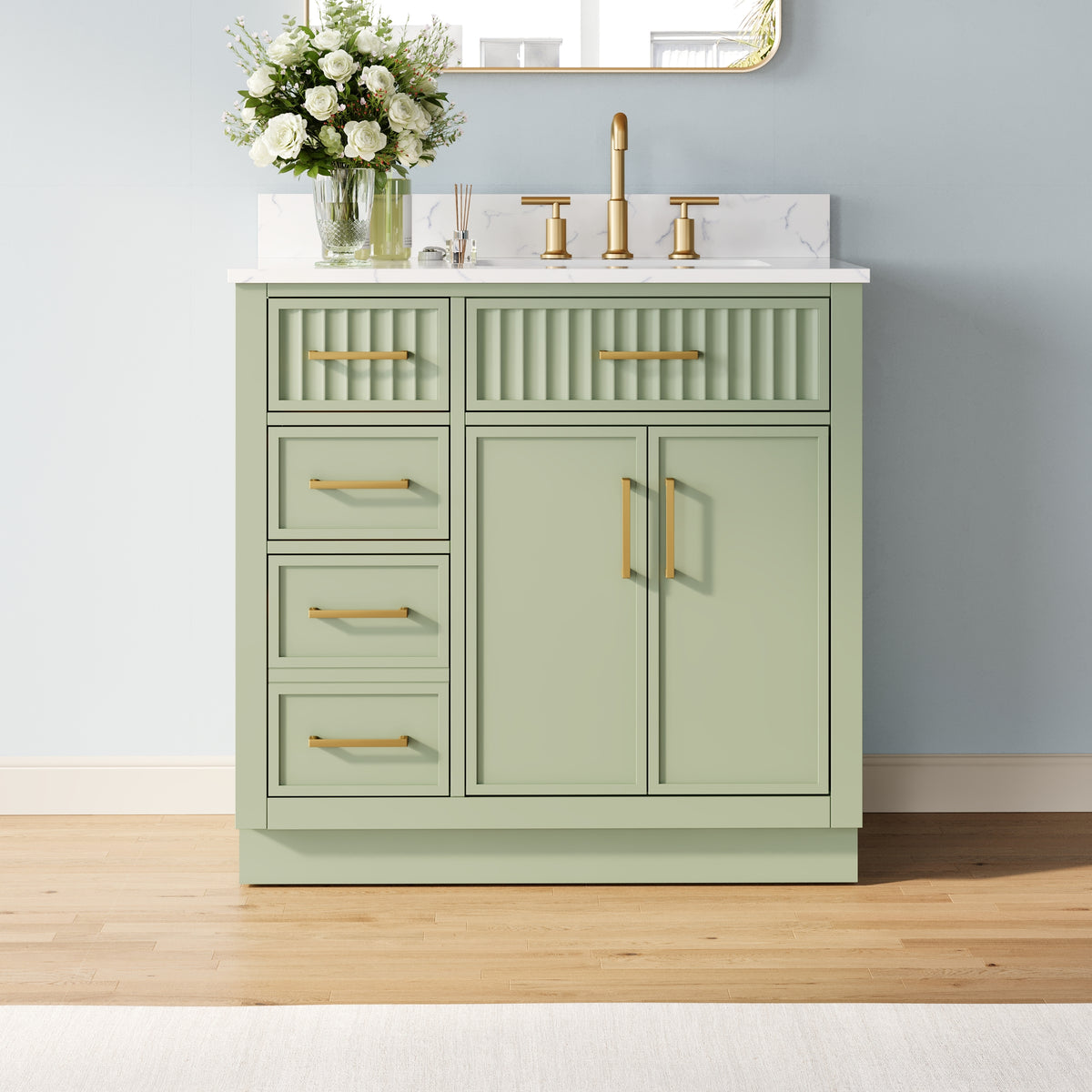
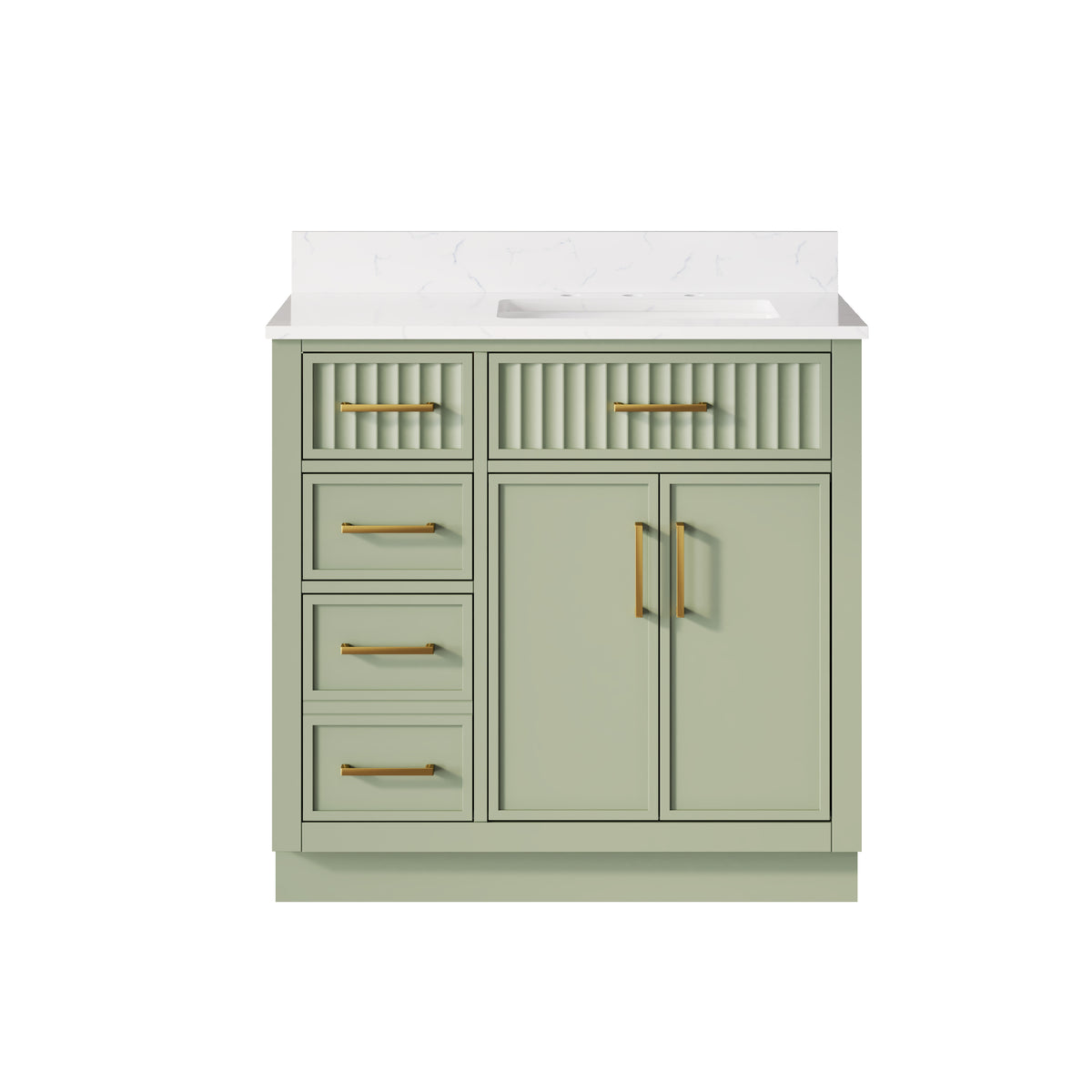
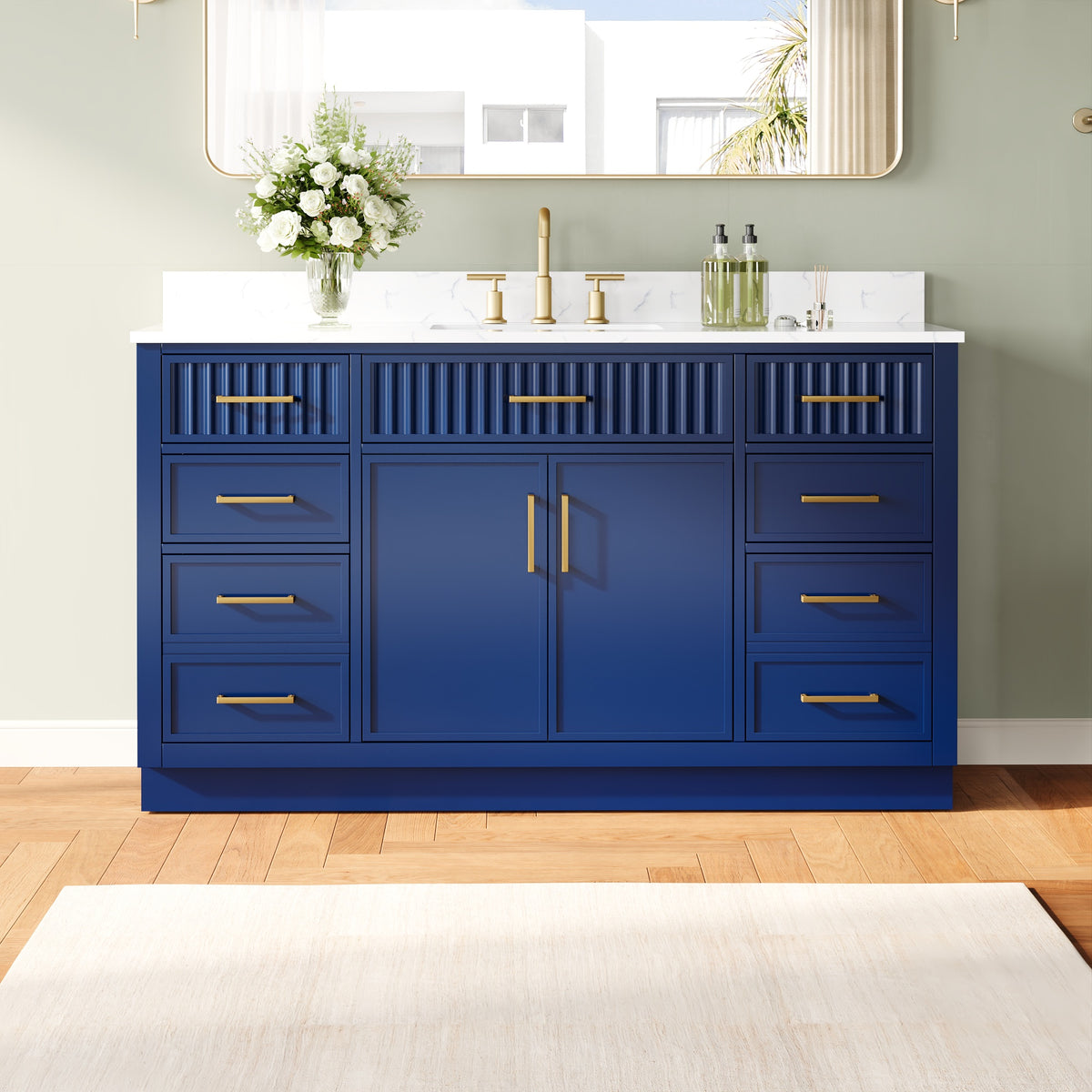

Mirrors of high quality are required not only to reflect your image but also to enhance room decorations, facilitate grooming, and harmonize synergistically the vanity with the overall lighting and finishing of the room. Selecting appropriate the best bathroom mirrors makes you consider their size, function, durability, and appearance as well as the price you are going to pay. The latest research conducted in the field of designing illustrates the idea that lighting and style are highly relevant in terms of bathroom planning activities: The National Kitchen & Bath Association’s latest research in the field of bath planning shows that lighting quality is one of the crucial design factors.
Start With the Vanity and Wall
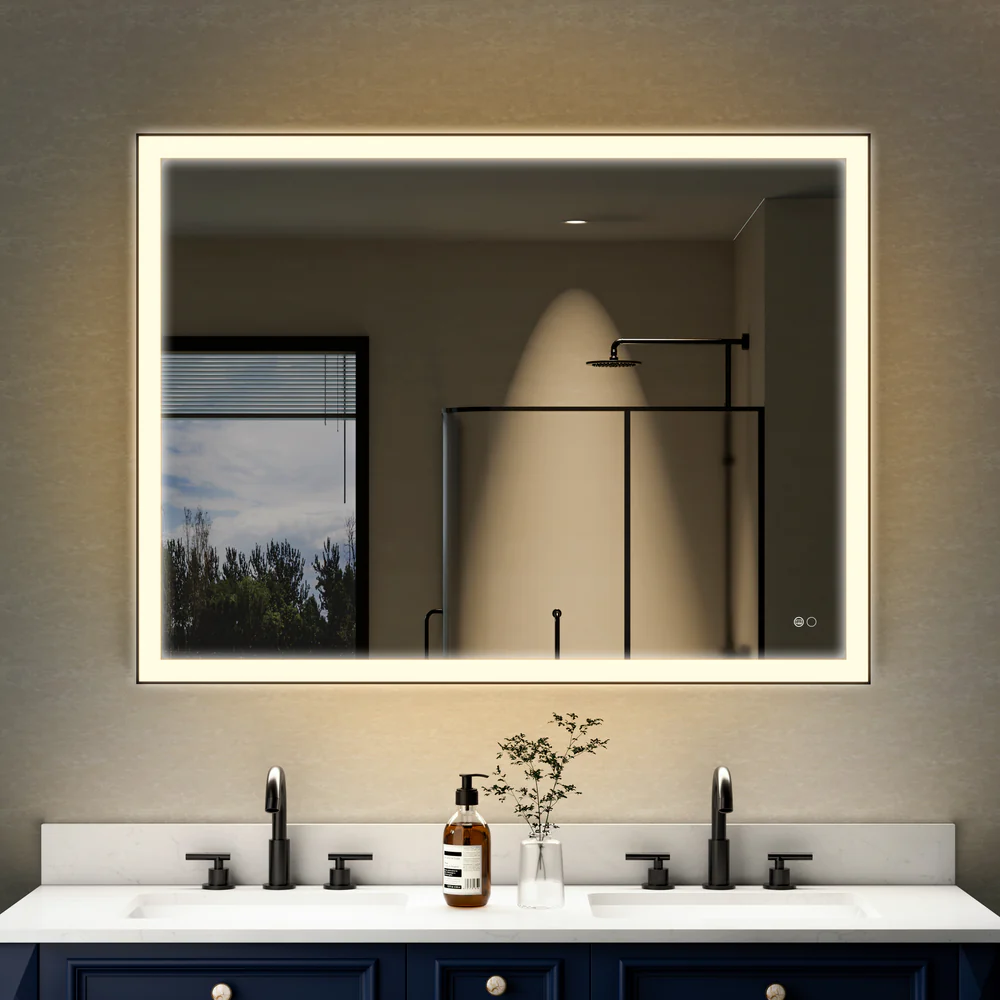
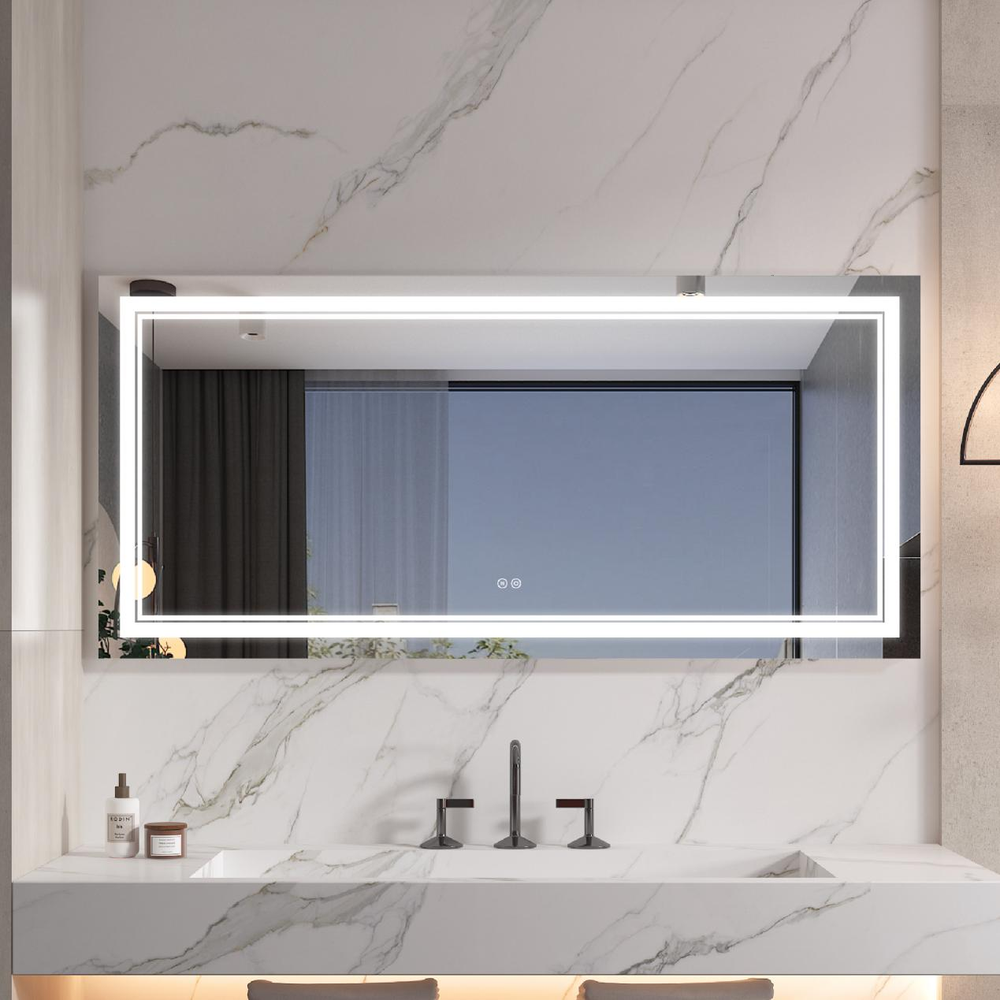
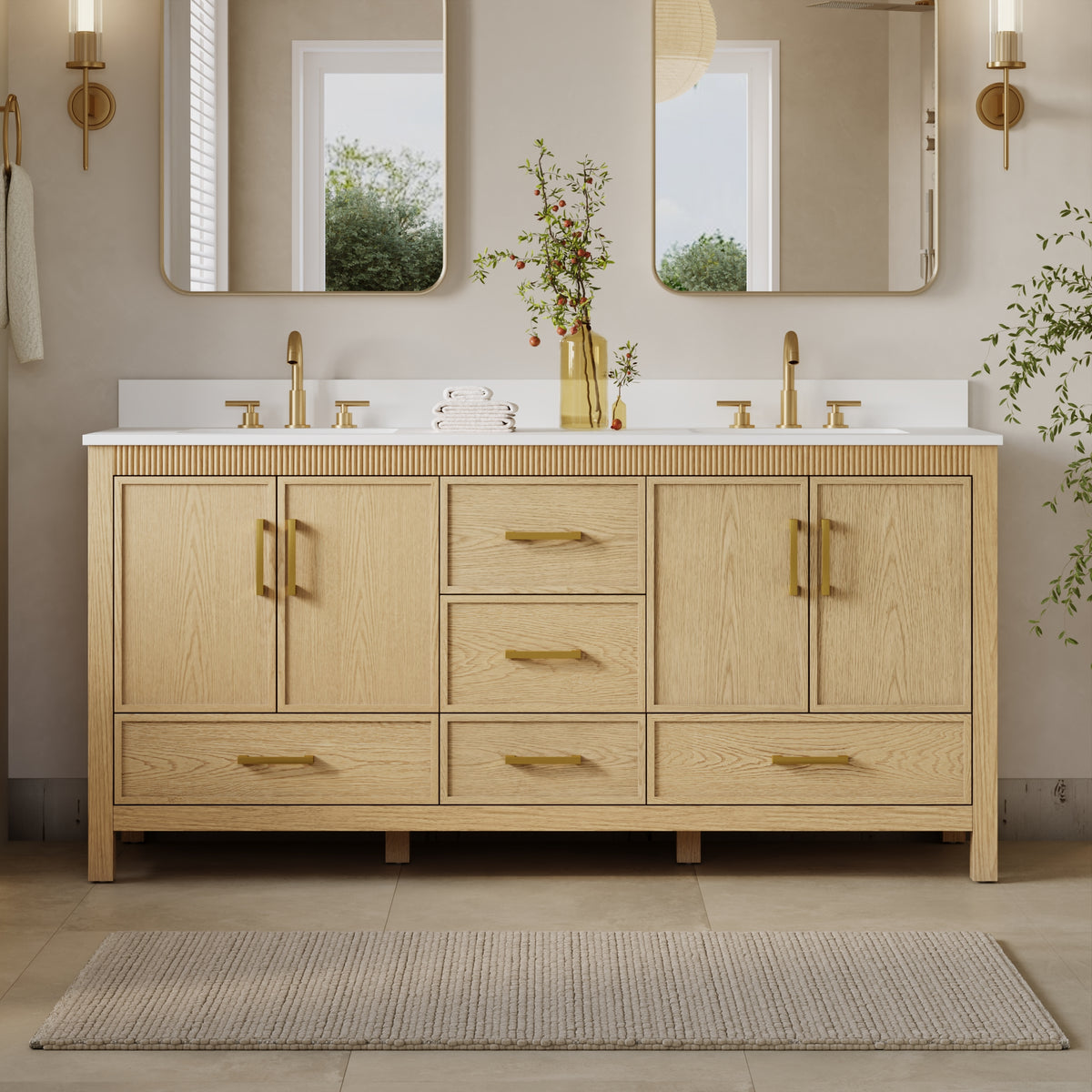
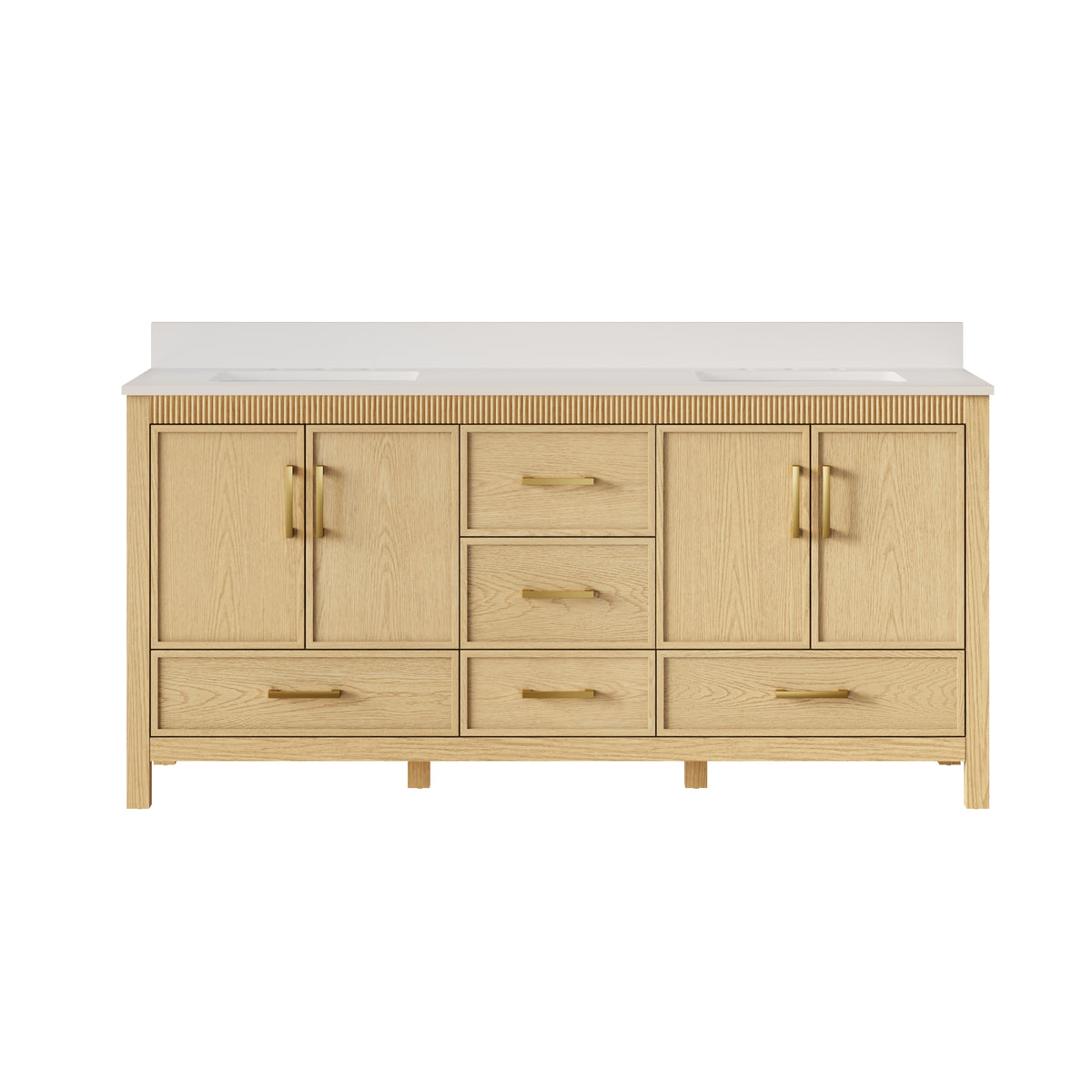
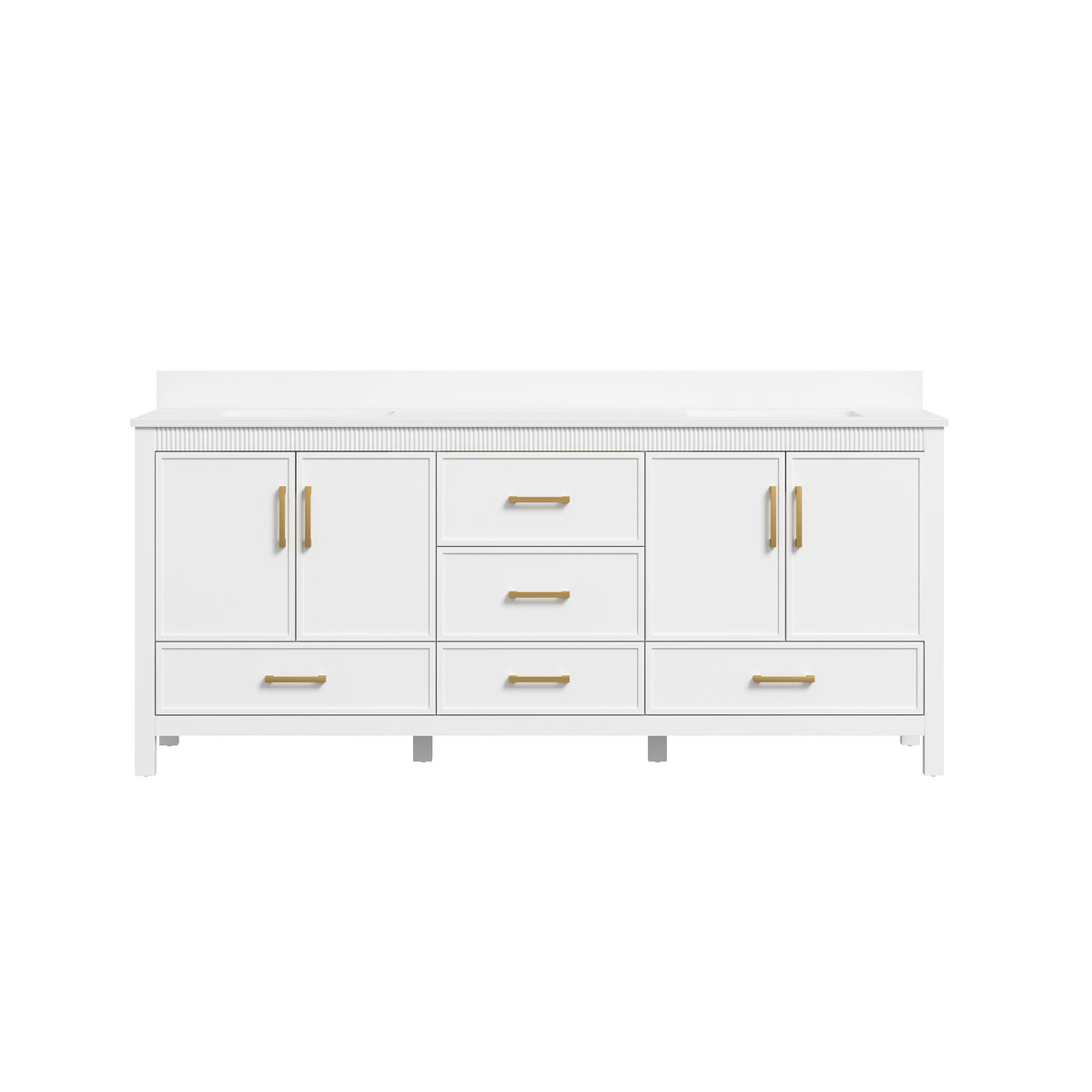
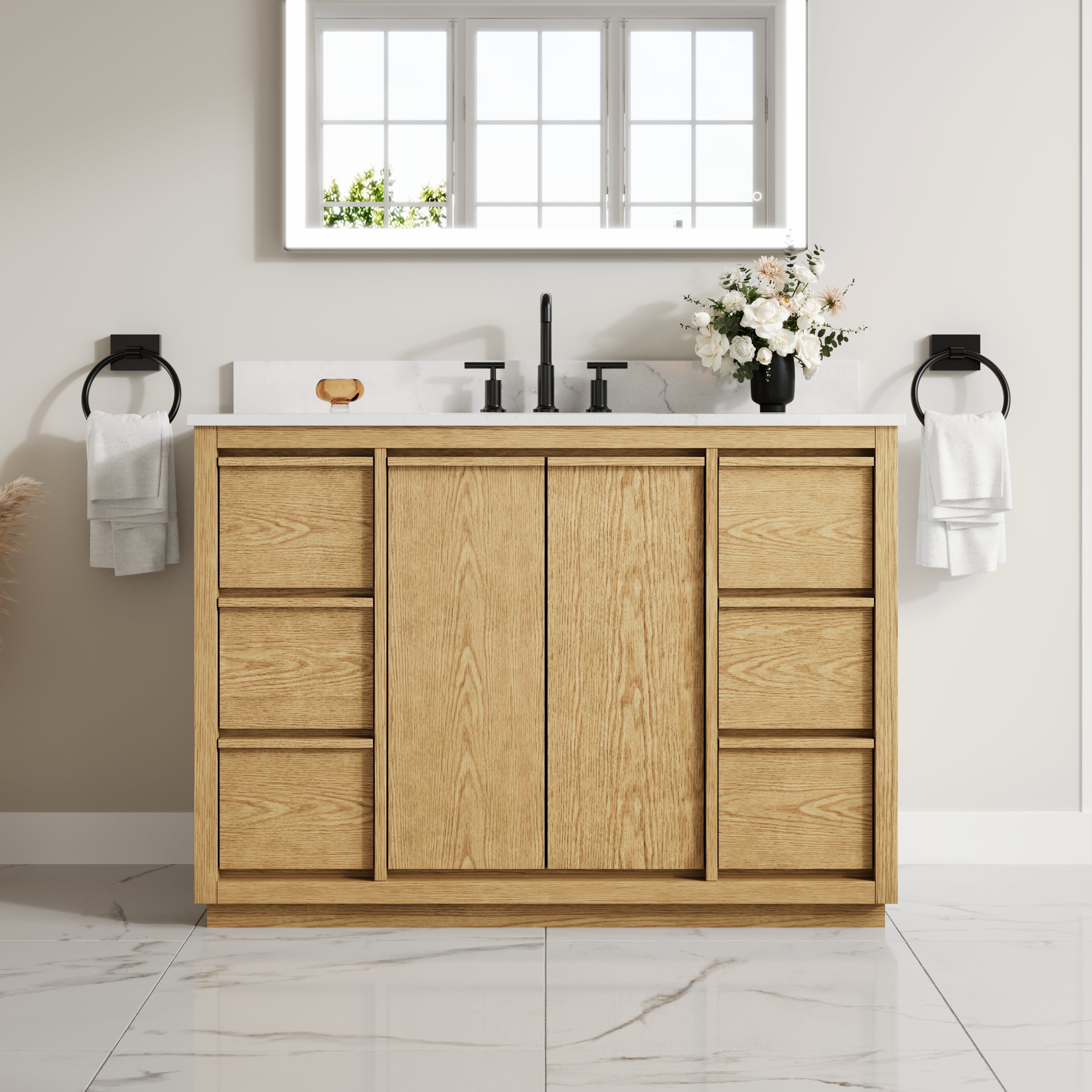
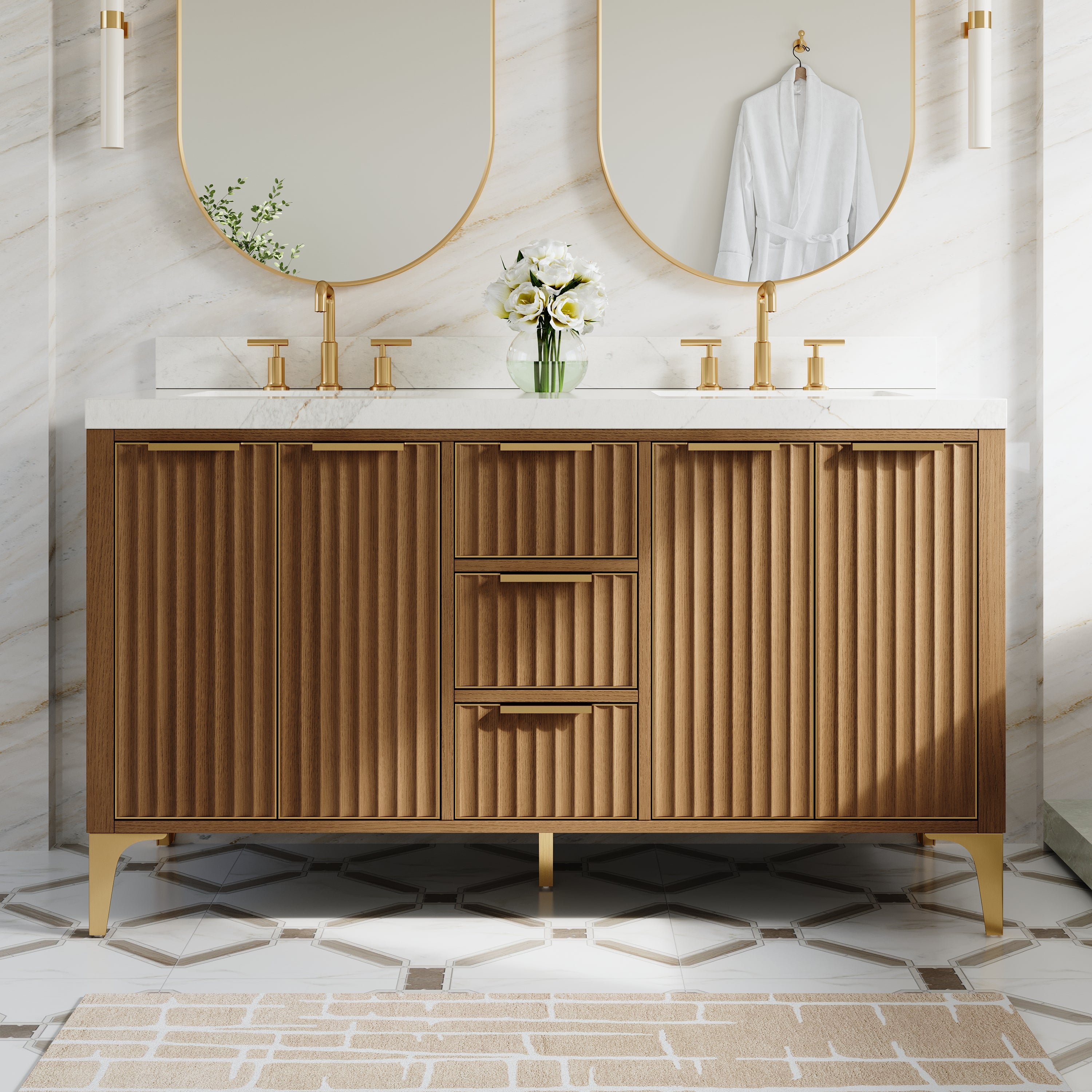
Before assessing various designs, measure the size of the vanity as well as the available wall space. A mirror must be in proportion to the sink surface and have enough space from surrounding lights and cabinets. For example, if the width of the vanity is between 24 and 36 inches, it is advisable to choose a mirror of the same size (or slightly less) for a harmonious look. When buying mirrors for wider vanities, it may be worth considering larger sizes or two separate mirrors.
Height is as essential as width. If the bathroom is small, installing a taller mirror will help to create a more spacious feeling in the room. Apart from that, a tall mirror will provide a good view at different heights. Prior to a purchase, make sure to measure the dimensions of the selected mirror and find out about its installation. When mounting, wall-hung mirrors will require some form of support to be installed.
Match the Shape to the Room’s Style
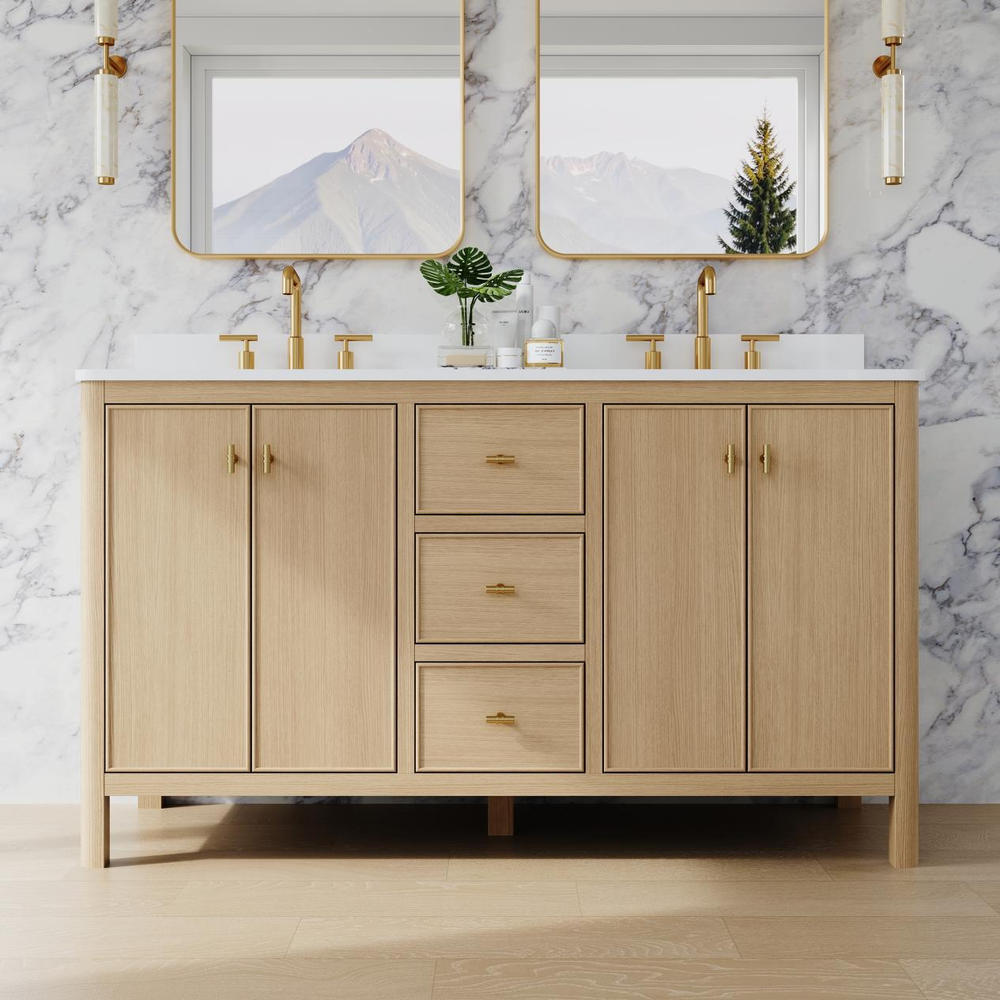
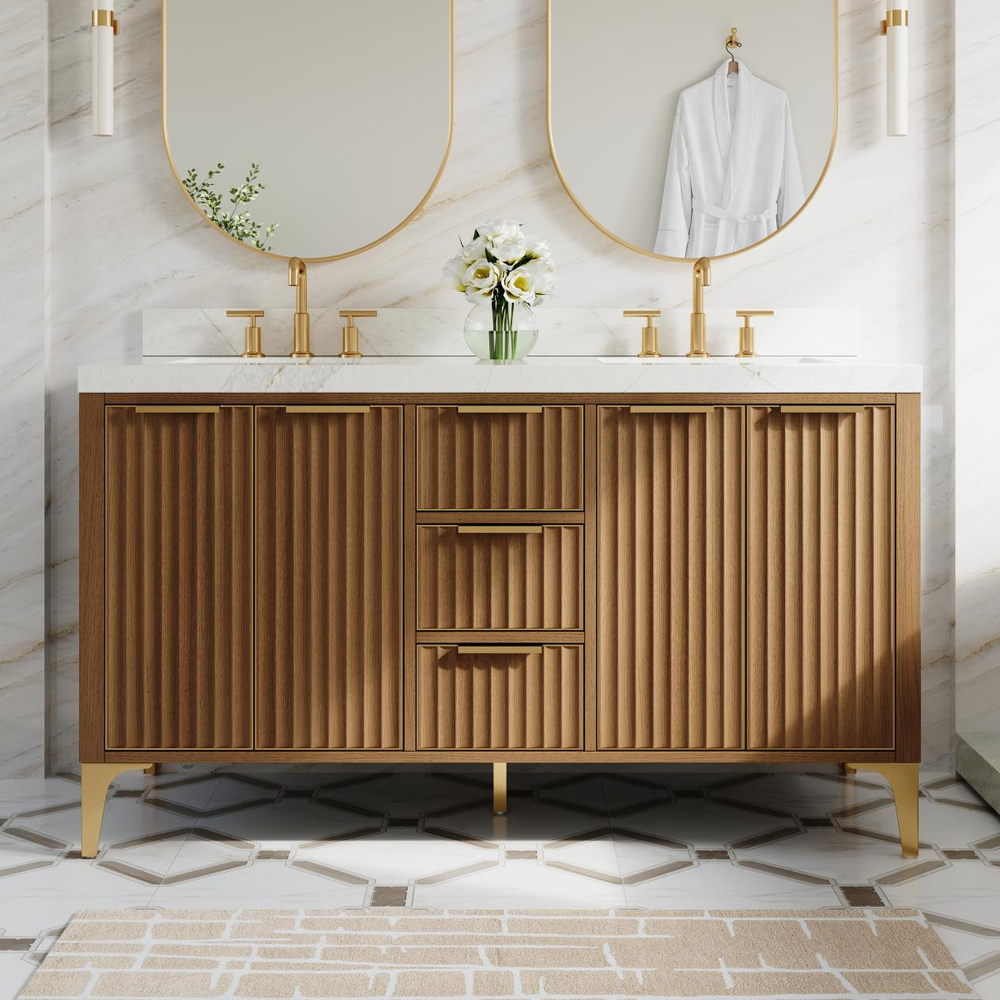
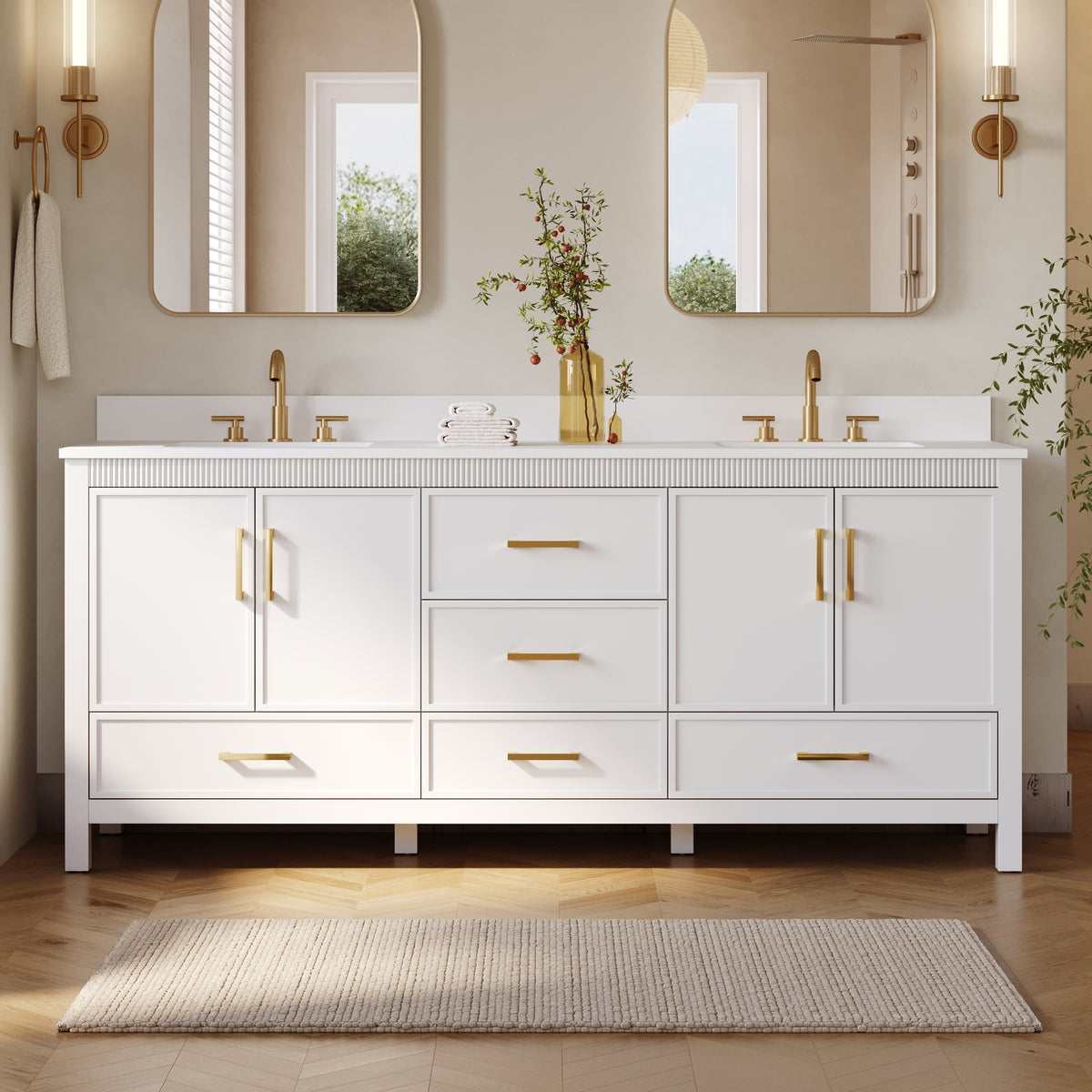
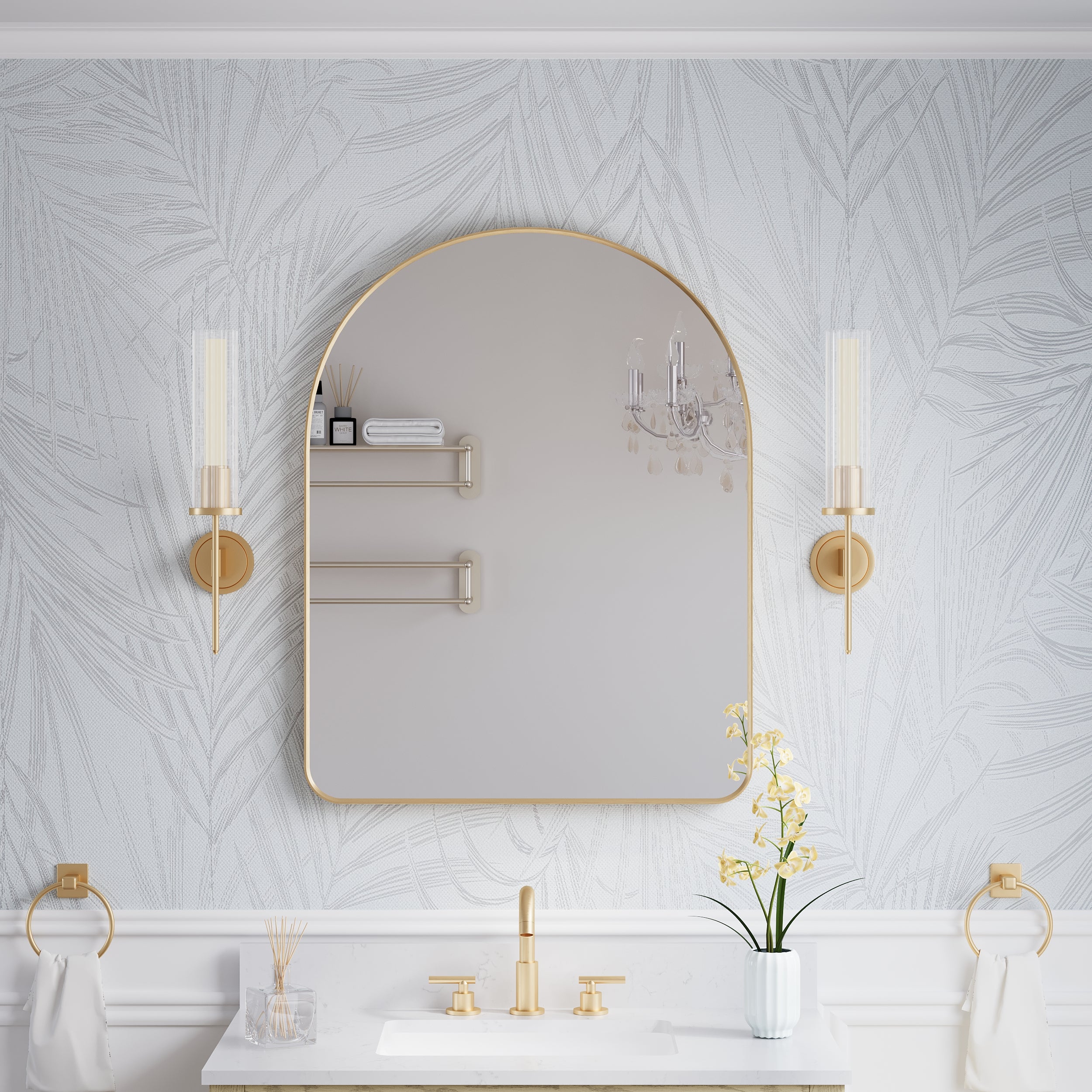
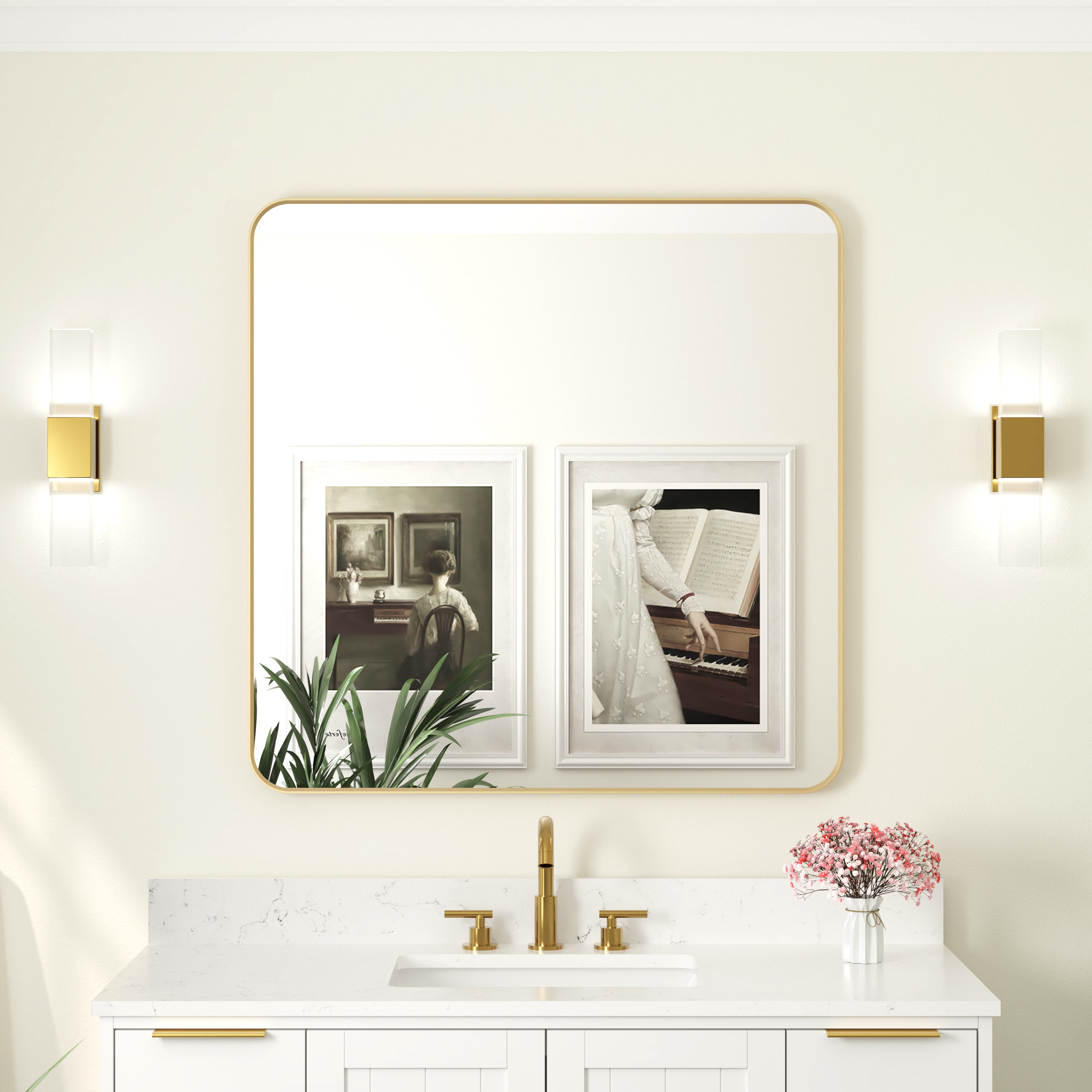
Shape is one of the simplest ways to set the tone. Rectangular mirrors work well in contemporary, transitional, and traditional bathrooms because their clean lines complement most vanity designs. Round and oval mirrors soften rooms with angular tile, square sinks, or straight-edged cabinetry. Arched mirrors can add a decorative focal point without taking up more wall width.
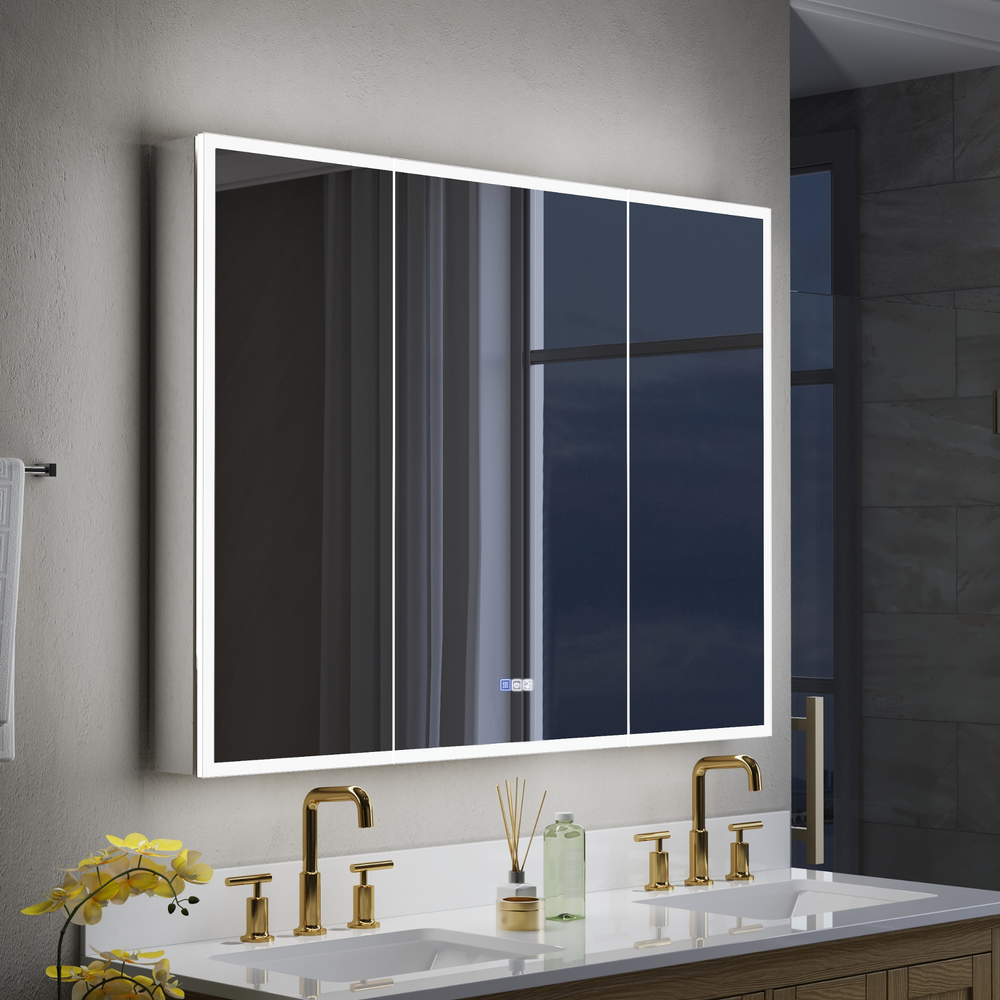
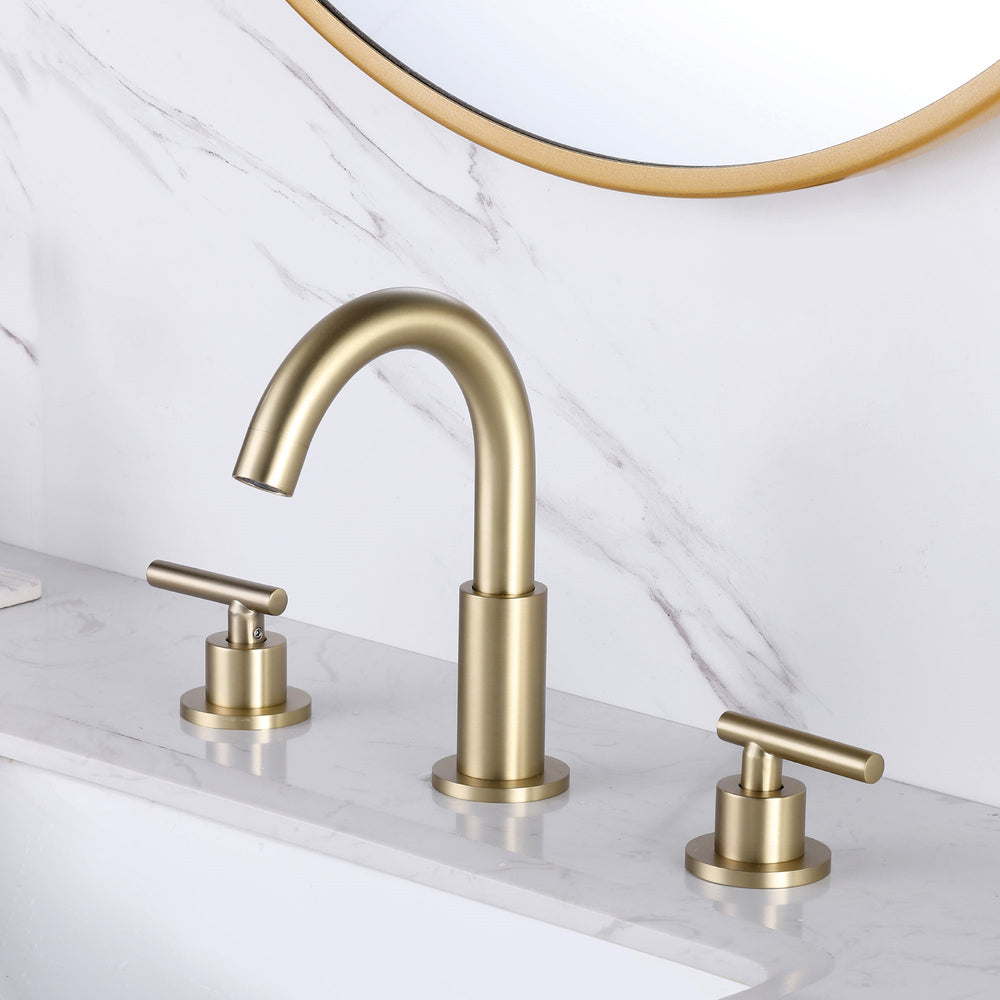
Frame finishes matter, too. Matte black can sharpen a modern space, while brushed gold or brushed nickel can coordinate with faucets, cabinet hardware, and lighting. A frameless mirror tends to blend into the wall, making it a practical choice when the goal is a clean, understated look. NKBA’s 2026 report found that transitional or timeless style was selected by 70% of respondents as a popular direction for the next three years, followed by organic or natural design at 65%. These findings support choosing a mirror that works with the room’s overall palette instead of relying only on a short-lived accent trend.
Decide Whether Added Features Are Worth the Cost
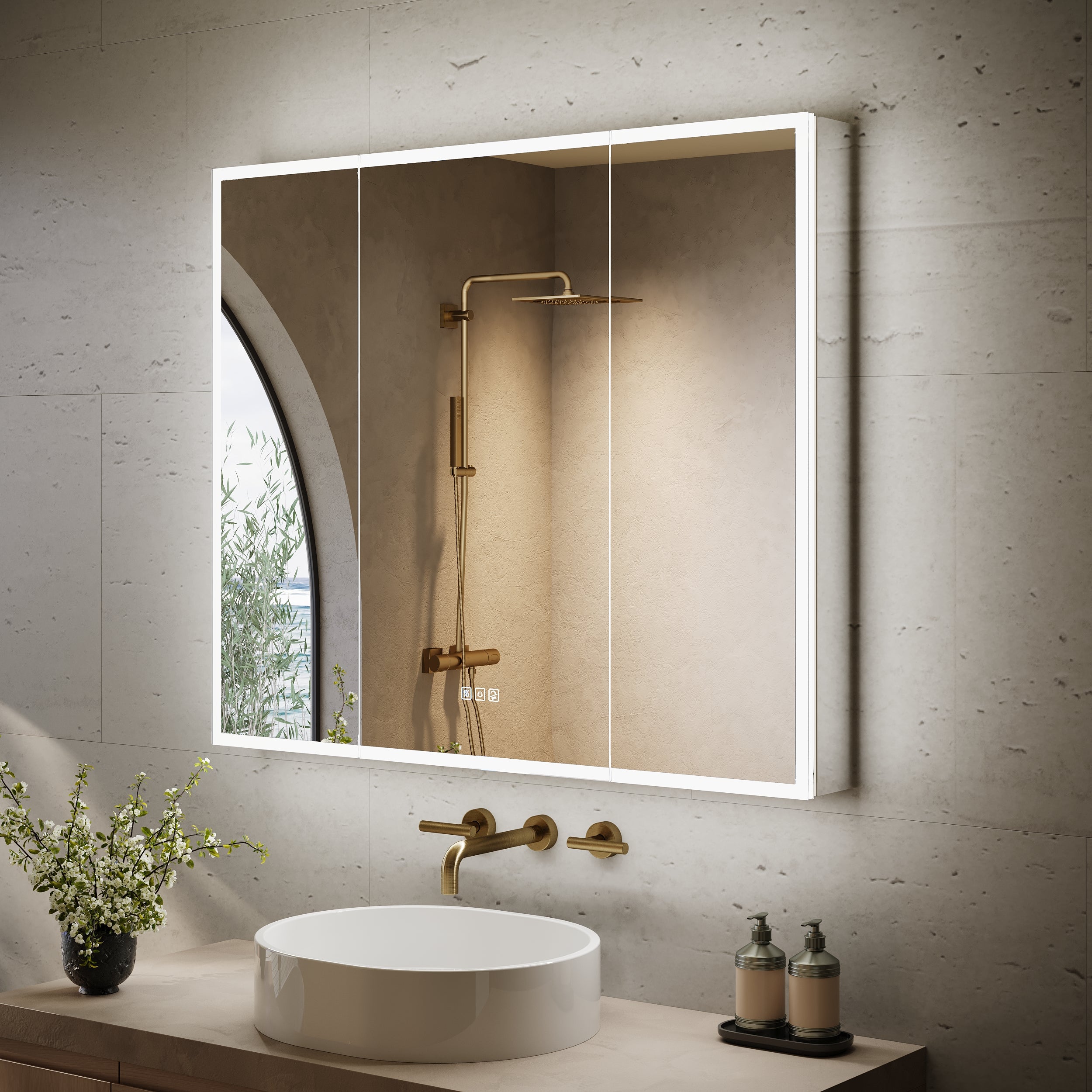
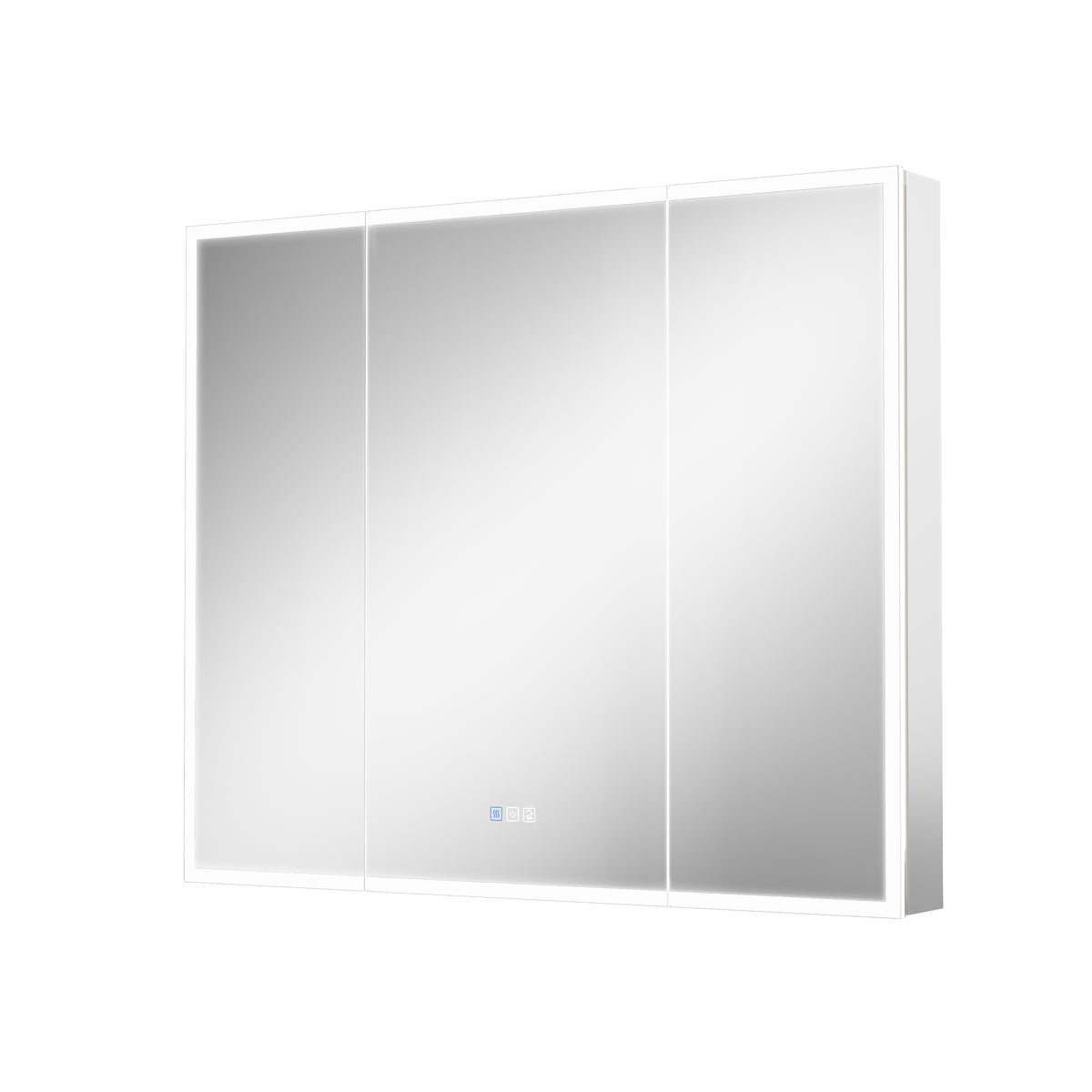
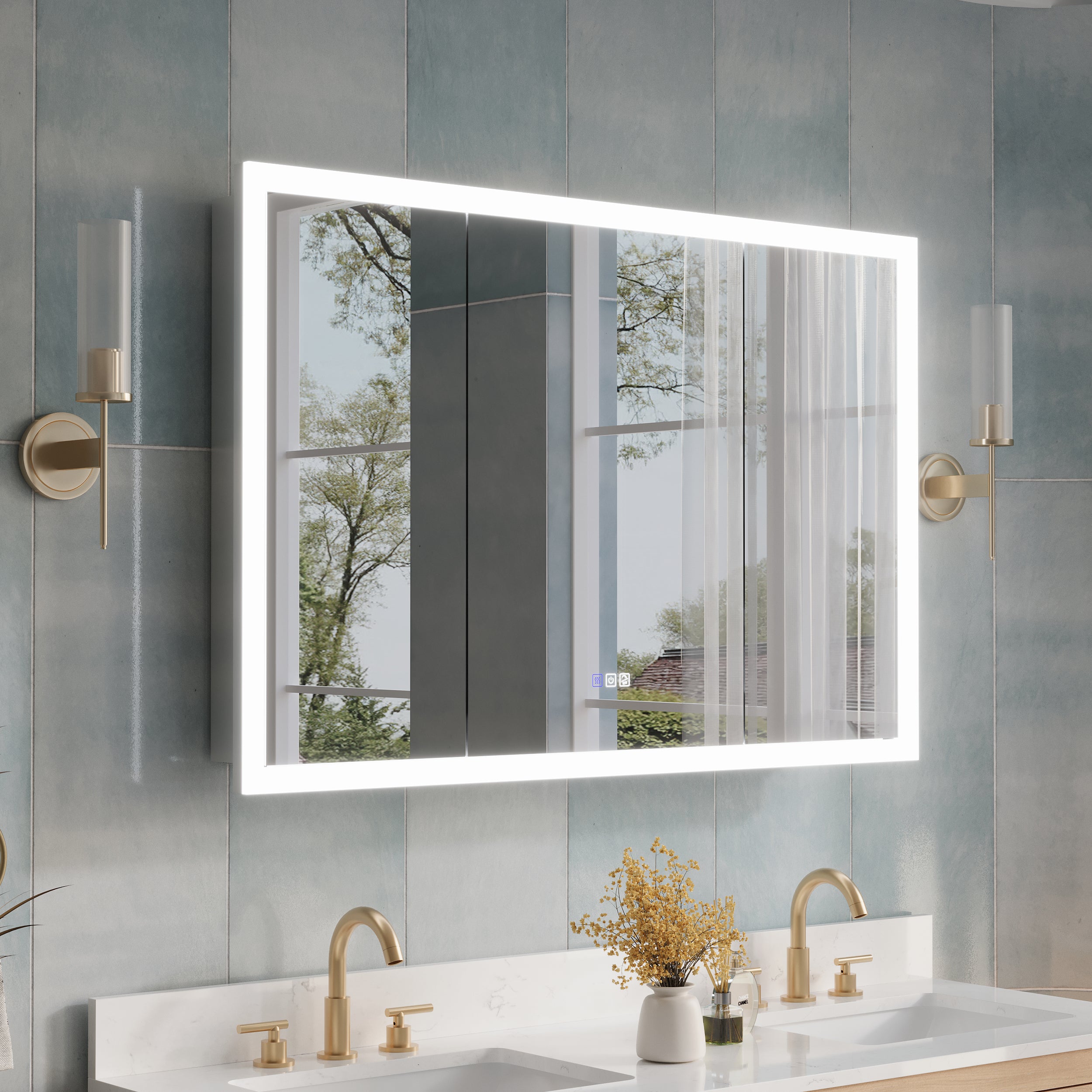
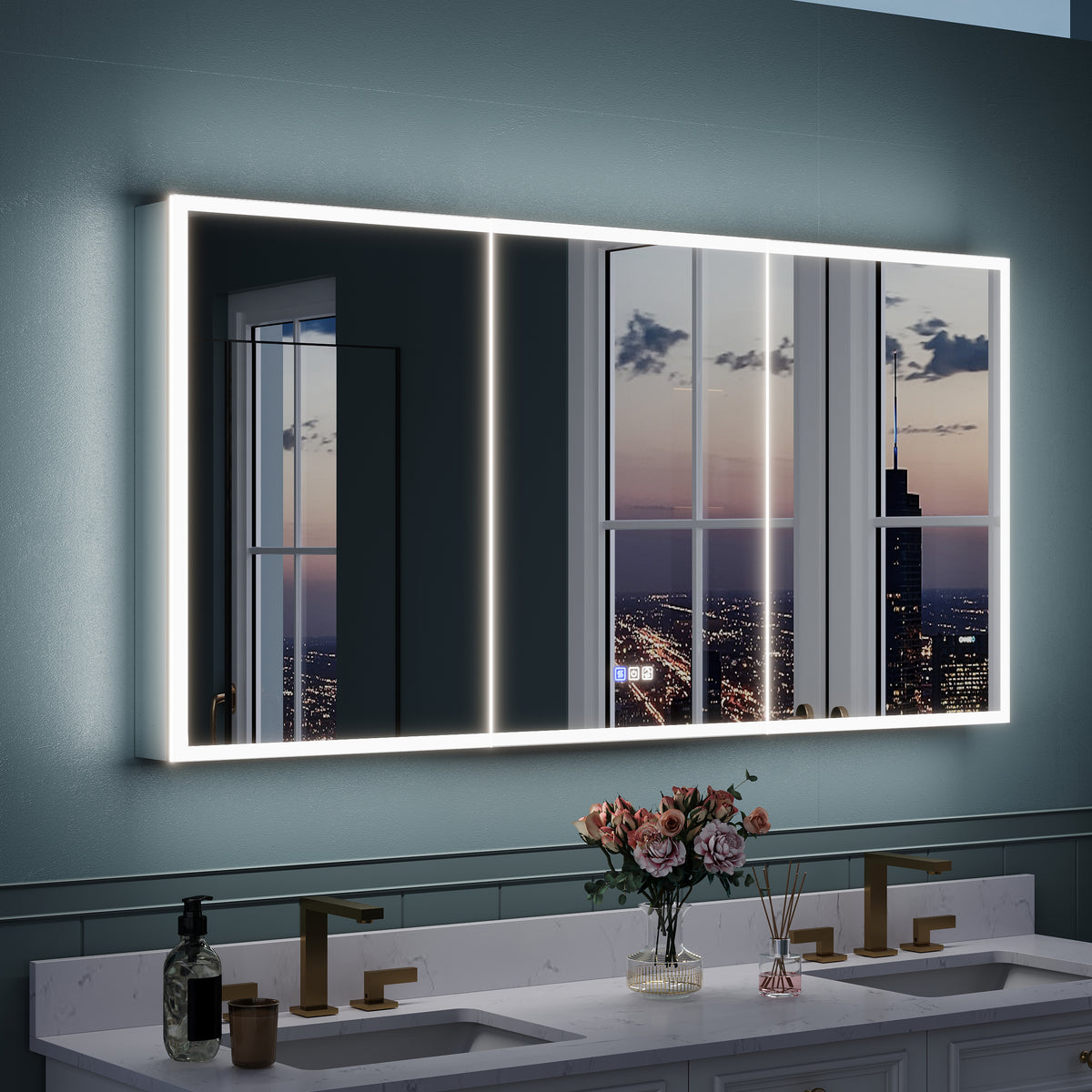
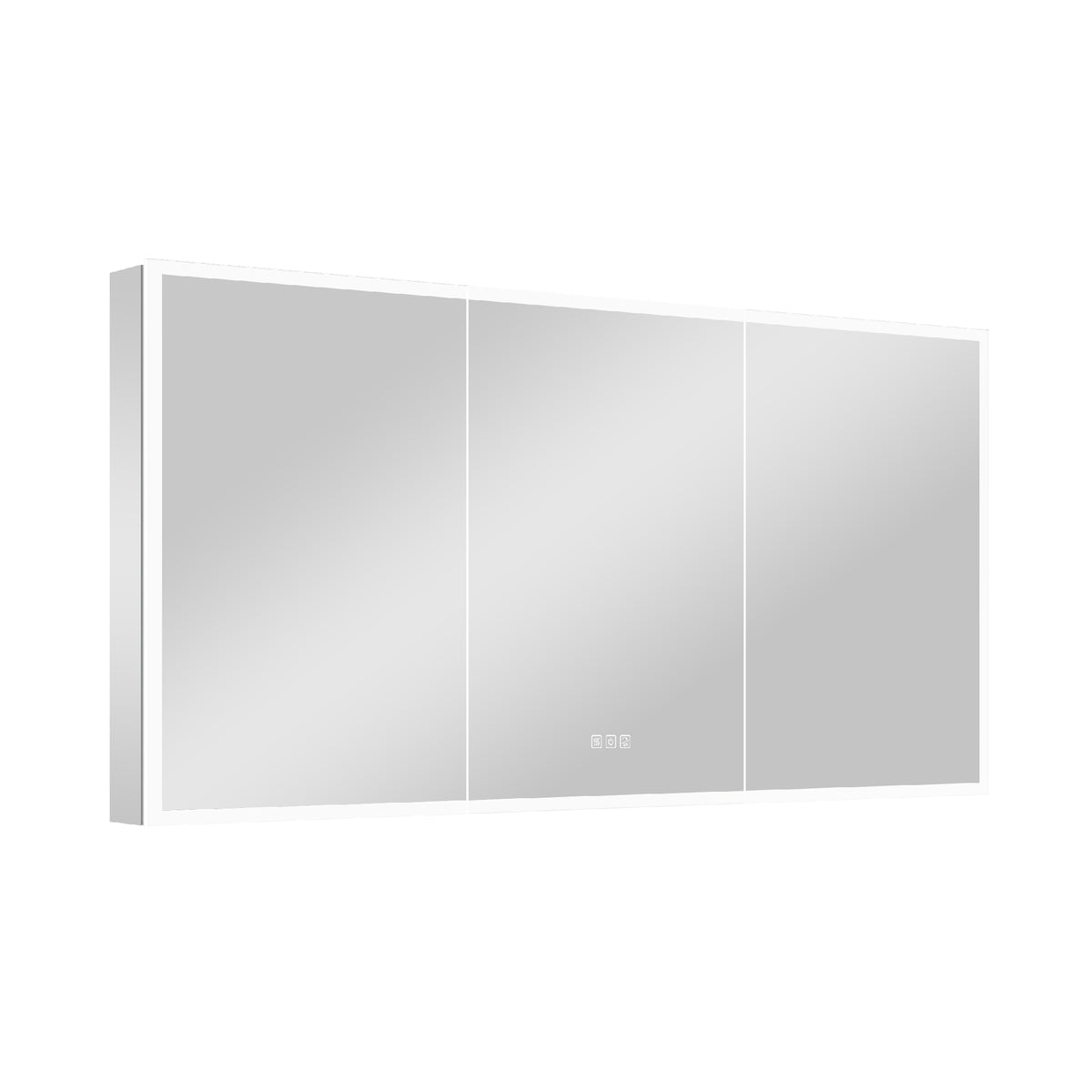
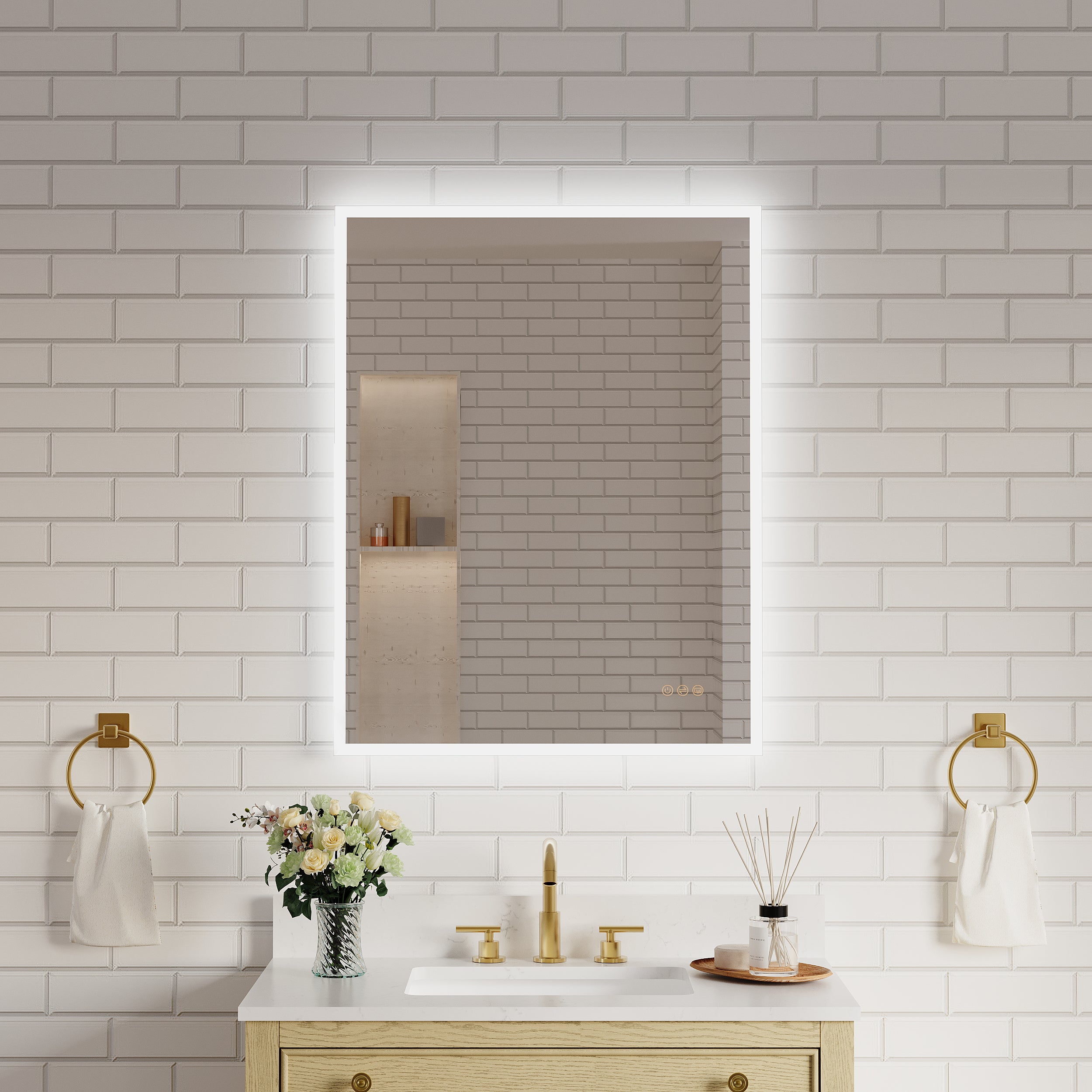
A basic wall mirror can be a good fit when the bathroom already has effective lighting and storage. Lighted mirrors combine reflection with integrated illumination, which can reduce visual clutter around the vanity. When comparing them, review brightness, color temperature, dimming, switch placement, and whether the unit can be hardwired or plugged in.
An anti-fog feature may be useful in a bathroom where steam regularly clouds the mirror. Some models also include adjustable lighting or memory settings that restore the preferred brightness after the mirror is turned off. These extras can improve convenience, but they should match how the room is used. A dimming feature, for example, may be more valuable when the bathroom serves both grooming and nighttime routines.
For lighted options, look closely at the lighting specifications and product documentation. ENERGY STAR explains that LED products can produce light up to 90% more efficiently than incandescent bulbs, though efficiency and performance depend on the specific product and its design.

Compare Materials and Long-Term Value
A lower price does not always translate into a better deal. Look for reflections in mirror glass that are both clear and consistent, and verify whether the frame and backing can stand moisture. Good materials and safe mechanisms help the mirror maintain its appeal for many years due to the great number of users.
When dealing with framed mirrors, compare materials used for framing and its finish. When choosing illuminated mirrors, check whether it has a warranty, instructions for installation, and whether replacement parts are available. Remember whether the mirror comes with mounting equipment as well as what type of electrical works are needed. A classic type of mirror that is properly done may present a better result than the one with additional features, which are not necessary for a certain space.
Set a Budget Around What Matters Most
Before going for shopping, think about the features you consider most important, whether it's a specific shape, big view, built-in lights, anti-fog function, or consistent coating of the frame. Then, compare products according to the selected priority so that you could distinguish useful features from options that increase cost and provide no real value to your everyday life.
A simple, regular mirror can also become a great design element if it has the right proportions and finish. Premium options may be worth buying only if you will regularly use their additional features and can install it in your bathroom. It makes sense to consider the overall price of the purchase with brackets, electric works, installation, etc., rather than comparing prices alone.
Check Lighting and Placement Before Installation
The mirror’s position can affect how useful it feels. Center it above the sink or vanity area, and consider whether the light source will fall evenly across the face. Overhead lighting alone can create shadows, while side lighting or integrated mirror lighting may provide more balanced illumination for grooming. The NKBA report found that 92% of respondents believe task lighting should always be included in a primary bathroom, reinforcing the importance of planning the mirror and its lighting together.
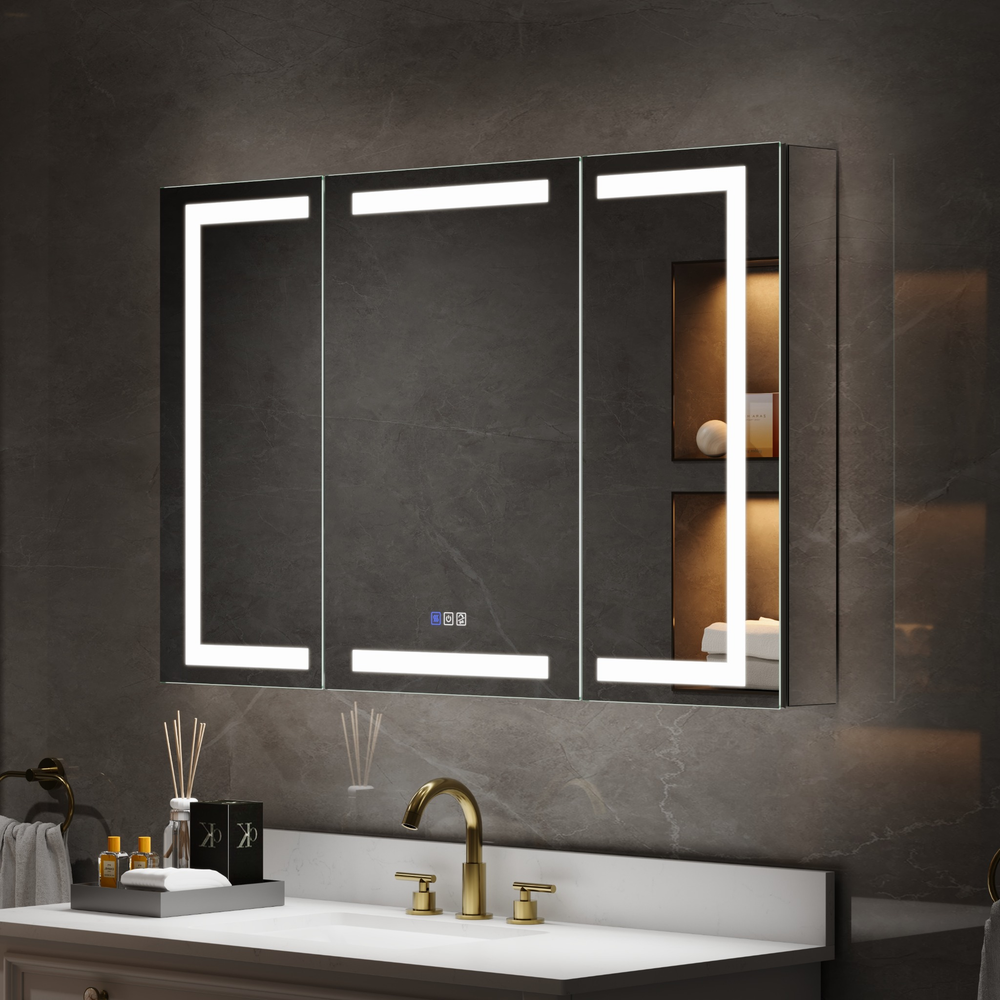
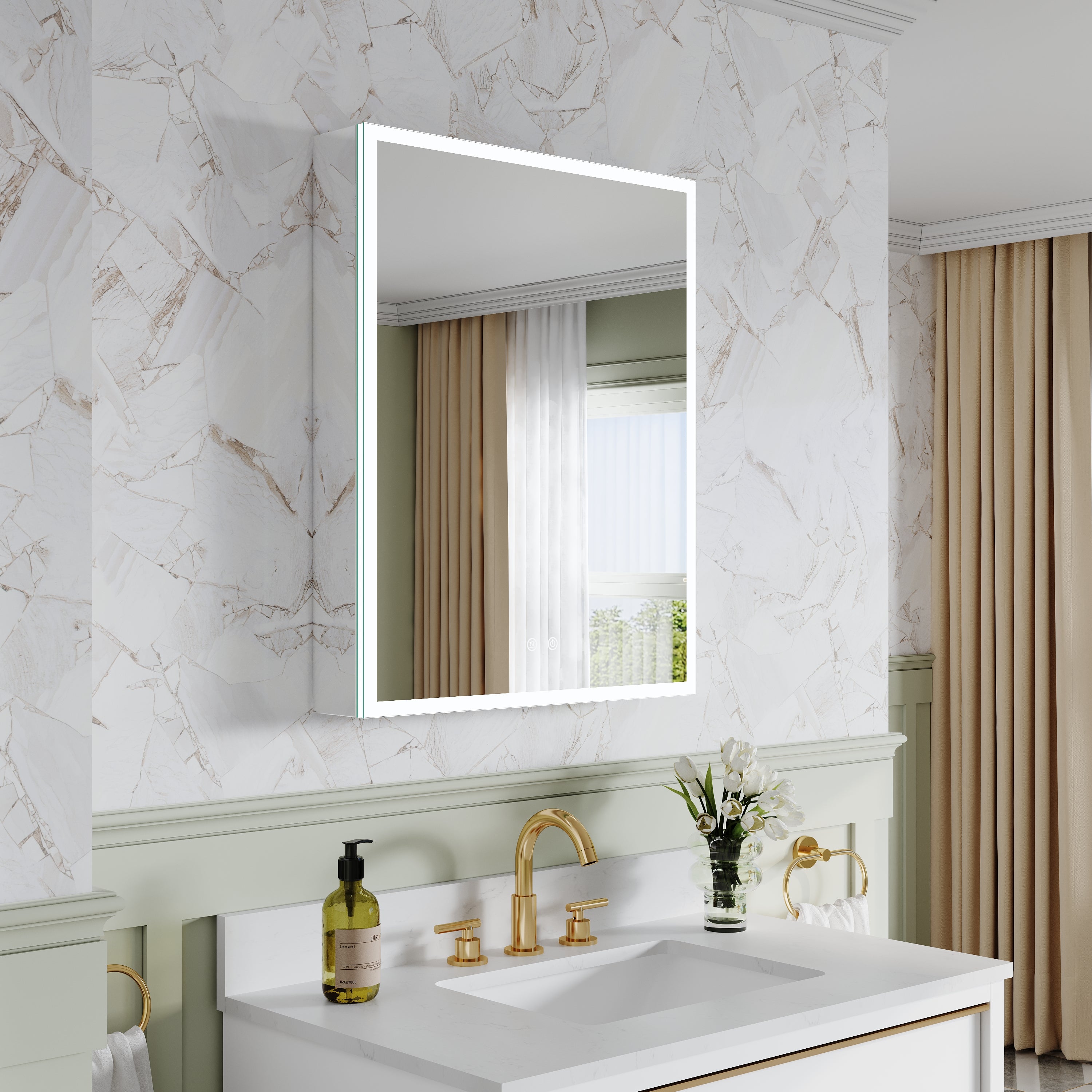
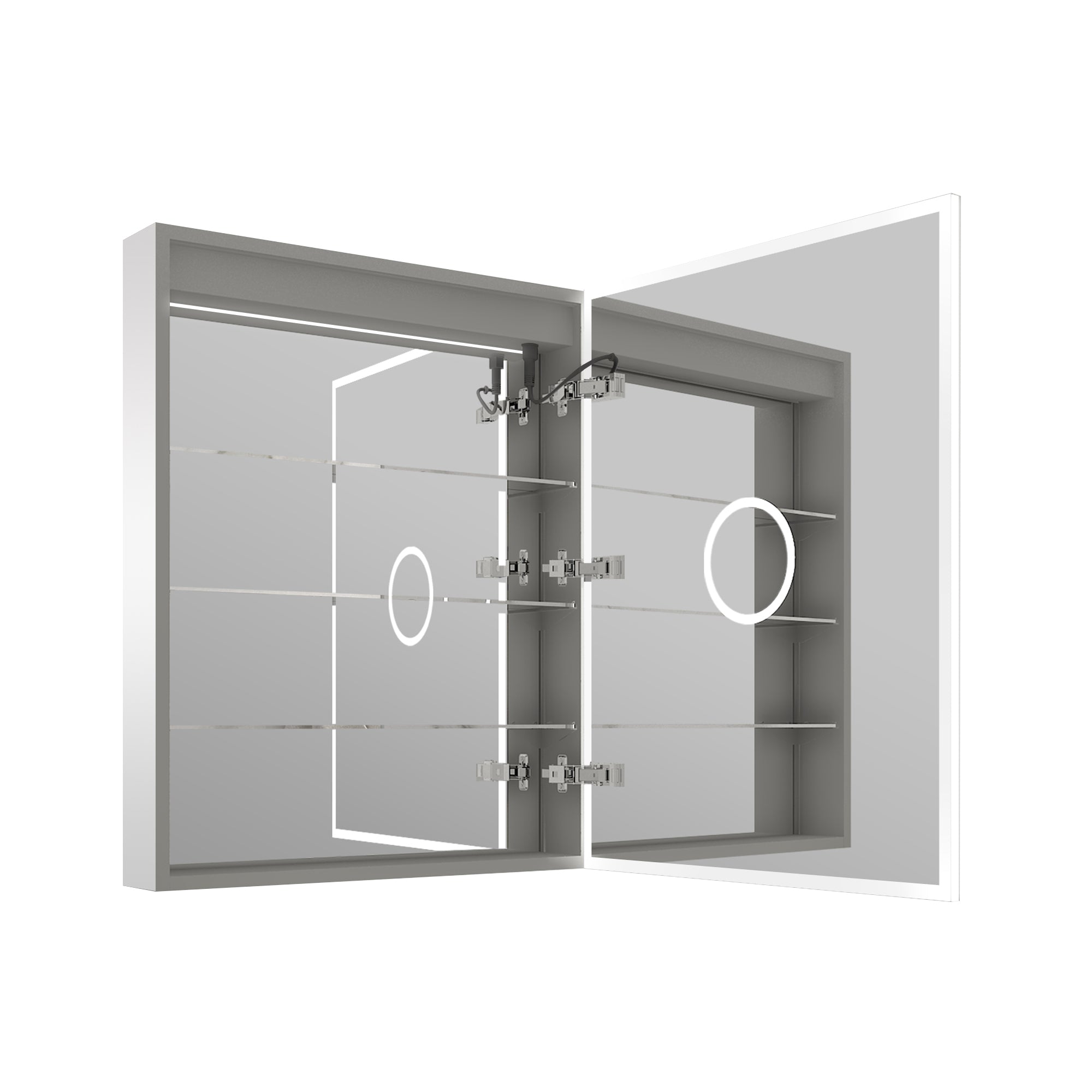
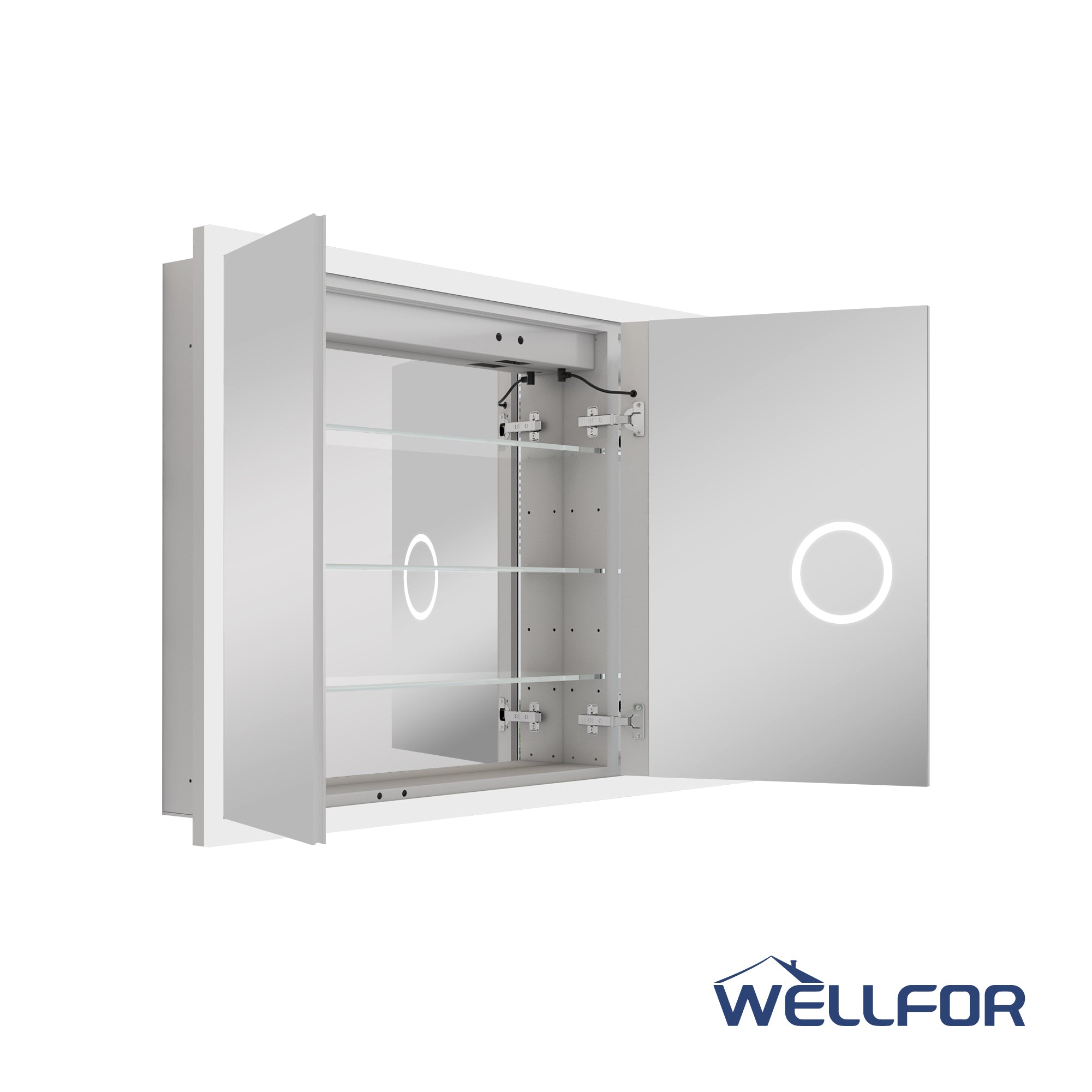
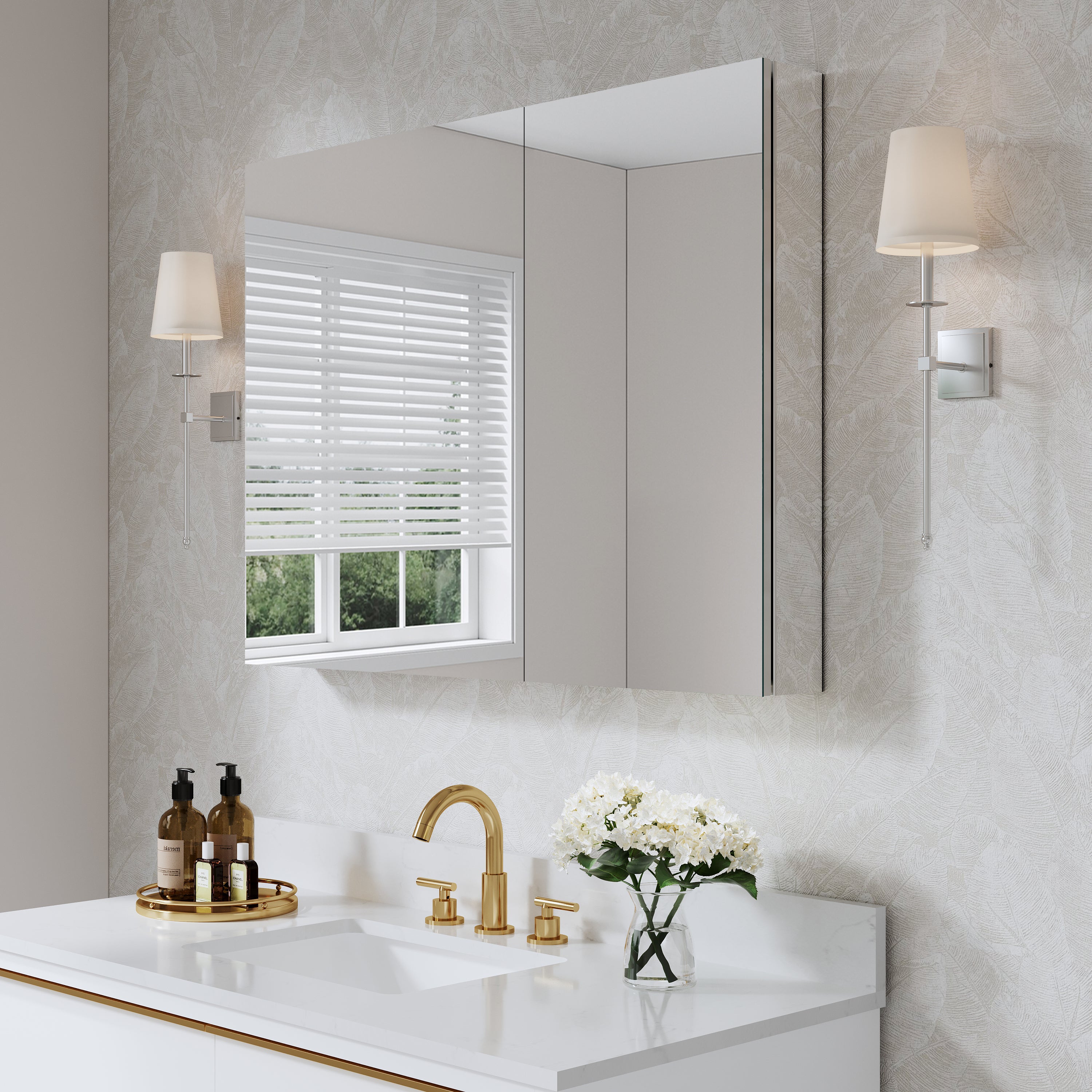
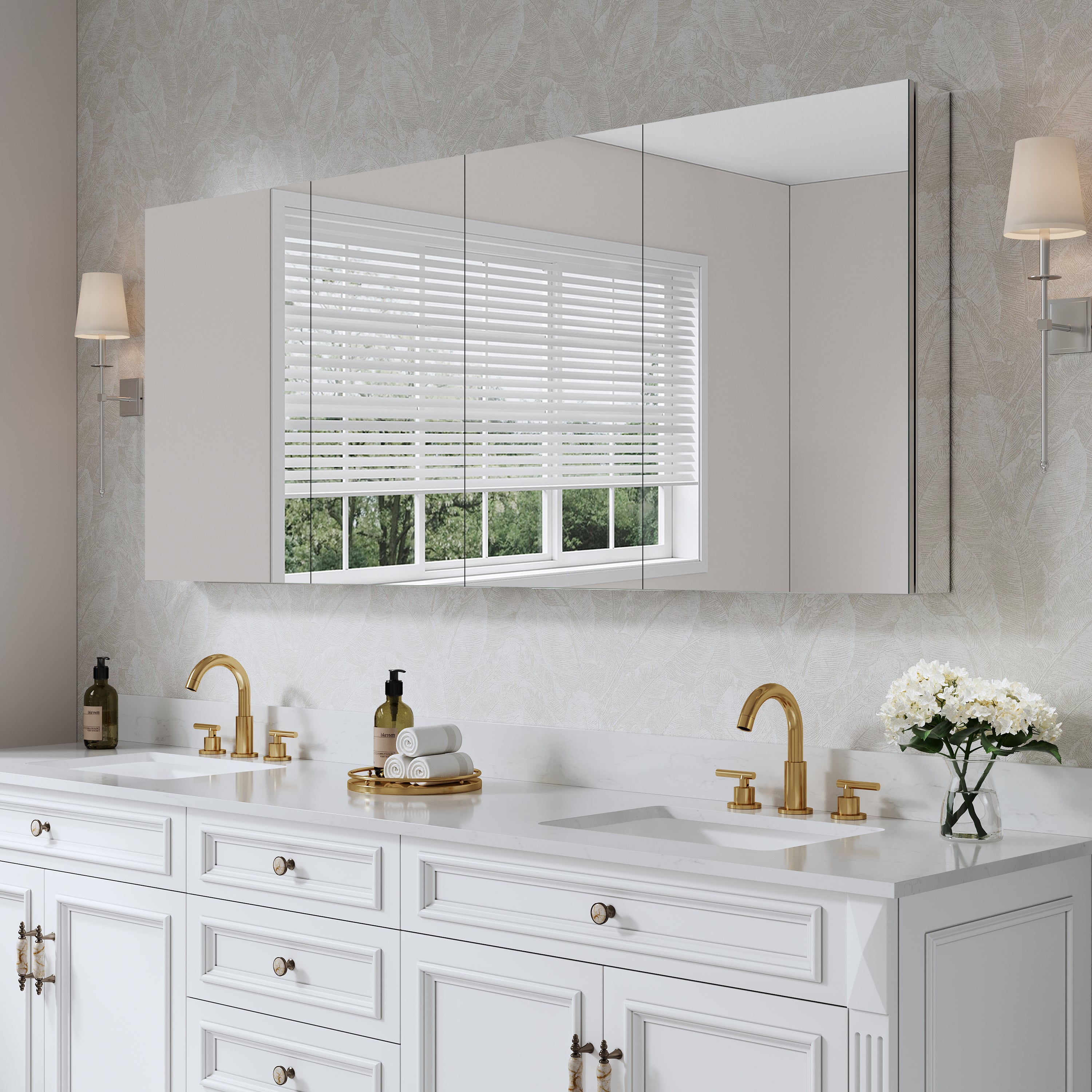
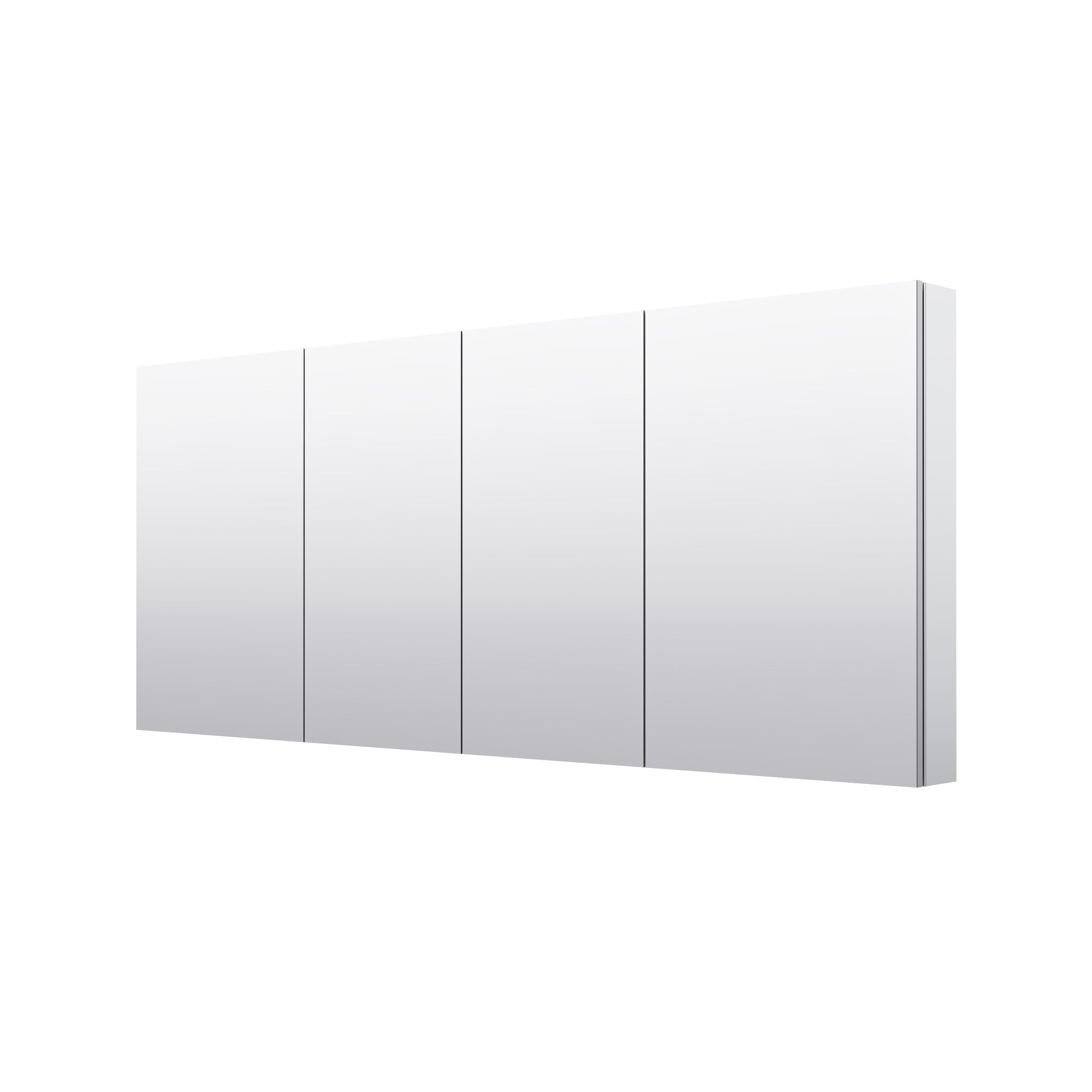
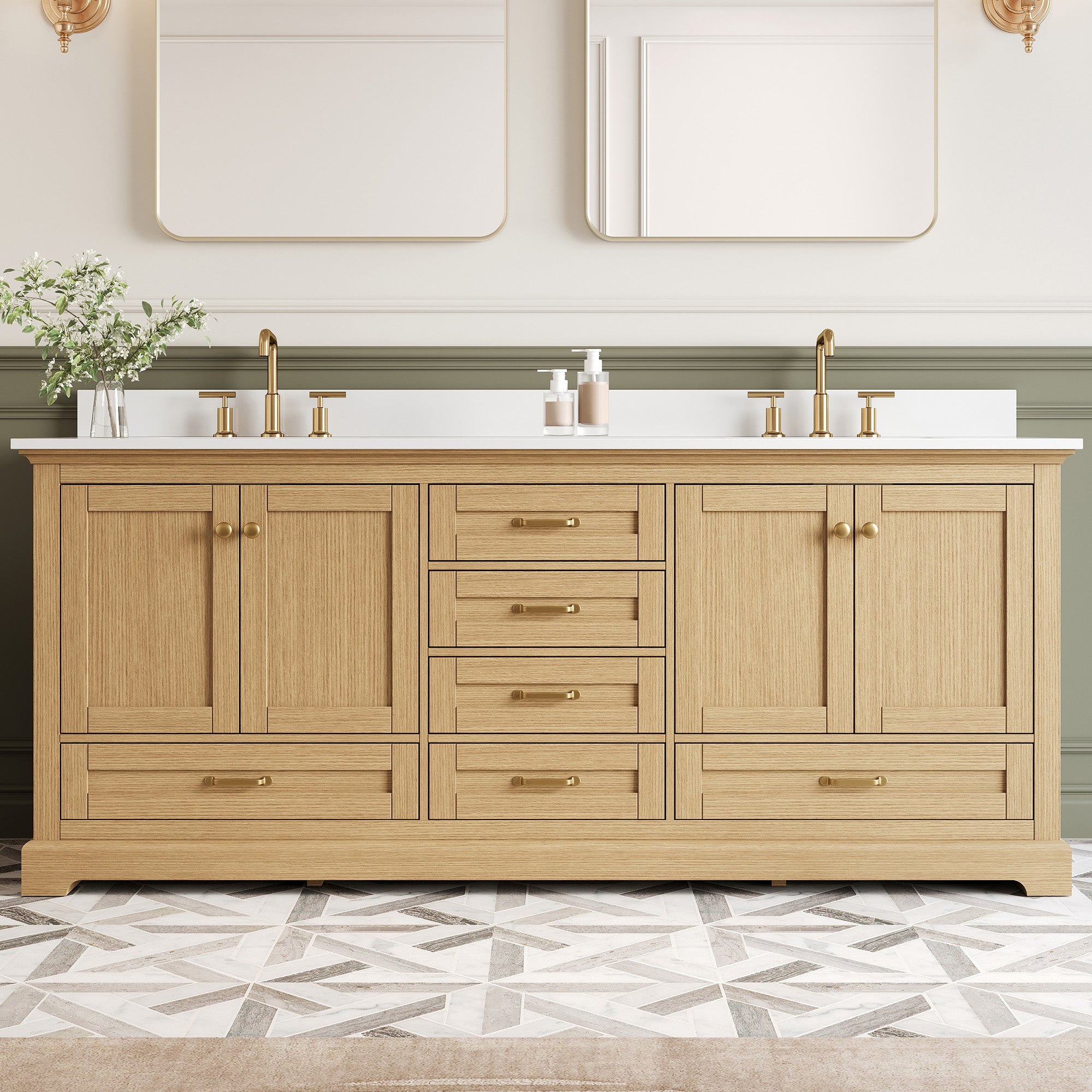
If the bathroom has more than one sink, make sure the mirror arrangement suits the people using it. One wide mirror can create a continuous look, while two individual mirrors can give each sink a defined area. In a small bathroom, a mirrored medicine cabinet may combine reflection with concealed storage, helping keep everyday items accessible without adding another fixture.
A useful final check is to compare the mirror against the vanity, faucet, and room lighting together. The right choice should fit the available wall, complement the bathroom’s style, and provide features you will use every day. With those points in mind, you can narrow the options by long-term value instead of price alone.













Leave a comment
This site is protected by hCaptcha and the hCaptcha Privacy Policy and Terms of Service apply.