
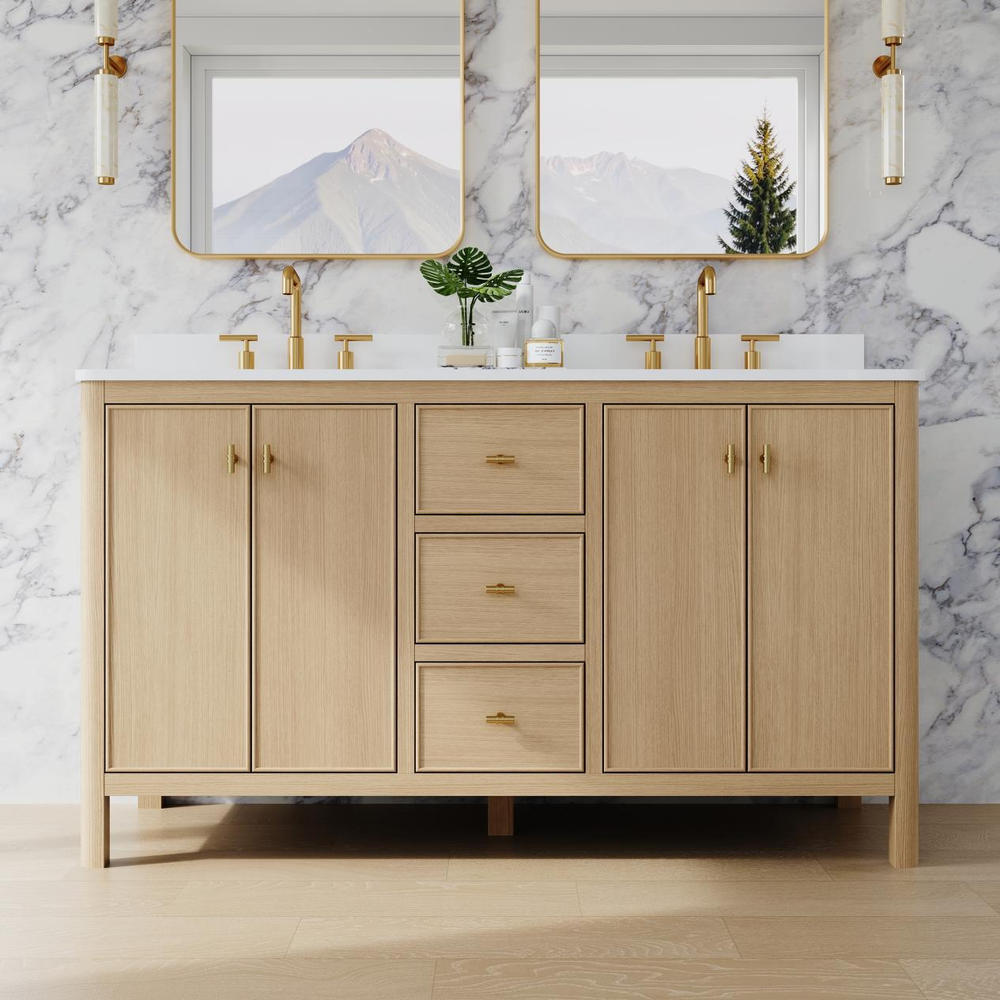
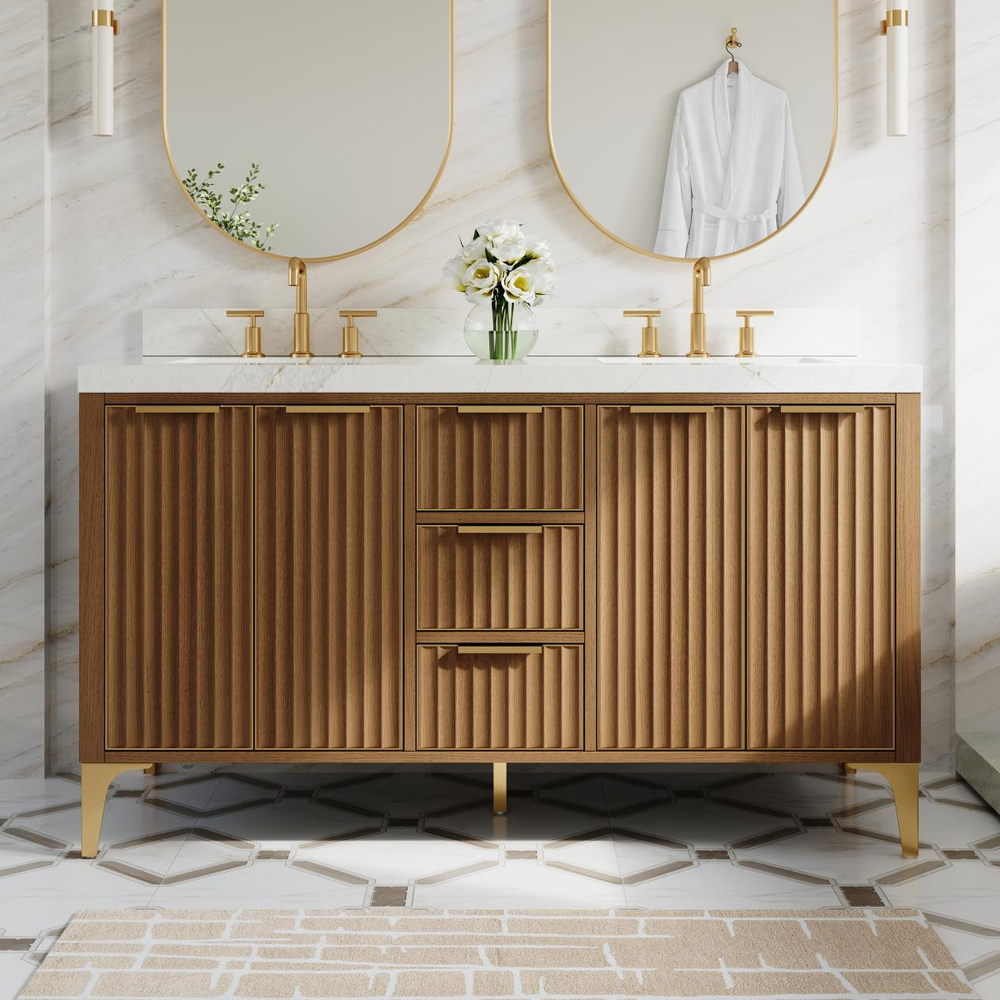

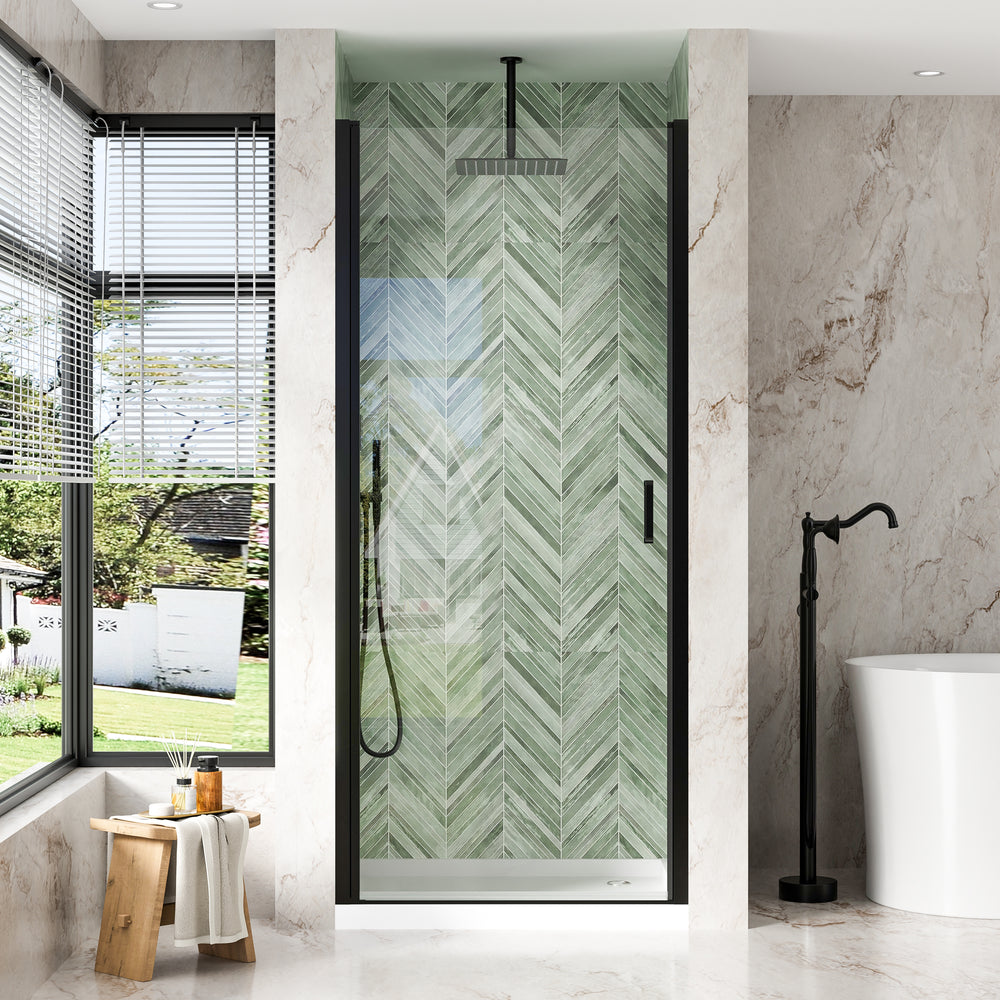
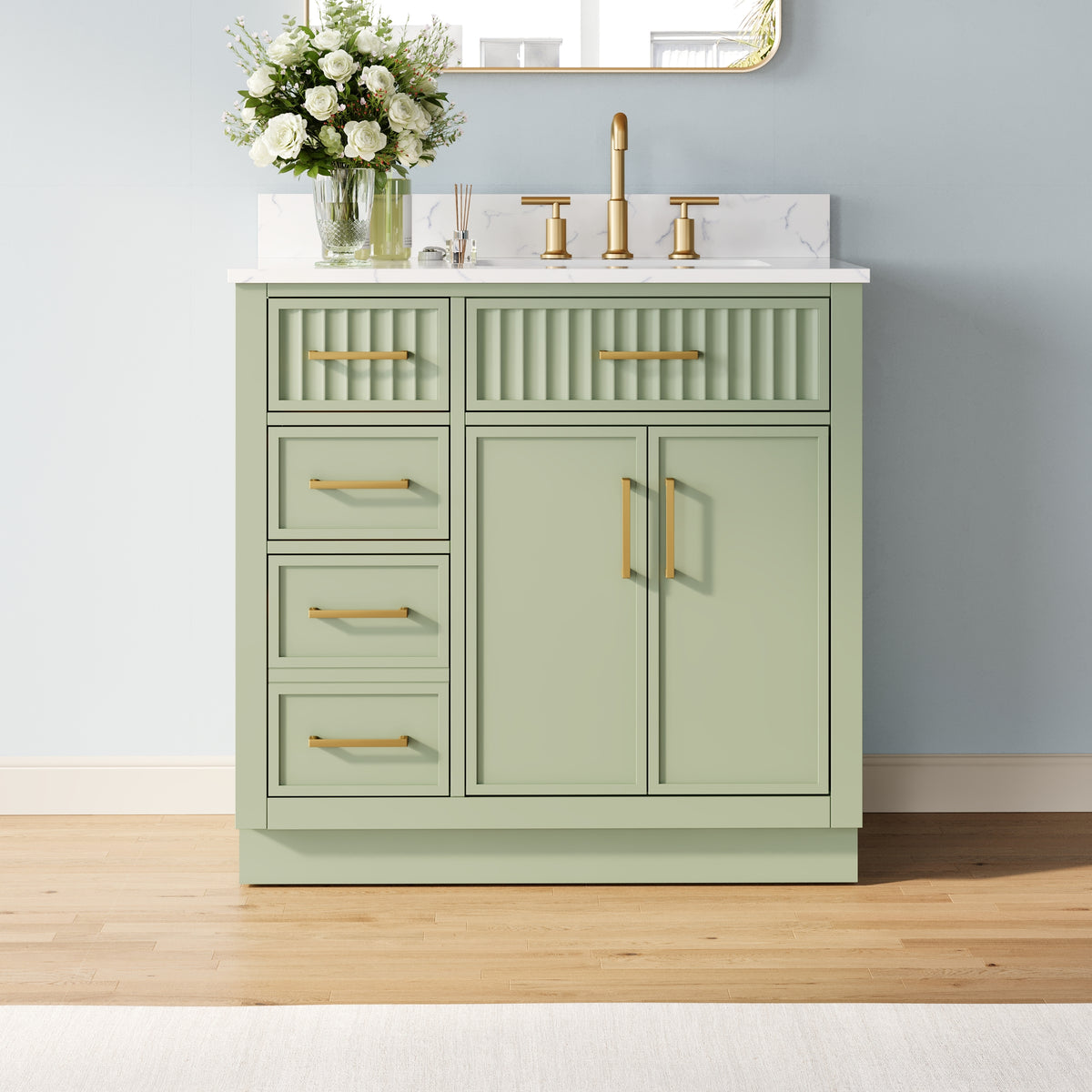
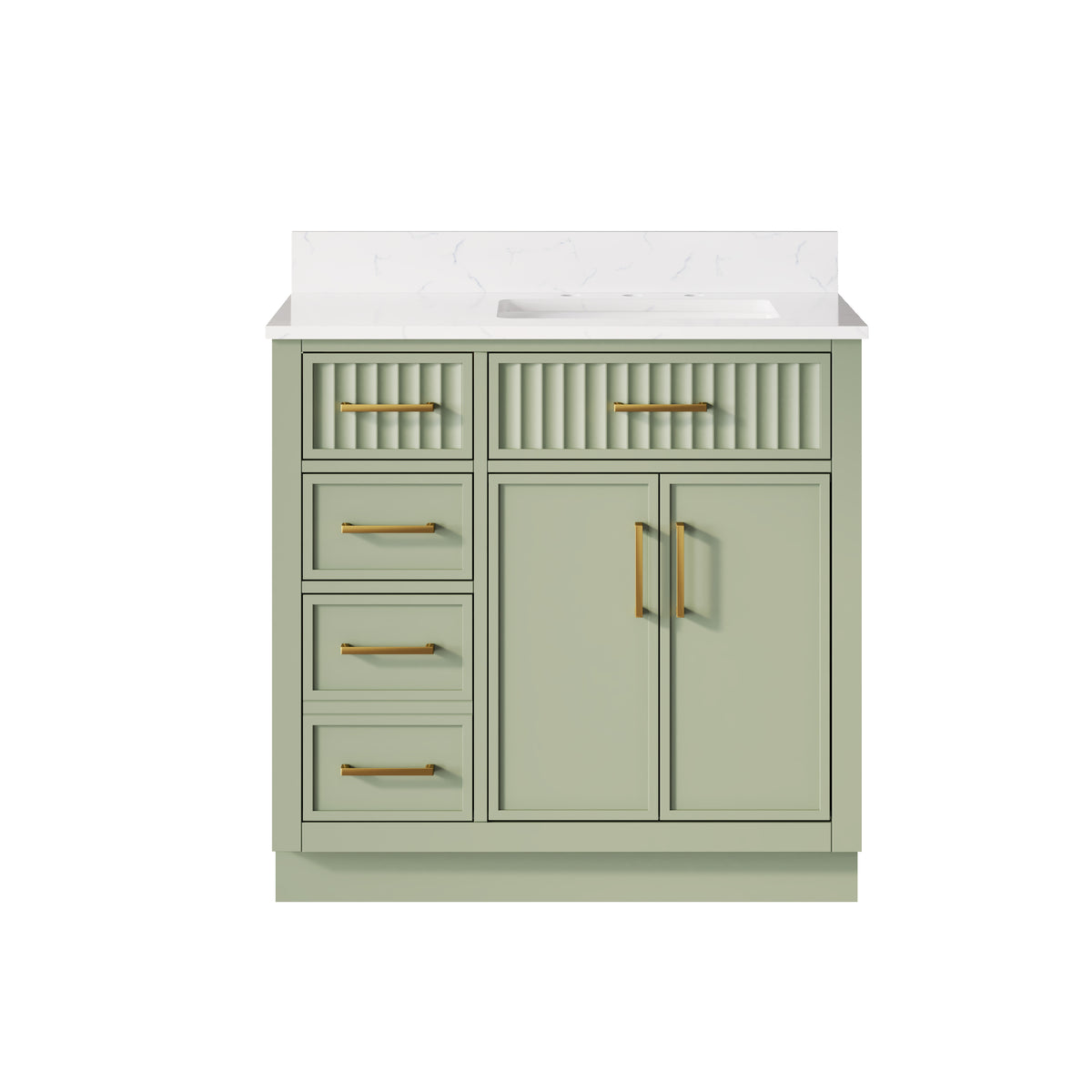
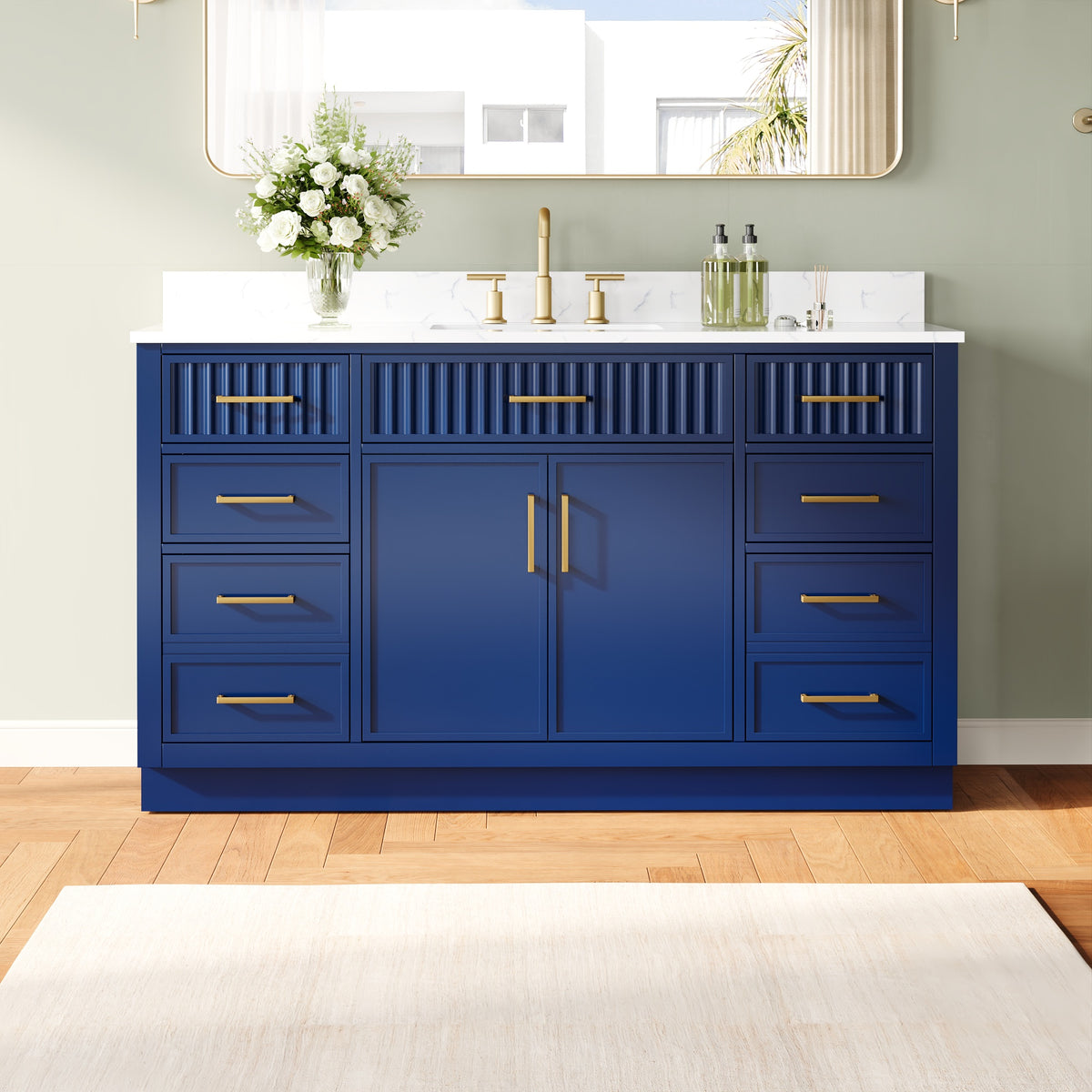
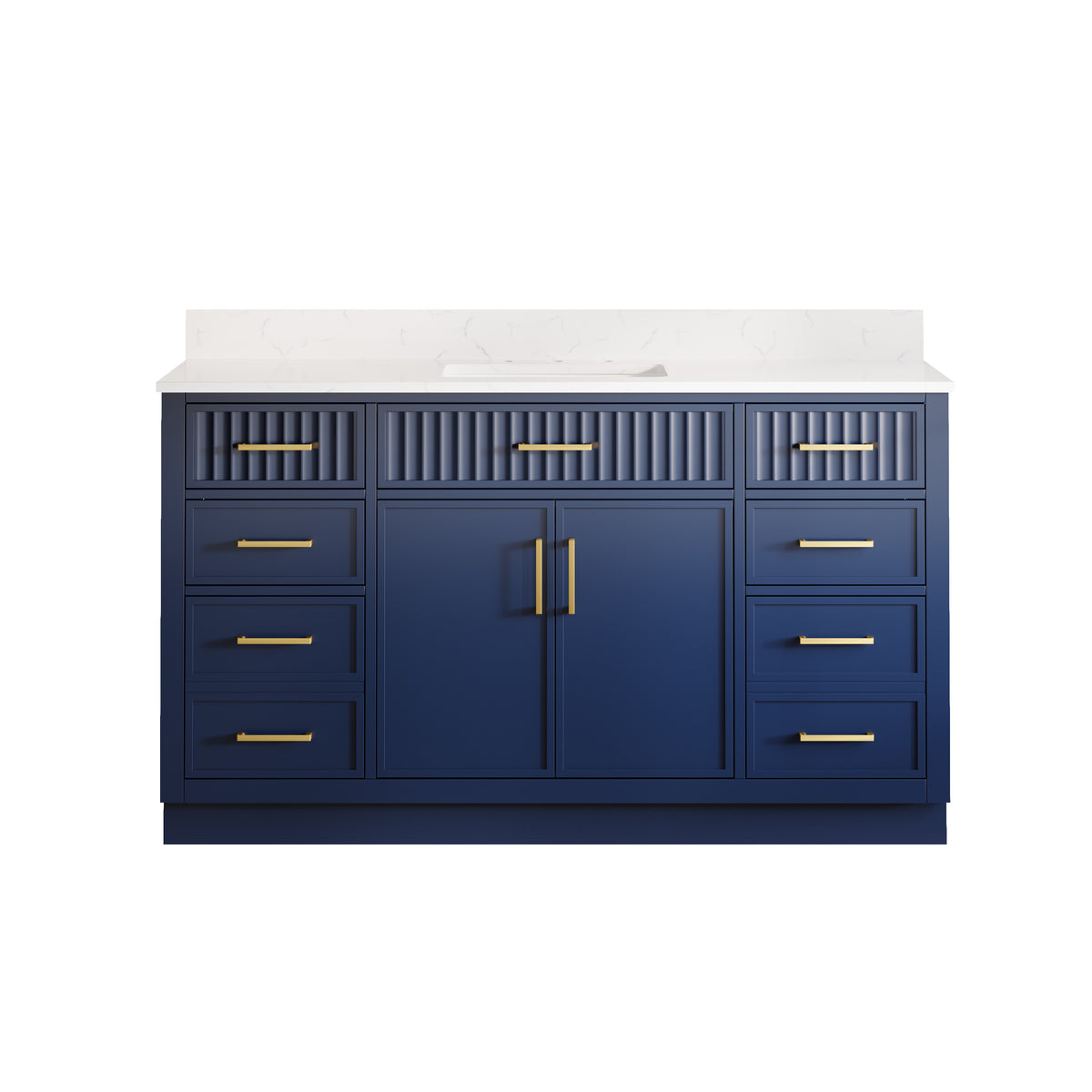
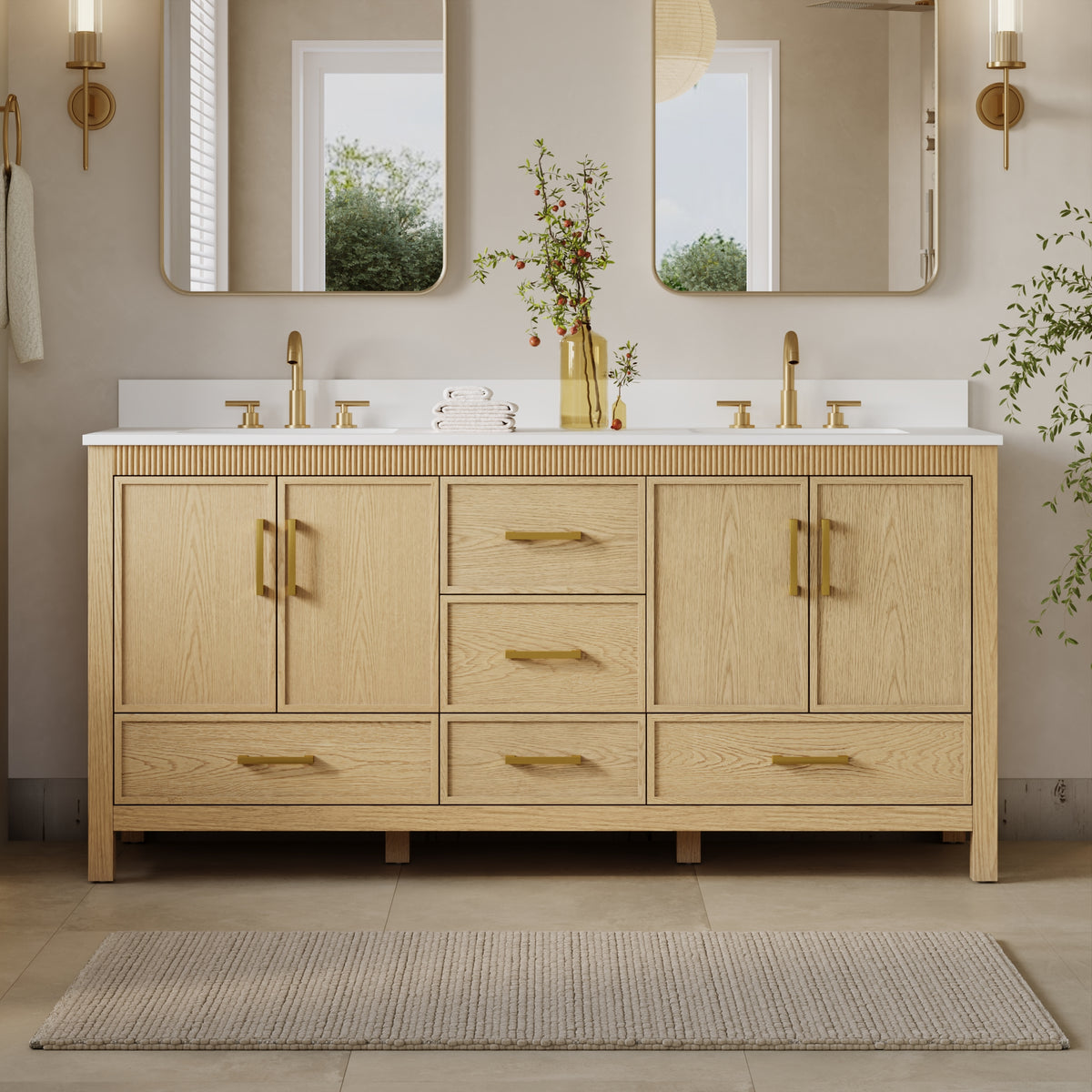
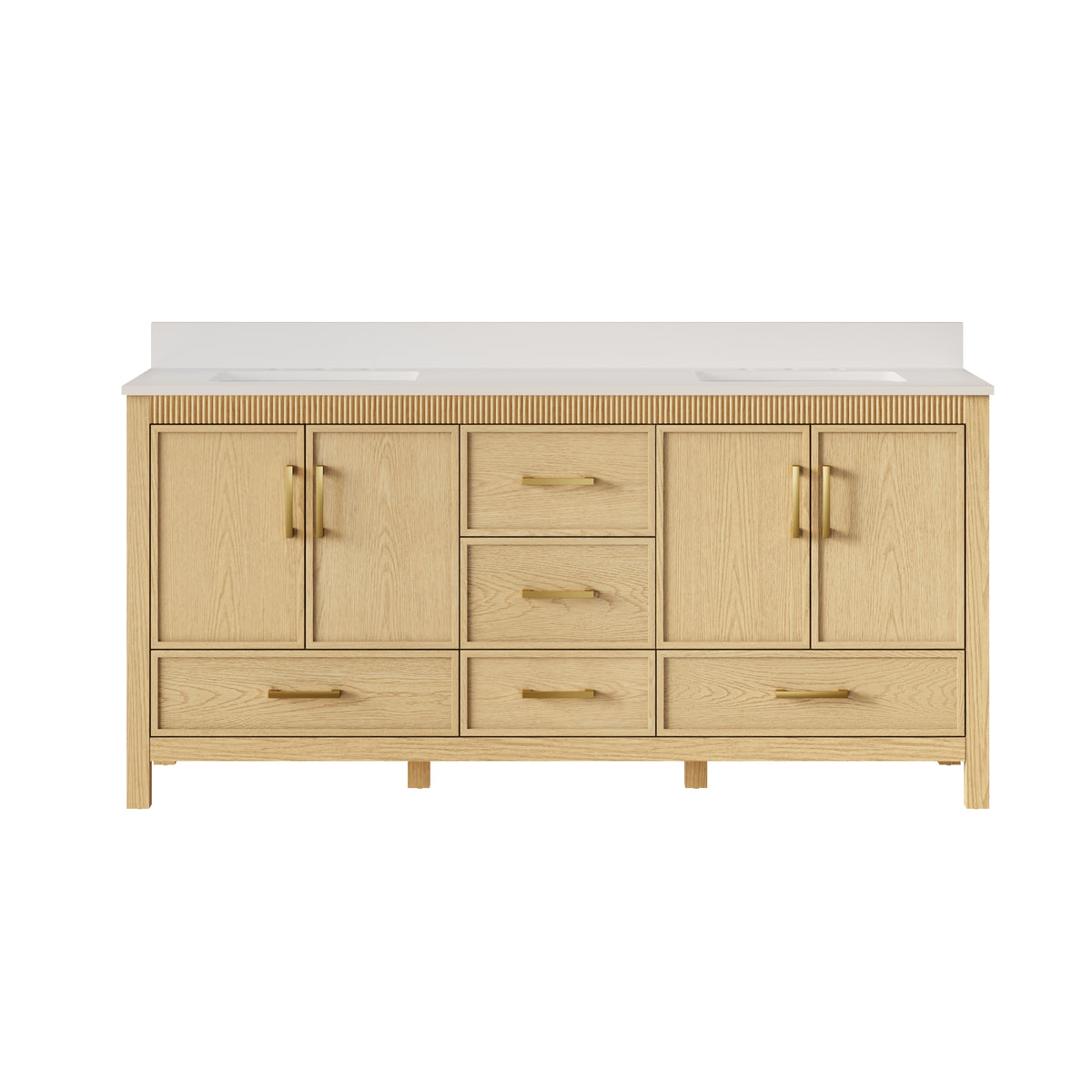
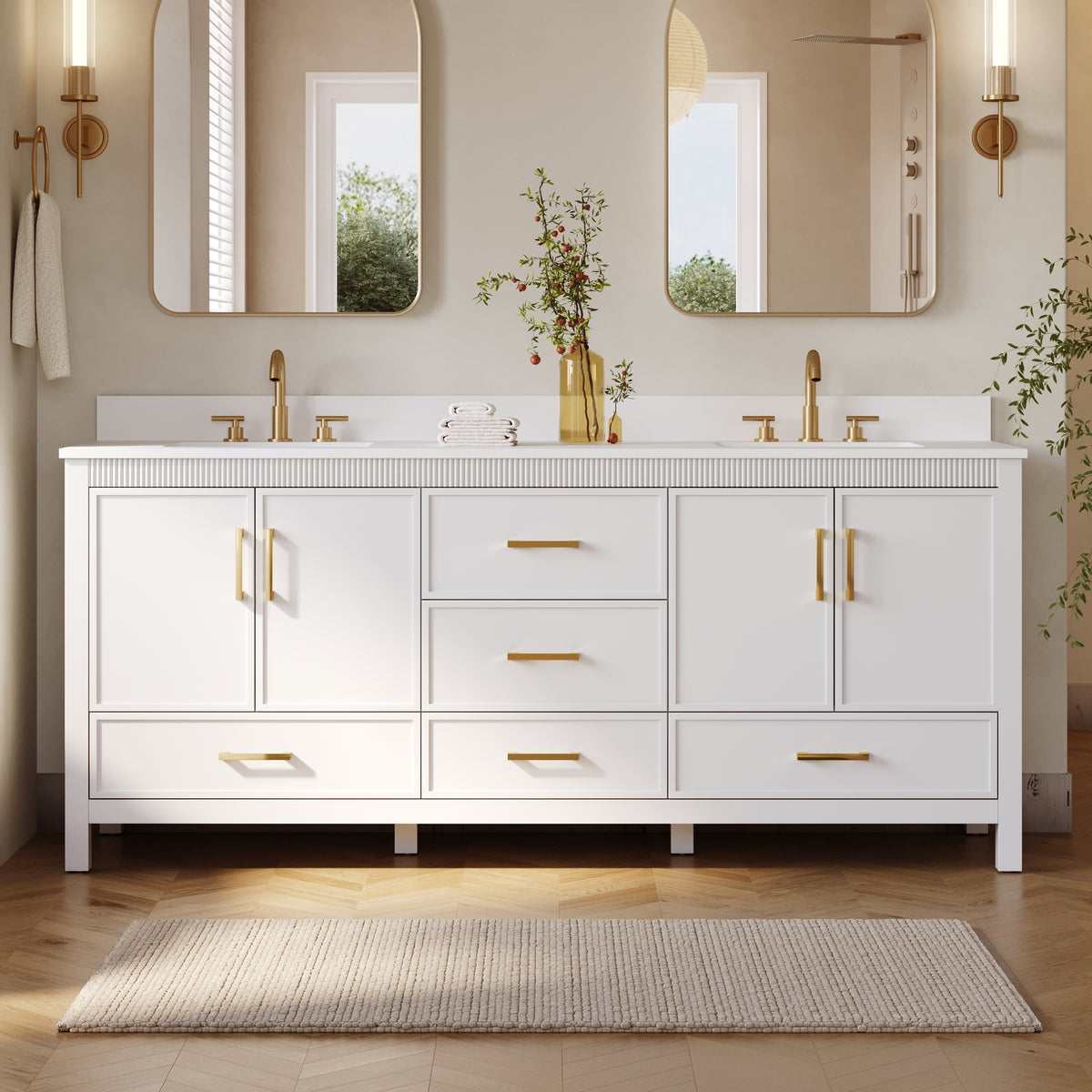
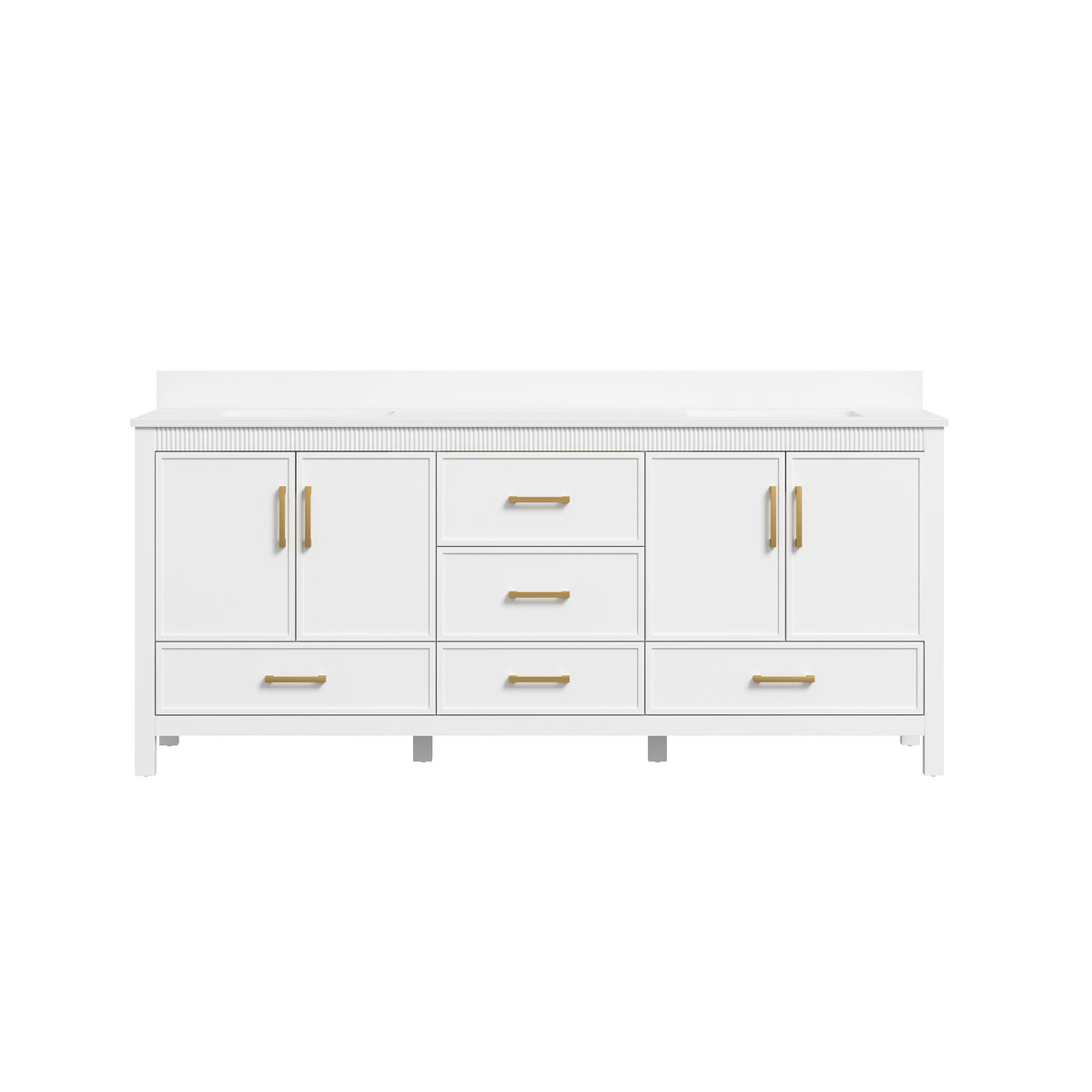

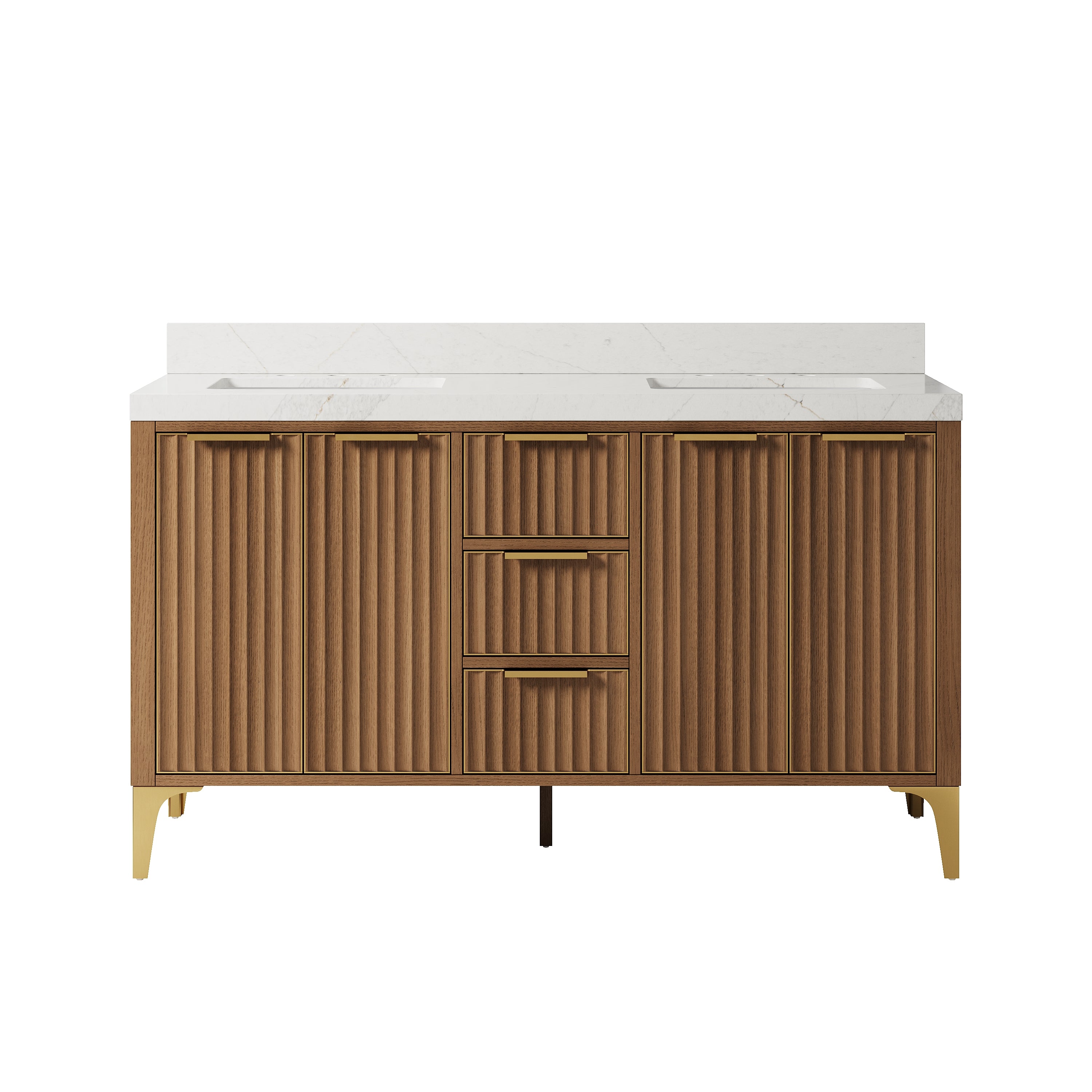
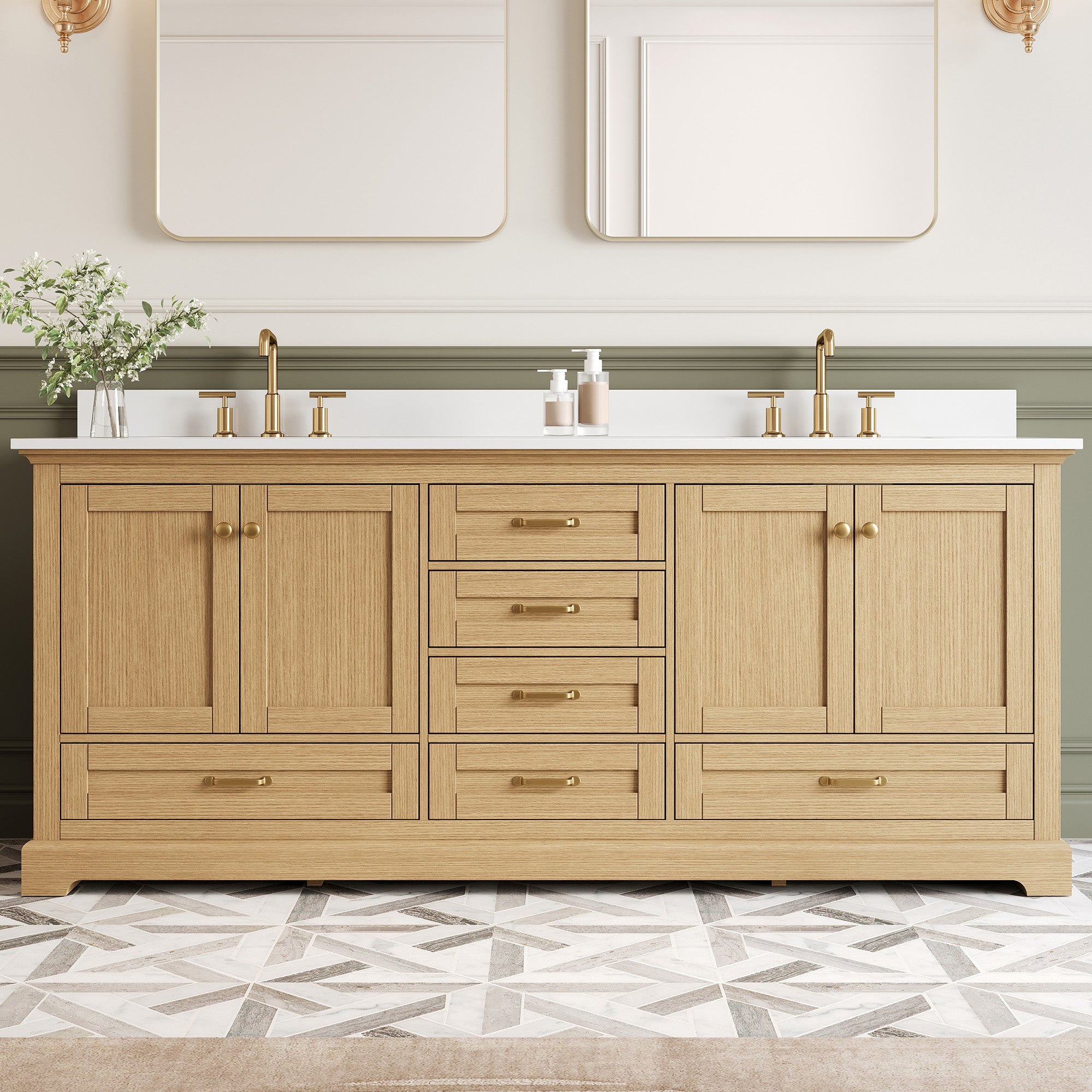
Choosing bathroom vanities in wood is about more than finding a finish that complements your tile. A bathroom cabinet must withstand humidity, temperature changes, water splashes, and daily use without losing its shape or appearance. Some wood vanities remain attractive for decades, while others develop swollen edges or loose joints within a few years. The difference often comes down to material selection, construction quality, and moisture protection. Understanding these details before buying can prevent costly replacements later.
1. Which Wood Species Offer the Best Durability?
Not all hardwoods perform equally in bathrooms. Density, dimensional stability, and finishing quality influence how well a vanity handles repeated exposure to moisture.
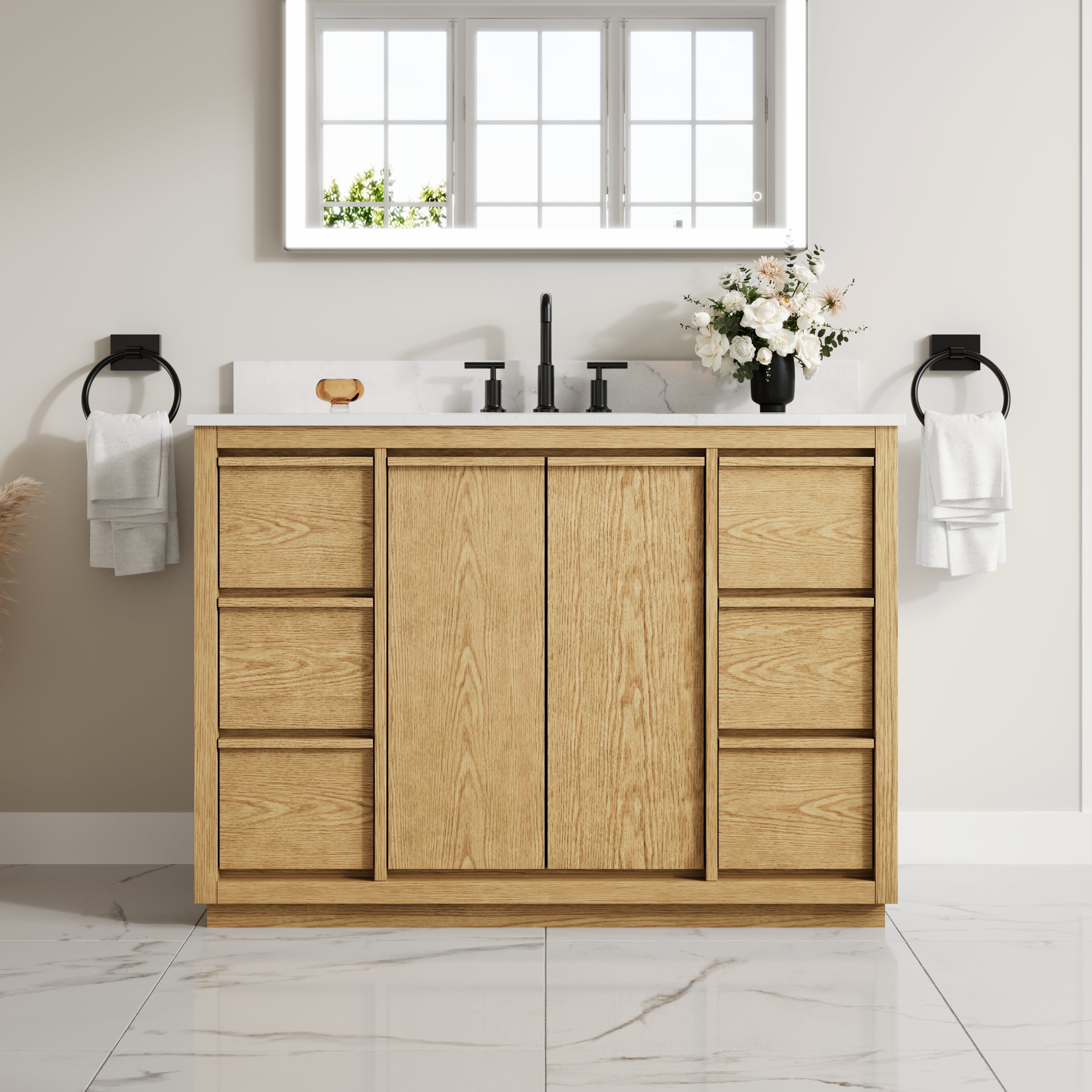
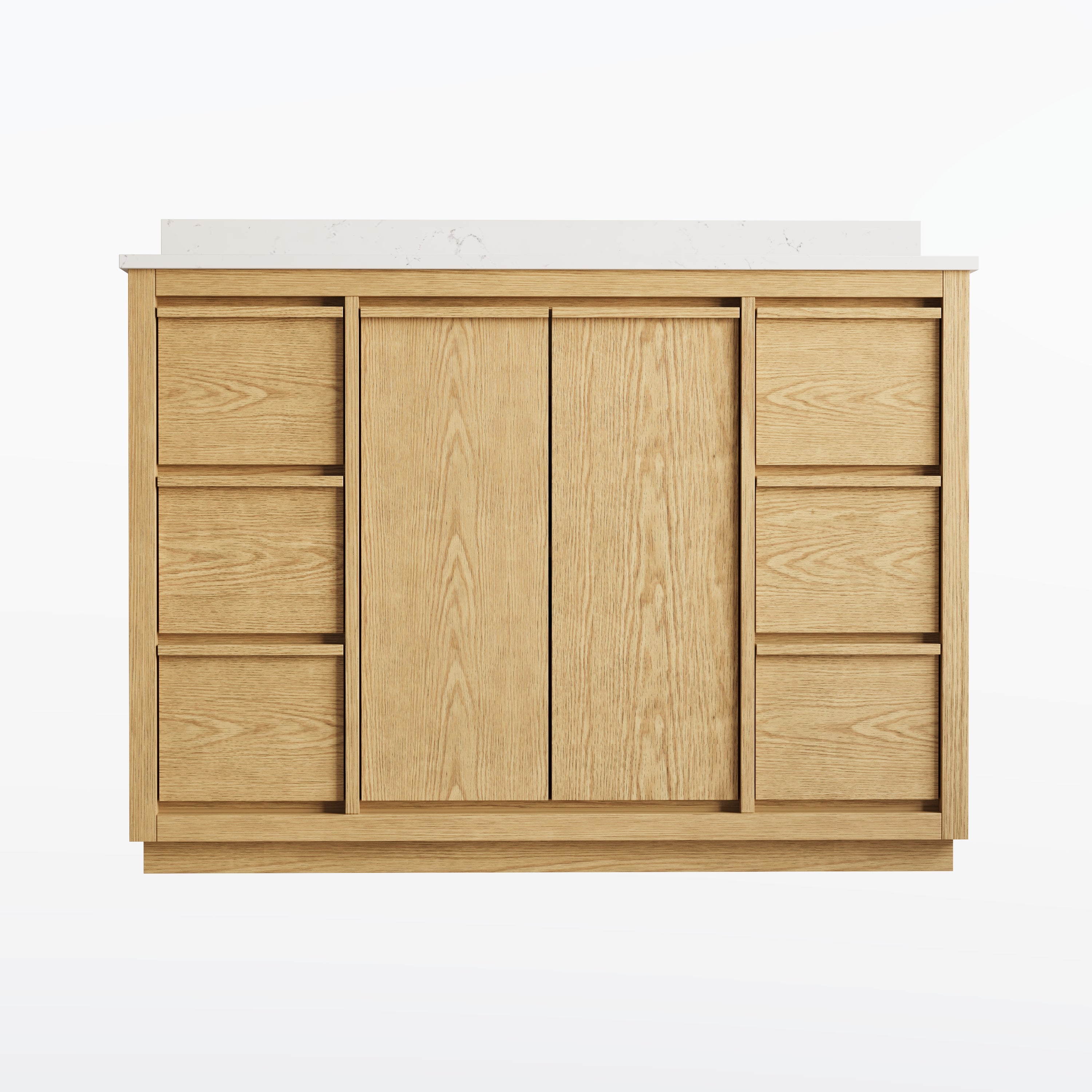
Oak is a dependable choice for busy bathrooms. Its strength and pronounced grain conceal minor wear, making it suitable for households where cabinets receive frequent use. White oak, in particular, is often favored for cabinetry because of its relatively good moisture resistance. Still, it requires a protective finish, especially around exposed end grain.
Maple offers a smoother appearance and excellent resistance to dents. Its tight grain works well in contemporary bathrooms, although uneven humidity can still cause movement.
Walnut brings rich color and a refined appearance. It performs well when properly sealed but generally costs more than common alternatives. Its darker surface can also make water spots and dust more noticeable.
Teak deserves consideration for bathrooms with persistent humidity. Its natural oils contribute to moisture resistance, although genuine teak cabinetry carries a premium price.
Is Solid Wood Always the Strongest Option?
Solid hardwood sounds reassuring, but it is not automatically the most stable construction material.
Wood naturally expands and contracts as humidity changes. Large solid panels may develop movement-related problems if their design does not accommodate those changes. High-quality plywood with a hardwood veneer can offer excellent dimensional stability, particularly for cabinet sides and wide panels.
For many bathroom projects, a combination of solid wood frames and furniture-grade plywood panels provides a sensible balance between strength, stability, and cost.
2. What Makes Bathroom Vanities in Wood Last Longer?
The quality of a wooden vanity becomes apparent when you inspect details that product photographs rarely emphasize.
Start with the cabinet joints. Dovetail drawer boxes, properly secured corner connections, and reinforced frames generally withstand repeated use better than poorly fastened panels.
Drawer hardware matters just as much. Full-extension slides make storage easier to access, while quality soft-close mechanisms reduce unnecessary impact. Check the manufacturer's hardware specifications and weight ratings rather than assuming every soft-close drawer is equally durable.
A strong finish is equally important.
Factory-applied polyurethane or other moisture-resistant cabinet coatings help protect wood from splashes and routine cleaning. However, even an excellent surface finish cannot compensate for unsealed cutouts or exposed edges.
Pay particular attention to the sink opening, faucet connections, and cabinet base. These areas frequently experience moisture before visible damage appears elsewhere.
3. How Different Bathroom Conditions Affect Wood Vanities
A vanity that performs beautifully in a spacious primary bathroom may struggle in a compact, poorly ventilated space.
Consider a family bathroom used by four people every morning. Hot showers, wet towels, toothpaste residue, and frequent sink splashes create demanding conditions. In this environment, a properly finished oak vanity with a stable plywood cabinet body often makes more sense than a delicate decorative design.
A guest bathroom experiences less daily wear, allowing greater flexibility in materials and finishes.
Freestanding vs. Floating Wood Vanities
Freestanding cabinets offer familiar storage arrangements and can accommodate heavier countertops when properly constructed. However, water accumulating around the cabinet base may gradually damage lower panels.
Floating vanities keep the floor visible and make cleaning easier. They are particularly appealing in smaller bathrooms, but installation requires suitable wall framing and secure mounting hardware.
Neither design is universally more durable. Construction quality and installation determine how well each performs.
4. Common Buying Mistakes That Shorten Vanity Lifespan
One frequent mistake is judging durability by appearance alone. A thick-looking cabinet door does not necessarily indicate a strong cabinet body.
Another is confusing wood veneer with poor quality. Veneered plywood can perform exceptionally well when manufactured correctly. The real concern is low-quality substrate, inadequate edge sealing, or weak adhesive bonding.
Buyers also overlook countertop protection.
Stone and engineered stone countertops are popular, but seams, faucet openings, and sink connections still require proper sealing. Water entering through a small gap can damage the cabinet beneath an otherwise flawless countertop.
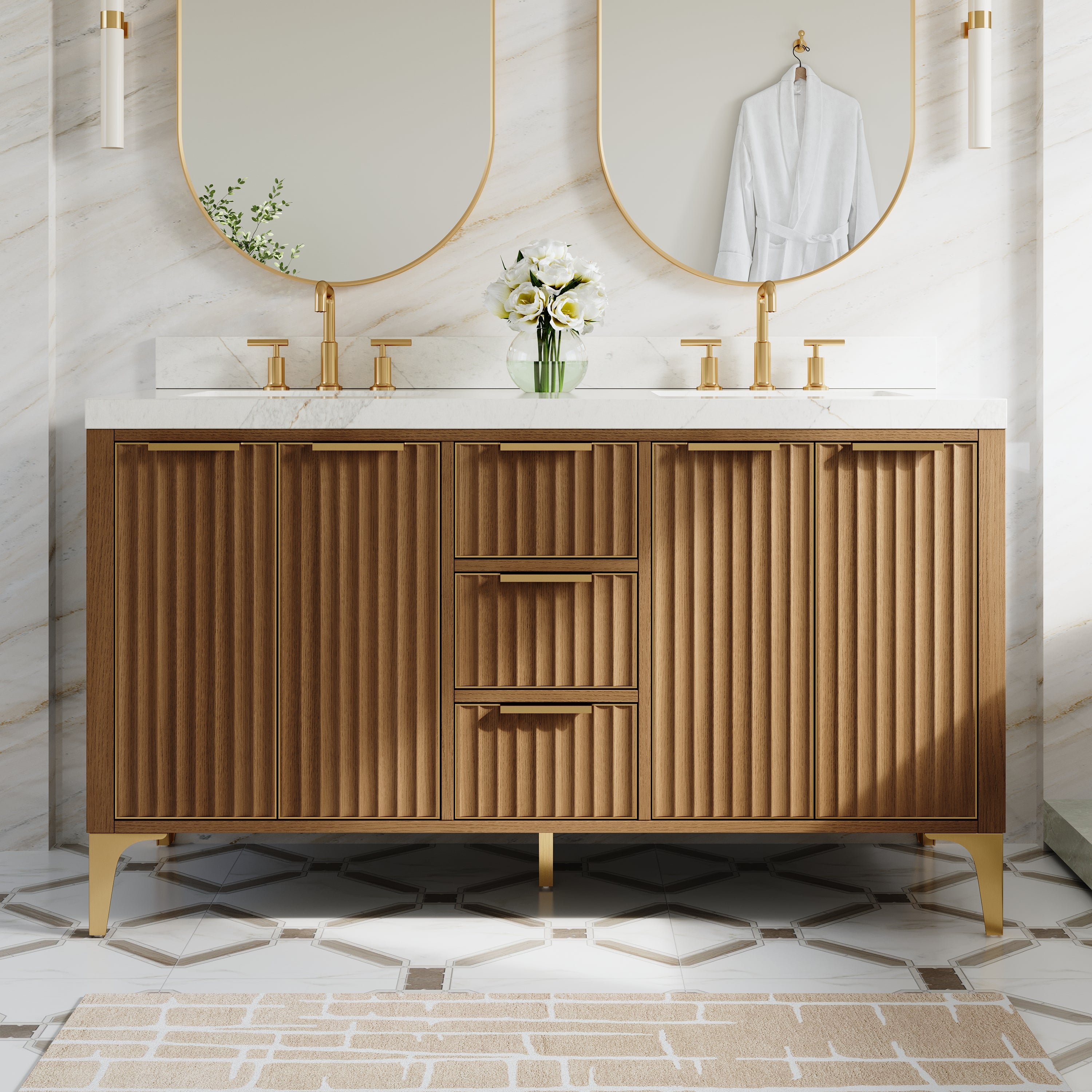
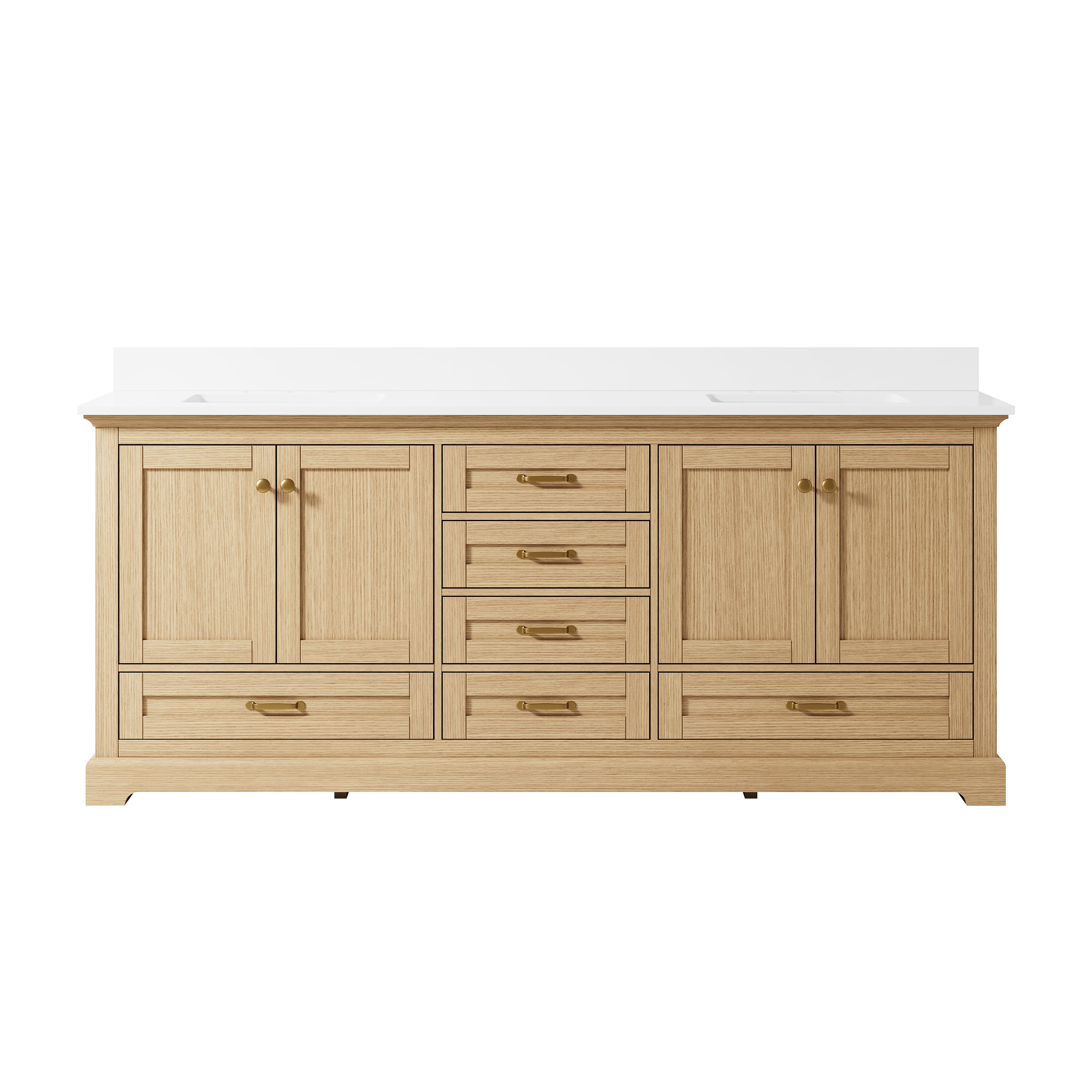
At Wellfor, shoppers comparing wooden bathroom vanities should consider cabinet materials, storage configuration, installation requirements, and moisture exposure together rather than focusing exclusively on color or price.
A less expensive vanity may be entirely appropriate for an occasionally used powder room. For a heavily used primary bathroom, stronger hardware and better moisture protection often justify a higher initial investment.
5. Installation Practices That Protect Wood Cabinetry
Even premium cabinetry can deteriorate when installed incorrectly.
Before installation, confirm that the bathroom floor and supporting wall are level and structurally sound. Uneven surfaces may place unnecessary stress on cabinet joints or prevent drawers from operating smoothly.
Keep the vanity away from direct shower spray whenever possible. In bathrooms where occasional floor moisture is unavoidable, choose a design with protected lower edges or adequate clearance.
Plumbing and Ventilation Considerations
Inspect supply lines and drain connections carefully. Small leaks beneath the sink often remain unnoticed until the cabinet floor begins to swell or discolor.
Use appropriate sealant where the countertop meets the wall and around fixtures as directed by their manufacturers. Avoid sealing areas that must remain accessible for inspection or drainage.
Ventilation is another essential consideration. An appropriately sized exhaust fan helps manage humidity after showers, reducing prolonged moisture exposure throughout the bathroom.
6. How to Maintain a Wood Vanity for Years
Wood cabinetry does not demand complicated maintenance, but consistency makes a difference.
Wipe standing water from countertops, doors, and drawer fronts rather than allowing it to collect around seams. Clean finished surfaces with a soft cloth and a mild cleaner recommended by the manufacturer.
Avoid abrasive scrubbers, excessive water, and harsh chemical products that may damage protective coatings.
Inspect the cabinet periodically for loose hinges, damaged caulk, peeling finishes, or plumbing leaks. Addressing these issues early usually costs far less than repairing swollen panels.
Natural wood may gradually change color with exposure to light. This is not necessarily a defect, although direct sunlight can create uneven fading.

7. Choosing a Wooden Vanity Worth Keeping
For a busy household, prioritize a stable cabinet structure, moisture-resistant finishing, reliable drawer hardware, and accessible plumbing. Oak and maple are practical starting points, while walnut and teak suit buyers with different aesthetic preferences and budgets.
Before purchasing, ask for clear information about the cabinet's internal materials, finish, warranty coverage, and installation requirements. If those details are unavailable, consider another model.
Well-designed bathroom vanities in wood should feel solid when drawers open, remain easy to clean, and fit naturally into everyday routines. Choose the construction that suits your bathroom's moisture conditions, then protect that investment with careful installation, dependable ventilation, and regular maintenance.

















Leave a comment
This site is protected by hCaptcha and the hCaptcha Privacy Policy and Terms of Service apply.