






A mirror with lights can do more than brighten the sink. It changes how you see your face, how comfortably you move through early mornings, and how the entire bathroom feels after dark. Yet not every illuminated mirror delivers the same experience. In bathroom projects, the difference often comes down to light placement, color quality, and daily routines. A poor choice becomes a daily irritation.
1. Why a Mirror with Lights Changes Everyday Tasks
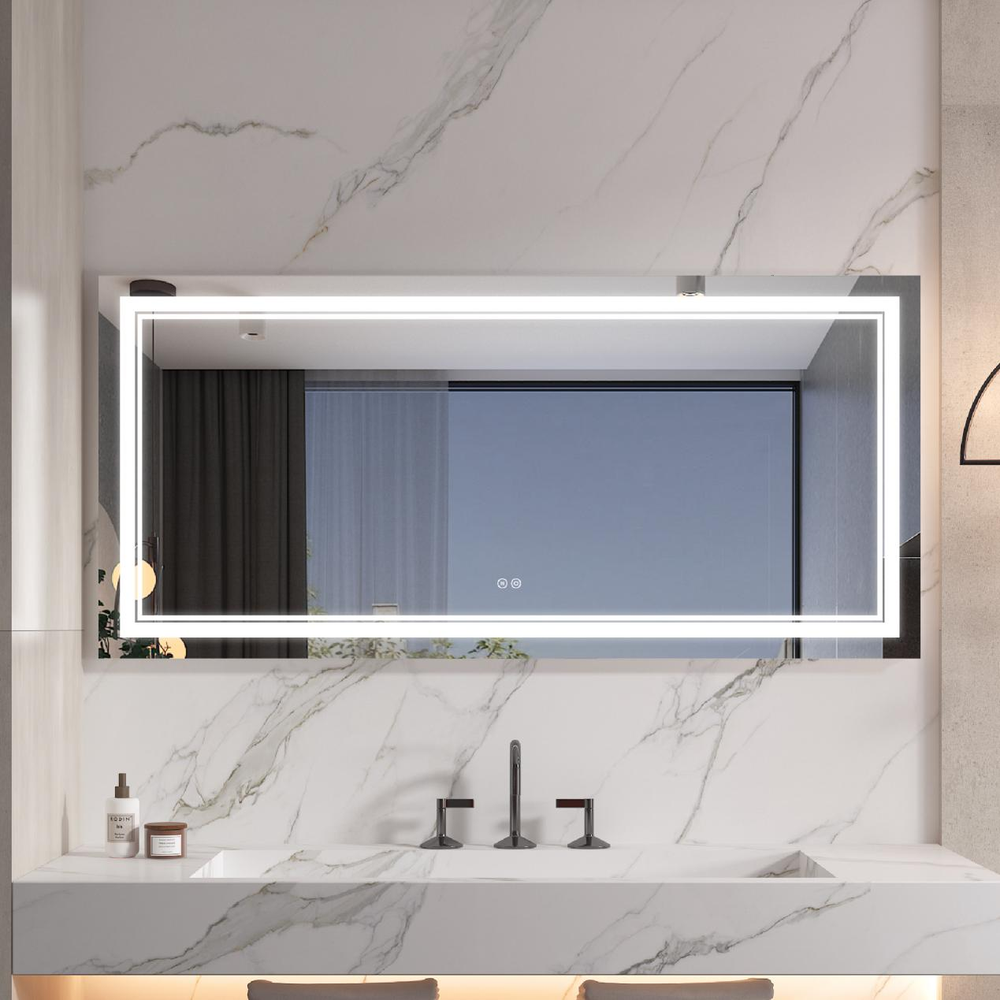
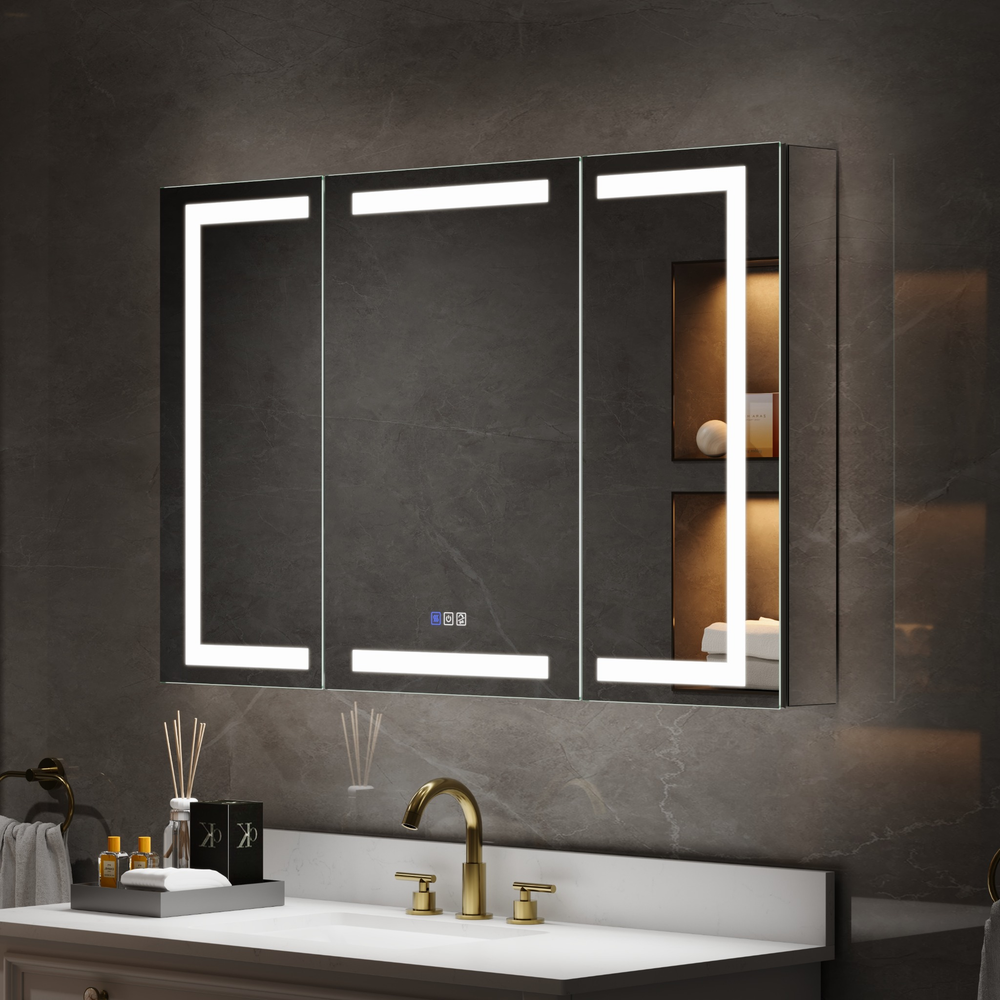
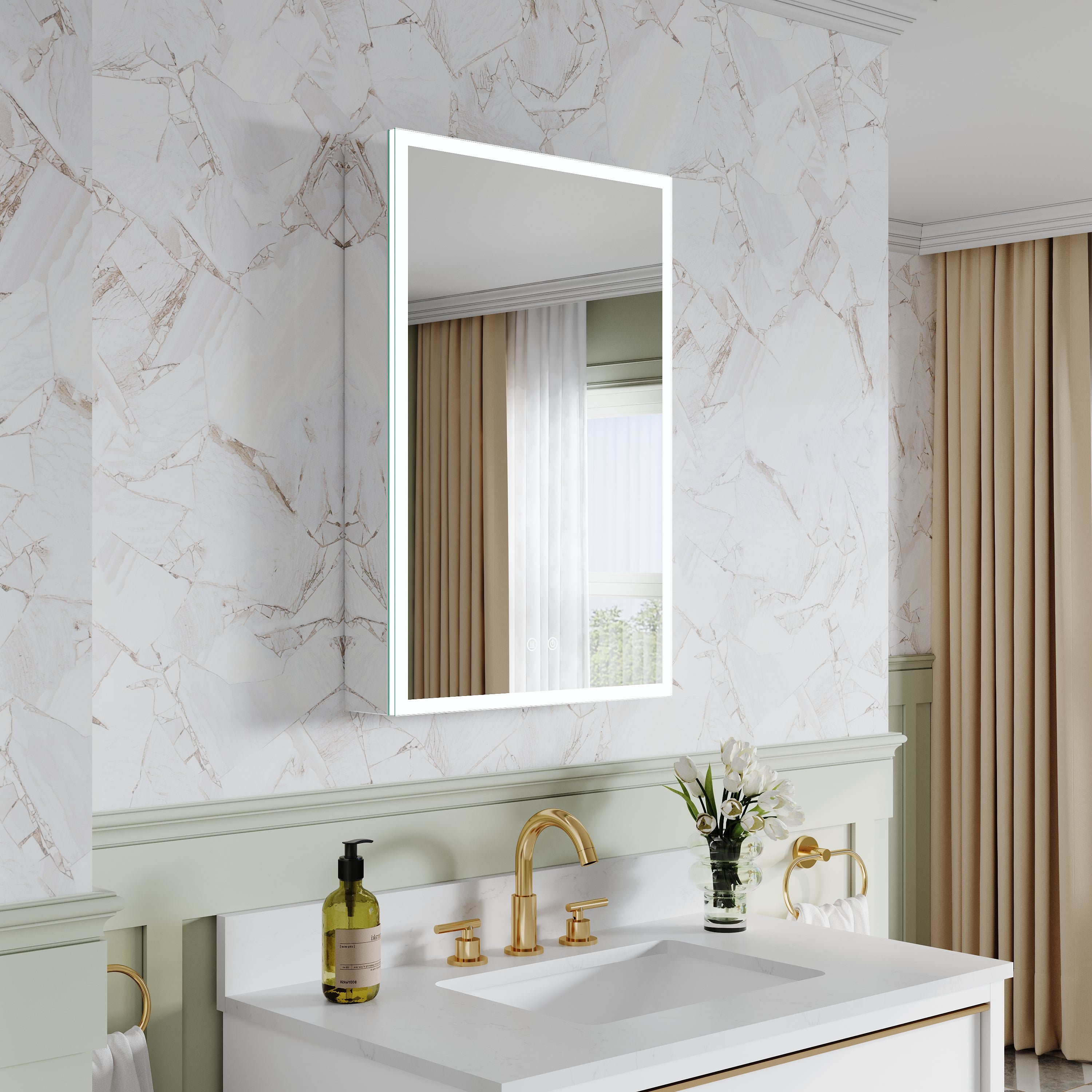
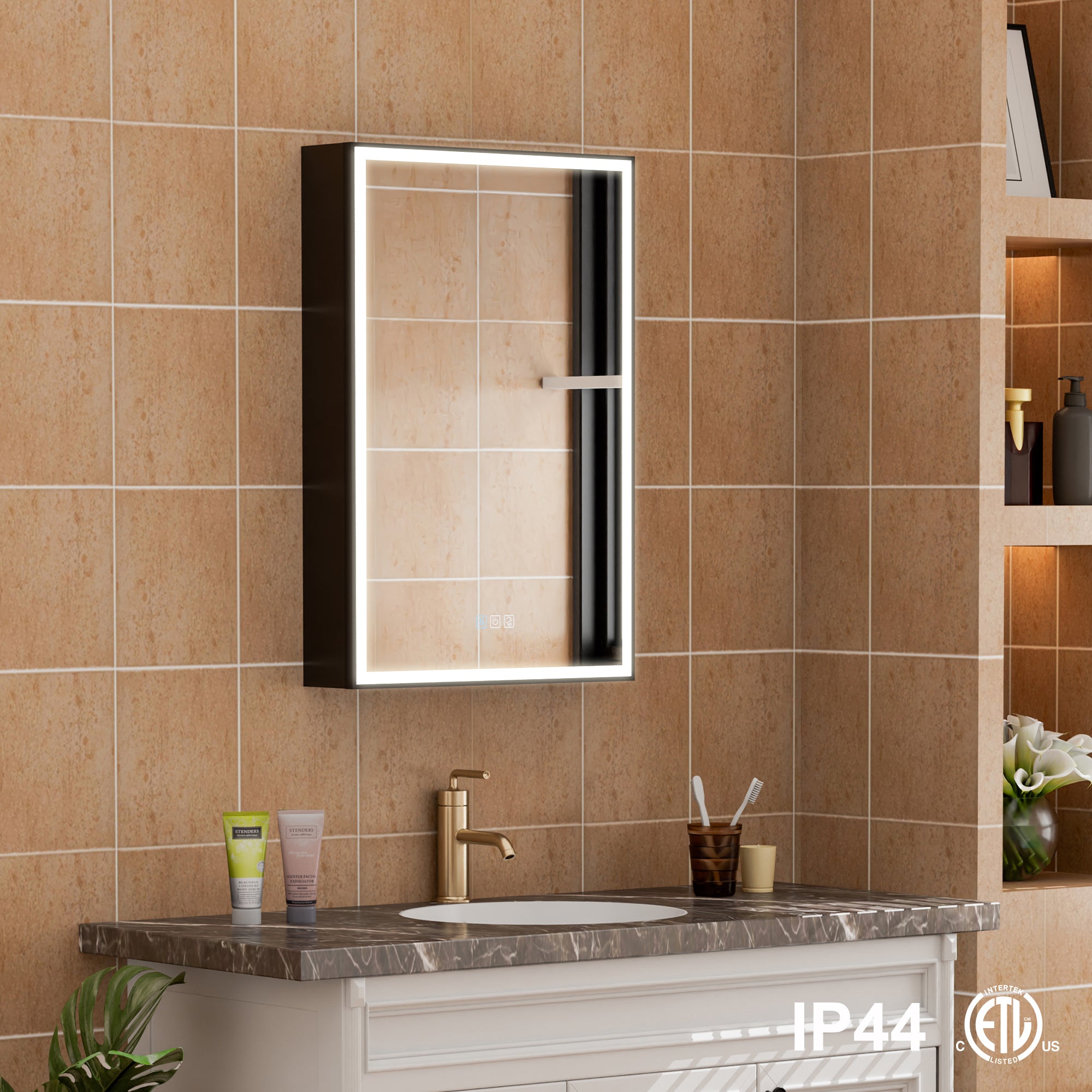
The most noticeable improvement happens during close-up activities. Overhead fixtures often cast shadows under the brow and chin, particularly when someone leans toward the vanity. Light integrated around a mirror can illuminate the face more evenly, making shaving, applying makeup, and fitting contact lenses easier.
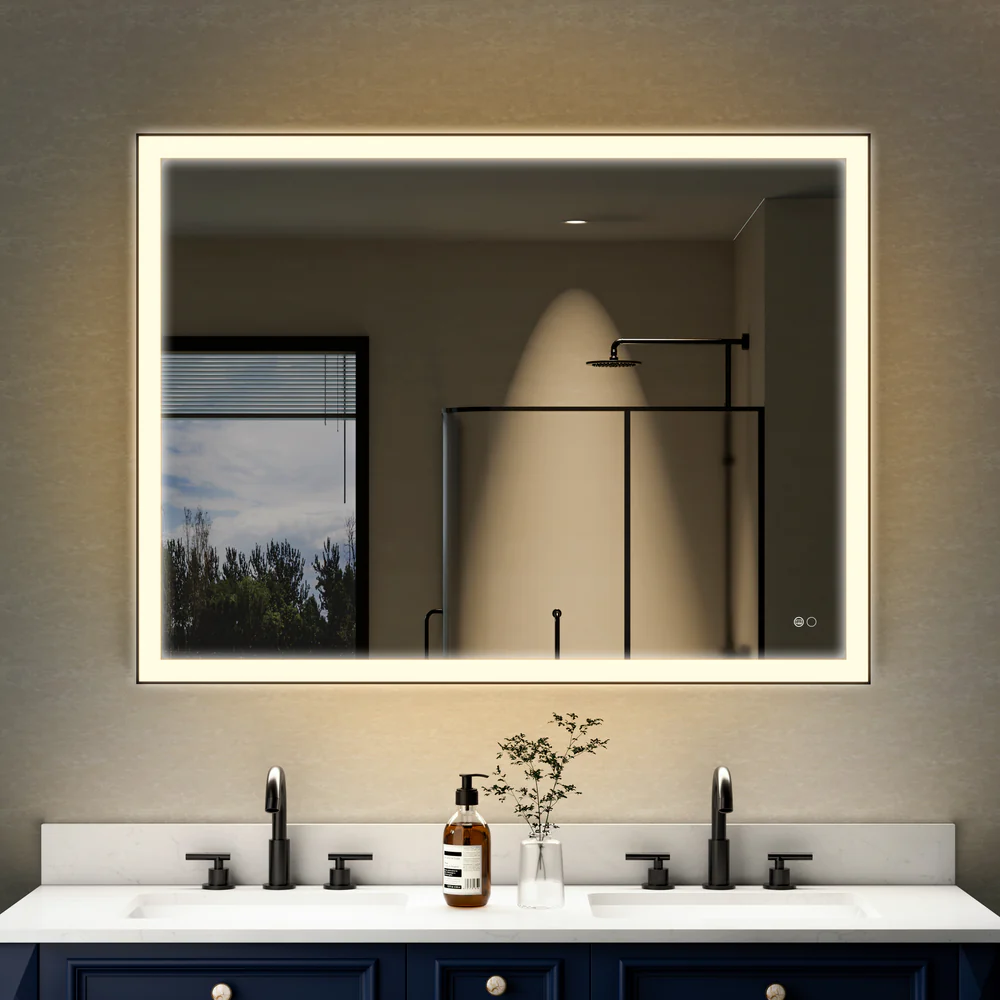
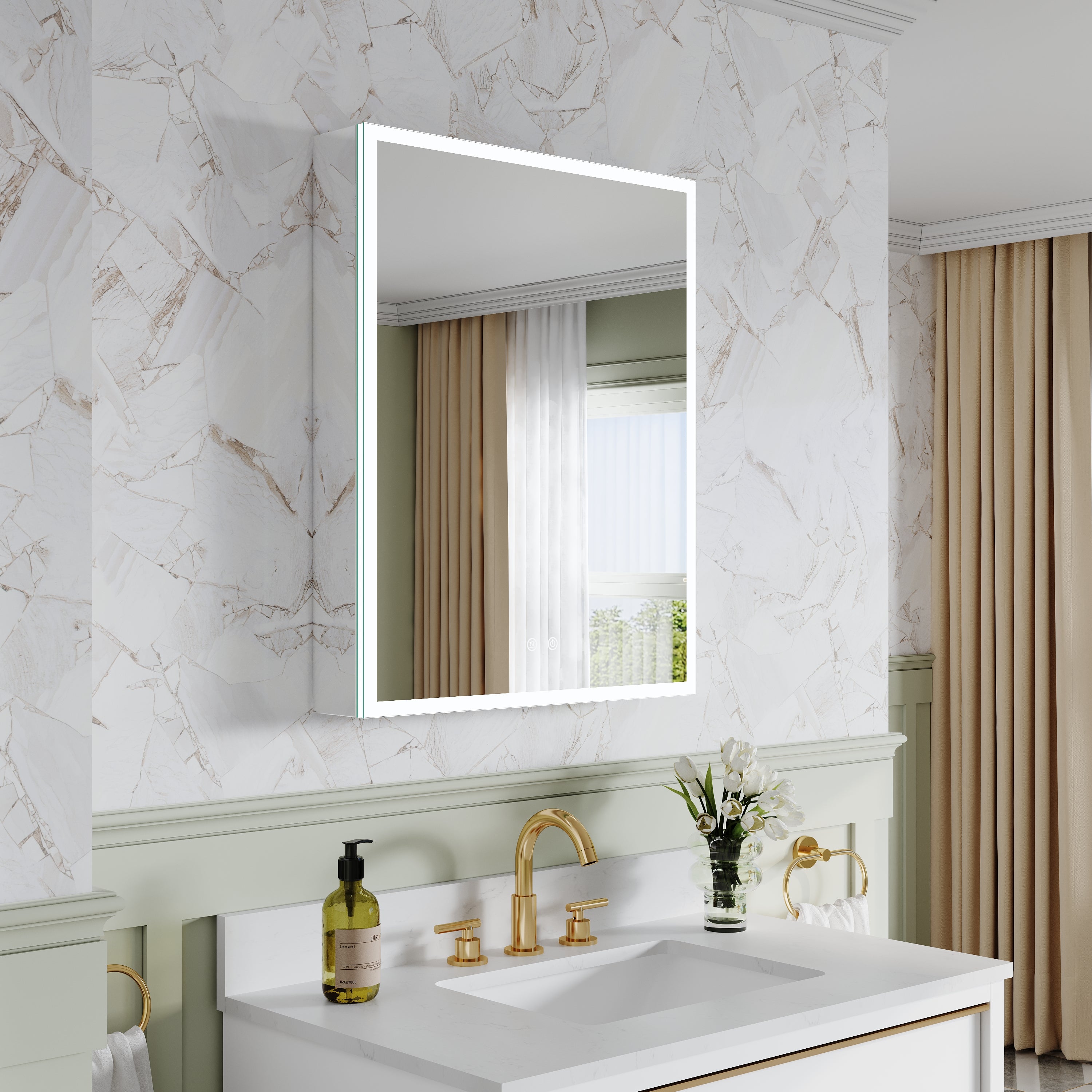
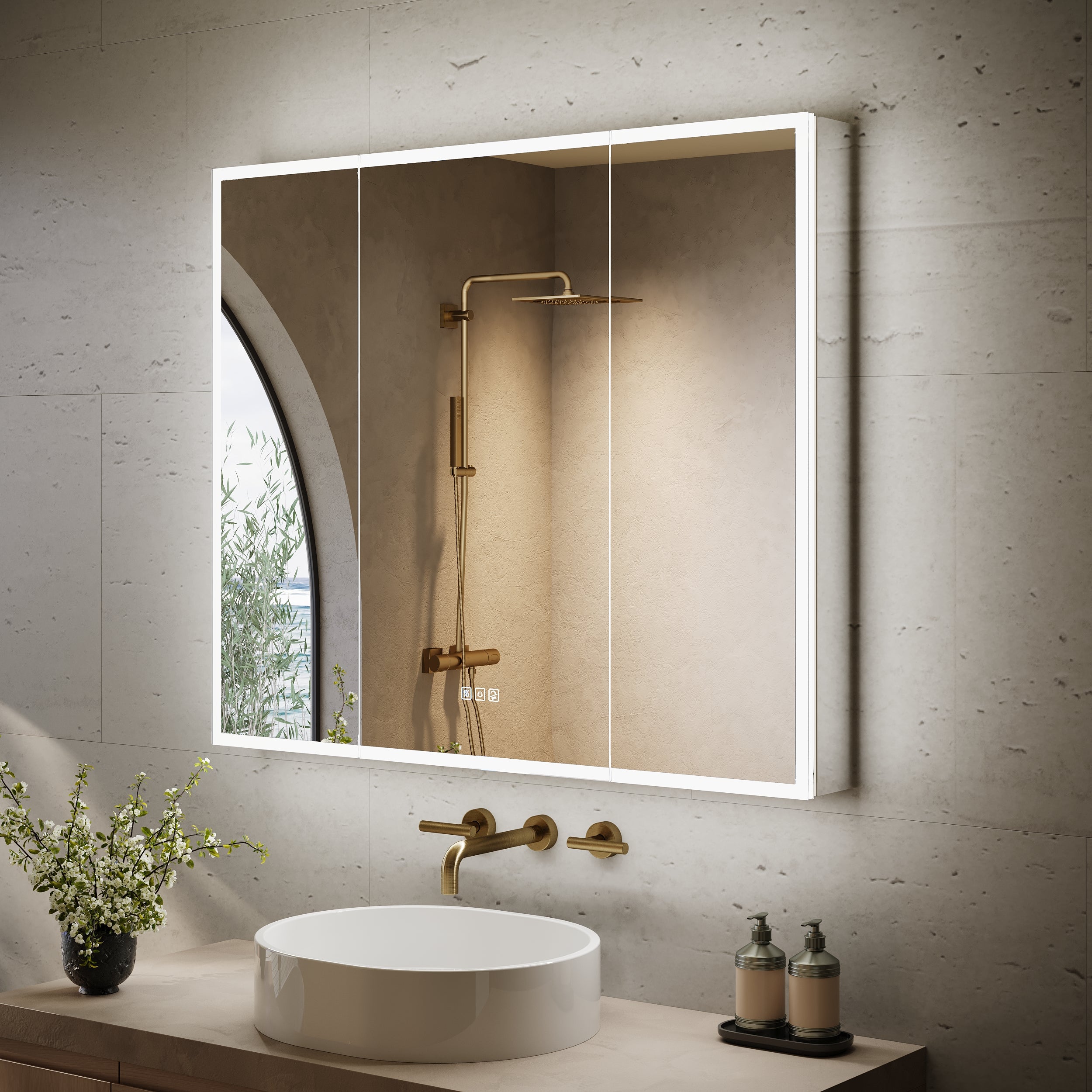
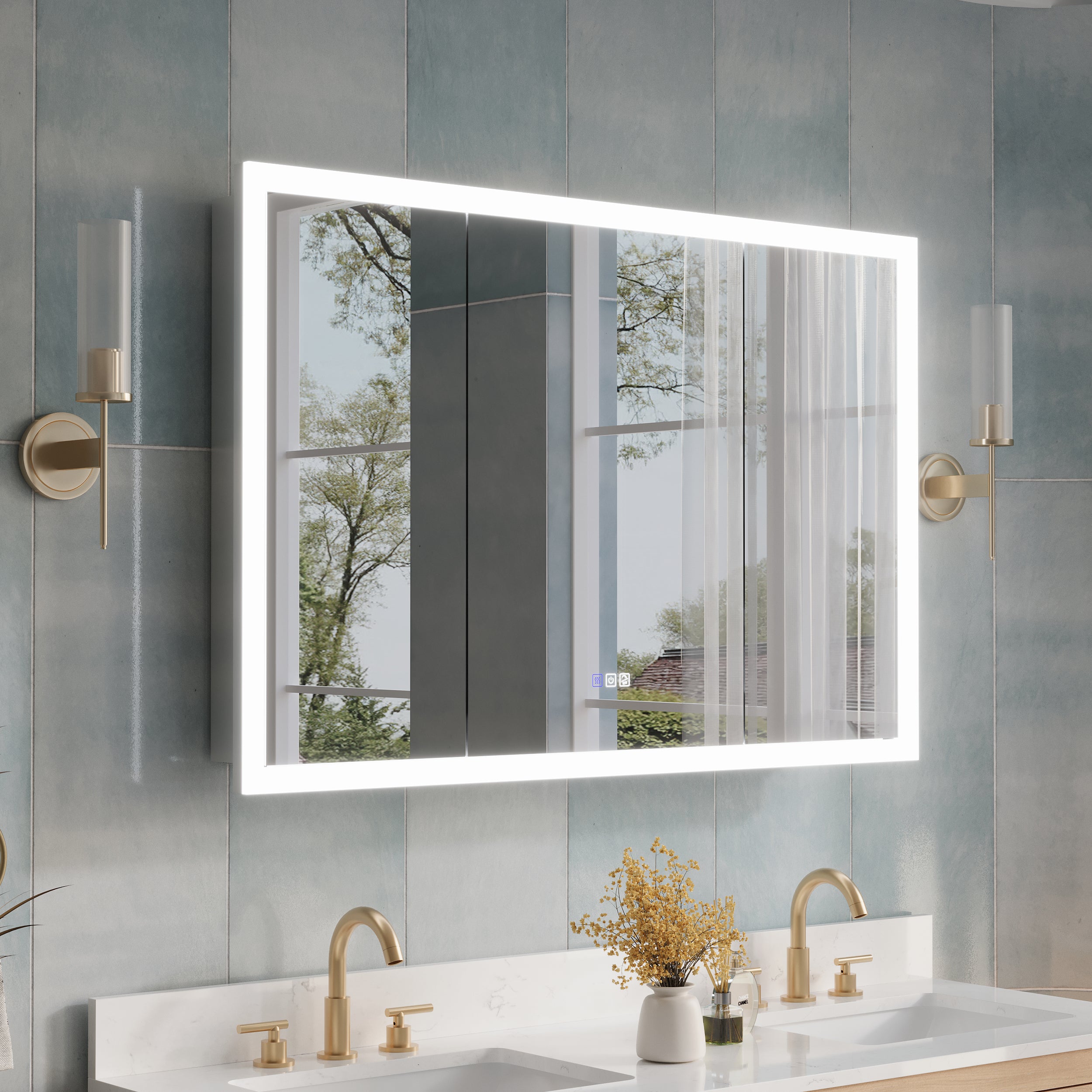
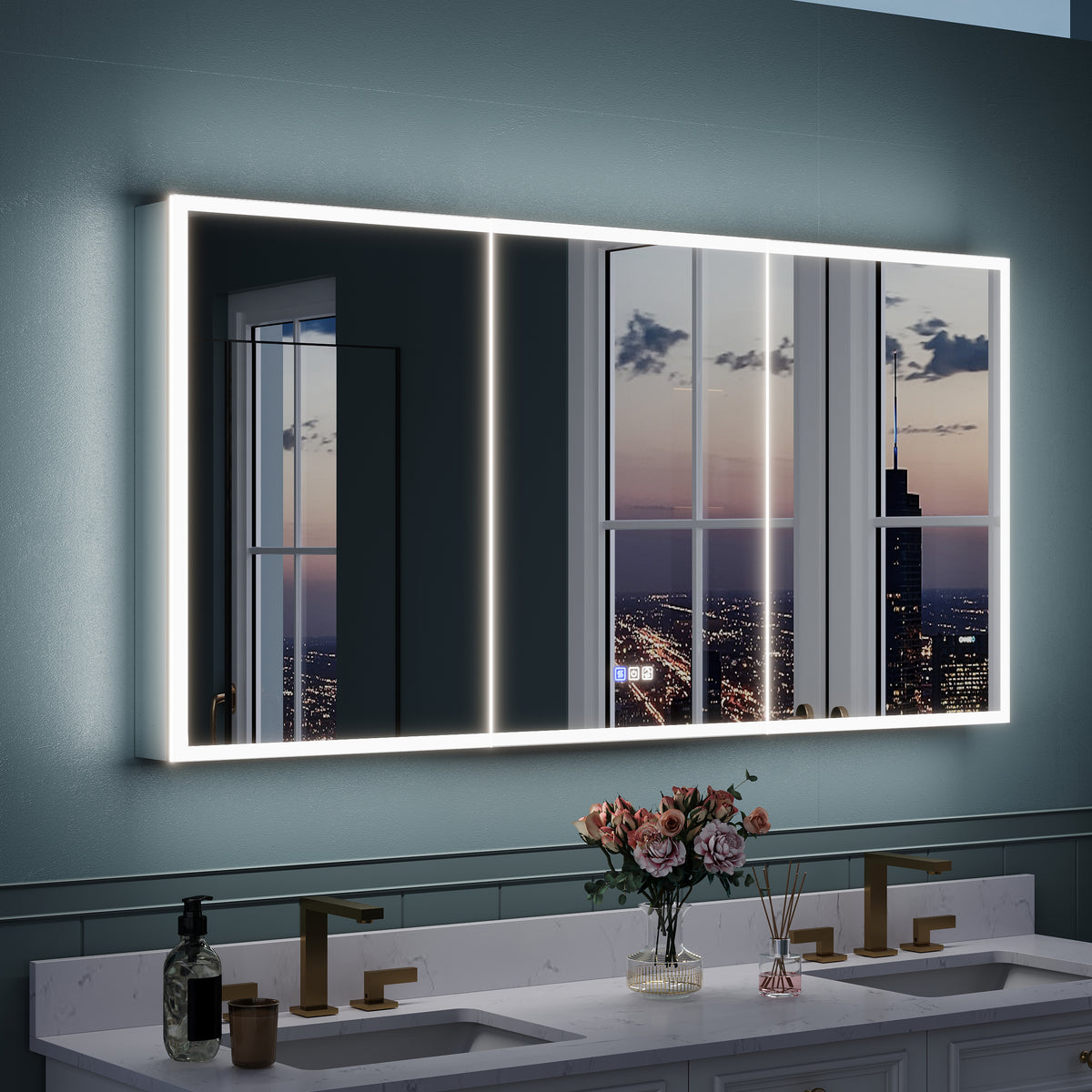
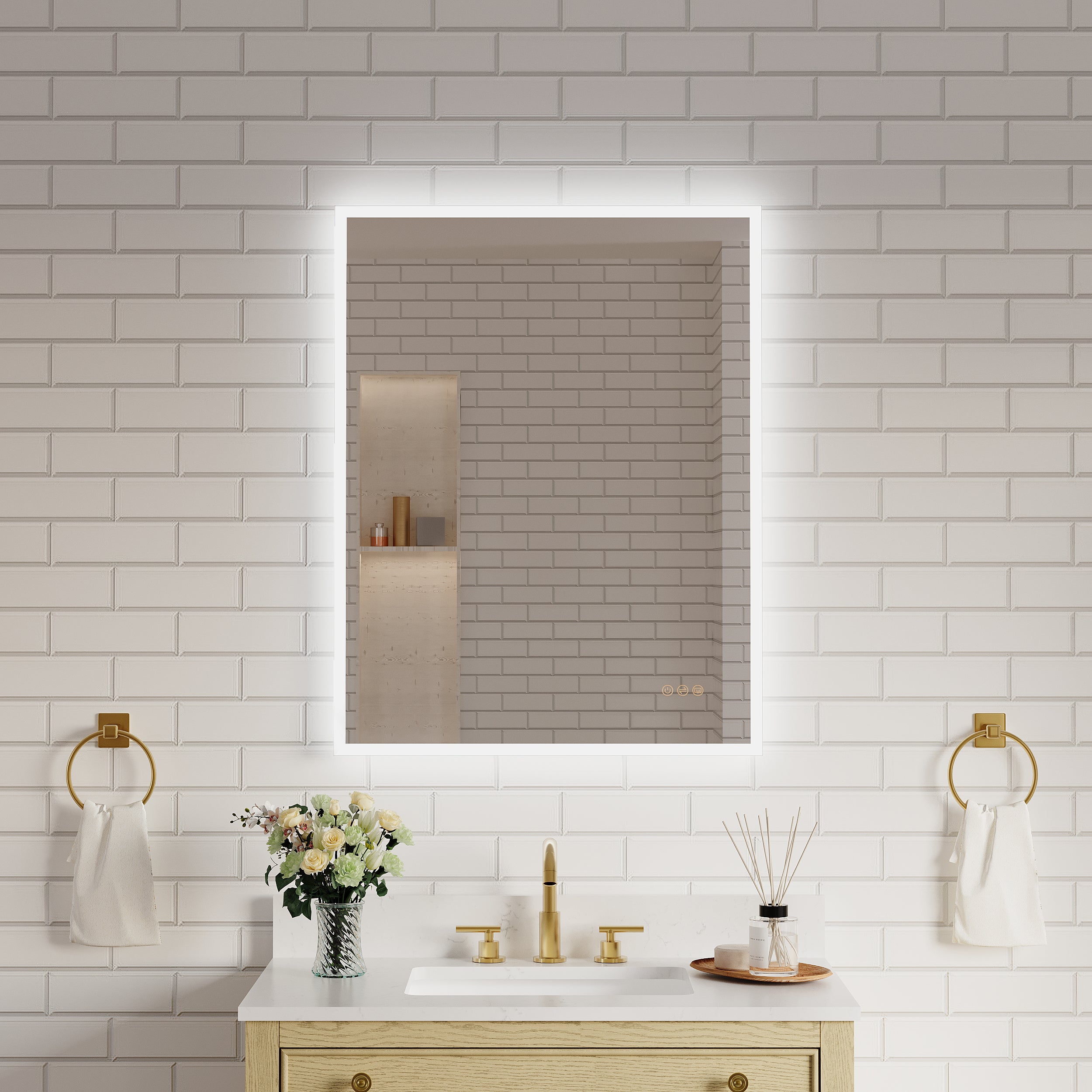
Placement matters, though. Side lighting at face level generally handles shadows better than a narrow strip across the top. A backlit mirror that glows mainly onto the wall creates atmosphere but may provide surprisingly little usable facial light.
Think about a shared bathroom at 6 a.m. One person wants enough light to get ready; another would rather avoid a ceiling fixture flooding the space. A dimmable mirror makes that compromise possible.
2. Choosing Light That Looks Good and Works Hard
Brightness alone is a weak buying criterion. Similar advertised outputs can feel different because of LED positioning and diffuser design.
Color Temperature and True-to-Life Reflection
Warm light, typically around 2700–3000K, feels relaxed and flattering in an evening bathroom. Neutral light, often around 3500–4000K, is practical for grooming without appearing overly clinical. Cooler settings can look crisp, but they may feel harsh in a small room with white tile.
If accurate makeup color matters, pay attention to color rendering as well as Kelvin ratings. A higher color rendering index, commonly 90 or above, can help skin tones appear more natural. Adjustable color temperature is useful when several household members have different preferences, but controls should be simple enough to use with wet hands.
3. How Illuminated Mirrors Influence the Room's Ambiance
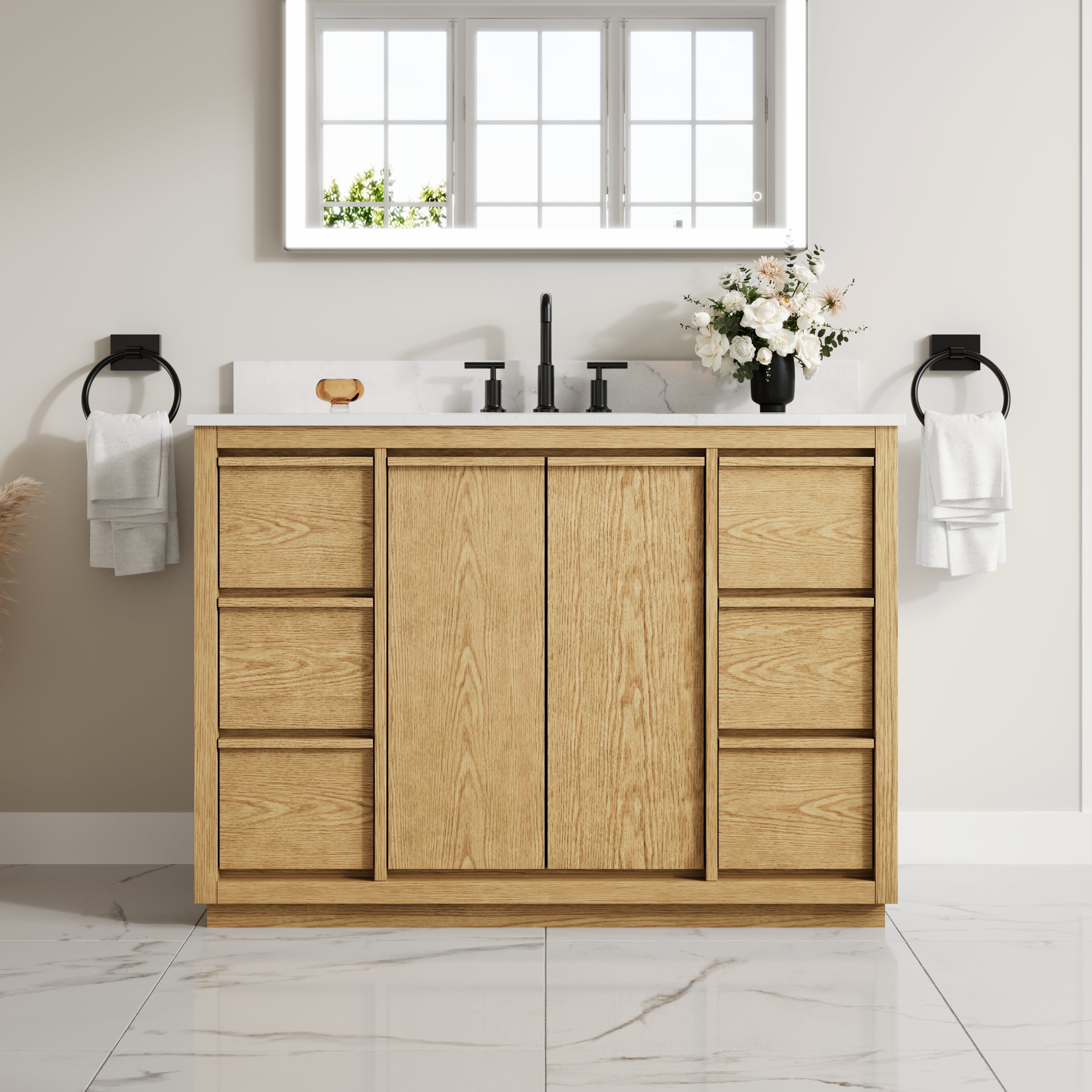
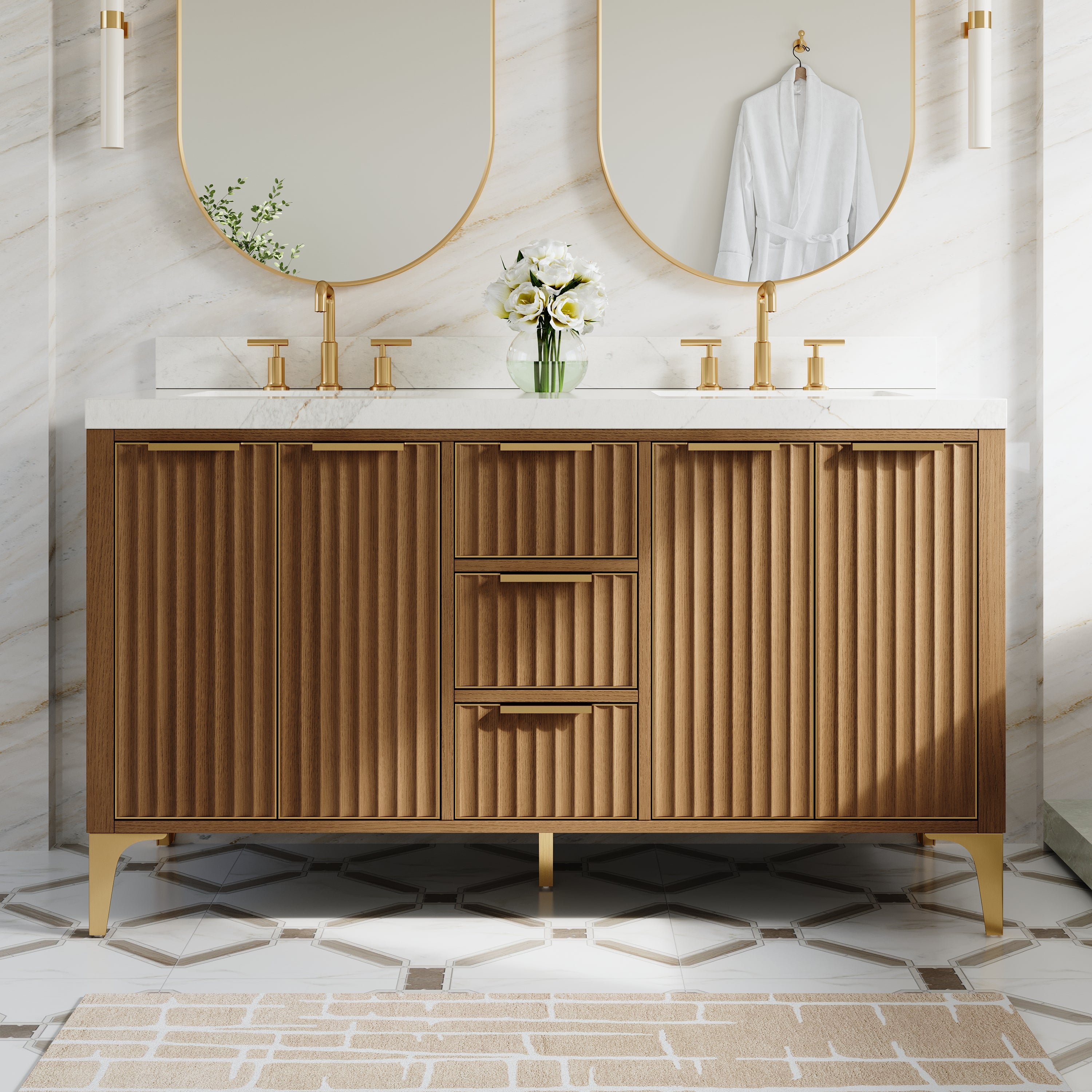
A mirror is a visual anchor. Adding a soft halo behind it can make a plain wall seem deeper and give a compact vanity a more deliberate, finished appearance. In a bathroom with stone, wood, or textured tile, that gentle spill of light can bring out materials that disappear under strong overhead lighting.
There is a limit to what the effect can do. An illuminated mirror should not automatically replace ceiling lighting, especially in a large bathroom or one with a separate shower. Ambient glow is not the same as safe, practical coverage of the floor and circulation areas.
Match the Mirror to the Vanity
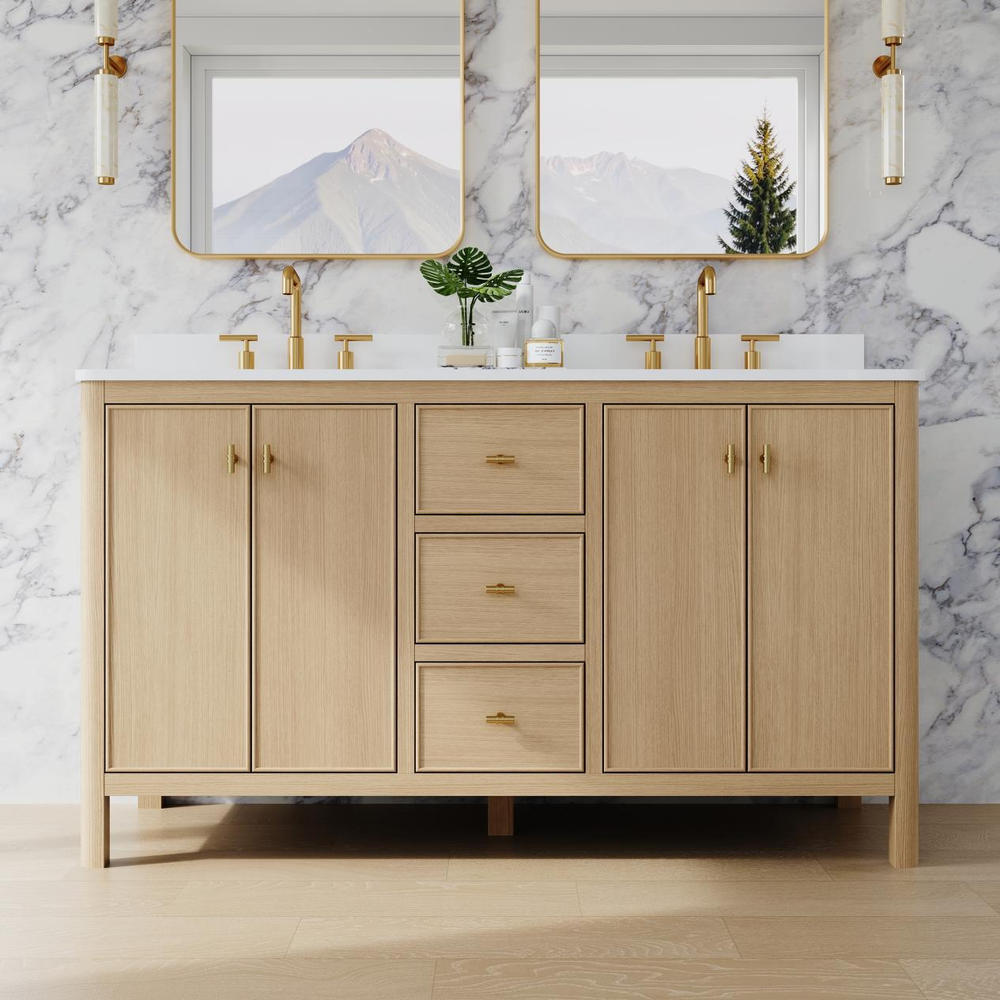
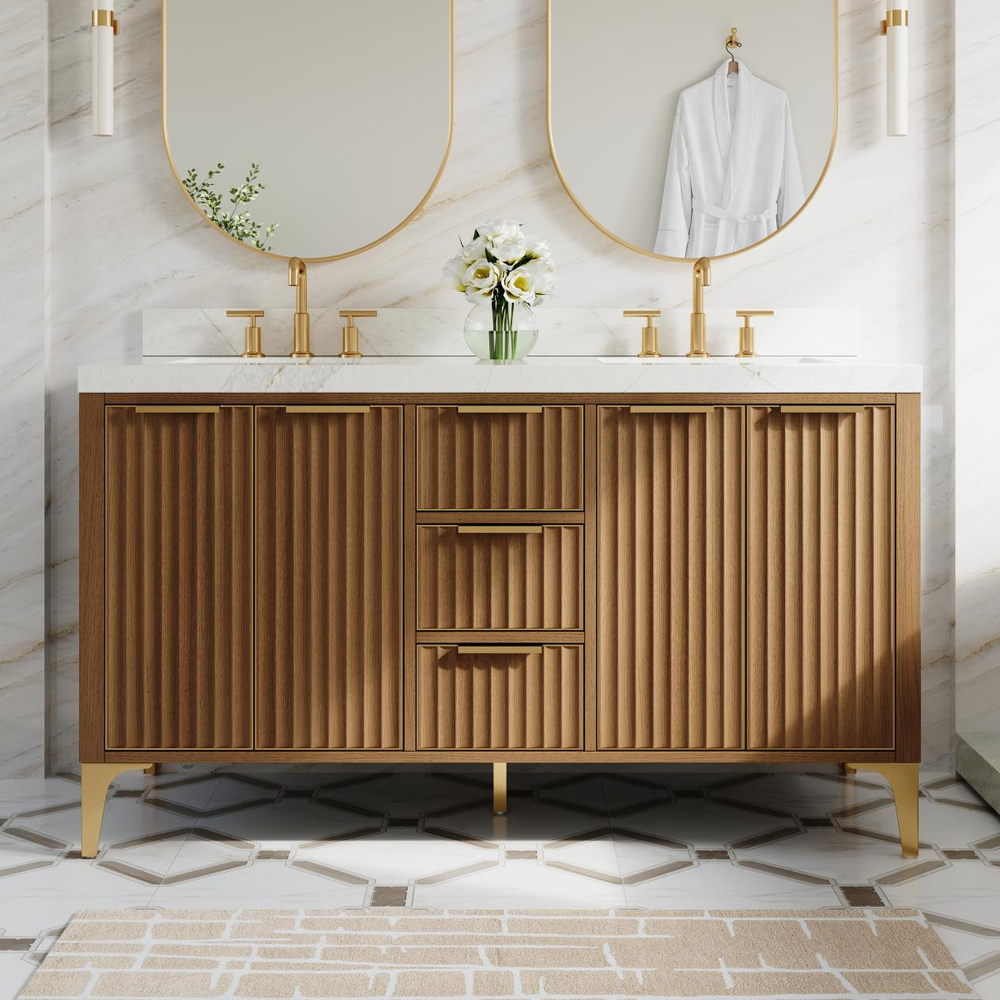
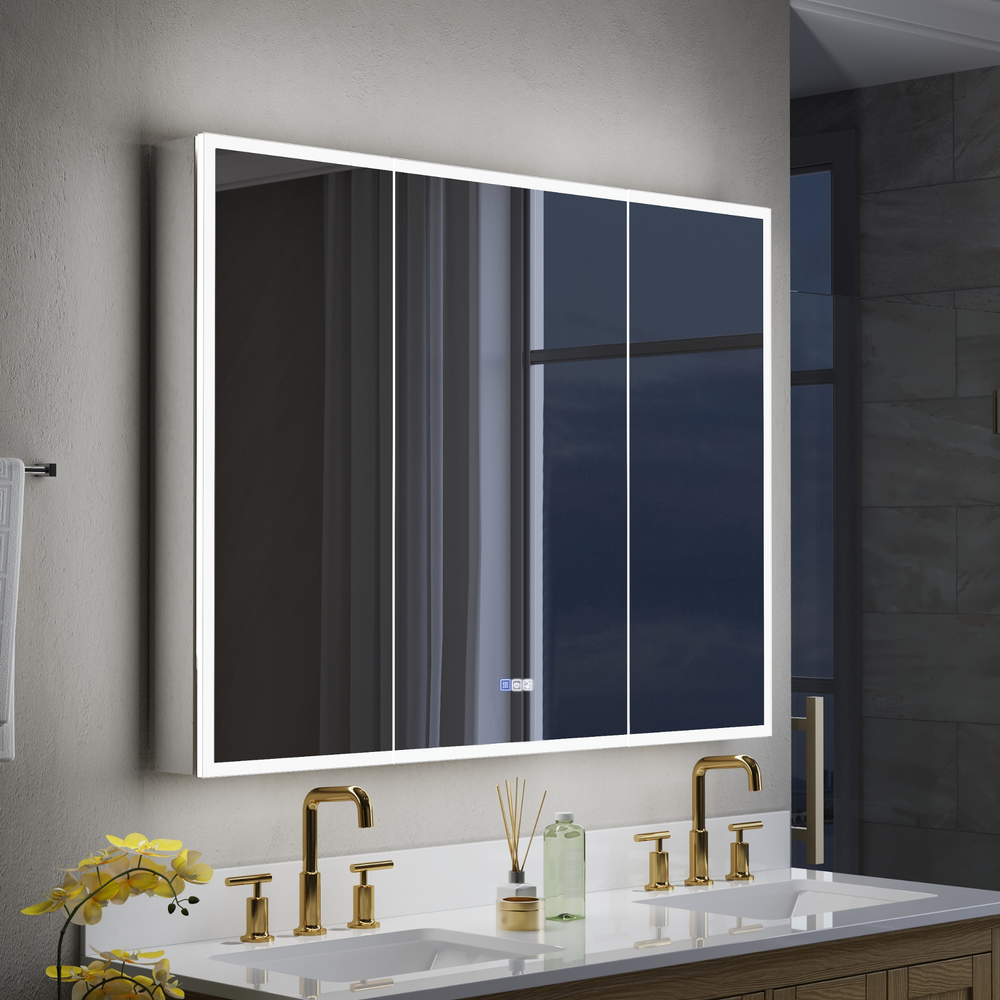
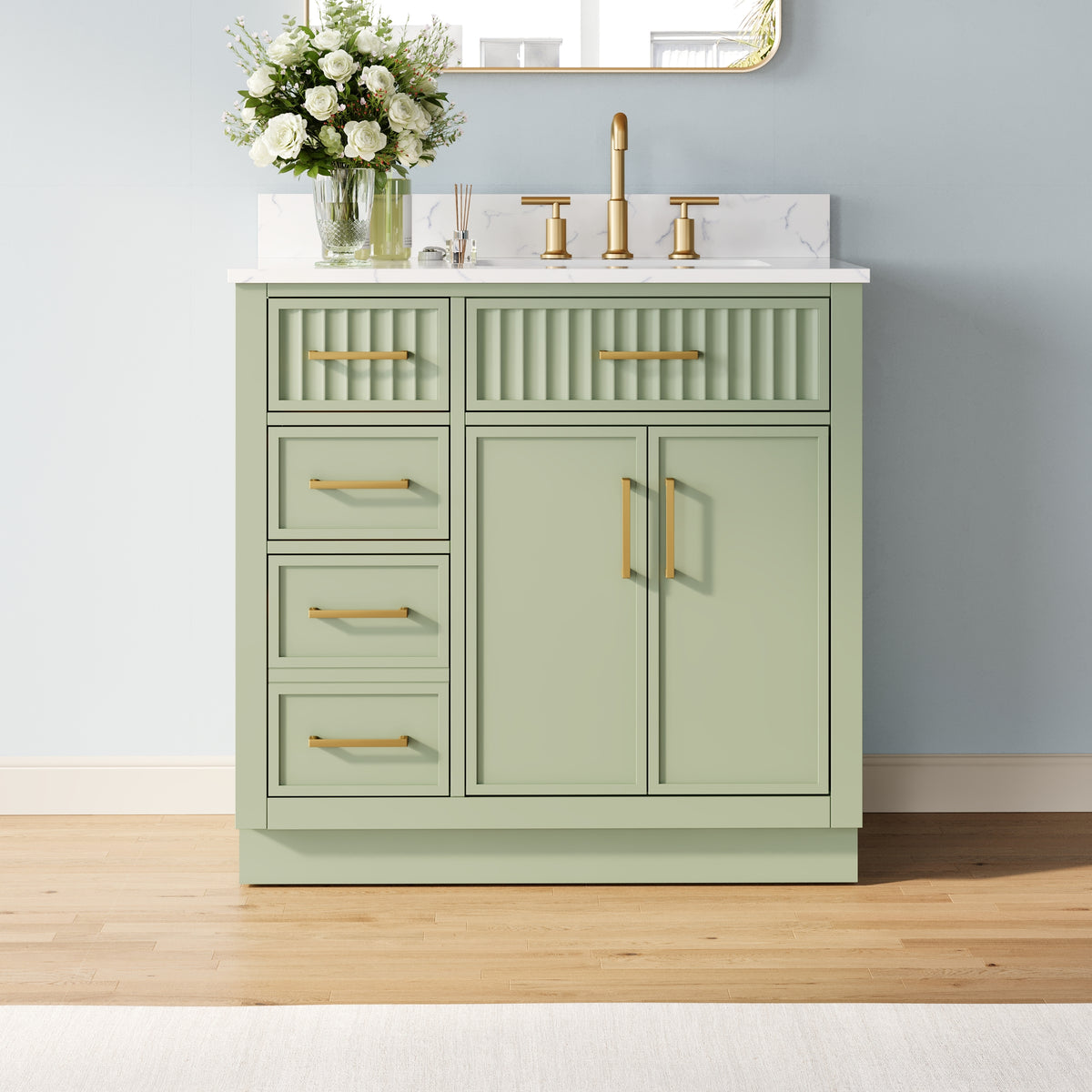
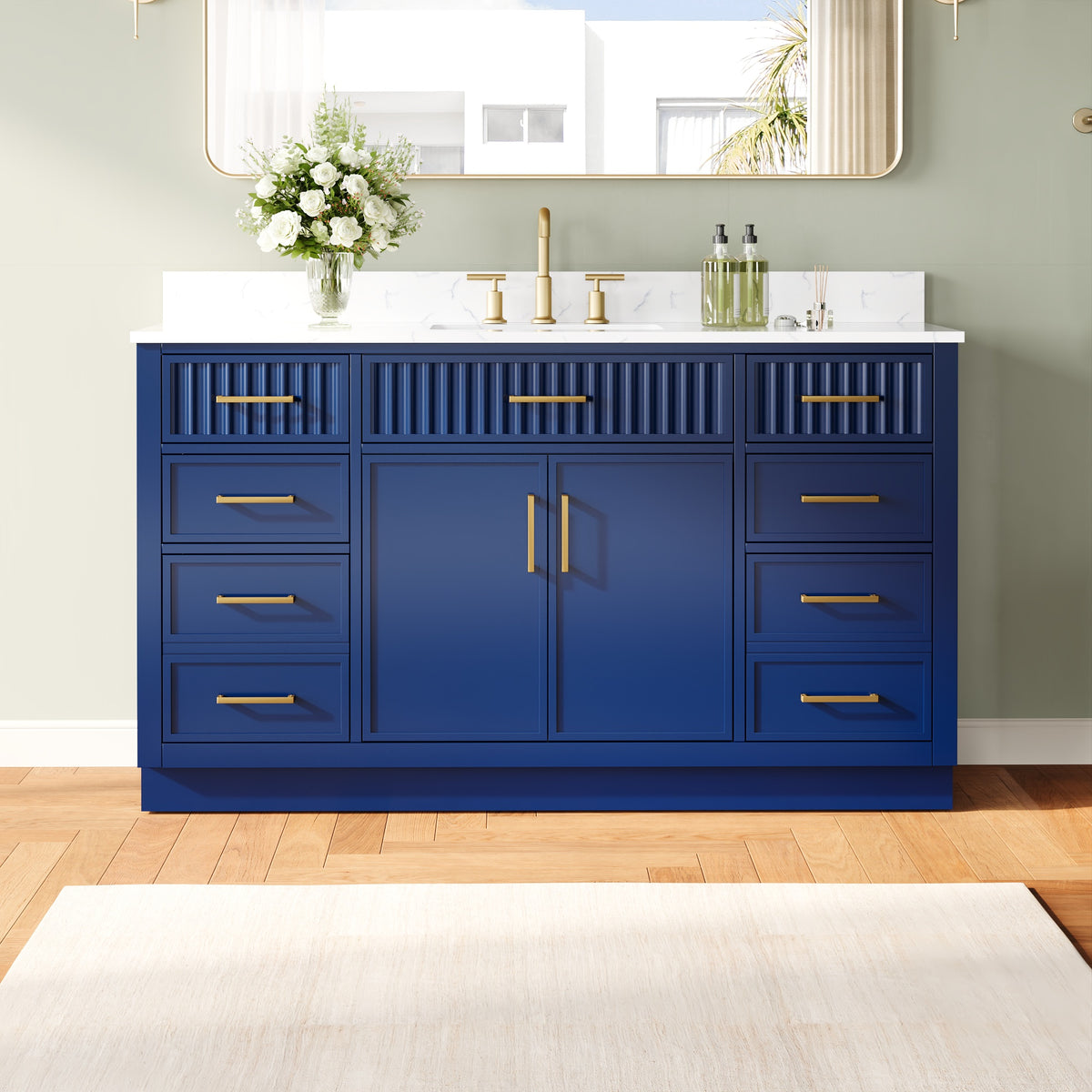
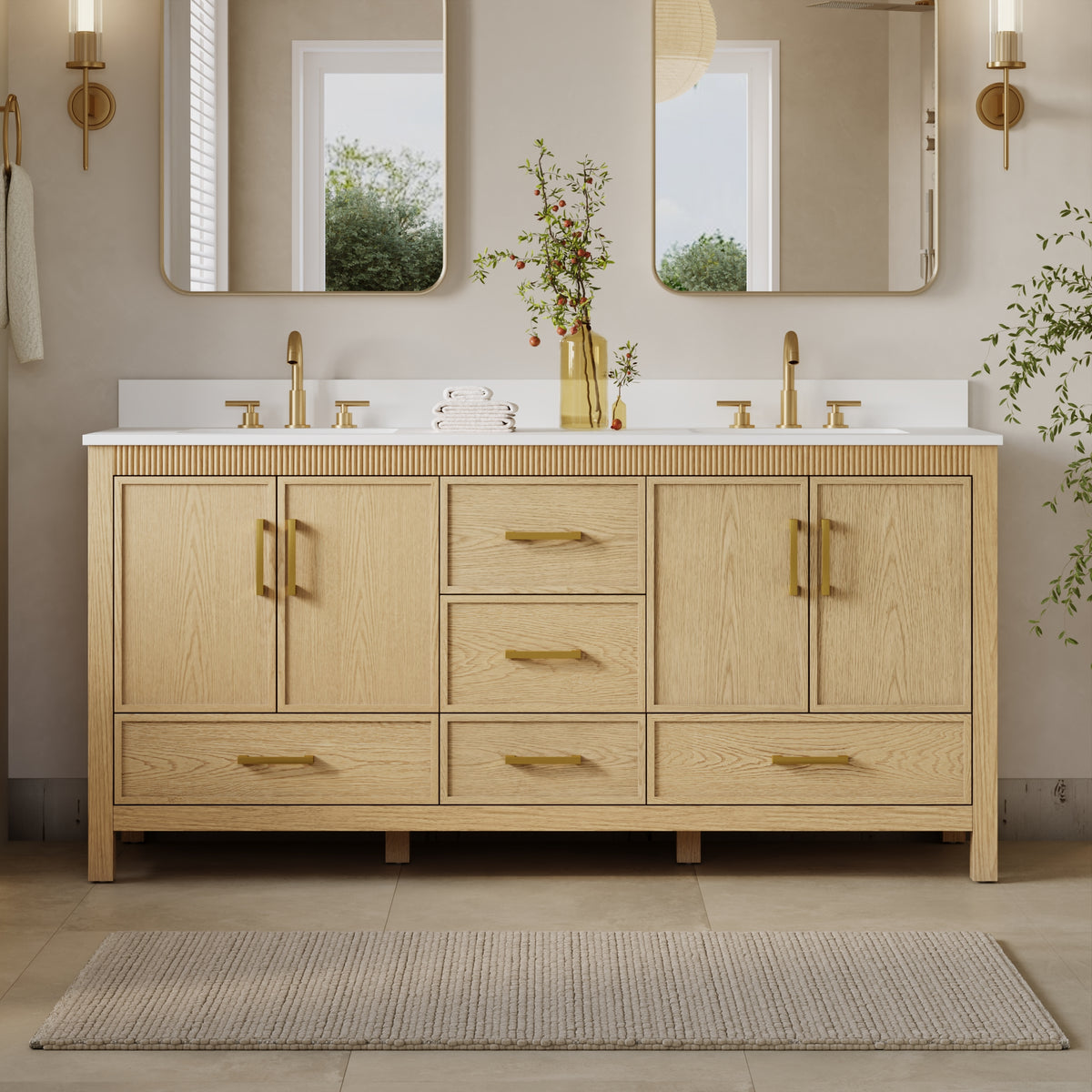
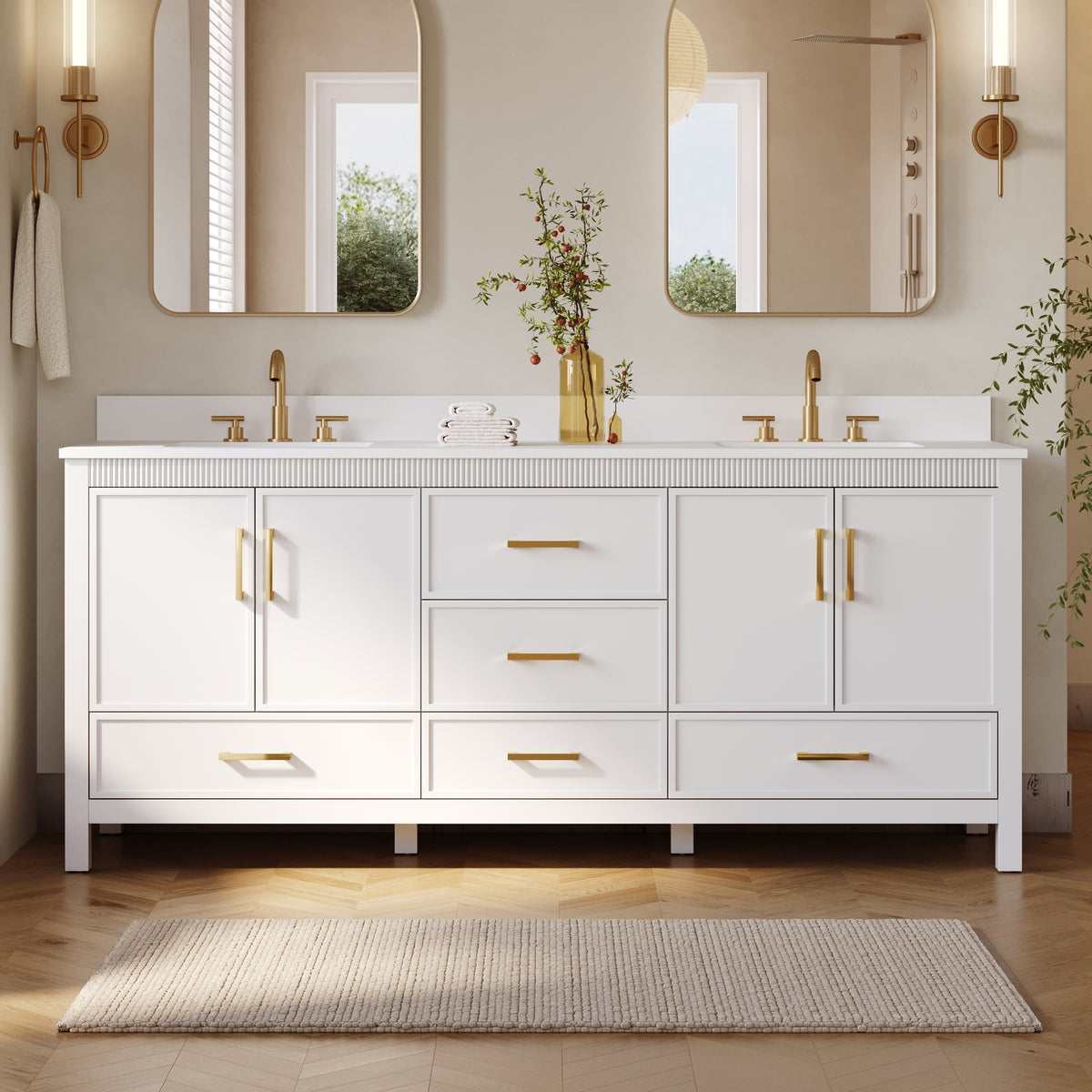
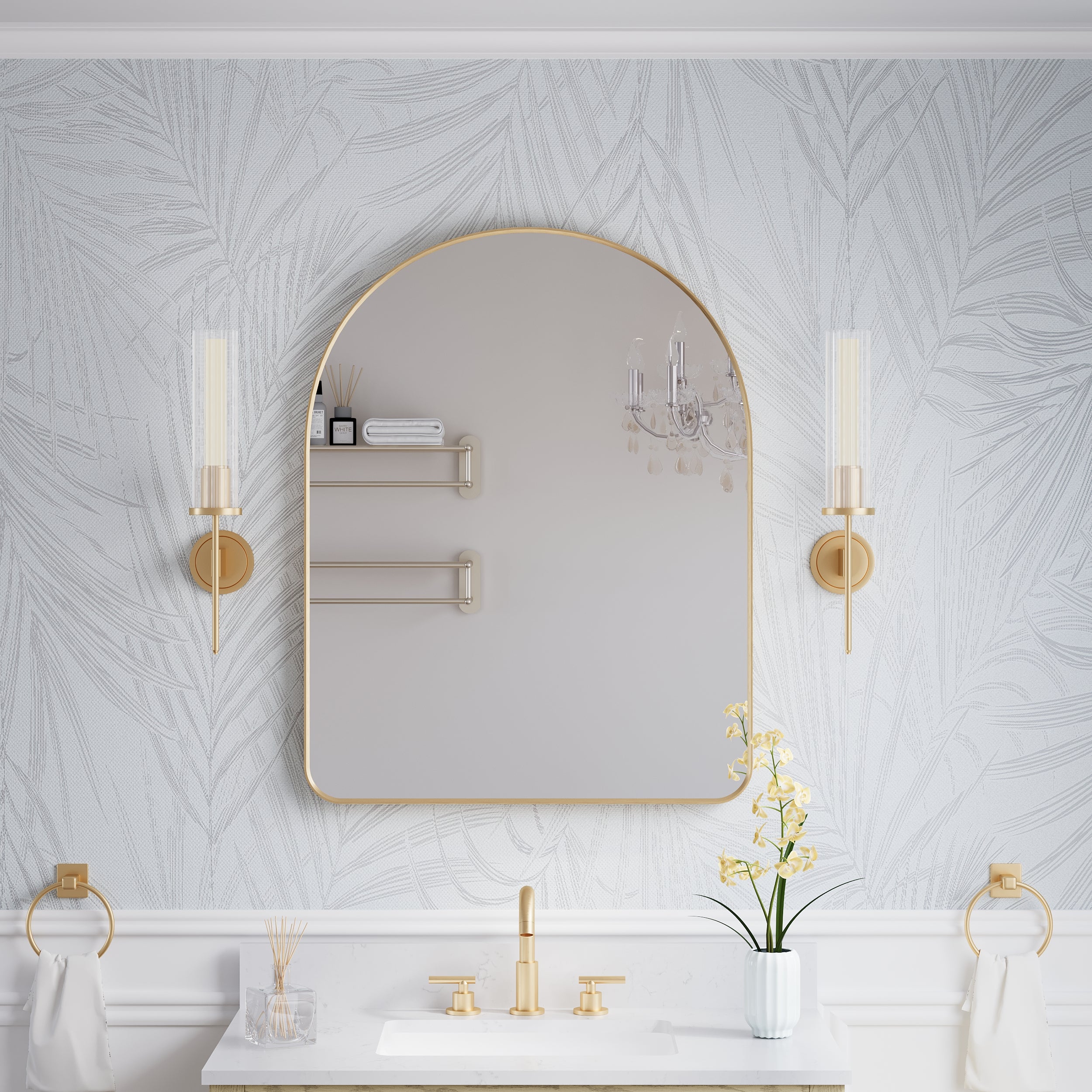
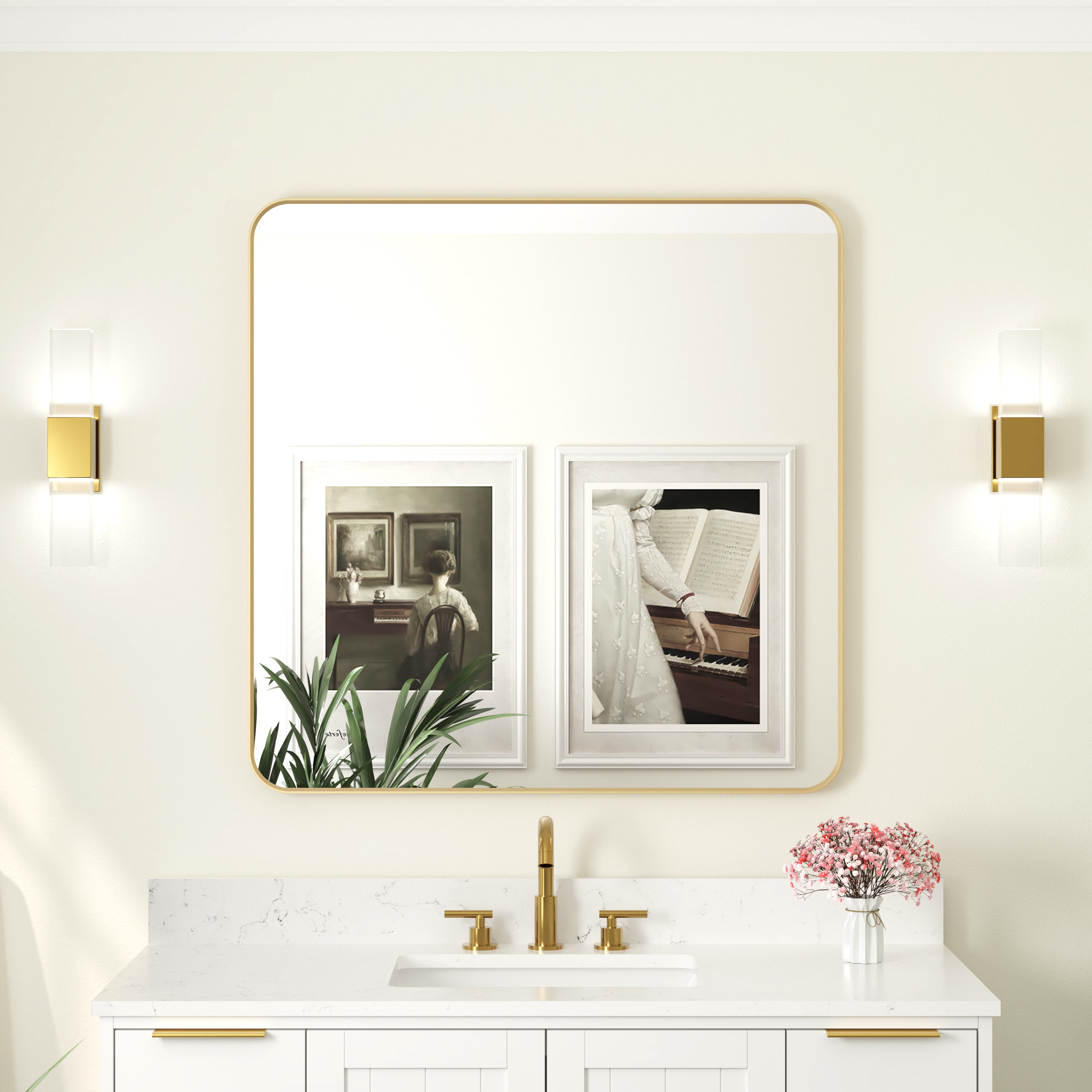
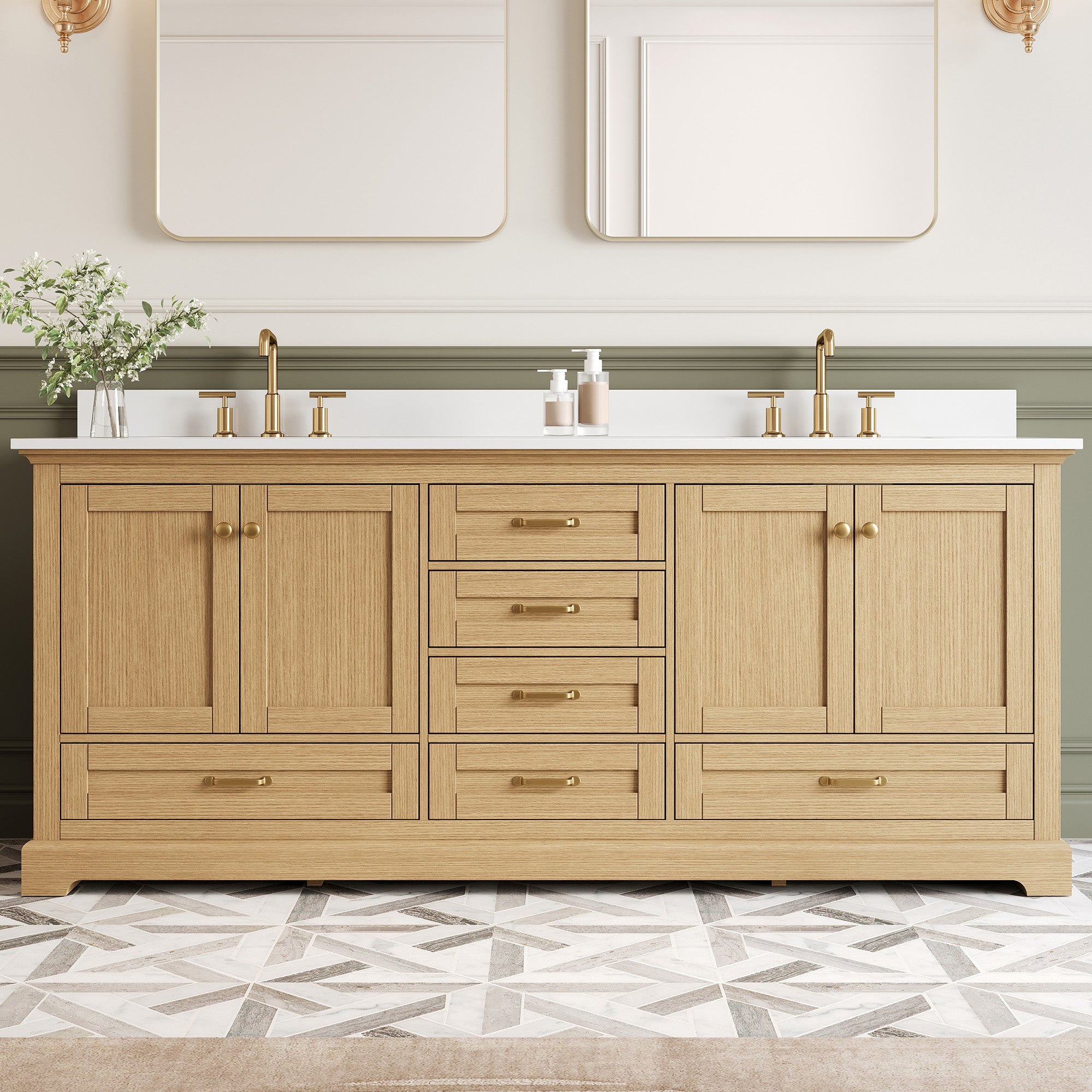
For a balanced look, begin with the width of the vanity rather than choosing the largest mirror available. Leave enough breathing room near sconces, cabinetry, or tiled edges. Rectangles complement clean-lined vanities; rounded designs soften angular rooms.
Also examine the reflection from where you actually stand. A beautiful mirror positioned too high for shorter family members fails its most basic job.
4. What to Check Before You Buy
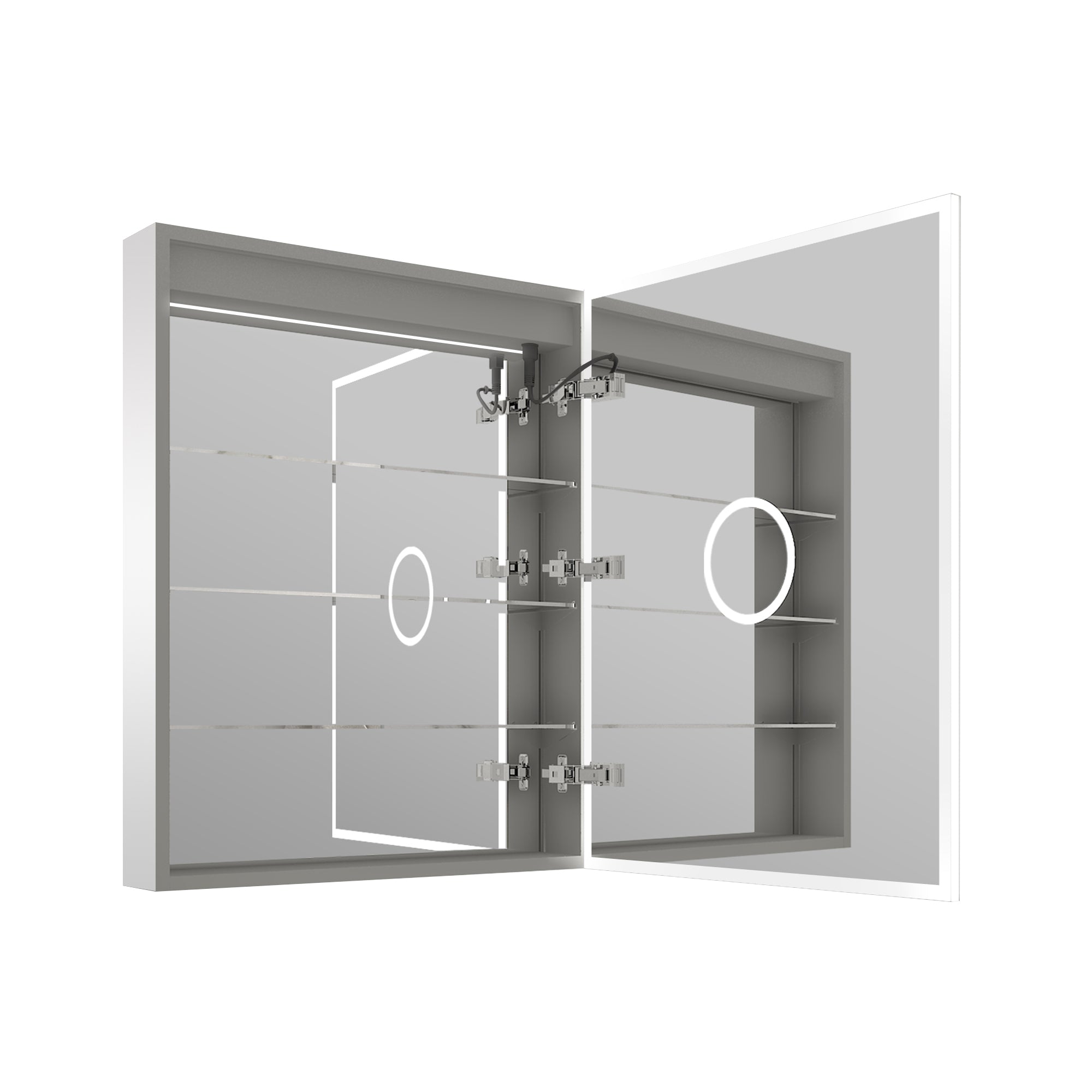
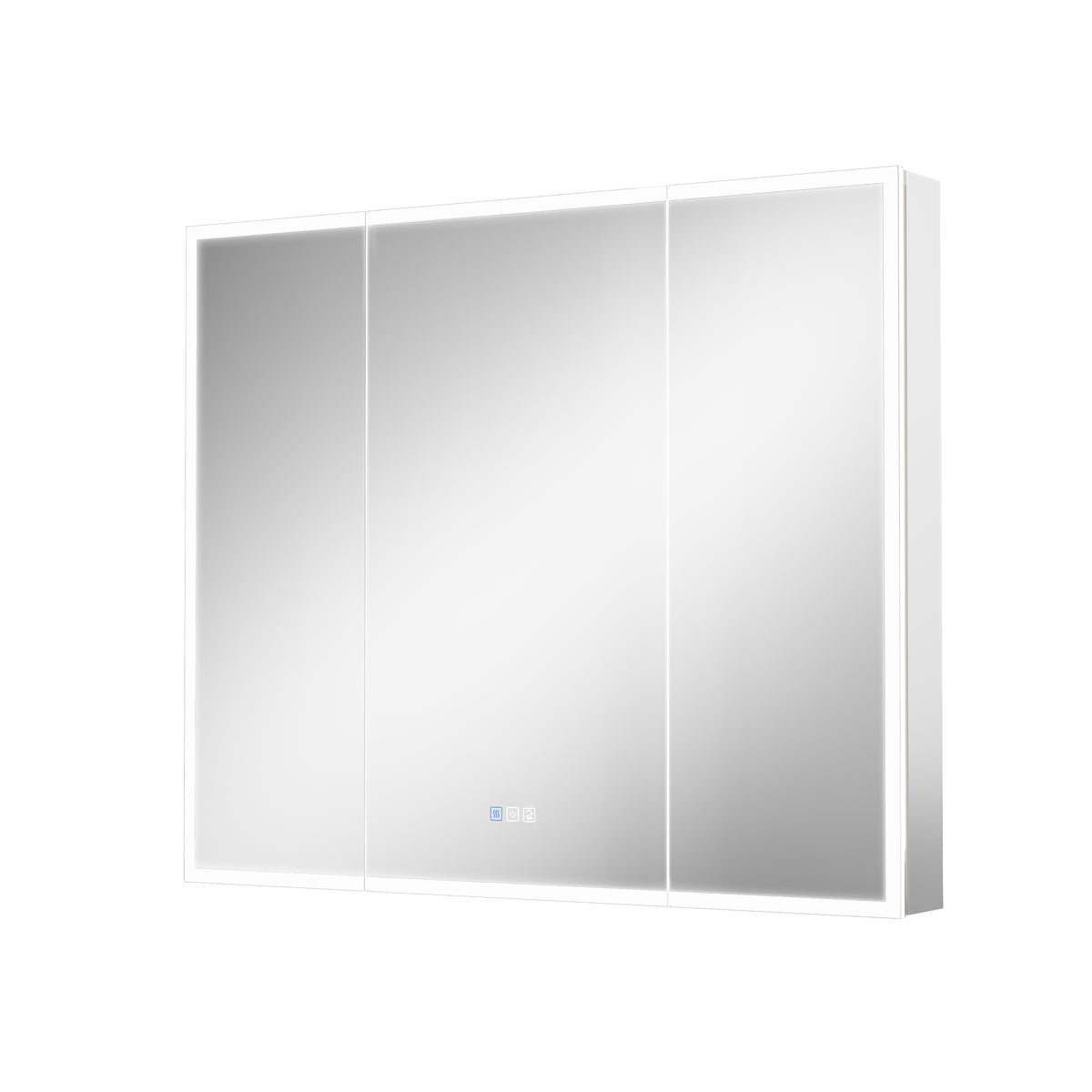
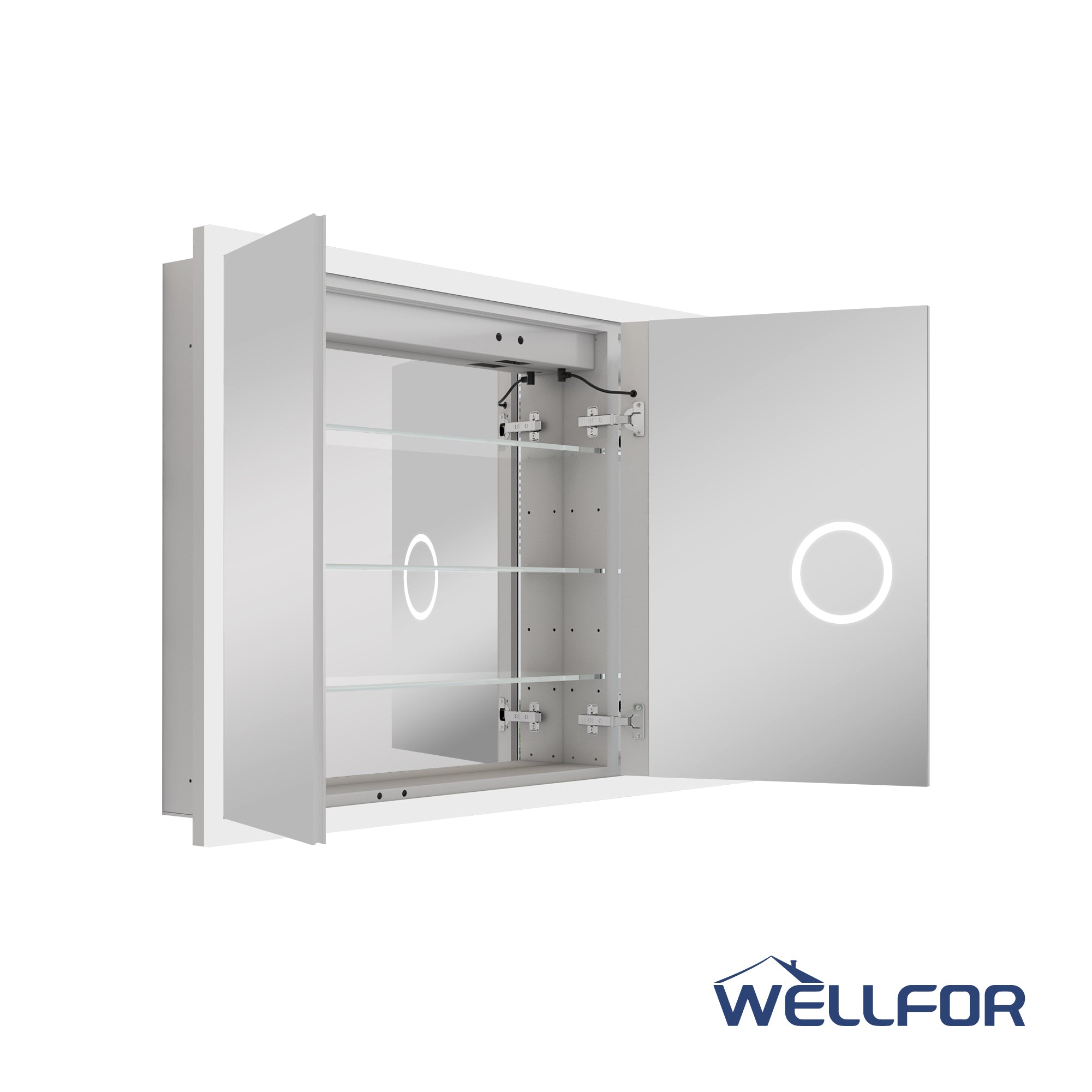
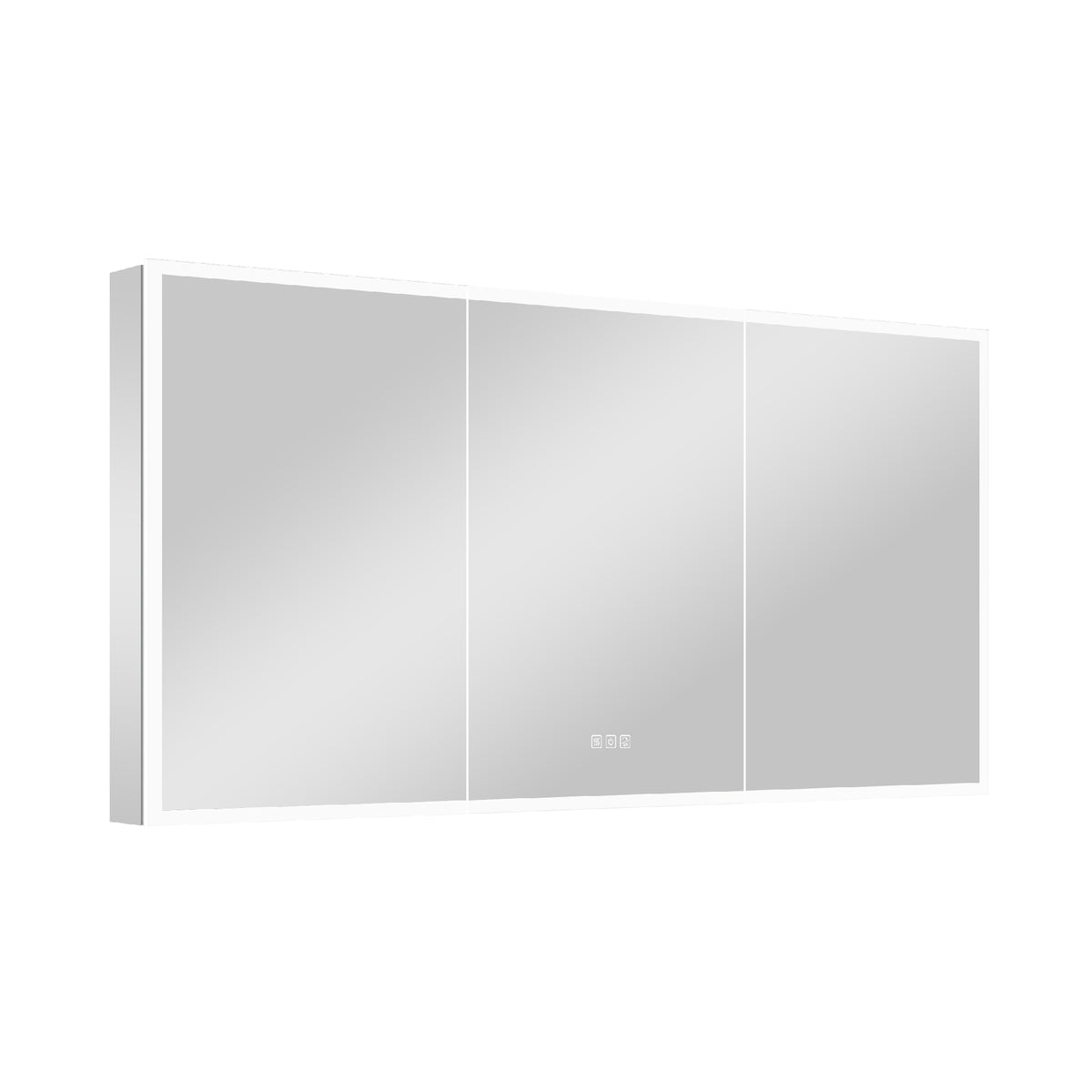
Product photographs rarely reveal the things that determine satisfaction after installation. Ask whether the mirror is front-lit, backlit, or both. Confirm the actual dimensions, brightness adjustment, electrical requirements, and how controls behave after power is switched off.
Anti-fog heating can be genuinely useful in a busy household, particularly where ventilation is modest. It is not a substitute for a working exhaust fan, however, and a heating pad may clear only part of the glass. Touch sensors are convenient until fingerprints become a constant annoyance. Some people prefer a wall switch or a separate control.
Be skeptical of vague claims such as “perfect lighting.” Look instead for published specifications, clear warranty terms, and installation instructions. At Wellfor, the sensible approach is to select a mirror around the way the bathroom is used, not simply around the most dramatic product image.
An illuminated mirror may also be unnecessary in a powder room with excellent sconces and no regular grooming tasks. If your existing lighting already handles shadows well, spending the budget on better ventilation or storage might have more impact.
5. Installation Details That Deserve Attention
Before ordering, measure the wall and locate nearby outlets, wiring, medicine cabinets, and plumbing. Check whether the model plugs into a receptacle or requires hardwiring. For hardwired installation, use a qualified electrician and follow local electrical codes, including applicable bathroom circuit and ground-fault protection requirements.
Mounting height is just as important as width. Mark the intended position with painter's tape, then test it with the tallest and shortest regular users. Confirm that doors swing freely and that the light will not be blocked by a raised faucet or cabinet trim.
Moisture resistance should be verified for the intended location. A bathroom-rated mirror is not necessarily designed for direct shower spray. Follow the manufacturer's placement and clearance instructions rather than assuming every wall is suitable.

6. Keeping the Glass and Lighting in Good Shape
For routine cleaning, use a soft microfiber cloth and a suitable glass cleaner applied to the cloth, not sprayed into the mirror's edges or electronics. Avoid abrasive pads, harsh chemicals, and heavy soaking around touch controls. Wipe condensation from frames and edges when possible.
LED lighting can last for years, but the driver and control system still matter. Before buying, find out whether replacement parts are available and what the warranty covers. A sealed mirror with no service path can become expensive to replace over a relatively small electrical fault.
Before committing to a mirror with lights, compare its front illumination with the ambient glow you want. Test the controls, check the wiring and mounting conditions, and prioritize a size that serves everyone at the sink. If possible, view the lighting in person before ordering; photographs seldom capture glare or uneven diffusion.















Leave a comment
This site is protected by hCaptcha and the hCaptcha Privacy Policy and Terms of Service apply.