




















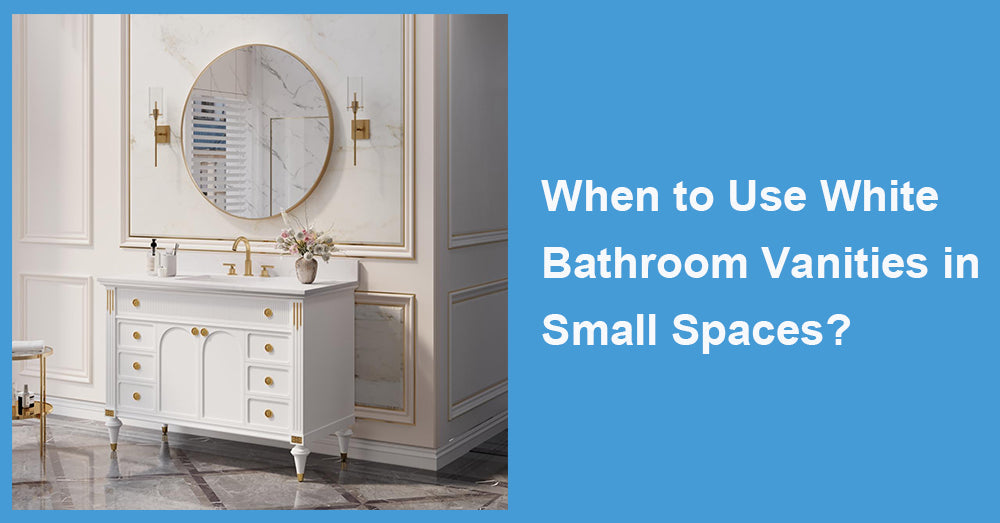
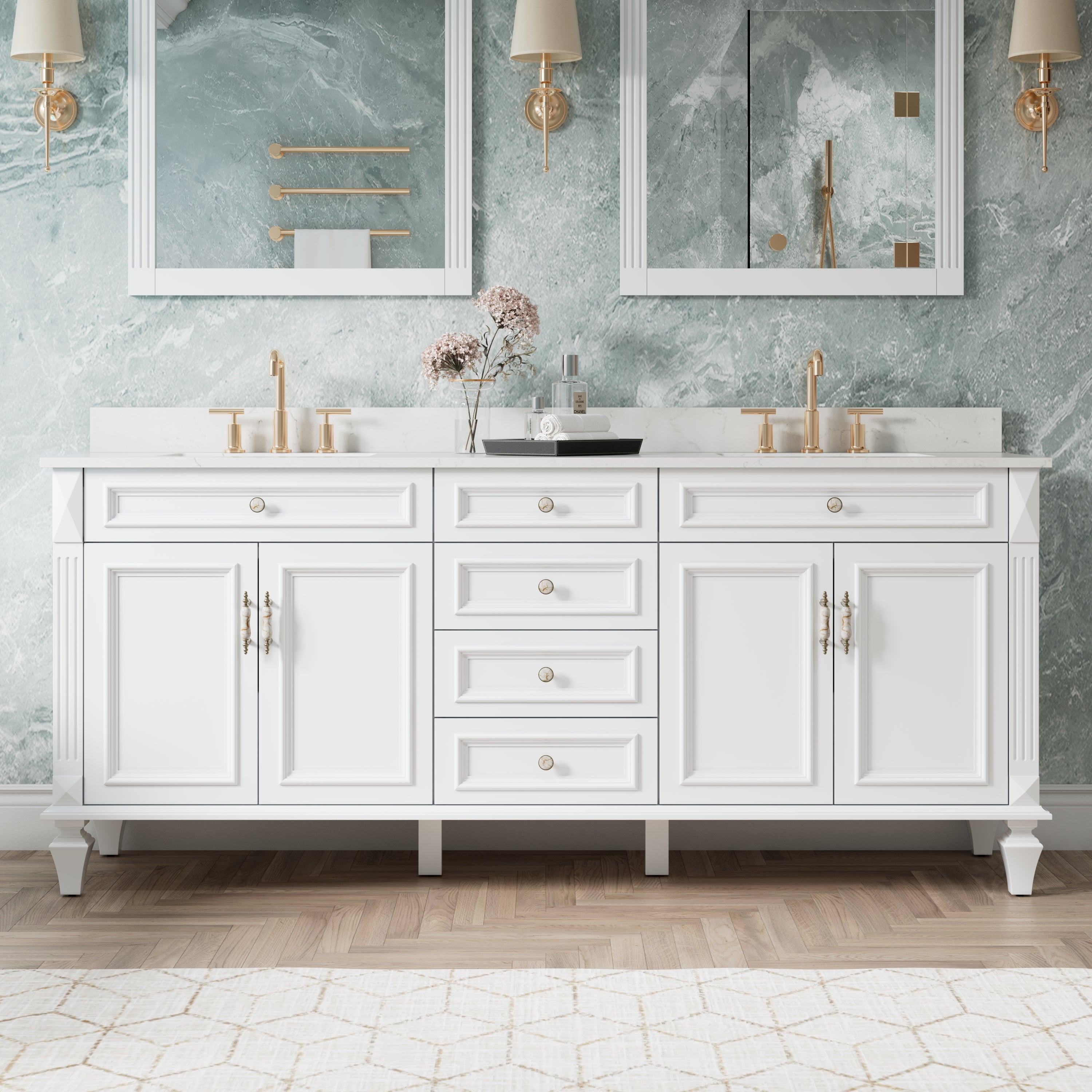
White bathroom vanities are especially useful in small bathrooms where visual lightness, flexible styling, and efficient storage matter more than making a dramatic statement. After more than 20 years of working with bathroom cabinetry, I have seen white vanities perform well in narrow guest baths, apartment bathrooms, and compact family spaces. The finish can help a room feel less crowded, but color alone does not solve a poor layout. Cabinet depth, sink size, storage, and clearance around nearby fixtures still decide whether the vanity works.
1. Use White When the Bathroom Has Limited Natural Light
Small bathrooms often have one narrow window—or none at all. In those rooms, dark cabinetry can create a heavy block at floor level and make the sink area feel more enclosed.
White reflects available light and blends easily with pale walls, tile, and mirrors. In a windowless hall bath, pairing a white vanity with a large mirror and balanced wall lighting can make the space feel more open without changing the floor plan.
2. Choose White Bathroom Vanities for Visual Continuity
In a compact room, too many contrasting finishes can break the space into smaller visual sections. A white vanity can reduce that effect, particularly when the walls or floor are already light.
A soft white cabinet beside warm beige tile can feel layered and calm. A crisp white vanity may suit cooler gray finishes. Keep the undertones related so the room feels connected rather than fragmented.
Do Not Assume Every White Is the Same
This is a common buying mistake. Some whites have blue or gray undertones, while others lean cream or beige.
Check the vanity finish against the actual tile, countertop, and lighting before buying. Product photographs can look very different under warm bathroom LEDs.
3. Consider a Floating White Vanity When Floor Visibility Matters
A wall-mounted vanity can be effective in a small bathroom because it exposes more flooring. Seeing the floor continue beneath the cabinet gives the eye a longer line, which can make the room feel less boxed in.
Floating vanities also make floor cleaning easier.
The drawback is installation. The wall needs adequate structural support, and some floating designs provide less storage height than comparable freestanding cabinets. If the household needs maximum storage, that tradeoff may not be worthwhile.
4. Choose Storage Before Decorative Details
A small bathroom quickly feels crowded when everyday items remain on the counter.
Deep drawers are useful for skincare, brushes, grooming tools, and cosmetics. Cabinet space beneath the sink works better for cleaning products, extra paper goods, and taller bottles.
Do not judge storage by the number of drawer fronts. Some are fixed because the basin occupies the space behind them, and plumbing cutouts can remove usable room.
In a family bathroom, I would choose functional drawers over decorative legs or elaborate door profiles.
Keep the Countertop Working, Not Decorated
A small white vanity does not need much styling. Soap, a hand towel, and perhaps one tray may be enough. Too many decorative objects make a compact room feel smaller.
5. Know When White Is Not the Best Choice
White is useful, but it is not universally superior.
If the bathroom is intentionally dark, moody, or strongly rustic, a white cabinet may interrupt the design. Natural wood or a deeper painted finish may create a more convincing result.
White also reveals toothpaste, makeup, fingerprints, and hair dye more readily than many medium wood tones. In a heavily used children's bathroom, frequent spot cleaning may be necessary.
Poor-quality white paint can chip around handles and corners. A durable satin or matte coating is usually easier to live with than a high-gloss surface that shows fine scratches.
6. Measure Depth as Carefully as Width
One persistent misconception is that a light-colored vanity can make an oversized cabinet acceptable. It cannot.
A deep cabinet still reduces the walkway and may interfere with the toilet, bathroom entrance, or shower door.
Mark the complete footprint with painter's tape, including the countertop overhang. Stand at the sink position and open every nearby door. In very narrow bathrooms, a shallow-depth white vanity may be better than a narrower cabinet with standard depth.
7. Match the Sink to the Scale of the Cabinet
An oversized basin can consume most of the available countertop in a small bathroom.
A moderately sized undermount sink usually preserves more usable surface area and keeps the top visually simple. Integrated sinks are also practical because they reduce seams and make cleaning easier.
Vessel sinks can create a strong decorative effect, but they add height and often reduce functional counter space. I rarely recommend them when the main goal is easier daily use.

8. Install Carefully Because White Shows Mistakes
White cabinetry makes uneven gaps, crooked pulls, chipped edges, and untidy caulk lines easy to notice.
Install the cabinet level so doors and drawers remain aligned. Seal the sink, faucet openings, countertop, and backsplash joints carefully. Test the drain and supply connections before loading the cabinet.
For routine maintenance, use a soft cloth and mild, non-abrasive cleaner. Wipe standing water promptly, remove colored spills before they stain, and run the exhaust fan after showers. Check beneath the sink several times each year for slow leaks.
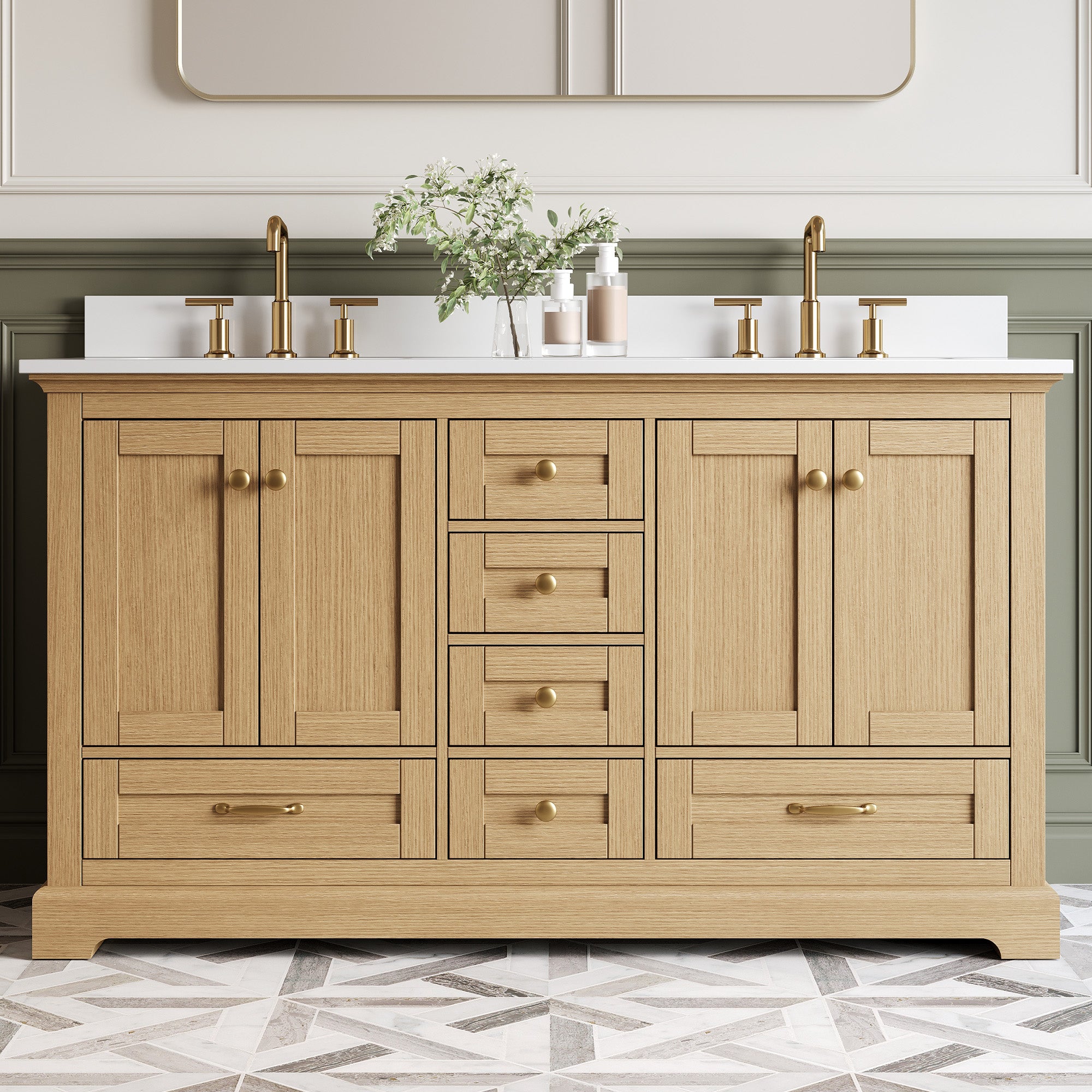
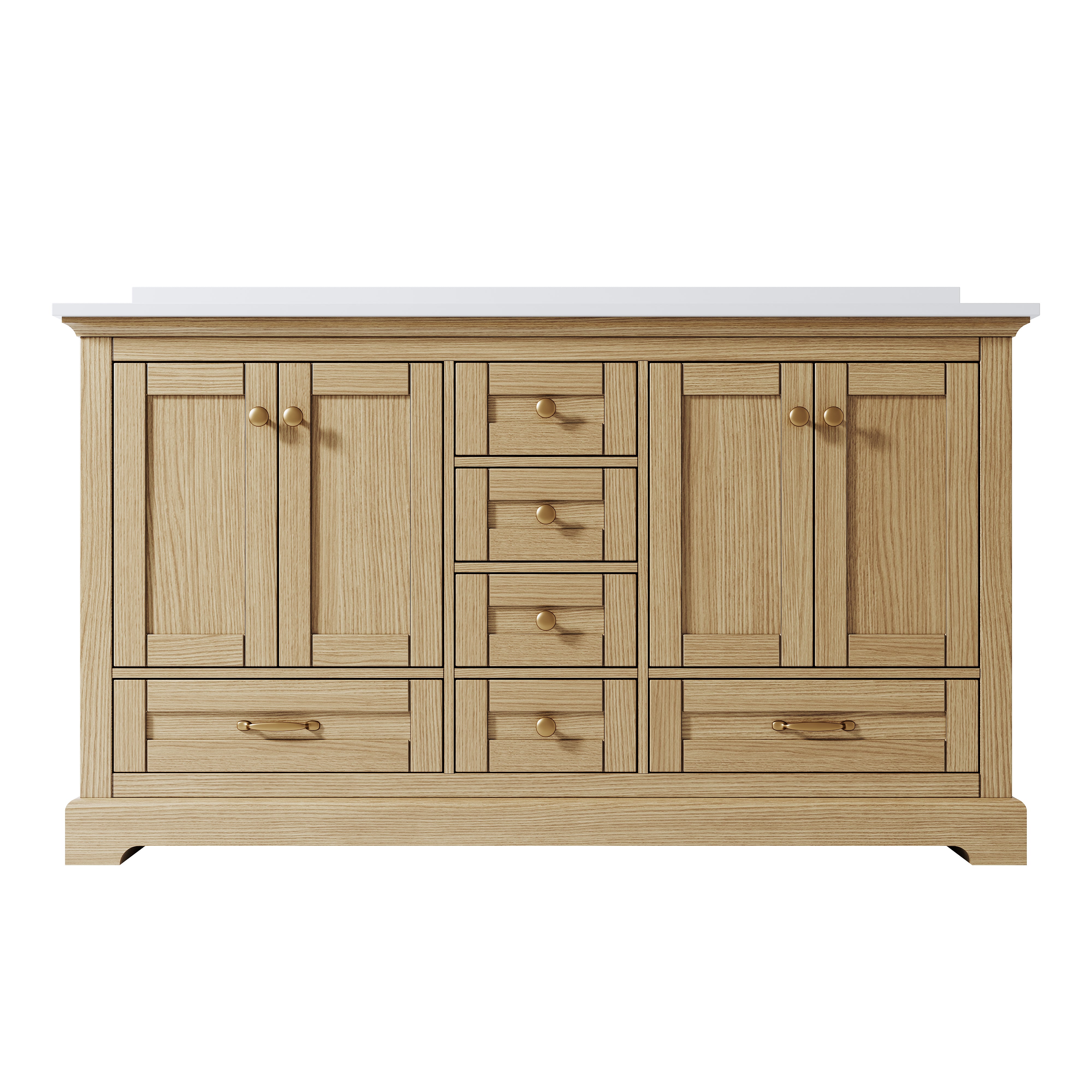
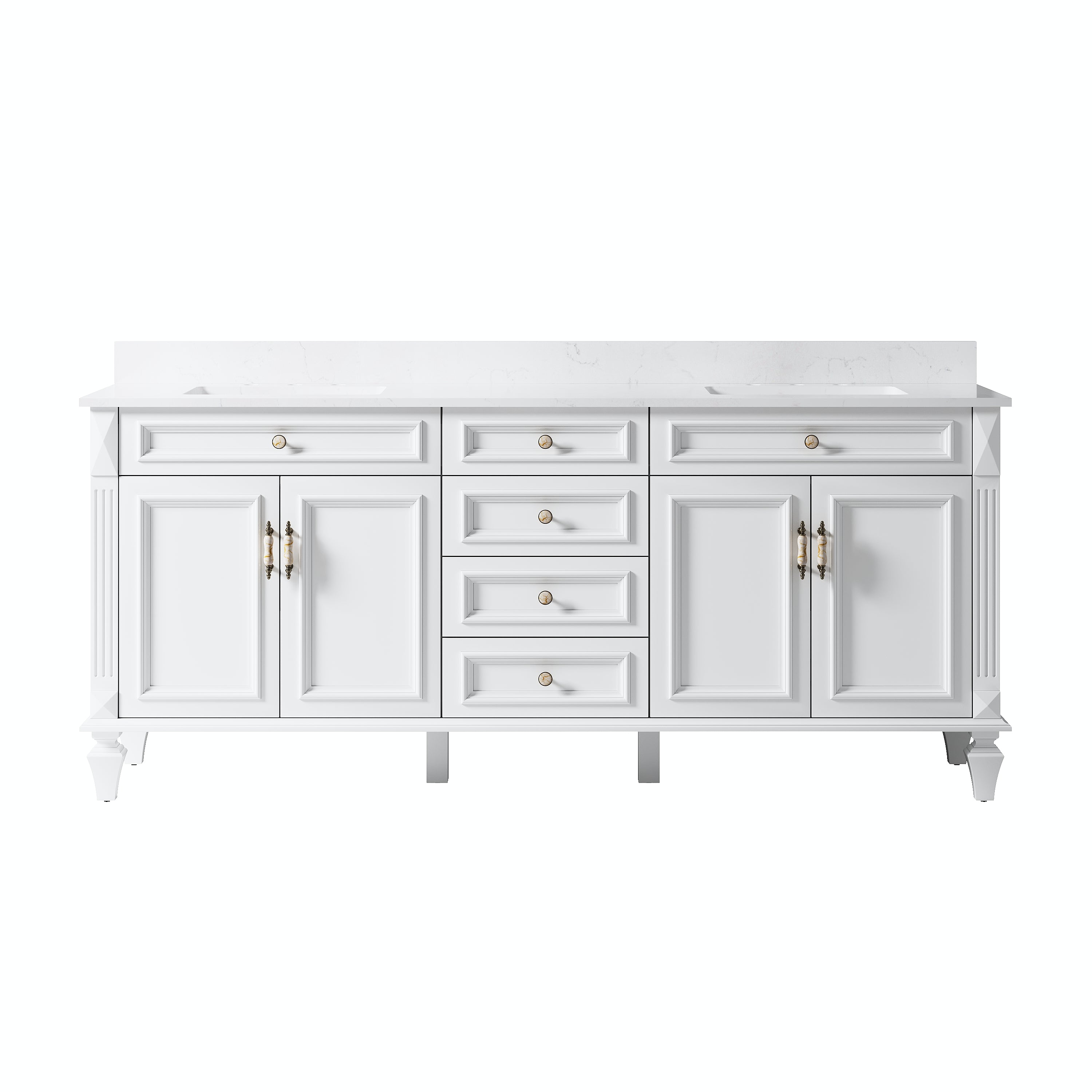
When comparing Wellfor models, use white bathroom vanities where brightness, visual continuity, and compact storage are priorities, but let the room's dimensions make the final decision. Choose a shallow or floating model when floor space is tight, confirm the undertone under your actual lighting, and prioritize functional drawers. In a small bathroom, the best white vanity is the one that leaves enough room to move while keeping everyday clutter out of sight.






























Leave a comment
This site is protected by hCaptcha and the hCaptcha Privacy Policy and Terms of Service apply.