














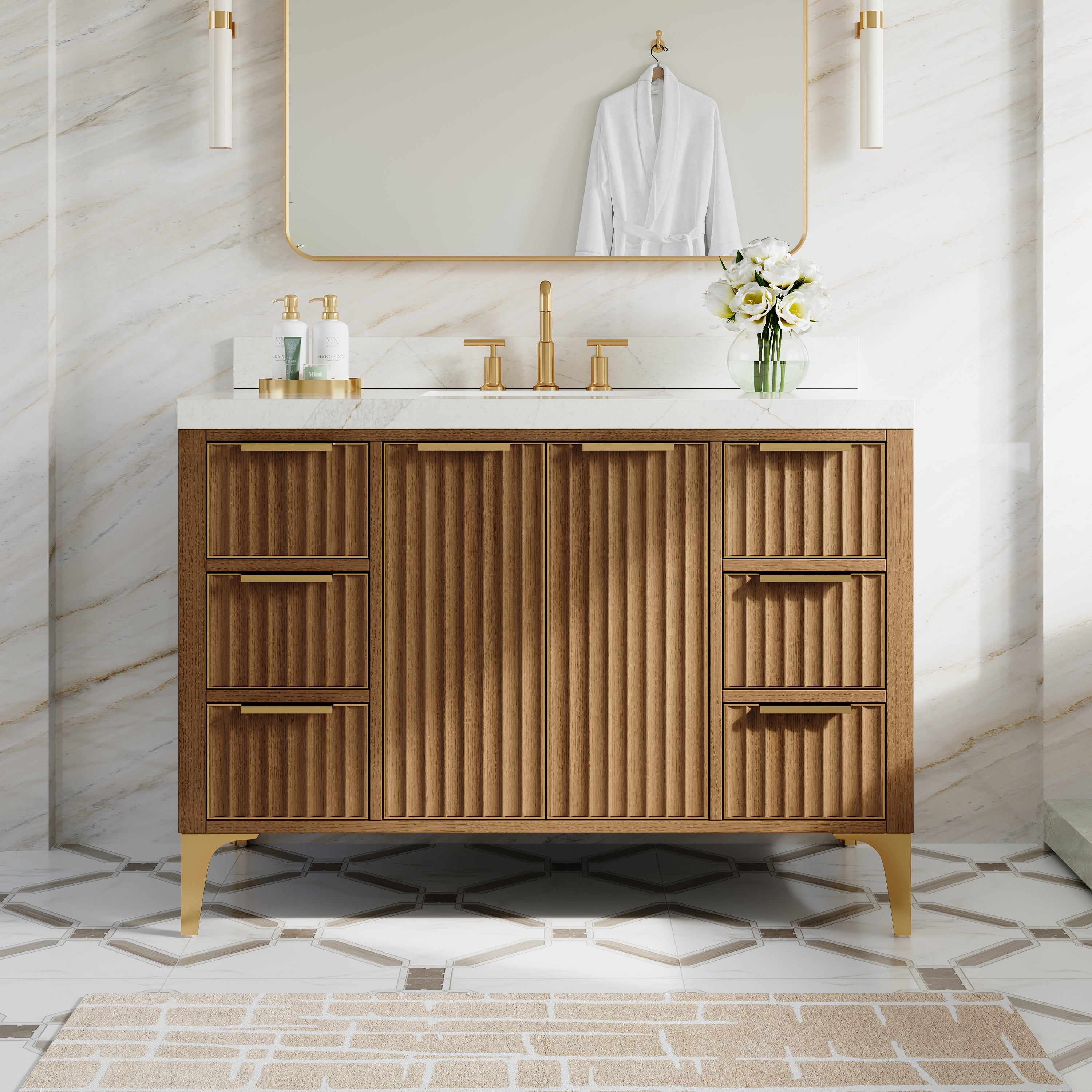
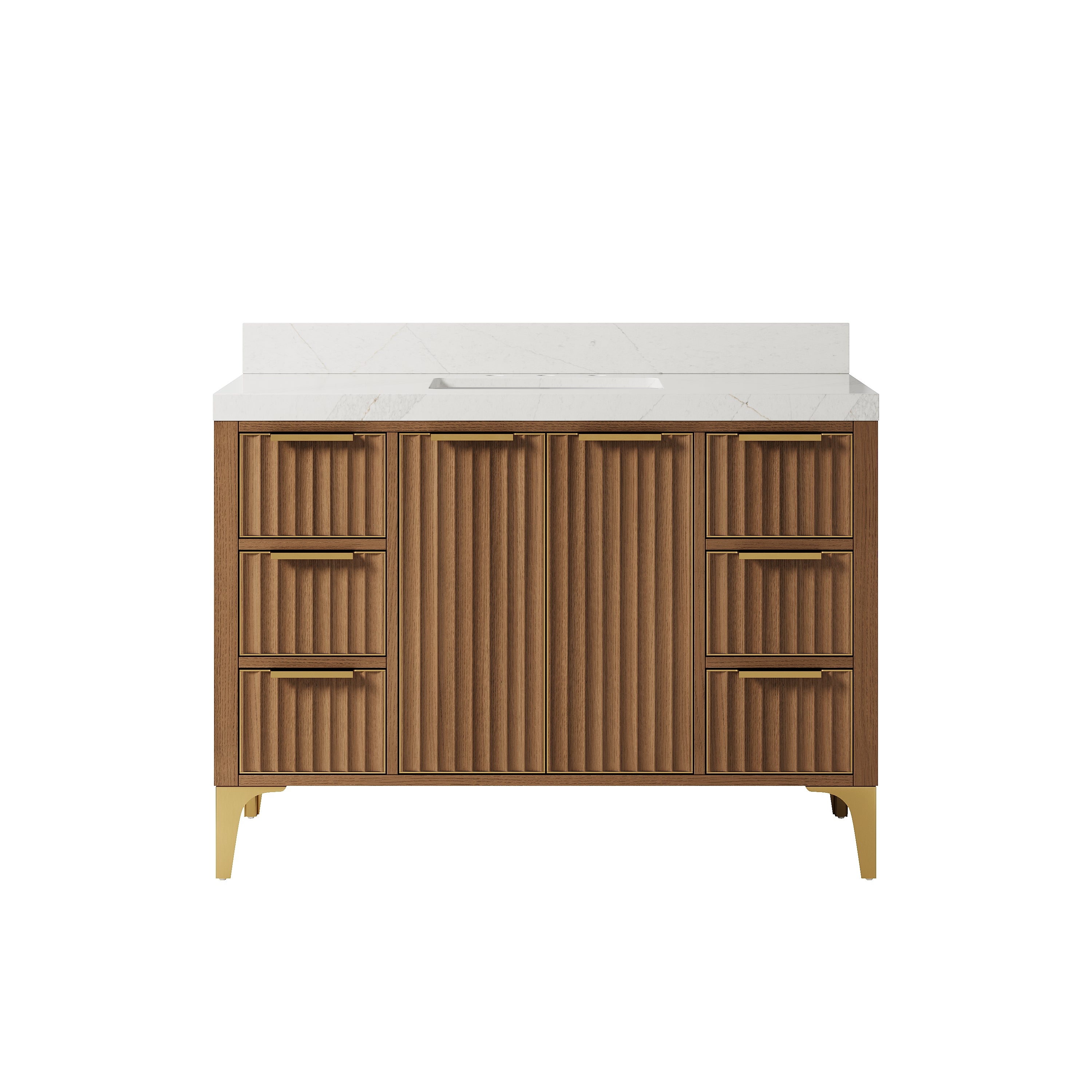


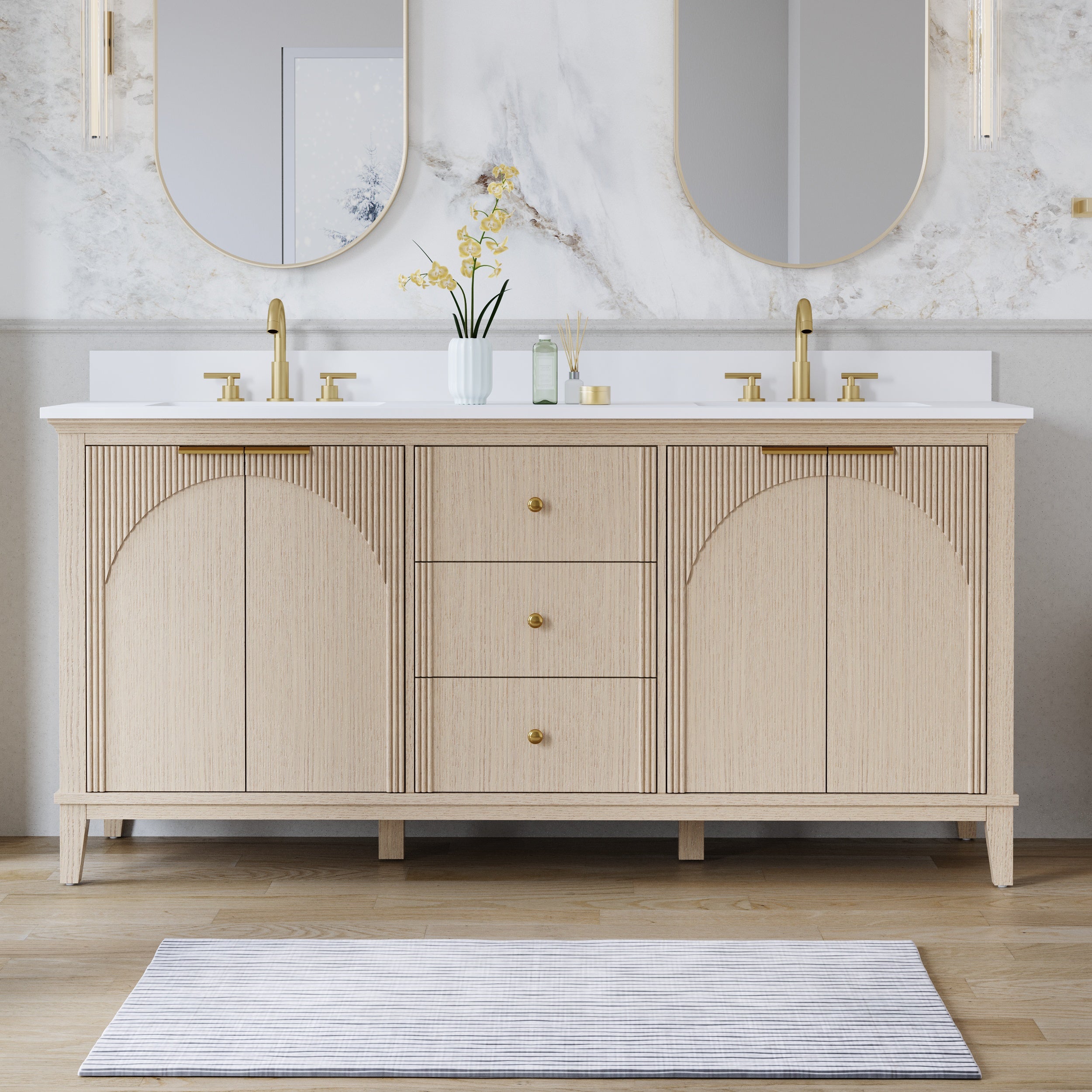
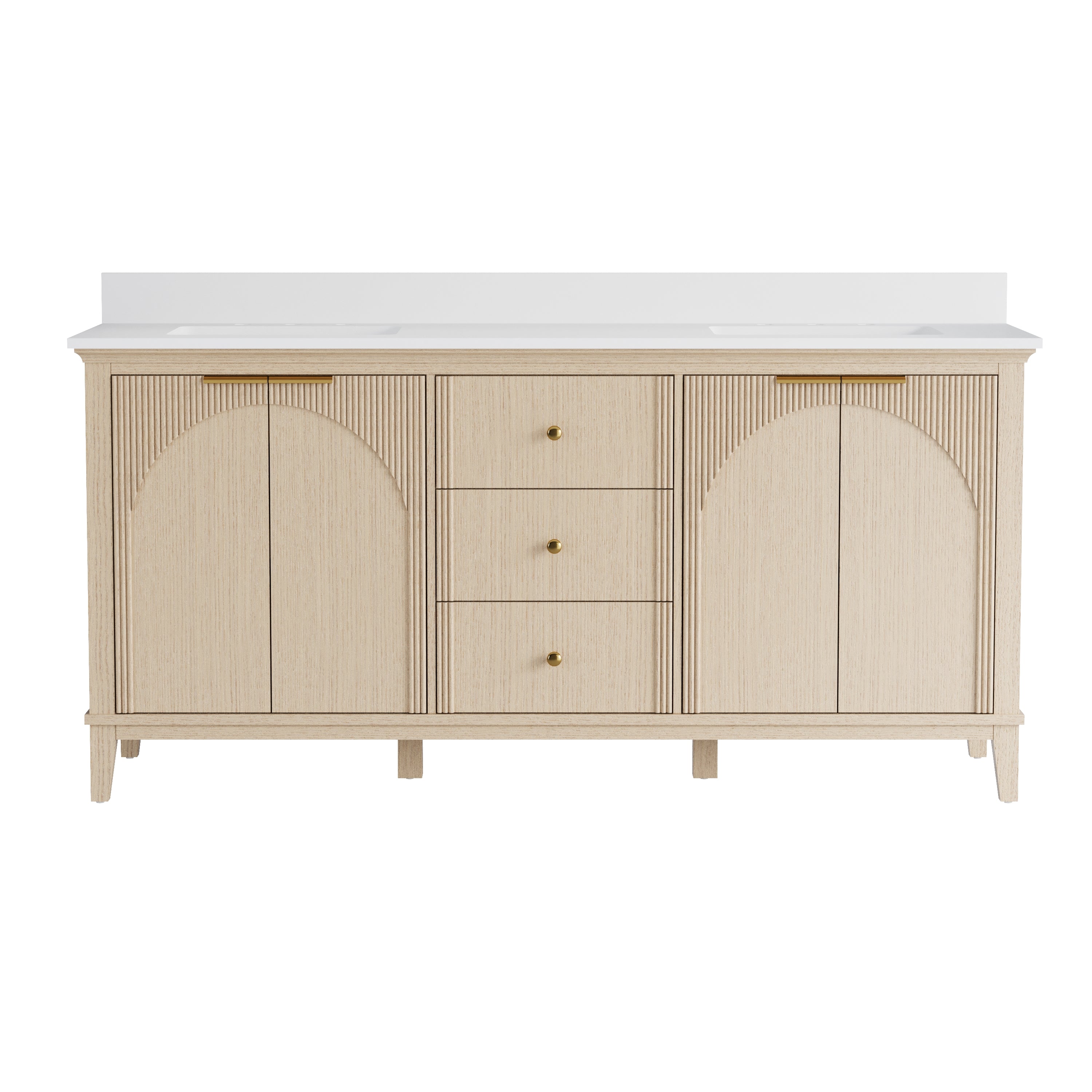


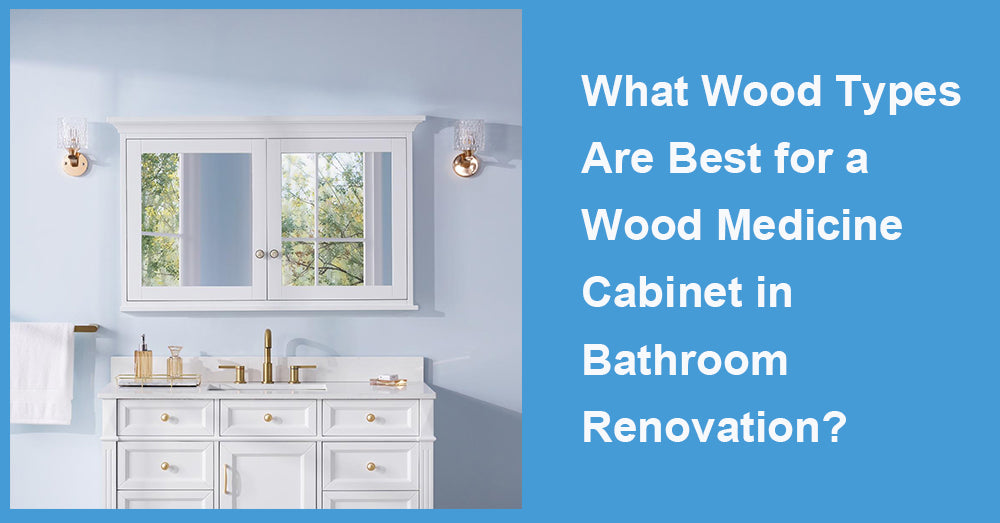
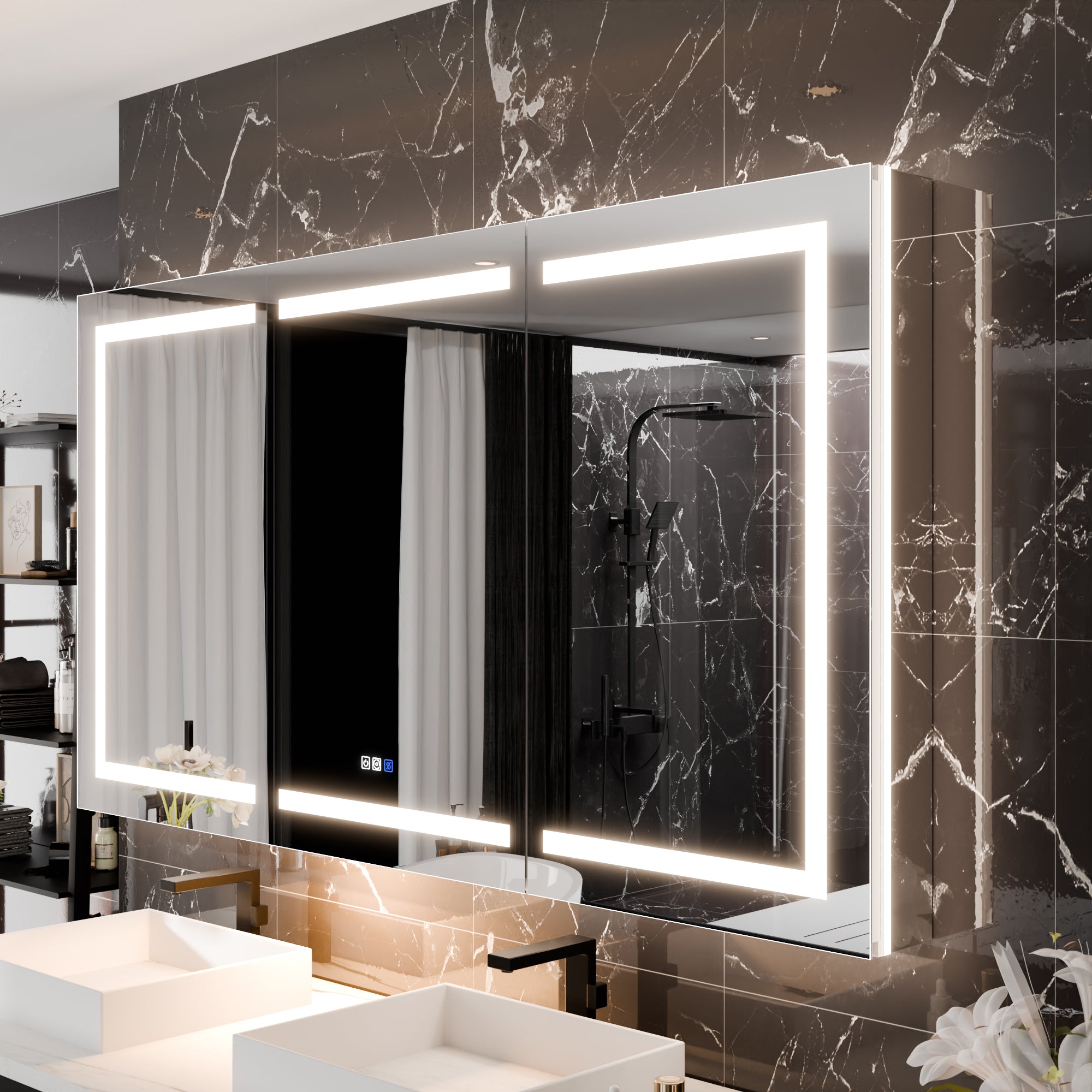
Homeowners are installing wood medicine cabinet into bathrooms, and medicine cabinets are a popular place to add warmth and texture. But bathrooms are tricky: steam, splashes, and daily temperature swings can ruin the wrong material fast. If you’re planning a renovation, here’s a clear, news-style roundup of wood options that perform well, what to avoid, and the specs pros are asking for right now.
Why the wood choice matters
Bathrooms are high-humidity rooms. Wood swells when it absorbs moisture and shrinks as it dries. Repeated movement can lead to warping, hairline cracks, sticky doors, and peeling finishes. The right species and construction method greatly reduce these risks. Think of three pillars:
1. Natural moisture resistance (the wood’s own oils and density)
2. Dimensional stability (how much it moves with humidity)
3. Protection (sealants, edge-banding, and hardware that stand up to steam)
When all three line up, a wood medicine cabinet can look great for years.
Top wood choices
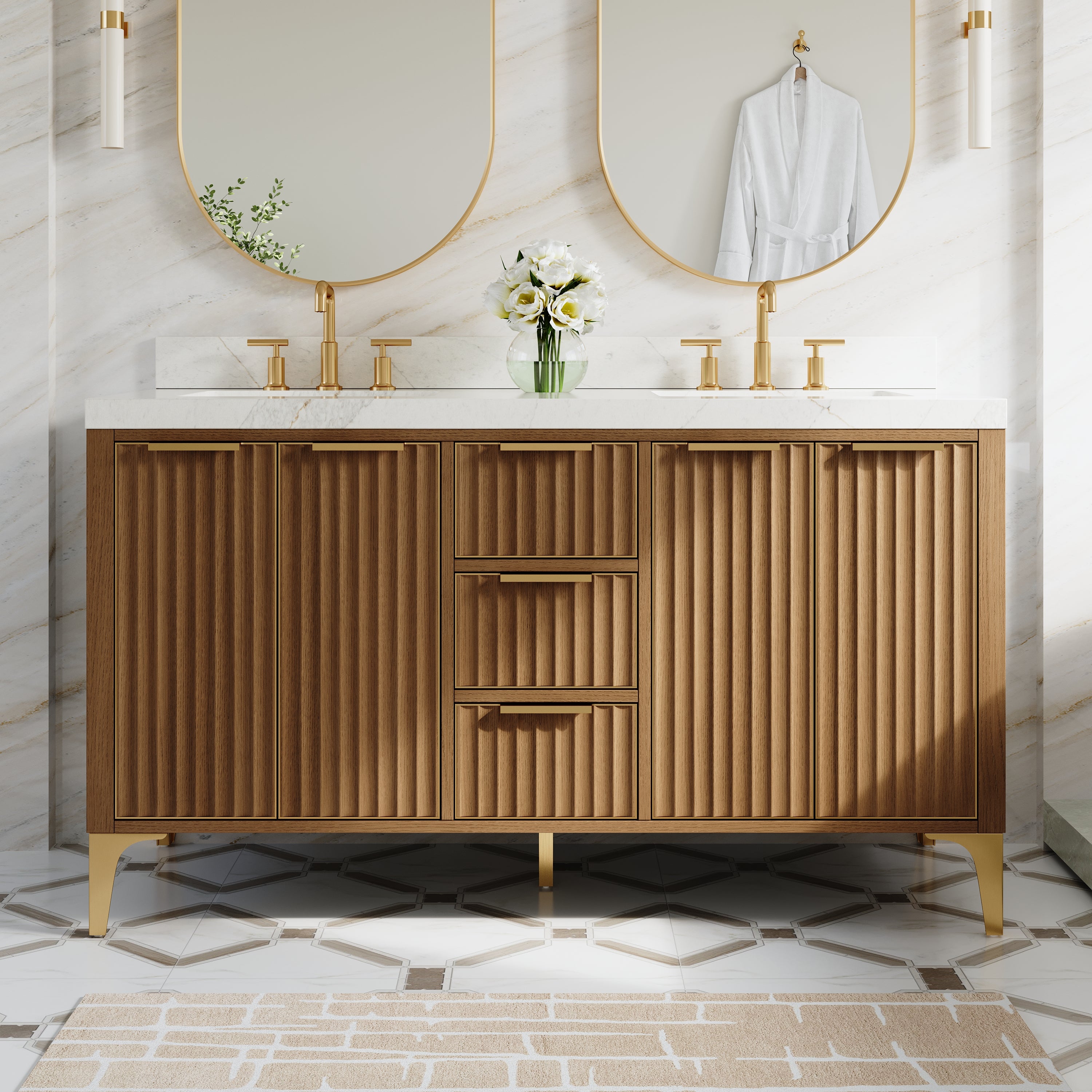
1) Teak
Best for: Steam-heavy bathrooms, luxury builds, coastal homes.
Why it’s favored: Teak contains natural oils and silica that resist moisture, rot, and mildew. It stays stable even with frequent steam. The grain is rich and elegant, so it reads “spa” immediately.
Watchouts: It’s expensive and darker than most woods; make sure the tone fits your palette. Use a high-quality, clear finish to lock in the look and make cleaning easy.
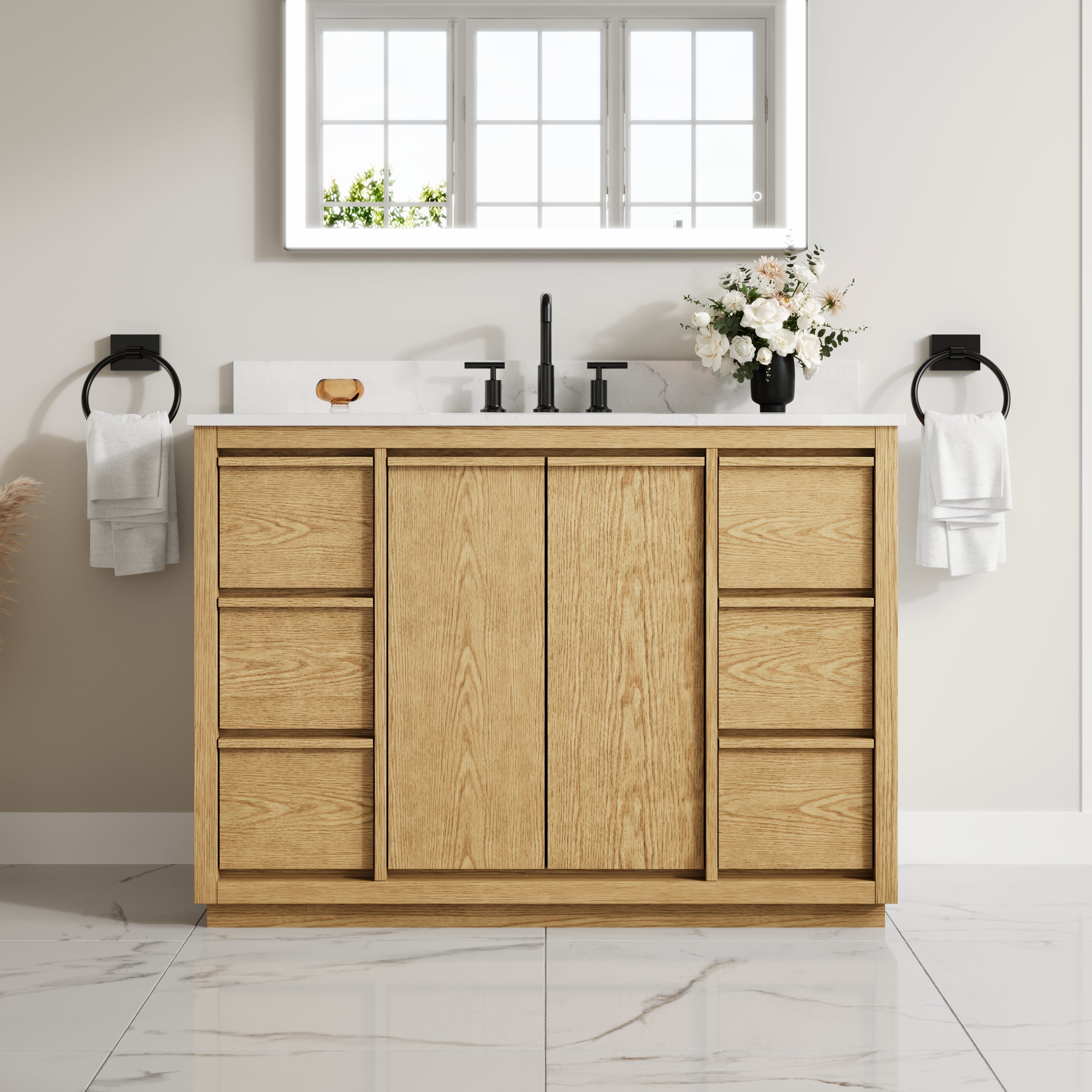
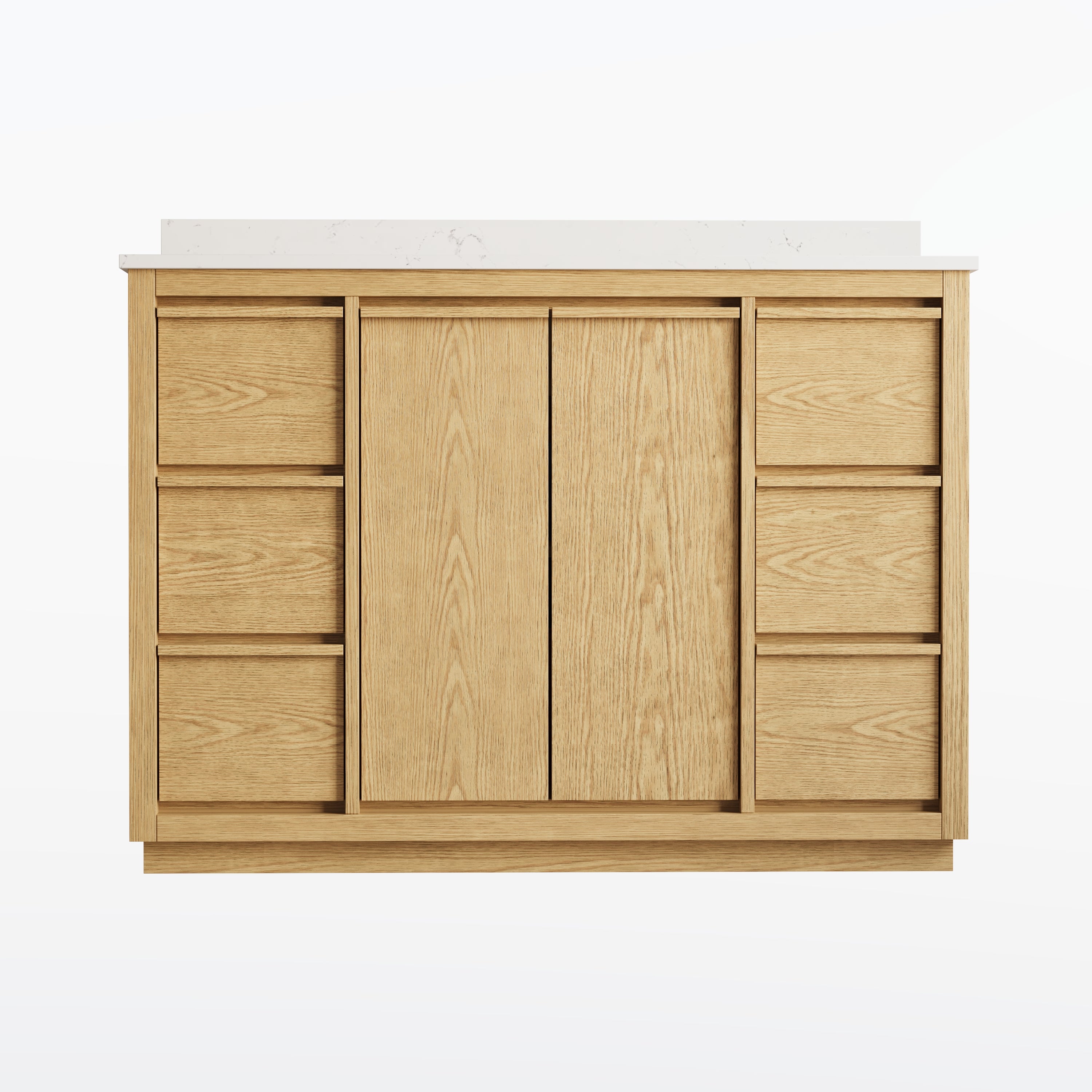
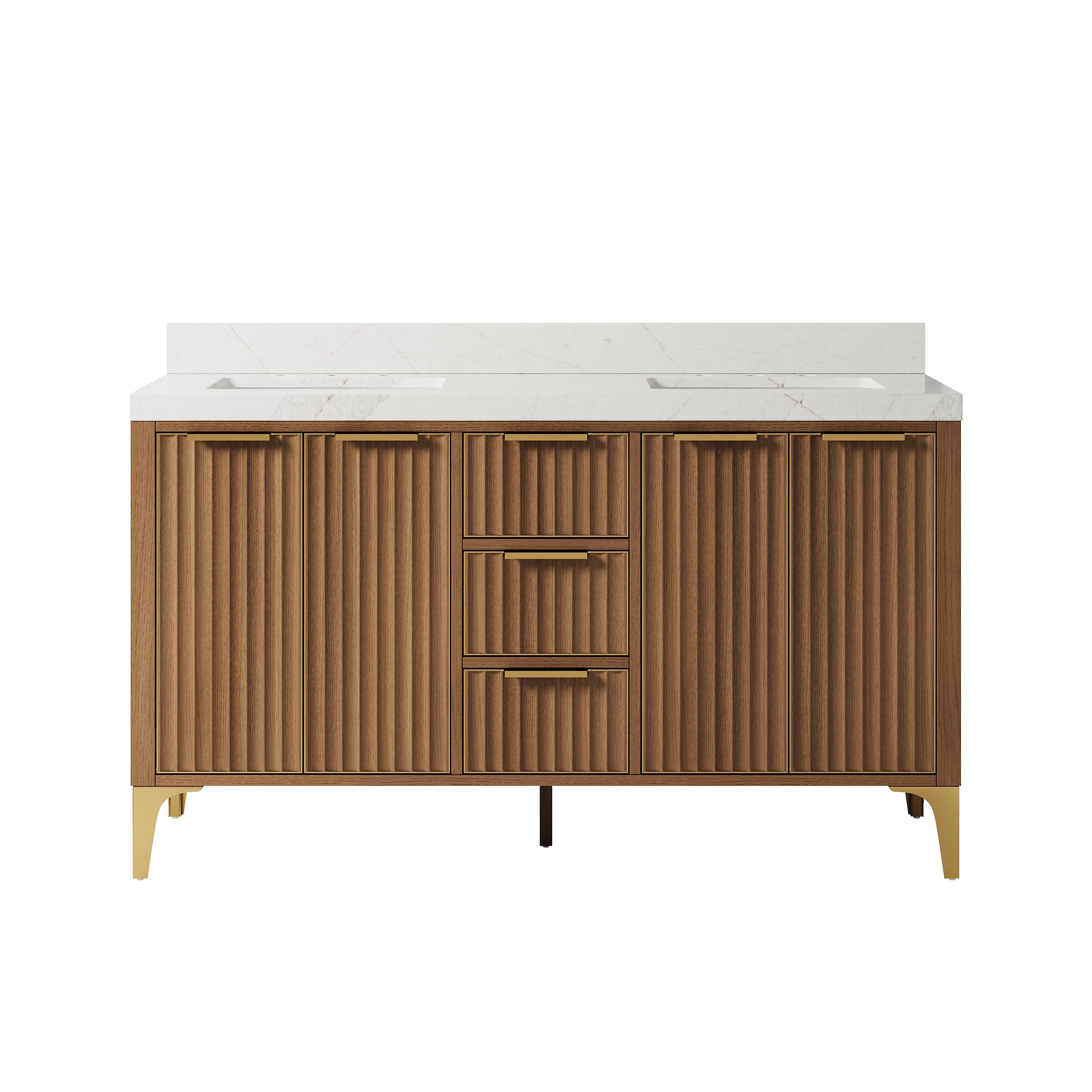
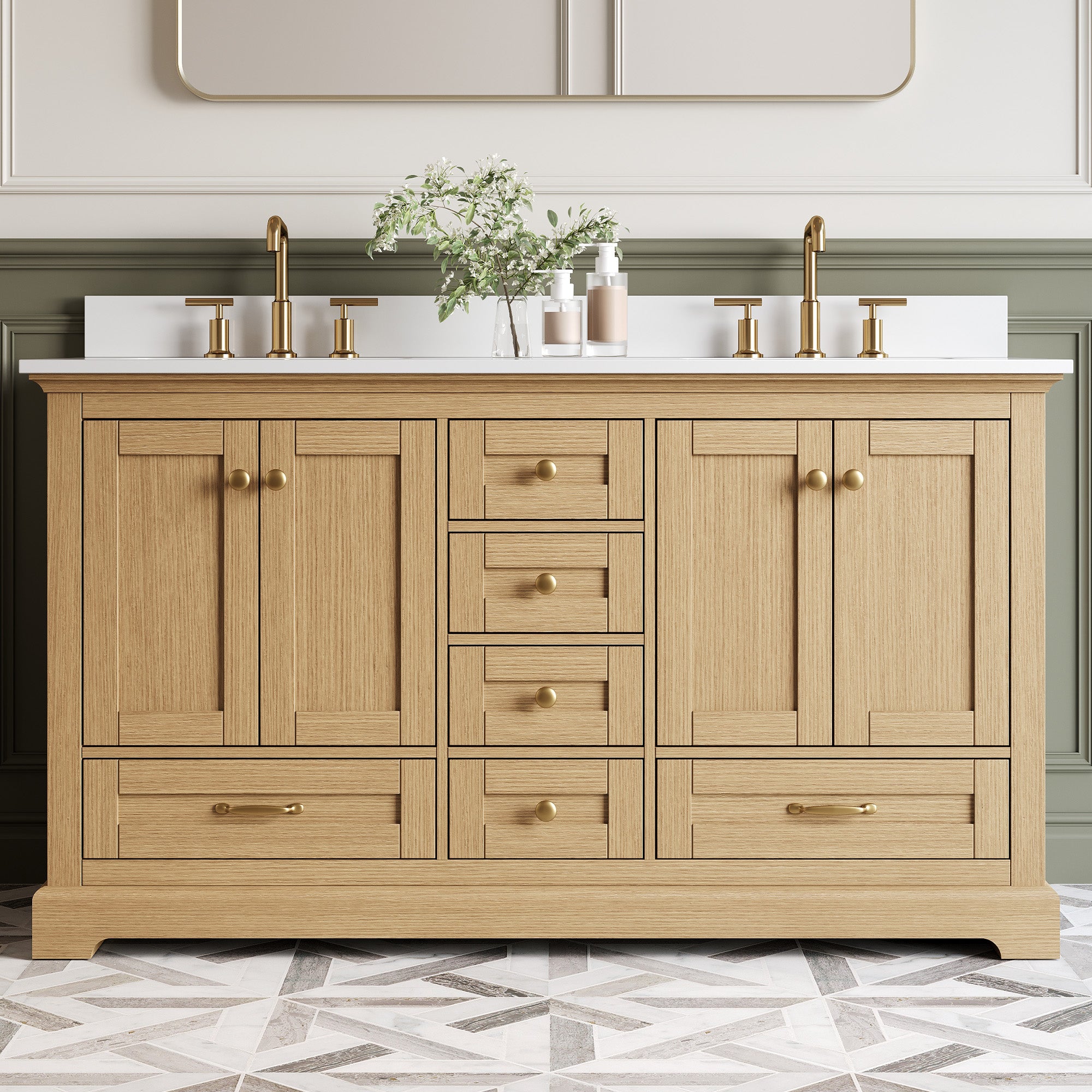
2) White Oak
Best for: Most bathrooms seeking a light, modern, durable look.
Why it’s favored: White oak is dense, strong, and more moisture-tolerant than many domestic species thanks to tight, closed pores. It takes stain evenly and matches today’s light-wood trend.
Watchouts: It’s not “waterproof.” Proper sealing—especially on door edges, shelf fronts, and the cabinet back—is essential.
3) Maple
Best for: Minimalist designs, painted cabinets, or a clean, pale appearance.
Why it’s favored: Hard maple is tough, smooth, and resists denting. It’s an excellent substrate for paint or a clear matte finish.
Watchouts: Maple is not naturally oily, so sealing is critical in high-humidity baths. If painting, ask for moisture-resistant primer and a hard, catalyzed topcoat.
4) Walnut
Best for: Feature walls, powder rooms, and projects prioritizing aesthetics.
Why it’s favored: Walnut’s rich chocolate tones and straight grain bring high-end warmth.
Watchouts: Slightly softer than oak or maple; keep it protected from heavy splashes. A durable clear coat is a must, and plan for gentle cleaners.
5) Bamboo / Stranded Bamboo
Best for: Sustainable builds, contemporary styles.
Why it’s favored: Technically a grass, bamboo grows fast and can be engineered into dense panels with good stability. The uniform, linear grain suits modern bathrooms.
Watchouts: Performance depends on the manufacturer’s adhesives and sealing. Confirm low-VOC glues and thorough edge protection.
6) Furniture-grade Plywood
Best for: The cabinet box (carcass) behind a solid-wood or veneer door.
Why it’s favored: Plywood is dimensionally stable because layers are cross-laminated. It’s less likely to twist than a solid board cut the wrong way.
Watchouts: Specify moisture-resistant (MR) or marine-grade where practical, and seal exposed edges. The face can be veneered in teak, oak, walnut, or maple for a real-wood look at a lower cost.
7) Moisture-Resistant MDF
Best for: Smooth, painted doors and frames on a budget.
Why it’s favored: MR-MDF machines cleanly, paints like glass, and resists small humidity swings better than standard MDF.
Watchouts: It’s not a “wet-area” product. Keep it away from direct splash zones, and insist on sealed edges plus a hard, water-resistant paint system.

Species to be careful with
· Softwoods like pine and fir: Attractive and affordable, but they dent easily and can move more with moisture. If you love the look, use them in a powder room (no shower) and seal thoroughly.
· Open-pored woods (certain oaks/ashes) without pore-filling: The grain can trap moisture unless the finish system is designed for it.
Finish systems that actually work
Even the best wood fails without the right finish. Tell your fabricator or supplier you want a bathroom-rated finish and ask for these details:
· Catalyzed lacquer or conversion varnish for a hard, moisture-resistant film.
· High-quality polyurethane (water-borne for low odor and non-yellowing, or oil-borne for richer tone).
· Hardwax oil for a natural feel; beautiful but needs periodic upkeep and meticulous edge sealing.
· Edge sealing everywhere—door edges, shelf fronts, and the cabinet back are weak points.
· Back-panel ventilation or a small gap to the wall to let moisture escape.
Construction and hardware specs
· Joinery: Doweled, mortise-and-tenon, or quality pocket-screw joinery holds up better than staples alone.
· Hinges: Choose stainless steel or solid brass soft-close hinges (bath-rated). Cheap hardware corrodes quickly.
· Gaskets & stops: Rubber door bumpers and magnetic catches help keep a tight seal and reduce rattling.
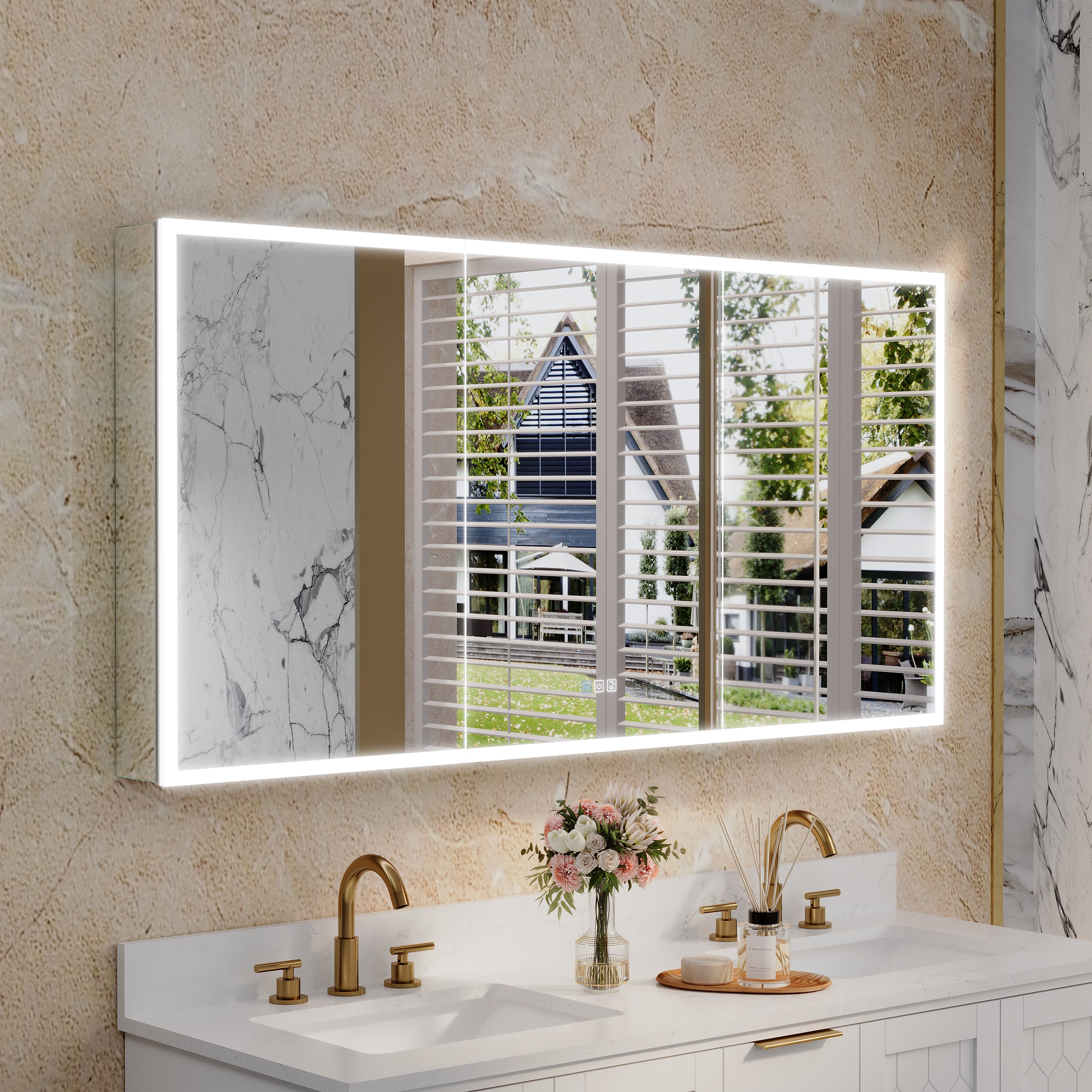
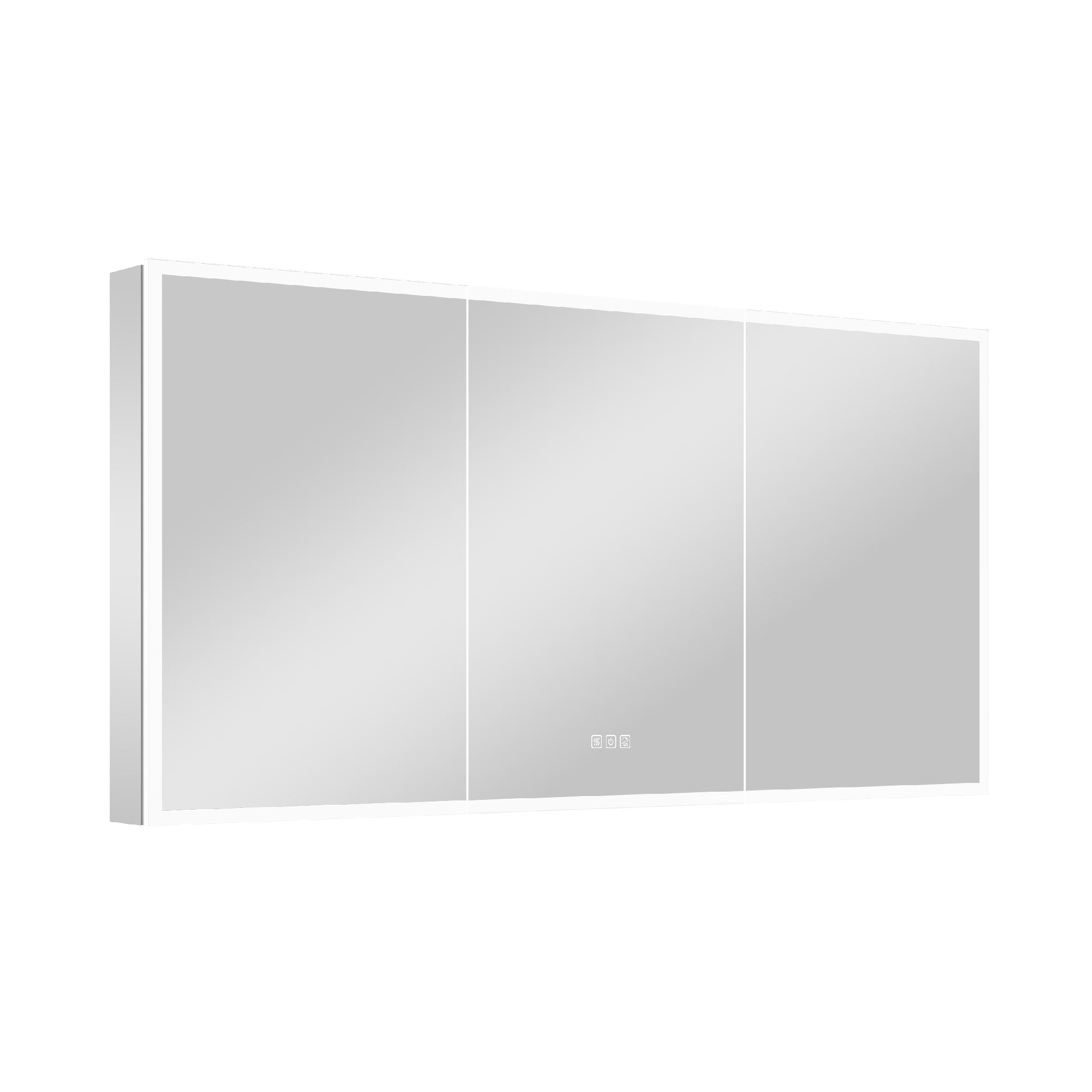
· Mirror & lighting: If your medicine cabinet includes a mirror door and integrated lighting, verify that the driver and wiring are rated for damp locations.
Placement and ventilation
· Keep cabinets out of direct splash from the showerhead.
· Add or upgrade an exhaust fan and actually use it after showers.
· Leave a small expansion gap around a recessed cabinet to avoid binding if framing swells slightly.
Sustainability notes
· Look for FSC-certified wood or verified responsible sourcing.
· Ask for low-VOC finishes and formaldehyde-compliant cores (CARB/EPA standards).
· Engineered cores (like plywood) reduce waste while improving stability.
Price tiers
· Budget: MR-MDF or plywood box with a paint-grade face. Solid hardware, simple mirror door, durable water-borne finish.
· Mid-range: Plywood box with solid white oak or maple doors; catalyzed lacquer or polyurethane; soft-close hinges; adjustable shelves.
· Premium: Plywood or marine-grade core with teak or walnut veneer/solid fronts; furniture-grade joinery; integrated lighting; anti-fog mirror; designer hardware.
Care and maintenance
· Wipe splashes promptly and leave the door ajar after steamy showers to vent.
· Clean with a mild, non-abrasive soap; skip bleach or ammonia.
· Expect to re-oil natural-oil finishes or recoat clear finishes every few years in heavy-use bathrooms.
Fast selector
· Want the best moisture performance: Teak.
· Want modern light wood: White oak or maple.
· Want dark, upscale warmth: Walnut (with robust sealing).
· Want eco + modern: Quality bamboo.
· Painted look, smooth finish: MR-MDF fronts on a plywood box.
· Cost-effective and stable core: Furniture-grade plywood with real-wood veneer.
Bottom line
There isn’t one “perfect” wood for every bathroom, but there is a right combination for your space and budget. For most households, a plywood cabinet box with white oak or maple doors and a bathroom-rated finish delivers the best mix of durability, style, and cost. If you’re chasing spa-level performance in a steam-heavy room, teak earns its premium. Whatever you choose, remember: careful sealing, smart placement, solid hardware, and good ventilation matter just as much as the species on the label.






























Leave a comment
This site is protected by hCaptcha and the hCaptcha Privacy Policy and Terms of Service apply.