














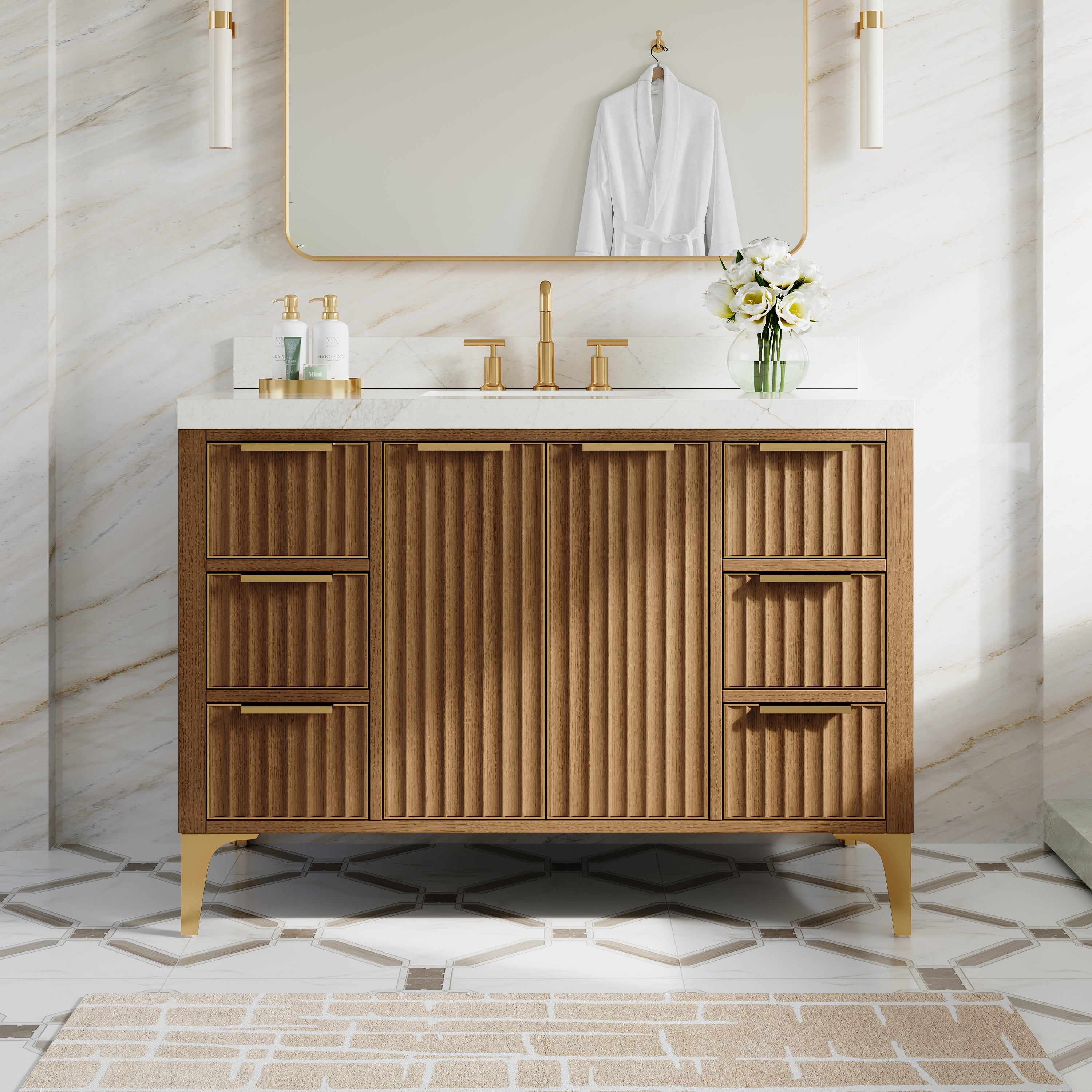
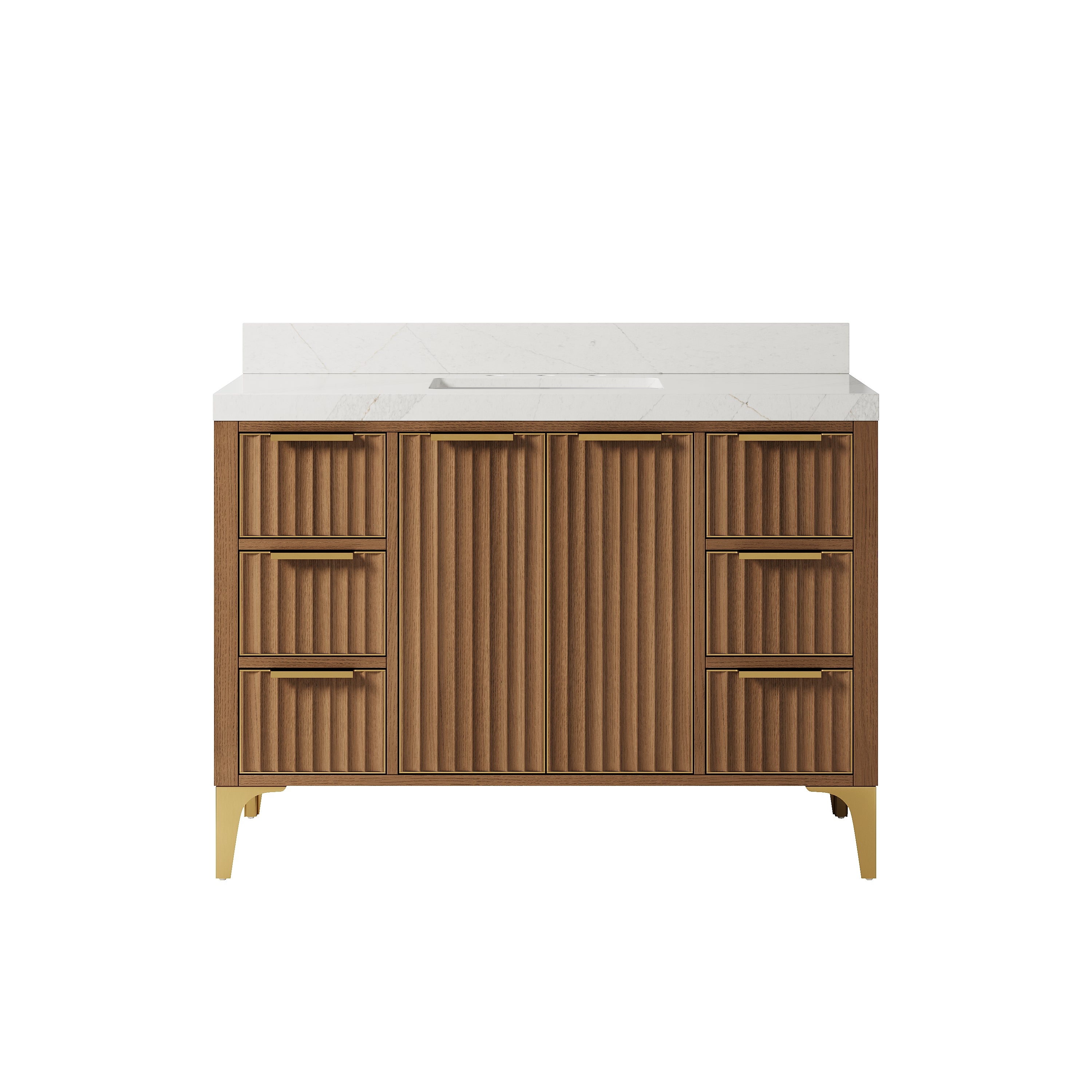


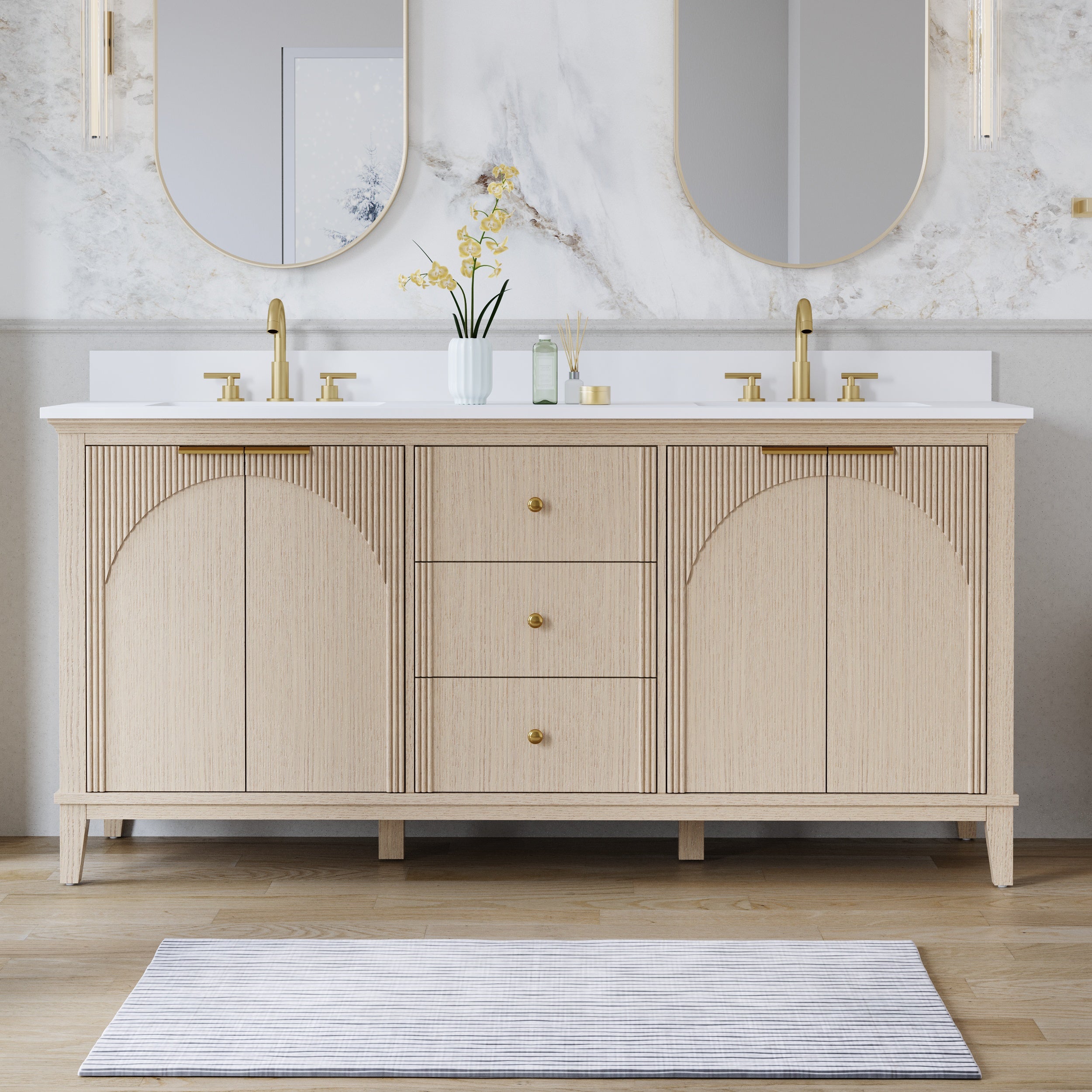
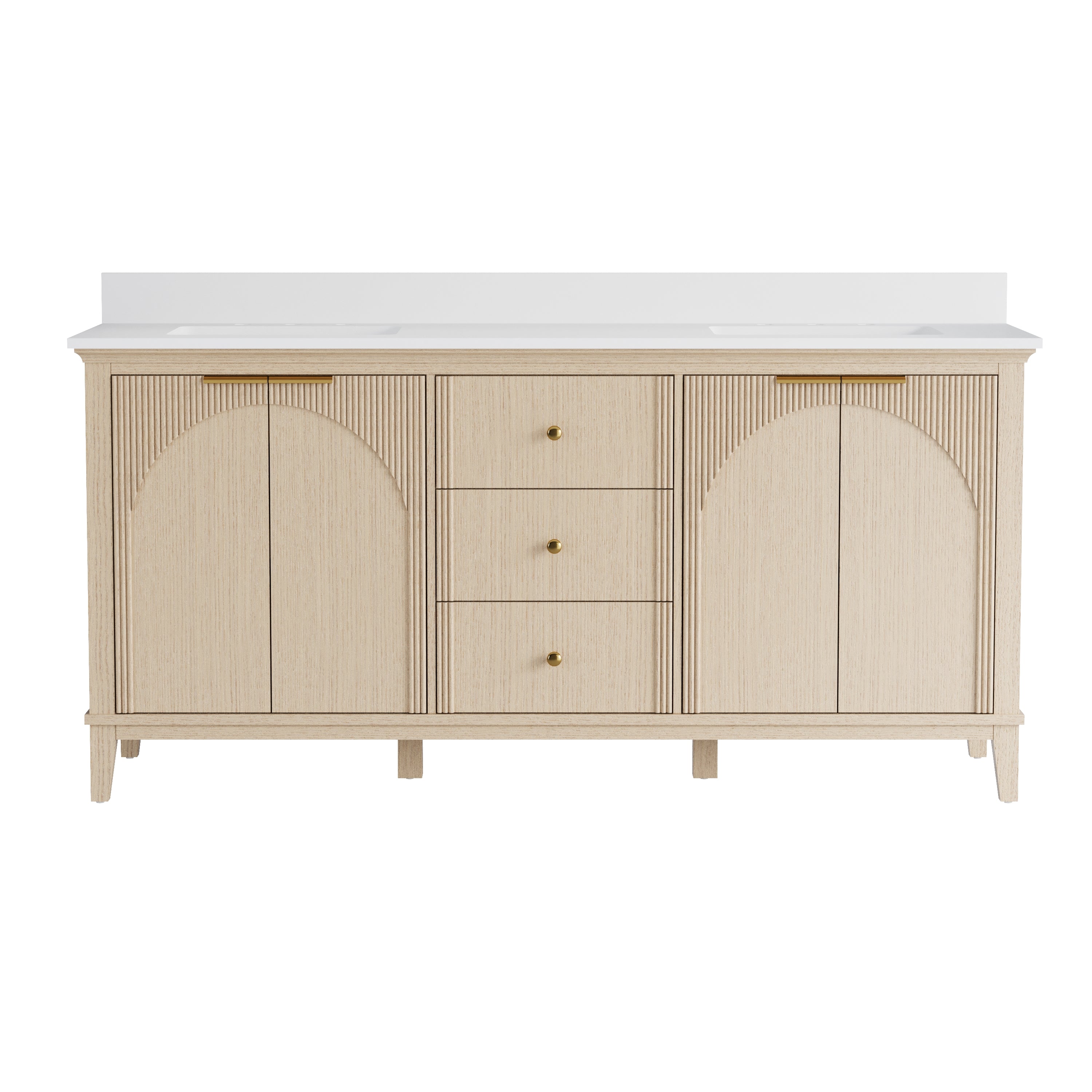
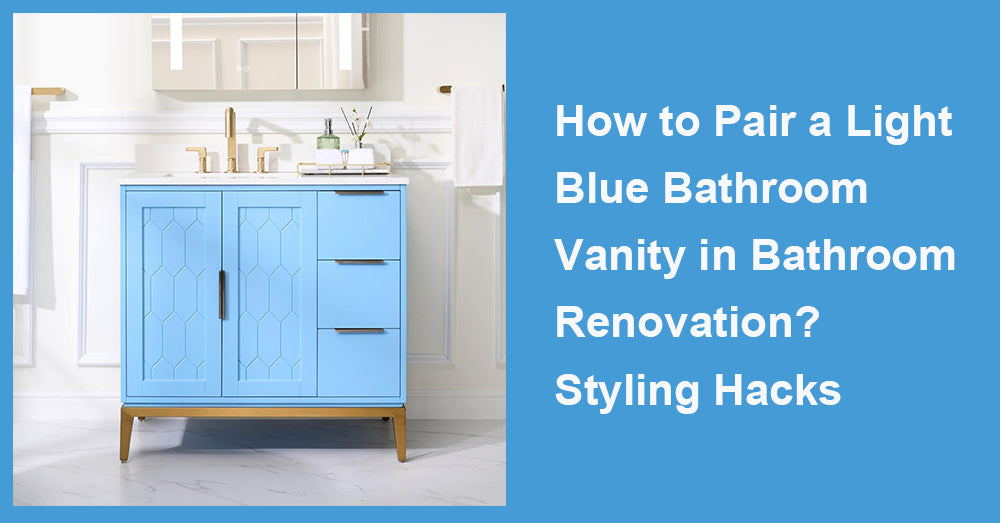
Light blue is trending in U.S. bathroom remodels for its calm, clean, slightly coastal feel. Surveys show soft blues—paired with light neutrals—fit the “spa-at-home” vibe homeowners want, and Houzz data finds blue gaining ground on feature and non-shower walls while wood and white still lead vanities. The U.S. vanity market was about $8.78B in 2024 and is projected to reach $12.66 by 2030, signaling demand for color-friendly fixtures and finishes. Below is a simple, budget-aware playbook to keep a light blue bathroom vanity feeling timeless, not trendy
Why light blue works
· It calms the eye. Light blue reads as clean and airy. It lowers visual “pressure,” which matters in small rooms and morning routines. NKBA trend research highlights wellness and “oasis” language again and again; blue supports that effect.
· It fits different styles. The same cabinet can lean coastal with beadboard and woven shades, or modern with flat fronts and sharp mirrors.
· It forgives tight spaces. Pale blue keeps weight down versus navy and plays well with both cool and warm metals.
· It’s easy to update. If your color taste changes later, a vanity is simpler to repaint or replace than tile.
Styling hacks
1) Choose a bright, low-pattern countertop.
A white or off-white quartz or marble-look top lifts the cabinet color and hides most toothpaste ghosts. Slight gray veining is fine; heavy, high-contrast stone can compete with the vanity.
2) Keep metals to one warm or one cool family.
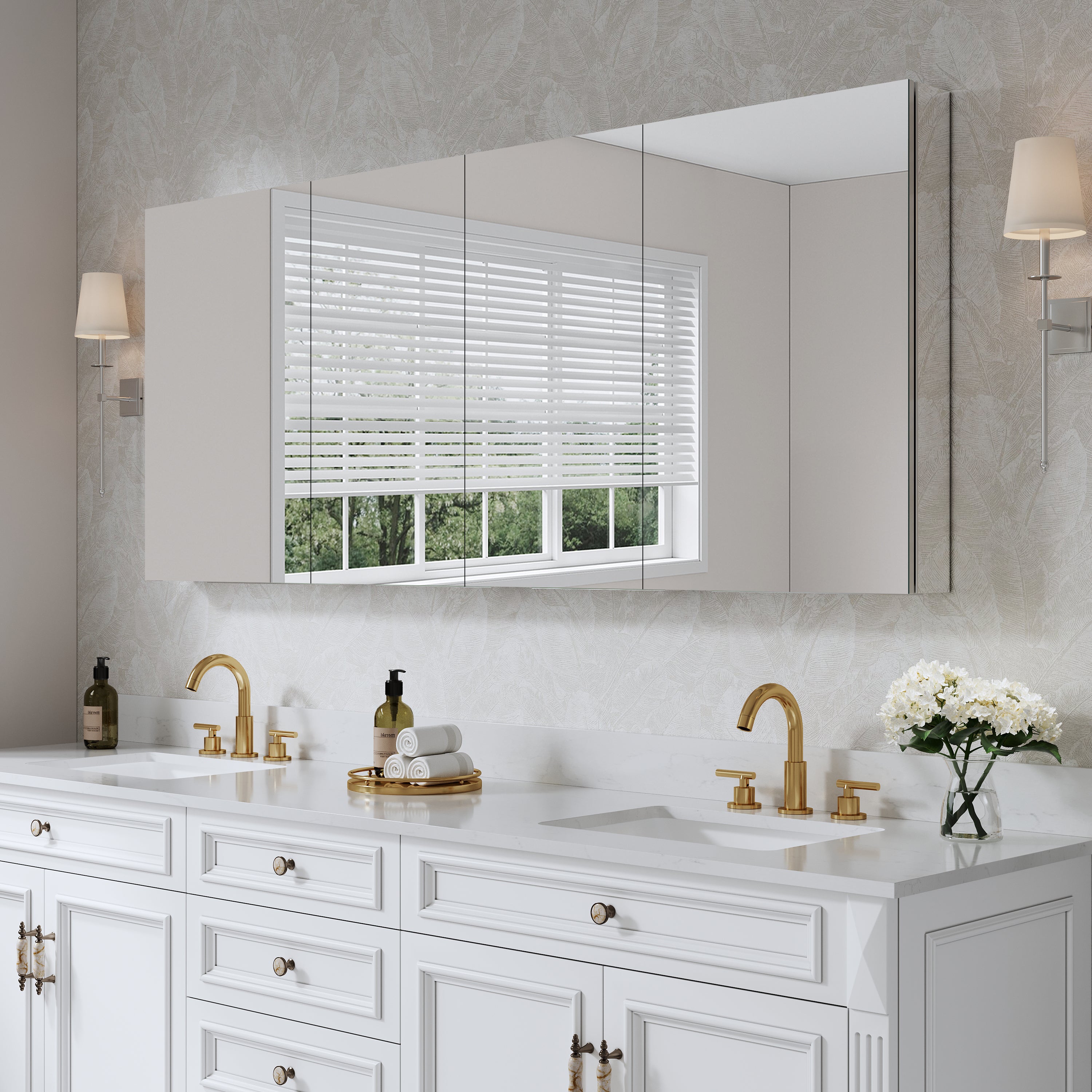
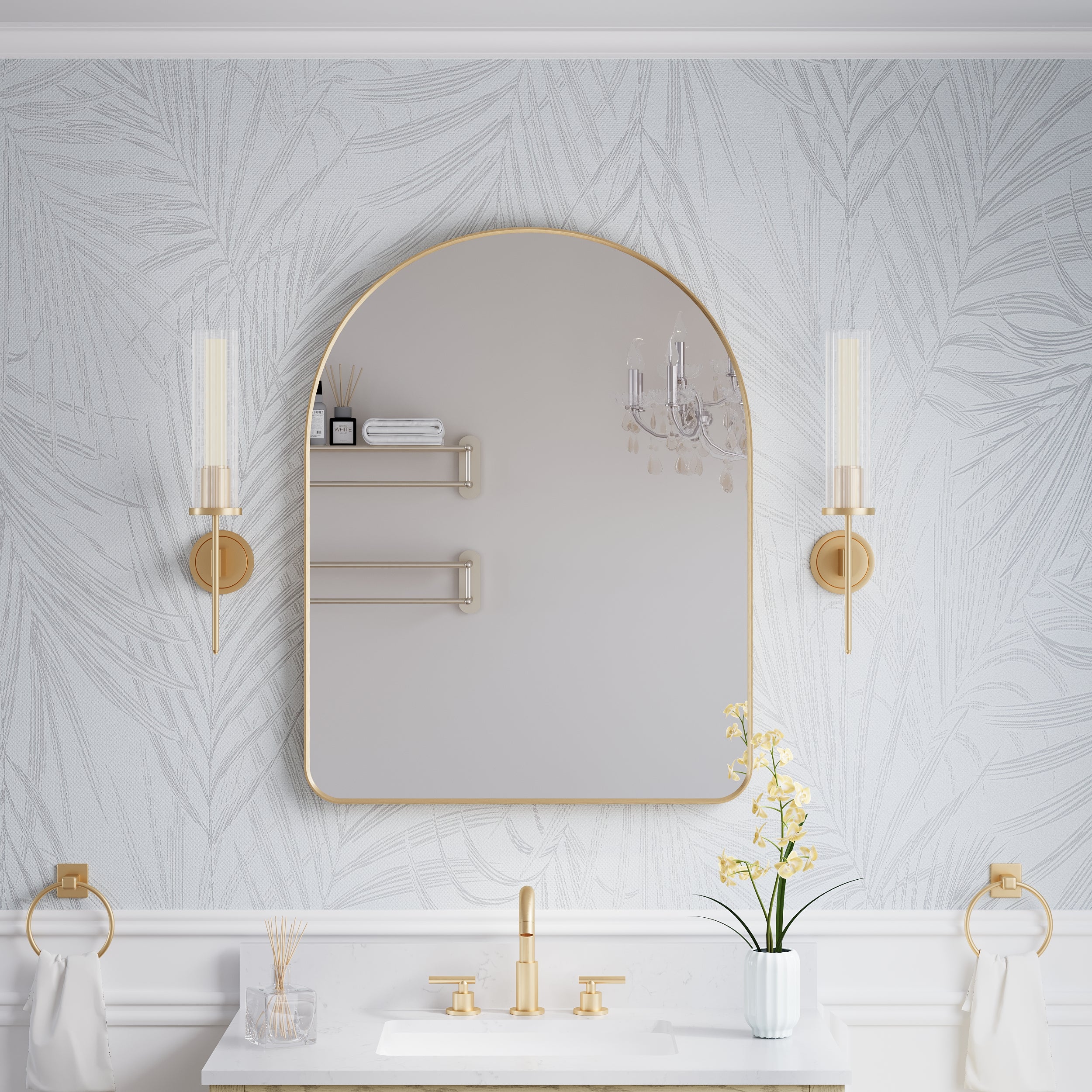
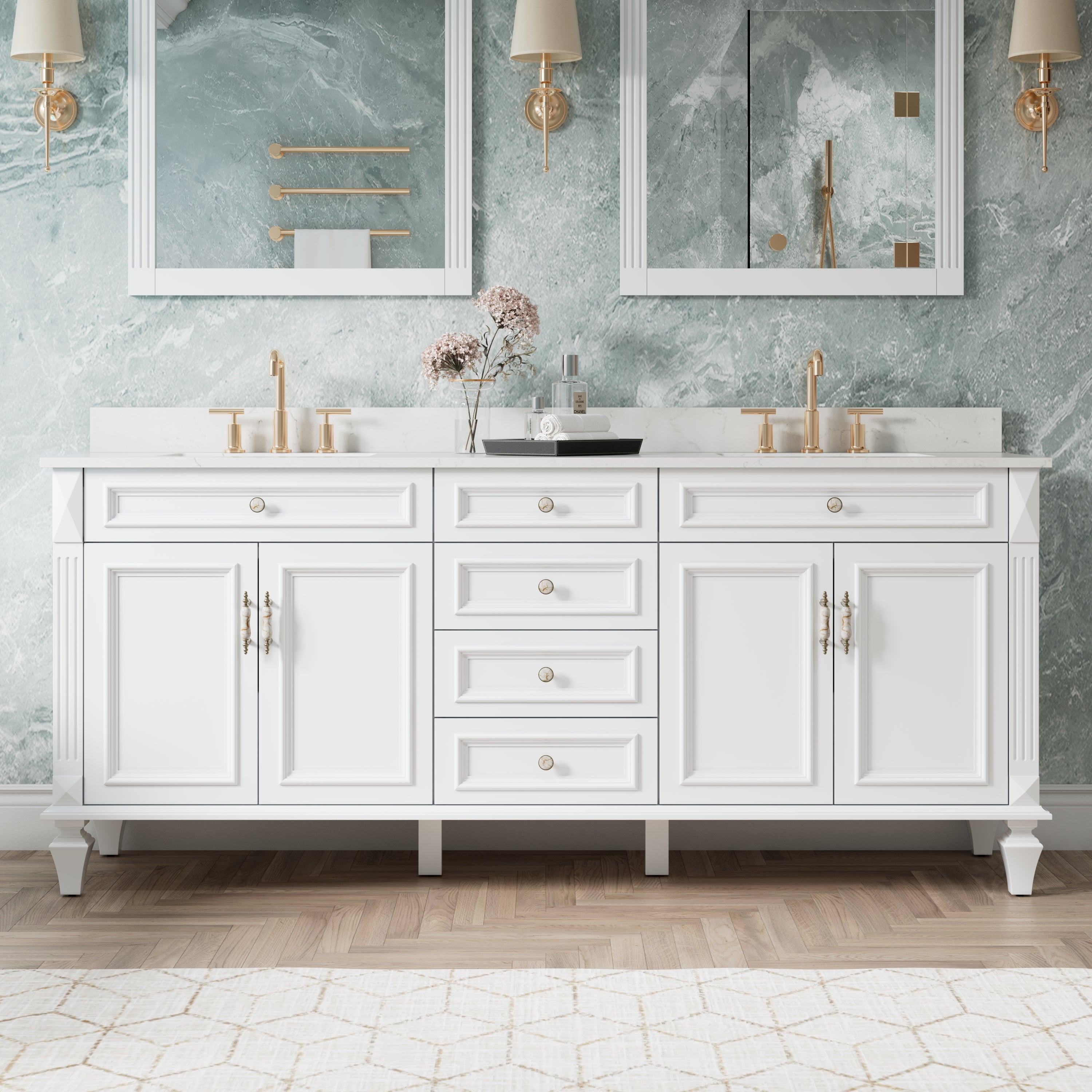
Warm look? Use brushed brass or warm bronze for pulls, taps, and lighting. Cool look? Use chrome or brushed nickel. Limit the room to one primary metal, two at most (for example, warm sconces + chrome shower set) so the eye reads “calm,” not “busy.”
3) Walls should support, not steal.
Safe picks: soft white, warm white, or greige. If you love color on the walls too, swing just one step lighter and grayer than the vanity for a tone-on-tone effect. Houzz data shows white and off-white still dominate bath wall choices, which is why the combo stays classic.
4) Use a simple tile with a slight texture.
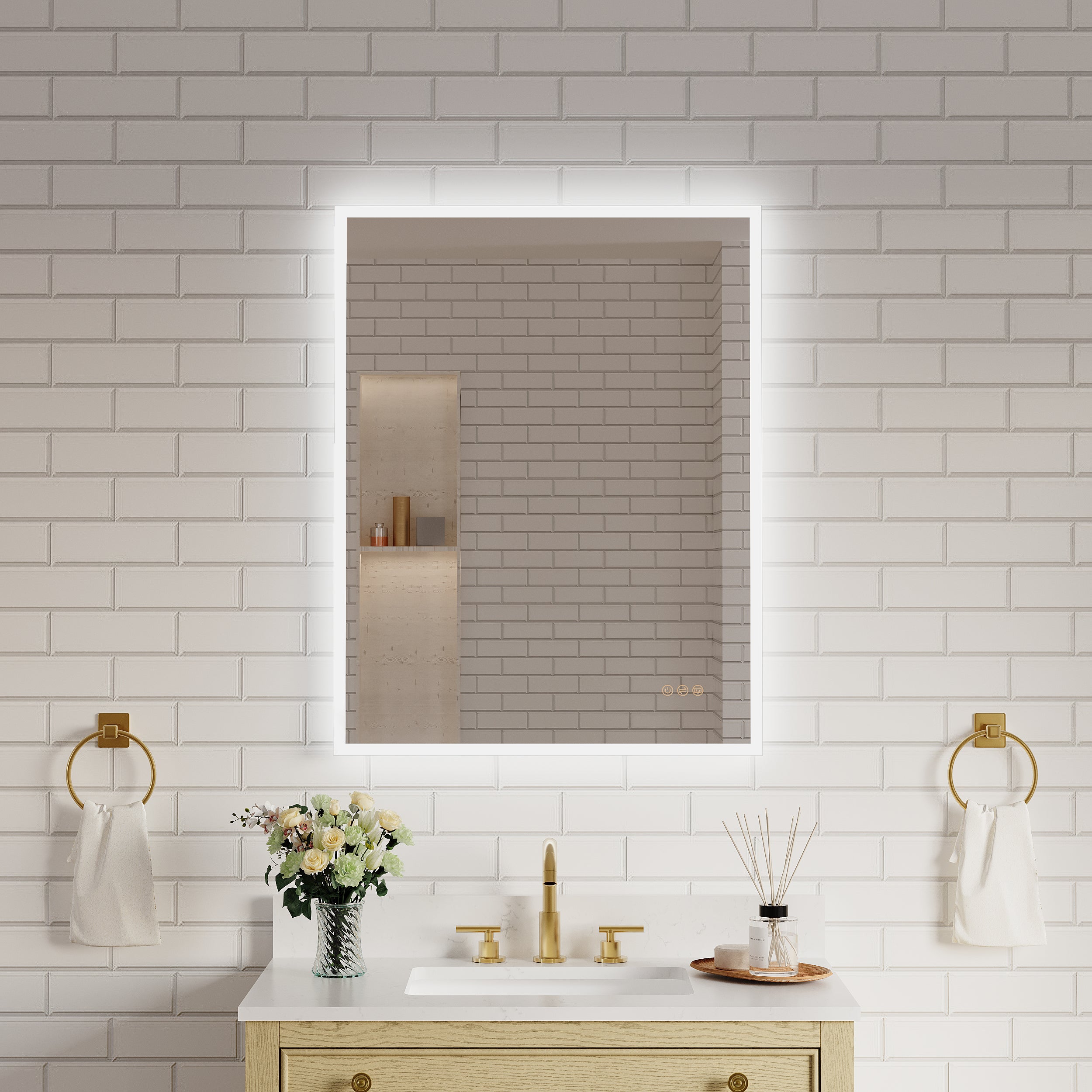
White subway, soft-gray terrazzo, or stacked square tile won’t compete with the cabinet. If you want character, try a hand-made-look tile in the shower only, and keep the rest quiet.
5) Add a touch of wood so the room “breathes.”
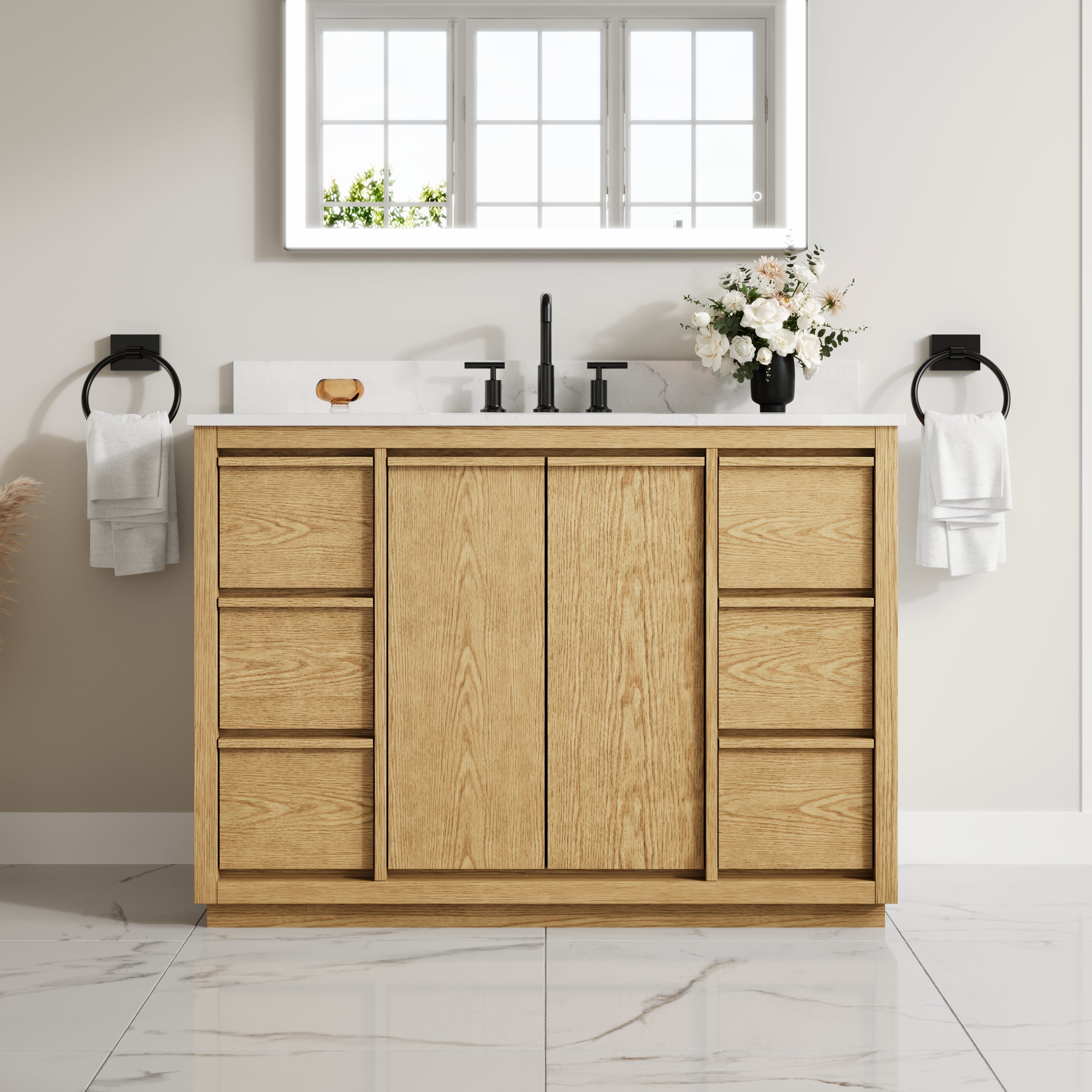
A light oak stool, wood-framed mirror, or floating shelf warms up the space and keeps it from feeling cold.
6) Pick mirrors and lights as a set.
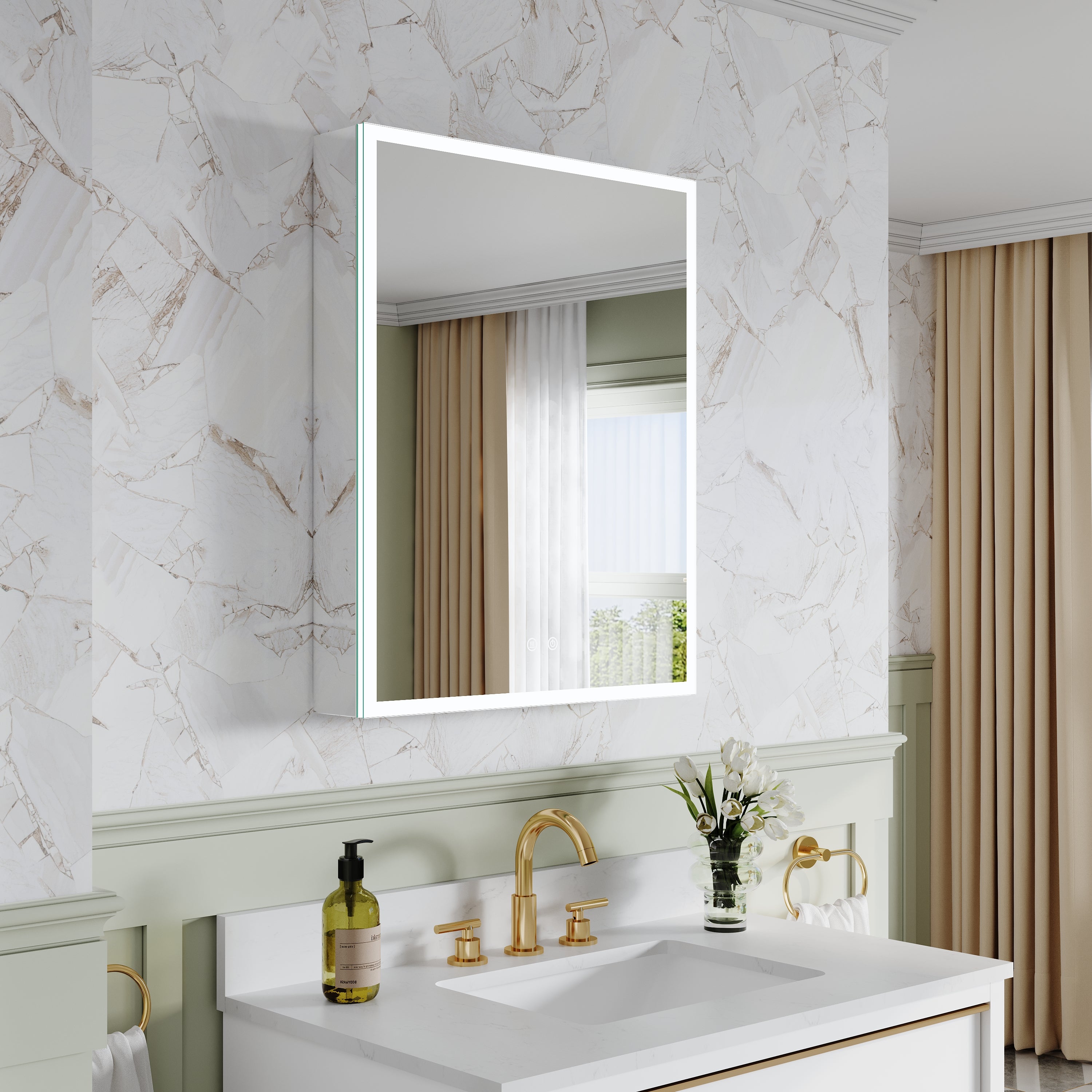
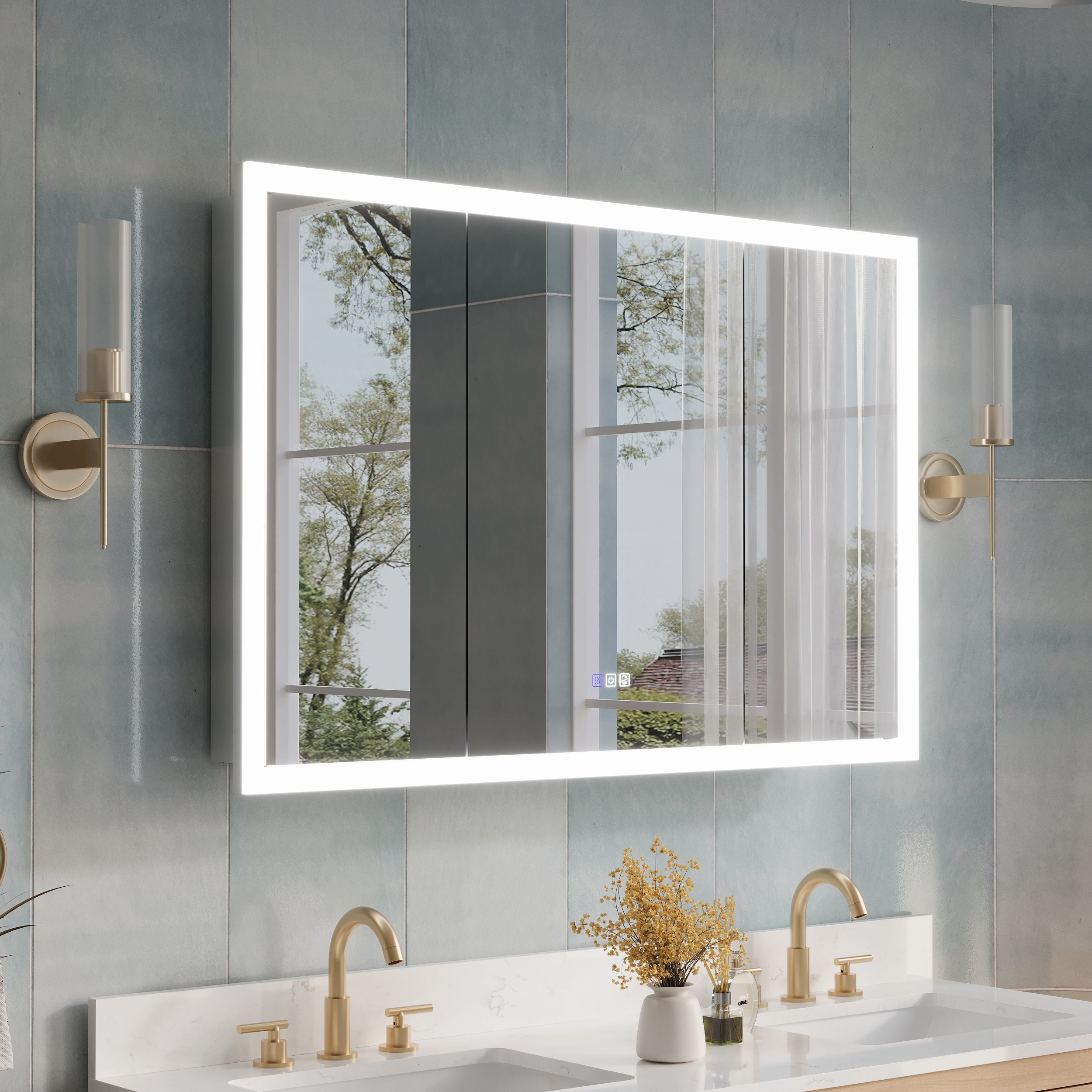
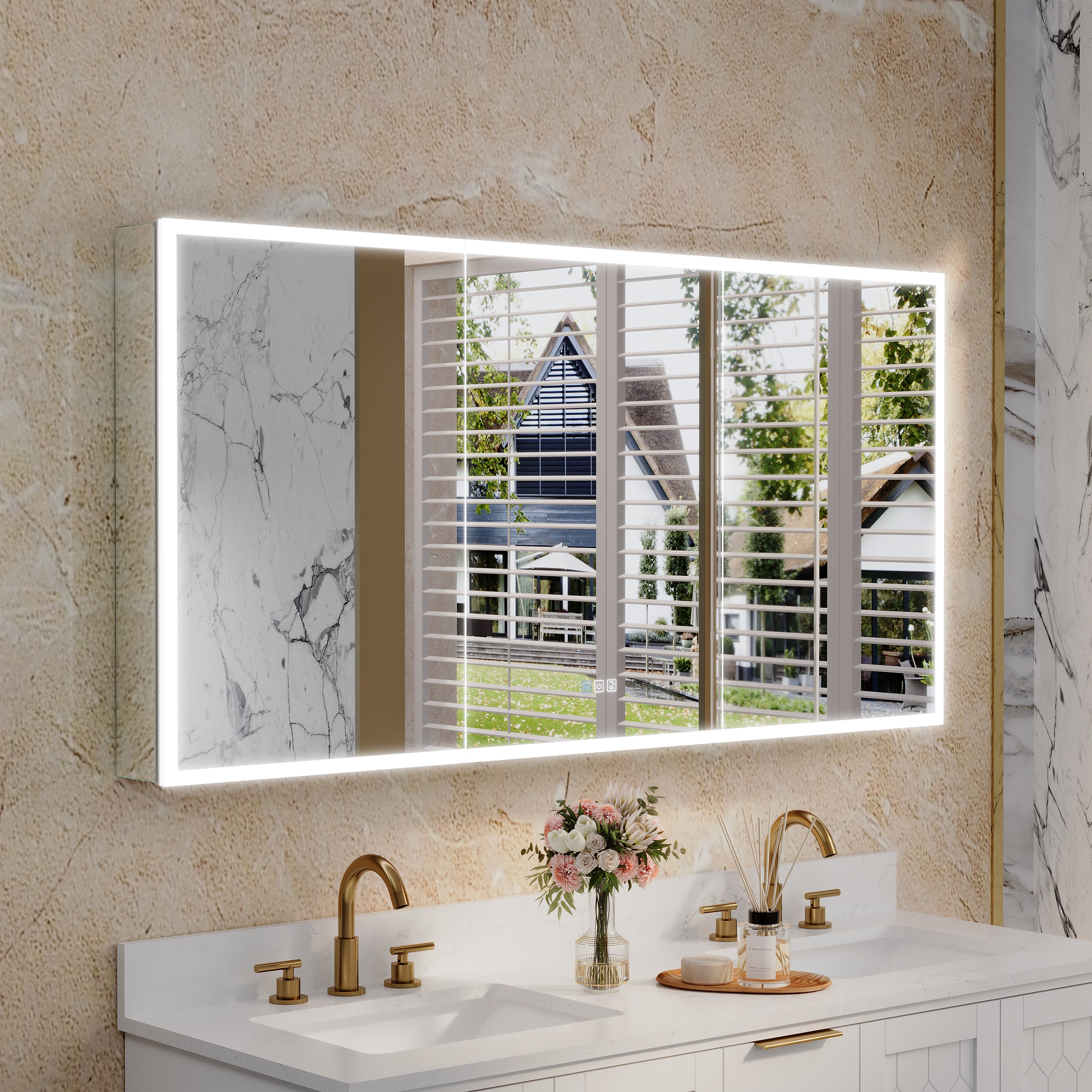
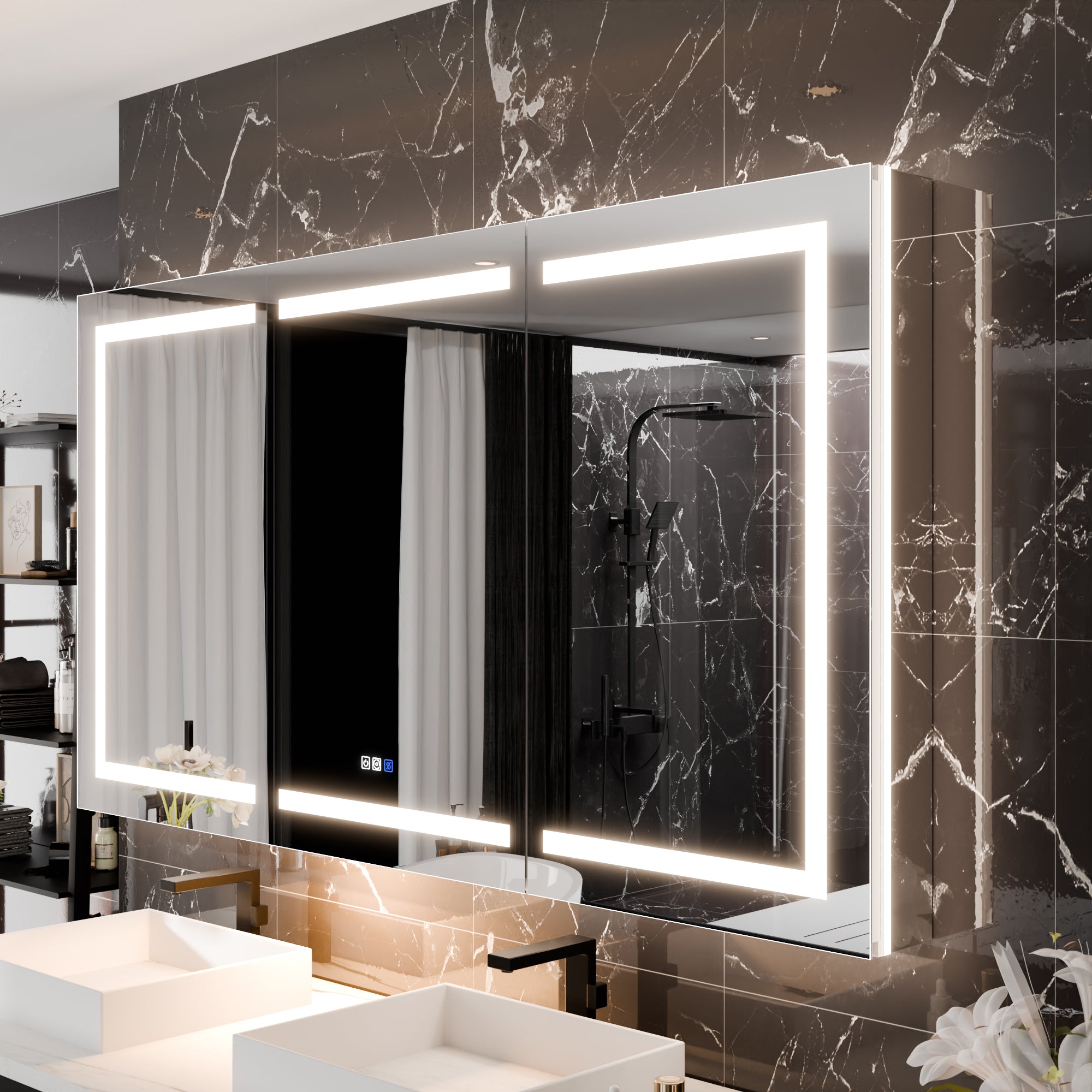
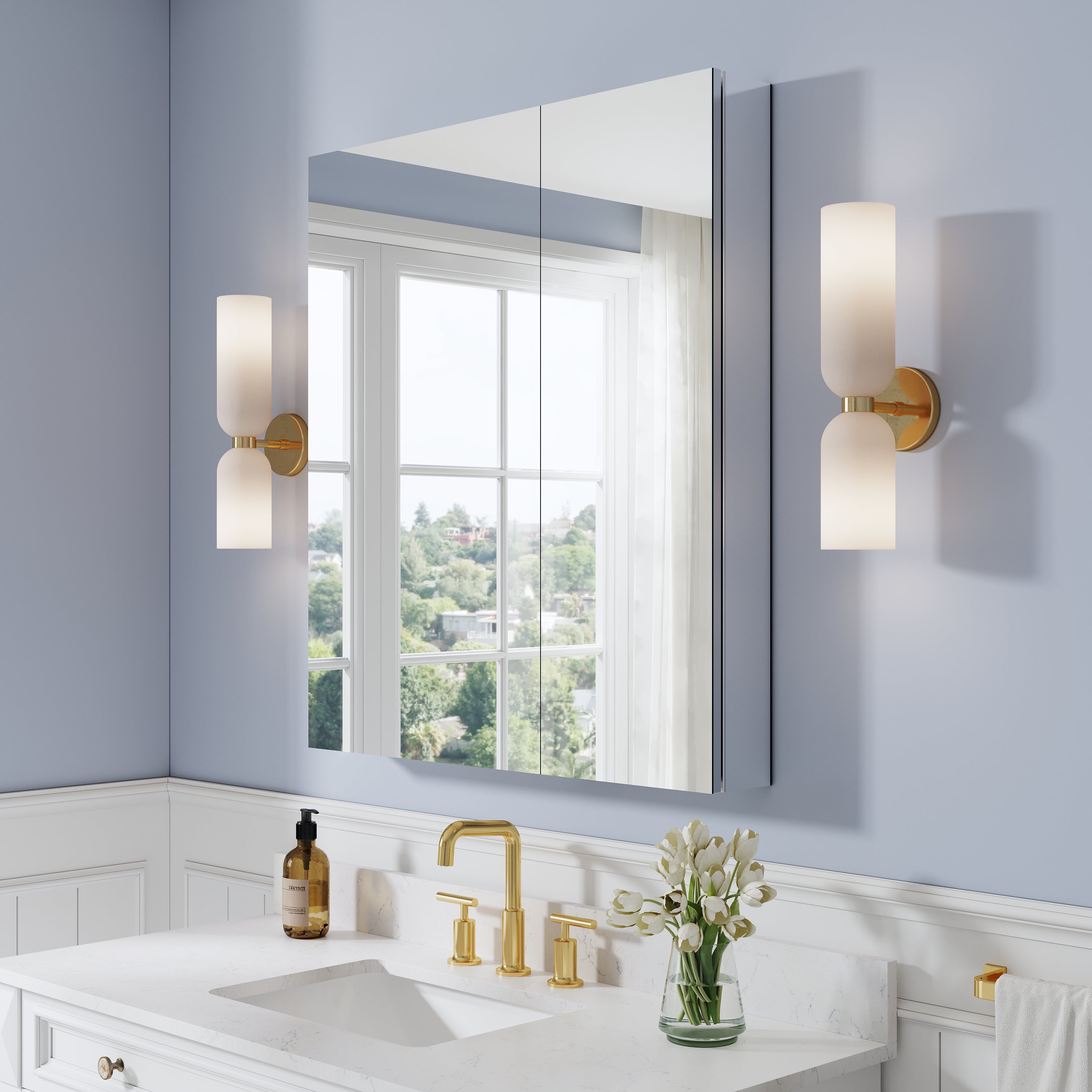
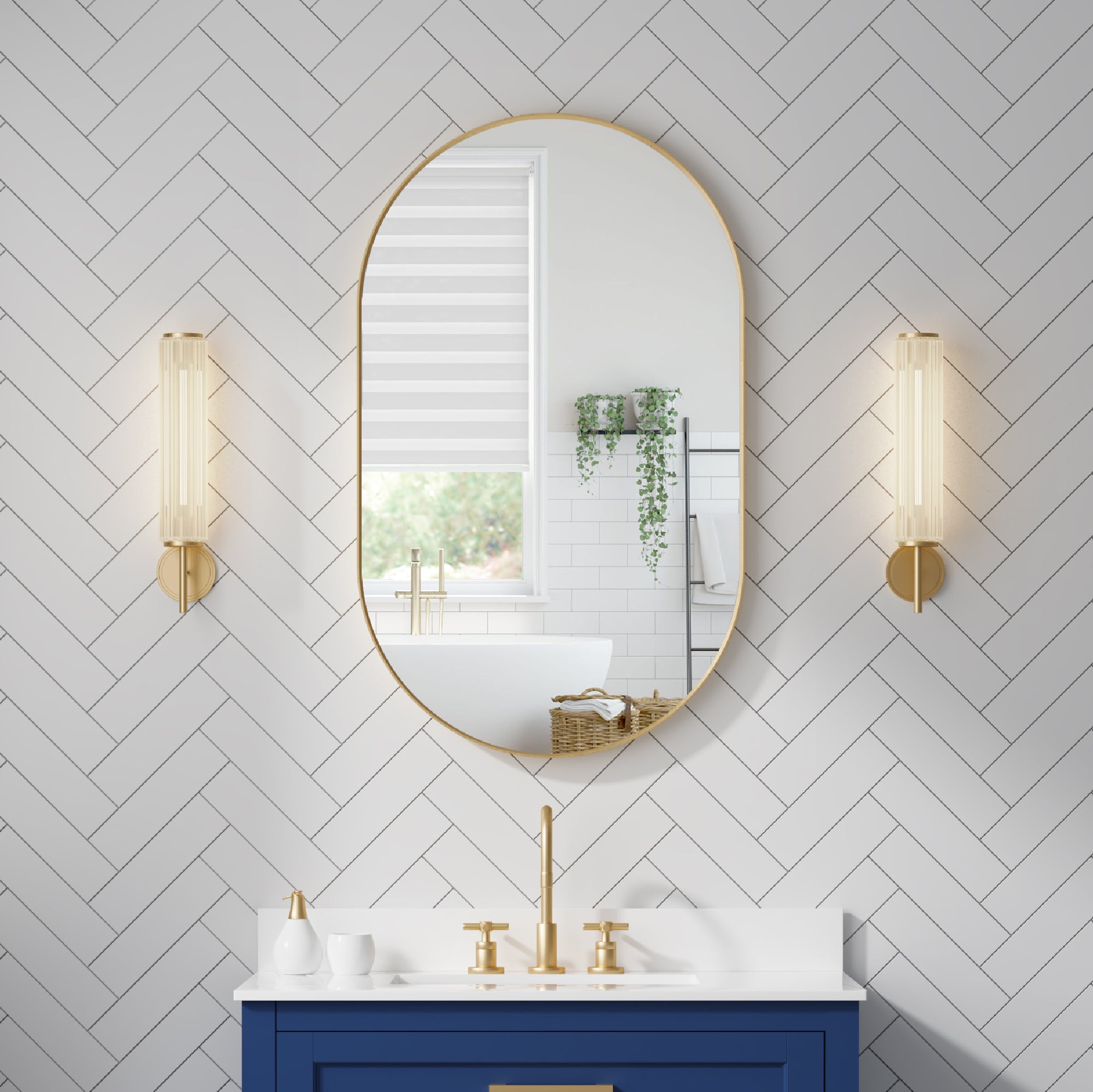
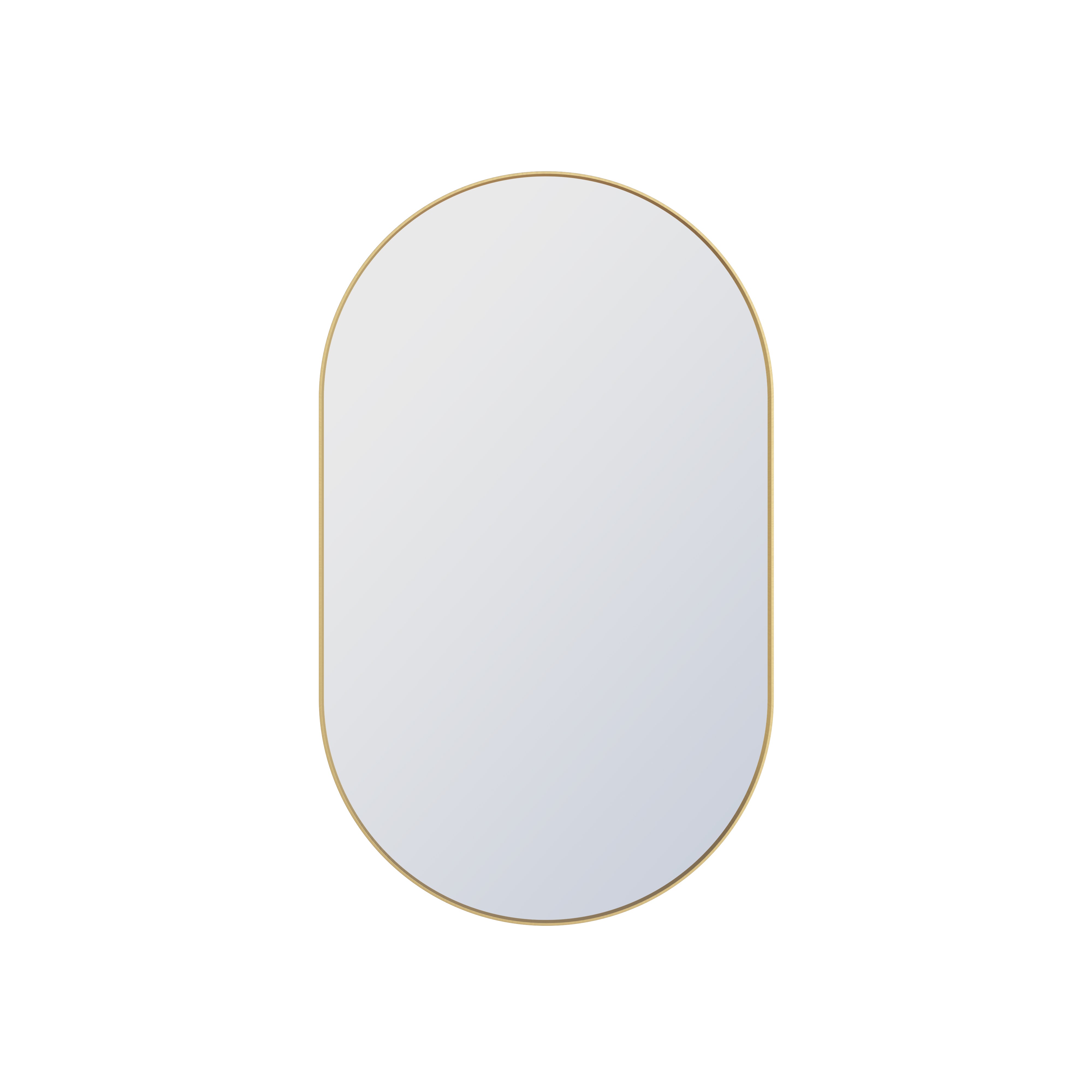
Round mirrors soften; rectangles feel crisp. Flank the mirror with two wall lights for better face lighting than a single overhead.
7) Choose a floor tile you can actually live with.
Light gray or warm gray hides lint and dust better than pure white. Small patterns like herringbone or 2-inch hex add grip and visual rhythm without shouting.

8) Match grout thoughtfully.
Use grout close to the tile color on walls to stay breezy. Save high-contrast grout for floors if you want definition.
9) Let textiles set the mood.
Towels, bath mat, and shower curtain can be made from natural materials: ivory, oatmeal, soft sage. One plant (eucalyptus, fern, or pothos) instantly makes the blue feel fresher.
10) Plan the right size and shape.
Most single-sink vanities people buy fall between 24 and 48 inches wide; double sinks often run 60 to 72 inches. In small baths, a wall-hung (floating) vanity keeps the floor visible and the room looking larger.
11) Light temperature matters.
Use warm-white bulbs around 2700–3000K at the mirror for better skin tones. Keep the ceiling light at a similar temperature so colors don’t shift.
12) Build smarter storage, not just more.
Drawers beat doors for daily items. Add a shallow “tip-out” at the sink for floss and clippers, and one full-height pull-out for bottles. A tidy top lets your light blue bathroom vanity be the star.
13) Test your blue with your light.
Paint a sample board or order a swatch of the actual cabinet finish. View it morning, noon, night, and with your real bulbs. North-facing rooms can gray out blues; you might nudge a touch warmer.
Quick pairings that nearly always work
· Coastal calm: light blue vanity + white walls + warm brass hardware + woven Roman shade + sandy-tan bath mat.
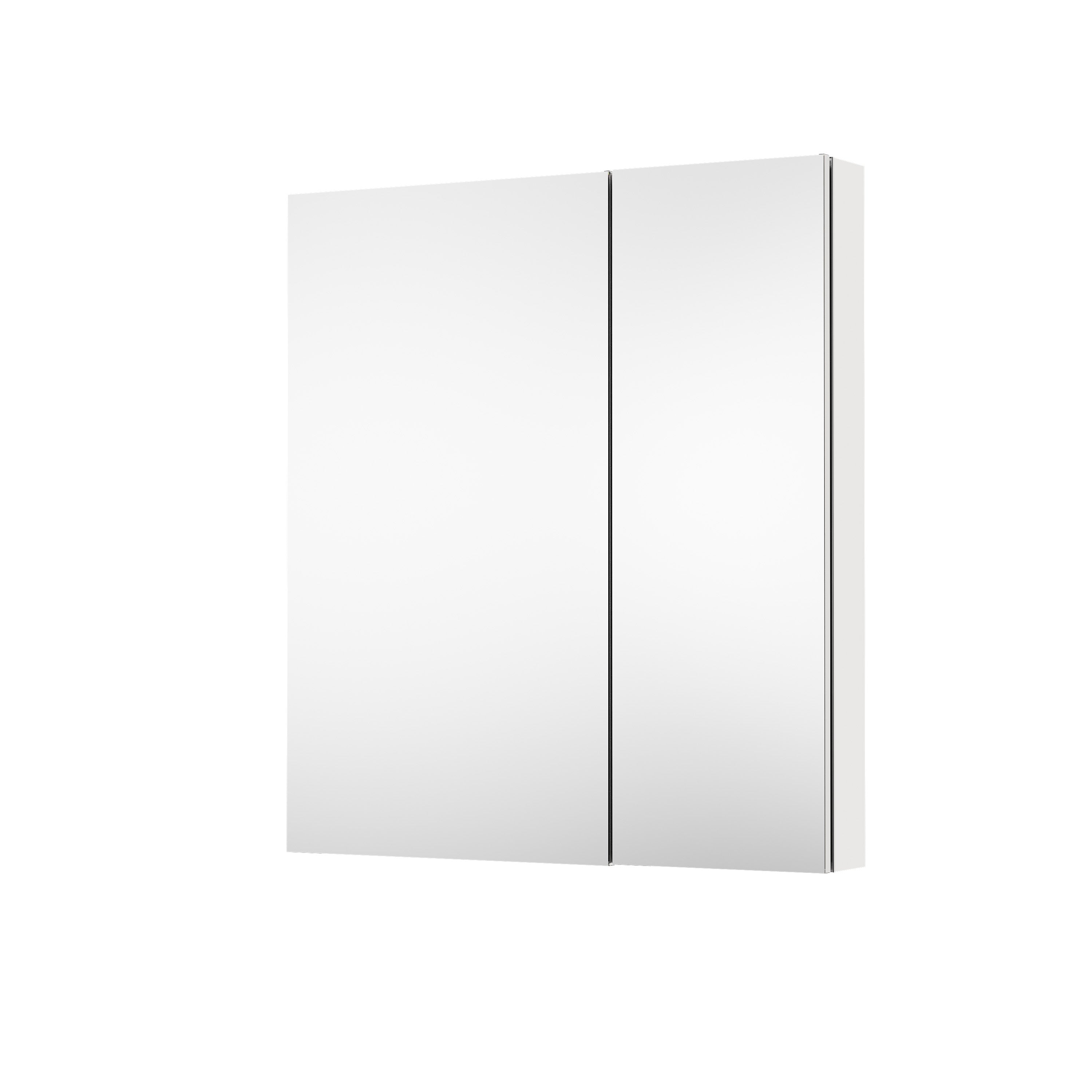
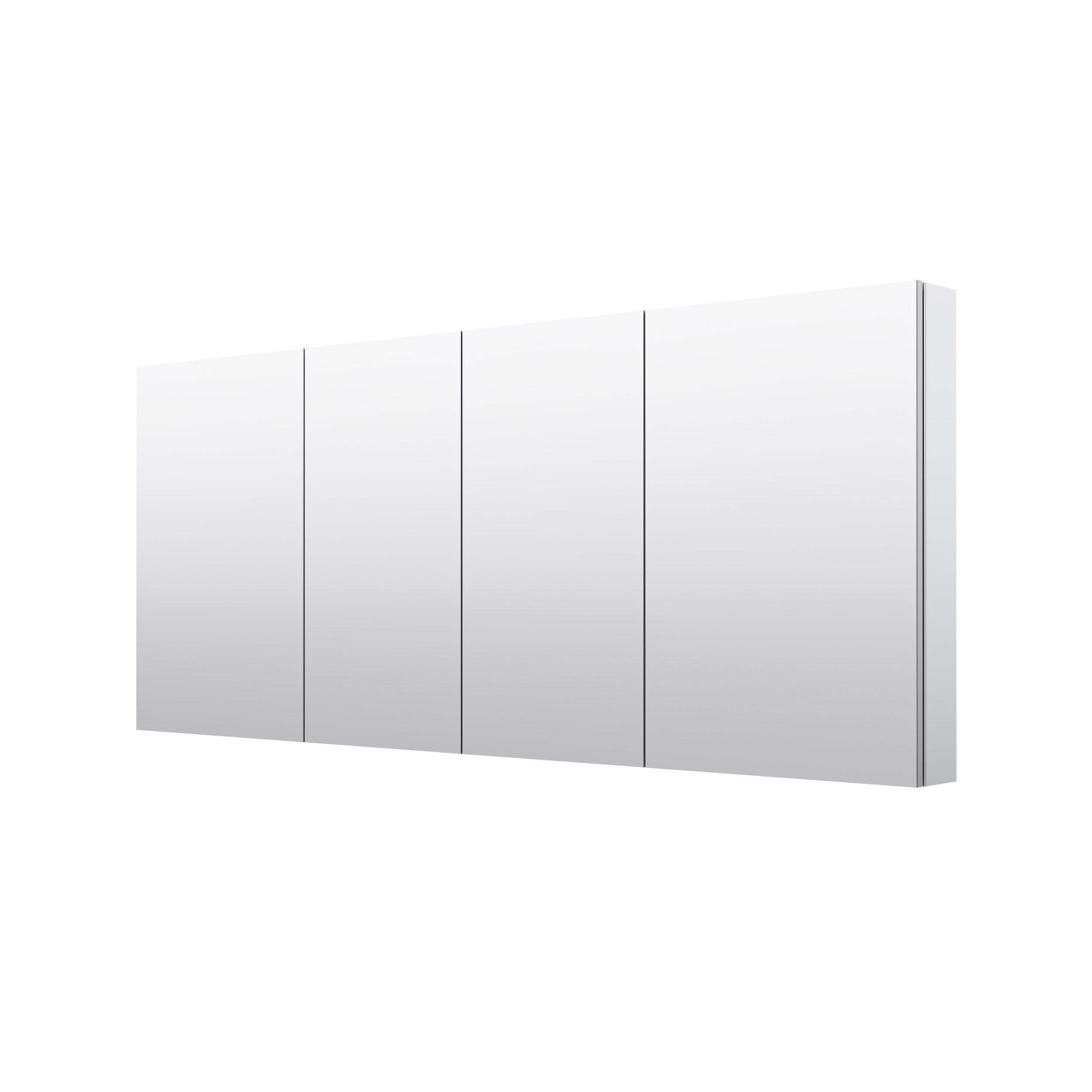
· Clean modern: light blue vanity (flat front) + matte white stacked tile + chrome hardware + slim rectangular mirror.
· Classic transitional: shaker-style blue vanity + marble-look top + polished nickel hardware + white subway and soft-gray grout.
· Scandi-light: pale blue floating vanity + oak mirror frame + large-format white floor tile + micro-texture rug.
Common renovation pitfalls (and easy fixes)
· Too many focal points.
· If the vanity is blue, let it be the feature. Skip loud floor tile and patterned shower tile, and bold wallpaper all at once. Pick one moment and support it.
· Mismatched whites.
· Countertop, toilet, tub, and wall paint can all be different “whites.” Line up samples before install so you don’t get a cold tub next to a creamy counter.
· Forgetting the outlet plan.
· Ask the electrician for an outlet inside a drawer or upper cabinet for trimmers and toothbrushes. It keeps the top clear.
· Skimping on task lighting.
What the market tells us
Why spend time getting a light blue vanity “right”? Because bathrooms continue to pull real dollars in U.S. remodeling, and color is now part of how homeowners express value. The latest Houzz study confirms that while wood and white vanities are still most common, blue shows up in more accent elements, suggesting comfort with the hue as a design move — not just a risk.
At the same time, manufacturers are shipping more vanity options across sizes and configurations to meet demand as the category grows through the decade. That expanding catalog makes it easier to find a factory color close to the soft blue you want, often with matching mirrors and towers. The overall U.S. vanity market’s steady climb to a projected $12.66 billion by 2030 supports the idea that thoughtful, color-forward bath upgrades will stay relevant — and resalable.
Bottom line
A light blue vanity is a safe, stylish way to bring character into a bathroom. Keep your palette simple. Let whites be bright and clean. Choose one metal family and repeat it. These moves are easy to execute, friendly to small spaces, and aligned with how American homeowners are actually renovating today.













Leave a comment
This site is protected by hCaptcha and the hCaptcha Privacy Policy and Terms of Service apply.