
















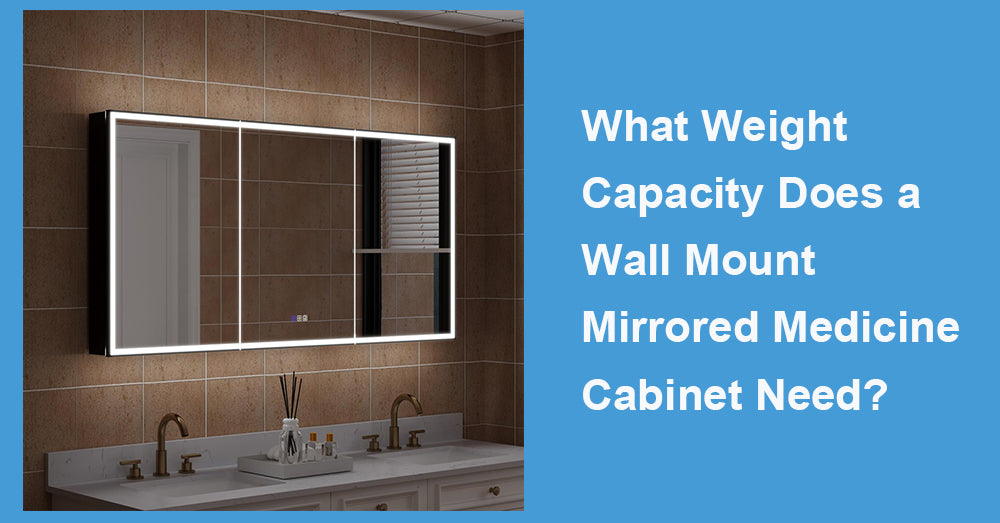
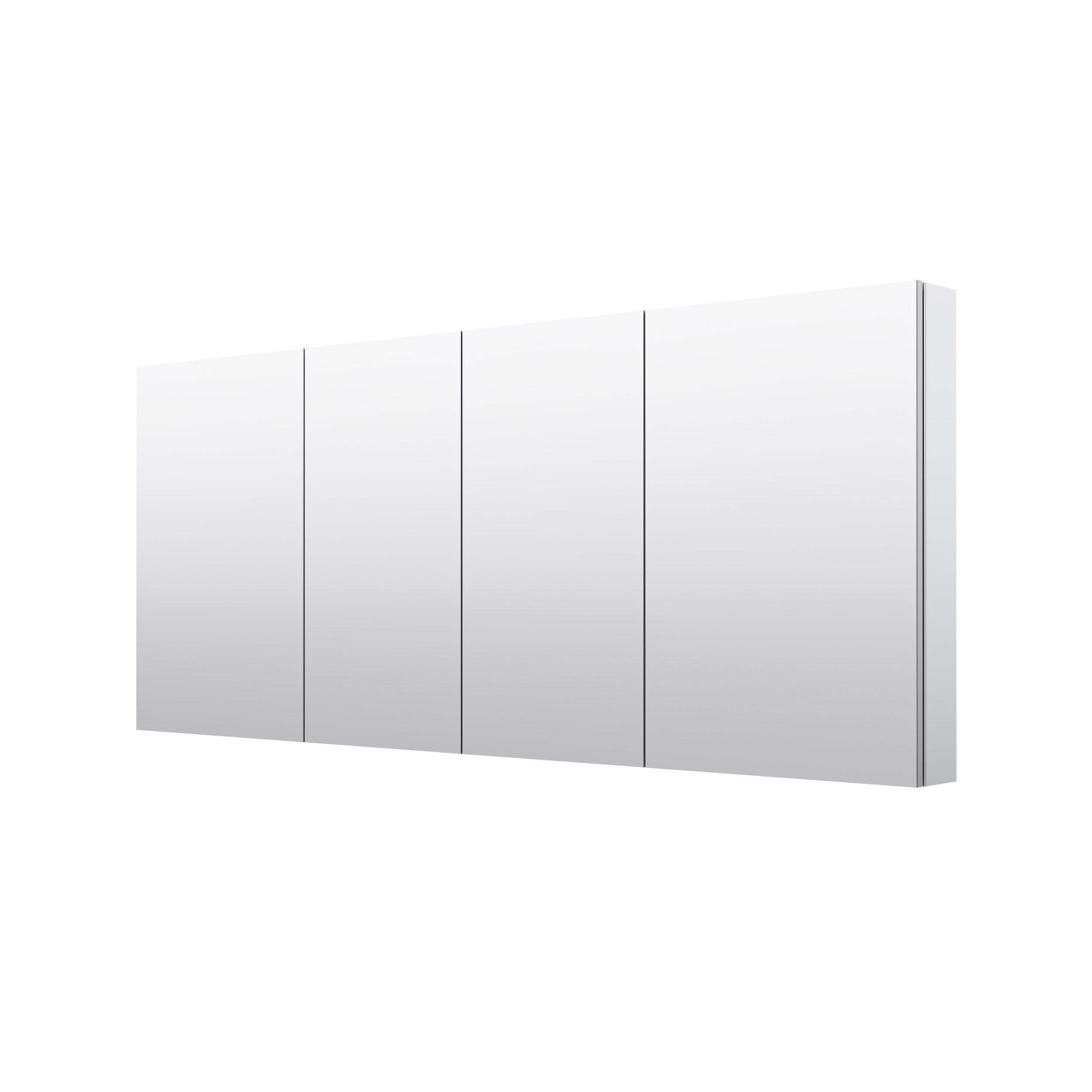
With the increasing demand for bathroom functionality and aesthetics in households, the wall mount mirrored medicine cabinet has become the preferred storage solution for small and medium-sized units as well as modern bathroom renovation projects. It not only saves space but also provides storage and mirror decoration. However, for many consumers and decoration professionals, the key question remains,' How much load-bearing capacity does a wall-mounted medicine cabinet need? '. Insufficient load-bearing capacity may cause cabinet sagging, wall damage, and even pose safety hazards. This article will provide professional analysis across multiple aspects, including the weight of the medicine cabinet, full-load use, installation method, and purchasing suggestions, providing a reference for consumers and industry practitioners.

1. Overview of the weight of wall-mounted mirror medicine cabinets
In the market, wall-mounted mirror medicine cabinets vary in size and material, with significant differences in their own weight.
Small cabinet (16-20 inches wide): The empty cabinet weighs approximately 10-15 pounds and is suitable for storing small quantities of daily necessities.
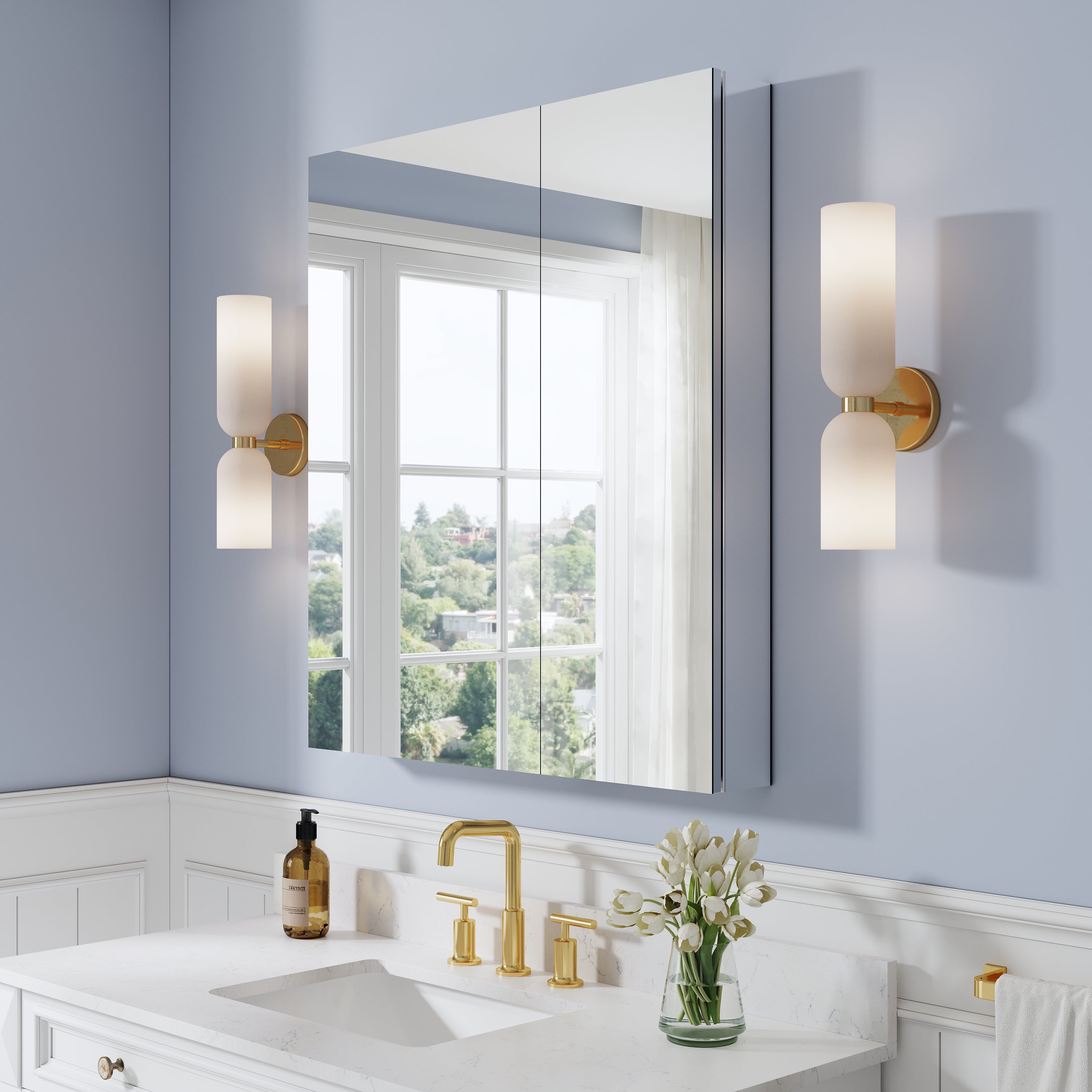
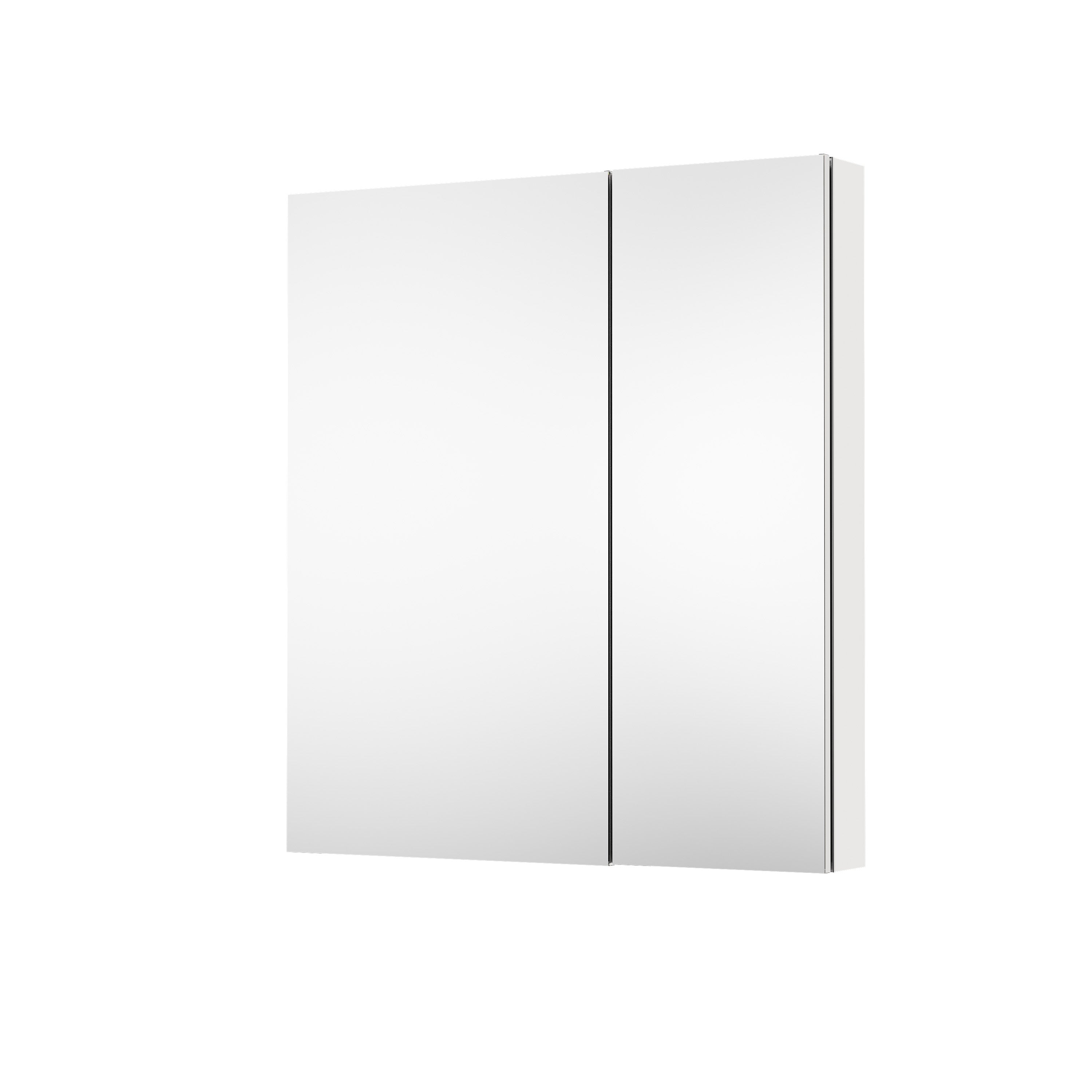
Medium-sized cabinet (24-30 inches wide): weighs approximately 20-30 pounds and can meet the daily storage needs of most households.
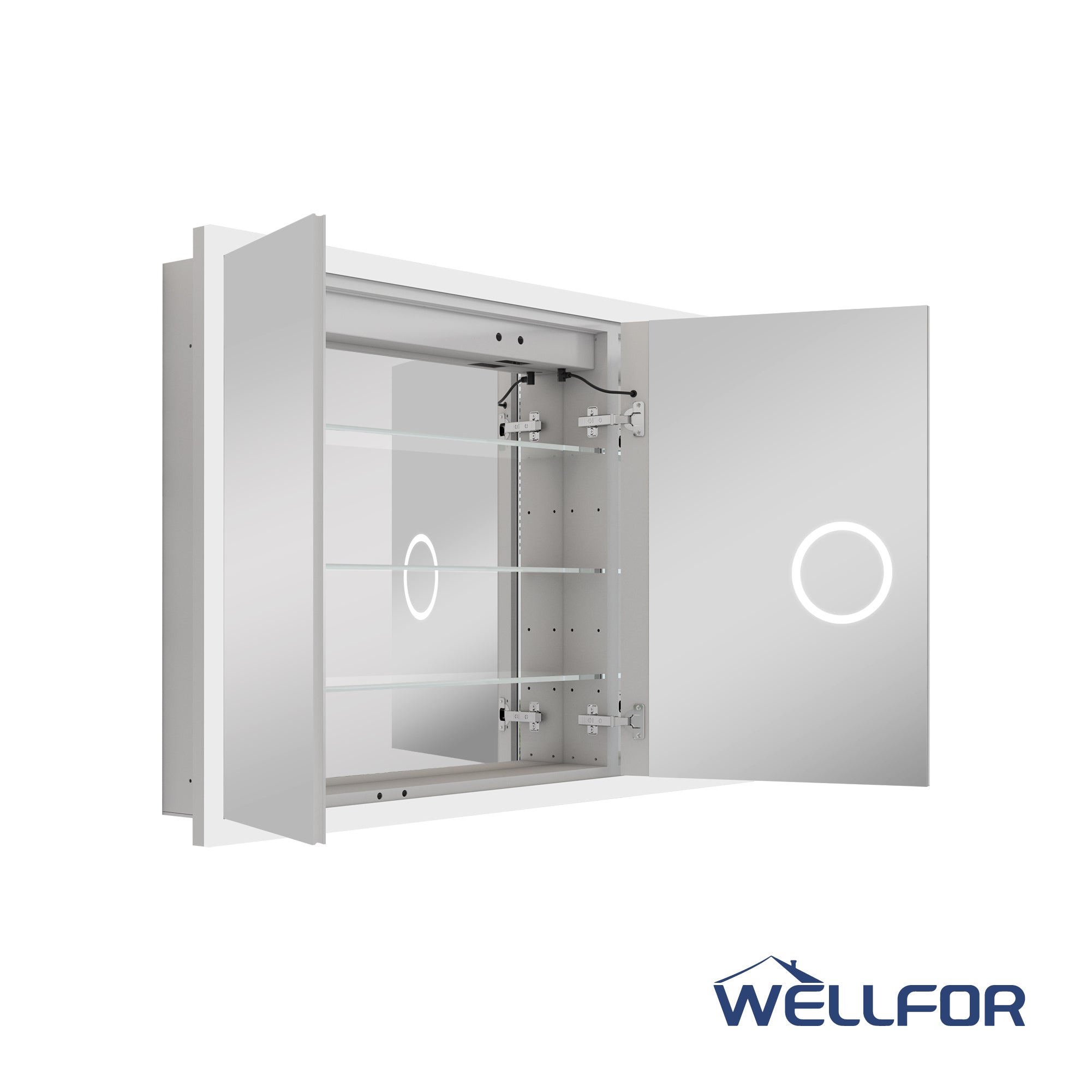
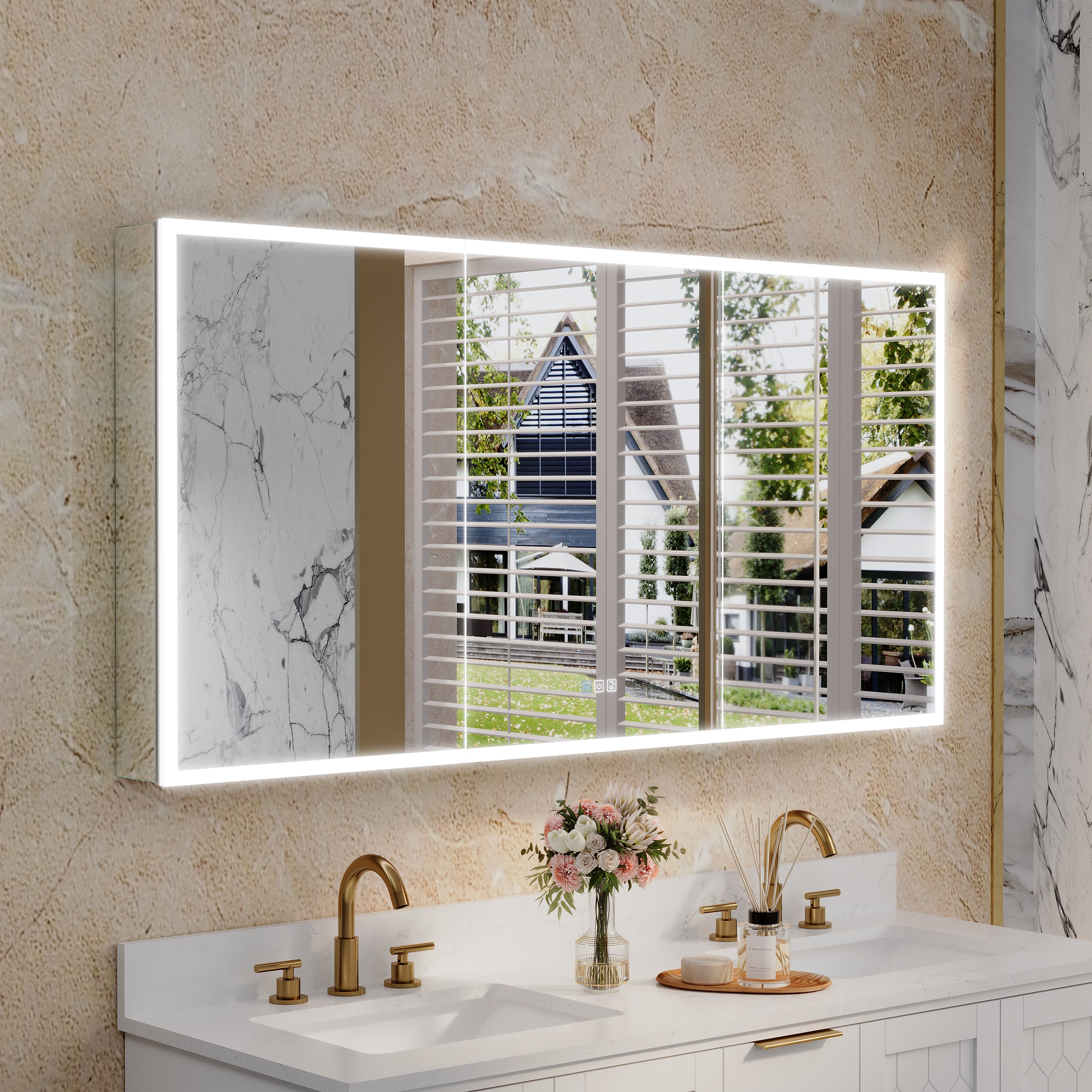
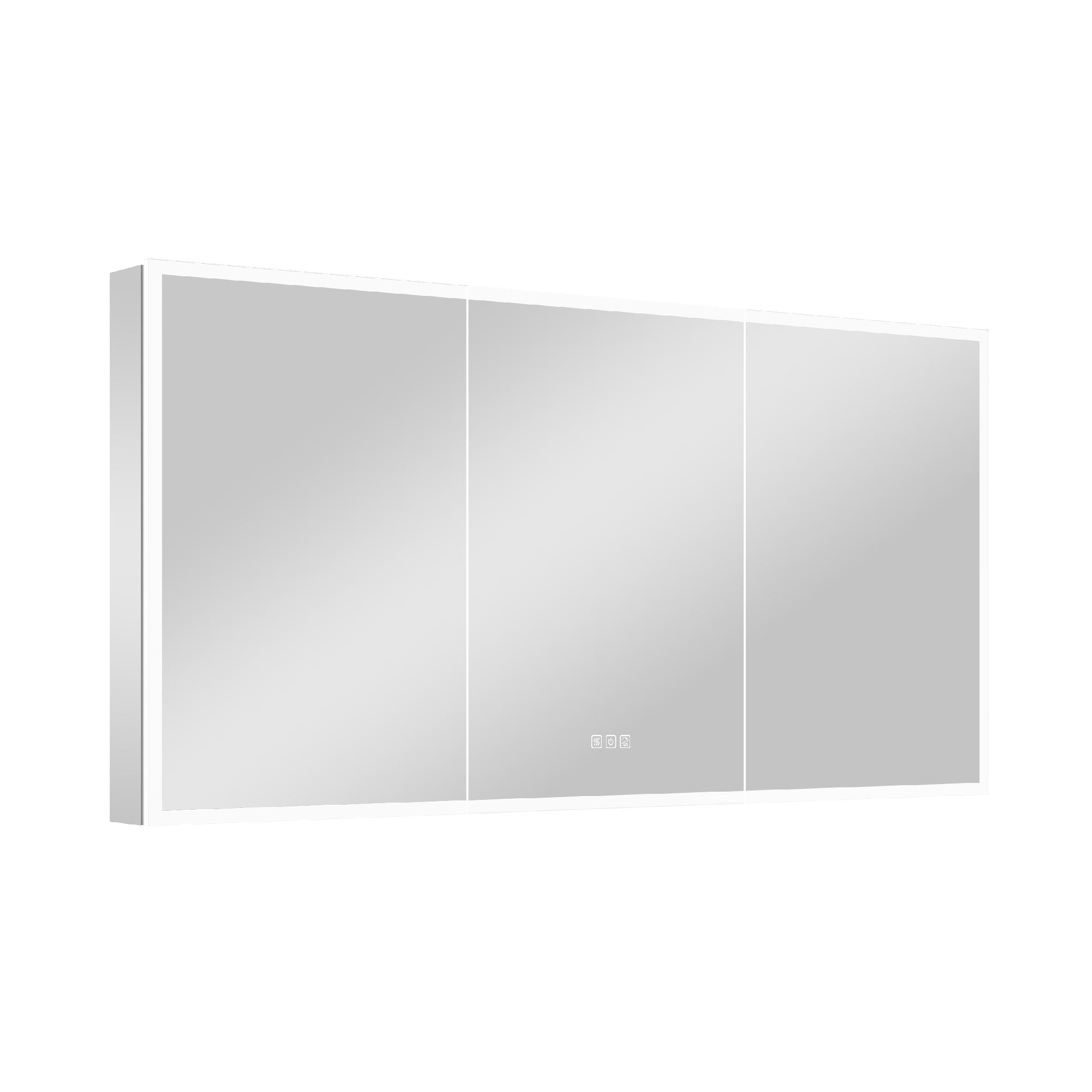
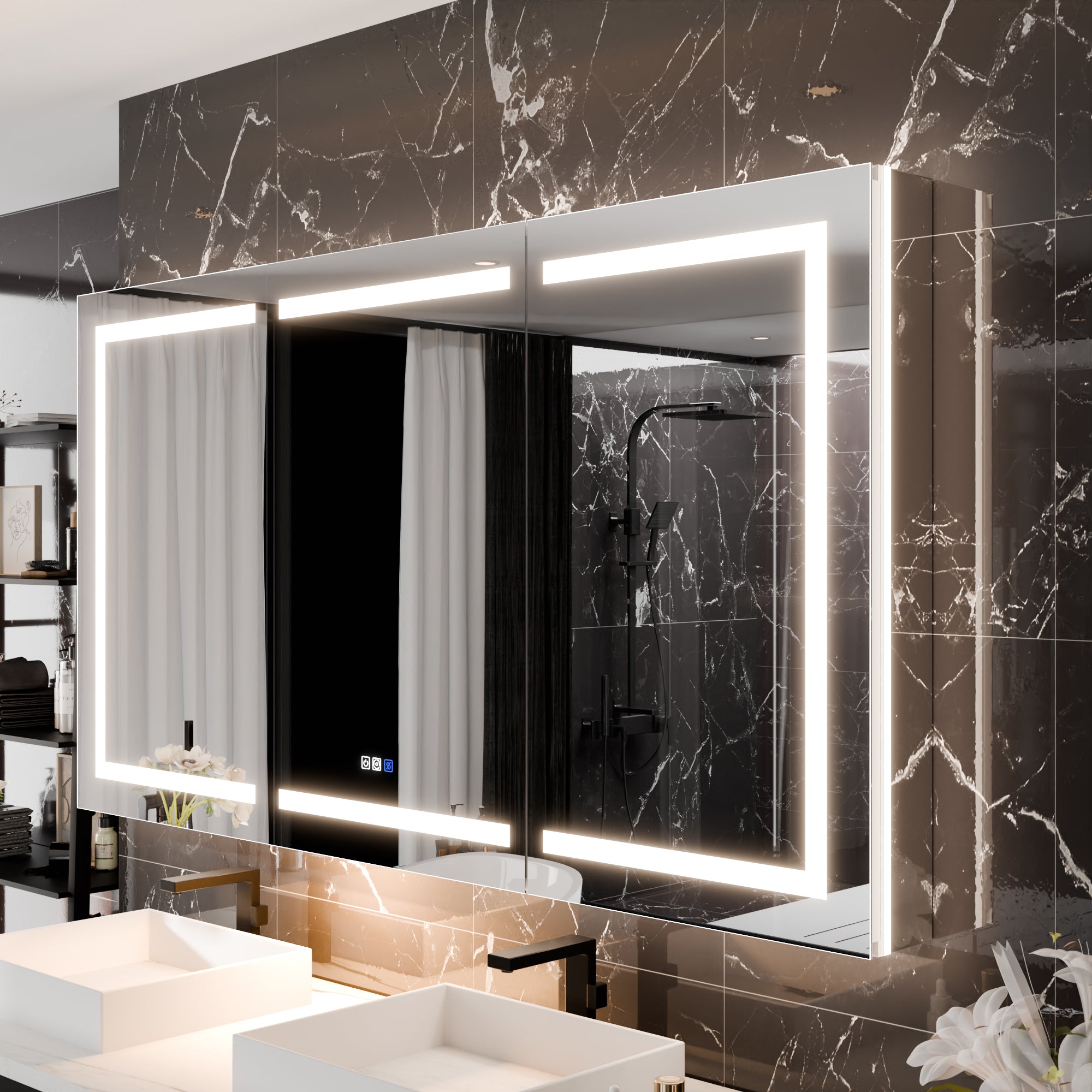
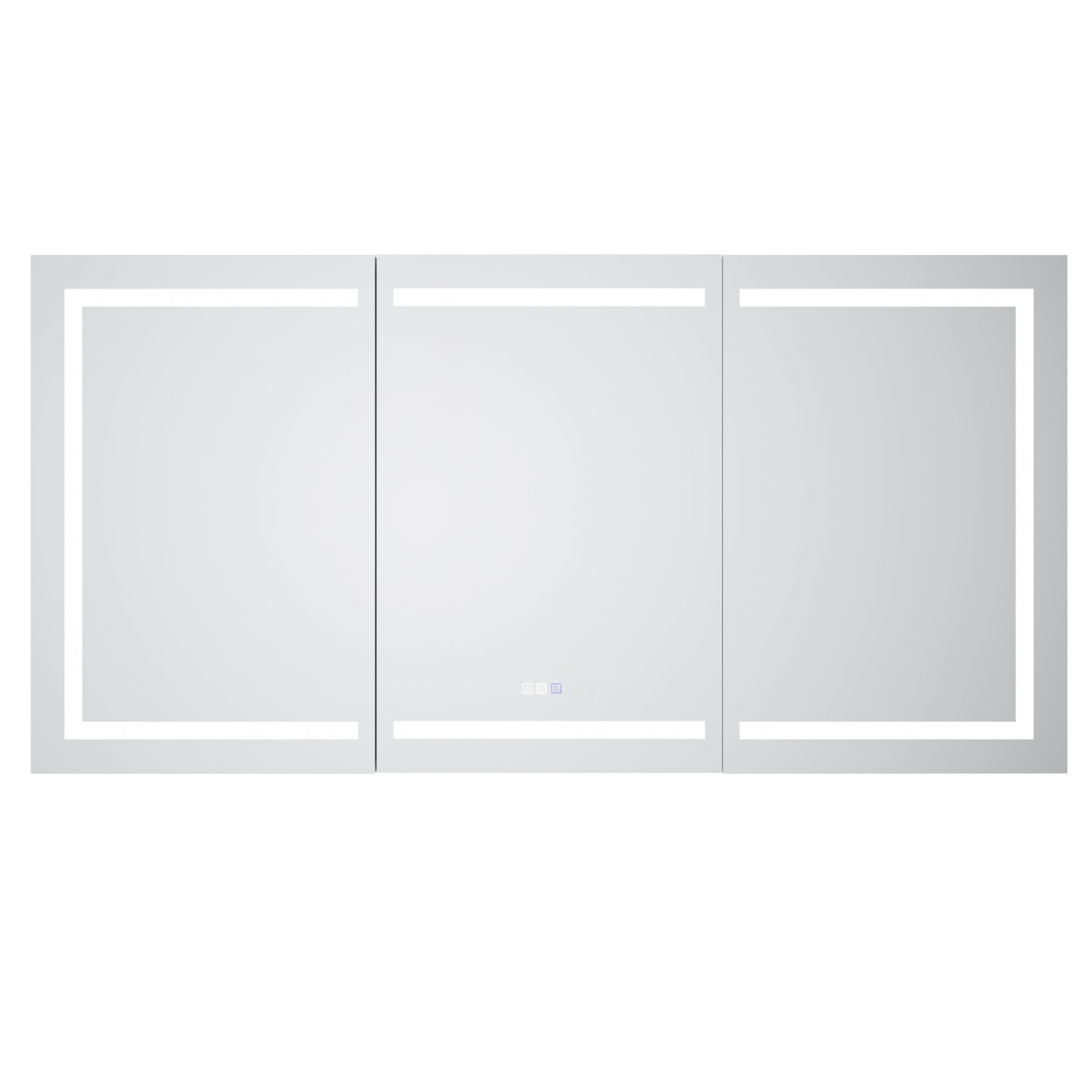
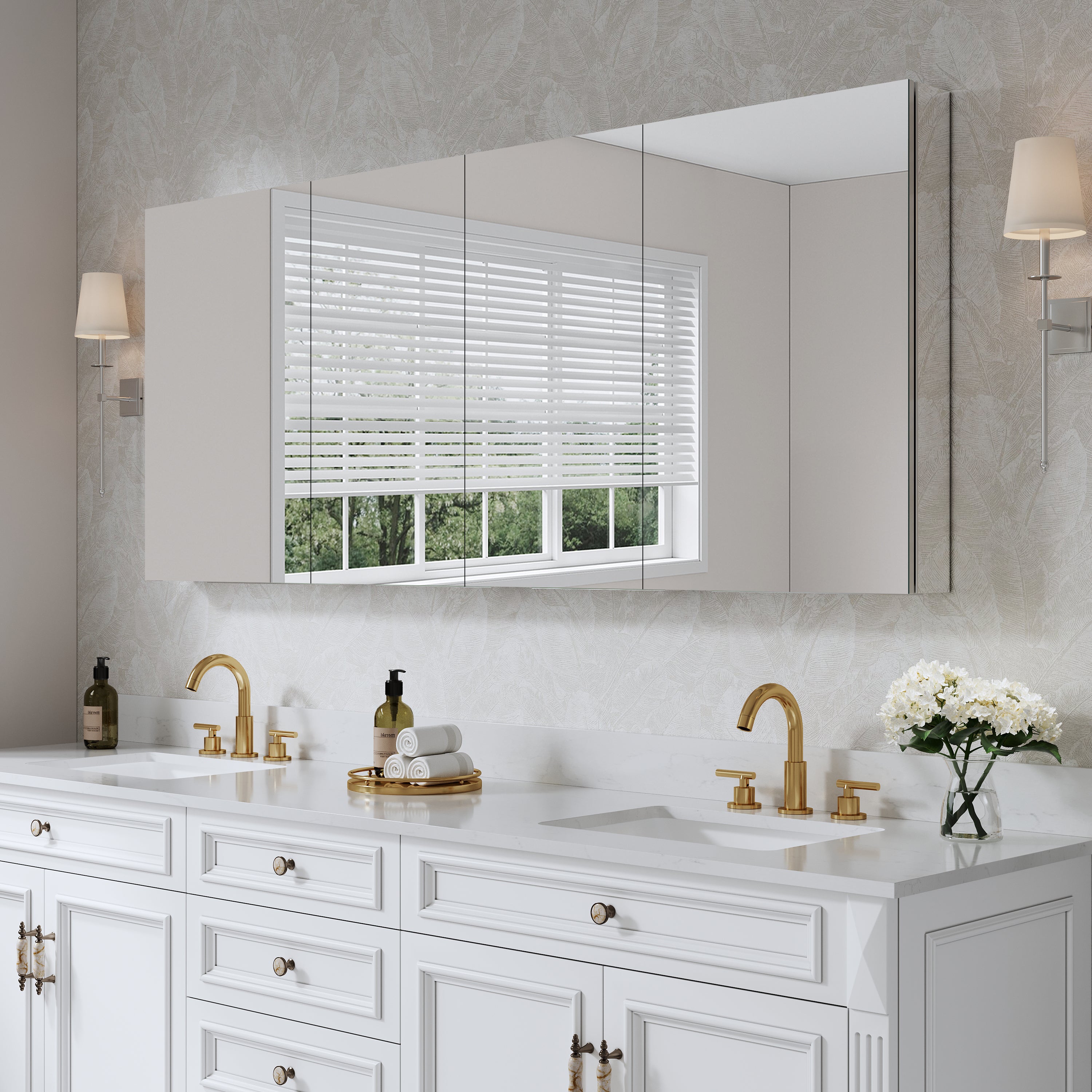
Large cabinets (36 inches wide or more) or triple mirror designs: weighing 35-45 pounds, typically used in luxury bathrooms or smart medicine cabinets, may include lighting, defogging, or electronic control functions.
The influence of material on weight is also significant: solid wood cabinets, stainless steel cabinets, or bright medicine cabinets with glass panels have a higher self-weight, and their total weight after full load must be considered during installation.
2. Load-bearing requirements under actual usage conditions
When evaluating the load-bearing capacity of wall-mounted medicine cabinets, considering only the weight of the cabinet body is not enough. Consumers usually place:
Toiletries such as electric toothbrushes, razors, and facial cleansing bottles
Glass bottle skin care products, perfume
Various drugs and spare toiletries
According to industry practice, the weight of medium-sized medicine cabinets under full load is usually between 45 and 60 pounds, and some households may have a higher weight. To ensure safety, industry experts recommend multiplying the load-bearing capacity by at least 1.5-2 times the safety factor, which means the actual load-bearing capacity should reach 75-100 pounds. This calculation method not only considers full load usage but also provides a safety margin for potential additional storage items in the future.
3. The load-bearing effect of the wall structure and installation method
The installation method of wall-mounted medicine cabinets directly determines their safety and long-term load-bearing capacity. The bathroom industry generally adopts two installation methods:
1. Recessed Mount
Embedded installation embeds the cabinet part into the interior of the wall, with the weight borne by the wall structure. Embedded medicine cabinets are usually tightly integrated with wall studs (Stud), with uniform force distribution, the most stable load-bearing capacity, and the highest safety. This method is particularly recommended for large or heavy medicine cabinets.
2. Surface Mount
Surface mounting relies entirely on wall fasteners, and the load-bearing capacity depends on screws, hangers, and wall materials. In residential buildings, if only ordinary expansion pipes are used for ordinary gypsum board walls (Drywall), the load-bearing capacity can usually only reach 20-30 pounds, much lower than that required for a fully loaded medicine cabinet. Industry advice:
Must be fixed on the wall keel and use heavy-duty metal expansion bolts or professional hangers
Adopting a multi-point back hanging design to evenly distribute weight and avoid excessive force on a single point
The correct installation method not only ensures load-bearing capacity but also extends the service life of the cabinet, avoiding future maintenance or replacement.
4. Industry standards and safety regulations
In North America, the design and installation of bathroom medicine cabinets are based on ANSI/BHMA (American National Standards Institute/Building Hardware Manufacturers Association) and the General Building Code (IBC/IRC). The key safety standards include:
Full load-bearing calculation: The medicine cabinet should bear at least 1.5 times the nominal bearing capacity when fully loaded
Wall fixing requirements: The surface-mounted medicine cabinet must have at least two screws fixed to the wall keel
Regular inspection: During use, the stability of hangers, screws, and walls should be checked regularly, especially for surface-mounted cabinets
Following these standards can help avoid accidents caused by overloading or improper installation, while enhancing the user experience.
5. Industry recommendations for selection and installation
When making a purchase, it is necessary to evaluate the load-bearing requirements and usage habits comprehensively
Consumers should not only focus on appearance and size when choosing a medicine cabinet, but should also consider the material, cabinet weight, and expected weight of stored items comprehensively. It is recommended to choose products with a load-bearing capacity of at least 1.5 times the actual full load weight to ensure a sufficient safety factor. For medicine cabinets that are frequently used or used to store heavy objects in households, it is preferred to choose medium to large cabinets made of solid wood or metal materials with multiple layers of partitions. In addition, it is necessary to consider the potential increase in storage demand in the future to prevent the cabinet from exceeding its load-bearing limit when fully loaded.
During installation, attention must be paid to structural stability and long-term maintenance
Proper installation is the key to ensuring the safe use of the medicine cabinet. Industry standard recommendation: Surface-mounted medicine cabinets must be fixed on the wall keel, using high-strength hangers or expansion bolts. The multi-point back hanging design can evenly distribute weight and reduce the risk of single-point stress. Embedded installation is safer, especially suitable for large or intelligent medicine cabinets. In addition, regular inspection of hangers, screws, and wall stability is also a necessary maintenance measure. Only by balancing scientific selection, stable installation, and regular maintenance can wall-mounted mirror medicine cabinets maintain long-term safety and functionality, providing a stable and reliable storage solution for bathrooms.
6. Conclusion
The wall-mounted mirror medicine cabinet not only serves the daily storage function, but also affects the aesthetics and safety of the bathroom. Reasonably evaluating load-bearing capacity, selecting appropriate materials and sizes, and adopting scientific installation methods are key to ensuring long-term safe use. Only with scientific selection and stable installation can the medicine cabinet perform to its full potential, bringing convenience and peace of mind to the family.

















Leave a comment
This site is protected by hCaptcha and the hCaptcha Privacy Policy and Terms of Service apply.