
















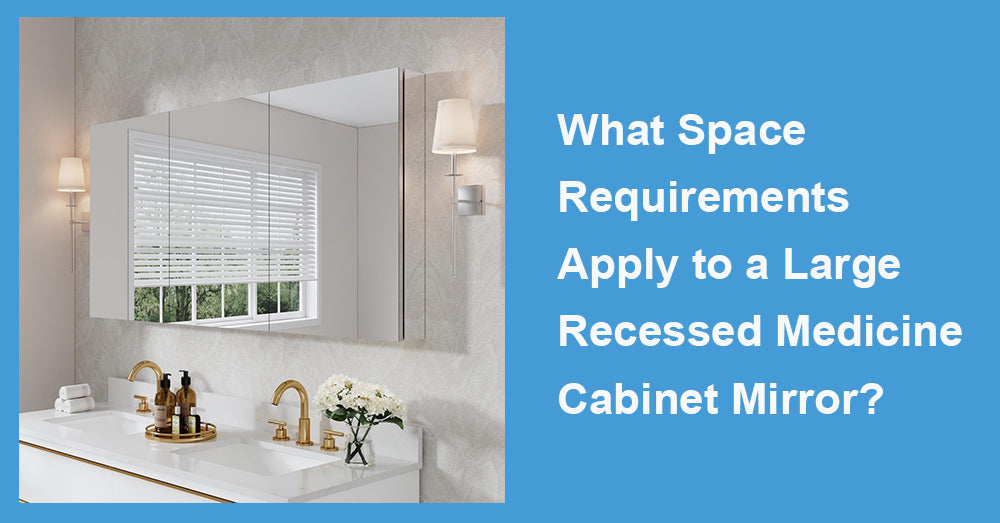
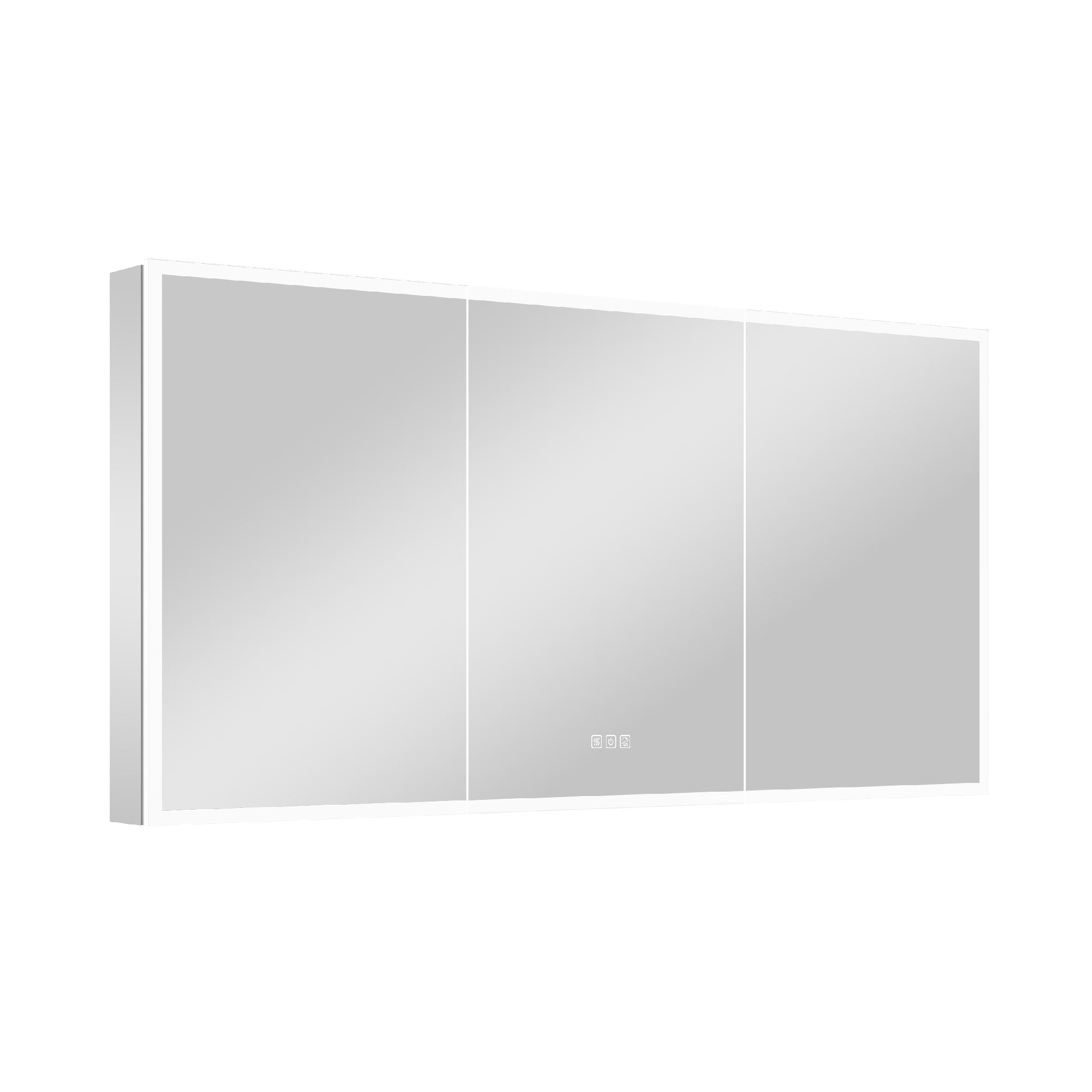
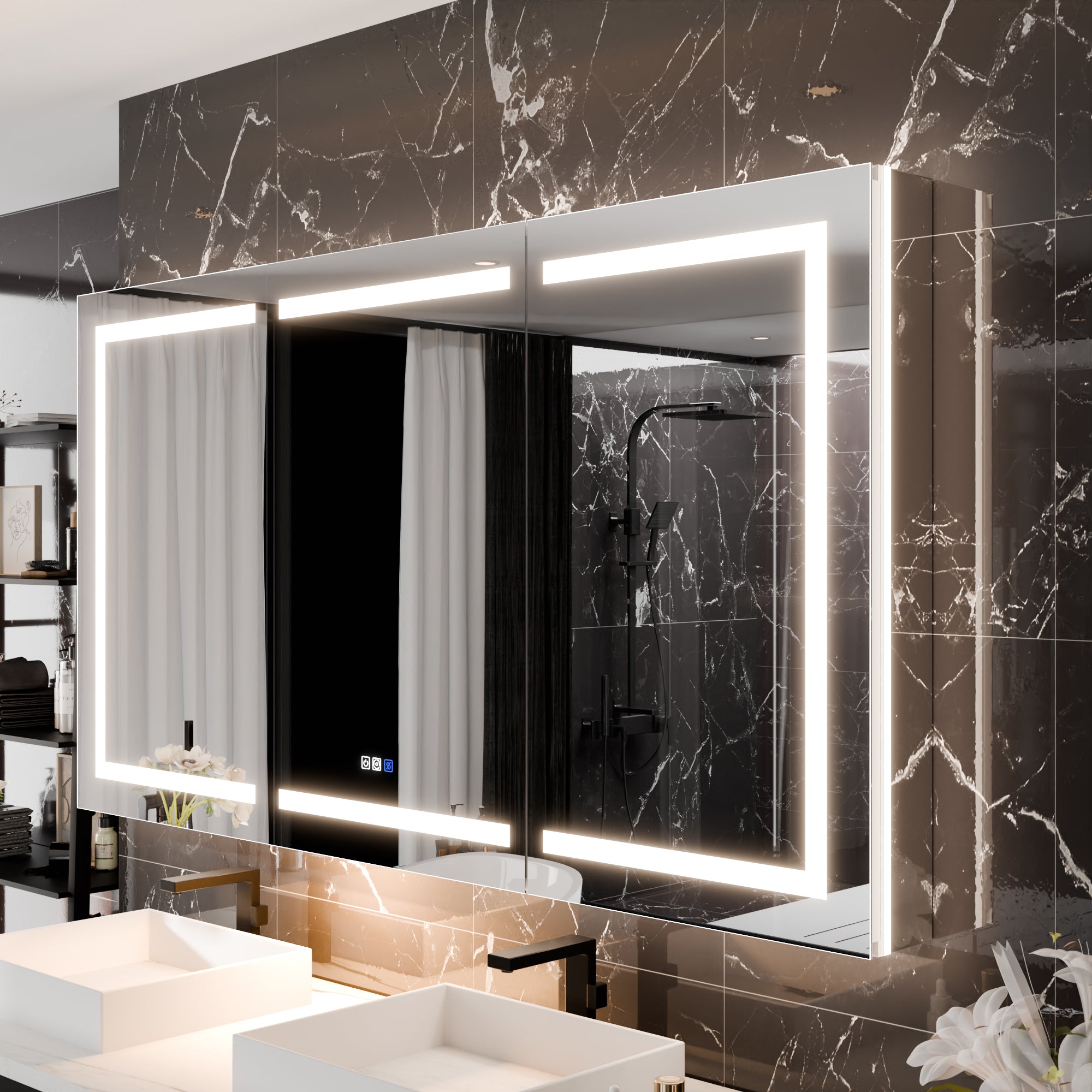
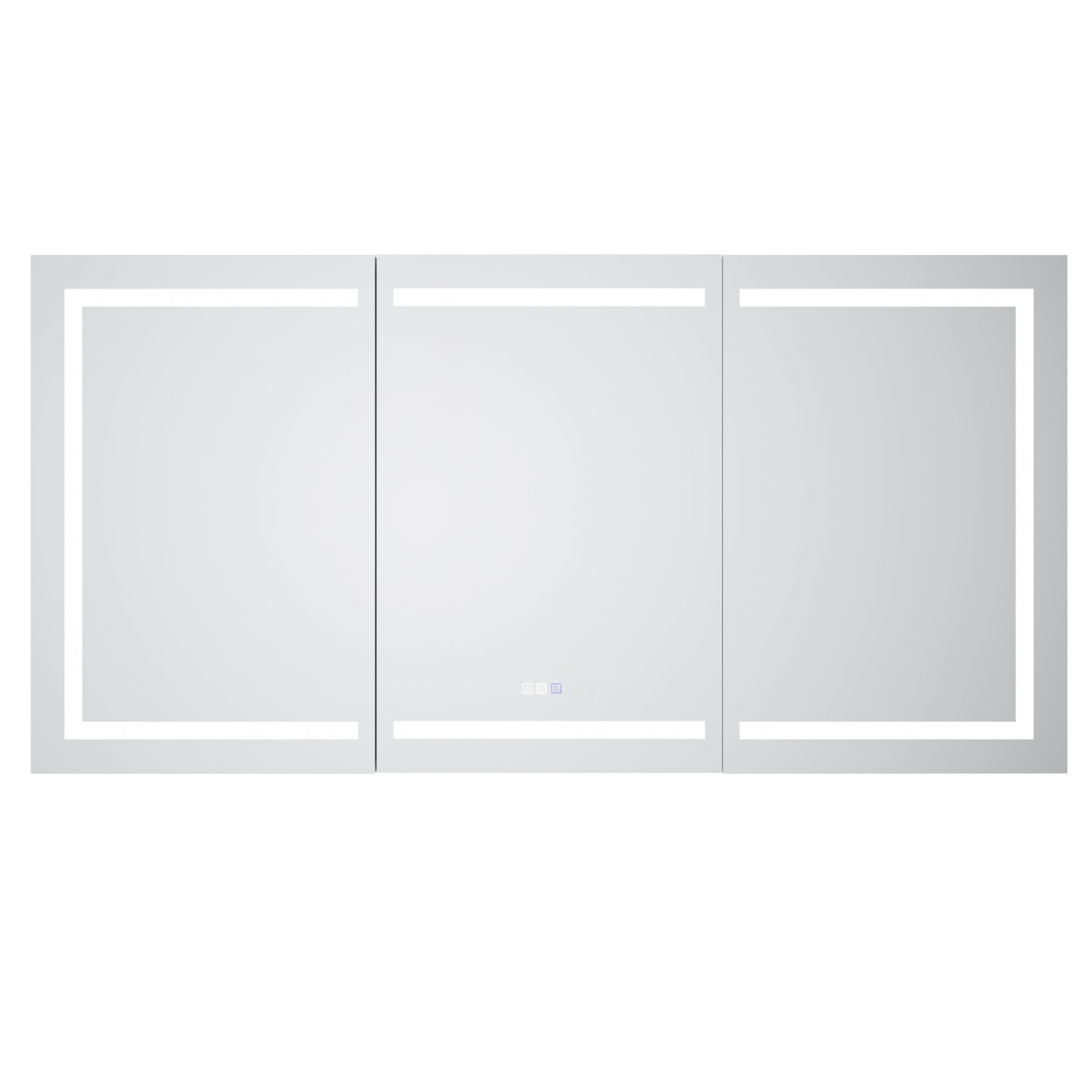
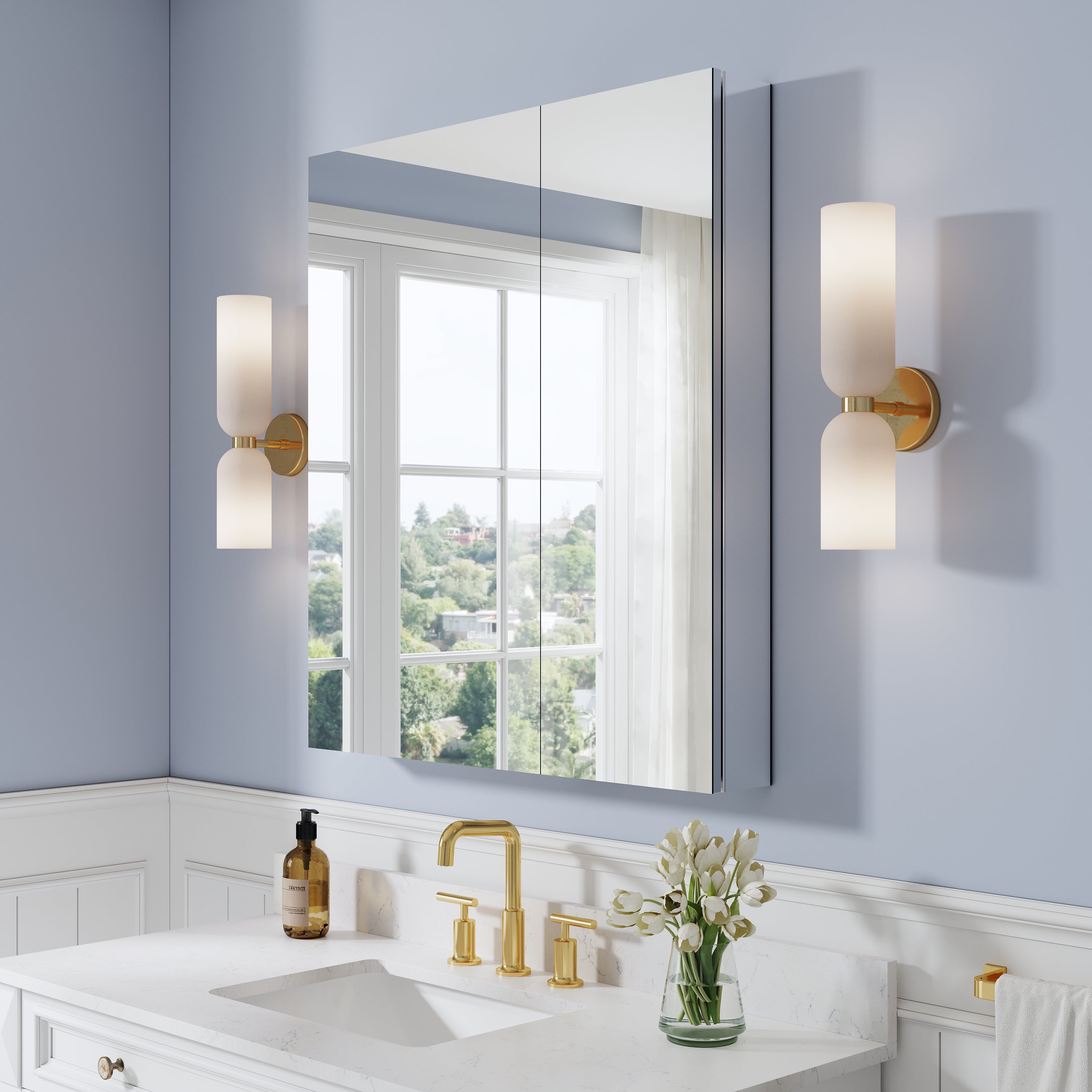
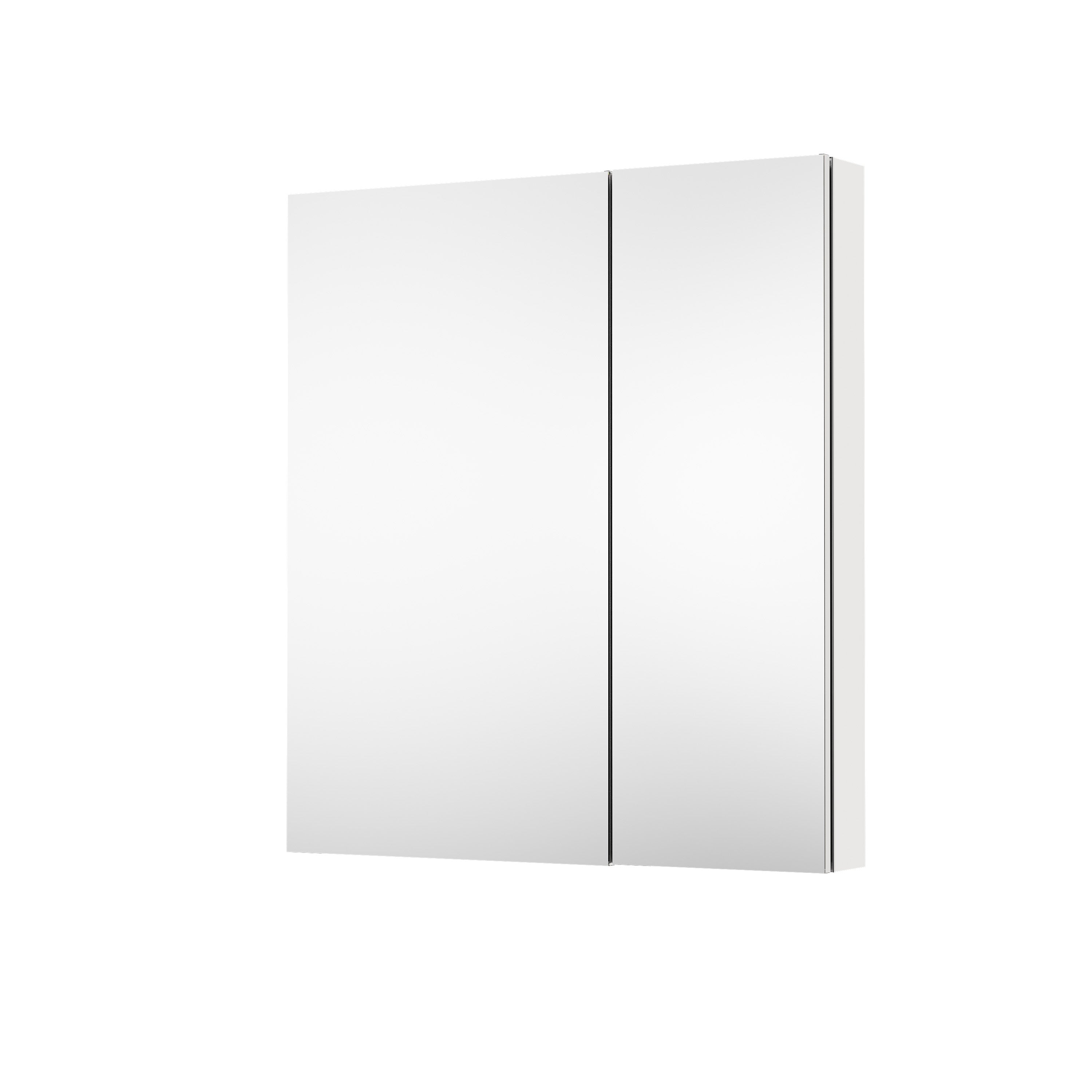
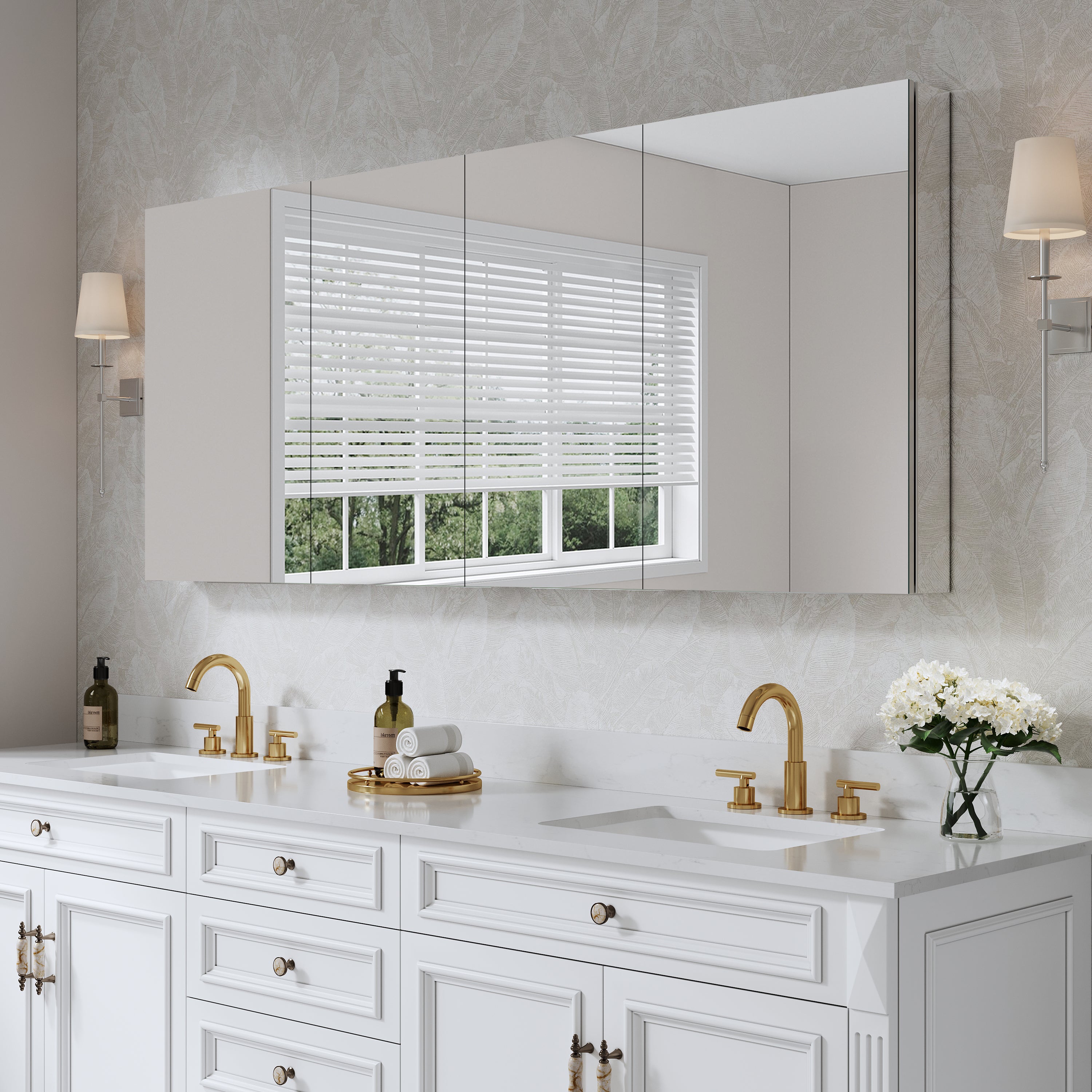
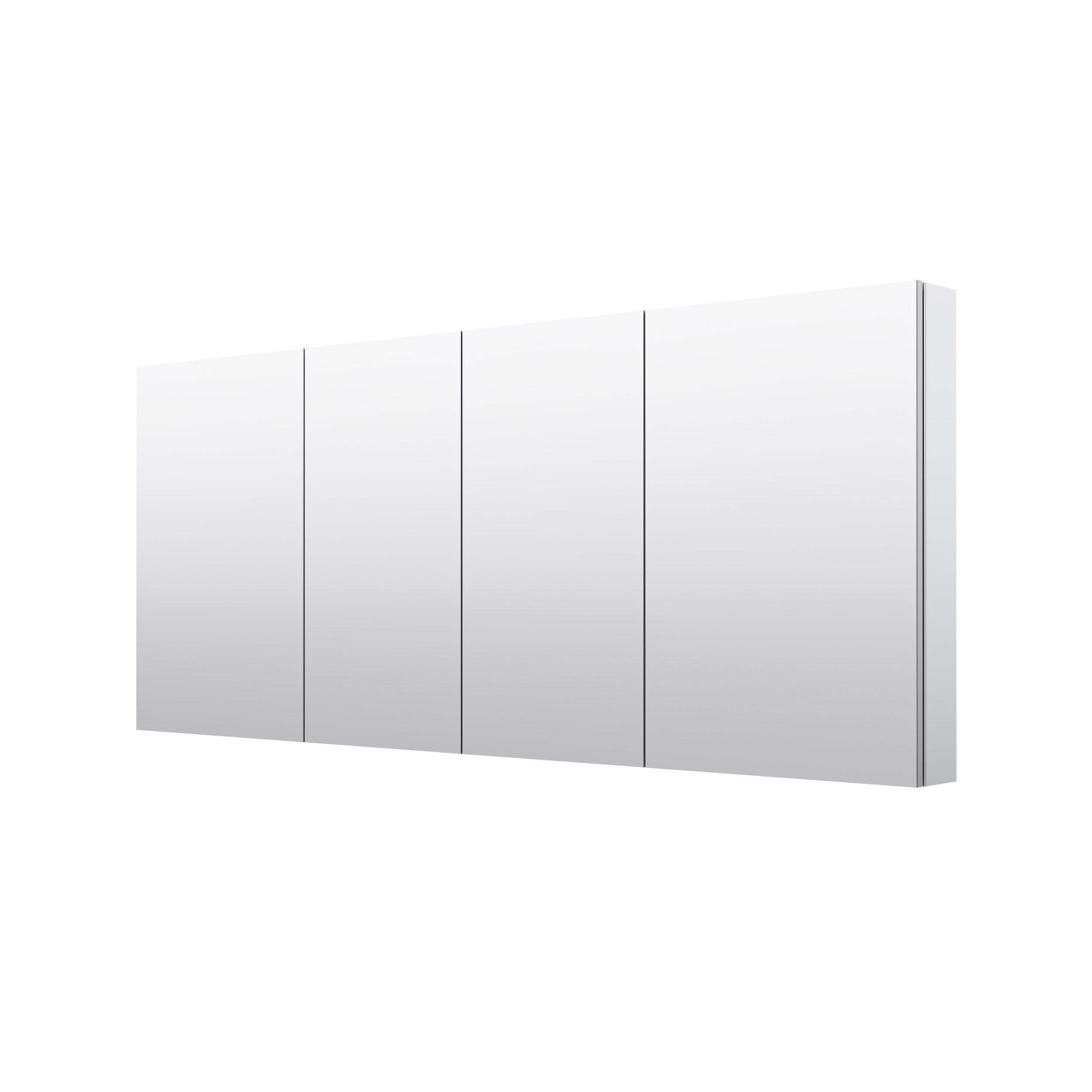
large recessed medicine cabinet mirrors are no longer a niche upgrade in the U.S. bathroom market. They look cleaner than surface-mount units, add storage without adding visual clutter, and increasingly come with “smart” convenience features. The 2024 U.S. Houzz Bathroom Trends Study reports that 71% of homeowners who upgraded a medicine cabinet chose recessed mounting, while 23% chose hidden outlets and 14% chose anti-fog features.
But bigger cabinets bring bigger installation risk. In the field, “space requirements” are not just the product’s width and height. The real question is whether the wall system can safely and cleanly accept a large opening—without hitting studs, pipes, wiring, lighting, or accessibility rules.
Here’s what pros are checking most often before anyone cuts drywall.
1) Wall cavity depth: the cabinet has to sit inside the wall, not fight it
A recessed cabinet needs enough depth inside the wall cavity for the cabinet box, plus room for any wiring or electronics. Standard residential walls often use 2×4 framing, which limits how deep you can recess anything. (And even if the wall is “thick enough,” the cavity may not be clear.)
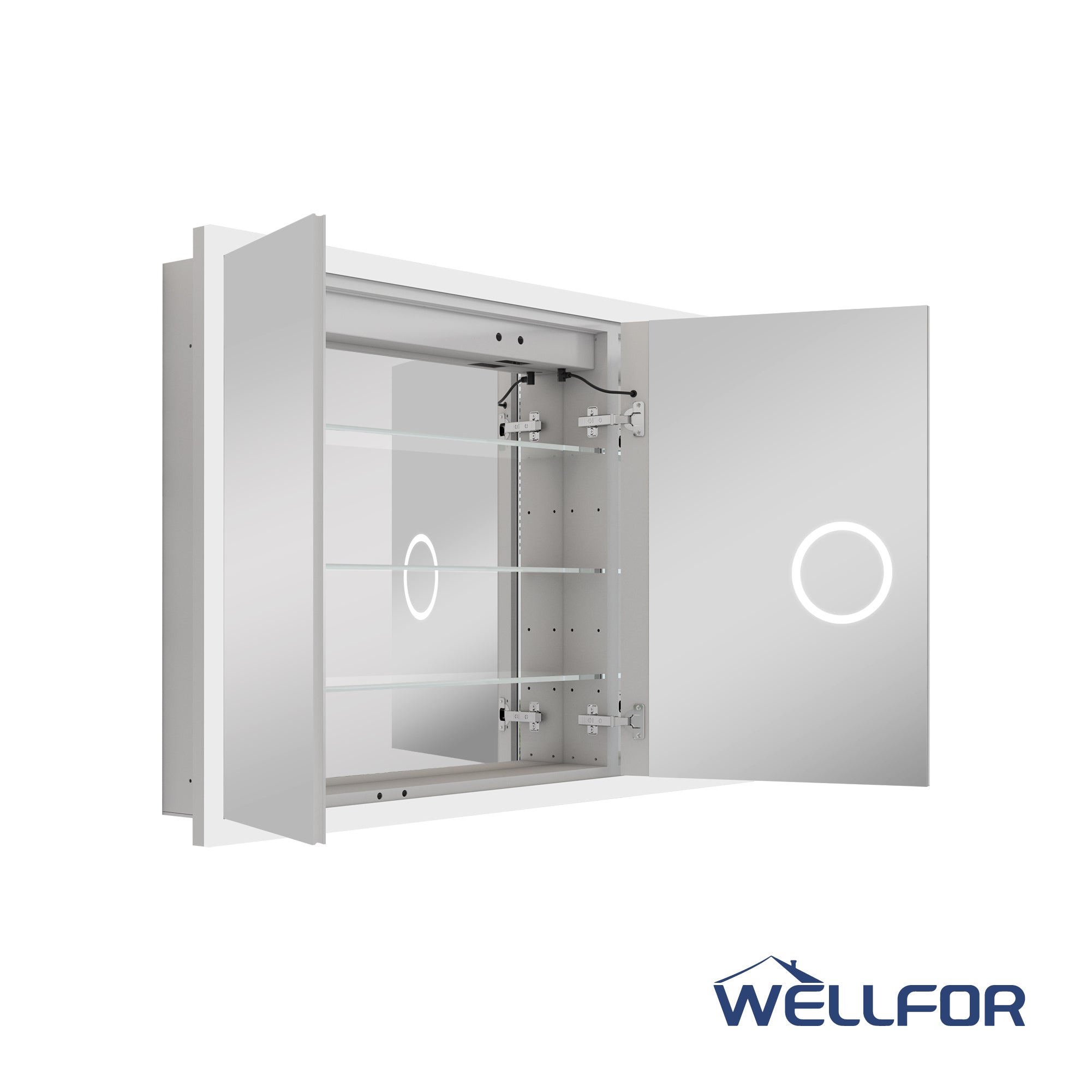
Large cabinets with lighting, defoggers, or internal outlets can require extra space behind the unit for drivers, cable routing, and safe connections. If the cabinet is even slightly too deep, installers end up forcing a semi-recessed install—or rebuilding wall thickness—both of which can blow up the budget and schedule.
2) Stud spacing: wide cabinets usually don’t land where you want them
Most wall framing is laid out in predictable modules. Many homes use studs spaced 16 inches on center, and 24 inches on center also shows up in some construction.
That matters because once you go “large” (30 inches wide and up), you’re very likely crossing multiple studs. A cabinet that spans studs often can’t be installed as a simple “cut and slide in” job. It becomes a framing job—because studs are structural members, not packaging material.
3) Framing limits: you can’t just notch studs until the box fits
This is where many installs go wrong. Contractors and inspectors pay close attention to how much framing gets cut.
The International Residential Code (IRC) section on drilling and notching studs (R602.6) sets clear limits—for example, studs in exterior walls or bearing partitions generally can’t be notched beyond 25% of stud width, while nonbearing partitions allow more.
In plain English: if the cabinet requires heavy stud cutting, the solution is usually not “cut more.” The solution is to frame a proper opening (similar to a small window opening) so loads are carried around the opening rather than through the missing studs.
4) What’s inside the wall: bathrooms are crowded behind the vanity
Even when the framing works, bathrooms love to hide obstacles right where you want a cabinet:
· Vent stacks and drain lines
· Water supply lines
· Electrical cables and junction boxes
· Blocking and fire-stops
A small cabinet can sometimes “thread the needle.” A large cabinet often can’t. This is why pros will locate studs and scan for apparent conflicts before committing to a centered, oversized mirror cabinet. The cost difference between “change cabinet size” and “move a vent stack” is not close.

5) Door swing and fixture clearance: the cabinet must operate safely
A big recessed cabinet often has big mirrored doors. Those doors need clearance to open without hitting:
· Tall faucets
· Side walls in tight powder rooms
· Sconces
· A light bar mounted too close to the cabinet
NKBA guidance states explicitly that bar light fixtures should not interfere with the safe operation of a recessed (or surface) medicine cabinet below.
A simple, low-tech check works well: tape the cabinet outline on the wall and visualize (or mock) the door swing before finalizing light placement. Many “weird” lighting complaints after install are really predictable clearance problems.
6) “Working space” in front of the vanity: bigger doors need more room
Large cabinet doors don’t just swing into the wall space—they swing into the user’s space.
NKBA’s bathroom planning material also warns that doors shouldn’t interfere with the safe use of fixtures or cabinets. If the bathroom is narrow, an oversized cabinet can force an awkward body position when the doors are open. In very tight layouts, split doors, smaller panels, or sliding-door designs can be a better “large storage” solution than one giant swing door.
7) Electrical planning: hidden outlets and lighting turn this into a coordinated install
The market is clearly moving toward powered cabinets—Houzz’s data shows meaningful adoption of hidden outlets and other features.
Once you add power, your “space requirement” expands to include:
· Where the feed comes from
· Where connections will be made
· How the unit will be serviced later
· How bathroom safety rules are met
Many NEC summaries note that bathroom receptacles require GFCI protection (commonly tied to NEC 210.8(A)(1)). Exact enforcement can vary by jurisdiction, but treating bathroom electrical as high-sensitivity work is the correct default—especially when equipment is built into a wall opening.
8) Accessibility rules: mirror height can be the deciding factor on commercial jobs
If the project is commercial (or otherwise ADA-covered), mirror placement is not a style choice—it’s a requirement.
The U.S. Access Board guidance explains that mirrors above lavatories/countertops can be compliant if the bottom of the reflecting surface is no more than 40 inches above the finished floor; mirrors not above a lavatory/countertop must be no more than 35 inches above the finished floor.
Large cabinets often get installed higher for a “bigger wall” look. ADA height limits can force the unit down, affecting backsplash height, faucet clearance, and lighting location. In these jobs, the vertical “landing zone” is included in the space requirement.
Clousion
It’s hard because it has to share space with studs, pipes, wires, lights, and the way people actually move in the bathroom. If you confirm wall depth, framing layout, hidden obstacles, safe door clearance, and any electrical or accessibility needs before you cut, the install usually goes smoothly. Skip those checks, and the project can quickly turn into extra carpentry and rework. That’s why planning the wall space in advance is a fundamental requirement for a large recessed medicine cabinet mirror.














Leave a comment
This site is protected by hCaptcha and the hCaptcha Privacy Policy and Terms of Service apply.