
















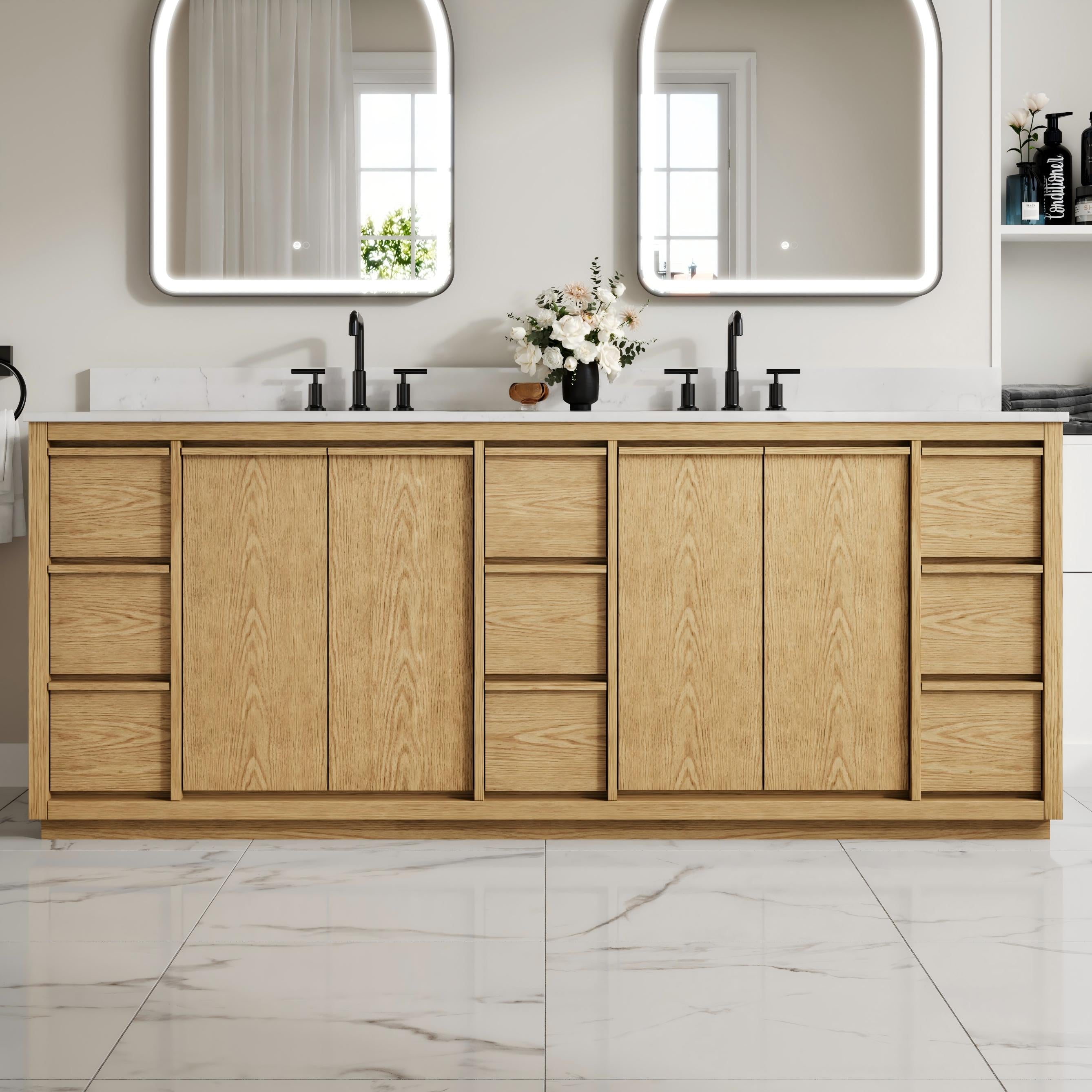

In the process of bathroom renovation, vanity mirrors are often seen as the "last choice" accessory. Still, from an industry perspective, they are among the core elements that affect space proportions, user comfort, and overall completion. The size of the mirror not only affects the convenience of daily washing and tidying, but also directly influences the bathroom's visual height, width, and lighting effect. Choosing the right size can make a regular bathroom appear more spacious; Choosing the wrong size, even the most high-end sanitary ware, may seem cramped and unbalanced.
Therefore, understanding the size logic is more important than simply choosing the appearance before formally determining the mirror style.
1. Starting from the width of bathroom cabinets: the most basic and easily overlooked principle
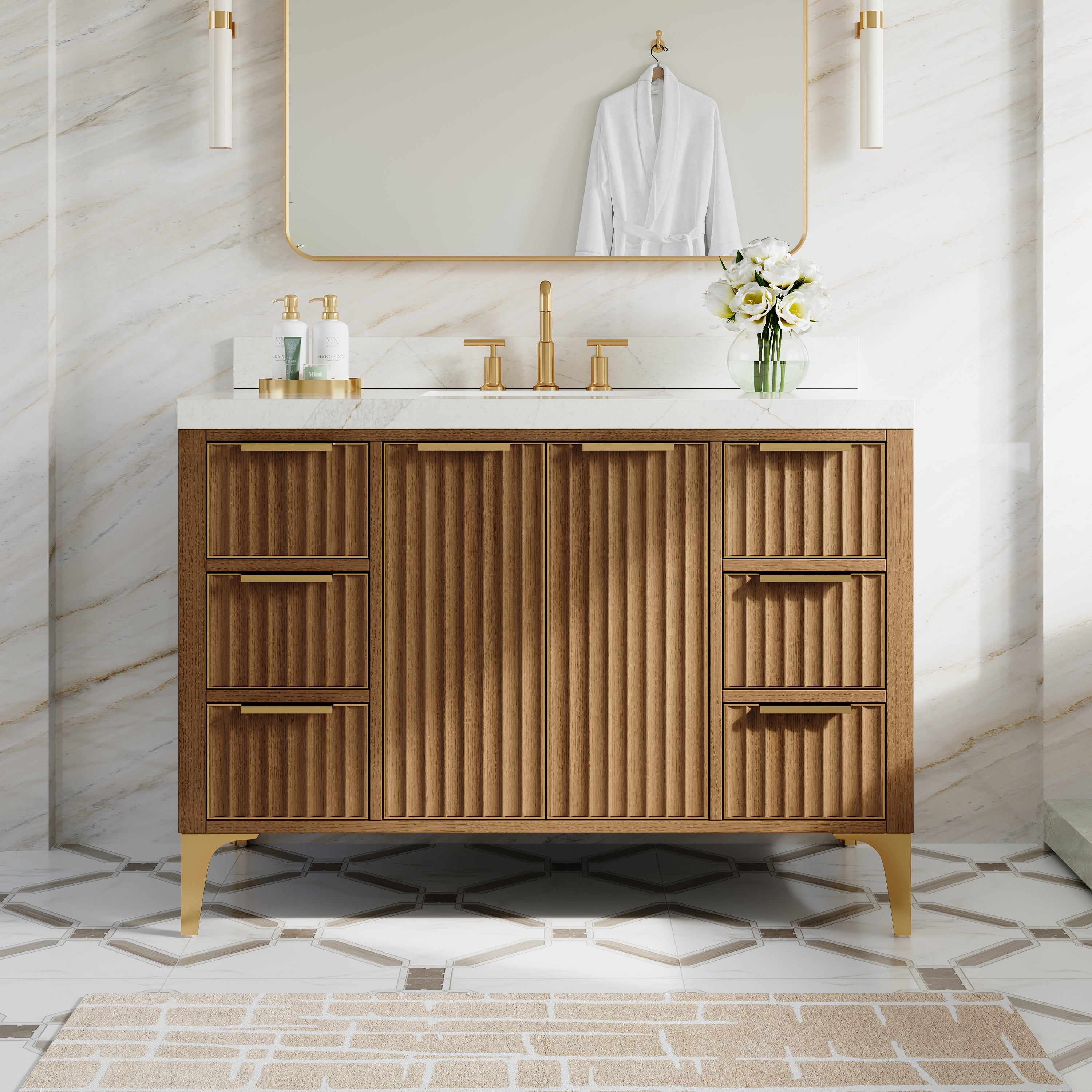
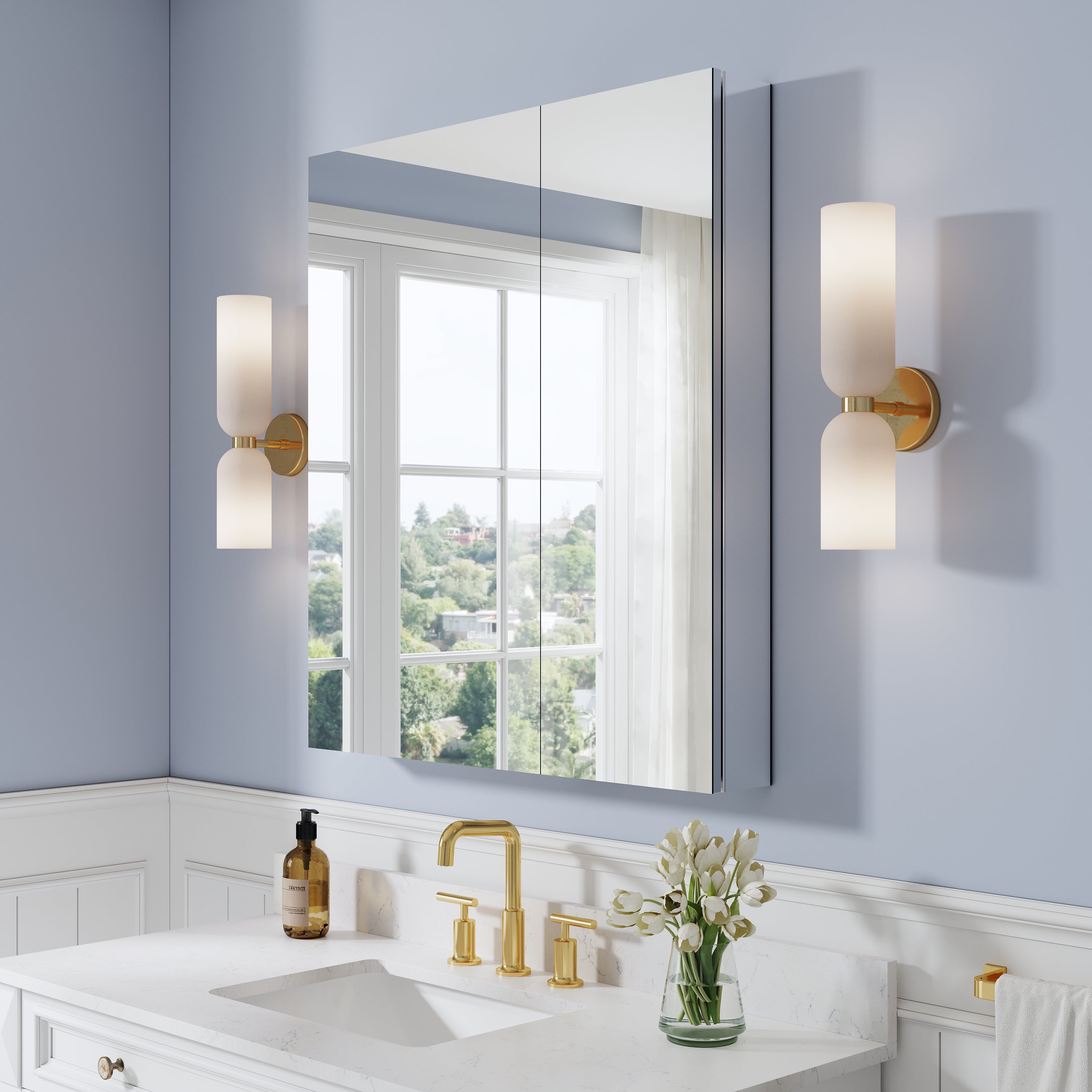
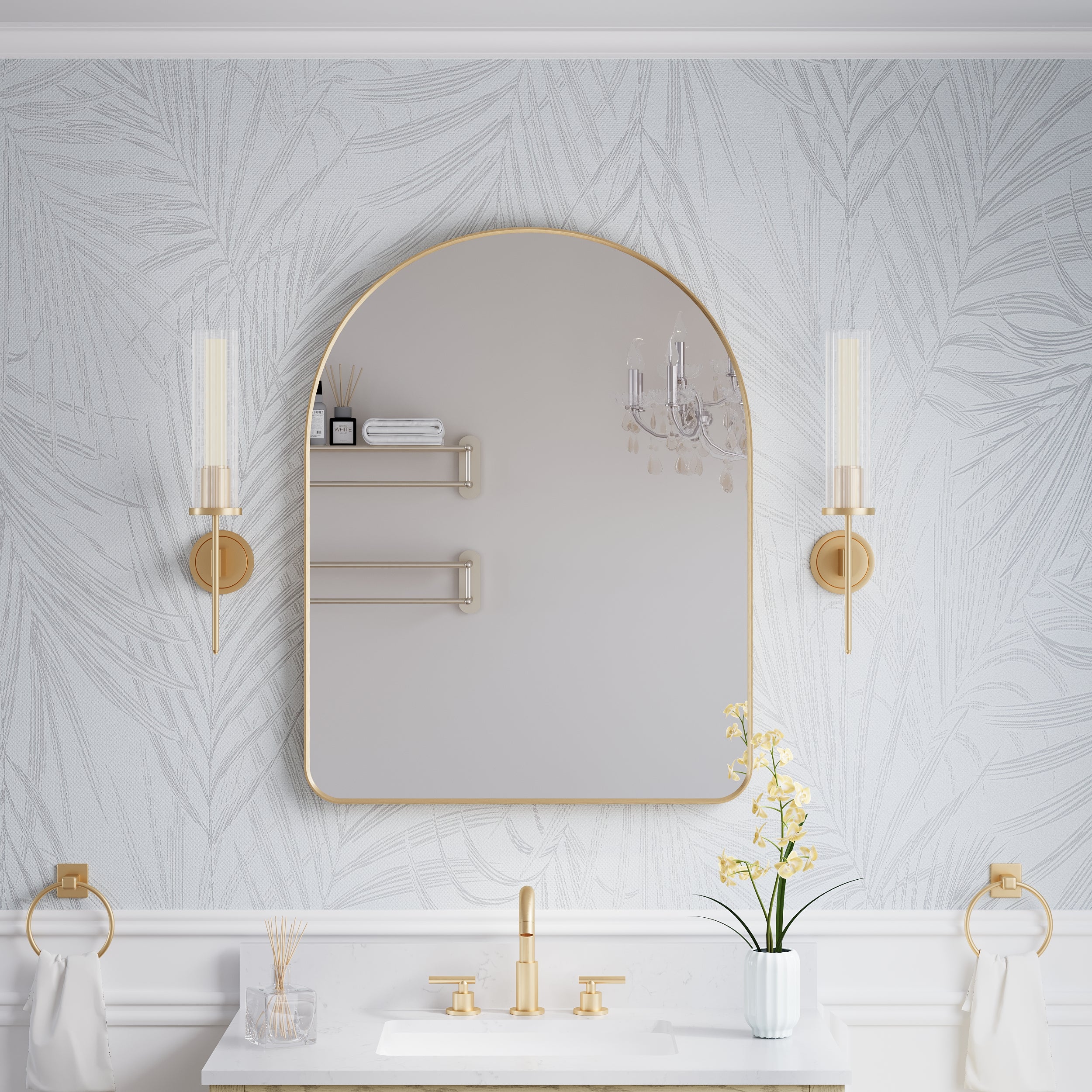
The most common and stable design principle in the industry is that the mirror width should be no greater than the bathroom cabinet width. From a large number of residential renovation cases, it can be seen that when the mirror width is controlled within 70%- 100% of the bathroom cabinet width, the overall proportion is most harmonious.
Taking standard bathroom cabinet sizes as an example:
30-inch bathroom cabinet: The width of the mirror is usually between 24 and 30 inches
36-inch bathroom cabinet: Mirror width is concentrated chiefly between 28 and 36 inches
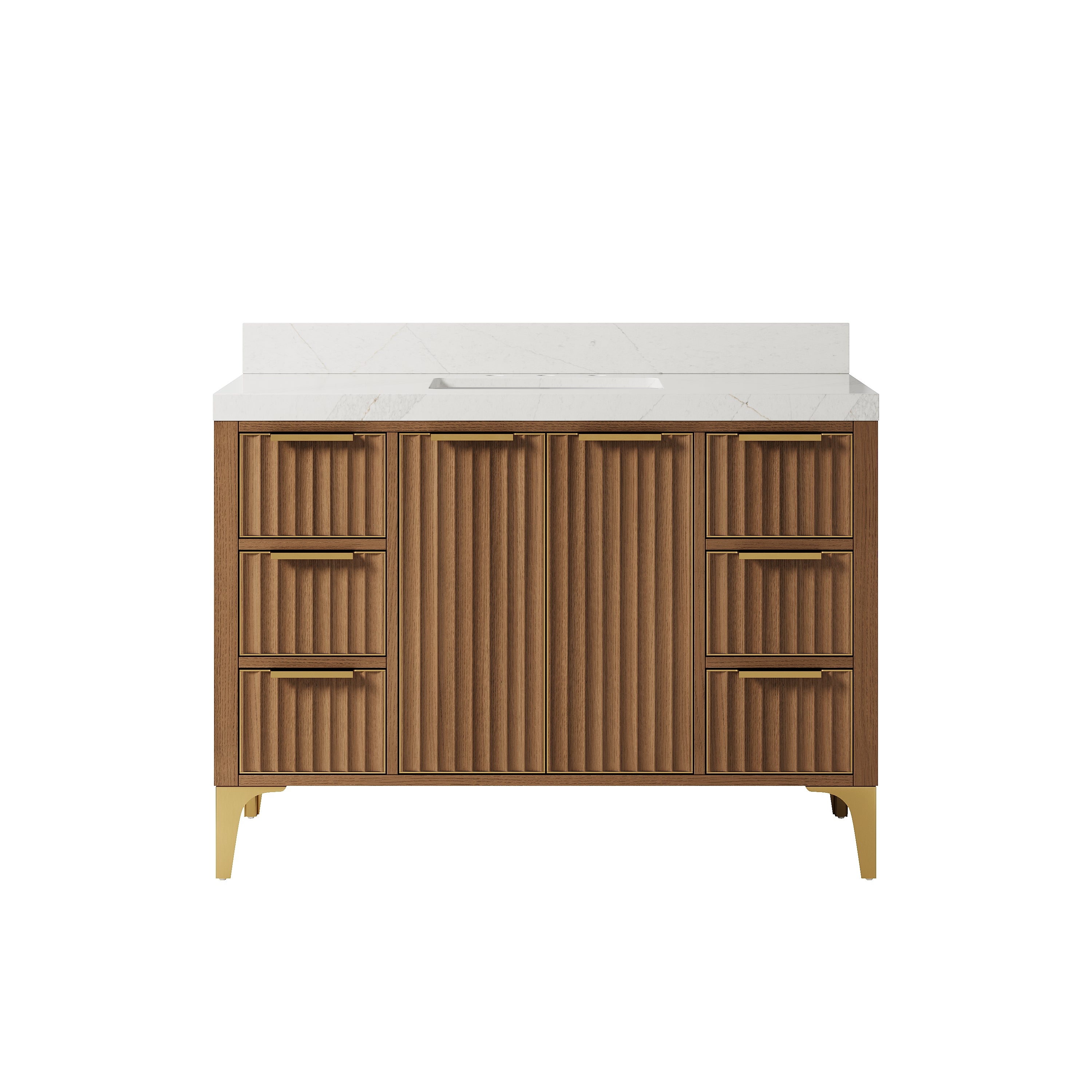
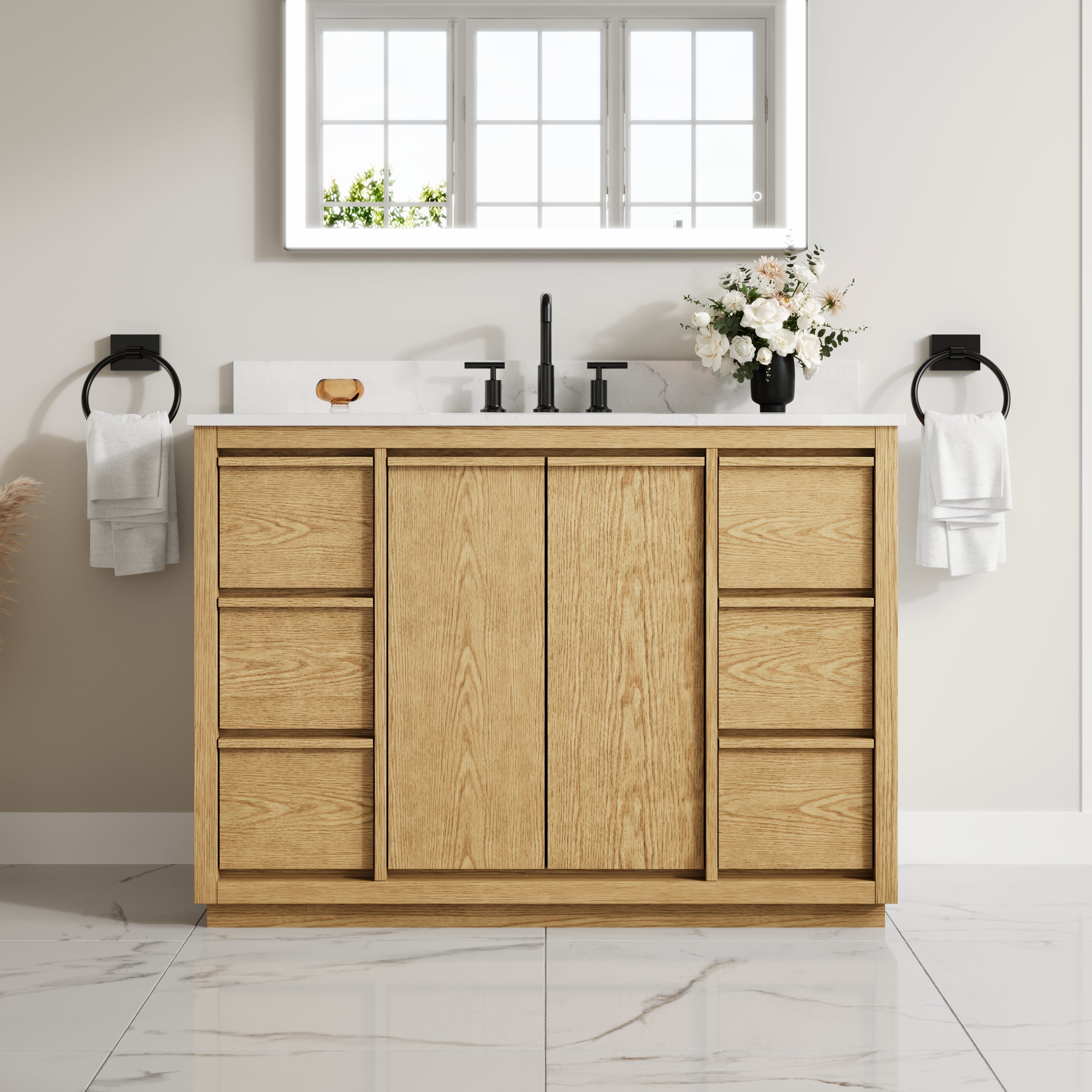
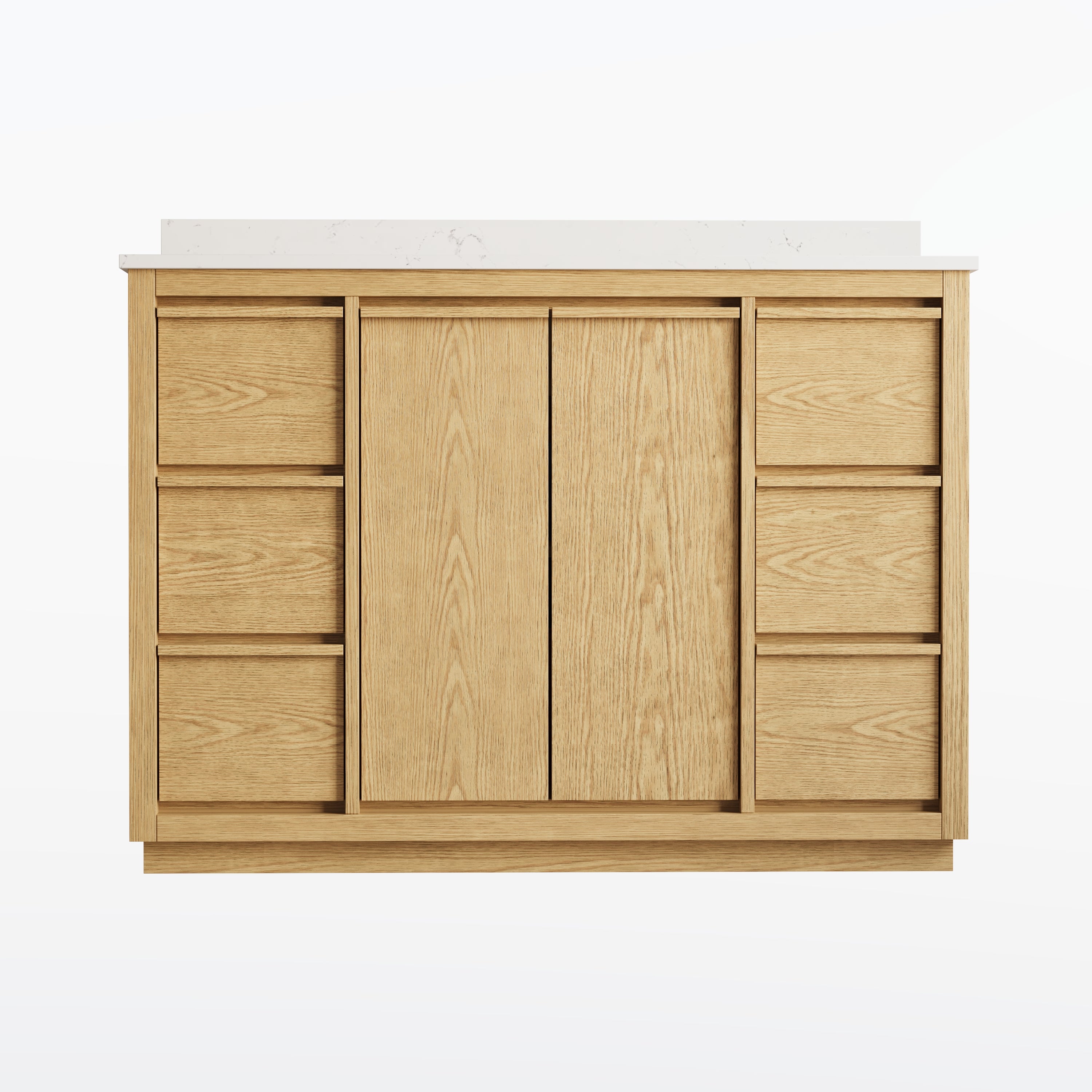
48-inch bathroom cabinet: common mirror width is 40-48 inches
When the mirror is significantly wider than the cabinet, the visual center of gravity will be "pulled apart, which will weaken the overall sense of order. A mirror that is too narrow will make the wall appear hollow.
2. Mirror height: a parameter that is more easily underestimated than width
Compared to width, the height of a mirror often determines whether the user experience is comfortable. Research shows that in multi-member households, insufficient mirror height is one of the most common complaints about their use.
In practical applications, the height of mainstream vanity mirrors is concentrated between 28 and 36 inches. This range can cover the usage needs of most adults while leaving enough space for upper lighting fixtures or mirror headlights.
If the ceiling height of the bathroom allows, increasing the height of the mirror appropriately can bring two obvious benefits:
Vertically extending the visual height to make the bathroom appear taller.
Provide a more complete view of the upper body to enhance practicality.
3. Single mirror vs dual mirror: depends on width, not aesthetic preference
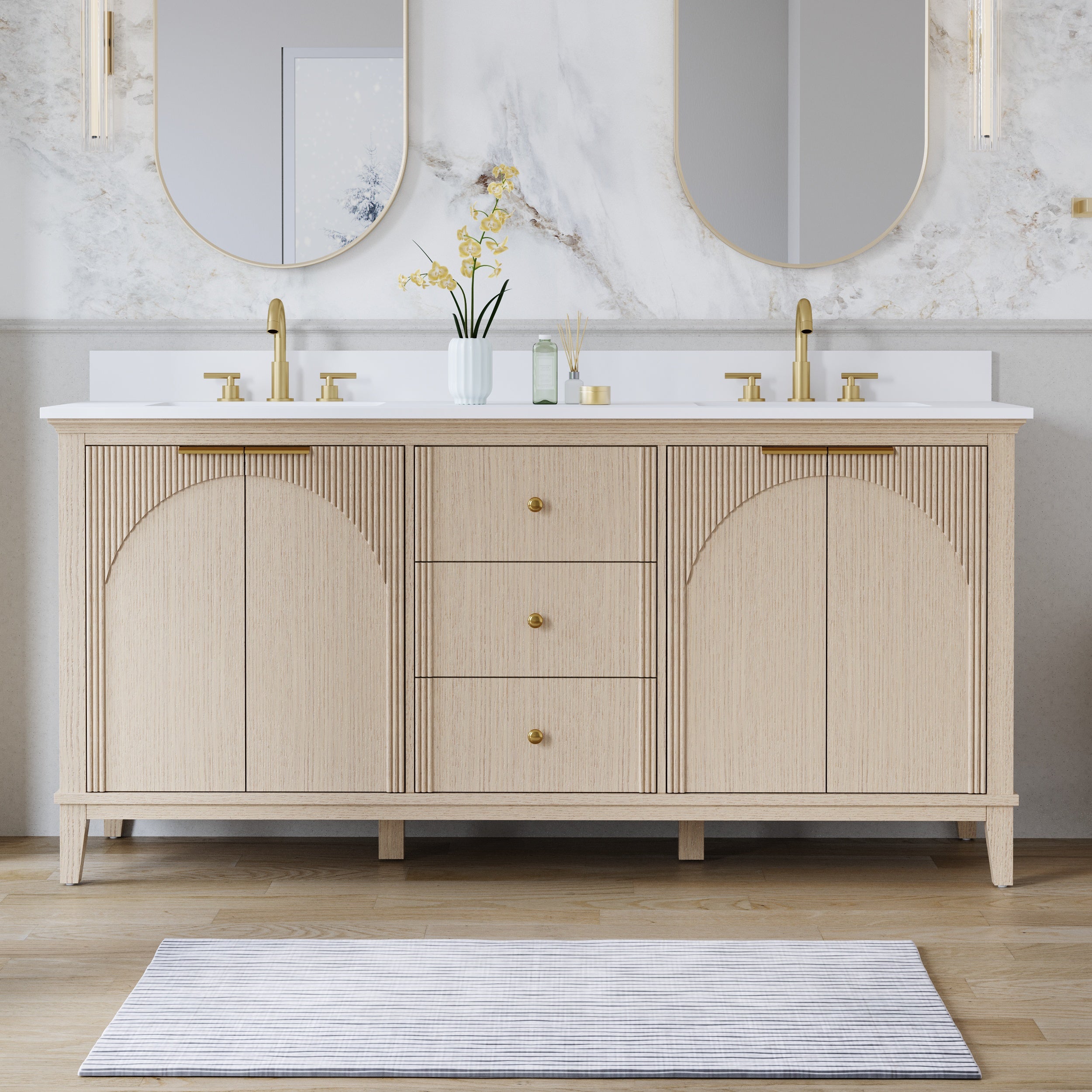
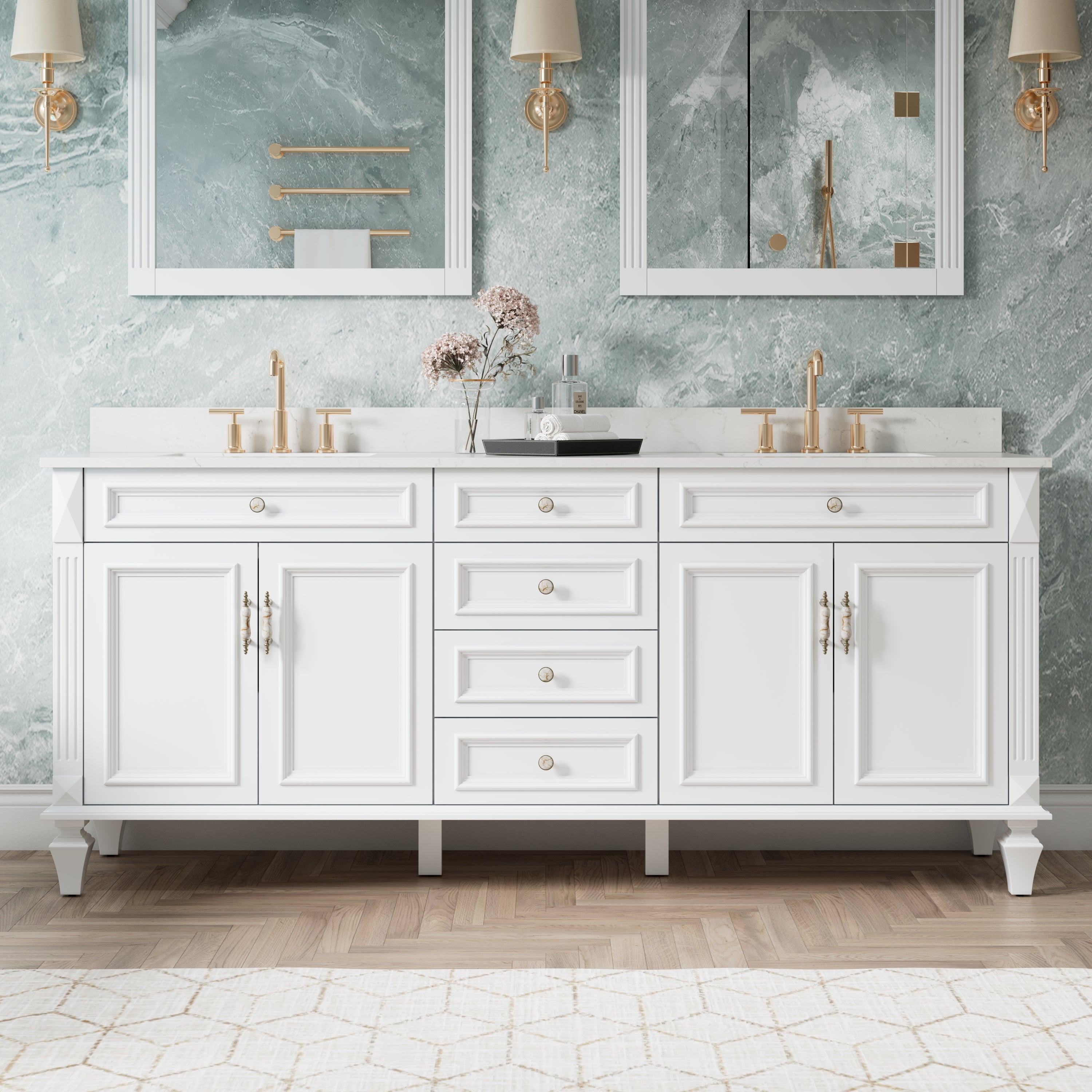
In a double basin or large-sized bathroom cabinet, it is often difficult to decide whether to choose a full-sized mirror or two independent mirrors. In industry practice, this is not simply a matter of style but instead of size and proportion.
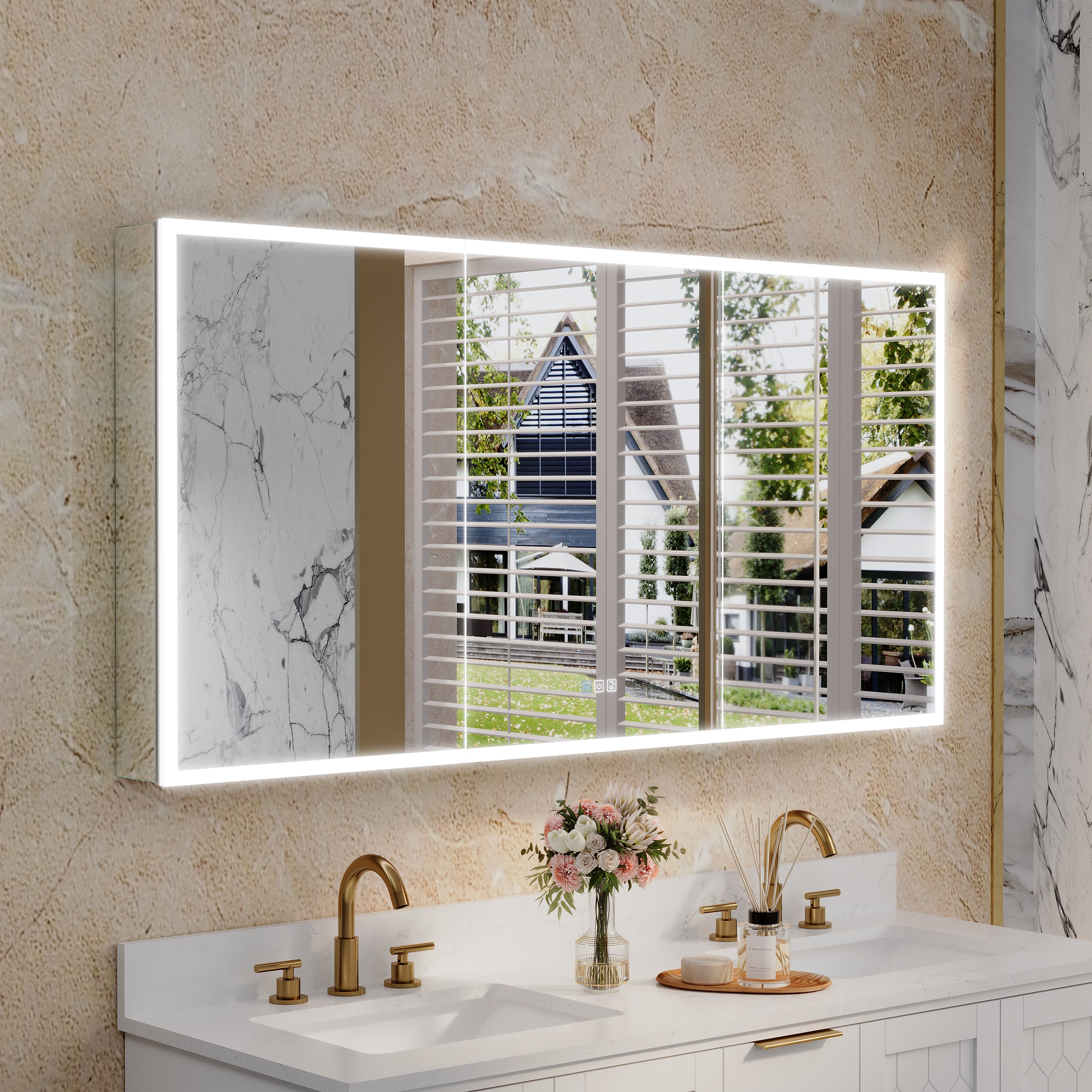
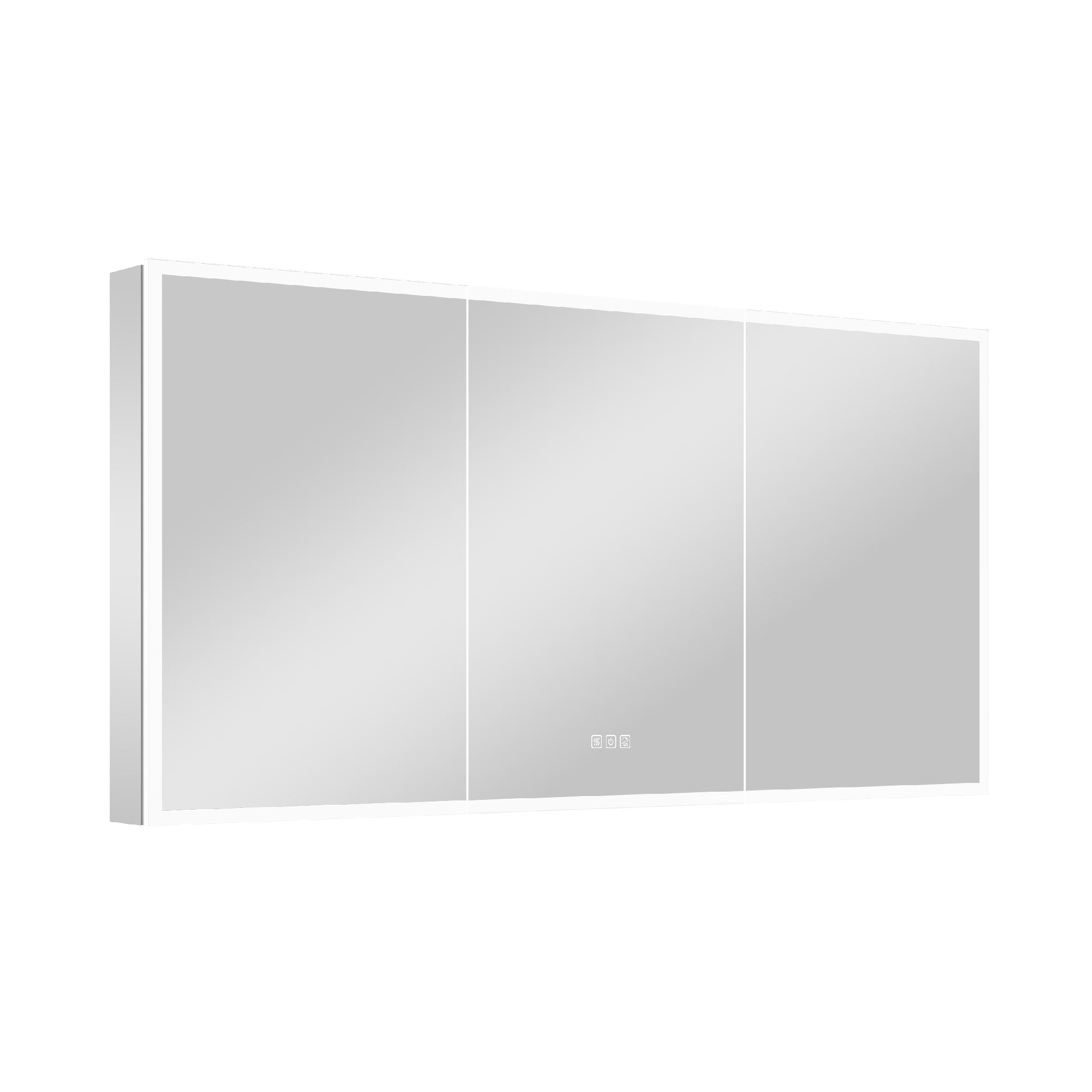
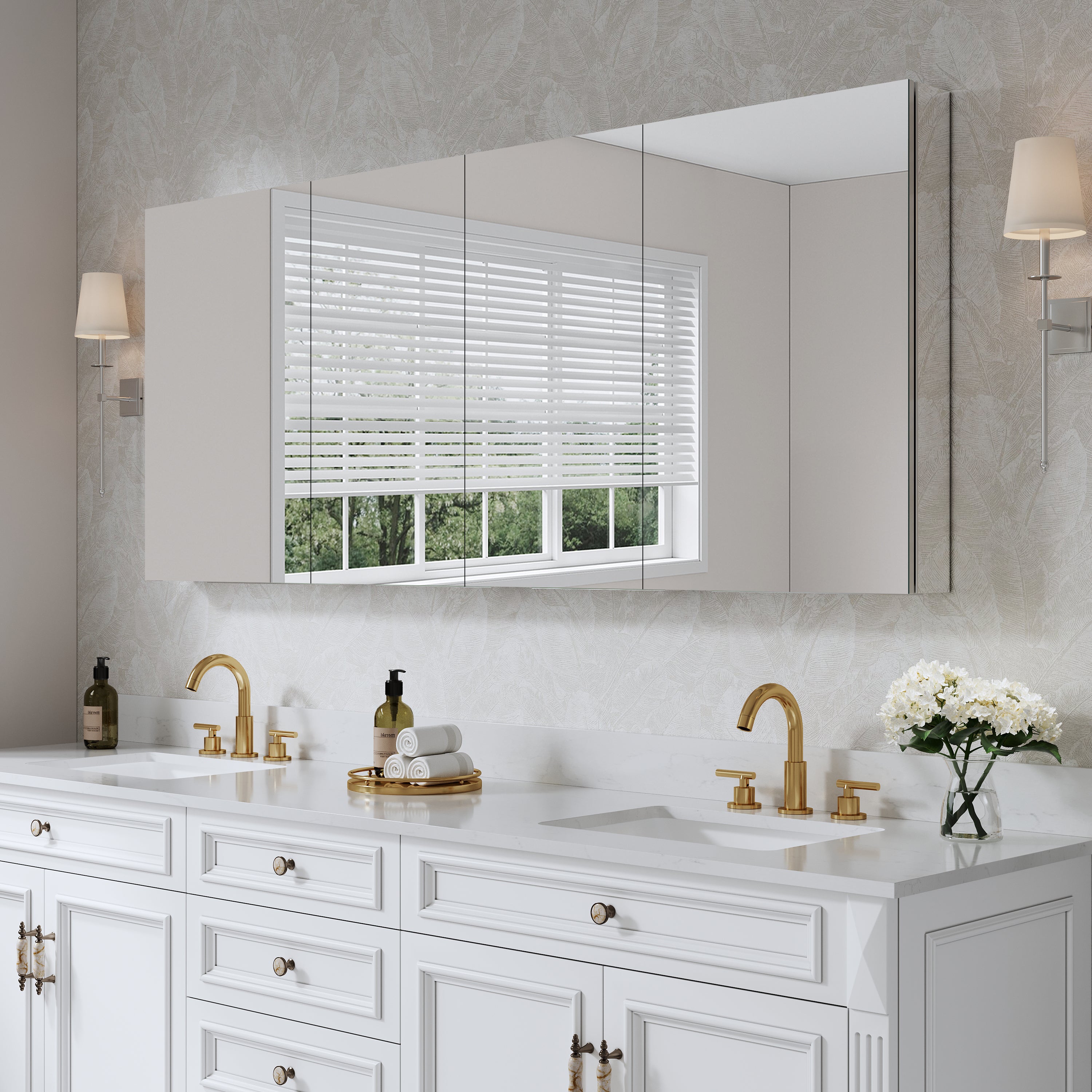
When the bathroom cabinet is less than 60 inches wide, the integrated large mirror is more likely to maintain a sense of unity.
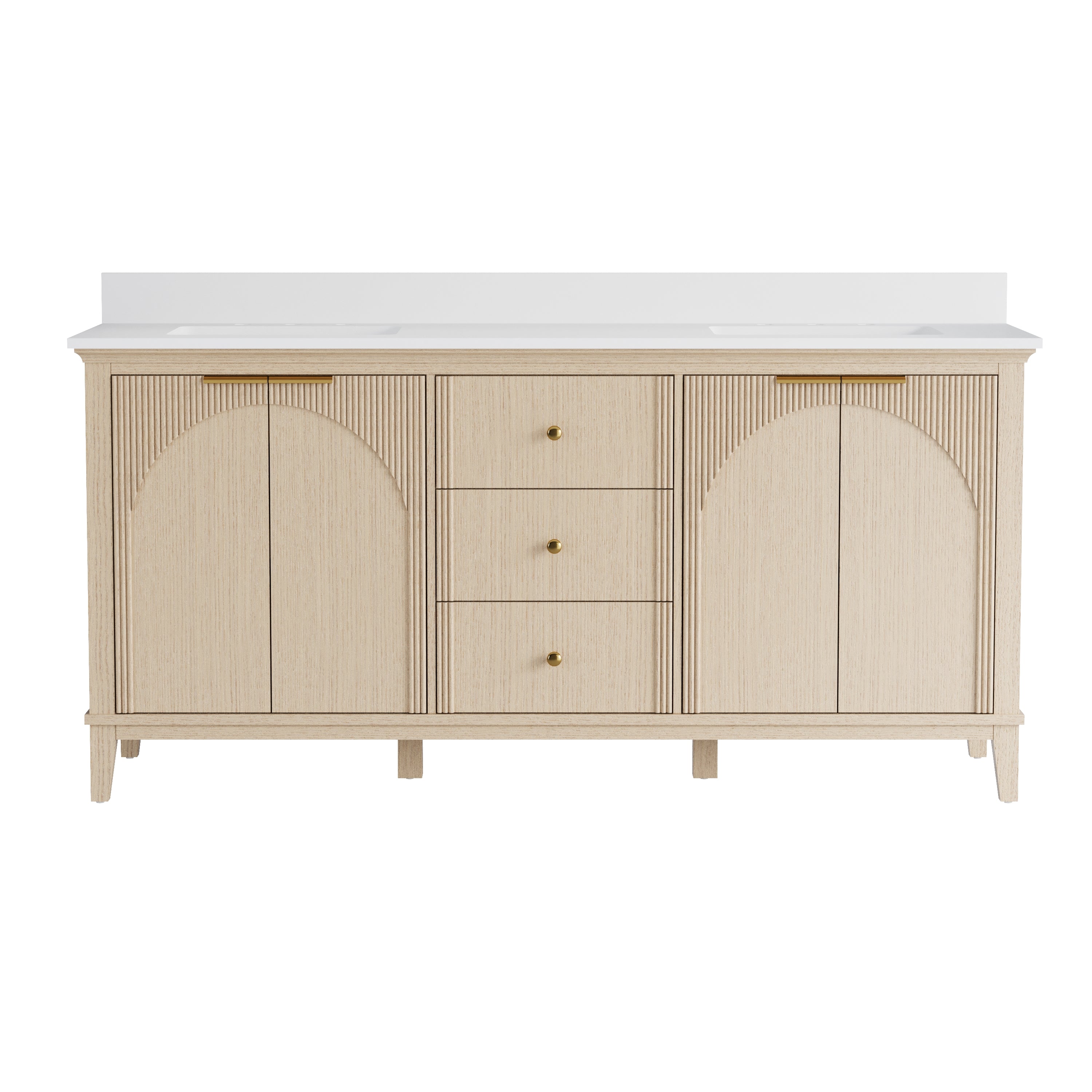
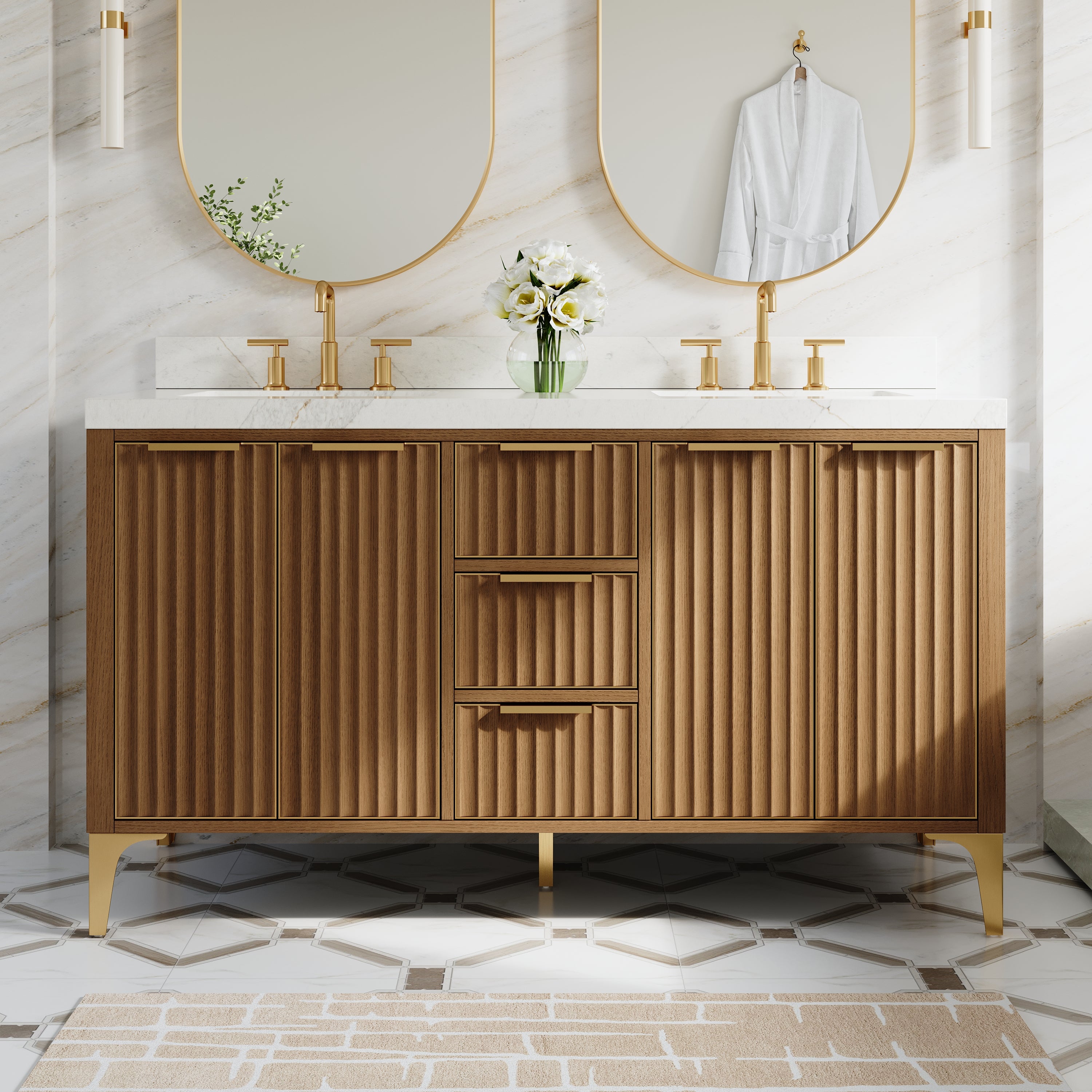
When the width is 60-72 inches or more, the dual-mirror scheme is more flexible in terms of proportions and lighting control.
In addition, the dual-mirror scheme is better suited to separately configuring mirror headlights to avoid insufficient light in the middle area.
4. Circular mirror and square mirror: the size selection logic is not the same
In recent years, the proportion of circular vanity mirrors has significantly increased, but the sizing logic of circular mirrors differs from that of traditional rectangular mirrors.
The diameter of the circular mirror is usually between 24 and 32 inches.
When the diameter of the round mirror is less than 70% of the width of the bathroom cabinet, it tends to appear more decorative than functional.
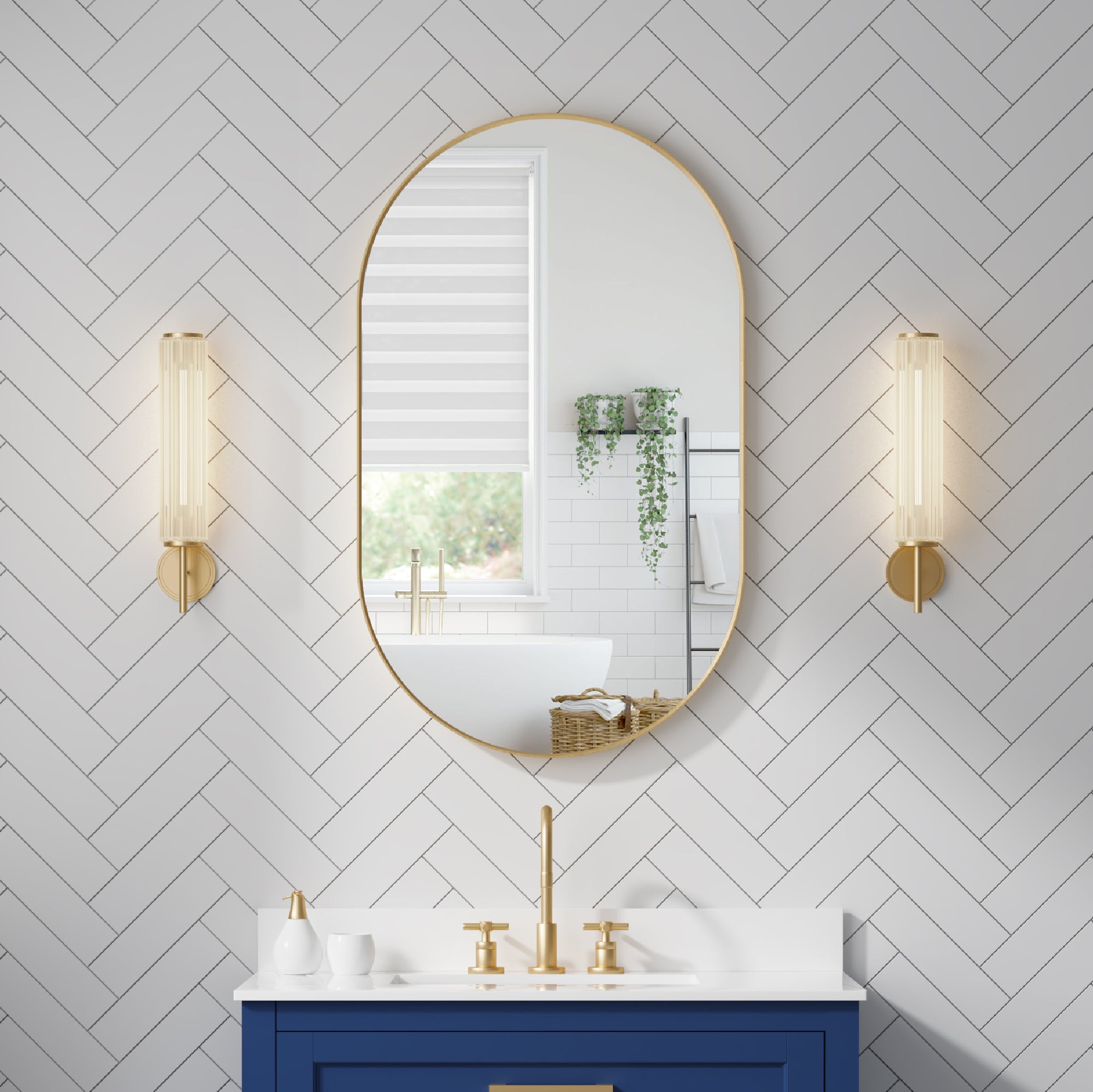
Round mirrors are more suitable for single basins, compact bathrooms, or as visual focal points.
Rectangular mirrors offer greater coverage and practicality, making them especially suitable for households with high daily efficiency requirements.
5. Relationship with lighting: Mirror size can enlarge or weaken the lighting effect
Mirrors have never existed independently. Its size will directly affect the distribution of bathroom lighting.
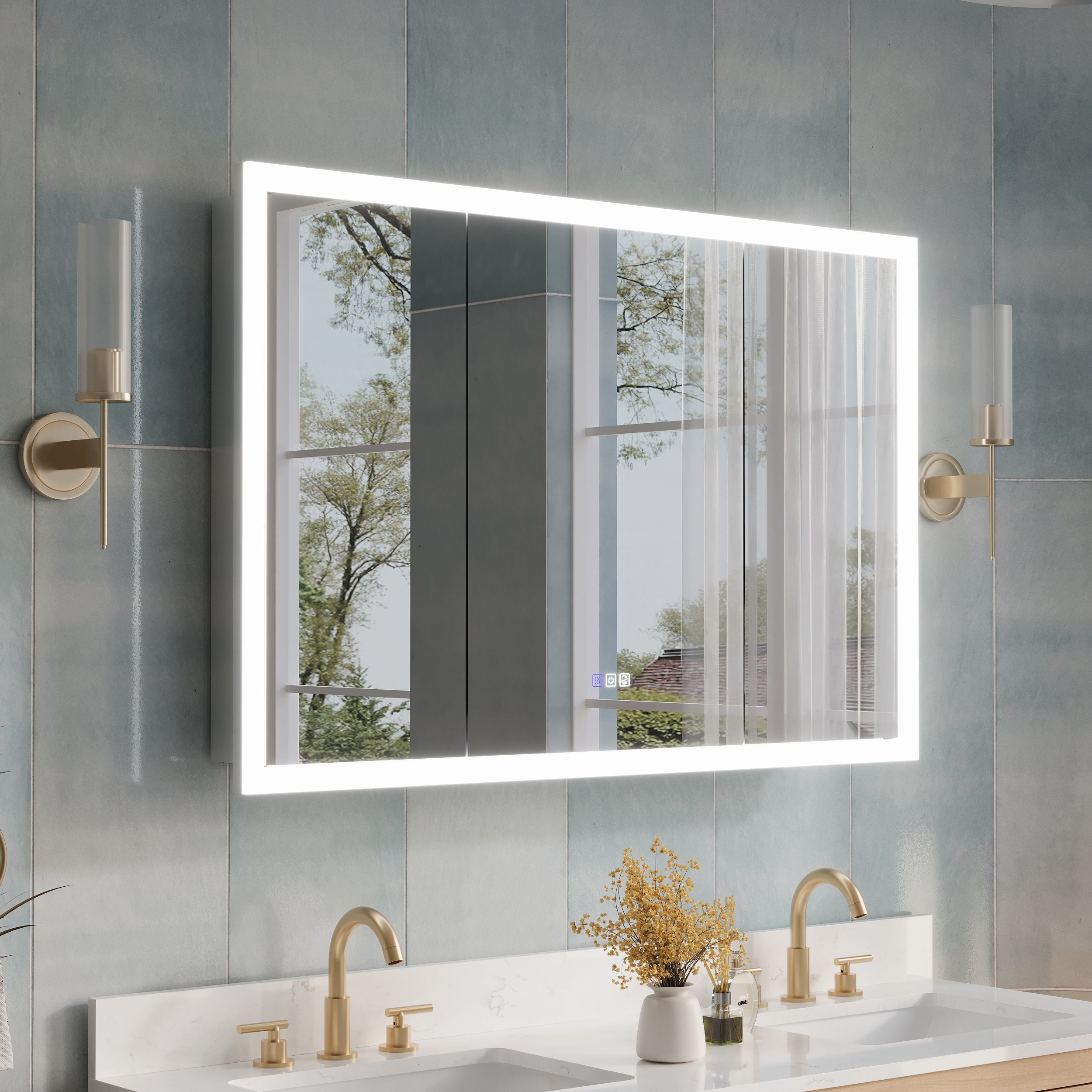
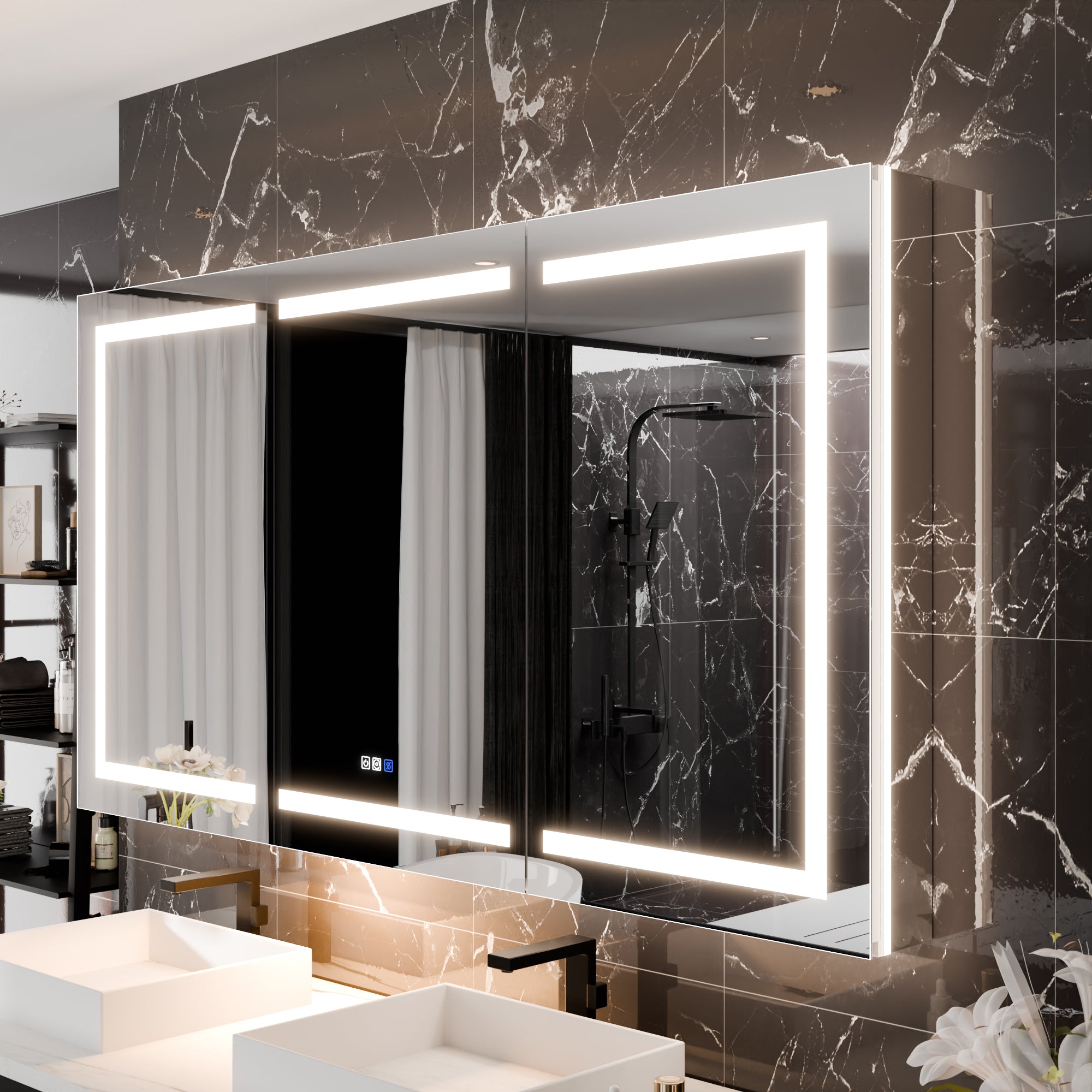
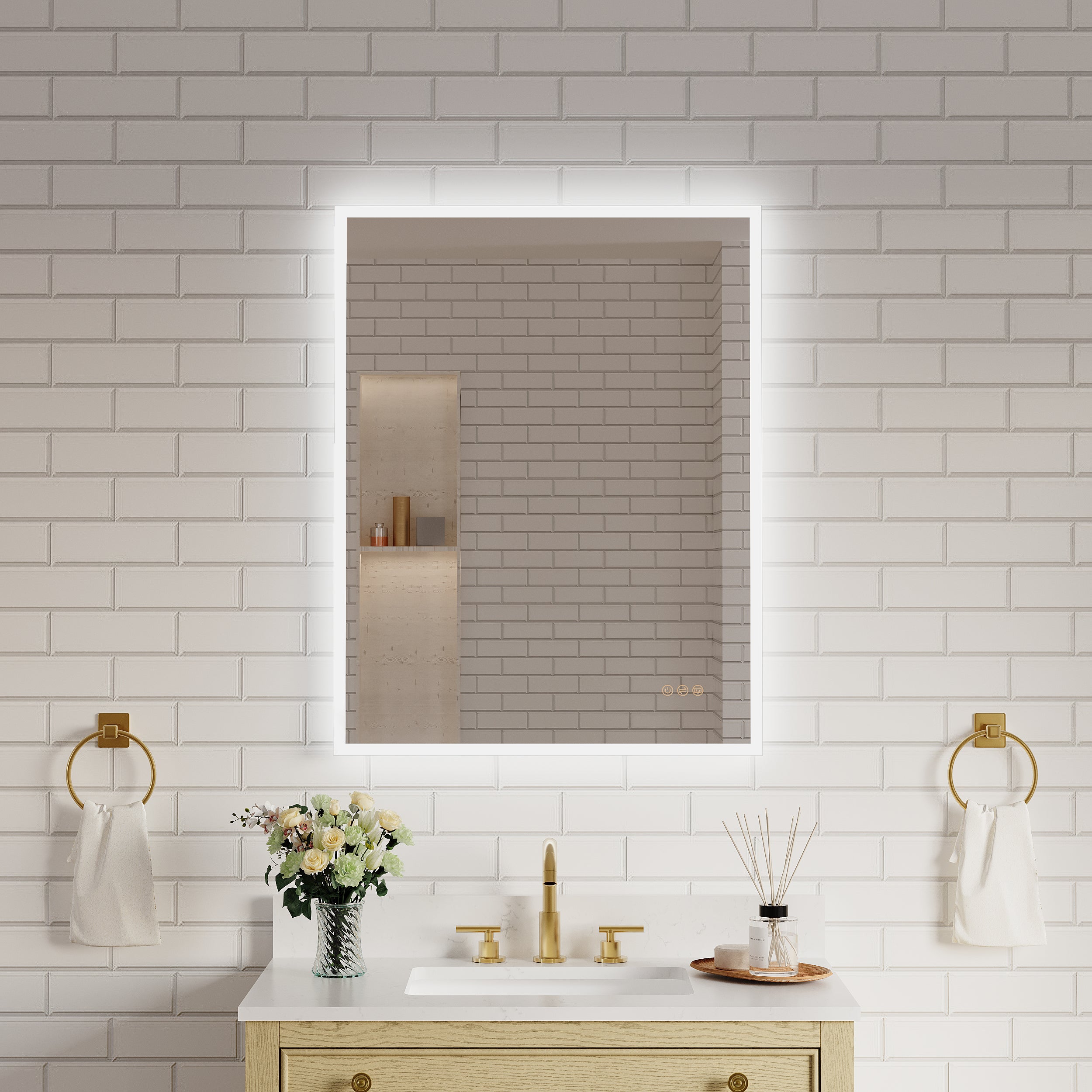
Industry data shows that when paired with mirror headlights or embedded light strips, insufficient mirror height can cause light to concentrate in the middle of the face, creating shadows; A mirror with a more reasonable height can help reflect light more evenly.
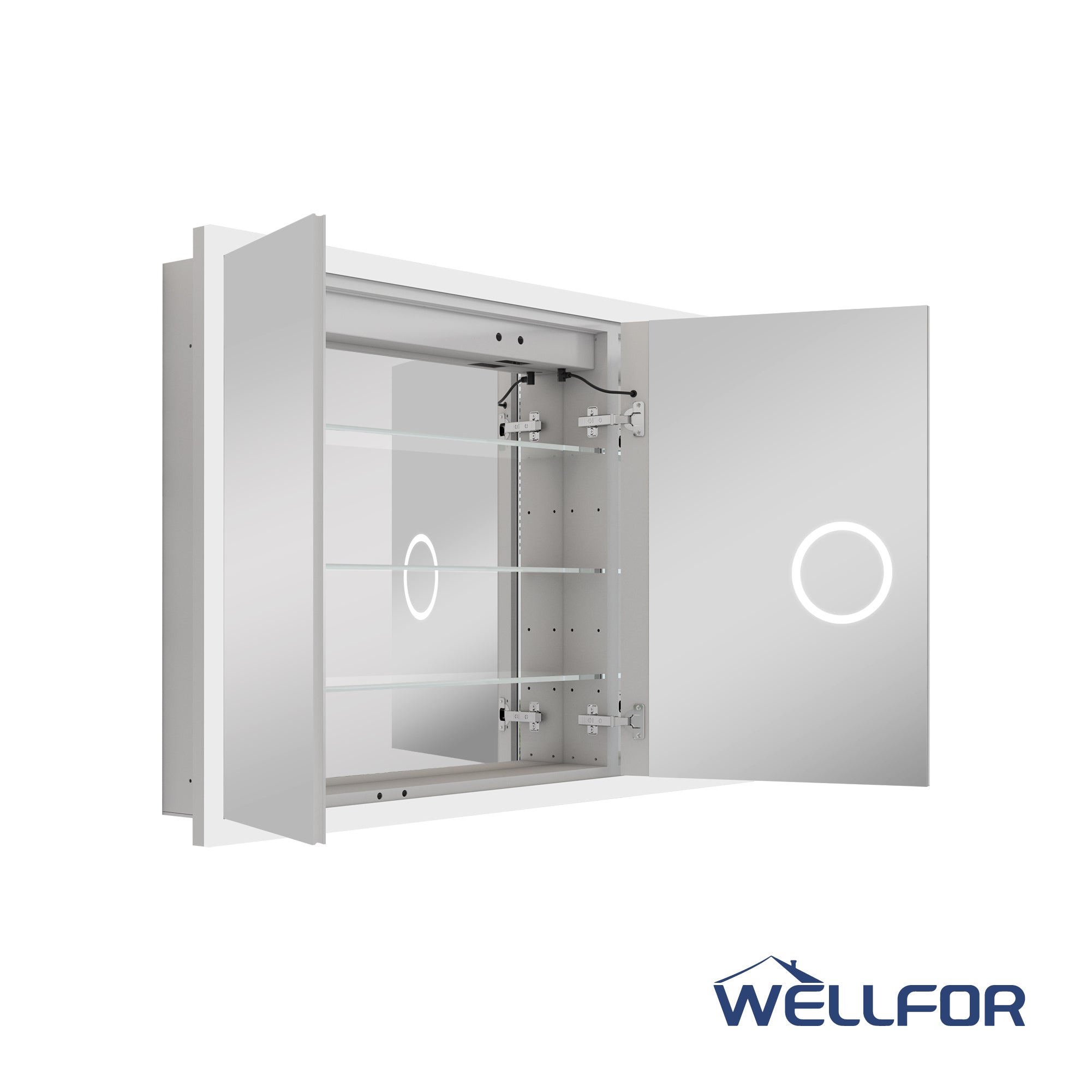
If choosing a brightness mirror with lights, it is recommended to follow the following logic for size:
The mirror height should cover at least the face and shoulder area.
The light strip should not compress the illumination range because the mirror is too small.
A wide mirror surface helps reduce shadowing and uneven brightness.
6. Small bathroom vs large bathroom: completely different size strategies
In compact bathrooms, enlarging the mirror size appropriately is often more effective than replacing tiles or sanitary ware. A large number of renovation cases have shown that increasing the mirror area is one of the cost-effective ways to enhance the sense of space in small bathrooms.
In large bathrooms, mirrors do not have to pursue "size unthinkingly". More importantly, they should form a rhythm with the cabinet and wall space to avoid visual overload.

7. Conclusion: Choosing the right size is the key to making mirrors truly "useful and durable."
The size selection for a vanity mirror is a balancing act: finding the optimal balance between functional coverage, spatial proportion, and visual comfort. The truly successful bathroom renovation often relies not on the most expensive materials, but on these seemingly subtle size decisions that affect the long-term experience.
When a mirror forms a positive relationship with bathroom cabinets, lighting, and spatial scale, it is not just a reflective tool, but an indispensable structural core in the entire bathroom design.

















Leave a comment
This site is protected by hCaptcha and the hCaptcha Privacy Policy and Terms of Service apply.