














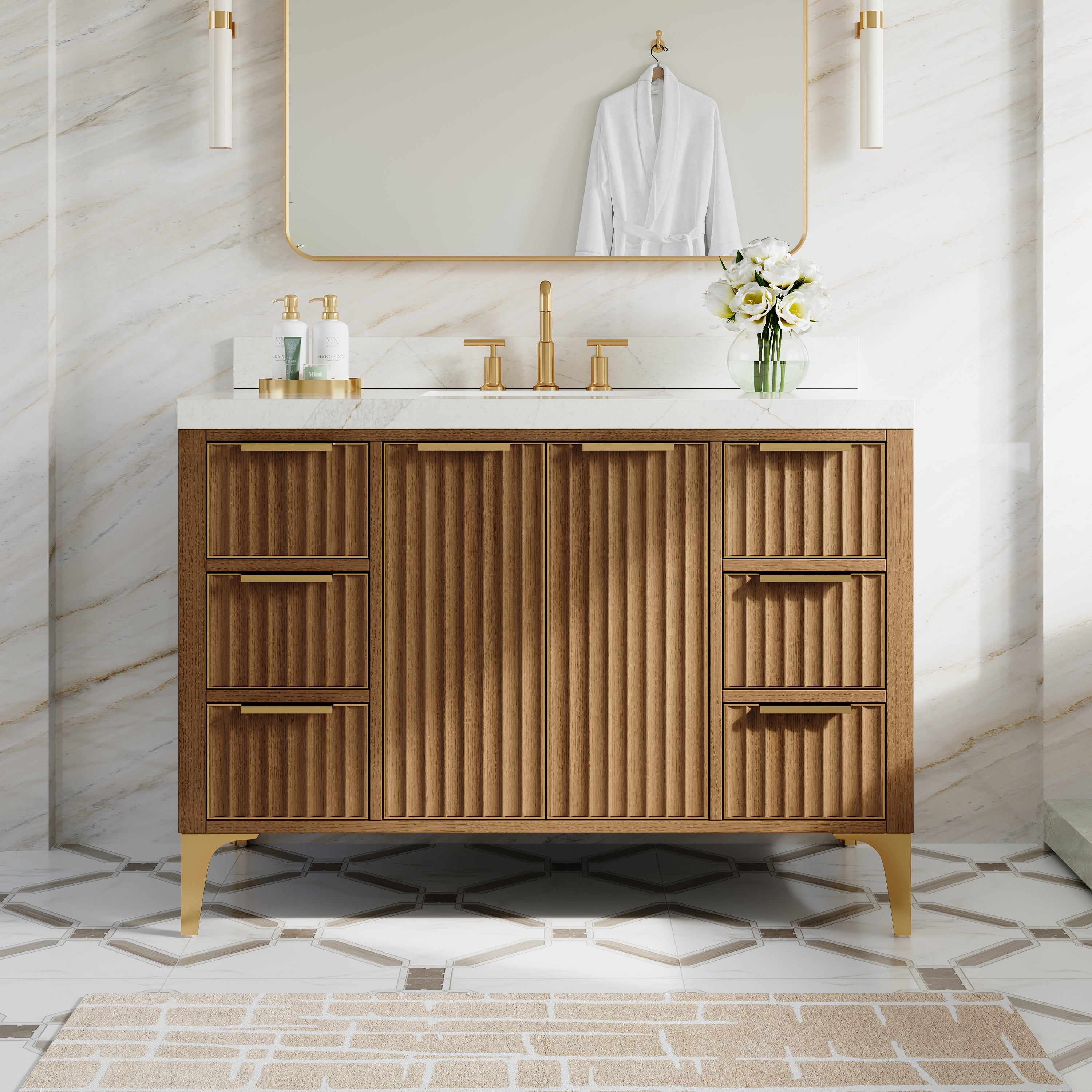
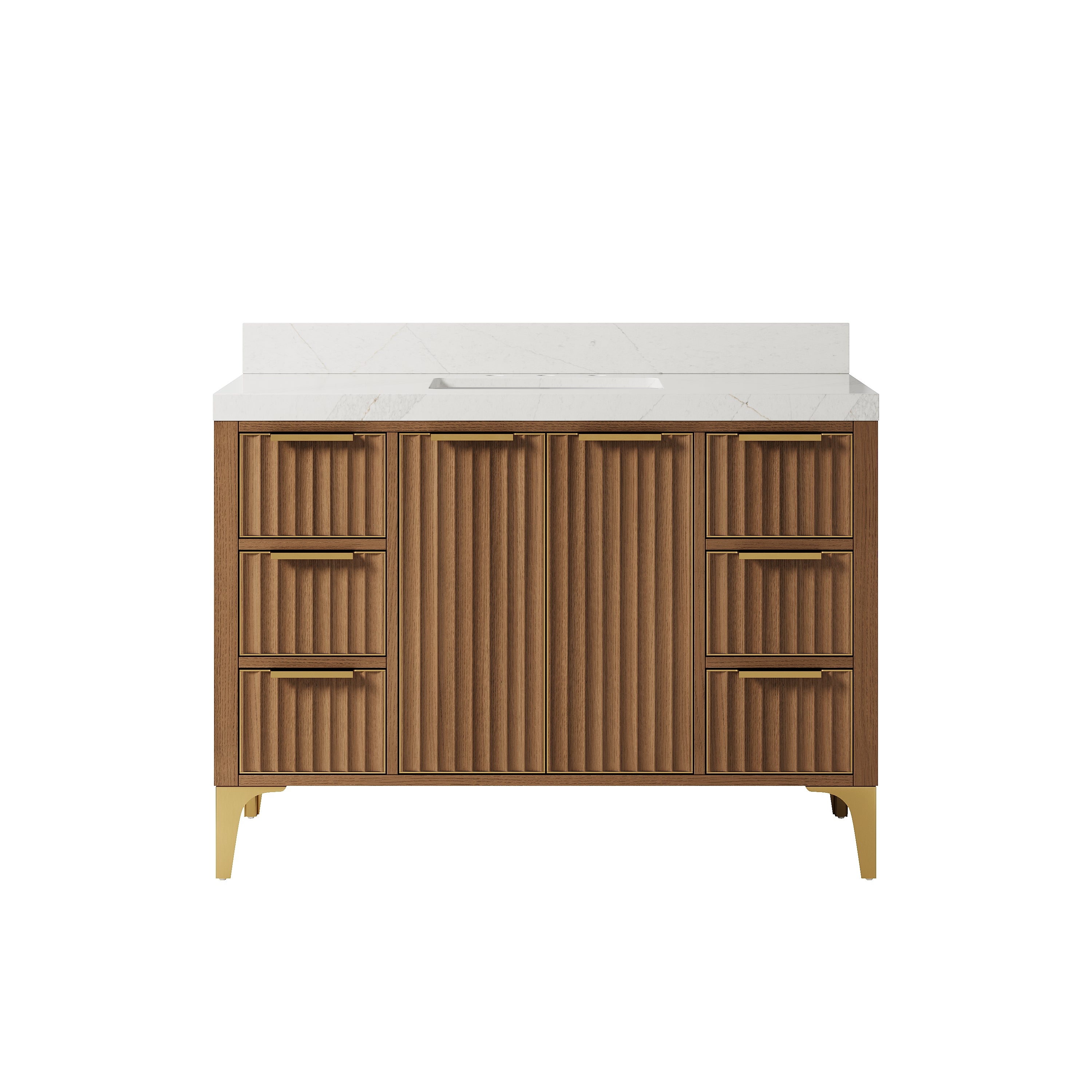


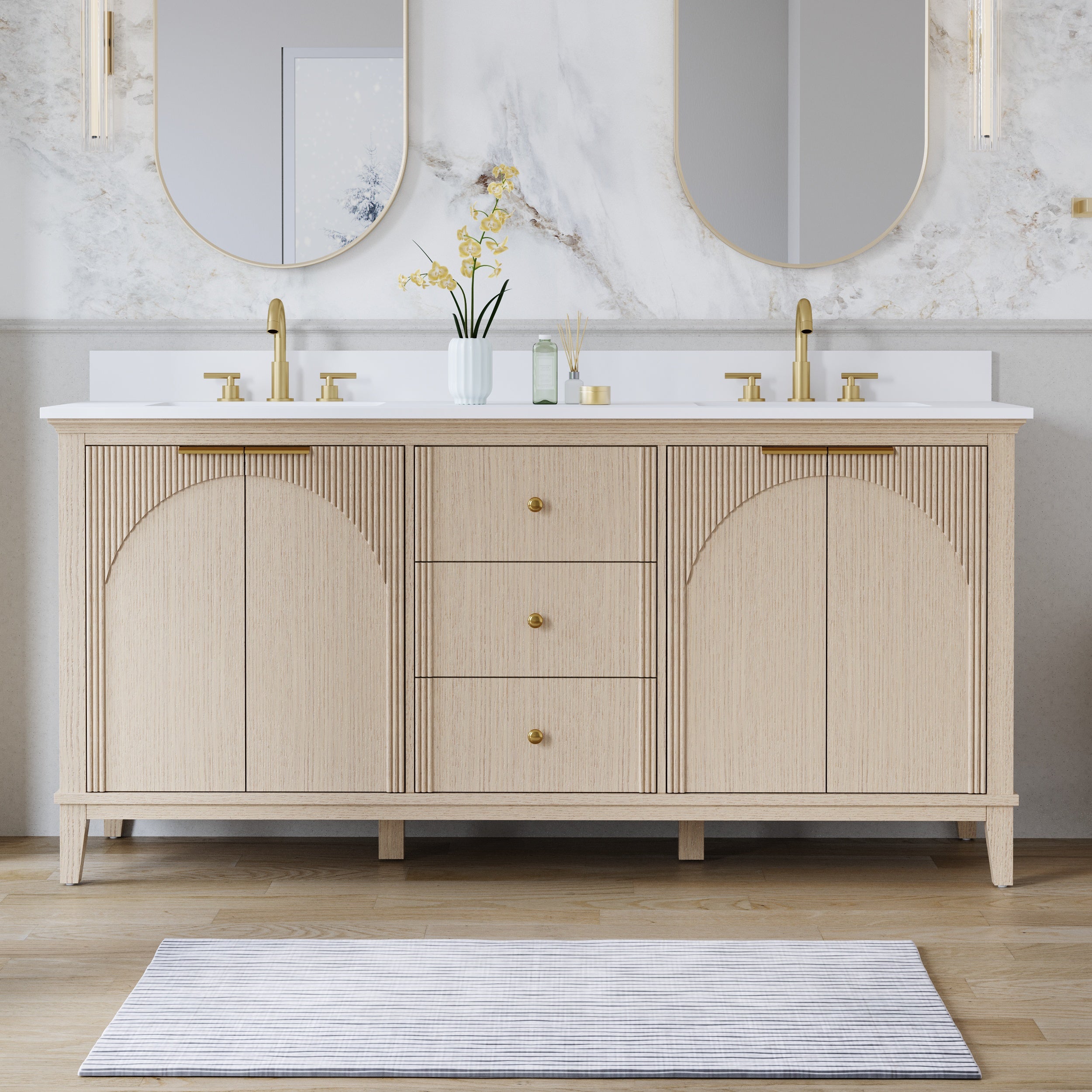
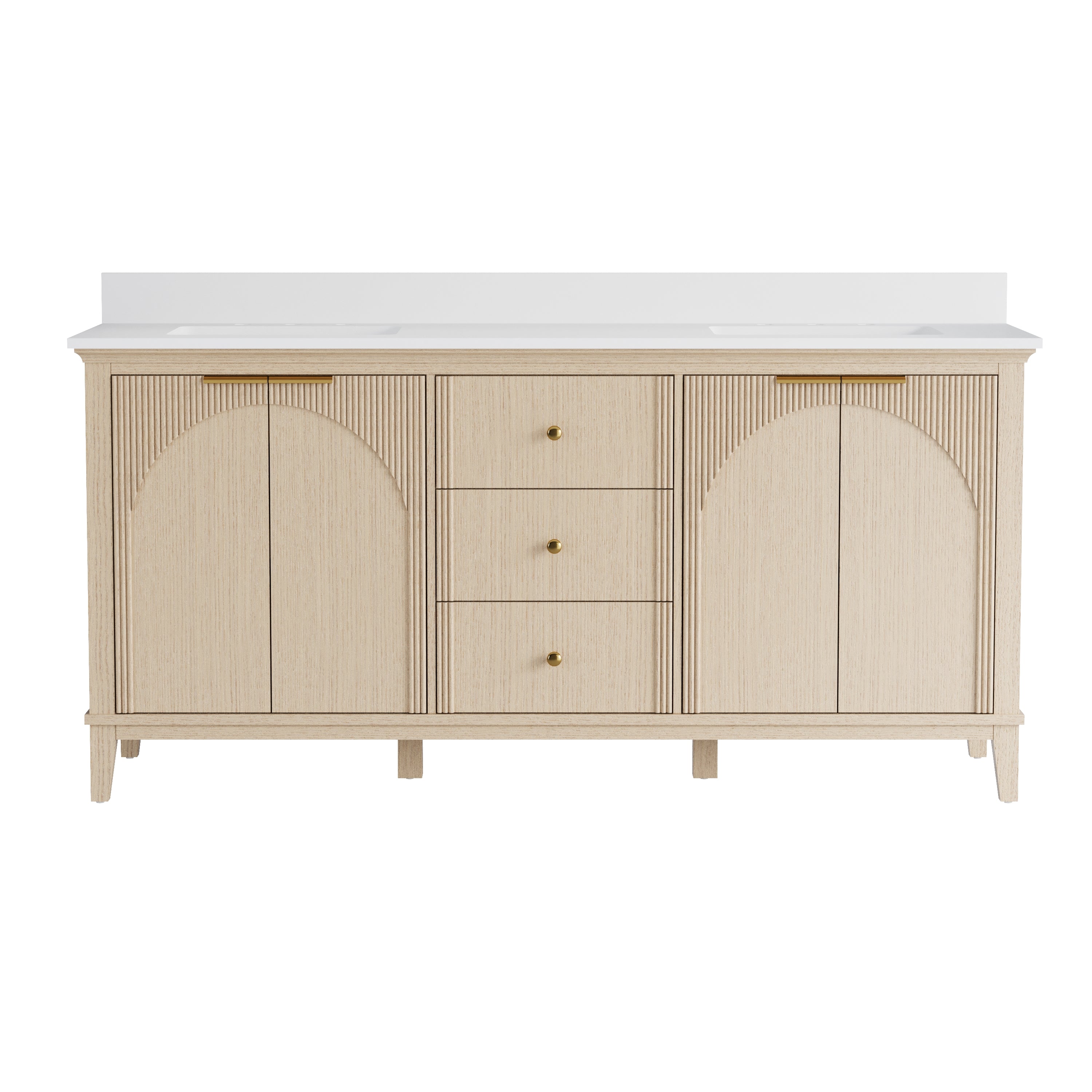
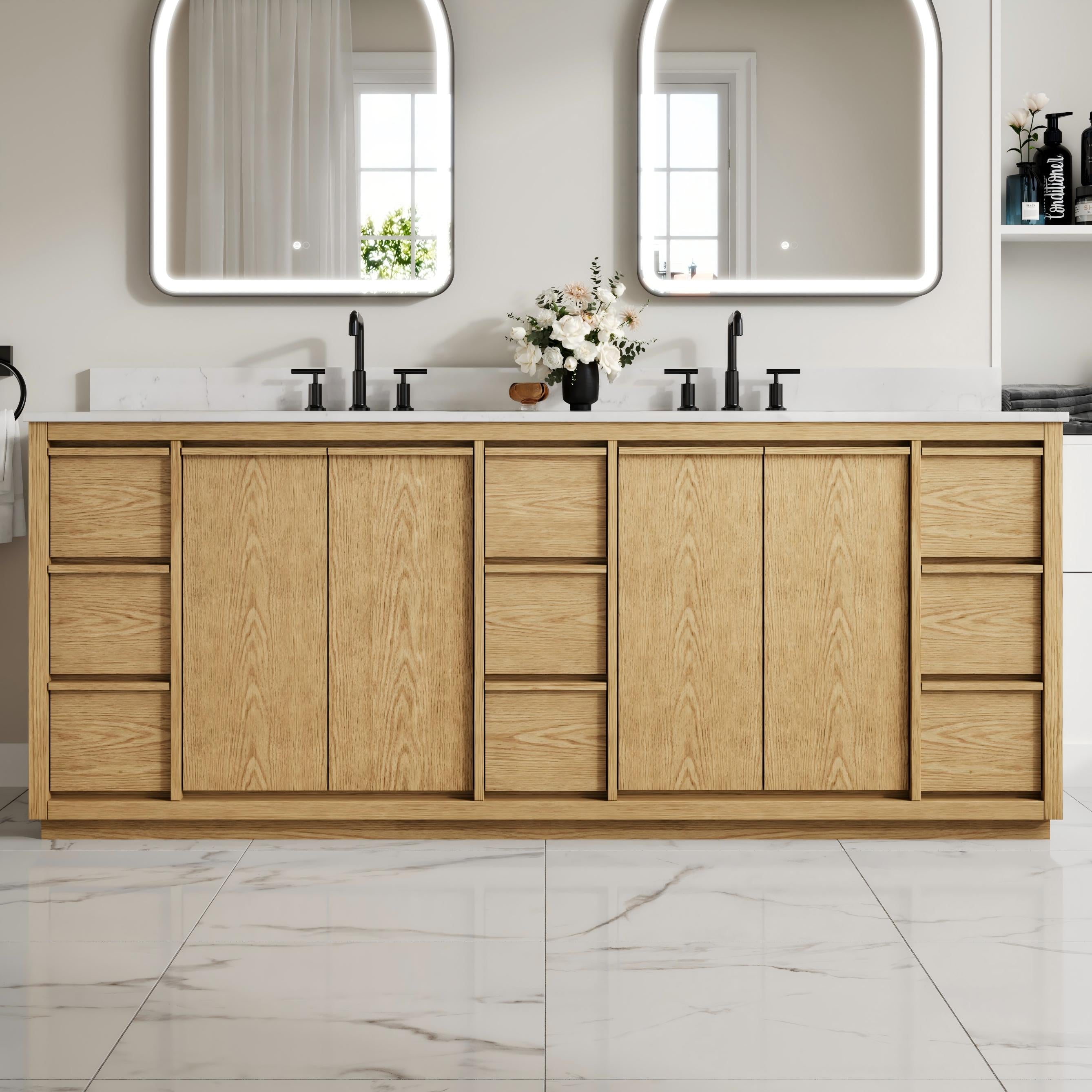
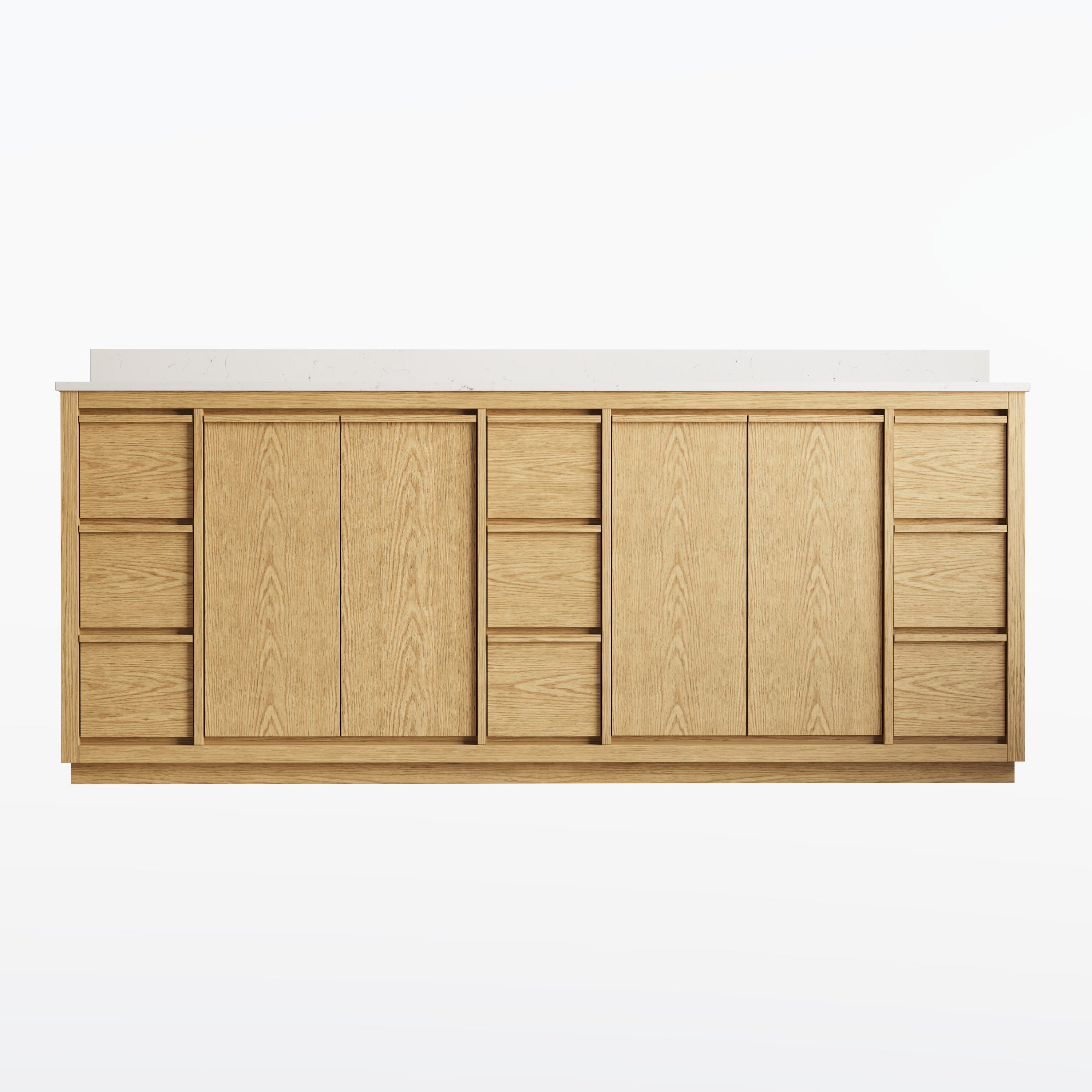
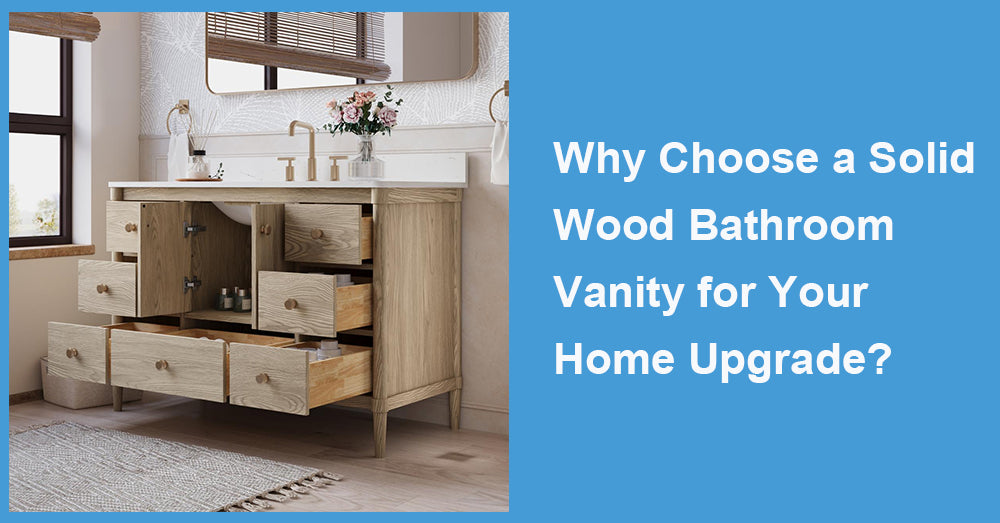
In the field of residential upgrading and bathroom renovation, solid wood bathroom luxury is gradually shifting from a "high-end option" to a more rational long-term choice. Compared to composite panels or veneer structures, solid wood bathroom vanity have irreplaceable advantages in structural stability, tactile layering, and long-term durability. Especially in upgrading projects that prioritize both spatial quality and service life, solid wood materials are often recognized as a solution at both the design and engineering levels.
From the perspective of industry trends, bathrooms are no longer just functional spaces, but are evolving towards "high-frequency life scenarios, which directly drives the demand for higher quality materials.
1. Structural strength: The core value of solid wood is not just "good-looking."
The most crucial advantage of solid wood bathroom cabinets is not just their natural surface texture, but also their structural strength. Industry test data show that, for the same cabinet thickness, solid wood panels have significantly higher bending strength and screw grip than ordinary-density boards.
This means that in long-term use:
Drawer rails are not easily loose.
Cabinet door hinges are more stable.
The overall cabinet is not easily deformed.
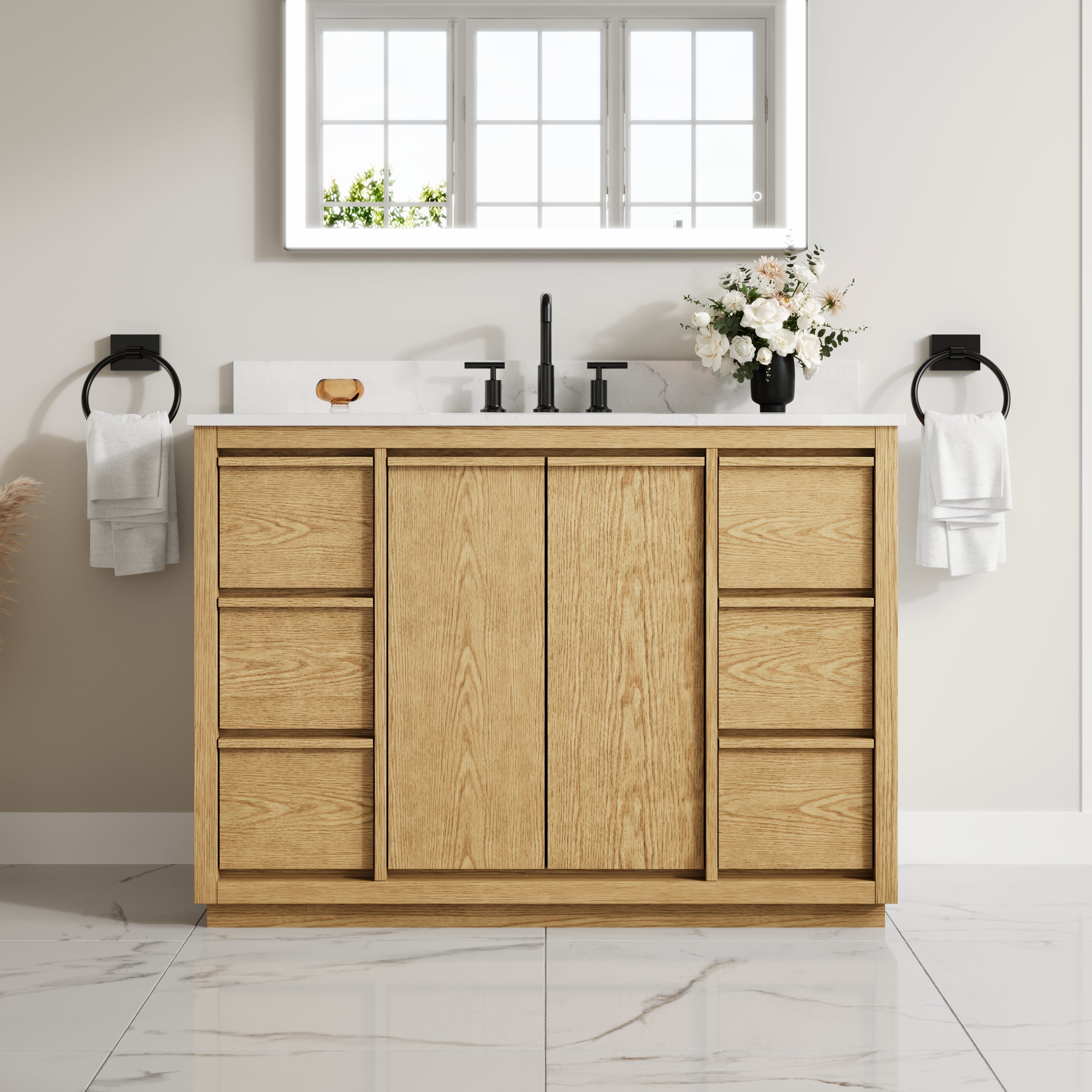
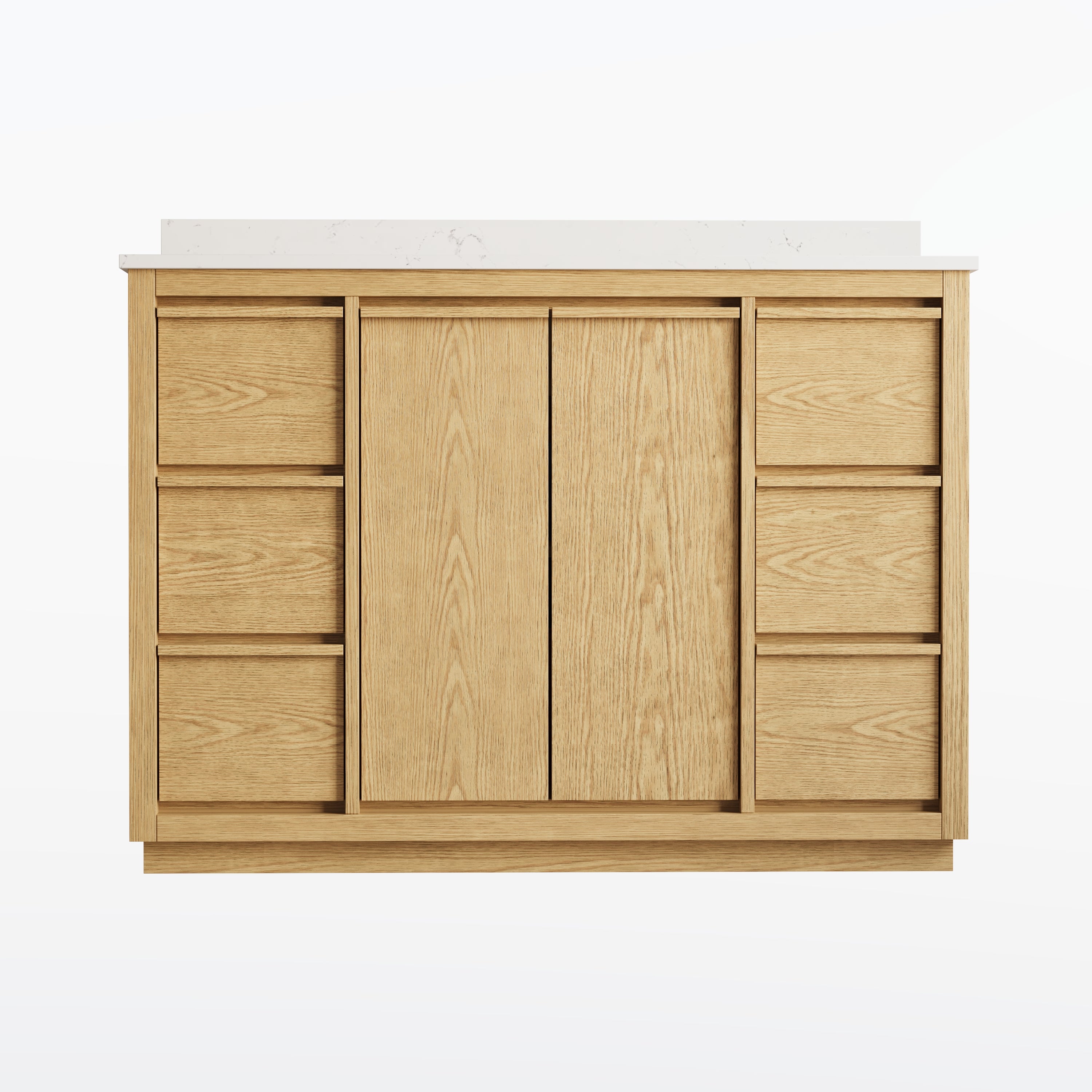
Especially in bathroom cabinets with widths of 36, 48, or even 60 inches, structural strength directly determines service life.
From a manufacturing and quality-control perspective, the joinery method used in solid-wood bathroom cabinets is often an overlooked yet critical factor. Mortise-and-tenon joints, dovetail drawer construction, and reinforced corner blocks significantly improve the cabinet’s resistance to long-term stress caused by weight, humidity fluctuations, and repeated opening and closing. Compared to cabinets that rely heavily on adhesives or simple fasteners, these traditional yet proven structural techniques help maintain alignment and stability over time. While such details may not be immediately visible after installation, they play a decisive role in preserving structural integrity throughout years of daily use.
2. Moisture resistance: Solid wood is not "afraid of water", but is more controllable
Many people have a misconception about solid wood bathroom cabinets, believing that solid wood is "not suitable for damp environments. In fact, under modern manufacturing systems, solid wood that has undergone drying treatment and multi-layer closed coating has significantly improved its adaptability to humidity changes.
Industry data shows that solid wood with standard moisture content control performs better in high-humidity, non-long-term immersion environments, such as bathrooms, than composite panels without moisture-proof treatment. The key is not whether it is solid wood, but rather:
Whether the wood drying meets the standard
Is the surface sealing coating intact?
Is there a protective design for the cabinet back panel and joints
3. Size and load-bearing capacity: more suitable for large-sized countertops
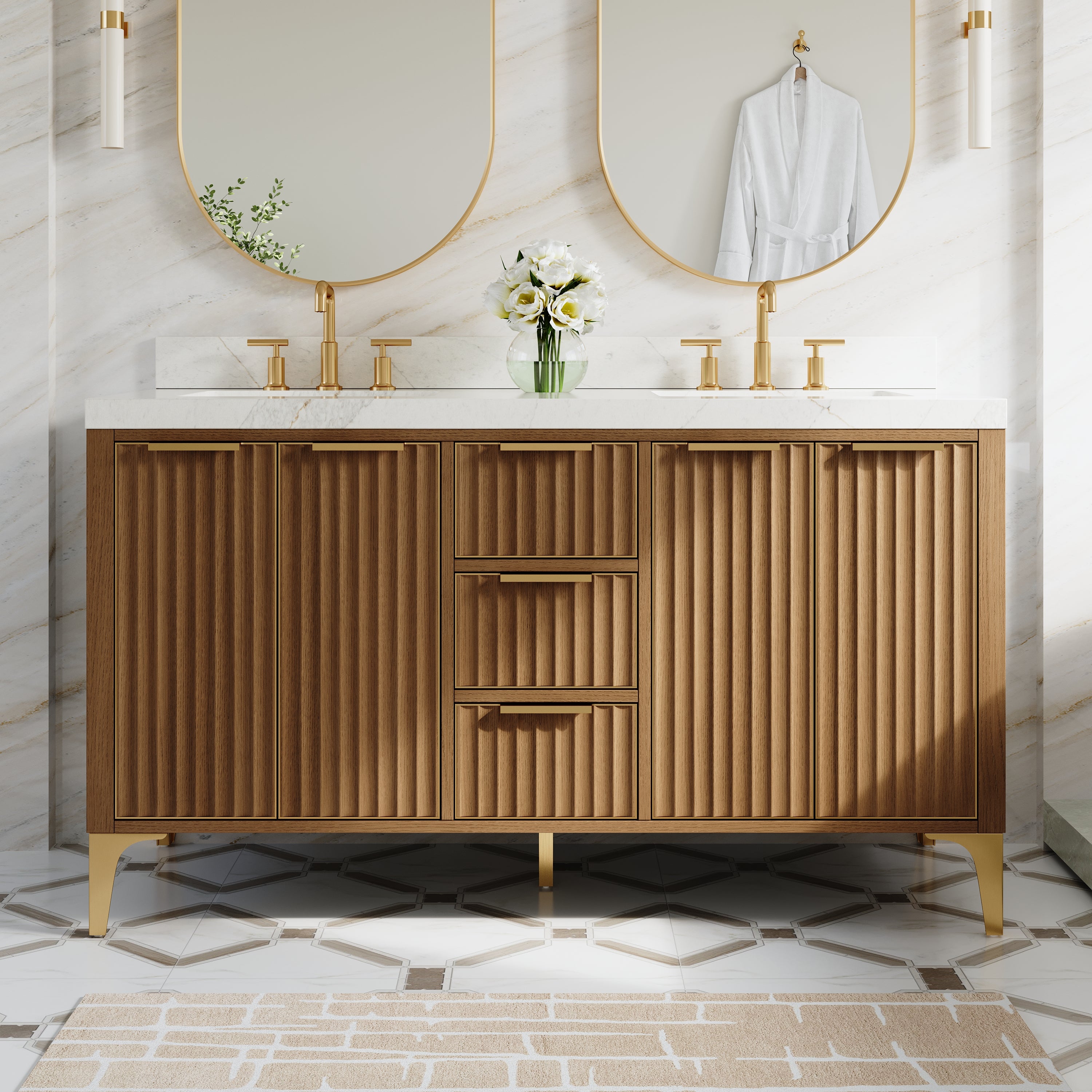
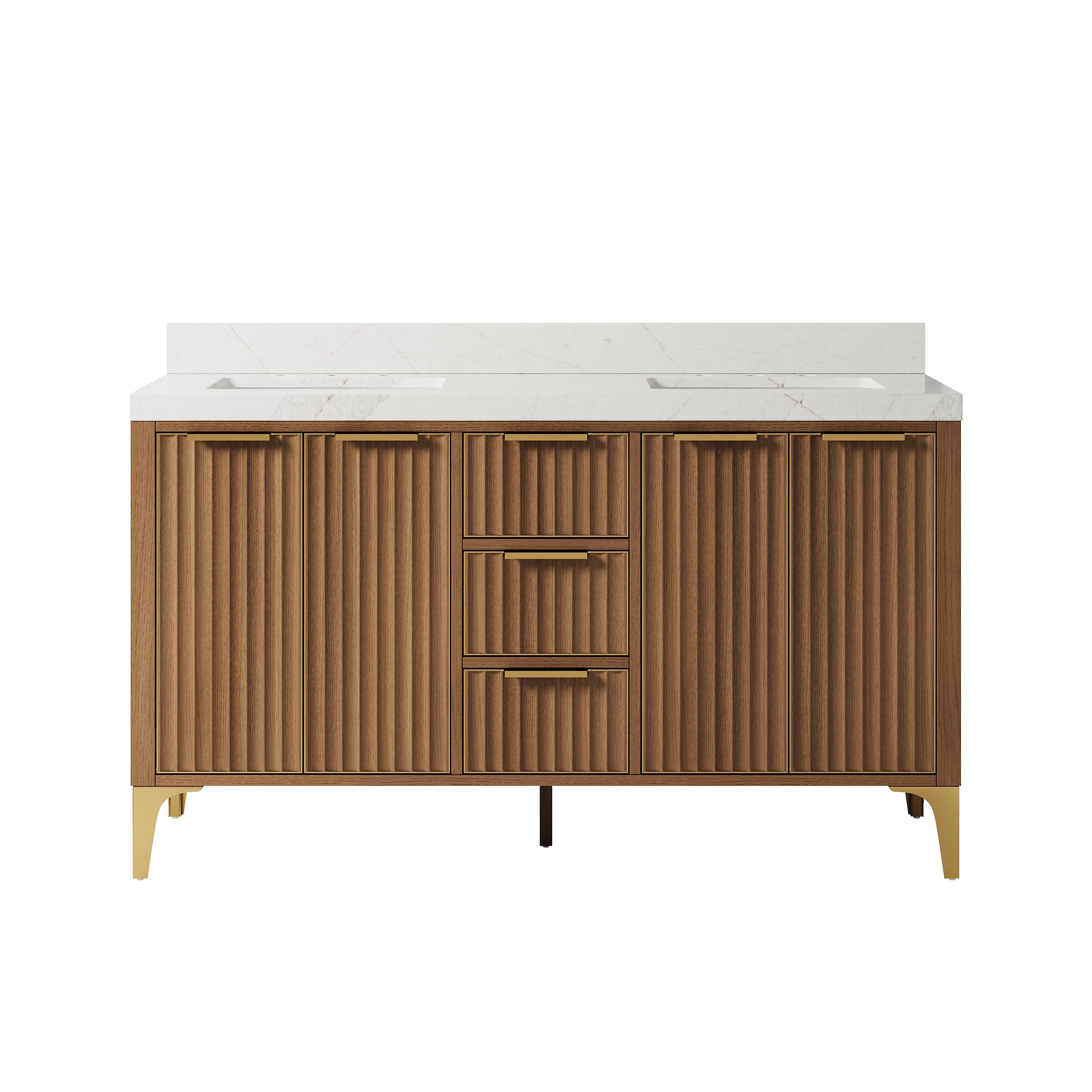
With the popularity of double basins and large-sized countertops, the weight borne by bathroom cabinets is also continuously increasing. For example, with common quartz or natural stone countertops, when the width exceeds 48 inches, higher requirements are placed on the cabinet's load-bearing structure.
Solid wood bathroom cabinets have natural advantages in this regard:
Longitudinal force structure is more stable.
Can support thicker and heavier countertops
Long-term use is not prone to sinking or deformation.
That's also why solid wood structures are still widely used in high-end main bathroom designs.
Another often underestimated factor is weight distribution and installation tolerance. Solid wood bathroom cabinets typically have a more forgiving structural margin during installation, allowing for minor wall unevenness or long-term settling without compromising alignment. This tolerance reduces stress concentration on mounting points and joints, which is particularly important in older homes or renovation projects where wall conditions are not perfectly uniform. Over time, this structural forgiveness contributes to quieter operation and fewer adjustment issues.
4. User experience: Touch and sound are both quality signals
The actual upgrade experience often comes from details. Solid wood bathroom cabinets present significantly different feelings in daily use:
The sound is steadier when the drawer is opened and closed.
The touch of the cabinet door has a more "feedback feeling."
Edge and chamfer processing are more natural.
These are not directly reflected in the parameter table, but will be continuously perceived in daily use.
5. Style adaptability: established from modern to traditional
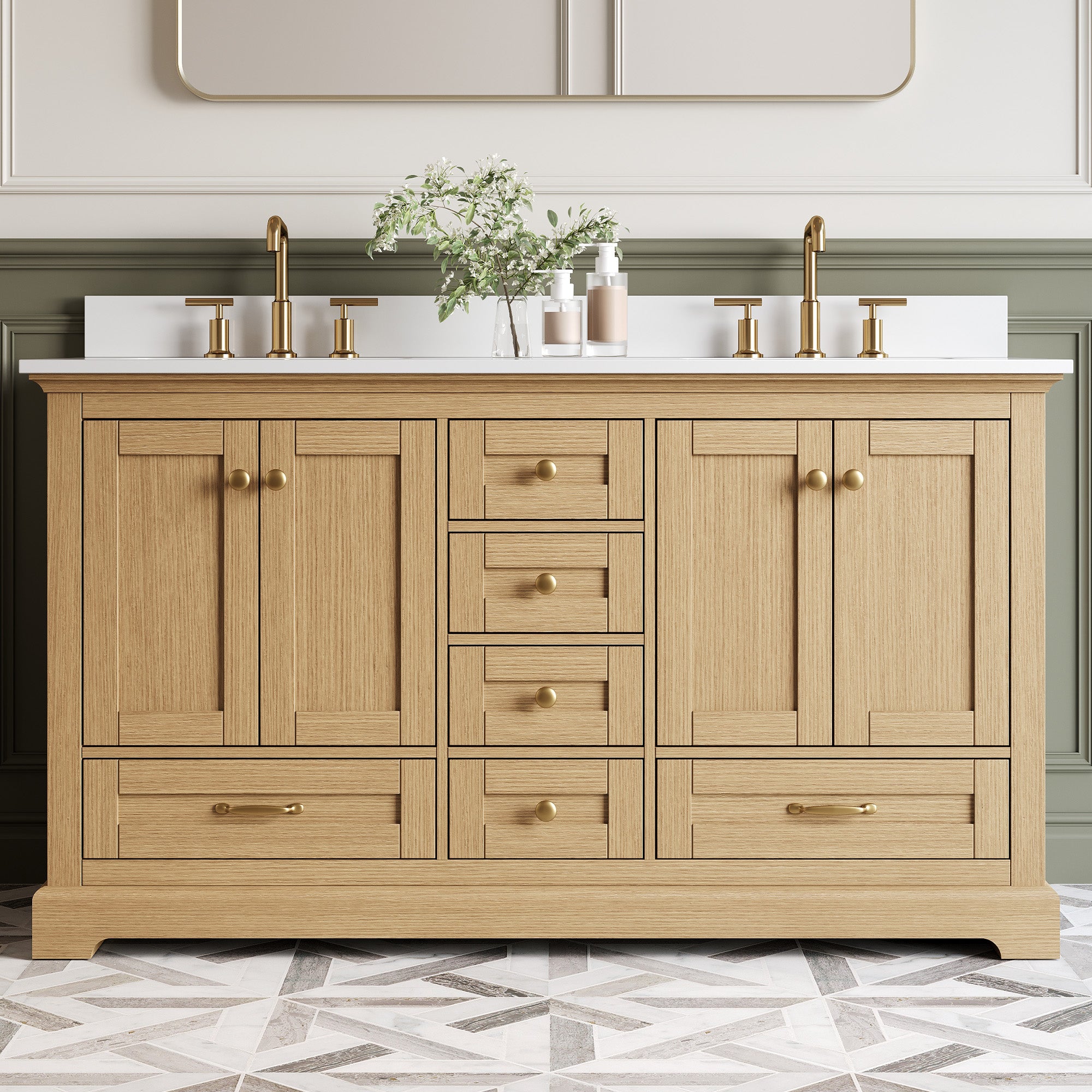
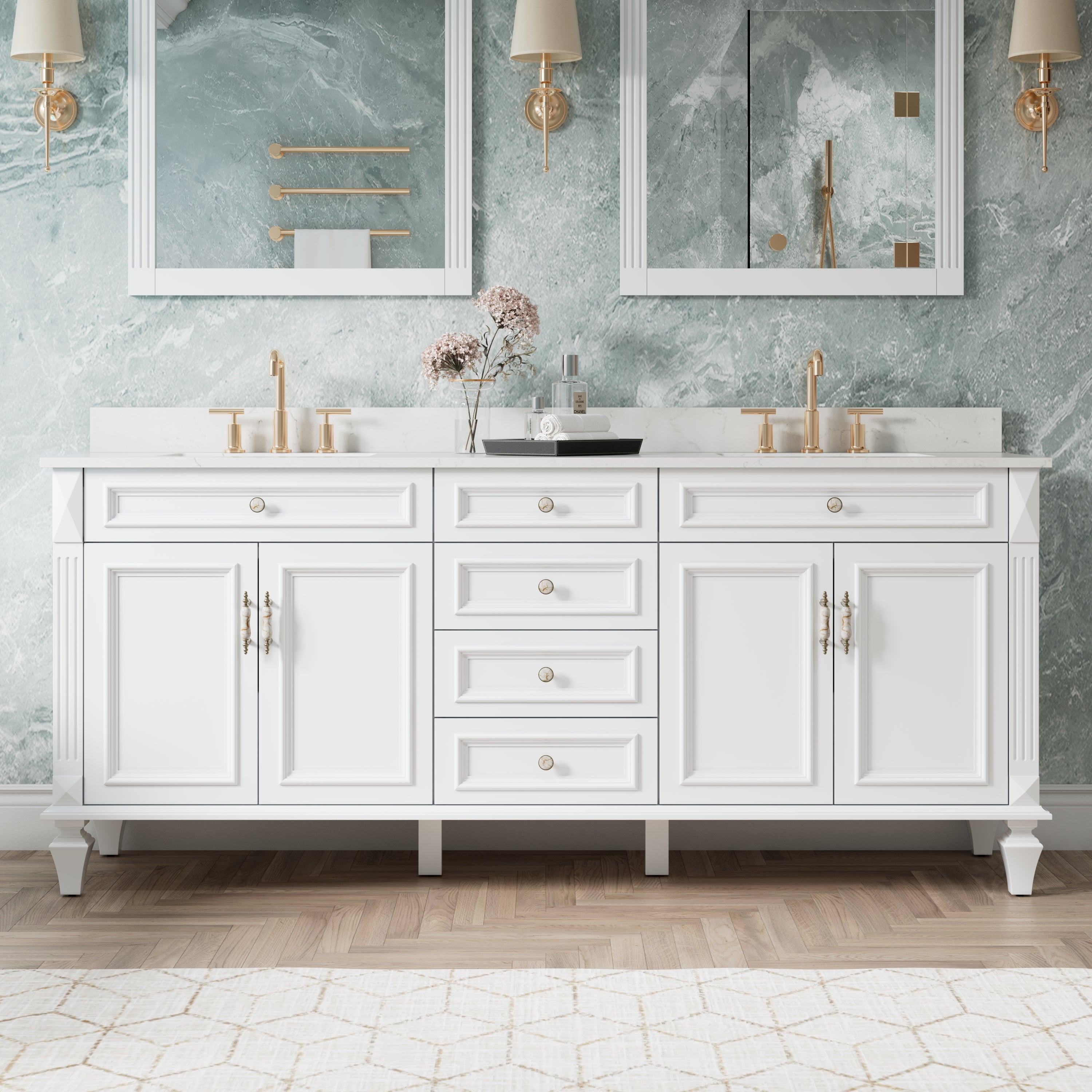
Unlike stereotypes, solid wood bathroom cabinets are suitable for more than just traditional styles. Through different surface treatment methods, solid wood can present a completely different temperament:
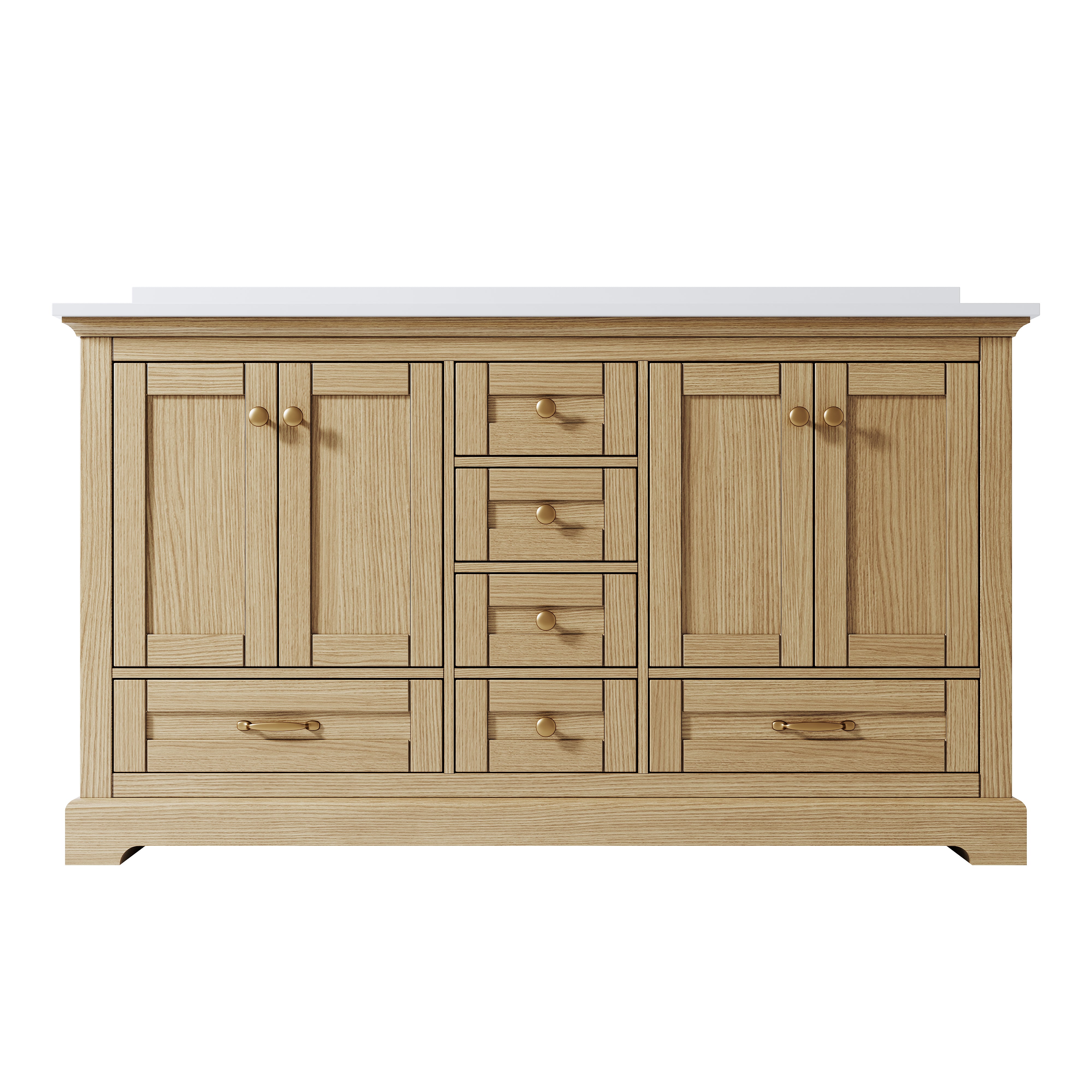
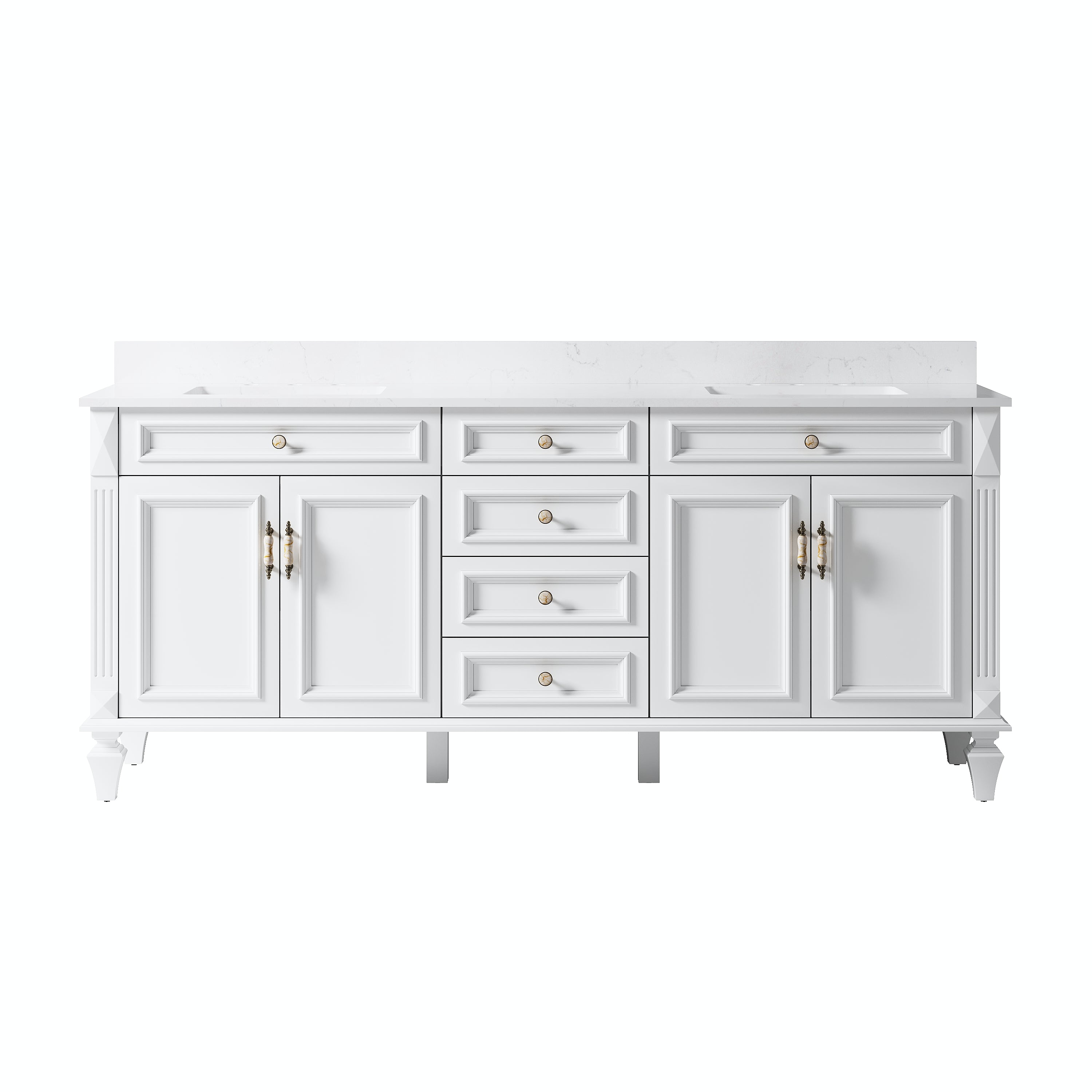
Light colored wood or white spray coating: suitable for modern and transitional styles
Dark dye or open paint: enhances the sense of depth in the space.
Linear design with a hidden handle: also in line with minimalist aesthetics
This is also an important reason why solid wood can cross the design trend cycle.

6. Long-term value: One investment, in exchange for a lower "probability of reinstallation."
From a lifecycle perspective, bathroom renovations are not high-frequency behaviors. Industry research shows that most households hope to maintain a stable usage cycle of 10-15 years or more after completing a bathroom upgrade.
At this time scale, solid wood bathroom cabinets often have lower maintenance costs and higher durability returns:
Not prone to large-scale foaming
Local injuries are easier to repair.
The style's aging speed is slower.
7. Conclusion: Solid wood bathroom cabinets are the result of the rational return of materials
Choosing solid wood bathroom luxury is not just about pursuing "natural" or "high-end", but about making a more robust judgment between structure, safety, durability, and long-term experience. When the bathroom is upgraded from a functional space to an essential component of quality of life, the reliability of the materials themselves becomes particularly important.
A truly excellent, solid-wood bathroom cabinet may not be flashy at first glance, but it will continue to prove a worthwhile upgrade decision over the years of use.













Leave a comment
This site is protected by hCaptcha and the hCaptcha Privacy Policy and Terms of Service apply.