














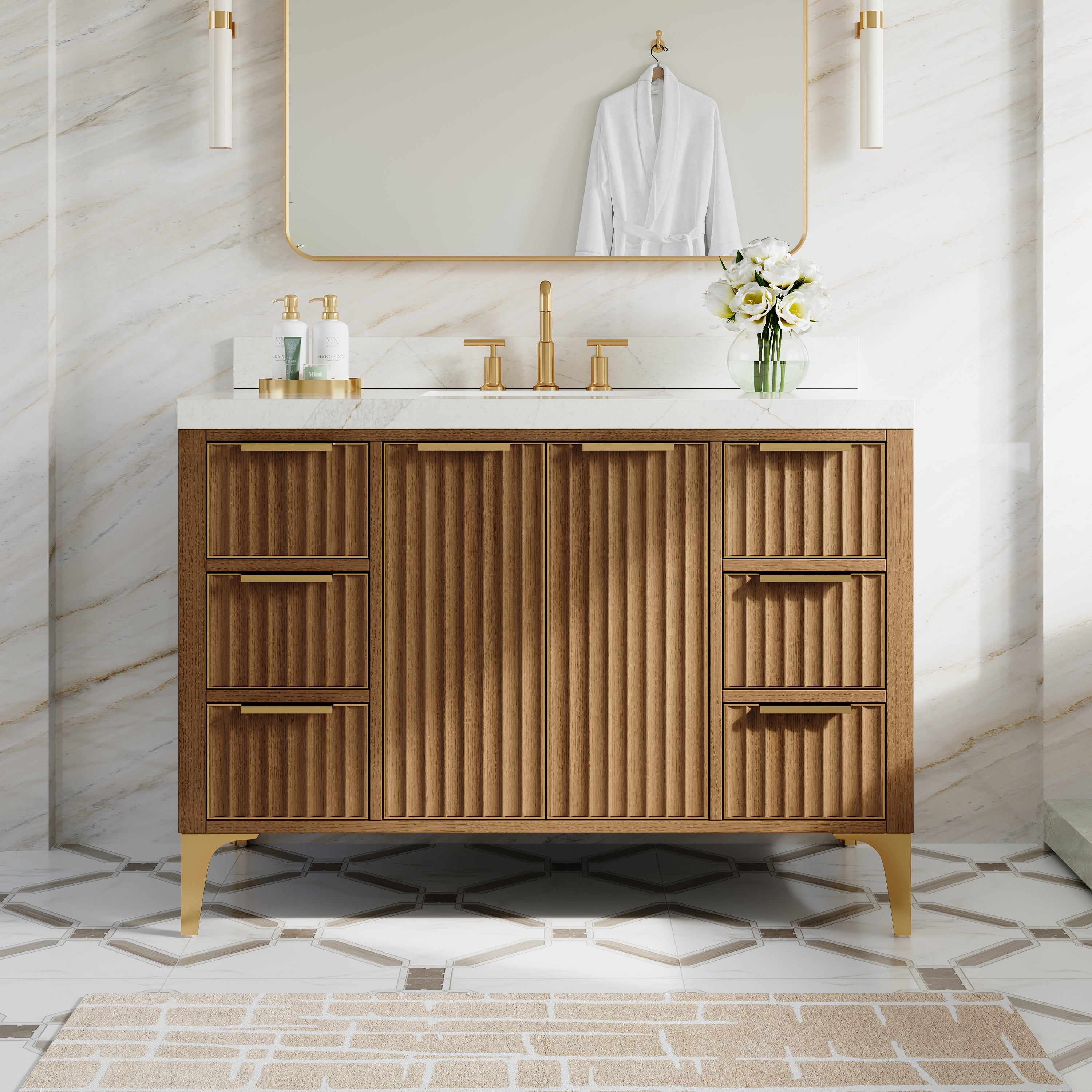


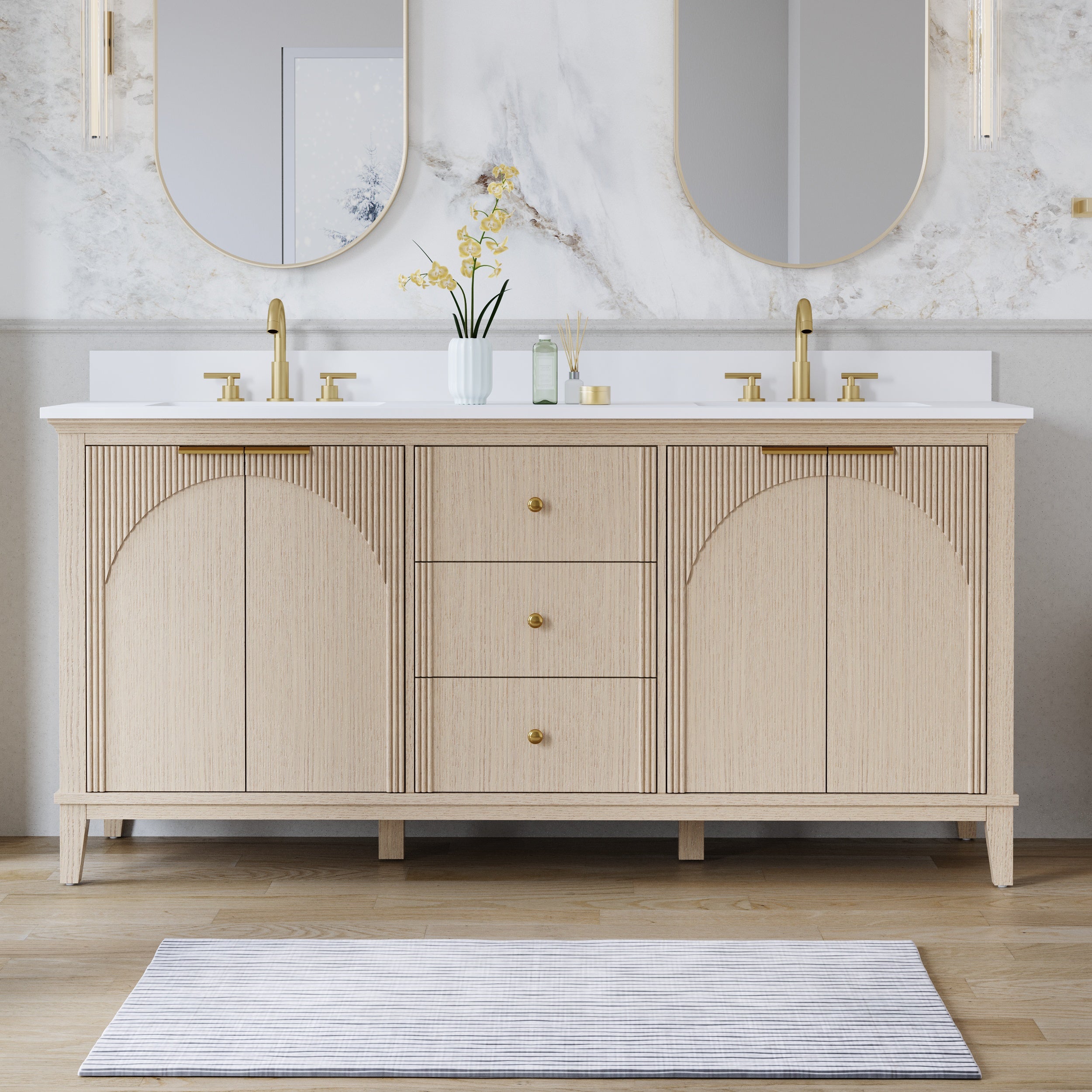
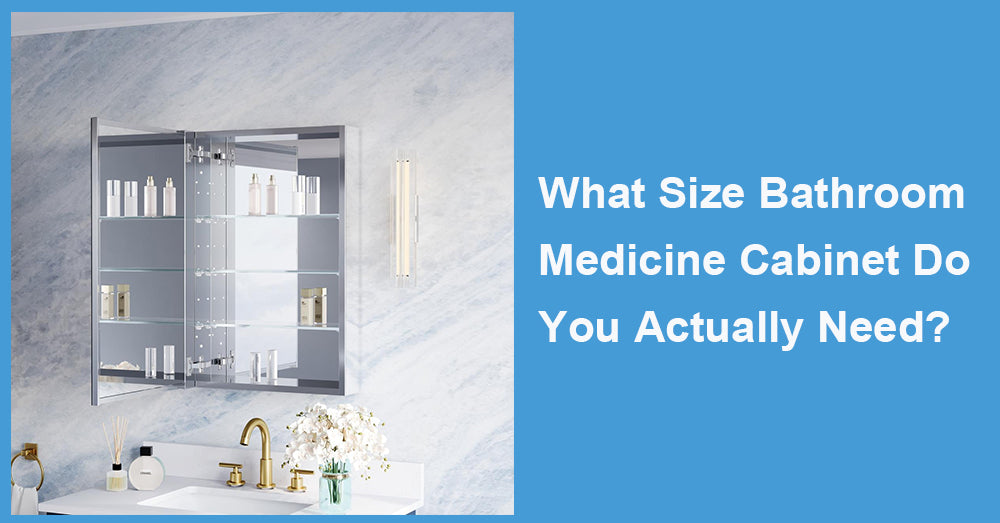
A bathroom medicine cabinet seems simple to choose until you are standing in front of a wall, a vanity, a sink light, and a tape measure that suddenly makes every option look wrong. I have seen this happen in remodels, new builds, and quick bathroom refreshes. Most people do not buy the wrong cabinet because they have bad taste. They buy the wrong one because they focus on mirror size first and storage needs second, or the other way around, without thinking about how the cabinet will actually function every day.
1. Start with the vanity, not the cabinet
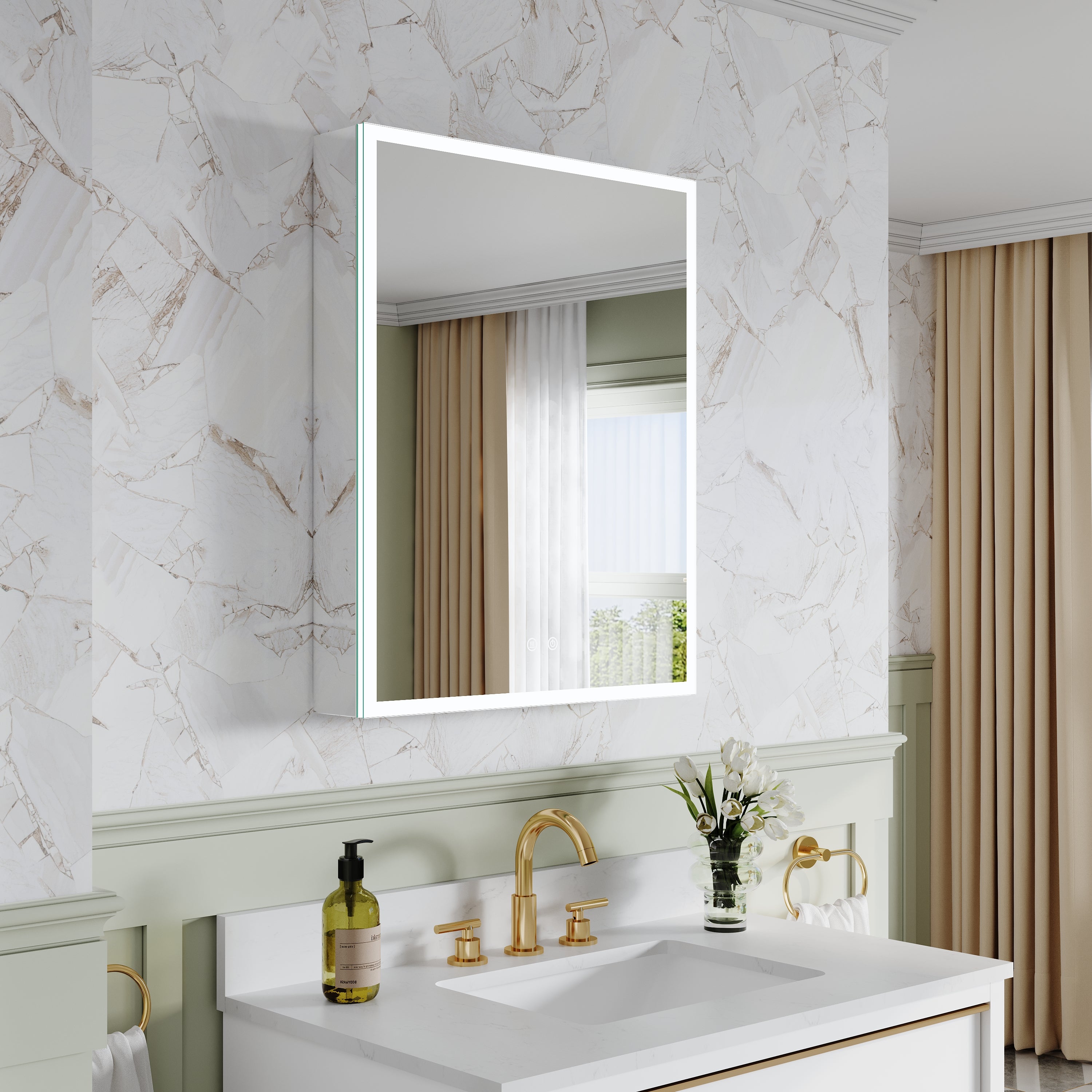
The vanity is usually the best place to begin. In most bathrooms, the medicine cabinet should feel visually connected to the sink base below it. If the cabinet is too narrow, the wall can look unfinished. Too wide, and the whole setup feels crowded, especially if sconces, tile borders, or side walls are close by.
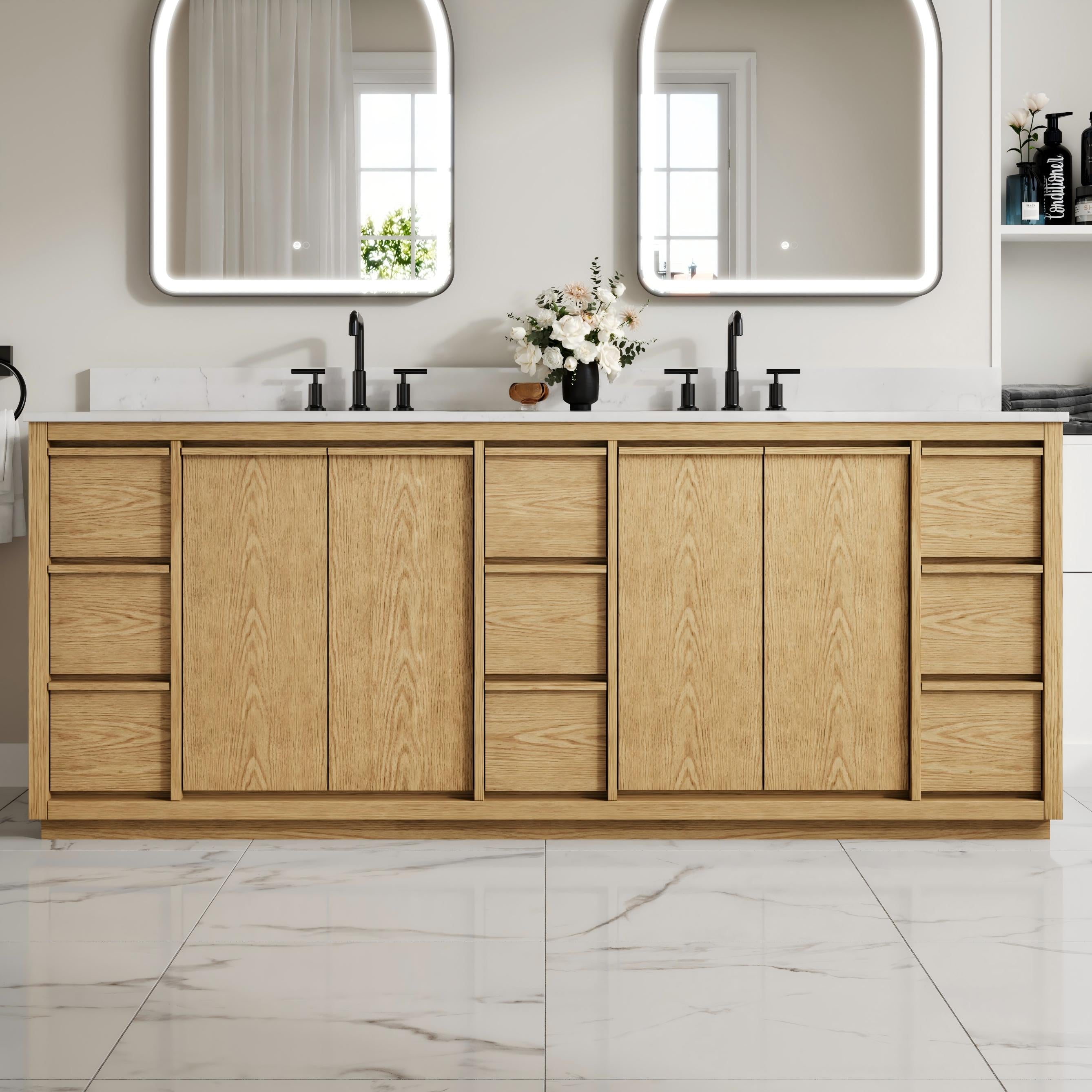
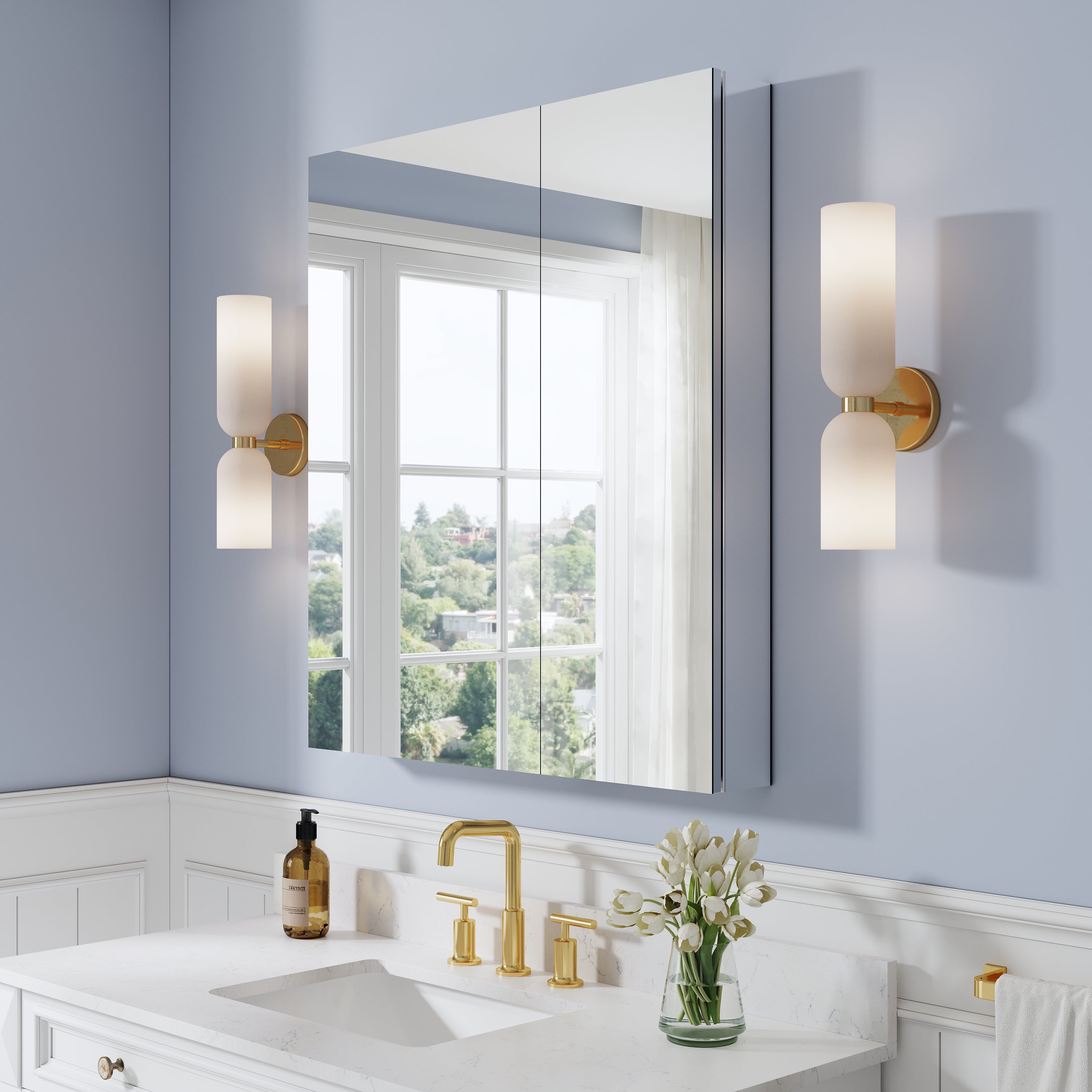
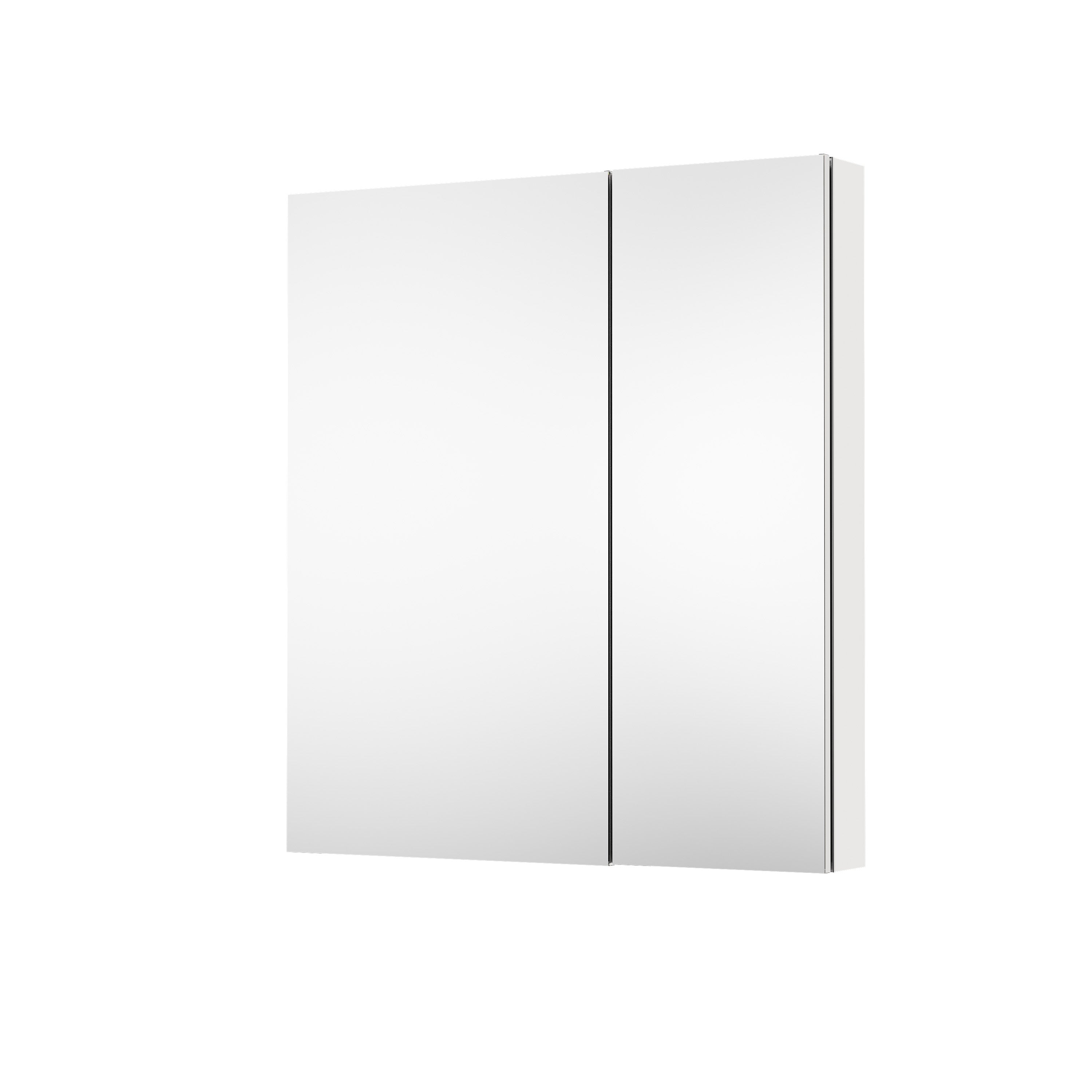
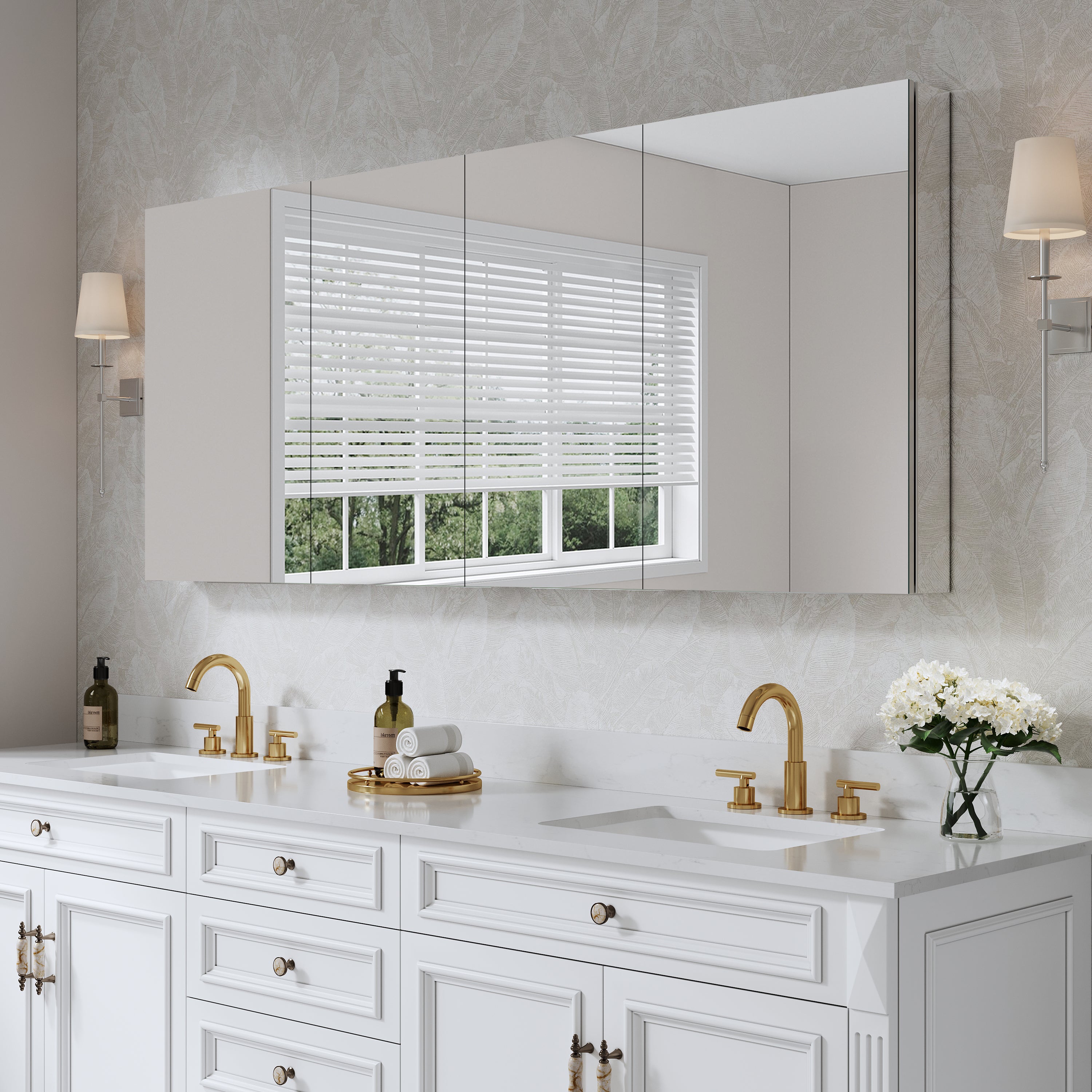
In real projects, I usually see the best results when the cabinet is slightly narrower than the vanity or close enough in width that the proportions still feel intentional. A 24-inch vanity often works well with a cabinet around 16 to 20 inches wide. A 30-inch or 36-inch vanity usually has more flexibility. Once you move into double-sink setups, the decision becomes less about one cabinet size and more about whether one large mirror cabinet or two smaller ones will work better.
This is where homeowners often make their first mistake. They assume bigger is always better because extra storage sounds useful. Then the doors swing awkwardly, the cabinet crowds the light fixture, or the mirrored front overwhelms the room.
A medicine cabinet should solve problems, not create new ones.
2. How Wide Should a Bathroom Medicine Cabinet Be?
Width matters most because it affects both how the cabinet looks and how usable the mirror feels at the sink. If you are brushing your teeth, shaving, or doing skincare, you want enough mirrored surface to feel comfortable, but not so much cabinet that it dominates the entire wall.
For small bathrooms and powder rooms, a narrower cabinet is often the smarter choice. These rooms rarely need deep storage for family-sized products, backup toiletries, and grooming tools. They need clean proportions and enough room for the basics.
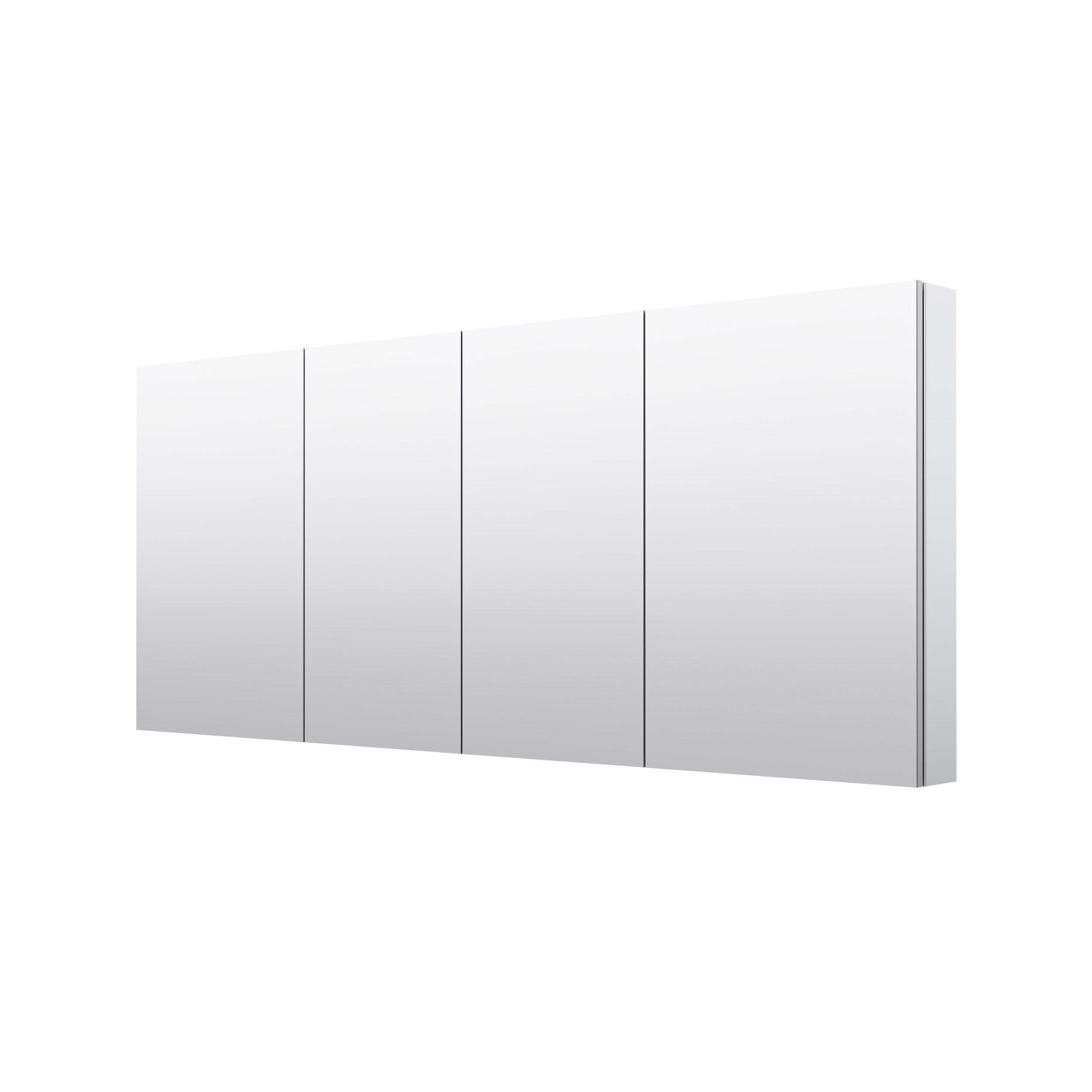
In a primary bath, the calculation changes. People store more. Electric toothbrushes, shaving gear, serums, contact lens supplies, medication, and all the other items that slowly take over a bathroom counter need a home. That is when a wider cabinet starts earning its keep.
A good rule from experience: leave breathing room on both sides. Do not force the cabinet edge right up against a wall, tile return, or sconce just because the measurement technically fits.
A common sizing mistake I see often
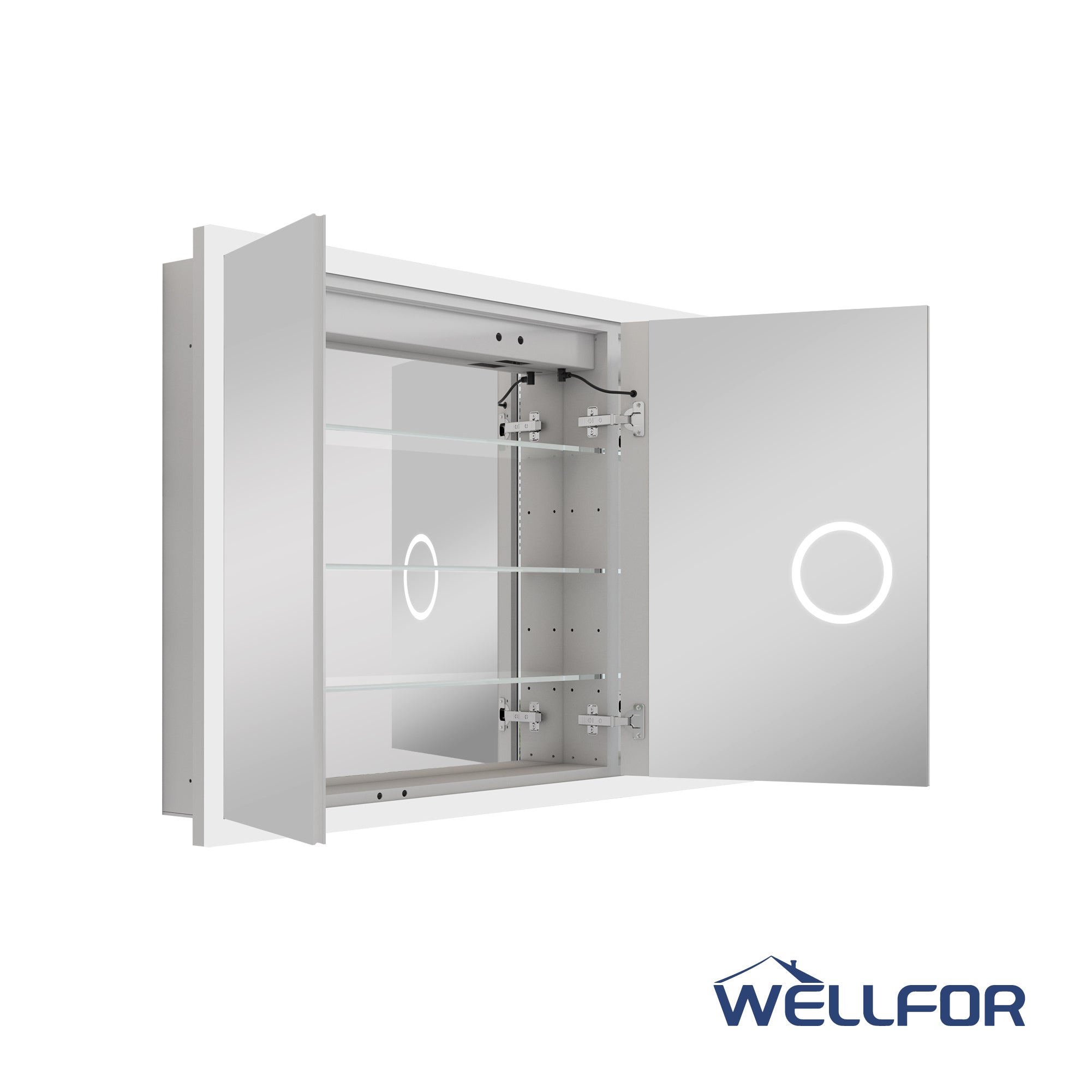
Many buyers choose a cabinet based only on the mirror view from straight on. They forget to account for door swing, trim thickness, neighboring lighting, faucet height, and even how close they stand to the sink. Recessed or surface-mounted cabinets both need functional clearance, just in different ways.
This is one reason I advise people to mock up the size with painter’s tape before ordering. Five minutes of visual testing can save a frustrating return.
3. Height and Depth Matter More Than People Expect
Height is where storage needs and wall space start negotiating with each other. A taller cabinet gives you more practical storage, but if it rises too close to the ceiling or competes with a bold backsplash, it can look top-heavy.
In most bathrooms, the cabinet should feel centered above the vanity and comfortable for the user’s eye level, not merely centered on the wall because a spreadsheet said so. In family bathrooms, I usually prefer a height that gives adults a full mirror view while still allowing the doors and shelves to be used without awkward reach.
Depth is another overlooked detail. People love the idea of deeper storage until they realize a bulky surface-mounted cabinet projects too far into the room. In tighter bathrooms, that can make the space feel more cramped than it really is.
Recessed cabinets solve part of that problem, but only if the wall can accommodate them. Stud spacing, plumbing lines, and electrical runs may limit your options.
When deeper storage is worth it
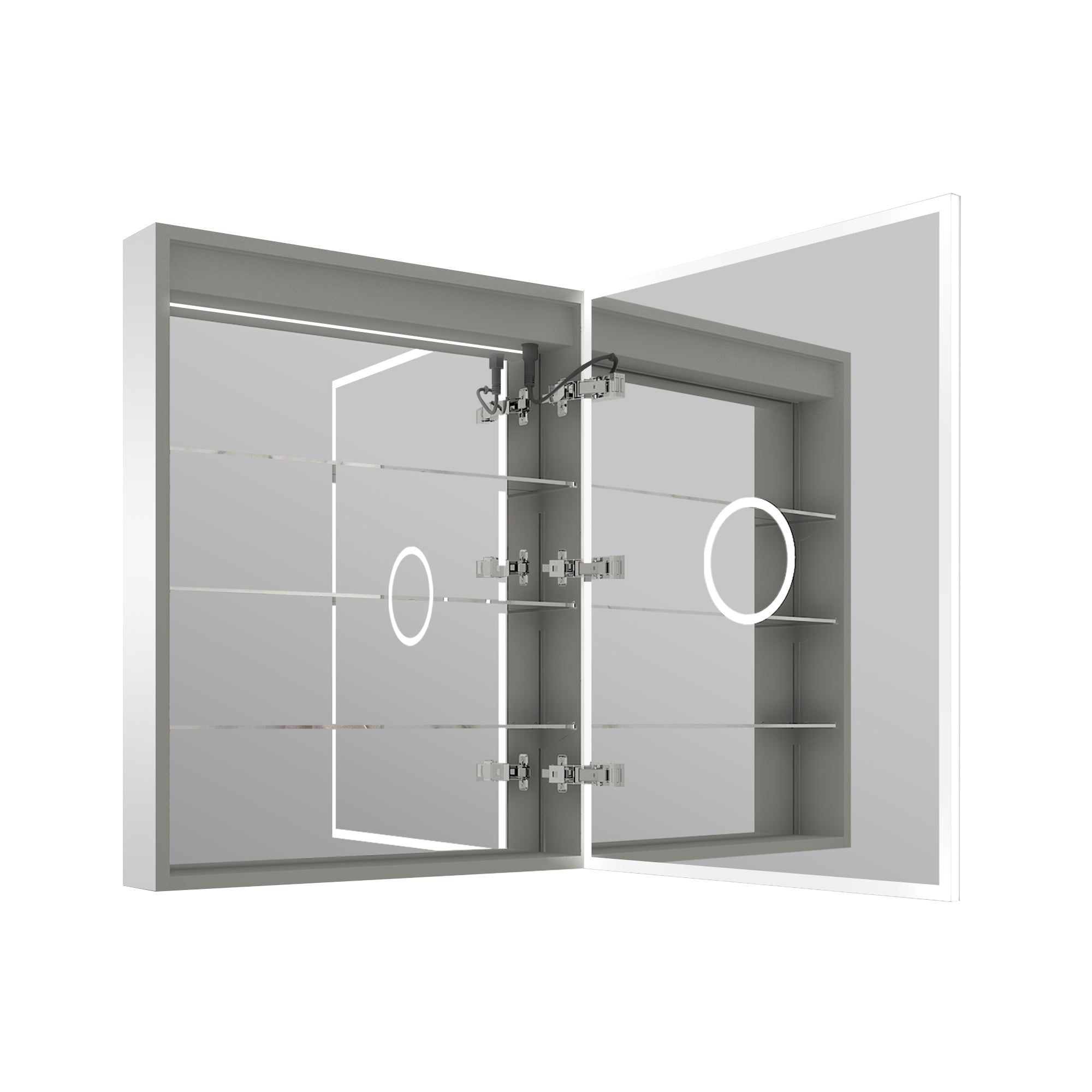
Depth is helpful when the bathroom truly needs it. Shared primary bathrooms, busy family bathrooms, and homes where countertop clutter is a constant battle often benefit from a cabinet with more interior capacity. If the cabinet is holding daily-use items, a little more depth makes life easier.
If the bathroom is mostly decorative or lightly used, oversized depth can feel like unnecessary bulk.

4. One Cabinet, Two Cabinets, or No Cabinet at All?
This is where layout matters more than general advice. In a single-sink bathroom, one well-sized cabinet usually makes the most sense. It keeps the wall organized and the storage centralized.
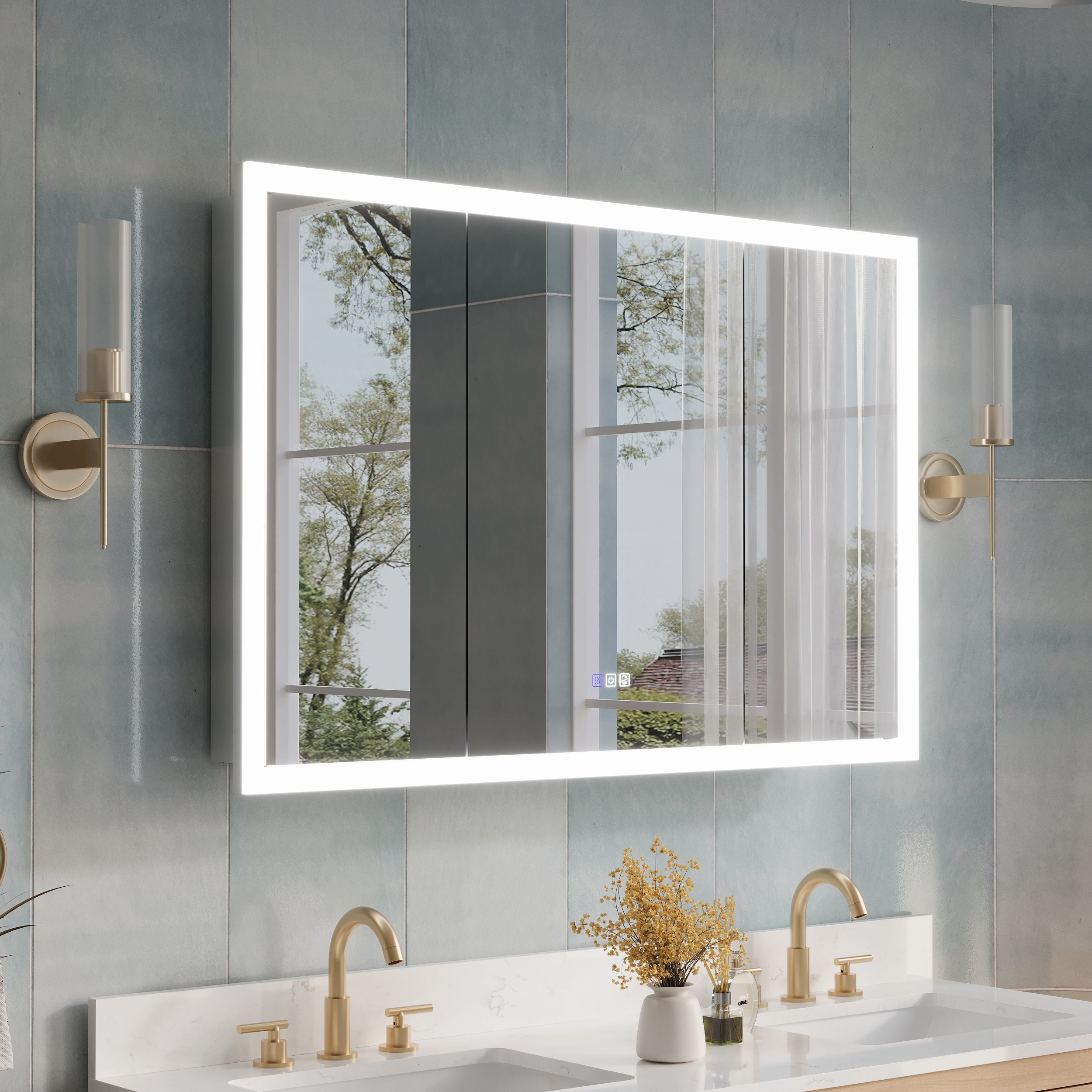
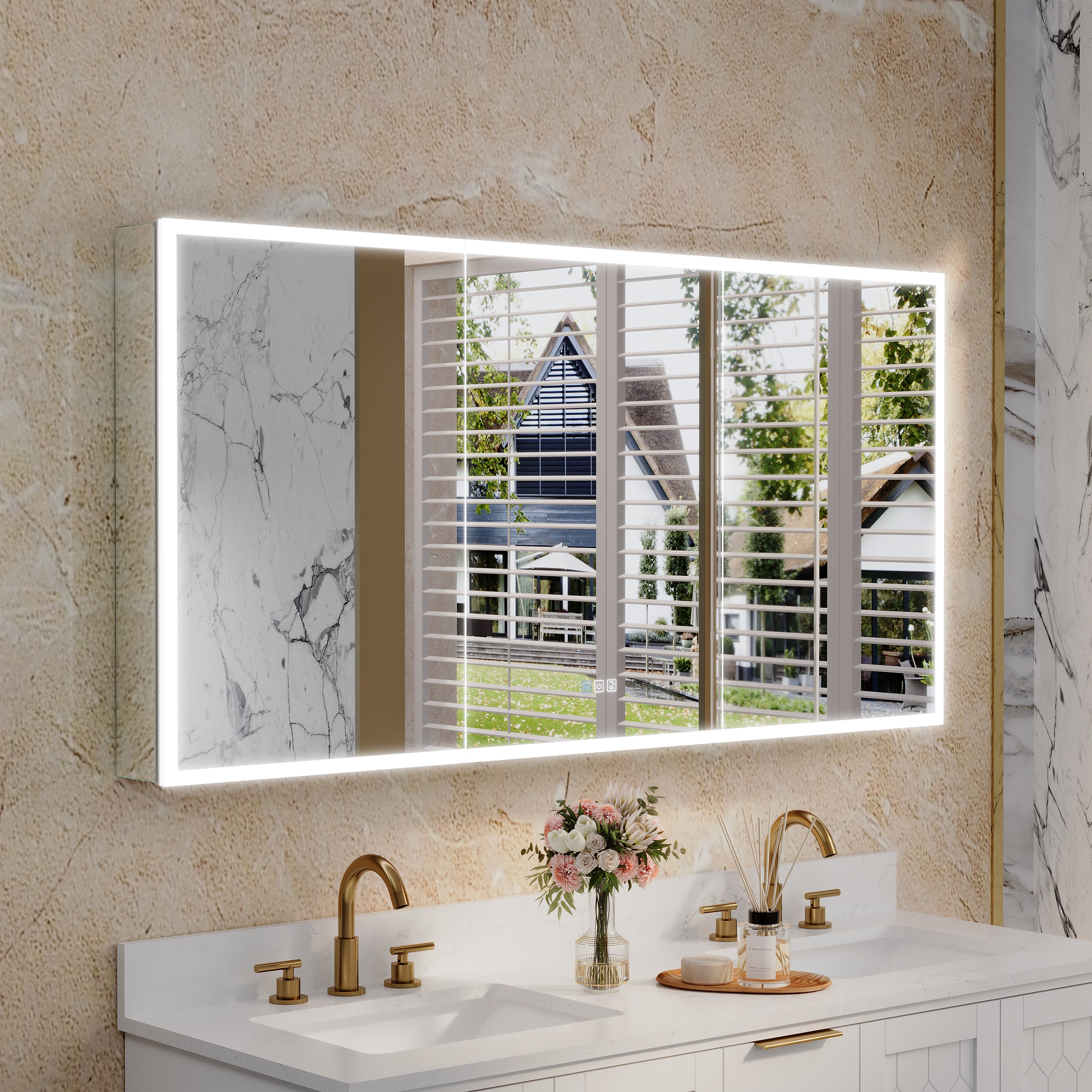
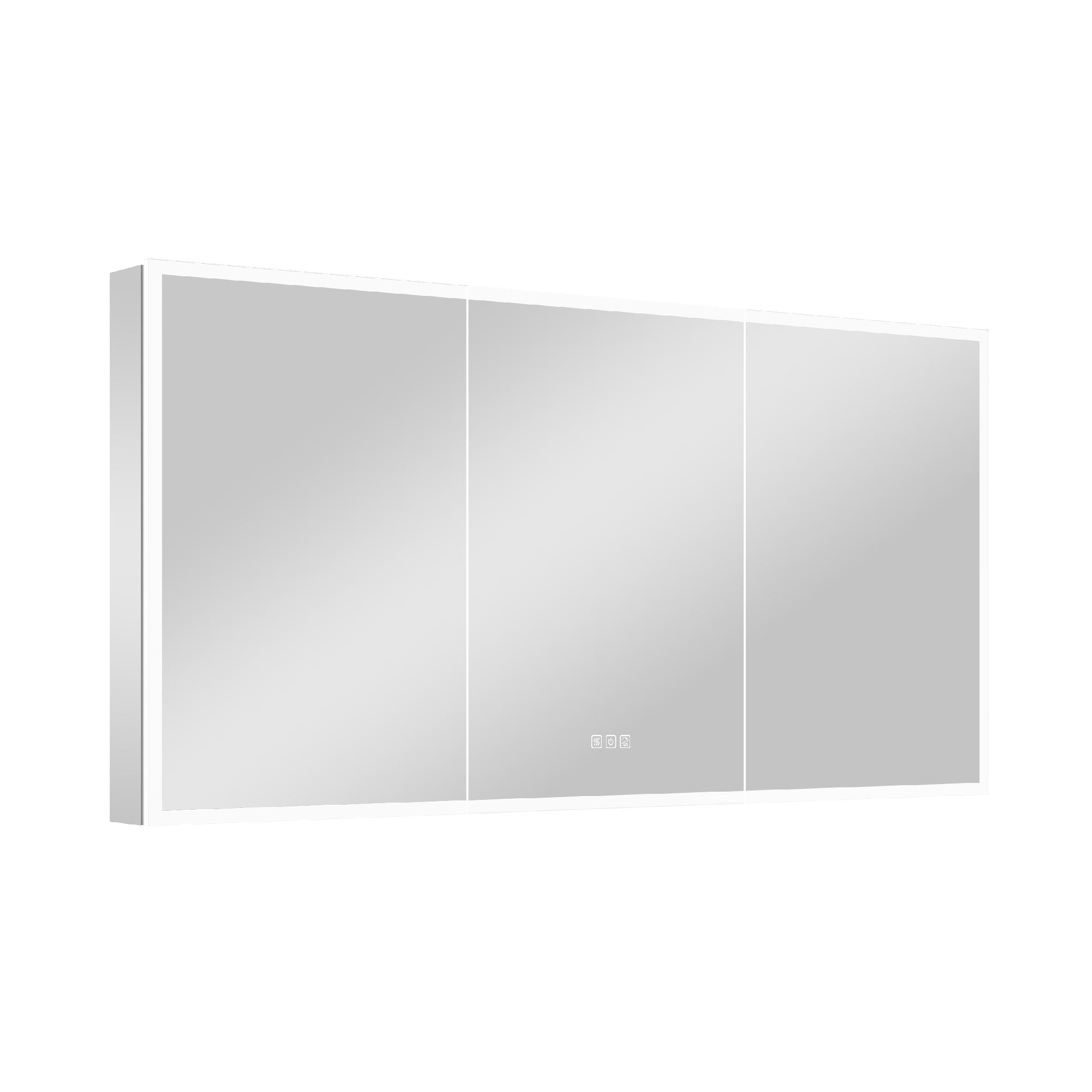
In a double vanity, two separate cabinets often look cleaner and function better than one oversized unit. Each user gets their own zone. The spacing tends to feel calmer. Maintenance is easier too, especially if fingerprints and water spots are a constant issue.
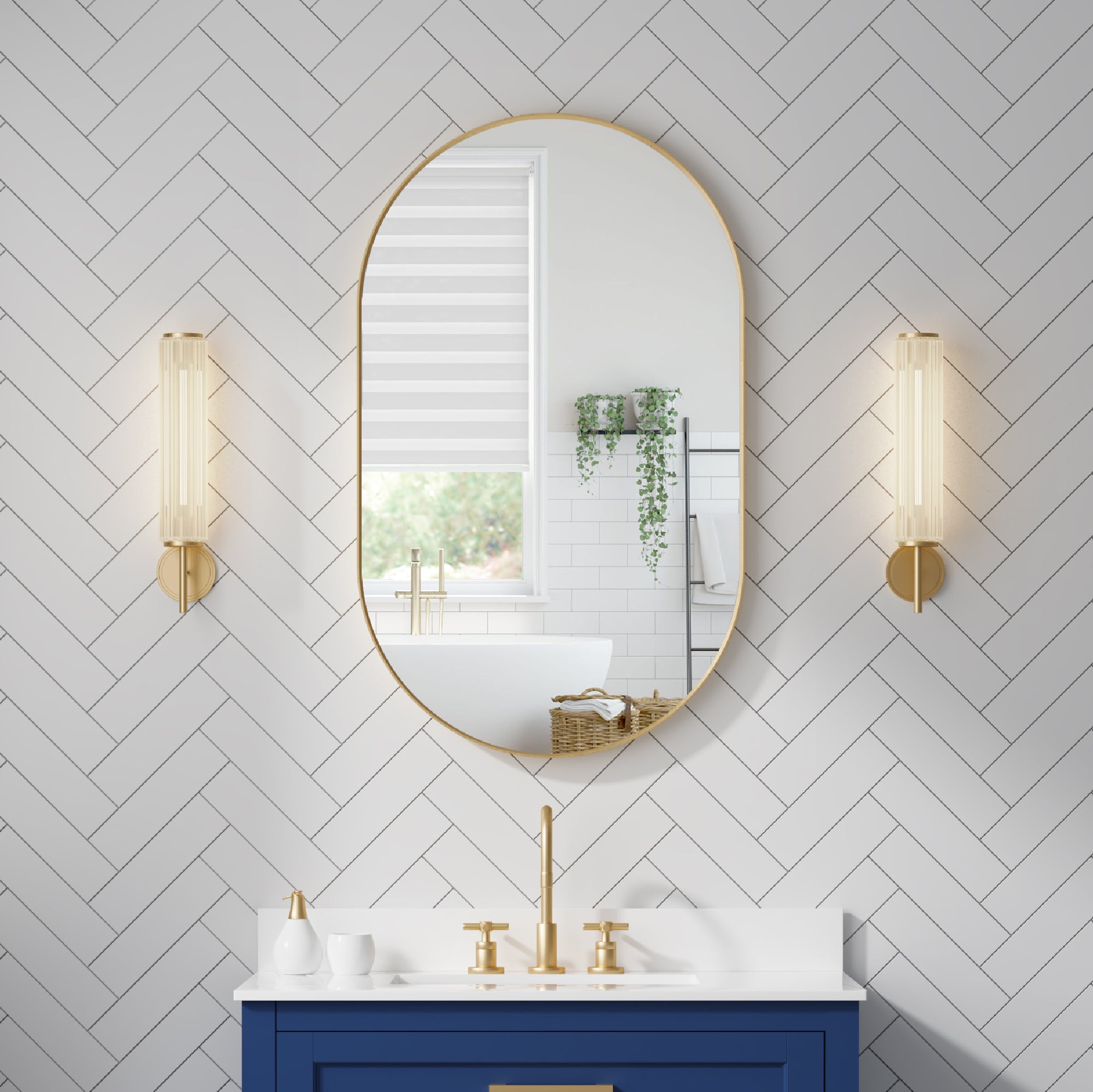
There are cases where a medicine cabinet is not the best answer. If the bathroom already has strong vanity storage, open sightlines, and a design that depends on a simple flat mirror, forcing a cabinet into the layout can make the room feel heavier than it should. I would also think twice in very narrow bathrooms where a surface-mounted cabinet could create a visual pinch point.
From a product selection standpoint, this is where a brand like Wellfor becomes useful. Not because every bathroom needs the biggest cabinet possible, but because well-designed options usually give you better flexibility in sizing, lighting, storage layout, and installation style. That flexibility matters more than people think.
Installation and maintenance advice before you buy
Measure the vanity, wall width, light fixture position, faucet height, and side clearances before choosing a size. If you are considering a recessed model, check what is inside the wall before you fall in love with the idea. Too many purchases are made backward.
For maintenance, mirrored cabinets are easy to live with if the size is right and the placement is sensible. Wipe down moisture regularly, keep the hinges clean, avoid overloading the shelves, and do not store leak-prone bottles above products you care about. A cabinet that is packed too tightly always feels smaller than it really is.
The size you actually need comes down to how the bathroom is used, how much storage the room is missing, and whether the wall can support the cabinet style you want. If I were giving practical advice to a homeowner choosing today, I would say this: buy the bathroom medicine cabinet that fits the vanity comfortably, stores what you really use, and leaves the room feeling balanced. The right bathroom medicine cabinet should make the wall work harder without making the bathroom feel busier.












Leave a comment
This site is protected by hCaptcha and the hCaptcha Privacy Policy and Terms of Service apply.