




















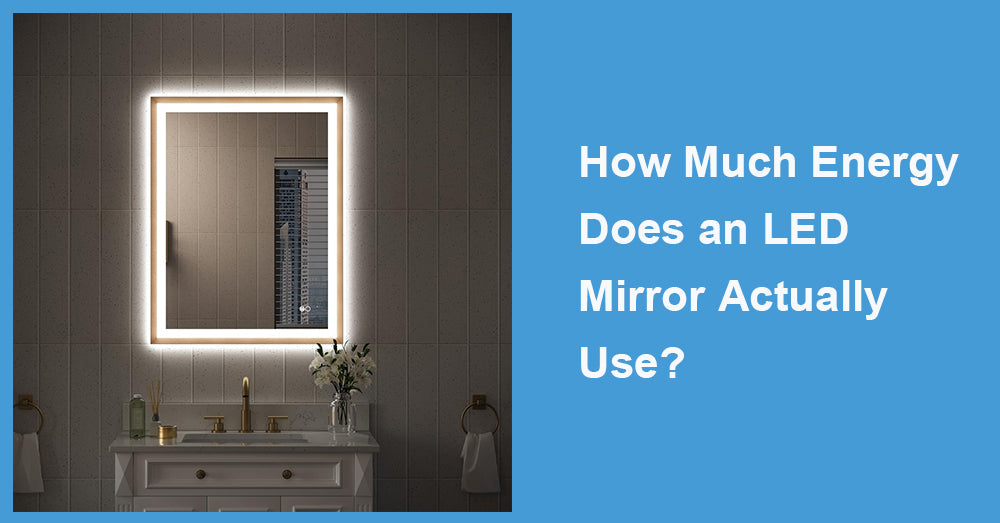
An LED mirror is often marketed as an energy-efficient bathroom upgrade, but buyers rarely see a clear explanation of what that means in daily use. After years of reviewing bathroom lighting products, wiring requirements, and real household habits, I have found that most LED mirrors use relatively little electricity. The lighting is usually efficient. The bigger variables are mirror size, brightness, daily operating time, and whether the defogging function stays on longer than necessary.
The number printed on the product label tells only part of the story.
1. How Much Electricity Does an LED Mirror Use?
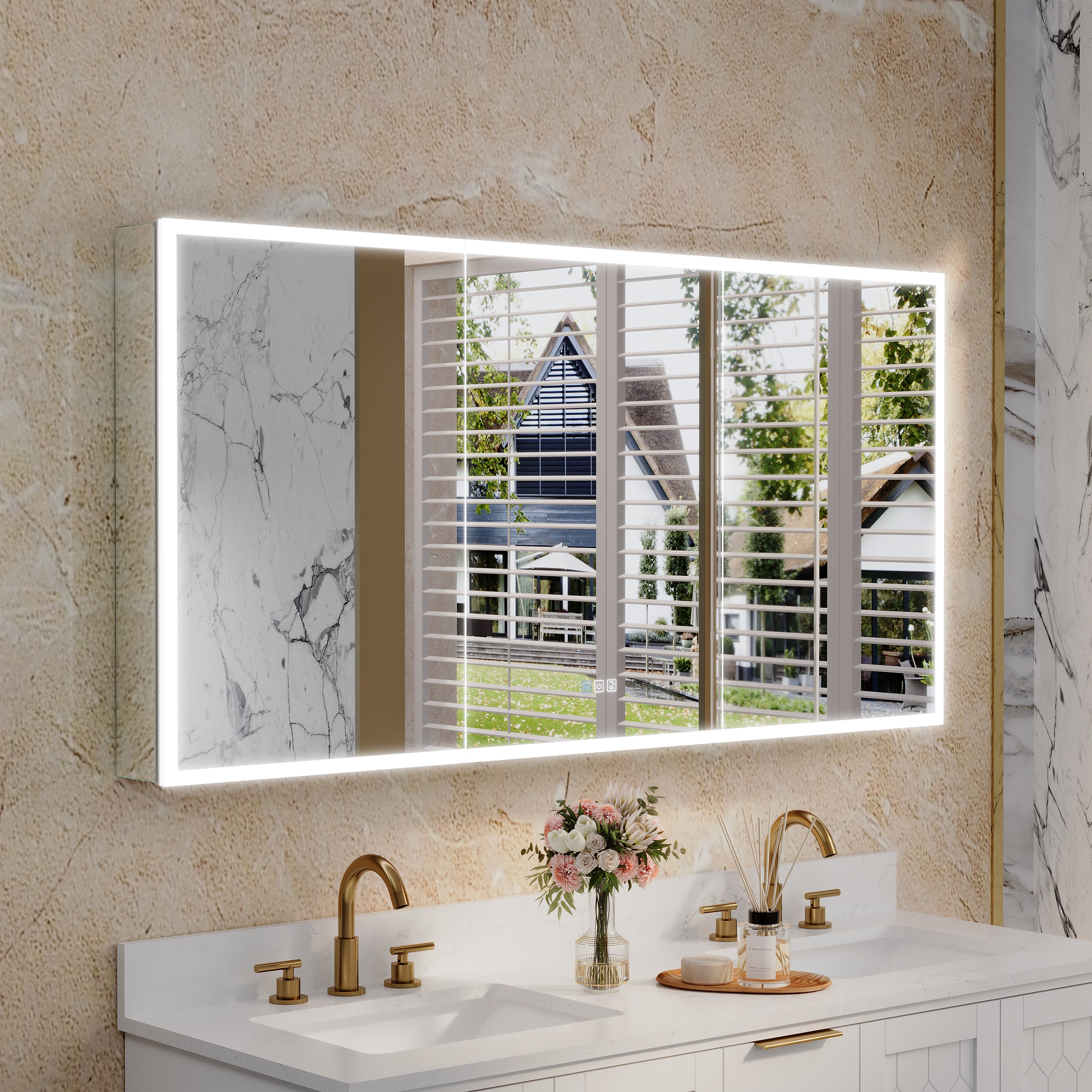
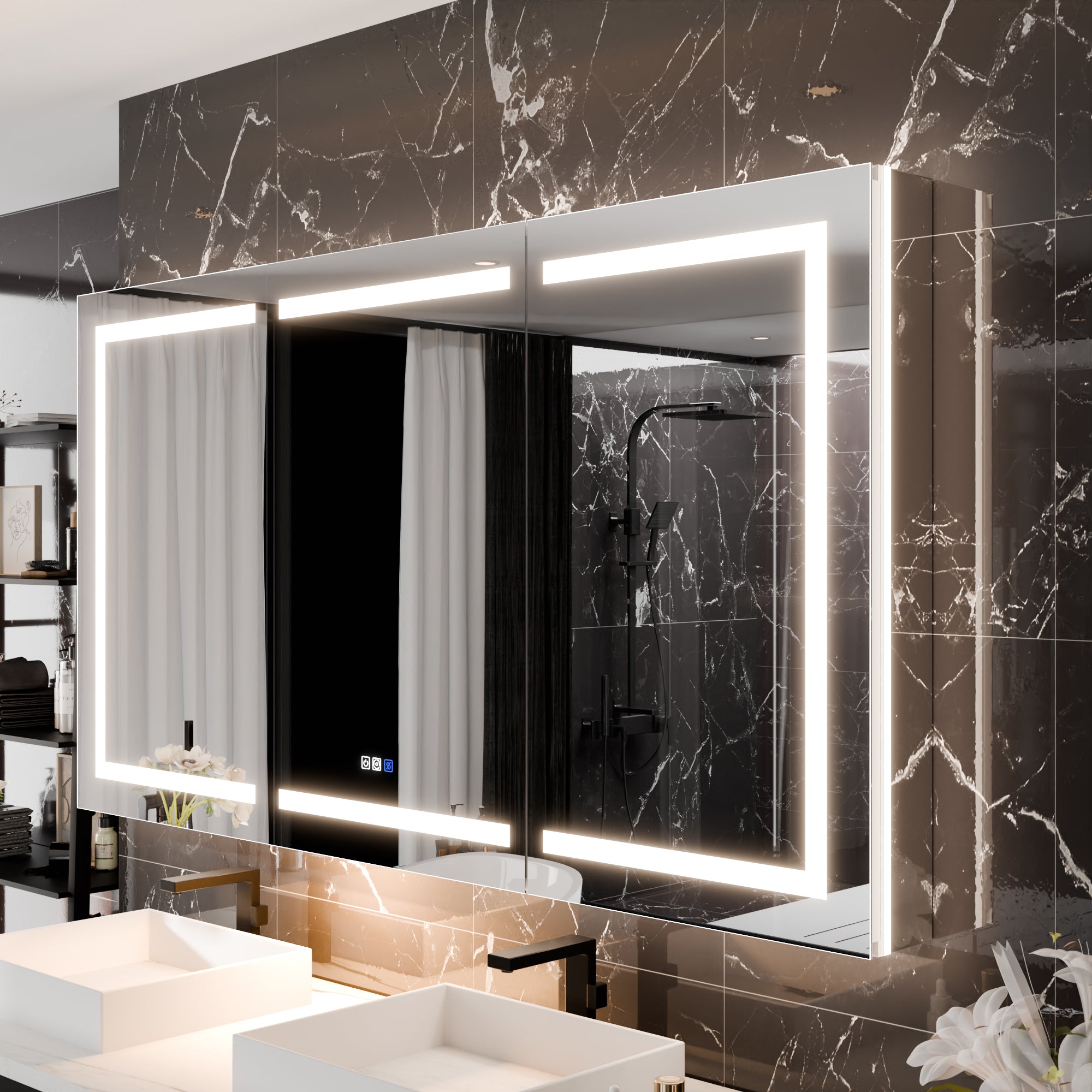
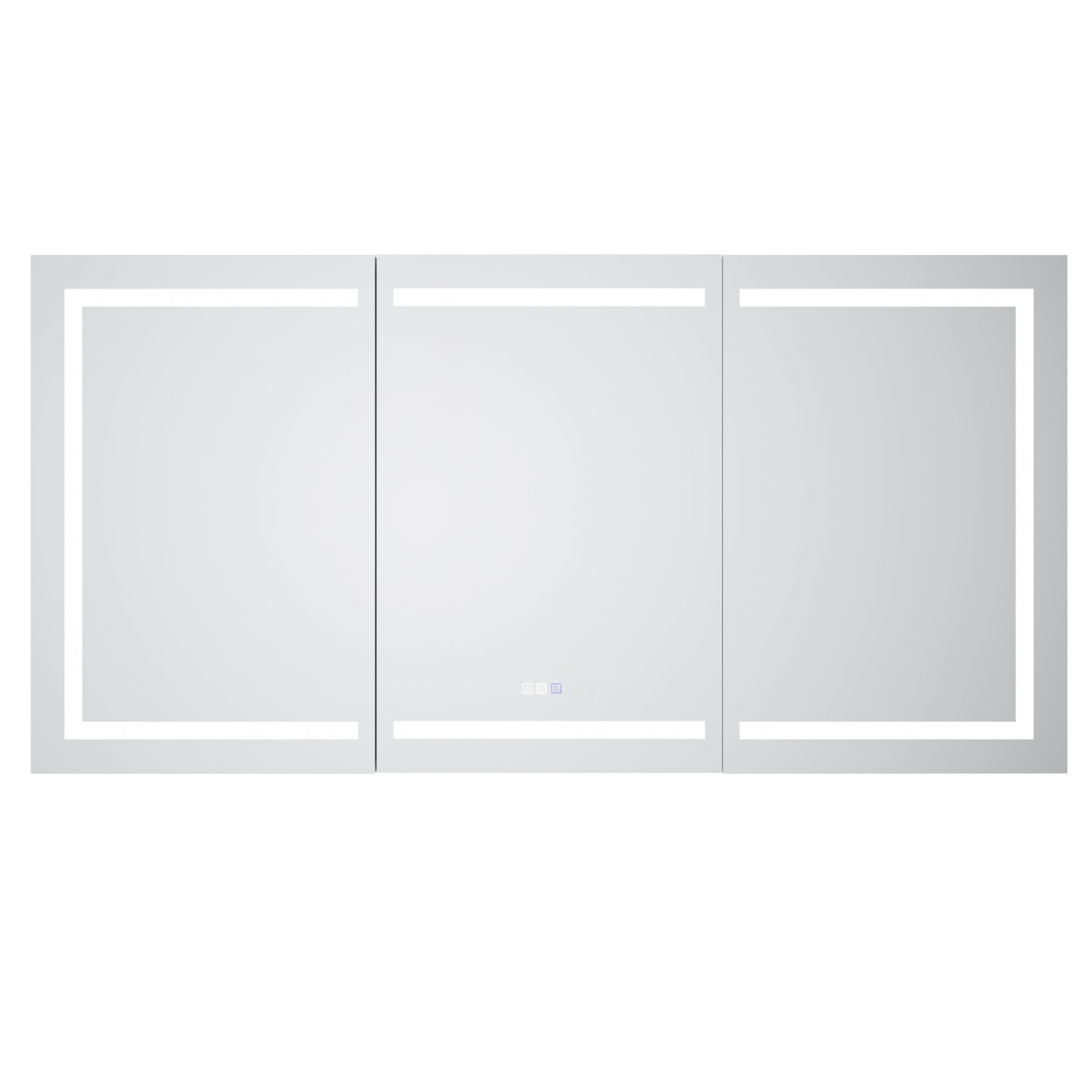
The power draw of an illuminated mirror depends largely on its width and lighting design. A compact mirror for a powder room may use about 20 to 30 watts for lighting. A medium-size model may use 35 to 60 watts, while a wide mirror above a double vanity may draw 70 watts or more at full brightness.
That sounds abstract until it is translated into actual energy use.
Suppose a 48-watt mirror operates for one hour each day. Multiply 48 watts by one hour, then divide by 1,000. The result is 0.048 kilowatt-hour per day. Over 30 days, the mirror uses about 1.44 kilowatt-hours for lighting.
Even when used for two hours daily, that same mirror would consume less than 35 kilowatt-hours in a year.
The exact cost depends on local electricity rates, but in most homes, the lighting portion of the mirror is not a major expense. A bathroom exhaust fan, heated floor, or electric water heater usually has a much greater effect on household energy use.
2. Why the Rated Wattage Can Be Misleading
One of the most common buying mistakes is treating the maximum wattage as the amount the mirror consumes at all times.
That is rarely accurate.
A product label may list the combined maximum load for the LED lights, defogger, touch controls, and digital features. In real use, those functions are not always operating together. The lights may be dimmed. The defogger may be off. A clock display may use only a small amount of standby power.
Brightness settings also matter. A mirror used at 40 or 50 percent brightness generally consumes less energy than one left at full output, although the reduction is not always perfectly proportional.
This is why real household behavior matters more than the largest number on the specification sheet. A 70-watt mirror used for 20 minutes each morning may consume less electricity than a 30-watt model left on for several hours.
3. The Defogger Is Usually the Largest Energy User
The lighting gets most of the attention, but the defogging pad often draws more power.
A defogger works by warming a section behind the glass. This prevents condensation from forming over the heated area after a hot shower. Depending on the size of the pad, it may use roughly 20 to 100 watts or more while active.
The larger the heated area, the higher the potential draw.
That does not mean defogging is wasteful. It is a practical feature in bathrooms that remain humid after showering. The problem occurs when users switch it on and forget about it.
I prefer mirrors with separate lighting and defogging controls. This allows the user to keep the lights on while turning off the heater. An automatic shutoff timer is even better, especially in a shared family bathroom where no one remembers who activated the function.
In a well-ventilated room, the defogger may only need to run during the shower and for a short period afterward.
4. Real Bathroom Habits Matter More Than Specifications
Energy calculations become more useful when they reflect actual routines.
A person may use bright neutral lighting for 15 minutes while shaving, then switch to a lower setting for evening skincare. Another household may keep the mirror on while several family members get ready, resulting in two or three hours of daily use.
The same product will produce very different annual energy figures in those two homes.
Location also matters. A mirror in a guest bathroom may be used only a few times each week. A double-vanity model in a primary bathroom may operate every morning and evening.
This is one reason buyers should not choose solely by wattage. A slightly more powerful mirror that provides even, useful light may spend less time switched on than a weak model that needs to remain at full brightness.
5. What Makes One LED Mirror More Efficient Than Another?
Not every LED mirror uses electricity equally well.
LED quality, driver efficiency, diffuser design, and light placement all affect performance. Two mirrors can draw the same wattage while producing noticeably different levels of brightness and facial illumination.
A well-designed diffuser spreads light evenly and reduces visible hot spots. Poorly arranged LEDs may create bright edges while leaving the face underlit.
Lumens are a better measure of light output than watts, although some manufacturers do not list them. Color rendering matters too. A mirror with a CRI of 90 or above may provide more useful grooming light because skin tones and cosmetic colors appear more natural.
Energy efficiency should not mean choosing the dimmest product. It means getting useful light from a reasonable amount of power.
Wellfor LED mirrors are best evaluated by looking at the complete lighting system rather than one specification. Brightness range, color temperature, CRI, control design, and defogger operation all affect real performance.
6. When an LED Mirror Is a Sensible Choice
An illuminated mirror is especially useful in bathrooms with poor task lighting. Ceiling fixtures can brighten the room while casting shadows beneath the eyes and chin. Front-facing LEDs provide more direct light for shaving, makeup, skincare, and contact lens use.
It also makes sense in a narrow bathroom where there is not enough wall space for two sconces beside the mirror. Integrating the light into the glass can produce a cleaner layout.
An LED mirror may be less necessary in a room with strong natural light and properly positioned wall fixtures. In that situation, the additional lighting could become decorative rather than essential.
Buyers working with a limited renovation budget should address ventilation, electrical safety, plumbing, and durable cabinetry first. A lighted mirror is useful, but it should not replace more urgent improvements.
7. Installation Choices Can Affect Daily Energy Use
Before installation, decide how the mirror will be controlled. Some models use a wall switch, some rely on touch buttons, and others support both.
A wall switch makes it easy to cut power when the bathroom is not in use. Yet certain mirrors need continuous power to preserve clock displays, memory settings, or other digital functions.
Check whether the mirror remembers its previous brightness and color temperature after power is interrupted. Without memory, users may have to reset it every time the wall switch is turned on.
Hardwired installation should be completed by a qualified electrician according to local requirements. The electrical box must align with the connection area on the back of the mirror, or the product may not sit flat against the wall.
Plug-in models can be easier to install, but the outlet and cord should remain safely positioned and visually unobtrusive.
8. Maintenance Helps Preserve Efficiency
LED mirrors need little routine service, but poor care can shorten the life of electrical components.
Spray glass cleaner onto a microfiber cloth rather than directly onto the mirror. Liquid can seep around the edges, touch controls, or rear housing if too much is applied.
Keep the bathroom exhaust fan clean. Better ventilation reduces lingering humidity and may shorten the time the defogging pad needs to run.
Watch for flickering, delayed startup, buzzing, or uneven brightness. These can indicate a problem with the LED driver, wiring, or power supply. Electrical issues should be inspected rather than ignored.
Do not use abrasive pads or aggressive chemicals on the glass, diffuser, or control symbols. Damage to the surface may not affect energy use immediately, but it can reduce light quality and shorten the product’s useful life.

9. Choosing the Right LED Mirror
Start by comparing mirrors of similar size. A 60-inch model will naturally use more power than a 24-inch model, so comparing their wattage directly is not especially helpful.
Look for adjustable brightness, separate defogger control, accurate color rendering, a reliable driver, and clear warranty coverage. An automatic shutoff feature can prevent unnecessary heating, while memory settings make lower brightness levels easier to use consistently.
Avoid paying for digital features that do not match your routine. Speakers, clocks, and illuminated displays may add convenience, but they also add complexity and small amounts of standby consumption.
A properly sized Wellfor LED mirror should provide enough task lighting without demanding much electricity. Use full brightness when detailed grooming requires it, turn off the defogger once the glass clears, and choose the simplest feature set that genuinely improves the bathroom.





























Leave a comment
This site is protected by hCaptcha and the hCaptcha Privacy Policy and Terms of Service apply.