




















In the process of bathroom renovation, many people tend to focus on floor tiles, bathroom cabinets, or shower systems, but often underestimate the influence of mirrors. In fact, mirrors not only shape the washing experience but also significantly influence overall lighting, spatial perception, and the bathroom's visual hierarchy.
With advances in design and lighting technology, LED mirror are gradually replacing traditional bathroom mirrors and are becoming one of the most cost-effective upgrade options in modern bathroom renovations.
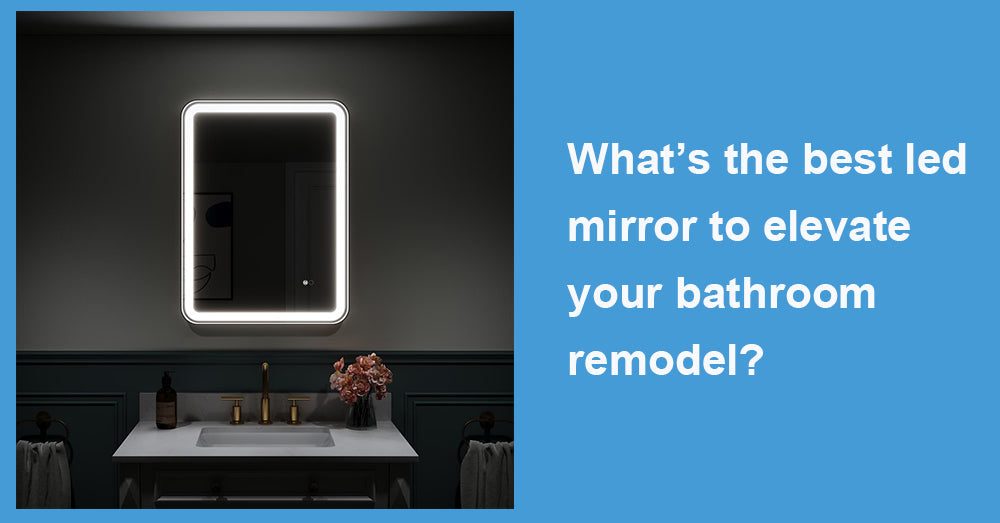
So, which LED mirror is truly worth investing in for bathroom renovation?
1. Why are more and more renovation projects choosing LED mirrors?
From functionality to aesthetics, LED mirrors are becoming the "core component" of bathrooms.
According to data on residential renovations, mirrors and lighting systems are classified as "high perception upgrade items" in bathroom renovation projects, meaning the investment cost is not high. Still, the improvement in user experience and spatial perception is very significant (source: Houzz.com).
At the same time, industry data shows that bathroom mirrors with lighting functions have grown significantly faster than ordinary mirror products in recent years (source: VerifiedMarketReports.com).
This also reflects a trend: bathroom mirrors are shifting from passive reflective tools to composite products that integrate lighting, functionality, and spatial design.
2. How can LED mirrors truly improve daily user experience?
2.1 The change in light quality is more important than you imagine
Traditional bathrooms typically rely on top or side lighting, which can easily create shadows on the face, especially during shaving, skincare, or makeup, affecting accuracy.
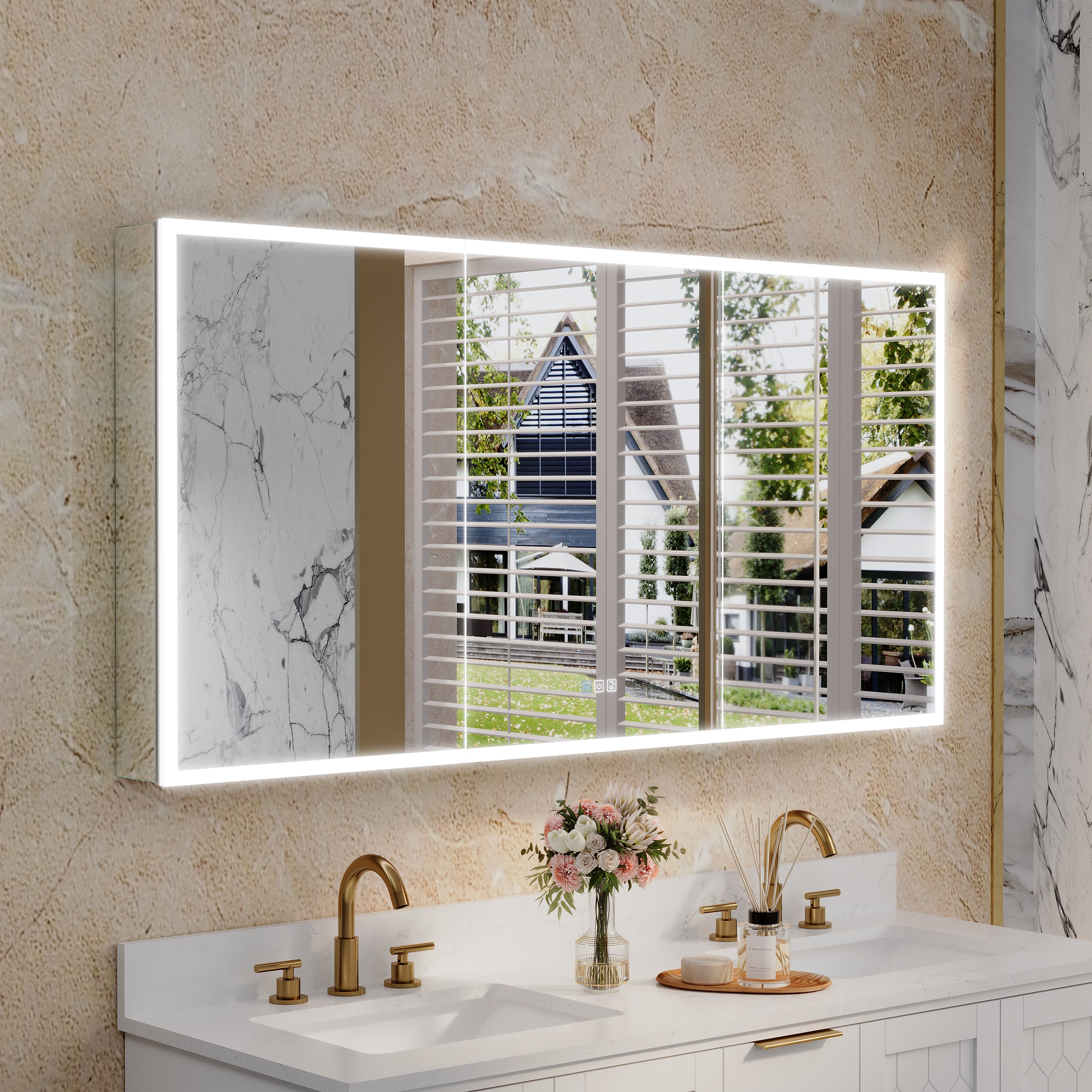
The advantage of LED mirrors is that the light is distributed directly around the mirror surface, providing a more uniform, natural lighting effect.
Research has shown that uniform front lighting can significantly reduce facial shadow interference and is a more ideal light source layout for grooming areas (source: Build.com). That's also why more and more design solutions are choosing "mirror front illumination" instead of a single overhead light.
2.2 Multi-functional integration, turning mirrors into "smart devices."
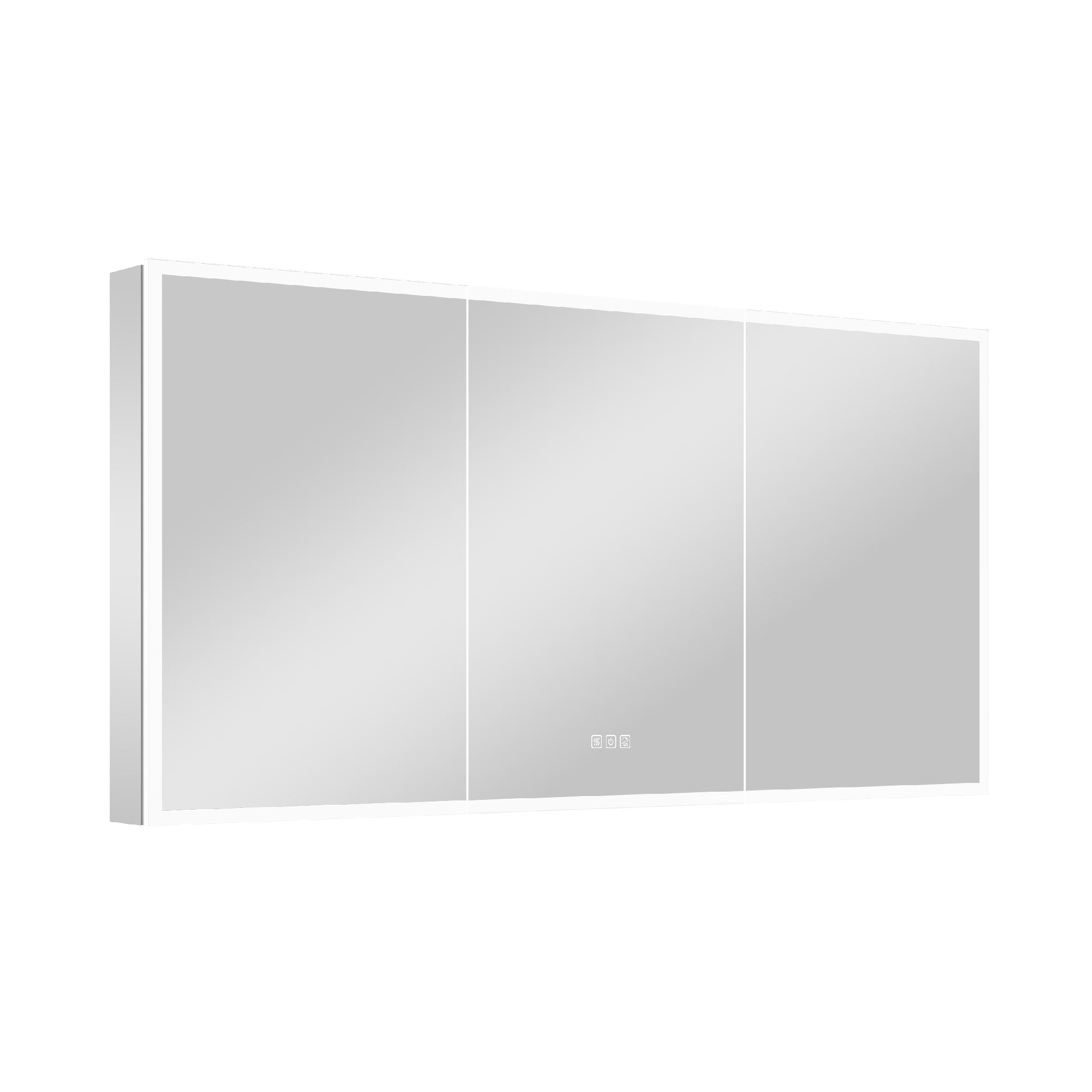
Modern LED mirrors are often not only responsible for illuminating the mirror surface, but also integrate the following functions:
Anti-fog heating area
Dimmable brightness
Multi-color temperature switching (such as warm light/neutral light/cool light)
Touch or sensor switch
Remembering the last usage settings
These details have transformed the mirror from a "decoration accessory" into a fundamental tool for daily life.
According to a survey, among bathroom mirror options with innovative or additional features, anti-fog and dimming functions are the two most commonly used and highly satisfactory by users (source: ConsumerReports.org).
2.3 Simultaneous improvement of spatial and design sense
From a visual perspective, LED mirrors often adopt frameless or narrow-border designs, with light delivered via backlighting or diffusion, allowing the mirror to "float" on the wall.
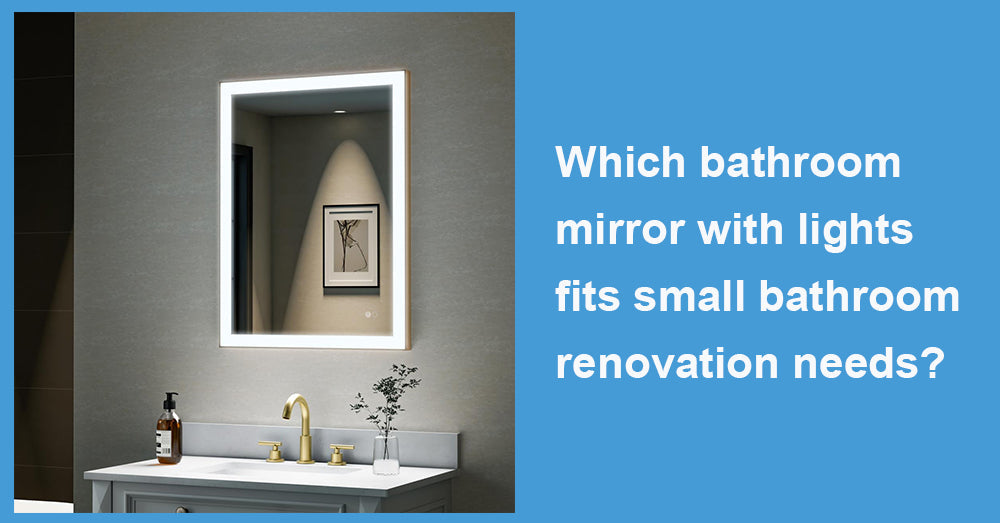
This design can visually stretch the space, especially suitable for small and medium-sized bathrooms.
The trend analysis of home design indicates that simplifying the number of components and eliminating obvious dividing lines are essential ways to make the space appear cleaner and more advanced (source: ArchitecturalDigest.com). The LED mirror perfectly aligns with this direction.
3. What parameters are most worth paying attention to when choosing LED mirrors?
3.1 Size matching: proportion is more crucial than absolute size
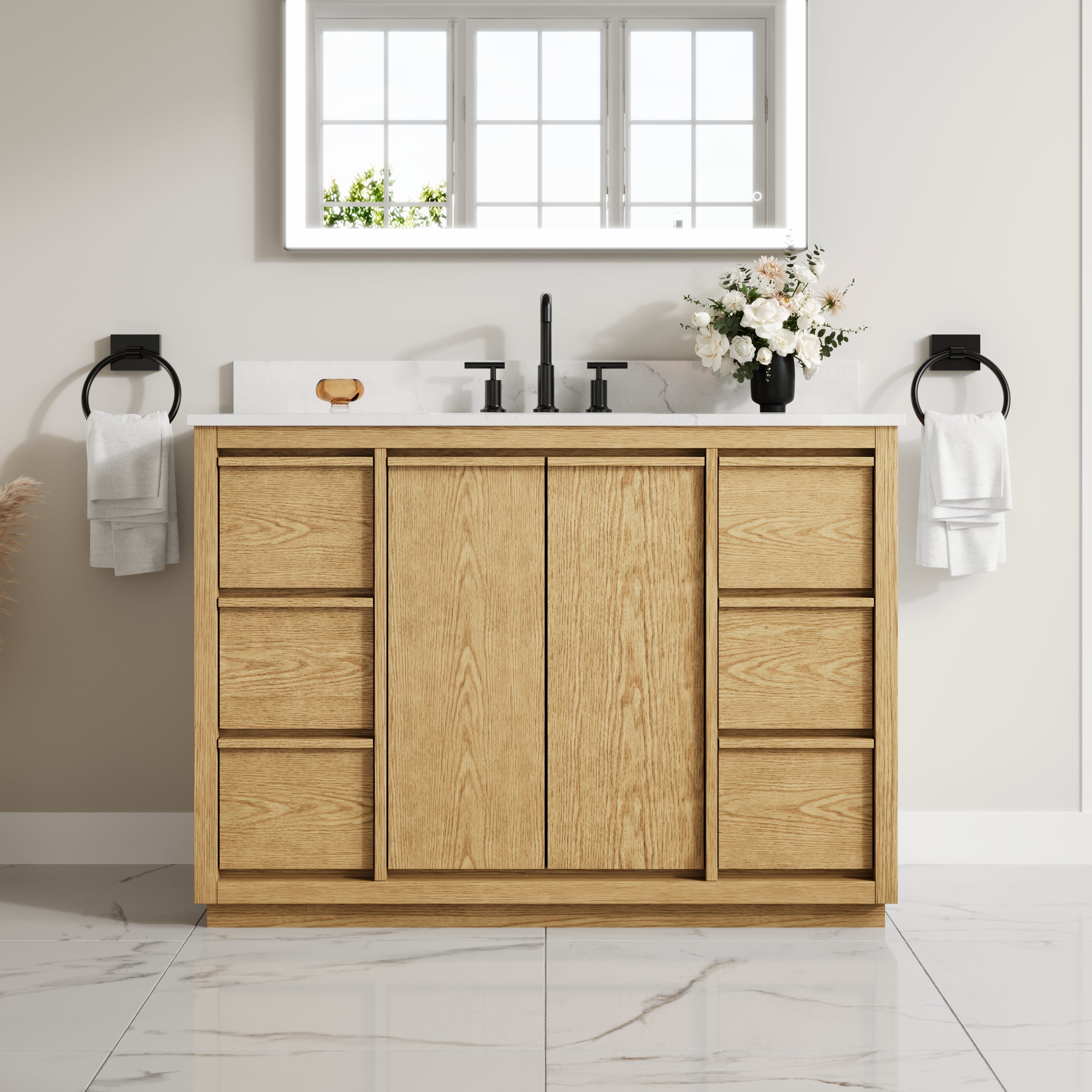
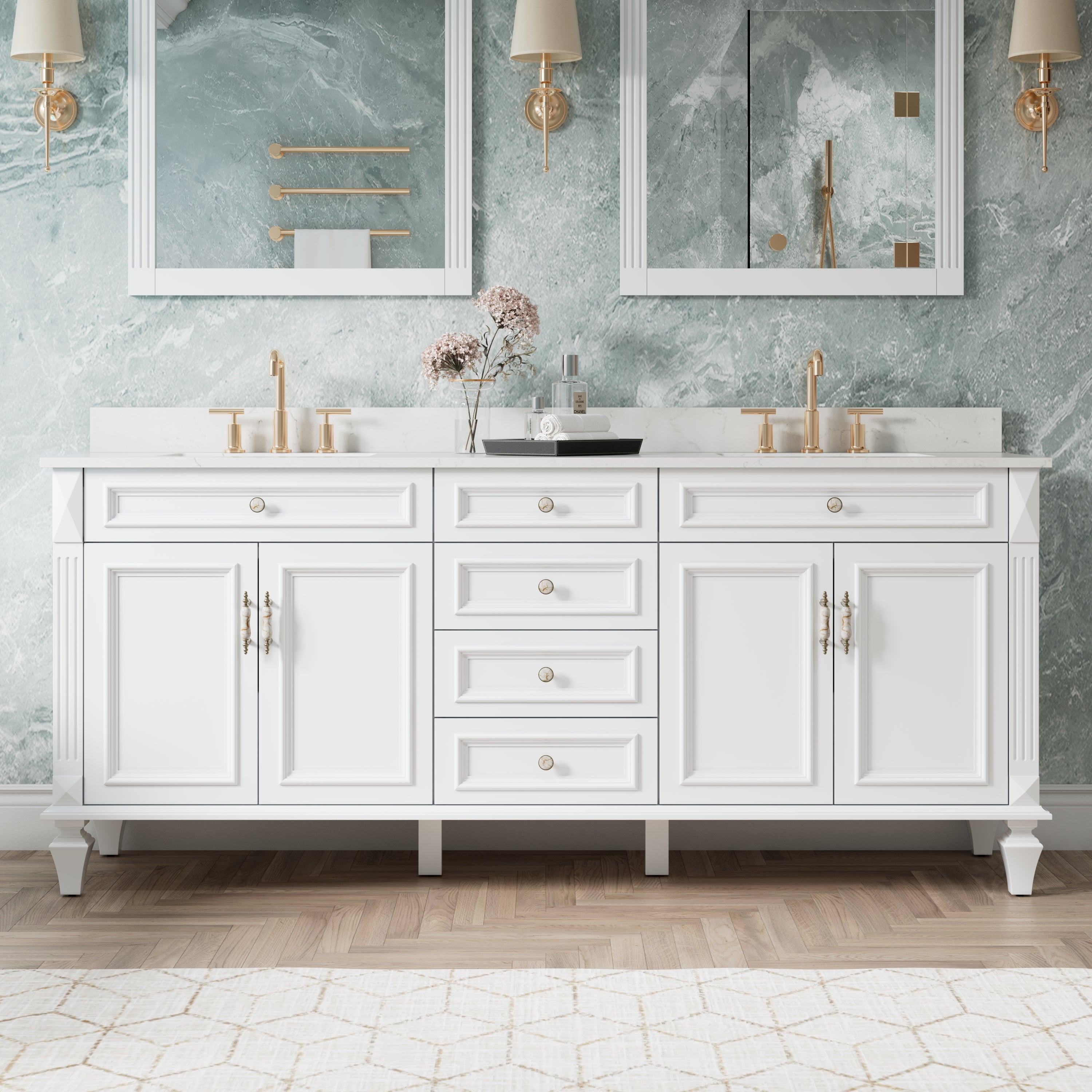
In bathroom design, the mirror width should usually match the width of the bathroom cabinet. The standard way in practice is:
The mirror is slightly narrower than or close to the width of the bathroom cabinet, with an error controlled to within 2-4 inches.
Common LED mirror sizes include 24, 30, 36, 48, and 60 inches.
Smaller sizes are better suited for compact spaces, while 48 inches and up are more commonly used for master bathrooms or double-basin layouts.
3.2 Light source indicator: Don't just look at whether it's bright or not
When choosing an LED mirror, in addition to brightness, the following parameters should also be considered:
CRI ≥ 90: The higher the color rendering index, the closer the color in the mirror is to the proper skin tone
Multi-color temperature switching: adaptable to different times and usage scenarios
Uniformity of Light: Avoid visible bright and dark areas to the naked eye
The lighting industry suggests that in bathroom usage scenarios, a high color rendering index is more important than simply highlighting (source: LightingResearchCenter.org).
3.3 Moisture prevention and safety: bottom line requirements in bathroom environments
Due to long-term exposure to high-humidity environments, LED mirrors should at least have:
Anti-fog function
IP44 or above waterproof rating
Compliant with mainstream electrical safety certification standards
Studies have shown that the failure rate of lighting and electrical products in humid environments is often directly related to sealing design and protection level (source: FineHomebuilding.com).
4. From a renovation perspective, which type of LED mirror is worth investing in?
If the goal is to improve the quality and user experience of the bathroom quickly, the following types of LED mirrors are more valuable references:
Combination design with front and back lighting: Balancing functional lighting and ambient lighting effects
Adjustable color temperature and dimming function: suitable for different users in the home
Minimalist frameless design: compatible with more bathroom styles, not easily outdated
Compared to complex "brilliant" configurations, these features are more stable and practical in long-term use.
5. Is an LED mirror worth prioritizing for bathroom renovation?
From the perspectives of cost, construction difficulty, and experience improvement, LED mirrors are an upgrade with a relatively controllable investment and an obvious perceived return.
In satisfaction surveys after bathroom renovations, lighting improvements, and mirror upgrades are often listed as "one of the most noticeable changes" (source: Houzz.com).
For many renovation projects, replacing a suitable LED mirror is often more efficient than changing the floor or rearranging the layout.

6. In conclusion
The LED mirror that is genuinely suitable for bathroom renovation is not necessarily the one with the most functions or the highest price, but rather a product that strikes a balance between size, light quality, safety, and design.
When mirrors are no longer just reflective tools, but a part of space, the changes they bring will be more intuitive than expected.
In the context of bathroom updates, gradually moving towards refinement and long-term use orientation, a suitable LED mirror is playing a crucial role that cannot be ignored.






























Leave a comment
This site is protected by hCaptcha and the hCaptcha Privacy Policy and Terms of Service apply.