


















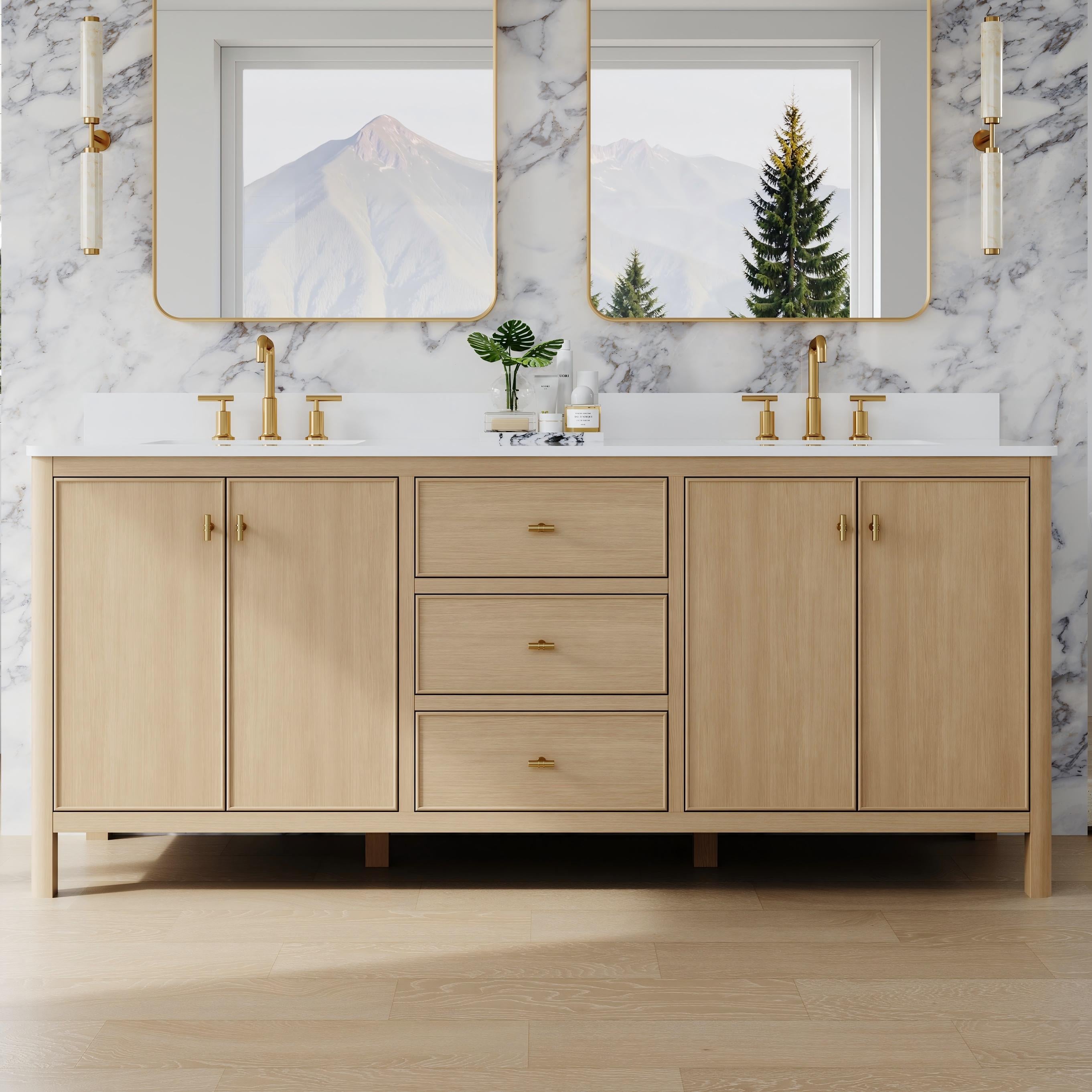
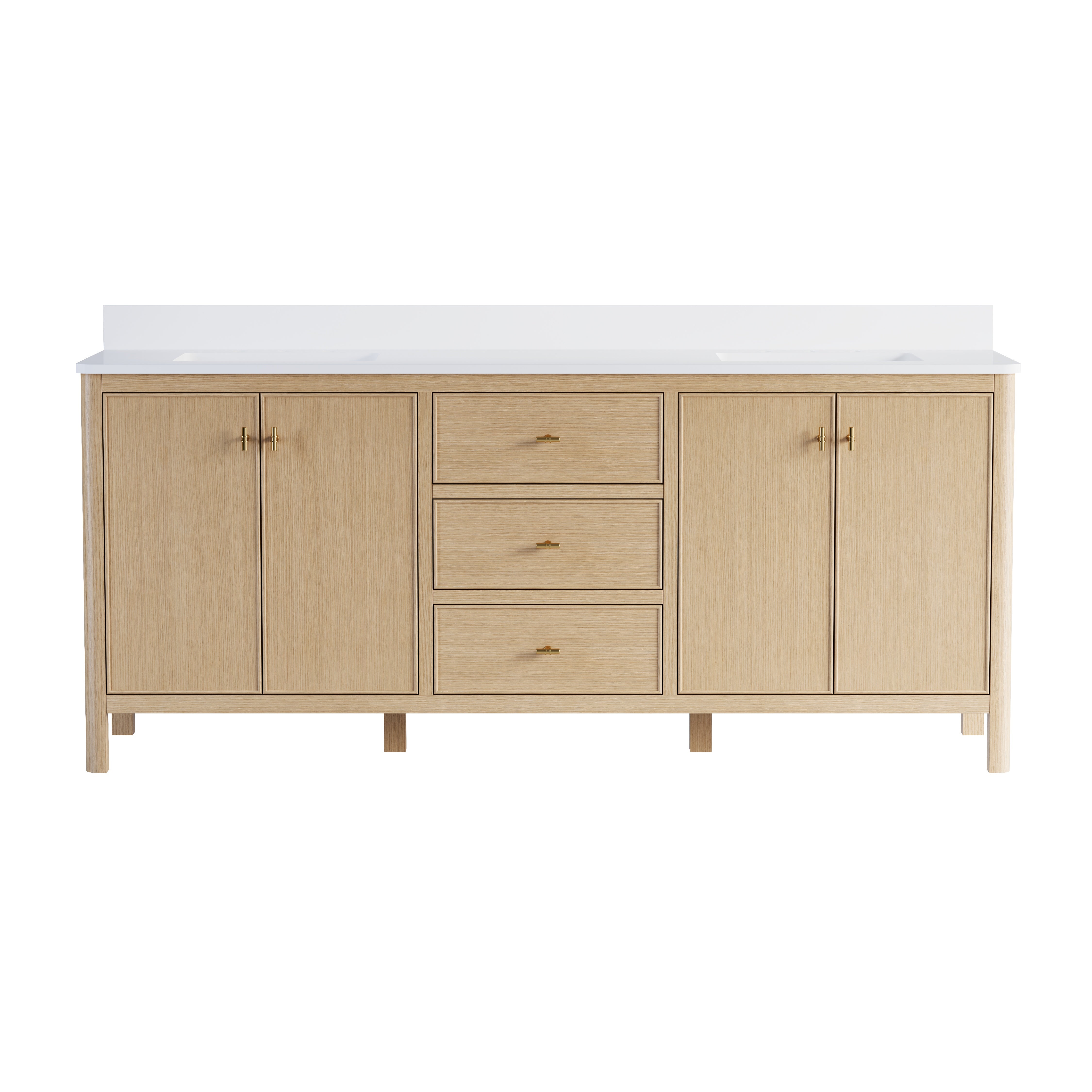


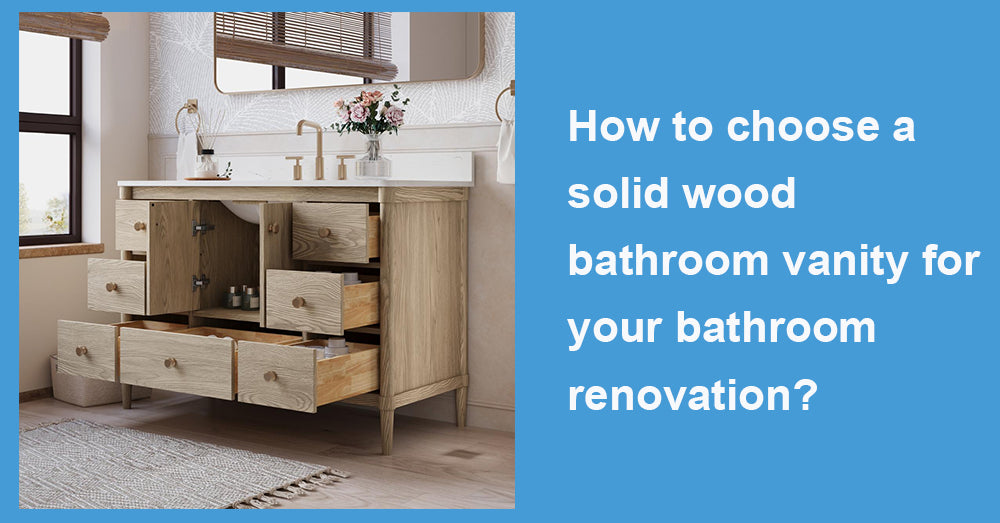
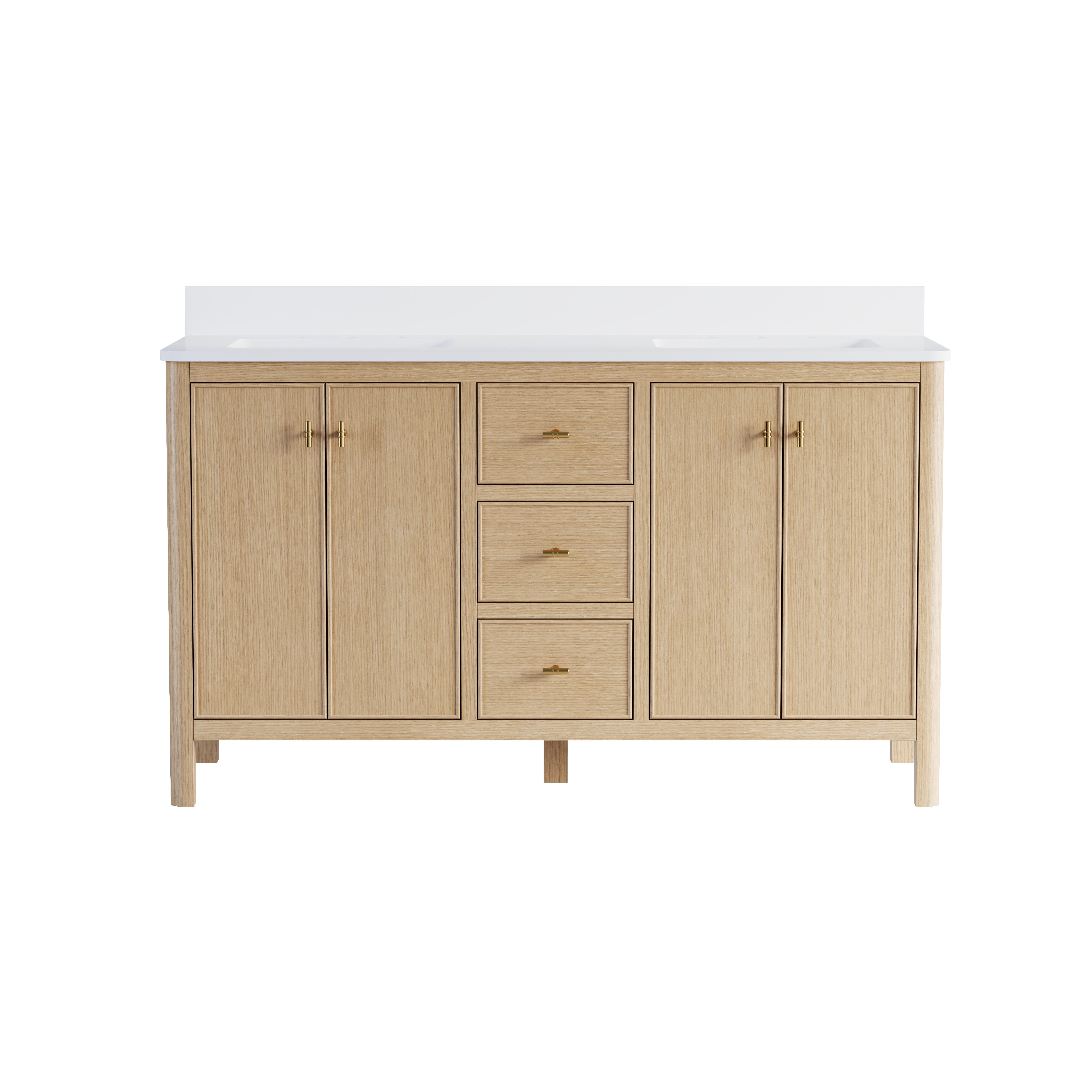
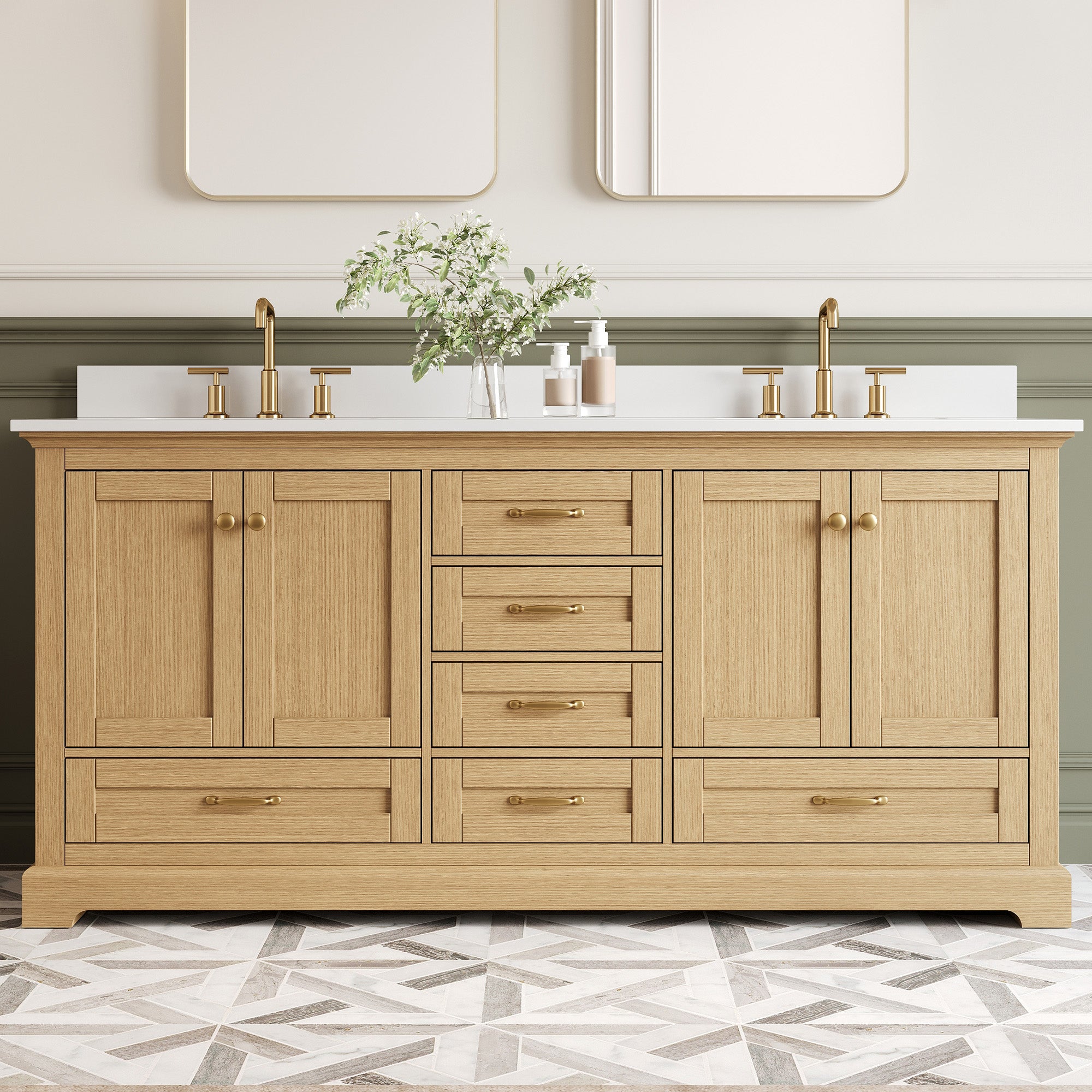
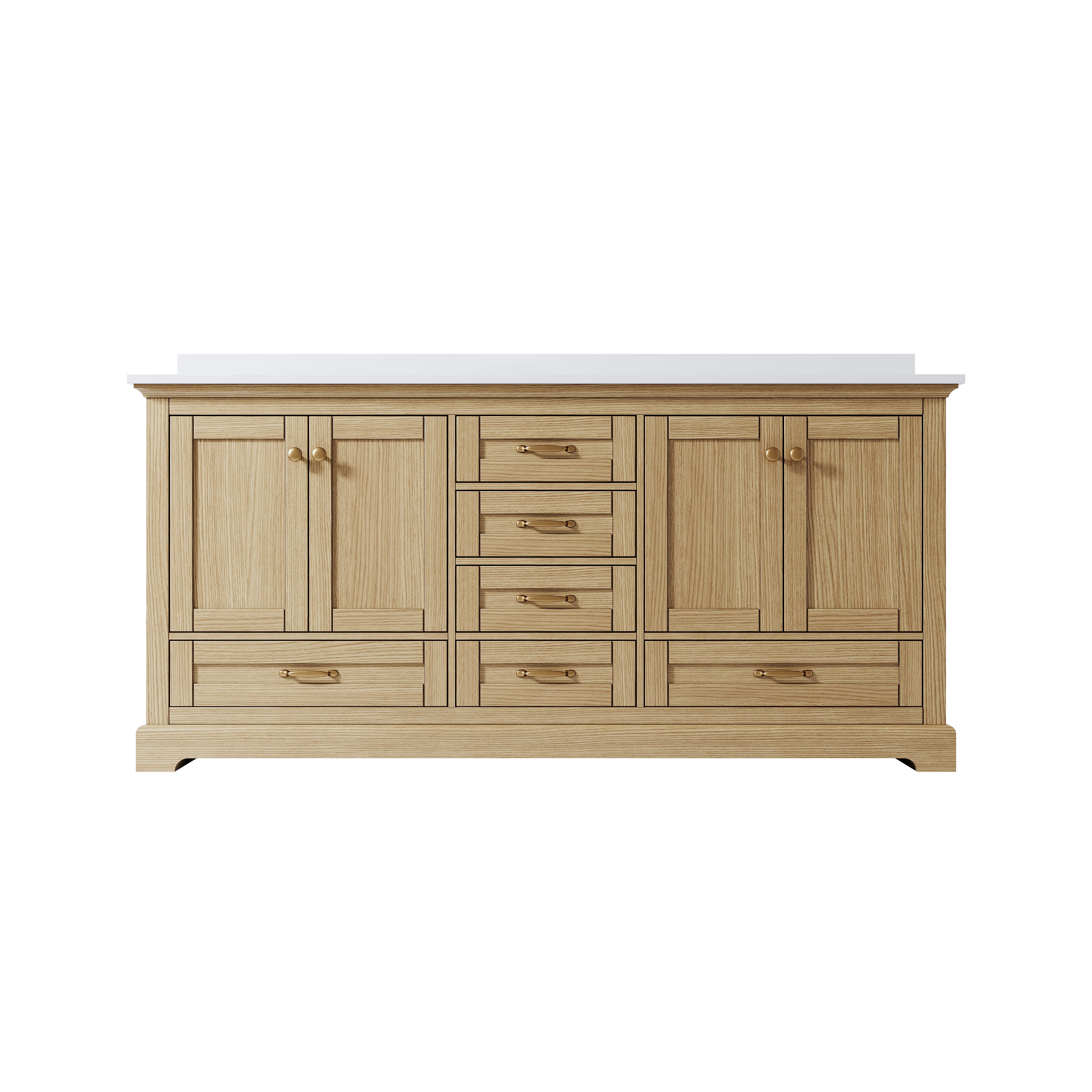
In recent years, Solid Wood Bathroom Vanity has gradually become the mainstream choice in high-end residential and renovation projects. Compared with artificial boards or veneer structures, the durability, structural stability, and spatial texture provided by solid wood materials are redefining the value standards for bathroom core furniture. However, in the actual selection process, the type of wood, size matching, moisture resistance, and long-term maintenance costs are often more worthy of attention than the appearance itself.
1. The trend of bathroom renovation is shifting towards 'long-term value.'
According to industry statistics, the investment return rate for bathroom renovations remains high among various indoor renovation projects. Data shows that the average recycling value of bathroom renovation projects can reach over 70% of the renovation cost (source: Remodeling.hw.net). Among these projects, bathroom cabinets rank among the items with the highest replacement frequency and the most significant impact on service life.
Meanwhile, research on material preferences shows that over 60% of renovation owners prefer "natural materials or long-term structural solutions" when choosing bathroom cabinets (source: Houzz.com). This is also an essential background for the continuous growth of demand for solid wood bathroom cabinets.
2. Why is a Solid Wood Vanity more suitable for medium to long-term use?
From a structural perspective, the advantages of solid wood bathroom cabinets extend beyond their appearance and texture. Solid wood frames usually use whole-board or finger-joint structures, which offer better load-bearing capacity, deformation resistance, and long-term screw fixation stability than ordinary composite boards. This is particularly critical for bathroom environments that require carrying basins, stone countertops, and frequent opening and closing of drawers.
Industry data show that in humid environments, the probability of warping or expansion in low-density boards is significantly higher than in solid wood structures (source: ForestProductsJournal.com). Therefore, in renovation projects that focus on service life and maintenance costs, solid wood materials are often seen as a more cost-effective choice.
3. Common solid wood types and performance differences
Not all "solid wood bathroom cabinets" perform consistently, and there are significant differences in density, oil content, and stability among different woods.
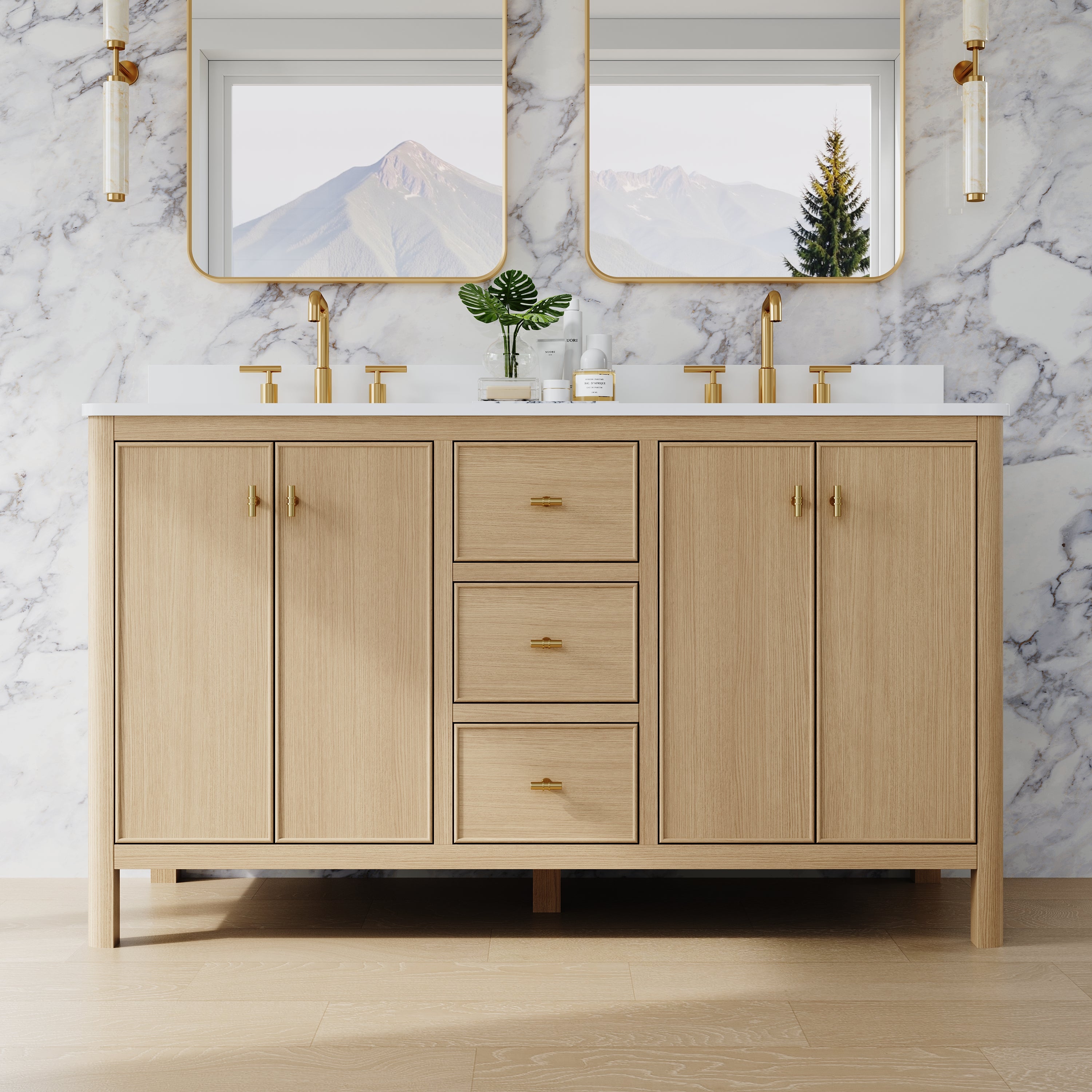
Oak: high hardness, clear texture, strong impact resistance, suitable for larger double basins or large-sized cabinets.
Maple: With a tight structure and delicate surface, it is easier to achieve a light or modern style painting.
Birch: With high cost-effectiveness and good stability, it is widely used in mid-price products.
Rubberwood: commonly used in environmentally friendly products, but attention should be paid to the level of moisture-proof treatment.
Research has shown that controlling moisture content in wood and the subsequent sealing coating process often have a greater impact on the stability of the finished product than the type of wood itself (source: WoodworkingNetwork.com).
4. Size selection is more important than imagined
In bathroom renovation projects, size matching often directly affects user comfort and flow efficiency. Standard widths for solid wood bathroom cabinets include 24, 30, 36, 48, 60, and 72 inches.
Industry recommendations suggest that for single-basin configurations, spaces below 36 inches are more suitable for guest or secondary bathrooms; spaces 48 inches or more are more appropriate for the main bathroom (source: NKBA.org). If space permits, a 60-inch or 72-inch cabinet can not only improve the comfort of countertop operation, but also help increase the proportion of drawer storage and reduce clutter.
In terms of height, the current mainstream finished cabinet countertops typically measure 34-35 inches, which is considered more in line with modern ergonomic requirements (source: Build.com).
5. Moisture resistance and structural details are hidden value points
Even with solid wood, a moisture-resistant design remains the key to the durability of bathroom cabinets. High-quality solid wood bathroom cabinets are usually reinforced in the following details:
Multi-layer enclosed coating inside and outside the cabinet to reduce water vapor infiltration
Additional edge sealing in the basin opening area
Design of a moisture-proof structure for the drawer bottom and back
Solid wood frame with detachable back panel for easy maintenance
Studies have shown that humidity fluctuations in bathroom environments are among the leading causes of furniture aging, and a well-designed structure can significantly extend the service life of cabinets (source: FineHomebuilding.com).
6. Style selection is returning to 'naturalness.'
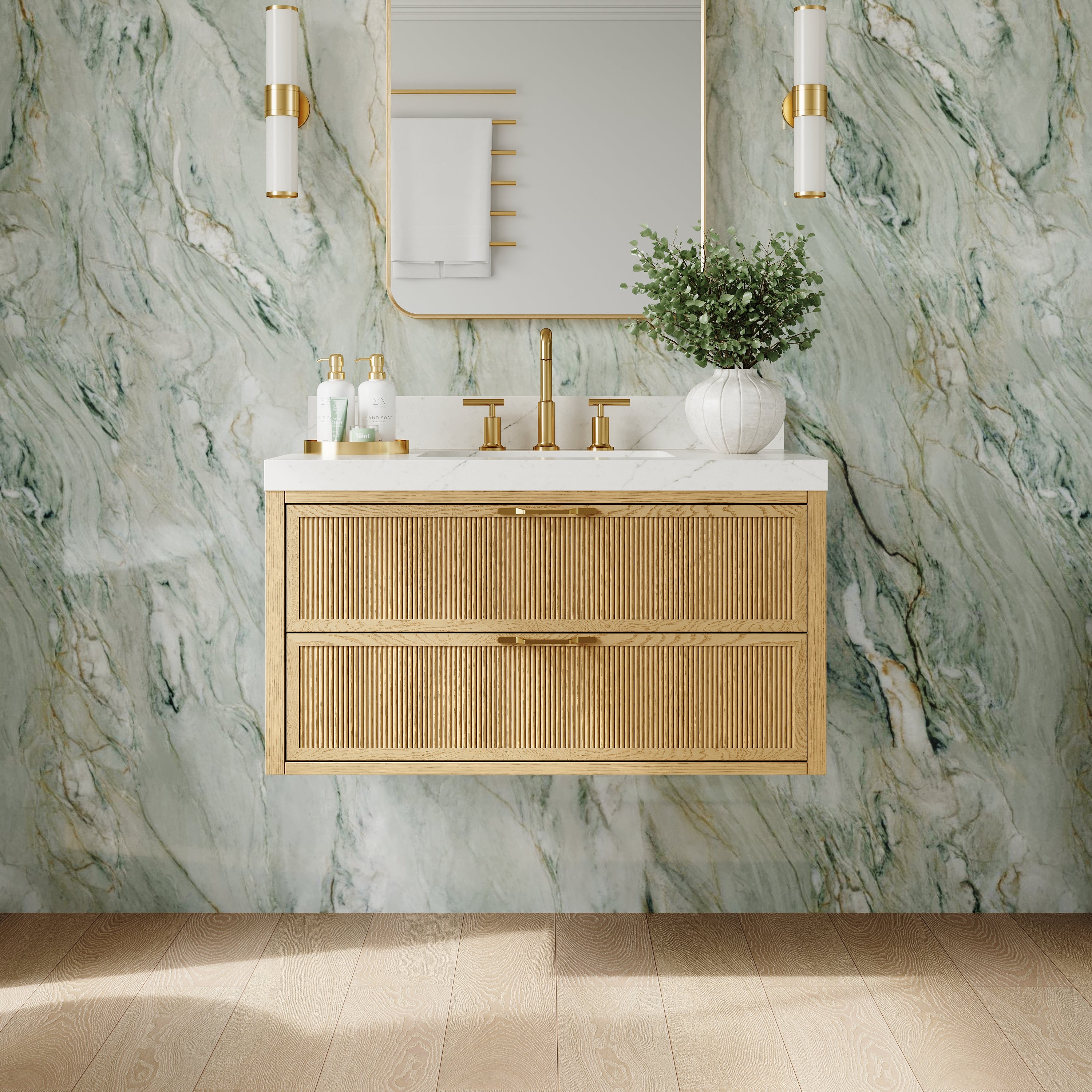
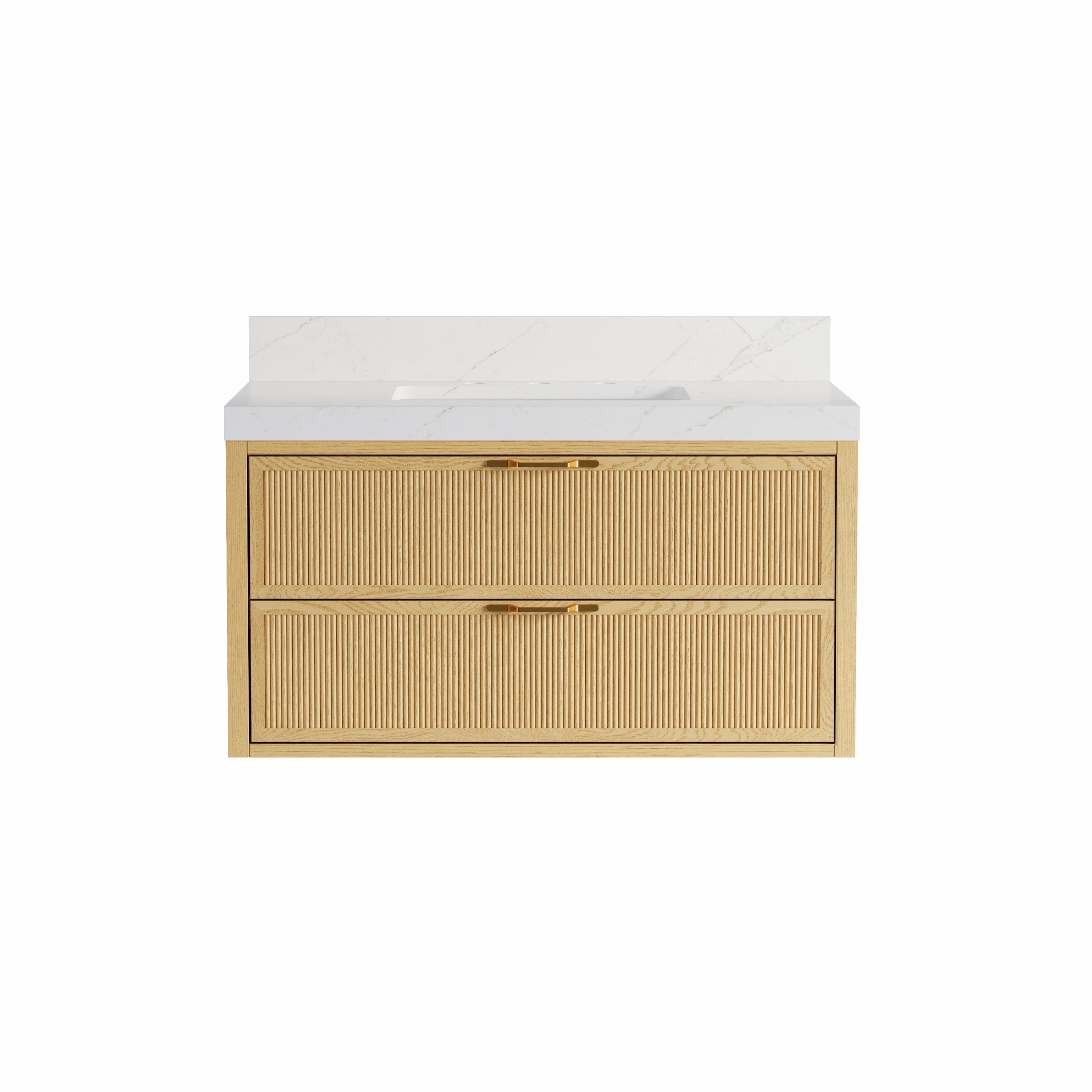
From a design perspective, solid wood bathroom cabinets are shifting from traditional, heavy shapes to a more straightforward style that emphasizes the wood grain's texture. Light-colored wood grain, matte paint surfaces, and suspended installation solutions have significantly increased in recent years.
According to the Home Design Trends Report, the combination of natural materials and minimalist lines is believed to improve the durability and long-term acceptance of spaces (source: ArchitecturalDigest.com). This is also why many renovation projects tend to choose solid wood cabinets that are not overly decorated.
7. Maintenance costs should not be ignored
Compared to artificial boards, solid wood bathroom cabinets usually have a slightly higher initial investment, but long-term maintenance costs are actually more controllable. As long as long-term water accumulation is avoided during use and basic ventilation conditions are maintained, the probability of structural damage to solid wood cabinets is relatively low.
Industry statistics show that "structural damage" and "cabinet expansion" account for more than 40% of reasons for replacing bathroom cabinets after 5 years of use, most of which are due to insufficient material selection and inadequate moisture-proofing (source: ConsumerReports.org).

8. From the perspective of renovation decision-making, how to make a more reliable choice?
Overall, choosing a suitable Solid Wood Bath Vanity should be considered from the following dimensions:
Whether it conforms to the spatial dimensions and usage habits, whether the wood and structure are suitable for humid environments, whether the design has long-term aesthetic stability, and whether the later maintenance is controllable.
As bathroom renovations shift from "rapid updates" to "long-term investments," solid wood bathroom cabinets represent not only a material selection but also a reassessment of durability and spatial value.



































Leave a comment
This site is protected by hCaptcha and the hCaptcha Privacy Policy and Terms of Service apply.