














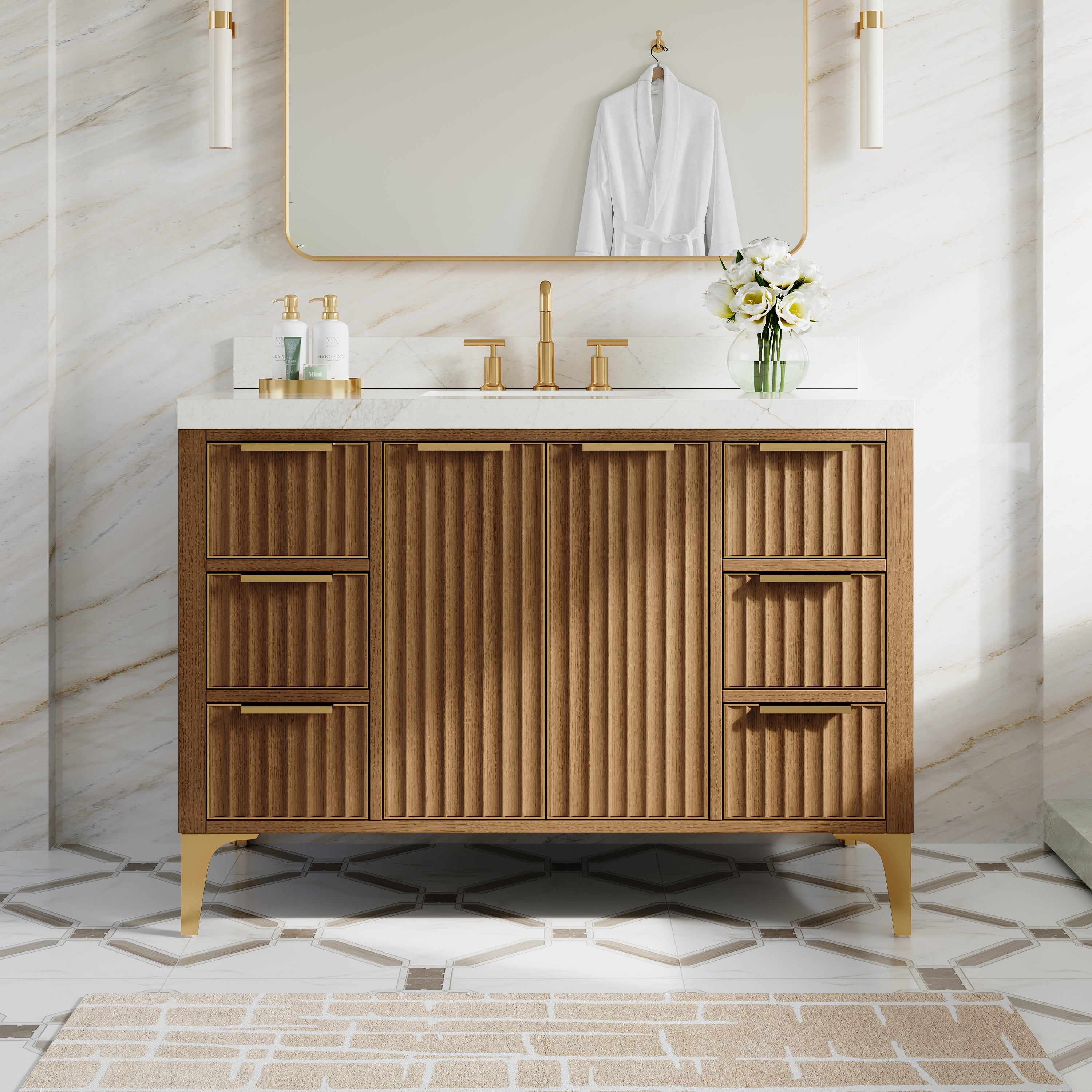
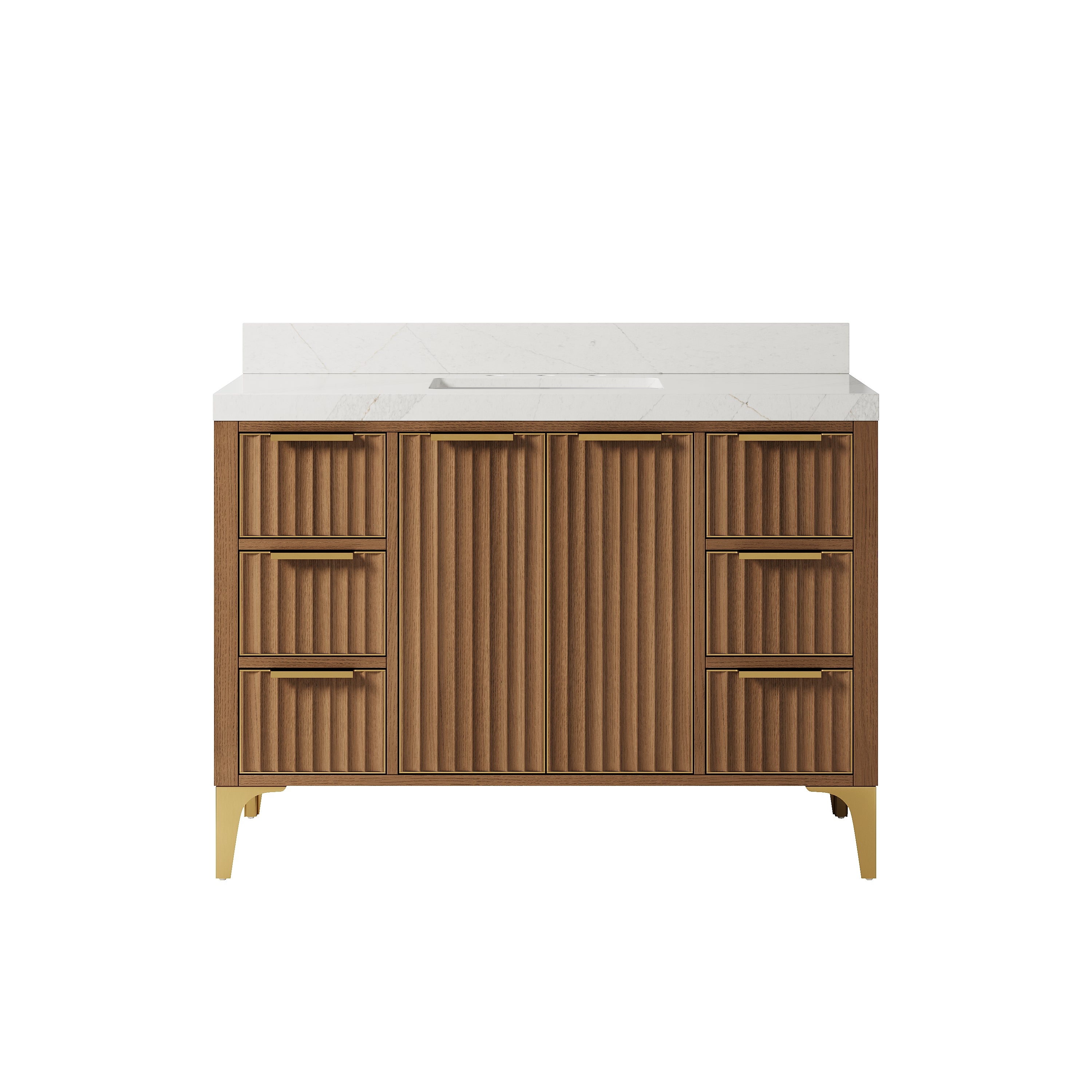


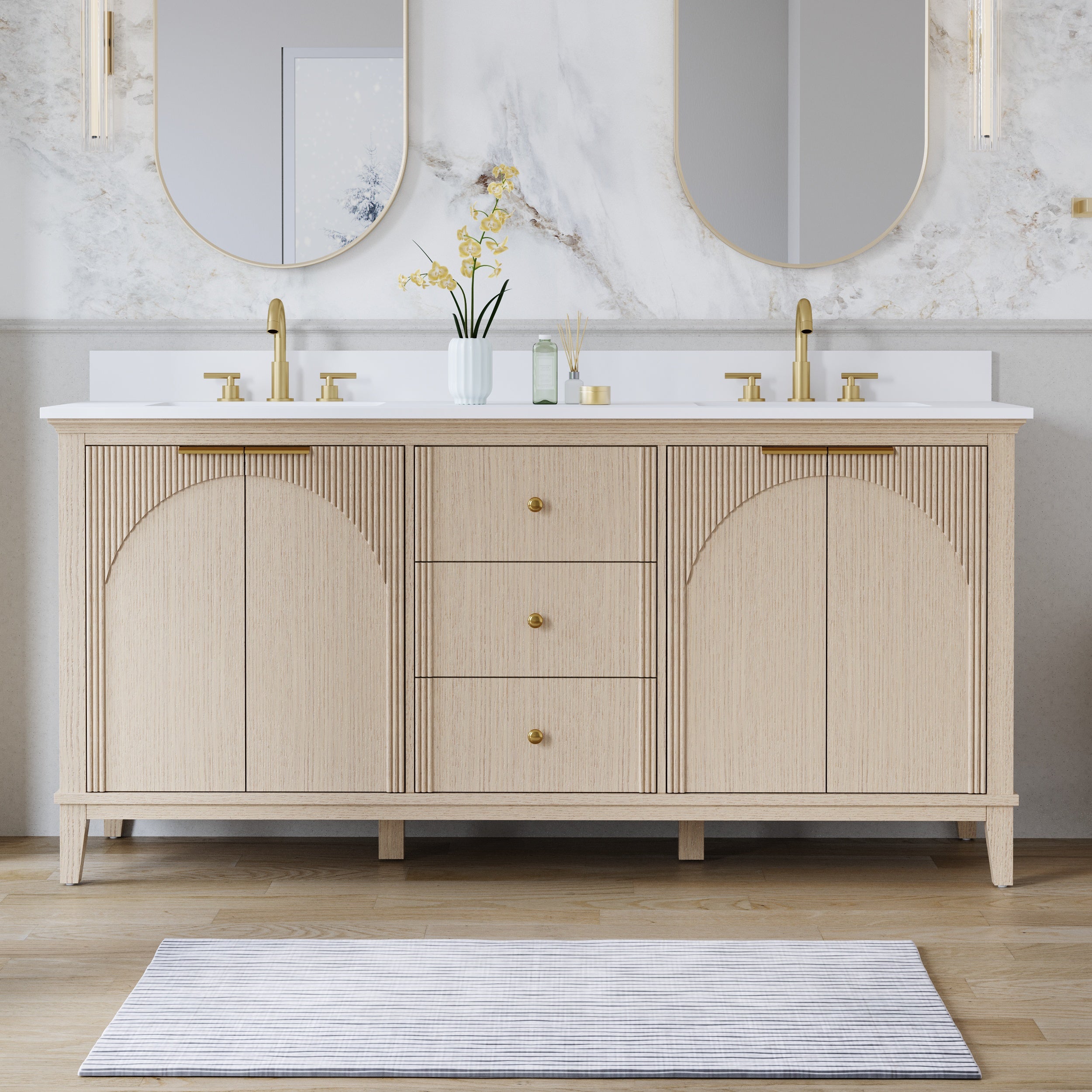
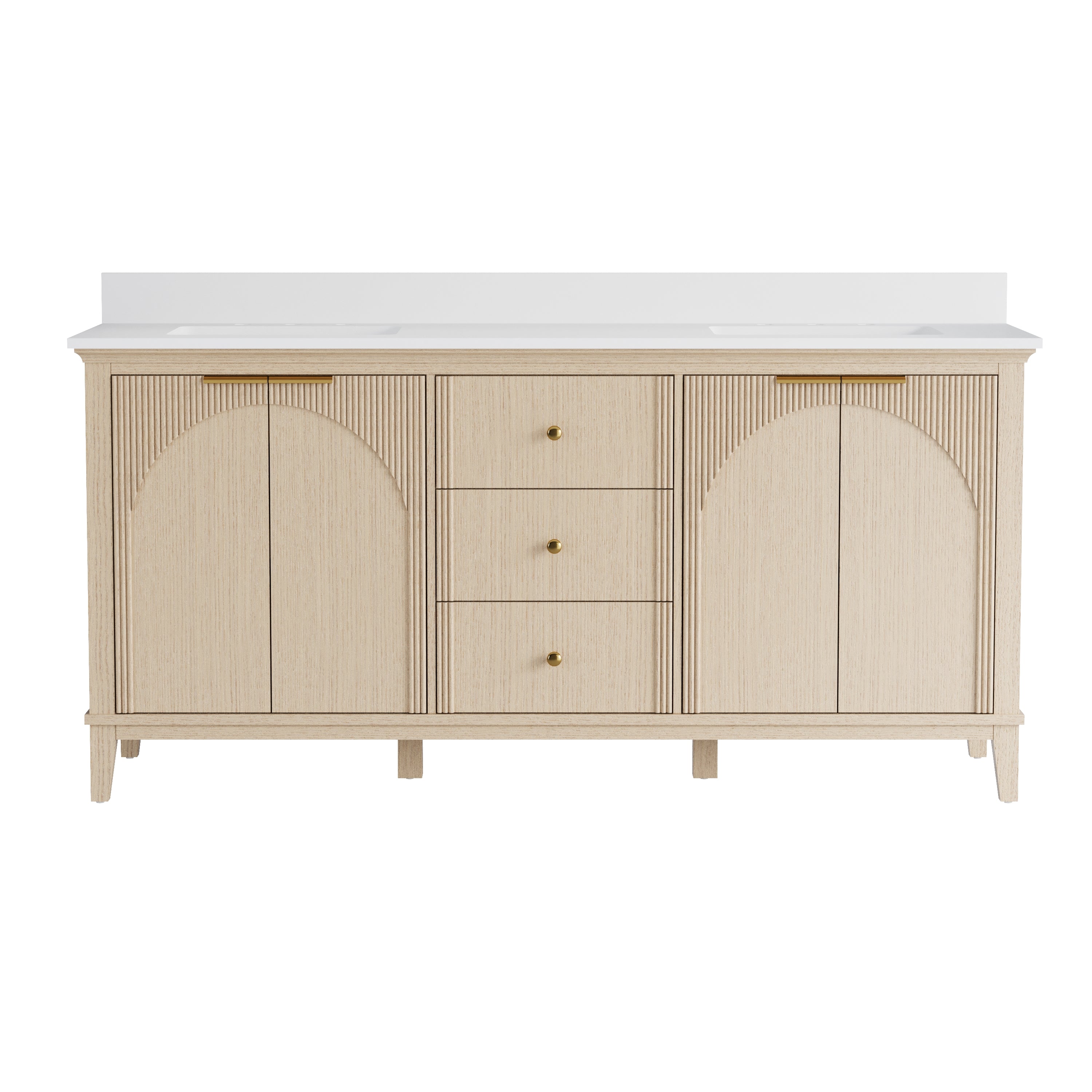
In bathroom decoration and renovation, the selection of mirror sizes is often underestimated. Many people invest a lot of effort in choosing washbasins, shower systems, or storage solutions, but rely on intuition when deciding on mirror size. However, from the perspective of spatial proportion, user experience, and overall visual effect, the size of mirrors often has a decisive impact on the final decoration outcome.
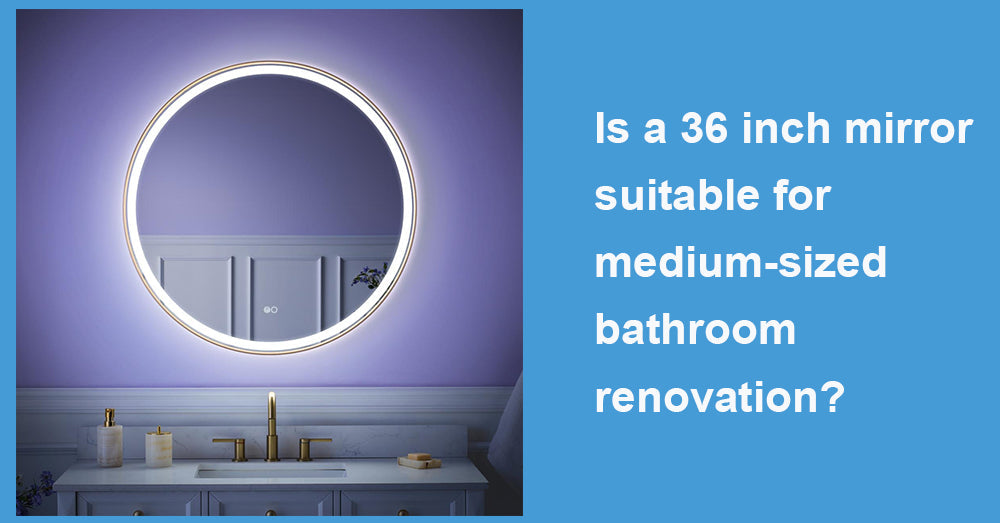
Among many standard specifications, 36 inch mirror are widely used in various residential projects. Is this size really suitable for a medium-sized bathroom? This issue needs to be analyzed from multiple perspectives, including spatial scale, functional requirements, and design logic.
1. What is a 'medium-sized' bathroom space?
In the industry context, a medium-sized bathroom typically refers to a space type that is neither compact nor a large-scale main bath. These types of bathrooms are generally equipped with standard washbasins, shower areas, and necessary storage functions, maintaining a balance between frequency of use and functional integrity.
Space-planning research indicates that when choosing mirror size for medium-sized bathrooms, it is necessary to avoid the sense of confinement caused by small mirrors and to avoid oversized mirrors that break the proportional relationship. This is precisely one of the background reasons why 36-inch mirrors are frequently adopted.
2. Analysis of the Size Advantages of a 36 Inch Mirror
From an intuitive perspective, 36 inches belongs to a size range that is neither too big nor too small.
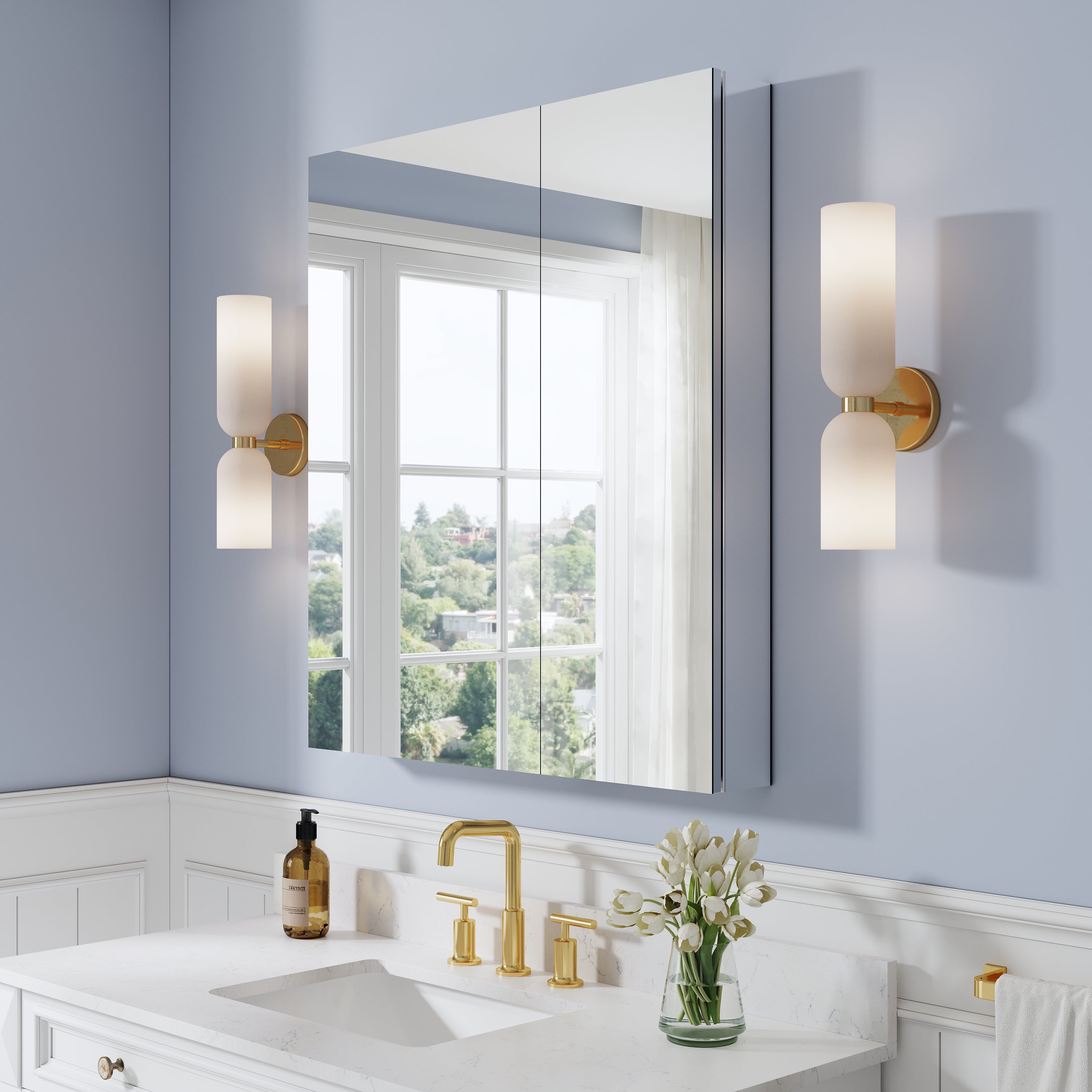
This specification typically matches naturally with a washbasin width of around 36 inches, ensuring visual consistency between the countertop and the mirror.
Design research shows that when the mirror's width is equal to or slightly smaller than the sink's, the sense of spatial order is stronger, and the overall appearance is stable and coordinated.
This proportionality principle aligns with the typical use cases for 36-inch mirrors in medium-sized bathrooms.
3. From the perspective of user experience, is a 36 Inch sufficient?
In daily use, the core function of a mirror is to provide a clear, complete image.
A 36-inch mirror typically covers the entire operating area of a single basin, eliminating the need for users to frequently adjust their body position.
Related surveys have shown that mirrors with a width of less than 30 inches are more likely to result in inconvenient use in multi-person households.
In contrast, 36 inches better meets the needs of people of different heights and usage habits, especially during peak hours in the morning and evening.
4. The impact on the visual proportion of medium-sized bathrooms
Mirrors are not only functional components, but also critical visual elements.
In a medium-sized bathroom, the wall area is limited, and the mirror's size directly affects the space's openness.
Research has shown that in medium-scale spaces, increasing the proportion of mirrors appropriately can enhance the sense of depth and transparency, thereby visually "magnifying" the space.
The 36-inch mirror performs stably at this point, without appearing oppressive or losing its presence.

5. Adaptability to different styles of bathrooms
From a style standpoint, a 36-inch mirror is a neutral choice.
In modern, minimalist, or transitional-style bathrooms, this size neither competes for visual focus nor serves as a core element that carries the design language.
Design trend analysis shows that the compatibility of medium-sized mirrors in style conversion is significantly higher than that of smaller or oversized sizes.
This also makes the 36-inch one a low-risk option for renovation projects.
6. Advantages of combining with illuminated mirrors or mirror cabinets
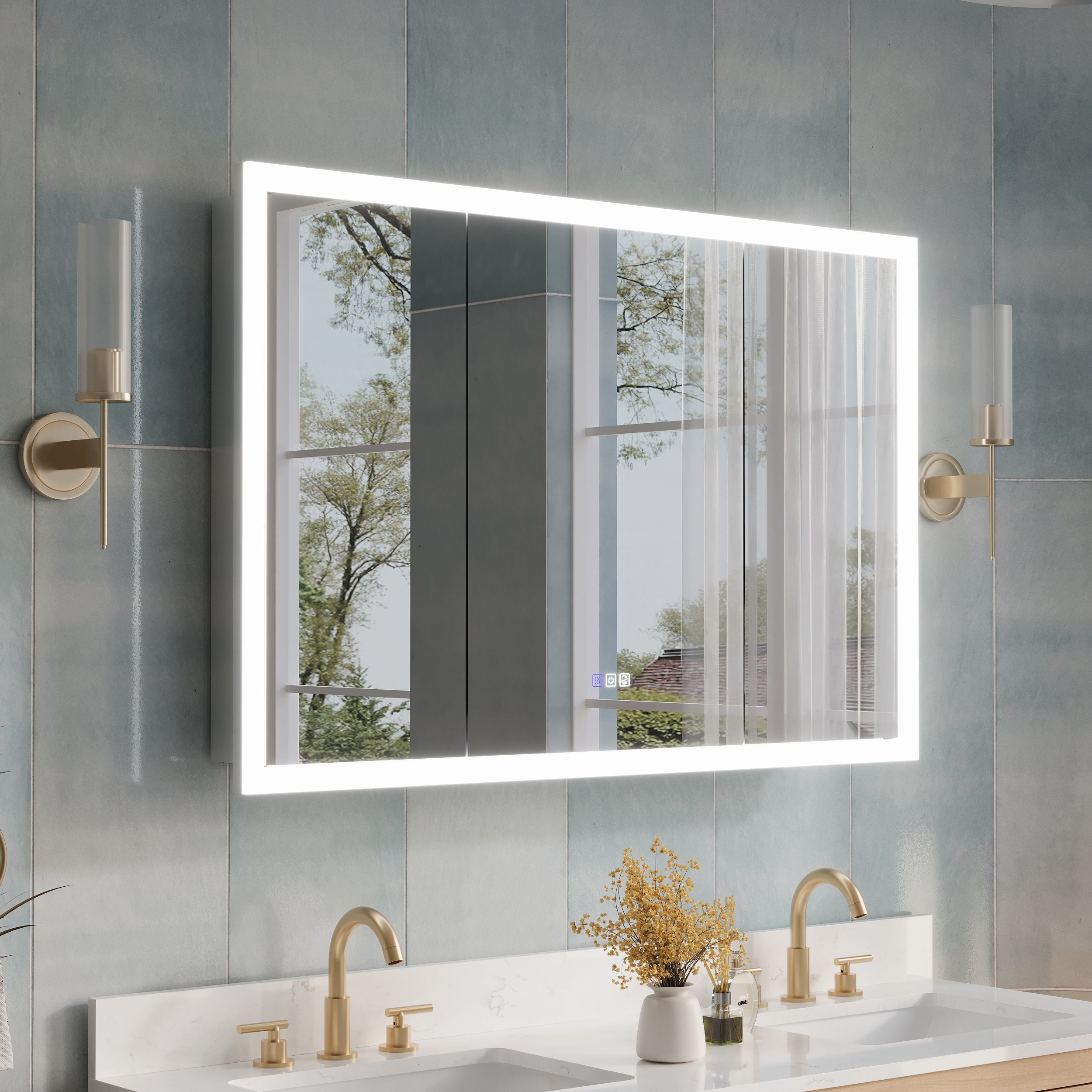
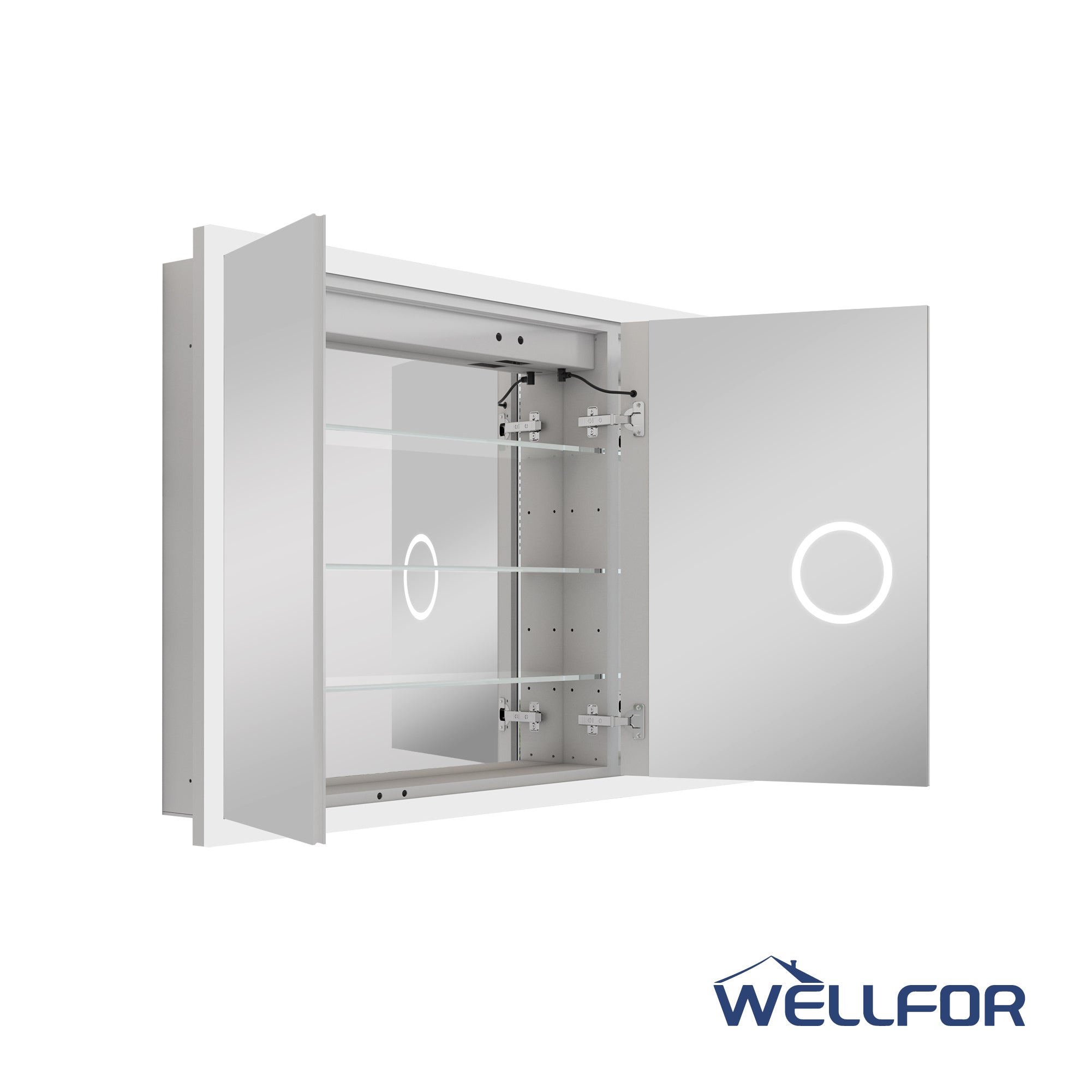
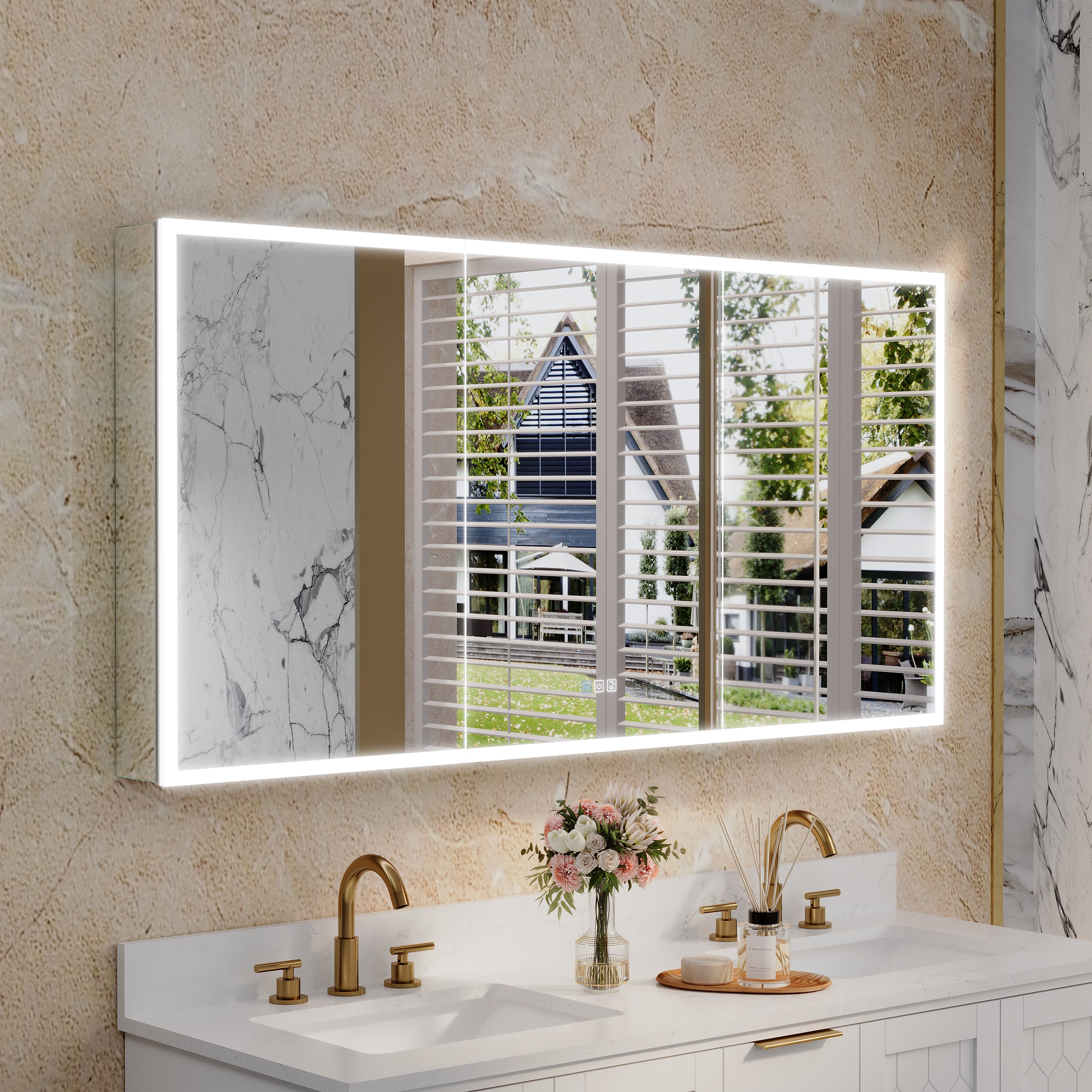
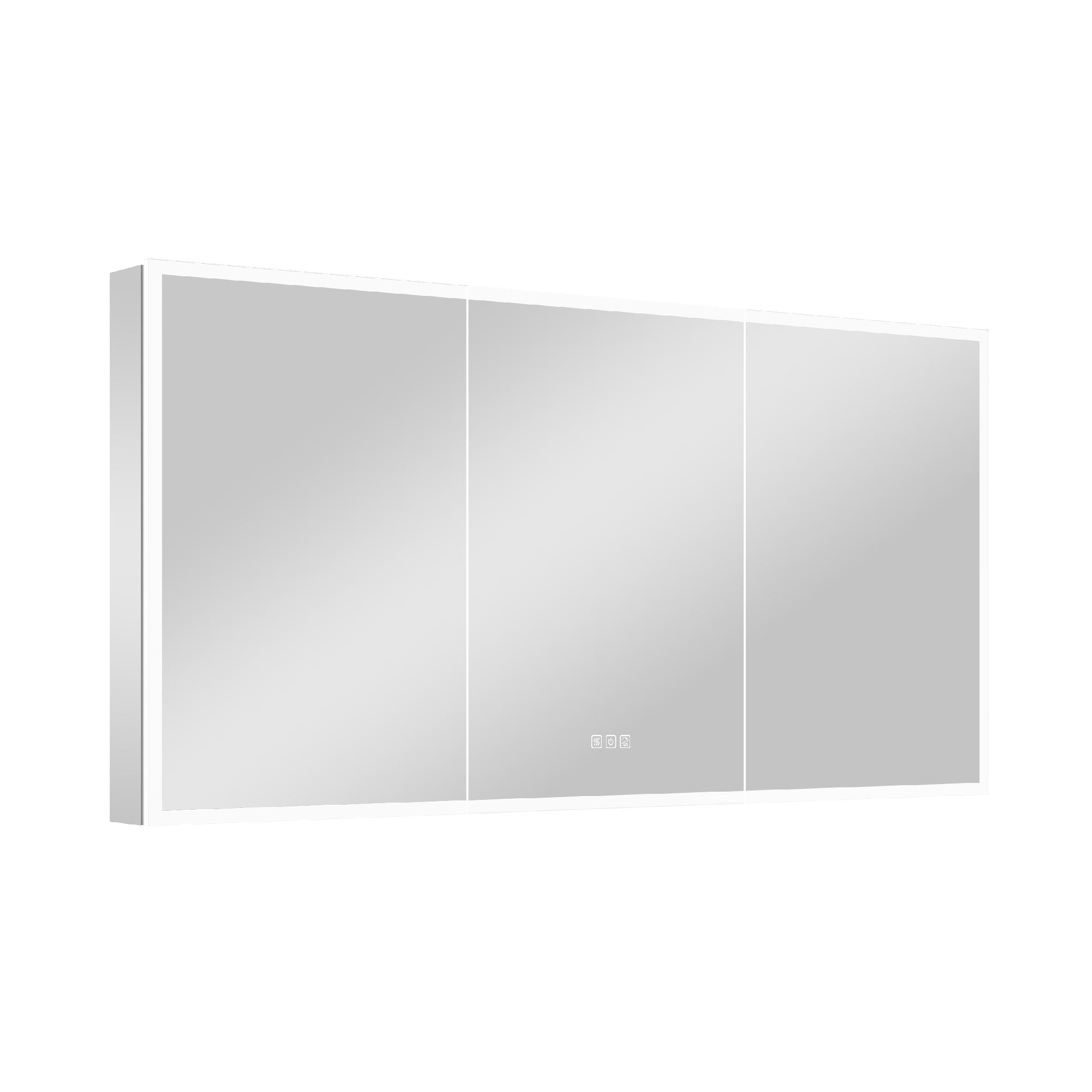
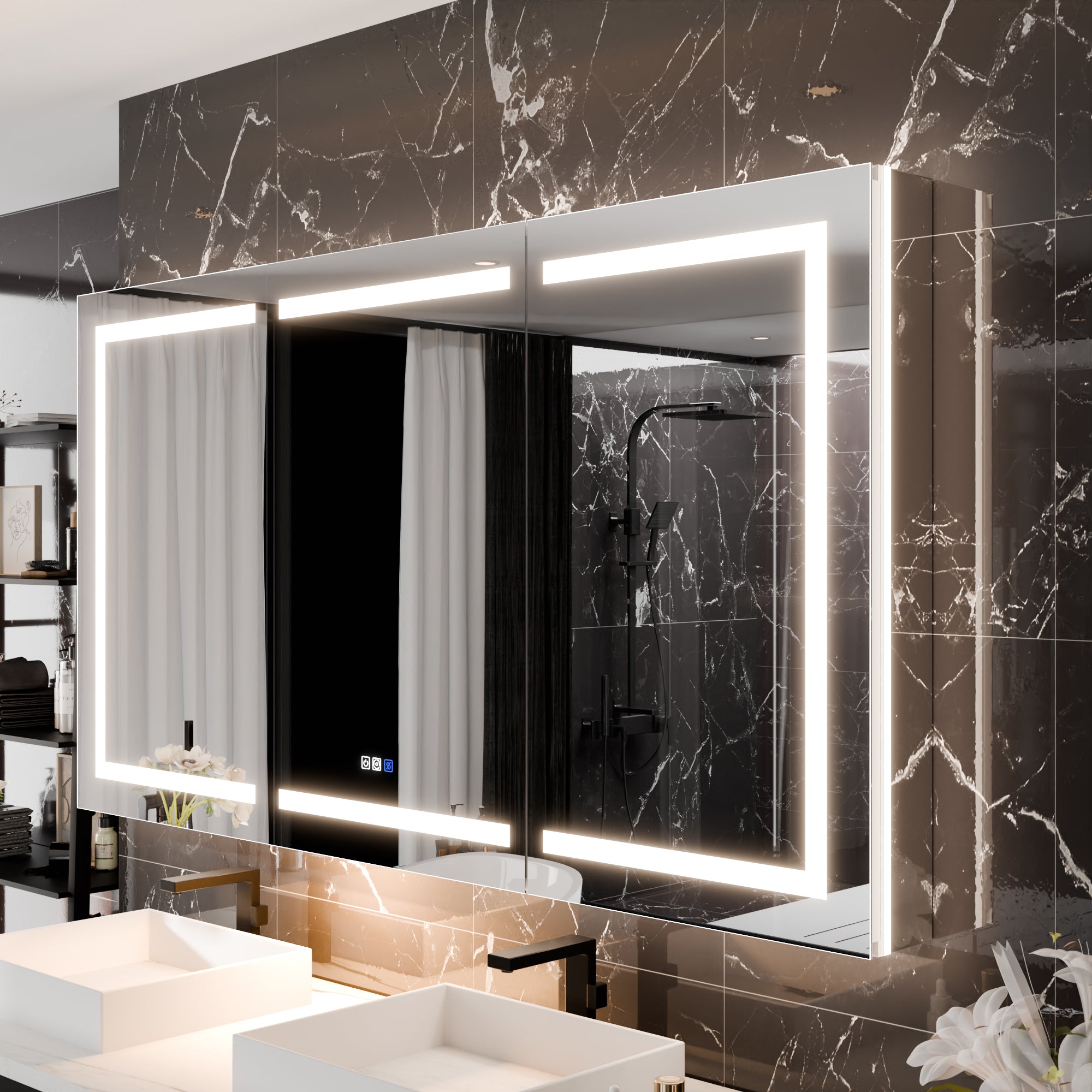
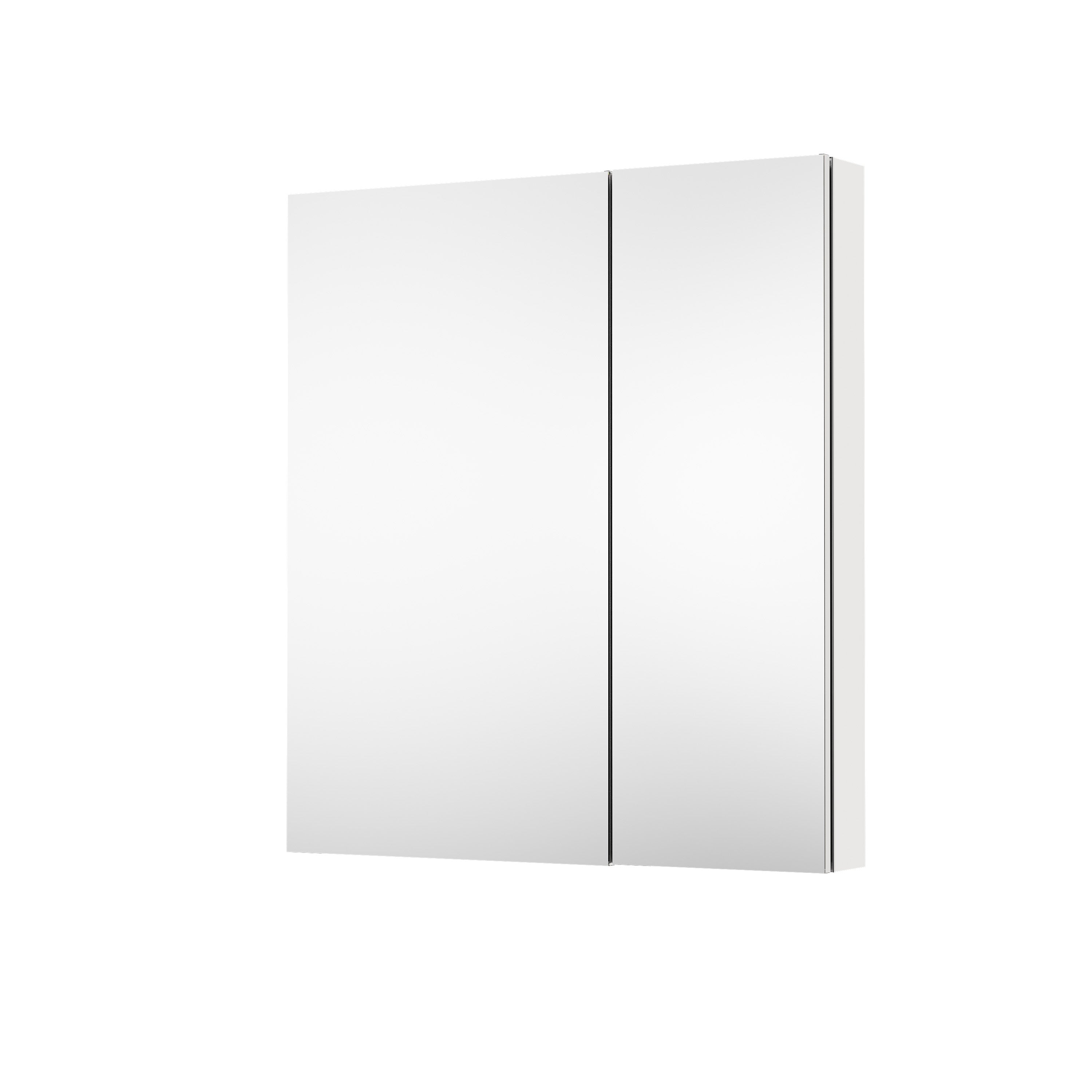
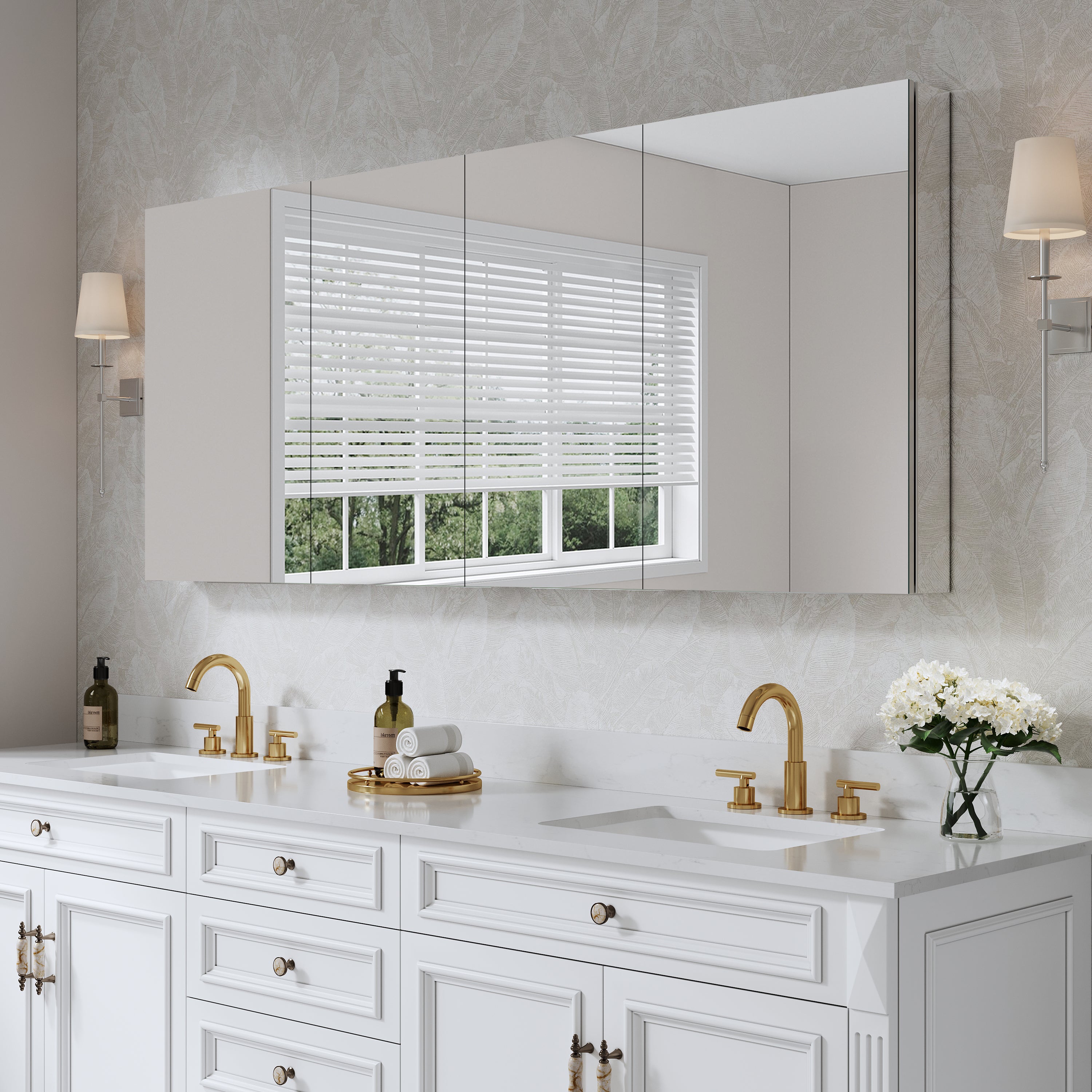
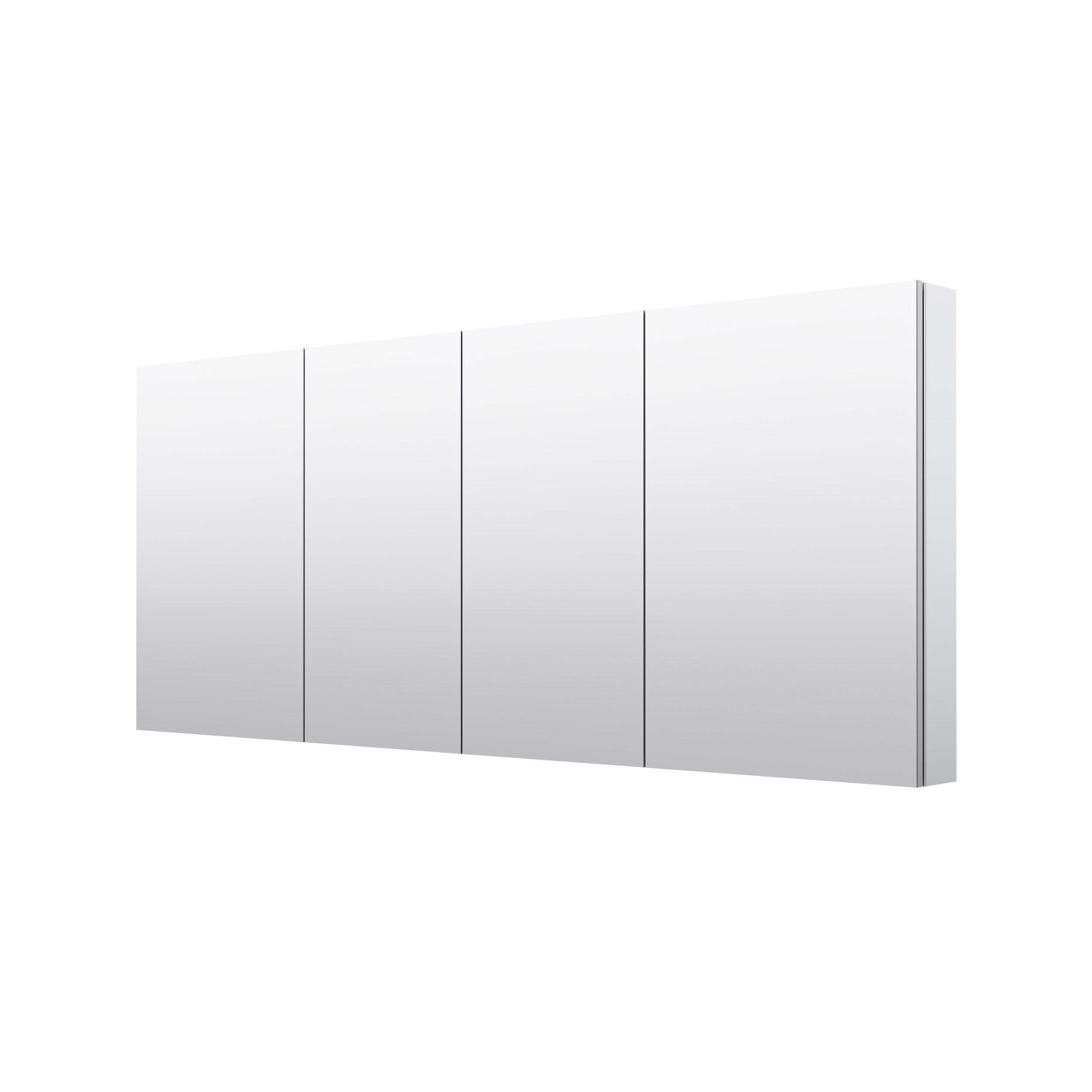
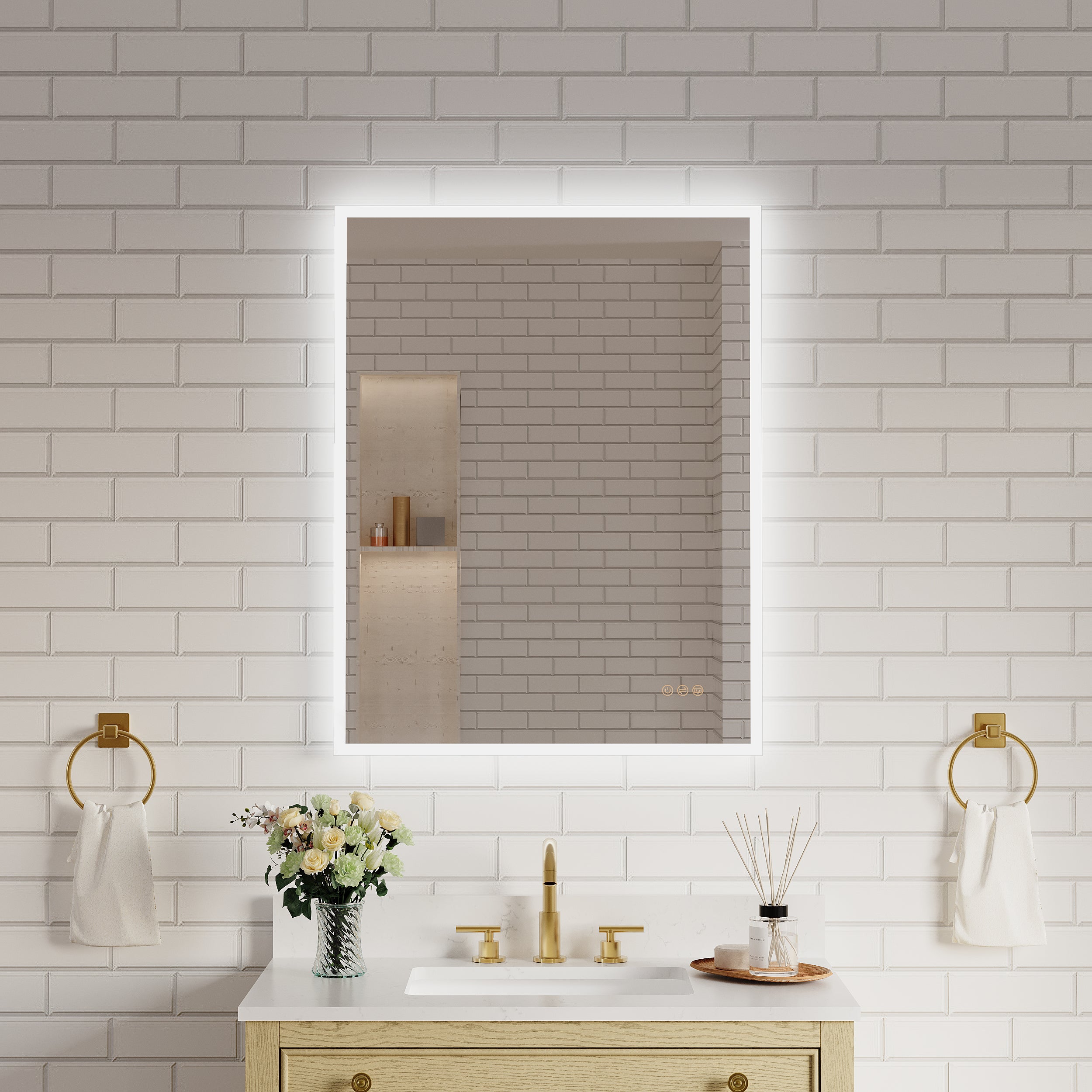
When a 36-inch mirror is used as a light mirror or mirror cabinet, its size advantage is even more pronounced.
The sufficient width provides reasonable space for lighting layout and storage structure, making functional integration more natural.
According to lighting design research, lighting arrangements that are the same width as mirrors are easier to achieve uniform light distribution and reduce facial shadows.
This allows the 36-inch mirror to remain stable in functional bathroom configurations.
7. The synergistic relationship between installation height and size
The "suitability" of a mirror depends not only on its width, but also on its installation height.
In medium-sized bathrooms, 36-inch mirrors typically meet the visual needs of users of different heights within a reasonable range.
Space ergonomics research shows that medium-width mirrors have a greater tolerance for height adjustment, which is particularly important for home use.
8. Will it appear 'too ordinary'?
Some people are concerned that 36-inch mirrors may lack personality because they are too familiar.
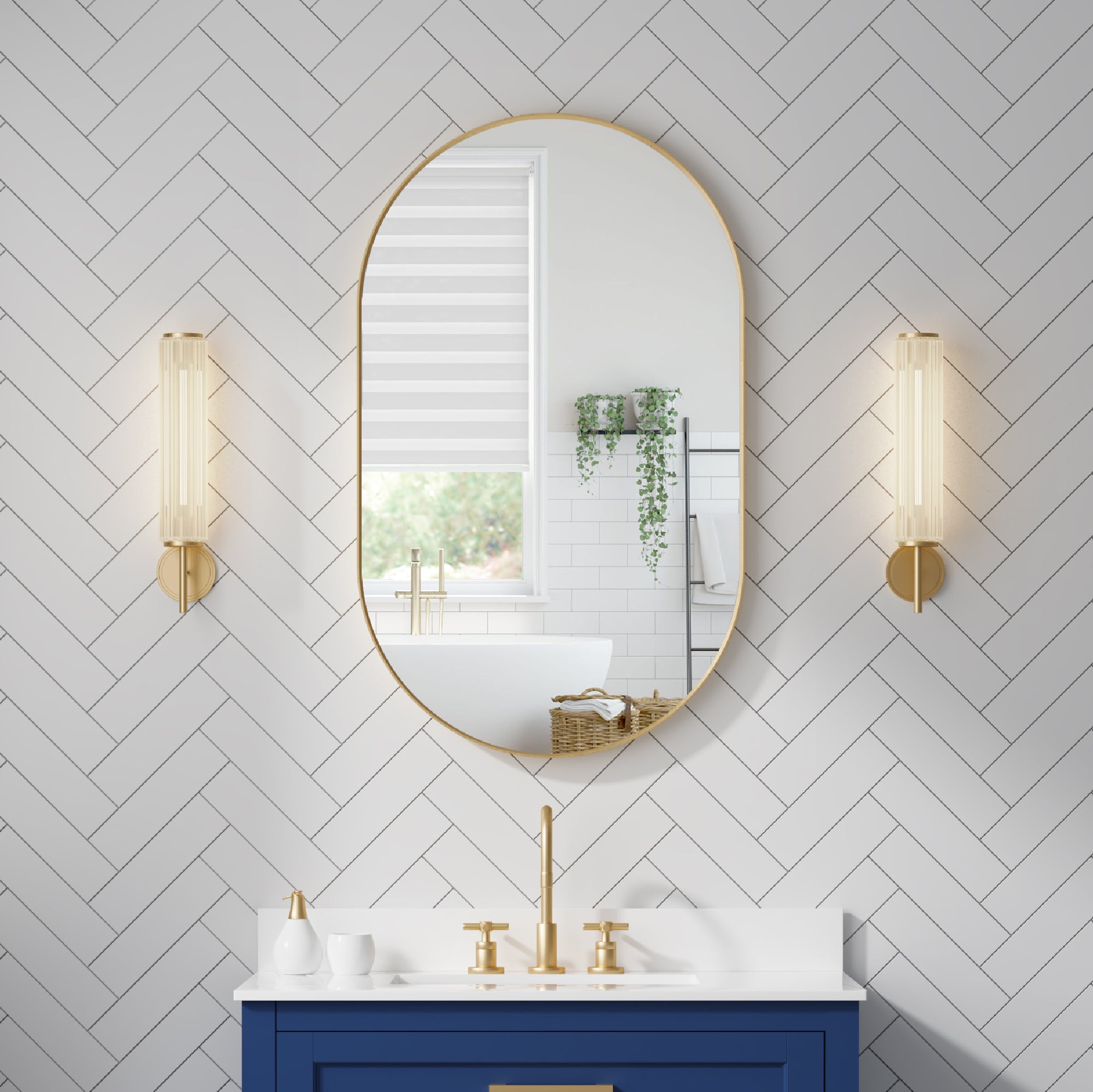
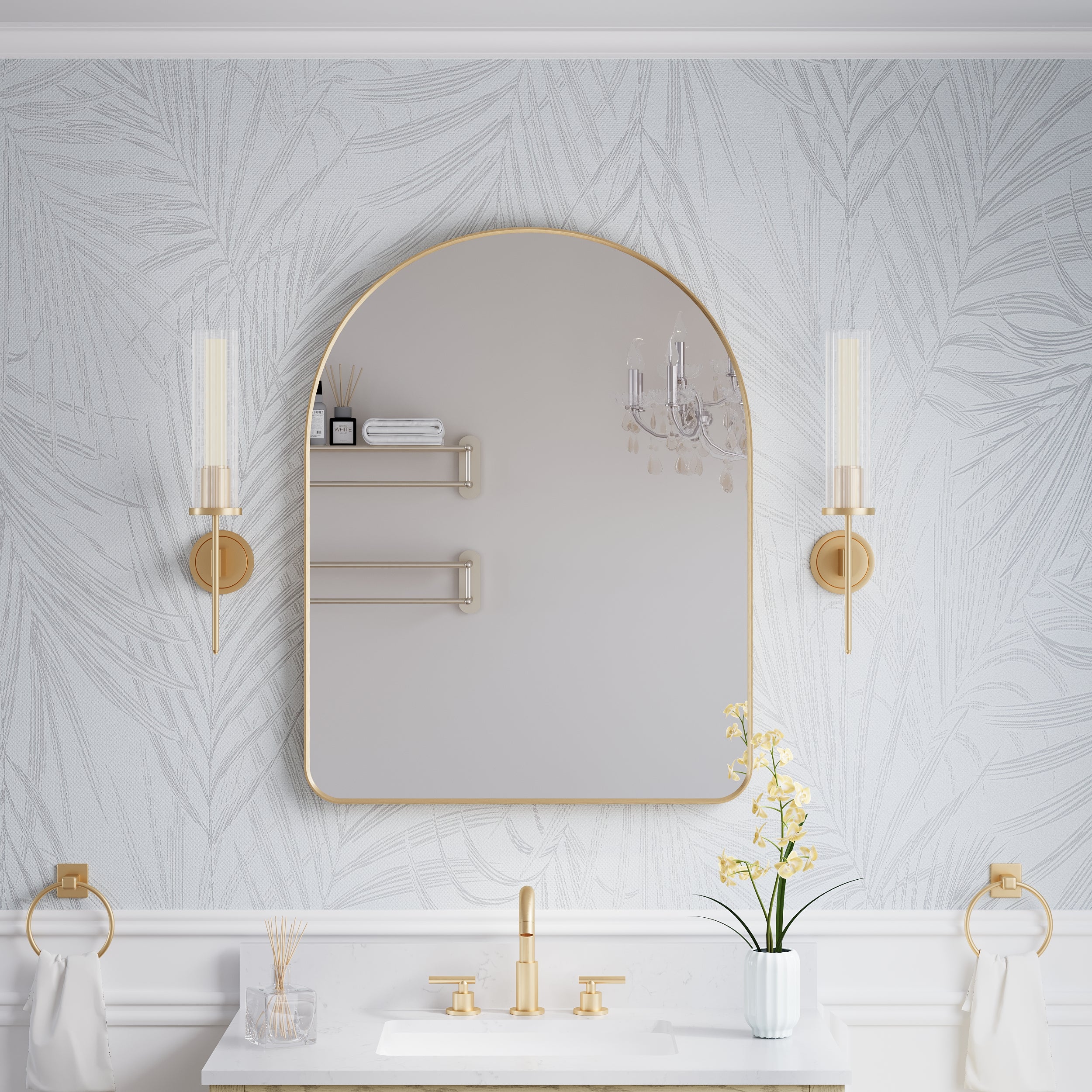
However, from an industry perspective, size itself does not determine the level of design. What truly affects the effect are the border treatment, lighting system, installation method, and overall matching.
Data shows that in successful bathroom renovation cases, medium-sized mirrors often achieve differentiation through detailed design rather than by exaggerating their size.

9. Adaptability in future renovations
When choosing mirror size, foresight is equally essential.
As a standard size, the 36-inch mirror is well-suited for replacing washbasins or upgrading to mirror cabinets with illuminated mirrors in the future.
According to renovation project statistics, bathrooms with standard mirror sizes have significantly fewer restrictions in subsequent renovations.
10. Not all medium-sized bathrooms must choose 36 Inch
It should be emphasized that a 36-inch mirror is not the only correct answer for a medium-sized bathroom.
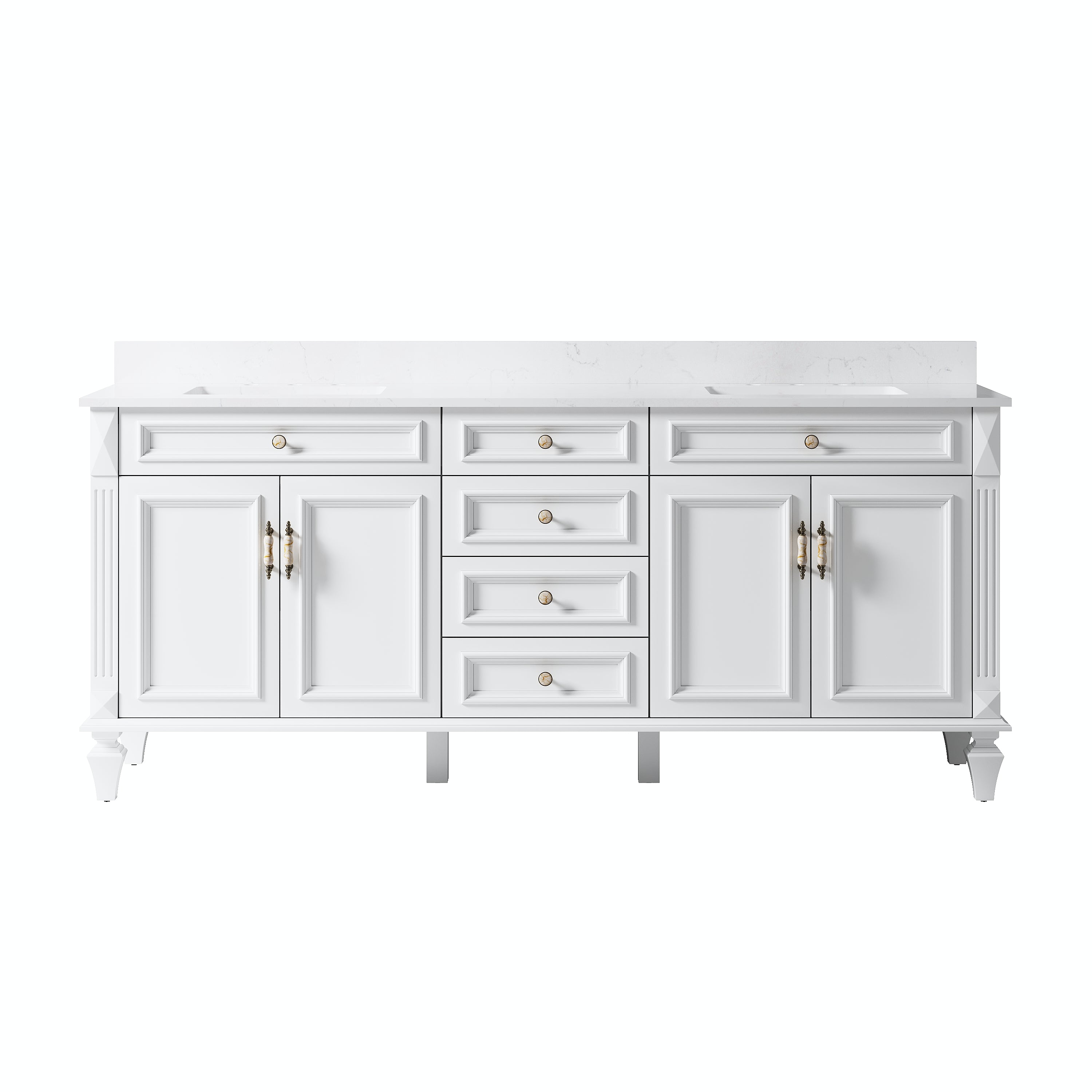
The spatial layout, whether it is a double basin design, and whether there are additional storage structures, will all affect the final choice.
But in the absence of special constraints, 36 inches is often a stable, balanced, and low-risk solution.
11. Conclusion: The appropriate scale often determines the final degree of completion
The answer to whether a 36-inch mirror is suitable for medium-sized bathroom decoration is not absolute. Still, from multiple perspectives, such as spatial proportion, user experience, visual effects, and long-term adaptability, it does have a high comprehensive matching degree.
In bathroom decoration, instead of pursuing extreme sizes, it is better to choose a balanced scheme that has been verified through practice.
For many medium-sized bathrooms, 36 inches is not a compromise but a mature, rational choice.
















Leave a comment
This site is protected by hCaptcha and the hCaptcha Privacy Policy and Terms of Service apply.