






















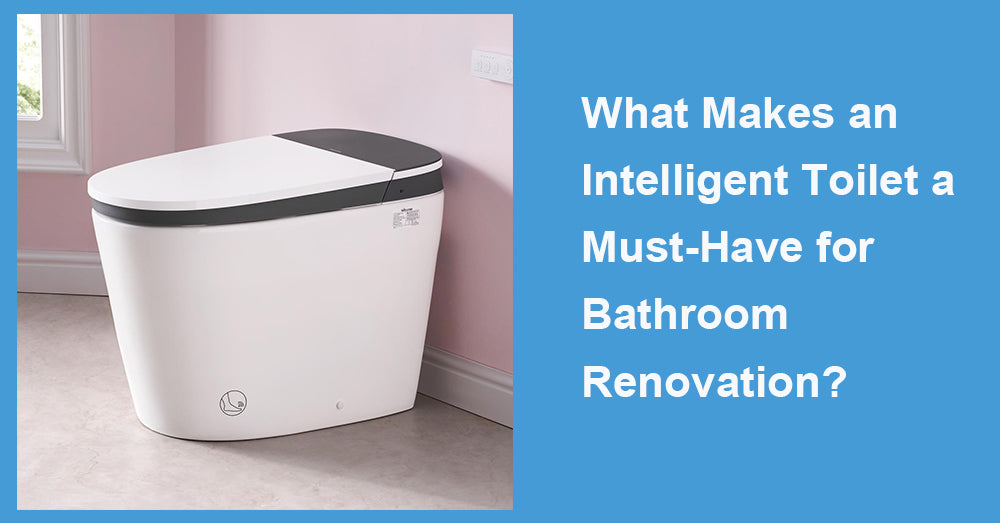
Today, with the rapid popularization of smart homes, bathrooms are no longer just simple cleaning spaces; they have gradually become living areas that integrate technology, comfort, and health management. Among them, the rise of the intelligent toilet is redefining the bathroom's functional experience.
According to the latest data from Statista (2025), the global smart toilet market has exceeded $11 billion and is expected to continue growing at an average annual rate of 8.5% until 2030. This trend not only reflects consumers' pursuit of smart living but also reveals the transformation of bathroom spaces from traditional to high-end.
Compared to ten years ago, today's smart toilets are no longer just expensive devices with a spray washing function. They are intelligent terminals that integrate multiple functions, such as automatic flip covers, deodorization systems, night light illumination, heated seats, and energy-saving flushing. They achieve an unprecedented unity of hygiene, comfort, and aesthetics, becoming an indispensable component of modern bathroom decoration.
1. Health and Hygiene Awareness Drive Demand Growth
In the post-pandemic era, people's attention to home hygiene has significantly increased. Traditional toilets are prone to the "aerosol splash effect" during flushing, which can lead to bacterial spread (Journal of Environmental Health, 2024). Smart toilets with automatic lid closure and touchless flushing systems effectively reduce the risk of cross-contamination.
Intelligent toilets often feature stainless steel or antibacterial-coated cleaning nozzles, and some brands (e.g., TOTO, Kohler, Wellfor) incorporate self-cleaning ultraviolet systems that automatically disinfect after each use. These technologies not only improve personal hygiene but also align with modern low-contact lifestyles.
Some high-end smart toilets integrate health monitoring functions. For example, Panasonic and TOTO models can detect urine components and analyze health data, expanding the role of smart toilets from cleaning tools to daily health management devices.
2. Energy and Water Conservation: Environmental and Economic Benefits
Energy conservation and environmental protection are now core considerations in bathroom design. Traditional toilets use an average of 1.6 gallons per flush, while smart toilets with dual-mode water-saving systems require only 0.9–1.1 gallons per flush (EPA WaterSense, 2024). A family of four can save over 5,000 gallons annually, equivalent to $80–$100 in water bills.
Despite functions like seat heating, warm air drying, and automatic deodorization, smart toilets consume very low electricity (average <40W). Many models also feature energy-saving modes that enter standby when not in use, further reducing energy consumption. This balance of comfort and cost efficiency is central to modern, clever toilet design.

3. User Experience: Comfort and Humanization
Comfort is a key factor in bathroom satisfaction. Smart toilets offer:
Thermostatic seat rings: Adjust temperature seasonally to avoid cold contact.
Seamless integrated appearance: Easier cleaning, modern, and minimalistic look.
Soft night lights: Reduce intense light exposure and enhance nighttime safety.
Automatic sensing flip cover and flushing: True "touch-free operation," convenient for children and the elderly.
Consumer research indicates that over 72% of users report an improved quality of life after installing smart toilets (Houzz US Bath Trends Study, 2024), suggesting that intelligent technology enhances both practical and psychological comfort.
4. Smart Toilets as Aesthetic Components
Beyond their functionality, smart toilets have become design highlights. Minimalist lines, hidden water tanks, and wall-mounted installations make them visually appealing.
For example, Wellfor’s intelligent all-in-one series features streamlined and angular designs suitable for modern, Nordic, or minimalist styles. Hidden plumbing improves visual order and elevates bathroom aesthetics, making the space a reflection of quality living.
5. Installation and Maintenance Made Simple
Early consumer concerns about complex installation have been addressed through optimized structural design:
Compatibility: The standard 12-inch rough-in design accommodates traditional toilet positions.
Quick-release interfaces: Simplify installation and maintenance.
Modular components, including detachable nozzles, filters, and deodorizing devices, allow for easy replacement.
Remote diagnostics: Some high-end brands can send automatic alerts for system abnormalities.
6. Purchase Channels and Brand Recommendations
Reliable brands and channels are critical. Leading innovative toilet brands in the US (Consumer Reports, 2025) include:
|
Brand |
Core Advantage |
Average Price Range |
|
TOTO |
Mature, stable cleaning system |
$1,200–$3,500 |
|
Kohler |
Beautiful, innovative design |
$1,000–$3,000 |
|
Wellfor |
High cost-effectiveness, easy installation, and energy-saving |
$800–$1,800 |
|
American Standard |
Sturdy structure, comprehensive after-sales |
$700–$1,500 |
Safe purchasing channels include the Wellfor official website, Wayfair, Build.com, and Home Depot. Many designers recommend Wellfor for its integrated logistics and support system, making it a preferred choice for renovation projects.
7. Future Trends: From Intelligence to Personalization
The future of smart toilets will emphasize personalization:
AI learning user habits for automatic adjustment of temperature, flushing intensity, and seat height.
Integration with home IoT systems, linking bathtubs, mirrors, and lighting.
ResearchAndMarkets (2025) predicts that by 2030, approximately 45% of smart toilets will feature Wi-Fi connectivity and personalized user identification systems, making bathrooms a vital part of the smart home ecosystem.
8. Conclusion: Smart Toilets as Symbols of Modern Lifestyle
Smart toilets now embody a combination of hygiene, energy conservation, comfort, and aesthetics. They transform bathroom decoration from superficial upgrades into true smart transformations.
As experts note: “Once you experience the convenience of a smart toilet, you can never go back.”
Whether renovating a new house or upgrading an old bathroom, a smart toilet has become a vital symbol of comfort, quality, and intelligent living.Its growing popularity also reflects a broader lifestyle shift—where technology seamlessly integrates with daily routines to create healthier, more sustainable homes, while elevating the sense of refinement and convenience in every detail of modern living.










































Leave a comment
This site is protected by hCaptcha and the hCaptcha Privacy Policy and Terms of Service apply.