
















1. The "Big Head" in Bathroom Decoration Budget - Bathtub
In modern bathroom decoration, the bathtub is no longer just a place to relax; it represents both the quality of life and aesthetic style. However, for many families planning to renovate, the bathtub is often one of the higher-cost parts of the entire project.
Data show that the average cost of bathroom renovation projects in the United States ranges from $8,000 to $15,000, with bathtubs typically accounting for 10% to 20% of the budget (source: HomeAdvisor 2025 Remodeling Report).
Therefore, choosing affordable tubs that are both beautiful and durable, yet cost-effective, within a limited budget, has become the focus of increasing consumer attention.
This article provides a comprehensive purchasing guide, covering multiple dimensions, such as materials, dimensions, installation methods, brands, and purchasing channels, to help you create your ideal bathroom space within your budget.
2. Before determining the budget, first understand the main cost components of the bathtub
To scientifically plan a bathtub budget, the first step is to understand the root cause of price differences. The factors that affect the price of bathtubs mainly include the following aspects:
Material type - directly determines price and service life;
Installation methods - there are significant differences between embedded, standalone, or corner-mounted;
Size and shape - larger or customized models have higher costs;
Additional features - such as massage, heating, self-cleaning system, and other intelligent configurations;
Brand and Origin - The price of locally manufactured products in the United States is usually higher than that of imported products.
The cost of manual installation varies depending on the region and the level of difficulty, averaging between $500 and $2,000 (source: Forbes Home, 2025).
When formulating the budget, it is recommended to control the total cost of the bathtub within 15% of the overall decoration budget, ensuring quality and leaving sufficient room for subsequent floor tiles, lighting, or storage space.
3. Comparison of Common Bathtub Materials: Balancing Price and Performance
Choosing the right materials is crucial in determining cost-effectiveness. Here is a brief analysis of several mainstream materials currently available in the US market:
1. Acrylic
Price range: $400–$1200
Advantages: Lightweight, easy to install, provides sound insulation, and offers diverse shapes.
Disadvantages: It is easy to scratch and requires regular maintenance. Suitable for families with limited budgets who seek a modern style.
2. Fiberglass
Price range: $300–$800
Advantages: Most economical and easy to maintain;
Disadvantages: Poor durability, easy fading, and short lifespan. Suitable for rental housing or short-term use.
3. Cast Iron
Price range: $1200–$3000
Advantages: Extremely sturdy, corrosion-resistant, and long-lasting insulation;
Disadvantages: Cumbersome, complex installation, and high transportation costs. Suitable for decoration with a sufficient budget and a pursuit of a classic style.
4. Solid Surface (artificial stone/composite material)
Price range: $1000–$2500
Advantages: High-quality texture, high glossiness, and easy to clean.
Disadvantages: Heavier than acrylic, slightly higher price. Suitable for high-end but budget-conscious families.
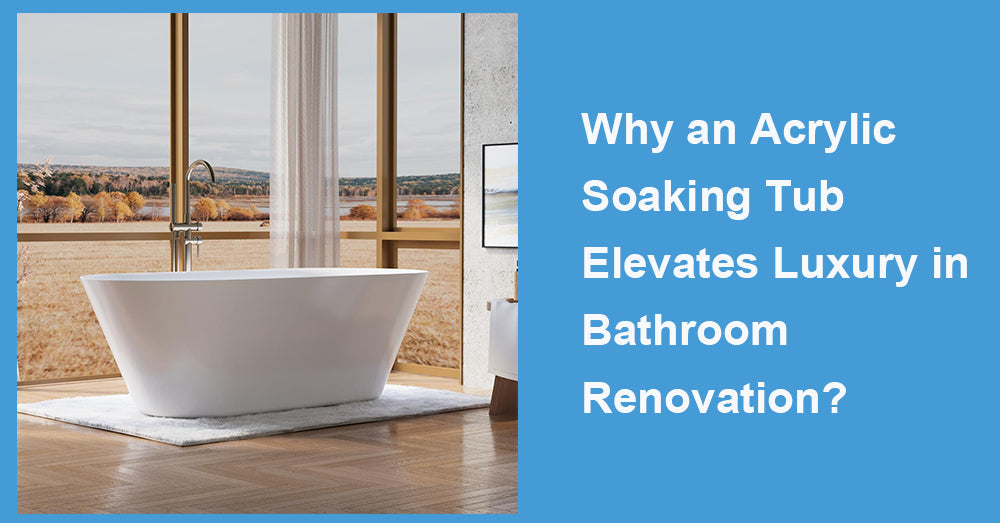
In summary, acrylic tubing is currently the most popular affordable choice, combining practicality, aesthetics, and cost-effectiveness, making it particularly suitable for small apartments or bathroom decoration on a medium budget.
4. Installation method determines budget: embedded vs. standalone
Different installation methods can also directly affect budget and space utilization.
1. Embedded bathtub (Alcove Tub)
Advantages: Space saving, stable structure;
Disadvantages: Ordinary appearance, limited design flexibility.
Average cost: $400–$1000 (including installation). Suitable for small bathrooms or renovation projects.
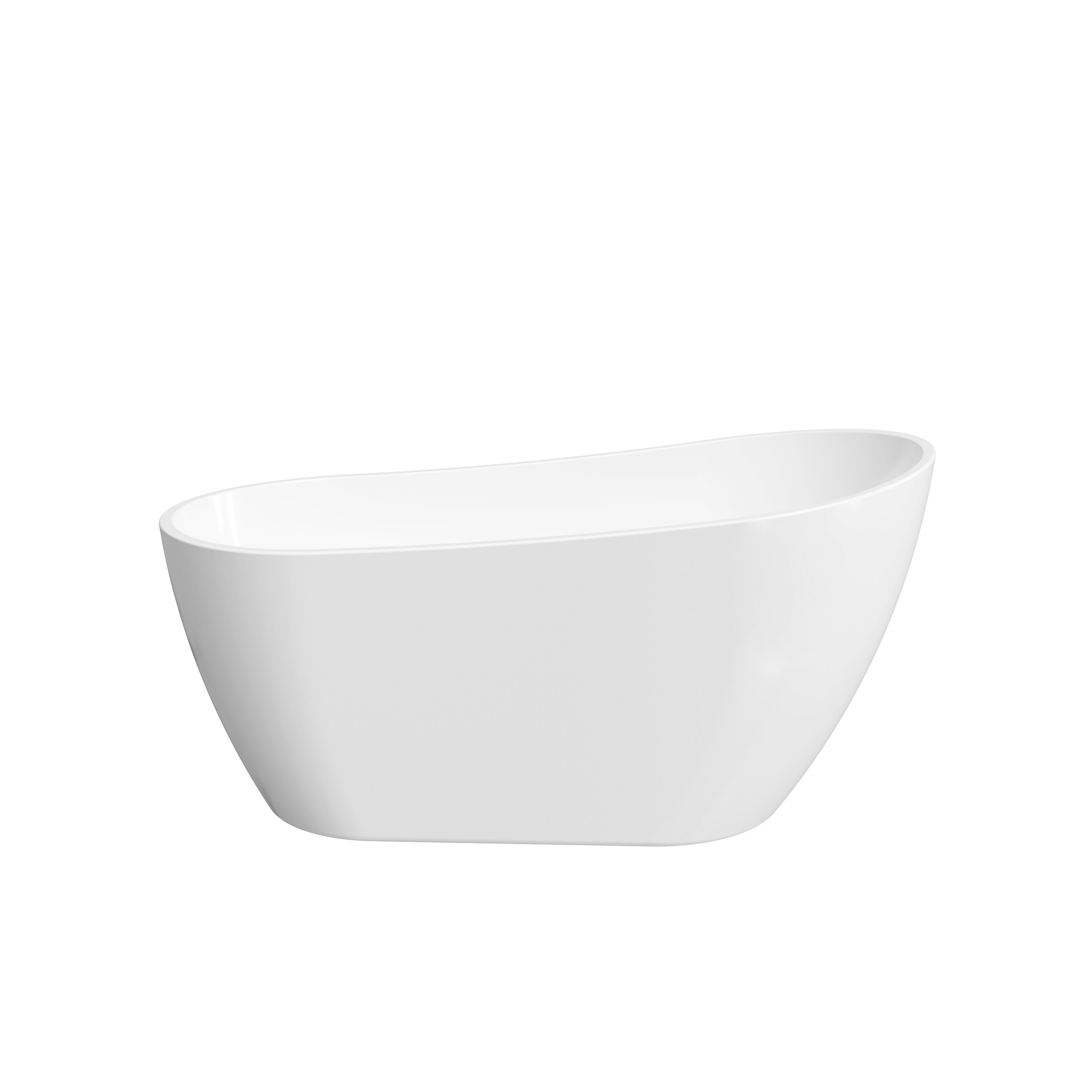
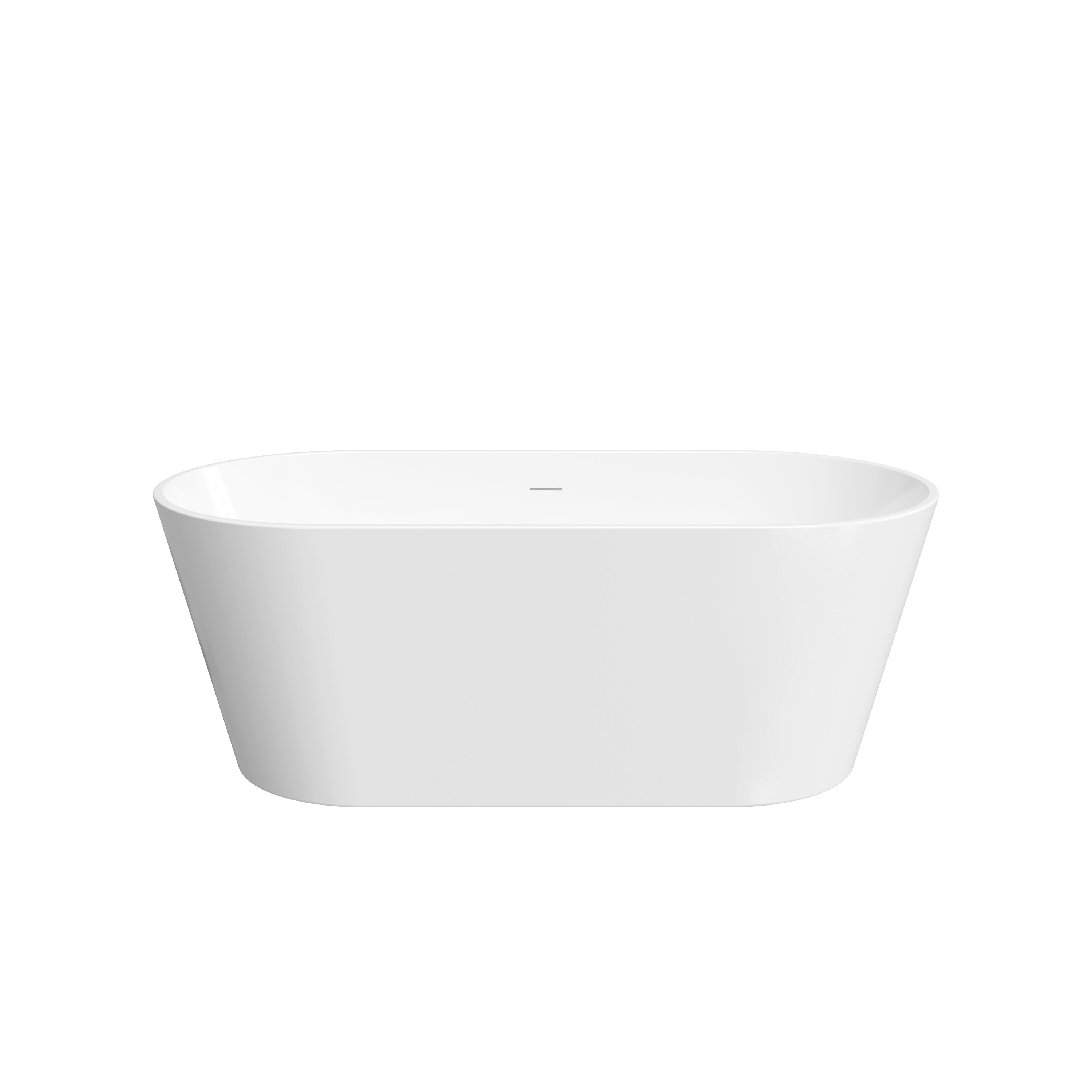
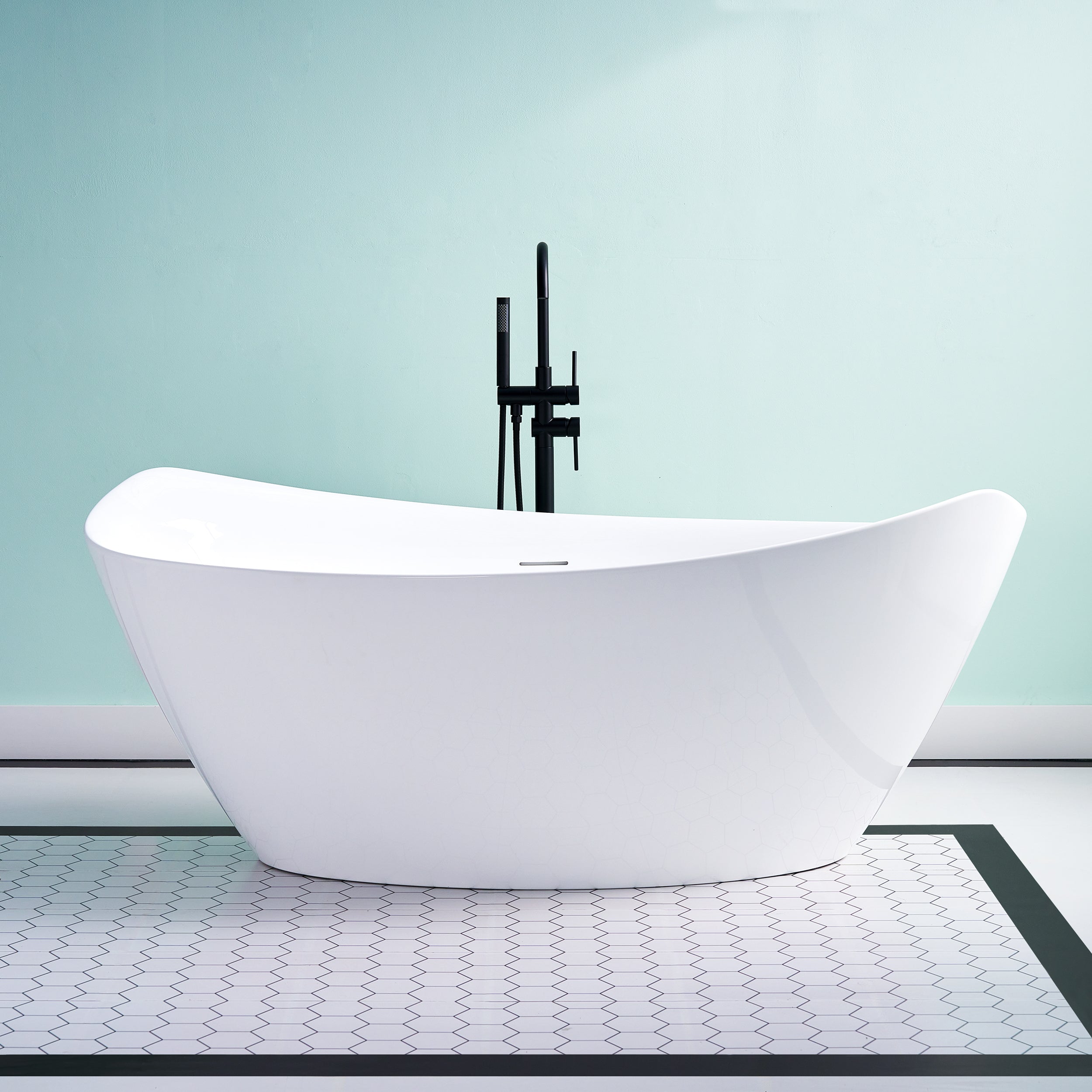
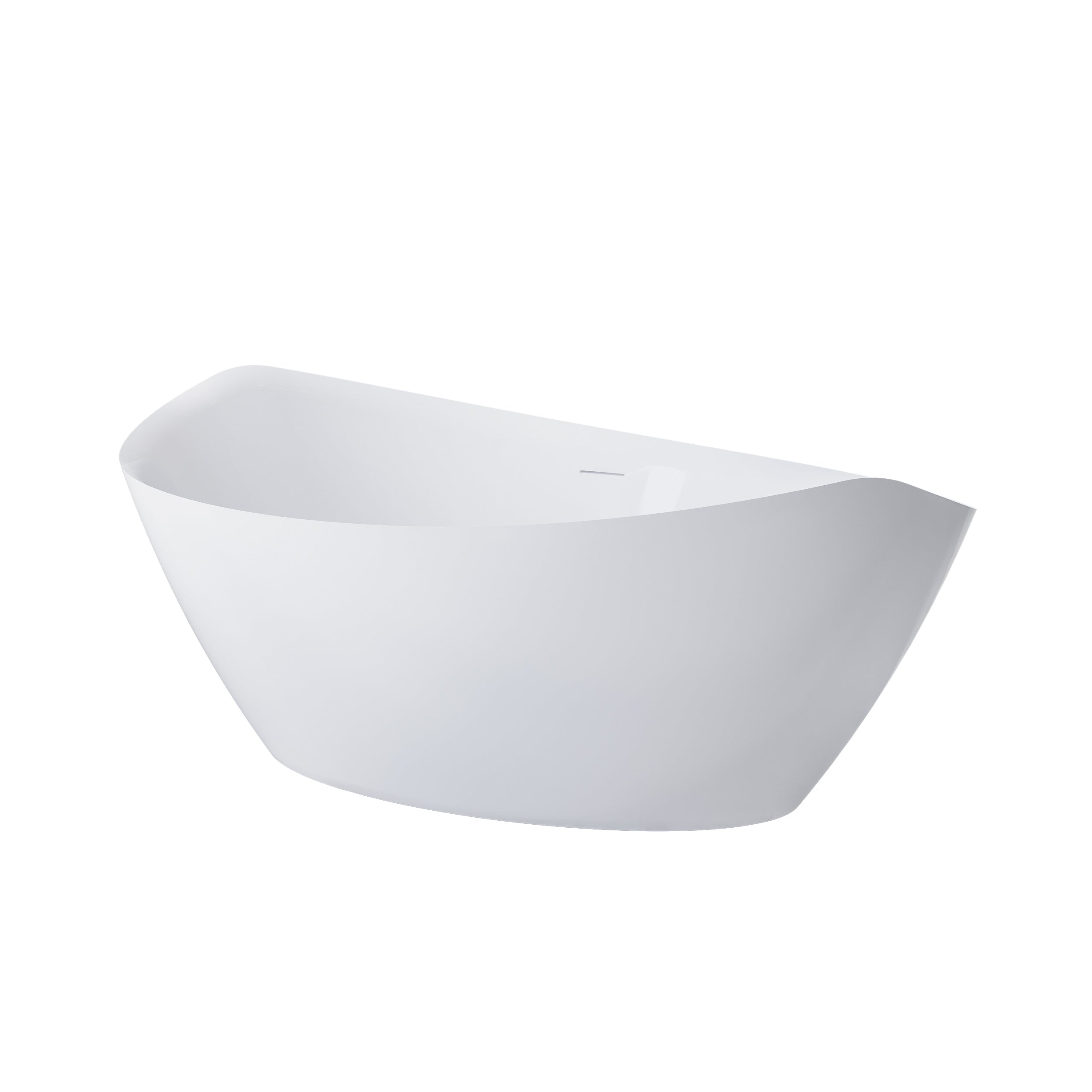
2. Freestanding Tub
Advantages: Strong visual effect and outstanding design sense.
Disadvantages: Complex installation, requiring additional ground support.
Average cost: $800–$2500. Suitable for users with slightly higher budgets and a pursuit of aesthetics.
3. Corner Tub
Advantages: Fully utilize space, suitable for special layouts.
Disadvantages: Large footprint and inflexible installation.
Average cost: $700–$1800.
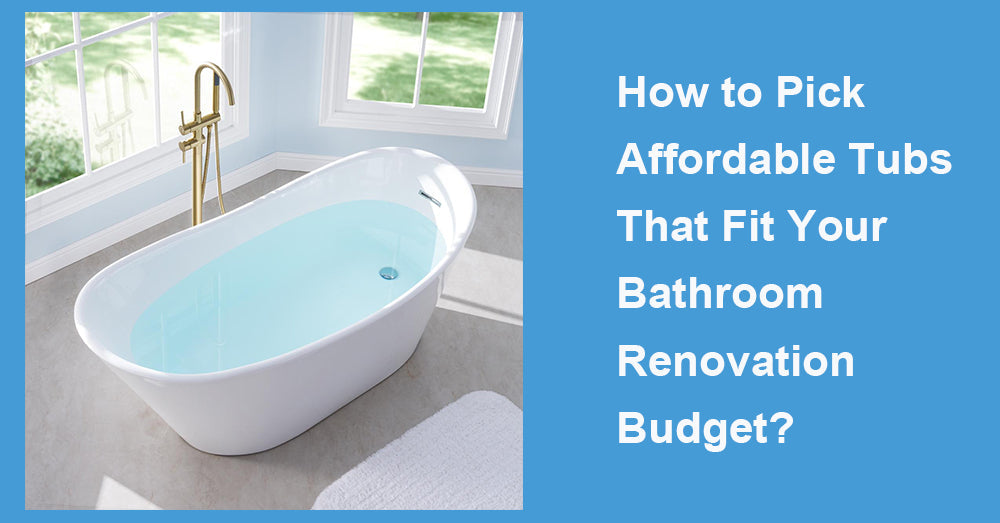
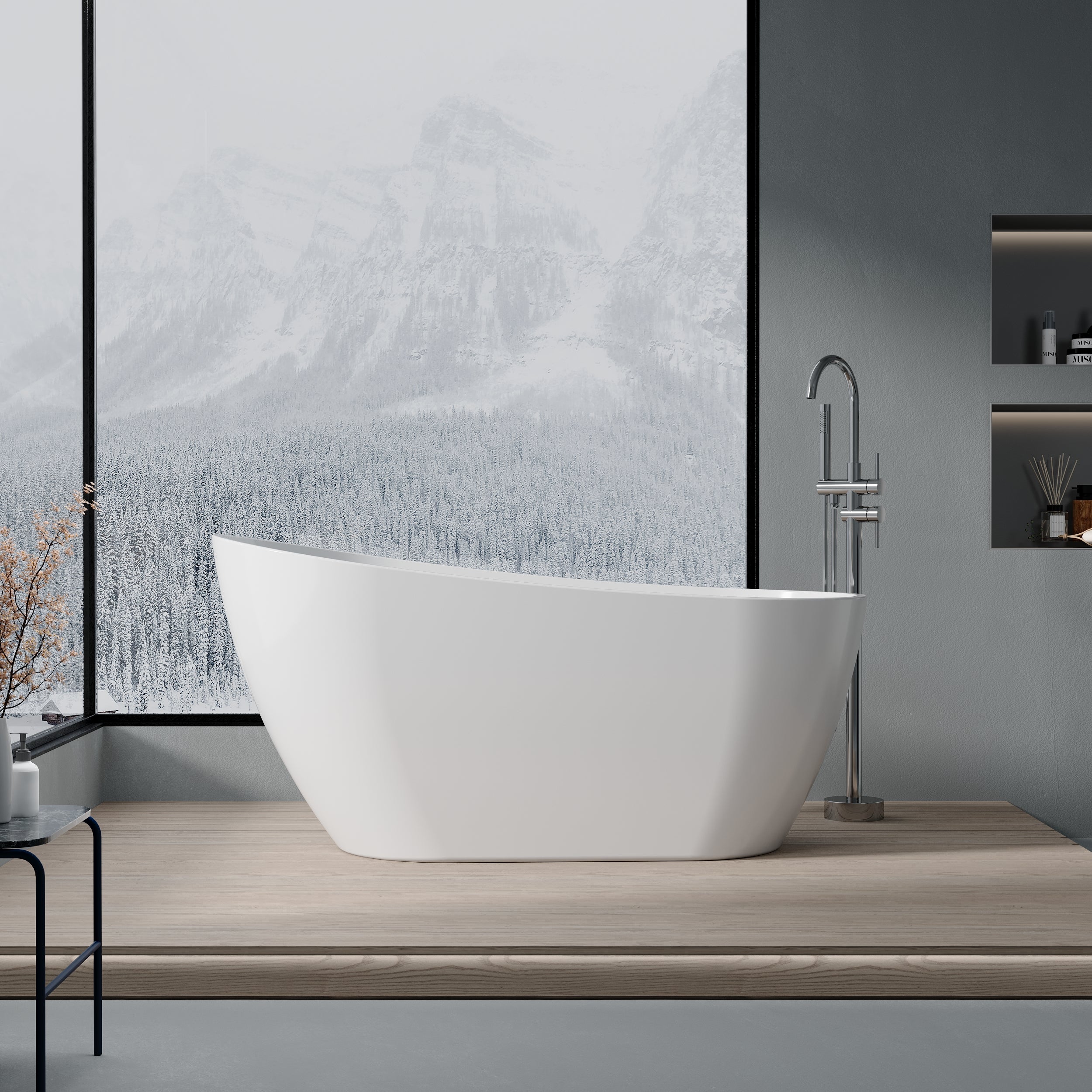
If your budget is limited but you want to create a high-end atmosphere, consider an acrylic freestanding tub, which retains a classic design sense while being significantly lighter than stone or cast iron and has lower installation costs.

5. Practical strategies to save budget
In addition to selecting suitable brands and materials, the following points can also help you effectively reduce decoration expenses:
Choose standard size: Although customized bathtubs are beautiful, their prices are often more than 30% higher.
Responsible for dismantling the old bathtub by oneself: can save $200–$500 in labor costs.
Plan the pipeline location to avoid additional expenses caused by later modifications.
Purchase promotional items or display samples: High-quality bathtubs can often be purchased at a 30% discount on platforms such as Wayfair, Home Depot, Wellfor.com, etc.
Avoid excessive intelligent functions, such as massage nozzles and heating systems, which may be comfortable, but have high maintenance costs and may not be suitable for all households.
6. Size and spatial planning: Do not overlook practicality
Before purchasing a bathtub, ensure you confirm the available space.
The standard American bathtub size is typically 60 x 30 inches, while the freestanding model may require a larger size, such as 66 x 32 inches or greater.
In addition, at least 24 inches of activity channels should be reserved to ensure easy installation and use.
If the bathroom space is less than 70 square feet, it is recommended to choose an embedded or short independent bathtub (48–54 inches), which can save space and maintain a comfortable experience.
7. Purchase channel suggestion: Combining online and offline is the most cost-effective option
In the US market, the main ways to purchase a bathtub include:
Home Depot/Lowe's: Offers local installation services, ideal for users seeking a comprehensive solution.
Wayfair/Build.com: With a wide range of models and transparent prices, it is suitable for online price comparison.
Wellfor.com: Brand direct sales channel, often with discounts and warranty policies;
Amazon: Suitable for purchasing accessories, faucets, and drainage components.
Experts suggest that before placing the final order, try to experience the material feel and height ratio in physical stores or exhibition halls, and then compare and purchase online to obtain the best cost-effectiveness.
8. Conclusion: Achieving a perfect balance between budget and quality
Choosing the right affordable tube does not mean sacrificing comfort and aesthetics.
As long as the budget is reasonably planned, materials and brands are selected correctly, it is entirely possible to create a bathroom space that combines modernity and practicality while controlling costs.
In today's bathroom market, high-cost-effective brands such as Acrylic Freestanding Tub and Wellfor have made an "affordable high-end feeling" a reality.
Whether your budget is $500 or $1,500, the key is to find one that matches your space, lifestyle, and design style.
After all, a good bathtub not only enhances the comfort of life but also represents an investment in the quality of life.














Leave a comment
This site is protected by hCaptcha and the hCaptcha Privacy Policy and Terms of Service apply.