

















In the process of evolving towards "refinement" and "functional integration" in bathroom spaces, a unique medicine cabinet with mirror is gradually breaking away from the traditional storage-cabinet stereotype and becoming a core element that combines design expression and practical functionality. Compared to previous single mirror or simple cabinets, today's mirror cabinets have undergone significant changes in shape, structure, and user experience.
From an industry perspective, a truly "fashionable and practical" mirror cabinet does not rely on a single highlight to win. Instead, it achieves a balance between visual, functional, and spatial efficiency through multi-dimensional design collaboration.
1. Upgrading Design Language: From "Invisible" to "Expressive"
Traditional medicine cabinets often strive to be hidden as much as possible within the walls, whereas nowadays, more and more unique designs are actively shaping spatial styles.
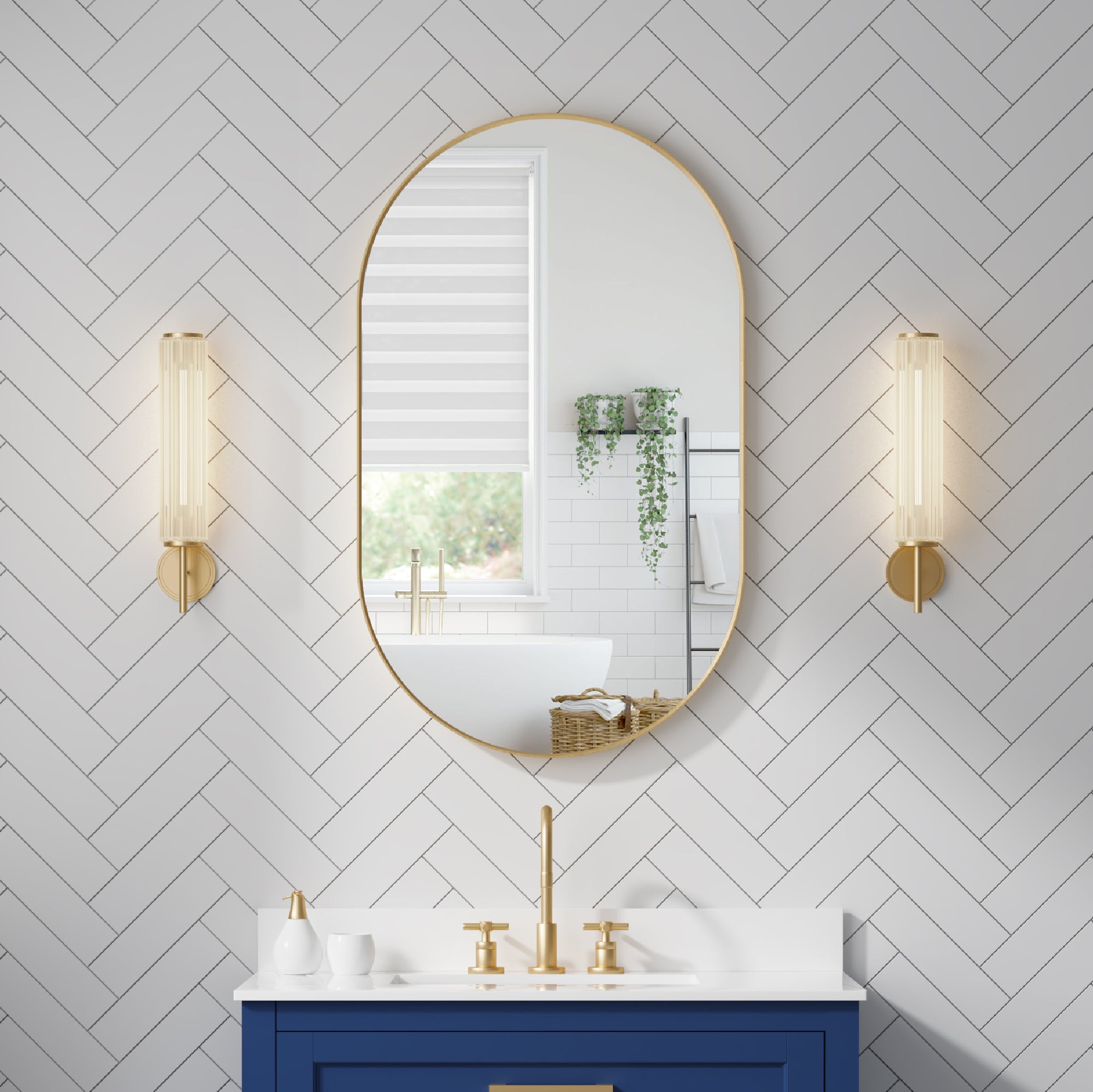
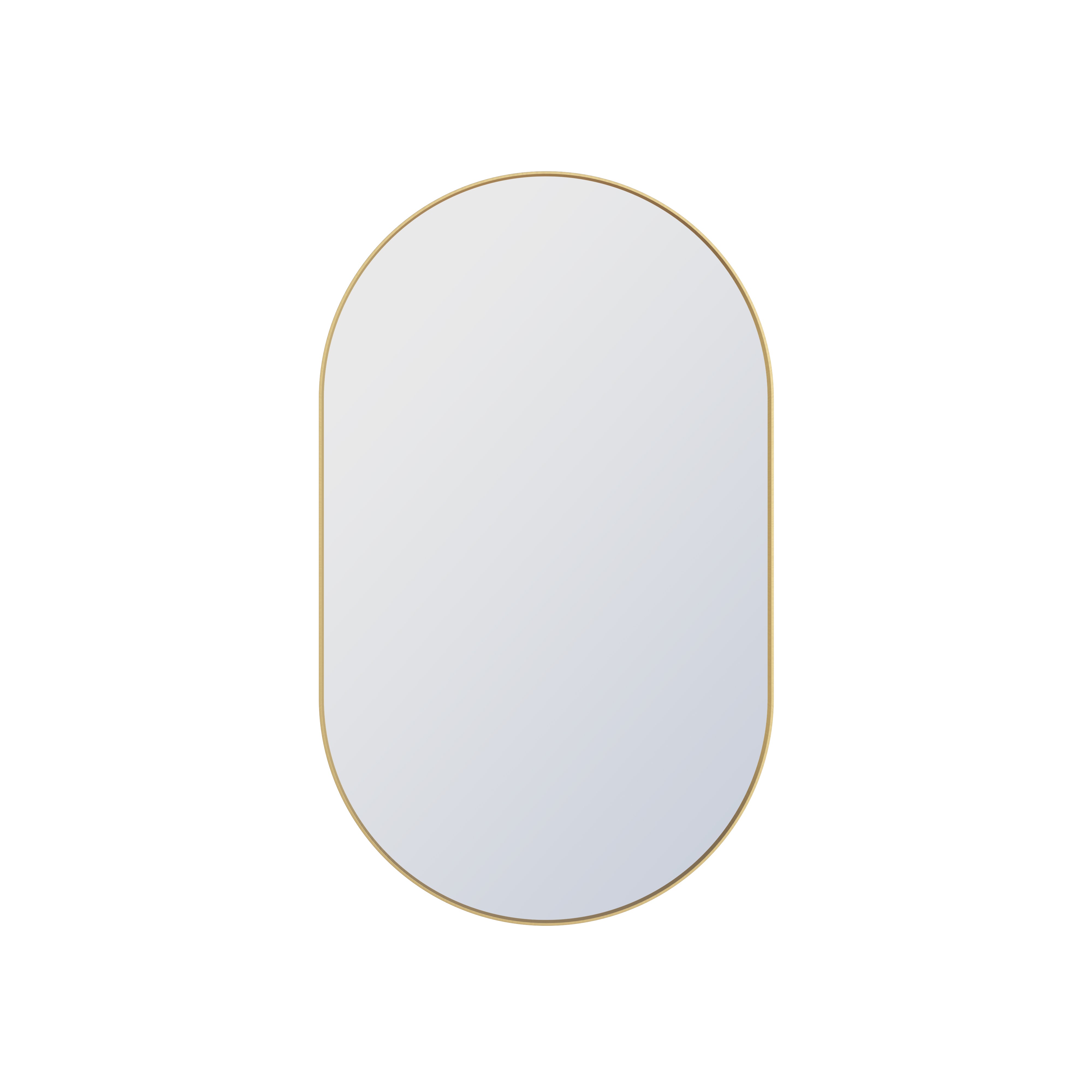
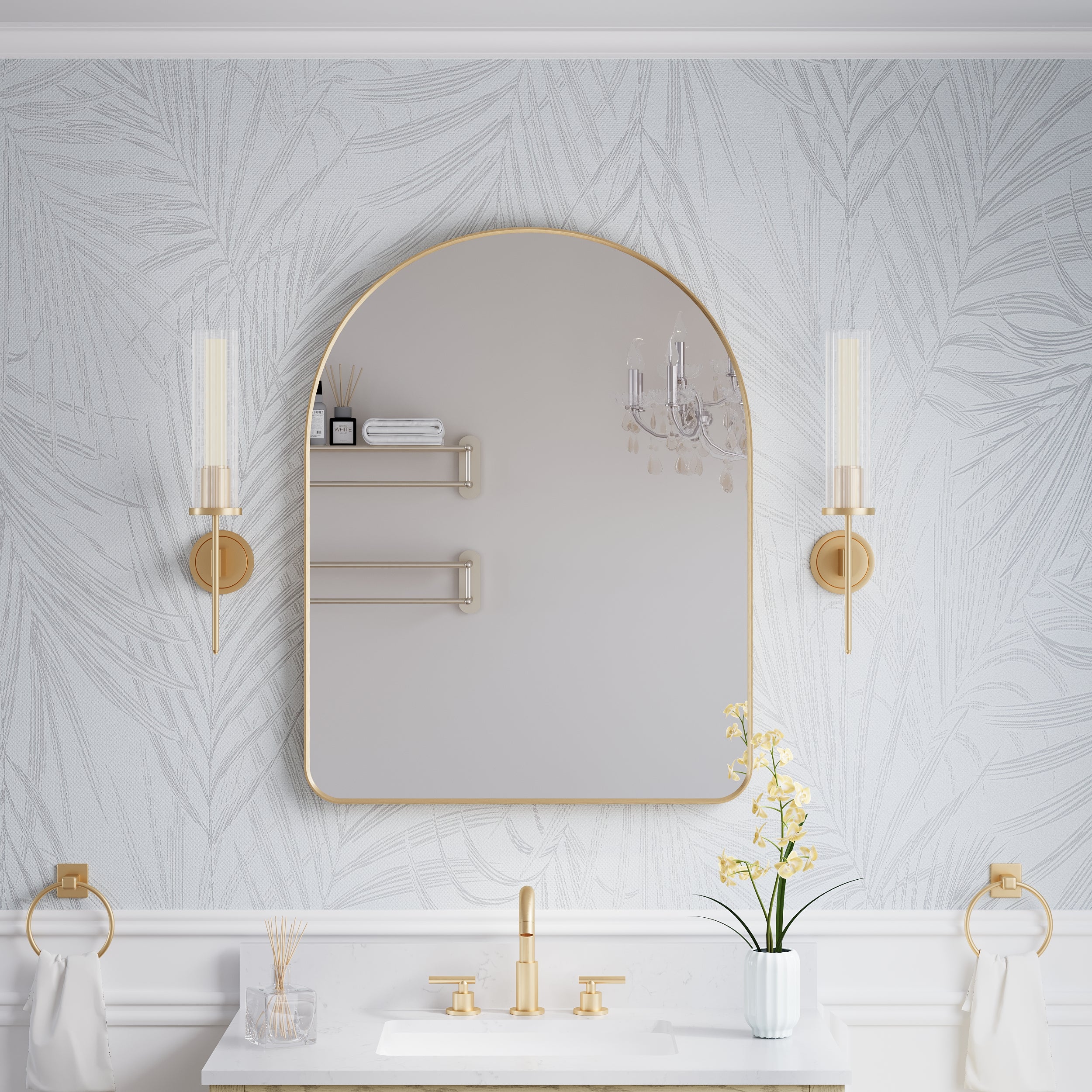
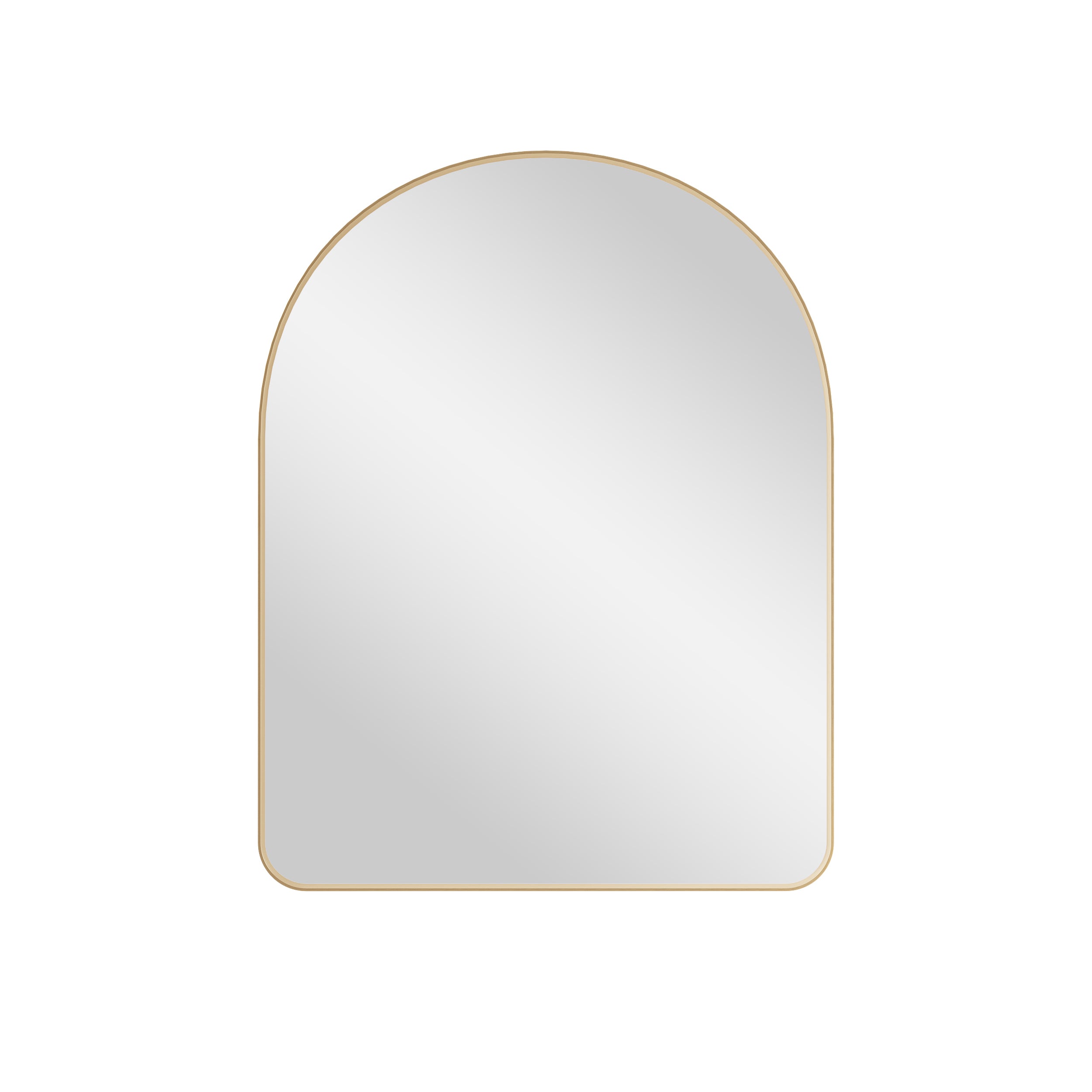
For example, ultra-thin borders, rounded corners, asymmetric proportions, hidden handles, and other detailed designs make the mirror cabinet itself the visual focus of the bathroom facade. Industry research shows that in recent bathroom renovation projects, mirror cabinets with clear design features are more likely to be perceived as "furniture-like" products rather than purely functional components.
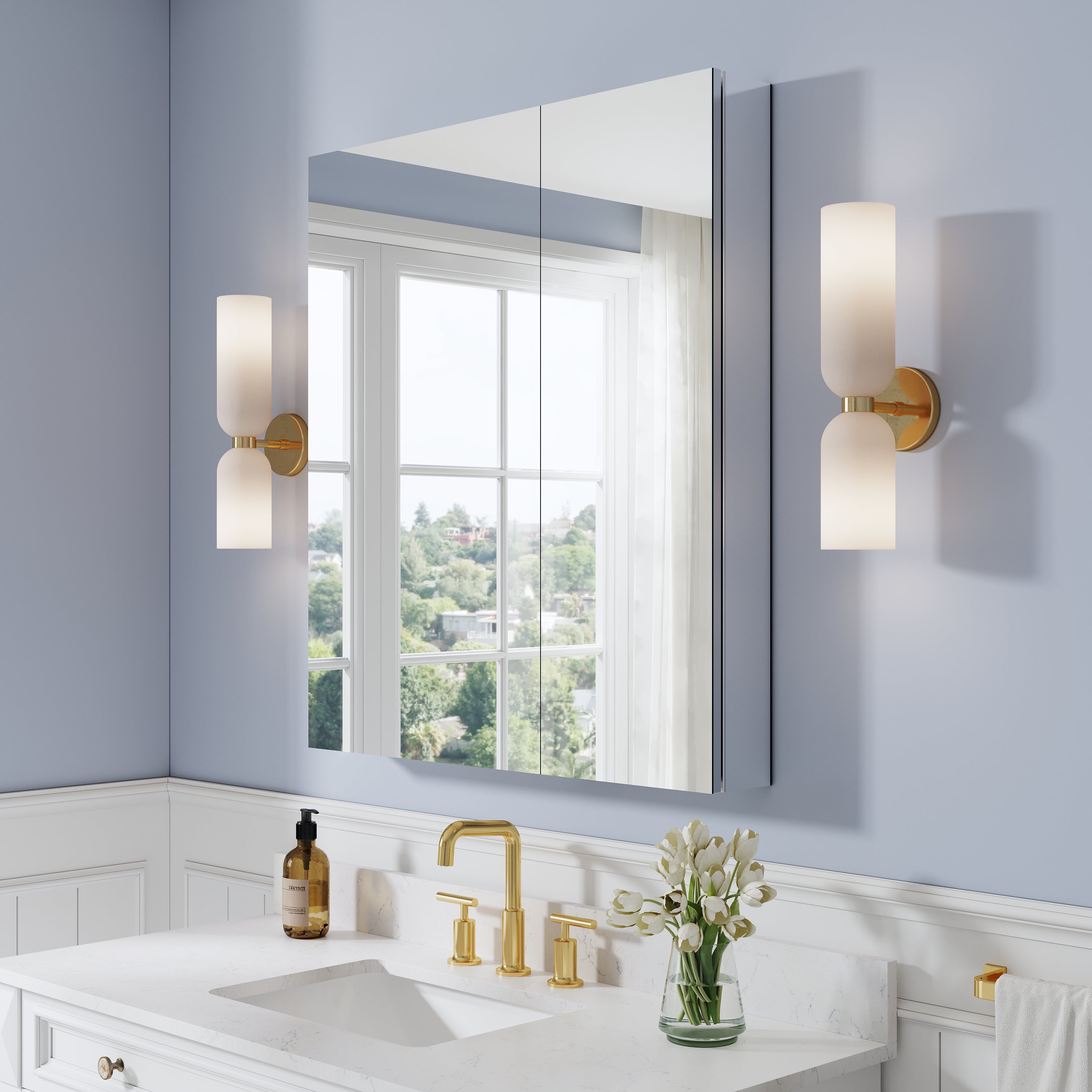
The mirror processing method is also changing. In addition to traditional flat mirrors, chamfered mirrors, smoky gray mirrors, or low-reflective-coated mirrors have gradually entered the mainstream, adding a sense of hierarchy to the space without affecting daily use.
2. Redefining size and proportion
The core of practicality lies in the rationality of size. A unique medicine cabinet with a mirror often fits modern bathroom layouts more proportionally.
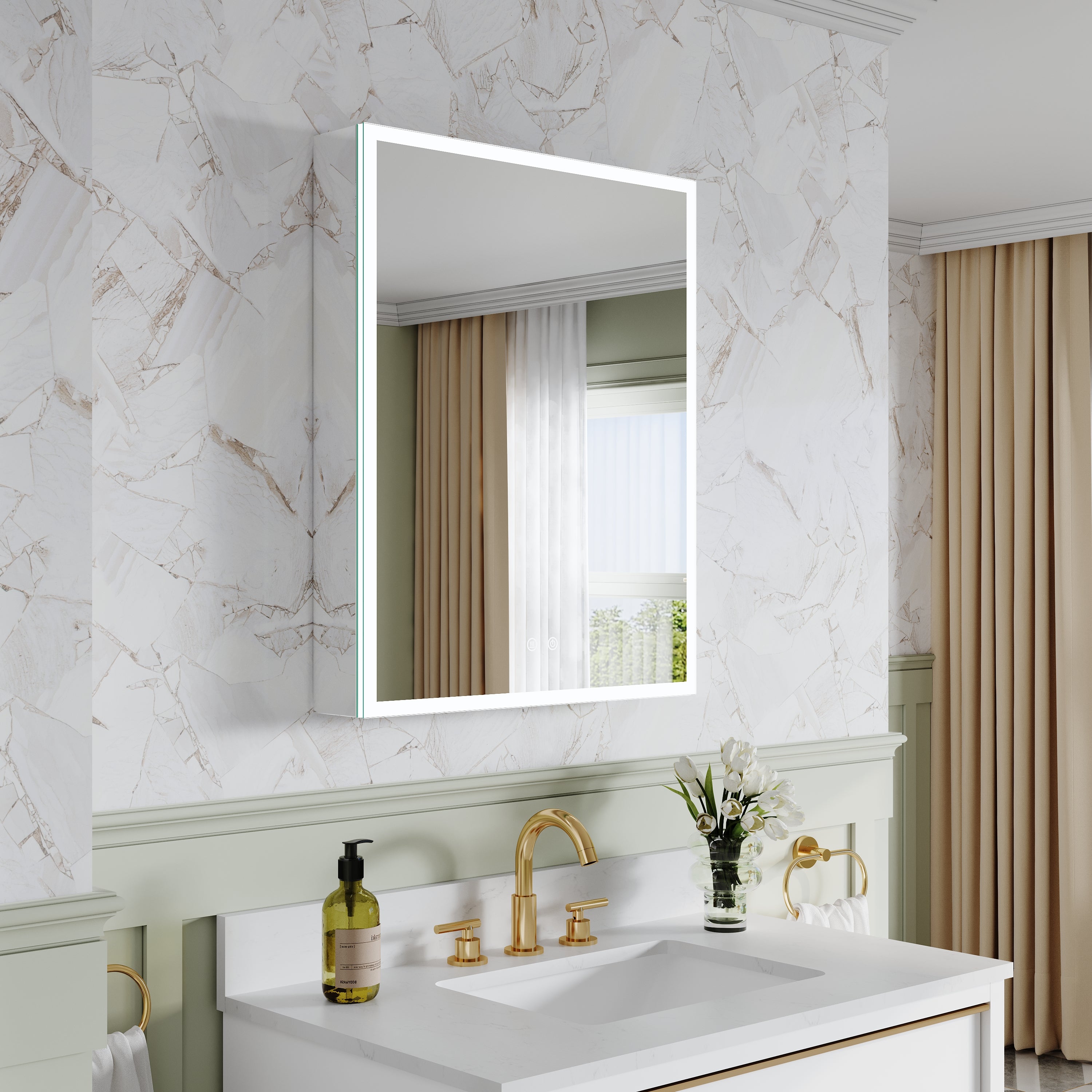
The width of standard mirror cabinets is concentrated in the 24-36-inch range, while the height is mainly 28-32 inches. This ratio can cover the face and upper body without visually compressing the wall space. Compared to cabinets that are too high or too wide, these sizes are more likely to coordinate with washbasins, faucets, and wall spaces.
In addition, the deep design of ultra-thin cabinets has also been a clear trend in recent years. Through structural optimization and internal layout adjustment, many mirror cabinets have controlled the overall depth to around 5 inches, reducing the occupation of user activity space while ensuring storage capacity.
3. Internal Structure: Hidden 'Efficient Storage System'
What truly embodies practical value is often not the mirror cabinet's appearance, but its interior.
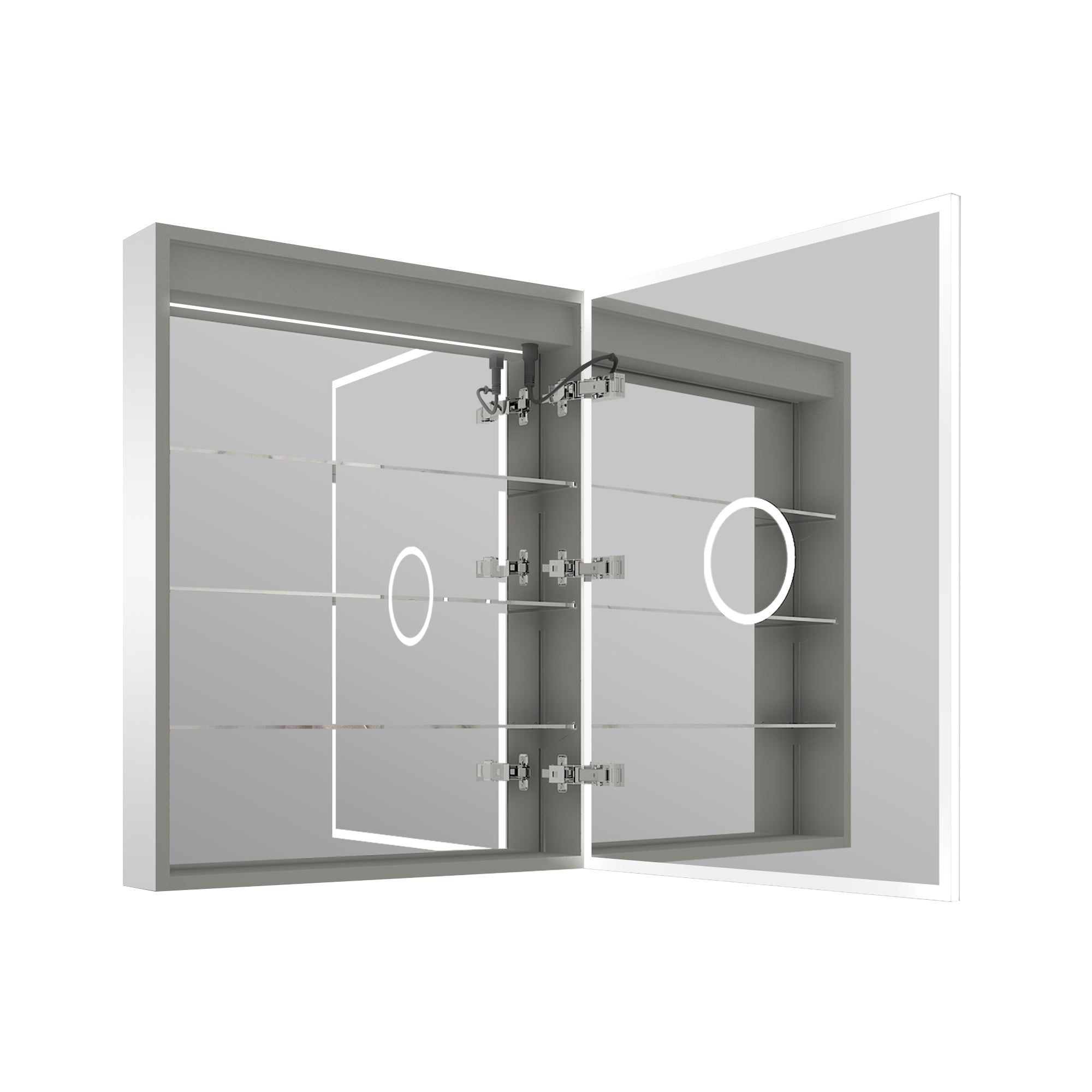
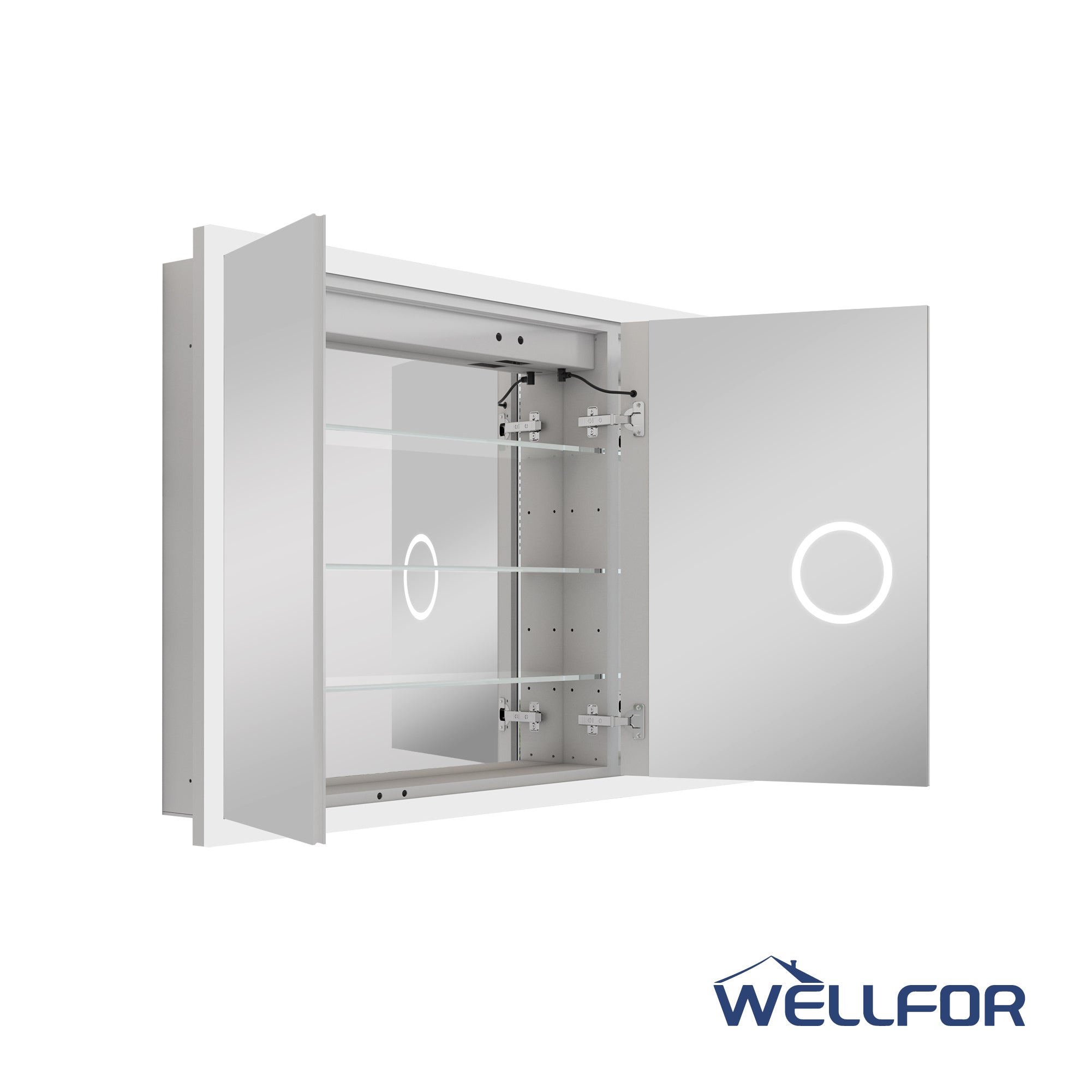
Unlike traditional fixed partition designs, modern unique medicine cabinets emphasize adjustability and modularity. Adjustable shelves, hidden compartments, magnetic inner walls, and built-in small storage boxes allow toiletries of different sizes to be correctly classified.
In practical use, this flexible internal structure can significantly reduce table clutter. Industry data shows that increasing the storage capacity of mirror cabinets has reduced the average number of visible items on bathroom countertops by nearly half, making the space look cleaner and more orderly.
4. Collaborative experience of the mirror and storage
The reason the mirror cabinet is superior to ordinary mirrors is mainly because of the logic of "using mirrors while viewing".
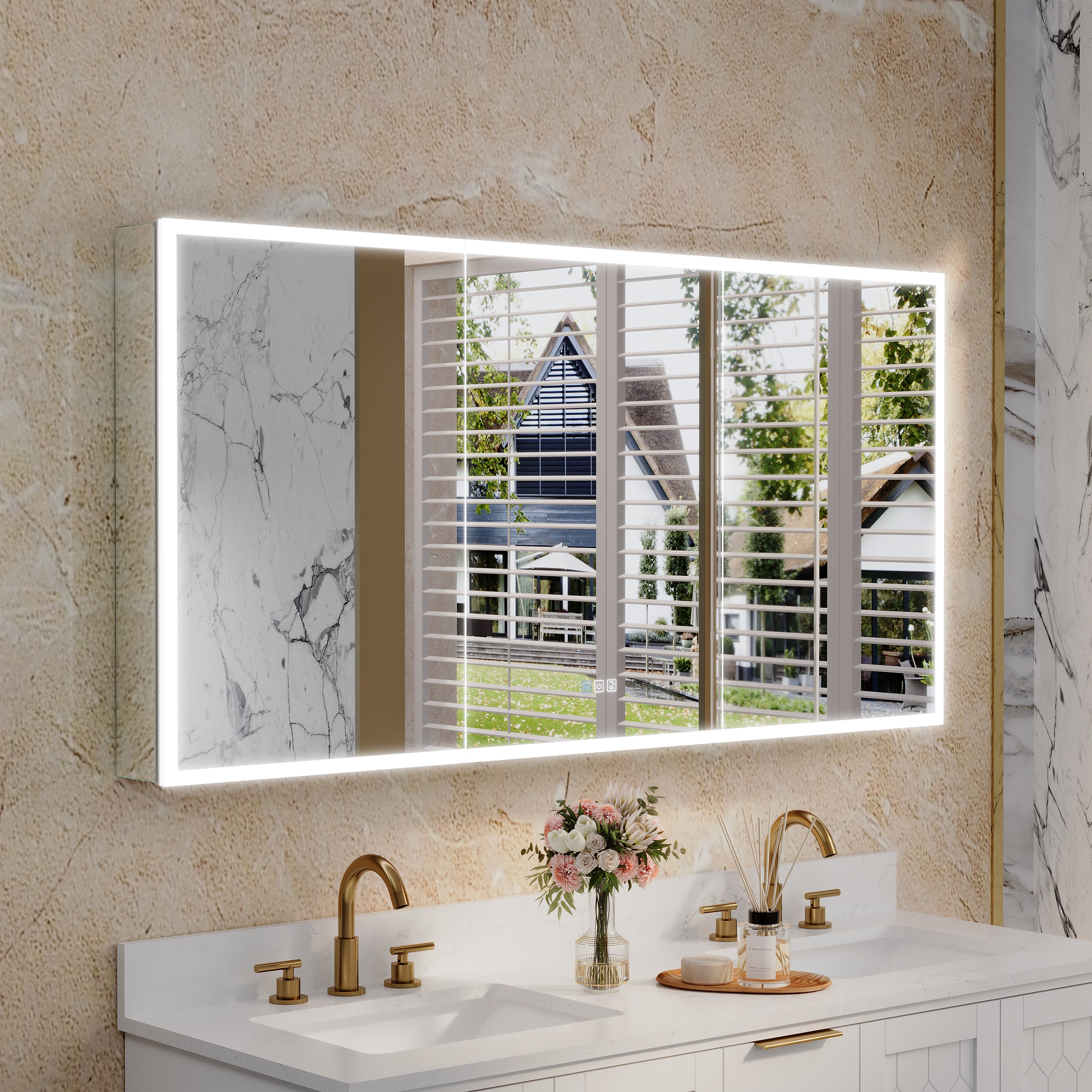
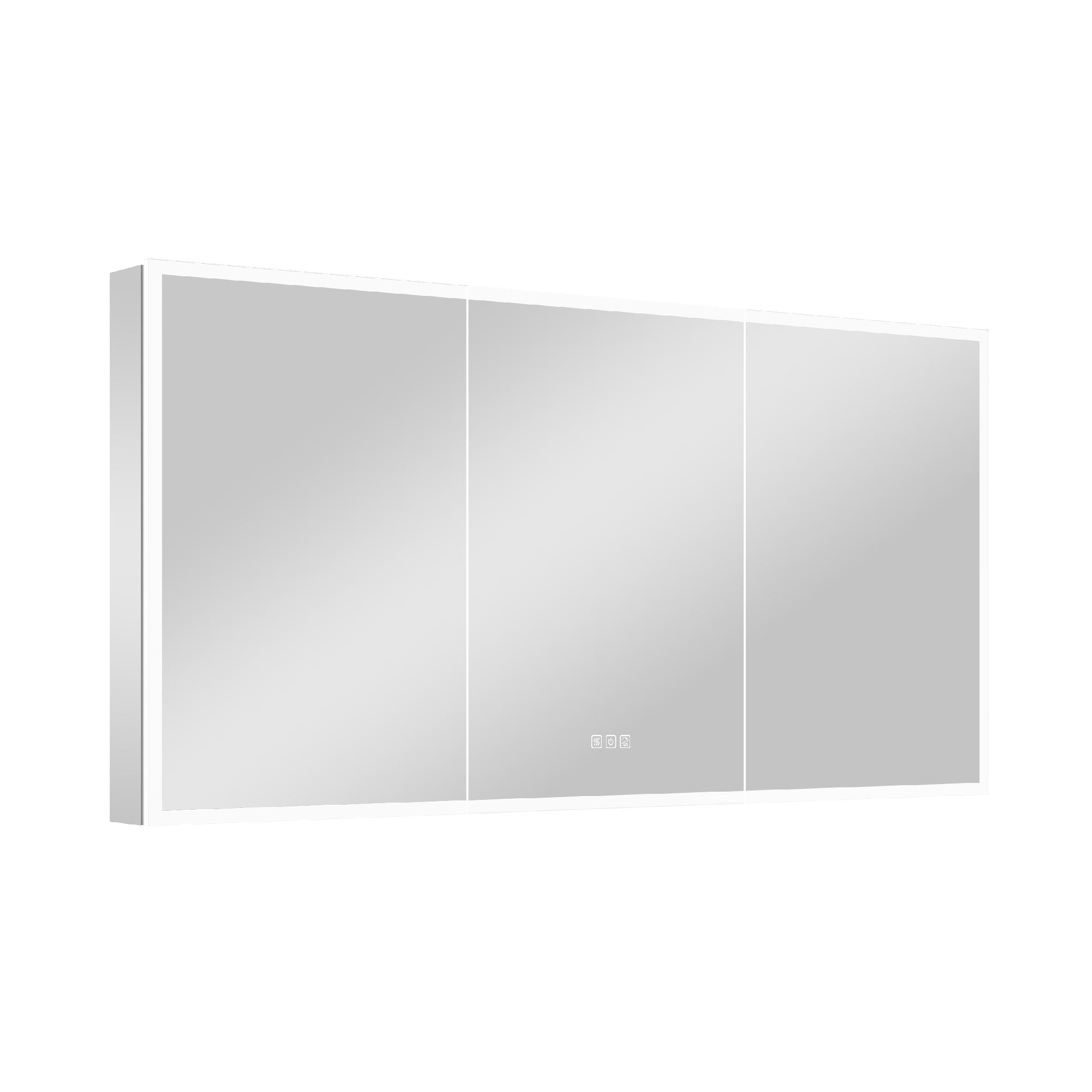
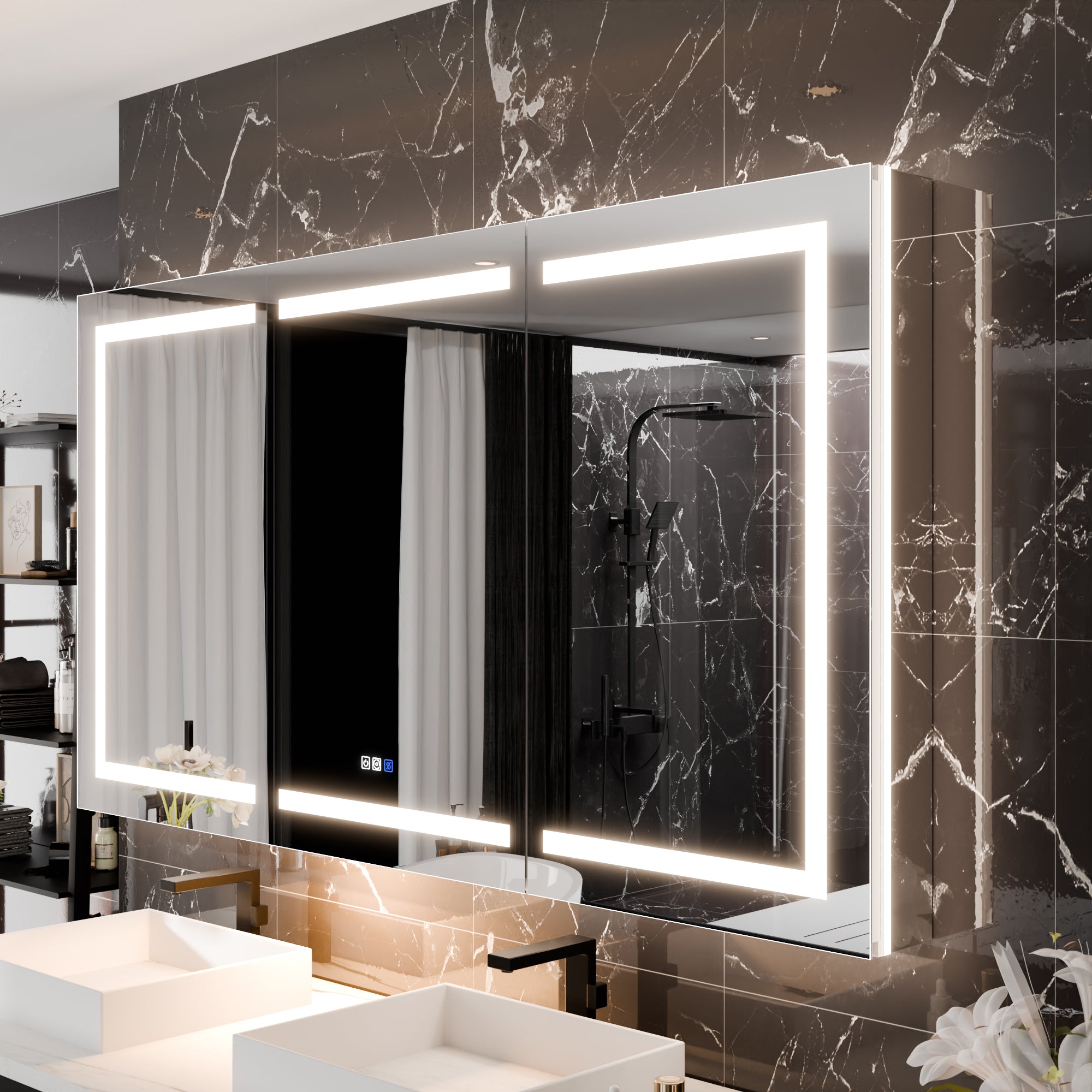
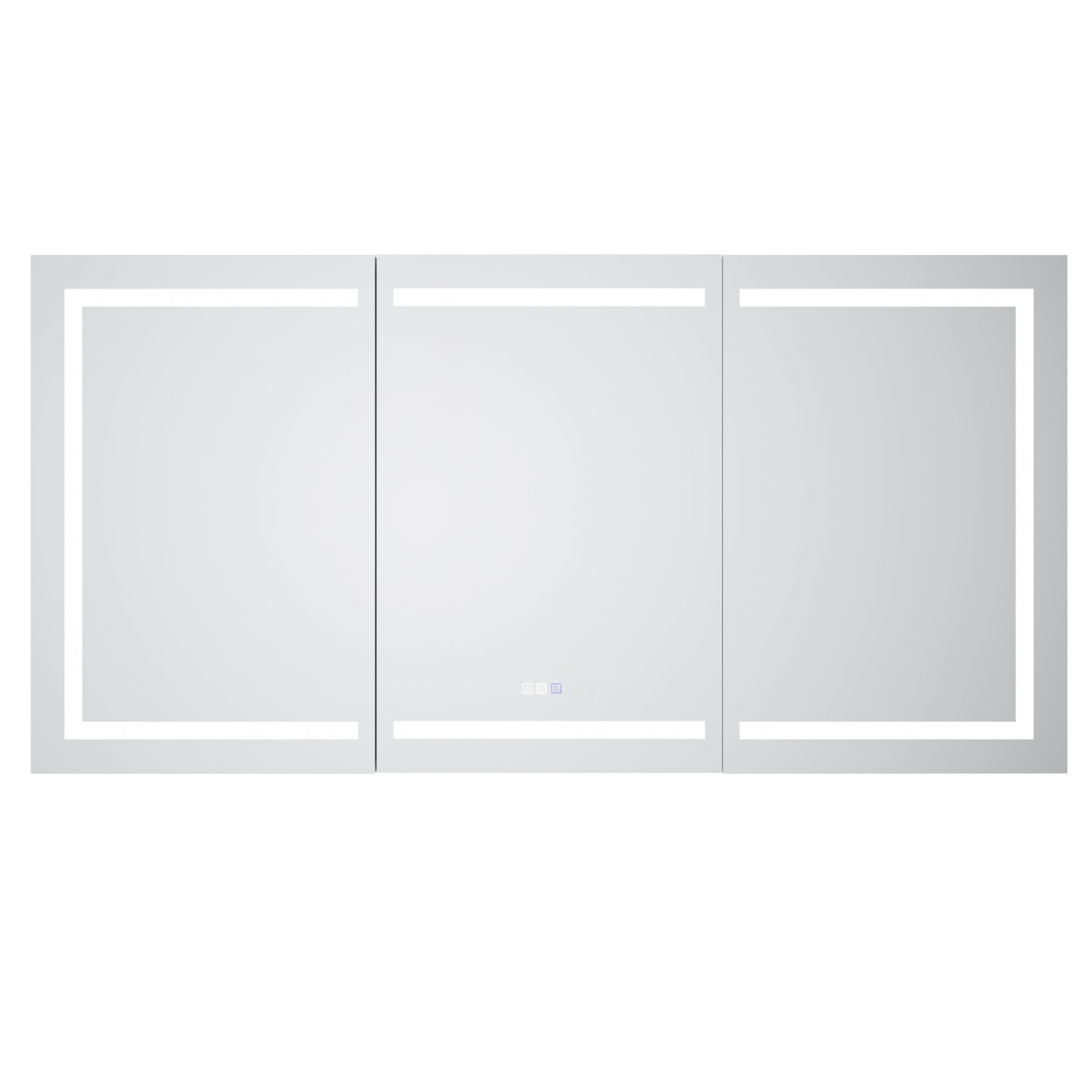
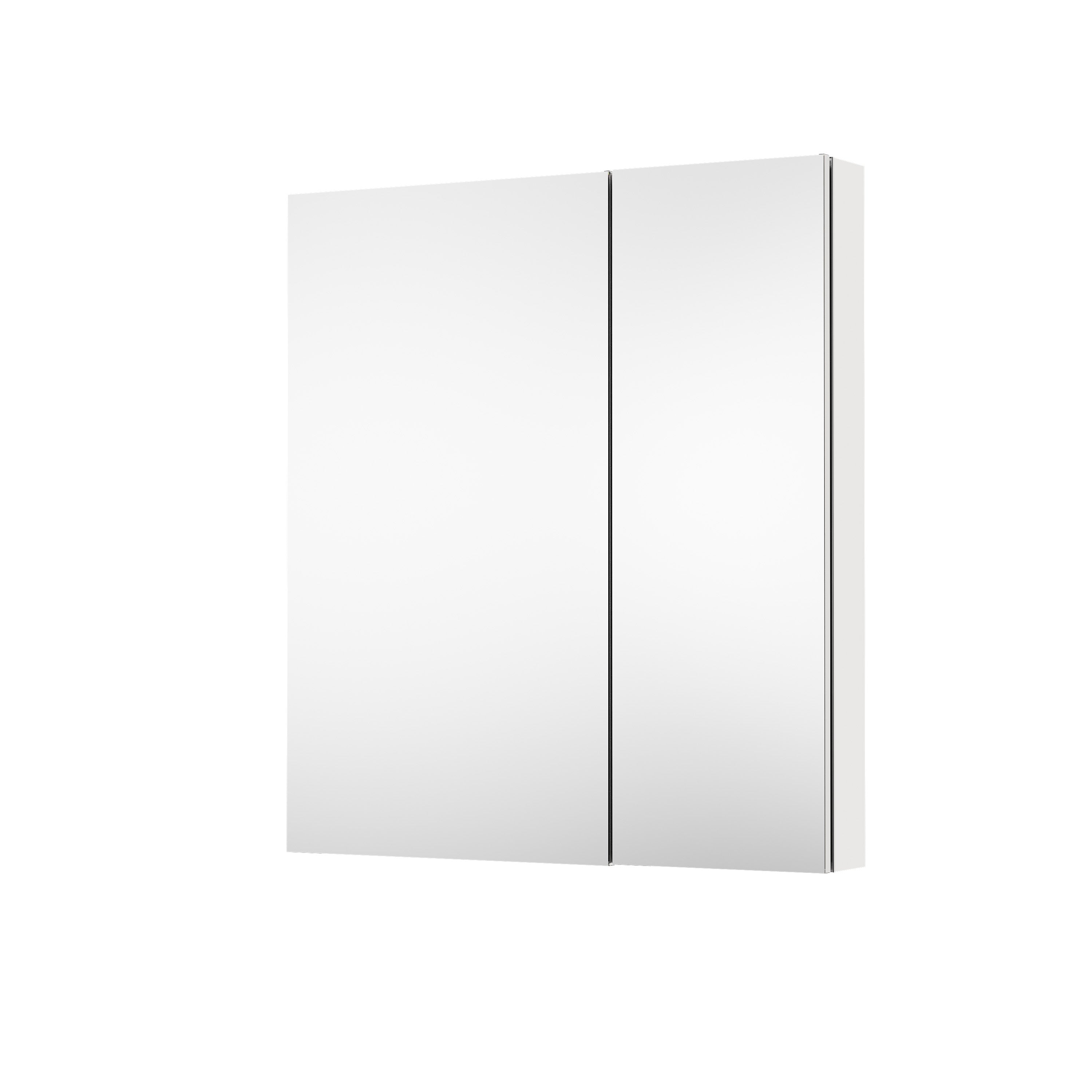
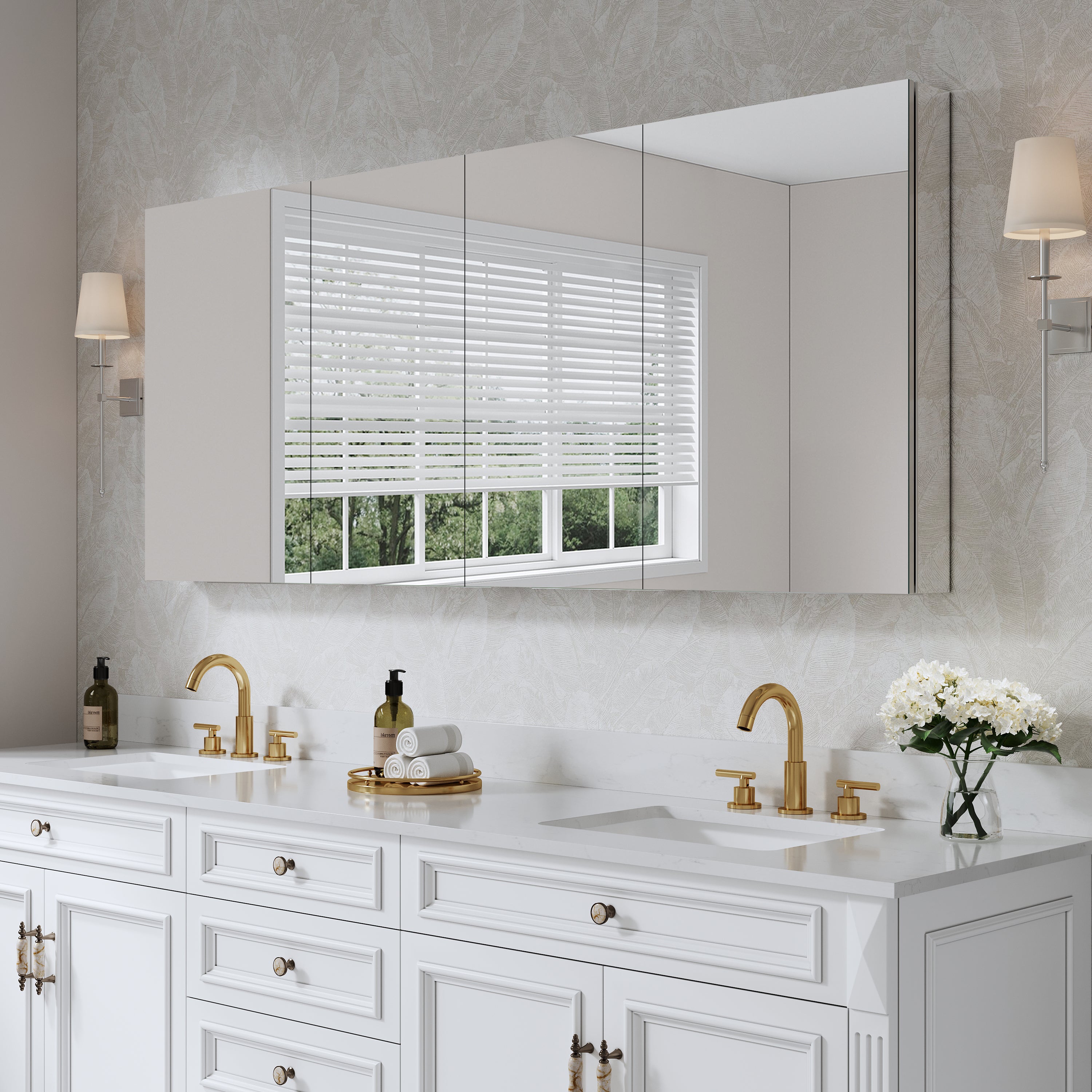
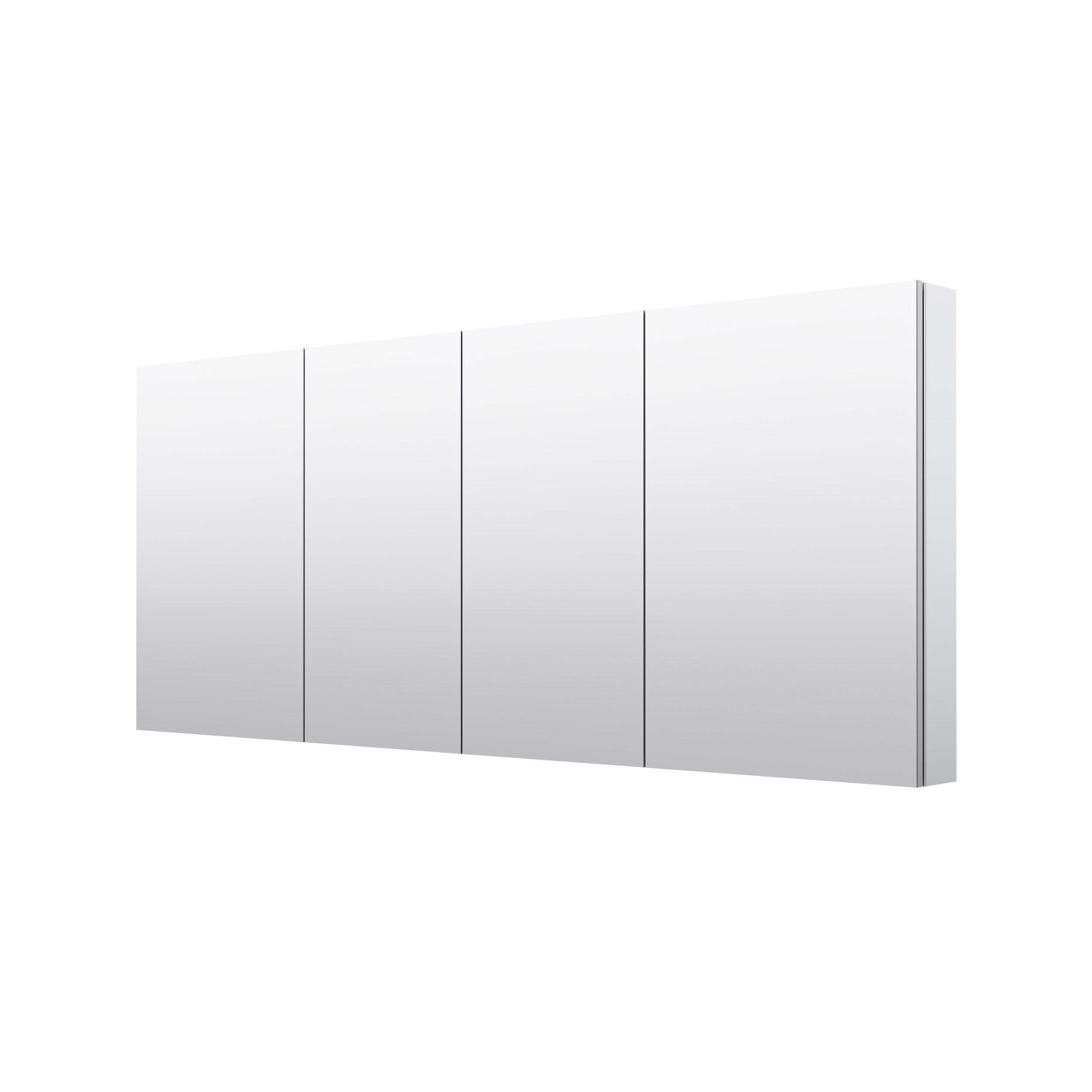
A unique design often optimizes this experience through the door's hinge structure and opening method. For example, the design of double or triple doors can expand internal visibility and retrieval range while maintaining the overall symmetrical beauty; the addition of buffer hinges enhances quietness and delicacy during use.
Some mirror cabinets also feature a double-sided mirror interior, allowing the mirror surface to be used even after the cabinet door is opened. This detailed design dramatically improves the functional density without increasing the volume.
5. The added value brought by lighting and technology
With the popularization of lighting and intelligent technology, the "practical" boundary of mirror cabinets has been further expanded.
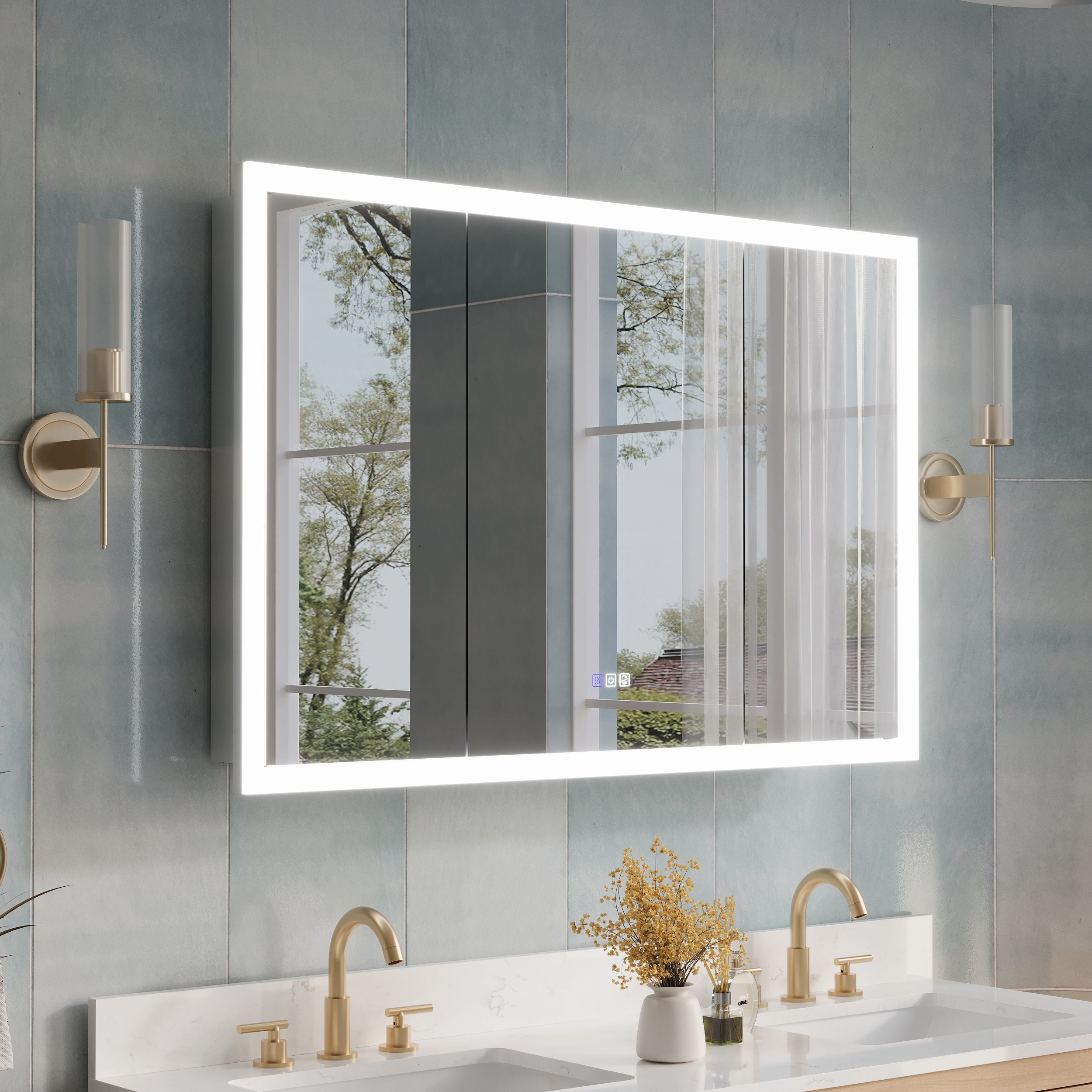
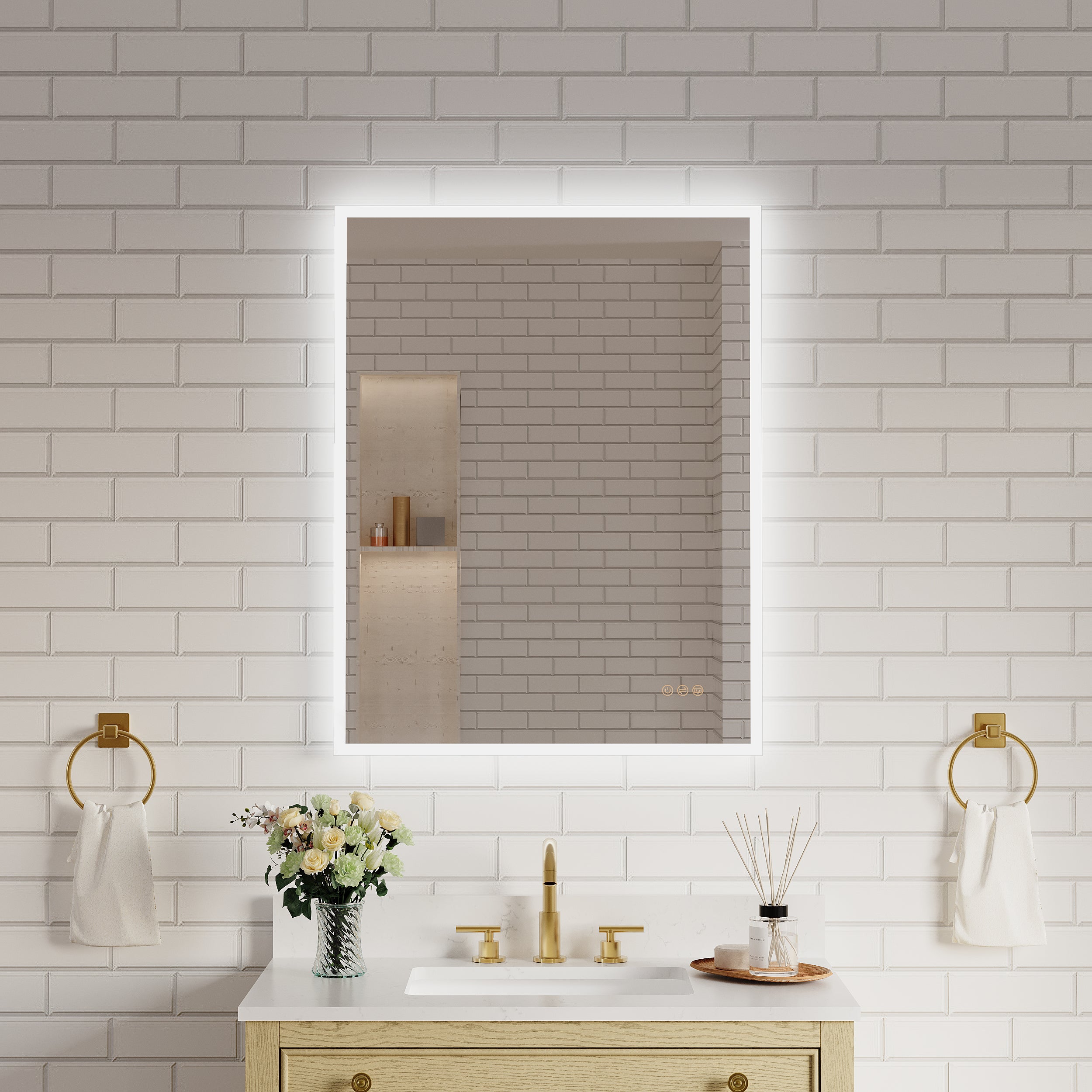
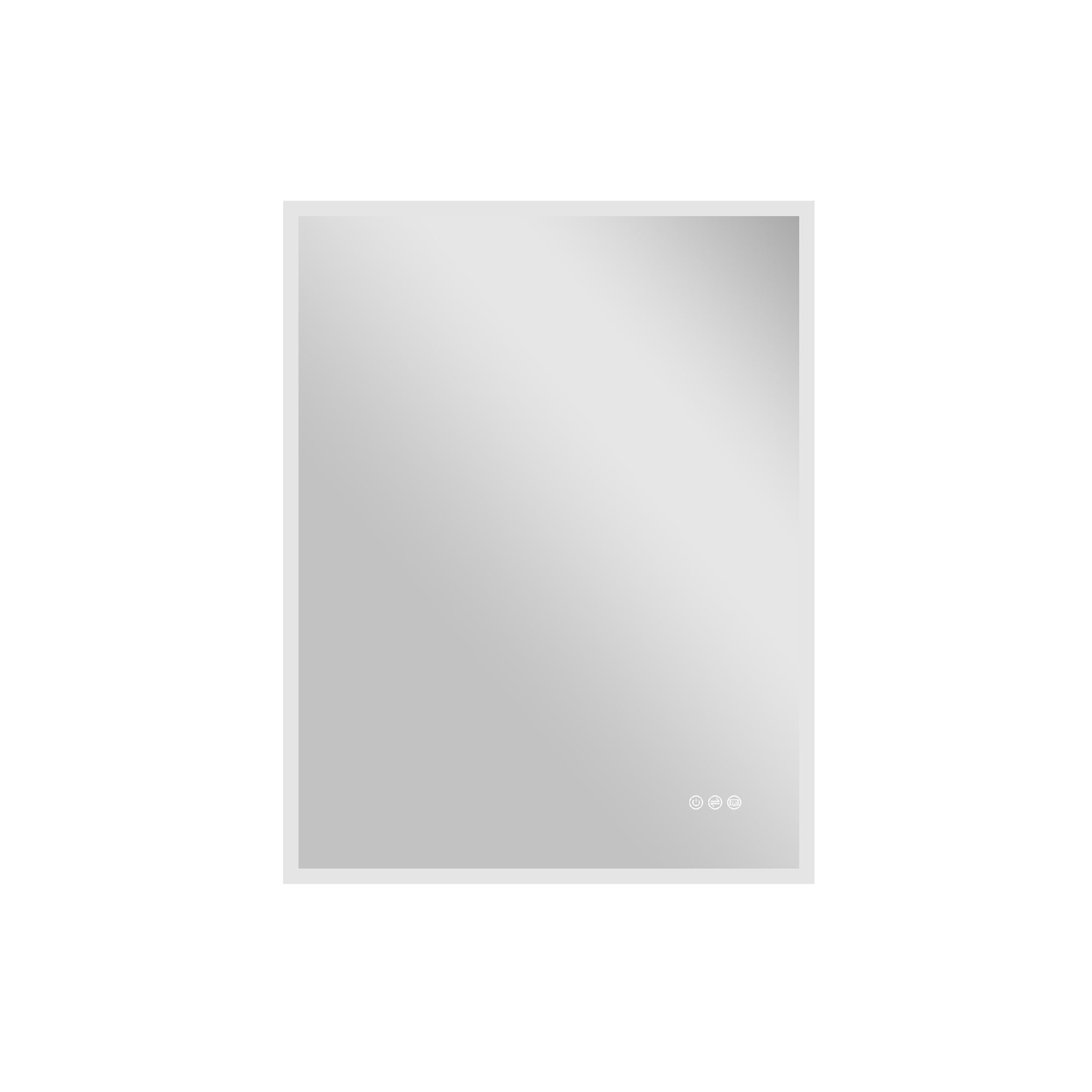
The medicine cabinet with integrated LED lighting not only provides uniform facial illumination but also reduces shadowing caused by top lighting fixtures. A well-balanced brightness and color temperature make the mirror cabinet more efficient for daily care, makeup, or shaving.
In higher-end applications, the addition of adjustable lighting, color-temperature switching, touch switches, and even anti-fog functions has transformed mirror cabinets from passive use to active adaptation to different scenarios. This type of function maintains visual simplicity while significantly enhancing the convenience of use.
6. The impact of installation methods on "uniqueness"
The product itself does not solely determine the fashion sense of a unique medicine cabinet; it is also closely related to the installation method.
Embedded installation emphasizes the wall's overall flatness, making it more suitable for spaces that pursue a minimalist style; wall-mounted installation allows mirror cabinets to exist as three-dimensional elements, forming hierarchical changes through thickness and borders.
In practical projects, more and more designers will choose the installation method that best amplifies the characteristics of the product based on the wall structure and spatial ratio, rather than simply pursuing "concealment."

7. Material and craftsmanship details determine long-term practicality
A convenient mirror cabinet must withstand the test of long-term humid environments.
In terms of material selection, moisture-proof substrates, copper-free mirror surfaces, anti-corrosion hinges, and high-quality sealing structures are all critical factors for ensuring the long-term, stable use of mirror cabinets. These details often do not directly affect the appearance, but determine whether the product can still maintain good condition after several years.
From an industry perspective, more and more brands are beginning to consider "durability design" as a distinct feature rather than just a functional parameter.
Conclusion
What makes the unique medicine cabinet with a mirror both fashionable and practical? The answer does not lie in a single design element, but in the systematic integration of exterior proportions, internal structure, lighting experience, and installation methods.
When the mirror cabinet is no longer just a storage space hidden in the wall, but actively participates in space design and truly improves daily use experience, it completes the transformation from ordinary bathroom accessories to high-value home components. This transformation is exactly the direction that the bathroom industry is constantly pursuing.











Leave a comment
This site is protected by hCaptcha and the hCaptcha Privacy Policy and Terms of Service apply.