














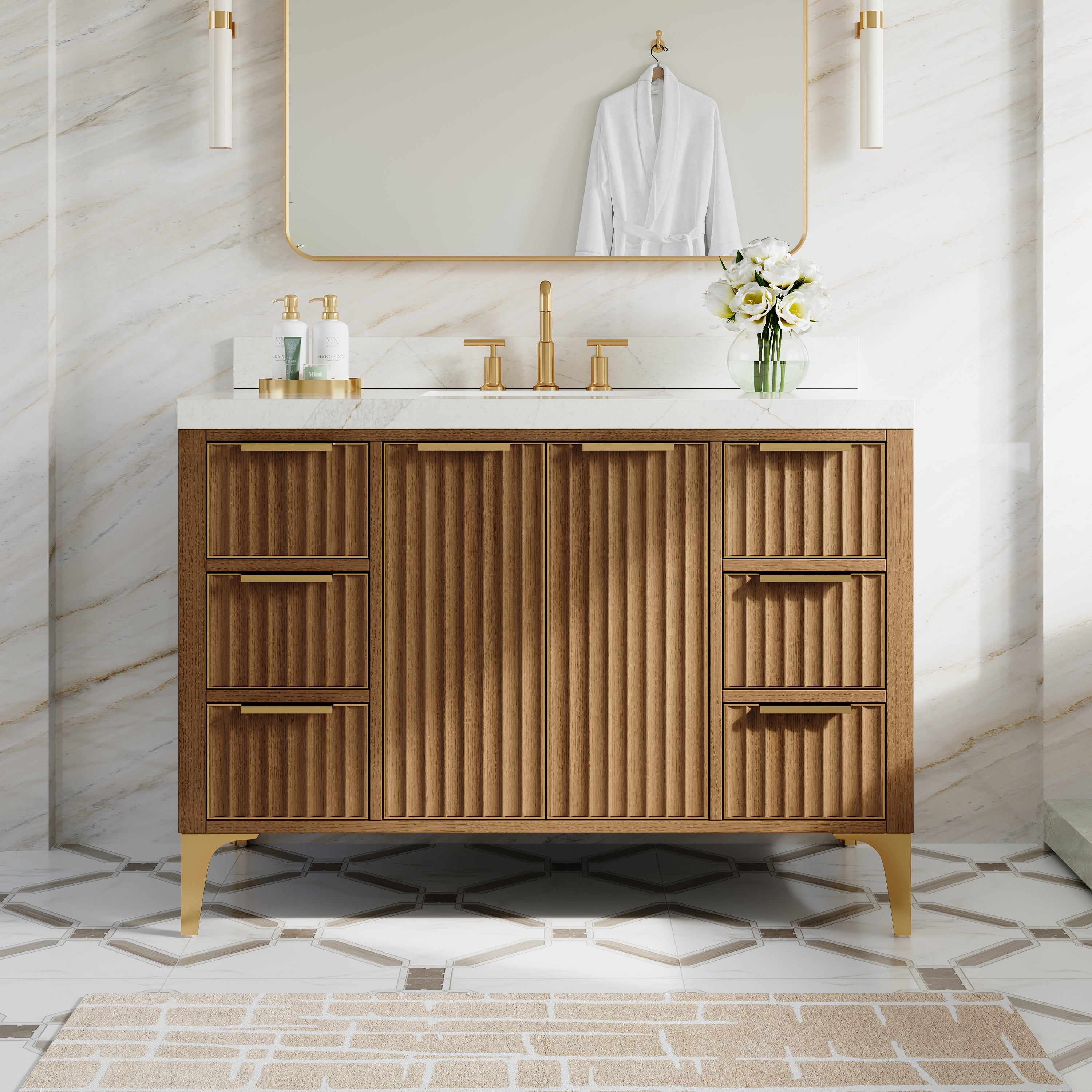


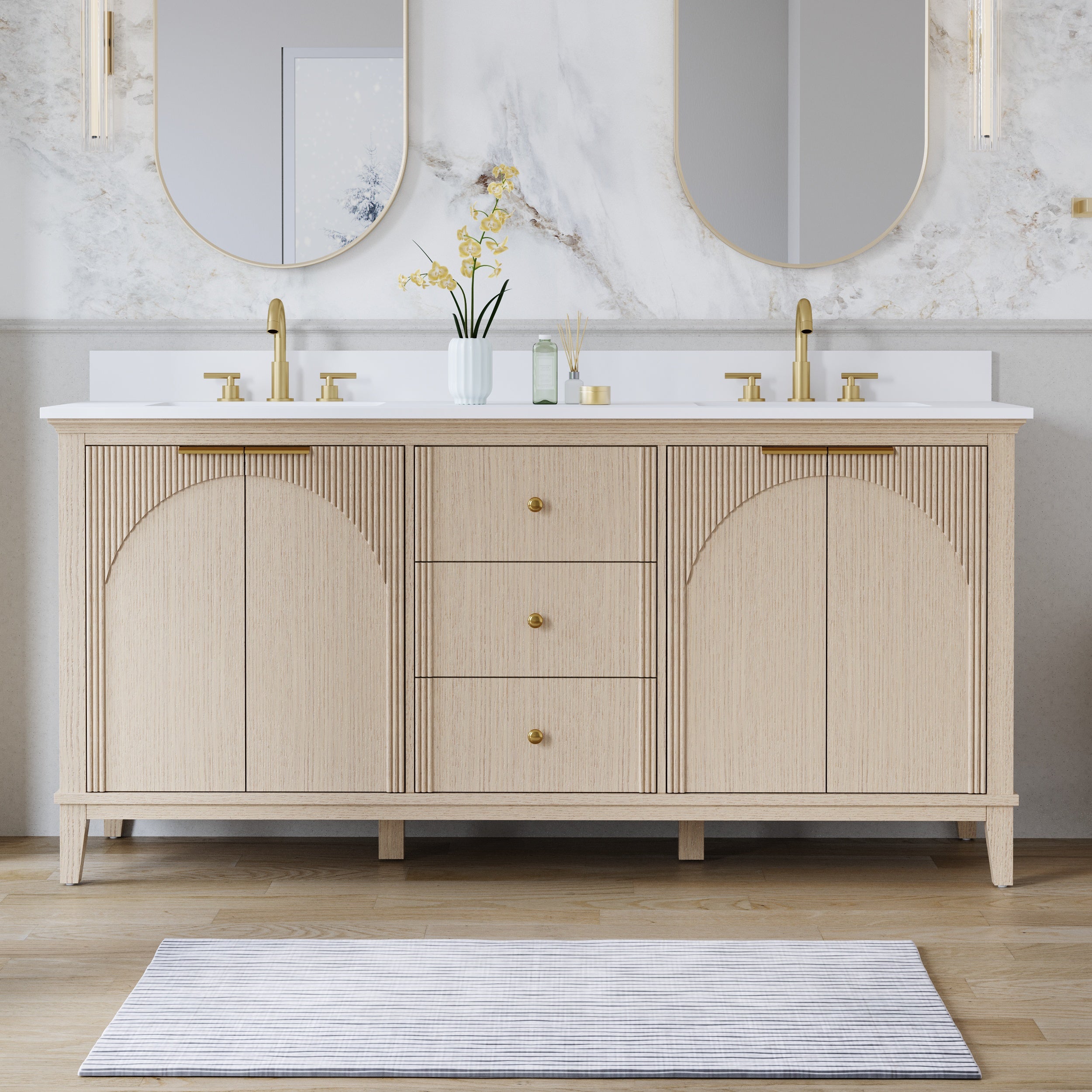
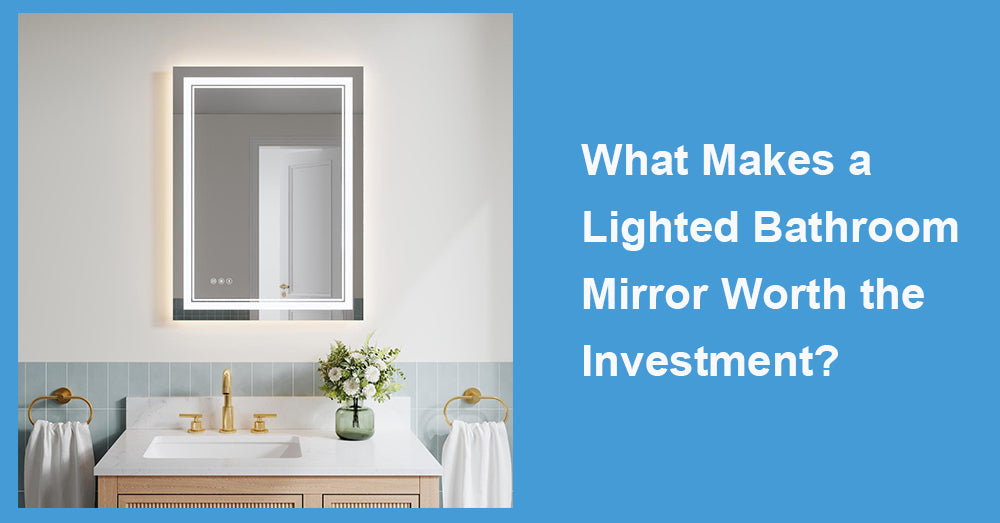
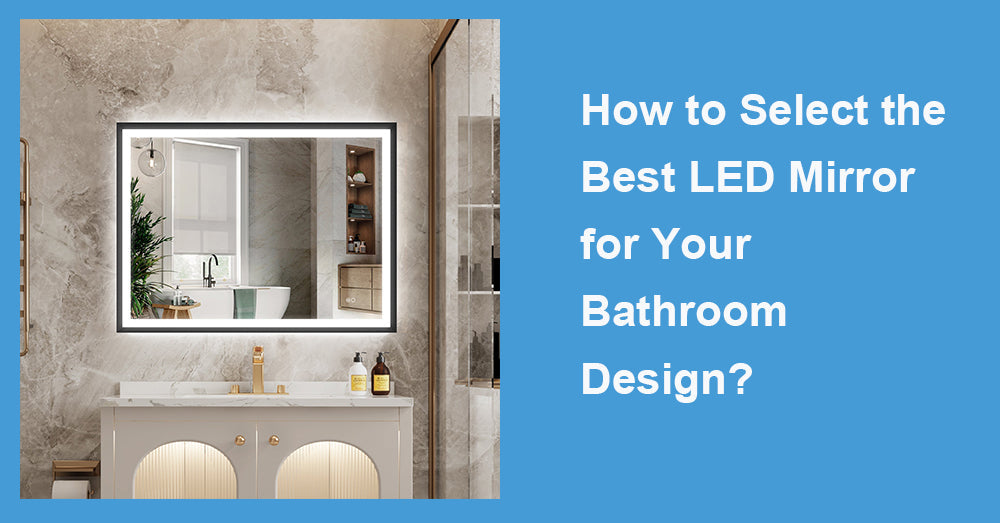
The lighted bathroom mirror has moved from “nice-to-have” to a core upgrade in bathroom projects, especially as homeowners and designers prioritize daily comfort, cleaner aesthetics, and better task lighting. In a space where lighting affects everything from grooming accuracy to how large the room feels, an illuminated mirror can deliver an outsized impact compared with many larger, messier upgrades. Recent renovation research shows that mirrors are among the most commonly upgraded bathroom elements—one major homeowner study found that 59% of renovators upgraded their mirrors during a bathroom project.
So what actually makes a lighted bathroom mirror worth paying more for? The best answer is a mix of performance, efficiency, and design leverage—it improves how the bathroom works every single day, and it can modernize the room without touching plumbing or layout.
1) Better task lighting where it matters most: your face
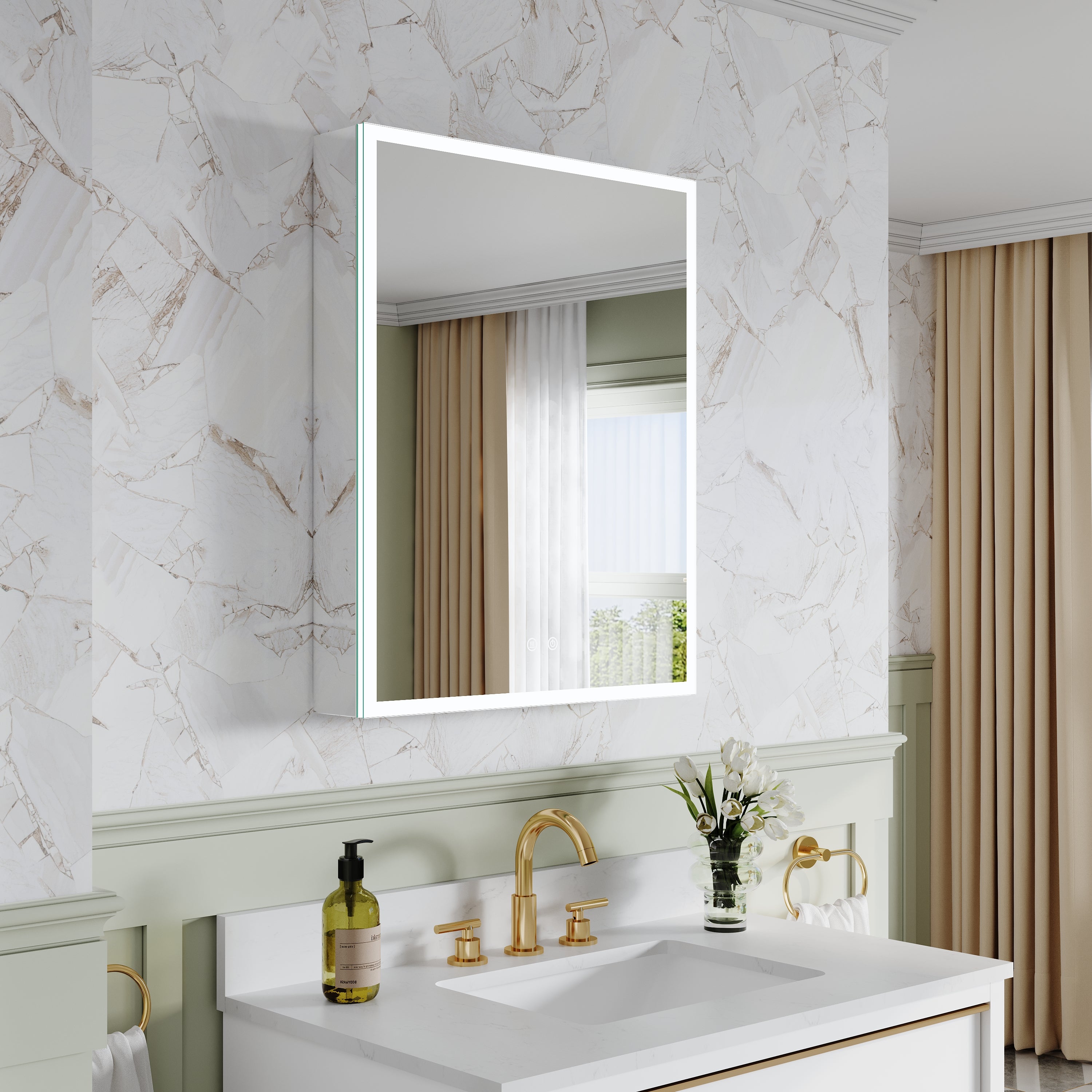
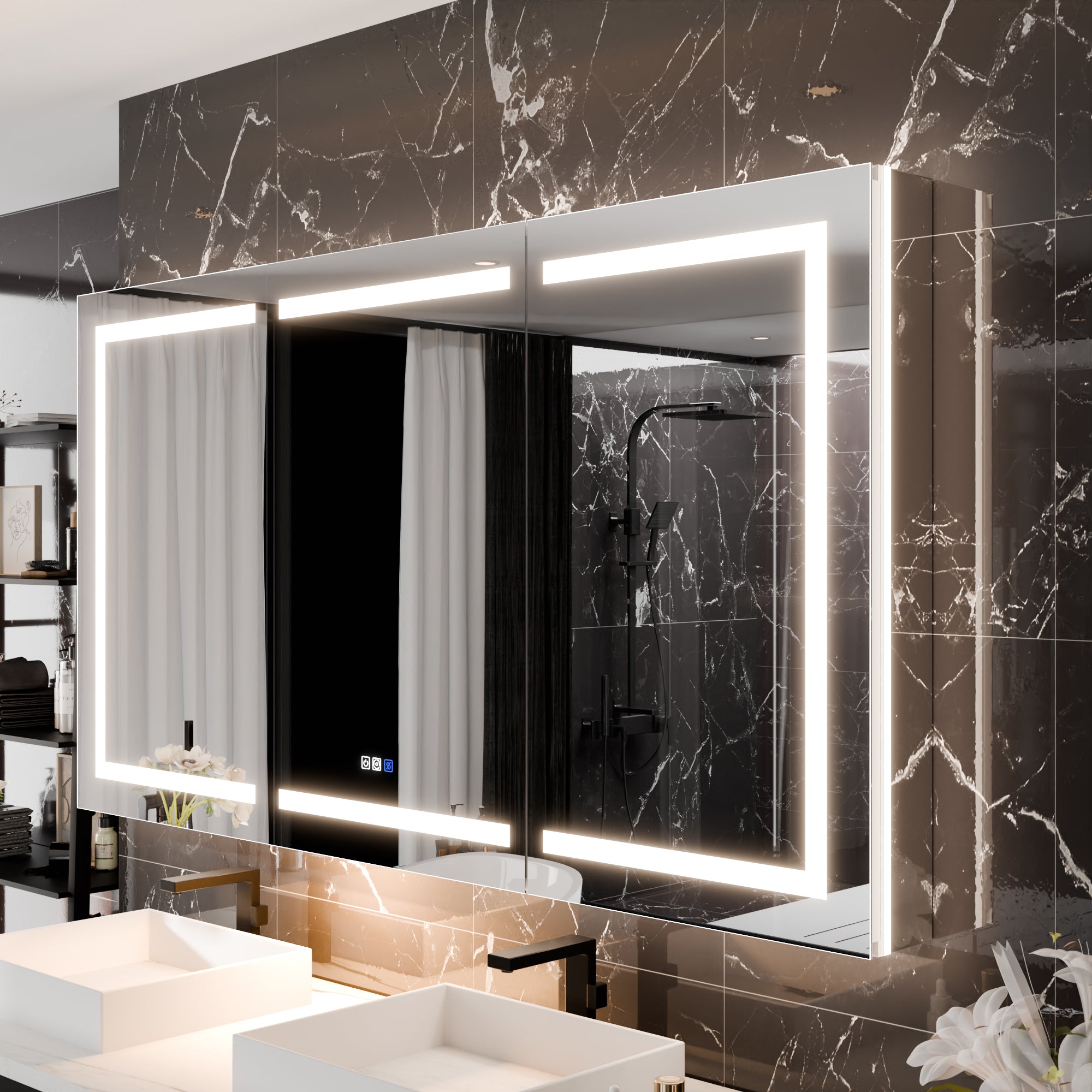
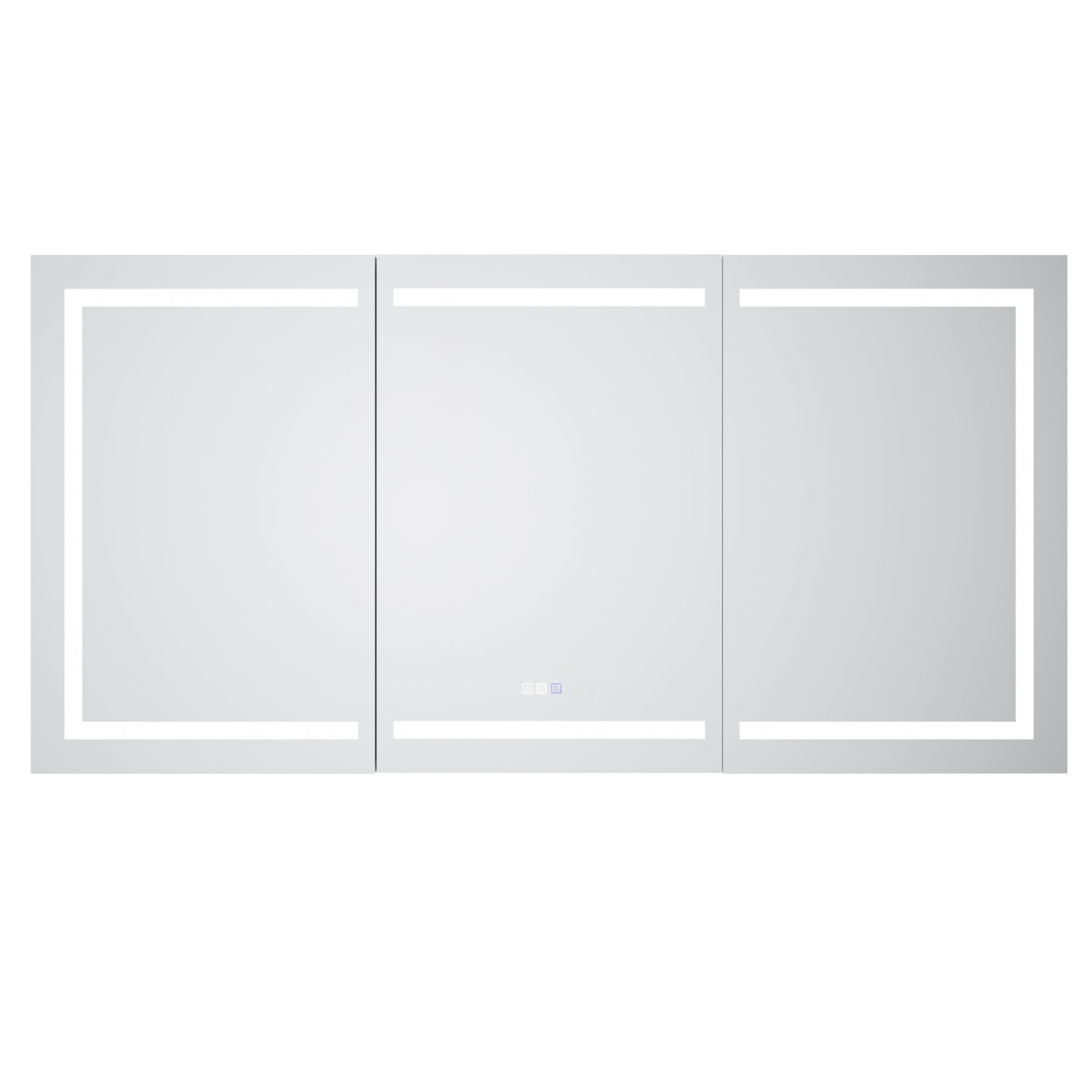
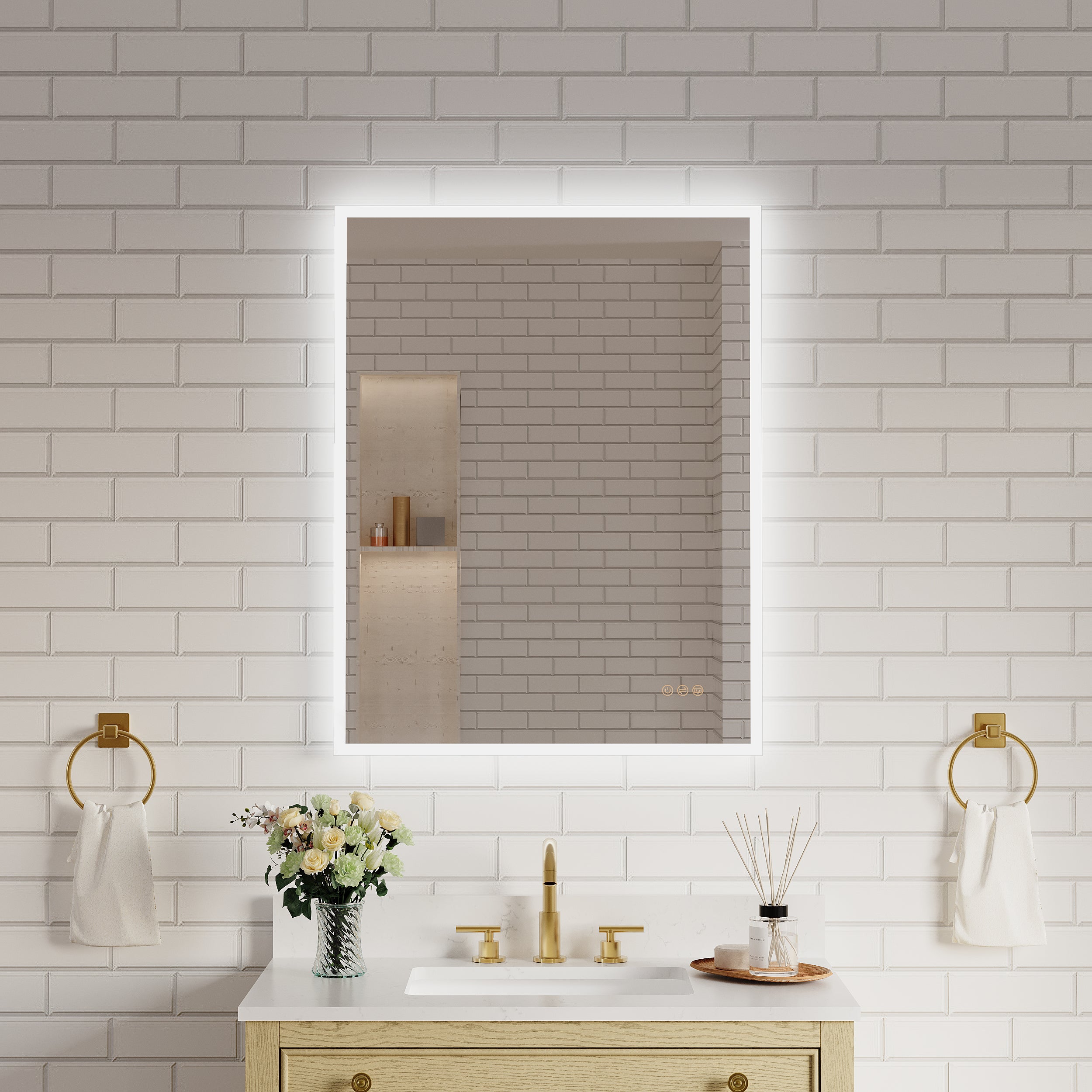
Bathrooms are notorious for “bad lighting”: a bright ceiling fixture that casts shadows under the eyes and chin, or wall lights that are too warm, too dim, or uneven. A quality lighted mirror solves the root issue by placing light closer to the user’s face, often distributing illumination across the perimeter or behind the glass for a softer, more uniform effect.
That translates into practical wins: cleaner shaving lines, more accurate makeup blending, and fewer surprises when you step into natural daylight. For shared bathrooms, consistent lighting also reduces the constant “turn this on / turn that off” dance to get the correct brightness.
2) Energy efficiency that adds up over the years
A key reason the lighted bathroom mirror category has surged is the broad shift toward LED lighting as the default standard in kitchens and baths. Trade organizations have flagged “all-LED” lighting and integrated mirror/medicine-cabinet lighting as an ongoing direction in bath design.
LED efficiency isn’t a slight improvement—it’s the difference between lighting that behaves like a heater and lighting that mostly becomes light. When that efficiency is baked into a mirror you use daily, the long-term operating cost drops while performance rises.
Even if your electricity cost is low, the convenience value is real: fewer bulb changes, less heat buildup near the vanity, and more stable light output over time.
3) Longevity and lower maintenance compared with bulb-based fixtures
Traditional vanity-light setups often rely on exposed bulbs, glass shades, and hardware that collects dust and needs frequent cleaning. Meanwhile, many integrated mirror lights are sealed behind glass or diffusers, which can reduce grime buildup and simplify wipe-downs.
LED systems are also designed around long service life. Energy guidance widely cites long lifetimes for LEDs, commonly described in the tens of thousands of hours under typical use. In real terms, that can mean years of daily use before noticeable dimming—mainly when the mirror features solid thermal management and high-quality drivers.
4) Space and style impact without major construction
Bathroom remodel budgets have climbed, and many projects focus on targeted upgrades that change the feel of the room without expanding walls. One widely reported renovation study found that the median spend was around $13,000 for a standard bathroom renovation and $22,000 for a major one, reflecting how quickly costs add up. In that context, a lighted mirror is attractive because it can deliver a “new-bathroom” look while avoiding the big-ticket complexity of moving plumbing, retiling an entire wet area, or rebuilding the layout.
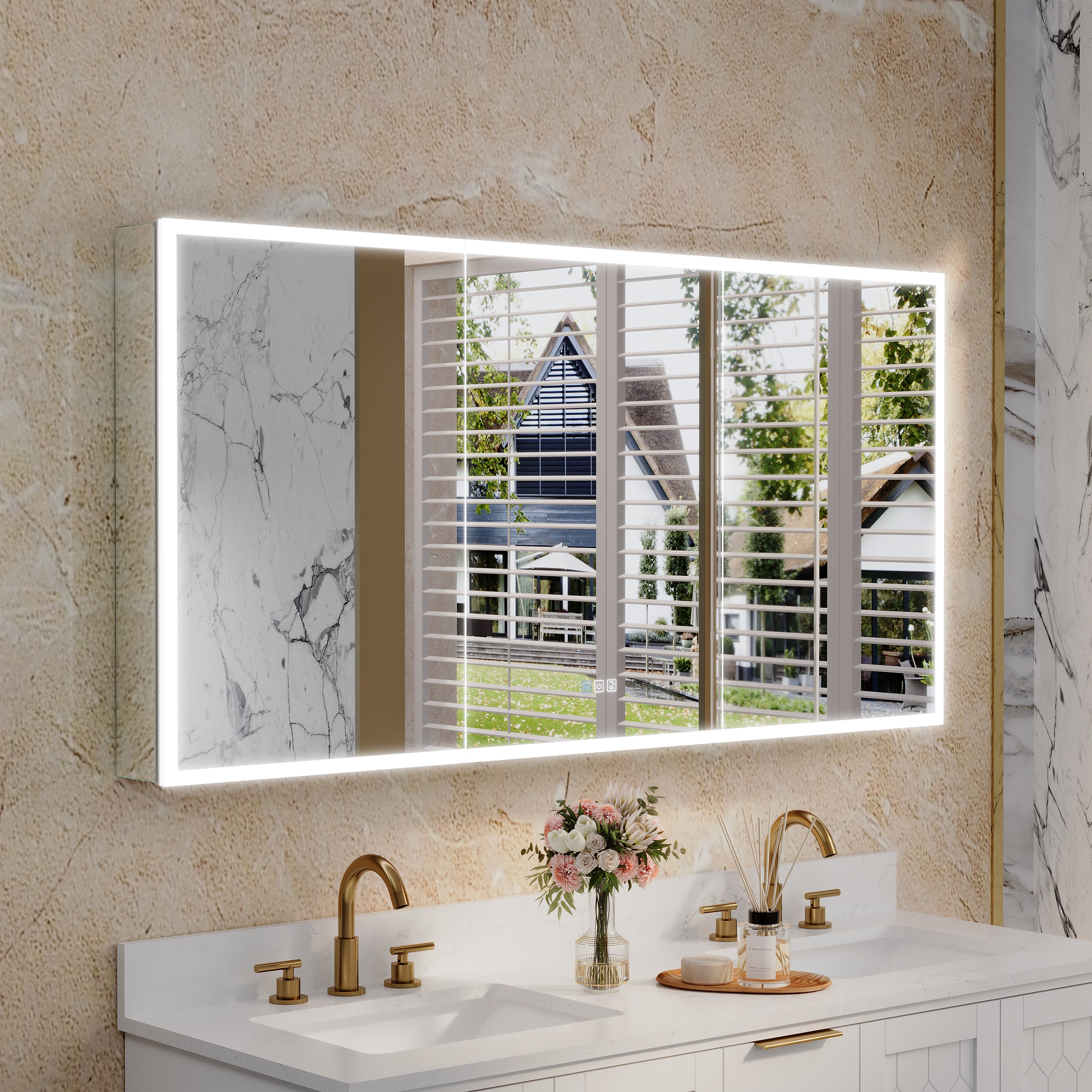
Design-wise, an illuminated mirror can also make a bathroom look larger and brighter. Light bounces off reflective surfaces, and when the mirror itself becomes a light source, it amplifies that effect—especially in powder rooms or bathrooms with limited natural light.
5) Features that solve real bathroom pain points
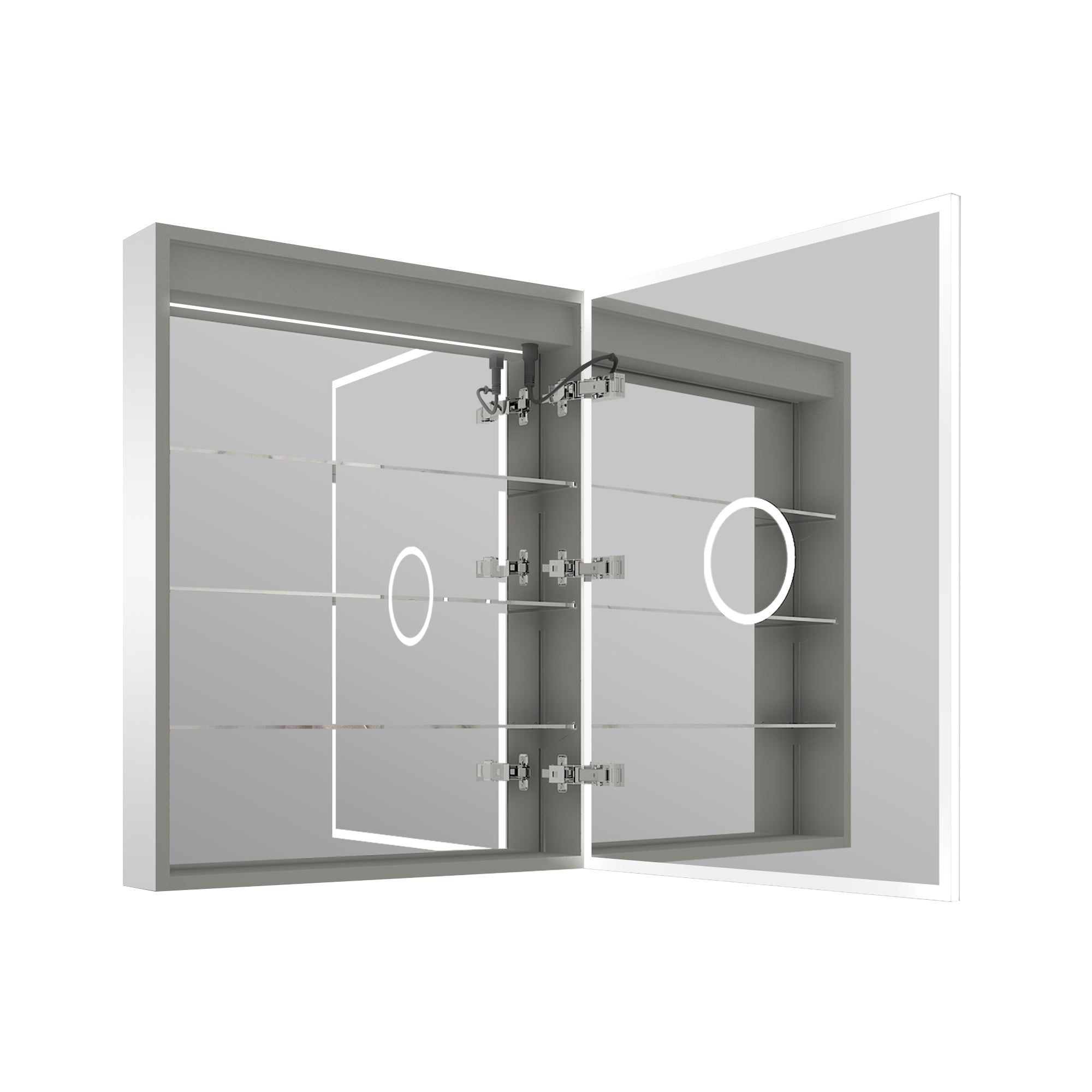
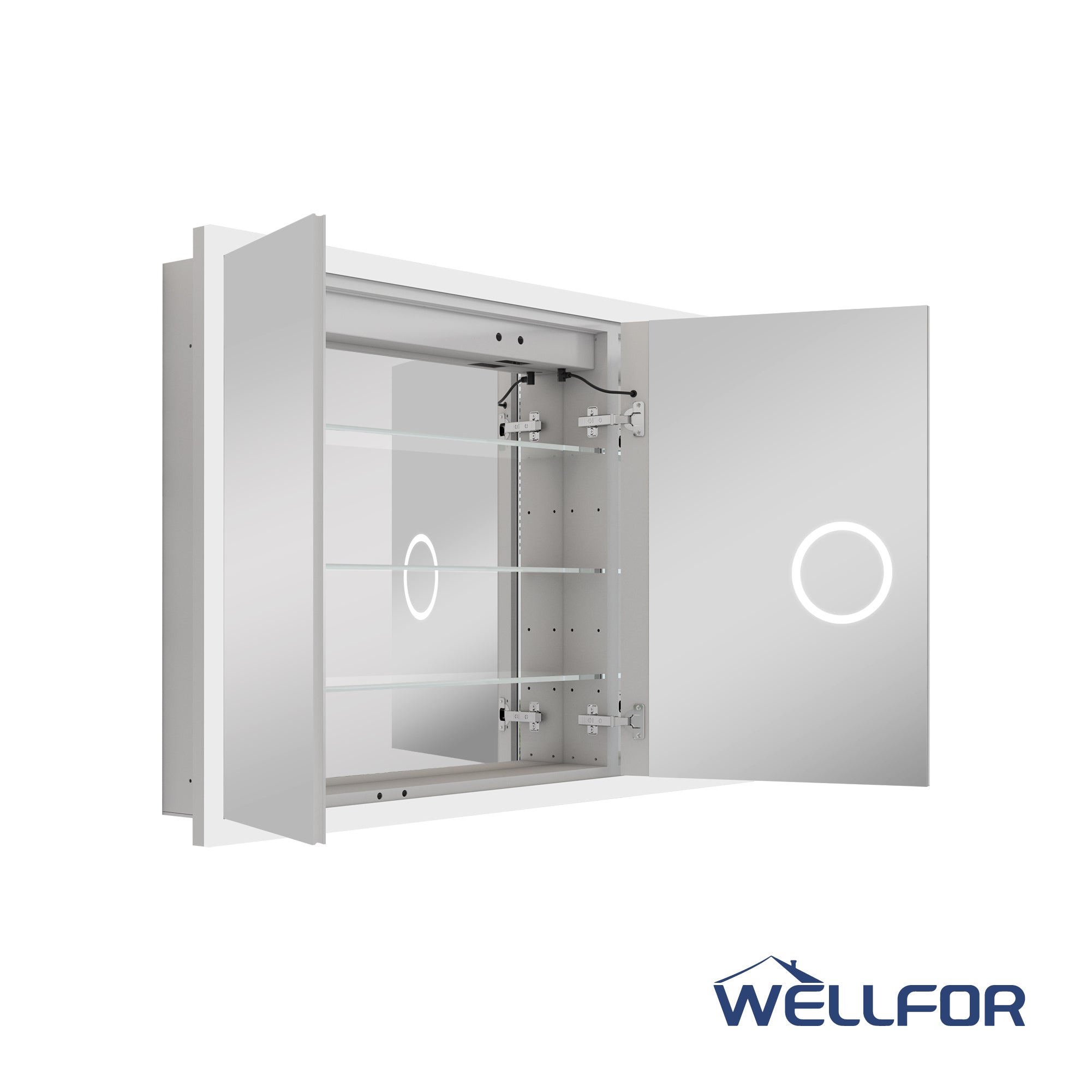
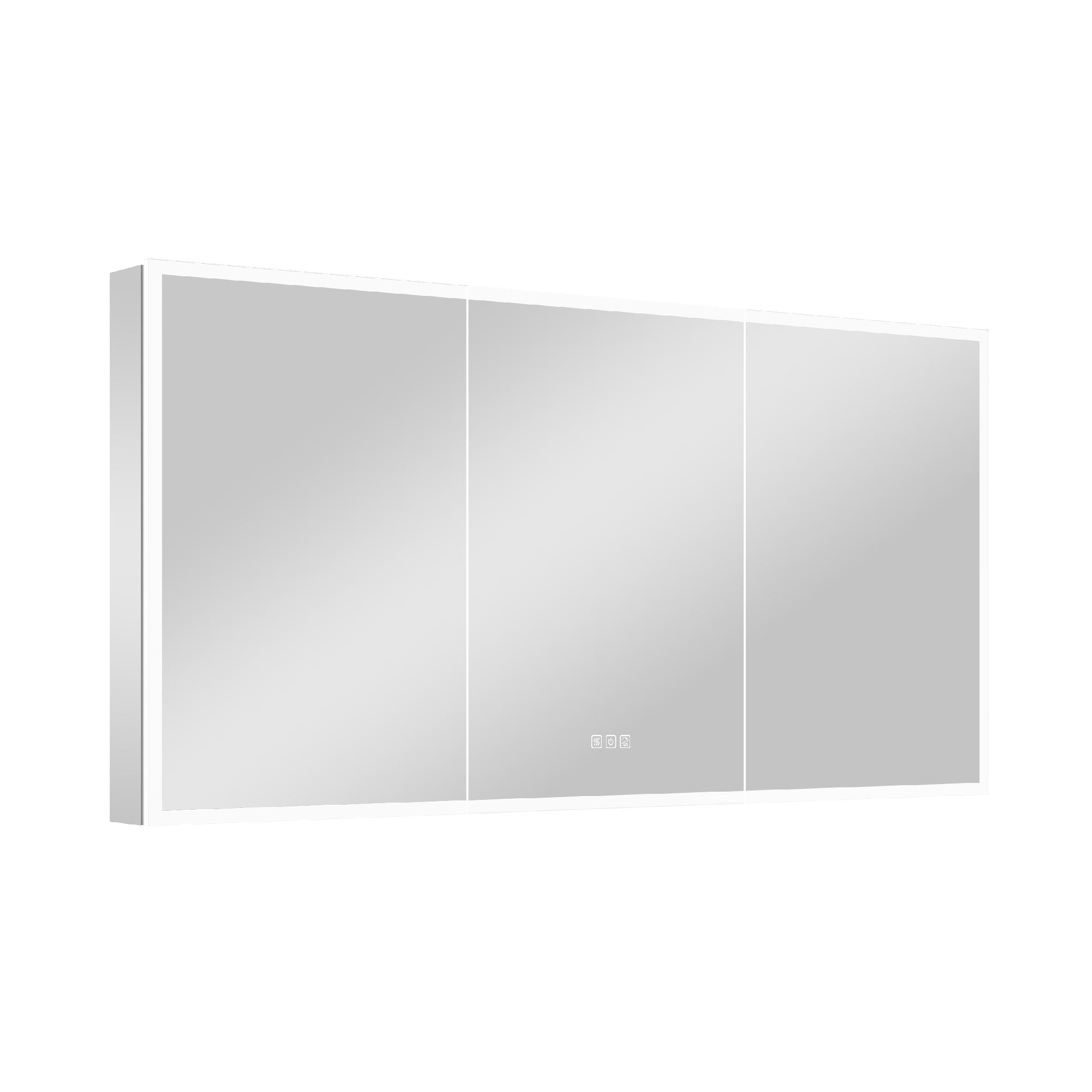
Many shoppers first come for the lighting—and stay for the feature set. Depending on the model, a lighted bathroom mirror can include:
· Dimming to shift from bright task lighting to softer nighttime lighting
· Adjustable color temperature so the mirror doesn’t skew makeup tones or skin undertones
· Anti-fog/defog to keep the mirror usable right after a hot shower
· Memory settings that return to your preferred brightness and color
· Touch controls designed for wet hands and quick use
These features aren’t gimmicks when they reduce friction in daily routines. In particular, defogging can be a quality-of-life upgrade in shared bathrooms where time is tight.

6) The right size in inches: choosing dimensions that feel intentional
Sizing is where value becomes obvious—because the mirror sets the scale of the vanity wall.
Common sizing logic looks like this:
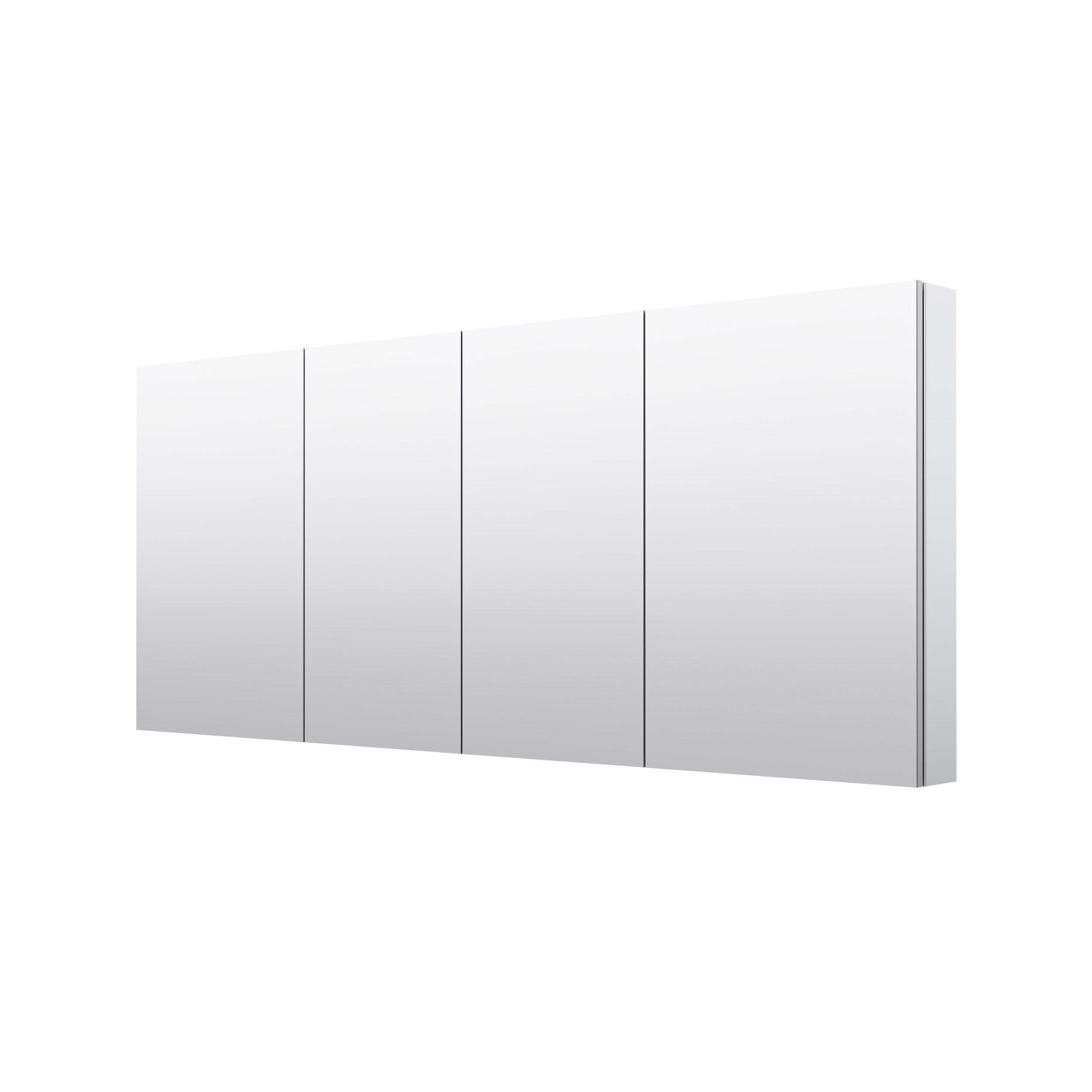
· For a single-sink vanity, many people choose mirrors that are 24" to 36" wide, depending on the vanity width and wall space.
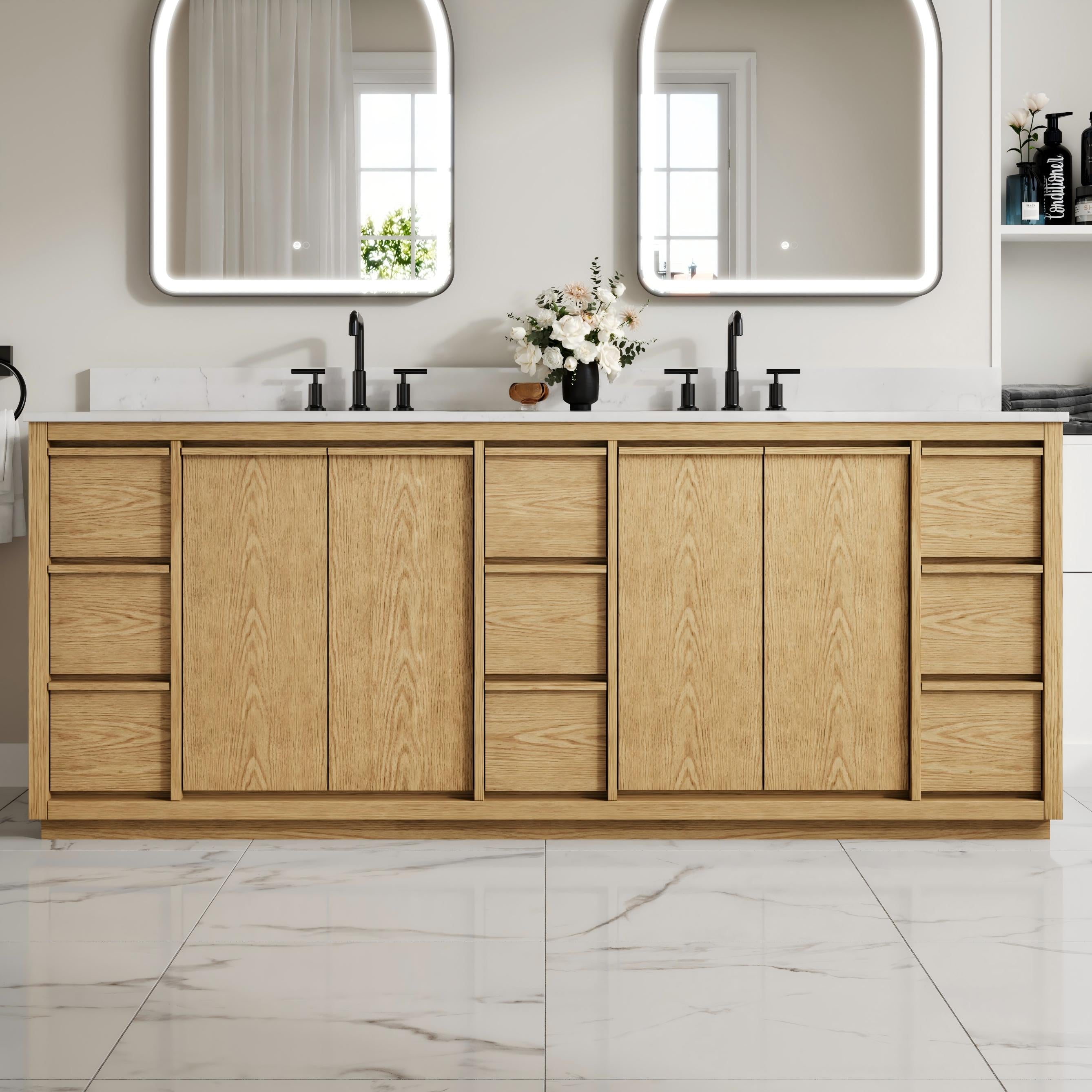
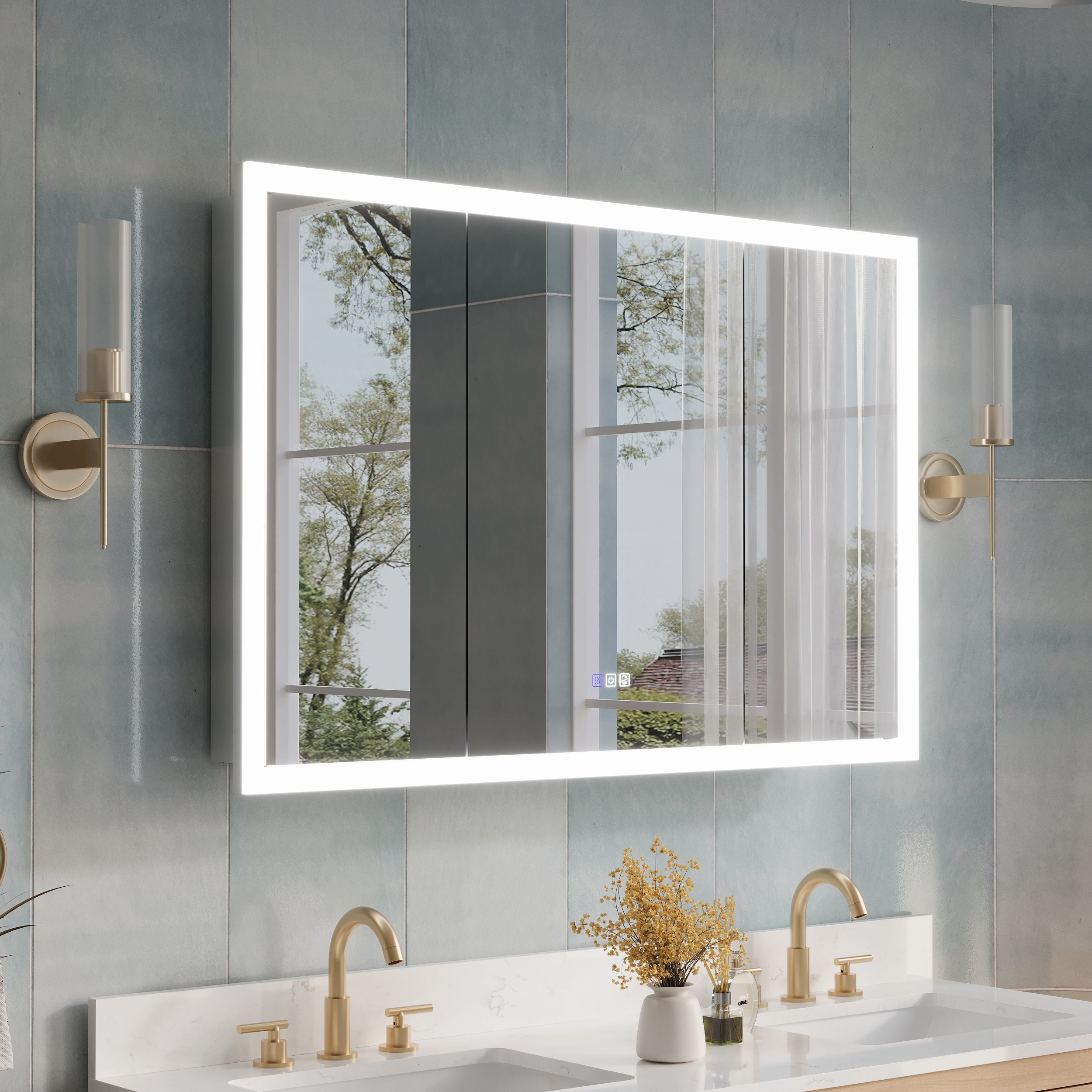
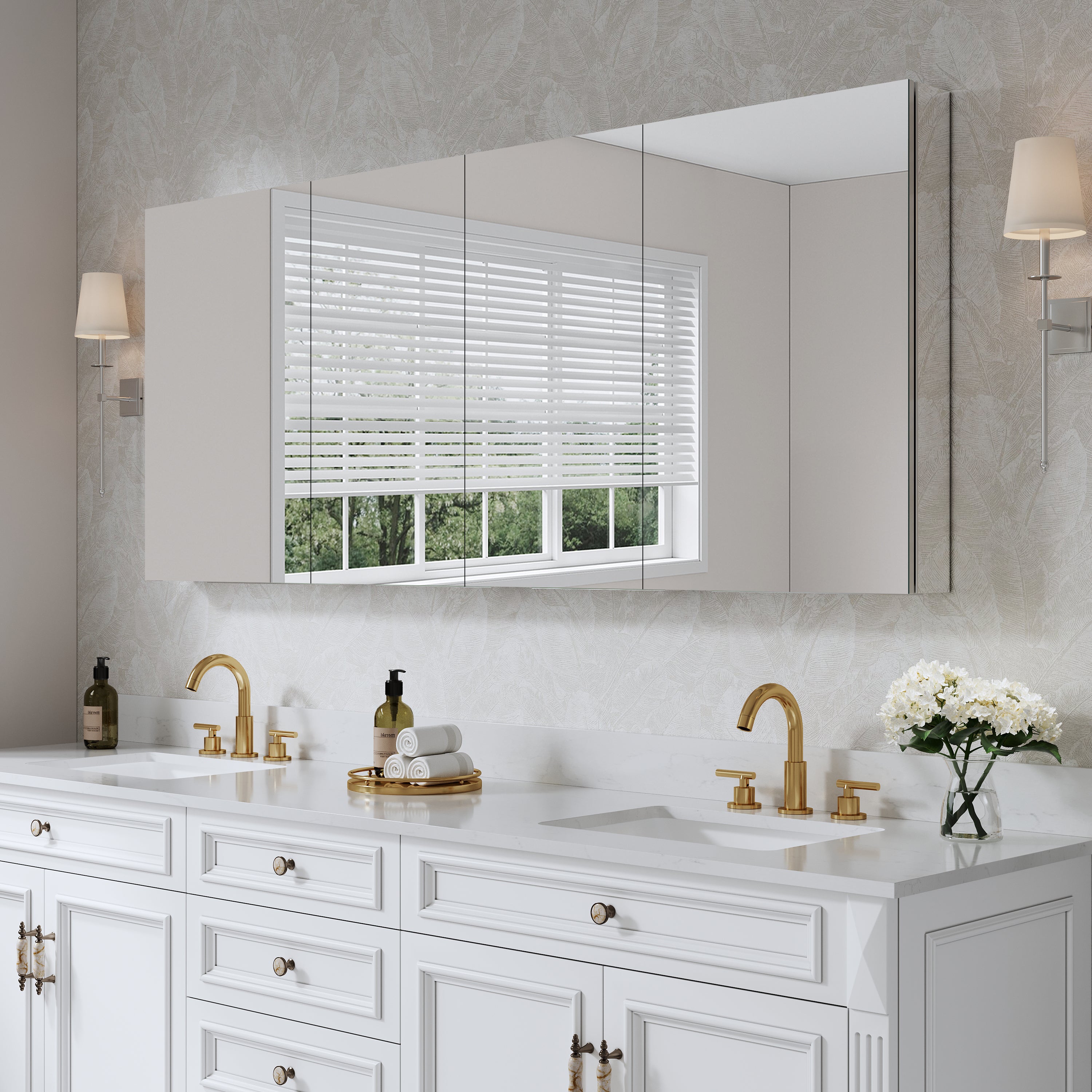
· For double-sink vanities, wider mirrors—often 48" to 60"+—create a more cohesive, upscale look.
· Heights typically range from 28" to 40", but taller mirrors can add a “spacious” feel, especially in rooms with higher ceilings.
A good rule: keep the mirror width close to (or slightly smaller than) the vanity width for balance, unless you’re intentionally going oversized for a bold, hotel-style statement. With lighted mirrors, going larger can also improve light spread, reducing harsh falloff at the edges.
7) Safety, durability, and “hidden quality” that justifies the price
Not all illuminated mirrors are equal. The premium is worth it when the product is built for bathroom conditions: humidity swings, steam, and frequent cleaning. That means paying attention to things that don’t show up in a product photo:
· Stable drivers (less flicker, better longevity)
· Good edge sealing and moisture resistance
· Proper wiring design for safe installation
· Precise installation specs and wall-mount hardware that feels secure
This is also where brand and manufacturing discipline matter. A lighted mirror that looks great but fails early—or develops uneven lighting—quickly becomes a regretful purchase.
8) The “daily ROI”: why it feels worth it after the install
The simplest way to judge value is this: you use your bathroom mirror every day, often multiple times. A lighted bathroom mirror upgrades the most repeated routines—getting ready, checking details, winding down—without requiring behavior change.
And because mirrors are among the most frequently upgraded items in renovation projects, a well-chosen lighted mirror sits in a sweet spot: it’s a visible design upgrade and a functional one. Done right, it becomes one of those purchases you stop thinking about—because the bathroom just feels better, every single day.













Leave a comment
This site is protected by hCaptcha and the hCaptcha Privacy Policy and Terms of Service apply.