
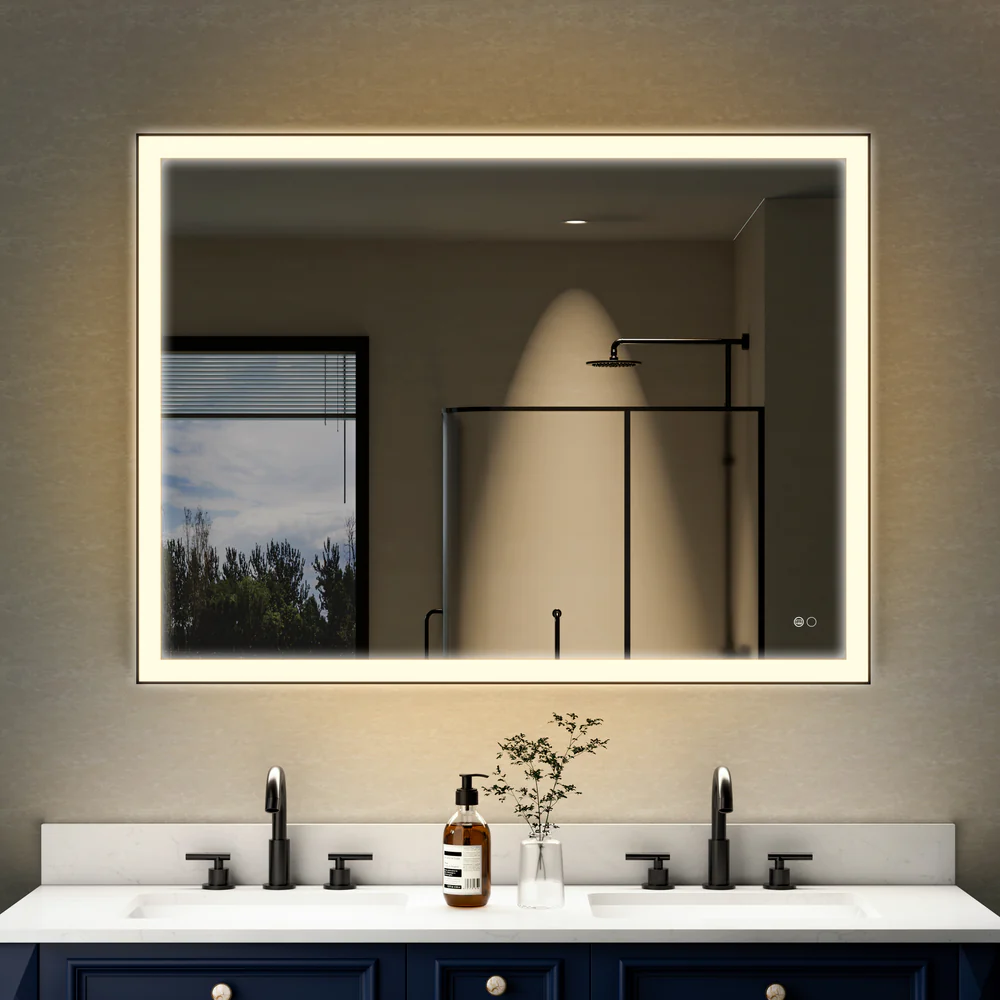
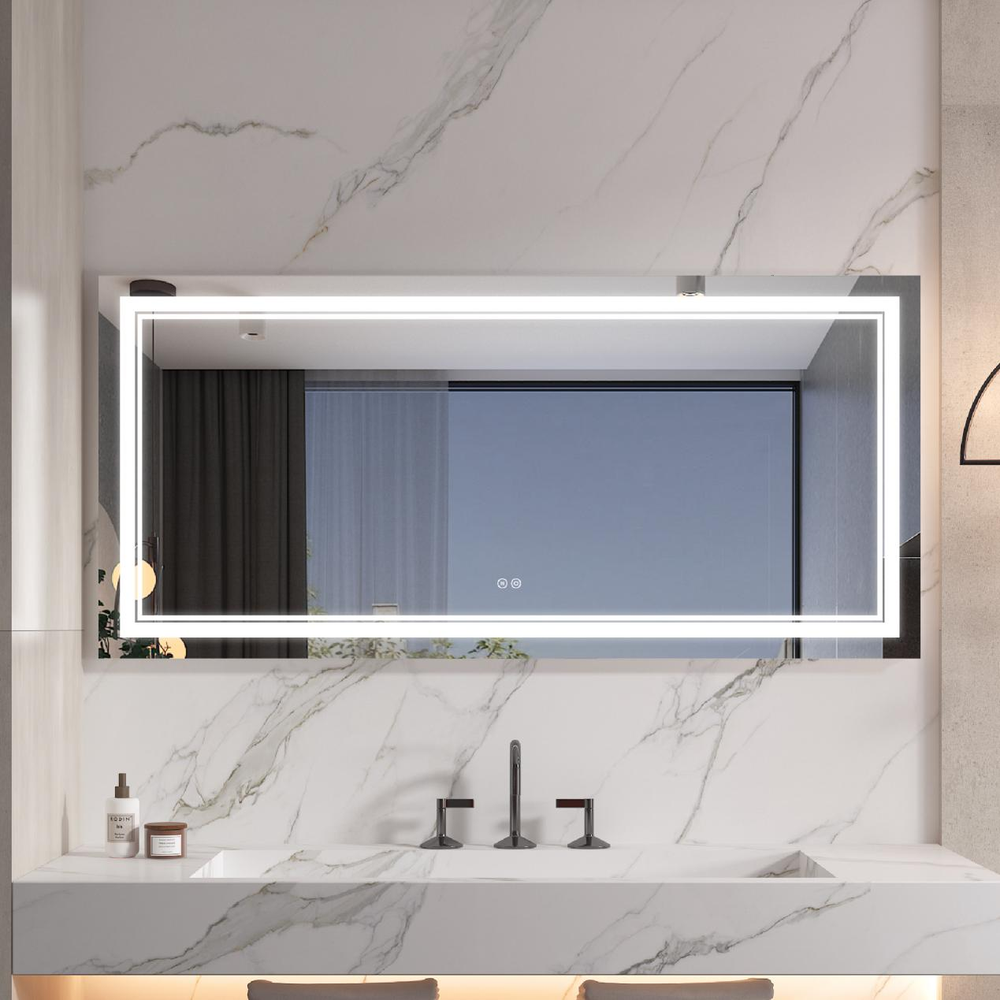
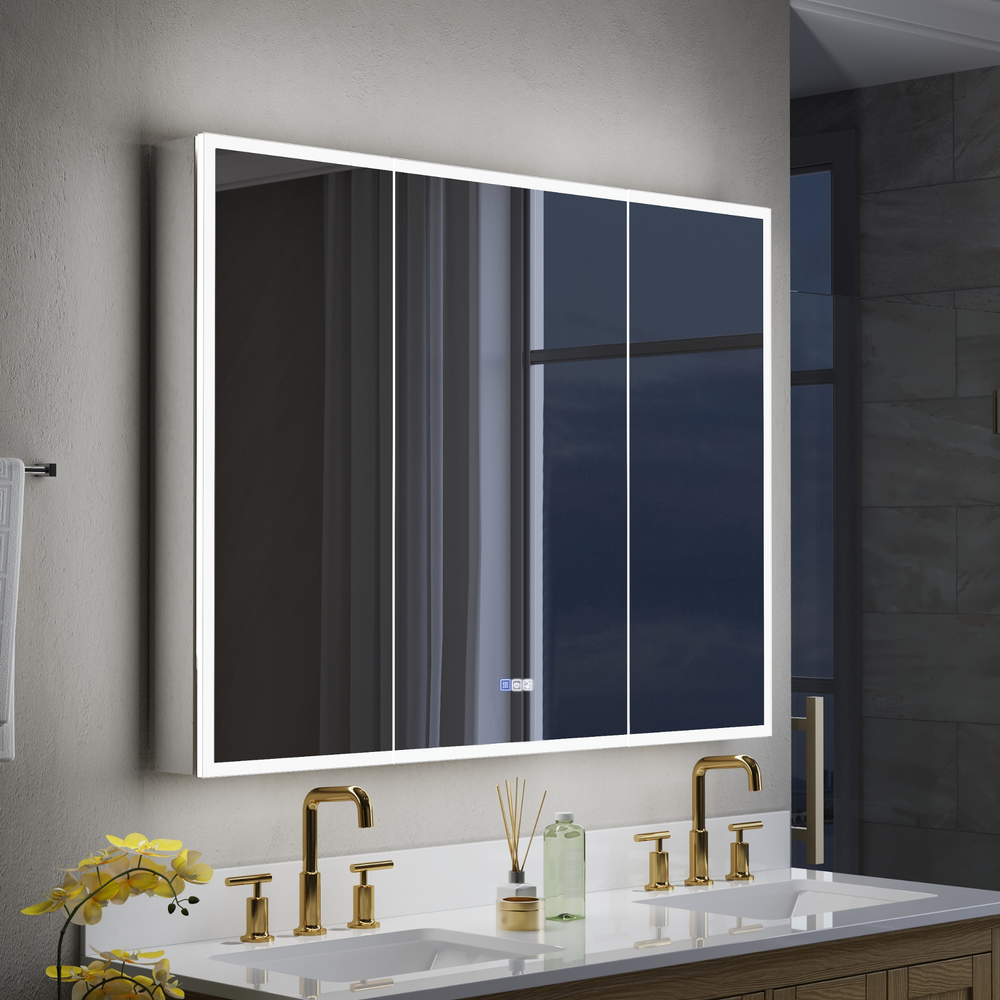
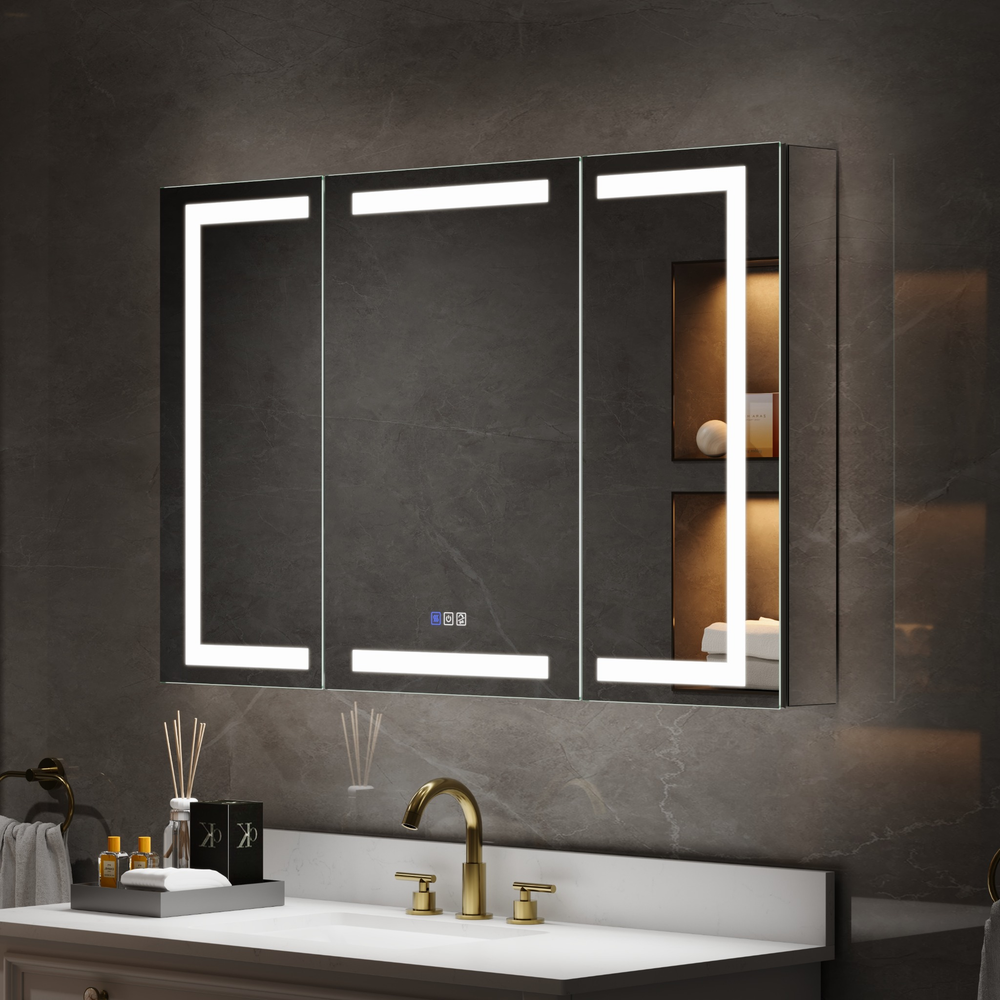


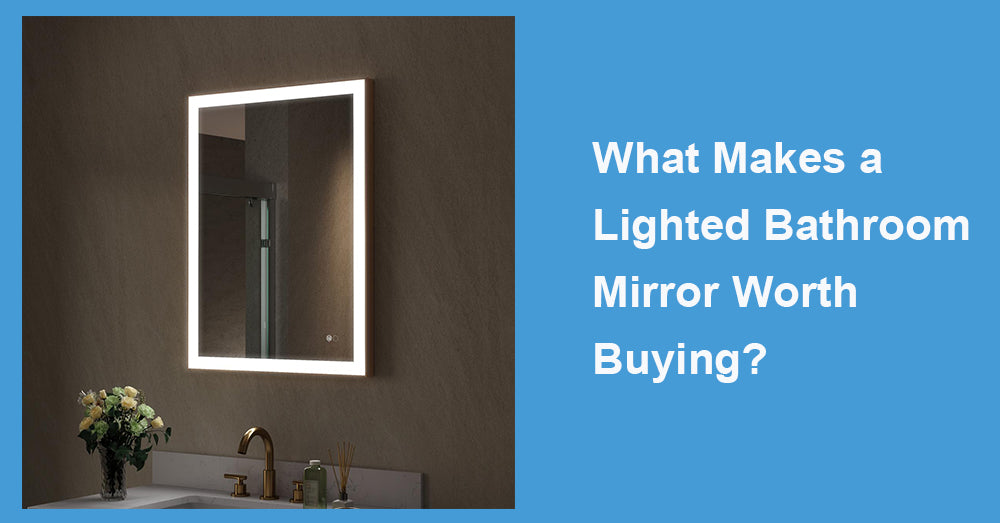
Let’s be honest: a lighted bathroom mirror isn’t exactly a cheap impulse buy. If you’ve browsed online lately, you know prices swing wildly—from basic $80 plug-in models to massive, hardwired, color-tunable setups that easily top $1,000 (Source: 2024 retail pricing analysis of major U.S. home improvement stores). So, when you’re staring at that price tag, the real question isn't just "Does it light up?" It’s whether the specific features actually earn their keep in your daily routine.
If you're tired of squinting in the morning or dealing with weird shadows while shaving, a lighted bathroom mirror can be a game-changer. But only if you know what to look for. Here is the breakdown of what truly makes one worth the investment, based on actual lighting standards and real-world safety codes.
The Dealbreaker: Lighting Quality
You can buy a mirror with all the fancy bells and whistles, but if the light is bad, the mirror is useless.
When you're shopping, look past the brightness and check the Color Rendering Index (CRI). This is a 0-to-100 scale that tells you how accurately a light shows colors. The Illuminating Engineering Society (IES) says anything below 80 is pretty mediocre for general interior lighting. For stuff like applying makeup or skincare, you really need a CRI of 90 or higher (Source: IES Lighting Handbook, 10th Edition). Why? Because you don't want to think you look great in the bathroom mirror, only to step outside in daylight and realize your foundation is three shades off.
Then there’s color temperature. Measured in kelvin (K), this is what dictates whether the light feels like a warm, cozy room (around 2700K–3000K) or crisp daylight (4000K–5000K). A smart buy is a mirror that lets you toggle between these settings. Being stuck with one harsh, cool-toned light when you want to wind down at night is frustrating.
Brightness and Shadow Control
How bright is bright enough? You want a mirror that pushes out enough lumens to act as task lighting. Lighting pros generally suggest aiming for 50–100 lumens per square foot around your vanity (Source: American Lighting Association). Most modern LED mirrors pack 1,000 to 3,000 lumens, which hits the sweet spot for a residential bathroom.
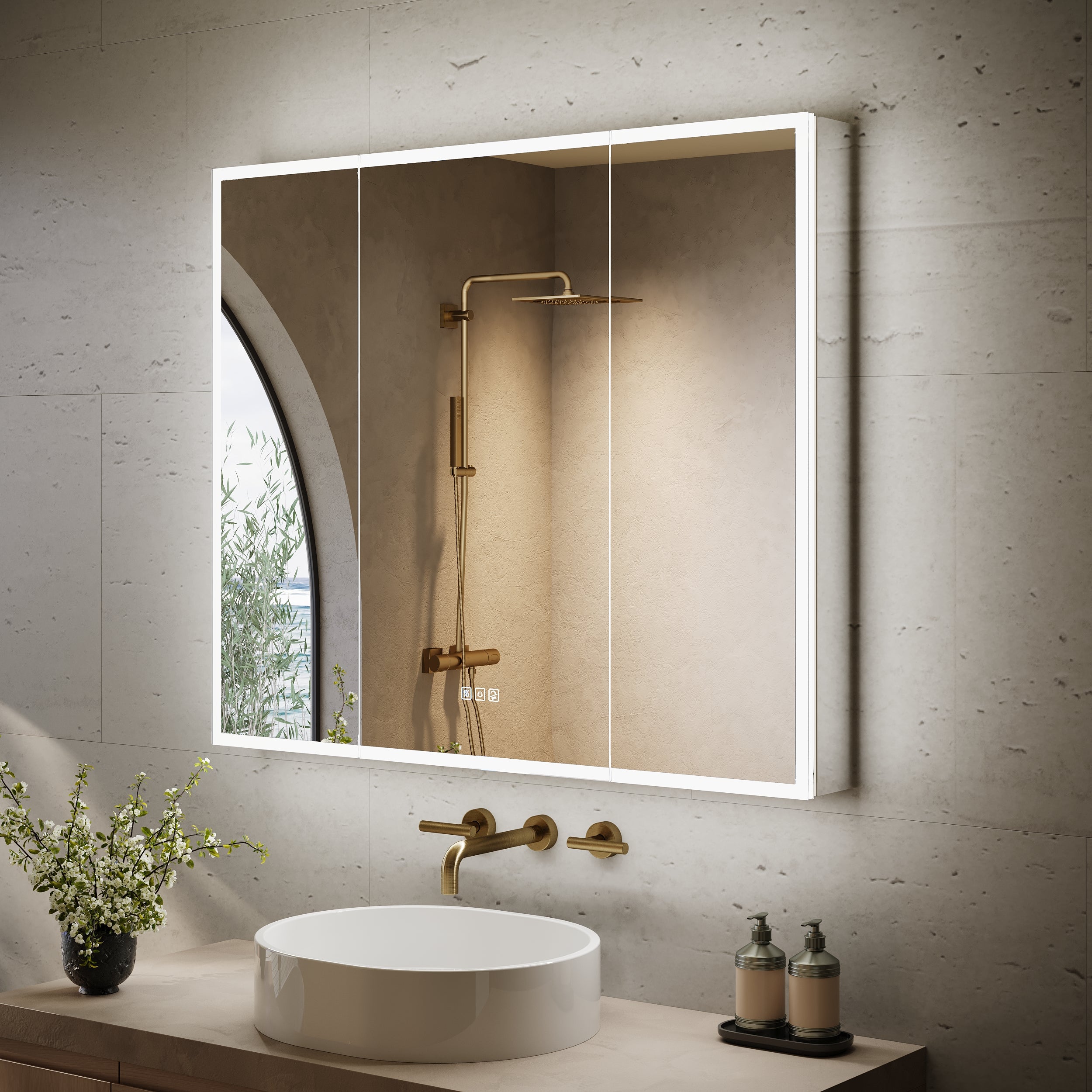
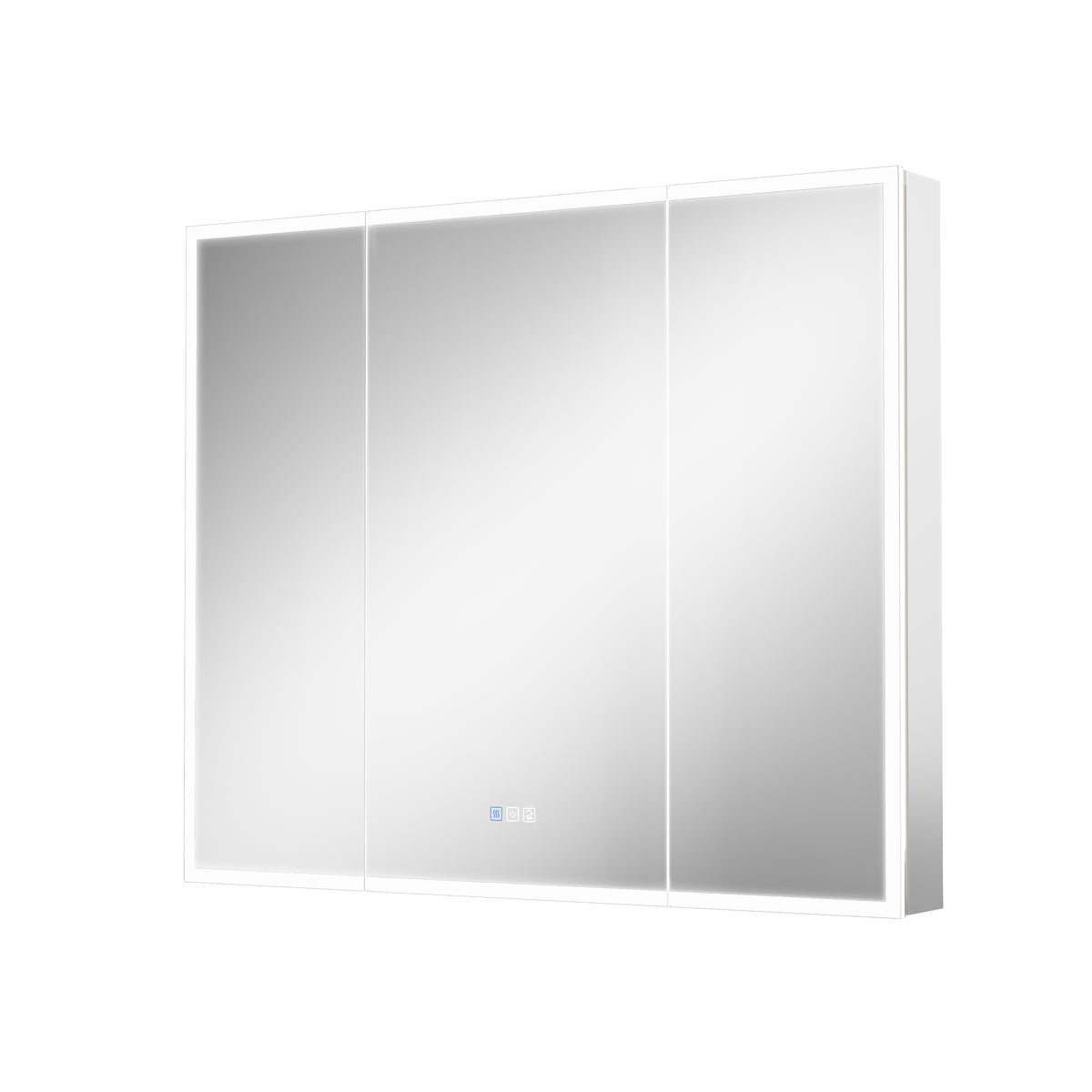
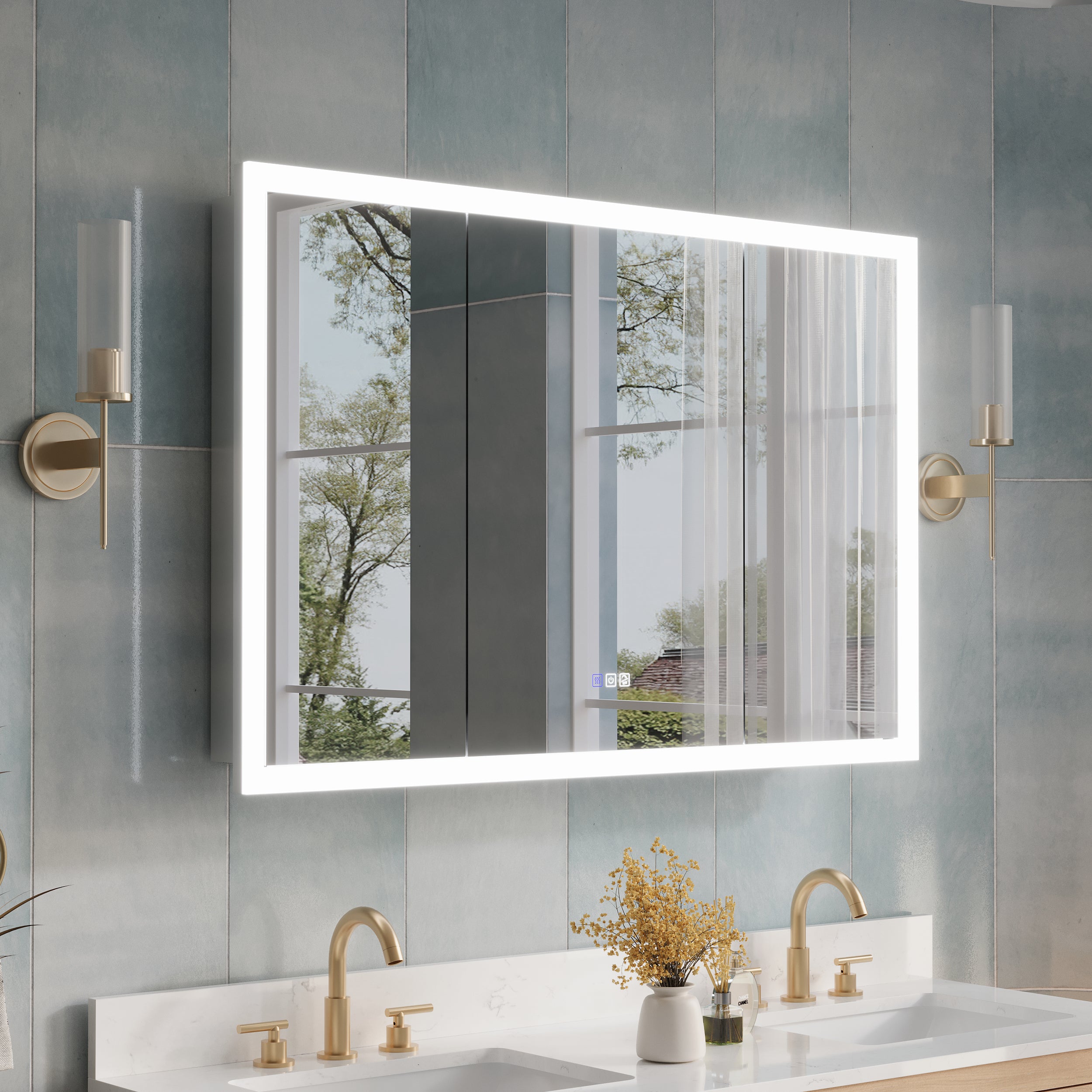
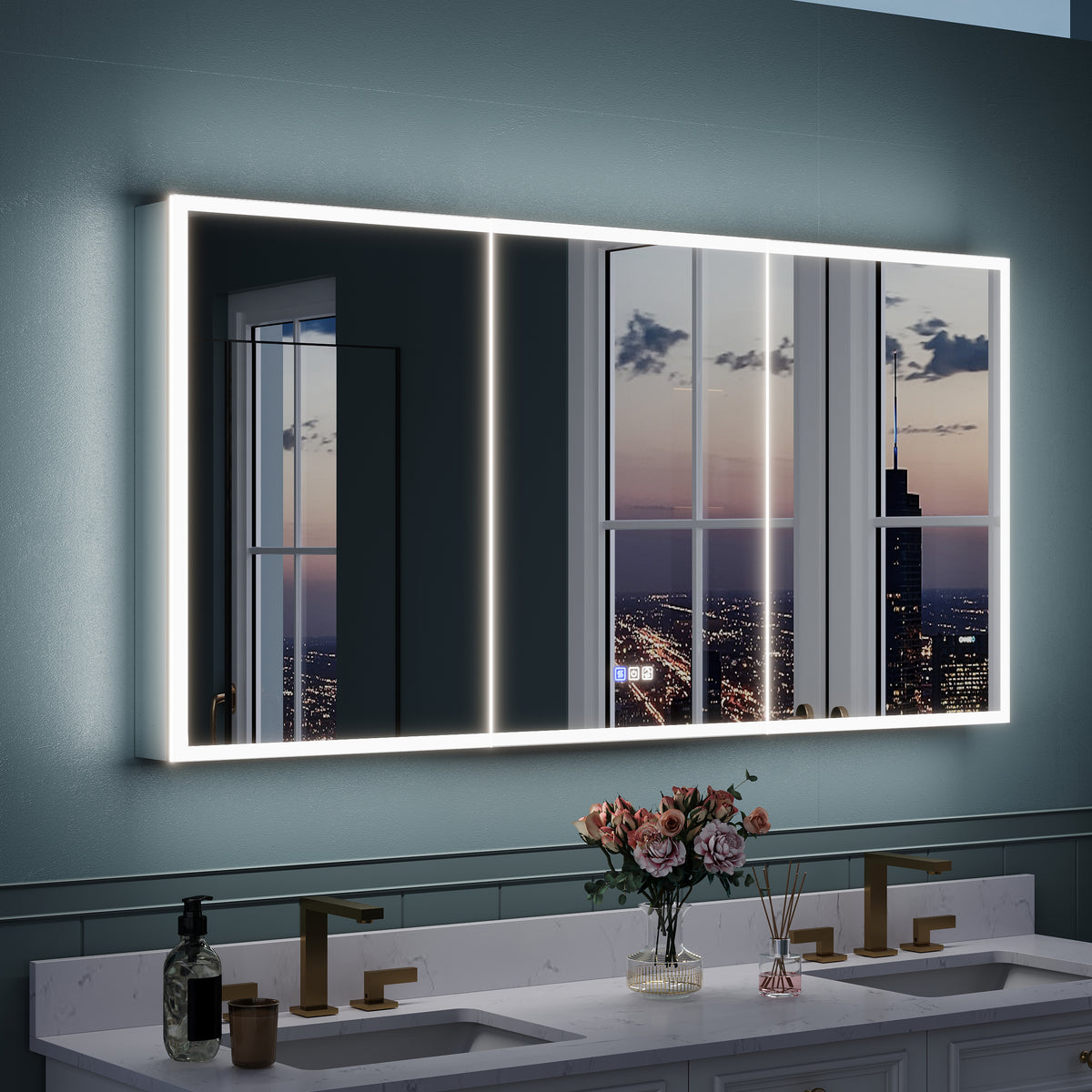
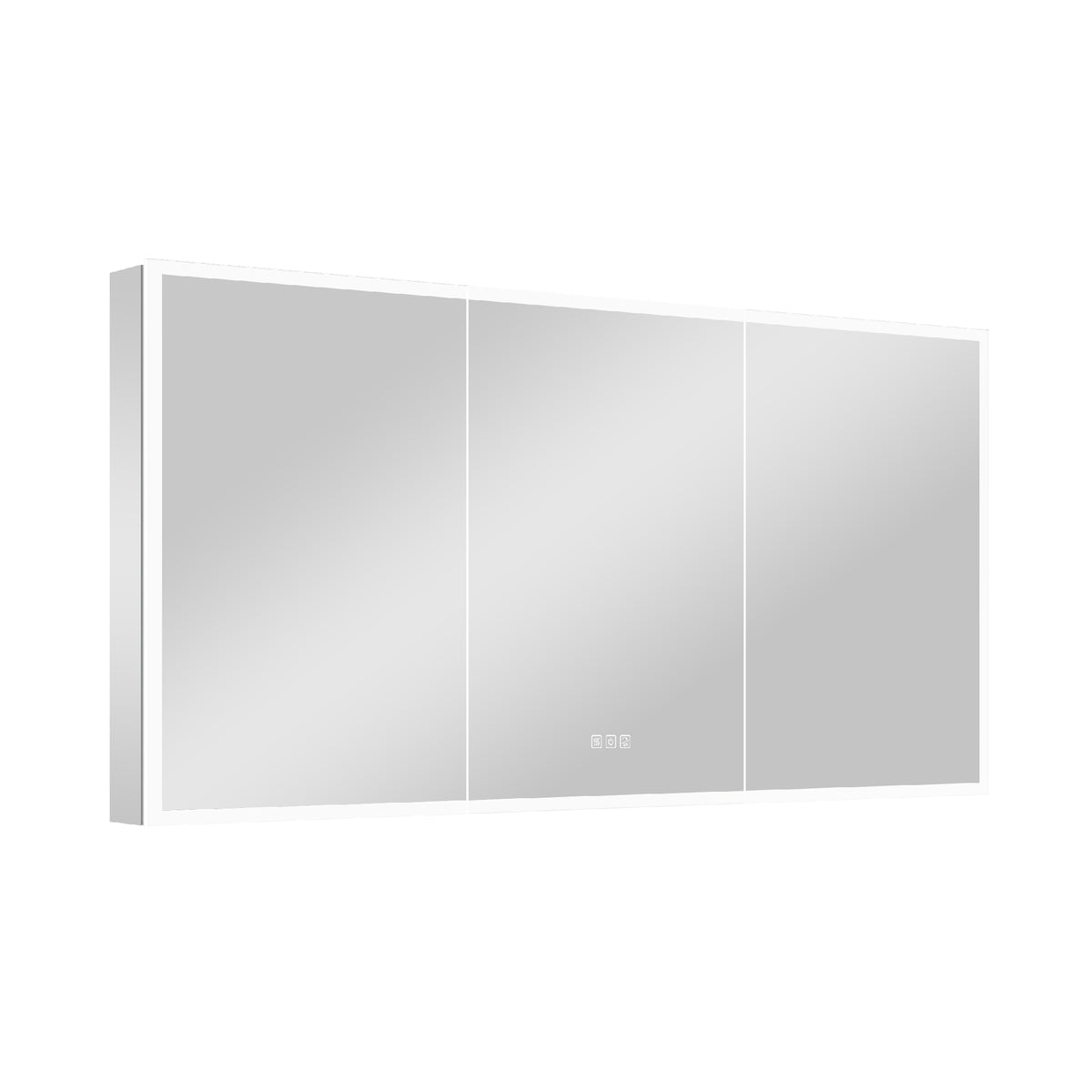
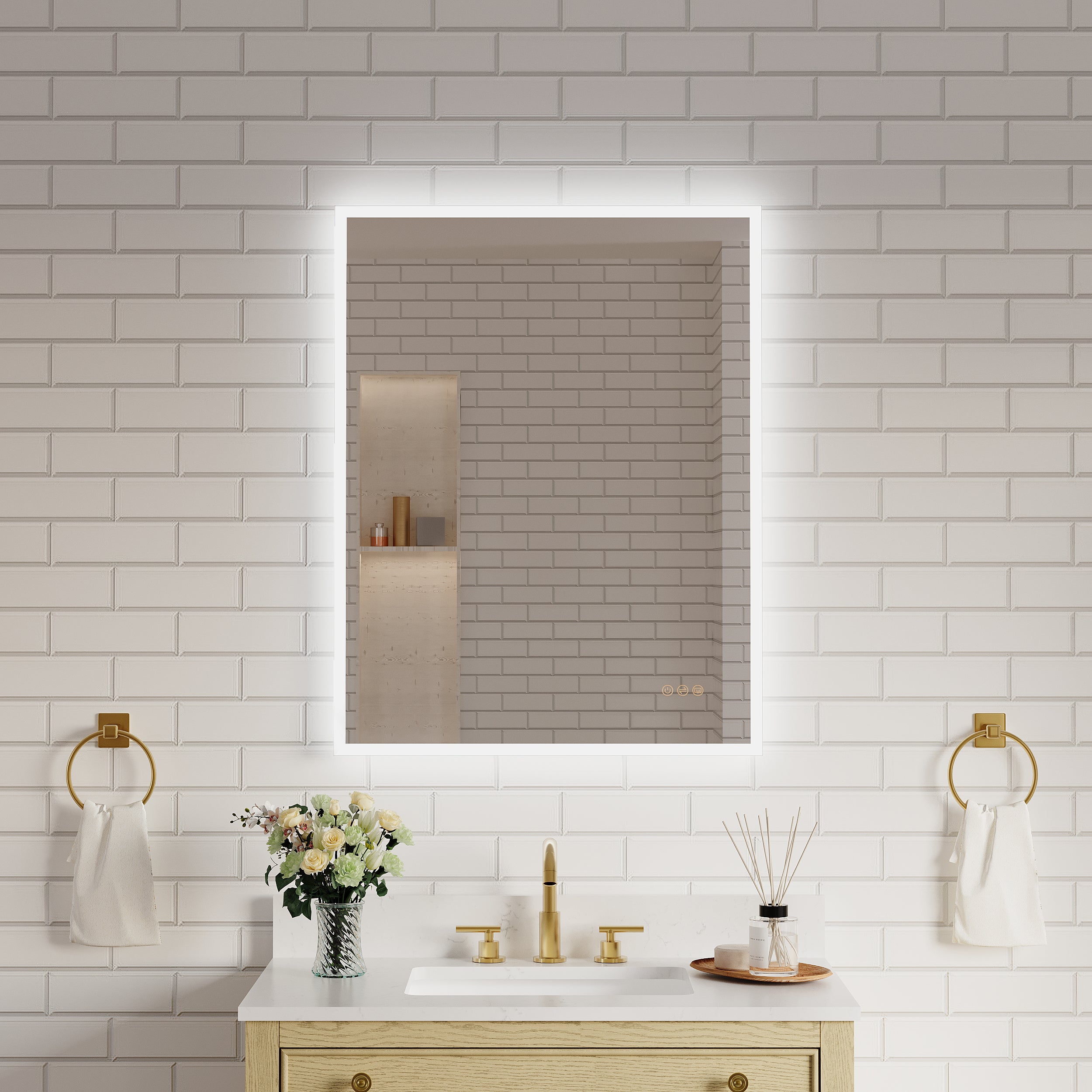
But placement matters just as much as the numbers. You want light hitting your face from the front. Overhead lights alone are notorious for casting creepy shadows under your eyes and chin. Edge-to-edge LED strips or full backlit panels do a much better job at evenly lighting your face. Just make sure the backlight actually shines toward you, not just against the wall.
Safety: Don't Skip the Certifications
Bathrooms are damp. Water and electricity are a terrible mix. This is where a lot of cheap Amazon mirrors fall short.
Before you buy, look for a UL or ETL listing mark. That little logo means the product has actually been tested to recognized U.S. safety standards (Source: UL Solutions). If it’s going in a steamy or splash-prone area, also check for an IP rating—IP44 or higher means it’s protected against water splashes (Source: IEC 60529 standard).
Also, if you're going hardwired, remember that the National Electrical Code (NEC Article 210.8) typically requires GFCI protection for bathroom circuits. If a manufacturer can't prove their mirror is safely certified, that's your cue to walk away.
Everyday Convenience Features
This is where a lighted mirror really earns its price tag.
The anti-fog (defogger) feature is an absolute lifesaver if you don't have a great bathroom exhaust fan. It’s basically a built-in heating pad that clears up the steam after a hot shower, saving you from wiping the glass with a towel every morning.
Dimmers and touch controls are also highly underrated. You don't always want 100% brightness blinding you at 6 AM. A simple touch sensor with memory function is a great feature. Bluetooth or smart-home integration? That's cool, but definitely don't let it distract you from the core lighting performance.
Build Quality and the Long Game
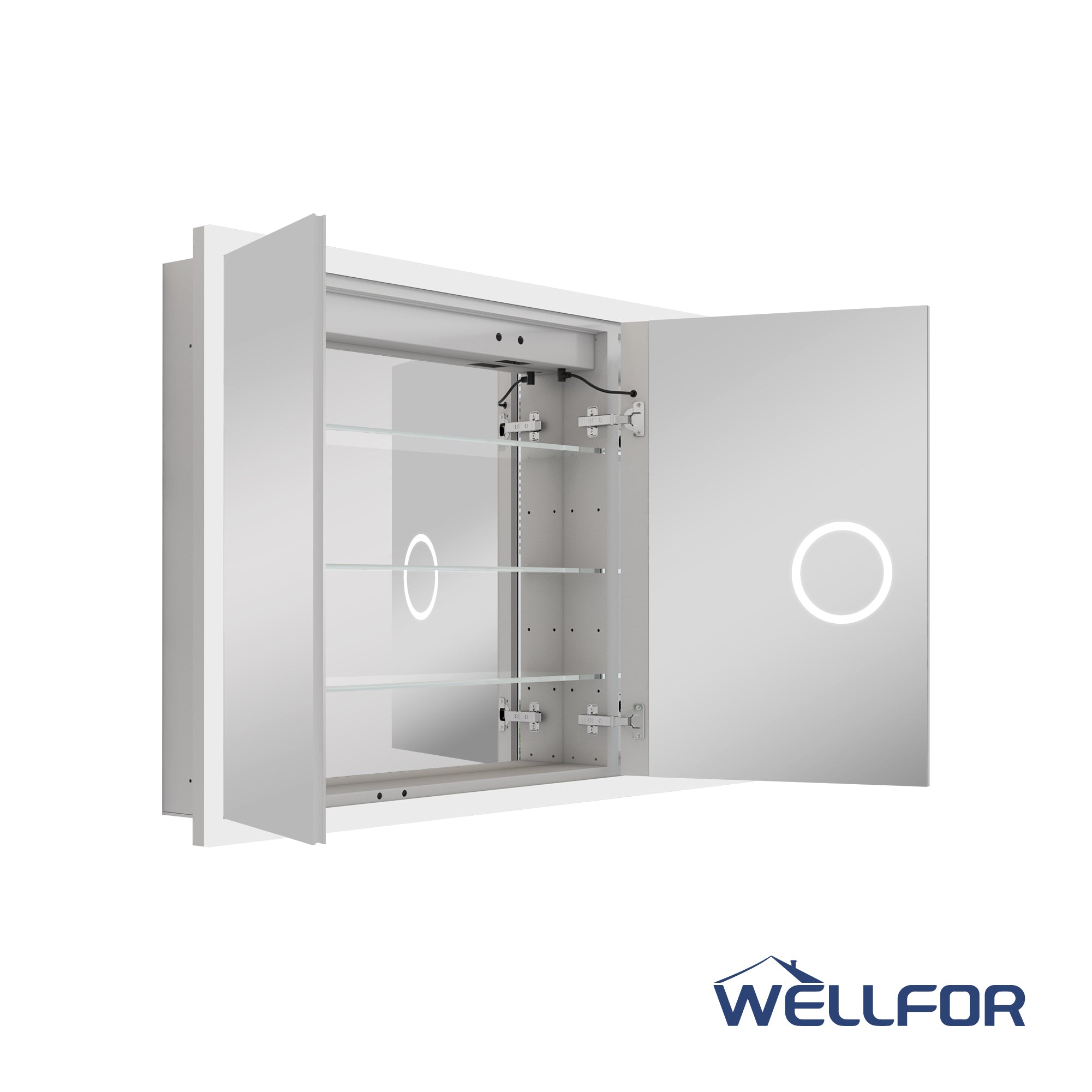
Check the materials. A copper-free silver mirror is what you want—it resists the black-edge corrosion that ruins cheap mirrors over time. Aluminum frames beat flimsy plastic.
And look at the warranty. LEDs don't last forever, and drivers can fail. A decent mirror should have at least a three-year warranty, but five years is what you should really aim for. An LED mirror that draws 30 watts used two hours a day will only cost you a few bucks a year in electricity (Source: U.S. EIA average residential rates, 2024). The real savings come from buying something you don't have to replace in three years.

Conclusion
A lighted bathroom mirror is worth the money when it gives you accurate, customizable light (CRI 90+), enough front-facing lumens to kill the shadows, verified safety marks (UL/ETL), and a solid defogger.
If you buy a cheap one that skips the certifications or uses low-quality light strips, you’ll just be annoyed by it. We’ve all been there—ordering a budget mirror online, spending an entire afternoon wrestling with the installation, only to realize the light is so harsh it makes you look like a ghost every morning. Then comes the nightmare of uninstalling it and trying to repackage a giant piece of glass for a return. It’s simply not worth the hassle.
Instead, treat the mirror as a long-term investment in your daily routine. Look for copper-free silver backing to prevent edge rot, and don't settle for anything less than a three-year warranty on the LED driver. Yes, it might cost you a couple hundred dollars more upfront, but when you break it down over five or ten years of daily use, it's pennies a day. But if you take the time to choose one with the right specs, it’s one of the few home upgrades you'll actually appreciate every single day—and honestly, starting your morning with great lighting is a pretty fantastic way to kick things off.














Leave a comment
This site is protected by hCaptcha and the hCaptcha Privacy Policy and Terms of Service apply.