
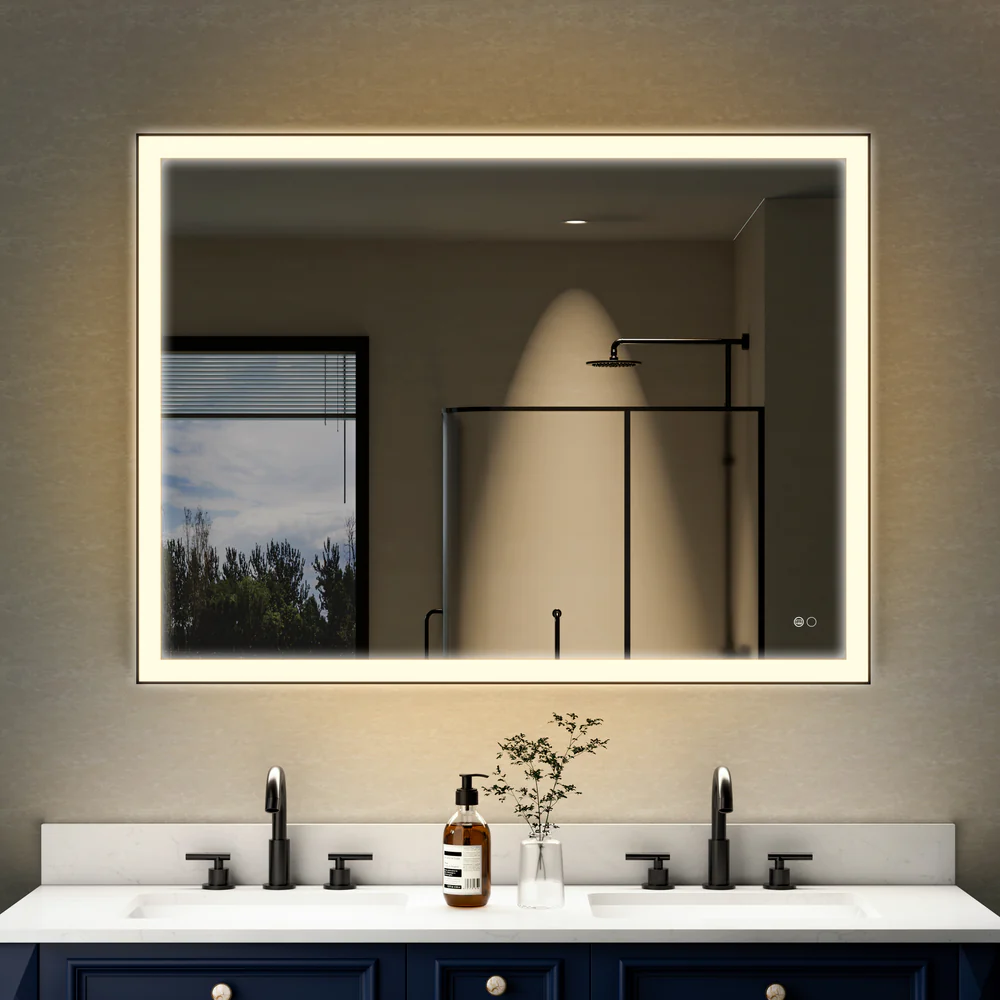
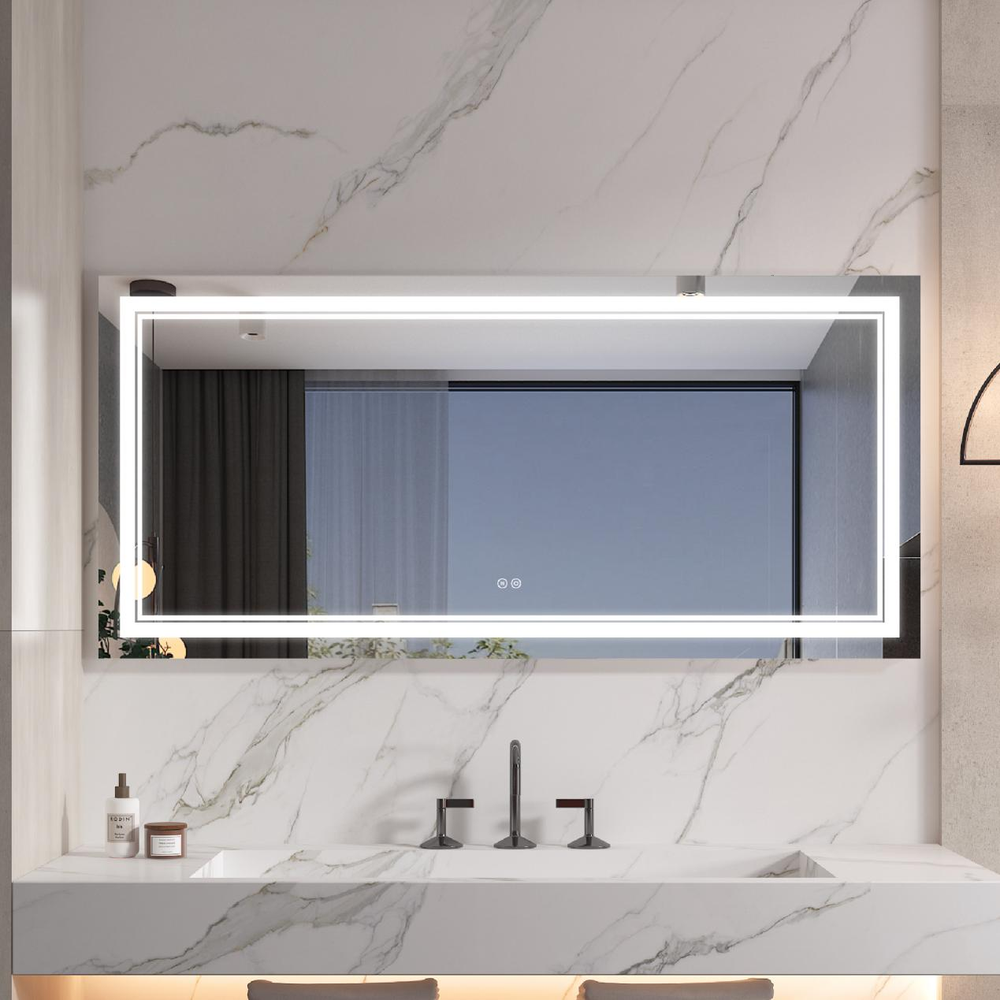
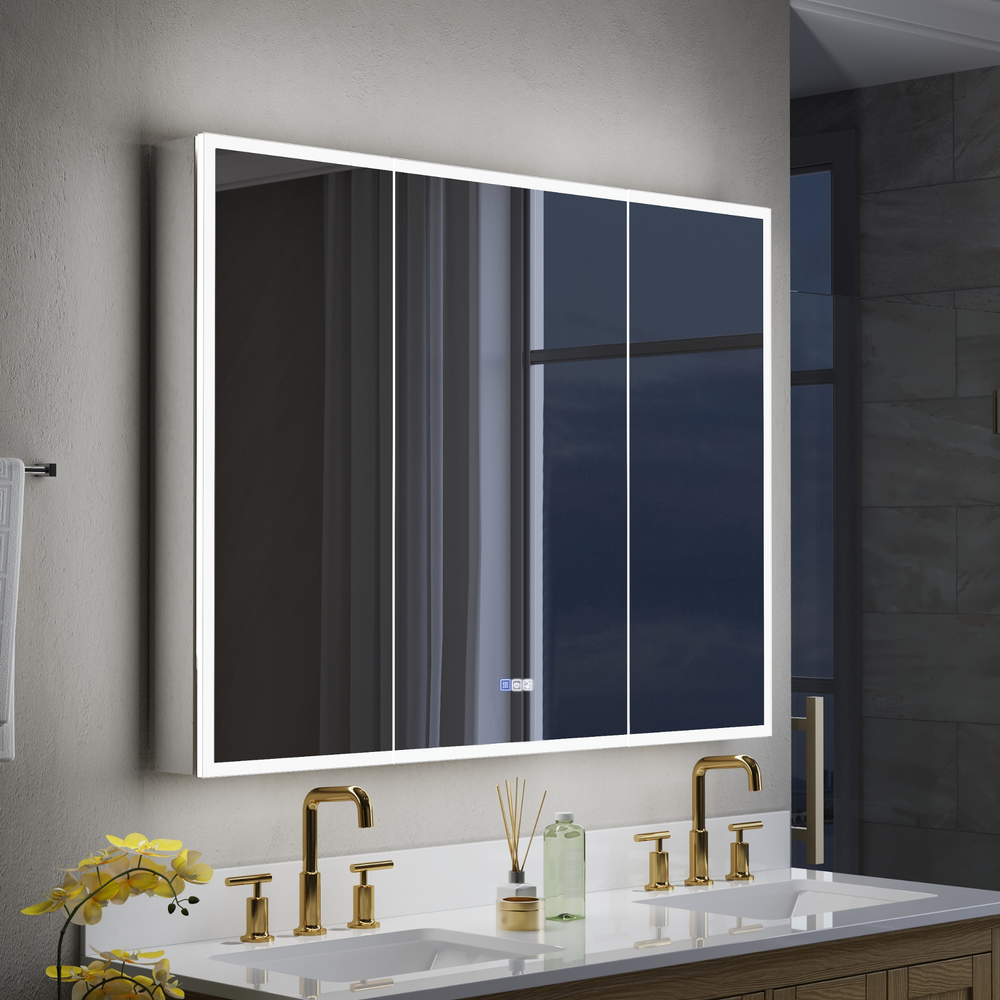
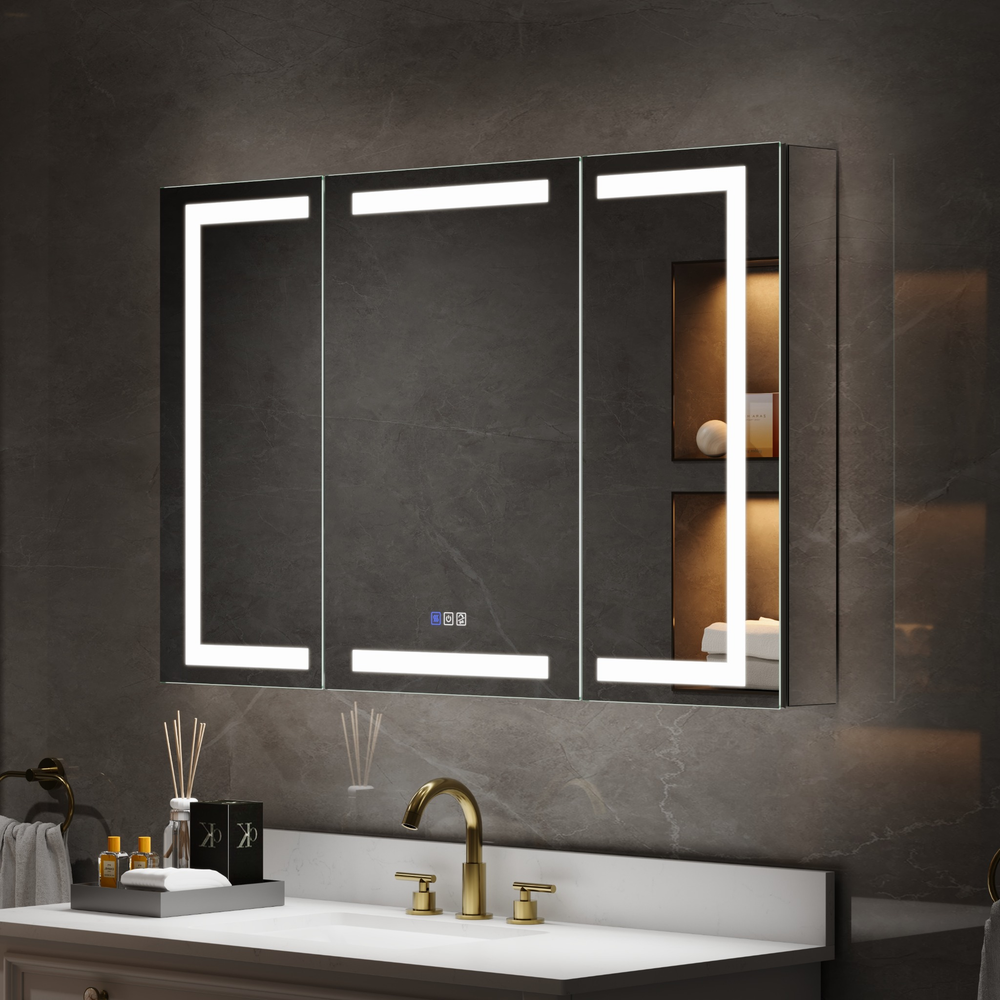
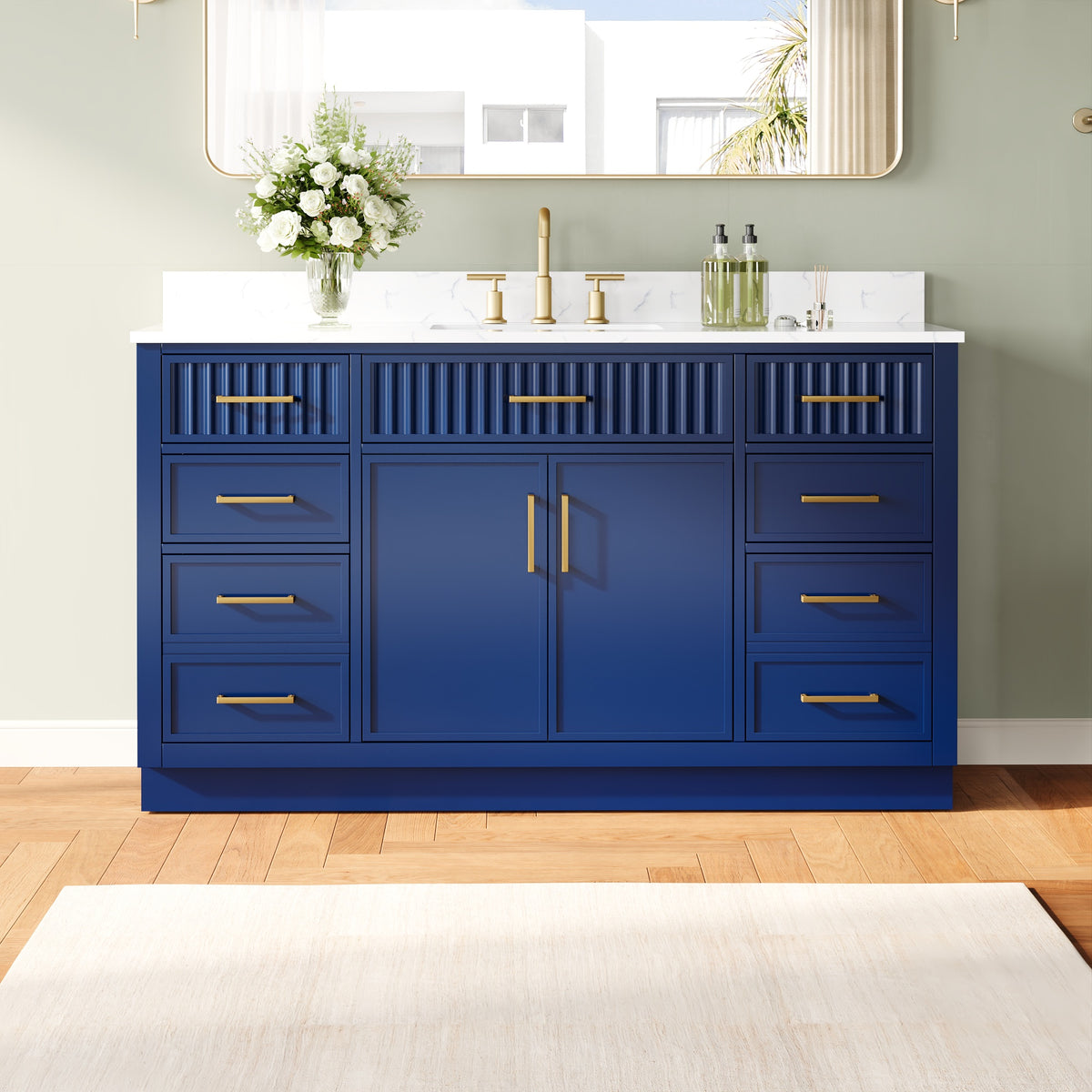
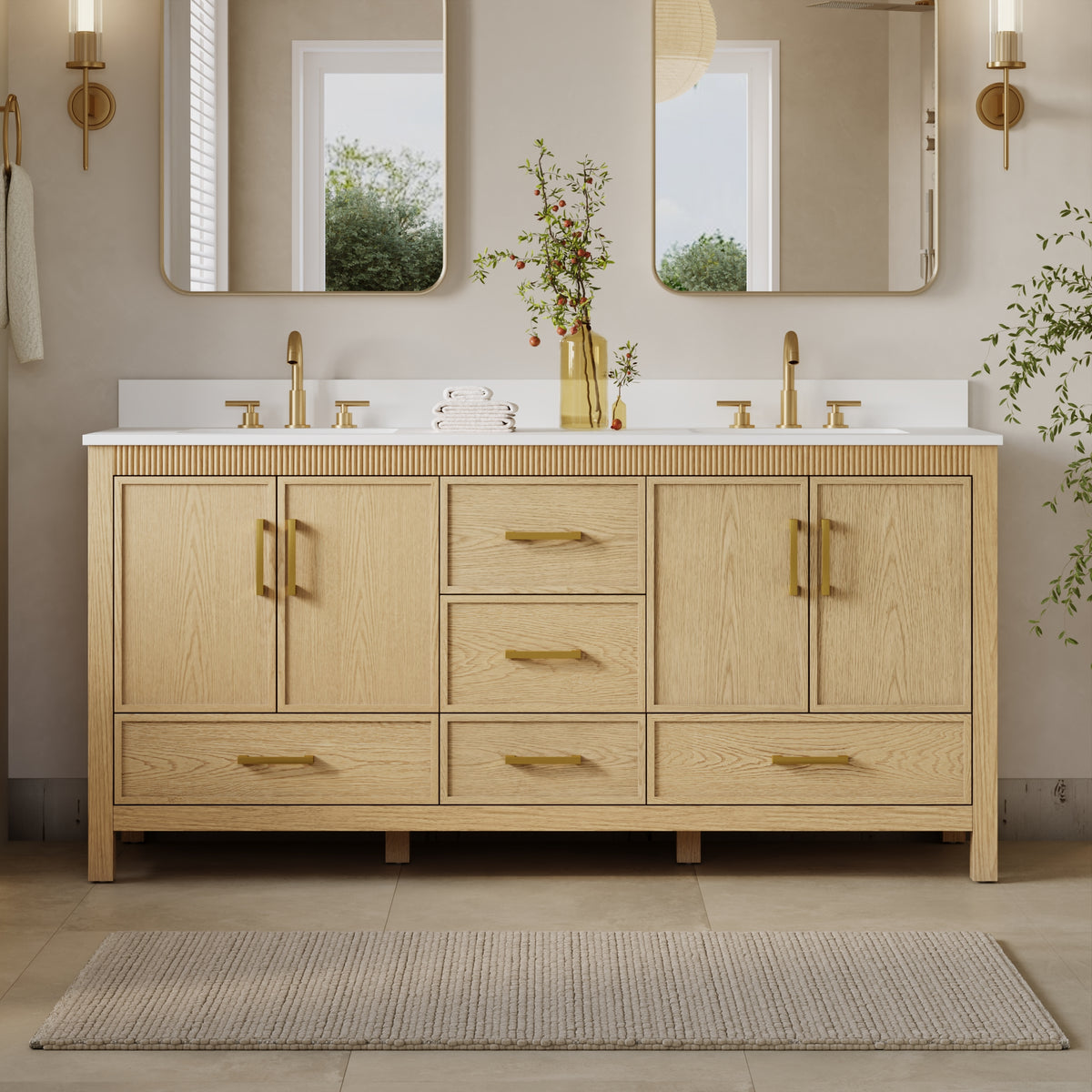
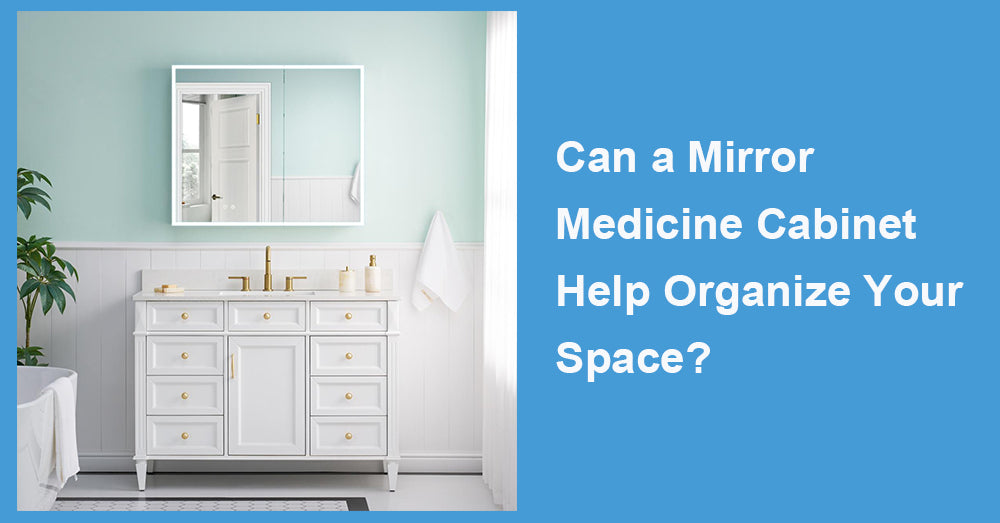
I have a confession to make: for years, my bathroom counter was a complete disaster zone. Between my skincare collection, my electric razor, and a tangle of charging cords, finding a spot to set down a toothbrush felt like a daily puzzle. We tried baskets and drawer dividers, but nothing really worked. The clutter always crept back. Then we swapped our old flat mirror for a mirror medicine cabinet, and honestly, it was the organizational breakthrough we had been missing. It turns out that when you combine two of your most essential bathroom functions into a single unit, you don't just save space—you change how the whole room operates. Here is why this upgrade works, and how to make sure it actually solves your clutter problems instead of just hiding them.
The Hidden Cost of Counter Clutter
Before you even think about buying a new cabinet, it is worth understanding what counter clutter actually costs you. The National Association of Productivity and Organizing Professionals reports that the average American spends about 2.5 days per year just looking for misplaced items. (Source: NAPO). In a bathroom, that often means digging through drawers for a contact lens case while you are already running late.
Bathrooms are uniquely prone to clutter because they are small, they hold a lot of tiny items, and those items are used daily. A 2025 survey of over 2,000 U.S. homeowners found that the bathroom ranks second only to the garage as the most cluttered room in the house. (Source: Cinch Home Services). That is a striking statistic for a room that is typically only 50 to 70 square feet.
Why Combining the Mirror and the Cabinet Works
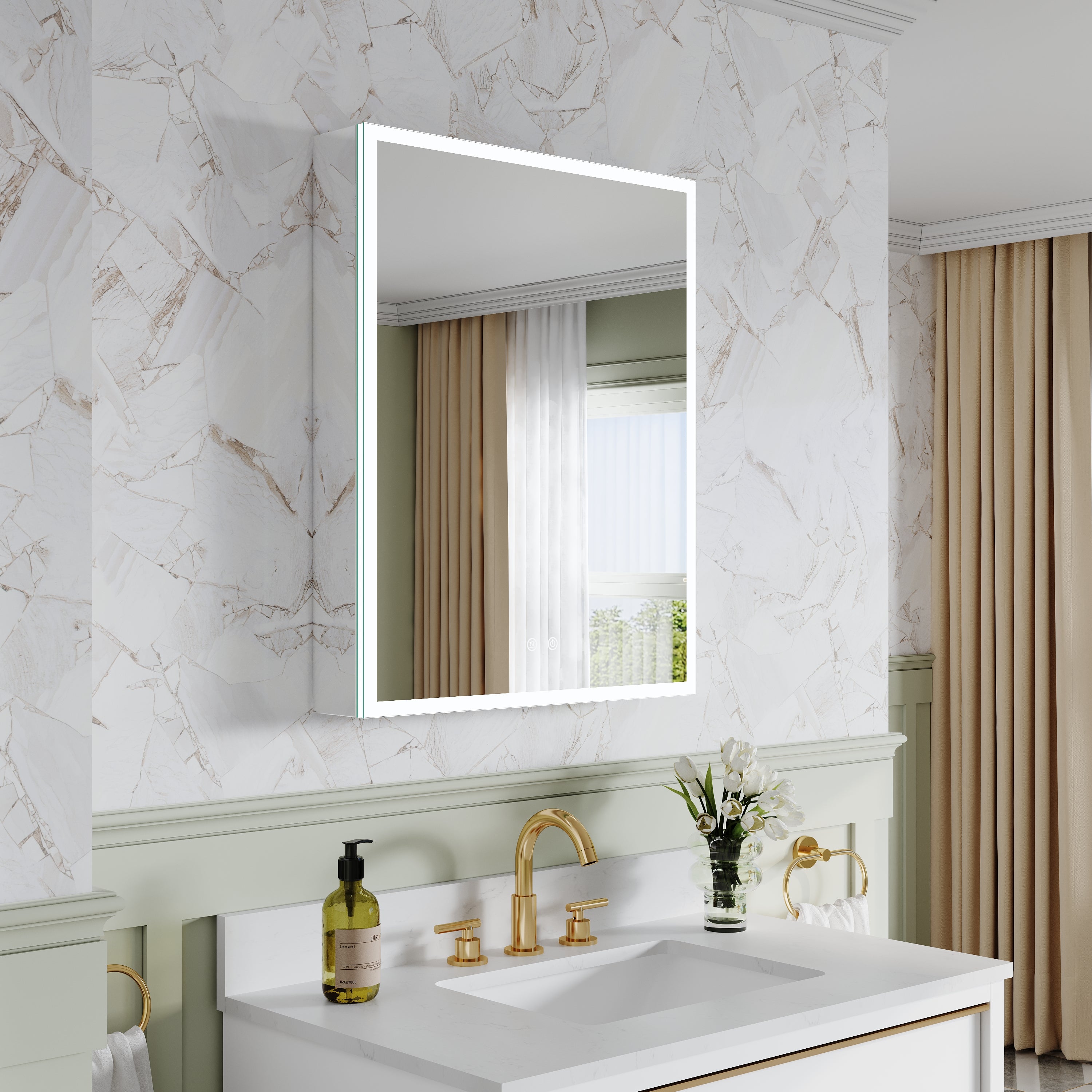
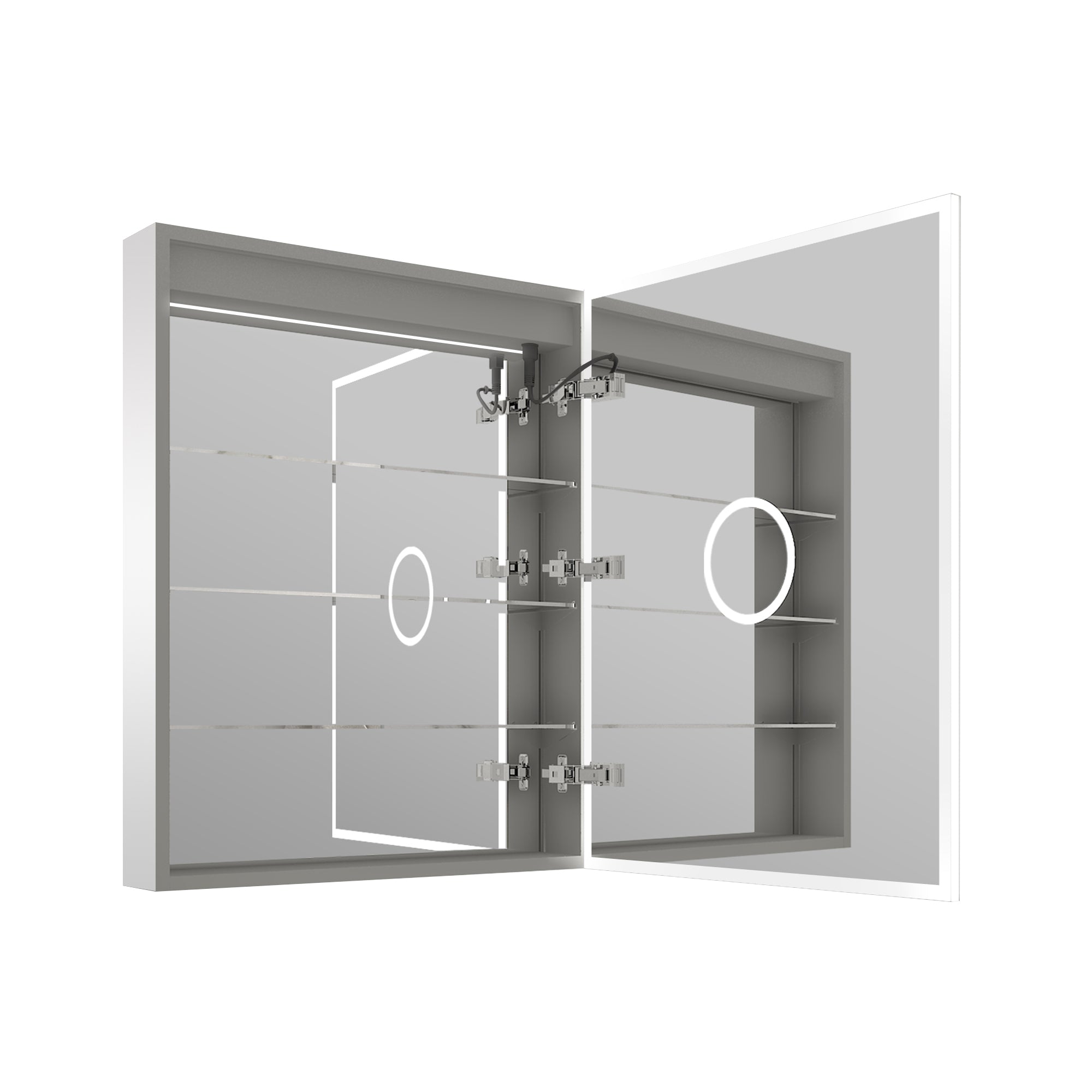
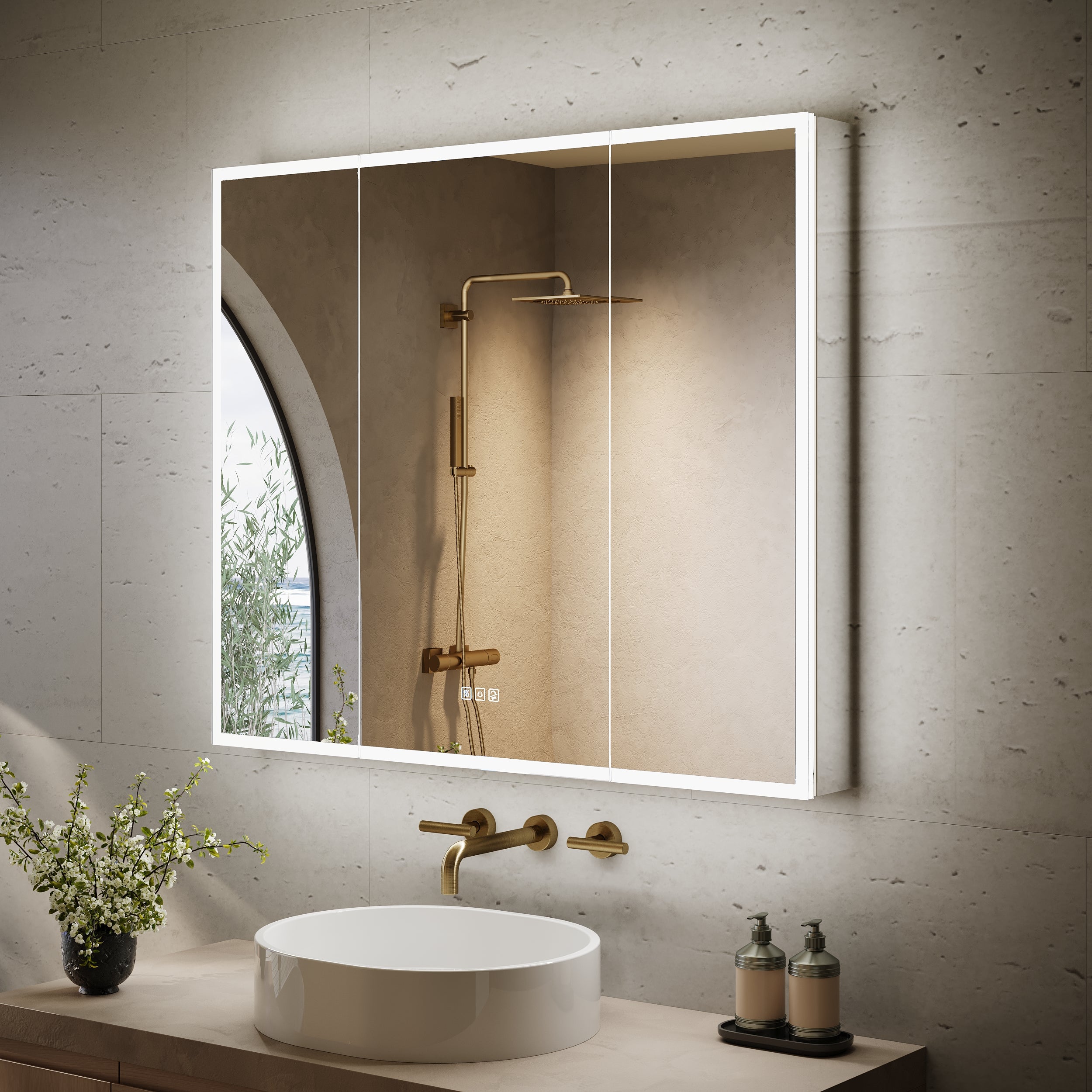
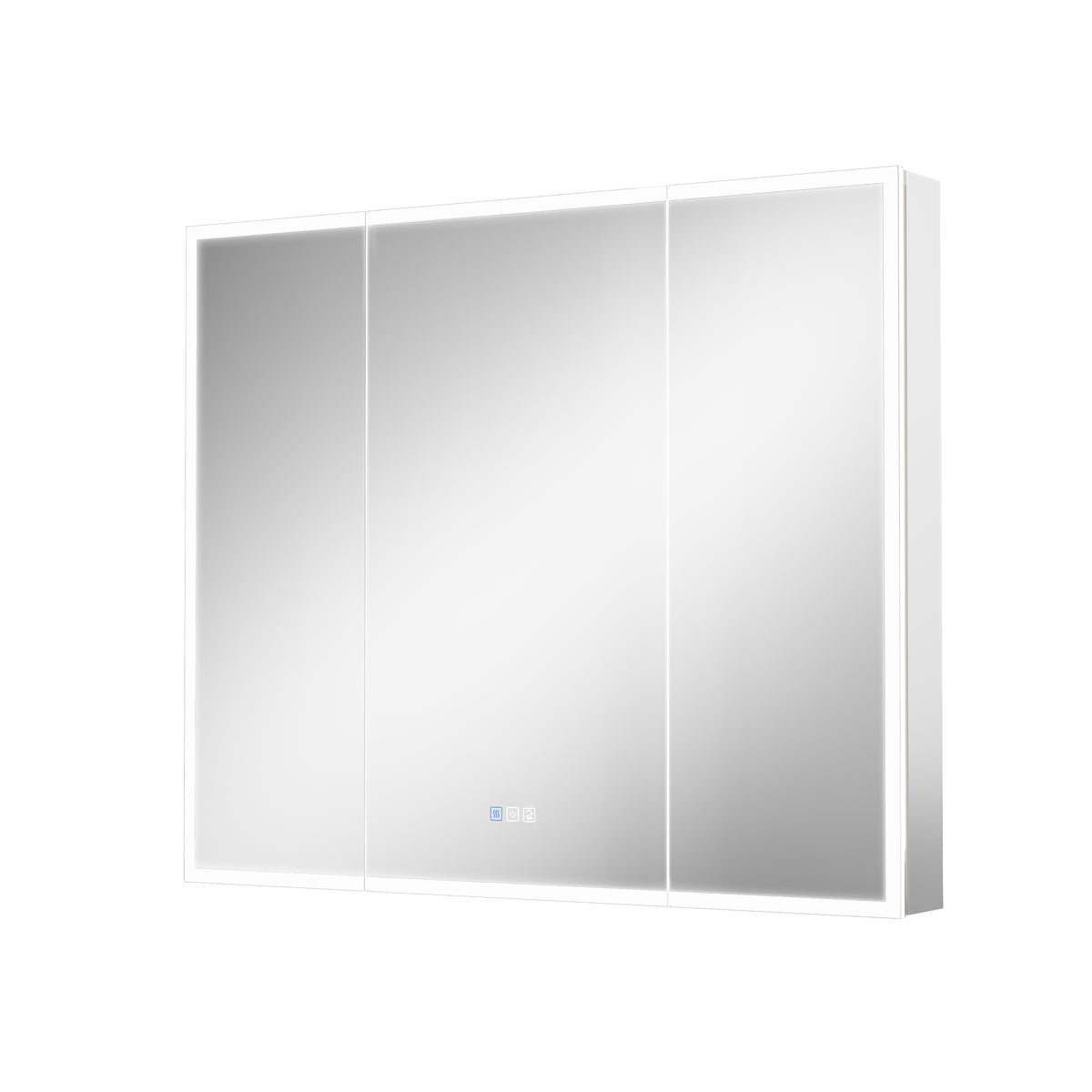
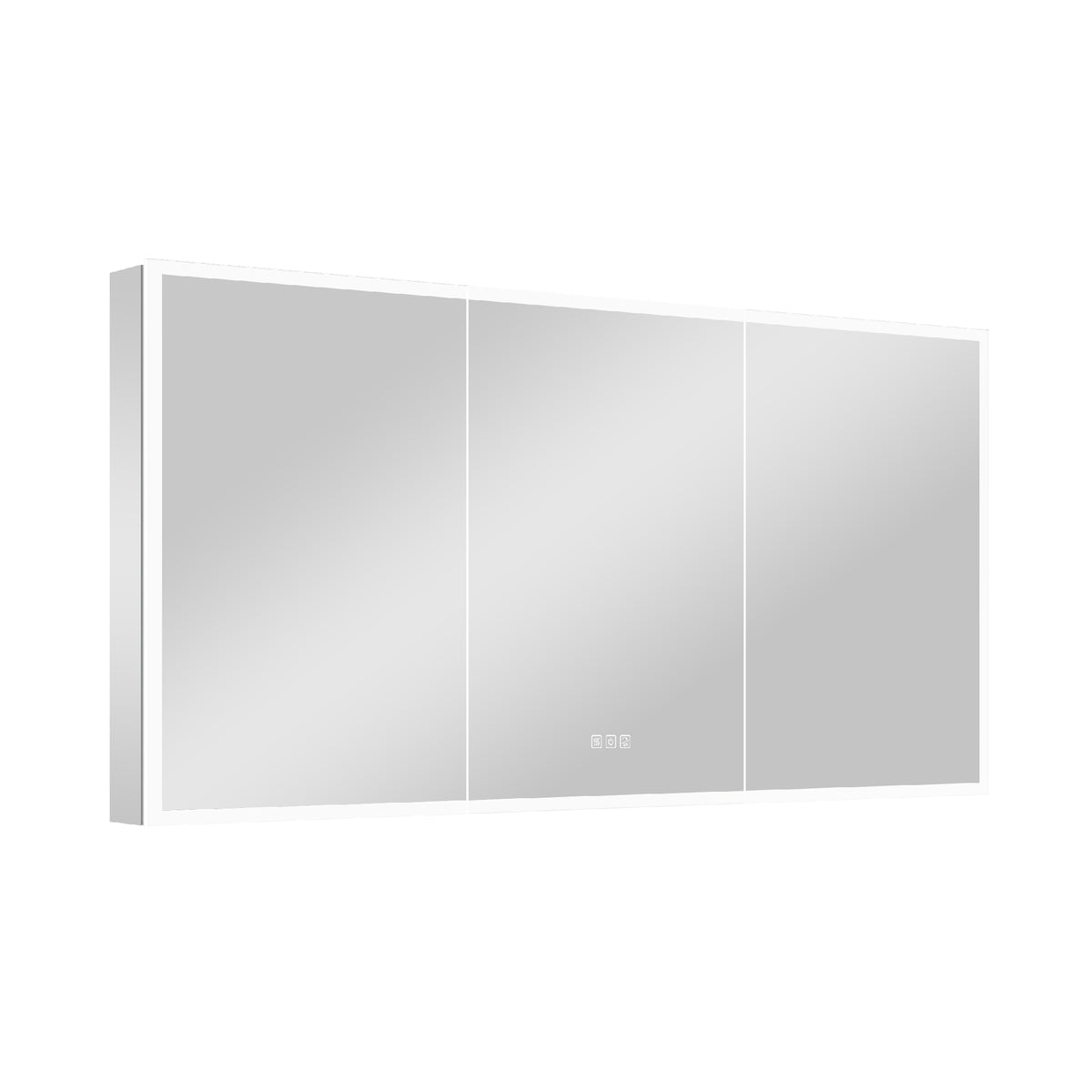
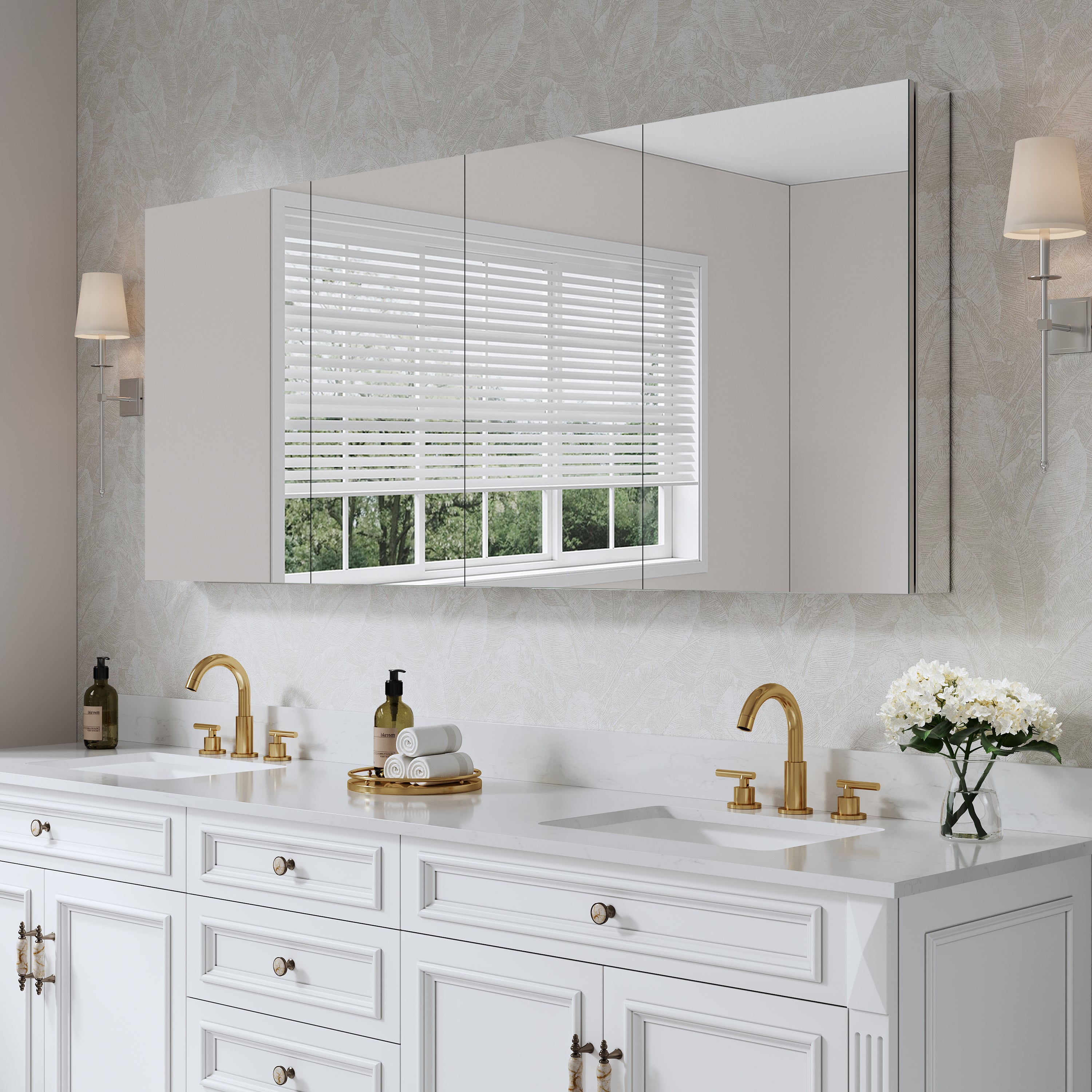
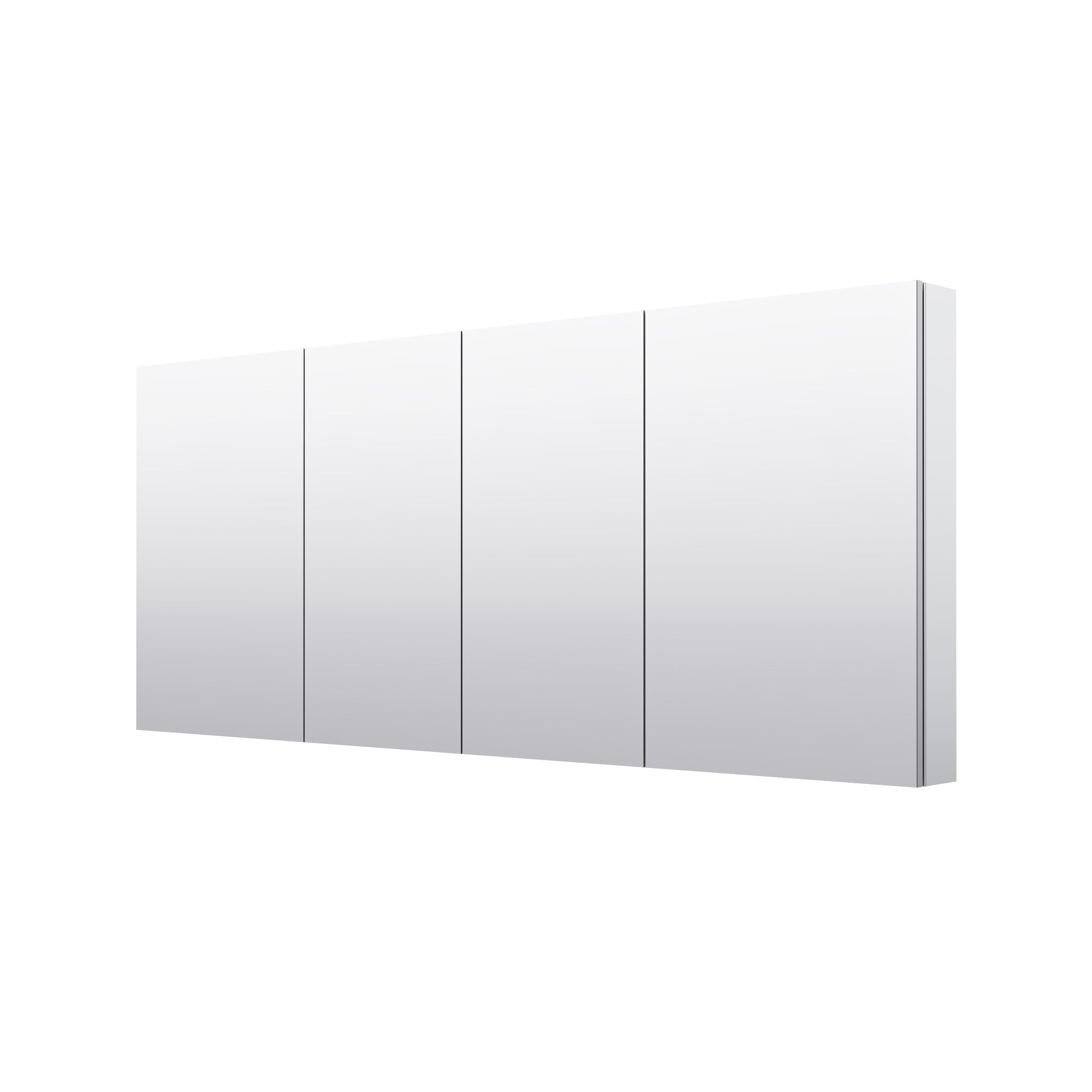
The core logic behind a mirror medicine cabinet is refreshingly simple: you are taking two separate objects that each occupy valuable wall space and merging them into one footprint. A standalone mirror takes up wall area but offers no storage. A surface-mounted cabinet offers storage but adds visual bulk. Combining them means you get the reflective surface you need for grooming plus enclosed storage, all within the same vertical plane.
The NKBA’s Bathroom Planning Guidelines emphasize that functional bathrooms depend on keeping horizontal surfaces clear and locating storage within easy reach of where items are used. (Source: National Kitchen & Bath Association). A mirror medicine cabinet does exactly that. Your medicines, razors, and daily toiletries move off the counter and into a designated home, while your reflection stays right where you need it.
How Much Space Does It Actually Save?
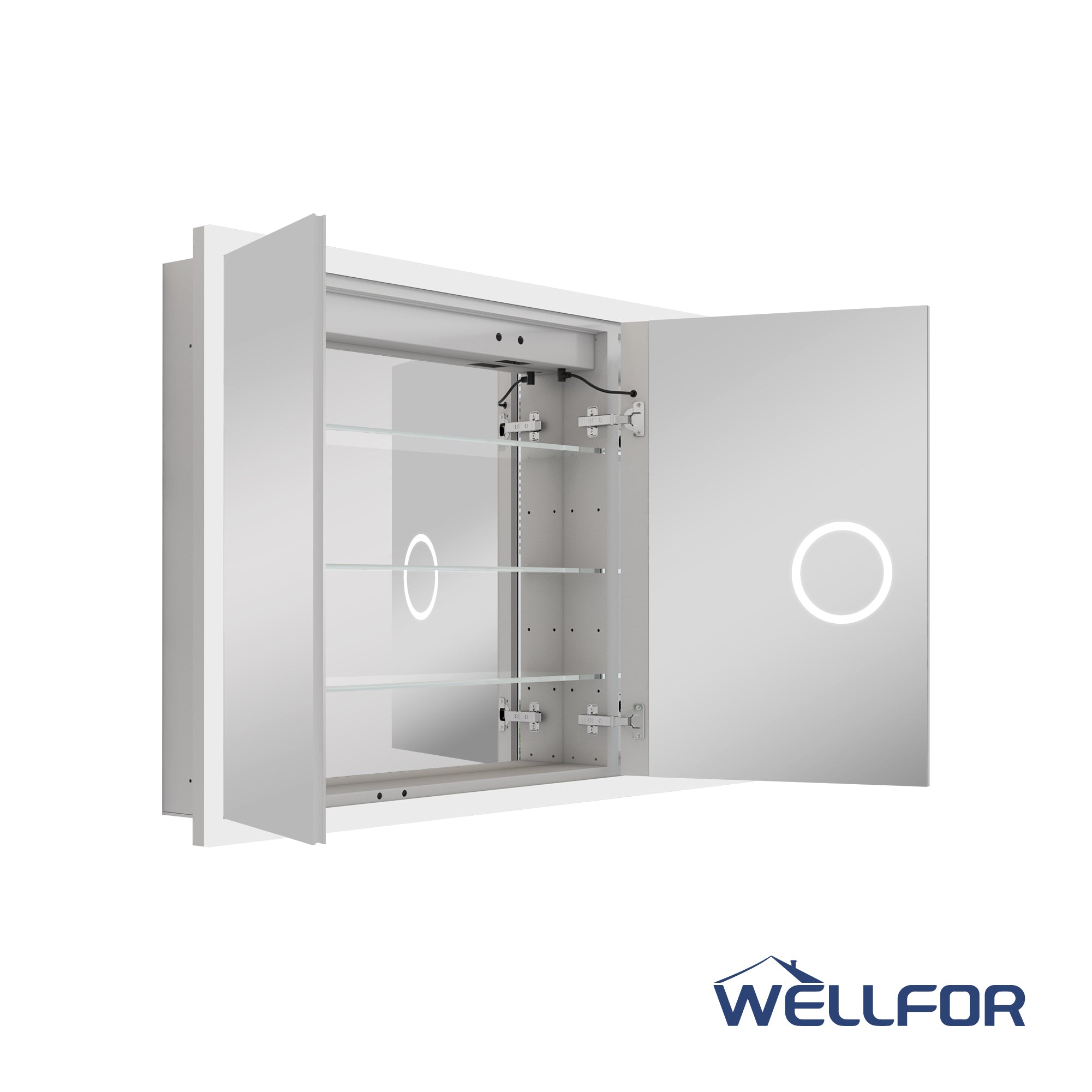
This is where the numbers get interesting. A standard mirror medicine cabinet typically offers between 1.5 and 3 cubic feet of interior storage, depending on the model. (Source: Vatero Bath + Kitchen). That is enough to hold dozens of small bottles, a full medicine supply, and all your daily grooming tools.
Compare that to the footprint of the individual items sitting out on your counter. A single shelf inside a cabinet can hold the equivalent of fifteen to twenty small bottles that would otherwise be scattered across your vanity. Multiply that by three or four shelves, and you can see why people report a dramatic visual difference after installing one. The key is to treat the cabinet as a primary storage location rather than an afterthought.
Recessed vs. Surface-Mounted: Which Organizes Better?
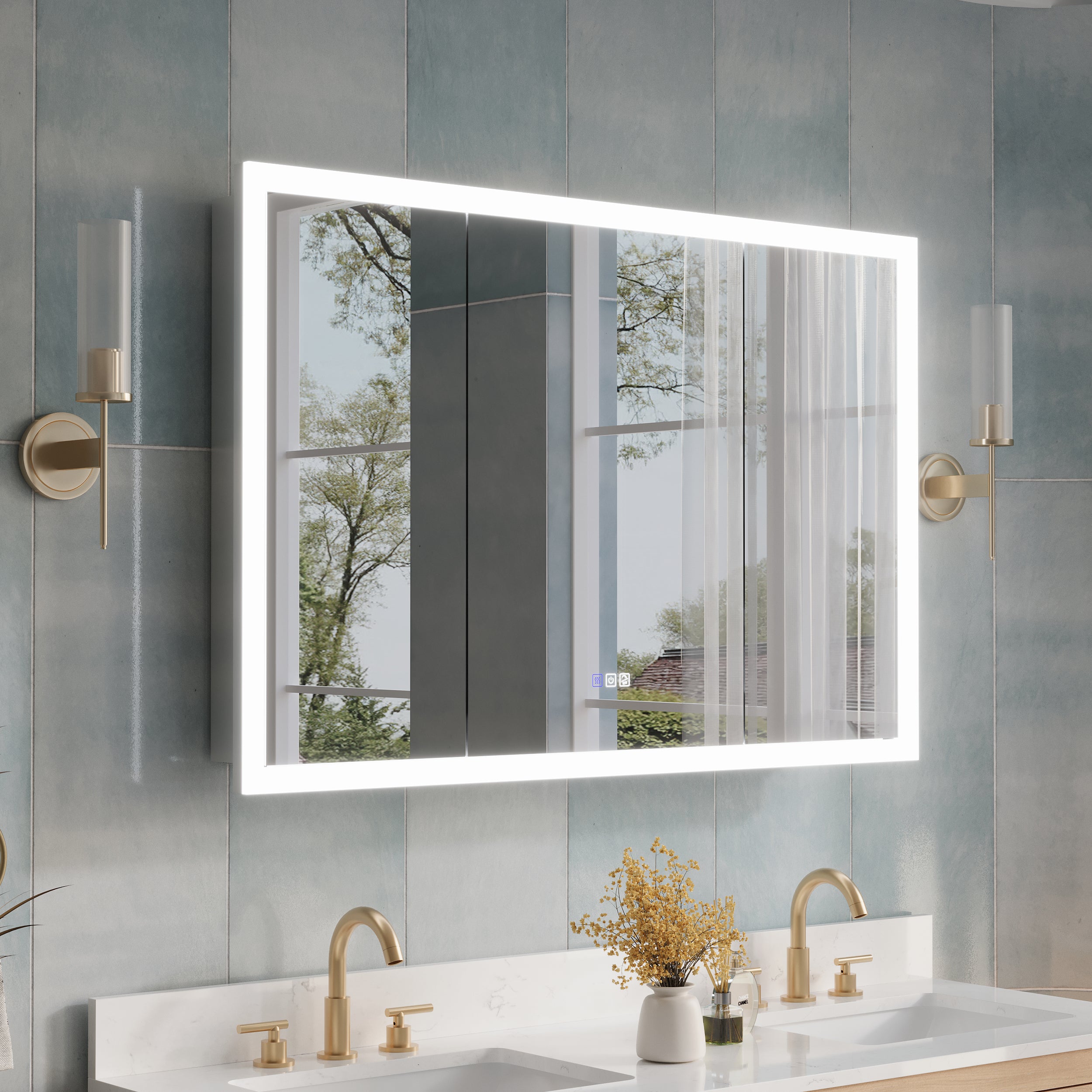
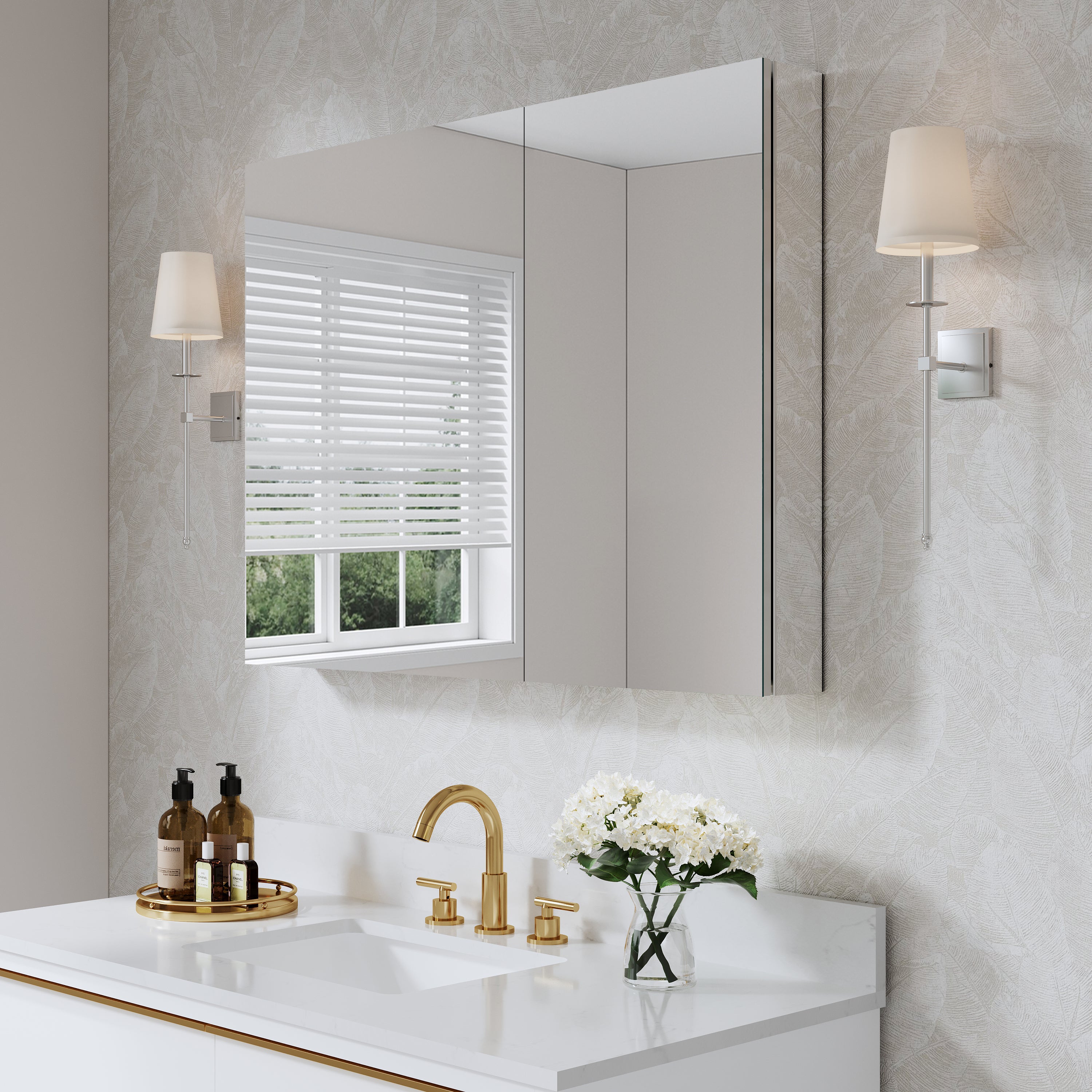
Both types help organize, but they solve different problems. A surface-mounted cabinet projects outward from the wall, usually by about 3 to 5 inches. (Source: VATER Bath + Kitchen). That projection costs you headspace and visual room, but installation is simpler and you don't need to cut into drywall.
A recessed cabinet gets pushed back into the dead space between your wall studs. It offers the same storage capacity without protruding into the room, which is a lifesaver in a small bathroom. The trade-off is installation complexity: you need an empty wall pocket that is deep enough to swallow the box—usually about the width of a standard 2x4 piece of lumber. (Source: Family Handyman). If your walls cannot accommodate a recessed unit, a surface-mounted cabinet still delivers most of the organizational benefits. Just be honest about the visual trade-off before you commit.
Smart Storage Strategies That Actually Work
A cabinet alone won't organize your space if you just throw everything inside. Here are the strategies that made the biggest difference for us.
First, use the door. The inside of the mirrored door is prime real estate for slim items like tweezers, nail clippers, and small tubes. Adhesive organizers can turn that dead space into a functional layer.
Second, categorize vertically. Keep medications on one shelf, daily skincare on another, and grooming tools on the bottom. The NKBA recommends storing items based on frequency of use, with the most-used items at eye level and the least-used items higher or lower. (Source: National Kitchen & Bath Association).
Third, respect the weight limit. A standard cabinet shelf can typically hold 10 to 15 pounds, but heavy glass bottles should stay on lower shelves to prevent accidents. (Source: VATER Bath + Kitchen). If the manufacturer provides a weight rating, follow it.
A Word on Safety and Building Codes
One of the biggest organizing wins is getting medications off the open counter, and there is a real safety reason for that. The CDC recommends storing medications in a secure, locked location out of reach of children and pets. (Source: Centers for Disease Control and Prevention). A medicine cabinet with a door, especially one with a lock, is a practical way to comply with that guidance without adding an ugly lockbox to your vanity.
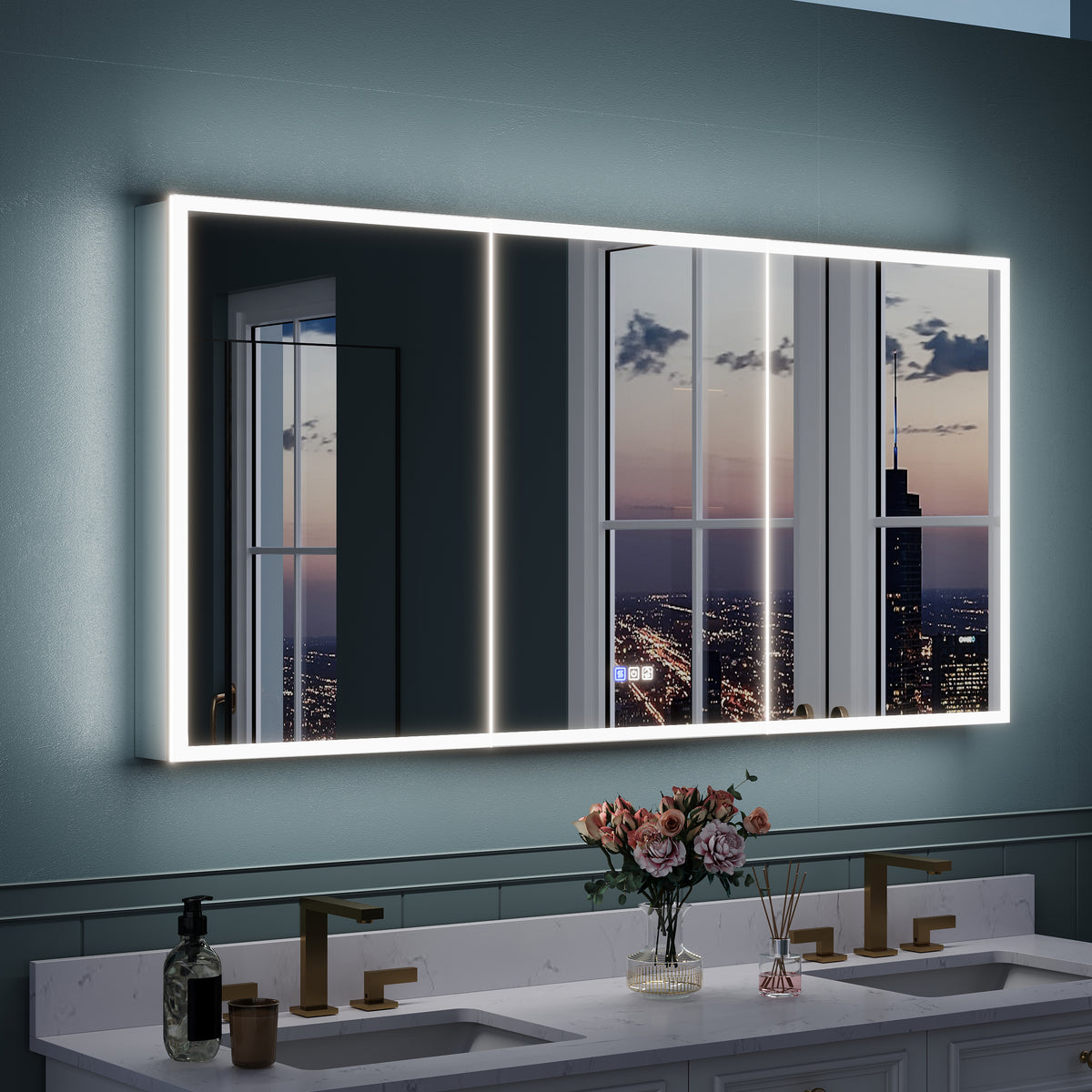
If you choose a lighted model, the International Residential Code requires that electrical components in a bathroom be protected by ground-fault circuit interrupter protection. (Source: International Code Council). Check the rating of the unit and have a licensed electrician verify the installation before you use it.

The Bottom Line
Can a mirror medicine cabinet help organize your space? Absolutely—but it is not magic. It works because it removes clutter from the counter, creates a dedicated and secure home for small items, and does so without sacrificing the mirror you need every day. The organizational payoff depends on how deliberately you use the interior space. Categorize your items, use the door, and choose a style that fits your actual wall depth. Do that, and this single upgrade can transform the most chaotic room in your house into one that actually feels calm and functional.














Leave a comment
This site is protected by hCaptcha and the hCaptcha Privacy Policy and Terms of Service apply.