














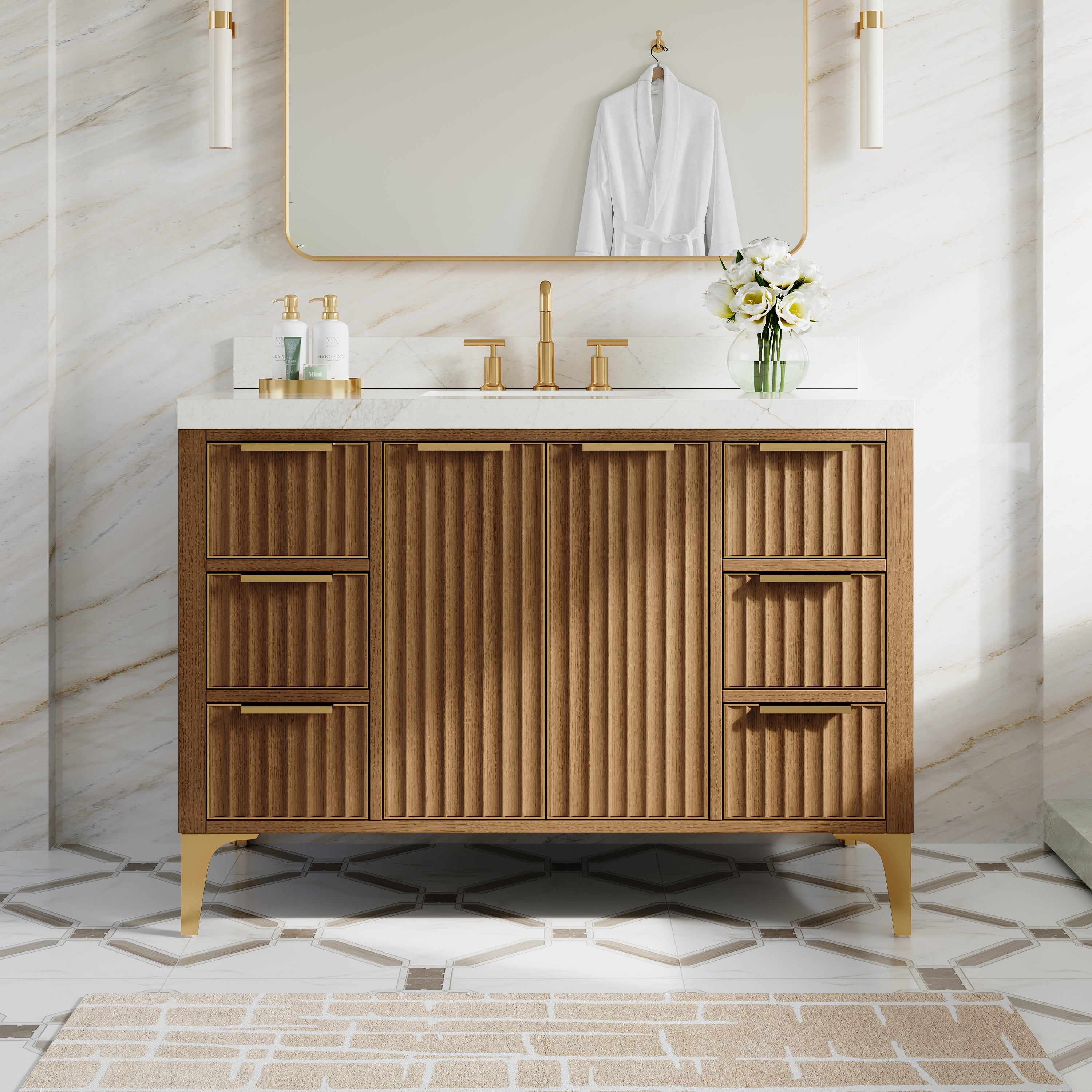
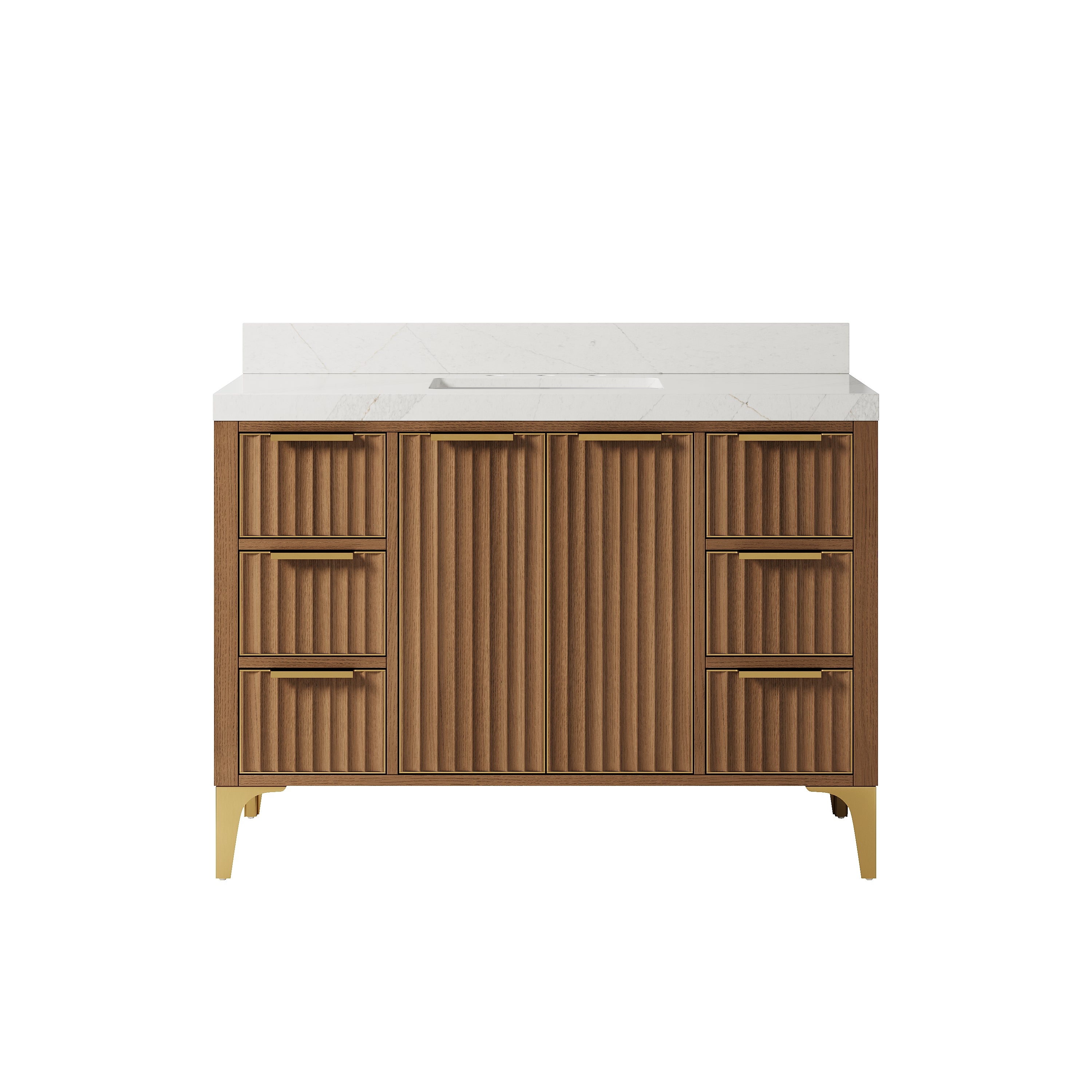


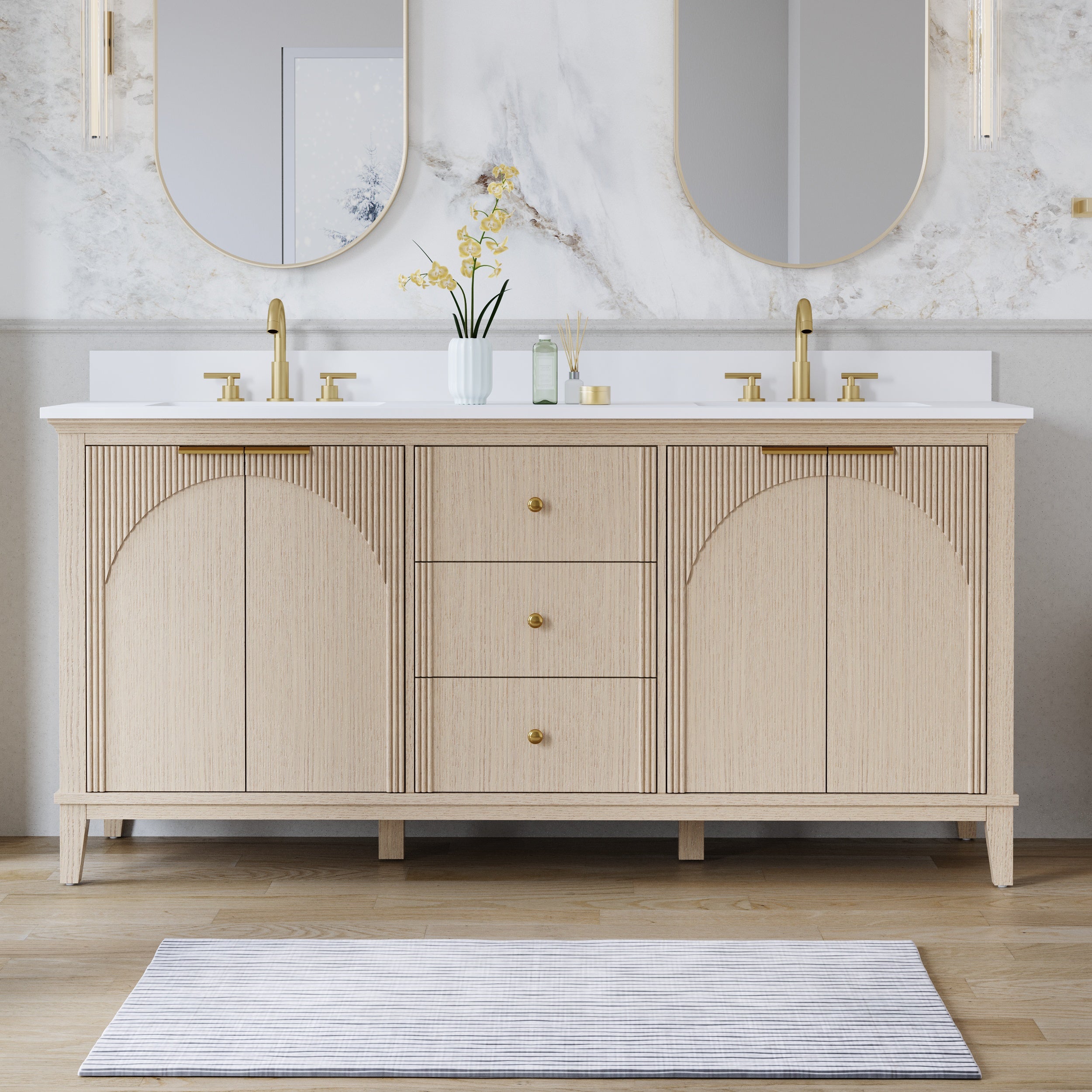
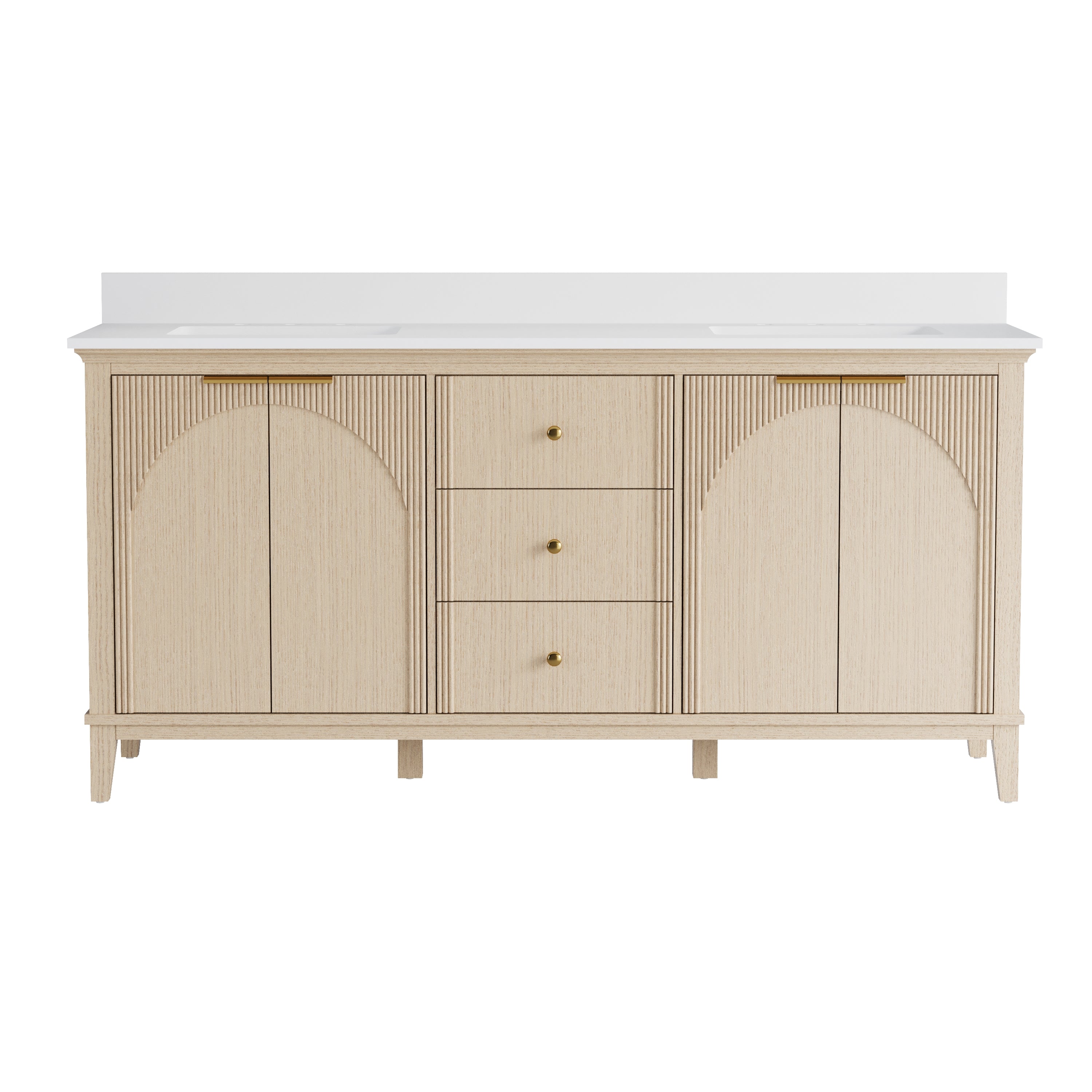
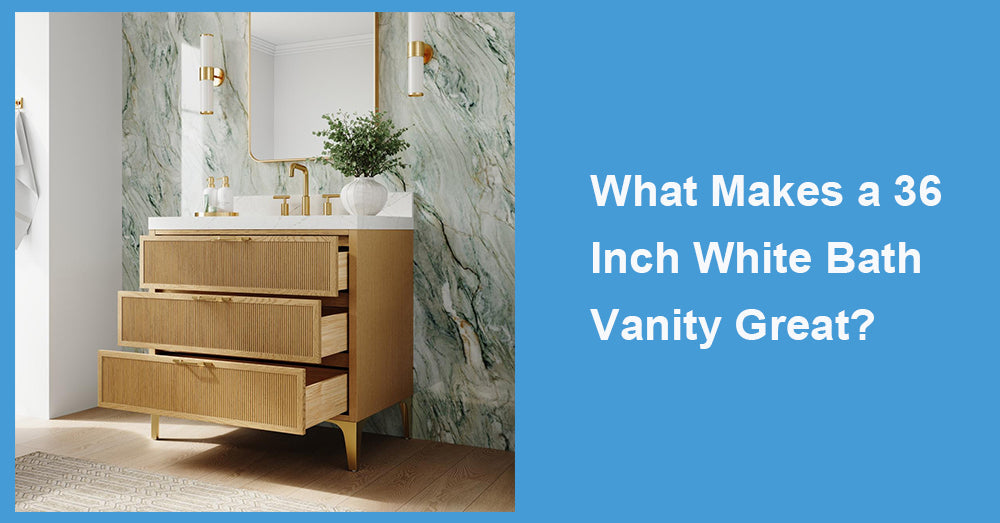
A 36 inch white bath vanity offers a useful balance of storage, countertop space, and visual lightness, which is why I often recommend this size for guest baths and medium-size bathrooms. After more than 20 years of working with bathroom cabinetry, I have found that 36 inches is large enough to feel substantial without dominating the room. White adds another advantage: it works with an unusually wide range of tile, hardware, and countertop styles. Still, dimensions, construction, sink size, and maintenance should matter more than color alone.
1. A 36 Inch White Bath Vanity Fits Many Bathroom Layouts
Thirty-six inches sits in a practical middle range.
A 24-inch vanity can work in a powder room but may feel short on storage. A 48-inch cabinet provides more space, yet it can overwhelm a narrow guest bath.
A 36-inch model often gives one person a comfortable sink station while leaving enough room around nearby fixtures.
Before buying, measure more than wall width. Check cabinet depth, countertop overhang, toilet clearance, and the movement of the bathroom or shower door.
I like using painter's tape to mark the full footprint. It quickly shows whether the cabinet will make the room feel crowded.
2. White Can Make the Cabinet Feel Visually Lighter
White cabinetry reflects light and tends to blend more quietly with pale walls than dark wood or heavily saturated finishes.
That can be useful in bathrooms without large windows.
White Cannot Fix Poor Proportions
There is a common assumption that a white vanity automatically makes a small bathroom feel bigger.
Color helps, but dimensions matter more.
A deep white cabinet can still interrupt the walkway, and an oversized model will still dominate a small wall. If space is tight, consider both width and depth before relying on the finish to create openness.
Good proportion beats color every time.
3. The Size Provides Useful Counter Space
A 36-inch countertop generally leaves more usable surface than compact vanity sizes.
That extra room matters in real life. Guests need somewhere to place a toiletry bag. Daily users may want room for soap, skincare, a toothbrush, or a small grooming tray.
Sink size has a major influence here.
A very wide basin can consume most of the countertop. For this cabinet size, I usually prefer a moderately sized undermount or integrated sink that leaves practical space at the sides.
Vessel sinks can look striking, but they add height and may reduce usable surface area.
4. Storage Can Be Better Than the Exterior Suggests
A well-designed 36-inch vanity can store a surprising amount.
Deep drawers are excellent for cosmetics, brushes, skincare products, and grooming tools. Under-sink cabinet space works better for cleaning products, taller containers, and extra paper goods.
Do Not Count Drawer Fronts
Some drawer fronts directly beneath the sink are decorative rather than functional.
Plumbing may also reduce the depth of upper drawers.
Before purchasing, look at interior photographs or dimensional diagrams. Full-extension drawers, adjustable shelves, and thoughtful plumbing cutouts often matter more than the number of visible doors.
For a busy family bathroom, organization is usually more valuable than decorative detailing.
5. White Works With Many Design Styles
One reason white cabinetry stays relevant is its flexibility.
Pair it with marble-look quartz and polished nickel for a classic bathroom. Use matte black hardware and simple tile for a more contemporary look. Warm brass, beige stone, and textured walls can soften the cabinet and create a transitional or organic feel.
Pay attention to undertones.
A cool, bright white can look harsh beside creamy tile. A softer white often works better with warm stone and wood flooring.
Whenever possible, compare cabinet and countertop samples under the actual bathroom lighting.
6. White Finishes Have Practical Drawbacks
White is versatile, but it is not maintenance-free.
Makeup, hair dye, toothpaste, fingerprints, and dark dust can be easier to see on a pale cabinet. Glossy finishes may also highlight streaks under strong lighting.
For heavily used bathrooms, I generally prefer a durable satin or low-sheen finish. It provides a clean appearance without emphasizing every small mark.
White cabinetry also shows damaged corners clearly. If the finish chips and exposes darker material underneath, repair the area promptly.
7. Construction Quality Still Matters More Than Color
A beautiful white finish cannot compensate for weak cabinet construction.
Check how drawers feel when opened. Look at hinges, drawer slides, edge sealing, and the cabinet floor beneath the sink.
Solid wood components can provide strength and good hardware support. Quality plywood is also an excellent material for cabinet boxes because it remains relatively stable under changing bathroom humidity.
Well-sealed engineered materials can perform successfully too.
The key is moisture protection. Poorly finished edges near plumbing are a bigger concern than whether every component is made from solid wood.
8. Know Where This Vanity Size Works Best
A 36-inch vanity is particularly suitable for guest baths, hallway bathrooms, condos, and medium-size bathrooms used primarily by one person at a time.
It may be too large for a narrow powder room.
In a spacious primary bathroom, it can have the opposite problem: the cabinet may look undersized and fail to provide enough storage.
If two people regularly share the sink, consider a larger vanity rather than trying to make one 36-inch cabinet handle two routines.
9. Plan the Plumbing Before Installation
Measure the drain and supply-line positions before ordering.
A plumbing line that conflicts with a drawer can require cabinet modification or pipe relocation, both of which add work.
Set the vanity level before installing the countertop. Make sure drawers and doors operate correctly, then seal the sink, faucet openings, countertop edges, and backsplash carefully.
Test all plumbing connections before loading the cabinet.
A slow leak can cause far more damage than ordinary bathroom humidity.

10. Keep the White Finish Looking Fresh
Use a soft cloth and mild, non-abrasive cleaner for routine care. Wipe toothpaste, cosmetics, and standing water before they dry onto the surface.
Run the exhaust fan after showers and inspect beneath the sink periodically.
Avoid letting wet towels rest against cabinet doors, and repair damaged caulk before moisture reaches cabinet edges.
When comparing Wellfor options, focus first on full dimensions, storage layout, sink proportion, construction quality, and plumbing compatibility. Then evaluate the shade of white and hardware. A 36 inch white bath vanity is a strong choice when you want practical single-sink storage and a flexible appearance, but it performs best when its size fits the room as naturally as its color fits the design.

















Leave a comment
This site is protected by hCaptcha and the hCaptcha Privacy Policy and Terms of Service apply.