














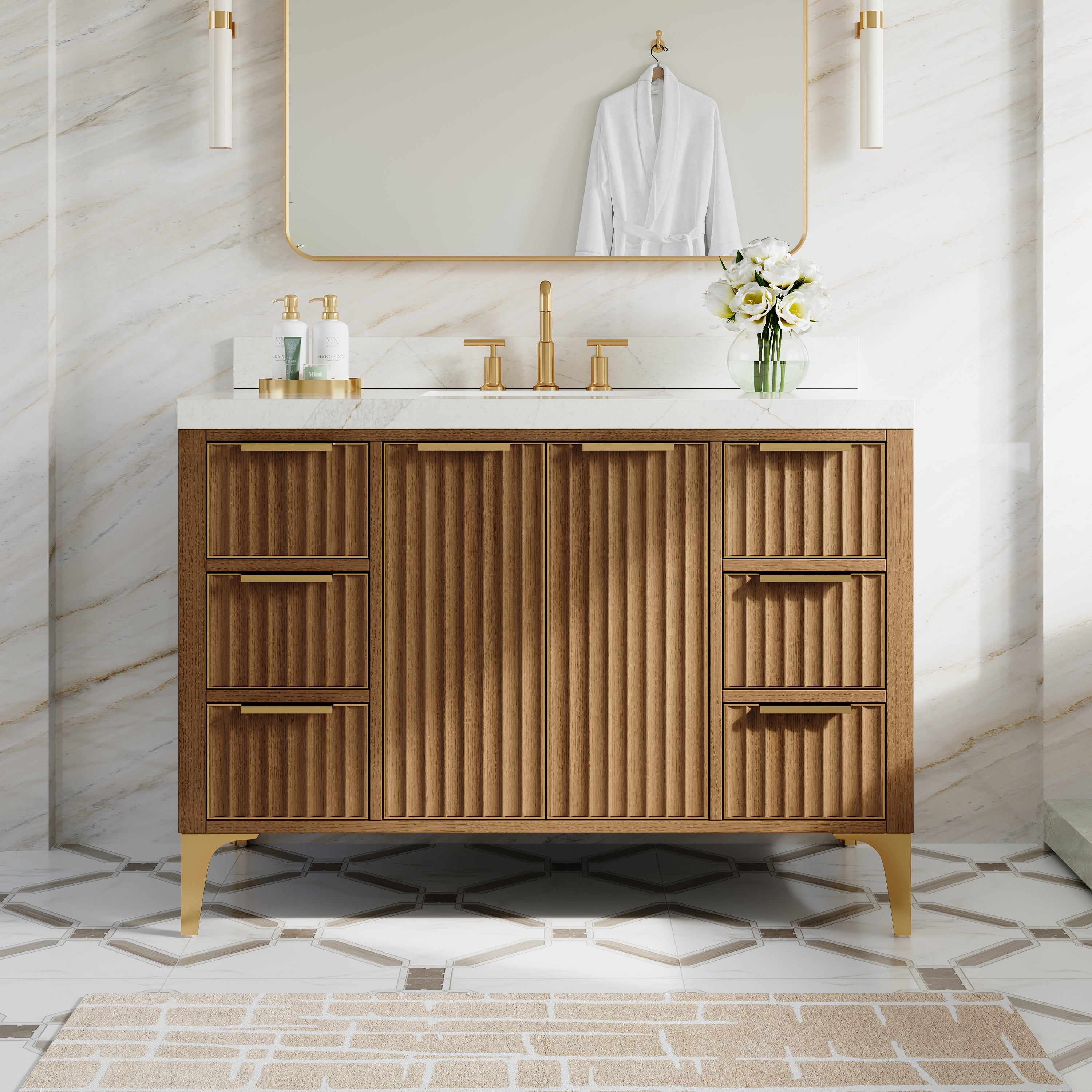
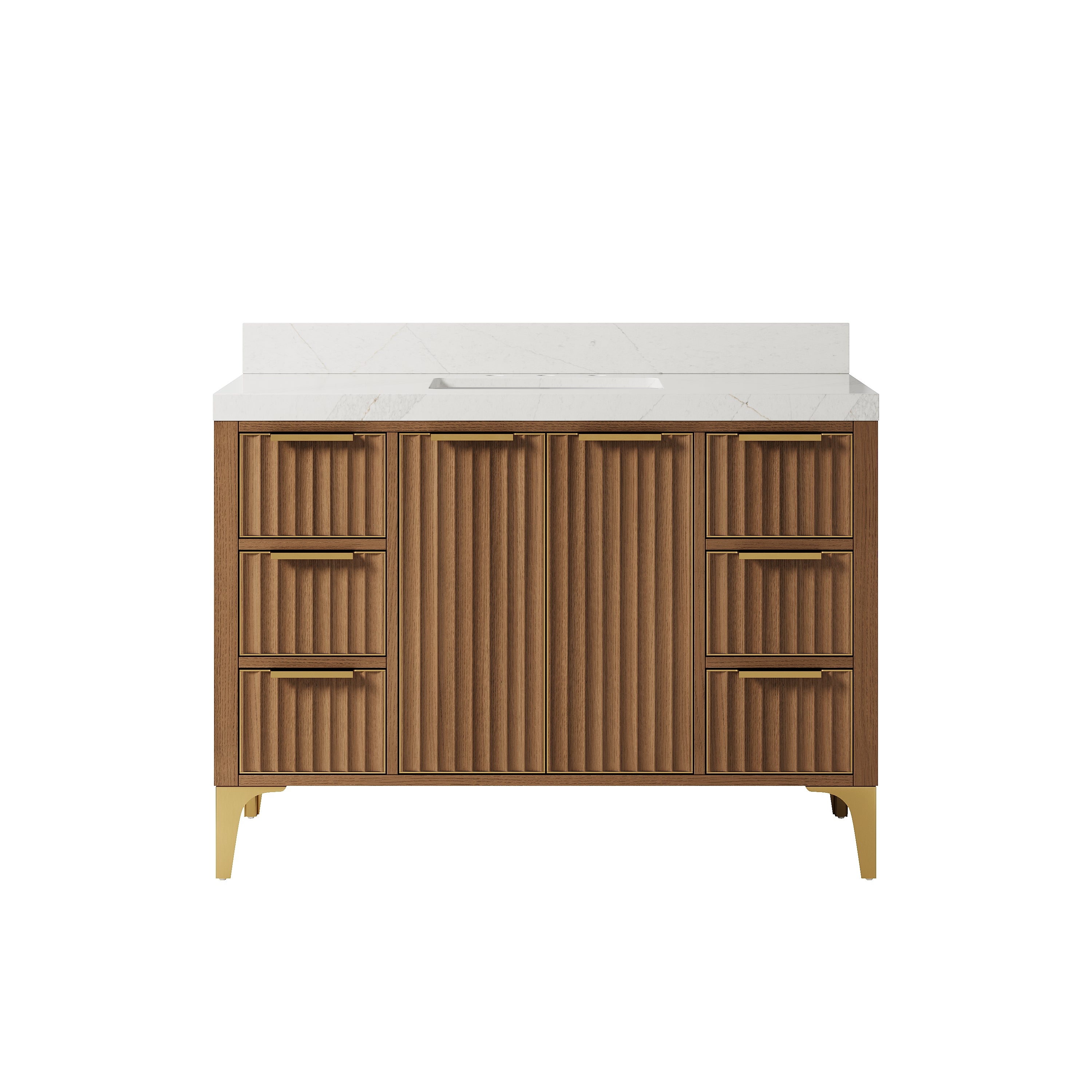


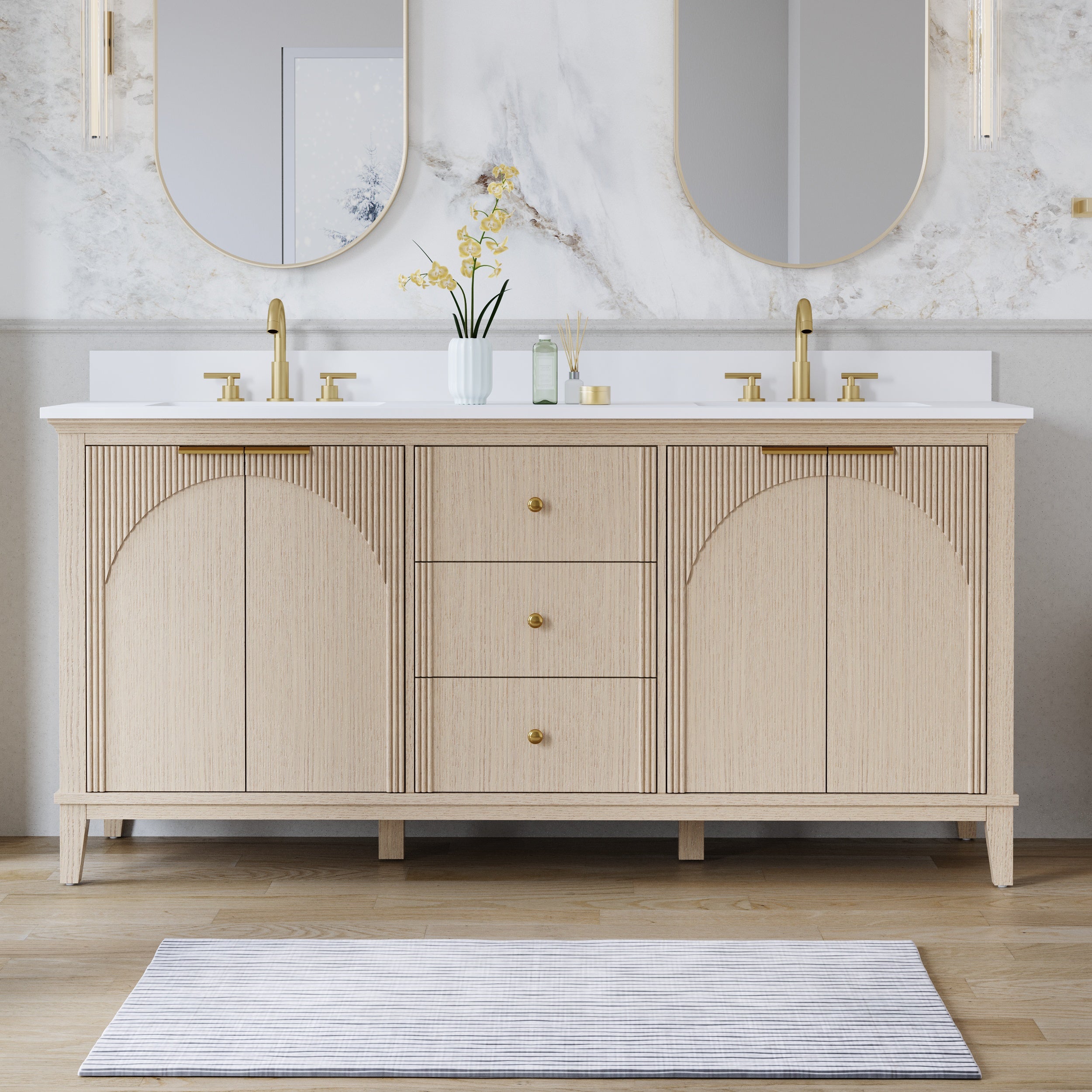
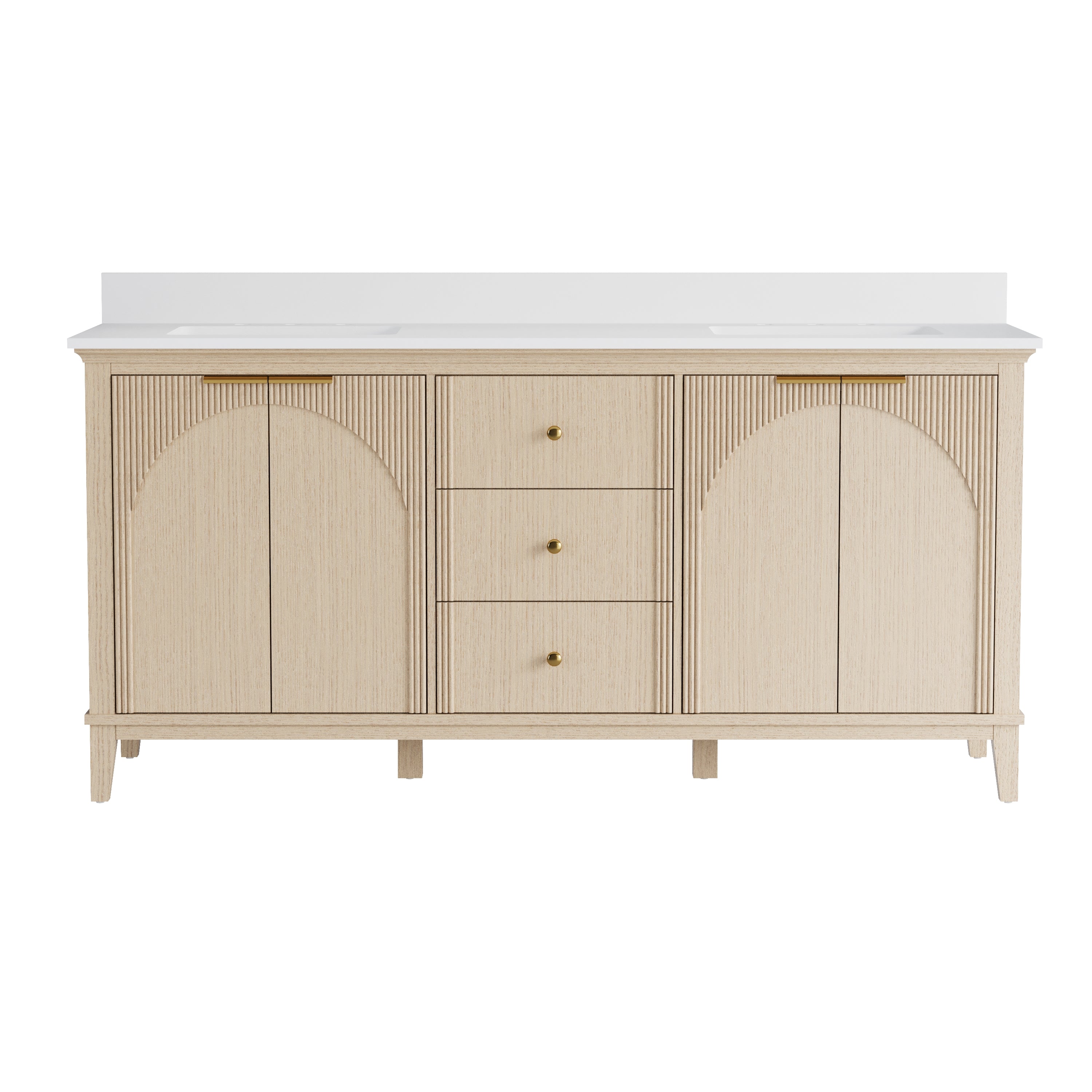
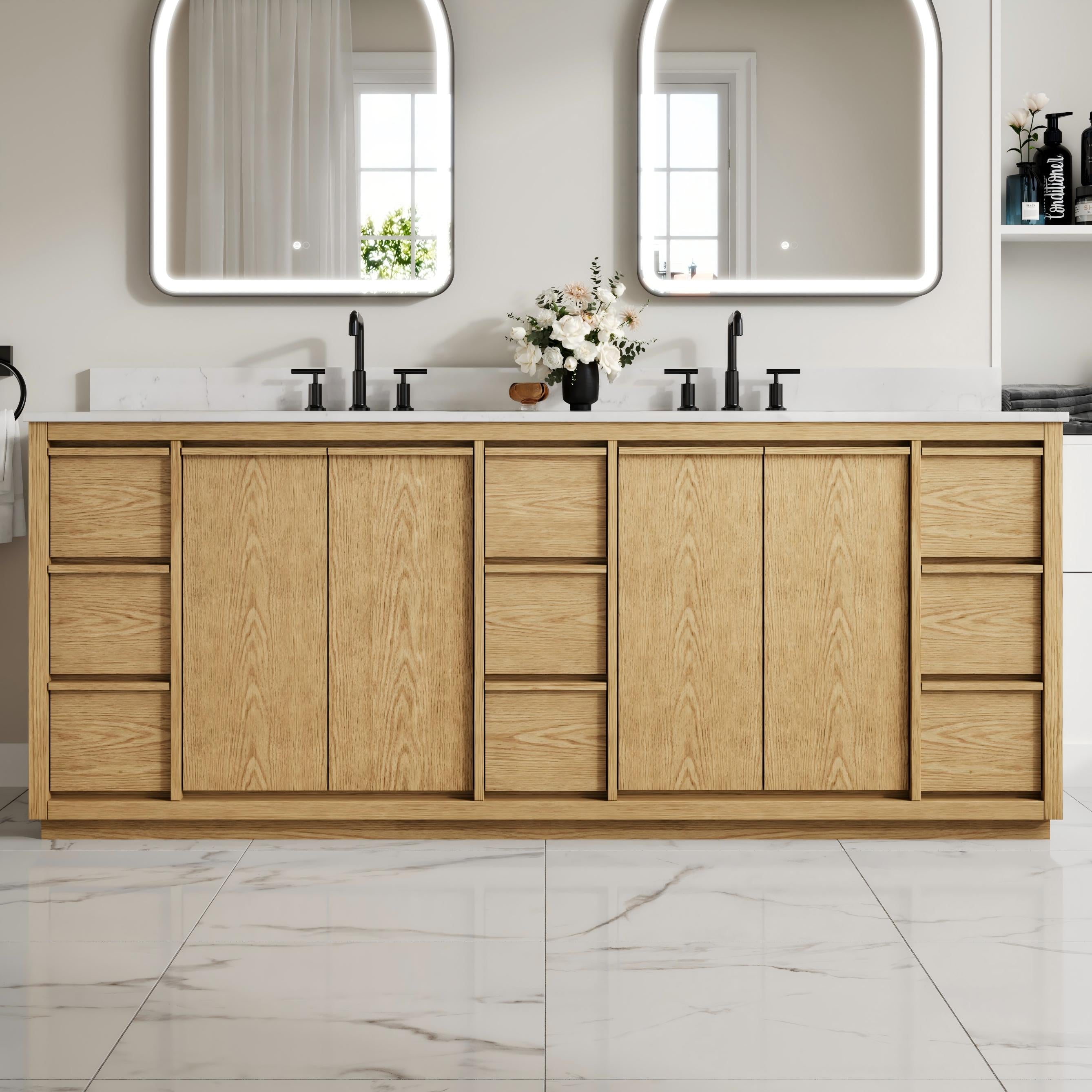
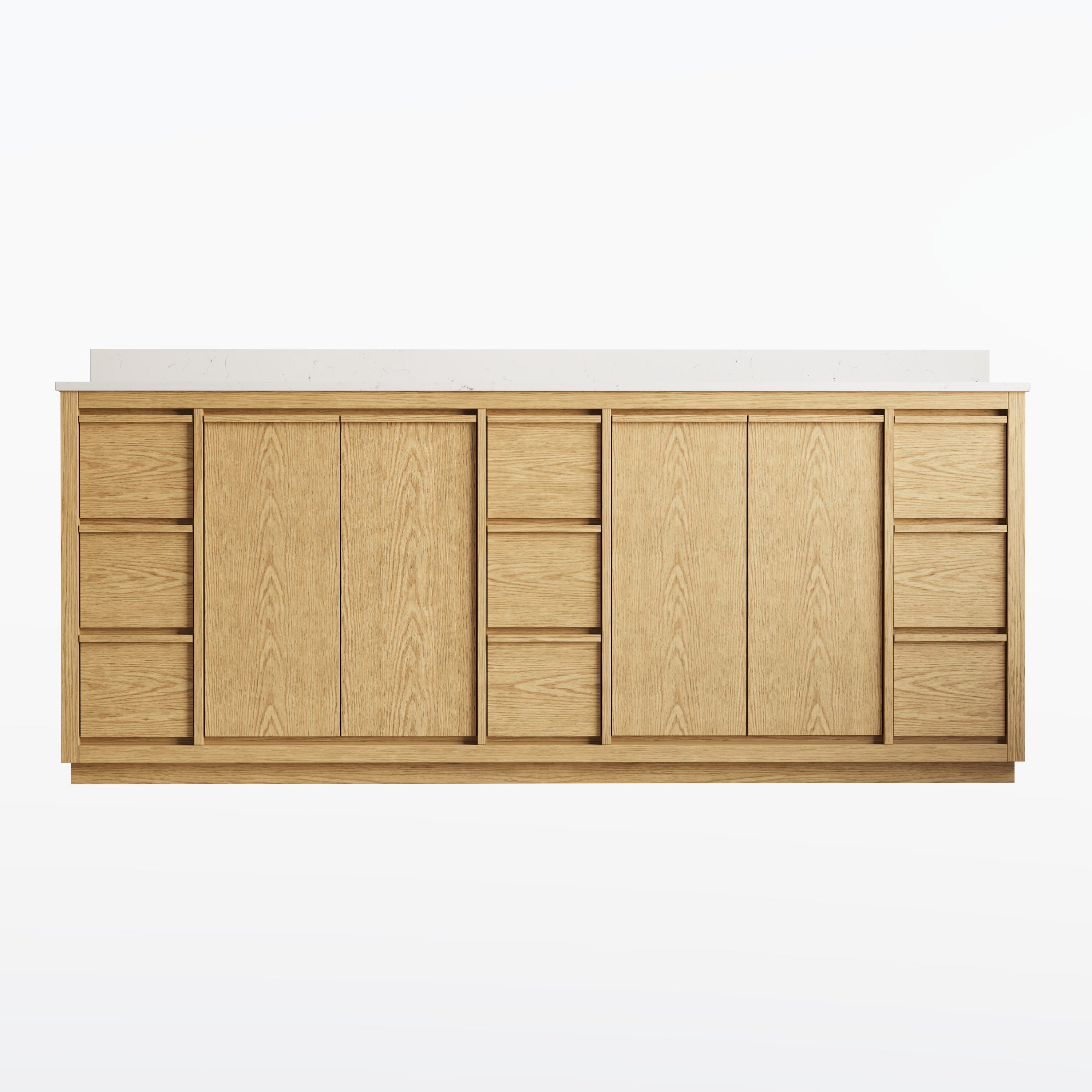
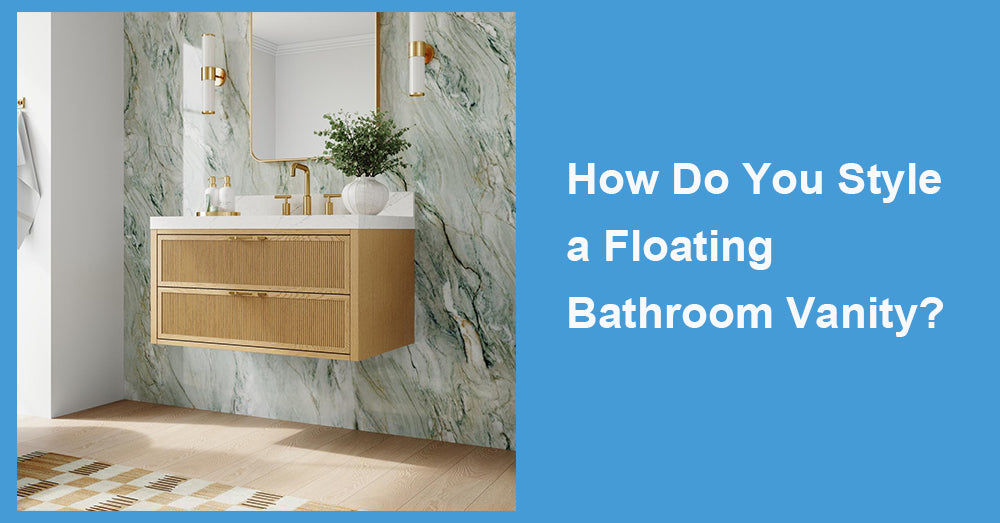
A floating bathroom vanity gives you more design freedom than many traditional floor-standing cabinets because the open space beneath it immediately changes the proportions of the room. After more than 20 years of working with bathroom cabinetry and remodeling projects, I have found that the best-looking floating vanities are rarely the most complicated ones. Good styling comes from balance: the right cabinet finish, a properly scaled mirror, thoughtful lighting, restrained hardware, and enough negative space to let the vanity feel intentional rather than crowded.
1. Let the Floating Bathroom Vanity Set the Visual Direction
Start with the vanity itself before choosing accessories.
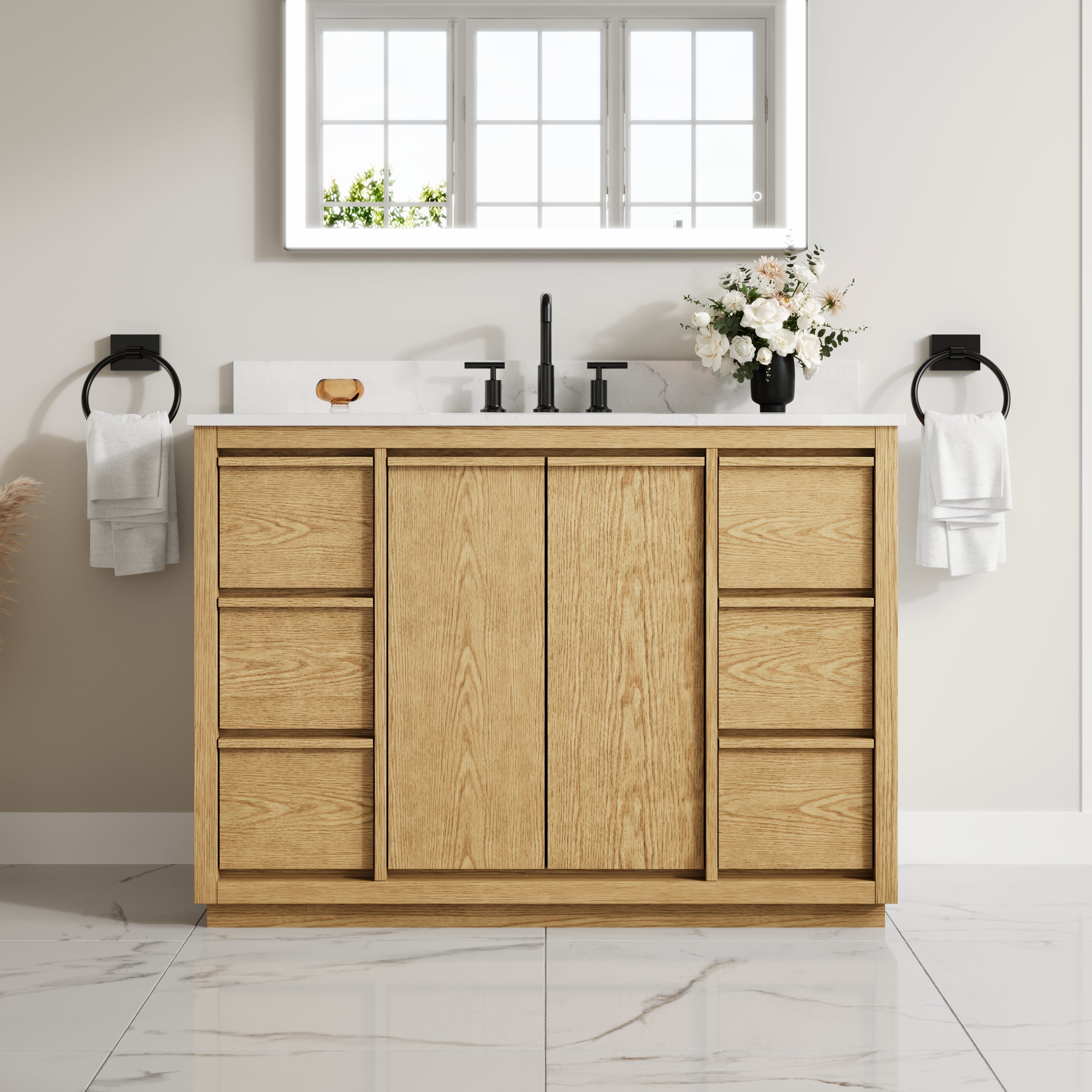
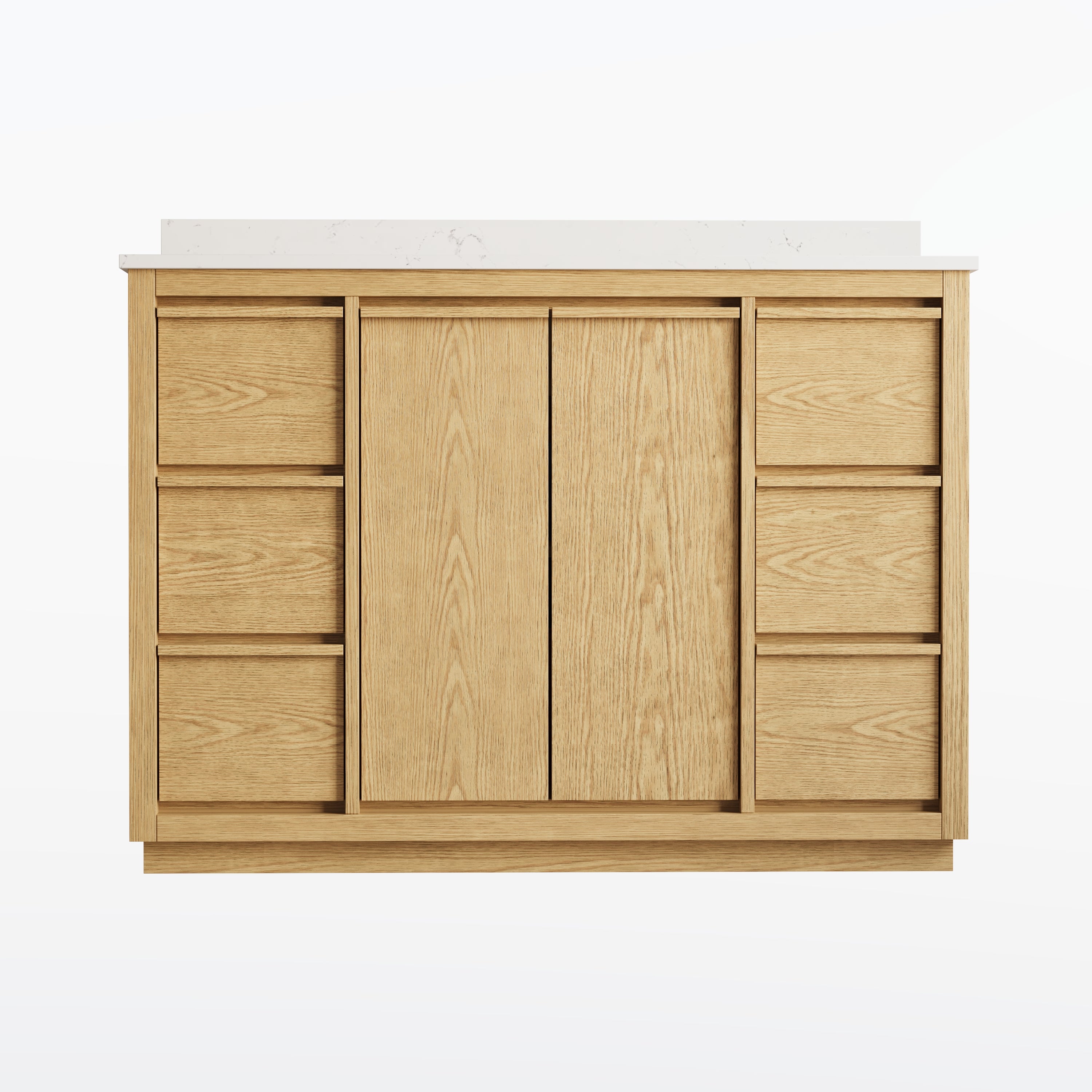
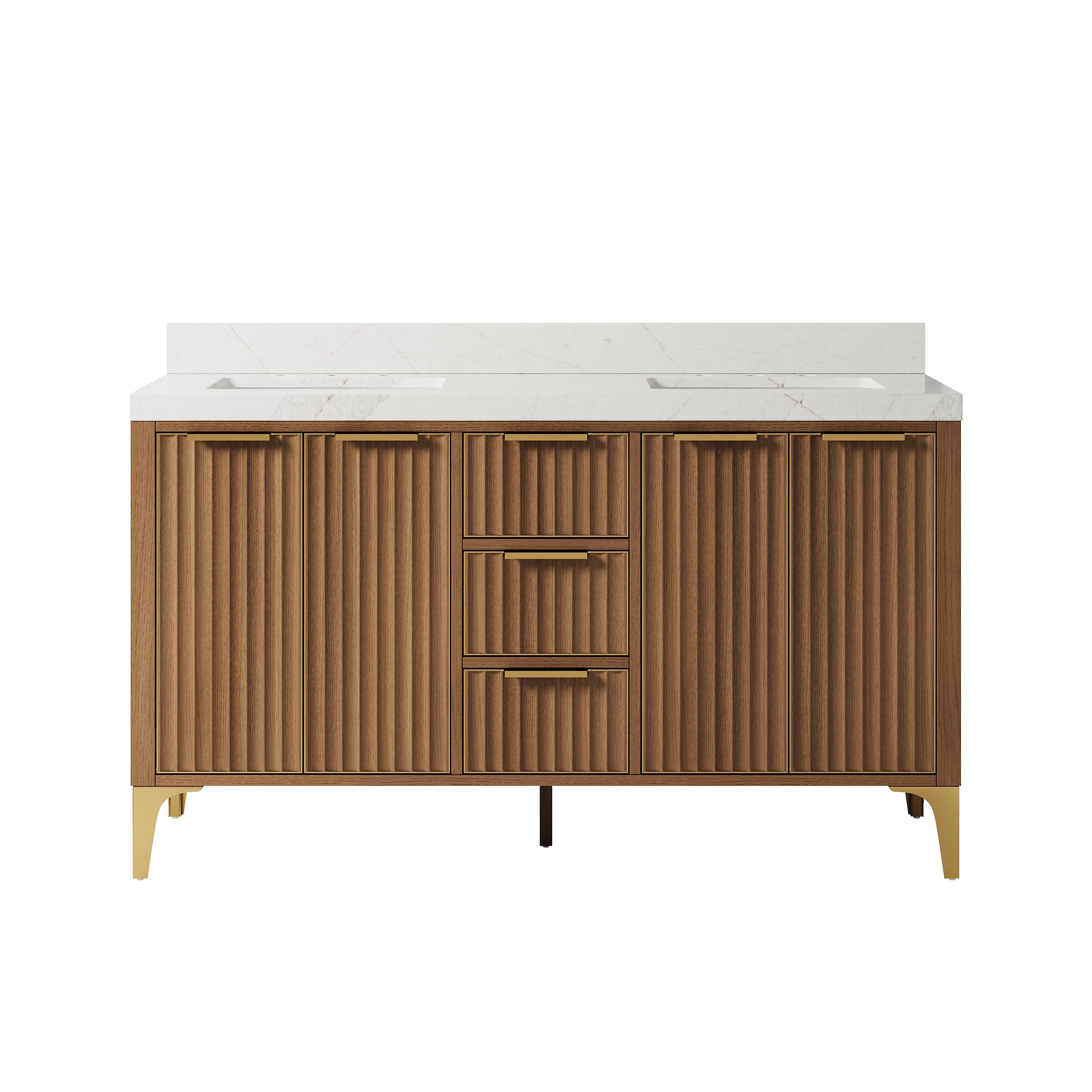
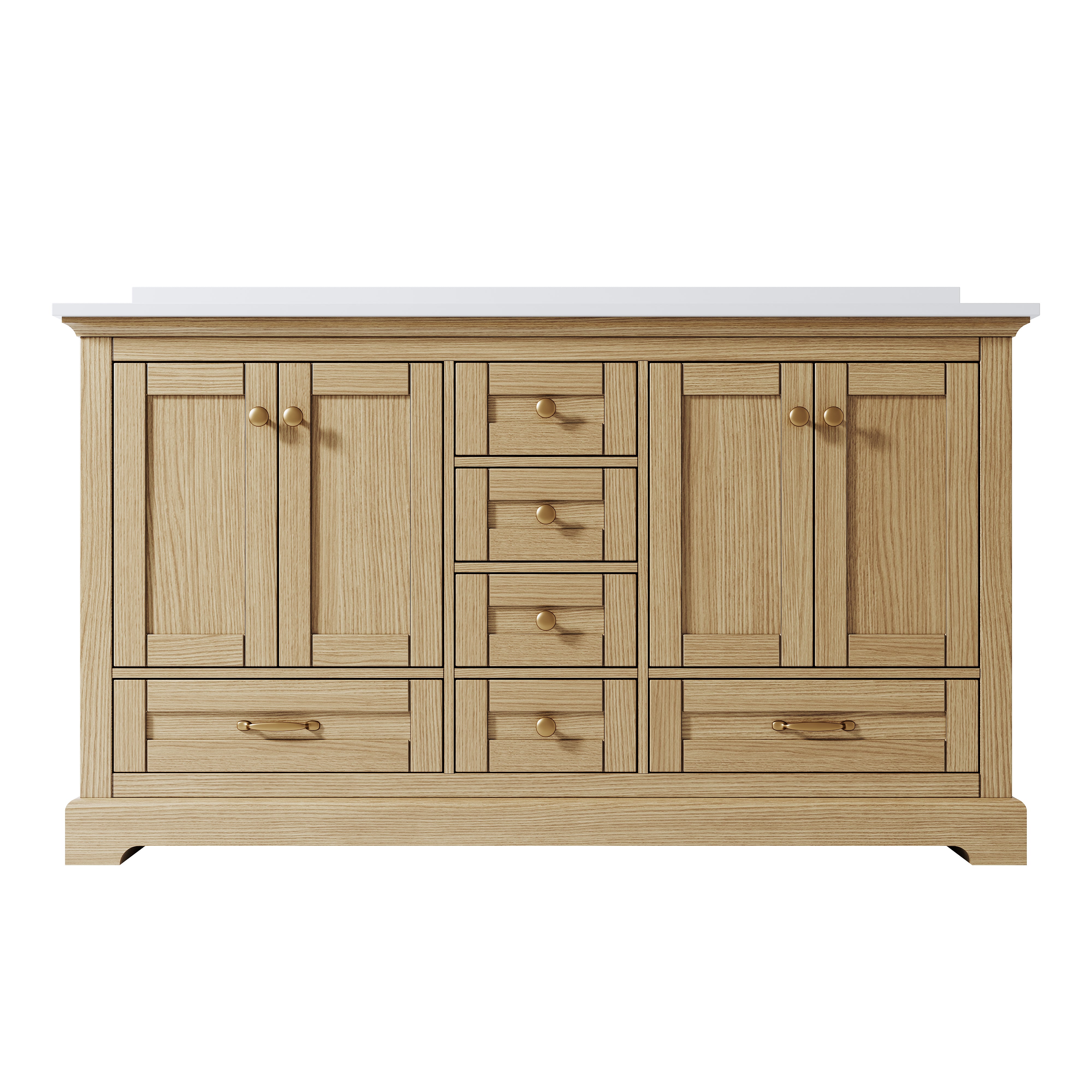
A light oak cabinet naturally supports an organic-modern or Scandinavian look. Walnut creates a richer, more architectural mood. White works well when the goal is a bright, quiet bathroom, while darker finishes can create contrast in larger spaces.
The mistake I often see is trying to make every element equally noticeable.
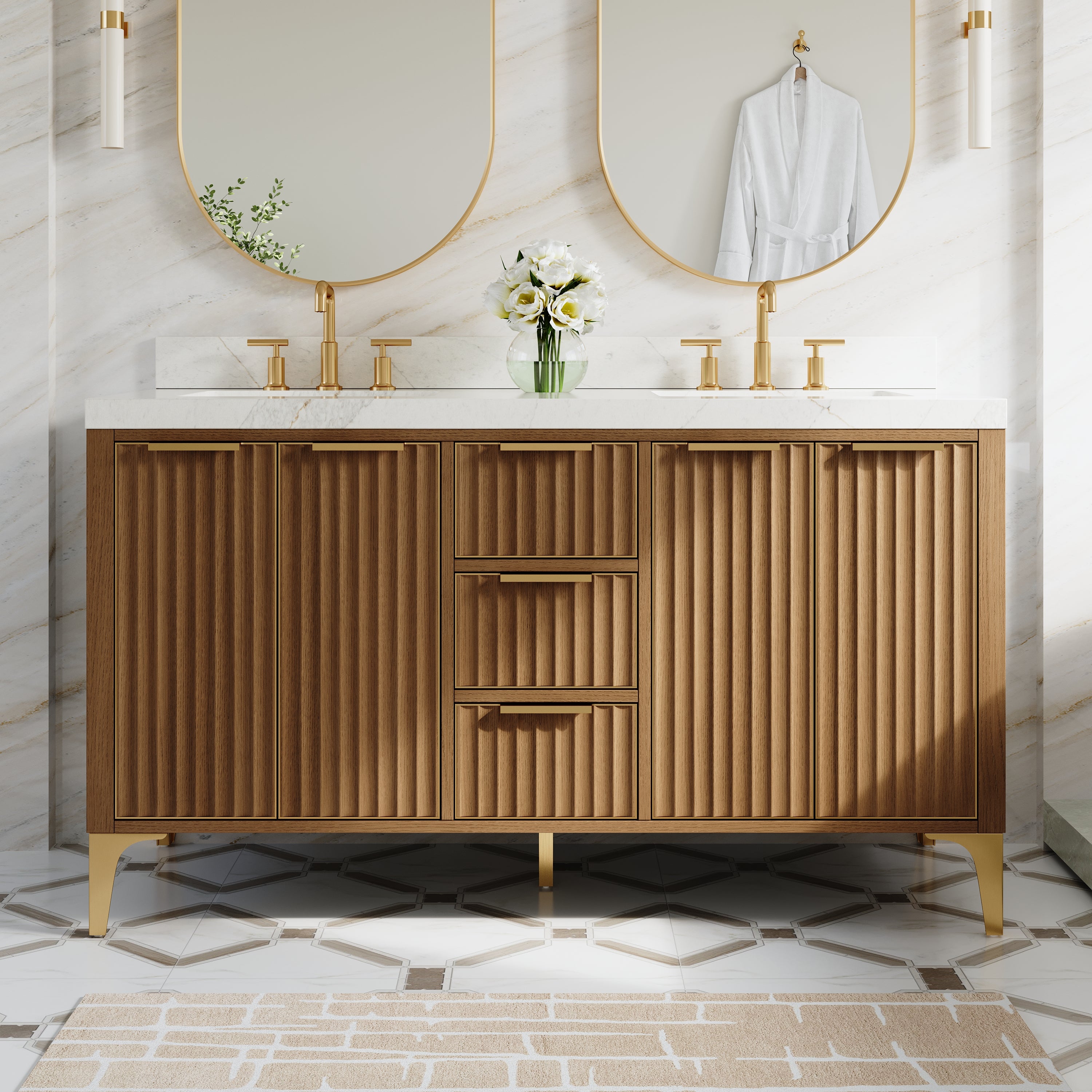
If the wood grain is strong, keep the countertop and wall tile quieter. If the stone has dramatic veining, a simple cabinet finish usually creates better balance.
One strong material is often enough.
2. Choose a Mirror That Matches the Vanity Scale
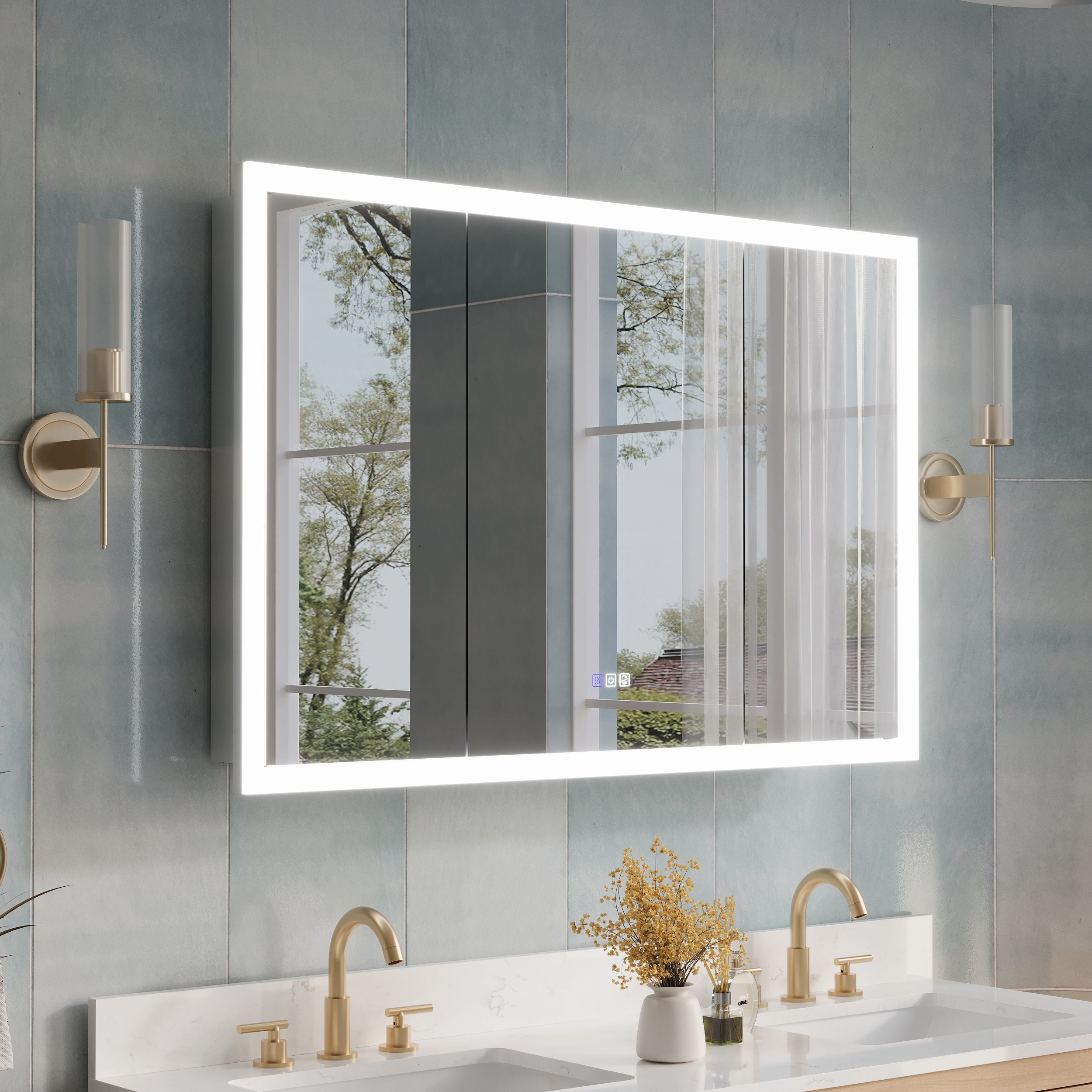
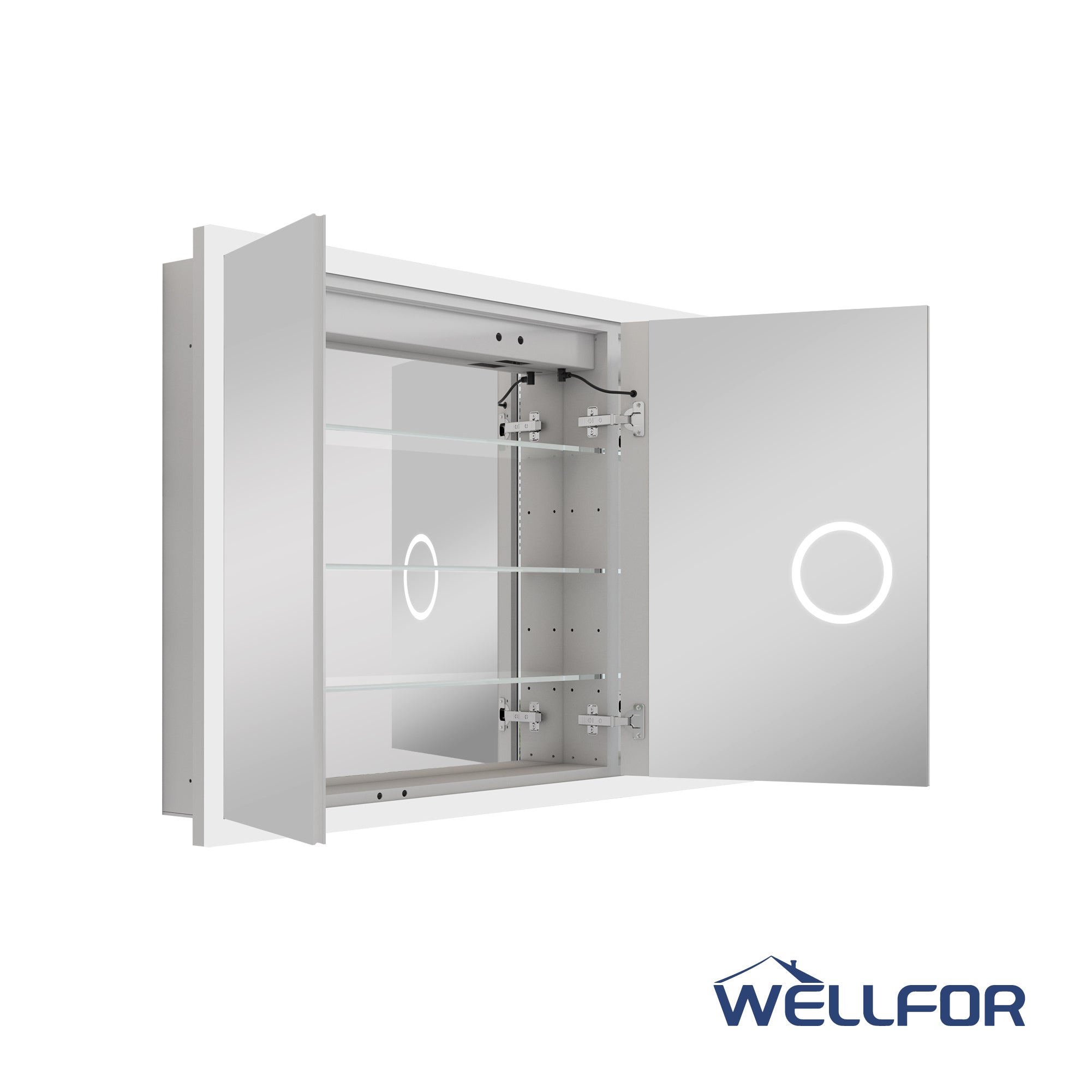
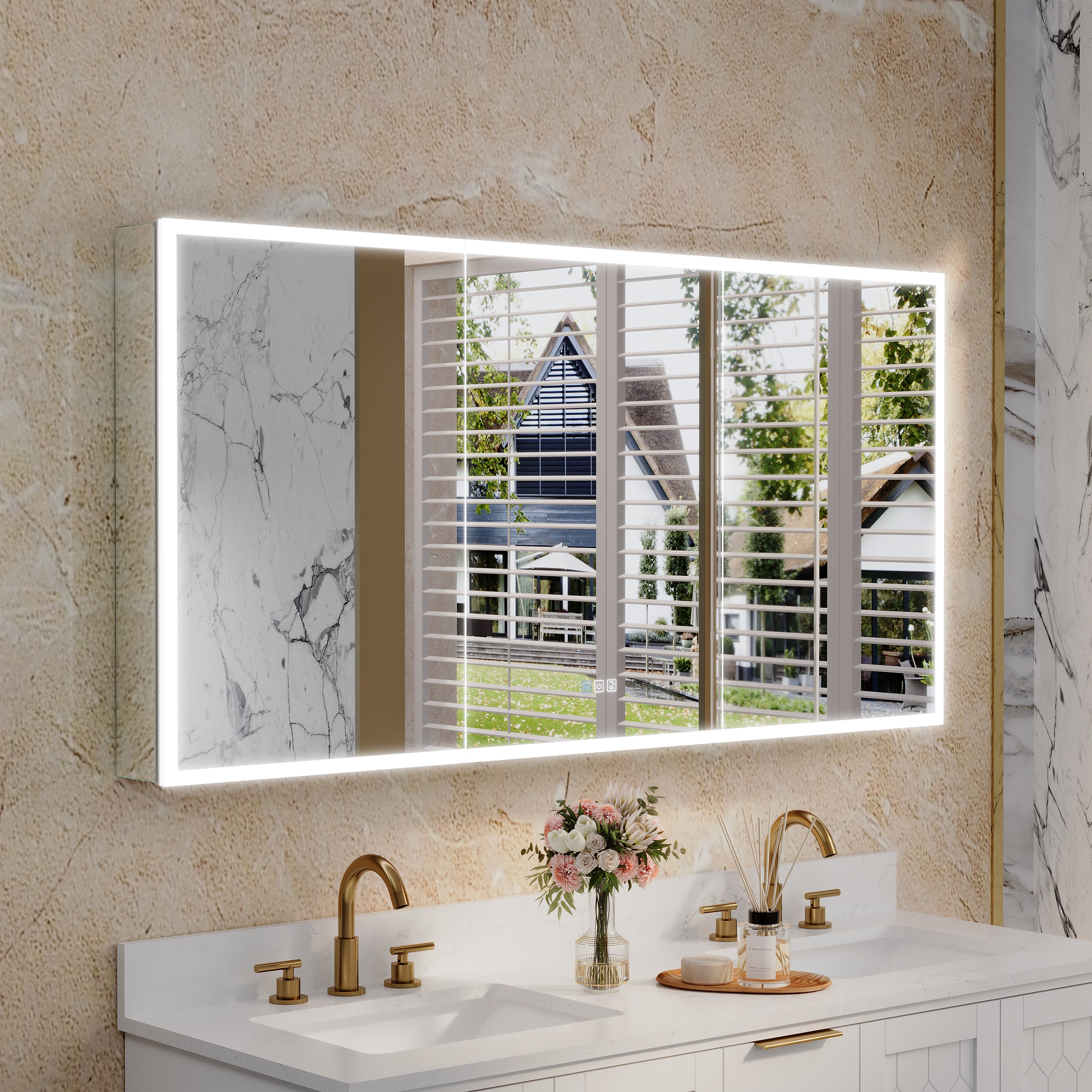
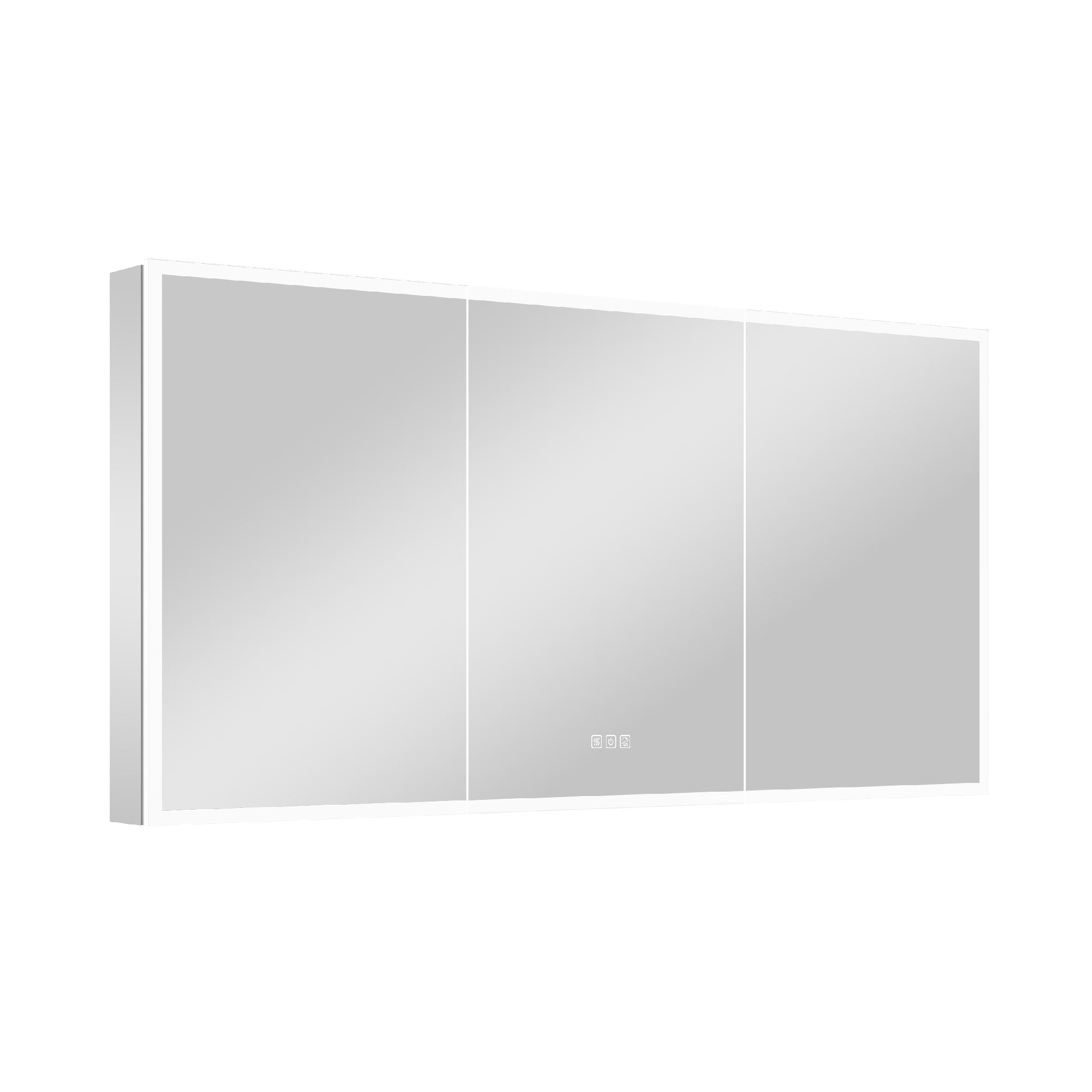
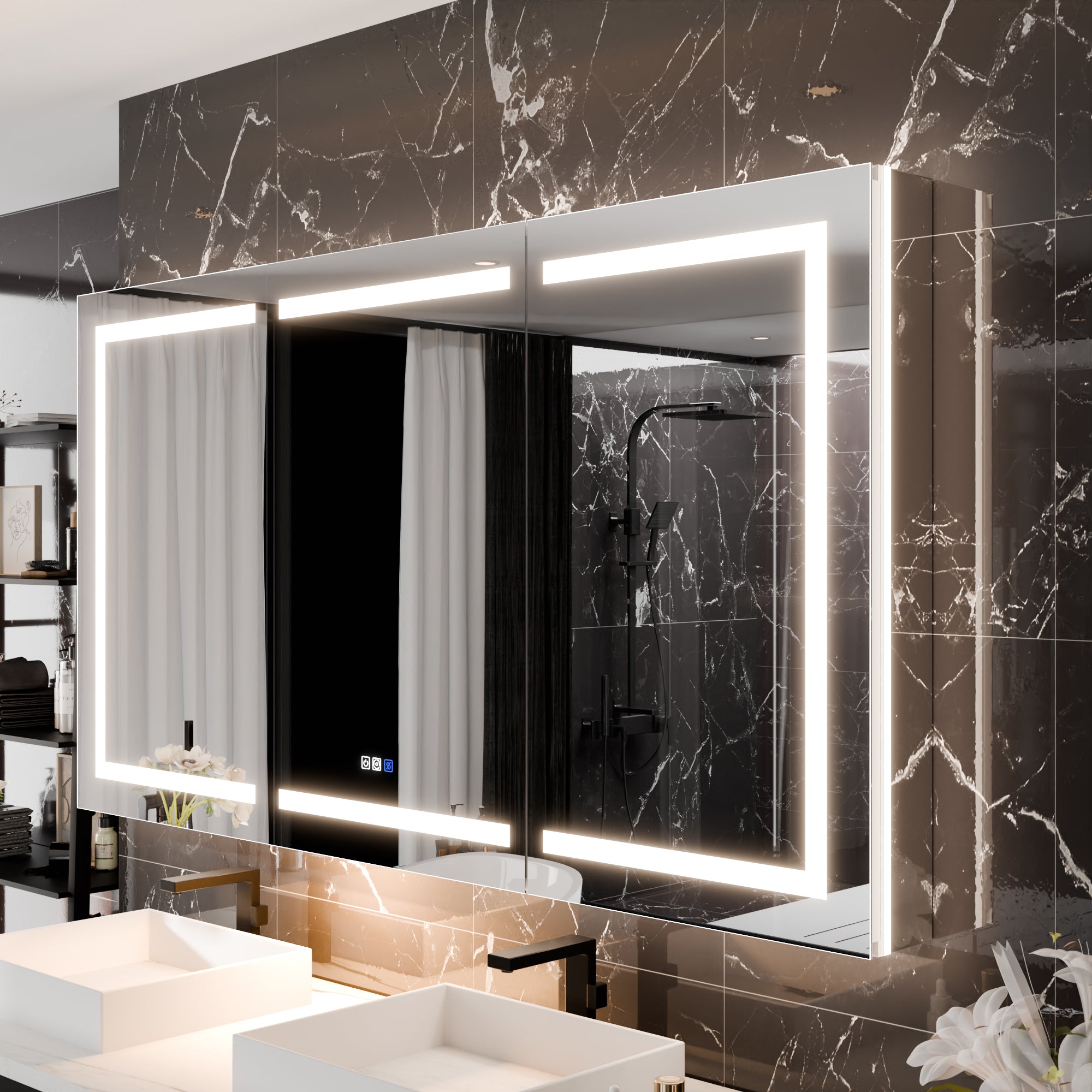
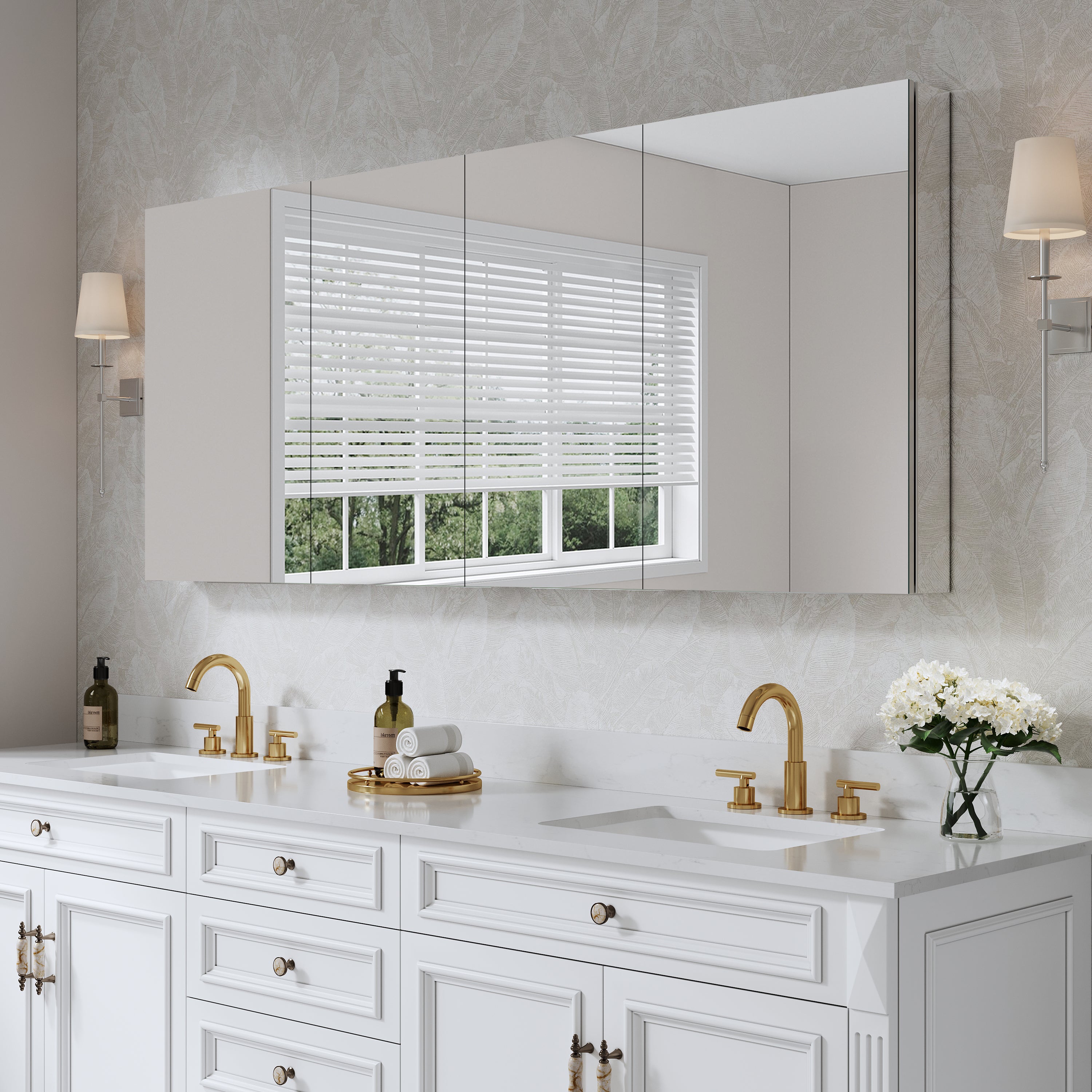
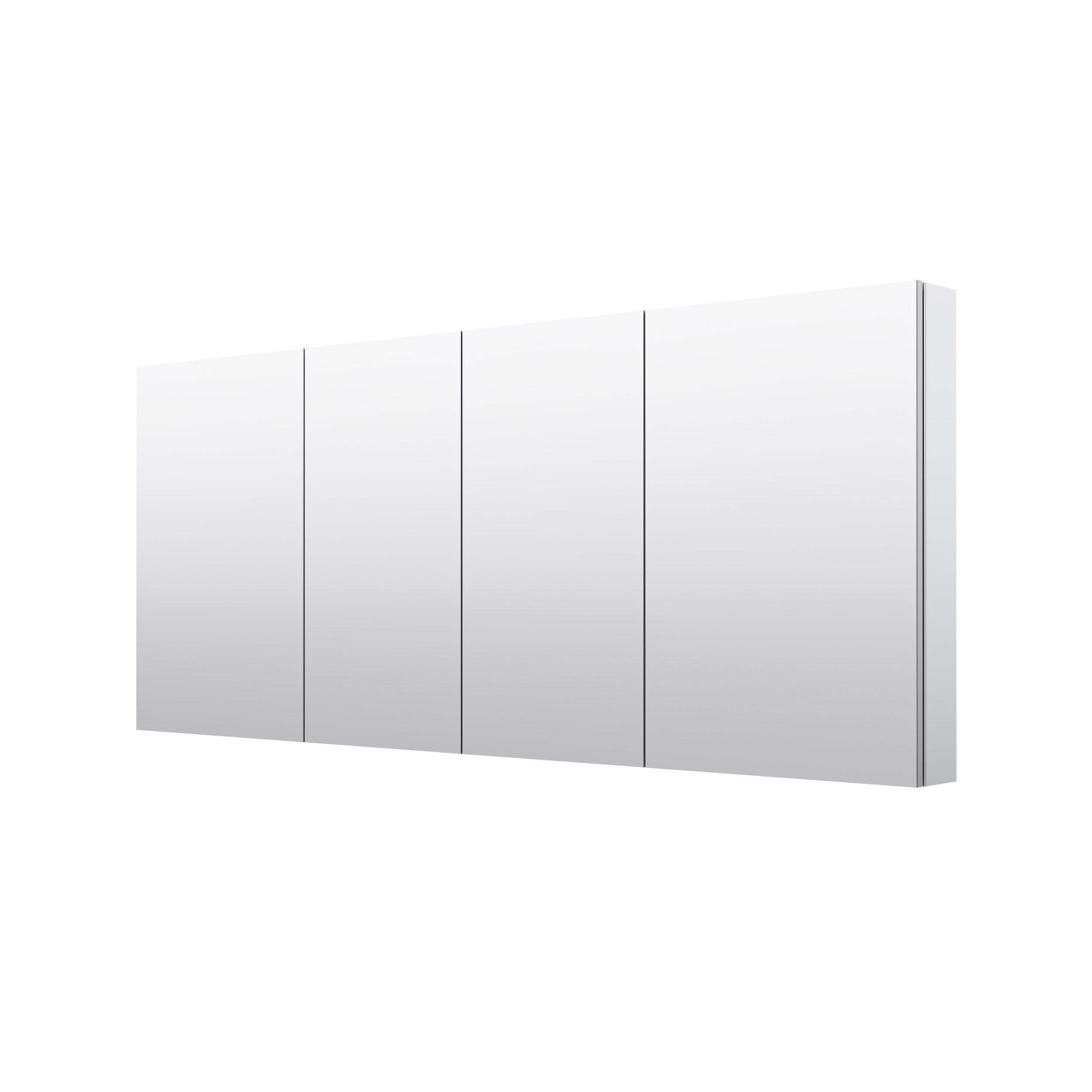
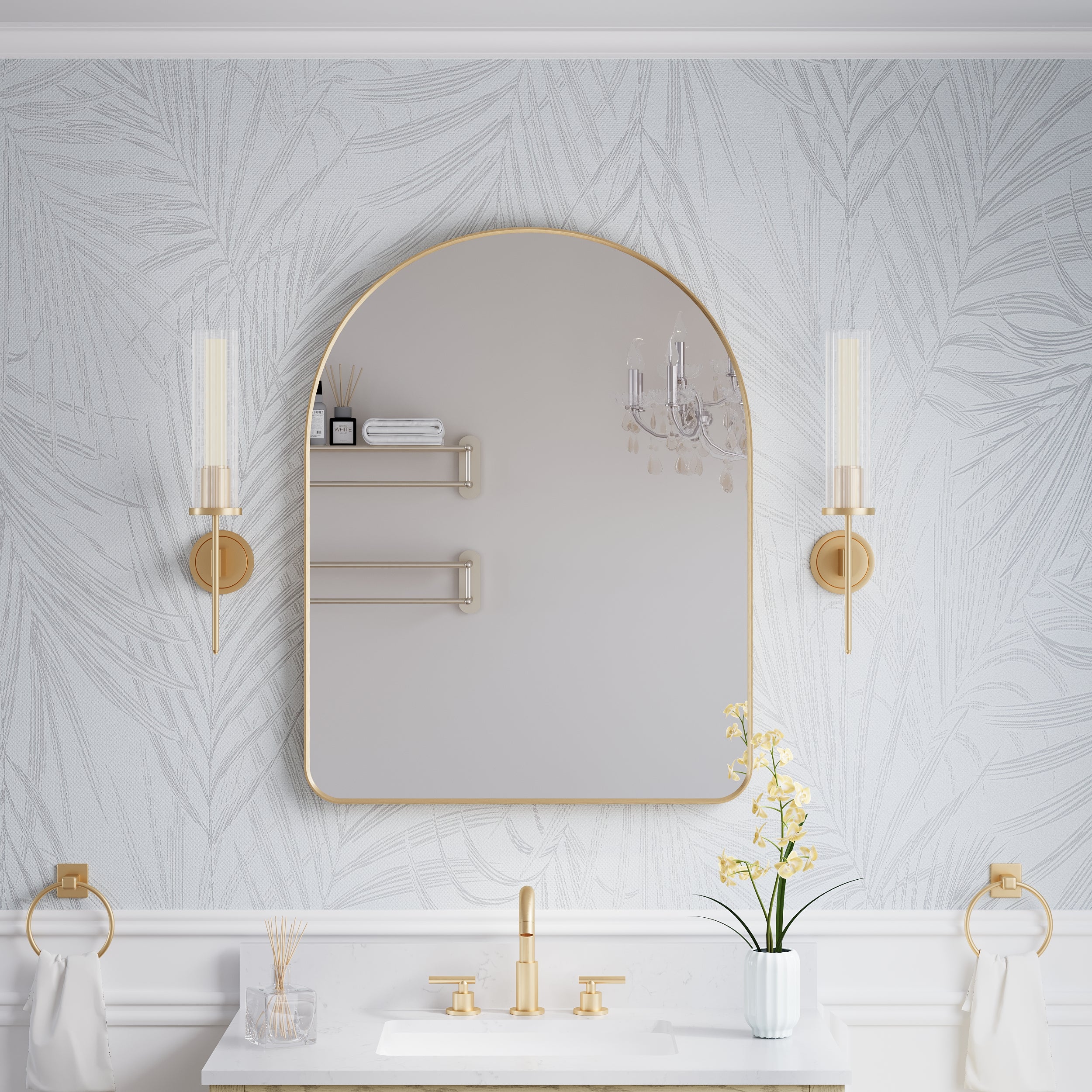
A mirror should relate to the cabinet without looking undersized or excessively wide.
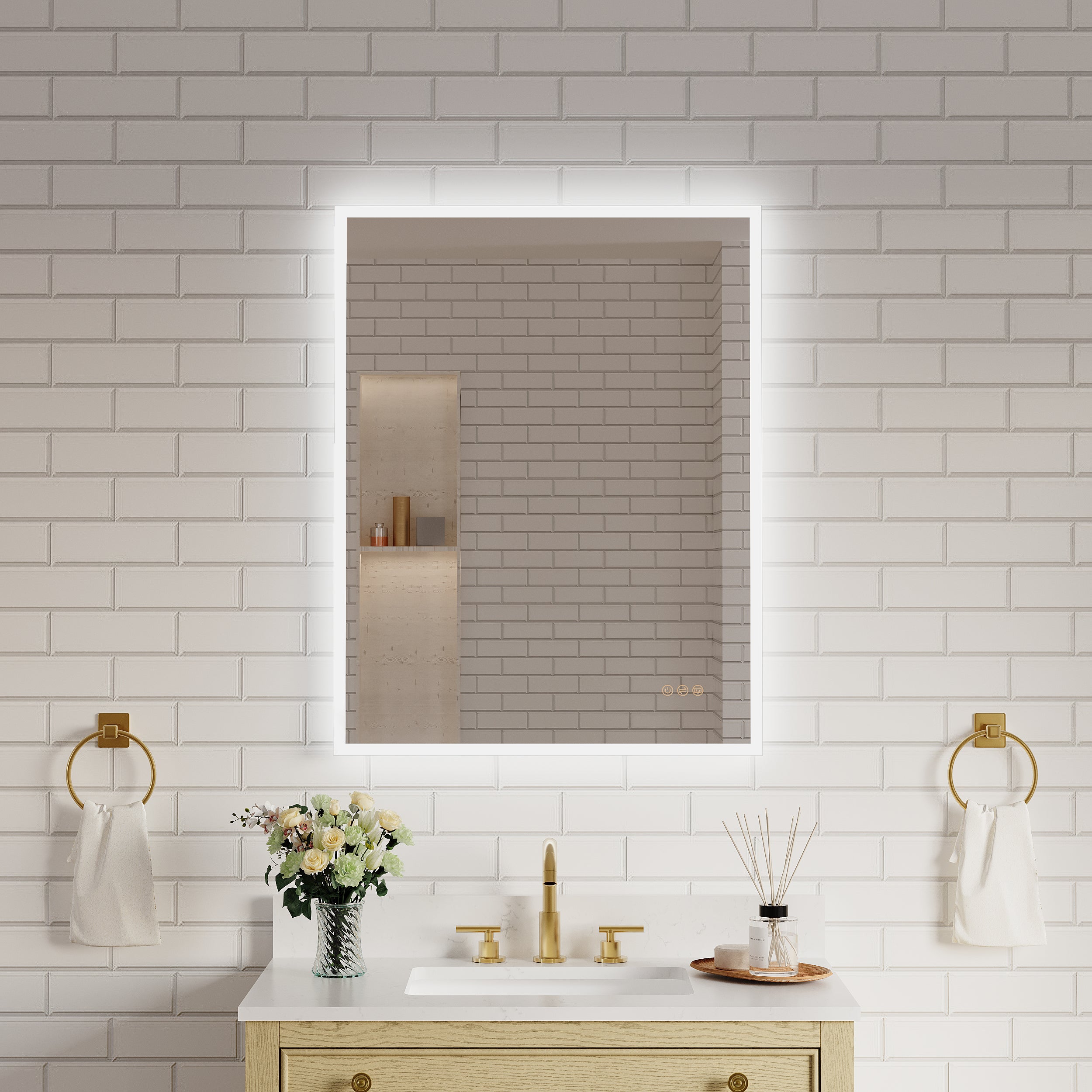
For a single-sink vanity, one large mirror usually creates a cleaner composition than several small decorative pieces. A long floating vanity with two sinks may work with either one wide mirror or two separate mirrors, depending on the room.
Leave Some Visual Breathing Room
Do not automatically match the mirror width exactly to the vanity.
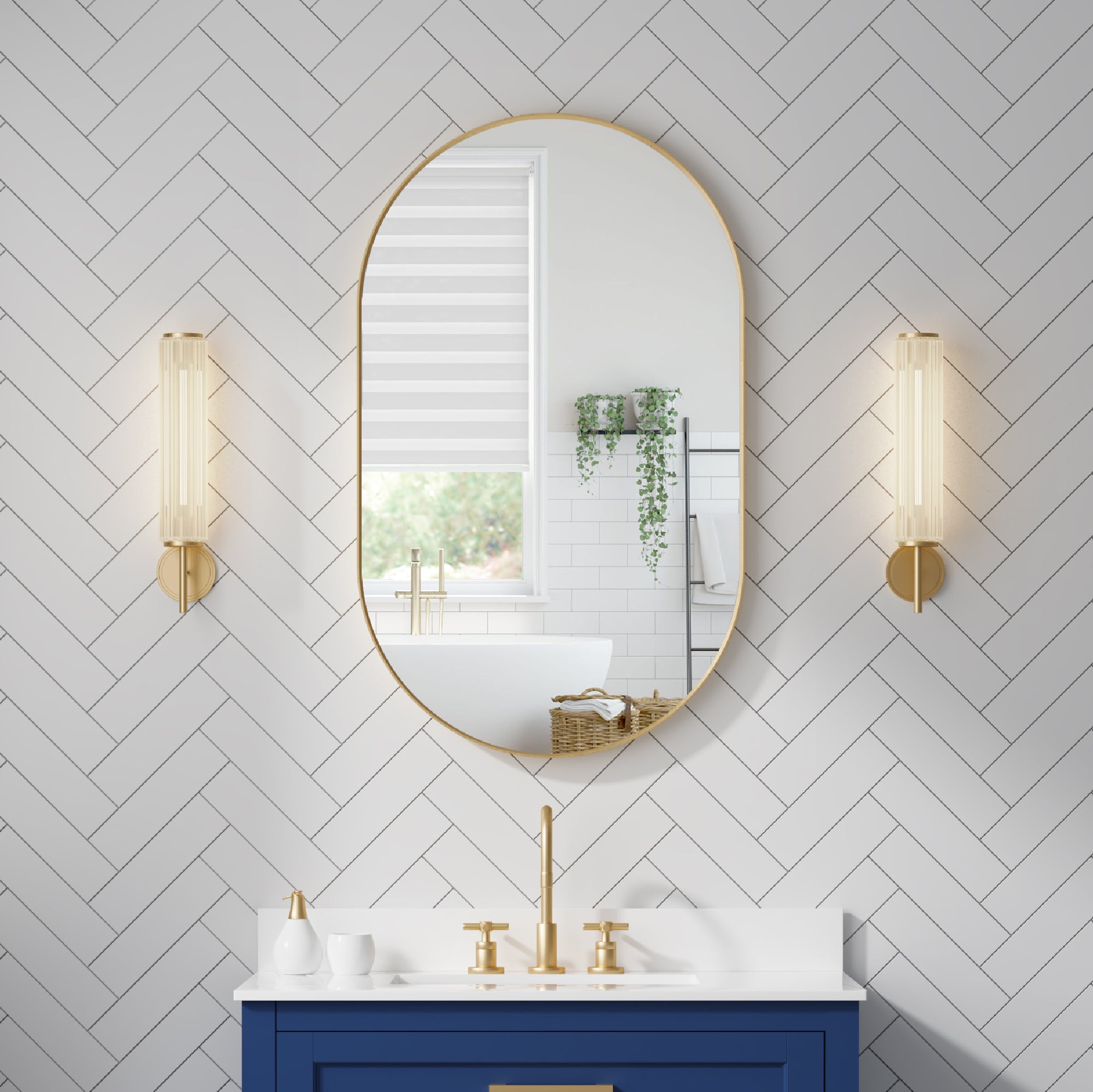
A slightly narrower mirror can make the wall feel lighter and leave space for sconces. In a small bathroom, however, a larger mirror can reflect more light and help the room feel more open.
I usually make this decision after considering lighting rather than treating the mirror as an isolated purchase.
3. Use Lighting to Strengthen the Floating Effect
Lighting has a major influence on how wall-mounted cabinetry appears.
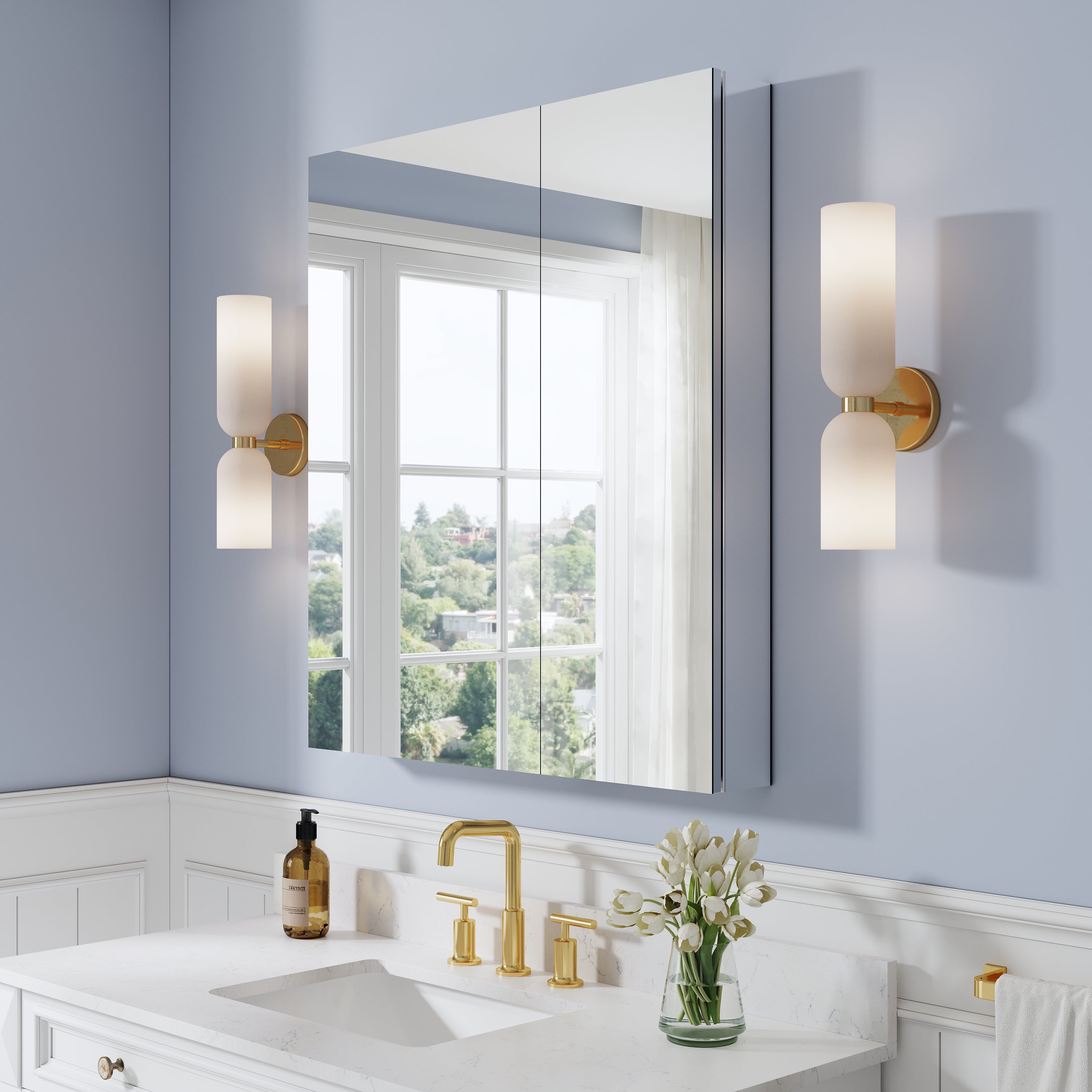
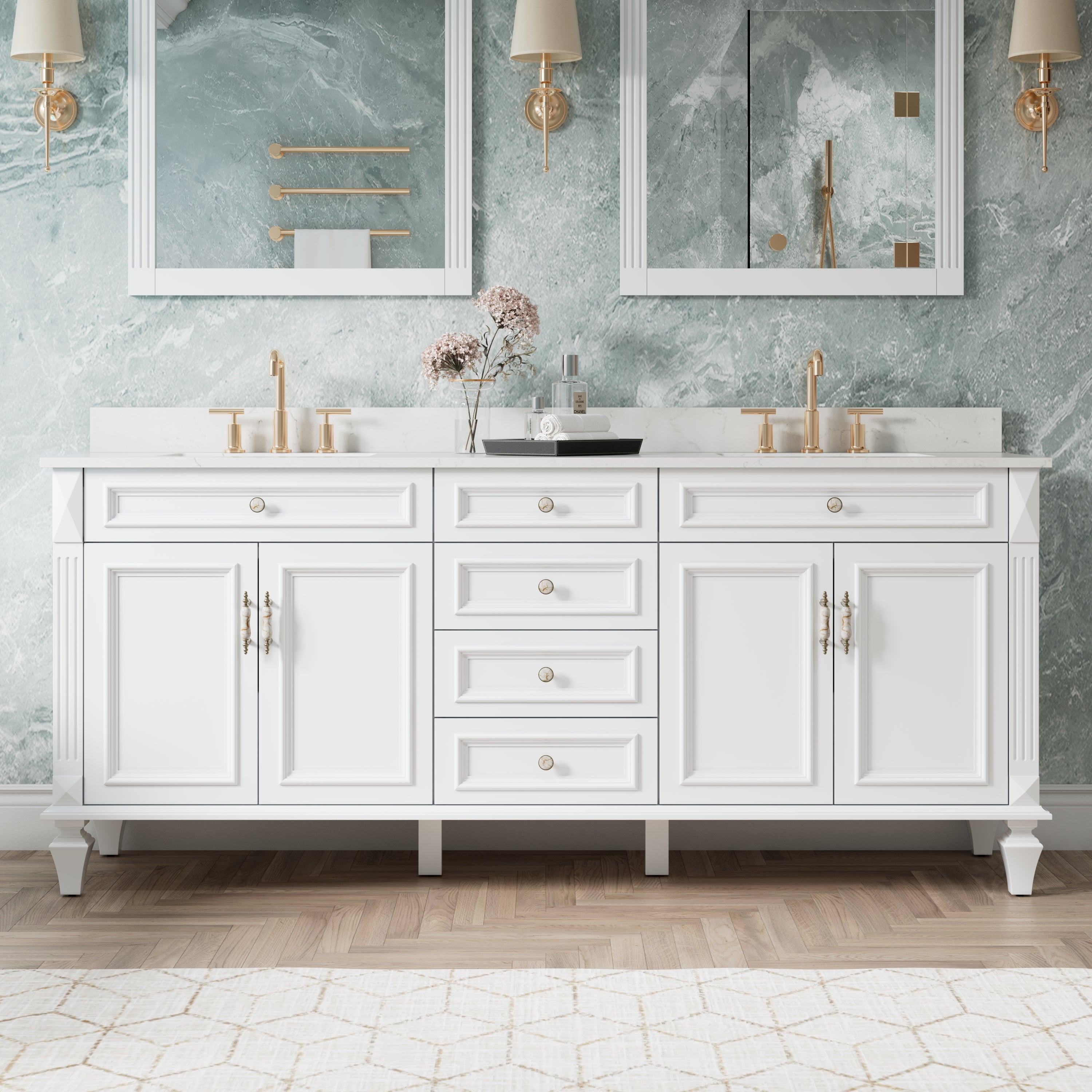
Vertical sconces beside the mirror provide flattering face lighting and create symmetry. A simple fixture above the mirror can work when wall space is limited.
Some designs use subtle illumination beneath the vanity. This can emphasize the floating effect and provide gentle nighttime visibility.
Use it carefully.
Bright under-cabinet lighting can make a bathroom feel commercial rather than relaxed. A soft glow is usually more effective.
For everyday use, functional mirror lighting should take priority over decorative effects.
4. Keep the Countertop Deliberately Uncluttered
Floating cabinetry looks best when the countertop does not become a storage shelf.
Leave out only the products you genuinely use every day. A soap dispenser, small tray, or one decorative object is often enough.
Storage Design Makes Styling Easier
This is where good drawers become important.
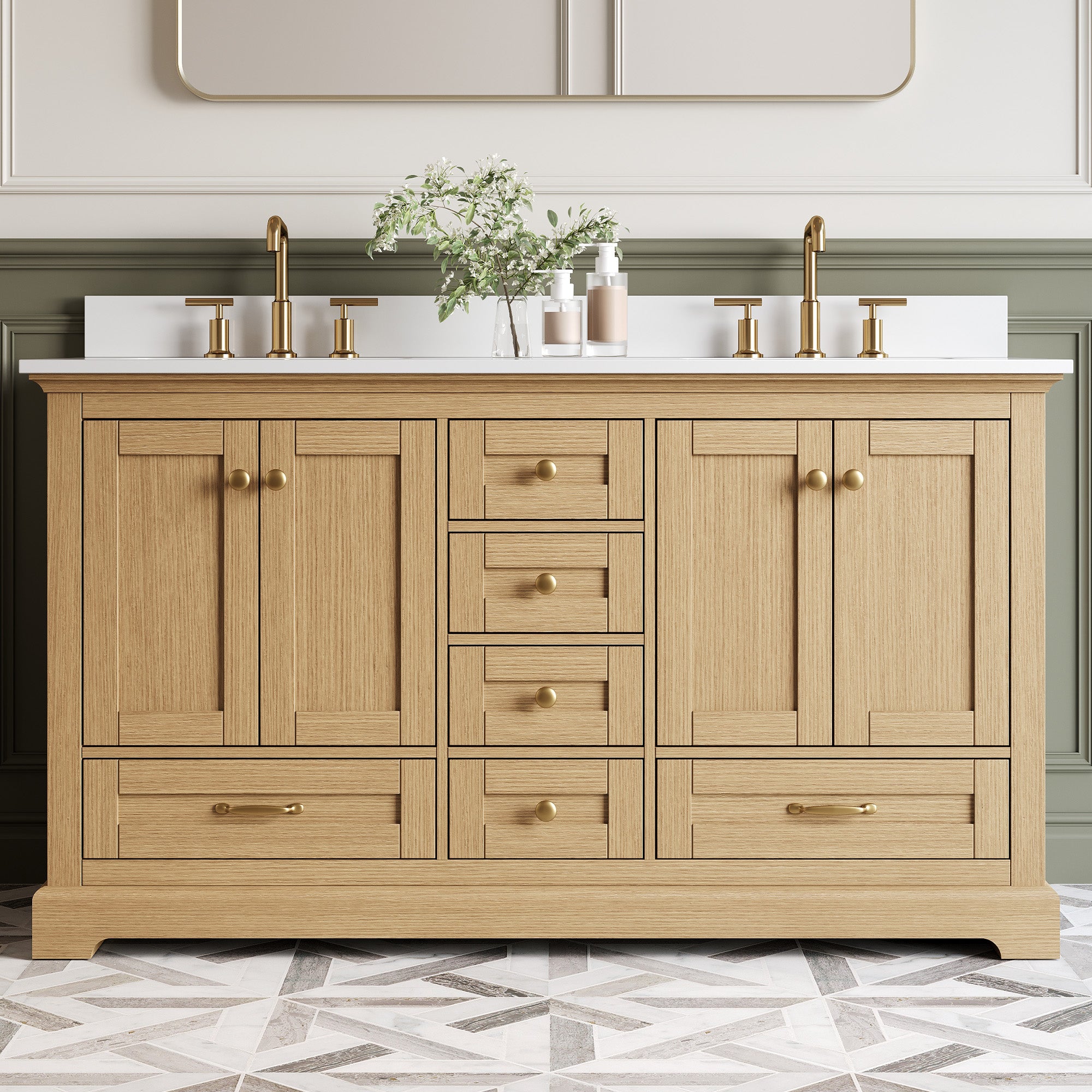
Deep drawers can hide skincare, cosmetics, grooming tools, brushes, and spare toiletries while keeping them easy to access. Internal organizers prevent small products from becoming a jumble.
A beautiful vanity with poor storage often ends up covered with bottles within a few weeks.
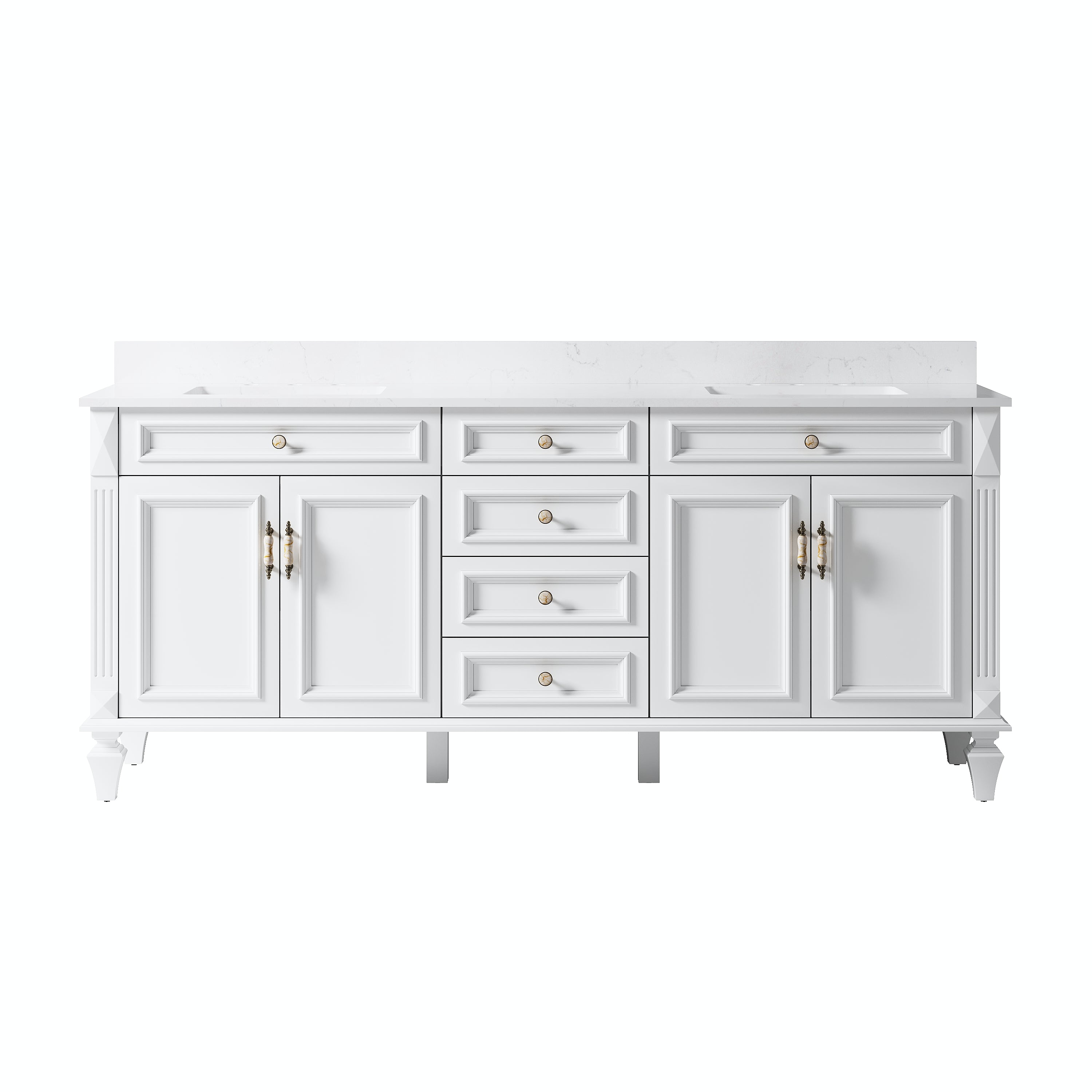
When evaluating Wellfor options, I would pay as much attention to drawer layout as finish and color.
5. Coordinate Hardware Without Matching Everything
Bathroom hardware does not need to be identical across every fixture.
Brushed brass cabinet pulls can work with a faucet in a related warm-metal finish without being an exact match. Matte black can create definition against light wood or white cabinetry. Chrome and polished nickel offer a cleaner, more reflective look.
Avoid mixing too many finishes in a small room.
Two coordinated metal tones can feel intentional. Four usually feel accidental.
The hardware should support the vanity rather than become the main feature.
6. Use the Open Floor as Part of the Design
One of the advantages of a floating vanity is that flooring remains visible beneath it.
That means the floor should contribute to the composition.
Large-format porcelain tile can strengthen the sense of openness because fewer grout lines interrupt the surface. Stone-look tile works well with natural wood, while subtle geometric flooring can add interest beneath a simple cabinet.
There is a practical limitation: old or damaged flooring cannot be hidden by a floating cabinet.
During a remodel, finish the floor properly before installation.
7. Add Warmth to Prevent a Sterile Look
Modern bathrooms can become visually cold when every surface is white, gray, glass, or polished stone.
Wood is an obvious solution, but textiles help too.
A textured hand towel, woven bath mat, or small natural-fiber accessory can soften the room. Plants work in bathrooms with suitable light and humidity conditions, though I would avoid filling the vanity top with decorative greenery.
Warm light and subtle texture usually do more than excessive accessories.
The goal is a bathroom that feels calm, not staged.
8. Style Small and Large Bathrooms Differently
A compact bathroom benefits from restraint.
Choose a shallow vanity if circulation is tight, use a large mirror to reflect light, and keep countertop accessories minimal. Light or medium finishes often maintain visual openness.
A larger primary bathroom can support a longer vanity, darker wood, stronger stone patterns, and more substantial lighting.
That does not mean every large room needs more decoration.
A long floating cabinet already creates a strong horizontal statement. Sometimes leaving surrounding walls relatively quiet produces the most sophisticated result.
9. Do Not Ignore Installation Details
Styling only works when the vanity itself is installed correctly.
A wall-mounted cabinet needs appropriate structural support. The vanity should sit perfectly level, especially because long horizontal drawer lines make misalignment easy to notice.
Plumbing should remain concealed inside the cabinet rather than hanging below it.
Check the sink and countertop height before final installation. Vessel sinks add height, while undermount sinks keep the profile lower.
Seal the countertop, sink, faucet openings, and backsplash carefully so water cannot reach cabinet edges.

10. Maintain the Look You Designed
Use a mild, non-abrasive cleaner and wipe standing water promptly. Run the exhaust fan after showers, especially with natural wood finishes.
Clean underneath the cabinet regularly because the visible floor is part of the design.
Inspect plumbing connections periodically for slow leaks, and adjust hinges or drawer fronts if alignment changes over time.
When styling a Wellfor floating bathroom vanity, start with proportion and function before adding decorative details. Choose a cabinet finish that complements the permanent surfaces, scale the mirror and lighting carefully, and let storage keep everyday clutter out of sight. The best result is not the bathroom with the most accessories; it is the one where the vanity, materials, and open space feel naturally connected.














Leave a comment
This site is protected by hCaptcha and the hCaptcha Privacy Policy and Terms of Service apply.