














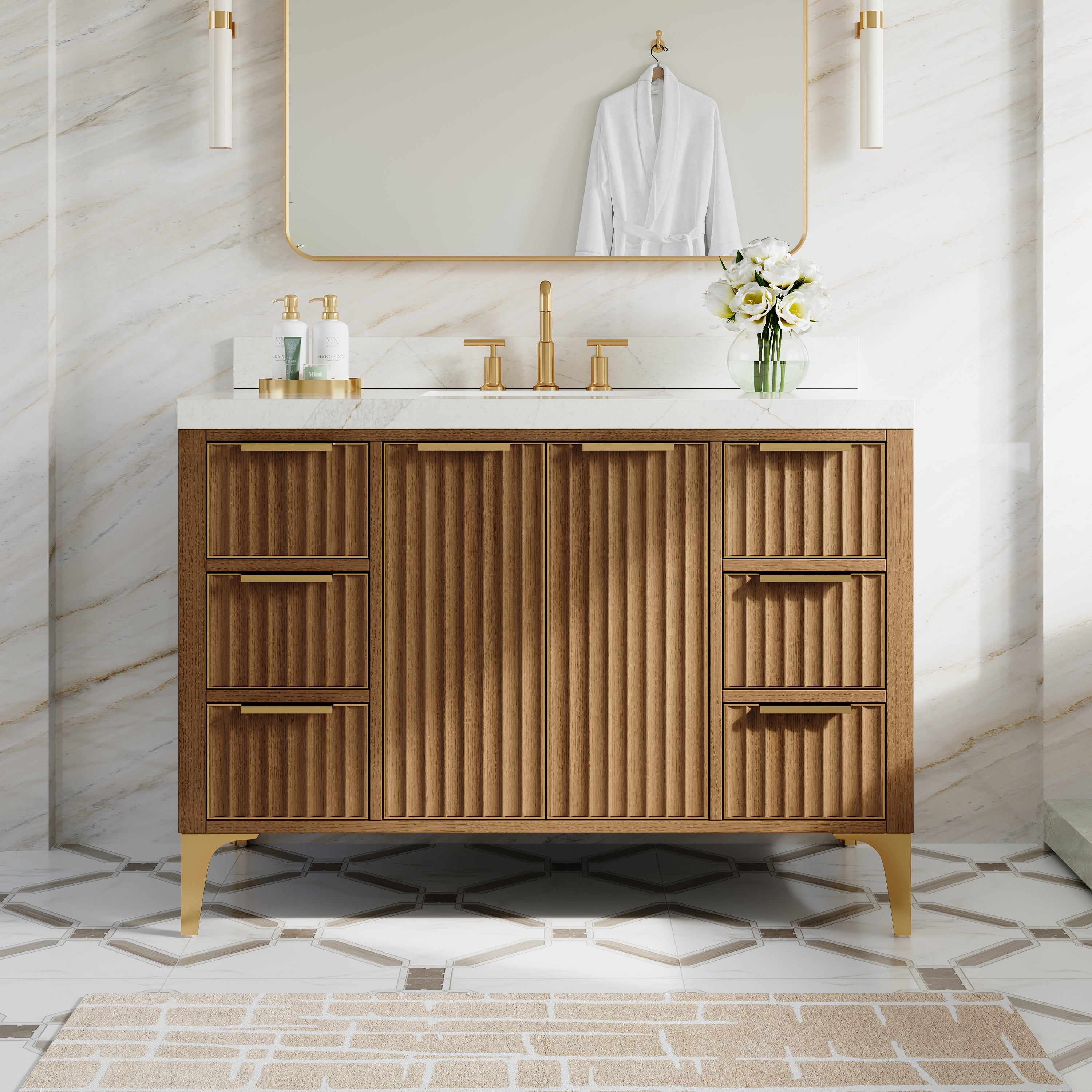
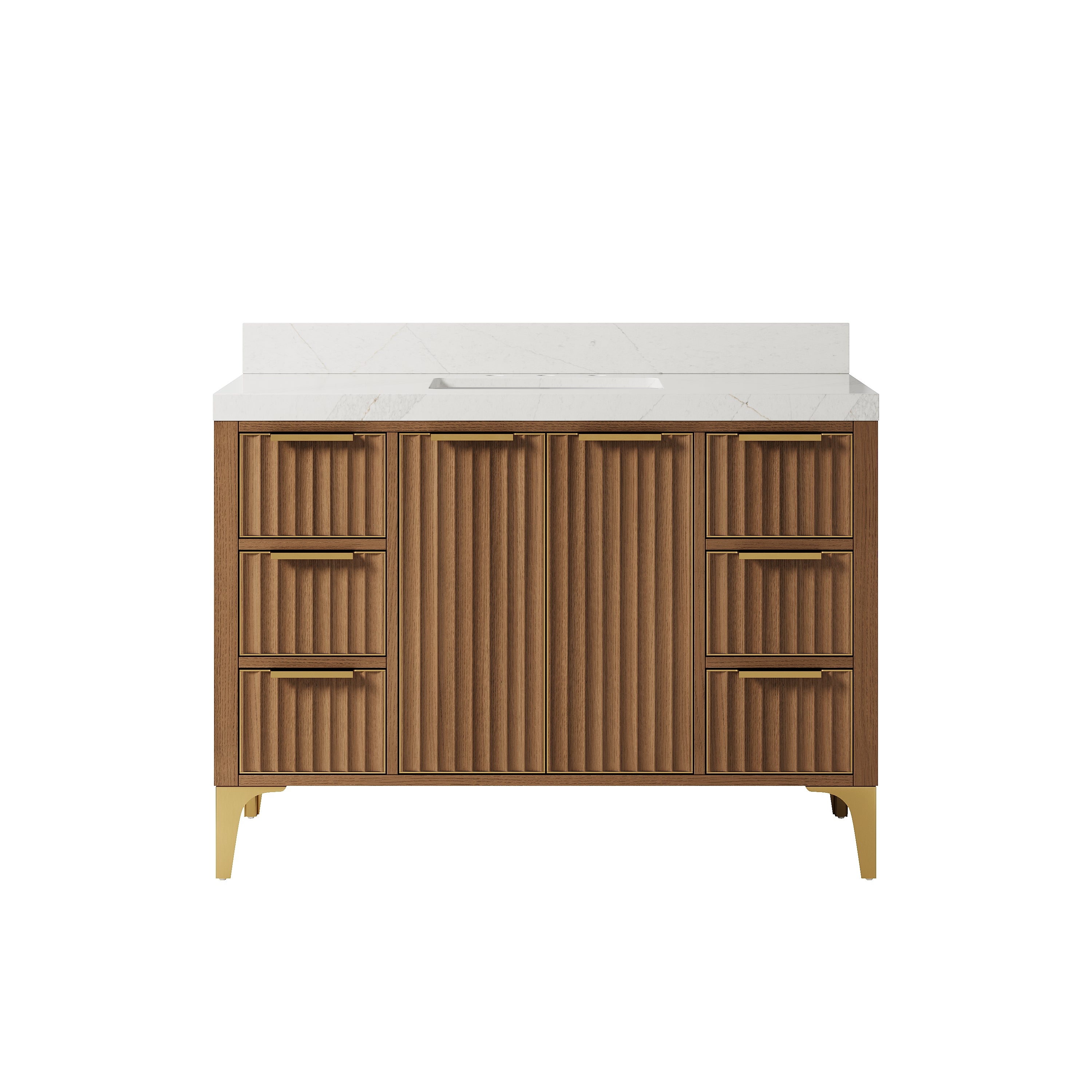


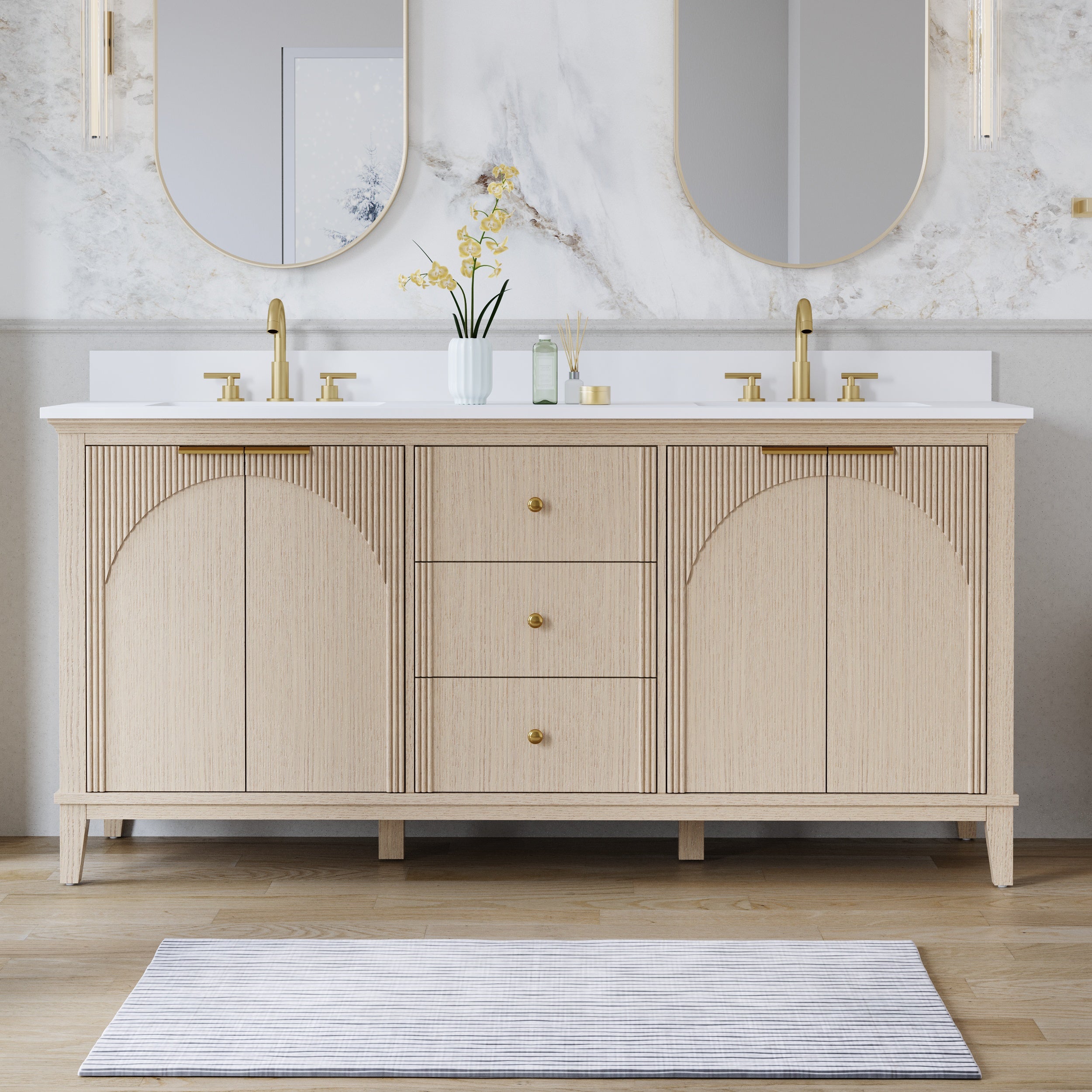
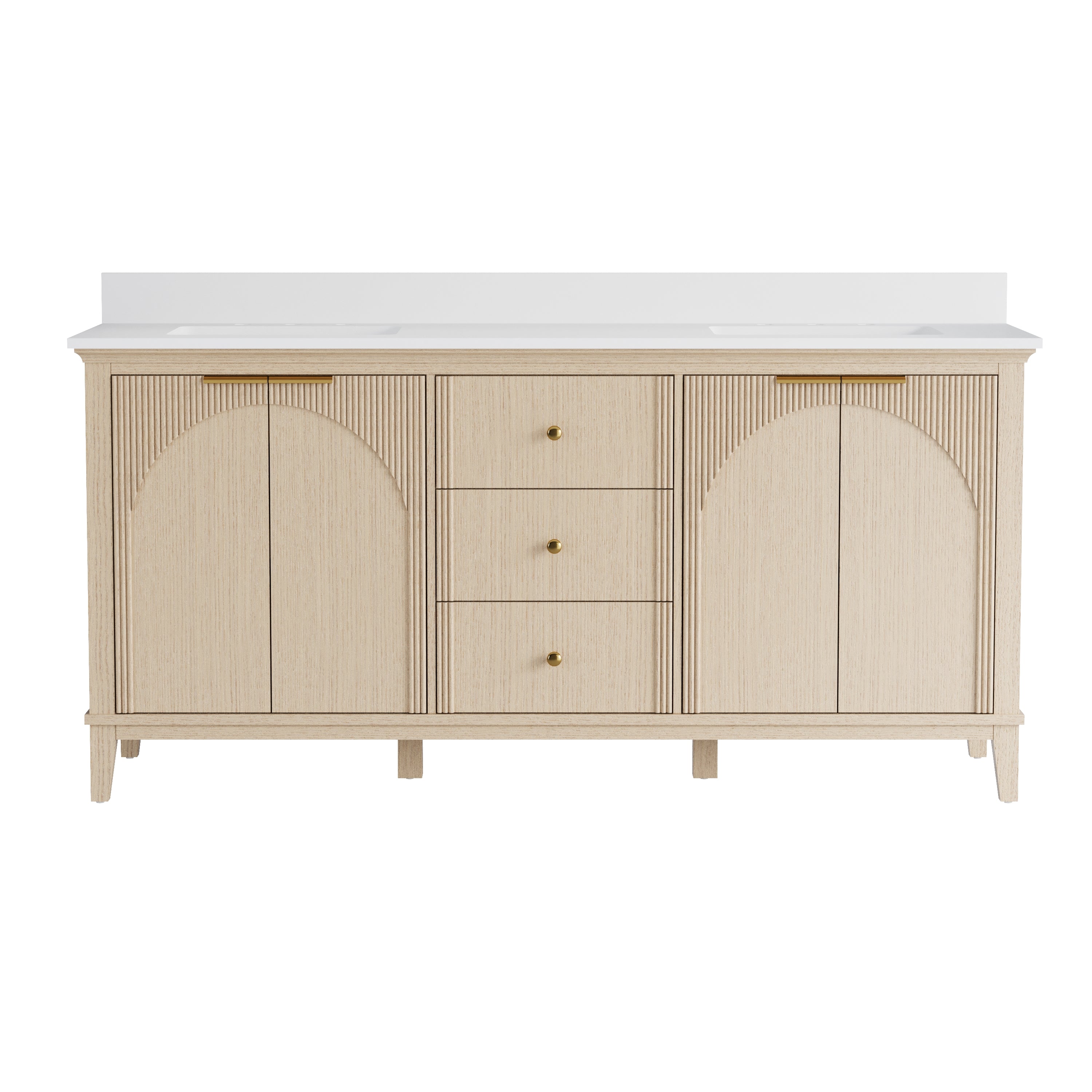
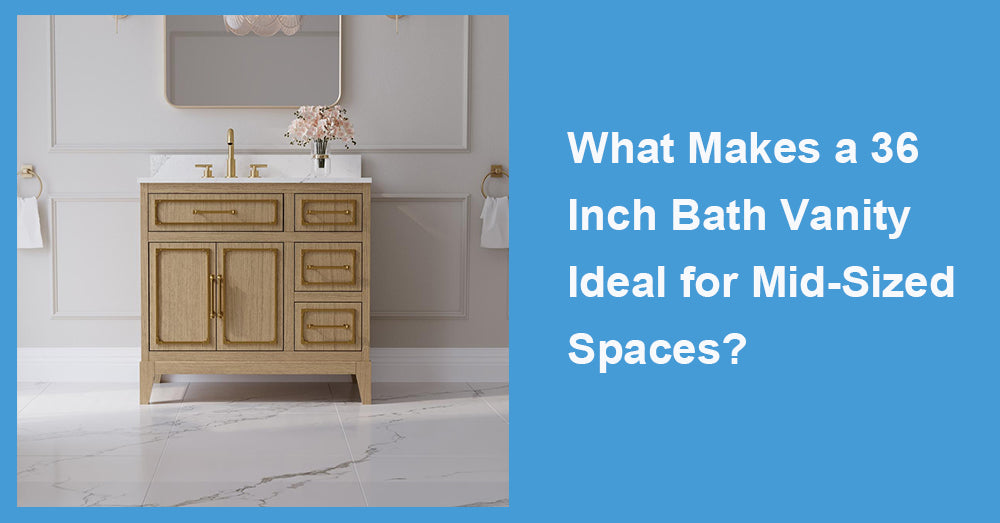
A 36 inch bath vanity often provides the most comfortable balance for a mid-sized bathroom. After more than 20 years of reviewing bathroom layouts and cabinetry, I have seen homeowners struggle with vanities that are either too compact to support daily routines or too large for the room around them. A 36-inch model usually offers useful storage, a properly proportioned sink area, and enough open floor space to keep the bathroom from feeling crowded.
Its popularity is not based on size alone. The real advantage comes from how easily it adapts to guest baths, family bathrooms, condos, and smaller primary suites.
1. Why a 36 Inch Bath Vanity Fits Mid-Sized Rooms
Mid-sized bathrooms occupy an awkward position. They are too large for a tiny powder-room cabinet to look convincing, yet they may not have enough wall or circulation space for a 48-inch vanity.
Thirty-six inches often solves that problem.
This width has enough visual presence to anchor a mirror, light fixture, and countertop without dominating the room. In a typical hallway bath, it creates a complete sink station while leaving reasonable clearance near the toilet, shower, or doorway.
A 30-inch cabinet may physically work, but many homeowners find the counter restrictive once soap, toothbrushes, and daily grooming products are added. Moving up to 36 inches creates a noticeable improvement without requiring a major layout change.
2. Storage Becomes Useful Rather Than Excessive
A mid-sized bathroom needs storage, but not every room benefits from the largest cabinet available. A 36-inch vanity usually provides enough space for cleaning products, extra paper goods, toiletries, and a few folded towels.
The internal design matters more than the exterior width.
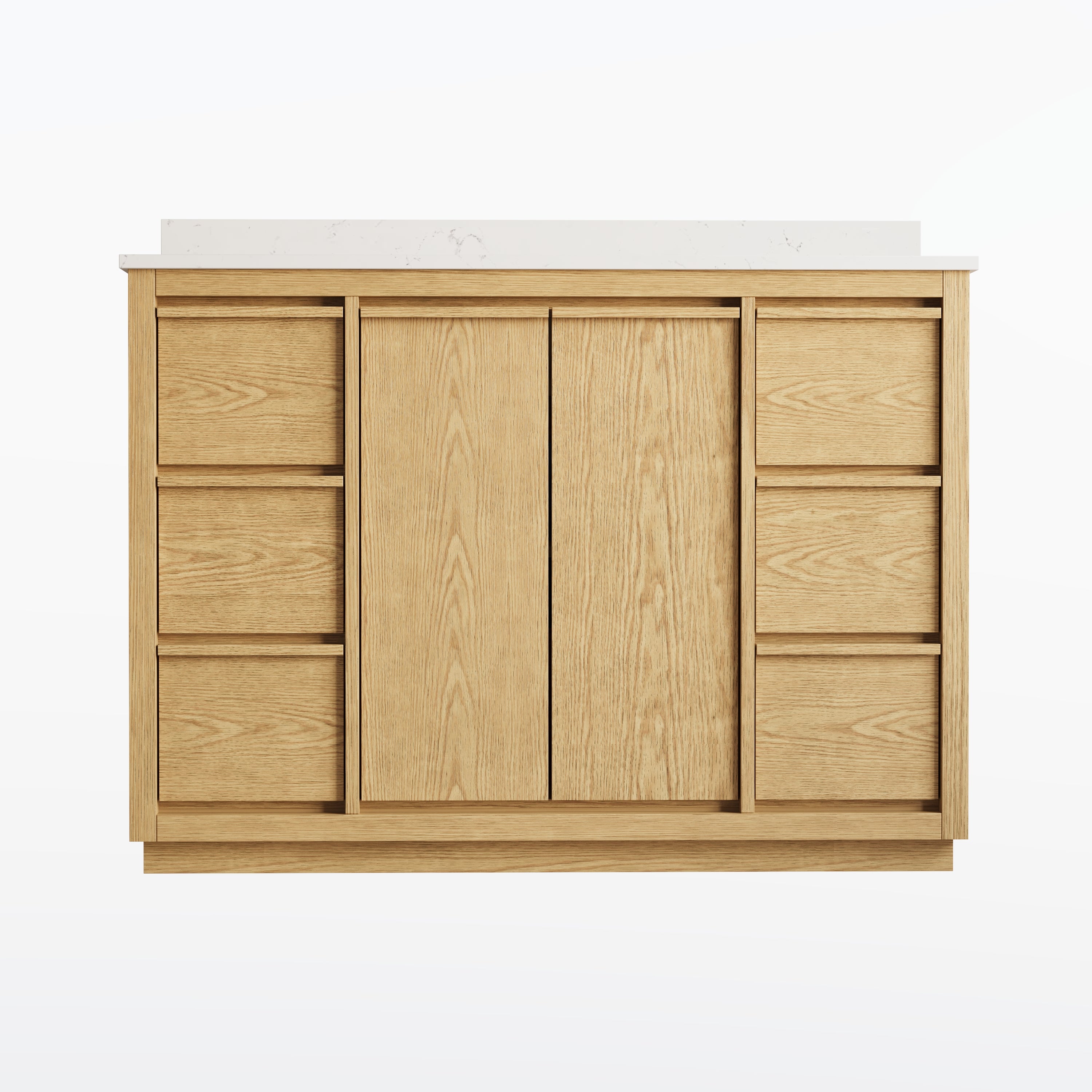
Deep drawers are especially useful for skincare, hair tools, cosmetics, and smaller bottles. They allow users to see what is stored instead of reaching behind the plumbing. Cabinet space beneath the sink works better for taller containers and bulk supplies.
Do not count drawer fronts
One mistake I see often is assuming every visible drawer front represents usable storage. Some are fixed because the sink occupies the space behind them. Others use large cutouts around plumbing.
Review interior photographs and measurements before buying. A vanity with two deep, functional drawers may offer more practical capacity than one with several shallow compartments.
Storage should also reflect how the bathroom is used. A guest bath may need room for towels and visitor toiletries. A family bathroom usually requires better organization for everyday products.
3. Counter Space Feels Comfortable for One User
A 36-inch top gives one person enough room to use the sink without feeling squeezed. There is usually space for a soap dispenser, a toothbrush holder, and a small tray while keeping the surface reasonably clear.
Sink size affects this advantage. An oversized basin can consume most of the countertop and leave narrow strips at the sides. A moderately sized undermount or integrated sink tends to provide a better balance.
For homeowners who use grooming tools or skincare products at the vanity, those few extra inches of surface make daily routines easier. The counter is still compact enough to discourage unnecessary clutter.
This size is generally best for one user at a time. In a primary bathroom shared by two adults with overlapping schedules, a wider vanity may be more comfortable.
4. It Offers Strong Design Flexibility
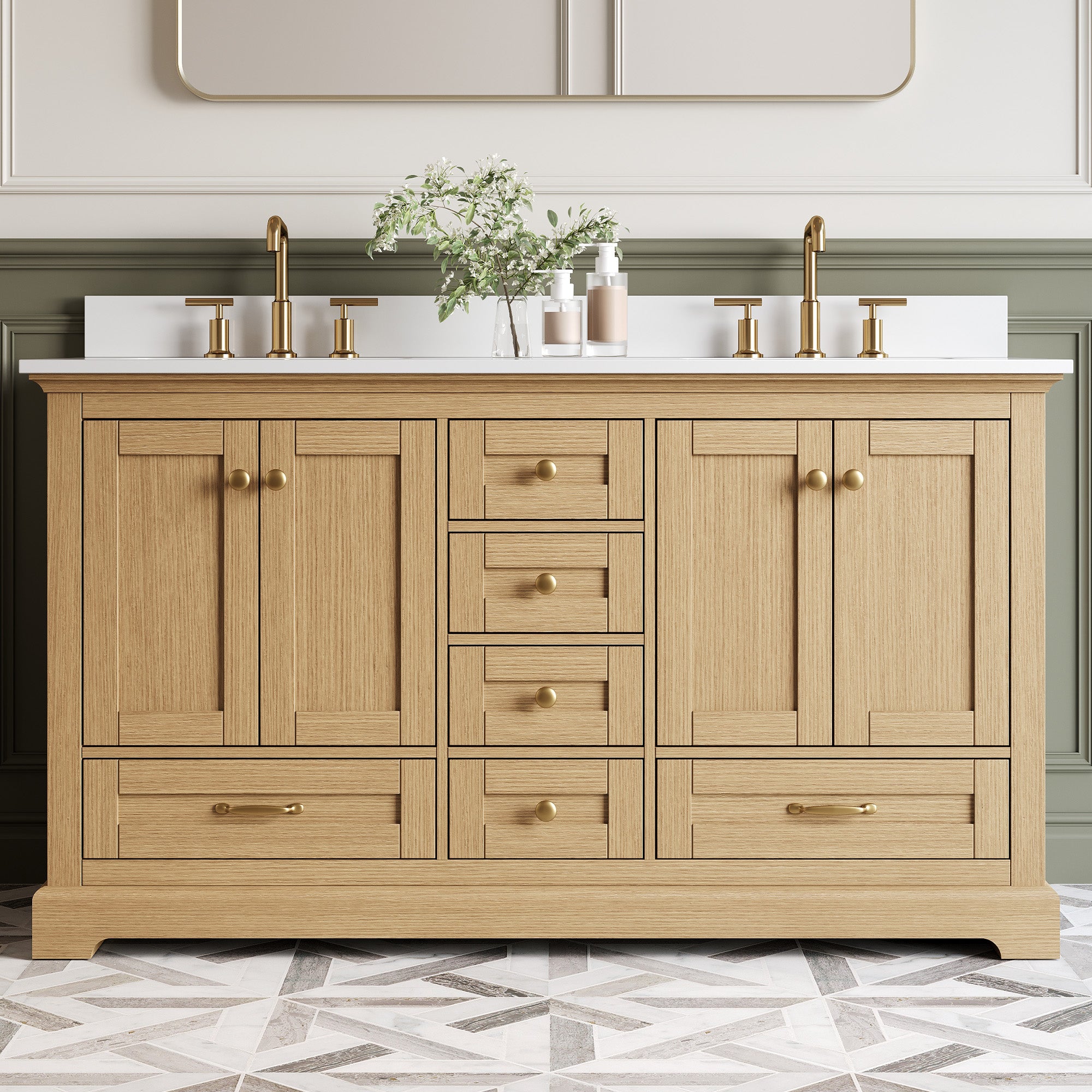
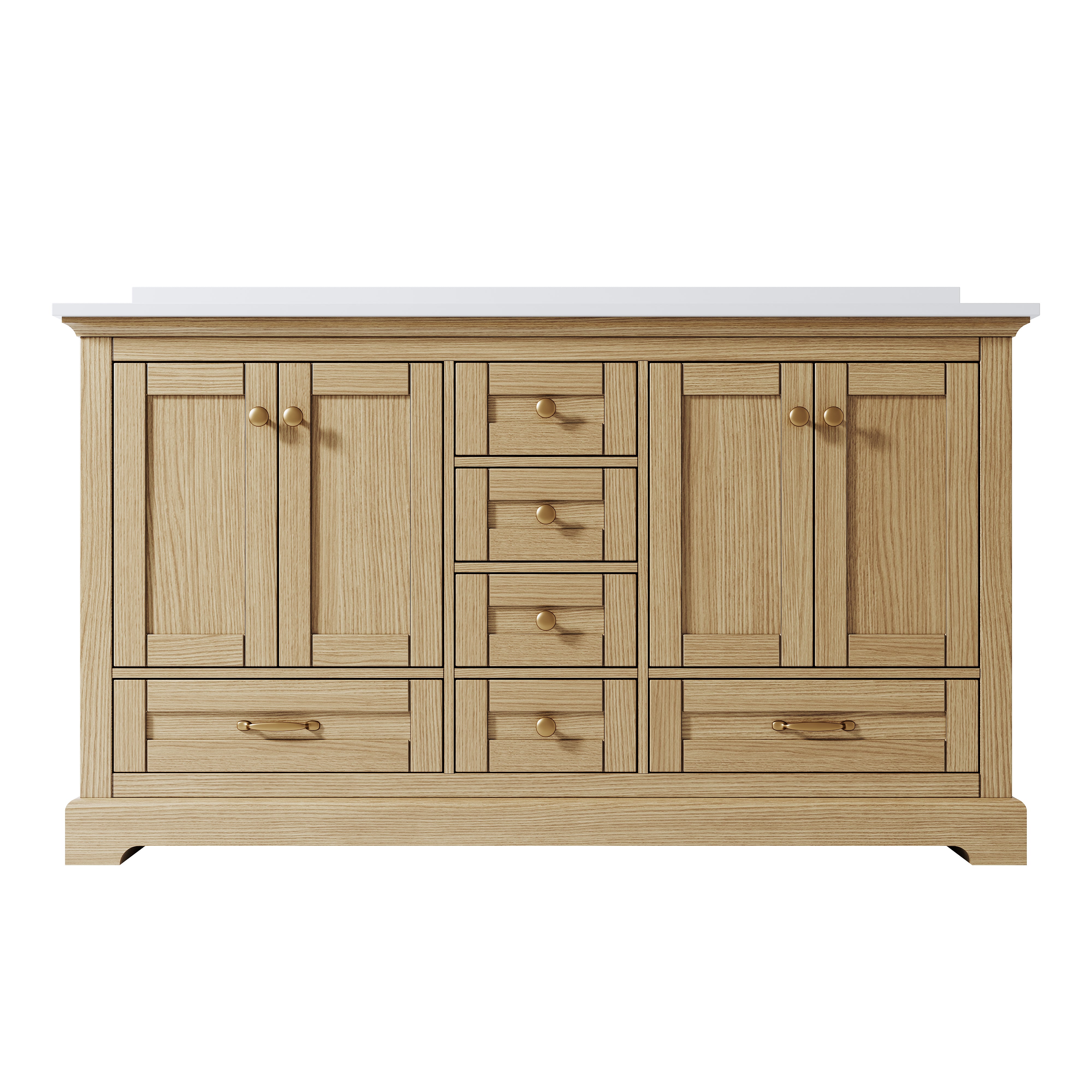
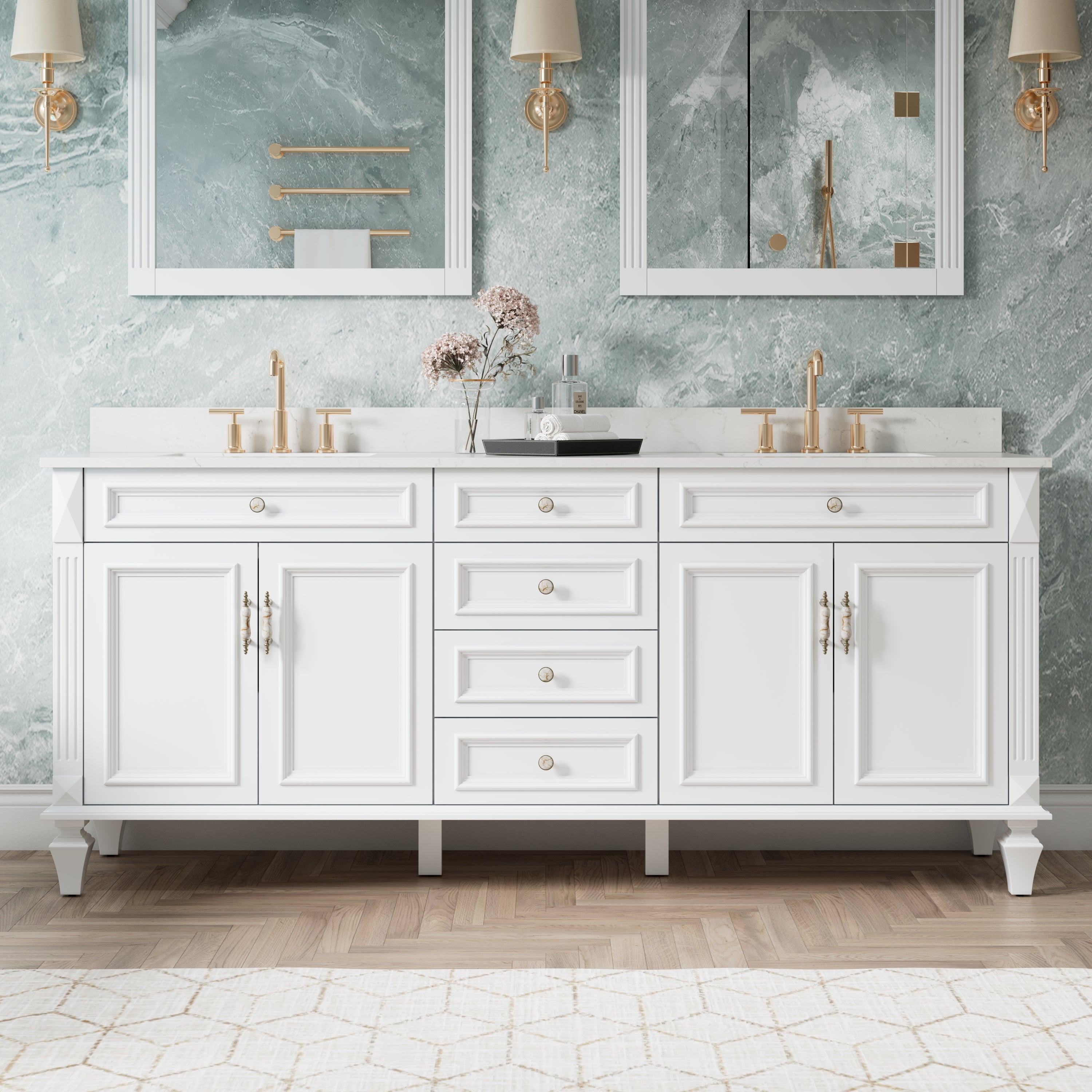
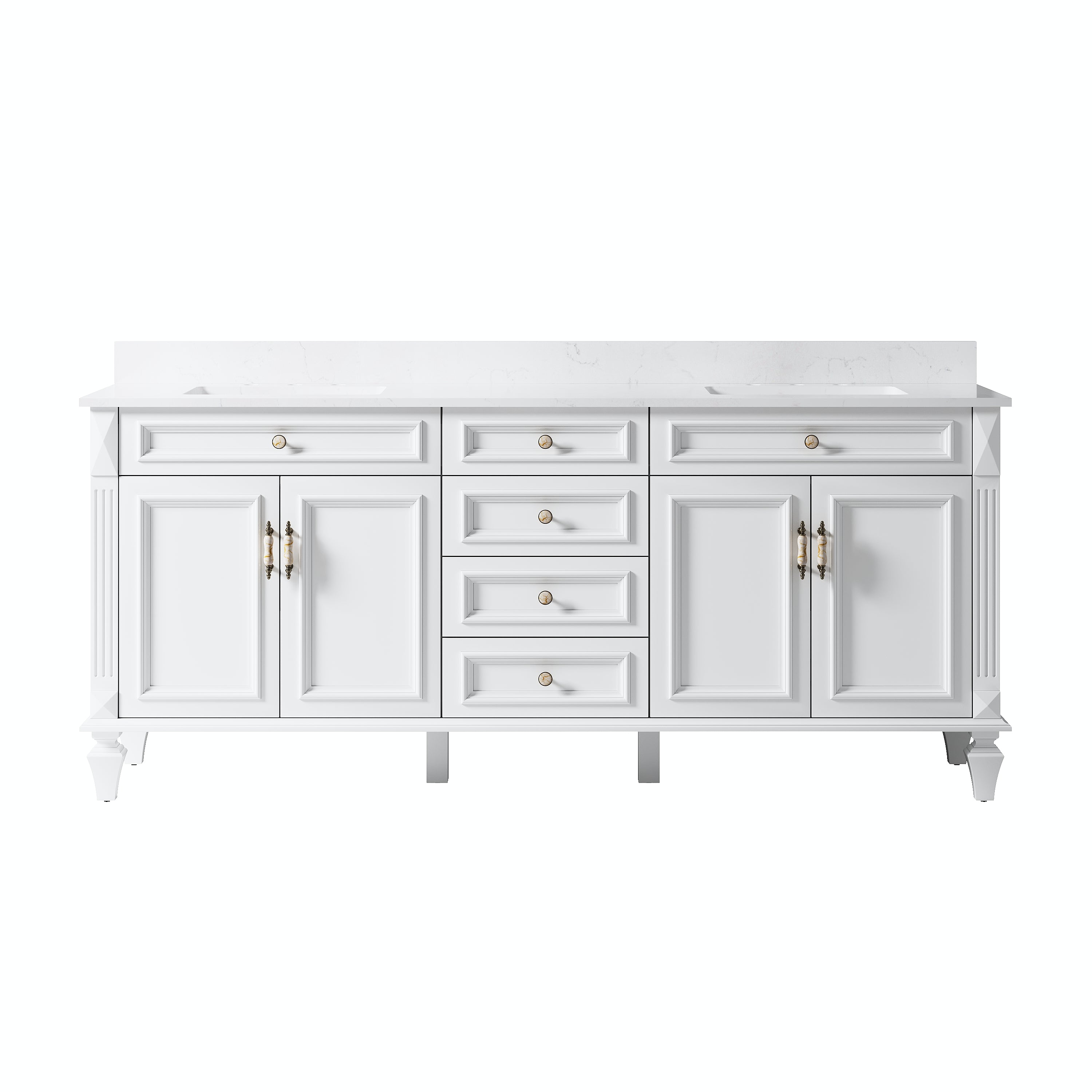
A 36-inch vanity is available in enough styles to suit nearly any mid-sized bathroom.
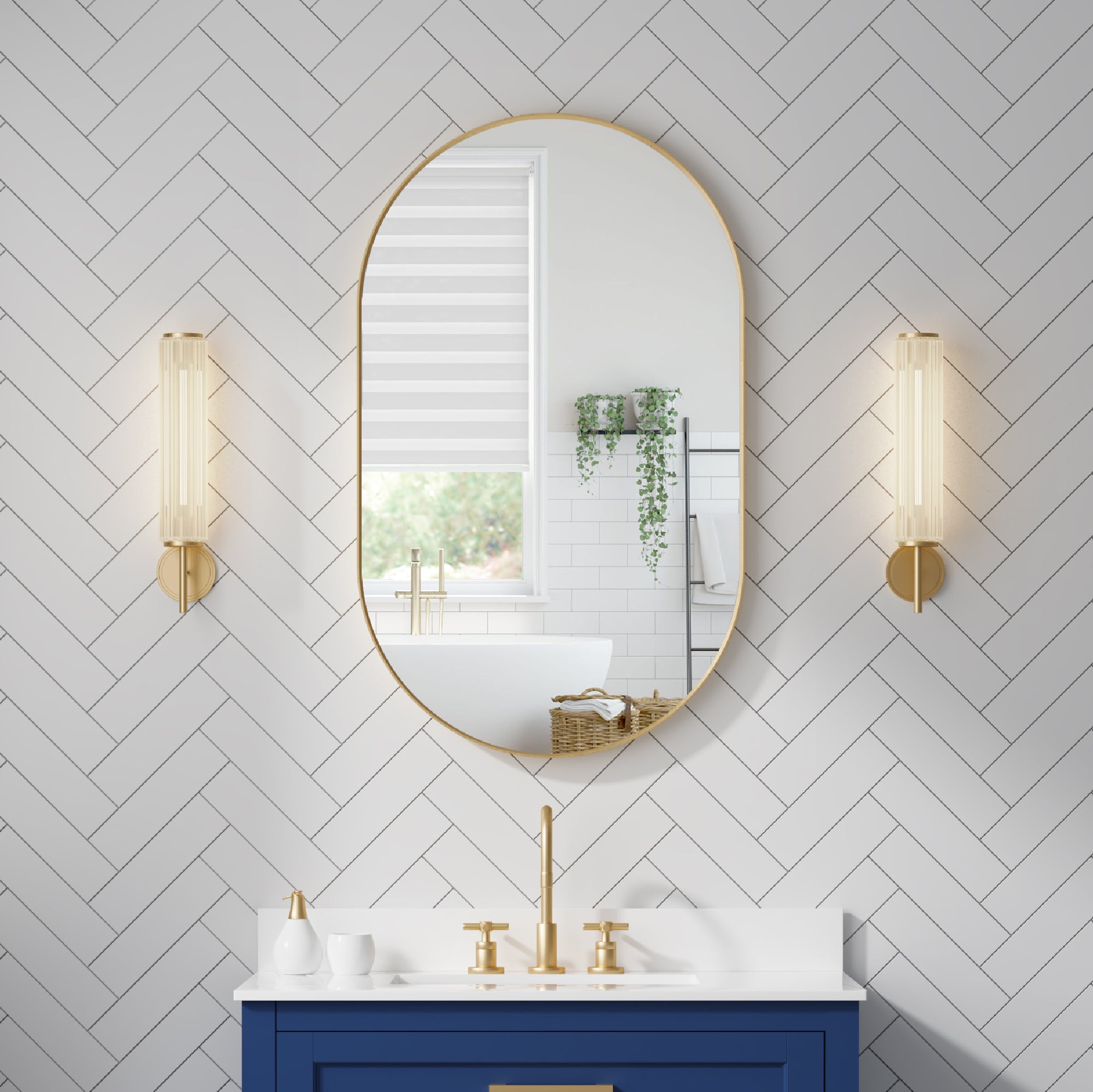
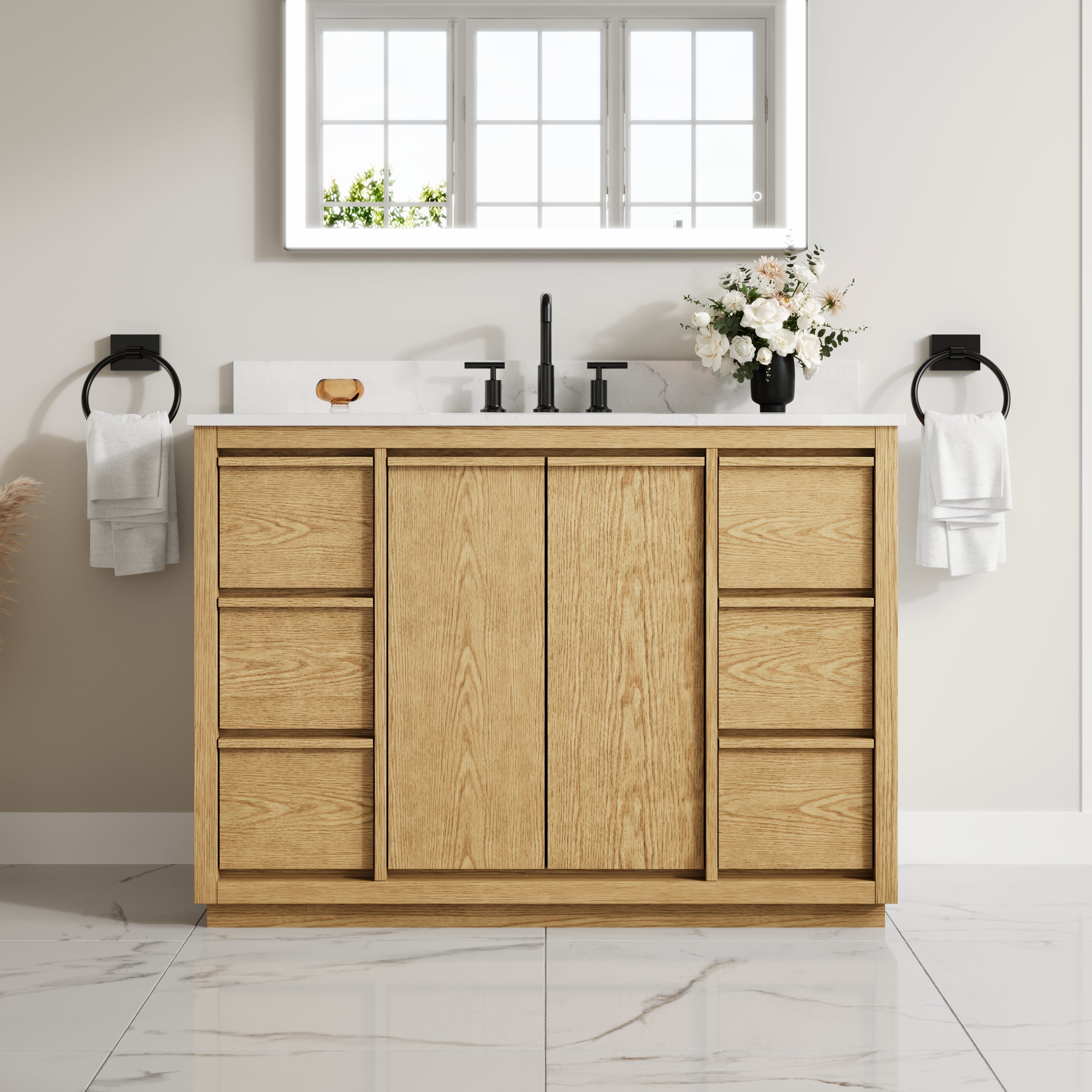
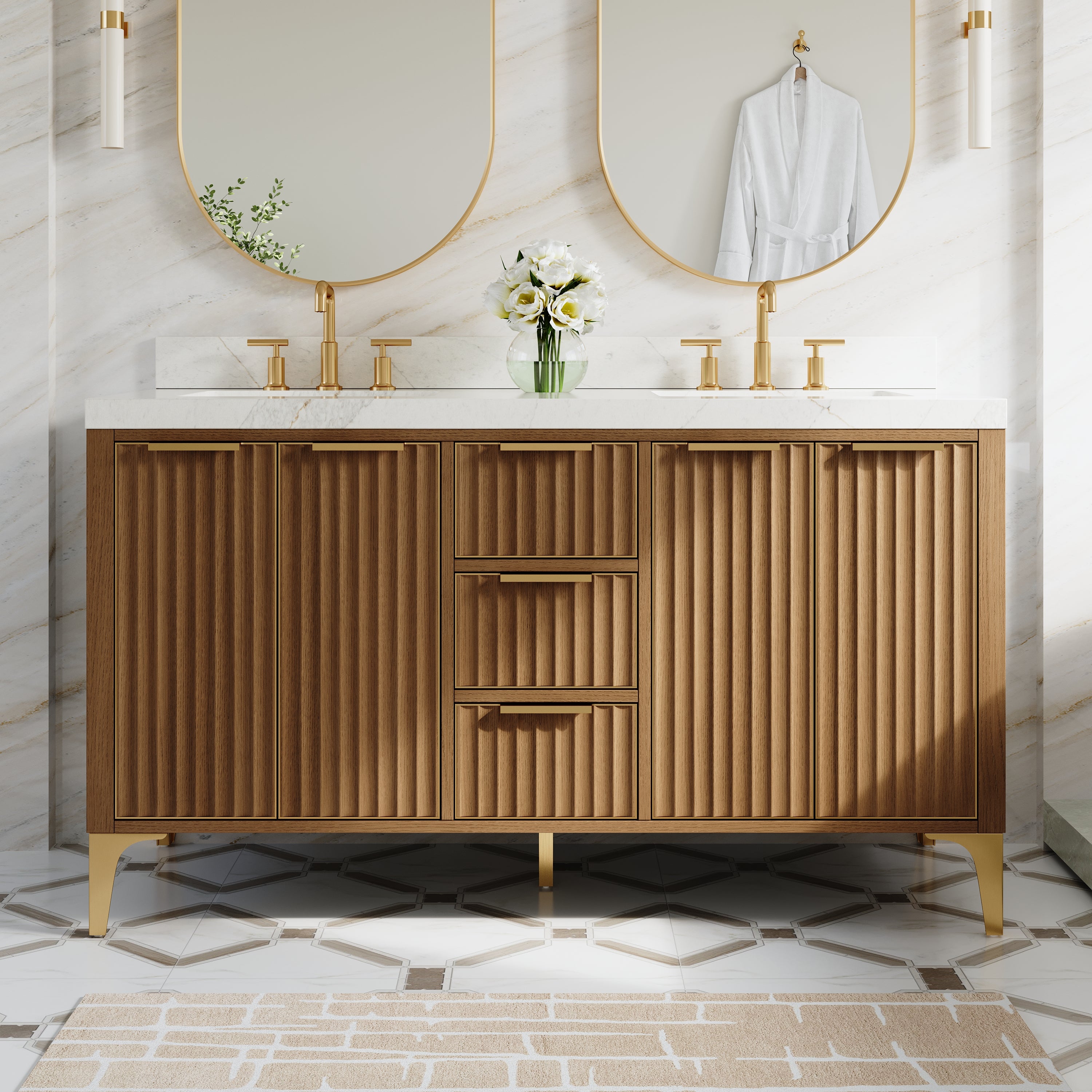
A floating design exposes more flooring and can make the room feel lighter. It works well in modern, Scandinavian, and spa-inspired interiors. The open area beneath also simplifies floor cleaning.
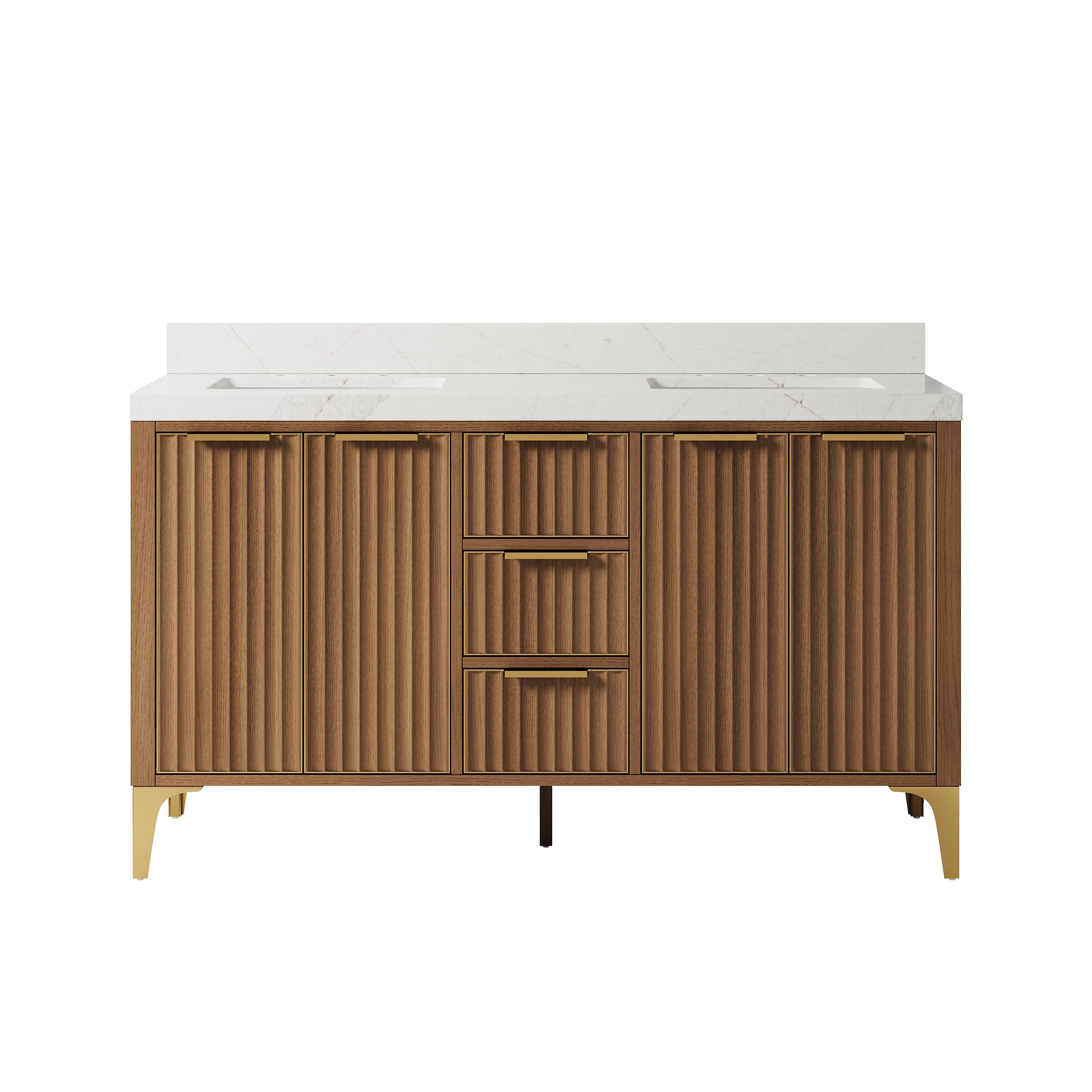
Freestanding vanities usually offer more interior storage and are easier to install over existing plumbing. They suit transitional, traditional, and farmhouse-style bathrooms, depending on the door profile and finish.
Choose the finish according to the room
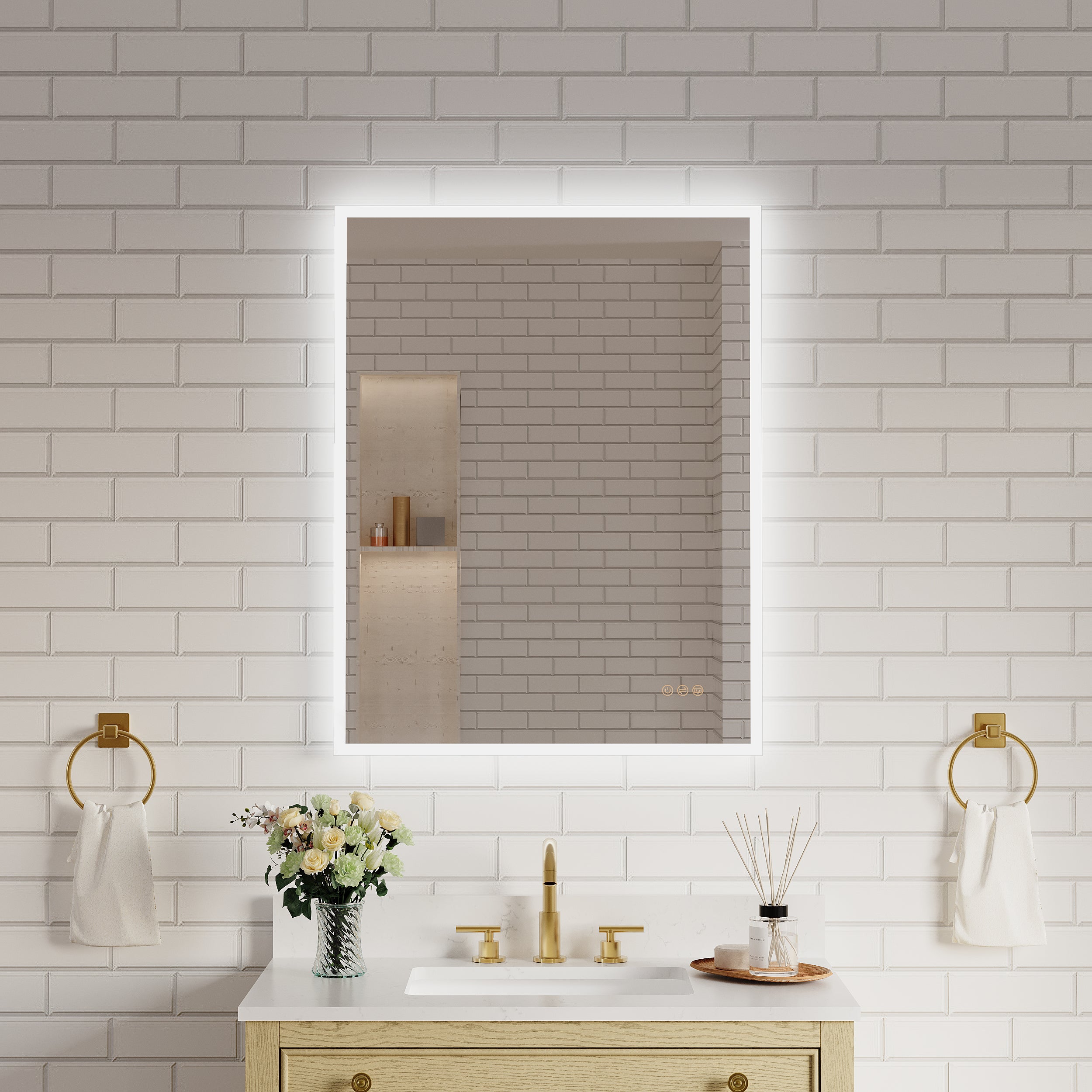
White can brighten a bathroom with limited natural light. Light wood adds warmth without creating too much visual weight. Medium wood tones give the vanity more presence, while darker finishes work best when the room has enough light and surrounding contrast.
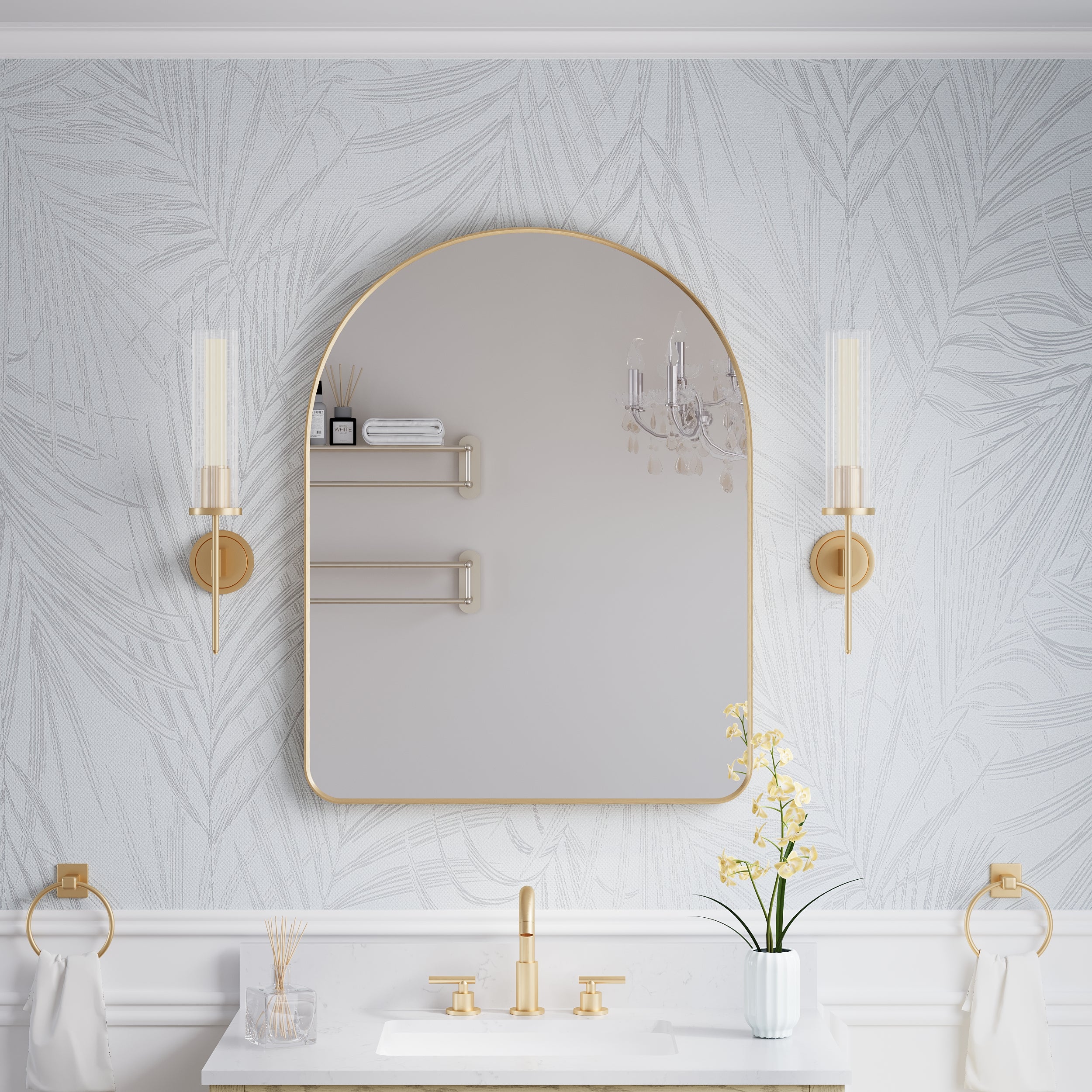
Do not choose the finish in isolation. Compare it with the flooring, countertop, wall color, hardware, and lighting temperature. A cabinet can be attractive by itself and still feel disconnected once installed.
5. The Limitations Are Manageable but Real
A 36-inch vanity is not automatically right for every mid-sized bathroom. Depth can still create problems in a narrow floor plan. A standard cabinet may project too far into the walkway or interfere with a shower door.
In these situations, a shallow-depth vanity may work better, even if it is slightly wider.
The size can also fall short in bathrooms used heavily by several people. Storage may become tight if the vanity must hold large stacks of towels, bulk toiletries, and grooming supplies for an entire household. A separate linen cabinet or wider vanity may be the more practical answer.
Homeowners sometimes choose the largest vanity that fits the wall. That is rarely the best measuring method. The cabinet must also leave enough space for comfortable movement.
6. Measure and Install for Real Daily Use
Before ordering, measure the wall at several heights. Check the cabinet width, countertop overhang, depth, finished height, and clearance around nearby fixtures.
Use painter’s tape to mark the vanity footprint on the floor. Open the bathroom door, shower enclosure, and nearby drawers. Stand at the proposed sink location and make sure another person can move behind you comfortably.
Plumbing needs equal attention. Compare the drain and supply-line positions with the cabinet interior. Pipes that conflict with drawers may require expensive changes or reduce storage after the installer cuts openings.
Floating vanities need secure wall framing or an approved mounting system. Freestanding cabinets must be leveled so doors and drawers remain aligned. Seal the sink, countertop, and backsplash joints carefully, then test every plumbing connection before filling the cabinet.

7. Protect the Vanity After Installation
Maintenance should remain simple. Wipe standing water around the faucet and sink rim, use a mild non-abrasive cleaner, and run the exhaust fan after showers.
Check beneath the sink several times a year. Slow leaks can damage the cabinet base before water becomes visible on the floor. Avoid storing damp towels inside, and keep cleaning products in removable trays so spills are easier to contain.
When comparing Wellfor models, choose a 36 inch bath vanity when the bathroom needs more function than a compact cabinet can provide but still benefits from open floor space. Focus on usable drawers, suitable depth, moisture-resistant construction, and a sink that leaves practical counter area. Measured carefully and installed properly, a 36 inch bath vanity can make a mid-sized bathroom feel organized, balanced, and comfortable every day.

















Leave a comment
This site is protected by hCaptcha and the hCaptcha Privacy Policy and Terms of Service apply.