






















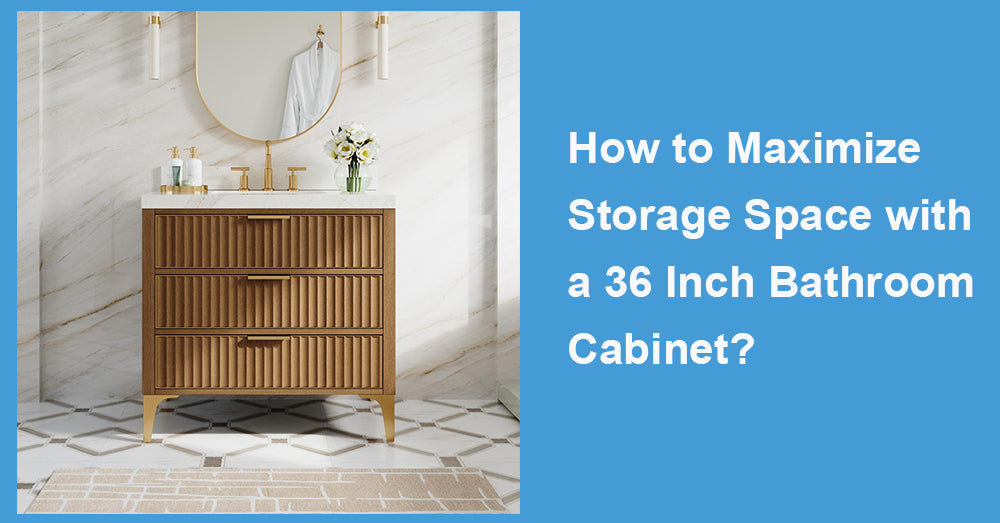
A 36 inch bathroom cabinet can store far more than its size suggests when the interior is chosen around real routines instead of showroom styling. After more than 20 years of reviewing bathroom cabinetry, I have learned that width alone says little about storage. Sink depth, plumbing placement, drawer design, shelf height, and product grouping determine whether the cabinet feels generous or frustrating.
1. Start With What the Bathroom Actually Needs to Hold
Before buying organizers, empty the current vanity and sort everything by use. Daily skincare, toothpaste, hair tools, medicine, cleaning products, spare paper goods, and guest supplies should not all compete for one shelf.
In a family bathroom, drawers usually deserve priority because they keep small items visible. A guest bath may need fewer daily products but more room for folded towels.
This prevents a common mistake: choosing a cabinet with plenty of volume but the wrong type of space. One large compartment may look generous, yet it quickly becomes a pile of bottles that is difficult to organize.
2. Choose a 36 Inch Bathroom Cabinet With Useful Drawers
Deep, full-extension drawers are usually the most efficient feature in a 36-inch cabinet. They let you see items at the back instead of reaching around plumbing or removing several products to find one.
Look for sturdy drawer boxes and smooth slides. Soft-close hardware is pleasant, but access matters more. One deep drawer can hold hair dryers, brushes, and skincare bottles without forcing everything into unstable stacks.
Do Not Count Decorative Drawer Fronts
Some vanities show several drawer fronts even though the top row is fixed behind the sink. Others use U-shaped drawers around the drain, which can be practical but smaller than they appear.
Check interior photographs and usable dimensions. Three functional drawers may store more than six attractive fronts. This is one area where product specifications are more useful than a styled bathroom image.
3. Use the Space Around Plumbing Carefully
Plumbing is where many cabinets lose capacity. Drainpipes, traps, and supply lines often occupy the center, leaving awkward areas on both sides.
A removable shelf can divide that space, but it should not block the shutoff valves. Slim bins work well for cleaning products, while stackable drawers can hold backup soap, razors, or travel-size toiletries.
Avoid packing the cabinet so tightly that leaks become impossible to see. I have inspected expensive vanities with serious water damage because towels and bulk products hid a slow drip for months.
Keep One Clear Inspection Zone
Leave a small open area beneath the drain and supply connections. You should be able to check the plumbing without emptying the cabinet.
Storage is only useful when it does not interfere with maintenance.
4. Make Vertical Space Work Harder
Most homeowners use the cabinet floor and ignore the height above it. Adjustable shelves, tiered trays, and lightweight door-mounted organizers can recover that wasted area.
Tall bottles should stand upright with their labels visible. Shorter products can sit on a raised shelf. Clear containers help in shared bathrooms because everyone can see what is available without opening several bins.
The back of a cabinet door can hold cleaning cloths, small brushes, or lightweight accessories. Avoid hanging heavy hair tools there unless the hinges and door construction are strong enough to support them.
Do not over-organize. Too many narrow compartments create a rigid system that becomes inconvenient as products and routines change.
5. Reduce Countertop Clutter Without Hiding Everything
The goal is not to force every object into the cabinet. Soap, a toothbrush holder, and one small tray may belong on the countertop because they are used constantly.
Daily products can occupy the top drawer. Weekly-use items can move lower. Backups belong beneath the sink or toward the rear. This arrangement works well in a family bath, where the vanity must remain presentable during busy mornings.
A 36-inch cabinet does have limits. It may not suit a household storing large stacks of towels, bulk paper goods, and toiletries for several people. In that case, a wider vanity or separate linen cabinet is more practical than adding endless organizers.
6. Plan Installation Around Storage
Before ordering, compare the cabinet diagram with the existing drain and supply lines. Pipes that conflict with drawers may require costly changes or force the installer to cut away useful storage.
Measure width, depth, countertop overhang, drawer clearance, and the distance to the toilet or shower door. A cabinet can fit the wall and still be awkward to use.
Floating models make the floor easier to clean and help a small bathroom feel open, but they often provide less storage height and require secure wall support. Freestanding cabinets usually offer more capacity and are easier to fit over existing plumbing.
Install the vanity level so the drawers remain aligned. Seal the sink, countertop, and backsplash joints carefully. Any newly cut plumbing openings should also be protected from moisture.

7. Maintain the Cabinet So Storage Remains Useful
A well-organized vanity can become unpleasant quickly if humidity, leaks, or spills are ignored. Run the exhaust fan after showers, wipe standing water, and avoid storing damp towels inside.
Use removable liners in drawers that hold cosmetics or cleaning products. They protect the cabinet surface and make spills easier to clean. Check beneath the sink several times a year, and remove expired items before they consume valuable space.
When comparing Wellfor models, focus on full-extension drawers, adjustable shelving, moisture-resistant construction, and an interior that works with the plumbing. Organize by frequency of use rather than product category alone. A carefully selected 36 inch bathroom cabinet can keep a medium-sized bathroom calm and efficient, but the real gain comes from buying usable storage, leaving room for maintenance, and giving every everyday item a practical home.









































Leave a comment
This site is protected by hCaptcha and the hCaptcha Privacy Policy and Terms of Service apply.