















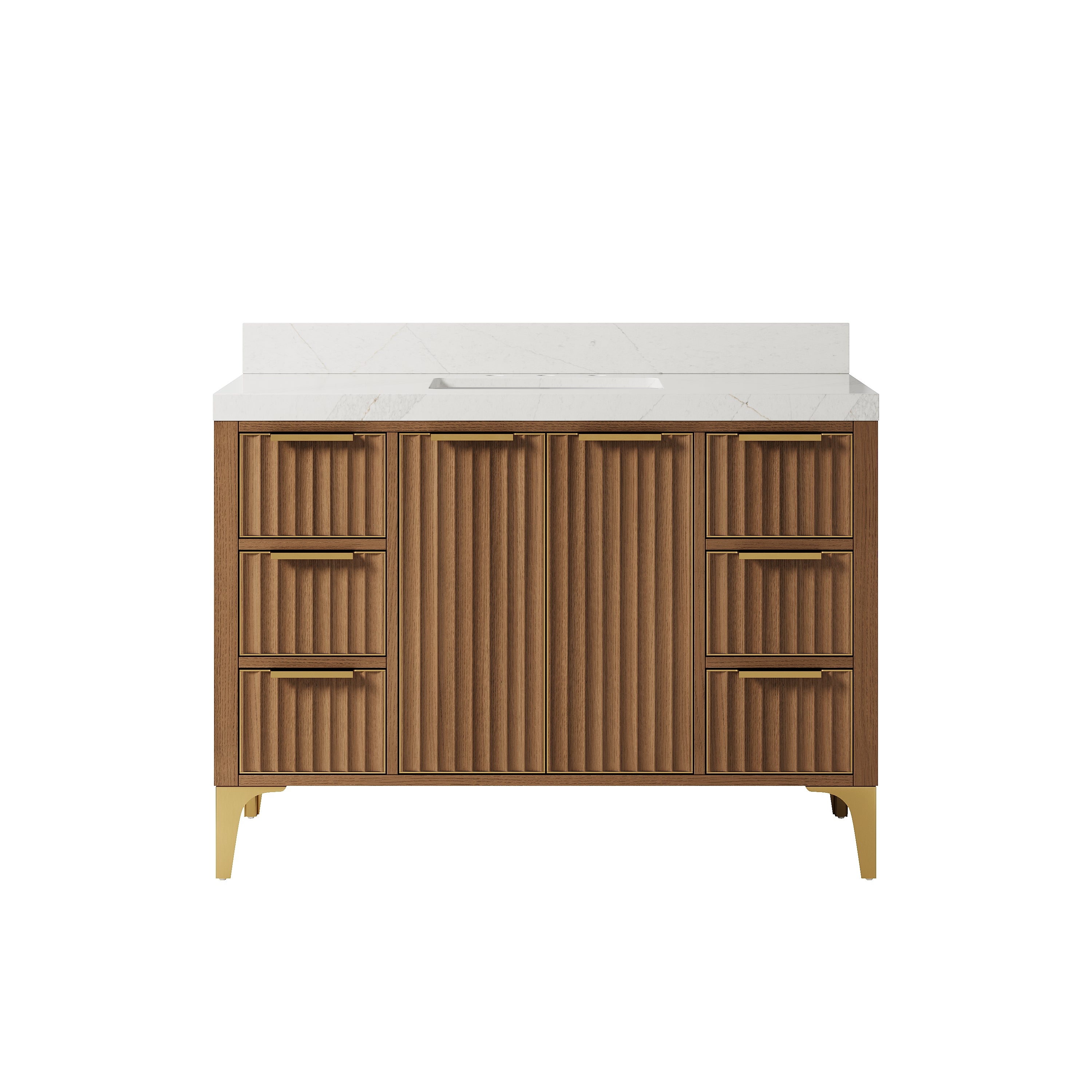



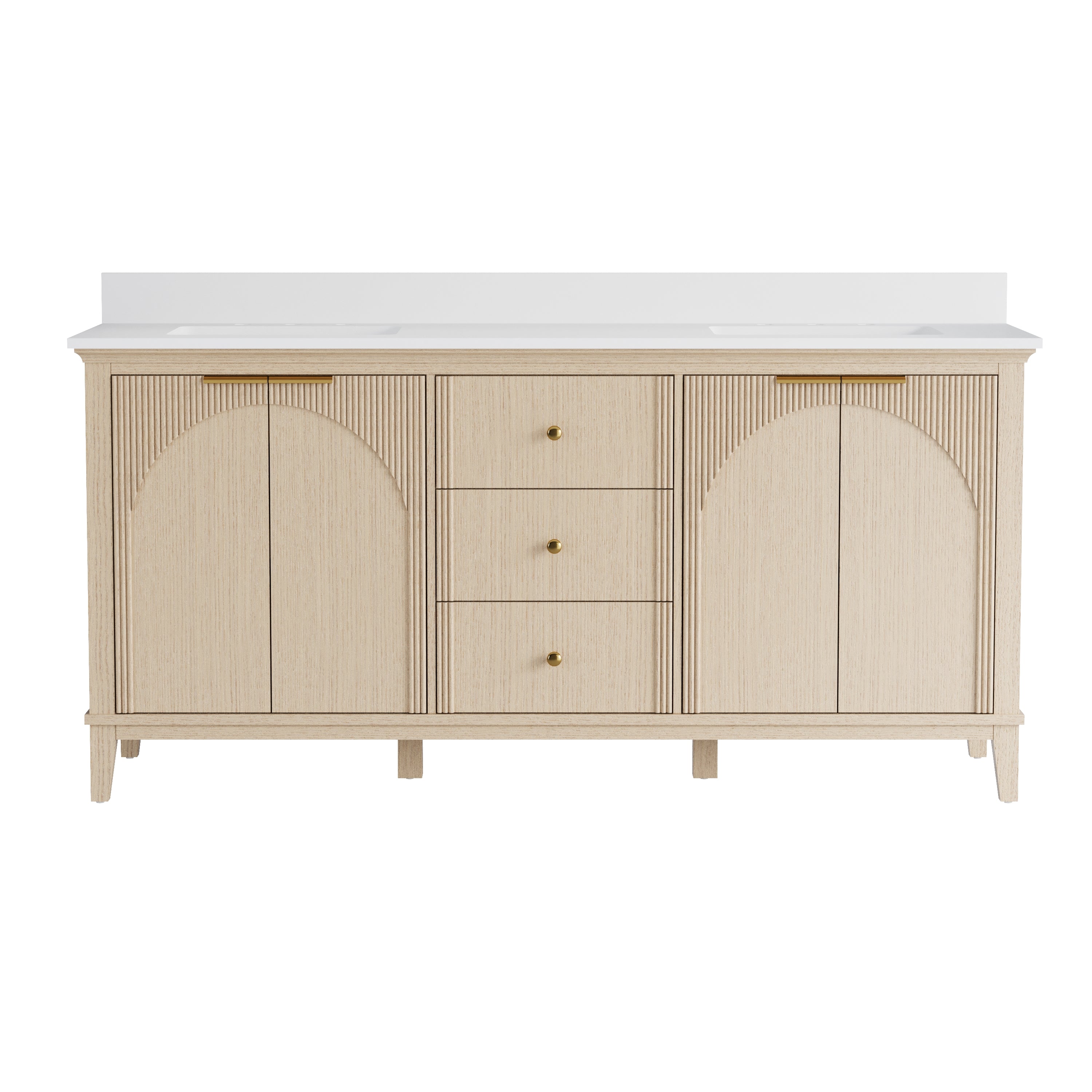

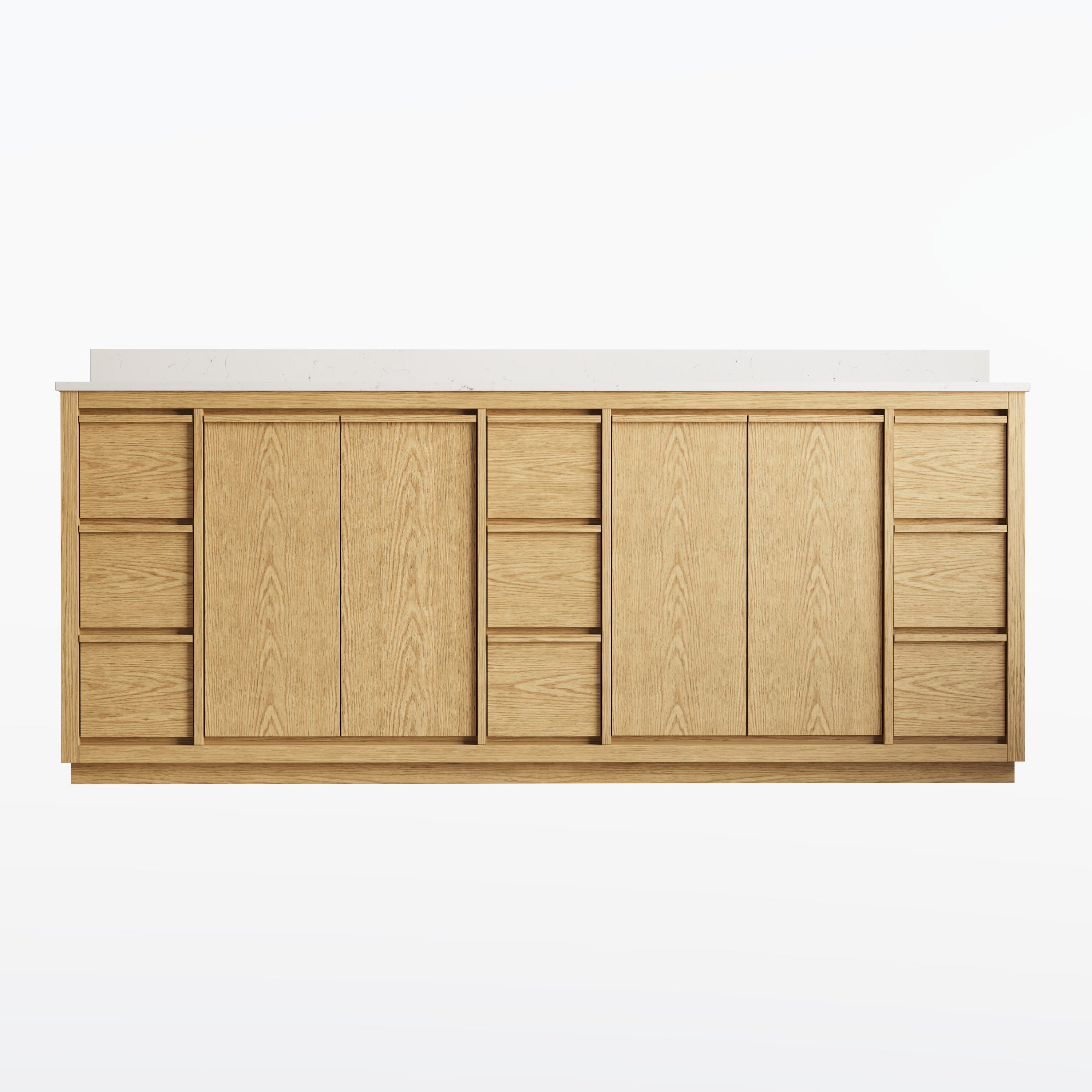

A wooden bathroom vanity brings warmth and natural character to a room filled with tile, glass, metal, and stone. After more than 20 years of working with bathroom cabinetry, I have seen well-made wood vanities stay attractive through years of daily use. I have also seen newer cabinets swell, stain, or lose their finish because standing water and hidden leaks were ignored. Long-lasting beauty depends less on complicated treatments and more on consistent moisture control, gentle cleaning, and early attention to small problems.
1. Understand What Can Damage a Wooden Bathroom Vanity
Wood responds to its surroundings. When bathroom humidity rises, the material may absorb a small amount of moisture and expand. As the room dries, it releases moisture and contracts.
Minor movement is normal. Trouble begins when the vanity remains damp for long periods or water reaches unfinished edges. Doors may shift, drawers can begin to rub, and the finish may develop cloudy patches or discoloration.
The greatest risks are usually standing water, poor ventilation, harsh cleaning products, and slow plumbing leaks. Ordinary splashes are rarely destructive when they are wiped promptly.
Do not confuse water resistance with waterproofing
A common misconception is that a factory-applied finish makes wood waterproof. It does not.
A quality coating protects the cabinet from normal bathroom use, but it cannot defend against a leaking drain or a wet towel left against a drawer front overnight. Treat the finish as a protective barrier, not an excuse to ignore moisture.
2. Control Humidity Before It Becomes a Problem
Ventilation is the first part of any maintenance plan. Run the exhaust fan during showers and leave it operating until the mirror clears and the air begins to feel dry.
In a busy family bathroom, this may take 20 minutes or longer. Opening the door after bathing can help humid air move out of the room. Bathrooms in coastal areas, basements, or homes without windows may benefit from a compact dehumidifier.
Check the fan periodically. A noisy unit is not always an effective one. Dust, blocked ductwork, or poor installation can reduce airflow while the fan still sounds as though it is working.
Good ventilation protects more than the vanity. It also helps preserve mirrors, paint, grout, towels, and stored toiletries.
3. Wipe Water Before It Reaches the Cabinet
Pay attention to the faucet base, sink rim, countertop seams, and backsplash joint. These areas collect small amounts of water throughout the day.
Keep a soft cloth nearby and wipe the surface after heavy splashing. This habit is especially useful in children’s bathrooms, where water often reaches the cabinet face and floor.
Do not hang wet washcloths or towels over doors and drawer fronts. Trapped moisture remains in direct contact with the finish. Damp bottles should also be dried before being returned to drawers.
Hidden leaks deserve more attention than surface splashes
Check the drain, supply lines, faucet connections, and shutoff valves several times a year. Run a dry tissue around each fitting to reveal small leaks.
Leave enough open space beneath the sink to inspect the plumbing. A cabinet packed tightly with towels and cleaning supplies can hide a slow drip for months. By the time staining appears, the base may already be damaged.
4. Clean the Finish Gently
Most wood vanities do not need aggressive cleaners. A soft microfiber cloth with mild soap or a non-abrasive cabinet cleaner is usually sufficient.
Apply the cleaner to the cloth instead of spraying it directly into drawer gaps, door joints, or hardware openings. Wipe the surface, then dry it.
Avoid abrasive pads, powdered cleaners, strong bleach mixtures, ammonia-heavy products, and harsh solvents. These may dull or weaken the protective finish. Once that barrier is damaged, moisture can reach the material more easily.
Hair dye, cosmetics, toothpaste, and tinted skincare products should be removed quickly. Light wood and painted finishes can absorb color if spills remain overnight.
Furniture oil and wax should not be applied automatically. Many bathroom cabinets have sealed factory finishes that require no extra treatment. An incompatible product may leave residue or create an uneven sheen.
5. Inspect the Finish and Hardware Regularly
Look at the vanity closely every few months. Check corners, drawer edges, the cabinet base, and areas nearest the sink. Small chips and scratches should be repaired before moisture reaches the exposed wood.
Use a touch-up product recommended for the original finish. Random stain markers or household paint may create a patch that is more visible than the damage itself.
Hardware needs attention too. Loose hinges can cause doors to rub against the cabinet frame. Misaligned drawers may scrape finished edges. Tighten screws gently and correct movement early.
One advantage of quality wood cabinetry is repairability. Minor surface damage, loose hardware, and ordinary wear can often be addressed without replacing the entire vanity. The limitation is that repairs require timely action.
6. Protect the Vanity During Installation
Good maintenance starts before the first use. The cabinet must be installed level so doors and drawers remain aligned. Floating models need secure wall support, while freestanding vanities should not sit where floor water regularly collects.
The sink, countertop, backsplash, and faucet openings should be sealed carefully. Any plumbing cutouts made during installation may also need protection if they expose unfinished material.
Test every supply and drain connection before filling the cabinet. Check again after several days of normal use. Small movements during installation can loosen fittings that initially appeared dry.
A wooden vanity is suitable for ventilated primary bathrooms, guest baths, and family bathrooms where basic care is realistic. It is less suitable for frequently flooded wet rooms, neglected rental spaces, or bathrooms with unresolved ventilation and plumbing problems.

7. Choose Quality That Is Worth Maintaining
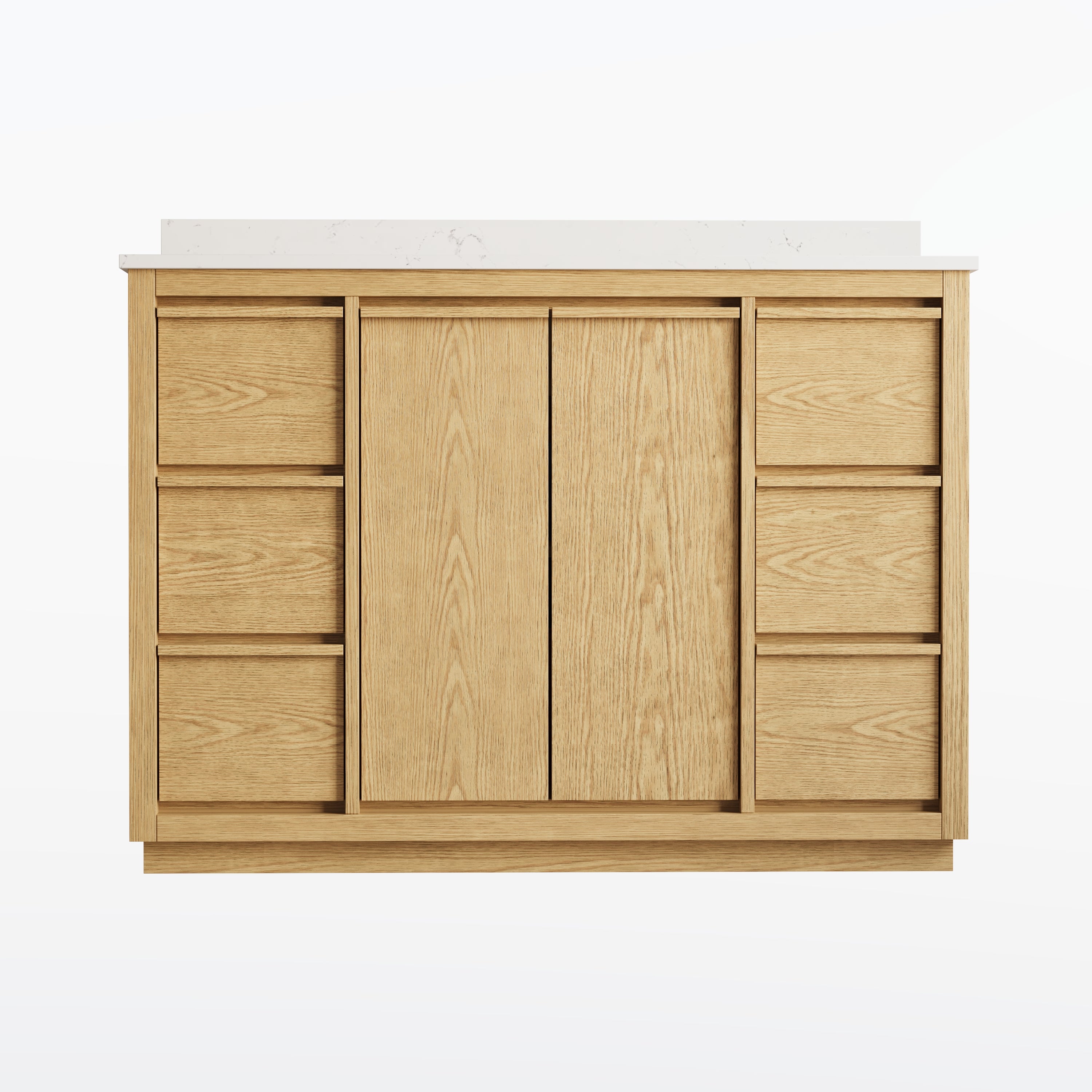
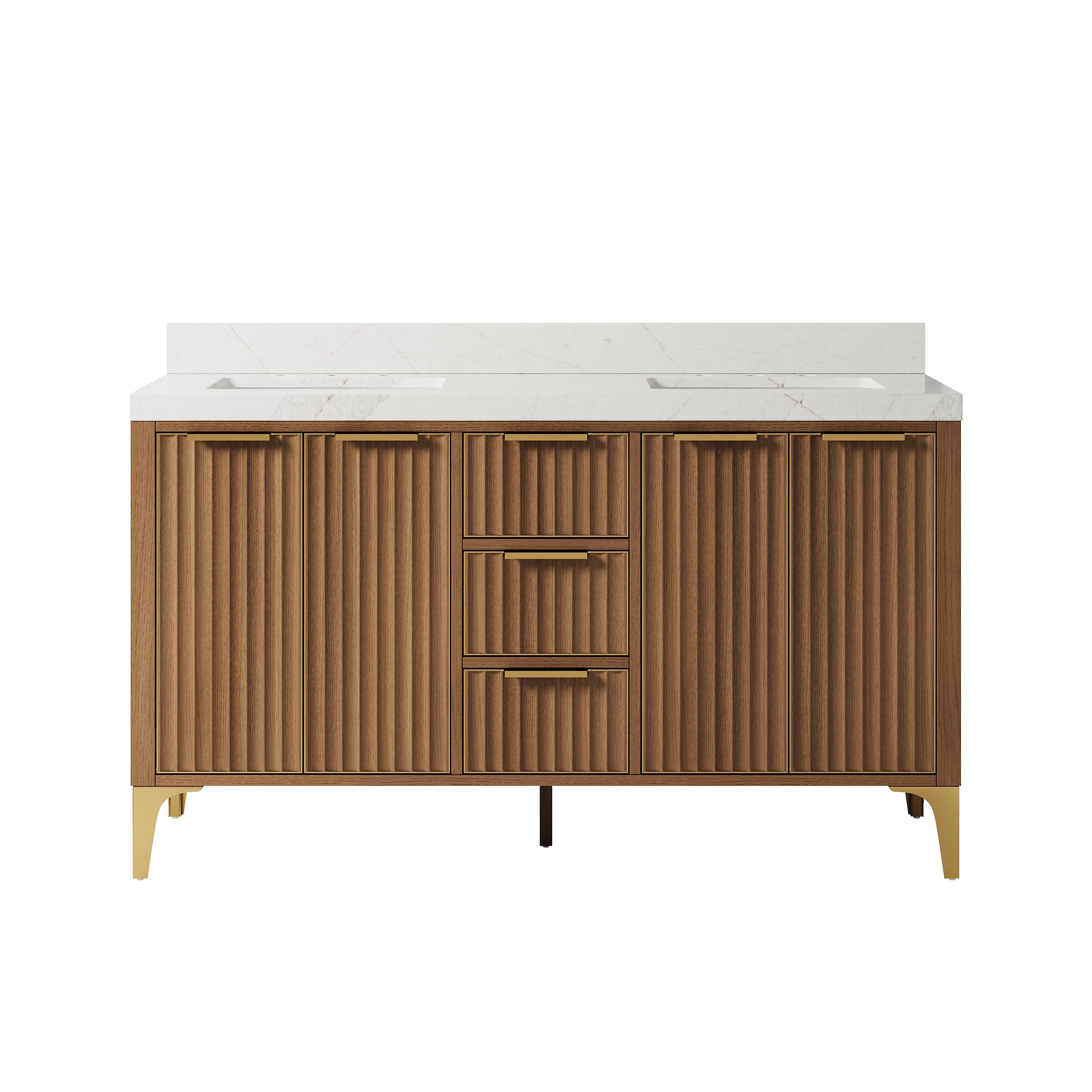
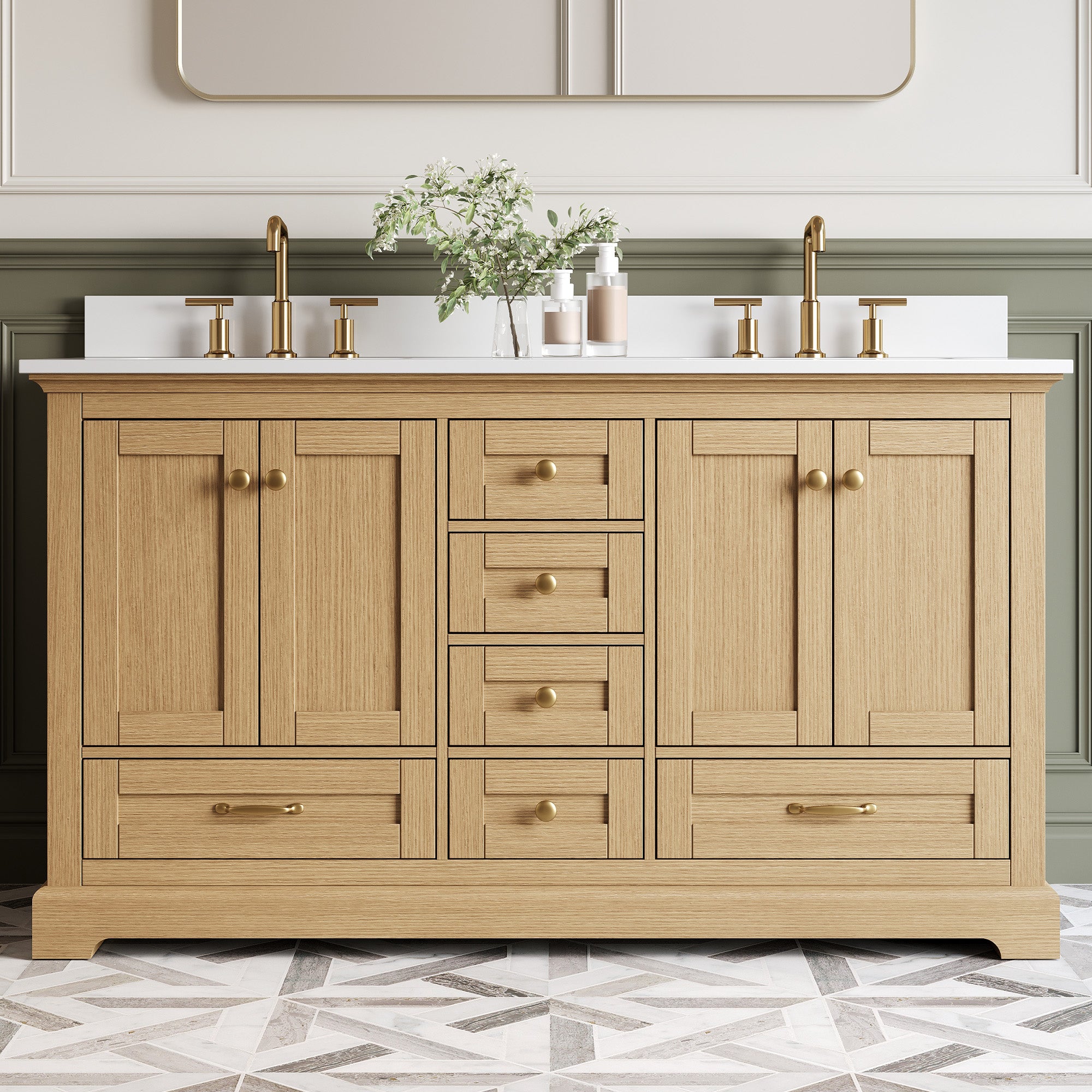
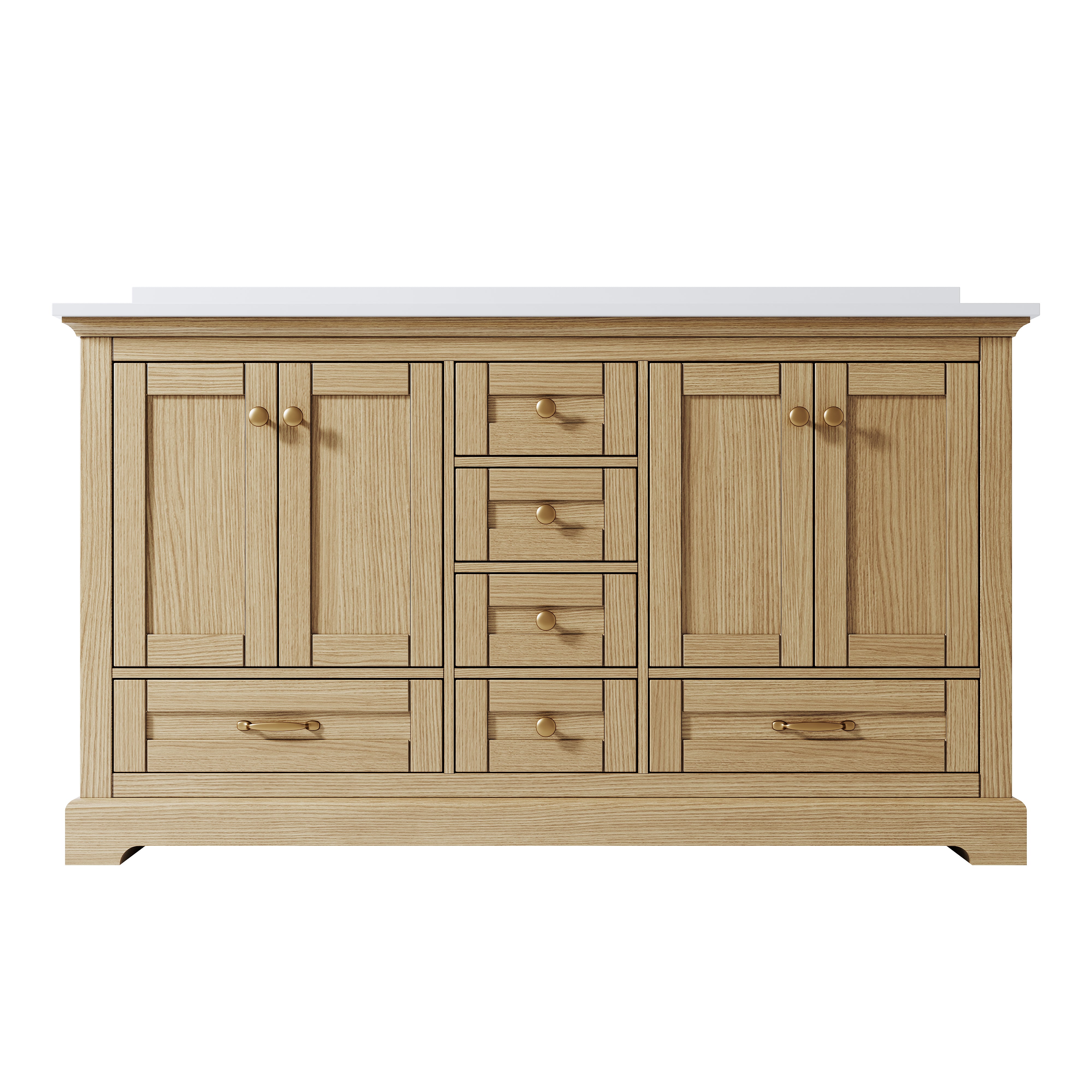
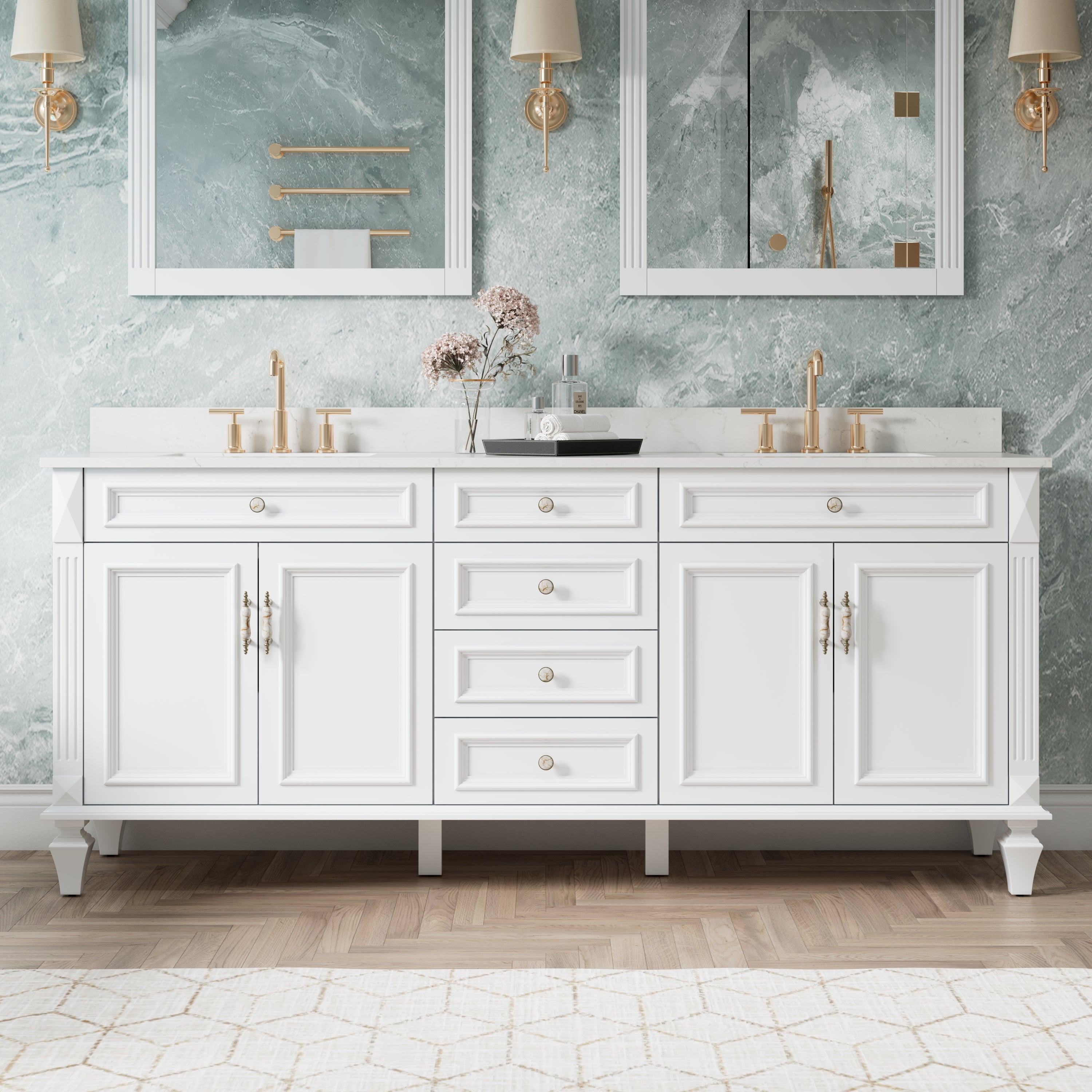
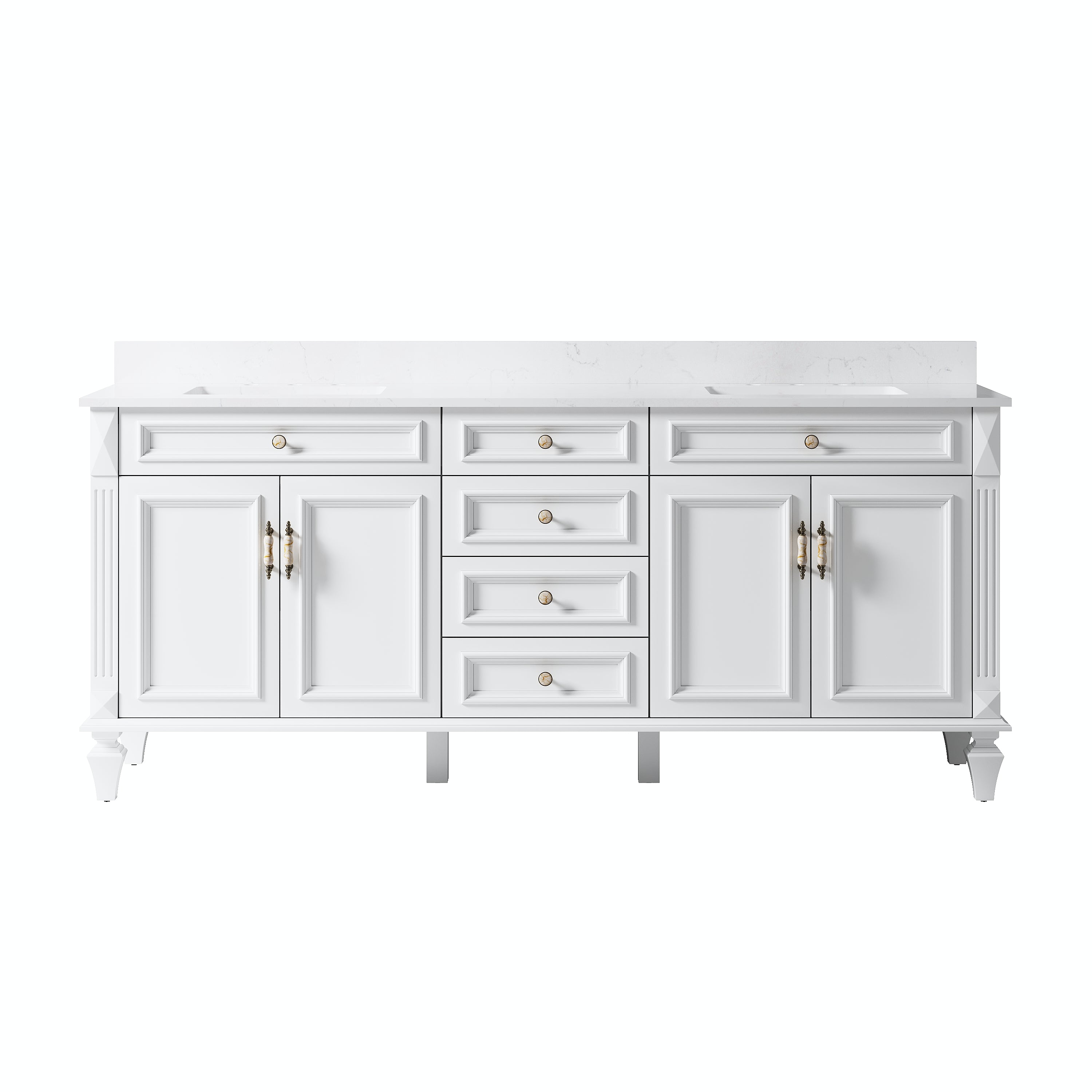
When comparing Wellfor models, look beyond the wood color. Review the cabinet-box material, drawer construction, hardware, finish coverage, and edge sealing. Solid wood framing and quality plywood can both perform well when properly protected.
Choose a storage layout that allows access to the plumbing. Make sure the vanity fits comfortably around the toilet, shower door, and walkway. A cabinet that is too large may collect more splashes simply because movement around it is awkward.
Keep the maintenance routine simple: ventilate the room, wipe standing water, clean gently, inspect plumbing, and repair small finish damage early. Those habits take very little time, yet they protect the cabinet far more effectively than occasional intensive cleaning. With proper installation and steady care, a wooden bathroom vanity can retain its natural color, smooth operation, and inviting character for many years.


























Leave a comment
This site is protected by hCaptcha and the hCaptcha Privacy Policy and Terms of Service apply.