
















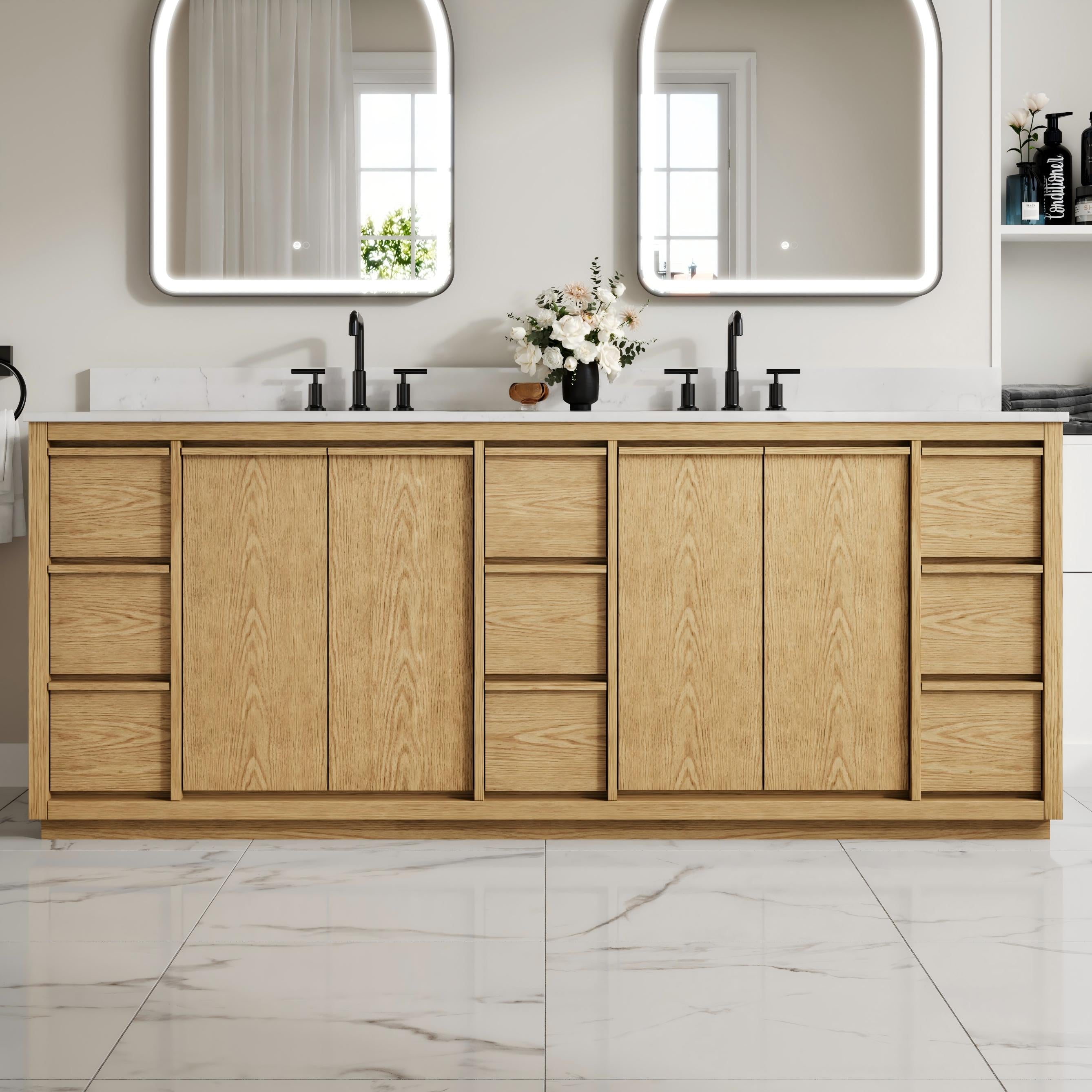

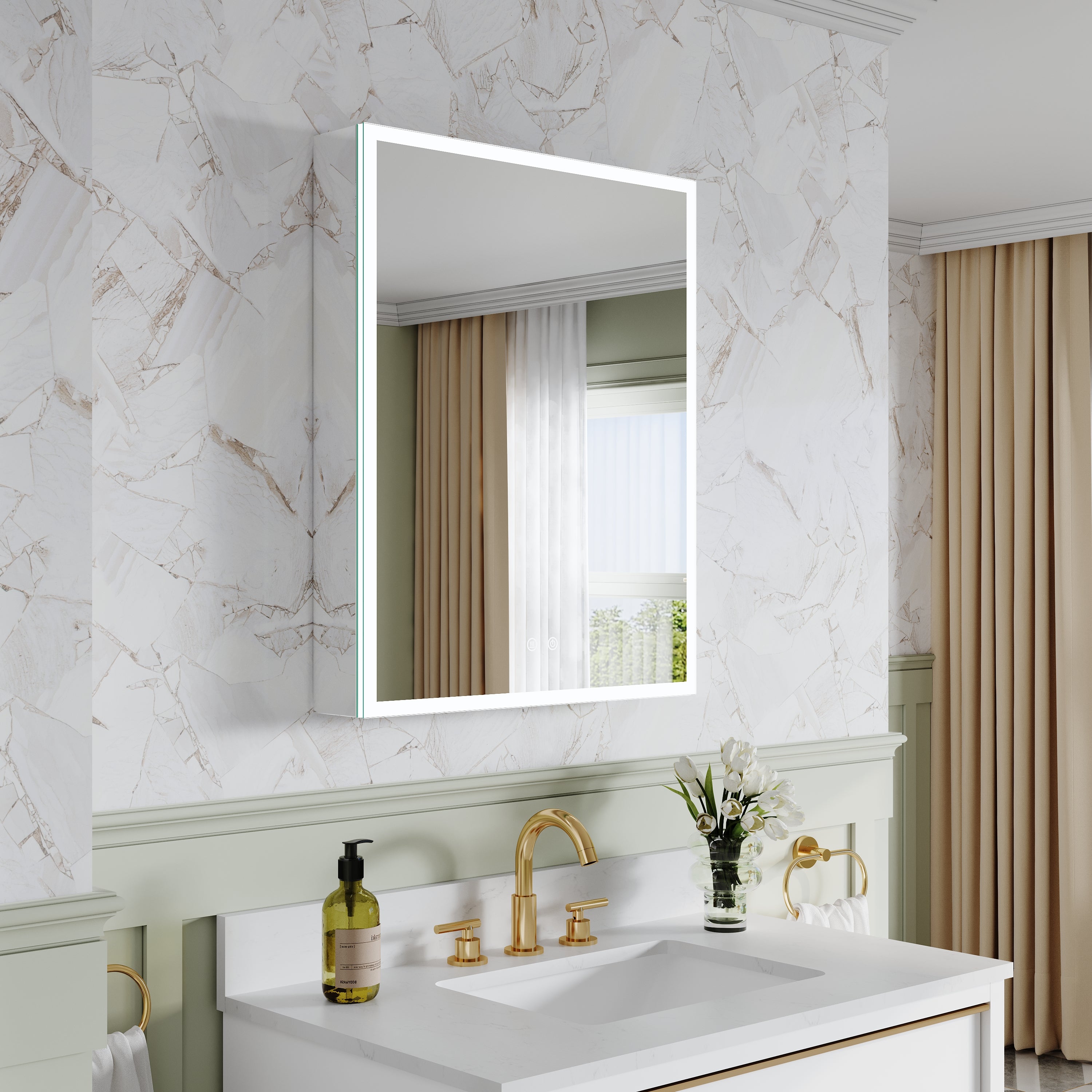
The best medicine cabinet for bathroom organization is not necessarily the largest model on the wall. In practice, the most useful cabinet is one that matches the bathroom layout, stores everyday items at comfortable eye level, and keeps the vanity clear without creating another cluttered compartment. After working with bathroom storage products for years, I have found that shelf flexibility, usable depth, door design, and installation style matter far more than decorative extras.
1. What Makes a Medicine Cabinet Good for Bathroom Organization?
A well-designed medicine cabinet should make frequently used items easier to reach. Toothpaste, razors, skin care products, contact lens supplies, medication, and grooming accessories are exactly the kinds of small objects that tend to spread across a vanity.
Moving them into wall-mounted storage creates immediate visual order.
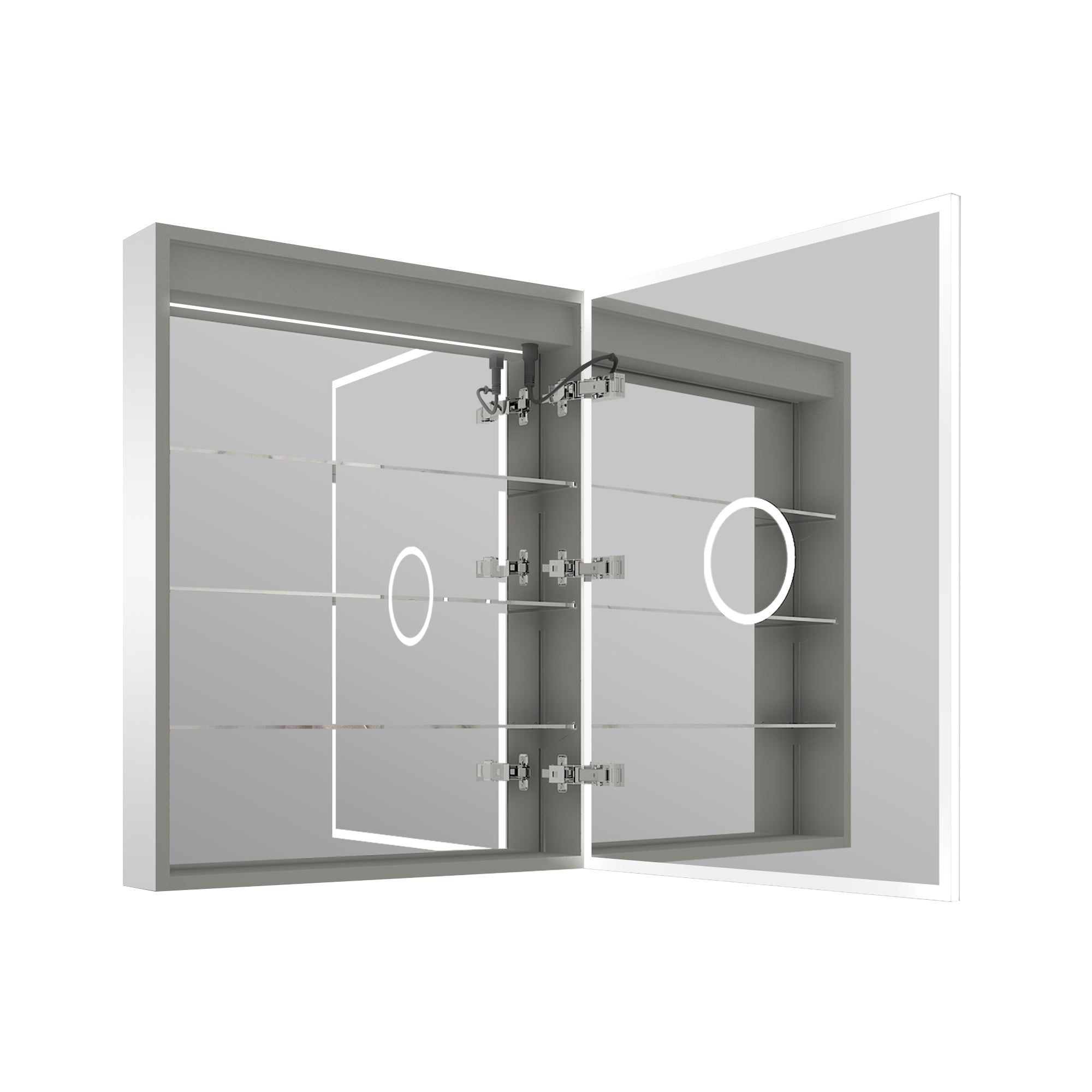
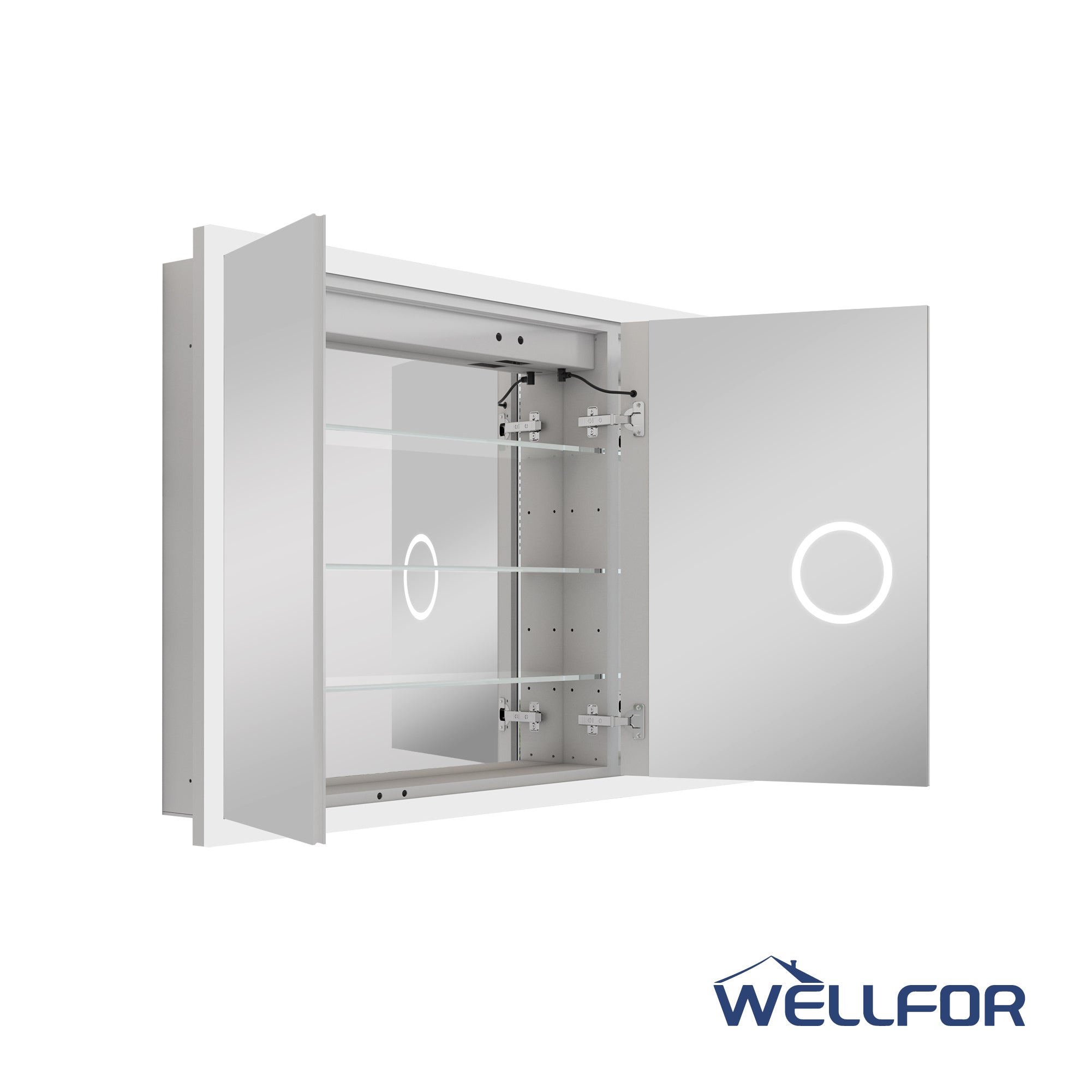
The best cabinets also let you change the interior layout. Adjustable shelves are far more practical than fixed shelves because bathroom products vary dramatically in height. A short jar of moisturizer and a tall bottle of mouthwash should not be forced into the same shelf configuration.
Interior depth deserves attention too. Extra depth sounds useful, but an overly deep cabinet can encourage products to disappear behind one another. For everyday organization, visibility is often more valuable than maximum capacity.
2. Choosing the Right Medicine Cabinet for Bathroom Storage
Start with what you actually need to store.
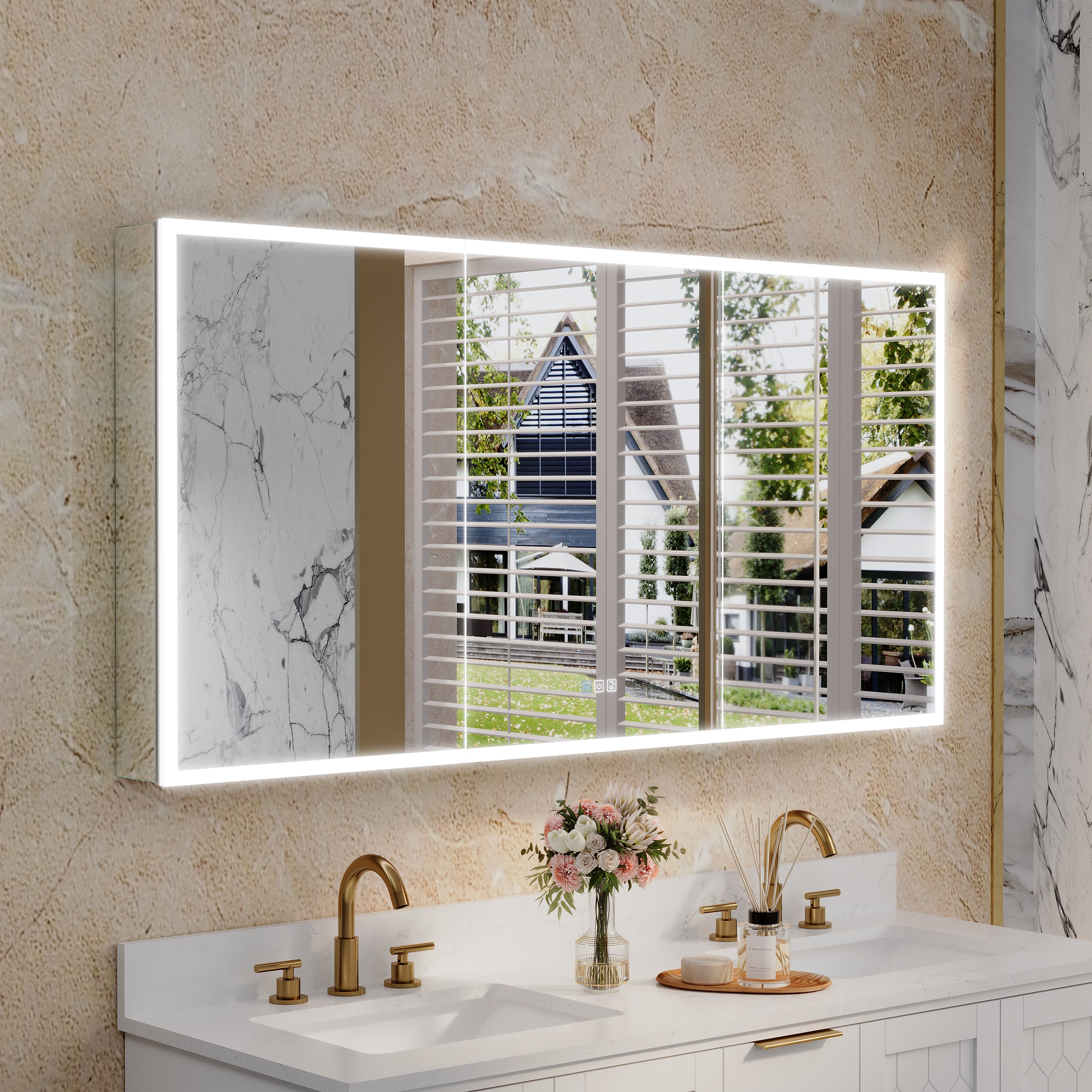
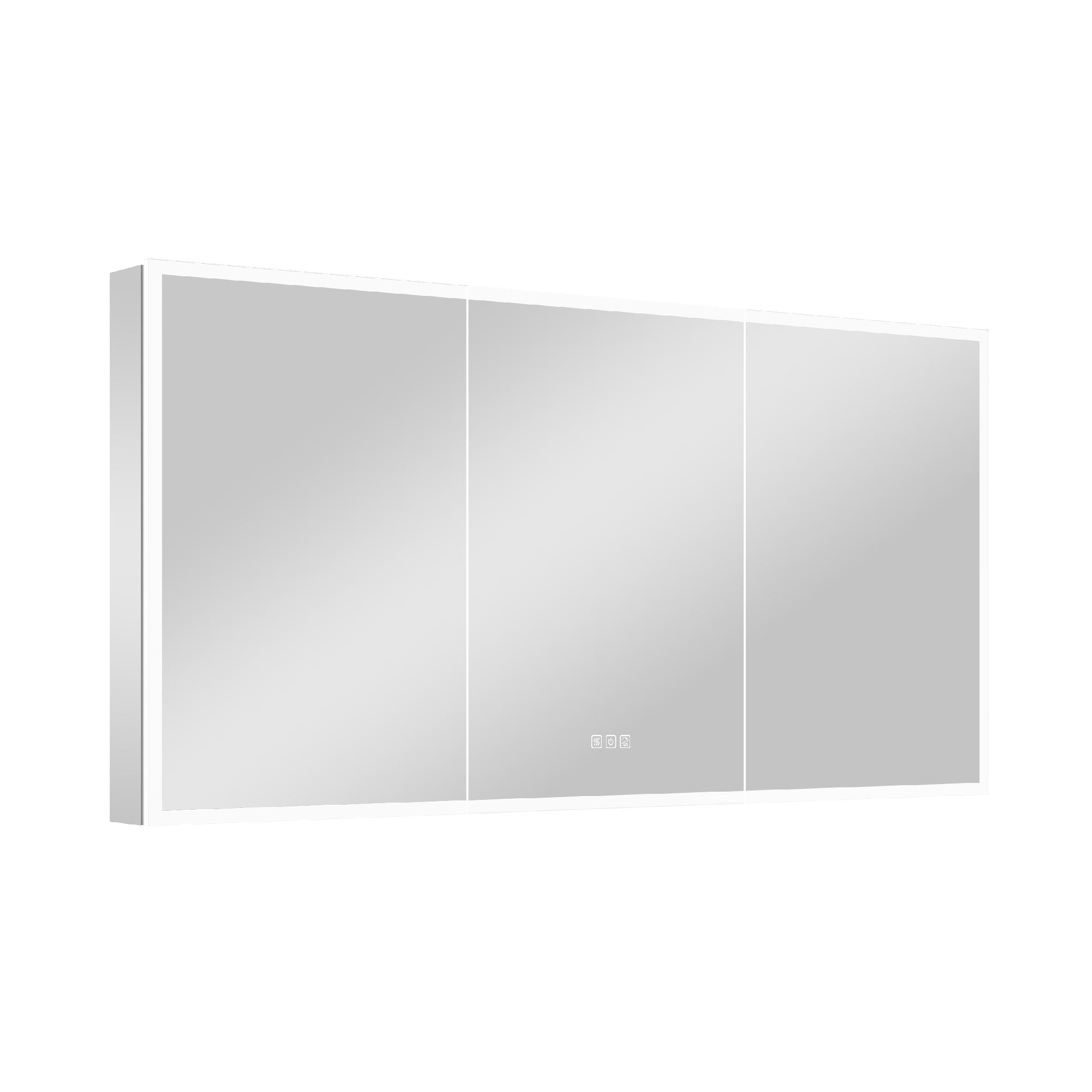
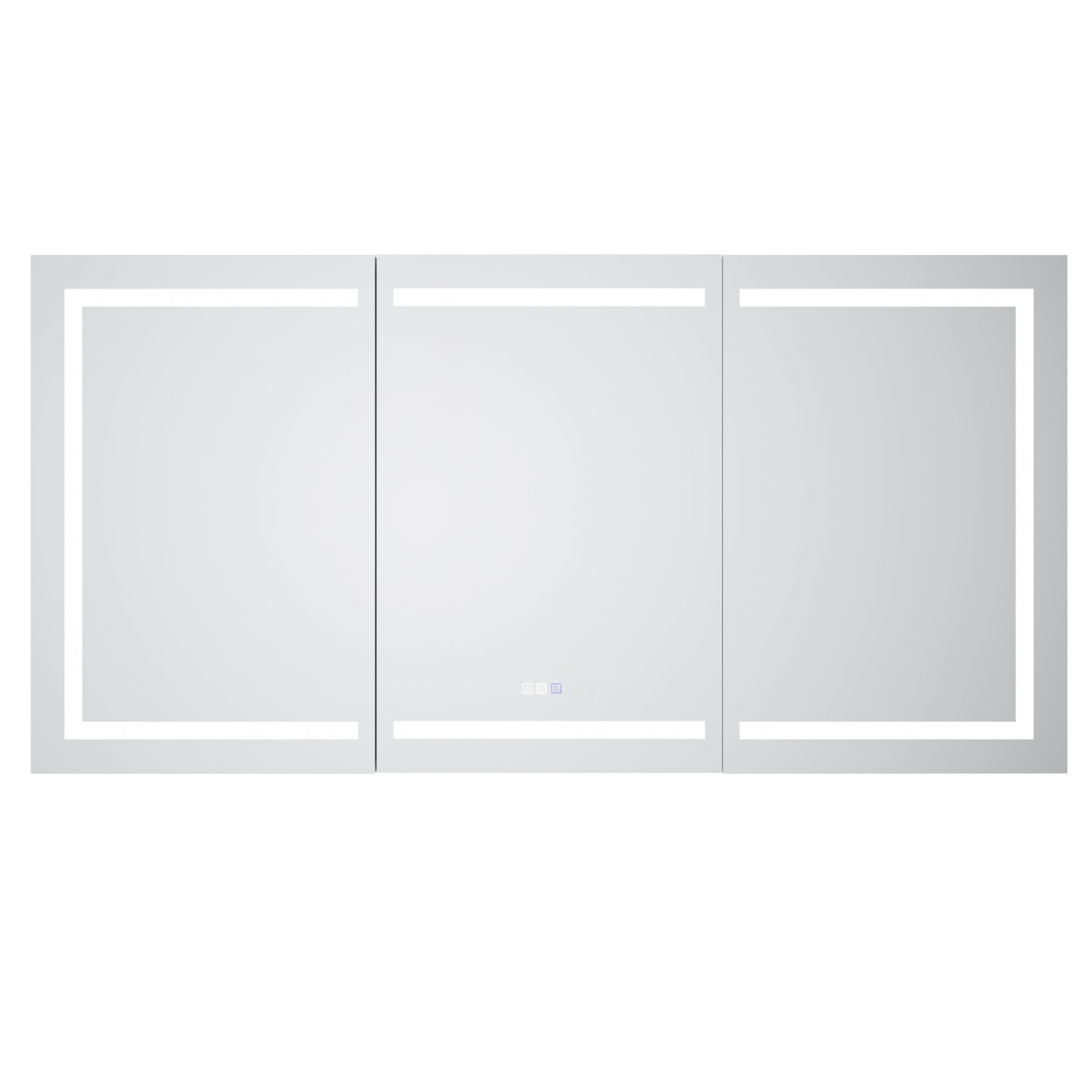
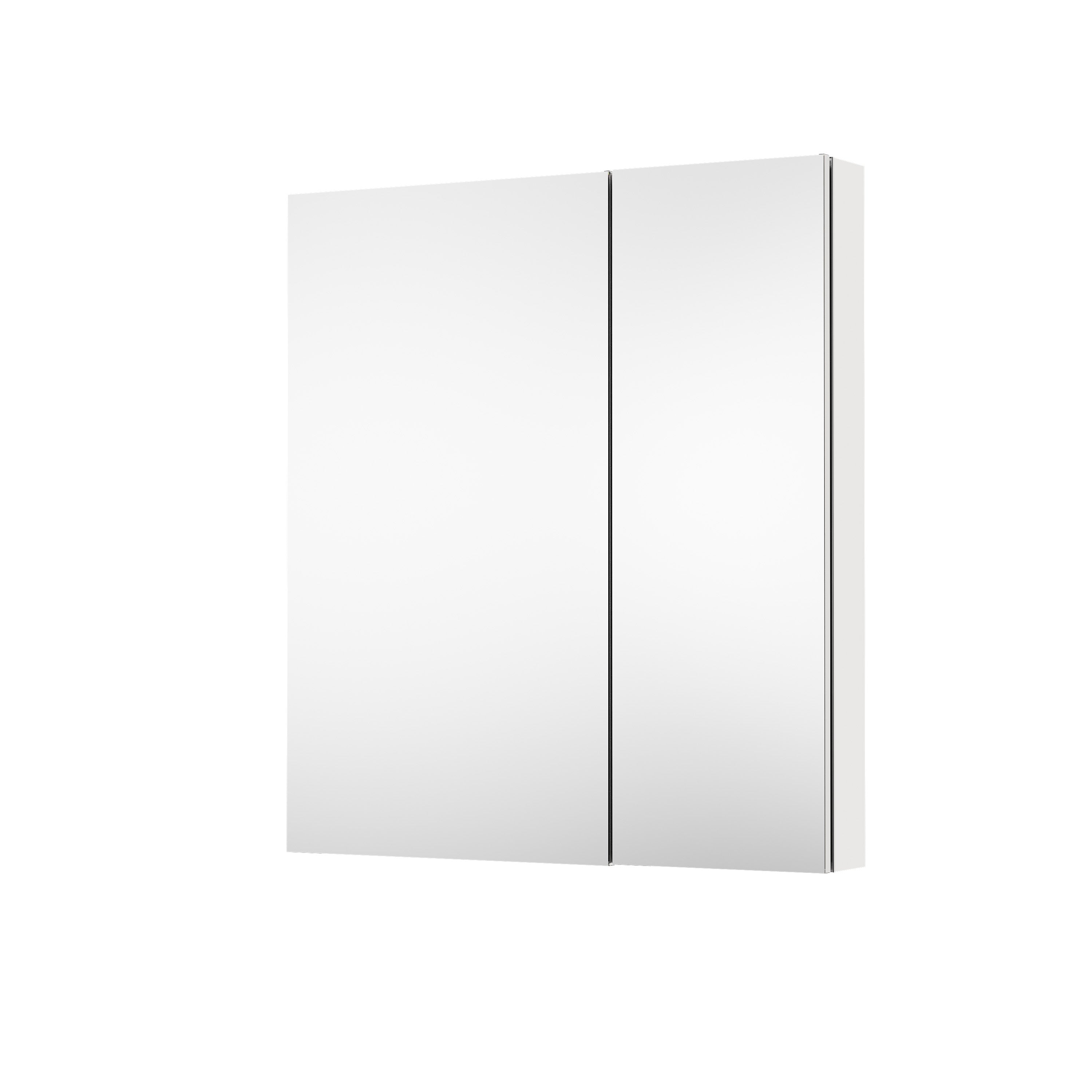
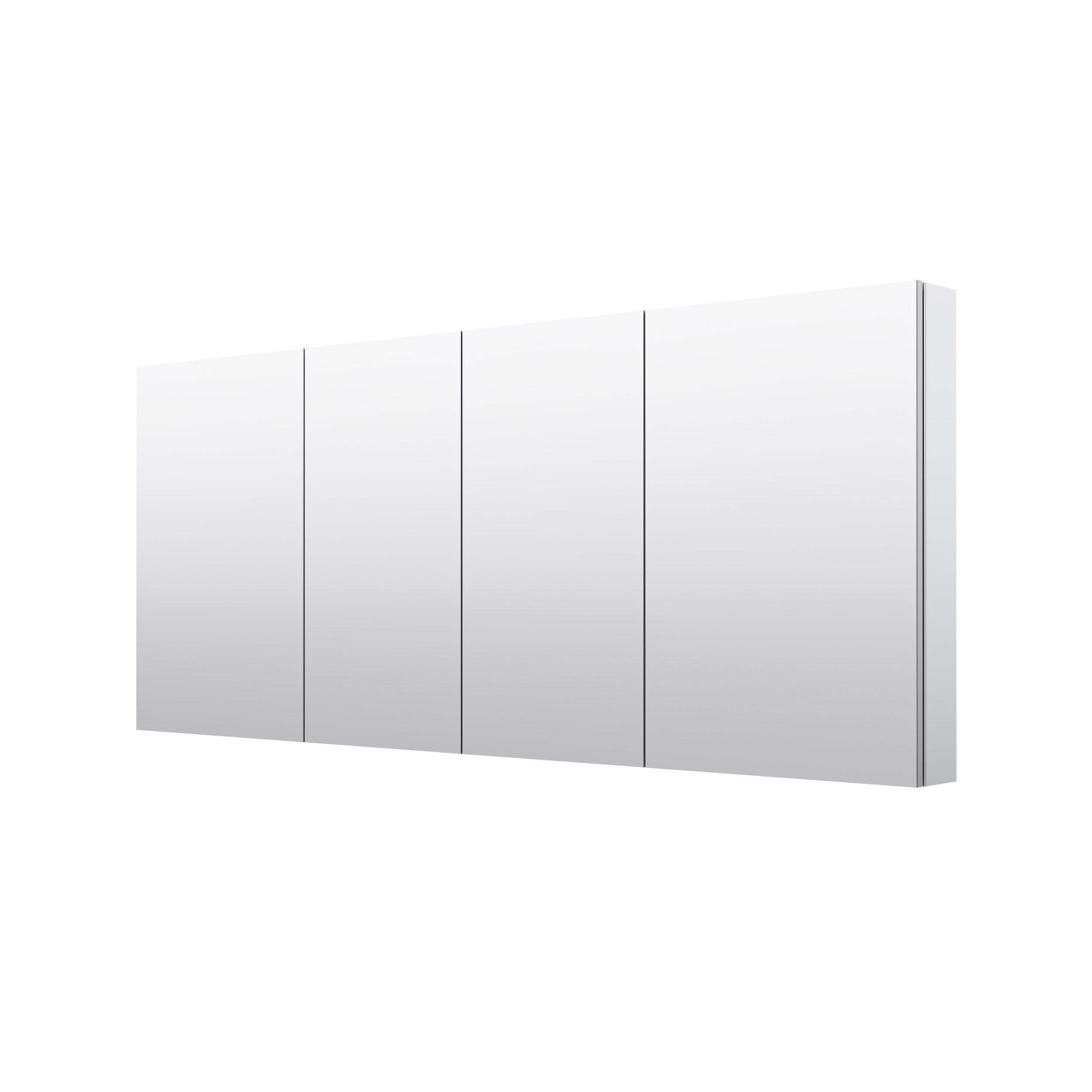
For one person using a compact vanity, a narrow single-door cabinet may be enough. Couples sharing a primary bathroom often benefit from a wider two- or three-door model with separate shelf zones.
Families usually need something different again. When several people share one bathroom, adjustable shelves and clearly divided sections can prevent the cabinet from becoming a jumble of toothbrushes, cosmetics, and half-used bottles.
One mistake I see regularly is buying based only on wall width. Buyers measure the available space, choose the biggest cabinet that fits, and assume more storage must be better.
That can backfire. A wide cabinet may interfere with lighting, doors, backsplashes, or nearby walls. Storage only works when the cabinet remains easy to open and use.
Recessed or Surface-Mounted?
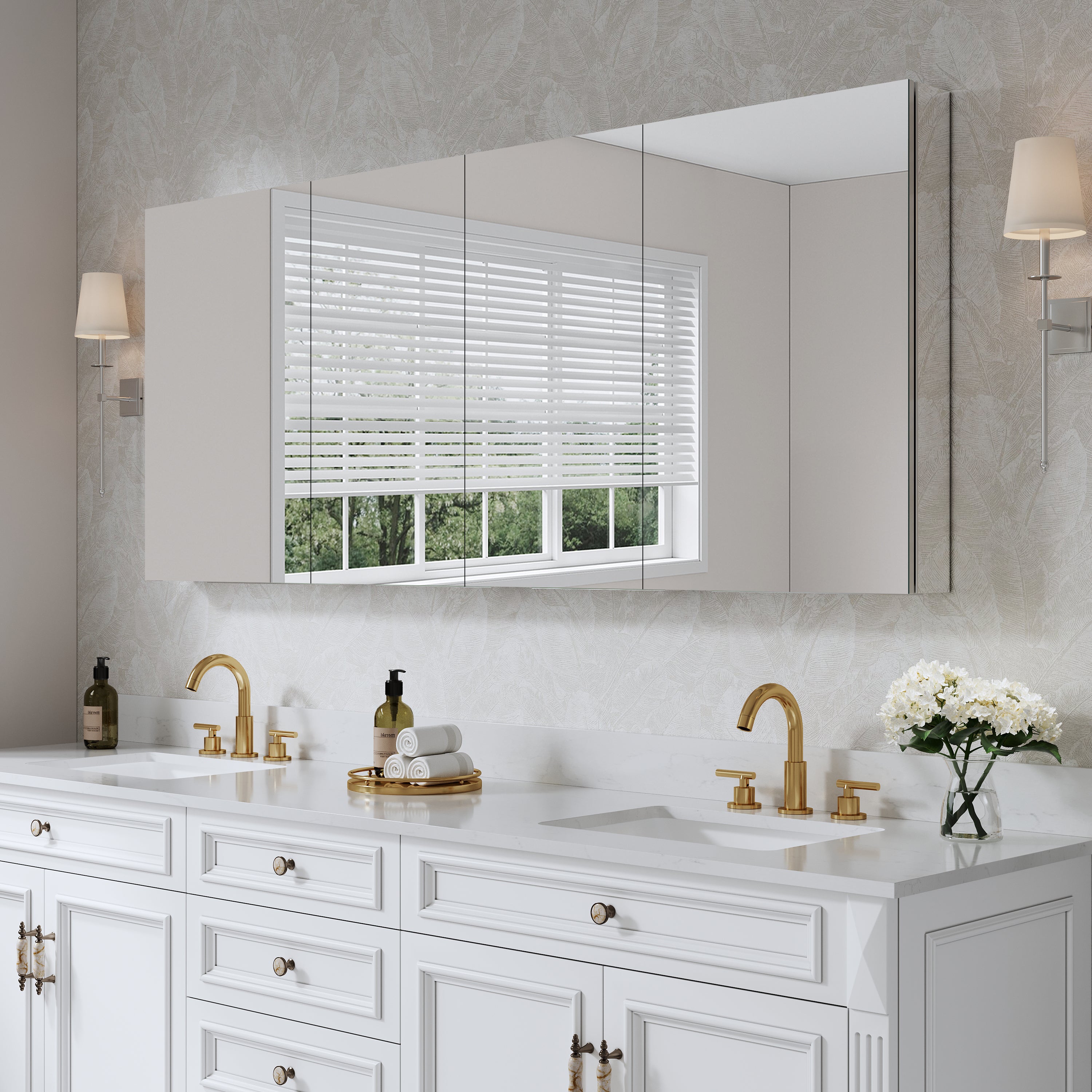
Recessed medicine cabinets sit partly inside the wall, producing a cleaner, built-in look. They are especially attractive in modern bathrooms because the cabinet does not project as far into the room.
The drawback is installation. Studs, wiring, plumbing, insulation, and vents can all affect whether a recessed model can be installed where you want it.
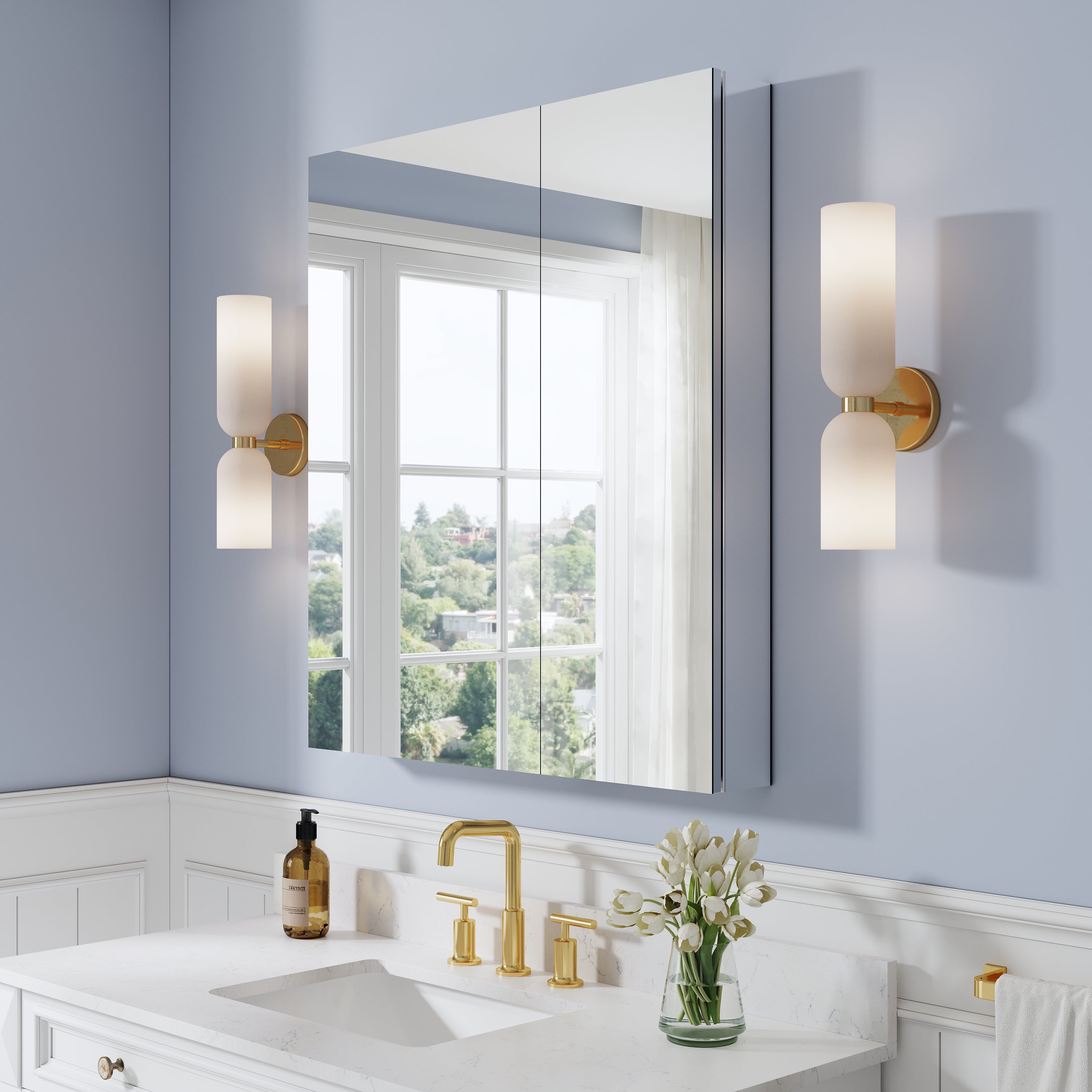
Surface-mounted cabinets are simpler in many renovation projects. They attach directly to the wall and can sometimes provide more usable interior depth.
The tradeoff is appearance. Because they extend farther from the wall, bulky models may feel oversized above a shallow vanity.
3. Storage Features Worth Paying For
Adjustable shelving is at the top of my list. Tempered glass shelves are also useful because they resist moisture, are easy to wipe clean, and make smaller items easier to see.
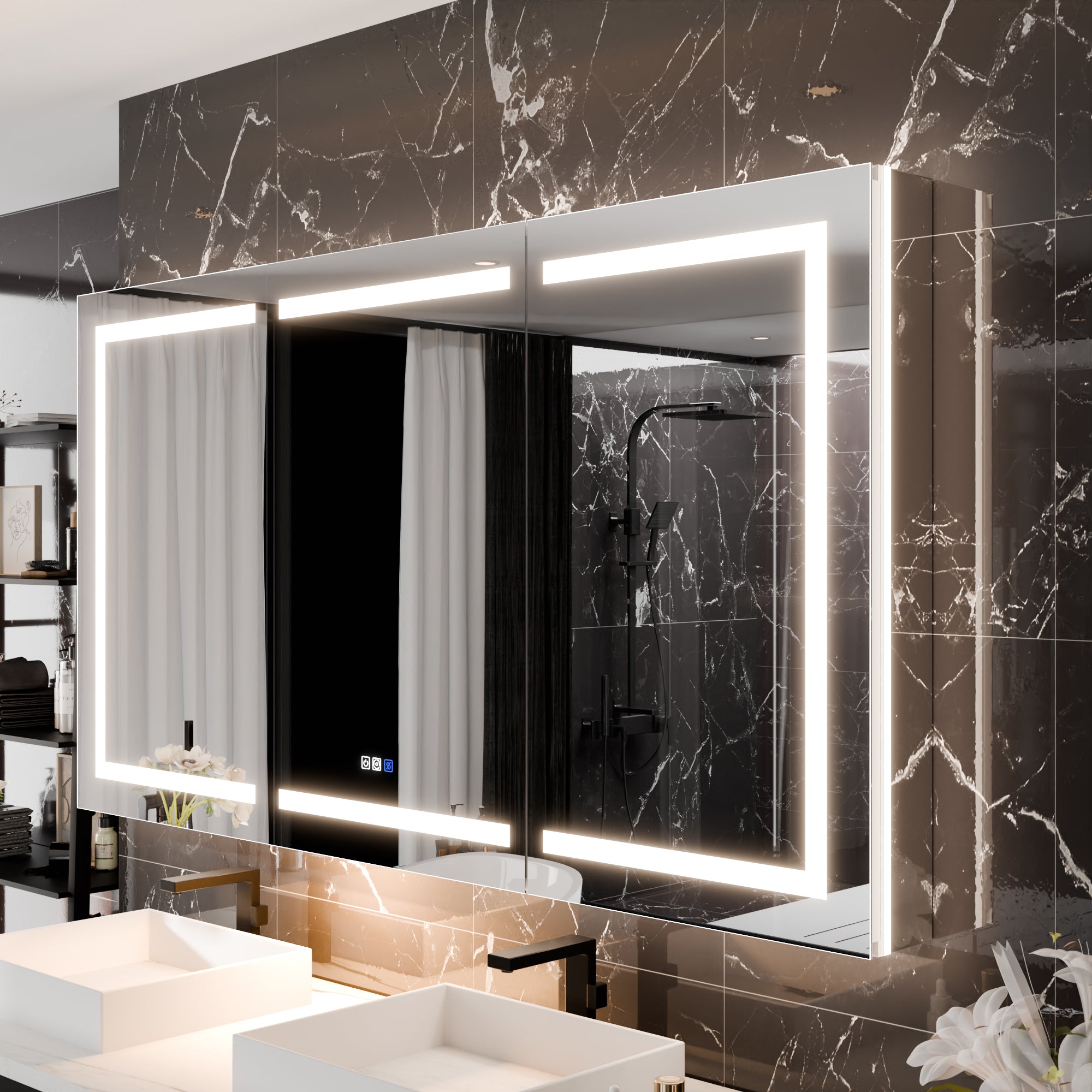
Mirrored interiors can be surprisingly practical. You can leave one door open while using the interior mirror, which is helpful during shaving or grooming.
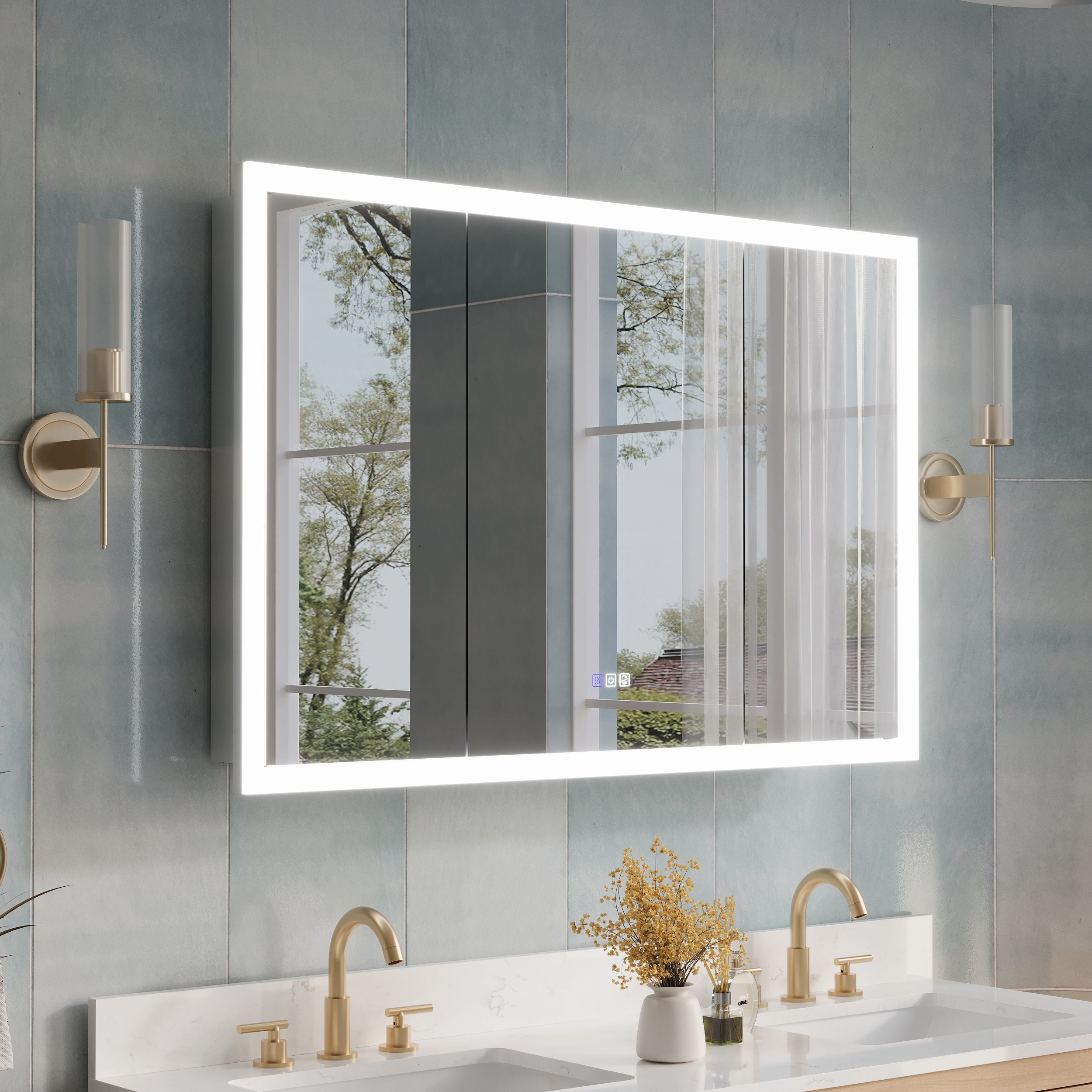
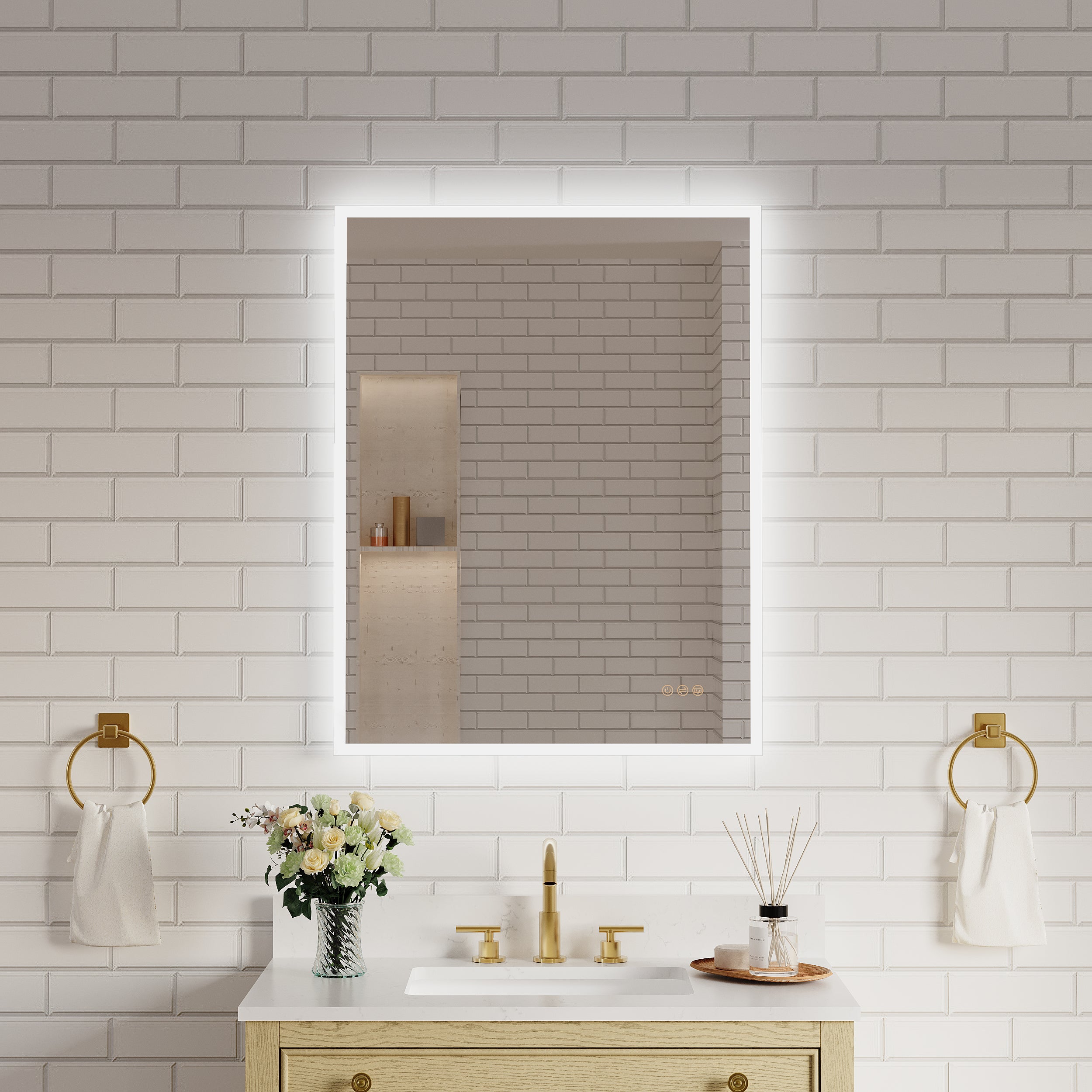
Integrated LED lighting is another option. It can reduce the need for separate vanity fixtures in some layouts, though it increases the cost and may require electrical installation.
Built-in outlets or USB charging ports can be convenient for electric toothbrushes and grooming tools, but only buy them if you will actually use them. Features that sound impressive in a product description do not automatically improve organization.
Features That May Be Less Useful Than They Look
Too many small compartments can limit flexibility. They work beautifully when your products happen to fit them and become frustrating when they do not.
Oversized cabinets can create the same problem. Storage capacity is helpful, but a large cabinet filled with old cosmetics, duplicate toiletries, and expired products is still poorly organized.
Good storage encourages editing, not hoarding.
4. Who Benefits Most From a Medicine Cabinet?
Small bathrooms are the obvious candidates. When floor and vanity space are limited, using the wall above the sink is one of the smartest ways to gain storage.
Powder rooms can benefit too. A slim medicine cabinet provides space for basic supplies without requiring a large vanity.
Shared bathrooms are another strong use case, especially when several people need quick access to morning essentials.
A medicine cabinet may be less necessary in a large bathroom with generous drawer storage, tall linen cabinetry, and a carefully planned vanity. In that situation, a decorative mirror may contribute more to the room than another storage compartment.
5. Installation Details That Affect Everyday Use
Mounting height should be based on the people using the cabinet. Installing it too high simply because the wall looks more balanced can make the upper shelves difficult to reach.
Check door swing before drilling anything. Cabinet doors should open freely without hitting sconces, walls, shelves, or nearby fixtures.
For recessed models, inspect the wall cavity before making a large opening. If plumbing or electrical lines are present, installation can become much more complicated than expected.
Heavy cabinets also need secure mounting. Follow the manufacturer's installation requirements, and use proper wall support rather than relying on drywall alone.
6. Keeping the Interior Organized
Once installed, divide shelves by frequency of use. Keep daily essentials near eye level and less-used products higher or lower.
Avoid packing shelves completely full. Leaving a little open space makes products easier to see and prevents small items from getting lost.
Clean the interior every few weeks with a soft cloth and a mild cleaner. Spray cleaning solution onto the cloth rather than directly around hinges or mirror edges.
Bathroom ventilation matters as well. Persistent moisture can affect hinges, cabinet finishes, and mirror edges over time, even on well-made products.

7. Buying a Medicine Cabinet That Will Still Work Years From Now
At Wellfor, I would recommend choosing storage layout first, dimensions second, and decorative features third. Measure the vanity and wall carefully, check available depth, and think about which products need a permanent home.
Do not buy extra size simply because it fits. A smaller cabinet with adjustable shelves and sensible proportions can be much easier to live with than an oversized model.
The right medicine cabinet for bathroom organization should reduce the number of things sitting on the counter and make your morning routine easier. Choose one around the items you actually use, install it at a practical height, and leave enough room inside for your routine to change over time.














Leave a comment
This site is protected by hCaptcha and the hCaptcha Privacy Policy and Terms of Service apply.