
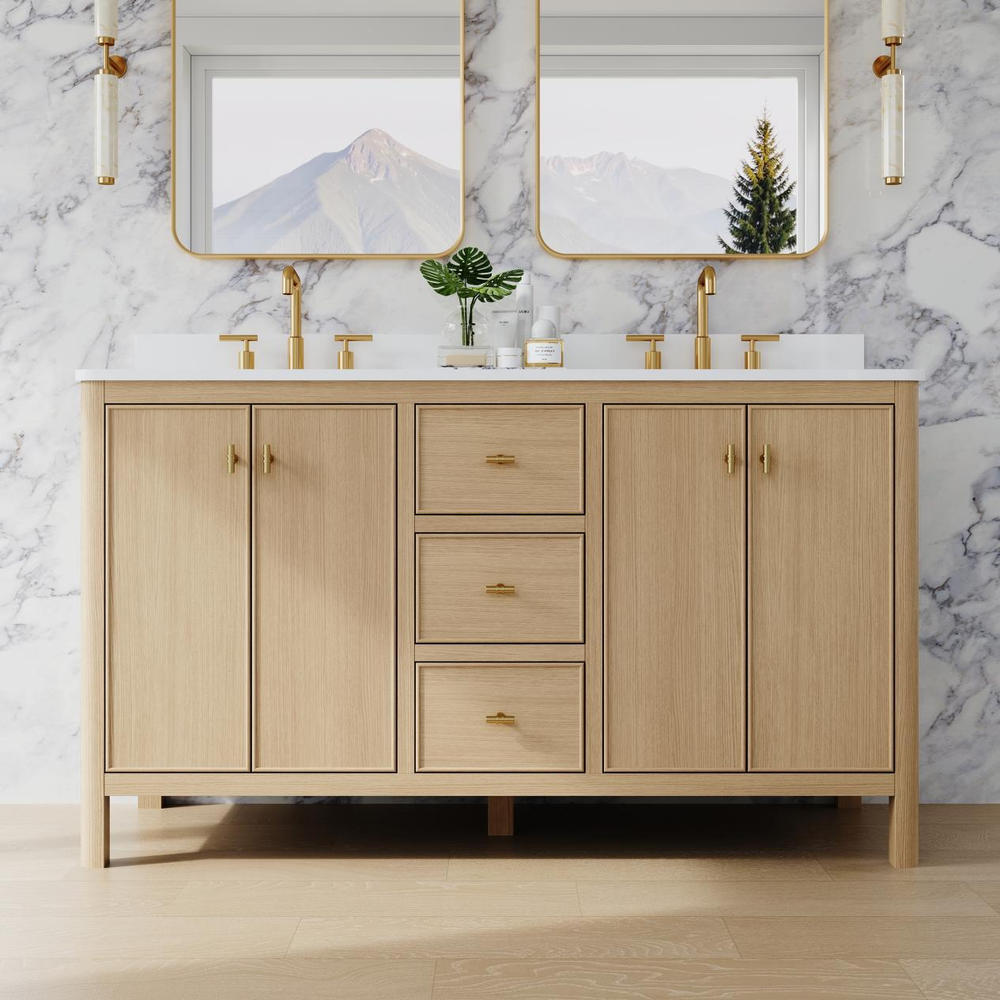
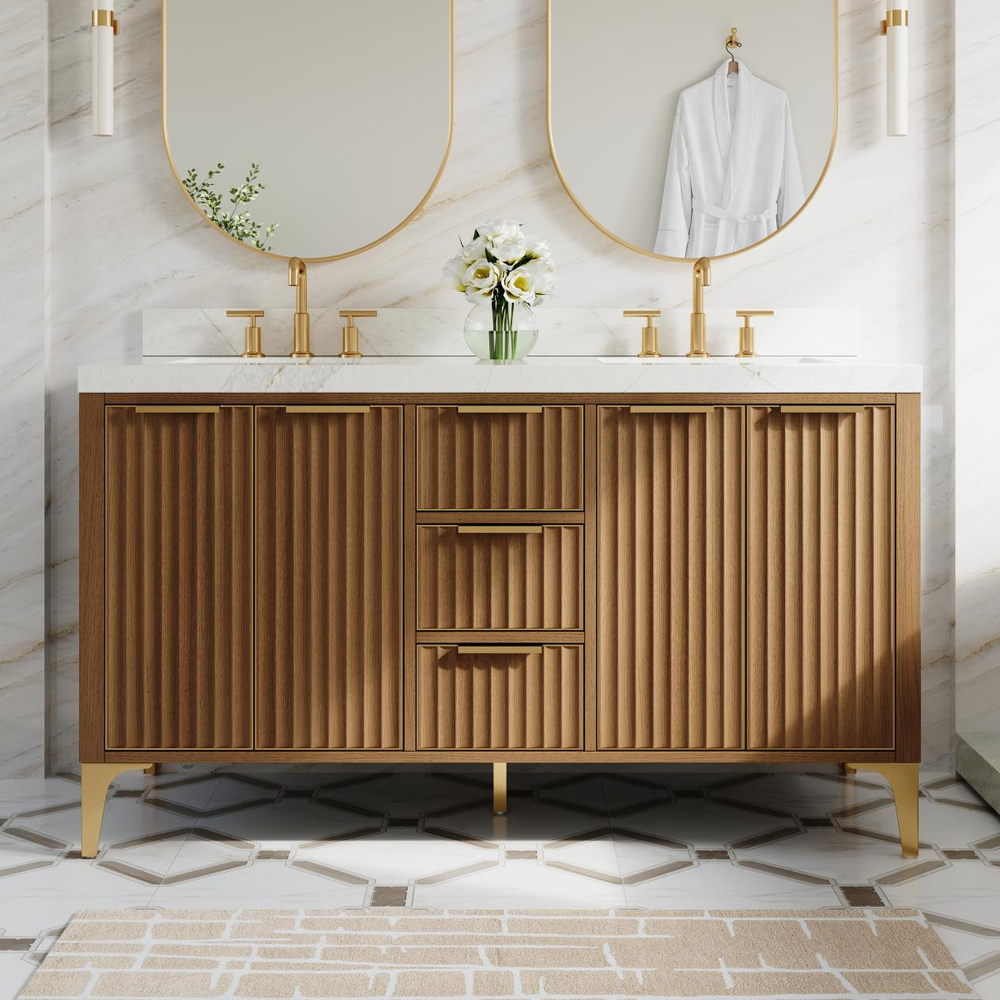
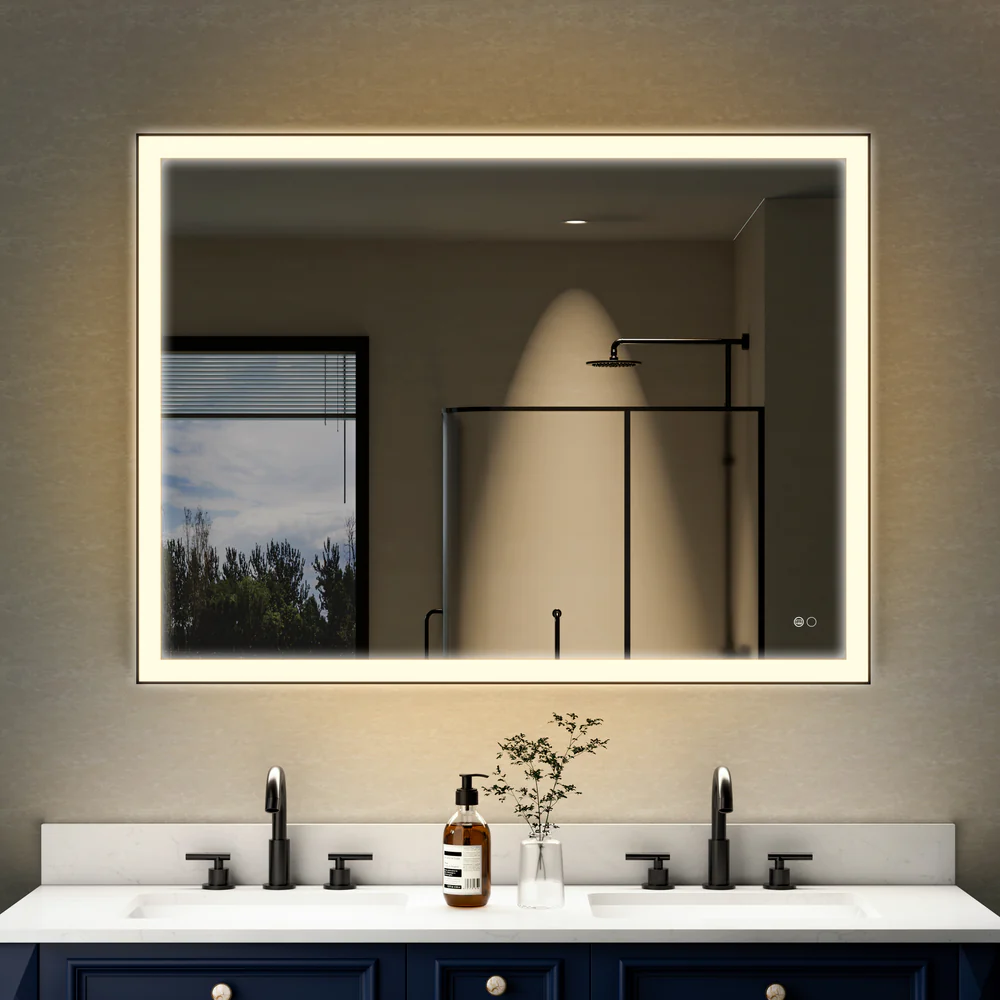
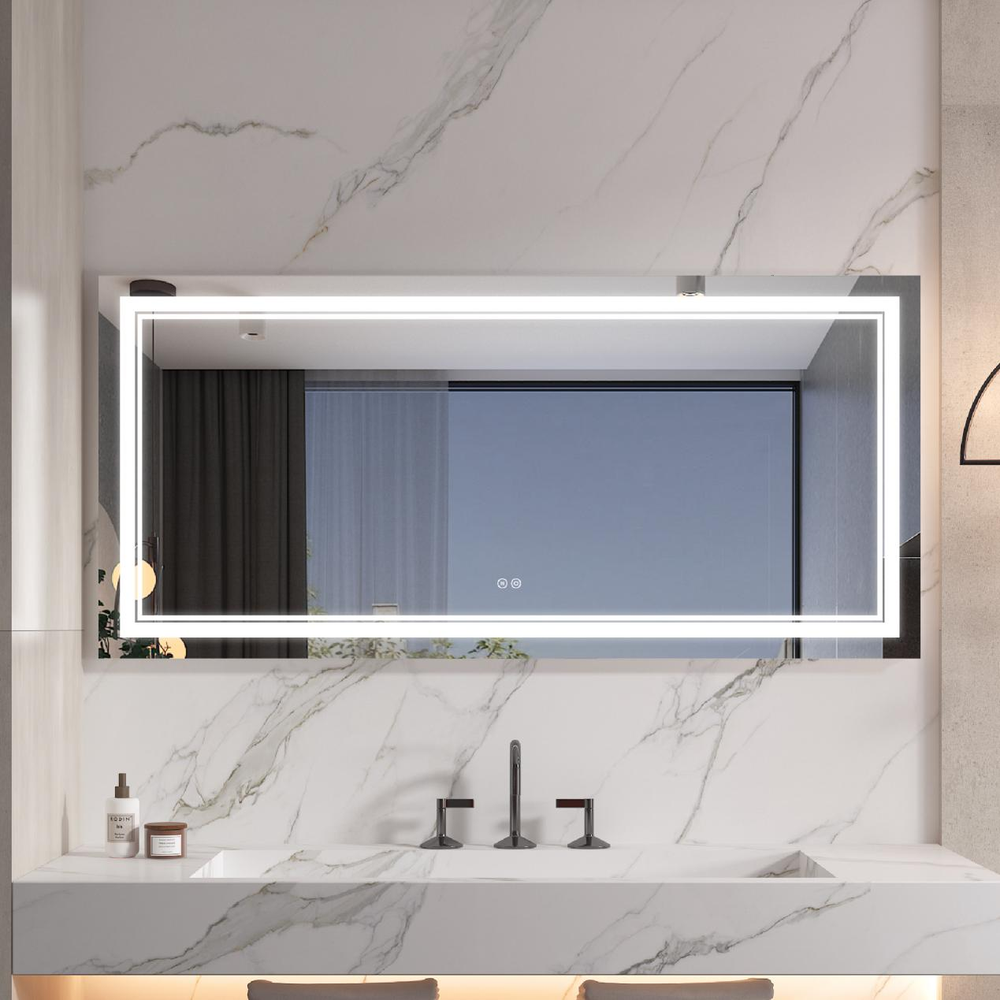
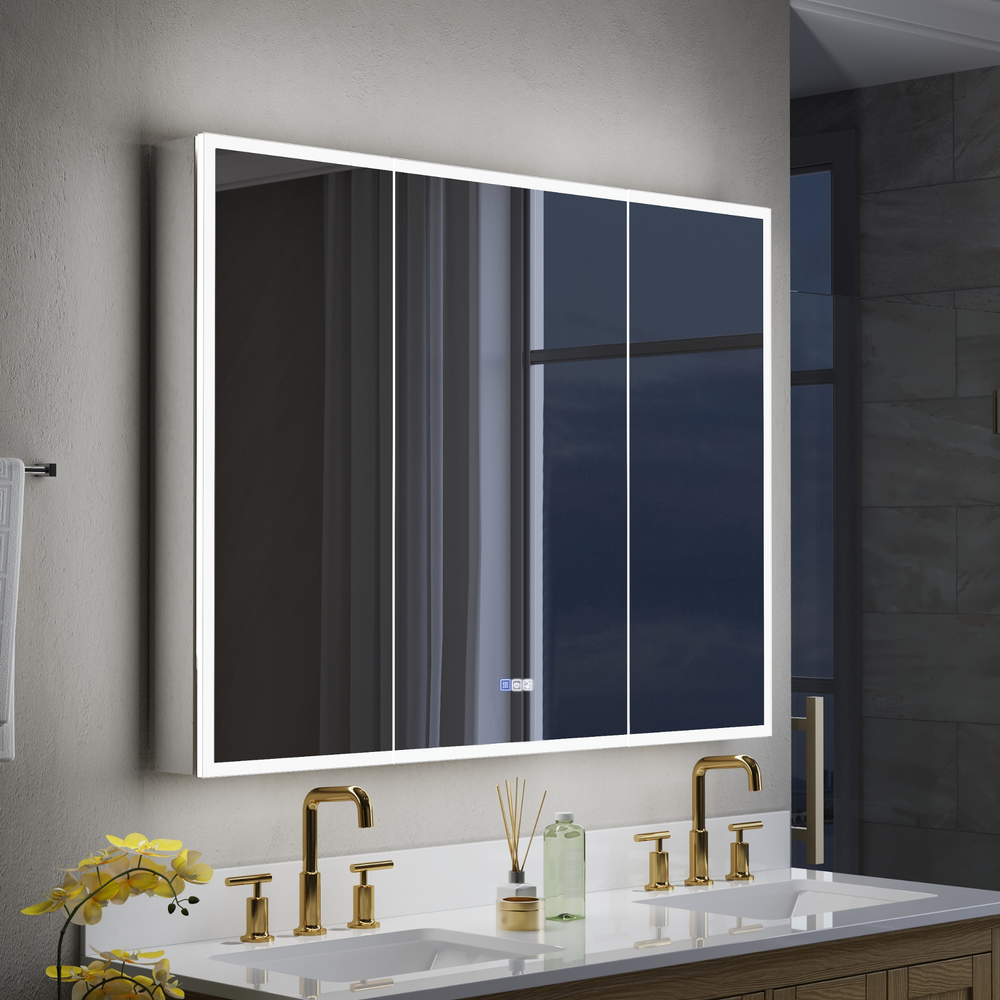
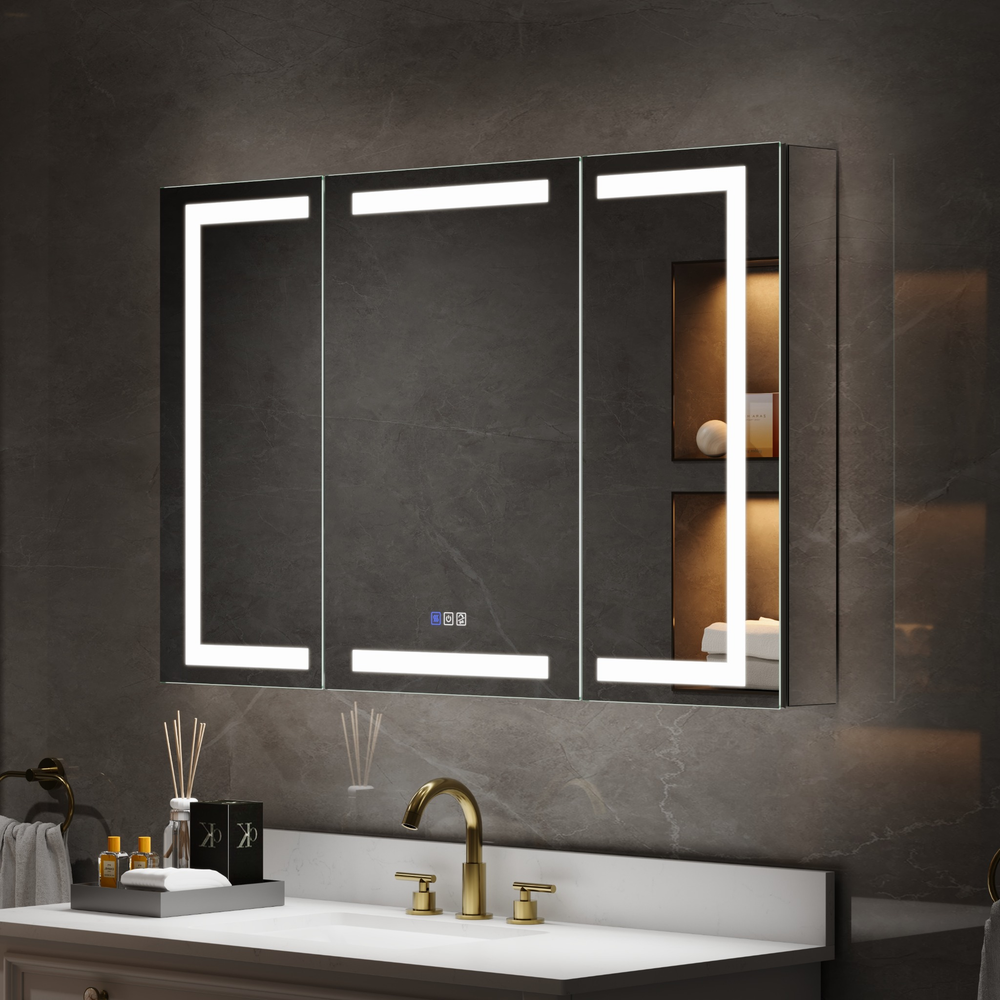



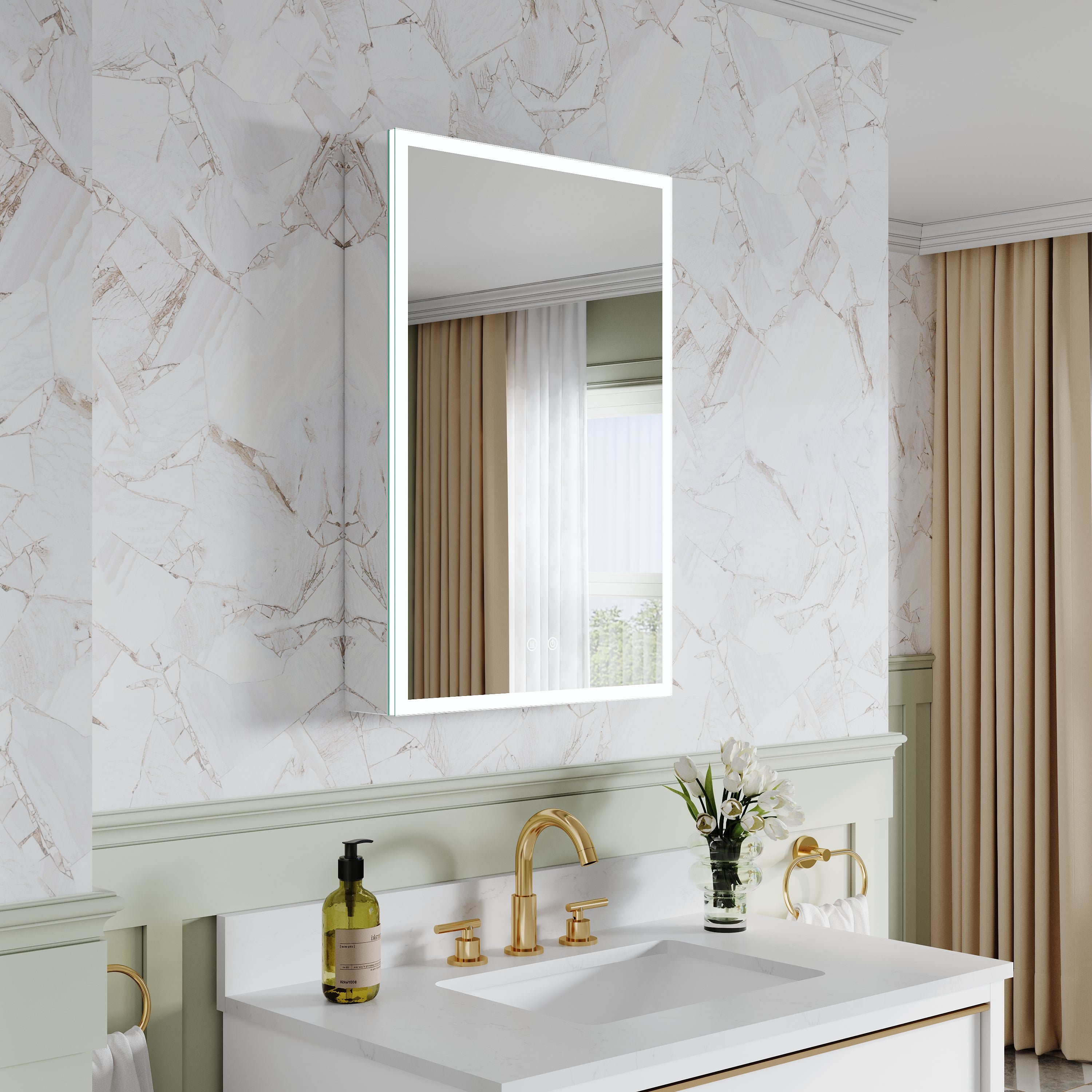
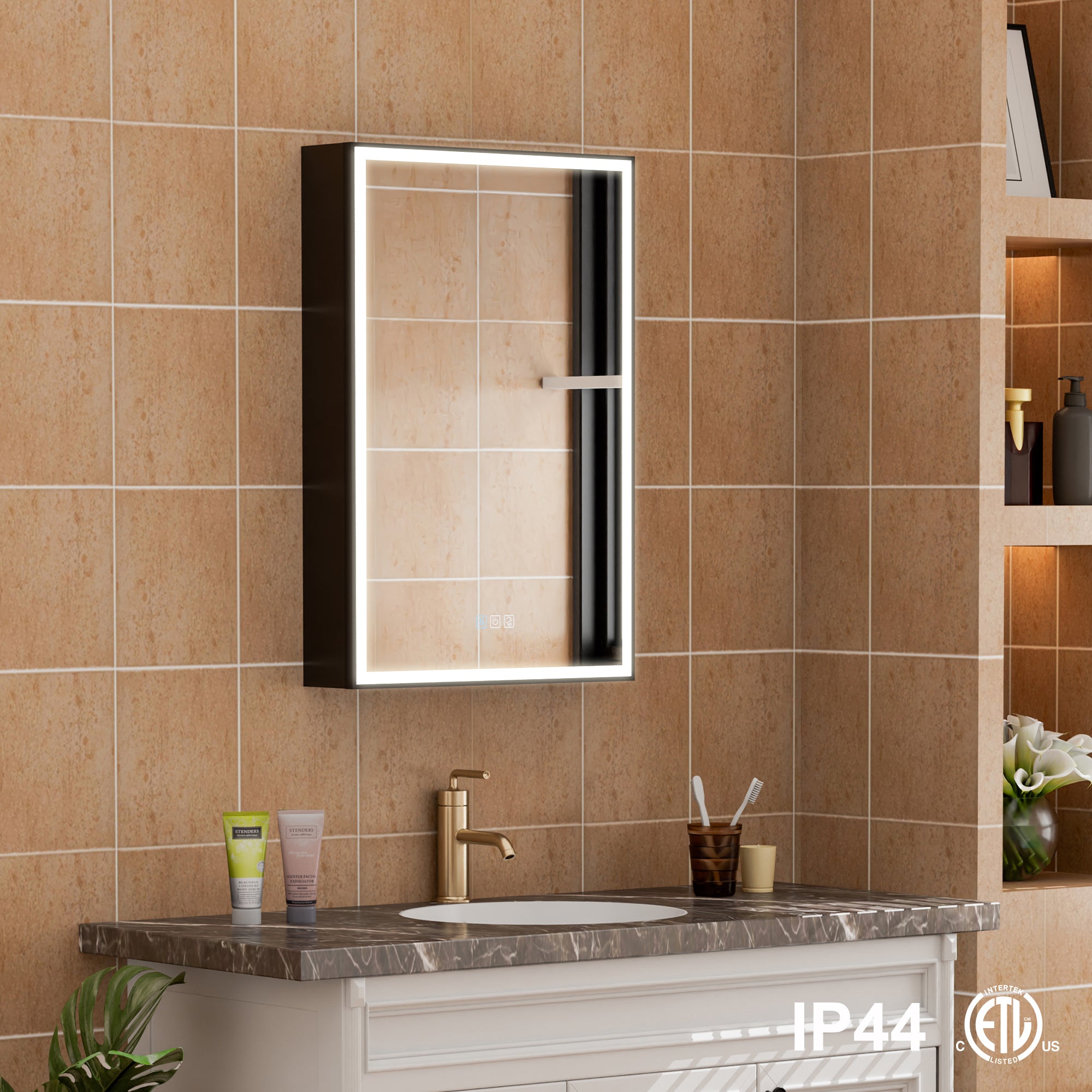


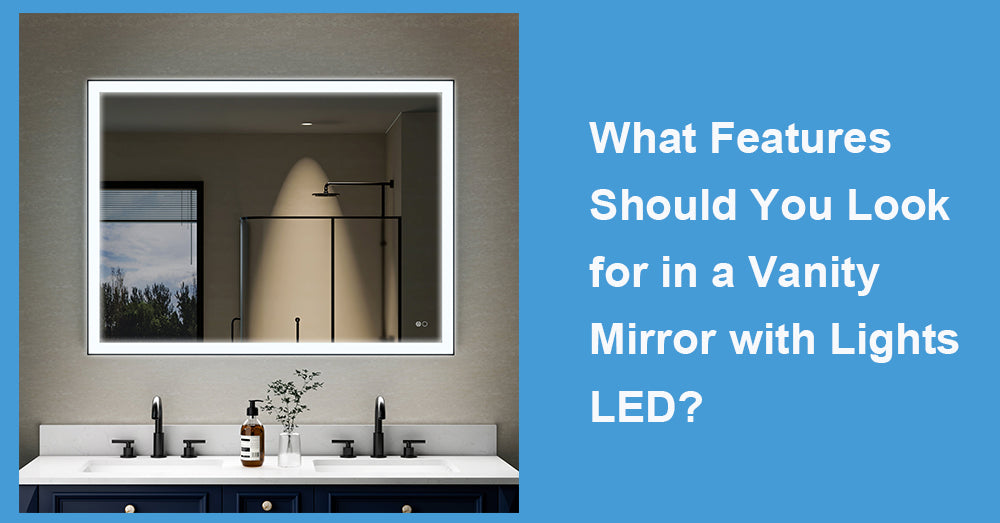
We should treat a vanity mirror with lights led as a functional bathroom fixture rather than just a decorative mirror. Selecting the wrong type of vanity mirror might have the appearance of good lighting in pictures but the light could be too bright for nighttime use, leaving shadow behind on your face or giving awkward placement. The right model would help in daily grooming, support the color scheme of the room's lighting concept, and keep the area clean. According to the Houzz Bathroom Trends Study of 2025, vanity mirrors with lighting are up to 22% of updated bathroom lighting options, which is an increase of 3 percent compared to 2024.
Even Face Lighting Should Come First
The most important feature is not the shape, touch button, or defogger. It is how the light lands on the face.
For shaving, makeup, skin care, or contact lenses, lighting should reduce shadows around the eyes, nose, and chin. A mirror that only glows from behind may look elegant but may not give enough usable task light.
Look for:
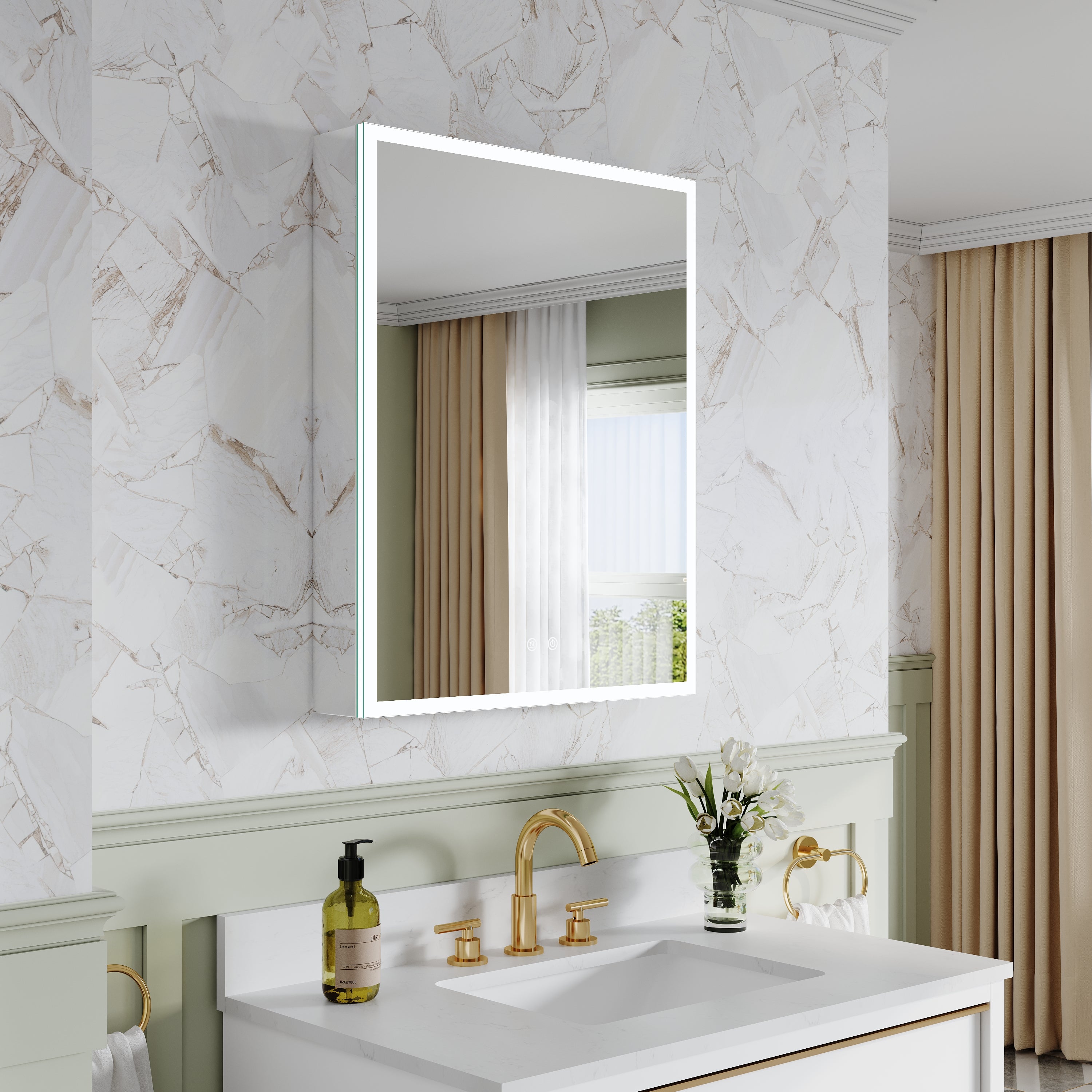
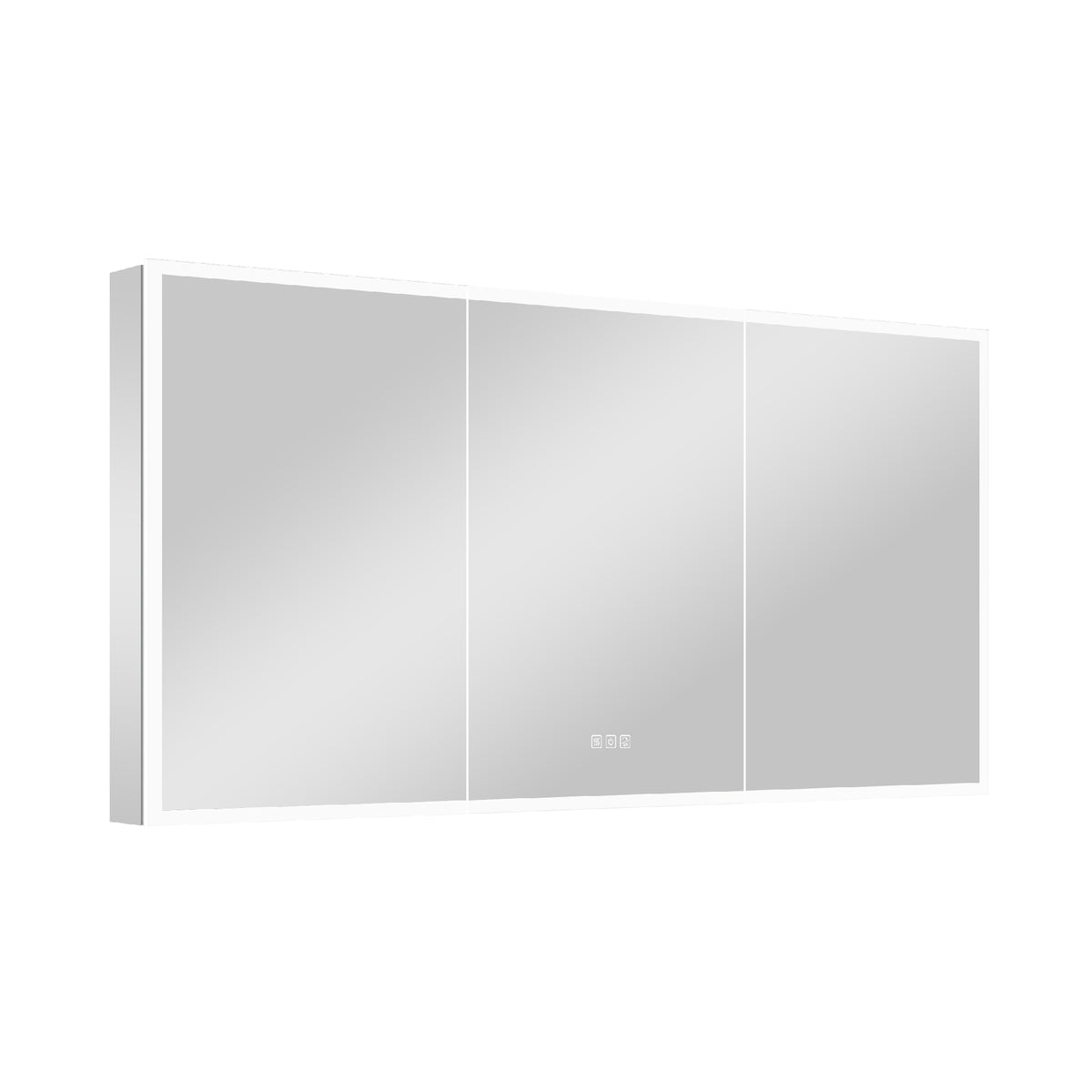
· Front-facing light for grooming
· Side or perimeter illumination
· Adjustable brightness
· No harsh hot spots
· No strong shadow under the chin
NKBA's 2026 report found that 92% of surveyed professionals believe task lighting should be included in the primary bath, which shows why mirror lighting has become more functional than decorative.
Dimming Is More Useful Than Extreme Brightness
A constantly brightly lit mirror can be exasperating. While morning grooming can benefit from bright lighting, a nighttime visit to the restroom doesn’t require it. This is where dimming functions come in allowing compete processes to be done within the same vicinity without discomfort. Stepless dimming is generally more useful than three fixed lighting brightness options: this feature enables a wider range of lighting-based options. The significance of the technology does not stand only in en-suites but in family bathrooms. Different people use the same facilities and opt for varying levels of brightness. According to NKBA’s findings of 2026, about 80% of designers have started using night-oriented bathroom lighting: adjustable illumination has become relevant.
Color Temperature Should Match the Room
Color temperature changes how both the face and the bathroom finishes appear.
A warmer setting around 3000K can look comfortable with light oak, cream tile, beige stone, and brushed gold. Around 4000K often feels balanced for regular grooming. Cooler light around 5000K to 6000K creates a sharper, brighter effect.
A mirror with adjustable color temperature is usually easier to live with than one fixed at a very cool white.
The goal is not to change settings constantly. It is to have enough range to match the bathroom and the routine.
A memory function helps because the mirror can return to the last brightness and color setting without needing daily adjustment.
Color Accuracy Matters for Grooming
Brightness and color temperature are not the same as color accuracy.
For makeup, skin care, shaving, and hair color, the mirror should show colors realistically. Check the Color Rendering Index, usually listed as CRI.
A CRI of 90 or higher is a practical target for a grooming mirror.
This is especially important in bathrooms without much daylight. A low-quality LED can make skin look dull or uneven even when the mirror seems bright.
Better color rendering makes the light more trustworthy, which matters more than having the highest lumen rating.
Mirror Size Should Follow the Vanity
A lighted mirror can have excellent features and still look wrong if the size is off.
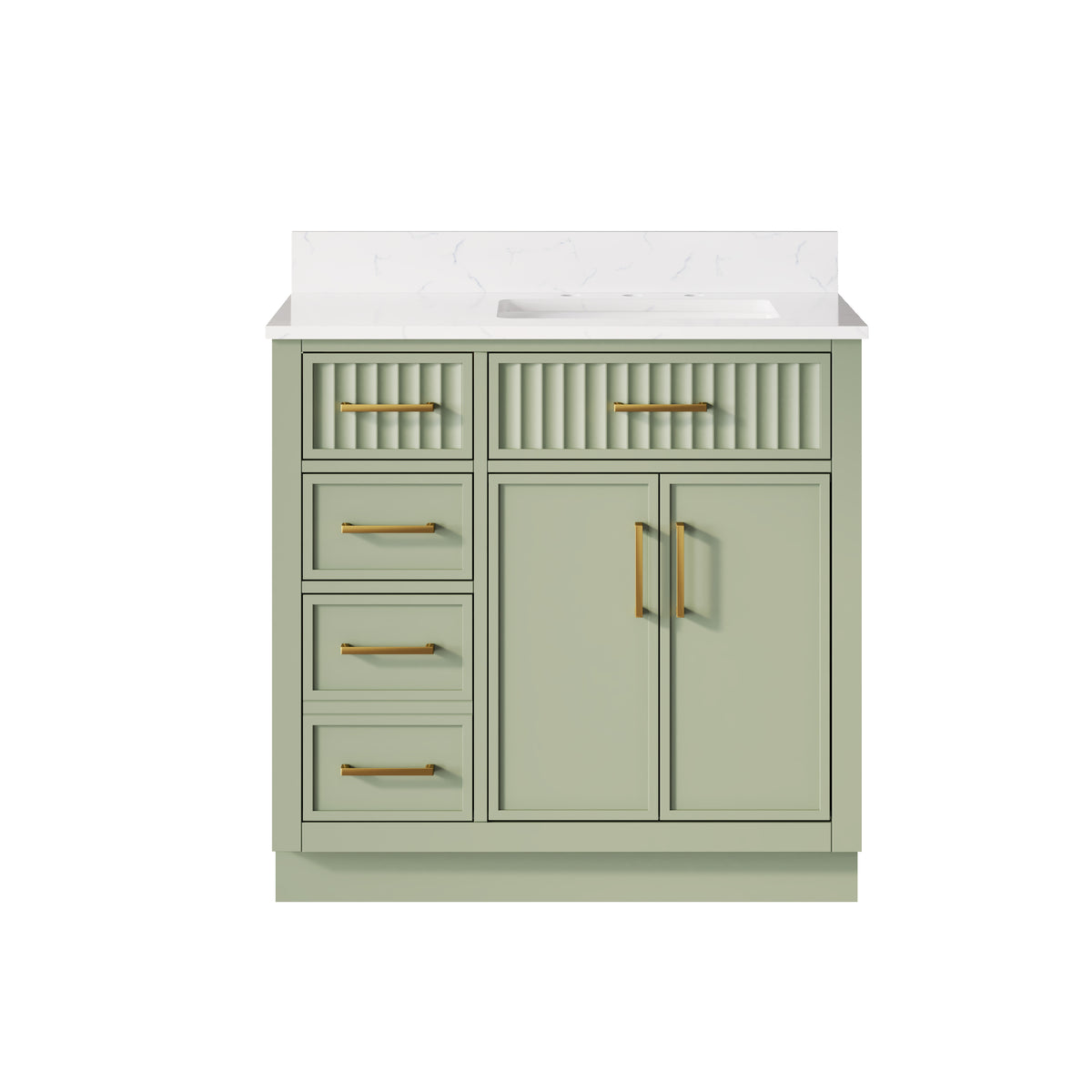
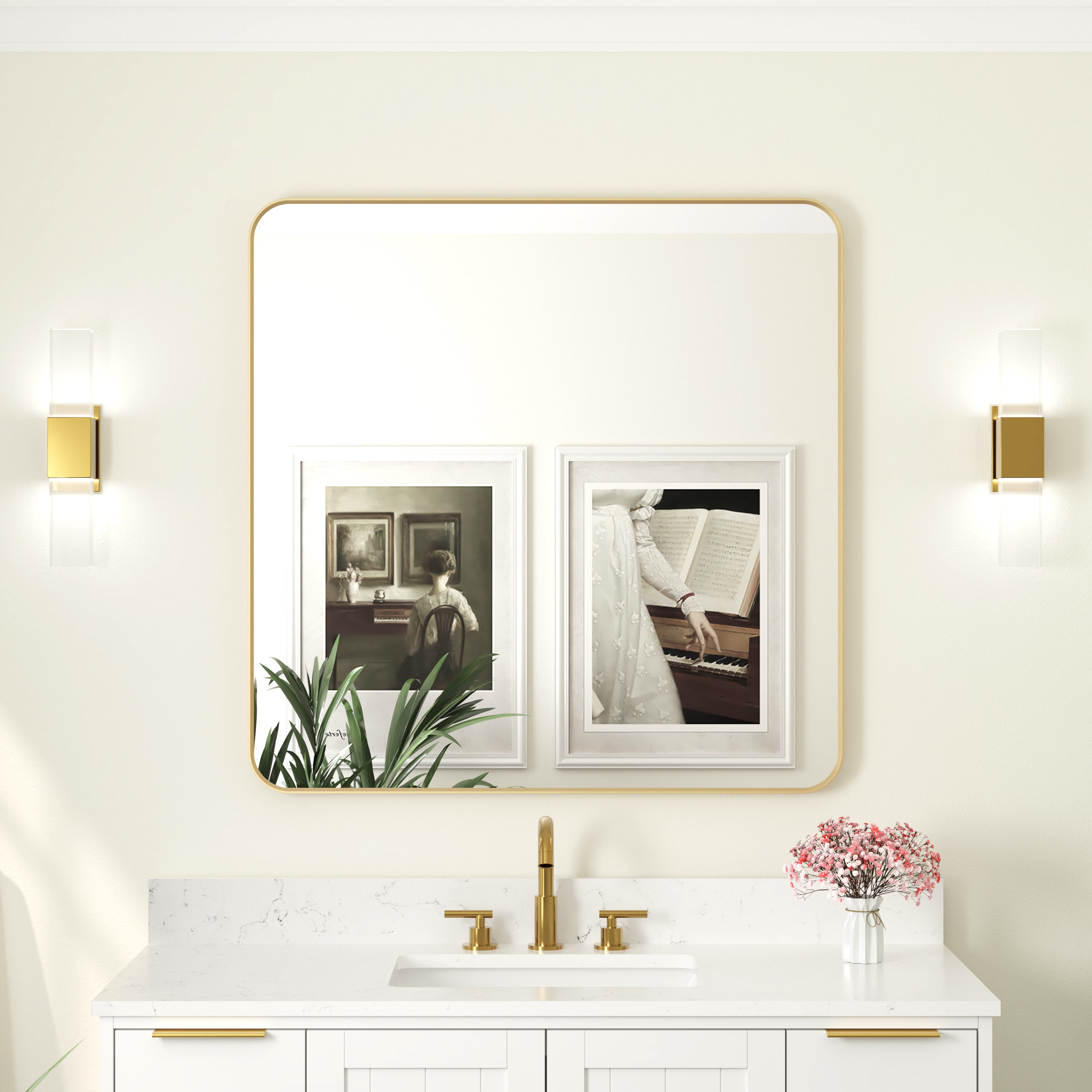
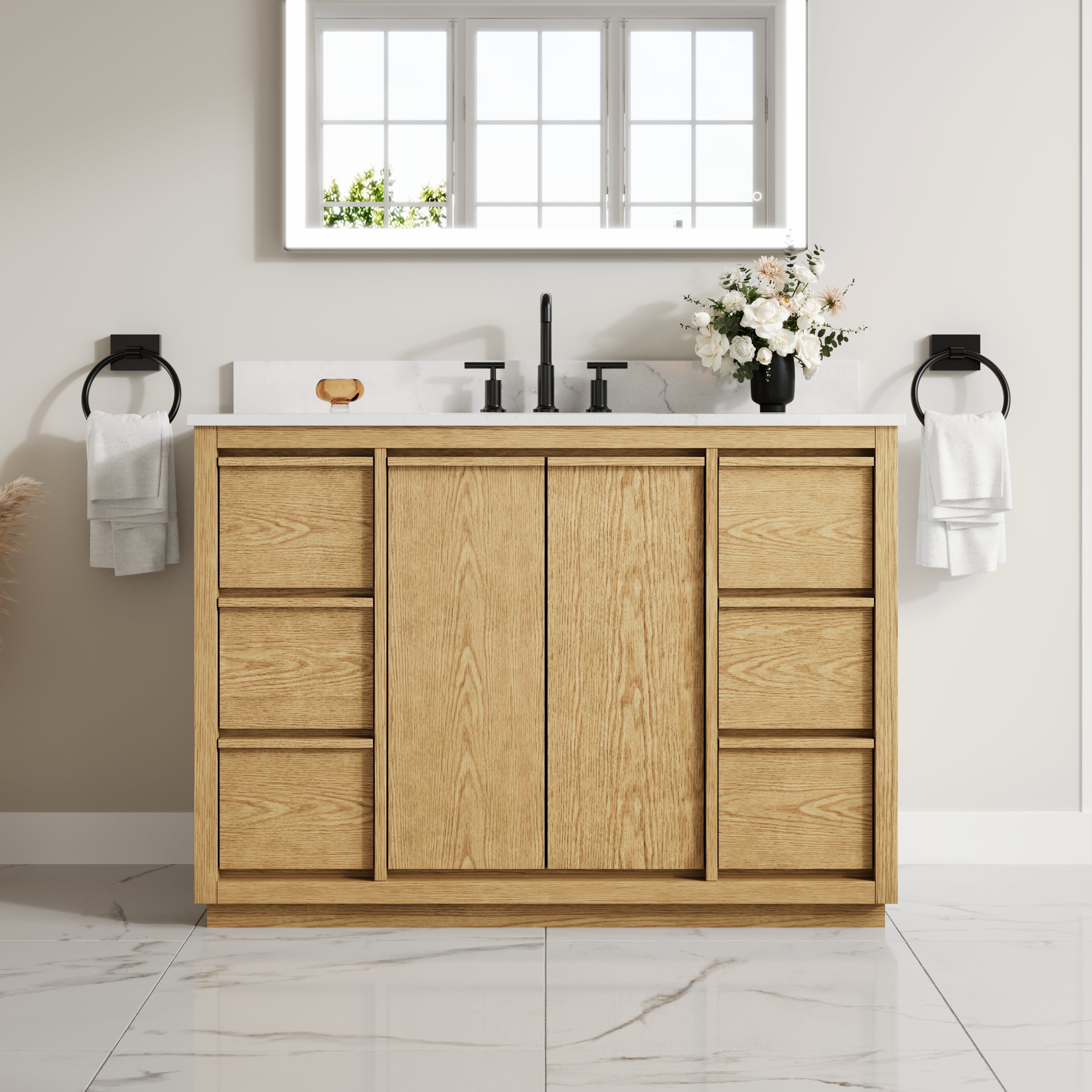
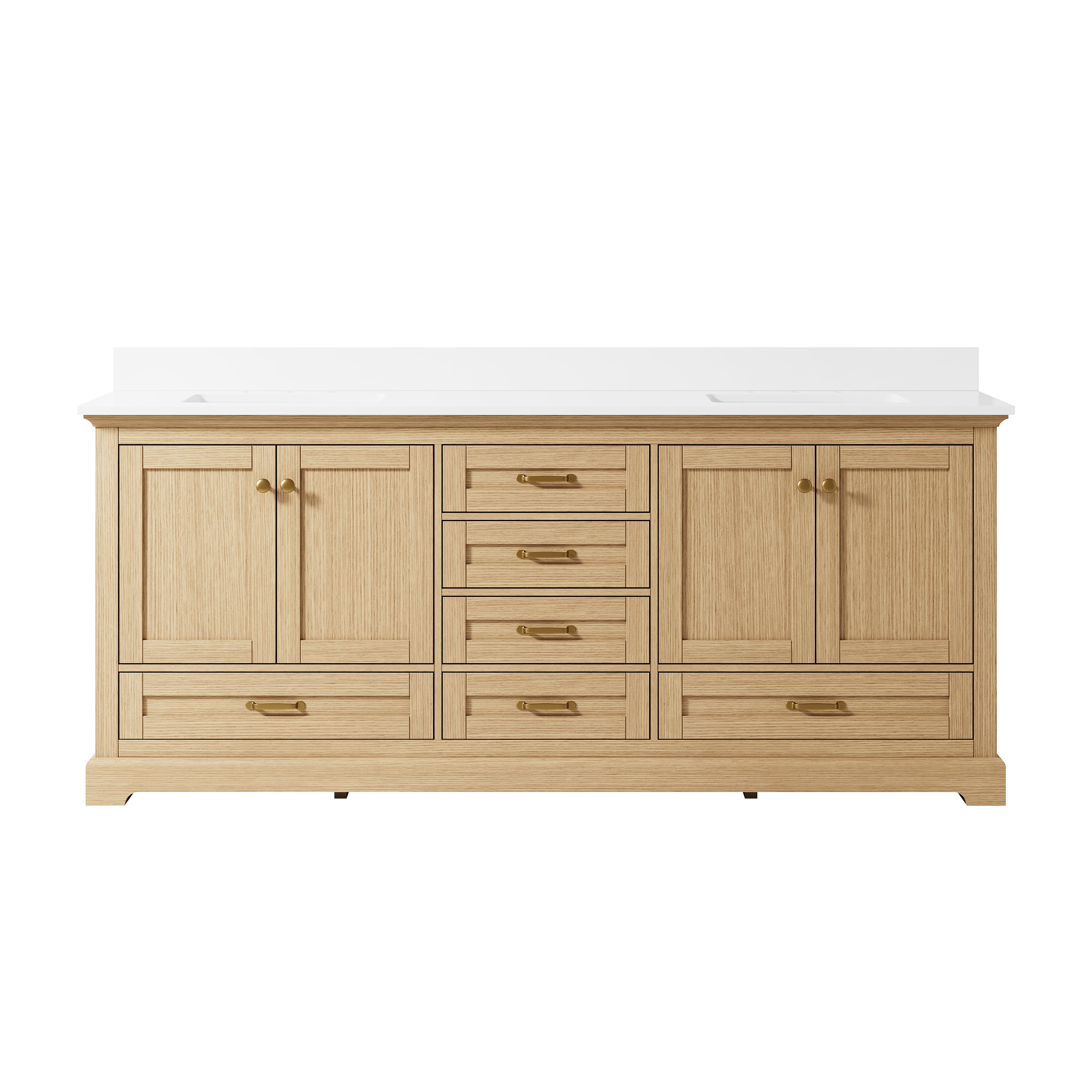
For a 24-inch vanity, a mirror around 20-inch to 24-inch wide often feels proportional. For a 36-inch vanity, 30-inch to 36-inch wide is a common range. A 48-inch vanity can usually support a wider rectangular mirror.
Before ordering, measure:
· Vanity width
· Wall width
· Faucet height
· Backsplash height
· Ceiling clearance
· Nearby cabinets or shower glass
Bigger is not always better. Leaving a few inches of wall visible on each side can make the vanity area feel more intentional.
Front Light and Backlight Do Different Jobs
Many buyers see "backlit" and assume it means better lighting. Not always.
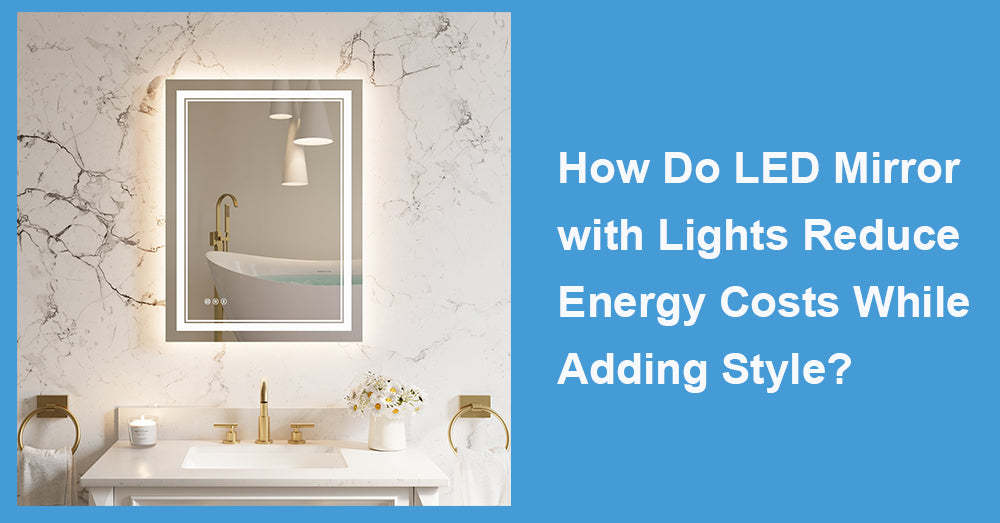
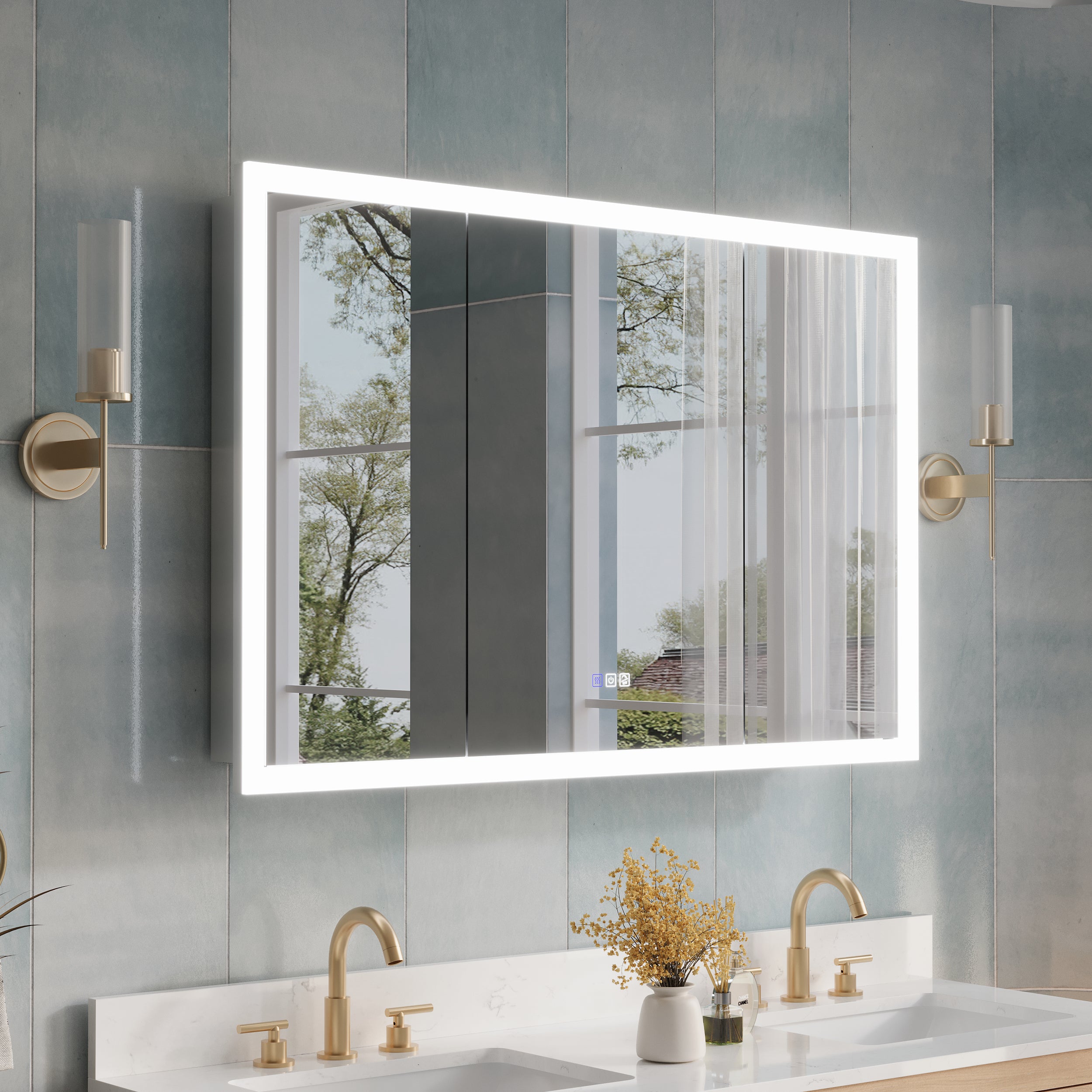
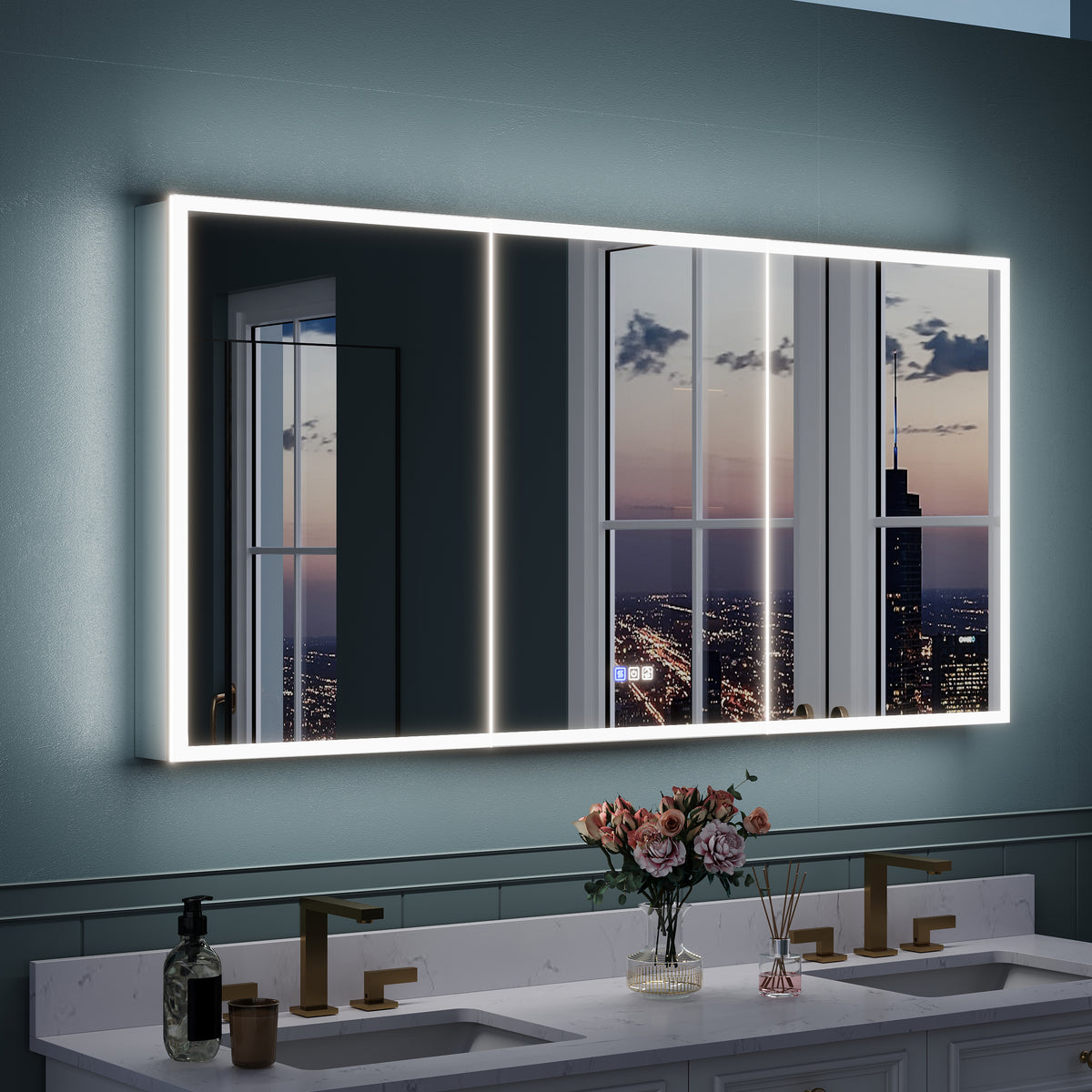
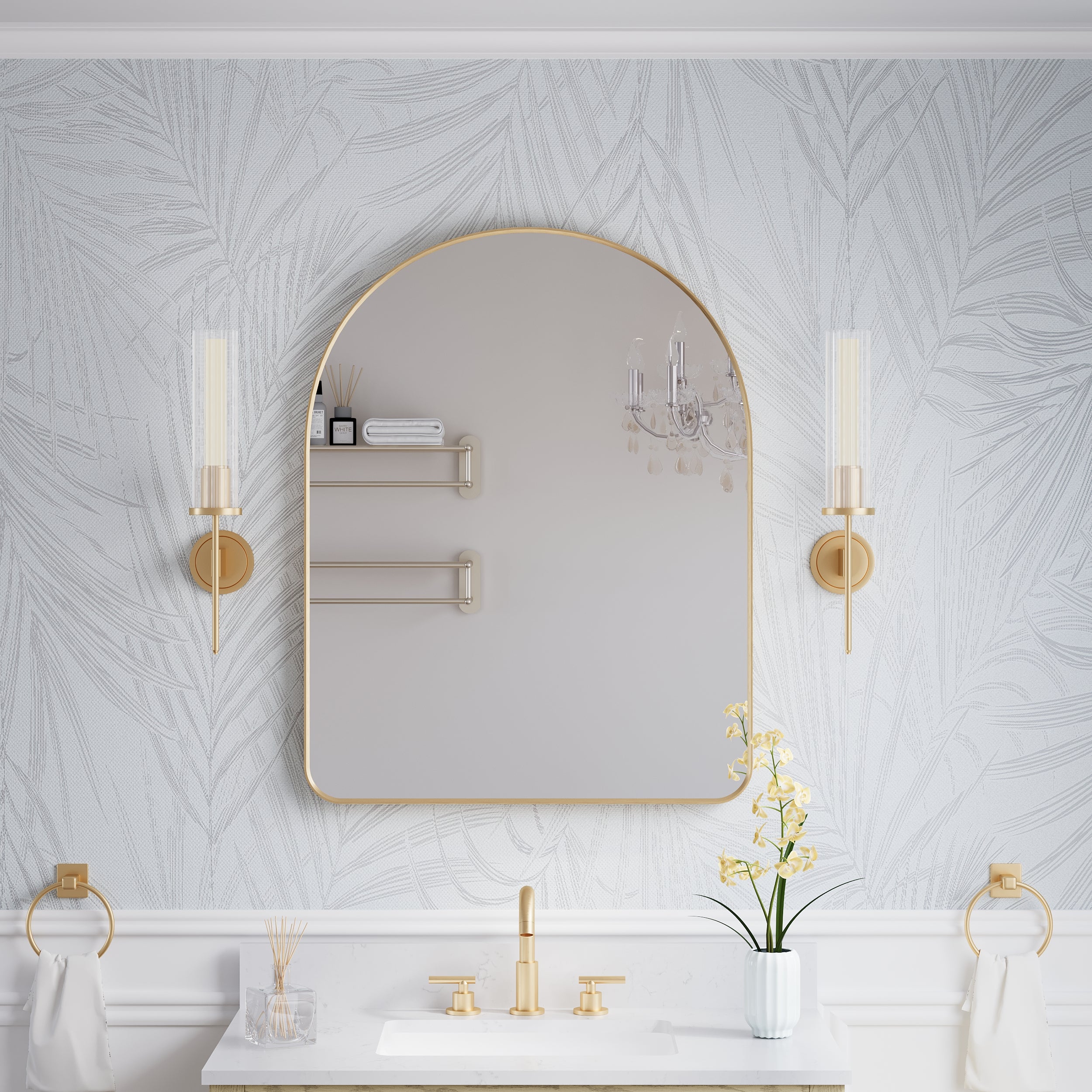
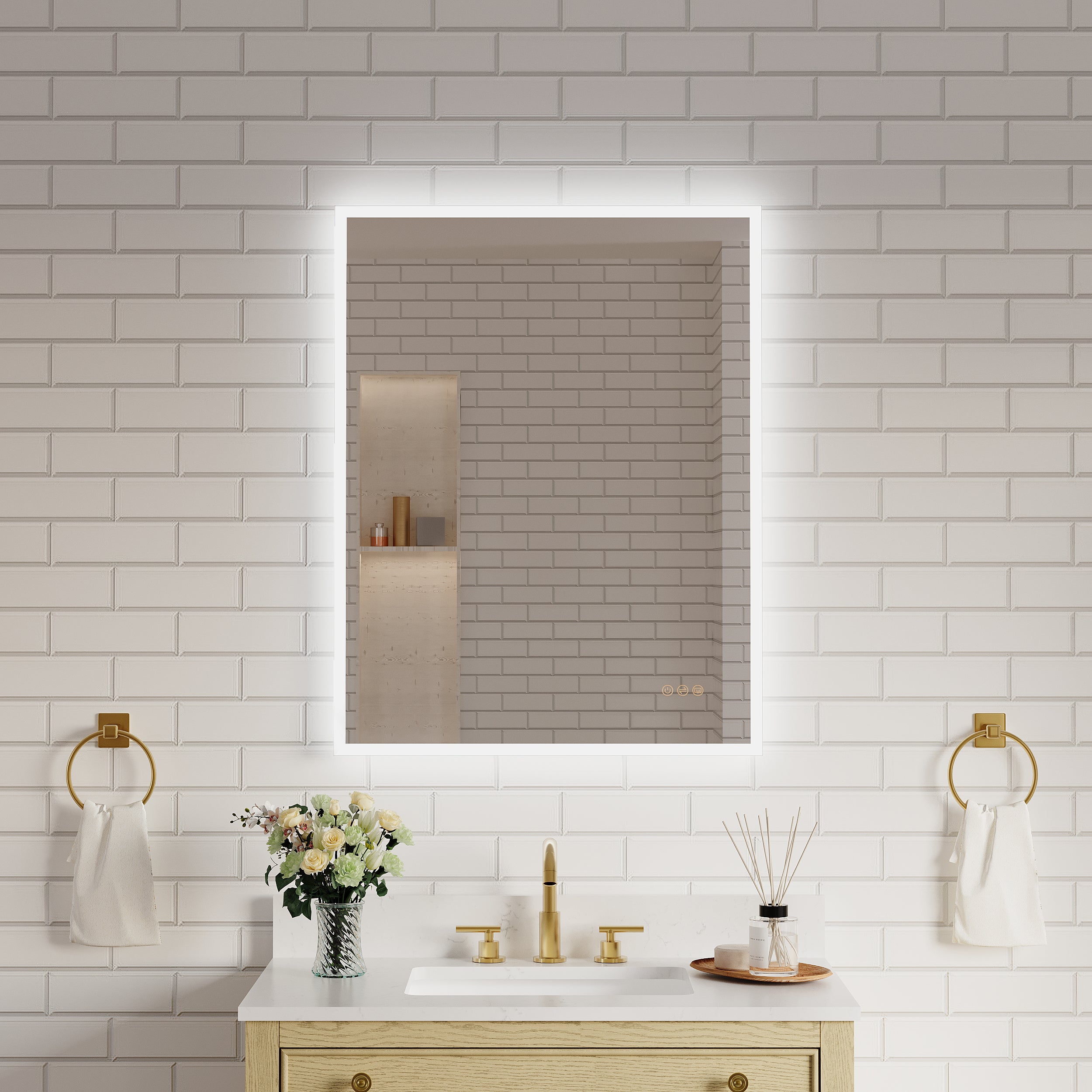
Backlighting sends light toward the wall, creating a soft floating effect. It is attractive and works well against textured tile or darker paint.
Front lighting sends light toward the user, which is more useful for detailed grooming.
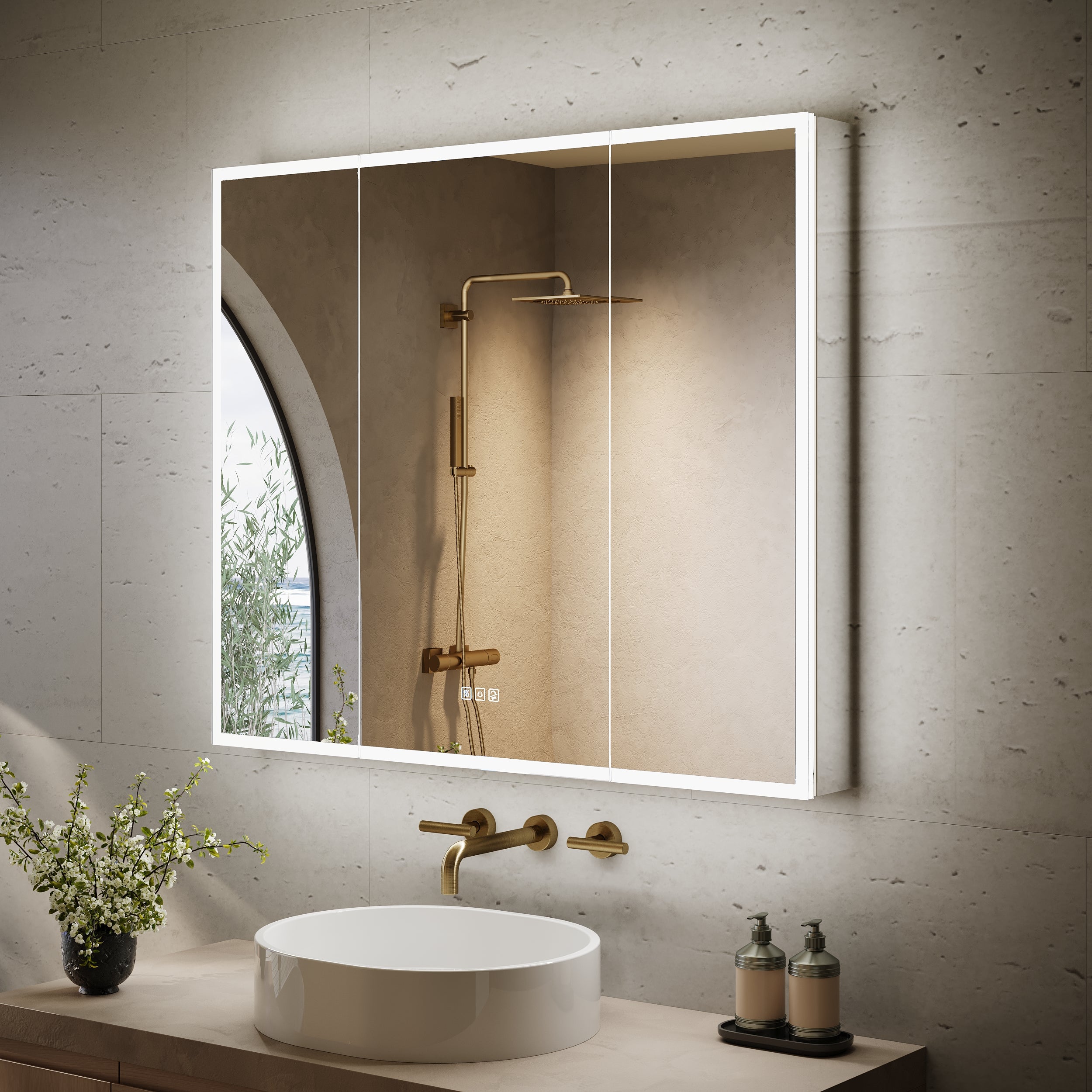
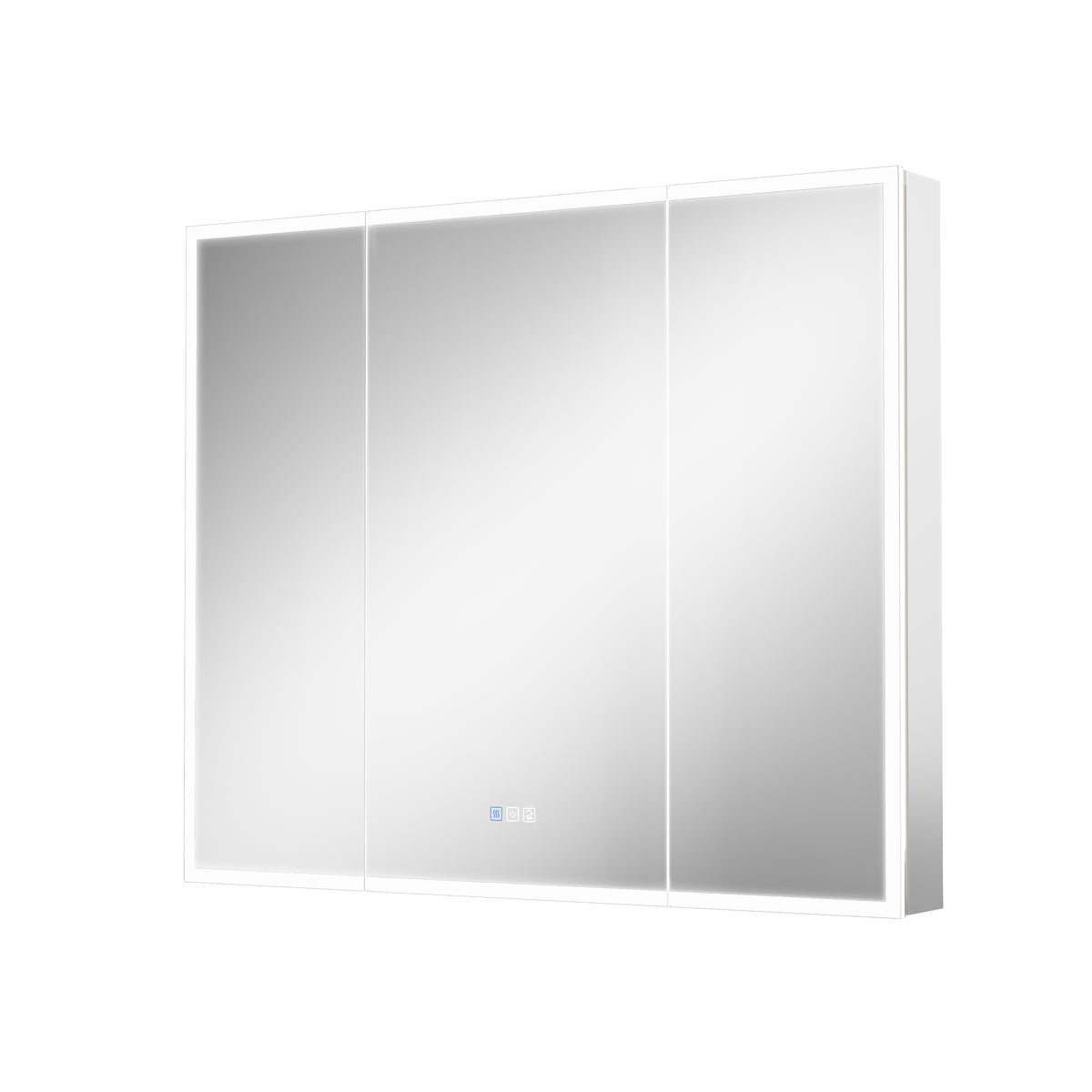
A dual-light mirror gives both benefits: front light for function and backlight for atmosphere.
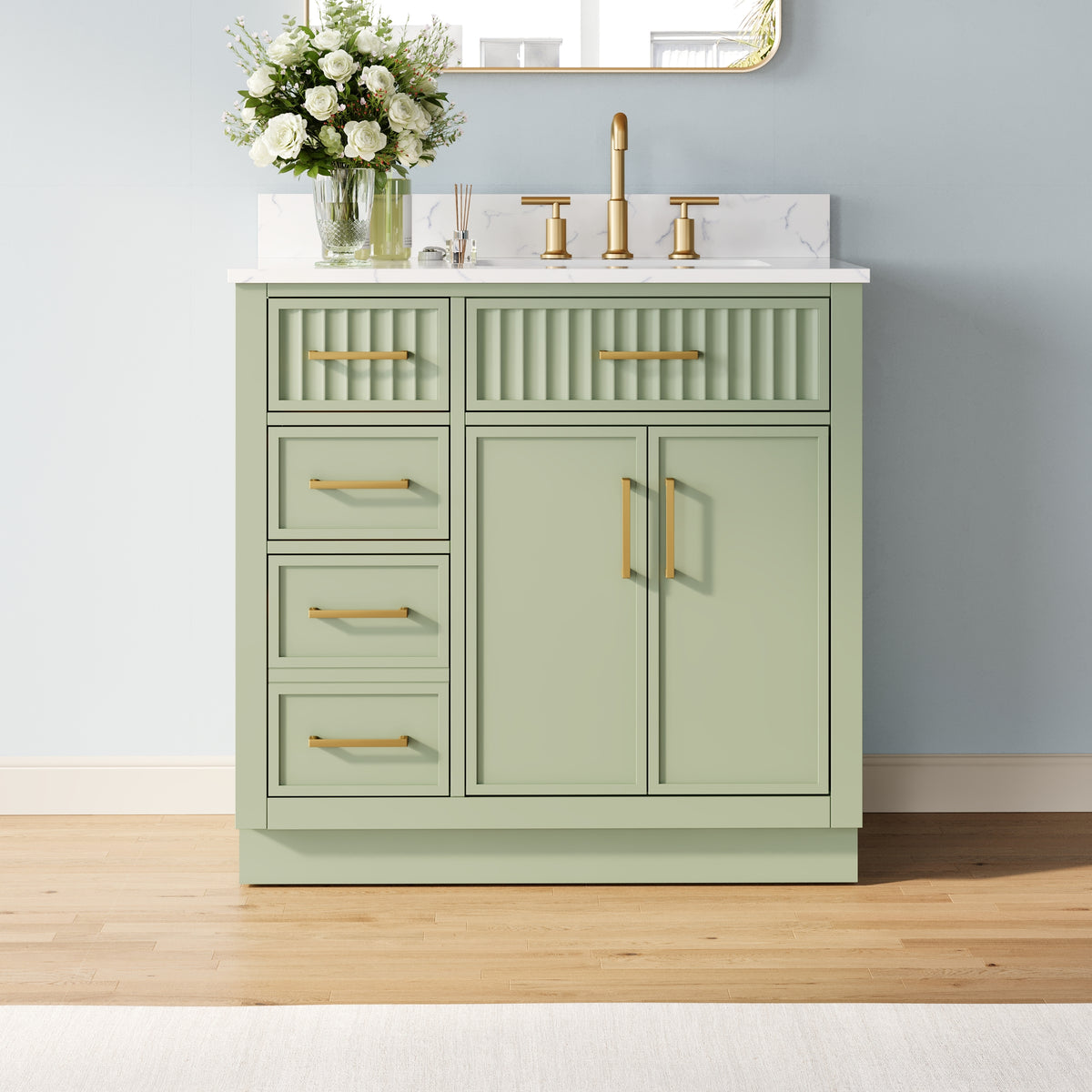
This is especially effective with floating vanities, where the mirror and cabinet can both feel lighter and more architectural.

Anti-Fogging Is Practical in Small Bathrooms
Anti-fogging is one of the features that sounds optional but can quickly become useful.
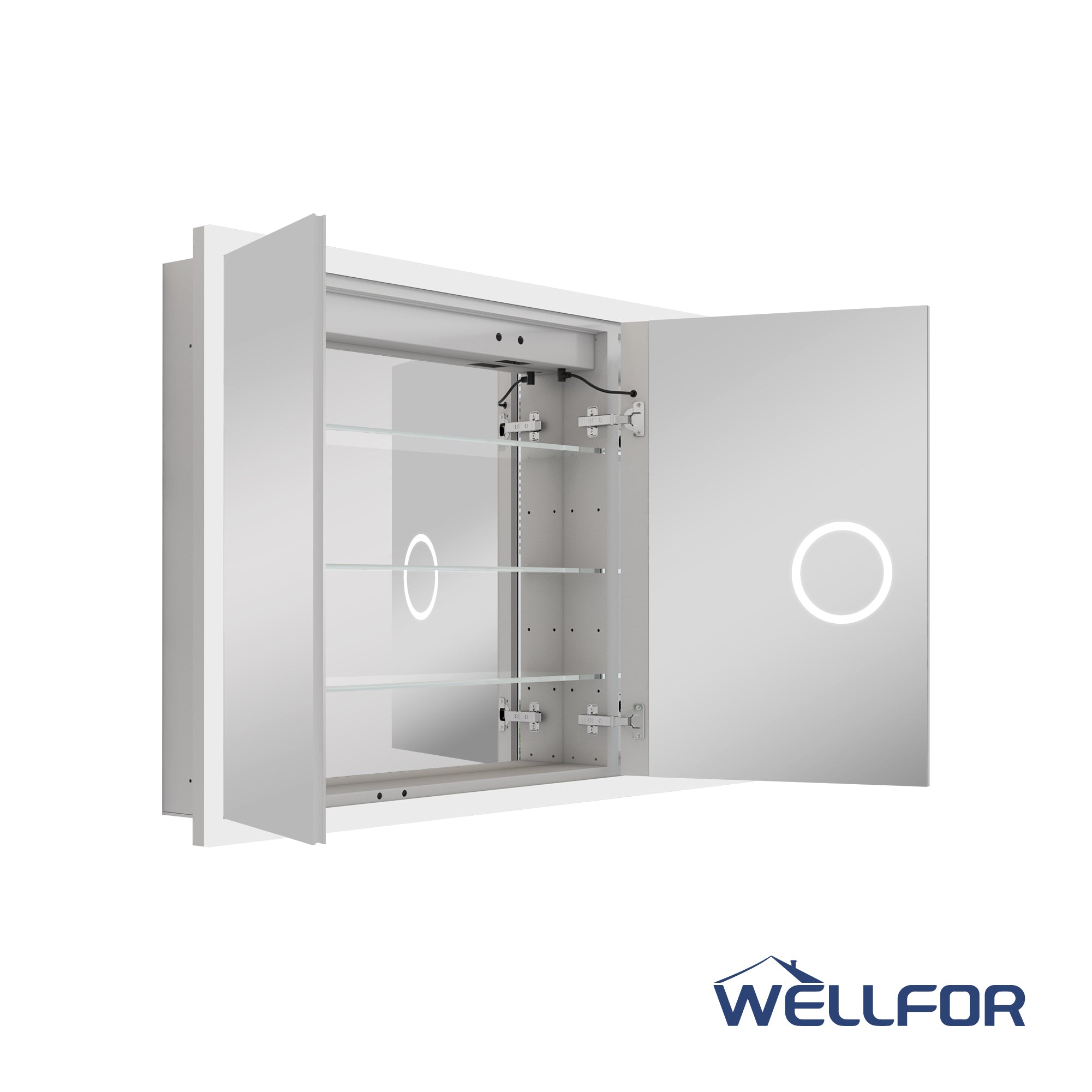
A heated pad behind the glass helps keep part of the mirror clear after a hot shower. This is especially helpful in compact en-suites or bathrooms where the shower is close to the vanity.
Look for a separate anti-fog control. The defogger should not have to run every time the light is on.
Ventilation is still necessary. The anti-fog function clears the mirror surface; it does not remove humidity from the room.
LED Efficiency and Service Life Still Matter
Most illuminated vanity mirrors use LED technology, which is one reason the category has expanded.
The U.S. Department of Energy's Consumer Guide to Energy-Efficient Lighting notes that LEDs can use up to 90% less energy and last up to 25 times longer than incandescent bulbs. That advantage matters when the light source is built into the mirror rather than replaced like a standard bulb.
Still, check more than the LED claim.
Pay attention to:
· Warranty coverage
· Driver quality
· Electrical certification
· Replacement-part availability
· Moisture suitability
A mirror is only as reliable as its electronics.
Controls Should Be Simple
A vanity mirror should not feel like a control panel.
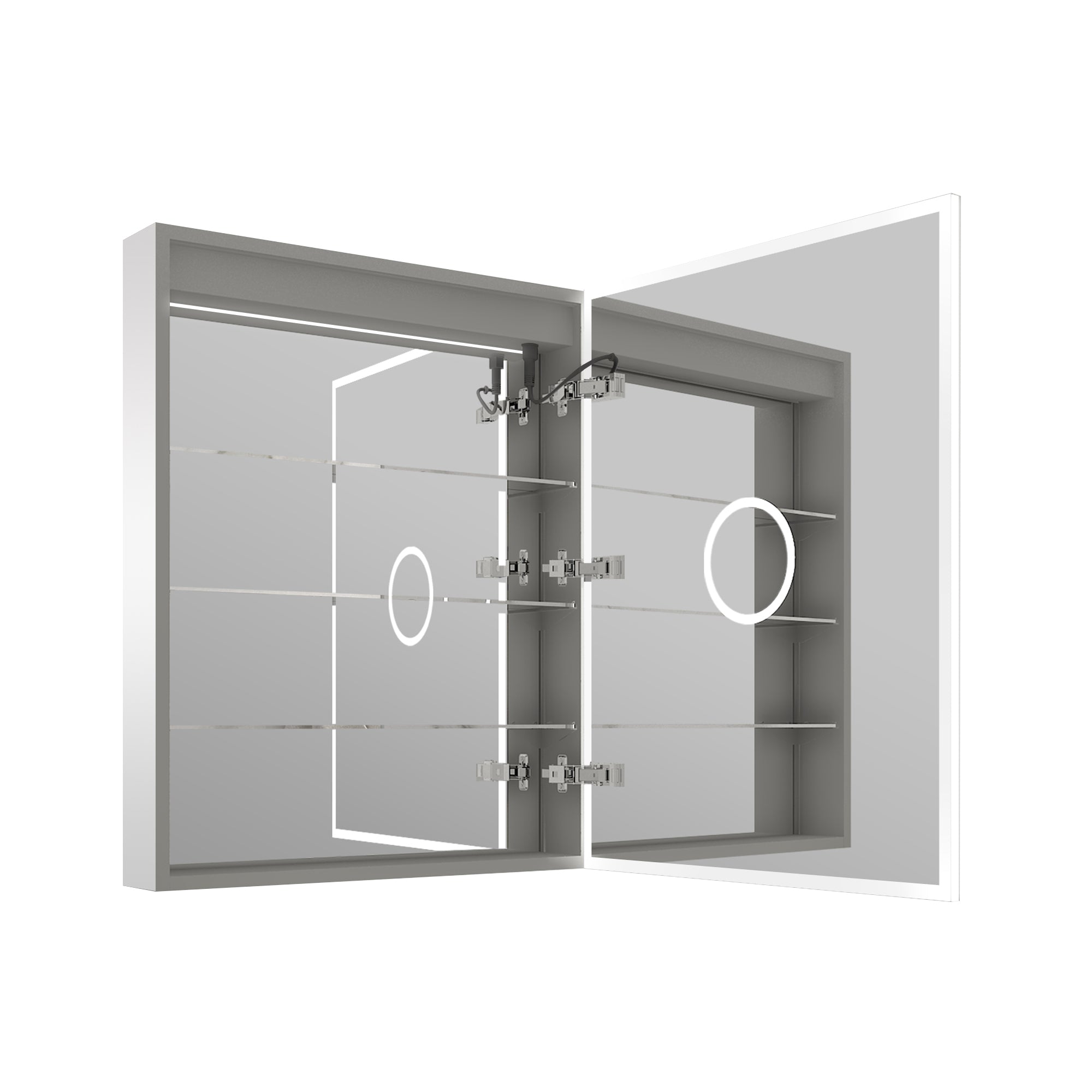
Useful controls include power, dimming, color temperature, memory, and anti-fogging. Large glowing icons or complicated touch sequences can make the mirror feel less refined.
The best controls are easy to find but quiet in appearance.
For daily use, simplicity usually wins. A mirror that remembers your preferred setting and turns on without extra steps will feel better than one with too many features that rarely get used.
The Best Feature Set Depends on the Bathroom
A vanity mirror with lights led should match the way the bathroom is actually used.
For a main bath, prioritize even front lighting, color accuracy, dimming, and memory. For an en-suite, anti-fogging and low nighttime brightness may matter more. For a powder room, backlighting and clean proportions may be enough.
The strongest choice is not the mirror with the longest product description. It is the one with the right size, comfortable light, reliable electronics, and controls that make sense after the first week of use.
A good LED mirror should not draw attention to the technology. It should simply make the vanity easier to use and the bathroom feel better finished.













Leave a comment
This site is protected by hCaptcha and the hCaptcha Privacy Policy and Terms of Service apply.