
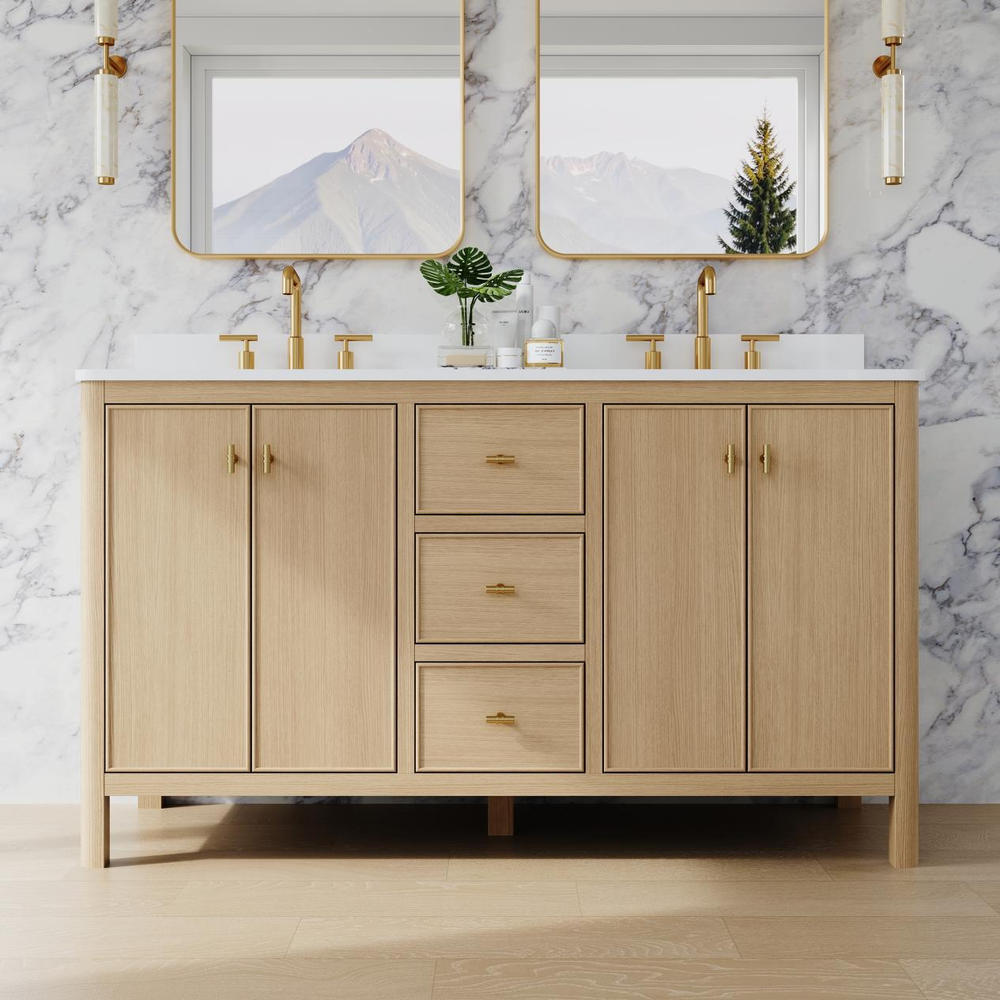
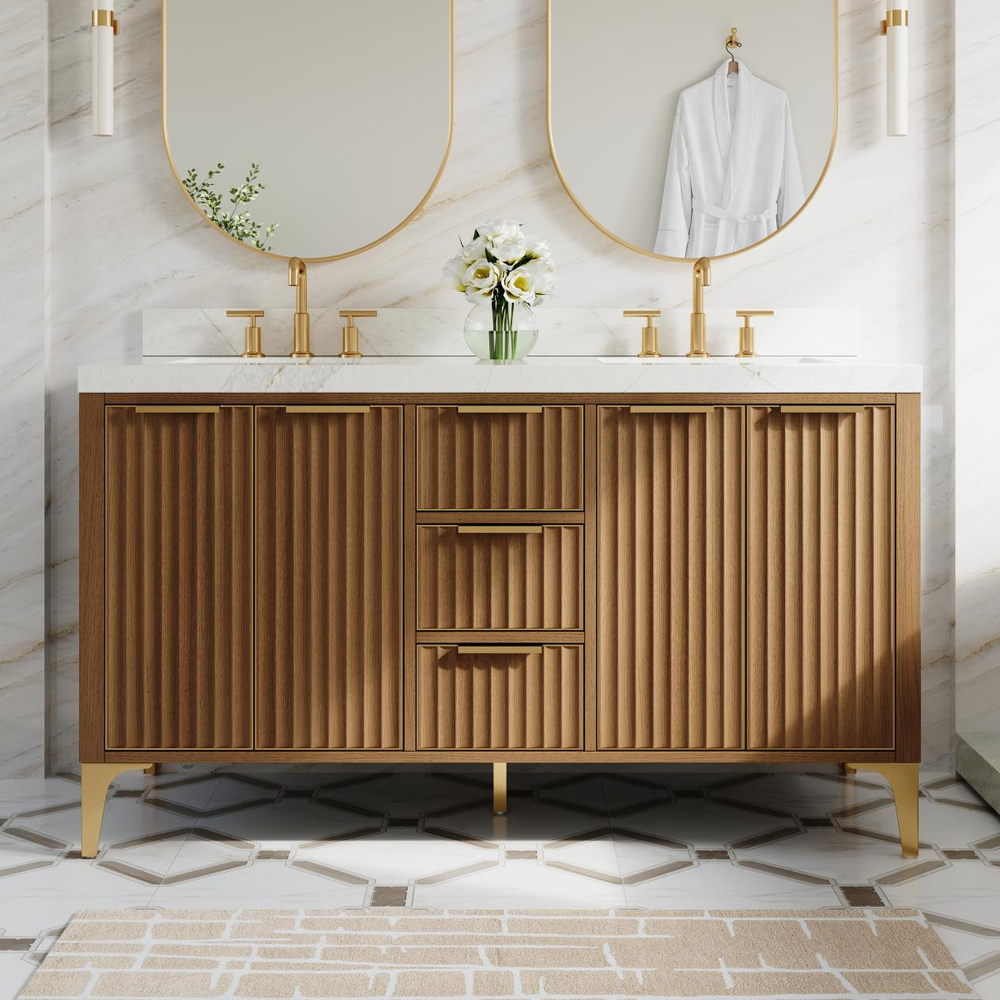
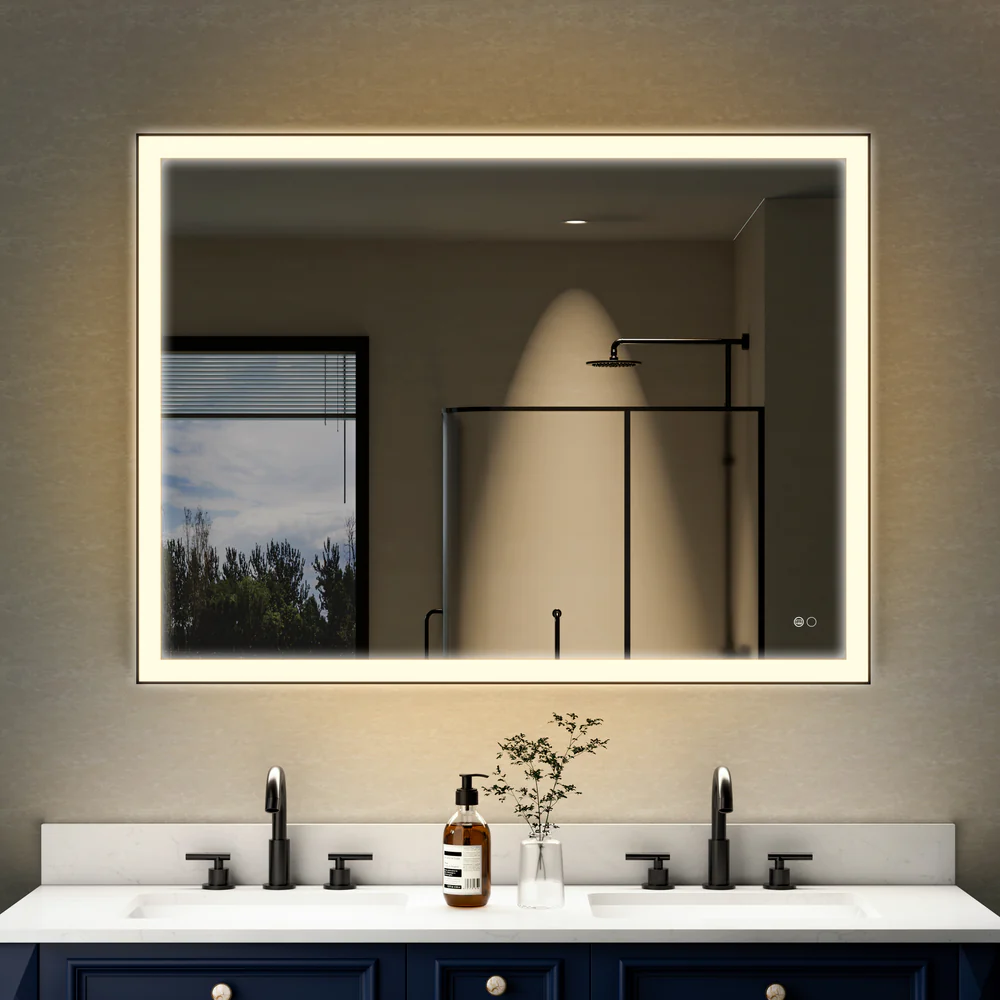
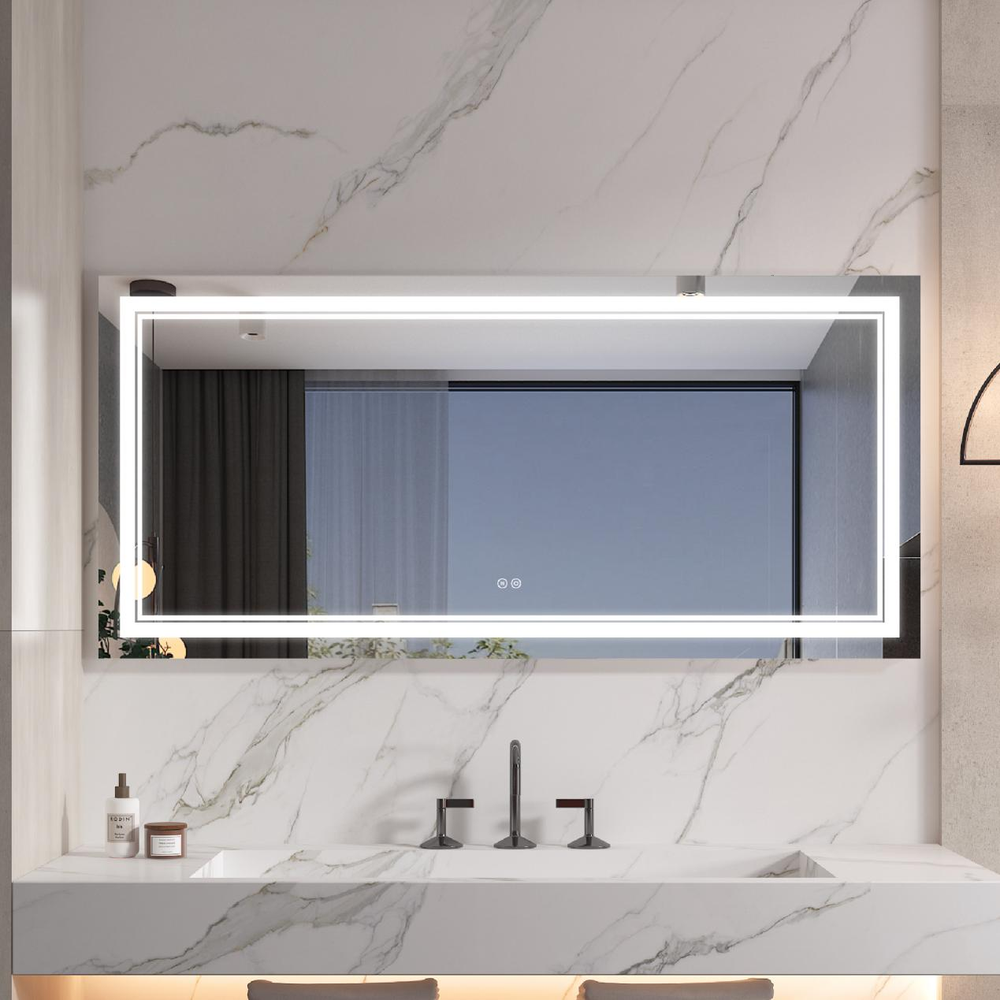
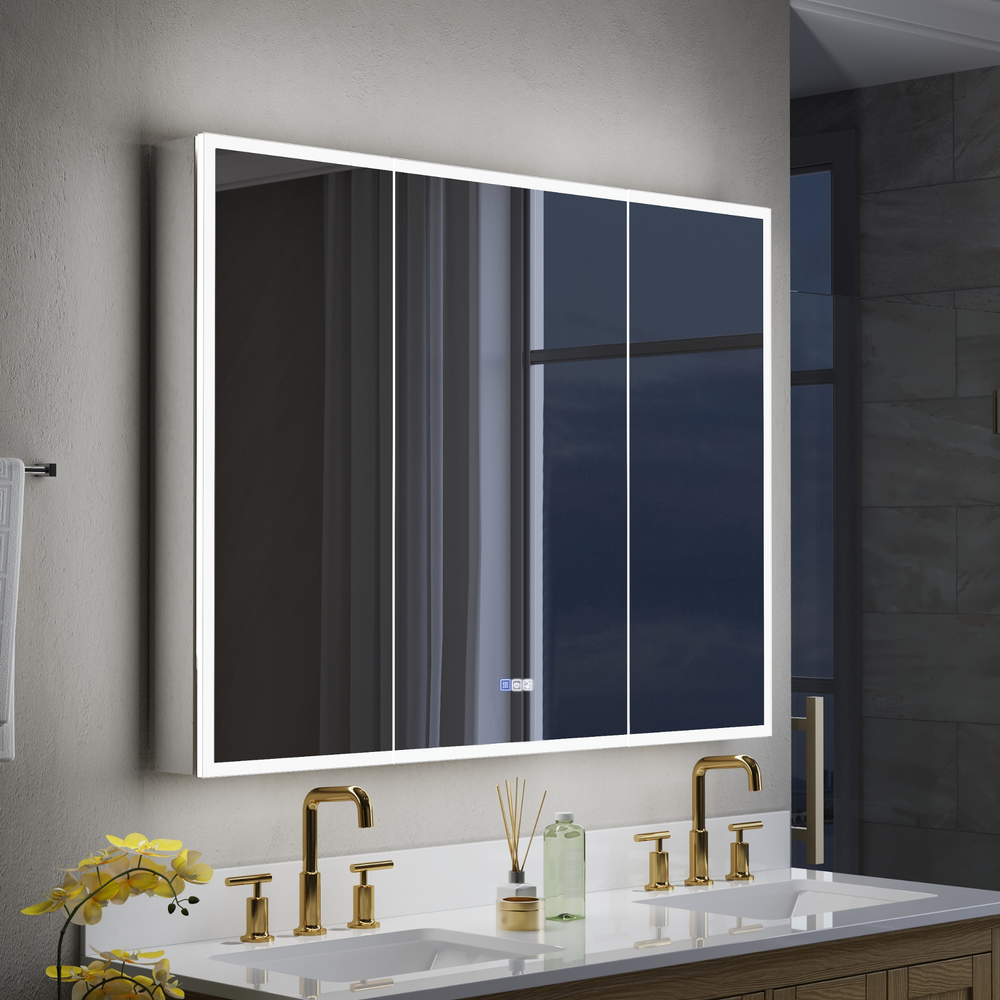
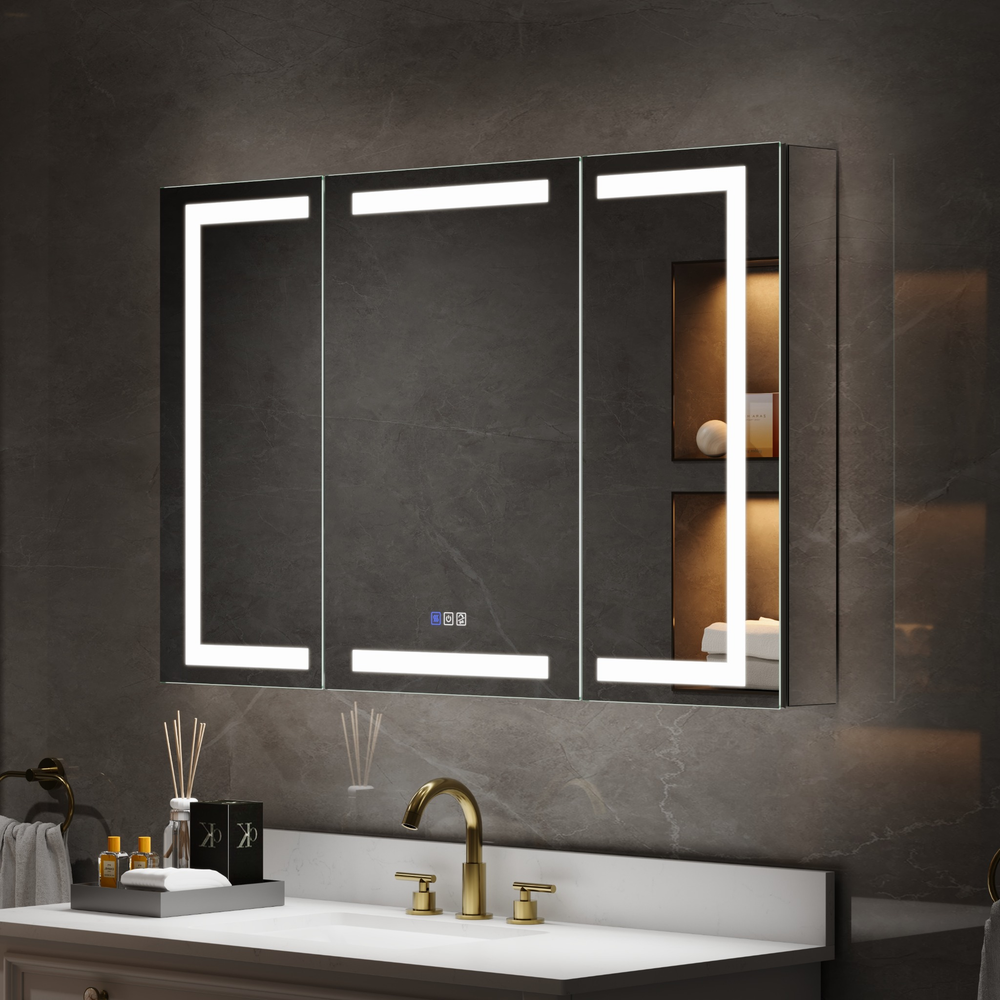


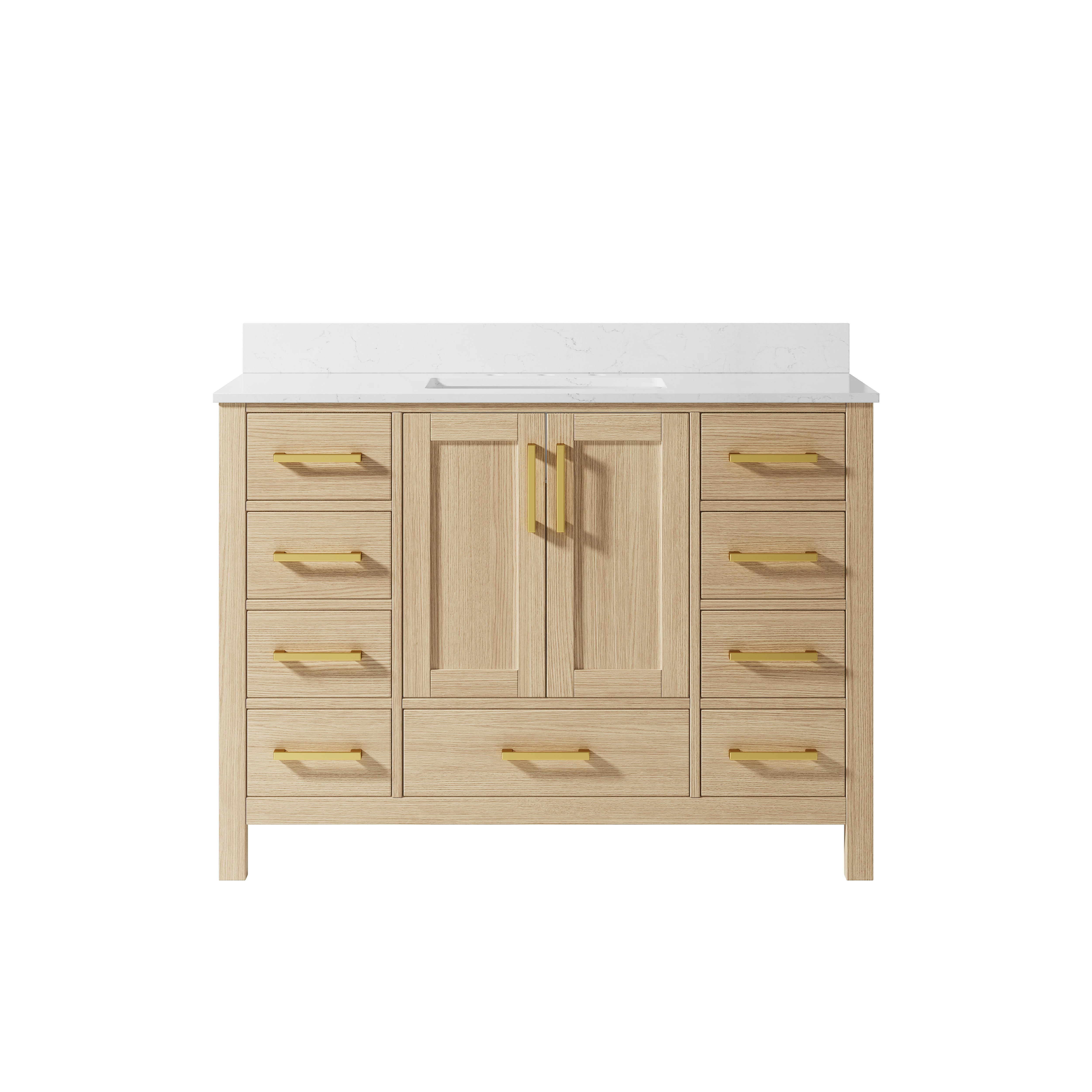
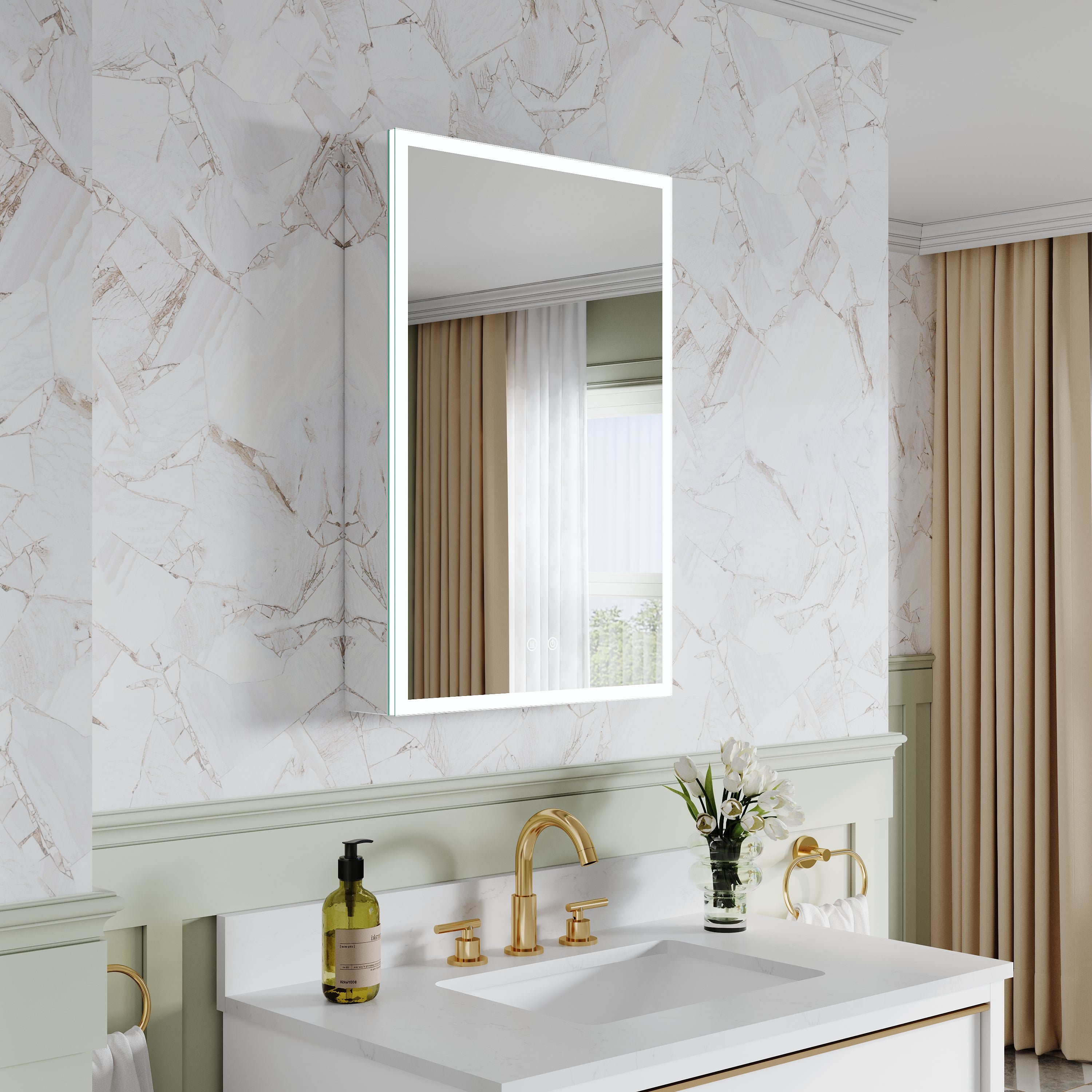
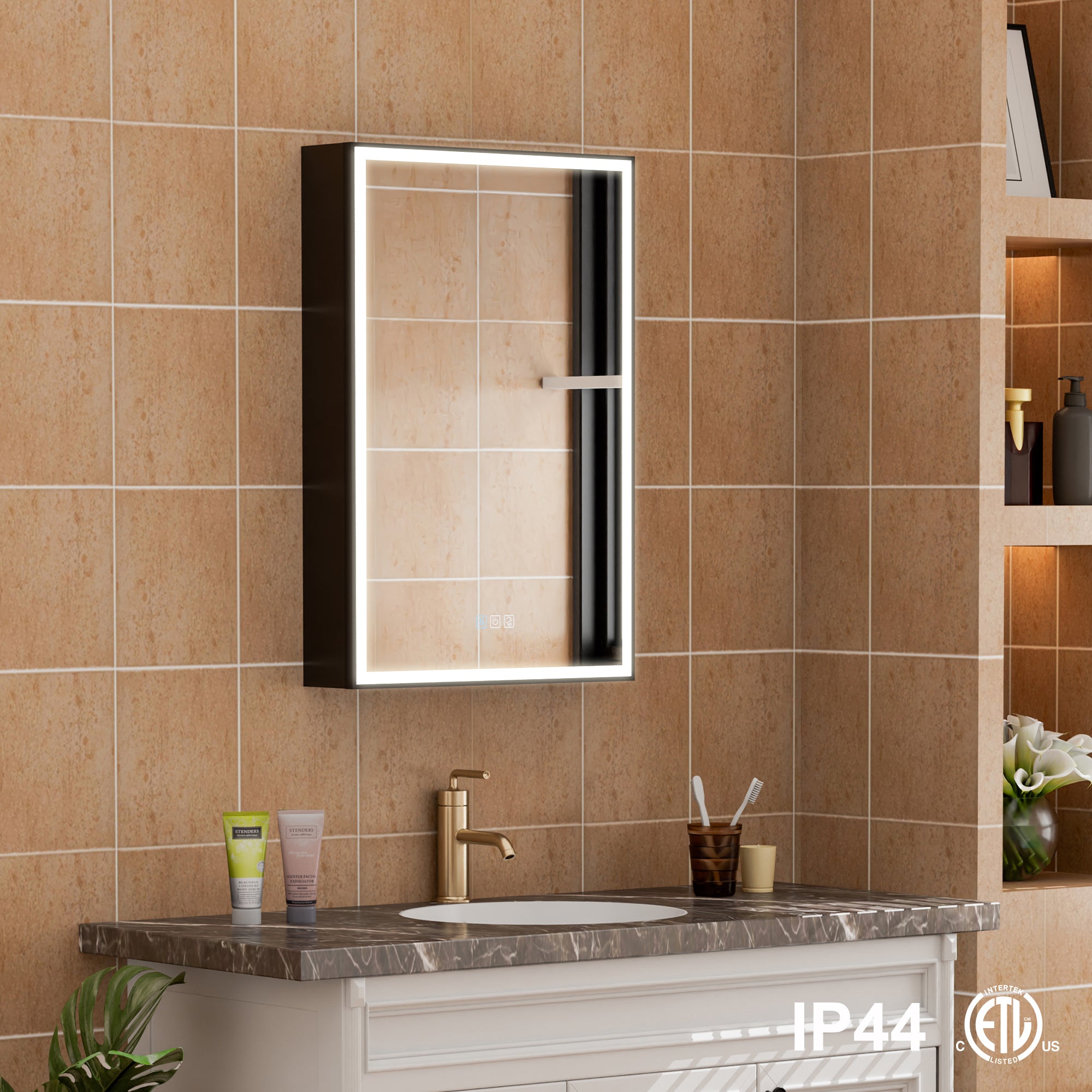


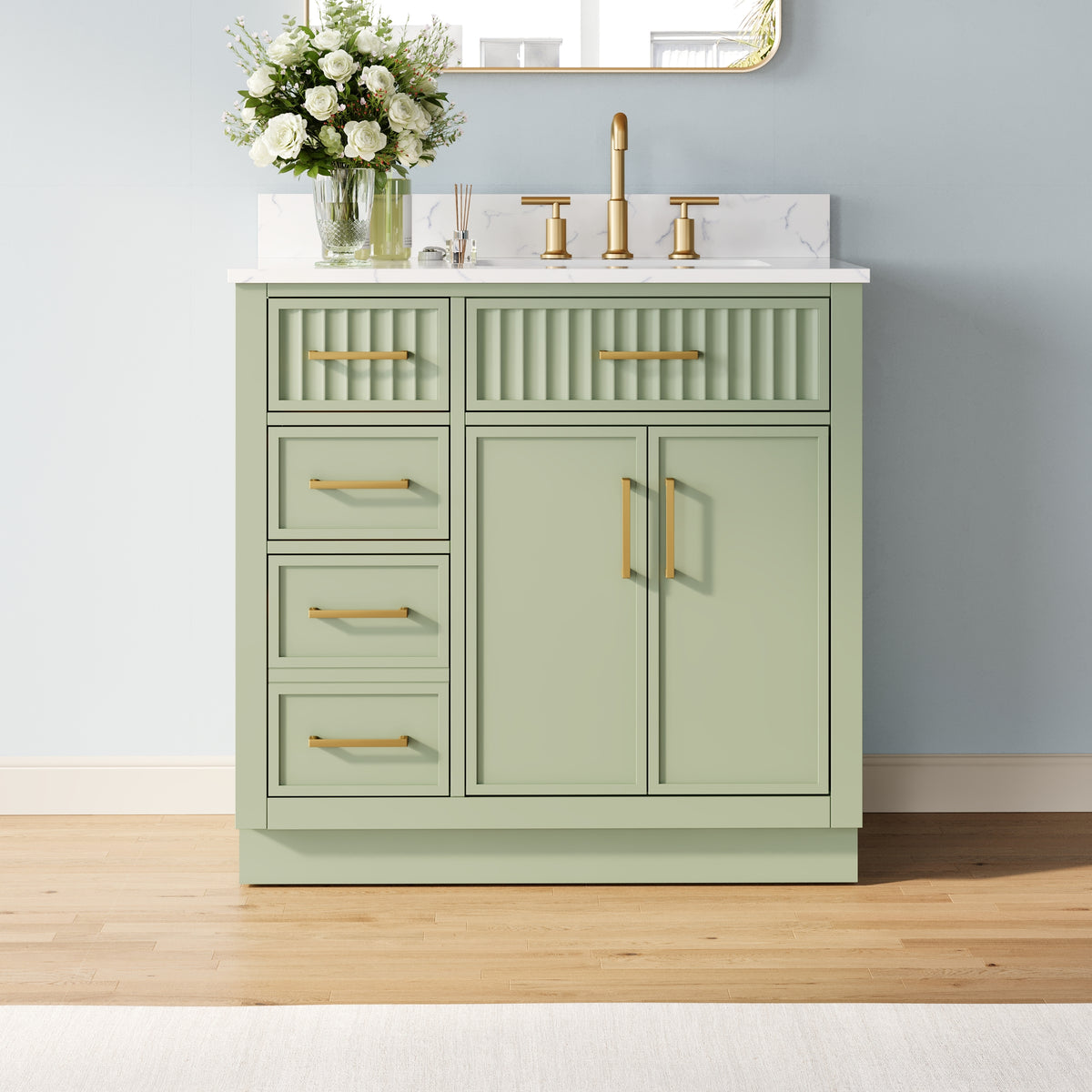
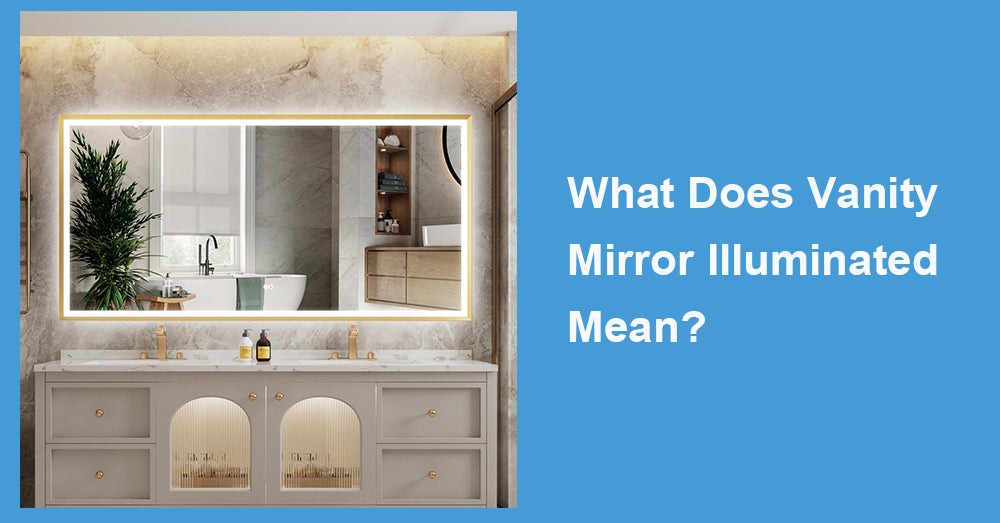
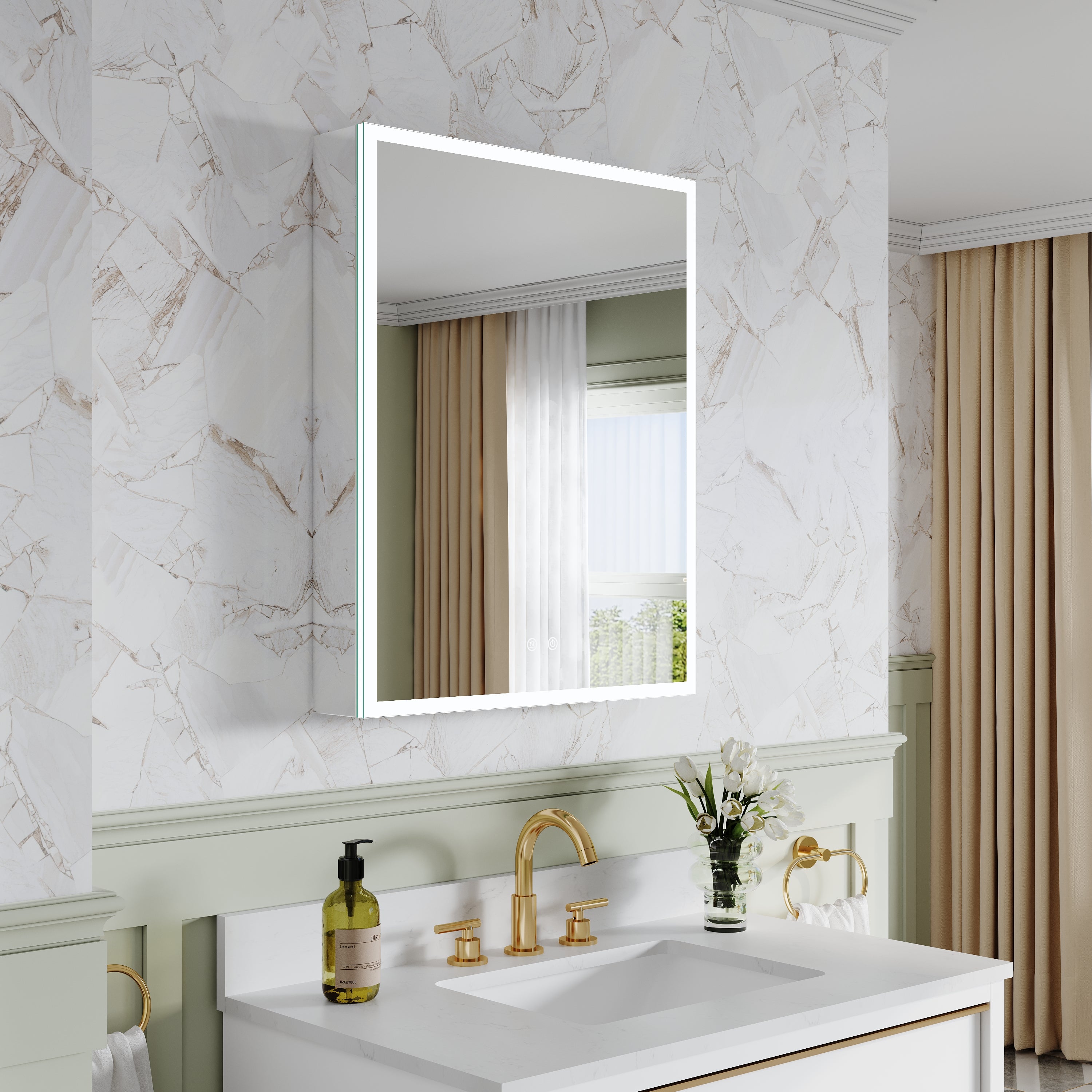
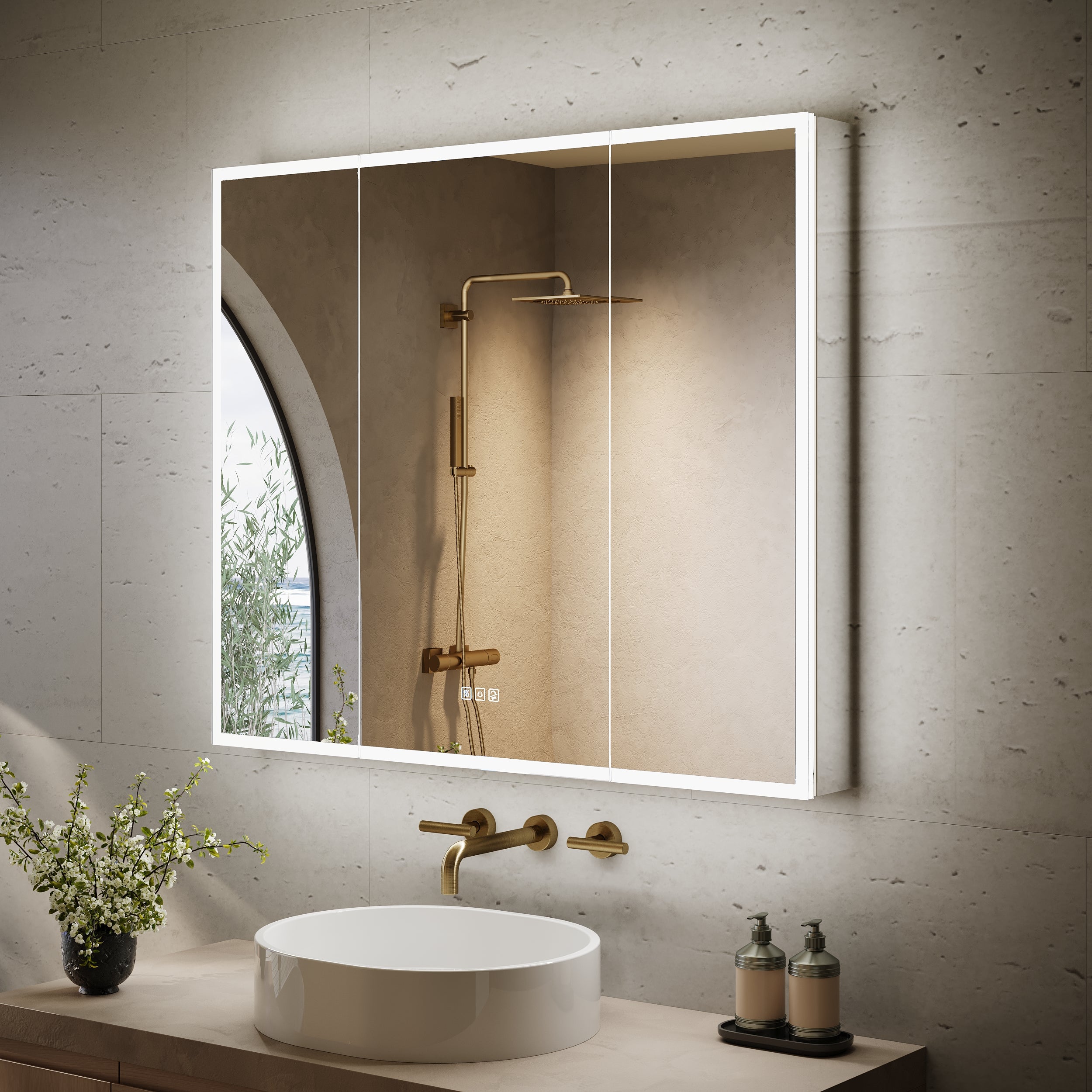
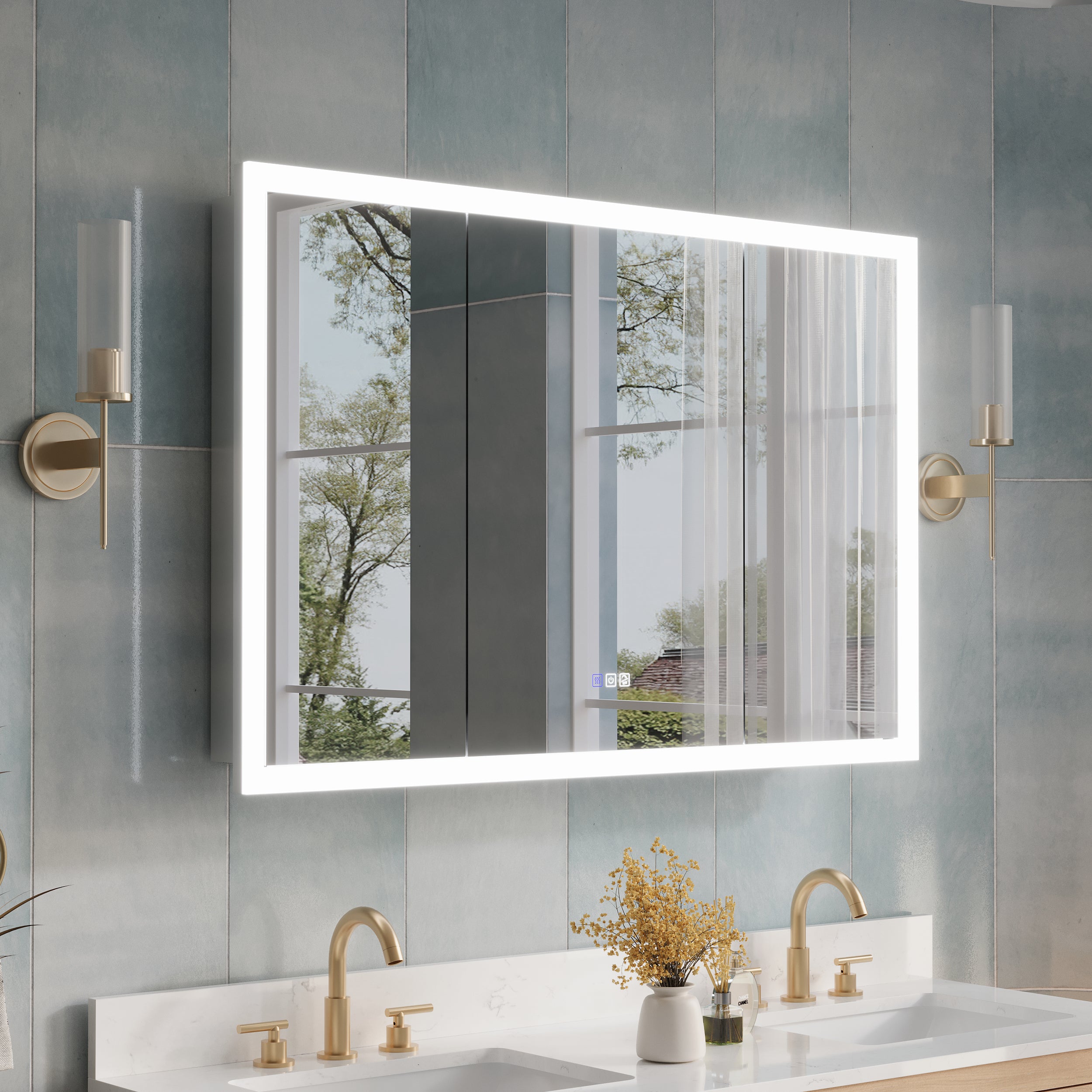
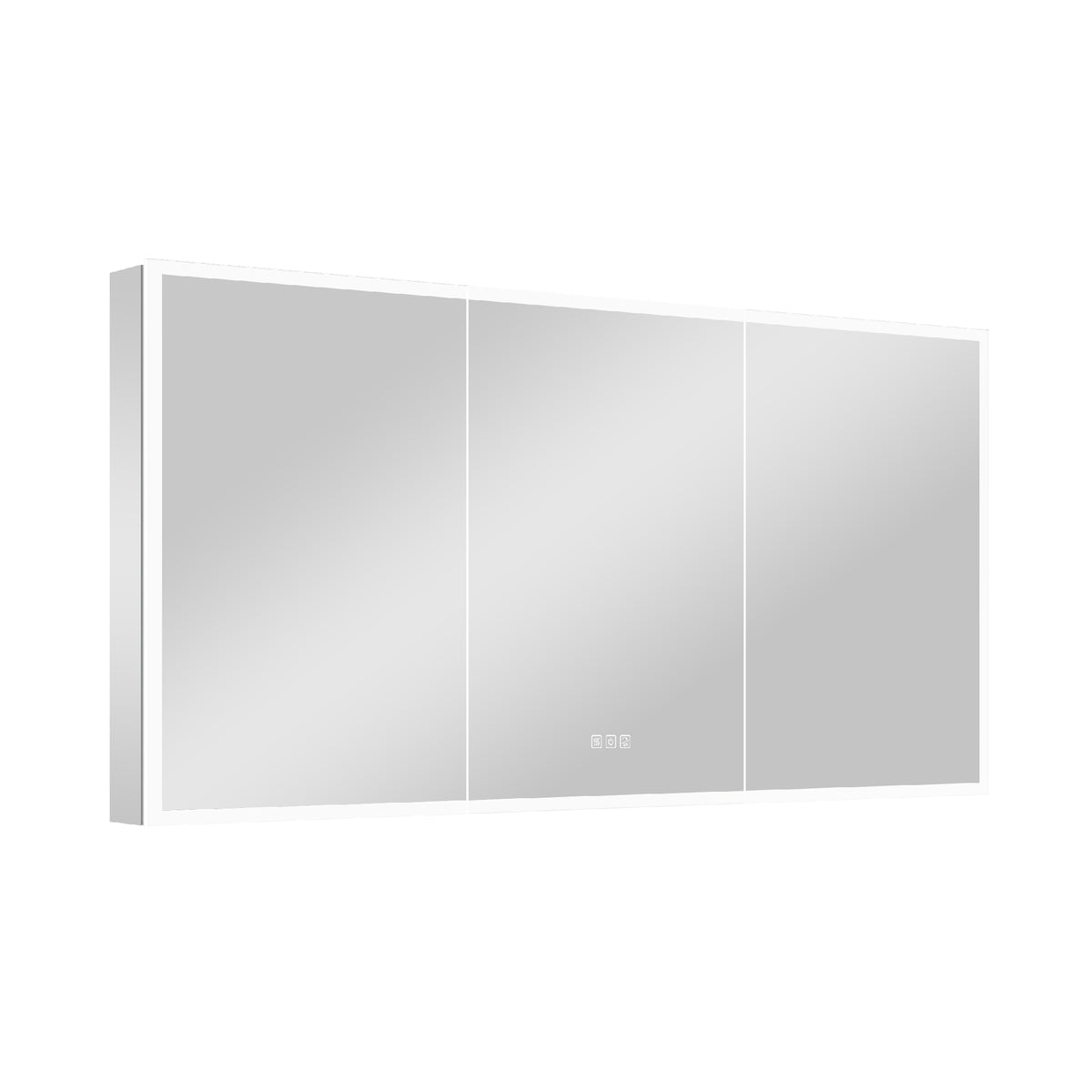
A vanity mirror illuminated is a mirror that comes equipped with its own lighting. The objective is to light the face and sink so grooming might take place every day. Generally, the term is understood to mean a bathroom mirror fitted with LED lights in the edge. An illuminated vanity mirror differs from a simple mirror that needs to be paired with a different fixture in that the reflection and task lighting comes together. The features of an illuminated vanity mirror greatly depend on the position of the lights, their brightness, and control that comes with the mirror.
How an Illuminated Mirror Produces Light
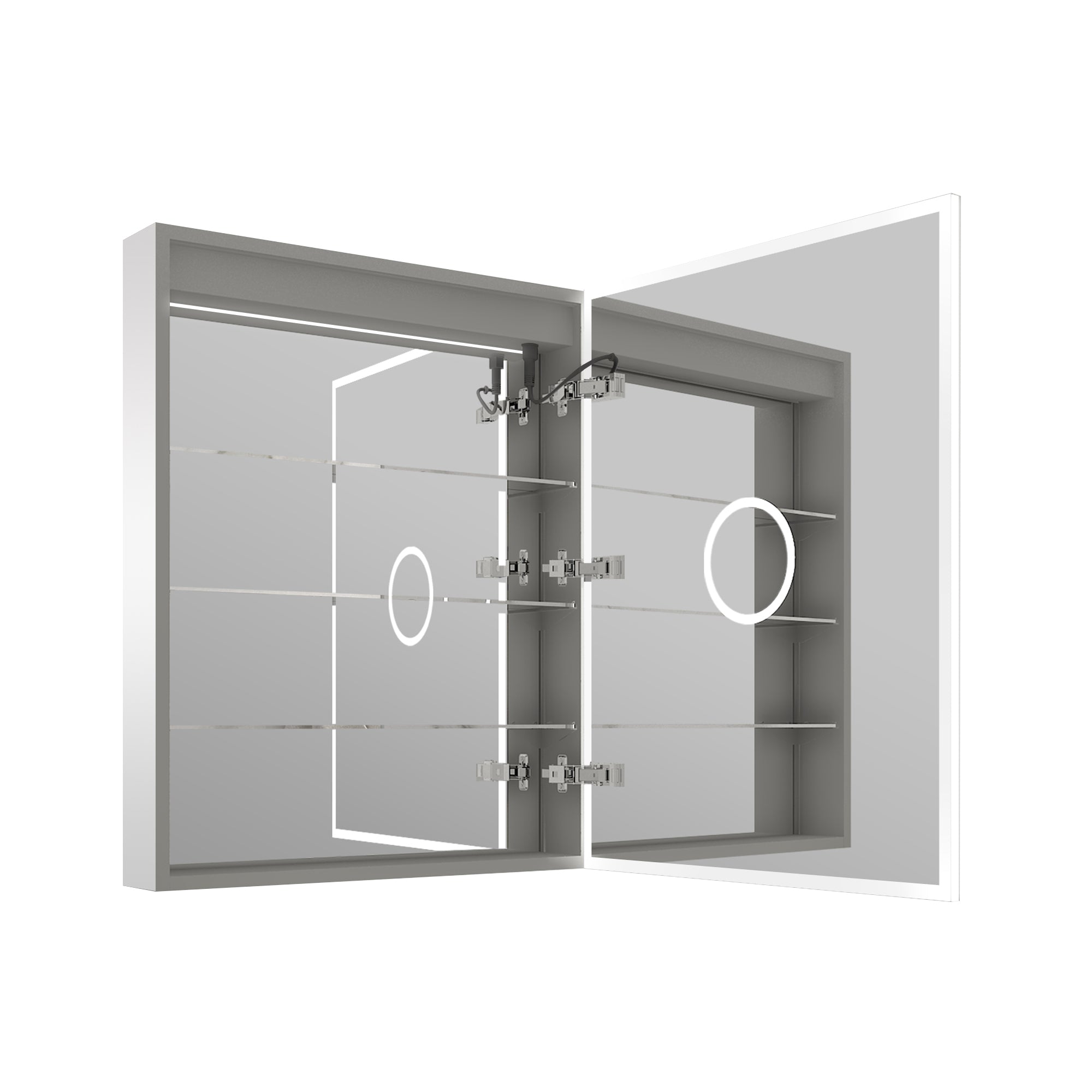
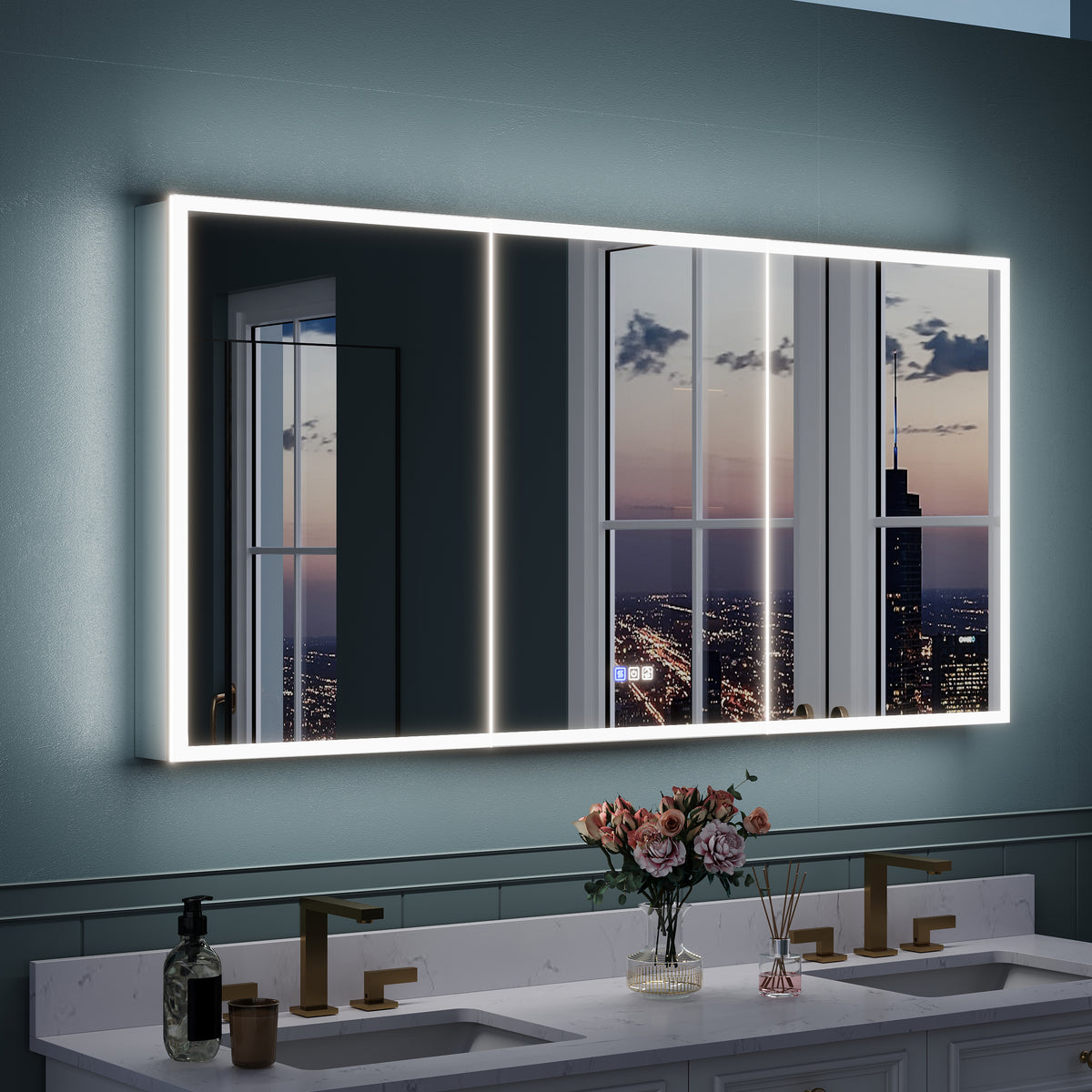
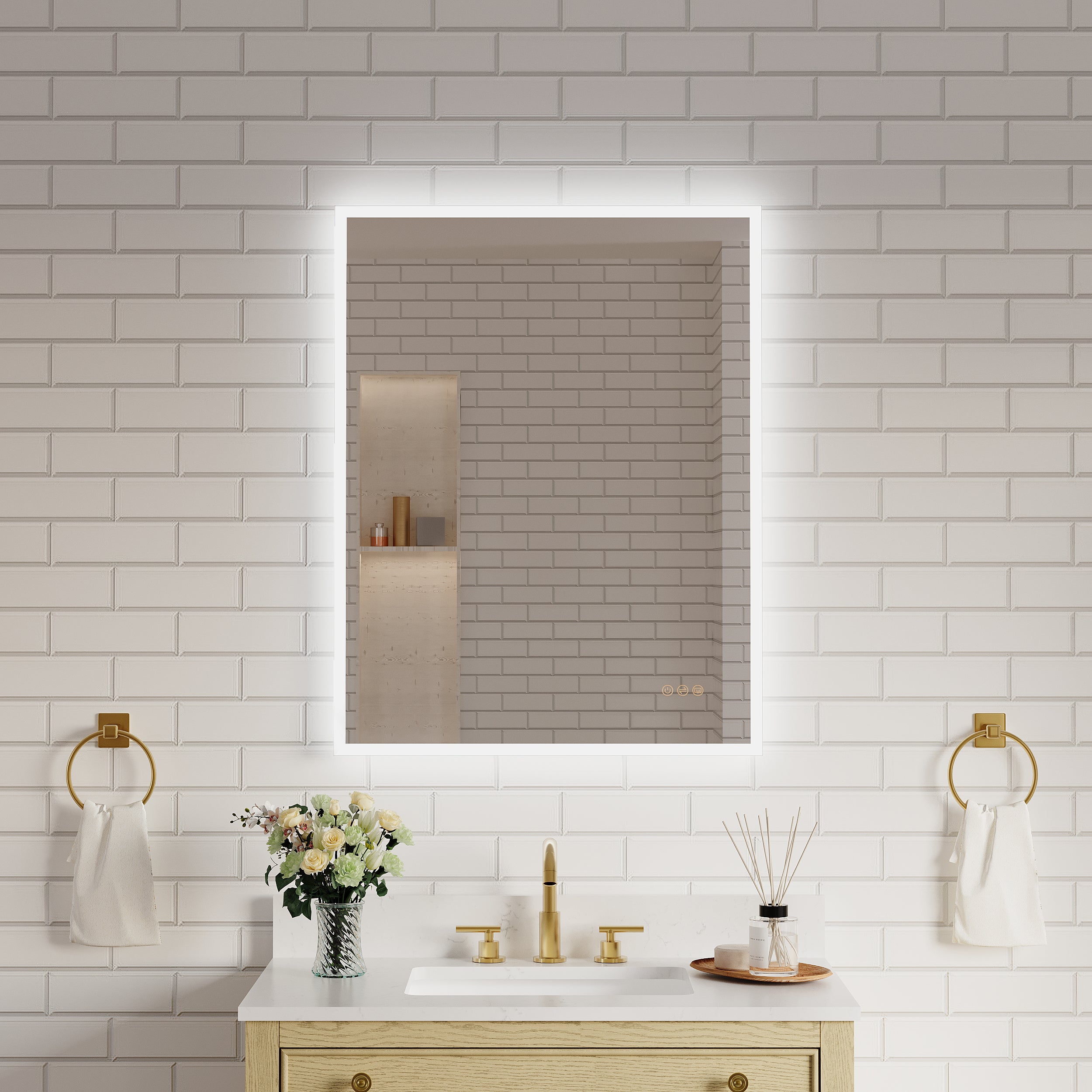
Most types of vanity mirrors are equipped with LED strips placed along the edges or at the back of the surface. Front-lit mirrors provide light to the surrounding area through either a metal border or frosted glass. Backlit mirrors project light towards the wall, thus providing a gentle glow around the mirror. Some mirrors involve both kinds of lighting to provide one level of lighting for the face area as well as for decorative purposes.
The type of lighting determines the final effect of a certain mirror. A backlit mirror produces a gentle background light but is probably not bright enough for detailed grooming. Front lighting is much better for shaving, putting on make-up, or styling your hair than backlit light. A mirror’s specificatioons can indicate its lighting function, i.e. whether it is used mainly as work or decorative light or for both.
Why the Light’s Quality Matters
Luminous flux is usually expressed as lumens, while color temperature is represented in kelvins. Generally, more lumens equals more light output, although having a higher lumen value does not necessarily mean that the light will be bright and pleasant. Other parameters, such as light spread, diffuser design, size of the mirror, wall color, and some other bathroom items also contribute to the final effect.
The definition of color temperature refers whether the light is warm, neutral, or cold. A warm light creates a cozy atmosphere, while a cold light is more similar to daylight. There are mirrors with the option to switch between various color temperatures, for instance, 3000K, 4000K, and 6000K, but some models only have one fixed temperature. Dimmable items enable users to change the brightness depending on the routine and the time of a day..
Color rendering is another useful specification. The color rendering index, or CRI, indicates how accurately a light source shows colors compared with a reference source. A higher CRI can make skin tones and makeup colors appear more natural. Because the mirror is used close to the face, consistent light across the glass can matter as much as total brightness. Visible hotspots or shadows may make grooming more difficult.
Built-In Features and Controls
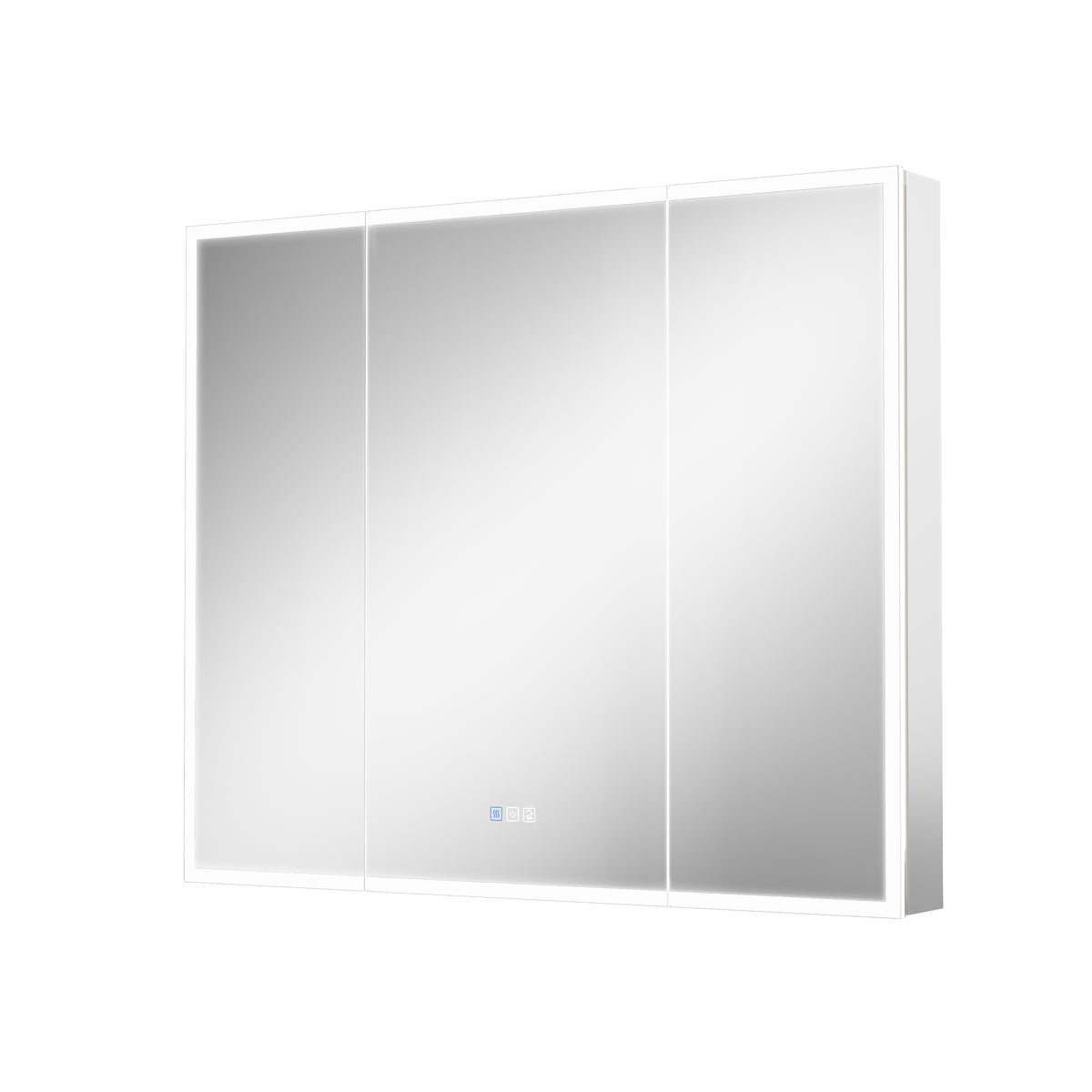
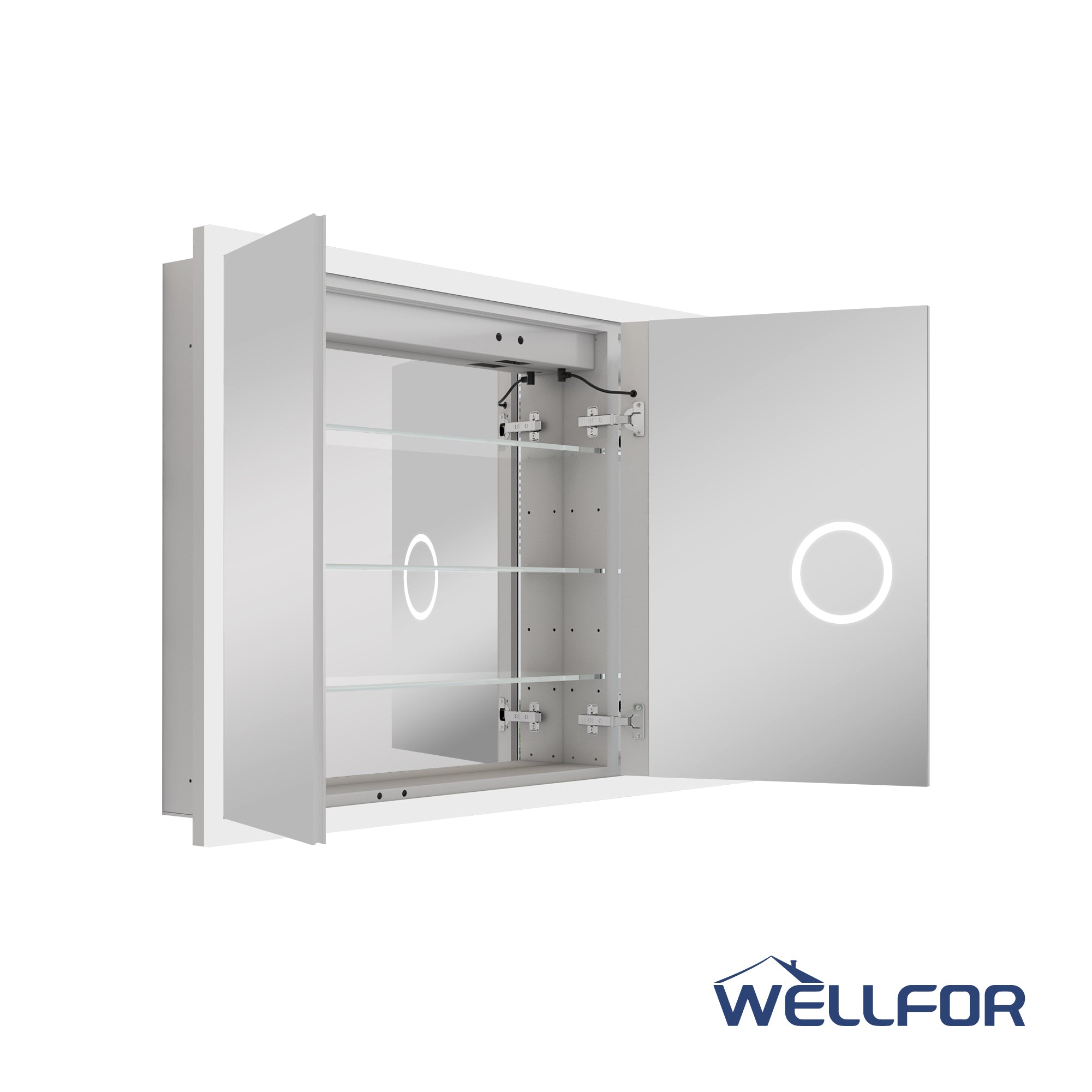
The functions of illuminated mirrors may comprise of a dimmer, touch controls, memory functionality or anti-fog function. A mirror can be touched to turn the light on or off; while the memory function may return the previous brightness or colour temperature of the mirror after it is turned off. There are different functions provided by different products, so people need to read the instruction manual instead of relying on what they think.
Anti-fog pads heat a portion of the glass to minimize fog formation on the glass after having a hot shower. Such pads would not guarantee the entire mirror to be clear and they might have a switch or be turned off automatically. Some mirrors may use working lights and defogger independently.

LED Efficiency and Product Ratings
LEDs are widely used in illuminated mirrors because they produce light efficiently and can be integrated into slim designs. ENERGY STAR reports that LED lighting products can produce light more efficiently than bulbs. This is a general comparison of lighting technology; the energy use of a particular mirror depends on its wattage, brightness, controls, and hours of use.
Look for clear information about the mirror’s electrical rating, installation method, and applicable safety certifications. A bathroom mirror may be exposed to humidity, but not every location in a bathroom has the same moisture exposure. Follow the manufacturer’s installation instructions and local electrical requirements, especially if the mirror is hardwired or placed near a shower or tub.
Choosing the Right Size and Placement
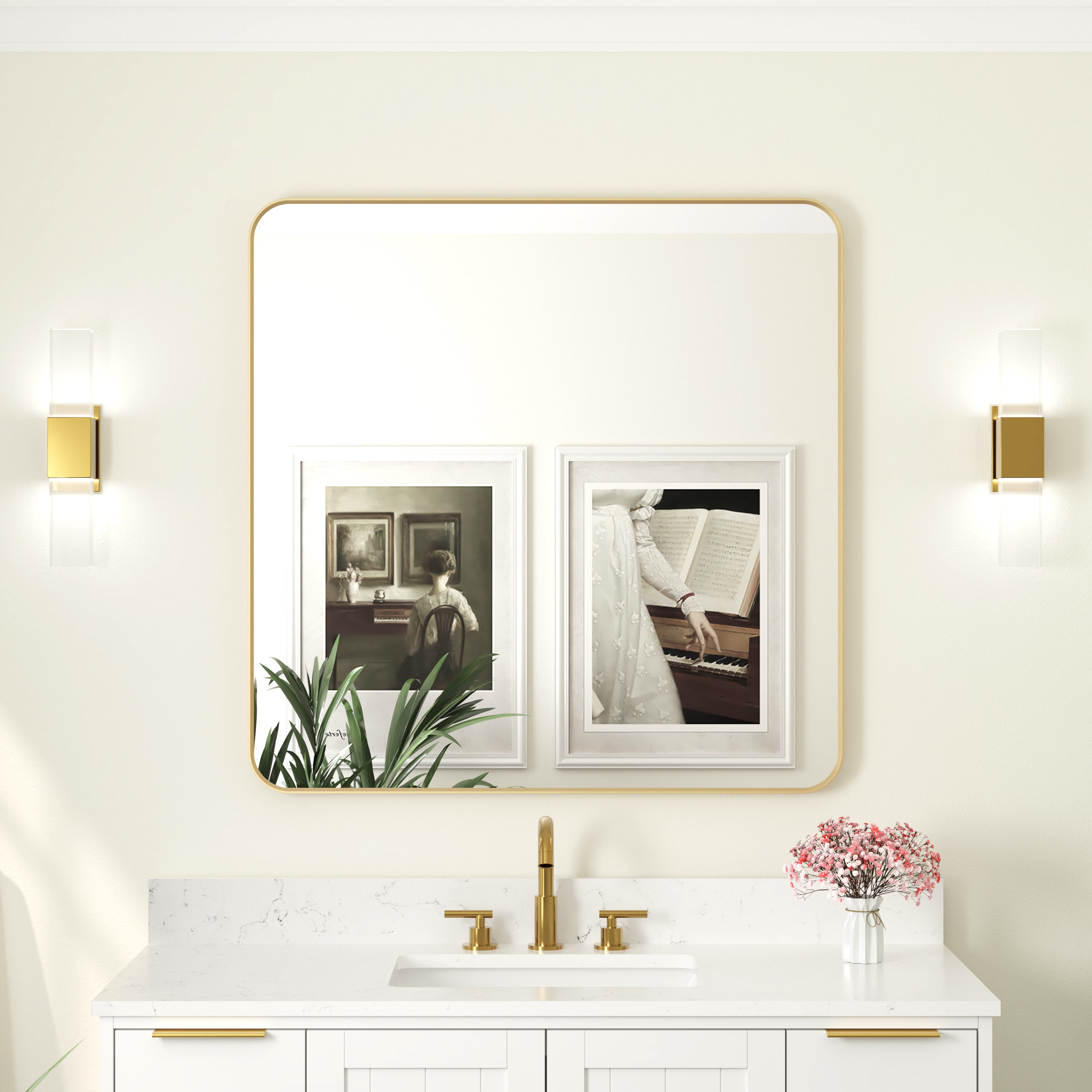
The bathroom mirror should suit both the sink and the available wall space. Common widths include 24, 30, 36, and 48 inches, though larger and smaller sizes are also available. Measure the wall, vanity, faucet location, and nearby cabinets before selecting a mirror. Leave enough space for doors, drawers, lights, and other fixtures to operate comfortably.
Lighting position affects shadows. The Illuminating Engineering Society’s residential lighting guidance recommends combining ambient and task lighting in bathrooms. An illuminated mirror can provide useful task light at the sink, while a ceiling fixture or wall sconces can help illuminate the rest of the room. If the mirror’s light is primarily backlit, separate vanity lights may still be helpful for detailed grooming.
What to Check Before Buying
Product listings use “illuminated,” “lighted,” and “LED vanity mirror” in overlapping ways. The terms generally indicate built-in lighting, but they do not specify brightness, light direction, color options, or included features. Review the technical details for lumens, color temperature, dimming, CRI, anti-fog operation, power connection, and installation orientation. Also check whether mounting hardware is included and whether the mirror can be connected to a wall switch.
In short, an illuminated vanity mirror is a mirror with integrated lighting, designed to make the sink area easier to use while adding a clean, modern look. Comparing the light’s direction and quality, along with the mirror’s size and controls, helps determine whether a specific model will suit the bathroom’s daily needs.















Leave a comment
This site is protected by hCaptcha and the hCaptcha Privacy Policy and Terms of Service apply.