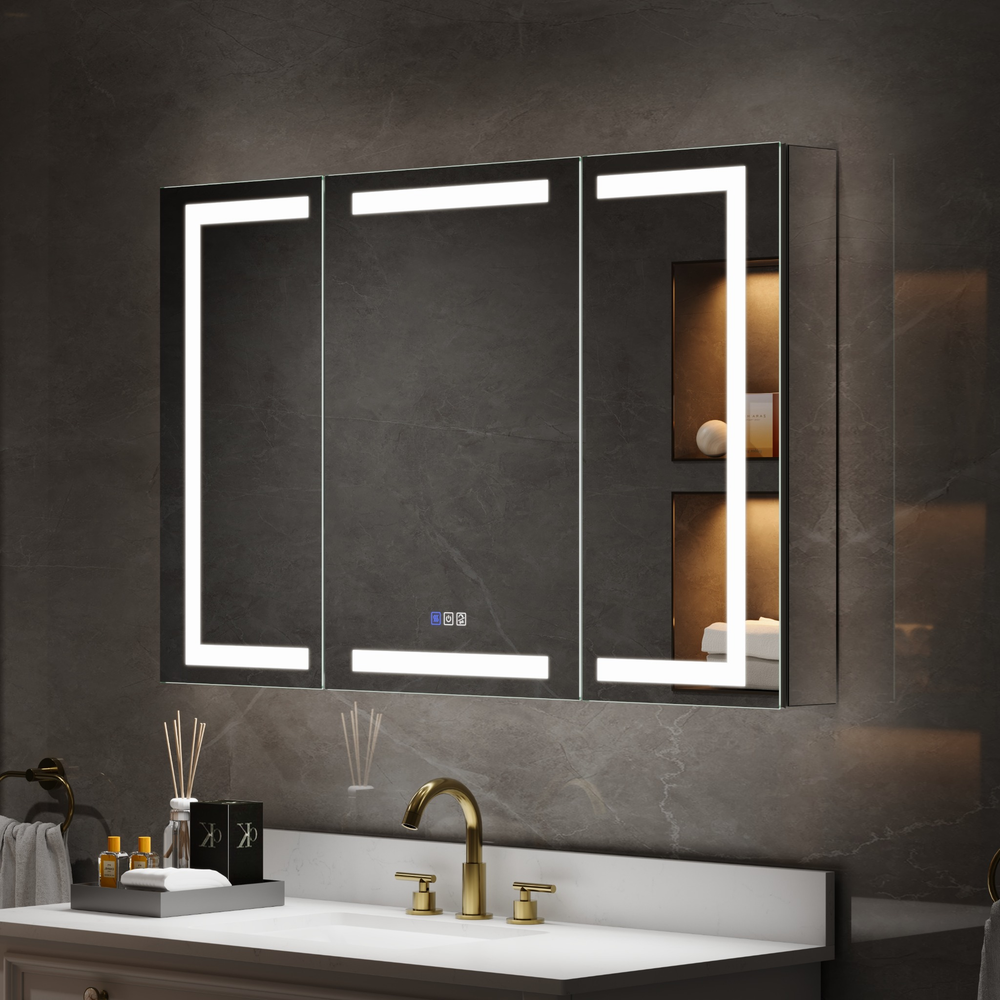

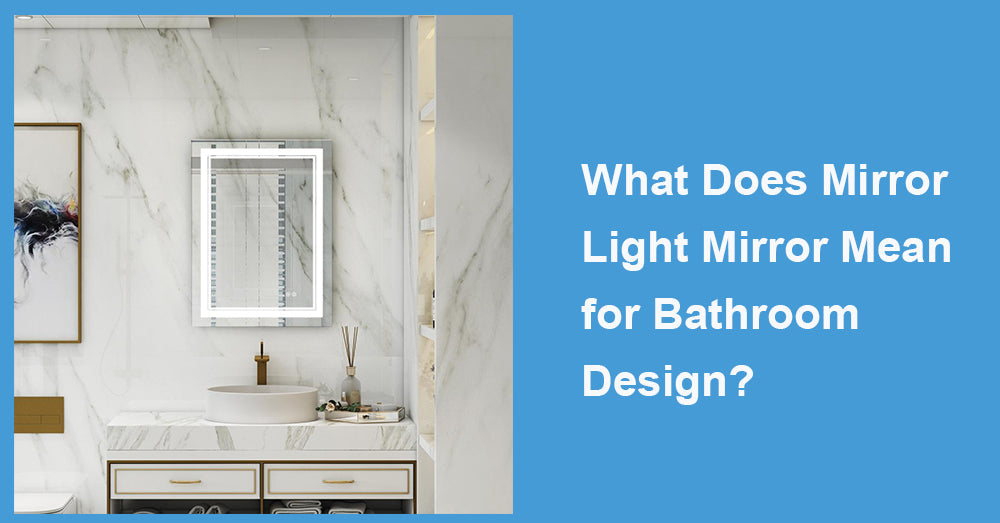
Curious about backlit or illuminated vanities? Discover what a mirror light mirror means for bathroom design, from layout and safety to LED specs and installation.
Let’s be honest: nothing ruins a beautifully tiled bathroom faster than terrible lighting. You know the scene—harsh overhead bulbs casting deep, unflattering shadows under your eyes. If you are looking to upgrade your space, you’ve probably come across the term mirror light mirror (often referred to as a lighted, illuminated, or backlit mirror). But what does that actually mean for your bathroom design?
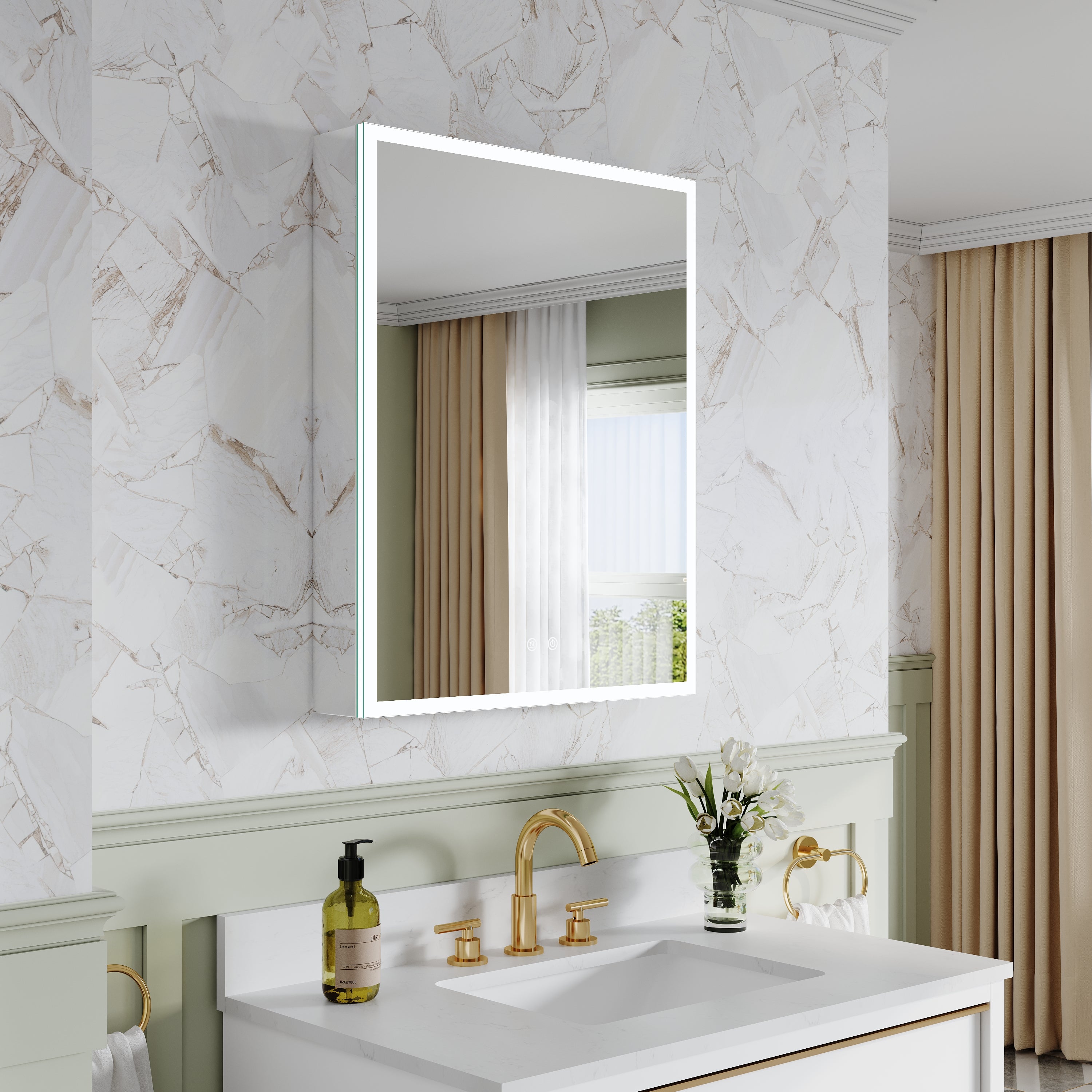
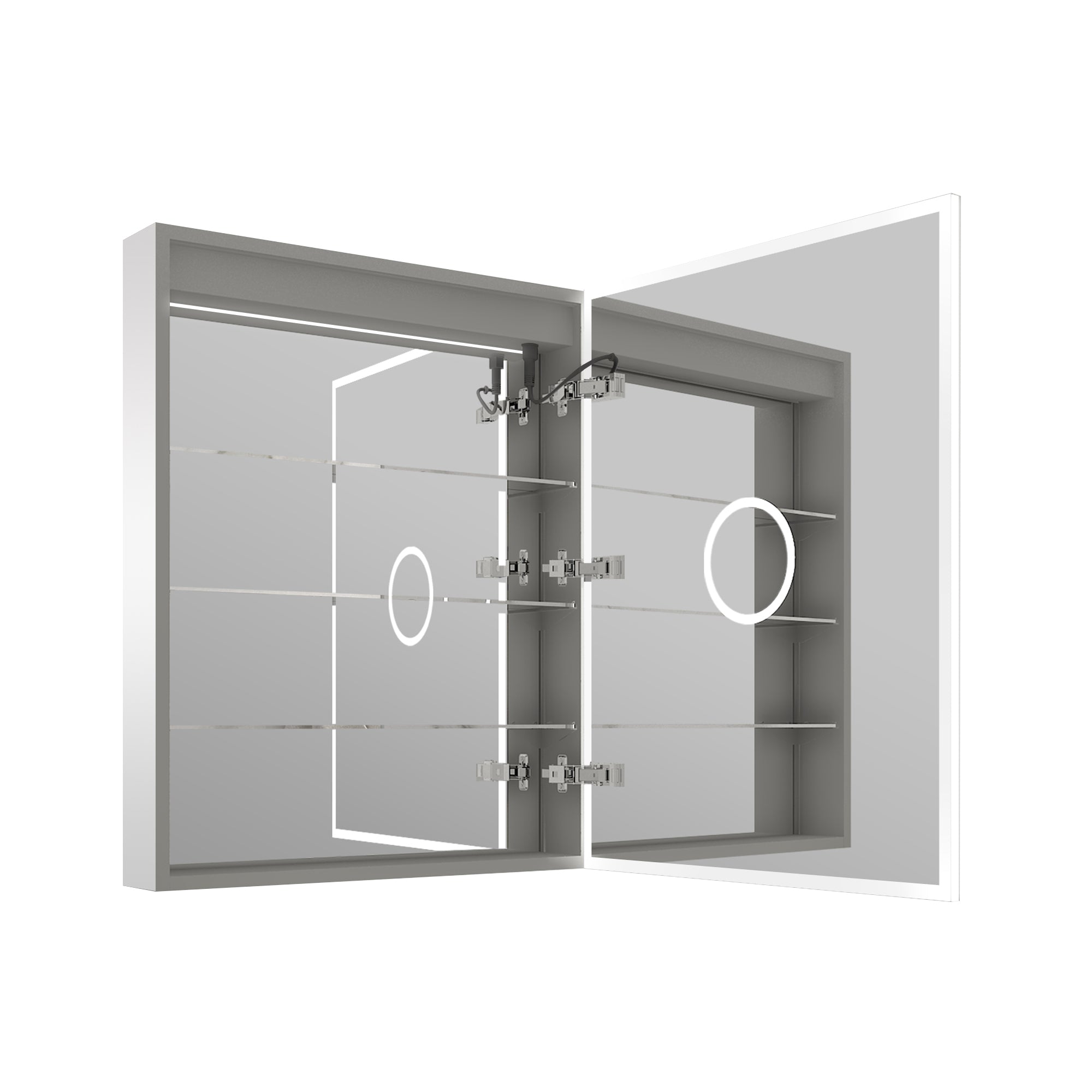
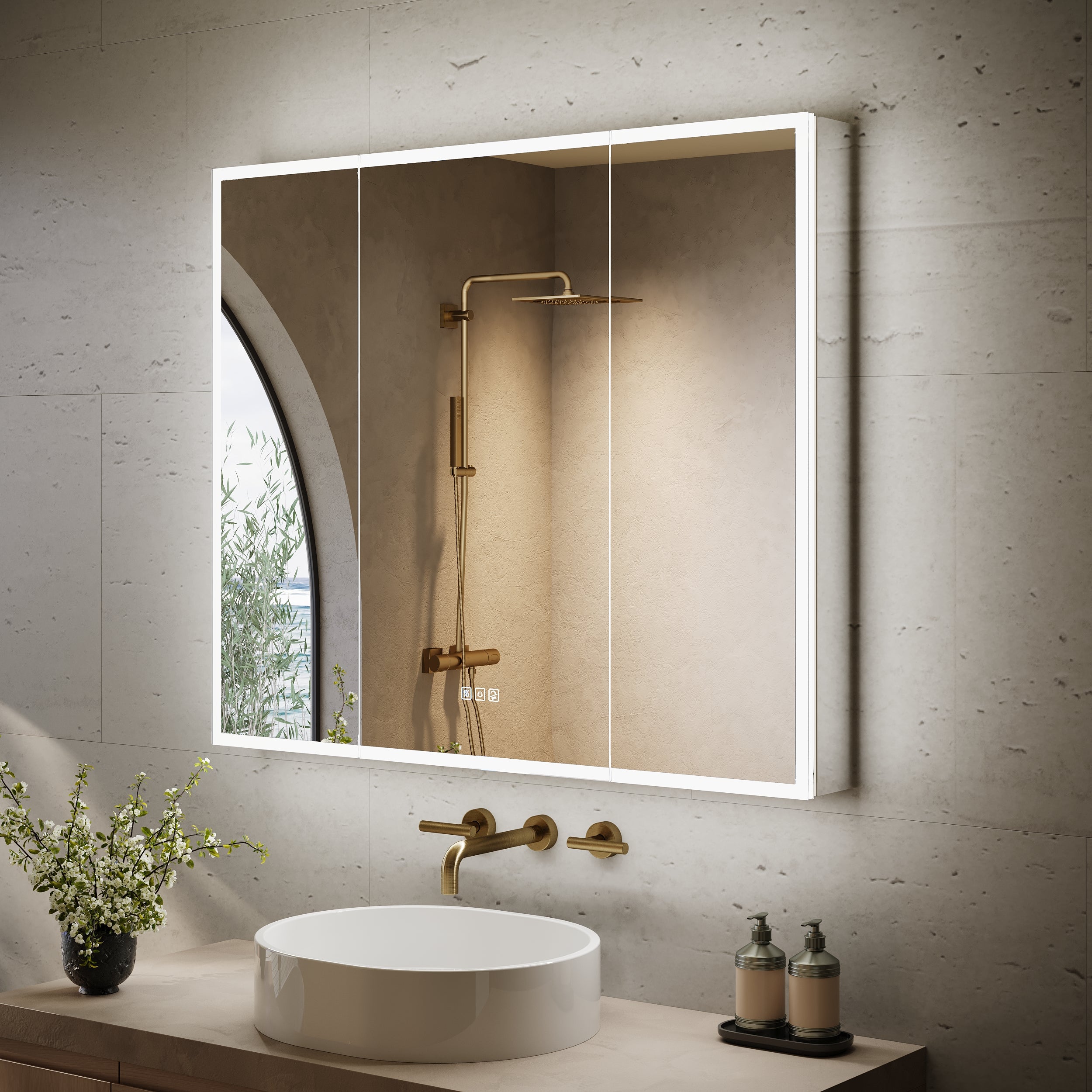
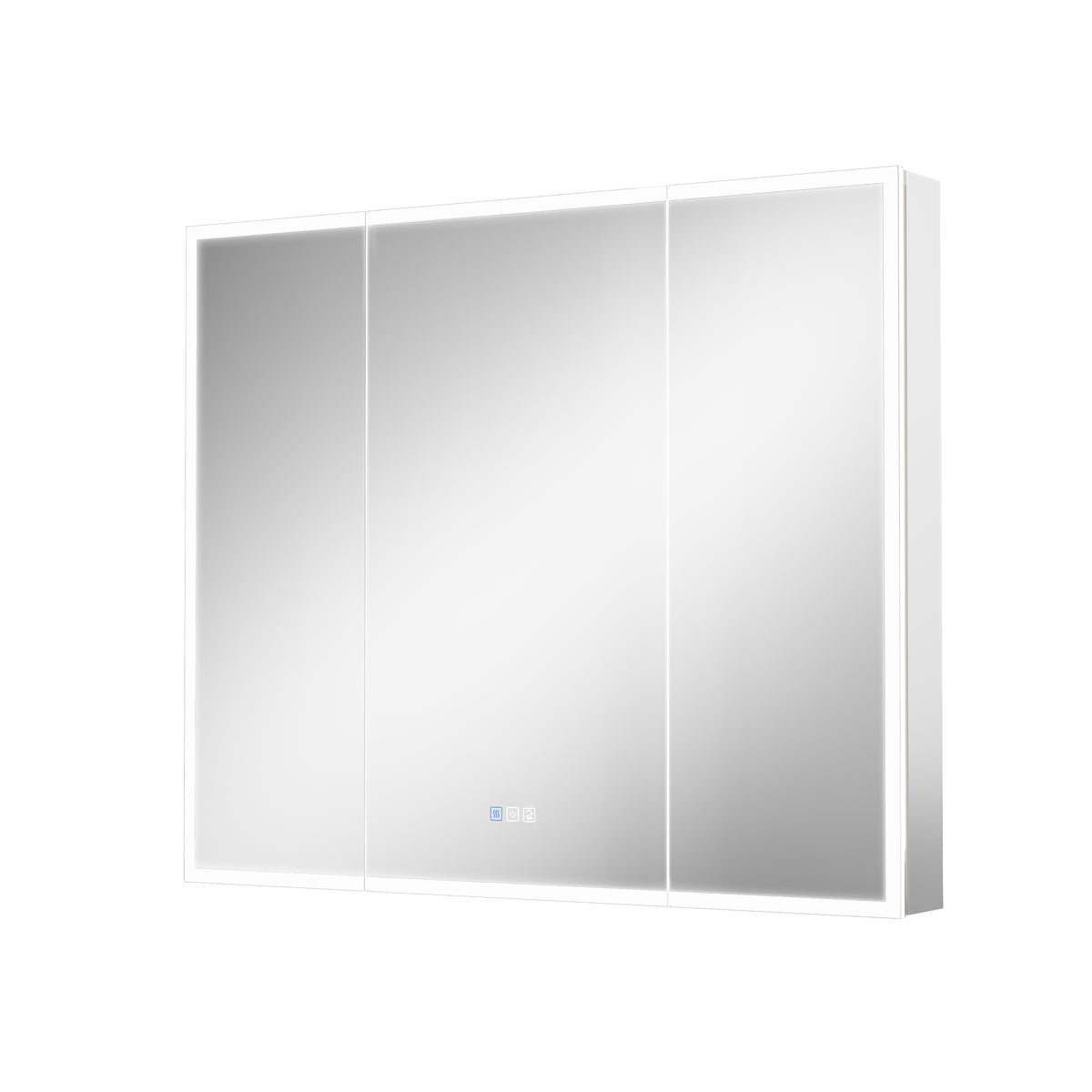
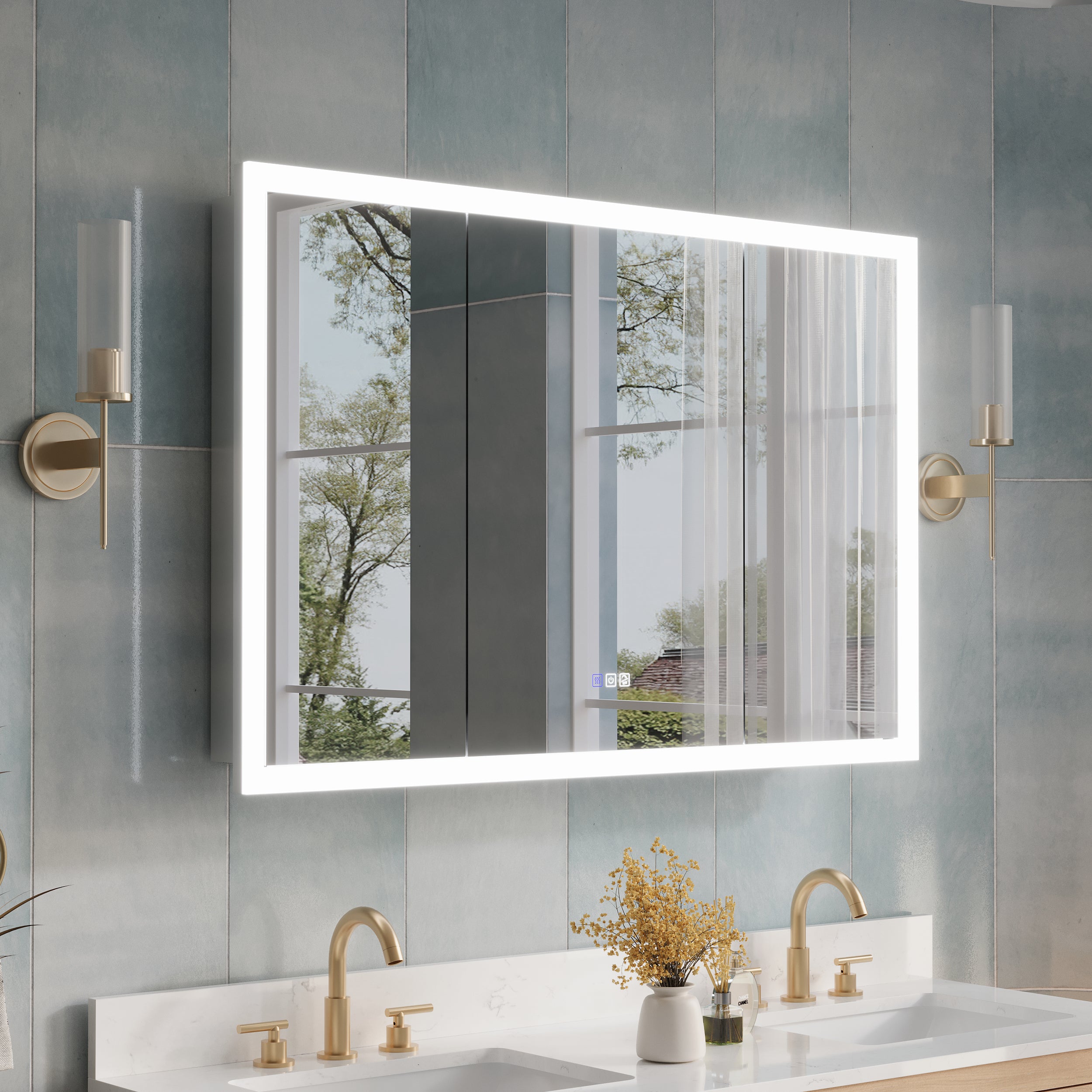
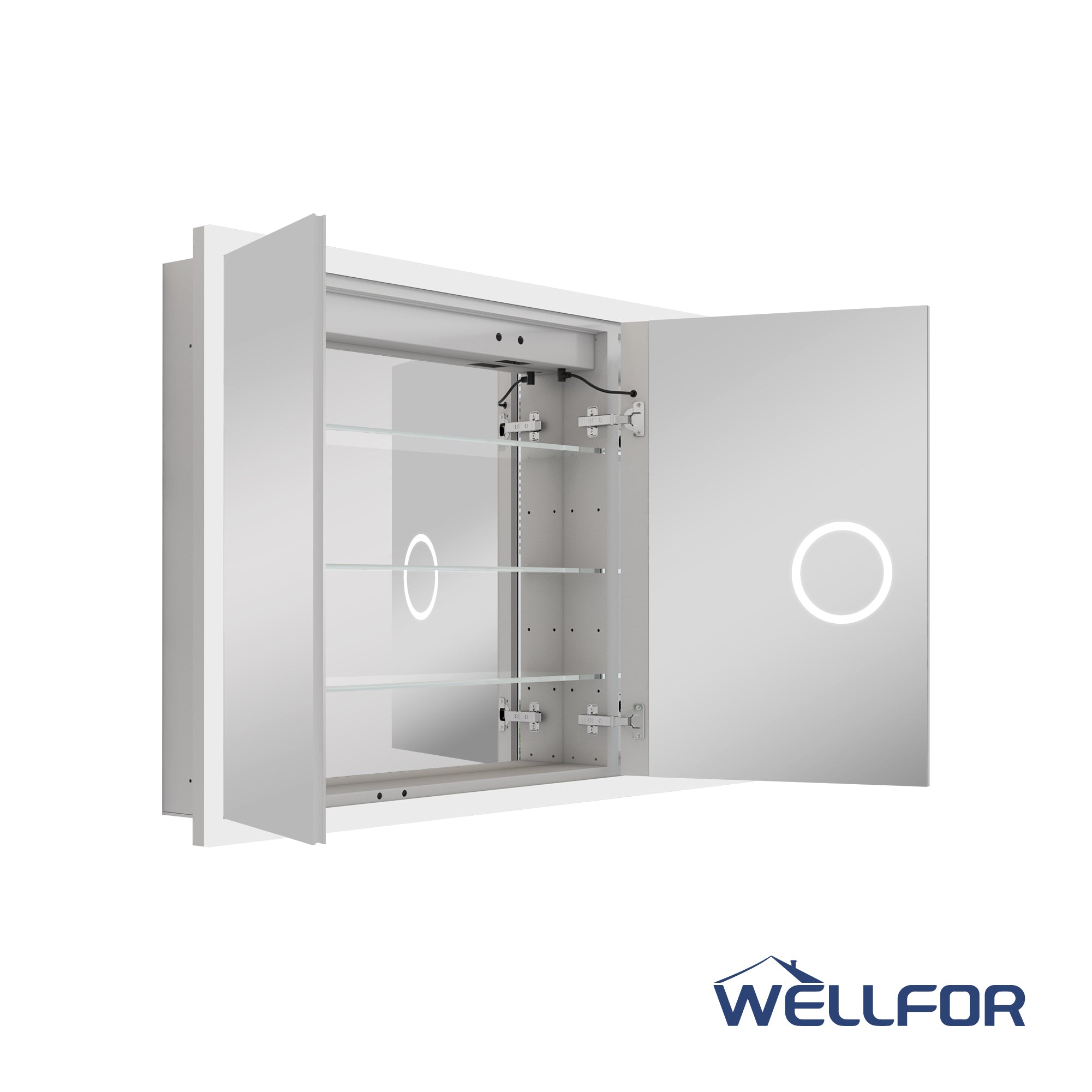
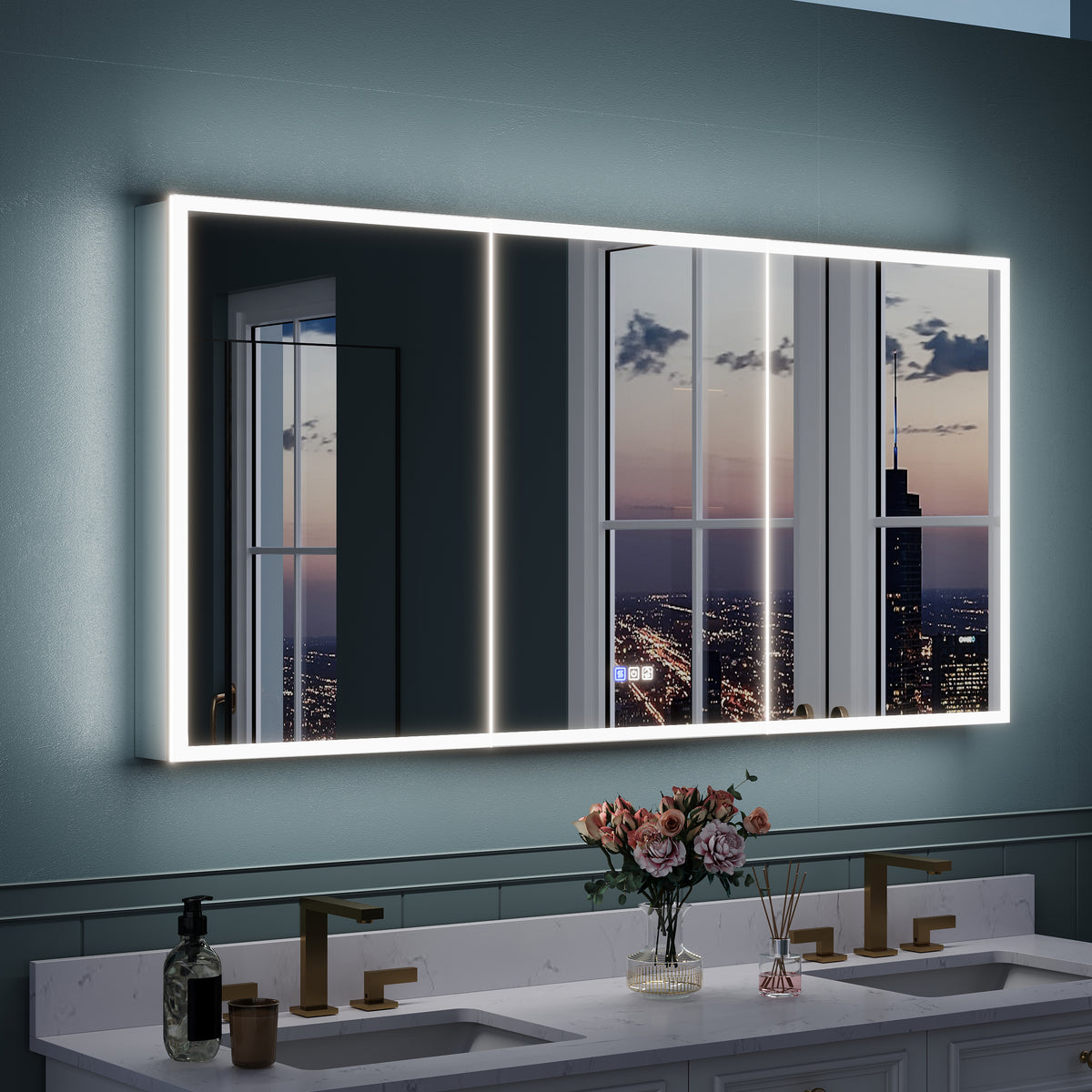
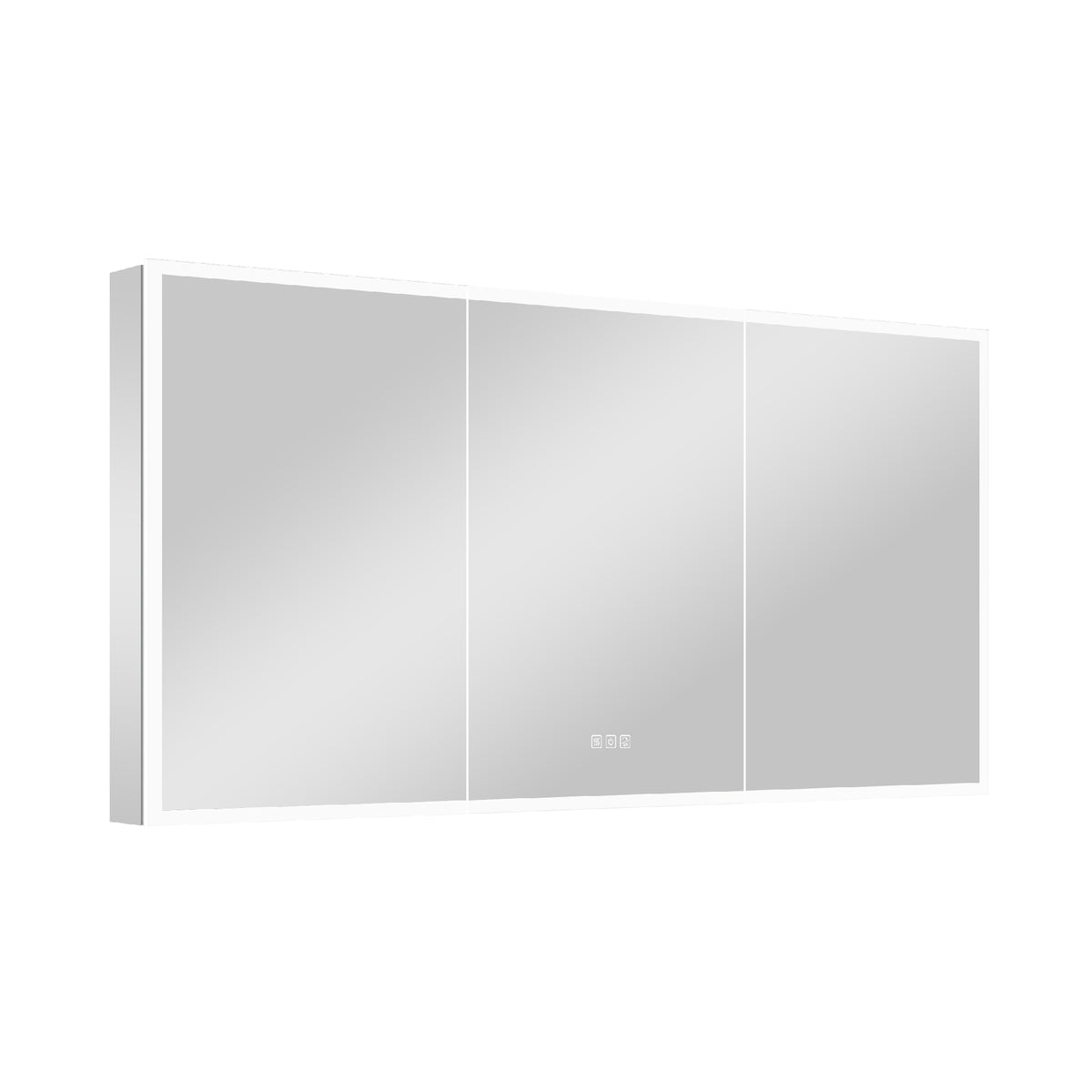
Simply put, it means the mirror and the light source are integrated into a single fixture. Instead of hanging a flat piece of glass and mounting separate sconces above it, you have an LED-lit mirror that provides its own illumination. As someone who has designed dozens of American bathrooms, I can tell you that this isn't just a trendy fad—it completely changes the rules of bathroom design. Here is why it matters and what you need to know before buying one.
The Illusion of More Space
Bathrooms are usually the smallest rooms in the house. When you have a bulky light fixture hanging above a framed mirror, it visually chops up the wall space.
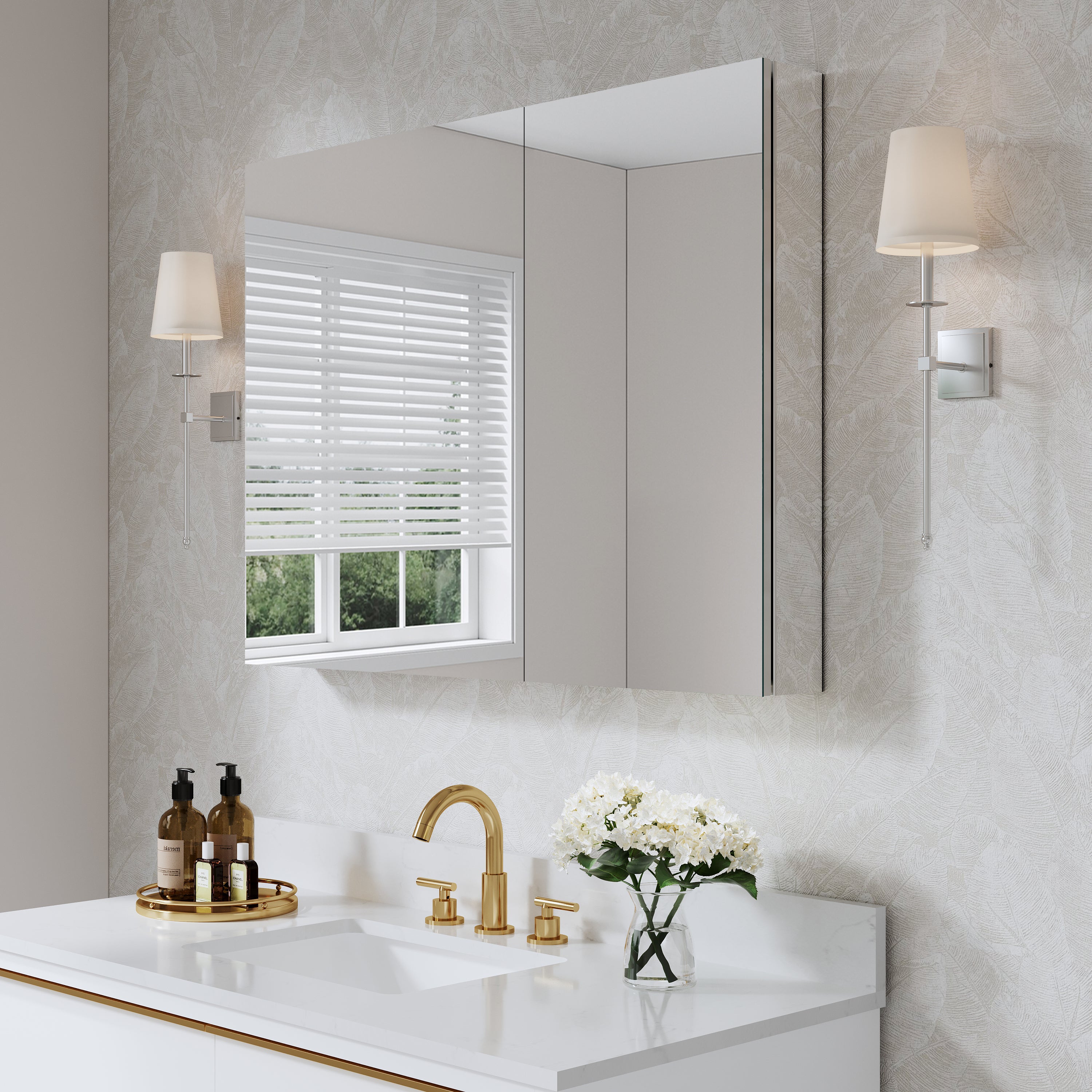
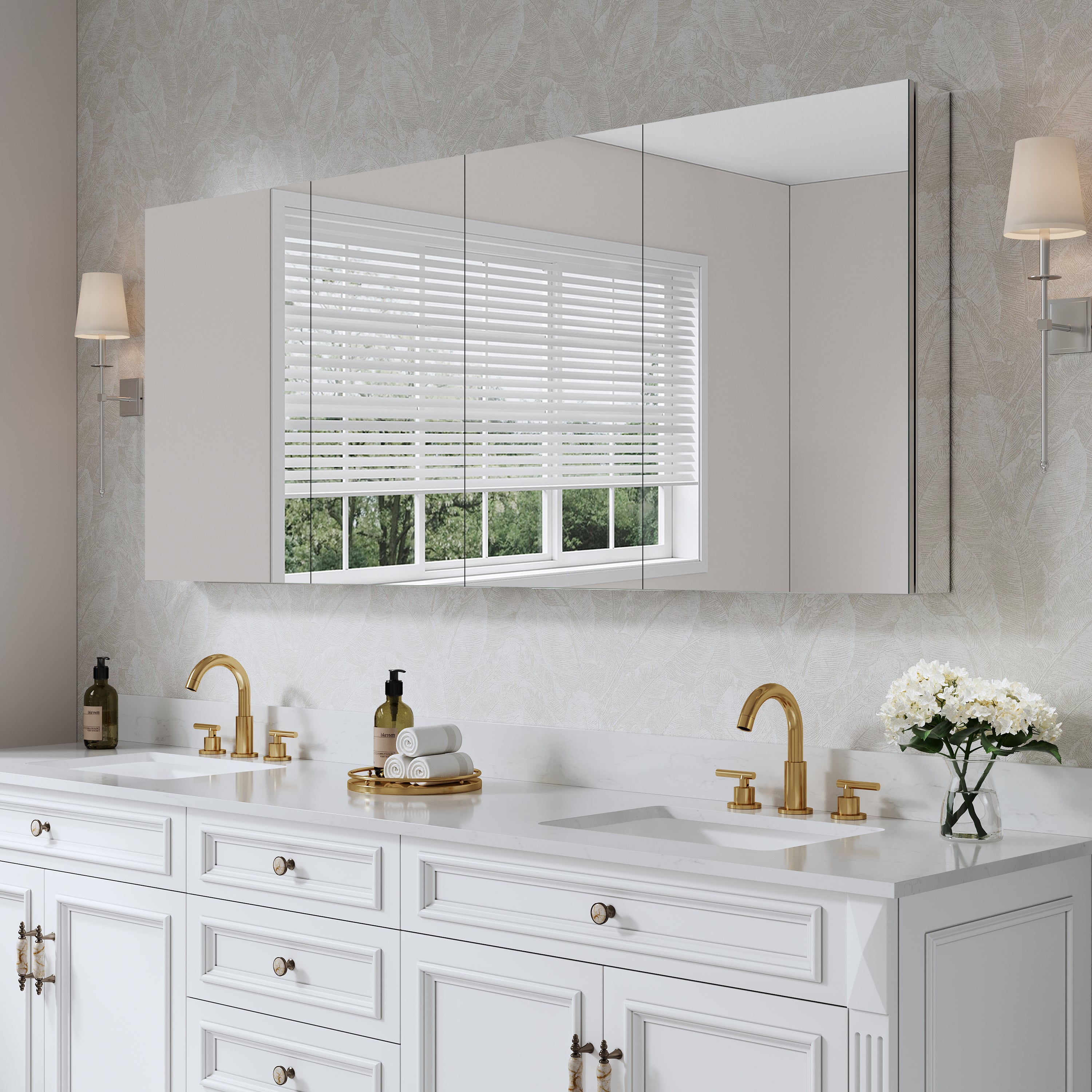
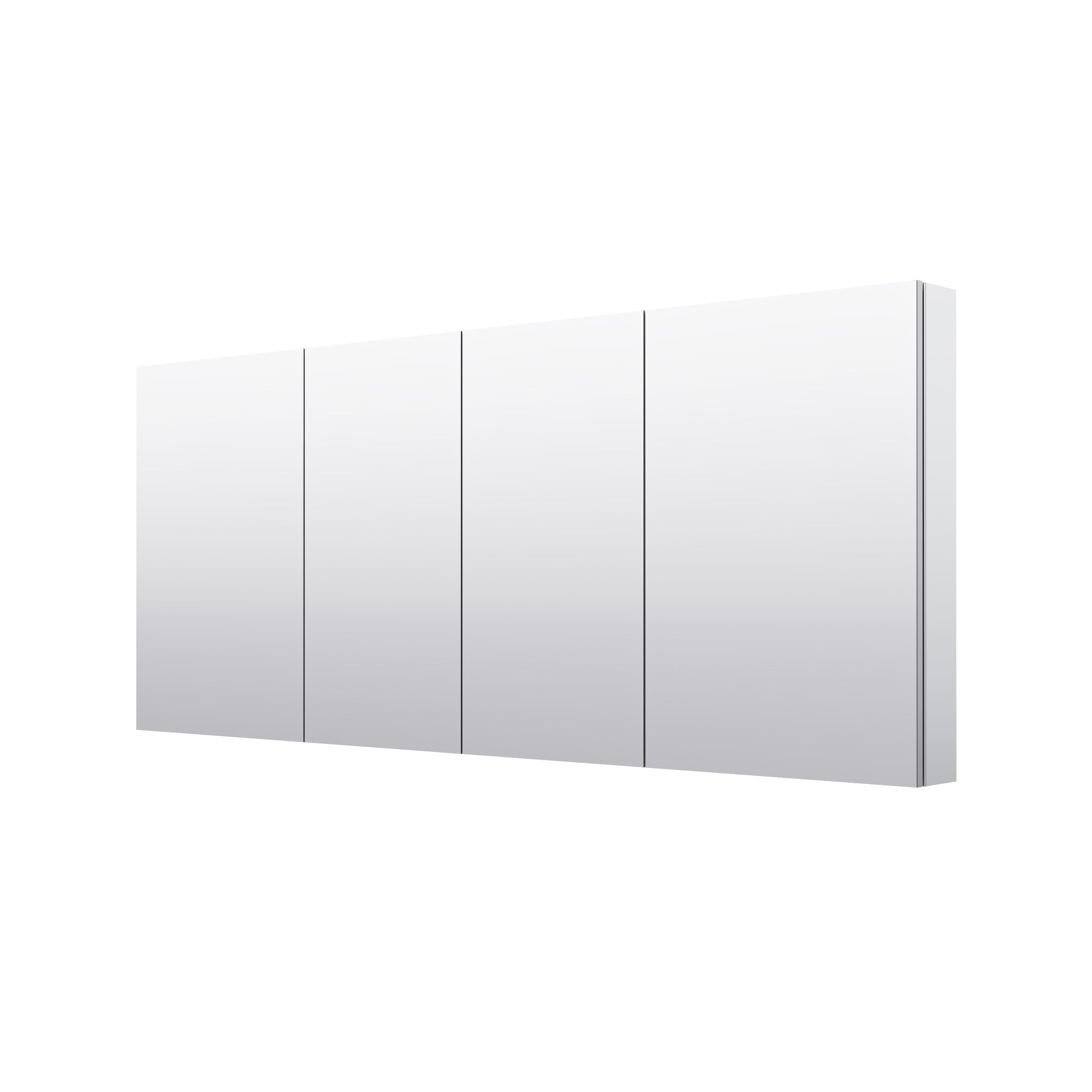
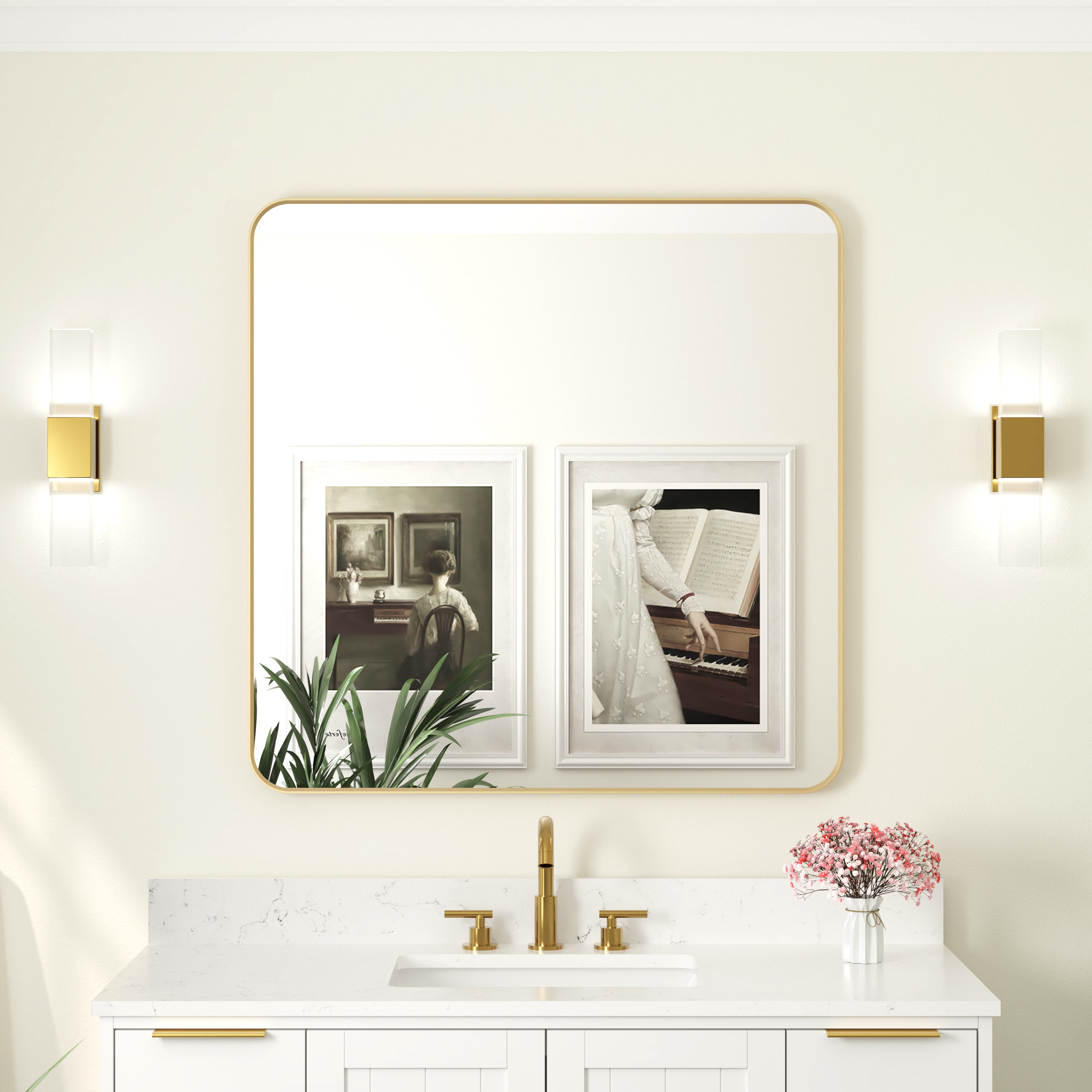
A lighted mirror, especially a frameless one, goes right to the edge of the glass. It acts like a seamless window that bounces light around the room. According to the National Kitchen & Bath Association (NKBA), maximizing light and minimizing visual obstructions are top priorities for small bathroom layouts. (Source: NKBA) An integrated LED mirror does exactly that. It reflects the light outward, making a cramped powder room feel twice as large and much more modern.

Perfect Task Lighting (No More Shadows)
Traditional vanity lighting is often a single fixture mounted high above the mirror. This creates "raccoon eyes" and deep shadows on your chin and neck.
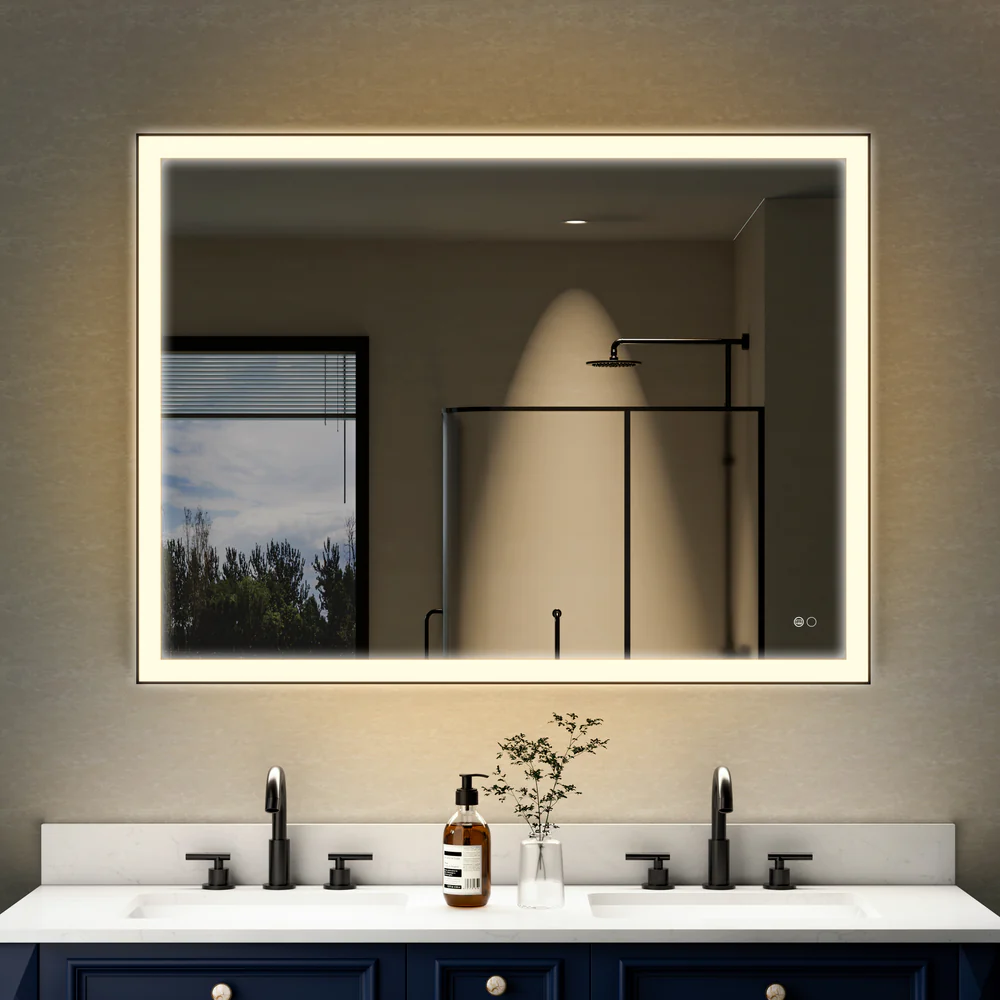
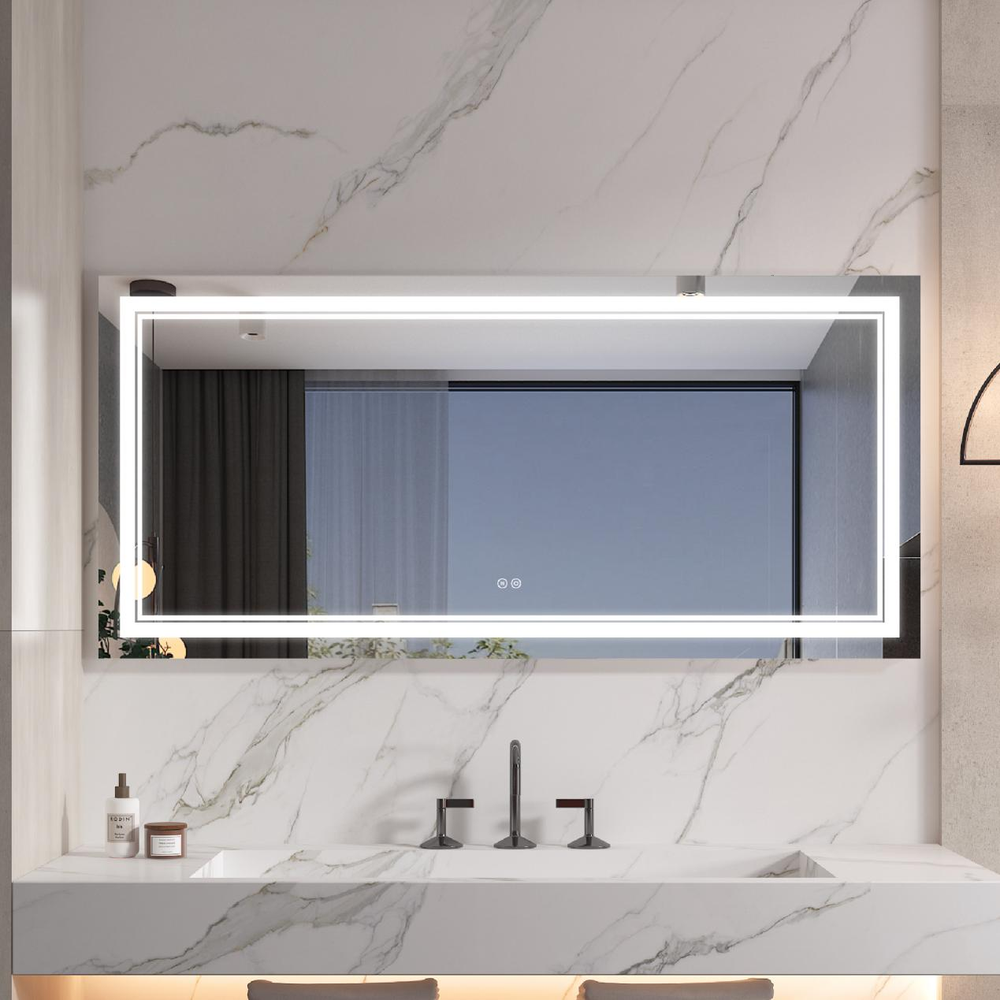
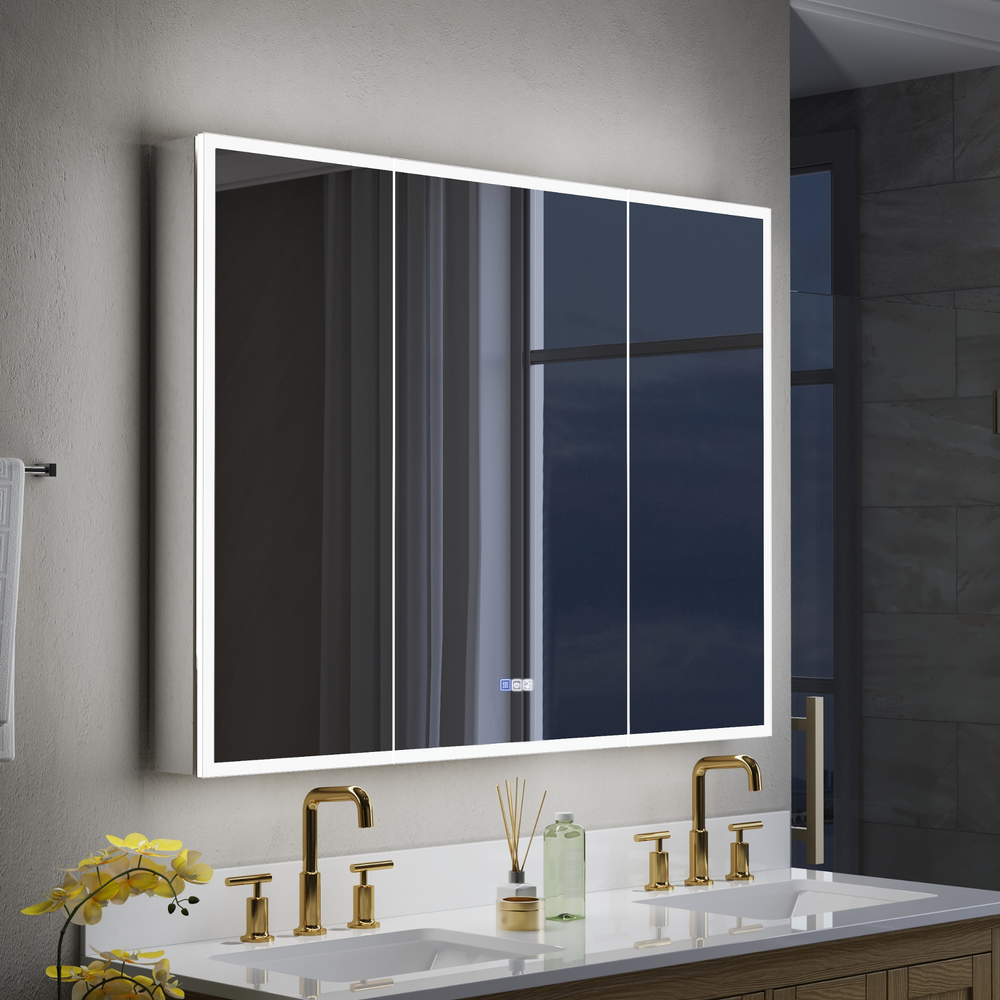
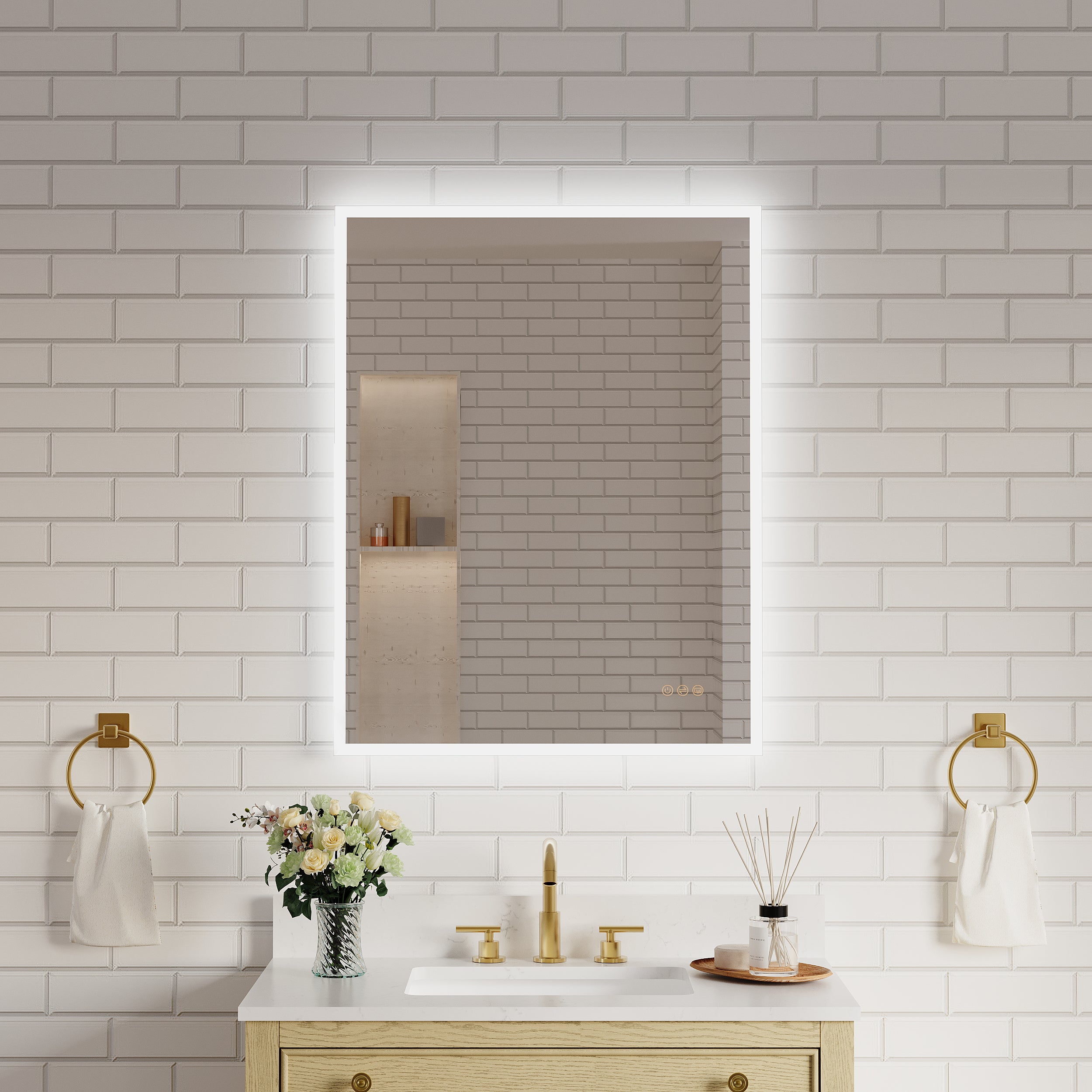
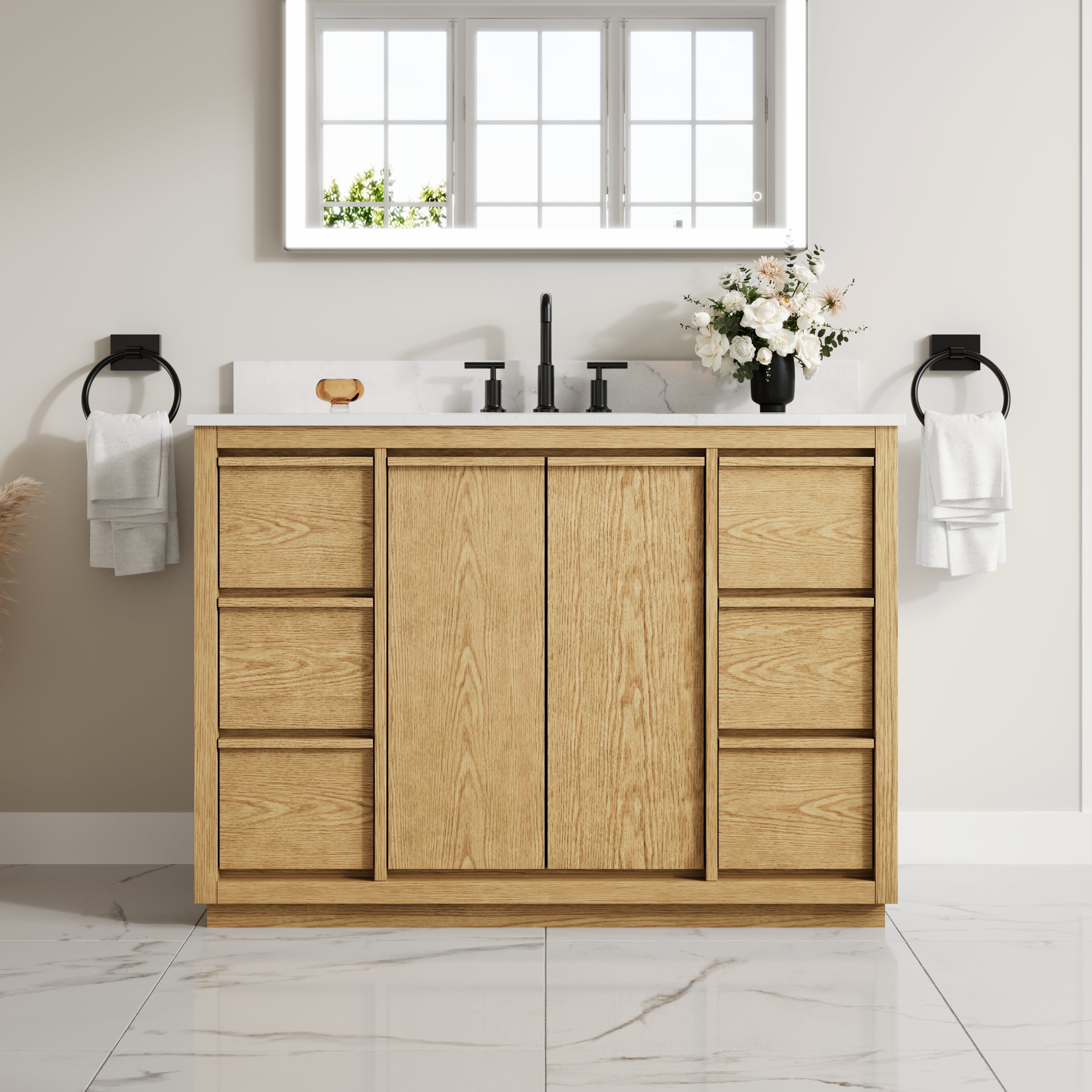
A lighted mirror solves this by illuminating your face directly. Many modern models feature a frosted diffuser strip around the perimeter or a backlit glow. This provides even, shadow-free illumination for daily tasks like shaving, applying makeup, or flossing. If you share a bathroom, you both benefit from having the light directly in front of you, rather than behind your head.
The Anti-Fog Revolution
Here is the biggest game-changer for daily comfort: anti-fog technology.
We’ve all been there—you step out of a hot, steamy shower, and the mirror is completely useless. You have to blindly wipe it with a towel, which just smears the condensation around. High-end lighted mirrors feature a built-in heating element or a special film that keeps the glass perfectly clear, even in a sauna-like bathroom. (Source: Kohler) This isn't just a luxury; it’s a serious safety feature. You don't have to reach across a slippery, wet counter to wipe the glass, reducing the risk of slip-and-fall accidents.
Redefining the Layout: Where Do You Put the Sconces?
If you go with a lighted mirror, you completely change your electrical layout.
If your mirror provides the light, you don't need to install separate wall sconces. This simplifies the design and often looks cleaner. However, it changes the installation process. You aren't just hanging a heavy piece of glass; you are installing an electrical fixture.
The Contractor's Warning: If you are replacing an old, standard mirror, you likely don't have a power source behind it. You will need to hire a licensed electrician to run a new wire, add a switch, or install a GFCI outlet nearby. This will significantly add to your project's cost. If you are doing a full remodel with the walls open, this is the perfect time to wire for a lighted mirror.
Specs You Must Check Before Buying
Not all lighted mirrors are created equal. Before you buy, you need to look at the technical specs:
Color Temperature: You want an LED strip that offers a color temperature between 3000K and 5000K. 3000K is a warm, cozy light that is great for relaxation. 5000K is a crisp, bright daylight that is perfect for grooming. Many high-end models offer adjustable color temperature settings.
CRI (Color Rendering Index): Look for a CRI of at least 90. This means the light shows the true colors of your skin and makeup. A cheap mirror with a low CRI will make your face look washed out or sickly.
IP Rating: In a wet bathroom, you need a mirror with an IP44 or higher rating. This ensures the internal electrical components are protected from splashes and steam.
Sizing and Placement
Even with a lighted mirror, sizing is critical.
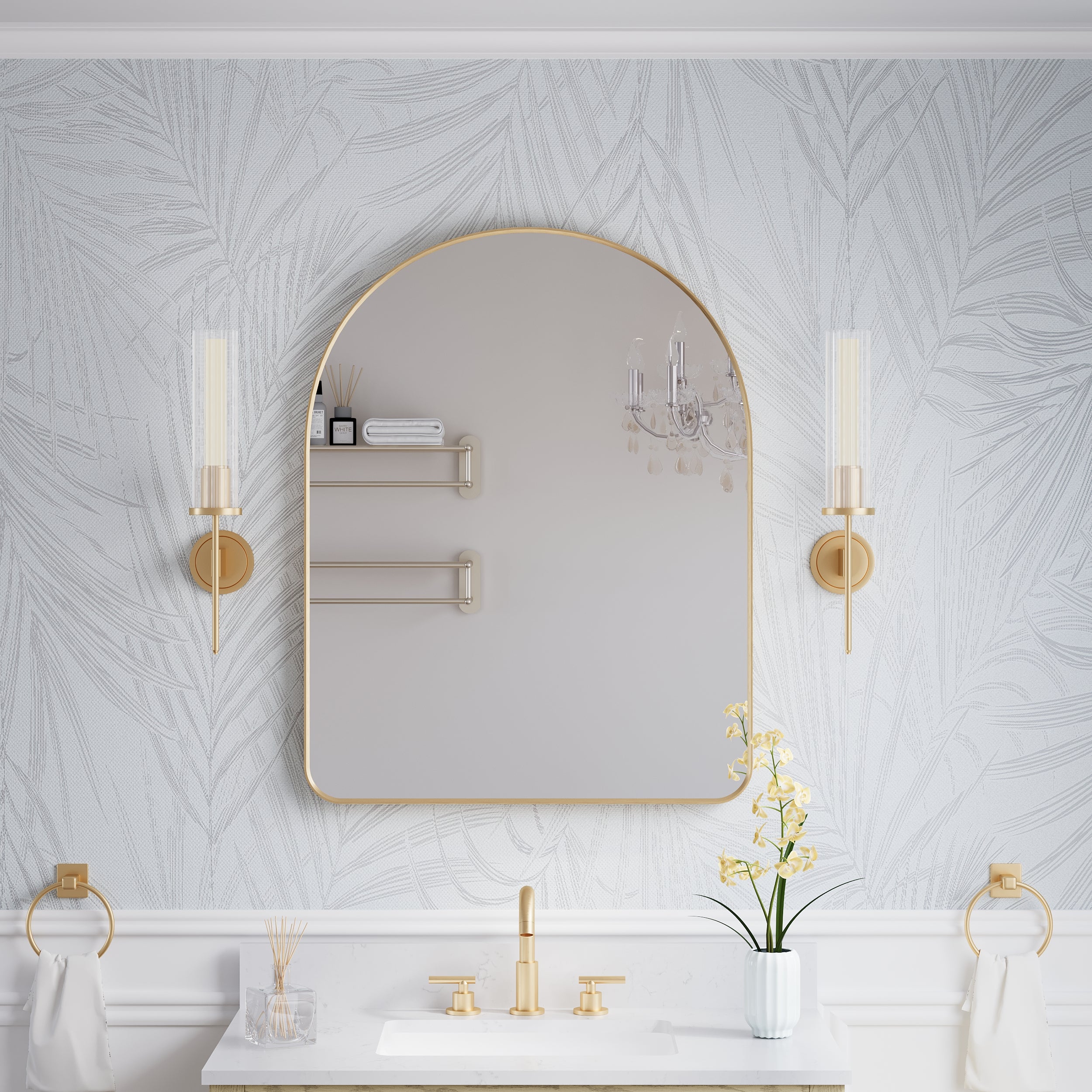
A good rule of thumb is that the mirror should be slightly narrower than your vanity. For a standard 36-inch vanity, a 24 to 30-inch wide mirror works beautifully. (Source: Houzz) Mounting height matters too. The center of the mirror should typically sit around 60 to 65 inches from the floor. (Source: Lowe's)
If you are installing a backlit mirror, remember that the light will cast a glow onto the wall behind it. Make sure your wall is painted smoothly and isn't covered in heavily textured tile, as the texture will cast weird shadows.
The Final Verdict
If you want a modern, spa-like bathroom that feels bigger and brighter, a mirror light mirror is a fantastic upgrade. It simplifies your wall design, provides perfect task lighting, and keeps your vision clear with anti-fog tech. Just plan your electrical wiring early, check the CRI, and enjoy the glow.















Leave a comment
This site is protected by hCaptcha and the hCaptcha Privacy Policy and Terms of Service apply.