


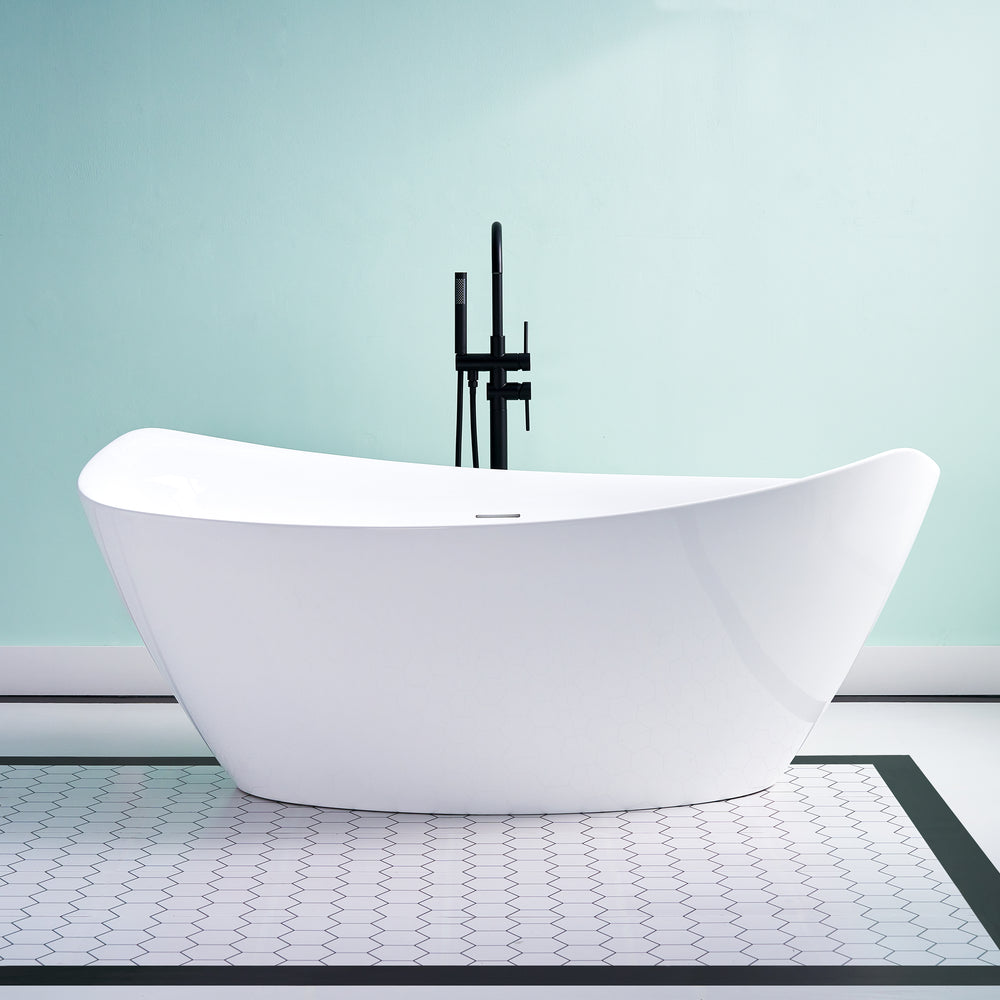









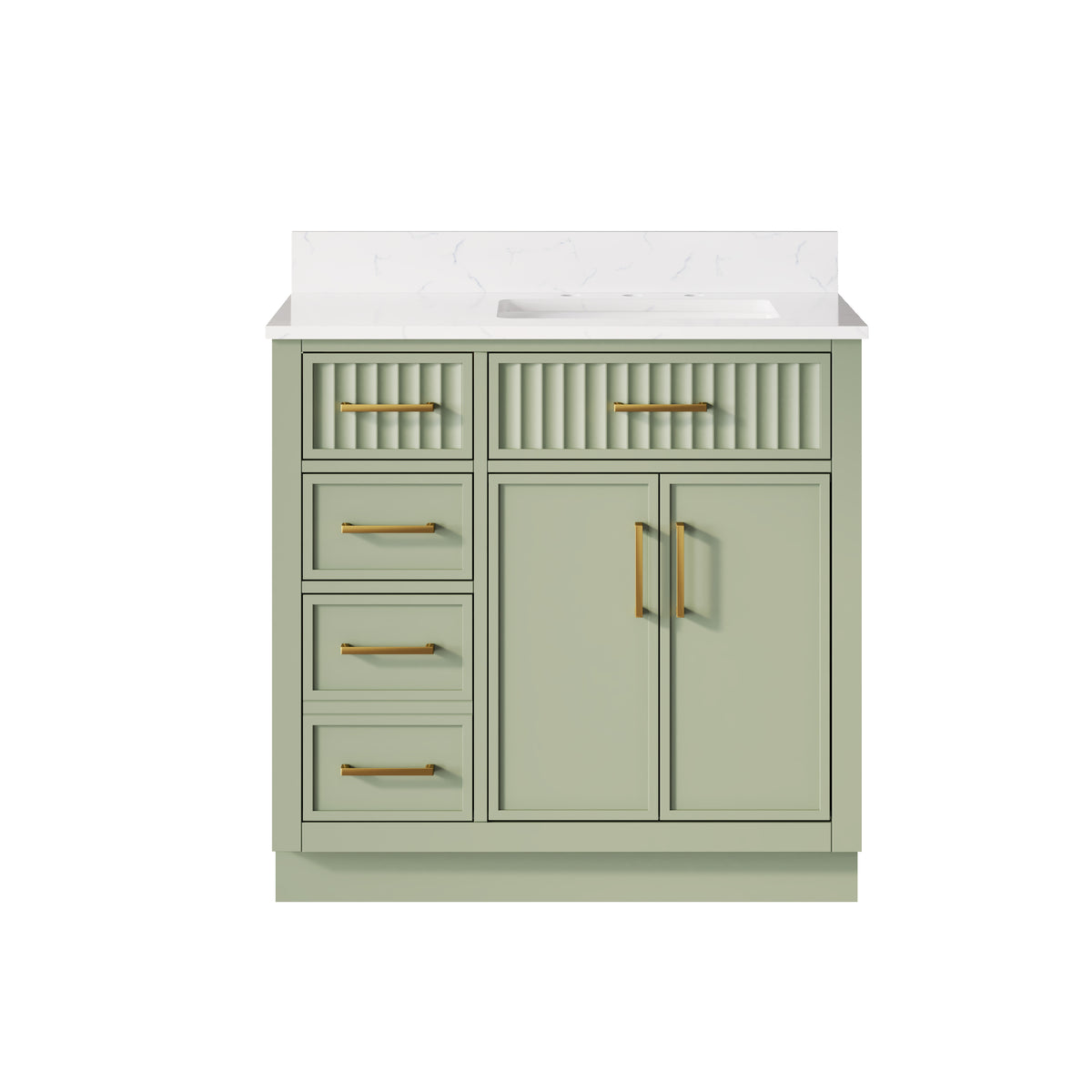






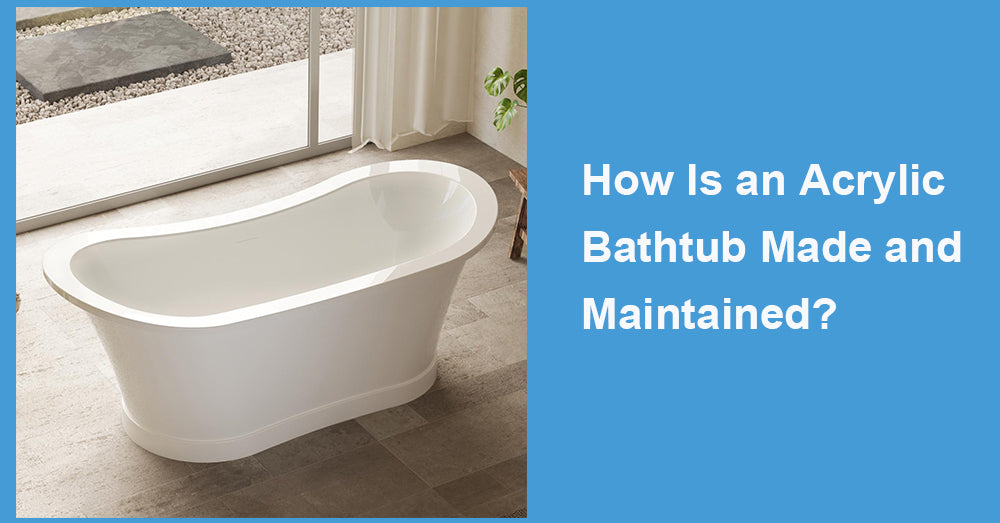
Ever wonder how your tub is built? Discover how an acrylic bathtub is made, the exact thickness specs you should look for, and the real-world maintenance rules to keep it shining.
Let’s be honest. When you are remodeling a bathroom, the bathtub is usually the biggest and most expensive piece of the puzzle. You’ve probably seen a ton of options out there, but if you want a balance of price, durability, and good looks, you really can't beat an acrylic bathtub.
But have you ever actually looked at one and wondered how it’s made? Or, more importantly, how the heck do you keep it looking brand new without scratching it? As someone who has installed and repaired more tubs than I can count, here is the real, no-nonsense breakdown of how acrylic tubs are built and how to take care of them so they last for decades.

The Manufacturing Process: It Starts with a Sheet
Unlike cast iron or heavy porcelain, acrylic tubs aren't actually molded from liquid metal or clay. The process is actually pretty fascinating.
It all starts with a flat sheet of high-quality acrylic. This sheet is heated up until it becomes soft and pliable—kind of like a giant piece of taffy. Once it's nice and flexible, it’s stretched over a large, male mold shaped exactly like a bathtub.
Next, a vacuum is applied. The suction pulls the hot acrylic sheet tightly against the mold, forcing it to take the exact shape of the tub basin. The acrylic is then allowed to cool and harden.
But here is the crucial part: an acrylic tub alone is way too thin and flimsy. To give it strength, a layer of fiberglass is sprayed onto the back of the hardened acrylic shell. This fiberglass is mixed with a resin that essentially turns into a hard, structural backbone.
Finally, the manufacturer sprays a thick layer of fiberglass and resin on the underside to create a solid base. Sometimes, they will even add a layer of plywood or a structural grid to the bottom. This combination of the glossy acrylic on top and the reinforced backing is what gives the tub its durability and prevents it from flexing when you step inside.
The Thickness Specs You Must Know
When you go to a big-box store, you might see a tub that feels like it would flex if you stepped on it. That is because not all acrylic tubs are created equal.
The industry standard for the acrylic sheet thickness is usually around 14 to 16 gauge (which is about 0.1 inches). (Source: Home Innovation Research Labs) If you buy a cheap, thin tub, it might be only 10 or 12 gauge. Trust me, you don't want that. A thicker acrylic sheet prevents flexing, which is crucial because flexing can cause the fiberglass backing to crack over time.
I always tell my clients to press their thumb into the bottom of the tub before they buy it. If it gives way easily, walk away. A good acrylic tub should feel solid and rigid.
Real-World Maintenance: How to Keep It Shiny
So, you bought a great acrylic tub. Now, how do you keep it from looking like a science experiment gone wrong?
1. Ditch the Abrasive Powders
This is the number one mistake I see. Do not use harsh abrasive cleaners like Comet or Ajax. Those gritty powders will literally scrub away the glossy finish and leave behind microscopic scratches. Once those scratches form, dirt and mold will thrive in them. Instead, rely on liquid cleaners or gels that are explicitly labeled as non-abrasive.
2. The Bleach Warning
Also, never use bleach-based cleaners or harsh solvents. They can break down the chemical structure of the acrylic over time, causing it to yellow or become brittle. Mild is the name of the game here.
3. The 30-Second Wipe Down
Acrylic holds onto soap scum like glue. The easiest way to fight it is to keep a squeegee or a microfiber cloth nearby. After you take a shower or a bath, give the walls and the bottom a quick wipe. This takes 30 seconds and saves you hours of scrubbing later.
4. Watch Out for Hair Dye
If you color your hair at home, this is a big one. Hair dye can permanently stain acrylic. If you drop a bit of dye in the tub, wipe it up immediately with a damp cloth. Don't let it sit for even a minute.
5. Avoid Scratching
Don't use a razor blade to scrape off dried paint or stubborn gunk. It will carve right into the acrylic. If you need to remove tape residue or paint, use a plastic scraper or a washcloth soaked in warm water.
What About Heavy Body Washes and Oils?
If you use bath oils or heavy body lotions, you might notice an oily ring forming around the waterline. According to a manufacturer's care guide, a mixture of warm water and a gentle grease-cutting liquid (like a drop of basic dish detergent) can effectively cut through those oils without harming the acrylic. (Source: Plumbing and Drainage Institute) Use a soft sponge, gently rub the ring away, and then rinse the tub thoroughly with clean water. Never let the water sit, and always dry the surface immediately after.
Is Acrylic Right for You?
If you want a lightweight tub that is easy to install, relatively inexpensive, and warm to the touch (unlike freezing cold cast iron), acrylic is a fantastic choice. Just make sure you inspect the thickness specs before buying, and always clean it with non-abrasive products.
Take care of it, and an acrylic bathtub will easily last you 20 years or more.

























Leave a comment
This site is protected by hCaptcha and the hCaptcha Privacy Policy and Terms of Service apply.