
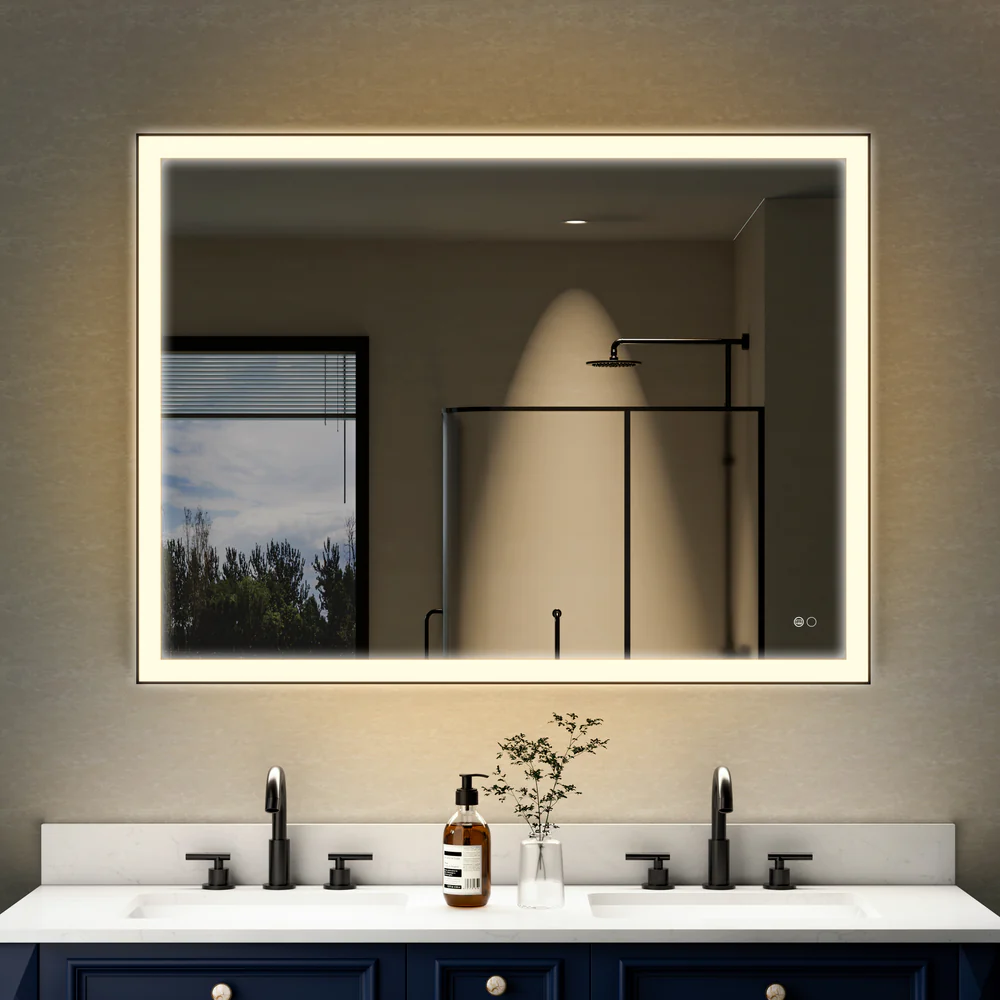
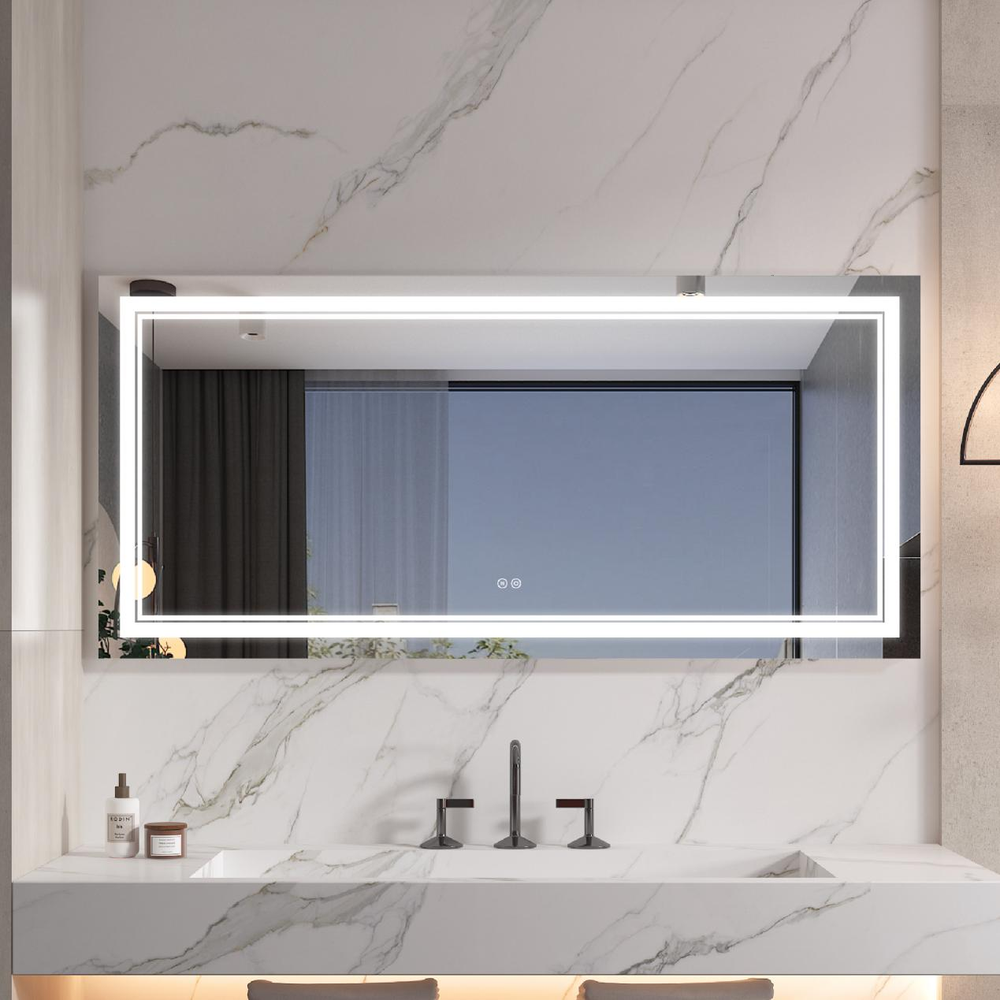
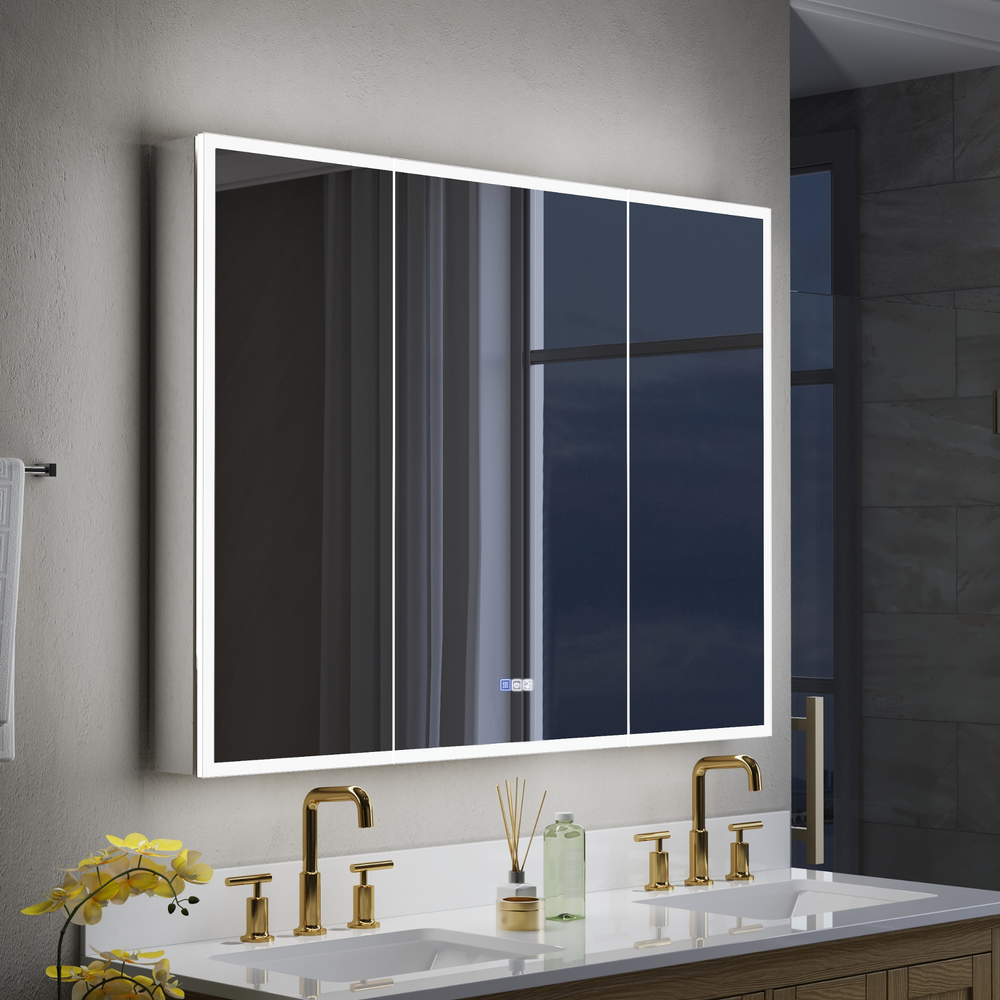
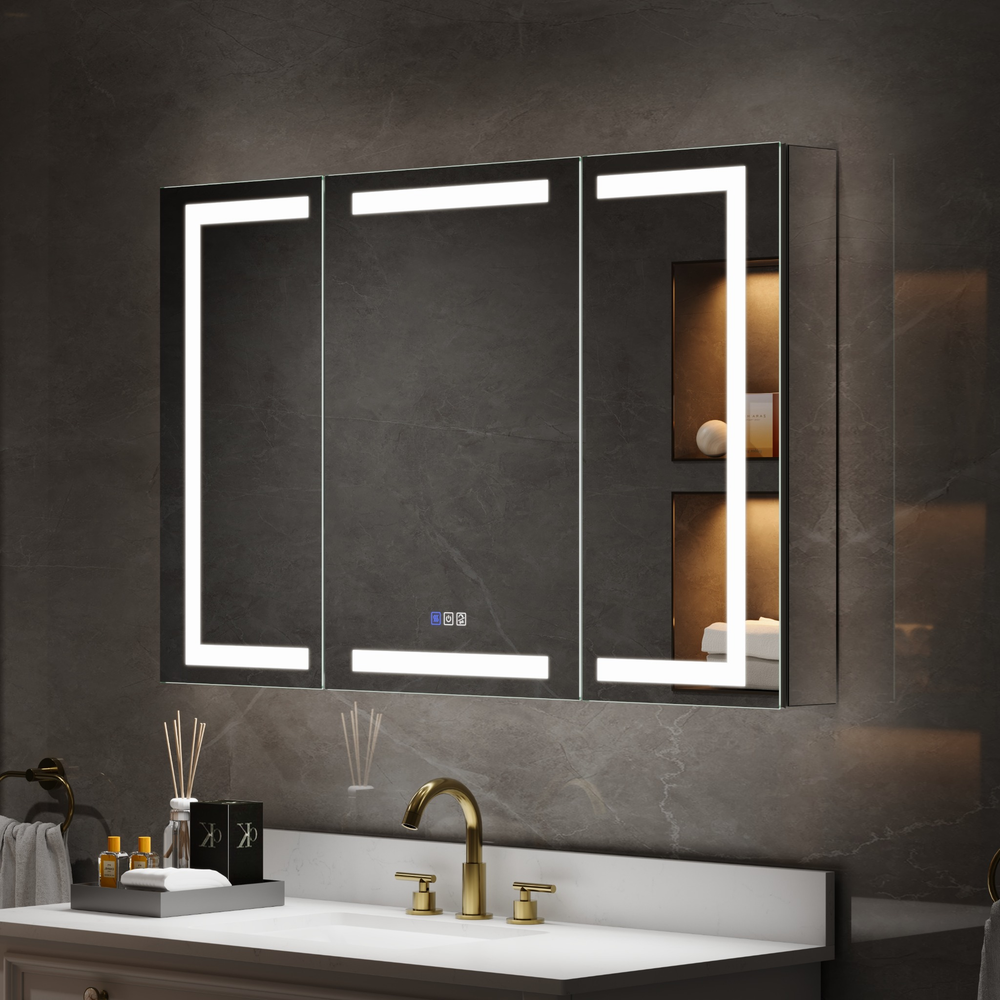



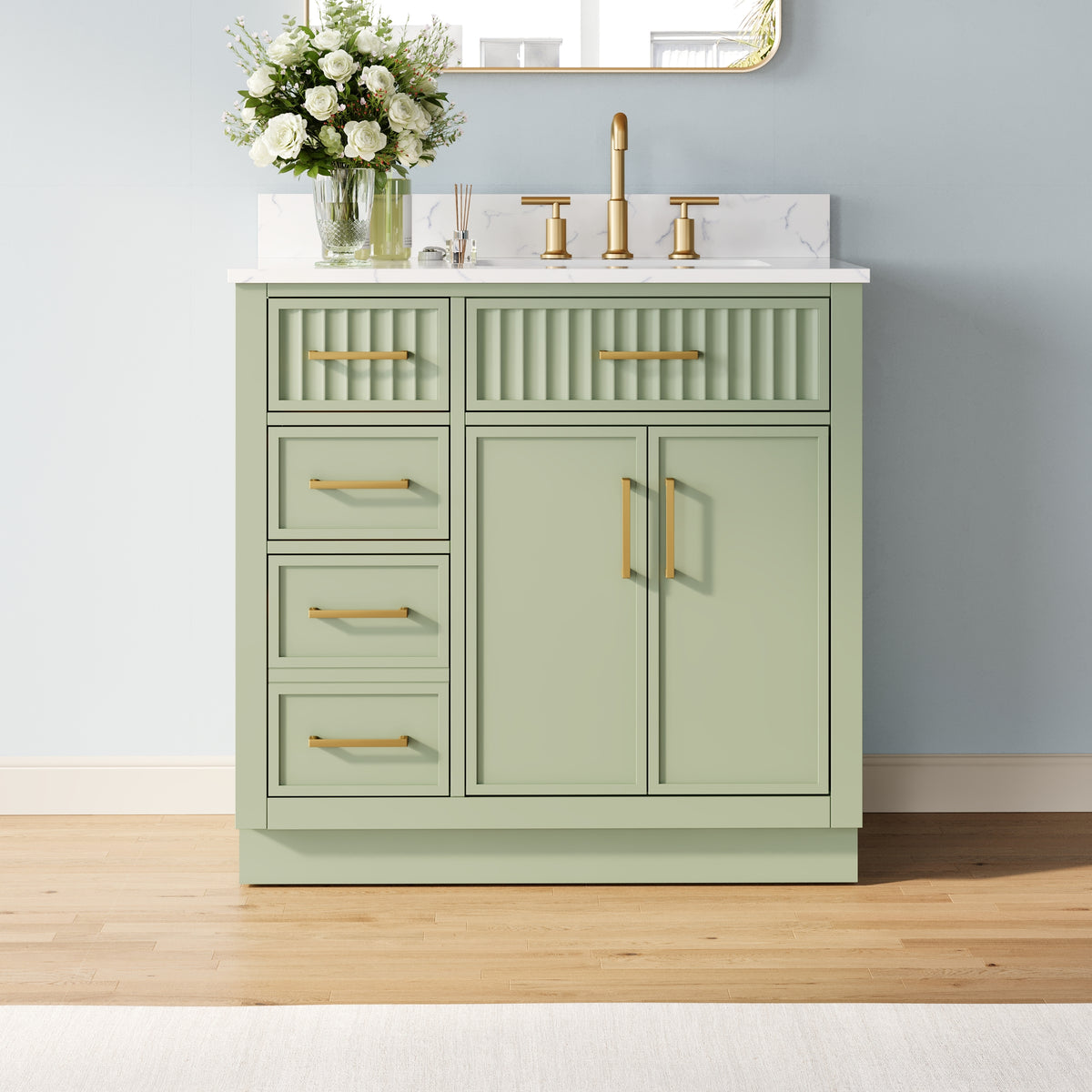
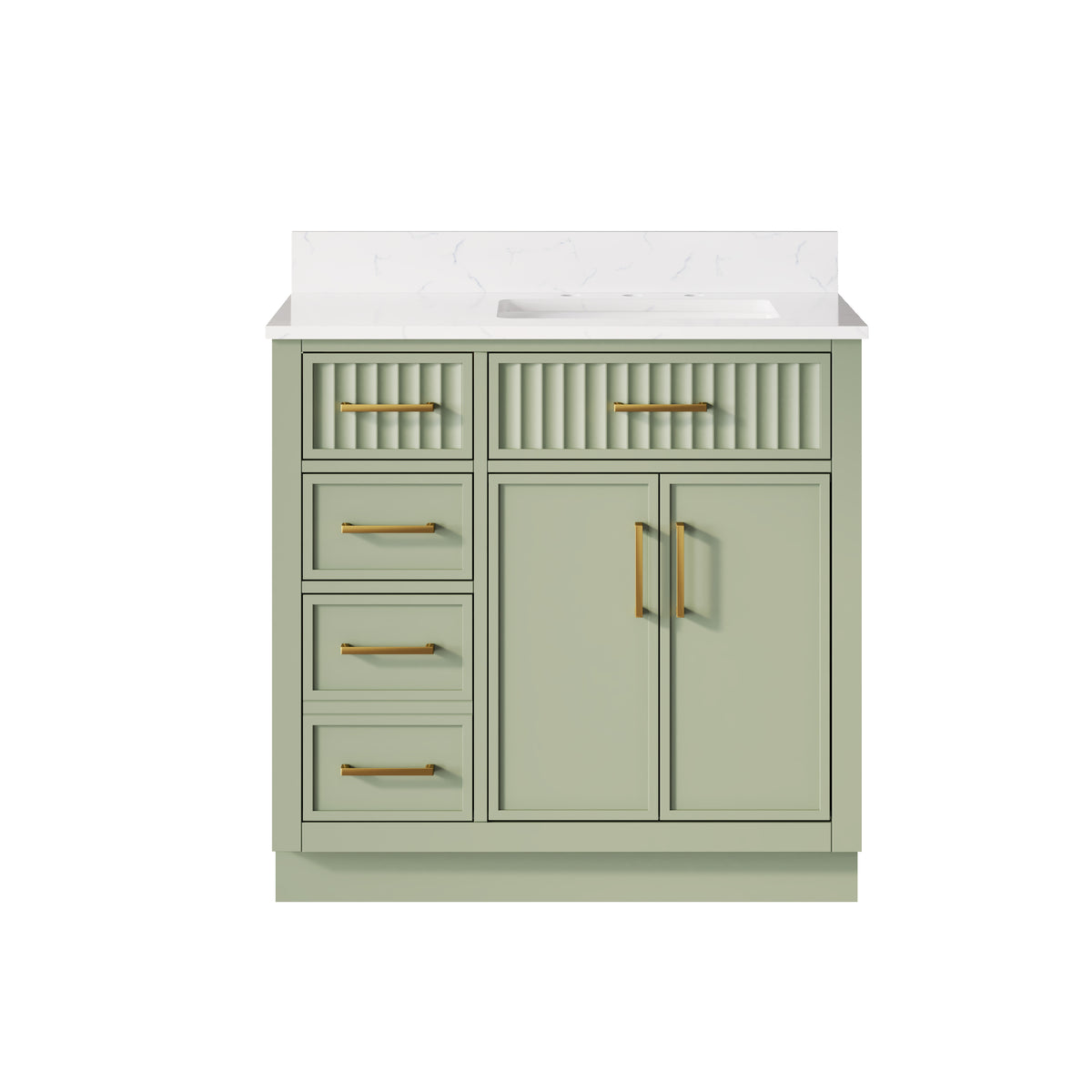
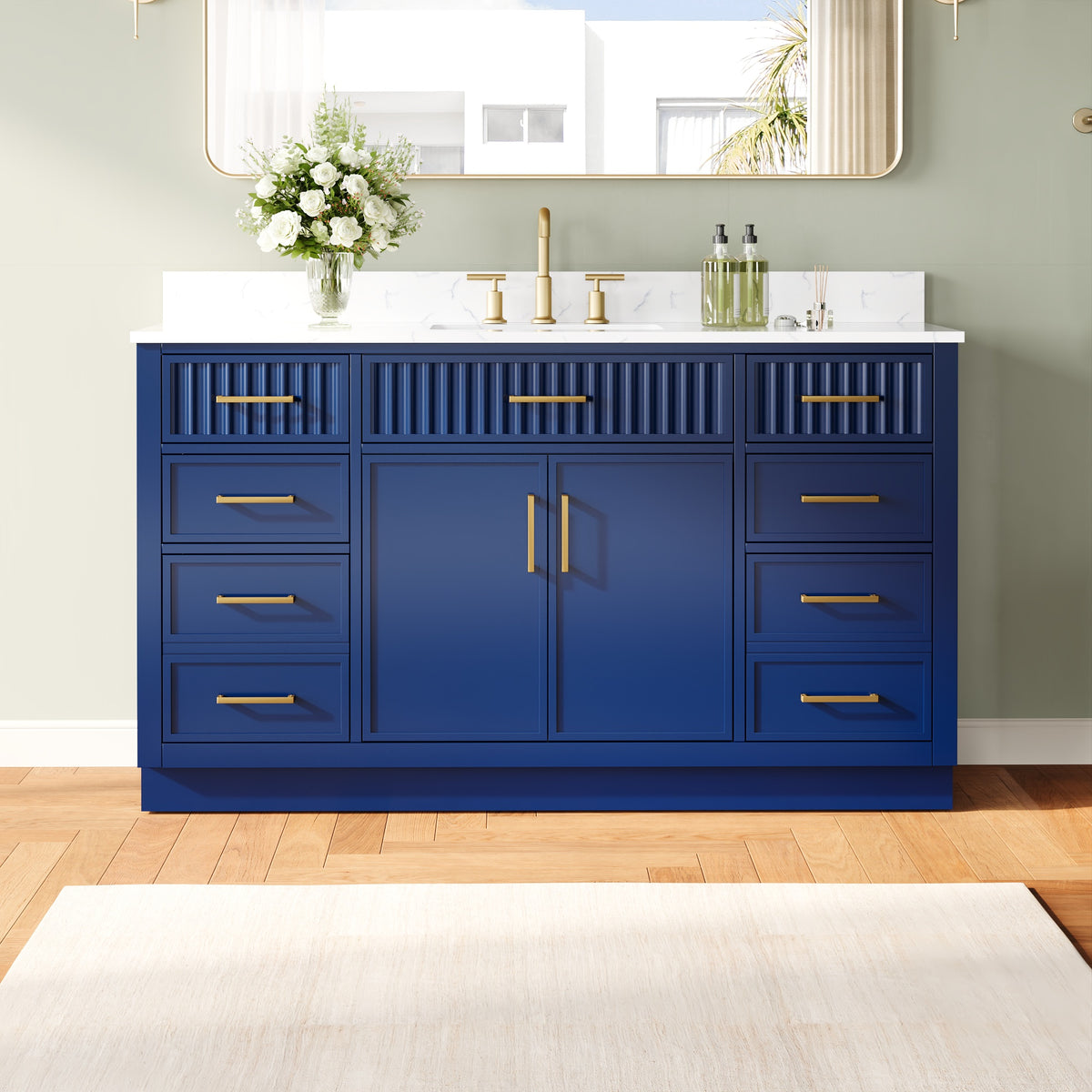
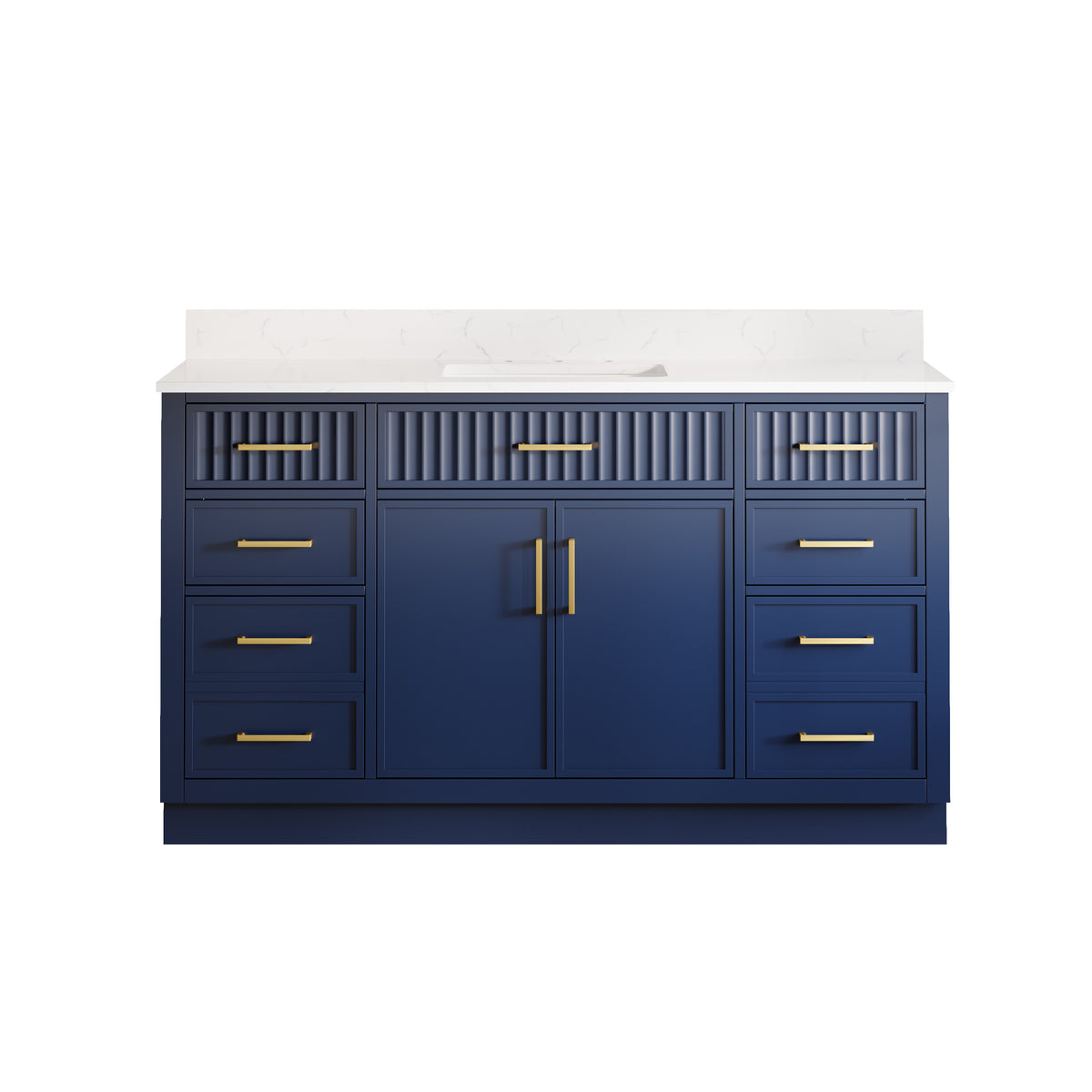

Thinking about a bathroom remodel? Discover the key benefits of a wood vanity, from boosting resale value to withstanding moisture, plus expert care and sizing tips.
Walk into any big-box home improvement store, and you’ll be bombarded with options: acrylic, laminate, particleboard, and MDF. But if you want a bathroom that actually feels like a custom, high-end space, there is one material that stands head and shoulders above the rest. A wood vanity brings a level of warmth, character, and structural integrity that synthetic materials simply can't fake.
But is it really worth the investment, especially in a room that gets steamy and wet? As someone who has designed and remodeled countless American bathrooms, my answer is a resounding yes. Here is the unfiltered breakdown of why wood is a total game-changer for your bathroom.
Unmatched Aesthetics and Instant "Wow" Factor
Let's get the obvious out of the way first: wood is just beautiful.
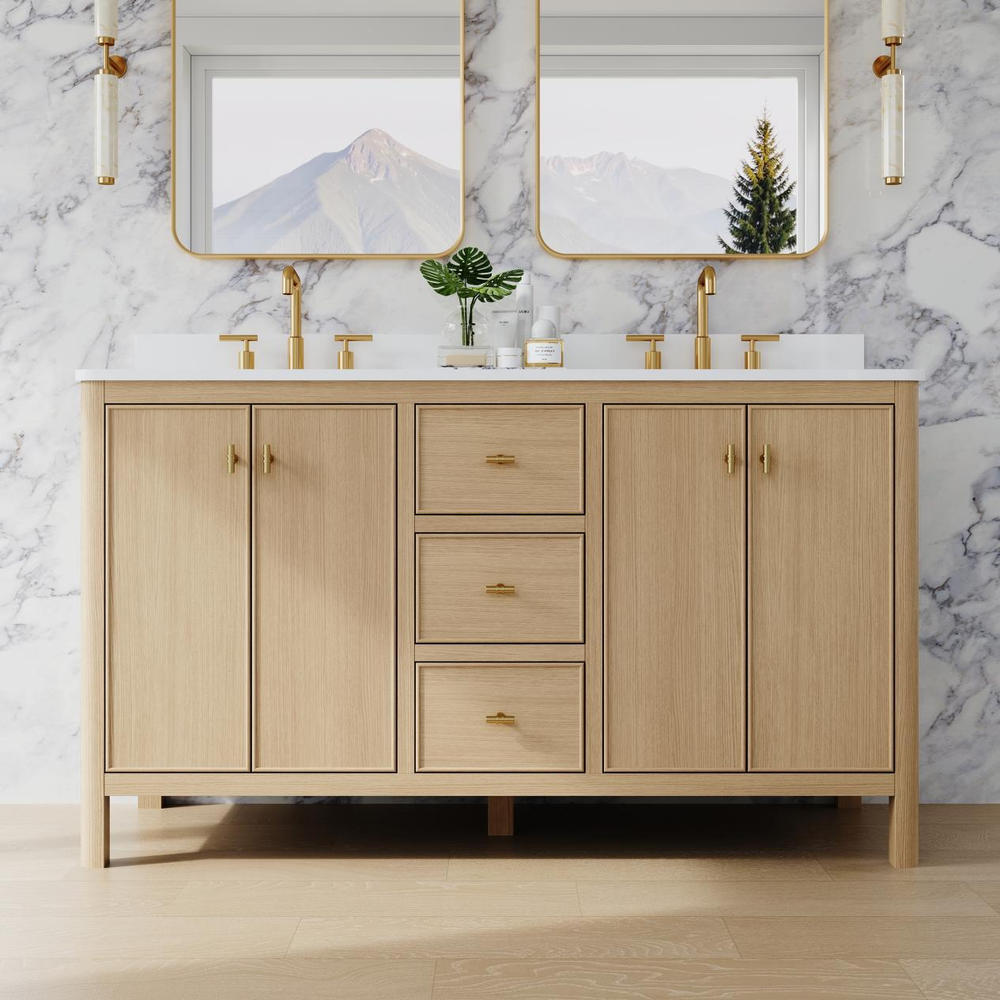
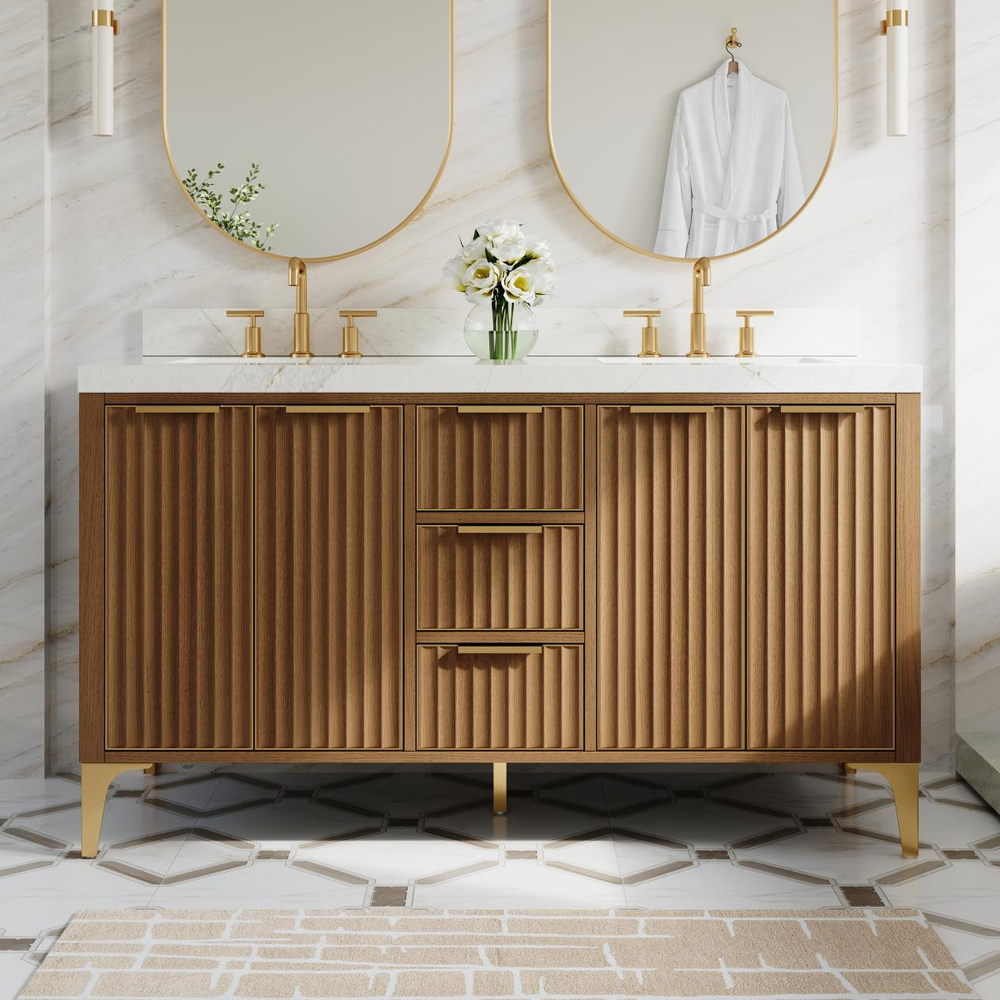
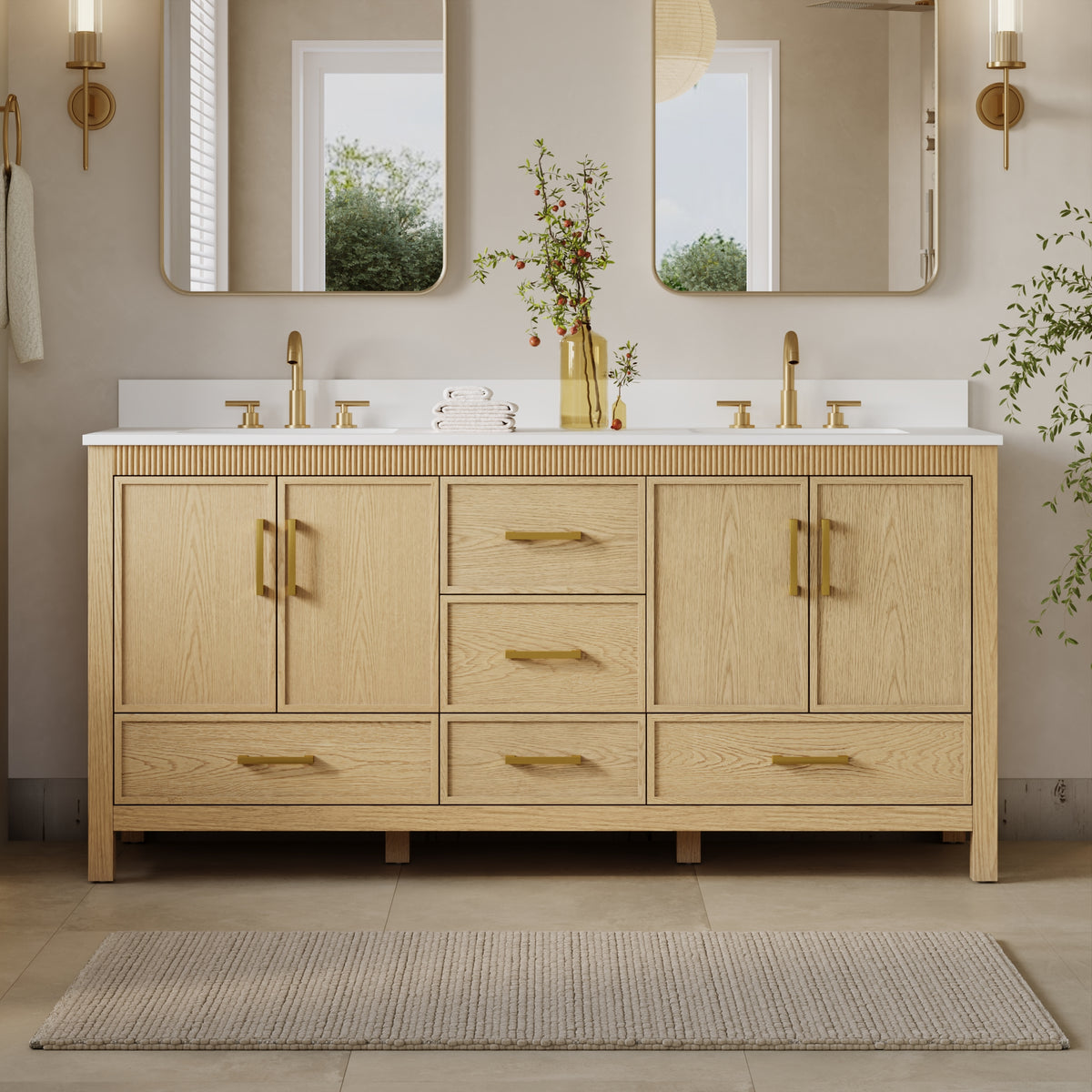
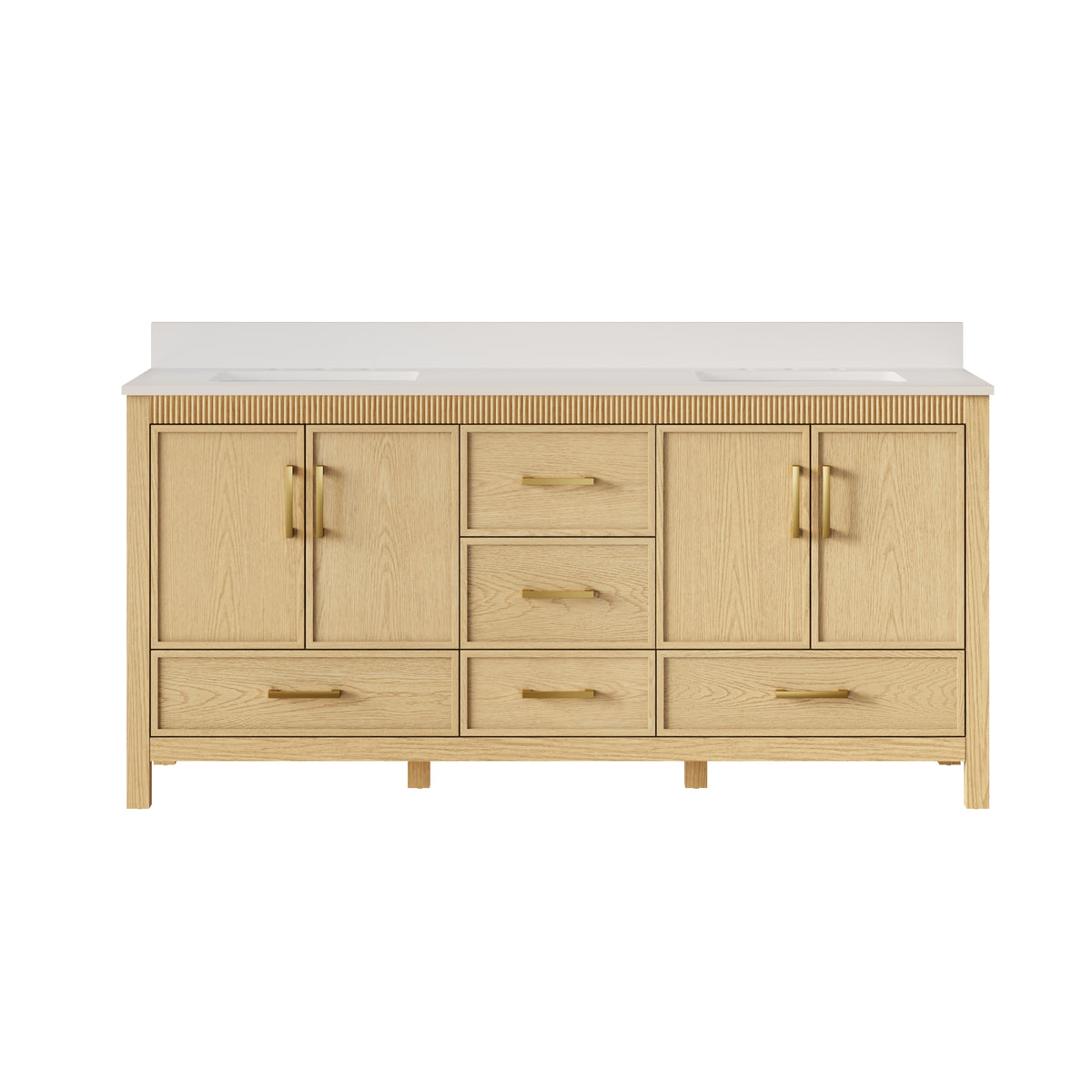
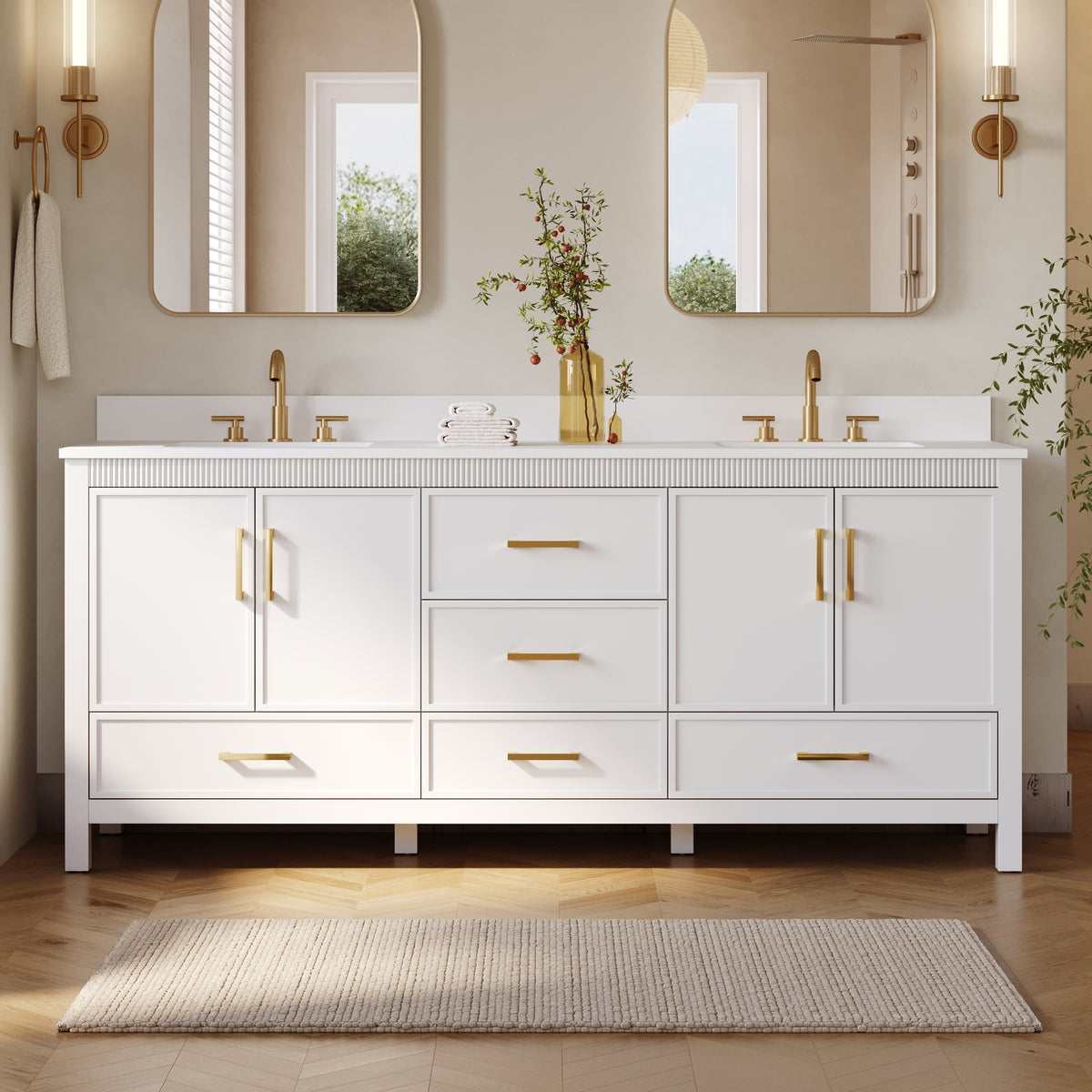
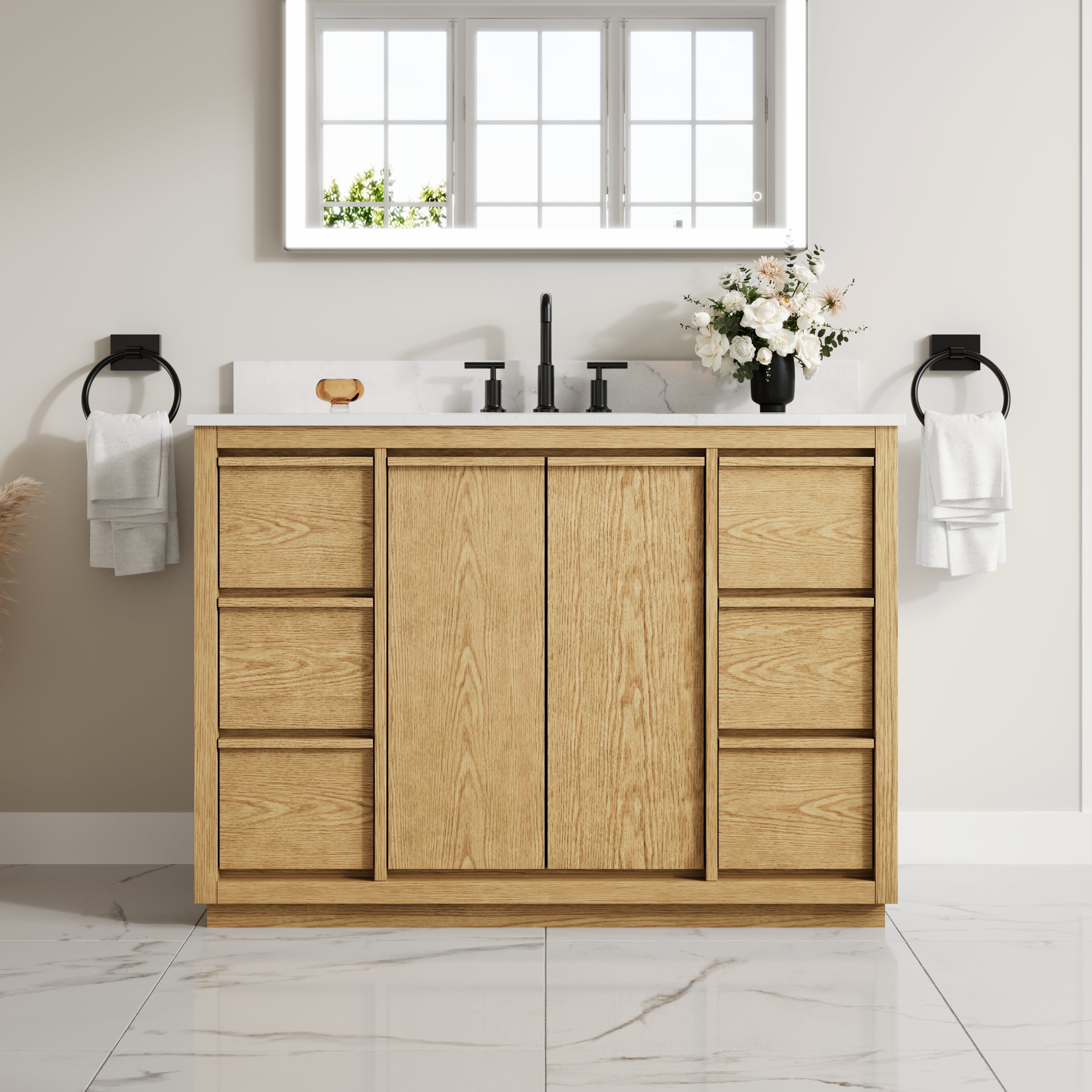
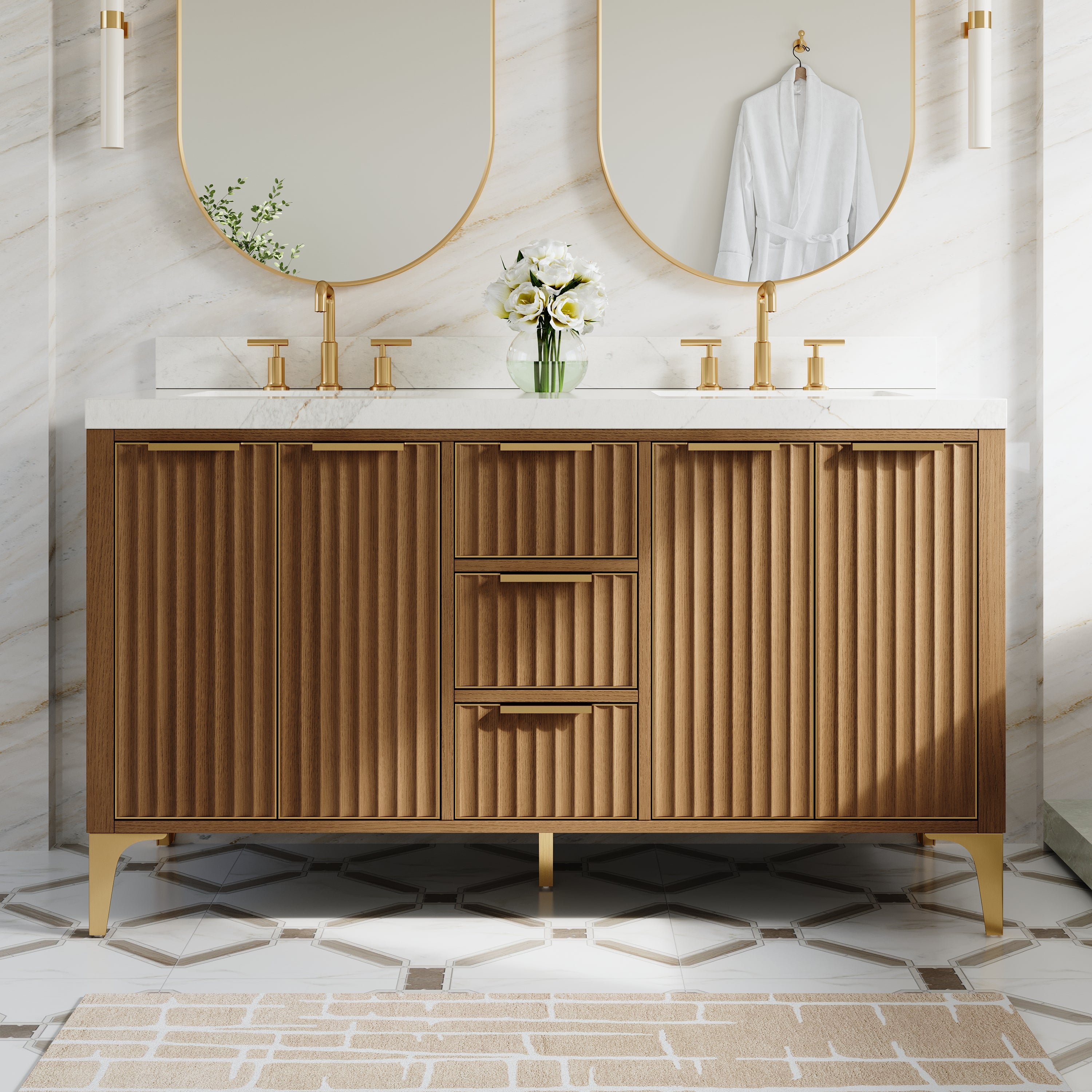
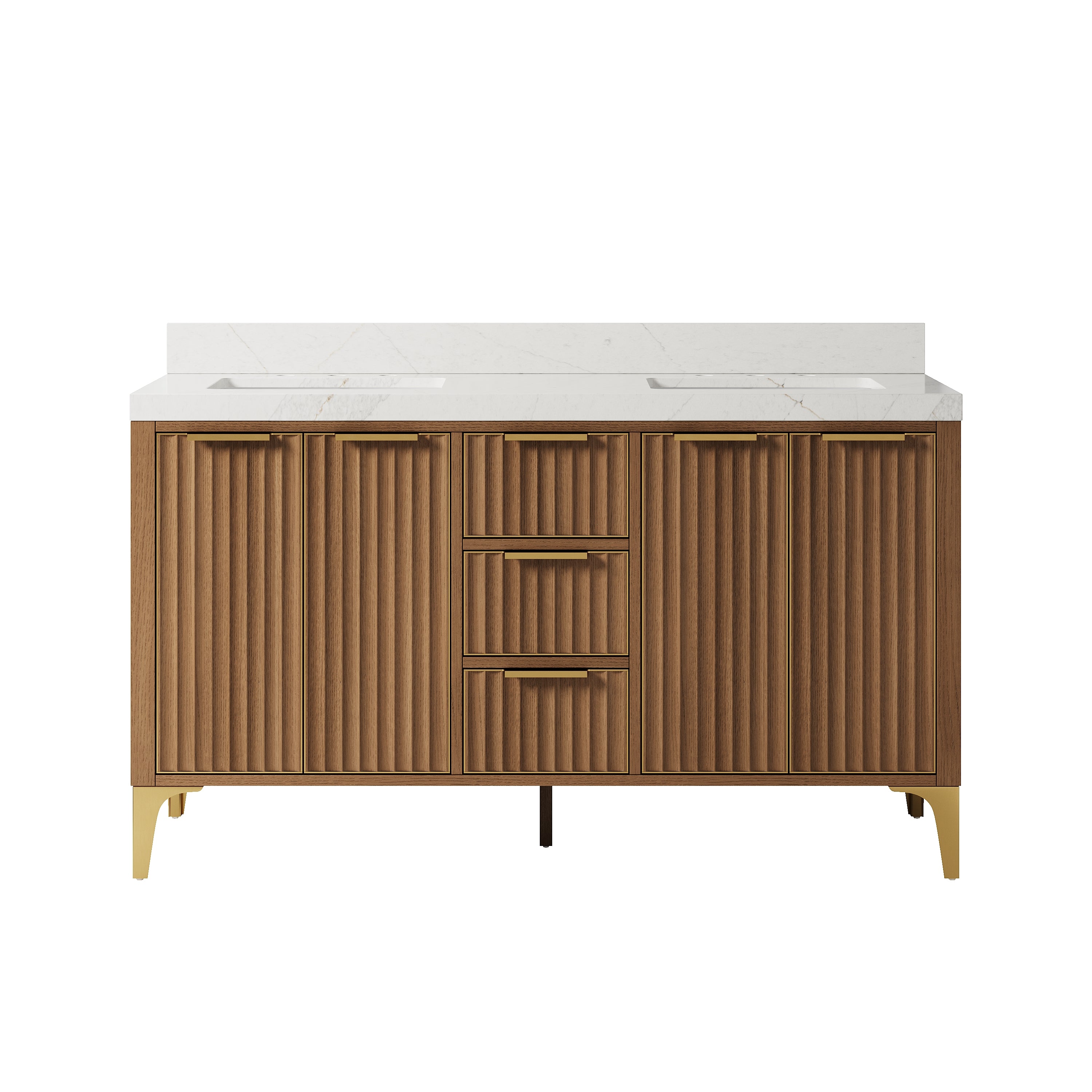
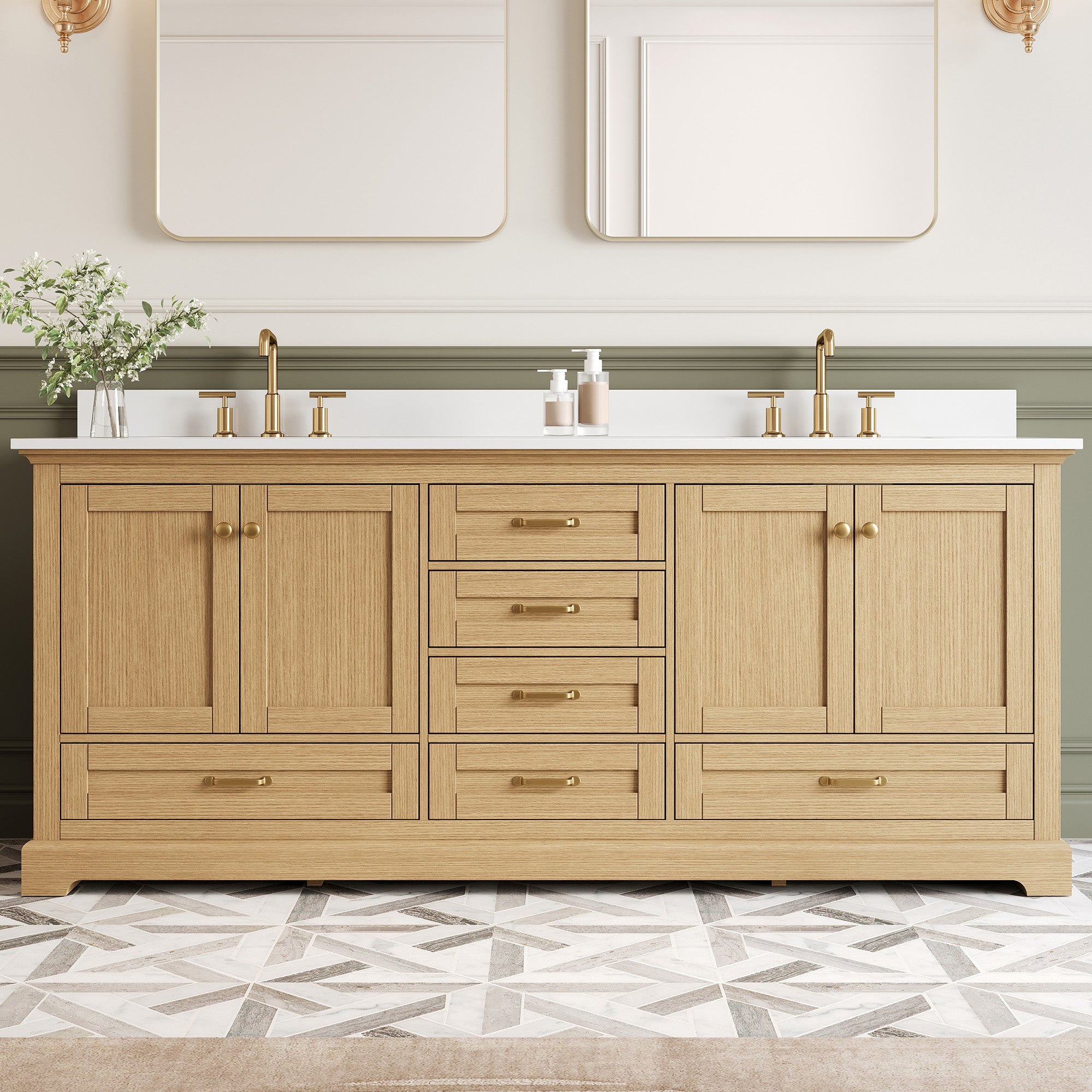
Bathrooms are inherently cold rooms. They are full of hard surfaces—tile, glass, porcelain, and stone. Adding a wood vanity instantly softens the space. The natural grain and texture bring a sense of organic warmth that makes the bathroom feel cozy rather than clinical. Whether you prefer a sleek, modern walnut or a rustic, painted oak, wood takes finishes beautifully and gives your bathroom a custom, designer look that guests will definitely notice.
The Financial Payoff: Boosting Resale Value
If you are planning to sell your home, a wood vanity is a smart financial move.
Real estate agents and house flippers know that kitchens and bathrooms sell homes. According to the National Association of Realtors (NAR), a bathroom renovation is one of the highest-yielding remodeling projects you can undertake for resale value. (Source: NAR Remodeling Impact Report) When buyers see a solid wood vanity, they immediately associate it with luxury and quality. It signals that the home was built with care, whereas cheap particleboard screams "builder-grade budget."
Durability That Outlasts the Trend Cycle
Another huge benefit is sheer longevity.
MDF and particleboard are essentially sawdust glued together. If they get wet, they swell and crumble. Solid wood, on the other hand, is incredibly dense. If you buy a high-quality hardwood (like maple, oak, or cherry) and it is sealed properly, it will last for decades. You can actually sand it down and refinish it if it gets scratched, which is something you absolutely cannot do with a laminate or vinyl-wrapped cabinet. Wood is an investment that can grow with your family.
Tackling the Moisture Myth
The biggest pushback I hear from homeowners is: "Won't wood rot in the bathroom?"
The truth is, wood is highly resilient if you protect it. The key is the finish. High-quality factory finishes, like catalyzed lacquer or polyurethane, create a tough, water-repellent barrier. You just need to ensure the vanity is sealed on all six sides, especially around the sink cutout and the bottom edges.
If you have a high-traffic family bathroom, the National Kitchen & Bath Association (NKBA) recommends using solid wood or high-quality plywood over MDF in areas prone to high splashing. (Source: NKBA) As long as you run your exhaust fan and wipe up standing water, your wood vanity will thrive.

Healthier for Your Home (Low-VOC Options)
Here is a benefit that often gets overlooked: indoor air quality.
Many cheap composite cabinets are held together with adhesives that can off-gas volatile organic compounds (VOCs) for years. If you are buying a solid wood vanity, especially one finished with a low-VOC or water-based sealant, you are bringing a much healthier element into your home. In a small, enclosed space like a bathroom, reducing chemical emissions is a big win for your family's health.
Customization and Sizing Advantages
Wood is incredibly versatile when it comes to custom builds.
If you have a weird alcove or an awkward corner, a custom wood vanity can be fabricated to fit perfectly, maximizing your floor plan. Of course, standard sizing still matters. Most standard American vanities range from 24 to 72 inches wide, with a standard depth of 21 to 22 inches. If you have a tighter space, a 36-inch vanity is a common choice. But with wood, you can easily modify that 36-inch box to include a pull-out hamper or custom drawer dividers. You can't do that with pre-fabricated plastic units.
Real-World Maintenance (It's Easier Than You Think)
Yes, wood requires a bit more TLC than laminate. But it's not a fragile diva.
Avoid harsh chemical cleaners like bleach or ammonia, which can strip the finish. A simple wipe-down with a damp microfiber cloth and mild soap is all you need. Keep a squeegee in the shower, and ensure your bathroom exhaust fan is vented properly.
According to the Home Ventilating Institute (HVI), a bathroom fan should run for at least 20 minutes after a shower to remove excess moisture. (Source: HVI) If you control the humidity, your wood vanity will stay pristine for years.
Choosing the Right Wood
Not all wood is created equal.
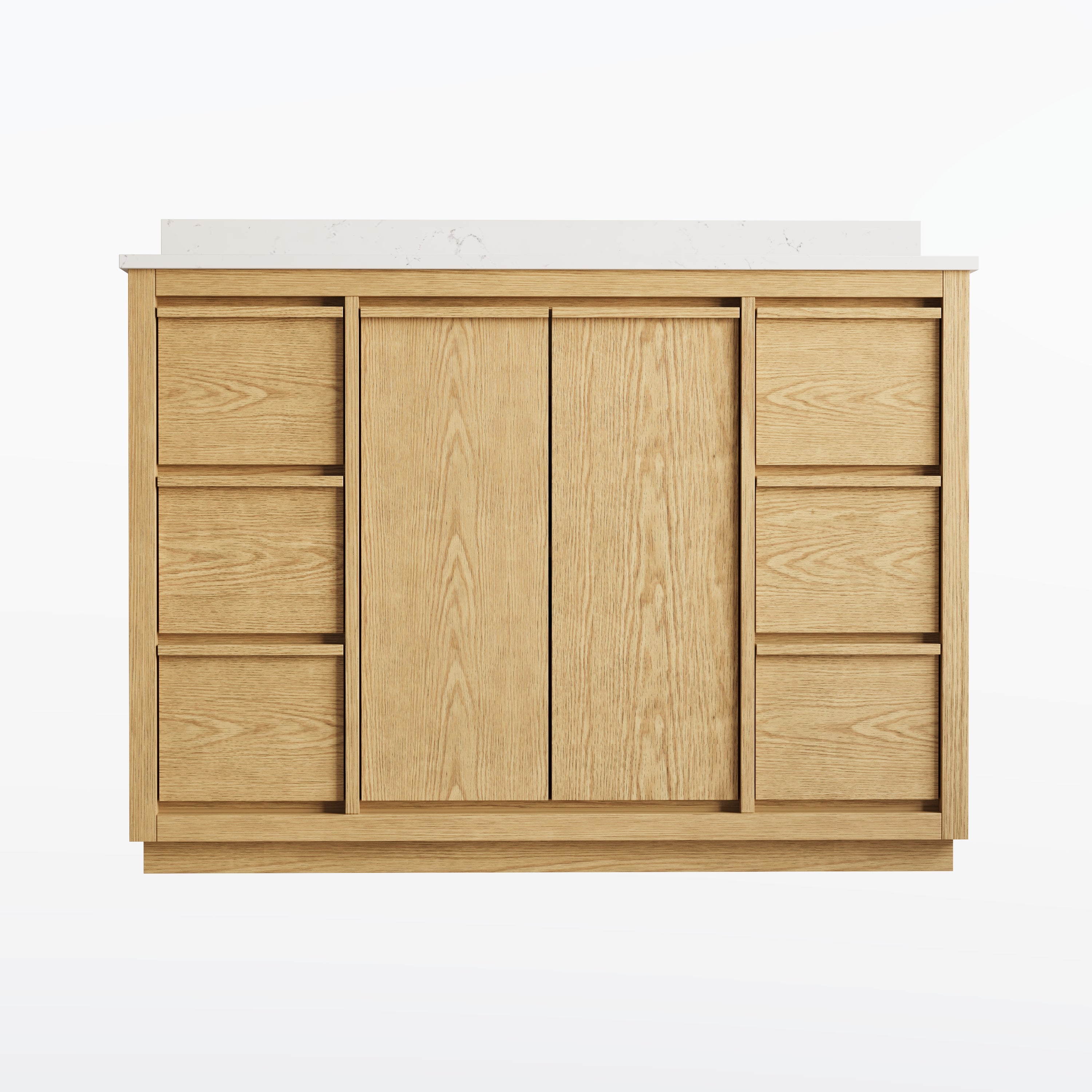
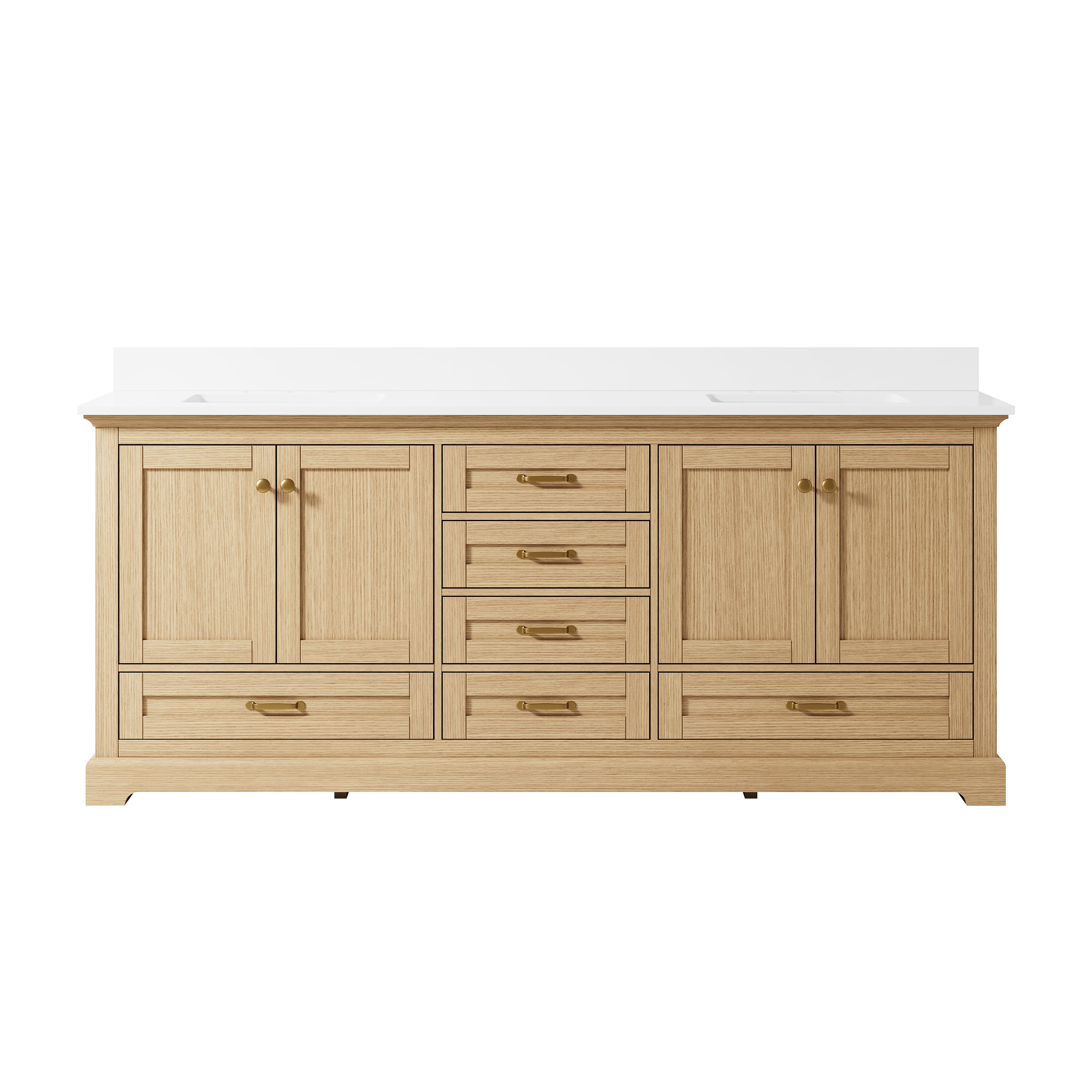
Oak and Maple: Extremely durable, great for busy households.
Walnut: Rich, dark, and highly luxurious.
Teak: Naturally water-resistant, making it the ultimate choice for wet environments (though it comes with a higher price tag).
The Bottom Line
If you want a bathroom that feels cozy, looks incredibly expensive, and boosts your home's resale value, a wood vanity is incredibly hard to beat. The initial cost might be slightly higher than particleboard, but the lifespan and aesthetic payoff are worth every penny. Just make sure you buy a quality piece, seal it properly, and enjoy the natural beauty that only real wood can provide.
















Leave a comment
This site is protected by hCaptcha and the hCaptcha Privacy Policy and Terms of Service apply.