
















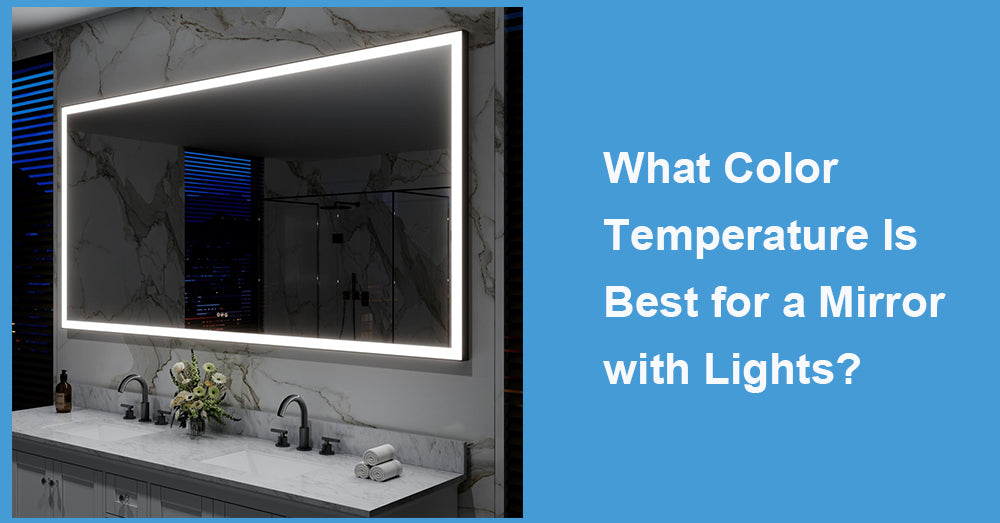
A mirror with lights can look beautiful in almost any bathroom, but color temperature is what determines whether that beauty actually works in daily life. I have seen homeowners choose a sleek mirror, install it, turn it on, and immediately feel something is off. The mirror is bright enough, yet the light feels too cold, too yellow, or just wrong for shaving, skincare, or makeup. In most real bathrooms, the best color temperature is usually somewhere in the neutral range, though the right answer depends on how the room is used.
1. Why color temperature matters more than people think
Many buyers pay attention to size, shape, anti-fog features, and dimming controls first. Those details matter. Still, color temperature has a bigger effect on everyday comfort than a lot of people realize.
If the light is too warm, your reflection can look softer and more flattering, but less accurate. That may be pleasant at night, though it is not always helpful when applying makeup or checking skin tone in the morning. If the light is too cool, the mirror can feel harsh, clinical, and tiring to use, especially in bathrooms with hard finishes like white tile, polished stone, and chrome.
This is one of the most common mistakes I see. People assume brighter is better. It is not. A badly chosen light color can make a premium mirror feel cheap, even when the product itself is well made.
2. Best color temperature for a mirror with lights in most homes
For most households, the sweet spot for a mirror with lights is around 3000K to 4000K. That range gives you a cleaner, more natural-looking reflection without pushing the bathroom into that bluish commercial-light territory nobody really wants at home.
If I had to narrow it down further, 3500K often feels like the safest answer. It is balanced. Warm enough to feel comfortable. Cool enough to help with grooming tasks. In a primary bathroom, that balance usually holds up better than either extreme.
At 2700K, the light starts to feel noticeably warm. Some homeowners love that softness, especially in guest baths or powder rooms where mood matters more than precision. At 5000K and above, the mirror may look crisp on paper, but in real homes it often feels too stark unless the entire lighting plan was designed around that cooler tone.
That is why neutral white tends to win. It supports daily use without fighting the rest of the room.
When warmer light makes sense
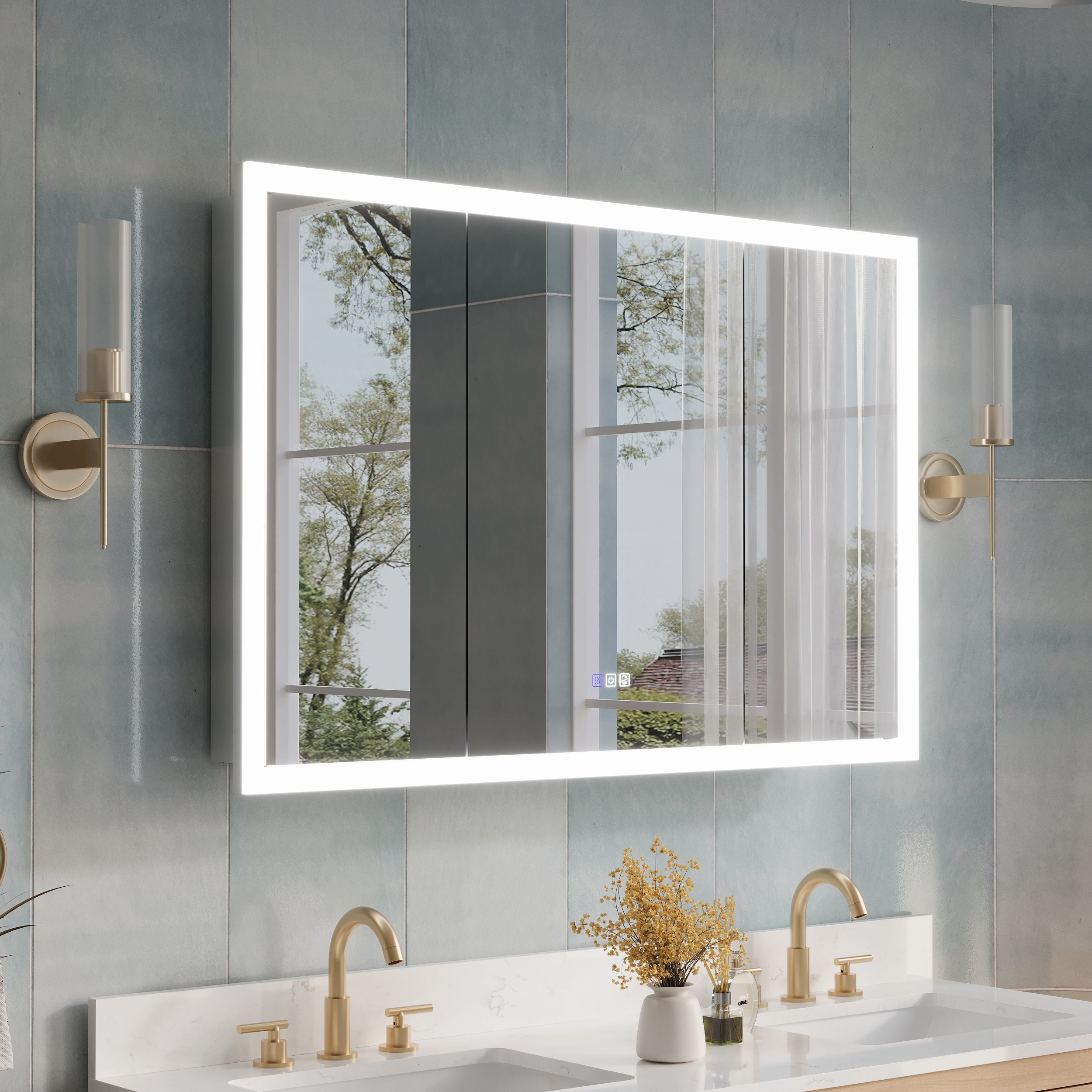
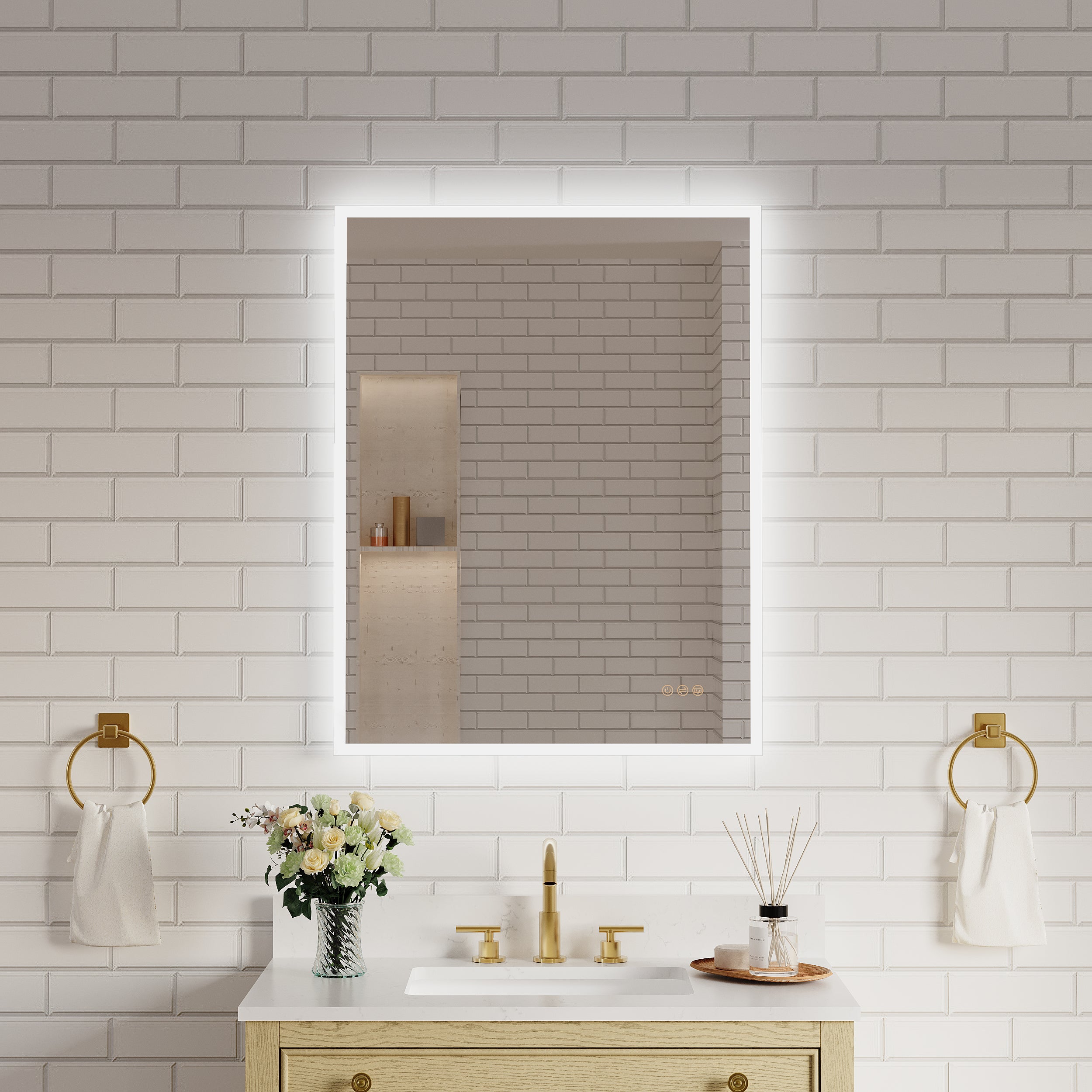
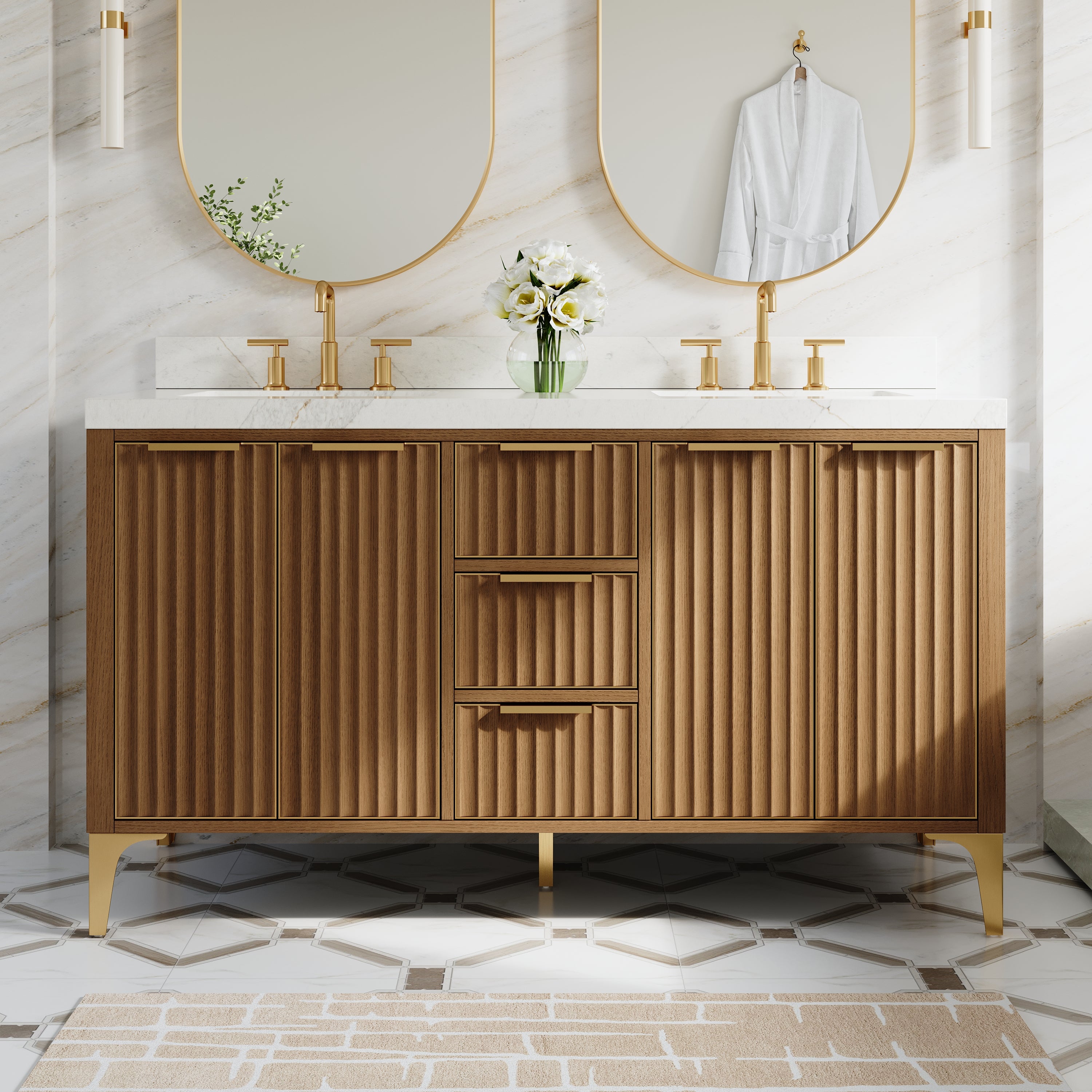
Warmer settings work well in powder rooms, guest baths, and bathrooms where the mirror is part of a softer, more decorative atmosphere. If the space has brass fixtures, warm wood tones, or creamy wall color, a 2700K to 3000K setting can feel very inviting.
It is less ideal for detail-heavy grooming. You may like how it looks at a glance, but accuracy drops a bit when you are doing makeup, tweezing, or checking color-sensitive skincare products.
When cooler light works better
Cooler light, around 4000K, can be helpful in task-focused bathrooms. It gives a clearer read on facial detail and tends to work well in contemporary spaces with clean lines and light finishes.
Still, I would be cautious about going too cool unless you know you prefer that look. Bathrooms are used early in the morning and late at night, and overly cool light can start to feel less luxurious over time.
3. The room itself changes the answer
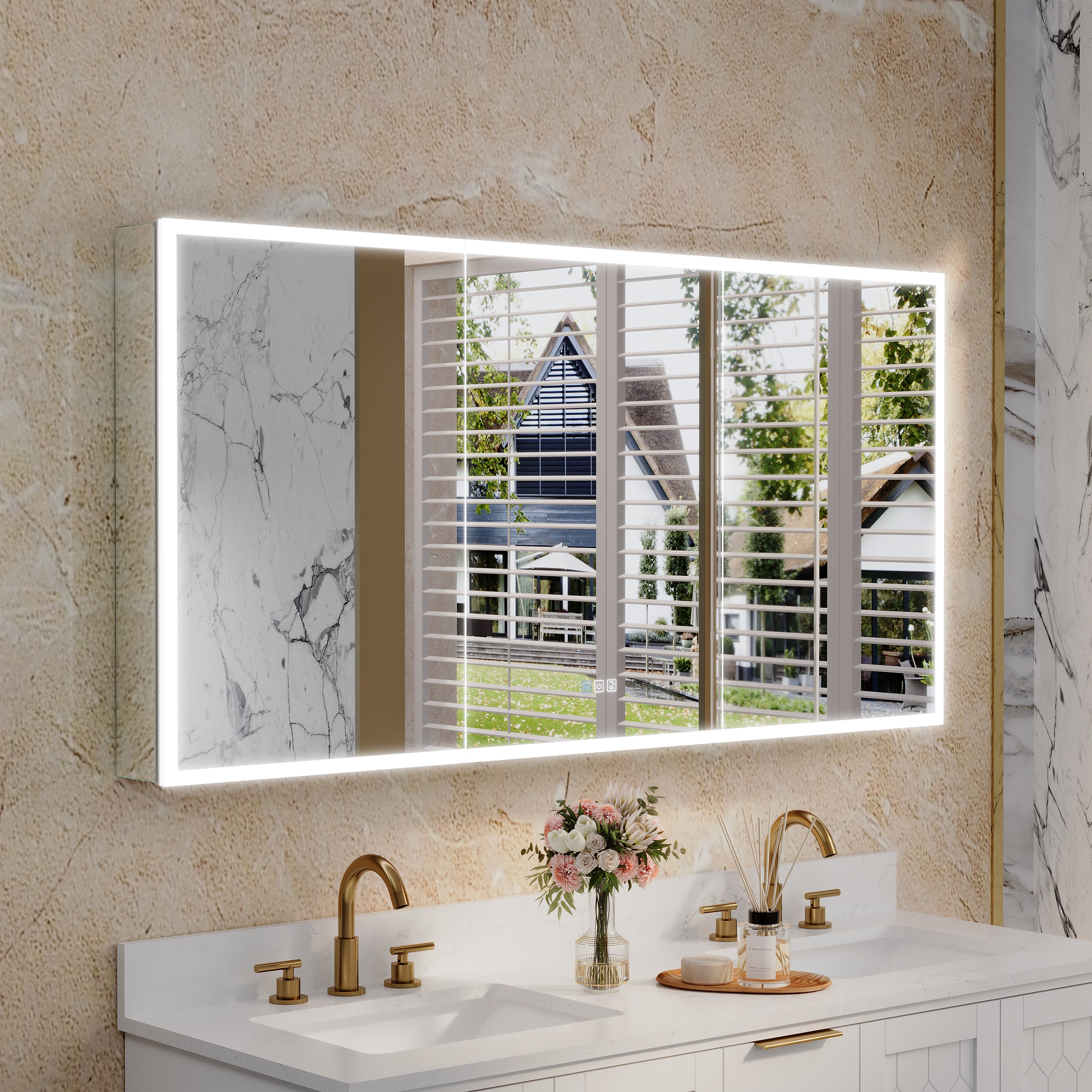
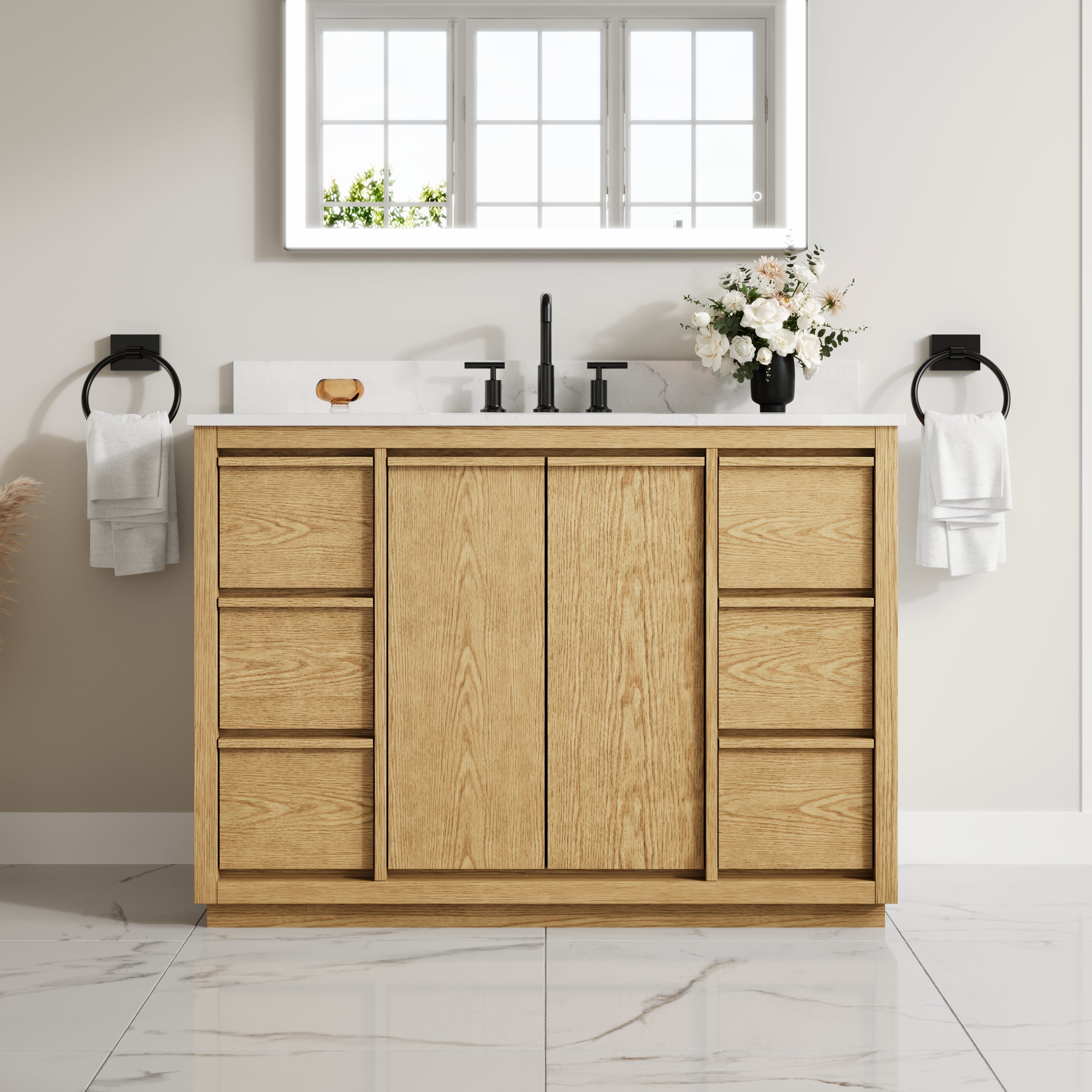
Color temperature never works in isolation. A mirror installed in a bright white bathroom will feel different from the same mirror installed in a room with beige tile, walnut cabinetry, and matte black hardware.
This is something homeowners often miss when shopping online. They judge the mirror by product photos without thinking about what the surrounding materials will do to the light. Warm finishes reflect warmth. Cool tile amplifies coolness. Small bathrooms also feel lighting shifts more quickly because the light bounces off nearby surfaces with nowhere else to go.
Natural daylight plays a part too. In bathrooms with good morning light, a slightly warmer mirror setting can still feel balanced. In windowless bathrooms, that same setting may turn dull or overly yellow by comparison.
That is one reason adjustable color temperature has become more valuable than it first appears. A mirror that lets you shift between warmer and cooler modes gives you flexibility the fixed-color models cannot.
A common misconception about daylight tones
A lot of people assume “daylight” is always the best option because it sounds most natural. In practice, many daylight-style settings lean too cool for residential bathrooms. They can be useful for precision, but they are not automatically the most pleasant choice for living with the mirror every day.
Industry-wide, I would say homeowners are moving away from the cold showroom look and toward more balanced lighting. That shift makes sense.

4. Real-world buying advice: choose for use, not just appearance
If the bathroom is used mainly for grooming, shaving, contact lenses, and makeup, prioritize a neutral setting or an adjustable mirror that includes roughly 3000K, 3500K, and 4000K options. That gives the room more flexibility across morning, evening, and shared use.
If the bathroom is mostly decorative, or it is a guest space used lightly, you have more freedom to choose warmth for ambiance. That can be the right call. Not every bathroom needs to feel like a prep station.
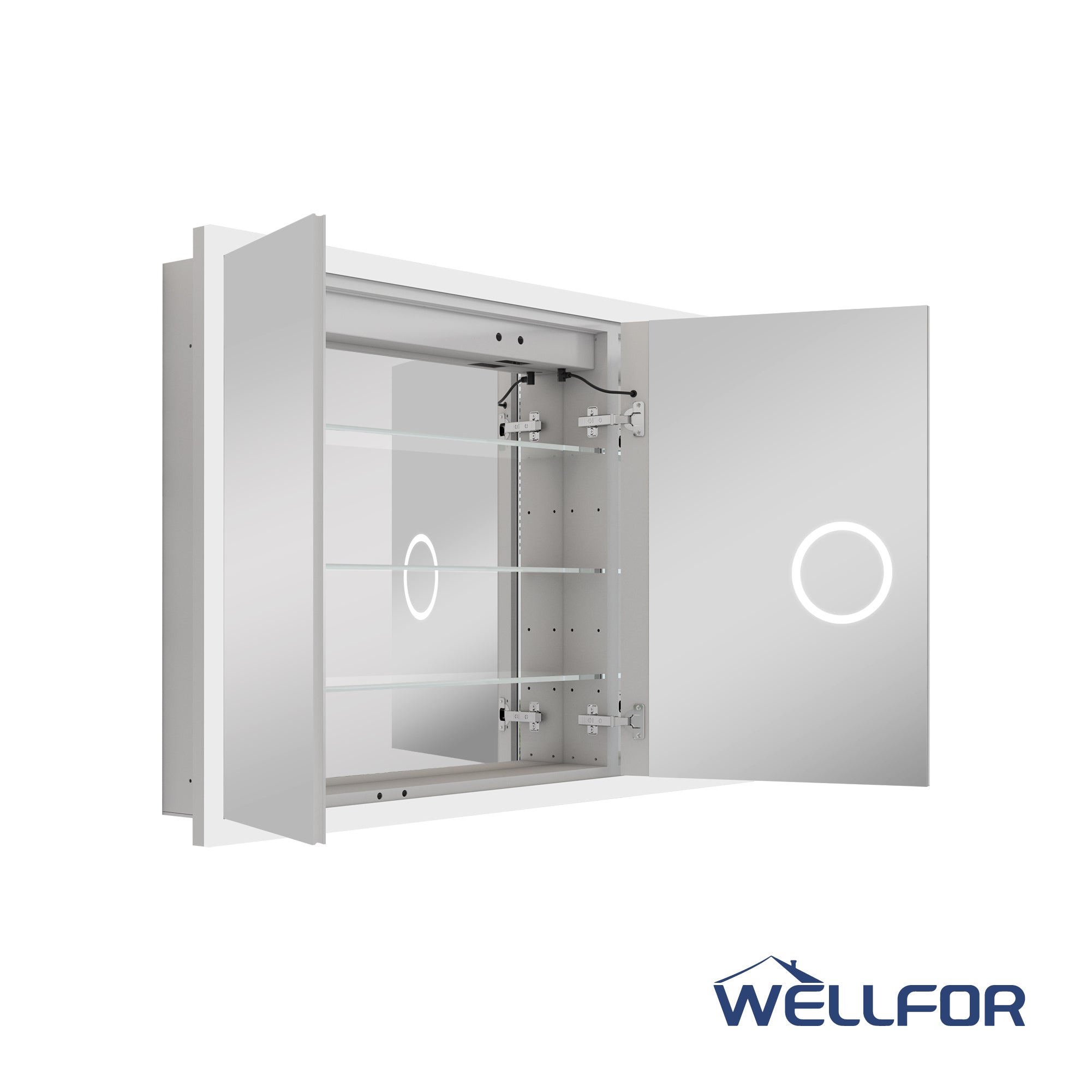
This is also where brand quality matters. A well-designed mirror from a company like Wellfor is not only about the LED strip itself. Diffusion matters. Control placement matters. The consistency of the light across the mirror matters. A poorly diffused mirror can create hot spots and glare even if the color temperature is technically right.
There are limits to these products, and it is better to be honest about them. A mirror with lights can improve task lighting significantly, but it does not always replace good room lighting. If the rest of the bathroom is dim, the mirror may help your reflection while leaving the rest of the space underlit.
Installation and maintenance tips before you commit
Install the mirror at a height that lets the light hit the face evenly, not too high and not compressed into the backsplash area. Pair it with ambient ceiling lighting if the bathroom is large or dark. If you are choosing a fixed color temperature, test nearby lighting samples first instead of guessing from a product page.
For maintenance, keep the edges dry, clean the glass with a soft cloth rather than spraying harsh chemicals directly at the perimeter, and check touch controls or dimming functions now and then. Good LED mirrors are low-maintenance, but they still benefit from basic care.
If you want the safest recommendation, choose a mirror with lights in the neutral white range, ideally around 3500K, or pick an adjustable model so the bathroom can shift with the time of day and the task at hand. That gives you a reflection that feels accurate, comfortable, and easy to live with, which is exactly what a mirror with lights should do.
















Leave a comment
This site is protected by hCaptcha and the hCaptcha Privacy Policy and Terms of Service apply.